Tag: asia

  • Panasonic Opens Four Showrooms in Southeast Asia

    Panasonic Opens Four Showrooms in Southeast Asia

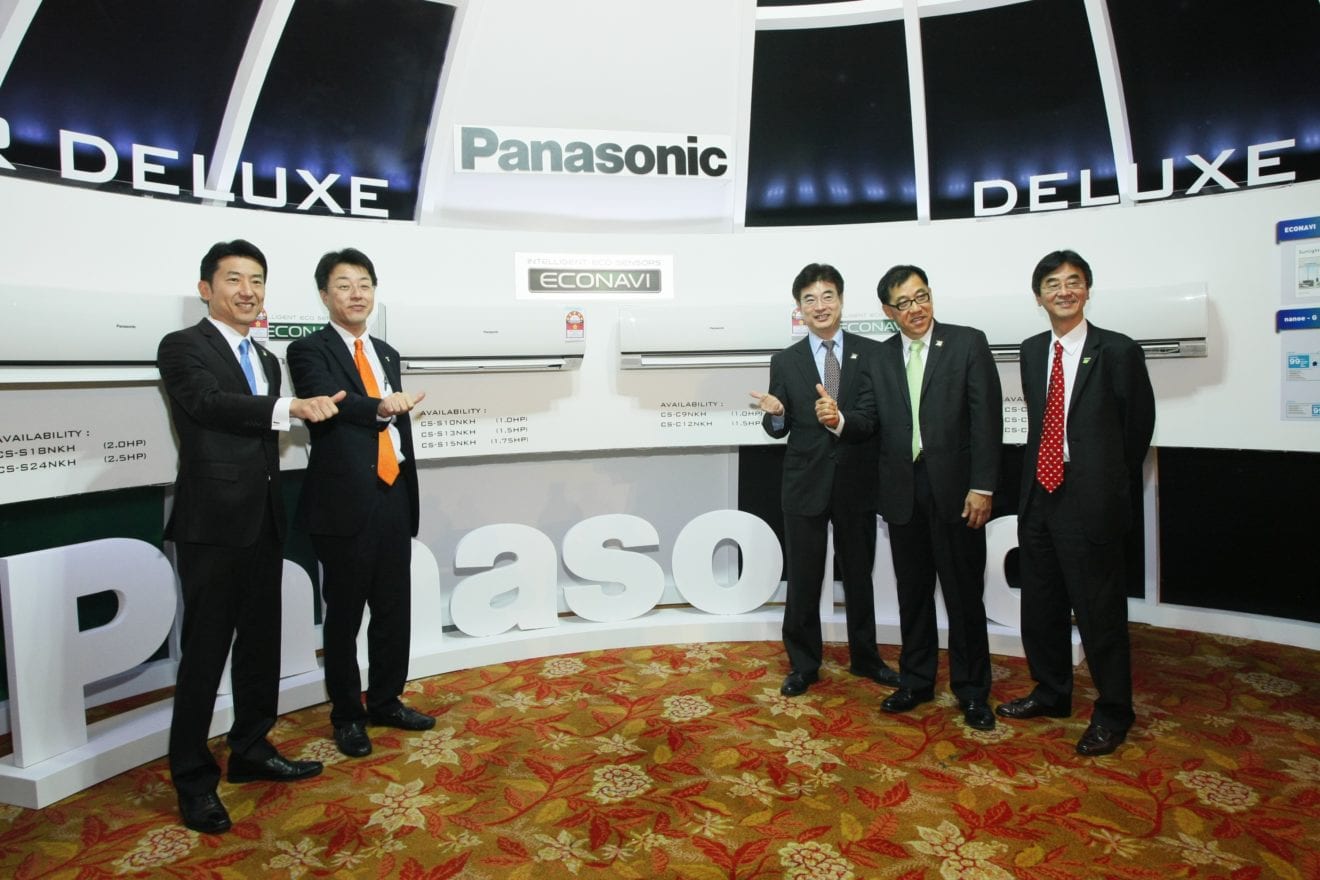
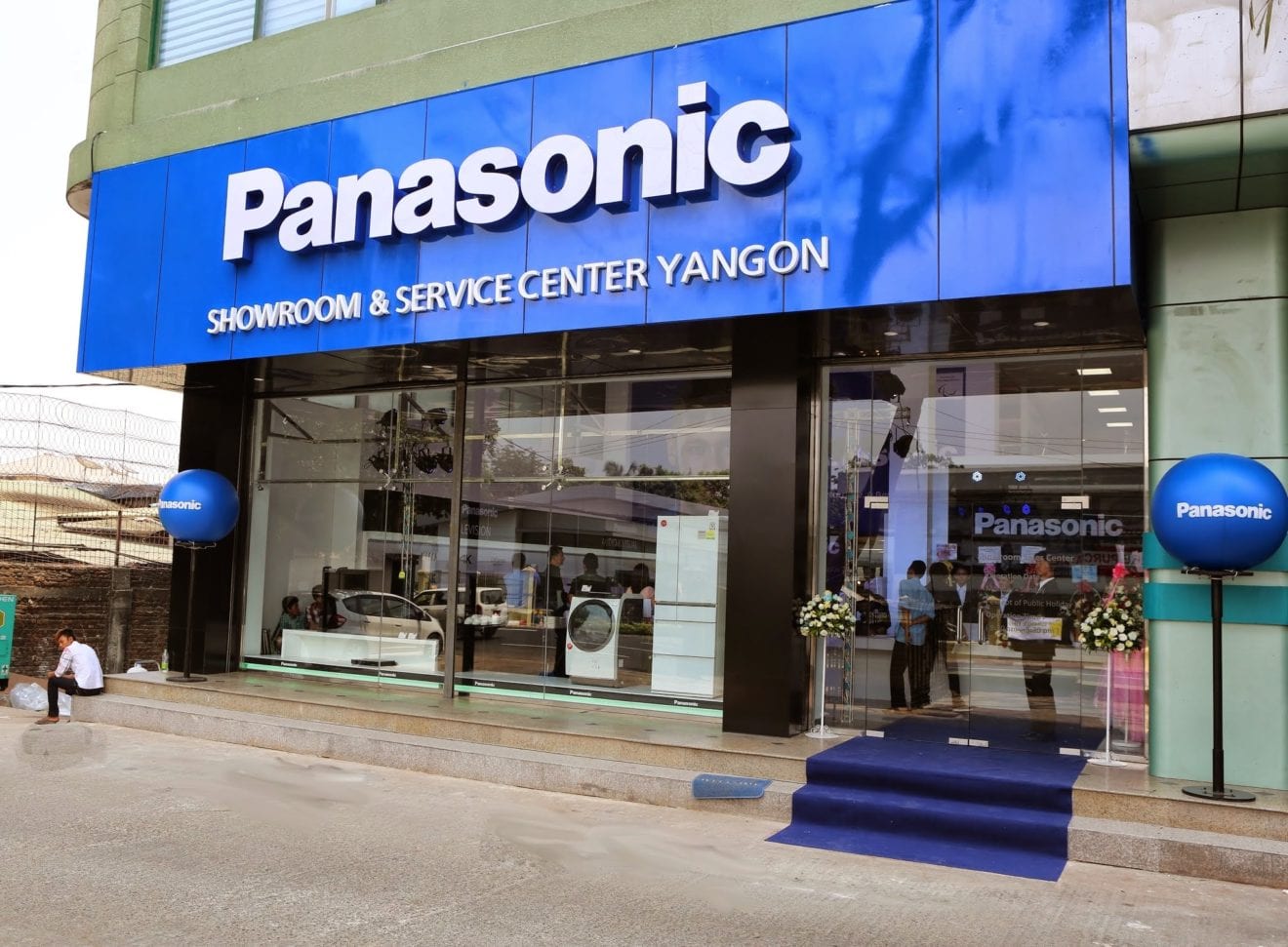
    Towards improving market visualisation, Panasonic Asia Pacific and its group companies (Panasonic) opened four showrooms in Myanmar, Indonesia and Cambodia in the first half of 2015. The three showrooms in Yangon and Mandalay, Myanmar; and Phnom Penh, Cambodia; which showcase the company’s full array of Business-to-Consumer (B2C) products and Business-to-Business (B2B) solutions, are integrated with service centres. Panasonic Business Showroom in Jakarta, Indonesia, is a dedicated B2B showroom targeted at government and business partners.

    Panasonic_Showroom-Service_Centre_Yangon_Myanmar

    As fast-growing countries with sizeable young populations and untapped opportunities, Myanmar; Indonesia; and Cambodia are key markets for Panasonic in the Asia Pacific region. Panasonic aims to create a better life and a better world by enhancing quality of living through innovative electronics that cater to different lifestyle needs. These include home and cooking appliances, beauty and grooming products, televisions, audio-visual products and cameras.

    The company also strives to boost local business development and support growing infrastructure by marrying technology and products into comprehensive solutions tailored to meet unique market requirements in both residential and commercial sectors such as retail shops, convenience stores, hotels, offices and educational institutions.

    The one-stop showrooms offer customers and corporates the opportunity to experience the products and solutions first-hand, enhancing the brand’s touch points with its stakeholders. Staying true to its philosophy of contribution to society, Panasonic will continue to contribute to the development and prosperity of the markets it operates in, be it through technologies, products, solutions and corporate citizenship activities.

    Myanmar

    Panasonic Showroom & Service Center Yangon

    Address: G-15, Tower D, Pearl Condominium,
    Kabar Aye Pagoda Road, Bahan Township, Yangon
    Opening hours: Monday to Saturday: 9:00 – 17:30 (Showroom & Service Center)
    Sunday (except public holidays): 9:00 – 17:30 (Showroom only)
    Tel: +95 – 1 – 860 – 4657

    Panasonic Showroom & Service Center Mandalay

    Address: No.647, Corner of 36th & 78th street, Mahar Aung Myae Township,
    Haymamarlar North Quarter, Mandalay
    Opening hours: Monday to Saturday: 9:00 – 17:30 (Showroom & Service Center)
    Sunday (except public holidays): 9:00 – 17:30 (Showroom only)
    Tel: +95 – 2 – 60488

    Indonesia

    Panasonic Business Showroom Jakarta

    Address: JL. Dewi Sartika No. 14, Cawang, Jakarta, 13630, Indonesia
    Opening hours: Monday to Friday: 9:00 – 17:00

    Tel:

    +62 21 801 5710

    Cambodia

    Panasonic Showroom Phnom Penh

    Address: No.25, iOne Building, Mao Tse Tung Blvd, Sangkat Boeung Keng Kang I,
    Khan Chamkar Morn, Phnom Penh, Kingdom of Cambodia
    Opening hours: Monday to Sunday (except public holiday): 10:00 – 19:00
    Tel: +855 23 213 857
  • Starbucks Asia ’s prime ‘restaurant’ model

    Starbucks Asia ’s prime ‘restaurant’ model

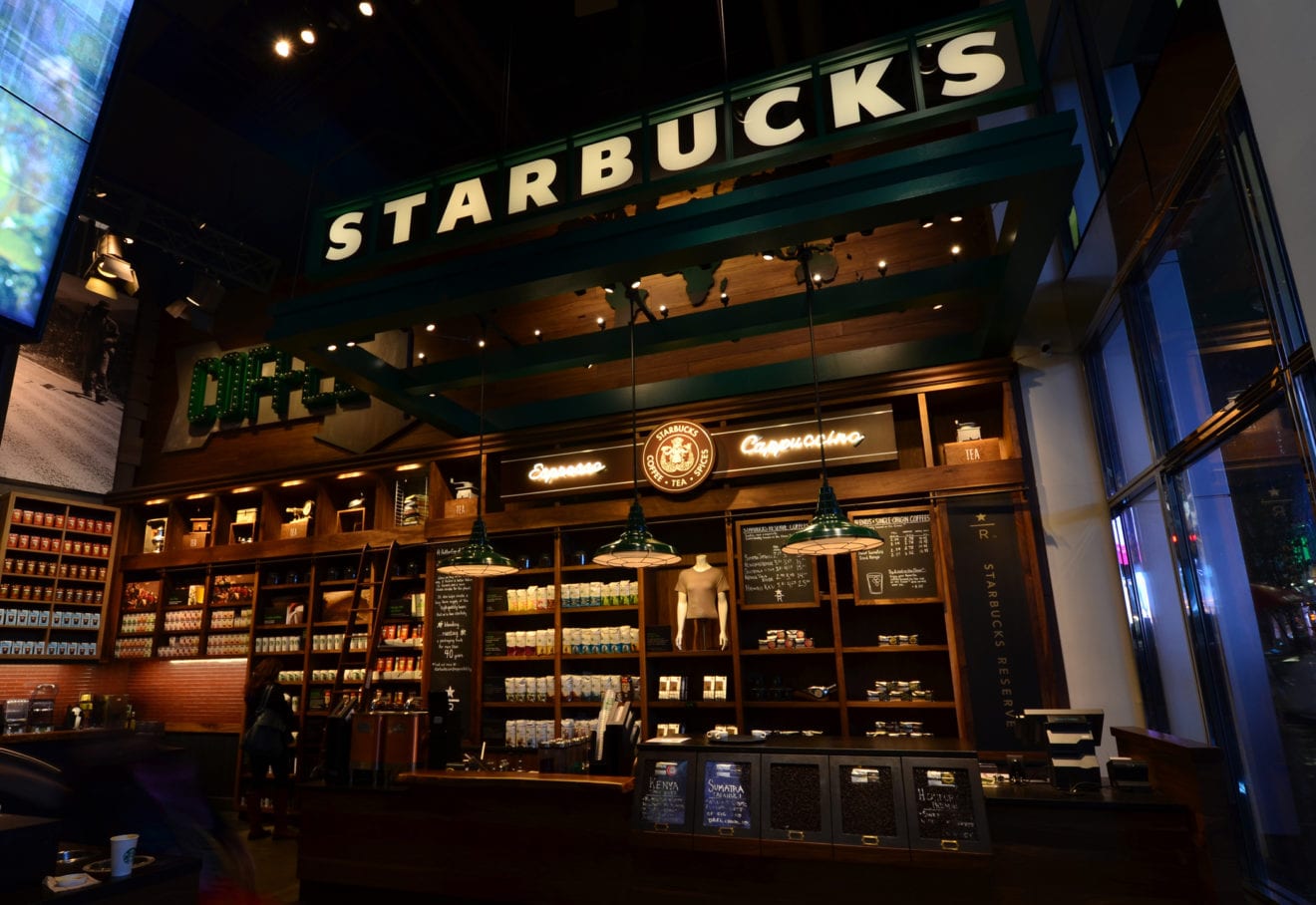
    Starbucks Asia has been ranked Asia’s 15th prime model – the very best rating of any quick meals retailer or restaurant.

    The highest 5 corporations on the record in Asia are Samsung, Sony, Nestle, Apple and Panasonic.

    Marketing campaign Asia-Pacific’s annual research of Asia’s Prime 1000 Manufacturers is predicated on a web-based survey developed by Marketing campaign Asia-Pacific and the Nielsen analysis firm. The survey requested clients to listing manufacturers by business sector they most trusted and felt had the perfect status. 4 hundred respondents have been polled in every market, apart from India and China, the place 800 and 1200 individuals have been polled respectively.

    Along with an general rating of probably the most favored manufacturers, the survey drills right down to the market degree with 13 country-specific rankings. Starbucks is the quantity 10 model in China, 12th in Hong Kong and Thailand, and 17th in Japan and Korea.

    “This necessary recognition is a mirrored image of our companions’ (staff) enthusiasm and keenness for delivering the Starbucks Expertise to clients throughout Asia,” stated John Culver, group president, Starbucks China and Asia Pacific, channel improvement and rising manufacturers.

    “We’re extraordinarily humbled by how our clients have embraced the Starbucks model, our top quality Arabica espresso and the genuine moments of connections we share.”

    Starbucks Asia expects that greater than half of its new retailer progress globally over the subsequent 5 years will come from the China Asia Pacific area, led by Japan and China. In 1996, Japan turned Starbucks first operational market outdoors of North America; Shanghai has extra Starbucks shops than some other metropolis on the earth.

  • Central Group reveals German deal

    Central Group reveals German deal

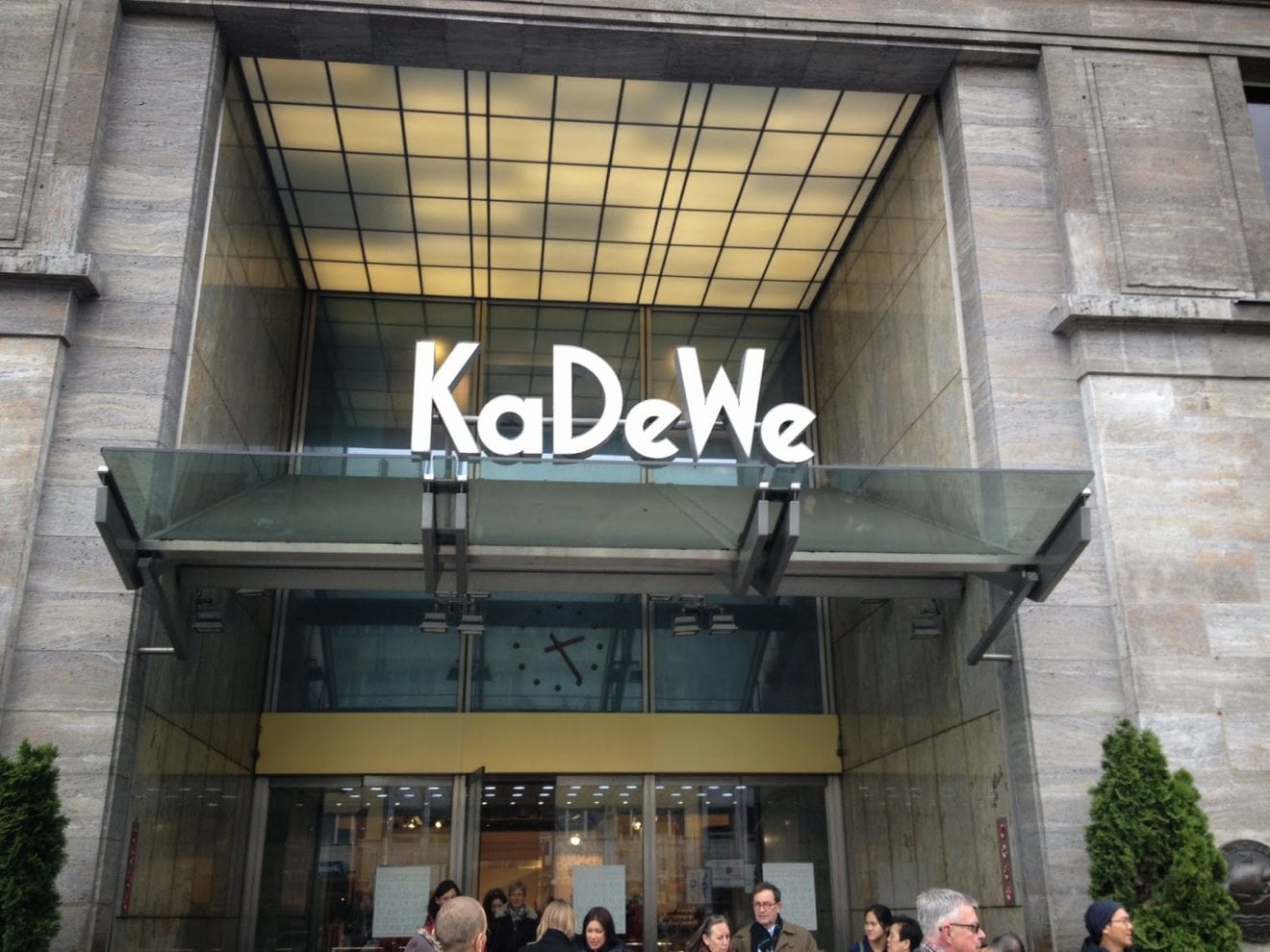
    Central Group, the Thai retail conglomerate, will purchase a majority stake in three German department shops – together with the nation’s largest, the historic KaDeWe in downtown Berlin.

    For a number of months, Central has been reporting it was in negotiations to buy a division retailer in Germany however didn’t reveal any additional particulars of the manufacturers.

    Now Central has confirmed it’s going to purchase a majority 50.1 per cent stake in The KaDeWe Group, which additionally owns the Oberpollinger and Alsterhaus shops in Munich and Hamburg. The present proprietor Signa, will retain the stability of the shareholding.

    The worth of the deal was not revealed however Central Group had earlier indicated it had a finances of US$300 million for acquisitions this yr.

    Central, which operates malls and branded retail networks in Thailand, already owns the La Rinascente Division Retailer community in Italy and the Danish division retailer Illum, and is increasing its Southeast Asian division retailer community in Vietnam, Indonesia and Malaysia.

    All three of the newly acquired shops have greater than 100 years of buying and selling historical past and are thought-about luxurious malls with a excessive normal of service, visible merchandising and product high quality.

    KaDeWe is Germany’s largest single division retailer within the coronary heart of the previous West Berlin retail precinct, with greater than 60,000 sqm of buying and selling area. It opened in 1907.

    The Oberpollinger in Munich opened in 1905 and the Alsterhaus is the oldest of the three, courting again to 1897.

    Final week, Central stated it deliberate to assemble a La Rinascente retailer in Turin, which might be that chain’s 13th when it opens in two years time.

  • Smartfren Telecom Launches Andromax Q Smartphone in Indonesia

    Smartfren Telecom Launches Andromax Q Smartphone in Indonesia

    Cyanogen wants to challenge the dominion Google has in the mobile market by taking Android from under its wing bit by bit. And one way for Cyanogen to ensure this happens is to put its custom ROMs on more and more phones.

    The startup already partnered up with several device makers like Micromax Yu, OnePlus or BLU, but today we bring you word of a new handset running the platform.

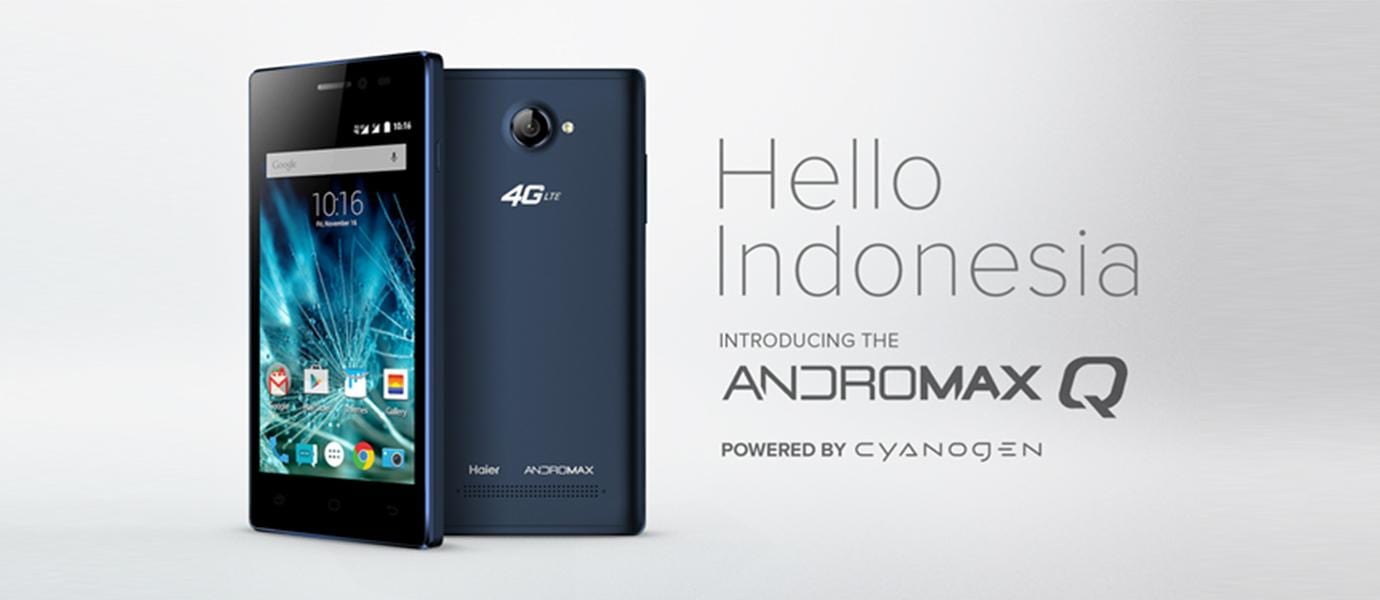
    This time, Cyanogen is doing business with Indonesian telecom operator Smartfren Telecom, and together they have launched the Cyanogen OS 12-powered Adromax Q.

    The phone has actually been manufactured by China’s Qingdao Haier Telecom and will become shortly available on the market in Indonesia.

    The Andromax Q brings basic specs

    The phone is apparently part of the new Adromax family of 4G LTE smartphones and will be sold for a super affordable price tag of $97 / €86.

    Naturally, for this amount of money, you shouldn’t be expecting anything too spectacular in terms of specifications. The Andromax Q is an entry-level flagship that arrives into the wild with a 4.5-inch FWVGA (854 x 480 pixel resolution) display and a Snapdragon 410 SoC clocked at 1.2GHz under the hood.

    Smartfren Telecom also throws in 1GB of RAM, 8GB of internal storage (expandable via microSD card slot), dual-SIM support and 4G LTE. The handset relies on a 2,000 mAh battery to maintain the juices flowing.

    Last but not least, the phone also offers the services of a 5MP primary camera with LED flash and a 2MP secondary shooter.

    If you didn’t know until now, Smartfren Telecom happens to be an investor in Cyanogen Inc, and this partnership birthed the Andromax Q model. And as a Smartfren executive confirms, this means we should be expecting to see more Cyanogen OS smartphones launch in the near future, under the carrier’s banner.

    Customers looking to purchase a Cyanogen OS smartphone in Indonesia also have the option of picking up the OnePlus One handset.

  • Hiya Kitty shops destined for US

    Hiya Kitty shops destined for US

    The Good day Kitty experiential retail expertise is heading for America.

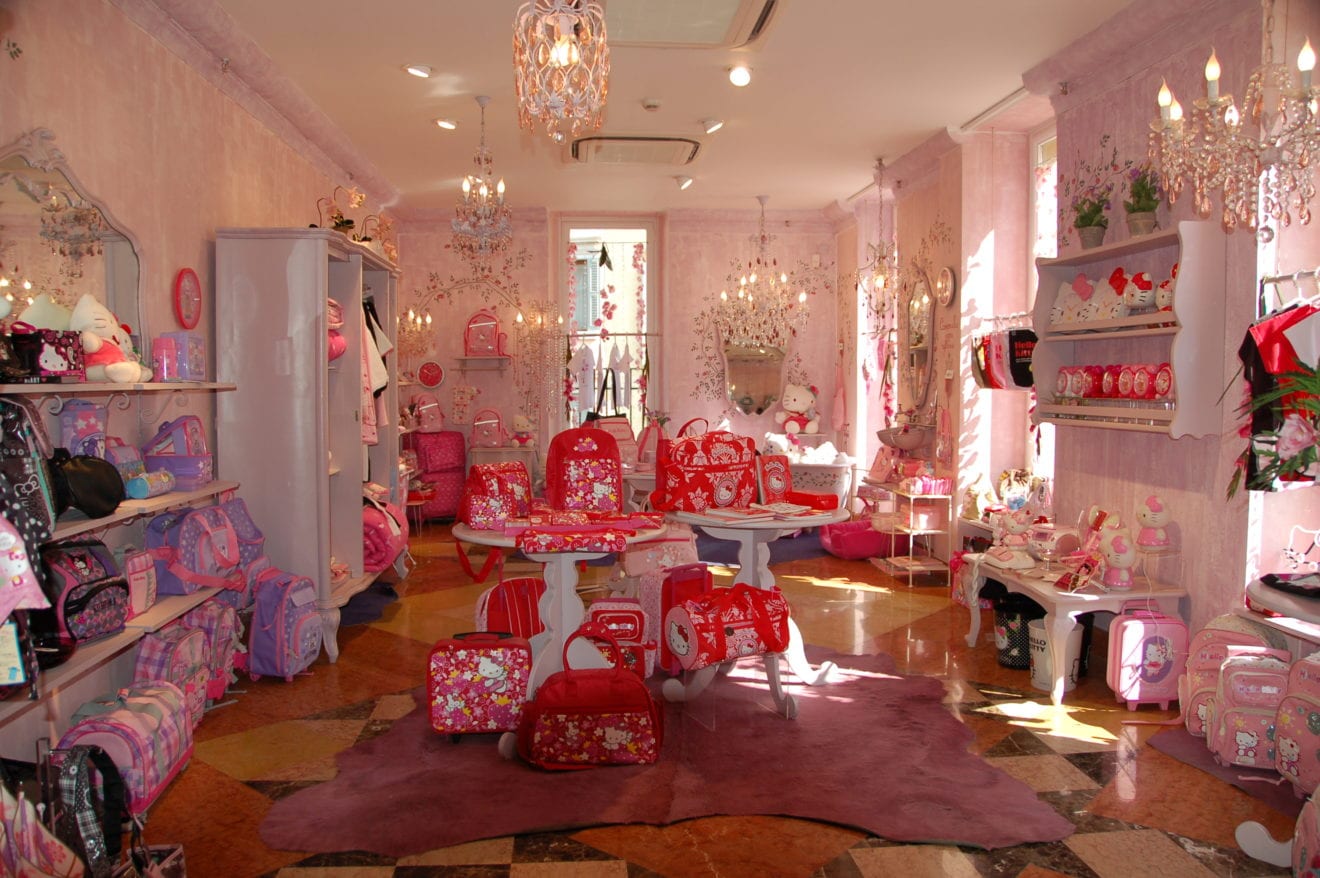
    Sanrio, the Japanese international way of life model which owns the favored, mouthless pop icon Whats up Kitty, has partnered with  Common Parks & Resorts to develop Hey Kitty interactive retail shops at Common Orlando Resort and at Common Studios Hollywood.

    The outlets will mark Whats up Kitty’s official retail debut at theme parks in North America and supply specialty merchandise together with stationery, residence items, attire, equipment and collectibles.

    The Orlando retailer will open later this yr, whereas the Hollywood retailer opening date has but to be confirmed.

    Nearly all of merchandise shall be dedicated to Hiya Kitty; Sanrio properties Chococat, My Melody, Badtz-Maru, Purin and Keroppi will even have a presence. Good day Kitty confectionery and specialty co-branded Hiya Kitty Common park-exclusive merchandise may even be obtainable.

    Sanrio has confirmed the Howdy Kitty shops at Common Studios will supply enhanced interactive retail experiences. Clients can store for customized merchandise, take pleasure in photograph alternatives with Sanrio properties, create memento variations of Good day Kitty’s signature bow, and even meet Hey Kitty herself.

    “Our partnership with Common brings Sanrio’s experiential leisure presence to a brand new degree,” stated Janet Hsu, president and COO of Sanrio, Inc.

    “We look ahead to this introduction into Common theme parks to supply new connection factors to Sanrio followers of all ages.”

    Sanrio’s partnership with Common Parks & Resorts highlights the model’s continued enlargement into way of life leisure. Current tasks embrace the efficiently unprecedented ‘Hey Kitty Con’ fan conference and ‘Howdy! Exploring the Supercute World of Hey Kitty’, a record-breaking museum exhibition on the Japanese American Nationwide Museum in Los Angeles.

    Hey Kitty’s Supercute Friendship Pageant, a reside leisure present and interactive fan pageant that has reinvented the idea of a reside character present, is at present touring choose cities within the US and Canada. Sanrio’s distinctive strategy to way of life leisure has confirmed an efficient means of connecting with their legions of followers of all ages throughout the nation.

    Hiya Kitty lately celebrated her 40th anniversary. Her picture adorns greater than 50,000 merchandise in additional than 130 nations – and upwards of 15,000 US retail places alone, together with 80 Sanrio boutiques.

  • How China And India Are Taking On Amazon

    How China And India Are Taking On Amazon

    China is no longer the Happy Meal toy making economy it used to be. It has a much bigger vision. And part of that vision includes taking what it’s learned from Western entrepreneurs and beating them at their own game. Few companies represent this better than Alibaba, which is teaming up with Indian start-ups to take on Amazon and the more established domestic e-commerce player Flipkart.

    Together, China and India tech will absolutely be a force to be reckoned with in the West.

    It all starts with Alibaba’s investment firm, Ant Financial, pumping $500 million for a 25% stake into five year old Indian e-commerce company Paytm. Paytm stands for Pay-through-Mobile. It’s run by Vijay Shekhar Sharma, the man who founded Paytm back in 2010. He and Alibaba’s founder Jack Ma, one of China’s richest men, met earlier last year and had a dream: take China’s e-commerce know-how and the Alibaba brand and go after rivals in India’s $20 billion online retail market.  That market is important to all e-commerce firms. India’s online retail business is likely to grow 15-fold to $300 billion by 2030, according to Goldman Sachs.

    The two entrepreneurs are not only symbolic of how India and China now have aligned economic interests, but also a sign of things to come. Asian entrepreneurs, led by the Chinese, are going to disrupt the status quo of many Western powers who were first to arrive on the scene. The new kids on the block are smart, ambitious, and numerous. Very, very numerous.

    Since February, executives from Paytm and Alibaba have been travelling between Hangzhou, China and Noida, India where Paytm is based. They’ve been busy developing synergies and strategies to take on Amazon and industry leader Flipkart. “It’s as if Jack Ma is conducting an executive MBA for Paytm executives,” says Vijay Shekhar Sharma, founder, One97 Communications which runs Paytm. “Ma tells us we should build a company that is worth a Nobel Prize,” he told The Economic Times on Tuesday.

    Alibaba is also sharing know-how on the challenges of “product discovery” on smartphones and the ability to handle complexity that scale brings. The ET likened relationship between Alibaba and Paytm to a military alliance, both preparing to take large chunks of market share in a rapidly changing industry where future disruptors are getting millions thrown at them in far away places — namely Silicon Valley.

    Paytm may be young and a somewhat late entrant to the e-commerce market in India, but industry insiders told the ET that Sharma is the real deal. ”Paytm is a dominant wallet in the country. It has the power to disrupt,” adds Rajesh Sawhney, founder, GSF Accelerator. “I can see Paytm becoming the biggest app in the world with about half-a-billion users.”

    Everyone already knows that Alibaba is no joke. It is Amazon’s biggest rival and Jeff Bezos, Amazon’s billionaire CEO knows it. He’s seen what Alibaba can do to other e-commerce players.

    In 2002, eBay had seven years of success under its belt in the U.S. and was now setting up shop in China. It was heady days of the commodity boom. China was growing by double digits. Chinese consumers were buying Prada shoes and smart phones, Buicks and apartment buildings. E-Bay looked unstoppable. It launched in China in 2003. By 2005, FORBES estimated that eBay had 50% of China’s puny $1 billion e-commerce market. ” A bunch of small competitors are nipping at our heels,”  said eBay CEO Meg Whitman at the time. Alibaba was one of them. It was being run by Ma in an apartment building. He was focused on business-to-business and launched the eBay rival Taobao to go after consumers. Here’s what’s happened since…

    Since the launching of Taobao, China’s e-commerce market has evolved into a vast ocean, writes the authors of the new book “No Ordinary Disruption: The Four Global Forces Breaking All Trends.”  They call Alibaba the great white shark at the top of the food chain. In 2006 , Taobao overtook eBay’s consumer-to-consumer market share and has doubled in size since. Buying a 25% stake in Paytm is par for the course, and a sign of what that shark will take a bite out of next. By the end of 2014, ALibaba’s market cap was $270 billion, four times that of eBay’s.

    India is becoming more important to Chinese entrepreneurs. There will be more such allegiances.

    As it is, Alibaba gets less than 16% of its revenue from outside China, while Amazon gets about 40% from outside North America. Both are trying to capture global market share and India is the easiest big market to stake a claim in. That’s because there is not one dominant player in the country yet. While Flipkart is the market leader, it still faces stiff competition from Amazon, eBay, Snapdeal and Paytm.

    Paytm has 50 million people using its digital wallet product. And it has Sharma running things. “I am a fan Vijay,” says Google’s managing director in India, Rajan Anandan. “He is an incredible entrepreneur with deep understanding of users, markets. He is persistent and has a lot of agility. He is trying to build a company like Alibaba.”

    Of course, Sharma won’t be the only Indian entrepreneur to set its sights on traditional rivals. Even though the next big product breakthrough will probably be made in California, India and China have an advantage. Although that advantage depends greatly on their home countries keeping the lid on any brain drain loss to the U.S., it is clear that the U.S. does not have the global skill set at home to do what it wants as easily as it would like, say the McKinsey Global Institute authors behind ”No Ordinary Disruption.” About 30% of U.S. companies say they haven’t exploited international opportunities because they don’t have enough people with the tech skills, let alone the international competencies.

    According to the National Science Foundation, using data from 2012, graduation rates in science in technology were three times higher in China than they are in the U.S., though it is worth noting that those numbers are arguably Chinese private schools in the tier one cities. If anyone is to truly believe that bulk of Chinese humanity living on a mere $10,000 a year is going to the equivalent of a U.S. public school in the midwest is probably an inaccuracy. Moreover, many wealthy Chinese and Indians are moving to Canada and the U.S. to study and work at start up and established tech firms.  Still, many of these elites will return to China and India simply because this is where the growth is. And there is no place like home…

    Indian companies have long surpassed the scale of their developed world counterparts. Indian telecom giant Bahrti Airtel has over 270 million wireless customers worldwide. AT&T, which has been at this business much longer and has better tech has under 120 million wireless customers globally, according to both companies annual reports. The Tata Group, the parent of the Tata companies from automotive to IT has over 580,000 employees worldwide. It is now one of the largest private sector employers in the U.K., employing over 50,000. Tata Consultancy Services has basically defeated IBM’s consultancy services and its biggest rivals now are mostly all Indian.

    China money, Indian start-ups, and a growing tech savvy consumer base in Asia is now a breeding ground for new entrepreneurs, and new brands, that will go head to head with the big boys. Who knows, a Chinese or Indian brand could one day take one of the existing players out of the market through acquisition, or other untimely exit.

  • Sands Retail rewarded for a transformed luxury experience

    Sands Retail rewarded for a transformed luxury experience

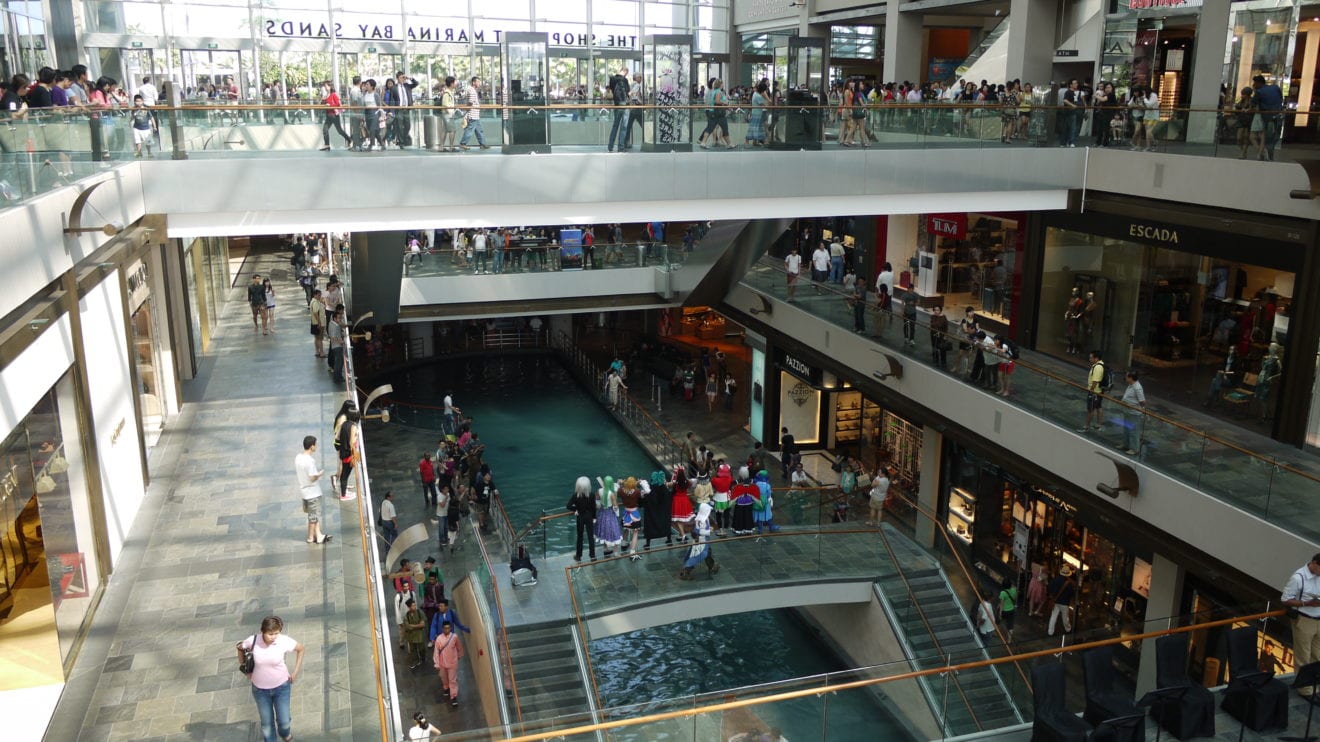
    Sands Retail, the leading operator of luxury retail properties around the world, has won the prestigious RLI Shopping Centre Renovation Award 2015 for upgrading The Shoppes at Marina Bay Sands, Singapore’s iconic luxury shopping mall.

    The award forms part of the Global RLI Awards 2015, the retail industry’s premier awards program.
    This year’s award builds on Sands Retail’s achievement in the Global RLI Awards last year, when another Sands Retail property, Shoppes at Four Seasons in Macao, also took the RLI Shopping Centre Renovation Award. As well as properties in Singapore and Macao, Sands Retail’s shopping mall portfolio also spans retail property in the US.

    David Sylvester, Executive Vice President of Global Retail, Las Vegas Sands Corp said: “Despite the current challenging economic conditions, we have delivered an unequalled shopping experience by drawing on our extensive experience and success in the retail sector. RLI’s recognition of The Shoppes at Marina Bay Sands reinforces our position as one of the world’s leading operators of premium luxury shopping malls.”

    Following its 12-month transformation, The Shoppes at Marina Bay Sands has redefined itself as one of the most compelling luxury shopping destinations in Asia. Already home to one of the largest and most spectacular collections of luxury labels in the region, the renovated 800,000 sq. ft. mall has transformed single units into stunning duplexes and even triplexes, driving several ‘first to market’ brands to open there.


  • Tesco to sell off Homeplus

    Tesco to sell off Homeplus

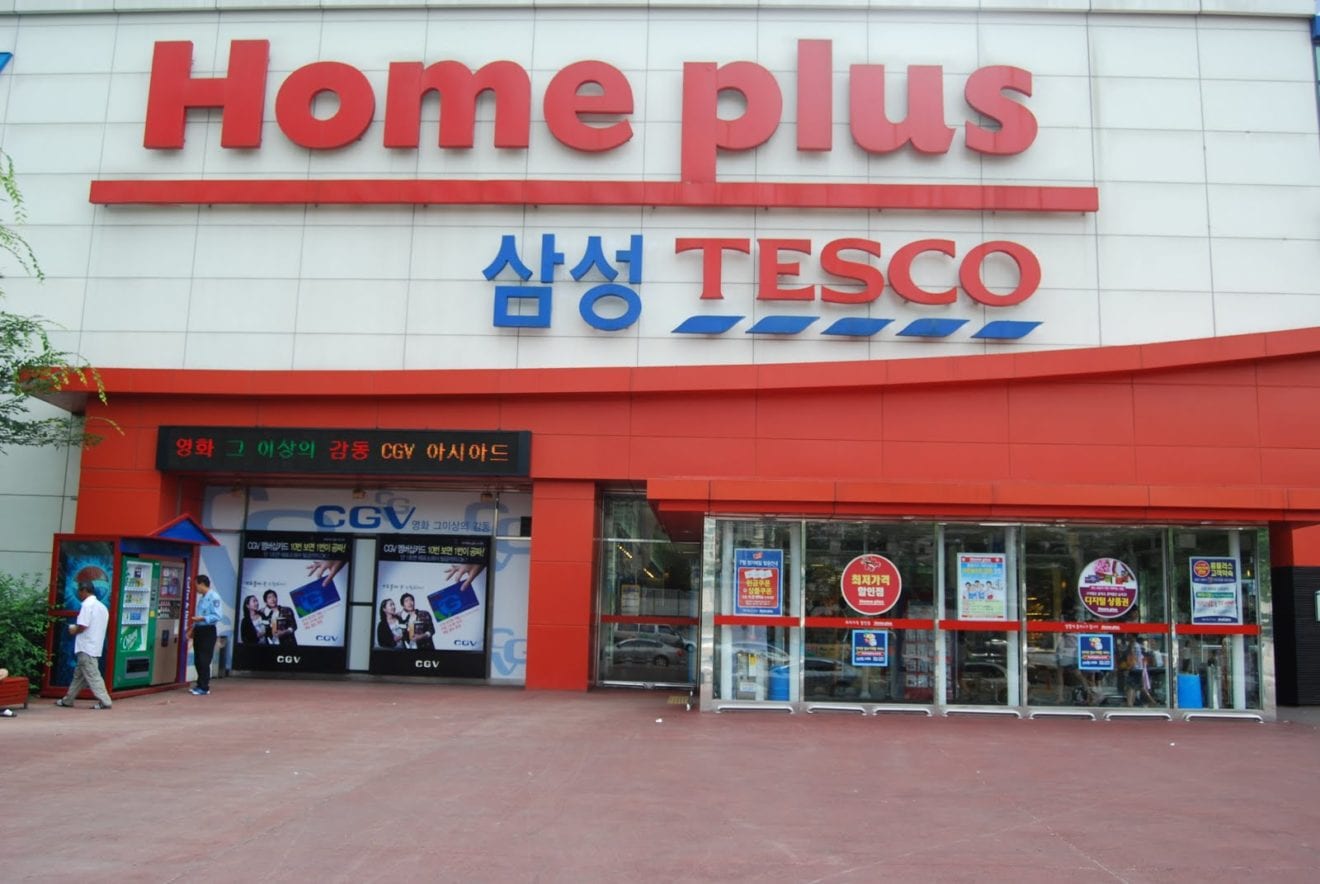
    British retailer Tesco has kicked off a sale process for its South Korean unit, whose market value is estimated at around $5 billion, according to industry sources on Friday.

    The U.K. retail giant sent out a teaser letter to prospective buyers on Thursday and hired HSBC as the sale broker for Homeplus.

    “With this pace, Tesco may be able to begin the preliminary bid in July and wrap up the takeover deal in October,” an official at an investment bank said.

    Tesco owns a 100 percent stake in Homeplus, South Korea’s second-largest supermarket chain, which runs more than 140 stores as well as franchise and convenience stores in the country.

    Industry watchers see global buyout firms Carlyle Group, KKR & Co. and CVC Partners and Korea’s National Agricultural Cooperative Federation, or NongHyup, as potential bidders for the business.

    There seems to be a low possibility that Korean retail players will participate in the bid due to the hefty price tag and regulations on monopoly. The operation of the country’s No. 1 supermarket chain E-Mart and No. 3 Lotte Mart would be restricted by government regulations if they took over Homeplus.

    The sale of the South Korean business comes after Tesco reported the biggest ever loss in British retail history in April and its credit rating was cut to junk status by Moody’s and S&P earlier this year.

    Tesco entered the Korean market in 1999 in a joint venture with Samsung. Homeplus has grown to become its largest business outside the U.K.

  • SK Telecom Wins Most Innovative Telecom Project Award

    SK Telecom Wins Most Innovative Telecom Project Award

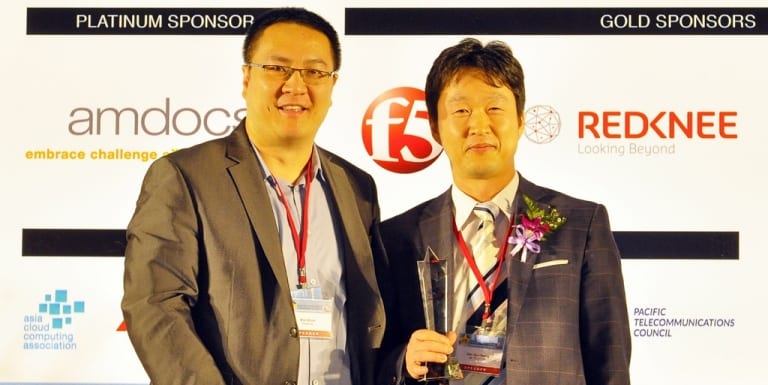
    SK Telecom won the Most Innovative Telecom Project (MITP) award on May 20 from the Telecom Asia Award (TAA) held in Jakarta, Indonesia, the company said.

    SK Telecom could win the Most Innovative Telecom Project award because TAA recognized the company’s continuous efforts for LTE technology development, particularly the commercialization of the “3 band LTE-A,” which provides a speed of 300Mbps maximum, SK Telecom said.

    TTA is held by Telecom Asia, a Hong Kong-based media company specializing in information technology, SK Telecom said. TTA has been awarding Asian companies for providing communication services or technologies, SK Telecom said.

    Park Jin-hyo, head of the network technology institution of SK Telecom, said that the company will continually innovate its network technology, with ambitions of being the world’s representative mobile communication company.

  • Thailand Post ‘s logistics arm aims to be Indochina hub

    Thailand Post ‘s logistics arm aims to be Indochina hub

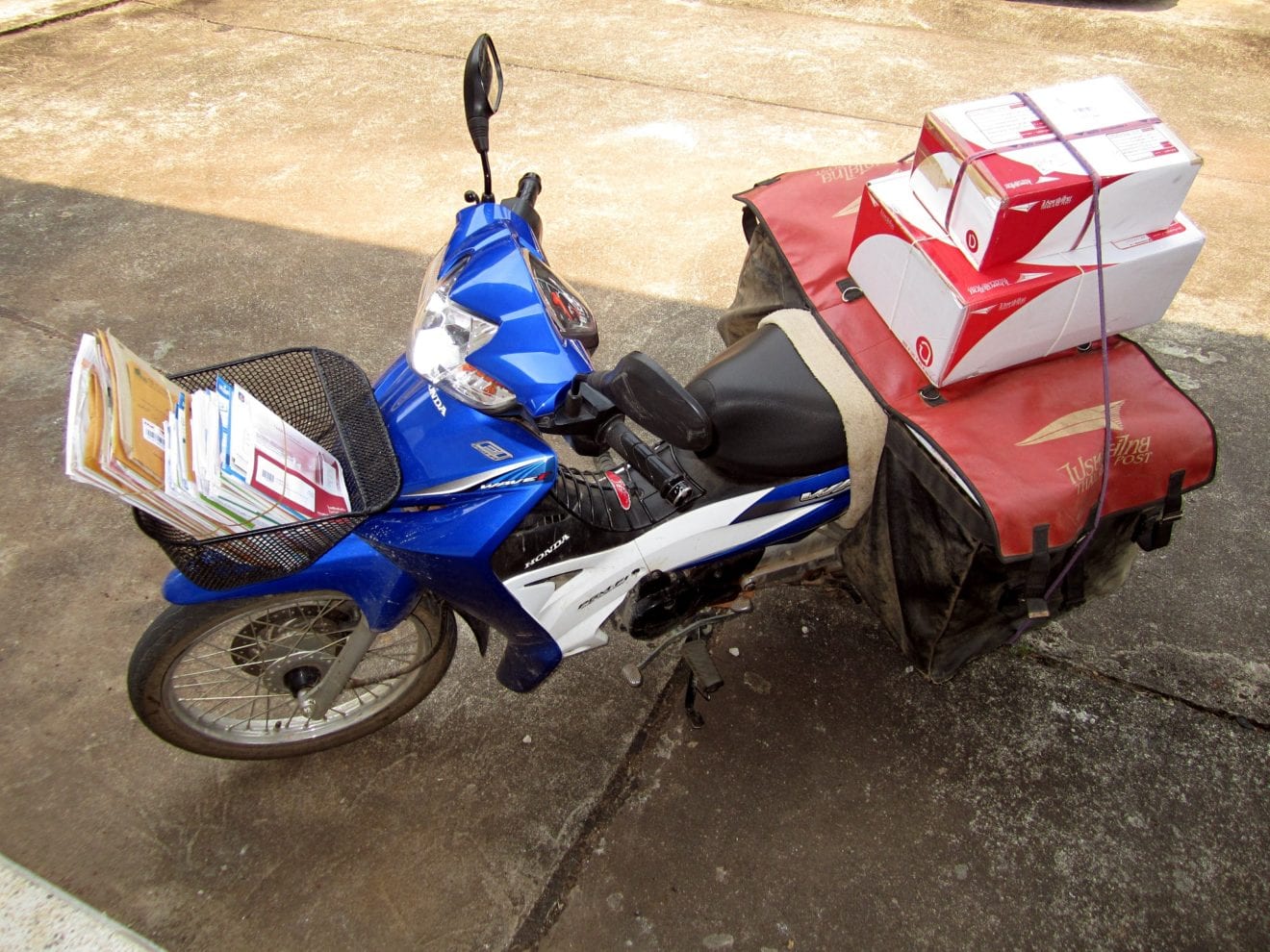
    Warakan Srinualnad, chief executive officer of Thailand Post Distribution, said yesterday that the company aimed for Bt400 million in revenue in 2015 and expected to keep growing at 10 per cent per year. The company will expand to cover the whole Indochina region by 2017.

    The main target customers include providers of medicines and medical supplies, e-commerce and home shopping, banks and financial institutions, multinational companies and border traders.

    “The company already has customers such as the Government Pharmaceutical Organisation, the National Security Health Office and a home shopping company. As of now, most of our customers are government organisations. Our services are available for business-to-business, government-to-government, and business-to-government,” Warakan said.

    Thailand Post Distribution, a wholly owned subsidiary of Thailand Post, was established last year with registered capital of Bt350 million. It offers total logistical solutions including packing, warehousing, delivery and payment services for both private companies and government organisations.

    Warakan said the company was combining the strengths of Thailand Post with those of strategic partners in both fleet management and warehouses.

    Currently, the company has about eight fleet-management partners, with combined transport fleets of 500. Its warehouse partners include WHA Corporation, while its parent company, Thailand Post, and technology partners provide warehouse and transport management systems.

    Thailand Post Distribution has established its 20,000-square-metre warehouse network under Good Storage Practice standards, setting aside around 11,000sqm for temperature-controlled areas for storage of such products as pharmaceuticals, cosmetics and cosmeceuticals.

    The company also uses 10 of Thailand Post’s 16 warehouses and distribution centres located throughout the country. Its transport and distribution services adhere to Good Distribution Practice standards.

    “The services of Thailand Post and Thailand Post Distribution are complementary to each other. We act as strategic partners to use each other’s infrastructure and resources. For example, we can use Thailand Post’s 5,000 outlets [post offices, postal centres, and regional postal centres] to fulfil our services,” Warakan said.

    The logistics market in Thailand accounts for around 15-17 per cent of gross domestic product, Warakan said. The market is also growing in emerging areas, especially e-commerce.

    Piyawat Mahapauraya, senior executive vice president and acting president of Thailand Post, said its four main businesses were communications, logistics, retail and financial services. Thailand Post Distribution is now responsible for logistics.

  • CEVA Logistics Signs Enhanced Southeast Asia Logistics Agreement

    CEVA Logistics Signs Enhanced Southeast Asia Logistics Agreement

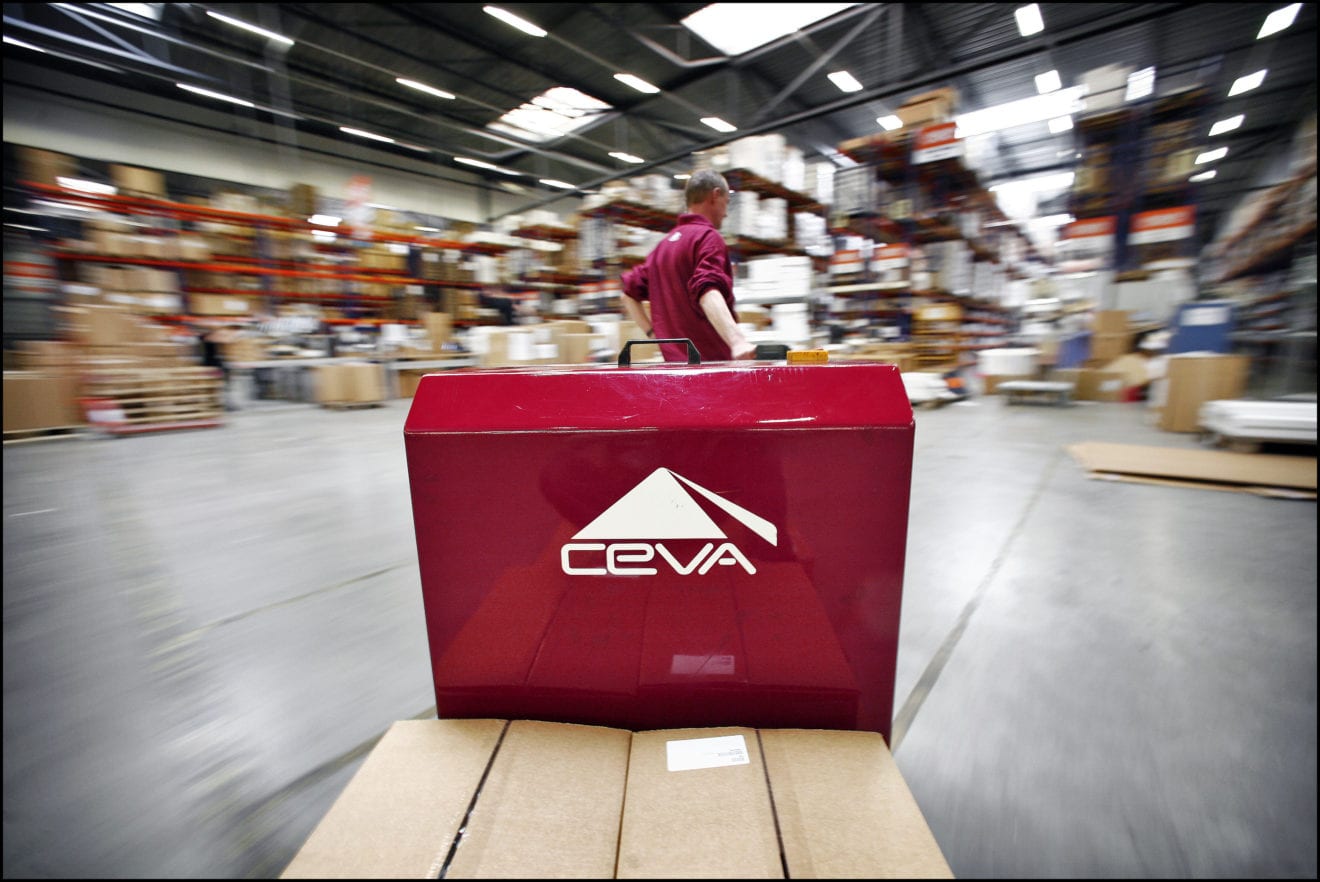
    In Addition To Growing Its Service Profile At Its Facilities In Portland, Oregon, And Chicago, The Company Has Opened New Distribution Facilities In Five Countries. Non-asset- basd supply chain management company CEVA Logistics has signed a contract to manage the Southeast Asia warehousing and distribution for the Valiram Group, a specialist retailer of luxury and lifestyle brands.

    Southern California-based CEVA started working with Valiram Group last year, providing warehousing and distribution services for their two brands, Victoria’s Secret in Thailand and Bath & Body Works in both Thailand and Indonesia.

    The new contract expands both of the brands into Thailand and Indonesia and tasks CEVA with handling warehouse management and other various services, such as price tagging and bundling, reverse logistics and time-specific delivery to retail stores for the company’s beauty, accessories and lingerie products.

    CEVA is directly involved in distribution and transport logistics for the store openings of Bath & Body Works—which was new to Valiram’s portfolio last year—opening several retail stores in both Southeast Asian countries.

    CEVA EXPANDS U.S., EUROPEAN AND ASIAN FOOTPRINT

    In addition to enhancing its service profile at its facilities in Portland, Oregon, and Chicago in the beginning of the year, the company has opened new distribution facilities in Poland, Italy, Canada, Malaysia, and Singapore, and began construction of a new 500,000 square-foot super site at Truganina, west of Melbourne, Australia.

    The new multi-user Australian facility will include four warehouses and will be the largest CEVA facility in the country when construction is completed later this year.

    “It is ideally located to support industrial, automotive and consumer and retail customers through its excellent access to Melbourne’s road and rail network, the Port of Melbourne and Melbourne International Airport,” the company says, adding that the new Australia facility “will be the centerpiece of CEVA’s growth plans in Australia and New Zealand.”

  • Red Bull leads Thai products in making Asia’s Top 1000 Brands

    Red Bull leads Thai products in making Asia’s Top 1000 Brands

    Red Bull, the energy drink launched by the Yoovidhya family, took the highest place at 118. In the beverages category, other Thai brands are Tipco (365) and Aura (448).

    Jason Wincuinas, managing editor of Campaign Asia-Pacific, said yesterday that the new listing shows a rise in stature for many local Asia brands, as nearly all luxury names fell.

    “This looks like the start of Asia’s brands growing from local heroes into regional giants and eventually onto multinational status,” he said.

    In its twelfth year, Asia’s Top 1,000 Brands aggregates data from an online survey. The report incorporates consumers in 13 key regional markets across the Asia-Pacific – Australia, China, Hong Kong, India, Indonesia, Japan, Malaysia, the Philippines, Singapore, South Korea, Taiwan, Thailand and Vietnam.

    It encompasses 14 major categories – alcohol, financial services, automobile, retail, restaurants, food, beverage, consumer electronics, computer hardware, computer software, courier services, media and telecommunications, travel and leisure, and household and personal care – and 73 subcategories. To win a place in the ranking, Thai brands have to compete against all international brands. Mama was the only Thai food brand represented, falling from 339 last year to 377. Nestle was first. In household products, there is only Me-O, the pet food brand, which shot up from 709 to 583.

    Both DTAC and AIS showed up in the media and telecommunications category, where Google claimed the top spot. DTAC dived 62 rungs to 496, while AIS gained 41 to 623.

    For travel and leisure, which has AirAsia at the top, three Thai brands are included – THAI, Nok Air and Dusit.

    Thai Airways International climbed seven places to 191, but Nok lost two spots to 463. Dusit International plunged from 890 to 945. Singapore Airlines also slumped 20 places to 83, although it still led the full-service airline subcategory.

    Included in retail were Big C (248), Bangchak (475) and PTT (494). PTT’s Cafe Amazon is the only Thai restaurant brand, sitting at 609 in 2015 against 751 in 2014.

    Three Thai banks are in the financial services category, which covers payment companies like Visa and international banks like Citibank.

    Bangkok Bank leaped 153 places to 721. Kasikornbank sank five to 768 and Siam Commercial Bank slumped 99 to 800.

    South Korea’s Samsung was the most popular brand in the region this year, able to maintain the crown it snatched from Sony in 2012. Others in the top 10 were Sony, Nestle, Apple, Panasonic, Nike, LG, Canon, Chanel and Adidas.

    “These are the brands the people all across Asia have told us are the best in their minds,” Wincuinas said.

  • Hong Kong’s Golden Emperor opens first retail shop focusing on Thai property

    Hong Kong’s Golden Emperor opens first retail shop focusing on Thai property

    “We used to sell properties via exhibitions, but we noticed that the buying interest in overseas properties from the public was on the rise,” said Terence Chan Cheuk-ming, a partner at Golden Emperor. “These people do not prefer to go to property exhibitions, they enjoy visiting street shops and talking to agents, so we decided to open our first retail outlet.”

    The company was formed last year by Chan, who had been helping friends and investors to invest in overseas properties for five to six years, and Kingston Li, a former executive director at Morgan Stanley Hong Kong.

    The new shop, in Sheung Wan, offers properties in more than 30 projects, with 60 per cent from Thailand, thanks to a partnership with Sansiri, one of the largest real estate developers in the Southeast Asian country.

    The Thai developer will help manage clients’ properties and act as a leasing agent.

    Chan said the growing buying interest offshore was mainly triggered by higher rental yields.

    In Bangkok, net yield is about 5 per cent to 7 per cent, against 2 per cent to 3 per cent in Hong Kong.

    Hong Kong buyers were looking for Bangkok properties ranging from HK$1 million to HK$2 million for investment, Chan said, adding that the Sheung Wan shop catered to both locals and expatriates.

    “Retailers of dried seafood like abalone are very rich,” he said. “They are interested in buying overseas properties.”

    The firm also offers flats ranging from HK$10 million to HK$12 million in Australia and from HK$4 million to HK$5 million in Britain.

    Despite the higher yield, some local agents said it was not easy to resell assets in Thailand.

    “The market is not liquid compared with Hong Kong and China,” one agent said.

    Golden Emperor said Thai property prices had risen only about 24 per cent in the past 10 years – less than in key Asian markets such as Hong Kong and Singapore – and offered attractive investment values to long-term investors.

    This article appeared in the South China Morning Post print edition as Golden Emperor opens retail shop with Thai focus

  • Brunei-Indonesia trade hit $812 million in 2014

    Brunei-Indonesia trade hit $812 million in 2014

    Trade value between Brunei and Indonesia increased by 4.10 per cent to to $812 million in 2014, a senior Indonesian diplomat said yesterday.

    Out of the $812 million, over 90 per cent of the business transaction was in oil and gas, according to Rudhito Widagdo, Minister Counsellor of Economy at the Indonesian Embassy.

    Indonesian exports to Brunei was valued at $135 million in 2014.

    “Some of the transactions also came from the SMEs(small and medium enterprises) but there is no doubt that oil and gas played a big part in the trade value,” he told The Brunei Times following a business briefing held for Bruneian businesses and stakeholders.

    This, Rudhito said, is an improvement from the trade value of $780 million recorded in 2013.

    Indonesia is also on a mission to reduce its trade deficit with Brunei. He said that trade value between the two countries had fluctuated in the past five years.

    In 2009, trade between Brunei and Indonesia reached $1.2 billion but decreased in 2010 to $948.2 million.

    In 2011, trade went up again to $1.15 billion before dropping to $675.6 million in 2012. Trade improved by 27.8 per cent in 2013 to $863.5 million.

    During these periods, Indonesia had always recorded deficit due to its huge import of crude oil, Rudhito said.

    He said Indonesia is inviting more Bruneians to invest in several “high-potential” provinces in the country. This will boost capital flow from the Sultanate.

    He hoped that yesterday’s briefing will inform Bruneian entrepreneurs about the business environment and investment opportunities in Indonesia.

    “We always strive to do our best to improve the economic relations of the two countries. In shaa Allah, in time, it will bear fruit. I’m very positive,” he said.

    Following a successful trade mission to Jakarta and Yogyakarta in October last year, the Indonesian Embassy will be organising another trade mission to Jakarta and Bandung from October 19 to 25.

    Bruneian businessmen who will join the trade mission will have an opportunity to do business matching with Indonesian companies, district officers and trade associations. They will also meet up with governors and district heads.

    The delegation will visit the Indonesian Trade Expo 2015.

  • Apple Fitness Director Jay Blahnik Hosting Special Events at Asia-Pacific Retail Stores

    Apple Fitness Director Jay Blahnik Hosting Special Events at Asia-Pacific Retail Stores

    Apple’s Director of Fitness and Health Technologies Jay Blahnik is touring the Asia-Pacific region this week to host live Q&A sessions with popular personal trainers and other well-known icons at Apple Stores in Australia, China and Japan. The special events focus on the intersection of health, fitness and technology, such as how to live a better life by maintaining a healthy body and mind.

    Jay Blahnik Sydney Instagram

    Blahnik sat down with Australian personal trainer Michelle Bridges for a live Q&A session at the Apple Store in Sydney, Australia on May 29 before heading to the Omotesando Apple Store to speak with technology journalist Nobi Hayashi in Tokyo, Japan earlier today, as noted by Macotakara. Blahnik will now travel to Beijing for an event with Chinese action filmmaker Donnie Yen at the Apple Store in China Central Mall on June 3.

    Prior to joining Apple in July 2013, Blahnik was a Nike FuelBand consultant for almost 20 years and an award-winning fitness instructor and personal trainer. As health and fitness director at Apple, he has played an instrumental role in development of the Apple Watch, working in the company’s top-secret health and fitness lab where it has collected over 18,000 hours of health and fitness data from employee workout sessions.