Tag: asia

  • Nuclear energy, an option for Vietnam in the long run

    Nuclear energy, an option for Vietnam in the long run

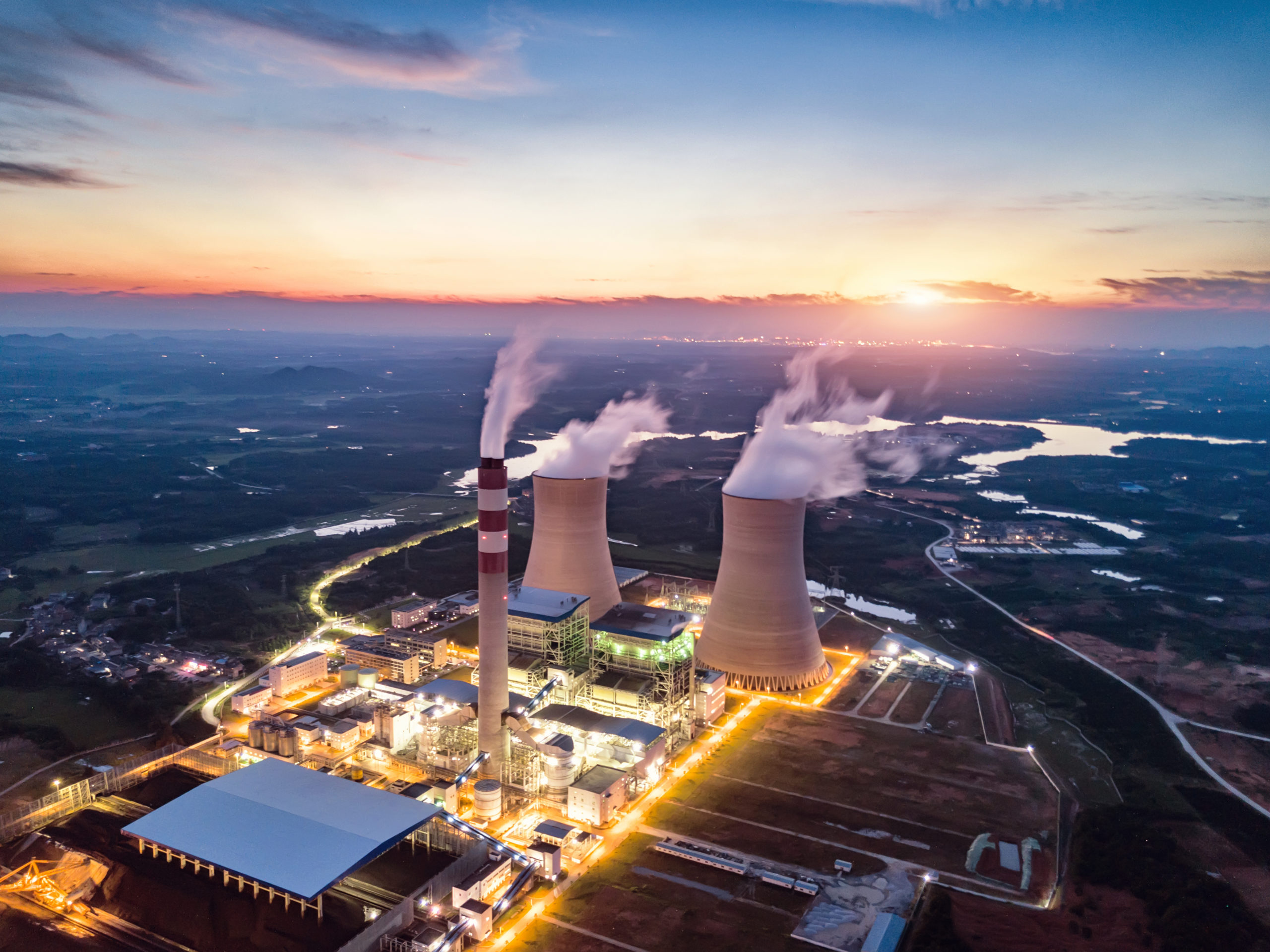
    Clean and reliable nuclear energy could help Vietnam meet its growing power demand over the long term and ensure its development is not derailed, experts say.

    Prof Sheldon Landsberger of the University of Texas at Austin, the U.S., an expert in nuclear and radiation engineering, said: “With a population of nearly 100 million people, Vietnam will need a lot of energy. The country has to figure out what is the best way of getting electricity.”

    It is crucial for Vietnam to sustain the growing standard of living of its people and have competitive industries, he said.

    While renewable energy sources such as solar and wind could be unreliable depending on the climate, nuclear plants could work 24 hours on all 365 days a year, he pointed out.

    It is a stable source like coal, and enables electricity storage as well, he said.

    However, unlike coal, nuclear energy is free from carbon emissions and does not pollute, he said.

    Talking about the status of nuclear energy around the world, he said it is “very mixed” with parts of Western Europe planning to continue with it but others phasing it out.

    The world would run out of coal and gas, maybe later this century, Landsberger said.

    “For that reason, Vietnam, like other countries, has to look not five or 10 years down the road but 30 or 40 years.”

    Dr. Steven Biegalski, nuclear and radiological engineering, and medical physics program chair, Georgia Institute of Technology, the U.S., said in his country nuclear power is still coming out on top today. Americans are seeing a significant reduction in using coal and natural gas, two main competitors of nuclear energy.

    Dr. Sama Bilbao y Leon, director-general, World Nuclear Association, said nuclear energy could help ensure not only the grid stability of a country but also produce heat used in industrial processes and transportation. With this, countries could decarbonize various sectors, she said.

    Vietnam could also use nuclear energy to produce fresh water, something that Middle Eastern countries are looking into, she said.

    Prof Ken-ichi Fukumoto of the Research Institute of Nuclear Engineering, University of Fukui, Japan, said nuclear power is a realistic solution for Vietnam to ensure power supply.

    In fact, despite the Fukushima accident in 2001, Japan still uses nuclear energy because it is reliable and reduces carbon dioxide emissions, he said. However, new plant development is now restricted as the public are concerned about their safety.

    Germany, despite abandoning nuclear power at home, buys nuclear power from neighbor France, he pointed out.

    Author of “A Question of Power: Electricity and the Wealth of Nations,” Robert Bryce, said Vietnam, like other developing countries in Asia, is seeing rapid growth in electricity demand and should include advanced nuclear reactors in plans to expand its electric grid.

    There are several challenges to building new nuclear reactors, including cost, the time required and fuel production and disposal, but if Vietnam is to help reduce global greenhouse gas emissions, it should include nuclear in its electricity portfolio, he said.

    Jennifer Gordon, a senior fellow at the Global Energy Center, Atlantic Council, the U.S., said it is now an important time for Vietnam to start discussions about investment in nuclear energy.

    In 2009 Vietnam had planned to build two nuclear power plants in the south-central province of Ninh Thuan at a cost of several billion dollars, but the National Assembly shot down the proposal in 2016 on cost grounds.

    Vietnam would not build old types of reactors if it is starting a nuclear program now, Gordon pointed out. To ensure safety, the newer types of reactors shut down automatically without human management, she said, citing the example of the sodium-cooled fast reactor.

    “Advanced reactors are in development that should be taken into account by Vietnam.”

    Landsberger said in Vietnam, nuclear energy could be a combination with wind, solar and tide.

    Vietnam should keep in mind that the climate is changing and so being dependent on renewable energies, including hydropower, would be shortsighted, he said, suggesting that Vietnam should consider a baseload, or the minimum amount of electric power delivered, of 30-40 percent from nuclear plants.

    South Korea and Japan are good examples of successful economies partly thanks to nuclear energy development, he said. They have steady electricity prices over long periods of time and do not have to rely on other countries, he pointed out. Vietnam should look at all areas of energy and choose the best path forward based on economics, he said.

    Speaking about costs, he said nuclear power would be expensive, but Vietnam should weigh all factors. For instance, people would have health expenses if the country has pollution (caused by fossil fuels), and Vietnam could get a lot of support as a developing country from the International Atomic Energy Agency.

    “Nuclear power is a very long-term plan.”

    Biegalski said there is a significant and earnest desire in the U.S. to look at the next generation of nuclear power technologies.

    He said he understood there is a fear in various countries after the accident in Fukushima, but when people look at the data they would see no one died as a result of the reactors, whereas the tsunami claimed 15,000 lives.

    Leon said small modular reactors offer an advantage since they are scalable.

    Fukumoto said it is desirable to examine the latest technologies if Vietnam is considering nuclear energy. Small modular reactors, which are being opted in the U.S, Canada and Japan, offer greater economic benefits and have higher safety standards including in the disposal of nuclear wastes and while decommissioning, he said.

    Bryce said nuclear energy is the safest form of electricity generation, adding that Vietnam, like other countries, would need to adhere to safety protocols around the handling of nuclear materials and operation of nuclear plants.

    Biegalski said Vietnam needs to build regulatory frameworks and develop a workforce before producing nuclear power. So it should start investing in training programs in universities, he said.

    “It is a long process; it is not like you can turn a switch and it happens today.”

    Landsberger said Vietnam needs to invest in nuclear engineering programs to train technicians, reactor operators, regulators, and environmental scientists. It should have an open discussion about the public health benefits of nuclear power compared to burning fossil fuels, he said.

    Fukumoto expressed optimism that Vietnam and Japan could begin cooperation in training that had been discussed before when the projects in Ninh Thuan Province were under consideration.

    It is necessary for the Vietnamese government and other related stakeholders to have a deep understanding of nuclear power generation and Japan’s experience, he said.

    Leon said when a country wishes to develop nuclear energy, there is a lot of international support and co-operation, and newcomers could learn best practices from other countries that have effective nuclear power programs.

    Leon said if people in Vietnam and other countries feel uncomfortable about using nuclear energy after the Fukushima accident, it is completely reasonable.

    So, if the Vietnamese government is looking at nuclear energy, the first thing that needs to be done is talking to the public, making sure people understand the facts about nuclear energy, she said.

    “There should be a consensus on how Vietnam wants to move forward with different energy choices.”

  • Porsche To Build EV Battery Cells Factory In Germany

    Porsche To Build EV Battery Cells Factory In Germany

    In a bid to speed up its e-mobility drive, the German carmaker Porsche is reportedly planning to set up a factory to produce battery cells for electric vehicles. This plan was confirmed by the company’s CEO to a local German newspaper. The European carmakers are looking to ramp up production of the electric cars to meet stringent environmental rules in the European Union. Moreover, they are also aiming to reduce their dependence on battery suppliers in Asia.

    In an interview with a local newspaper, Oliver Blume said that “Battery cells are a key technology for Germany’s automobile industry which we must also have in our own country.” He also said the carmaker wants to play a pioneering role in this step.

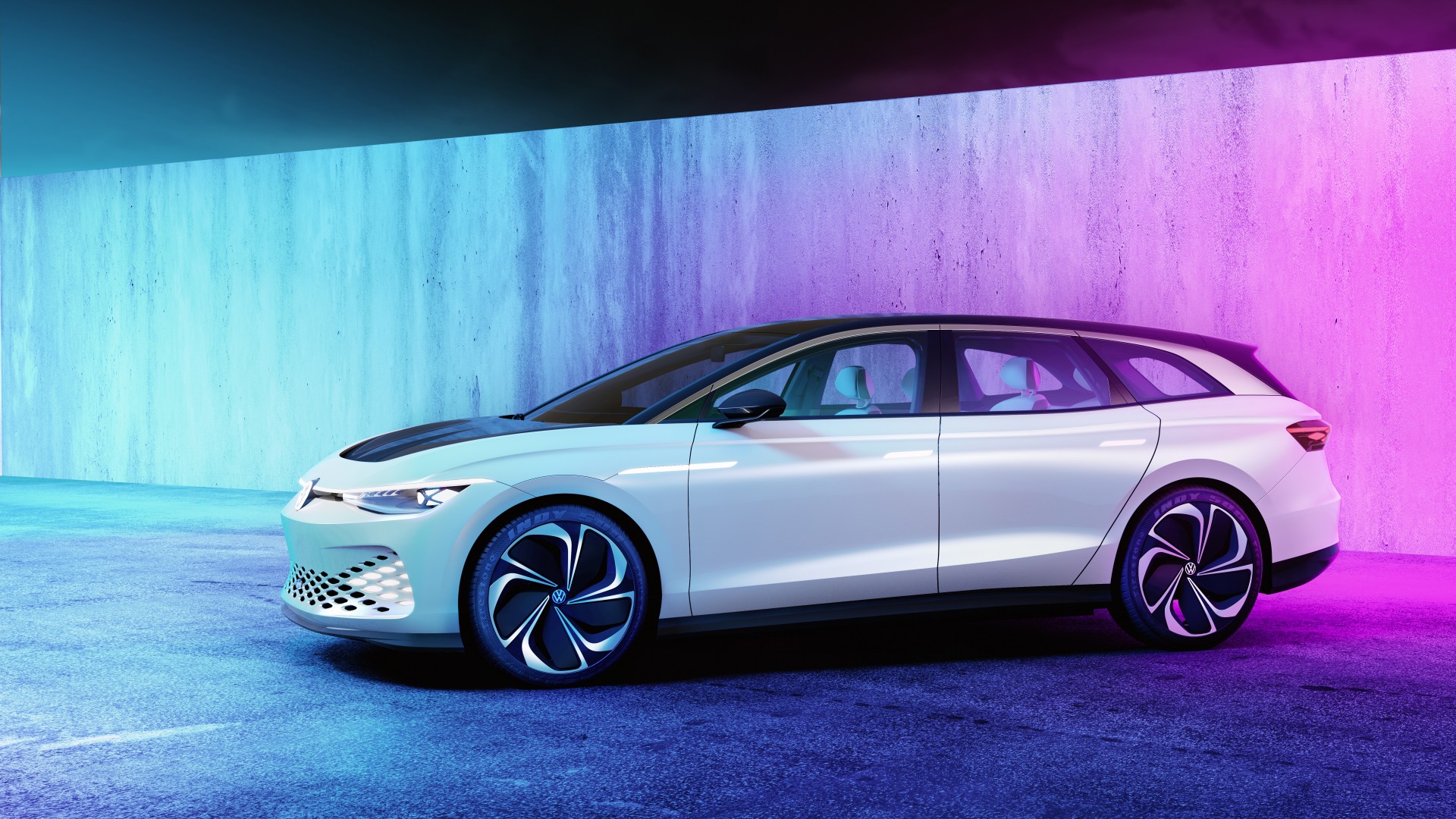
    He also confirmed that the battery cell factory would be built in the Swabian town of Tuebingen, Germany. Moreover, the company will purchase EV batteries from its parent company, which plans to build half a dozen battery cell plants across Europe. Volkswagen also intends to expand infrastructure for charging electric vehicles across the globe.

    Blume further said, “But there will also be a segment for high-performance battery cells. It’s a Porsche domain. Just as we developed high-performance internal combustion engines, we now want to be at the forefront of high-performance batteries.”

  • Huawei launches intelligent components to set new industry standards for OEMs

    Huawei launches intelligent components to set new industry standards for OEMs

    On the eve of Auto Shanghai 2021, Huawei launched its next-generation intelligent components and solutions, including the 4D imaging radar, AR-HUD, and MDC 810 during its Huawei Inside (HI) product launch titled “Focused Innovation for Intelligent Vehicles”. These products are designed to help OEMs build advanced intelligent vehicles and enable the Chinese automotive industry to upgrade their technology and become a pioneer of new energy and autonomous driving.

    In October 2020, Huawei launched the HI brand. As a digital car-oriented provider of new components, Huawei has closely worked with OEMs to build premium intelligent vehicles under the innovative “Huawei Inside” initiative, which includes a brand-new digital architecture for intelligent vehicles, five intelligent solutions (Intelligent Driving, Intelligent Cockpit, mPower, Intelligent Connectivity, and Intelligent Vehicle Cloud), and over 30 intelligent components.

    “The ‘Huawei Inside’ initiative is designed to integrate Huawei’s technological strengths with the vehicle manufacturing capabilities of automakers to build high-end intelligent vehicles that provide a more enjoyable driving experience,” commented William Wang, President of Huawei’s Intelligent Automotive Solution Business Unit (IAS BU). “Facing an accelerated transformation of intelligent vehicles, Huawei is committed to lighting up the future of autonomous vehicles through innovation.”

    Intelligent cockpit delivers an upgraded driving experience

    The Huawei Intelligent Cockpit Solution adopts the self-developed computing platform and HarmonyOS (cockpit), featuring an extensive application, software, and hardware ecosystem that provides users with desired services and functions through open collaboration with OEMs, tier-1 vendors, and app partners. Huawei has developed cutting-edge technologies for the intelligent cockpit, to continuously enhance user experience. For example, the Kirin head unit (HU) modules feature an independent Neural Processing Unit (NPU) that performs complex device processing; the Cockpit Vision smart screen can restore color and enable smooth touch, delivering a pleasurable driving experience to users; the AR-HUD is more compact in size, able to provide a larger field of view and HD display.

    Based on its years of experience in the field of optical technology and its leading futuristic technology, Huawei has rolled out a high-performance AR-HUD. The 10 L AR-HUD can transform an ordinary windshield into a 70-inch HD screen and intelligently adjust the projection area by tracking users’ eye movements. It can display a viewing angle of 13° x 5°, allowing users to view detailed information on the windshield. Its powerful visual identification and AI capabilities deliver an immersive visual experience and driving assistance.

    High-resolution 4D imaging radar enables advanced autonomous driving

    Huawei’s high-resolution 4D imaging radar uses a 12T24R large antenna array (12 transmit channels and 24 receive channels), which offers a 24-fold improvement over the antenna configuration of a conventional mmWave radar (3T4R) and 50% more receive channels than industry imaging radars, making it an imaging radar with the largest antenna array available for mass production.

    The 4D imaging radar delivers a unique non-line-of-sight (NLOS) sensing strength that helps detect hidden objects while maintaining superior distance and velocity measurement capabilities of the traditional mmWave radar, allowing it to perform functionally regardless of ambient lighting and bad weather. On top of that, Huawei’s 4D imaging radar has a high resolution and is capable of confidently detecting objects with a larger detection range. It can produce a point cloud density on par with lidars, enabling abundant radar applications such as environment reconstruction, mapping, and localization. By converging point clouds of multiple radars, vehicles can enjoy a 360° surround view, thereby implementing full-coverage sensing of all objects in different scenarios under all weather conditions.

    Currently, the intelligent driving industry is gaining momentum, racing towards mass production. Huawei is dedicated to building an open and standardized MDC. Based on its solid experience and achievements in hardware, software, and security engineering, Huawei has built the most powerful computing platform for intelligent driving — MDC — accelerating the mass production of intelligent vehicles.

    The MDC 810 launched during Auto Shanghai 2021 is a mass-produced intelligent driving computing platform with the industry’s highest computing power. It provides dense computing power of up to 400 TOPS in compliance with the ASIL-D safety requirements. Equipped with the MDC Core (including the intelligent driving operating systems AOS and VOS) and a complete toolchain, the MDC 810 can enable high-level autonomous driving functions such as Traffic Jam Pilot (TJP), Highway Pilot (HWP), and Auto Valet Parking (AVP). The ARCFOX Alpha S sedan will be the first vehicle to feature HUAWEI MDC 810, and more vehicle models will be powered by HUAWEI MDC series in the near future.

    HUAWEI MDC is an open, standardized platform aiming to boost the growth of the intelligent driving industry. Huawei has been working closely with vendors of sensors, actuators, and application algorithms to build such technology ecosystems based on the MDC. Through the open computing platform, Huawei unites the efforts of eco-partners to accelerate construction of the intelligent driving ecosystem, stepping into the mass production phase of intelligent vehicles.

    HUAWEI Octopus

    HUAWEI Octopus leverages massive data, HD map, and advanced algorithms to build a data-driven, closed-loop platform for intelligent driving. Relying on its vehicle-cloud synergy, industry-leading annotation capacity, upgraded virtual simulation, and one-stop secure, compliant cloud services, HUAWEI Octopus is designed to help OEMs build autonomous driving development capabilities from scratch, lower development requirements, and improve development efficiency.

    Cloud is the only bridge between autonomous driving development and its commercialization. Vehicles in all regions must be connected to the local cloud to help resolve the coverage, security, and scalability issues that come with commercializing autonomous driving. By migrating data to cloud, developers no longer need to worry about expanding equipment rooms to accommodate larger volumes of data, allowing them to focus more on core algorithm development.

    HD maps are also a vital element for autonomous driving. In preparation for this, Huawei officially announced its latest HD map cloud service capability and roadmap at the product launch. Currently, Huawei has obtained grade-A surveying and mapping qualification to produce electronic navigation maps and developed comprehensive HD map data collection and mapping capabilities.

    HUAWEI TMS

    By adopting a simplified architecture and centralizing the components as well as control functions, Huawei TMS improves the operating temperature of heat pumps from –10°C to –18°C without compromising on comfort. As a result, the range of new energy vehicles (NEVs) is increased by 20%. In addition, HUAWEI TMS provides personalized applications, helping OEMs build a thermal system with optimal energy efficiency and superior experience.

    As the automobile industry shifts over to electric power, thermal management systems are growing in importance. Currently, most NEVs use the inefficient PTC heating solution, which reduces the range by 30% to 40% at lower temperatures. As a result, the heat pump system that features high energy efficiency (twice that of the PTC) will be the future of thermal management. It is estimated that heat pumps may enjoy a 3x faster penetration rate between 2020 and 2025. However, the conventional heat pump solution faces many challenges, namely, excessive pipes and parts, poor environmental adaptability (not functional below –10°C), and lack of intelligence (manual calibration), adversely affecting the efficiency and application of the heat pump system. After four years of research and development, Huawei has rolled out the most integrated, intelligent thermal management solution for vehicles. Through integrated design as well as centralized components and control functions, HUAWEI TMS has achieved 100% improvement in energy efficiency, 60% improvement in calibration efficiency, and improved user experience.

    Huawei considers intelligent automotive components as its long-term strategic opportunity. The company will continue to channel more investments into this field, particularly into the development of autonomous driving software, to build an advanced autonomous driving system. This year, Huawei will form a team of over 5000 people working in the R&D of intelligent automotive components, and its investment in this field will total US$1 billion. By nurturing high-end talent through R&D centers in Europe, Japan, and China, Huawei aims to strengthen its product competitiveness with a focus on innovation.

  • Volkswagen Mulls Board Change That Could See Labour Chief Move On

    Volkswagen Mulls Board Change That Could See Labour Chief Move On

    Volkswagen is considering a change to its supervisory board that could lead to the replacement of Bernd Osterloh, the head of its powerful works council who clashed with CEO Herbert Diess last year, sources familiar with the matter said on Thursday.

    Osterloh’s departure, if confirmed, could weaken resistance to faster and more drastic restructuring at the German carmaker.

    Last year, the 64-year-old opposed an attempt by Diess to extend his contract as the CEO strives to cut costs and free up resources to invest more in electric vehicles.

    One source said Osterloh had been offered the position of personnel director at Traton, Volkswagen’s truck unit that was spun off and separately listed in 2019.

    Osterloh’s departure could weaken resistance to faster and more drastic restructuring at the German carmaker.

    A second source said the group was considering proposing a new labor representative to its board but did not give a name.

    The company, its main shareholder Porsche SE and the works council declined to comment.

    Five sources in total said Volkswagen would in the near future debate an important change in the composition of its supervisory board, adding no final decisions had been taken.

    The move follows a surge in Volkswagen’s shares, as investors warm to its efforts to overtake Tesla and become a world leader in electric cars.

    The shares have risen by more than half in value so far this year, giving the company a market value of 132 billion euros ($159 billion).

    Osterloh has been a member of Volkswagen’s supervisory board since 2005. Labour representatives make up half the board, under Germany’s system of corporate governance.

    Should Osterloh leave the supervisory board, as would be required should he take up an executive role at Traton, the most likely candidate to replace him would be deputy works council head Daniela Cavallo, the sources said.

    Any nomination would be subject to a confirmatory vote by shareholders at the annual meeting in July.

  • Tesla To Setup India Headquarters In Mumbai

    Tesla To Setup India Headquarters In Mumbai

    Tesla is all set to roll out its first electric car in India this year and the American EV manufacturing company has started establishing its base in our market. It had registered itself in Bengaluru earlier this year and according to it is now setting up its office in Lower Parel-Worli area in Mumbai. The company will be establishing its production base in Karnataka and is evaluating a few ready commercial projects in Lower-Parel for a 40,000 sq ft office.

    Tesla has started hiring for top positions from IIM Bengaluru alumni. Manuj Khurana has been appointed as Head – Policy and Business Development for India operations. The company has also hired Nishant Prasad as Charging Manager who will head Tesla’s supercharging, destination charging, and home charging business. He was earlier head of Charging Infrastructure and Energy Storage at Ather Energy. And finally, Tesla India has Chithra Thomas as its country HR Leader, who was earlier working at Walmart and Reliance Retail. “Tesla India is moving full speed ahead with building a local team. We are excited to see the progress. Hoping to see you (Musk) in India when Tesla delivers the first cars,” Tesla Club India said in a tweet on Wednesday.

    Last week, Union Road Transport and Highways Minister Nitin Gadkari invited Tesla to start manufacturing EVs in India. During his address at The Raisina Dialogue 2021, he said that it is a golden opportunity for the company to start manufacturing in India. Gadkari also added that Indian EV makers are also improving the quality of their models and local manufacturing means they are able to price their products at a competitive price. Similarly, Tesla will also benefit if it engages in local manufacturing.

  • China is home to world’s largest 5G network

    China is home to world’s largest 5G network

    With 260 million 5G mobile connections, China boasts the world’s largest 5G mobile network, according to Liu Liehong, vice minister of China’s Ministry of Industry and Information Technology (MIIT) in a press conference this week.

    As of the end of February, China reported having 792,000 5G base stations, with 5G SA networks covering all prefecture-level cities, while 5G terminal connections reached 260 million.

    This year, China is planning to build more than 600,000 5G base stations to broaden the country’s 5G coverage and strengthen its digital competitiveness. 5G is viewed to be critical to the advancement of tech innovations and accelerating industry digitalization to boost the nation’s industrial capacity.

    In the country’s fourth session of the 13th National People’s Congress (NPC) held in early March, China emphasized on building up tech reliance through national policies and R&D spending.

  • Thailand’s Nok Air extends time to file restructuring plan

    Thailand’s Nok Air extends time to file restructuring plan

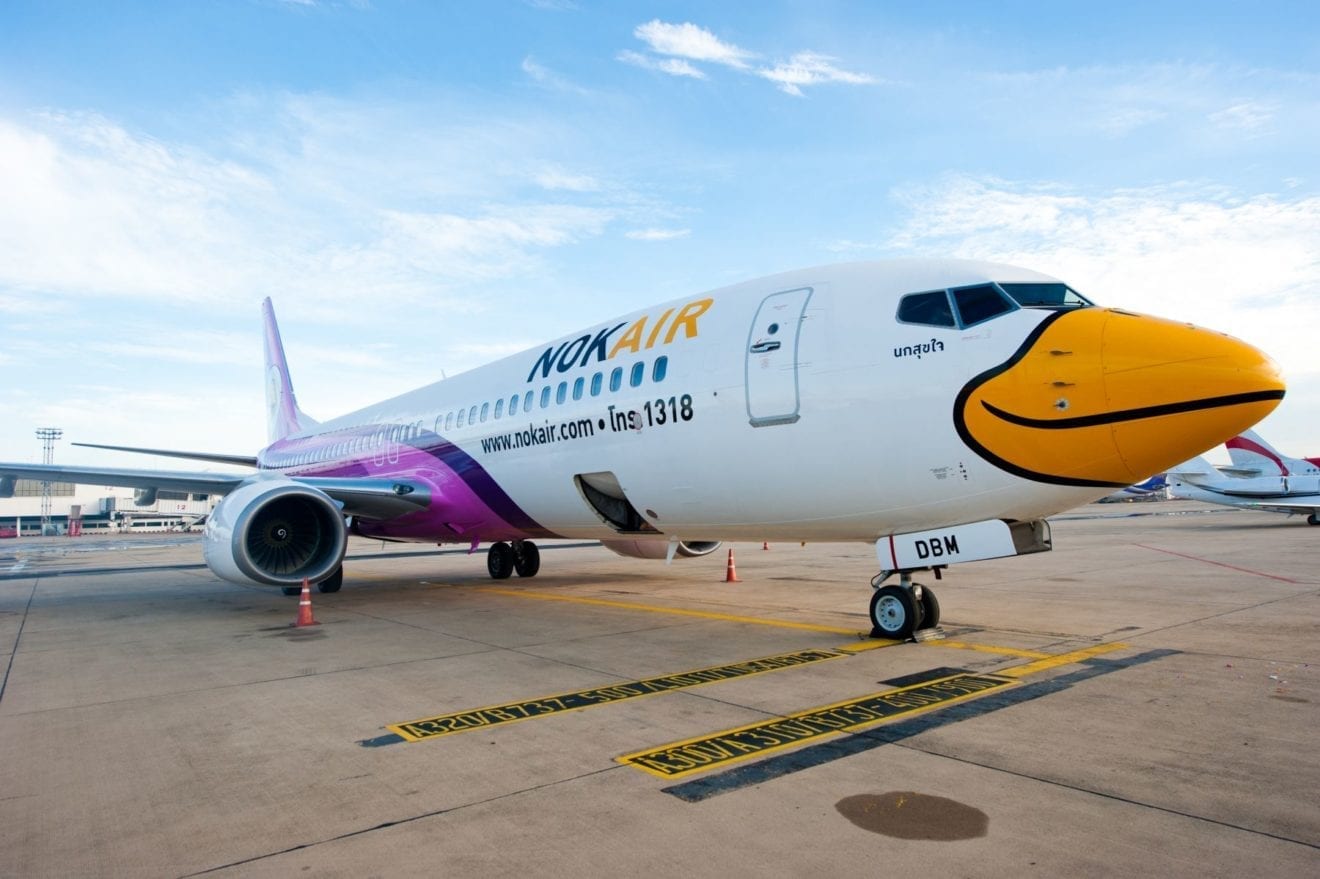
    Nok Air has said in a stock market filing that it has been granted an additional month to file its final restructuring plan, with the new deadline falling on May 15, 2021.

    “This extension is needed to collect additional information required in order to prepare a complete and comprehensive rehabilitation plan to ensure that it will be appropriate for the airline business during the COVID-19 pandemic situation and will receive the approval at the creditors’ meeting,” the low-cost carrier said.

    The airline filed for restructuring in July 2020 and was officially admitted to the procedure on December 15, 2020. According to Thai law, it was initially granted three months to submit a final rehabilitation plan to the Central Bankruptcy Court. It already extended the deadline once, through April 15, 2021. The second extension is also the final one permitted.

    Nok Air underlined that in addition to complex and ongoing negotiations, the previous deadline would have fallen during the celebration of the Thai New Year (Songkran).

  • How luxury brands embraced WhatsApp during lockdowns

    How luxury brands embraced WhatsApp during lockdowns

    As Italy entered a new coronavirus lockdown and shut shops in March, Genoa-based jeweller Gismondi 1754 turned to messaging service WhatsApp to sell a 300,000 euro diamond ring to a wealthy Swiss client.

    At the same time, sales assistants at luxury puffer jacket brand Moncler were arranging gourmet dinner deliveries to customers homes so they could dine in style while watching a video streaming of the brand’s latest collection.

    The pandemic has forced luxury goods companies to use social media, video and virtual showrooms to woo their wealthy customers in Europe and keep them shopping at a time when tourists, especially from China, have been absent for more than a year.

    Retailers reopened in Britain and most of Italy on Monday, but they remain shut in France and access is restricted in Germany, where in Berlin, for example, a negative COVID test is required to go into most shops.

    Senior executives in the industry said this trend of selling outside the traditional store network, while not replacing the need for physical shops, is here to stay.

    “We are learning that we can also have a high level of service with a low level of physical contact,” Moncler’s boss Remo Ruffini told Reuters. “Distant sales are a new frontier, something in the middle between e-commerce and a traditional store.”

    Analysts say that lockdowns and “staycationing” mean that wealthy Europeans have money to spend that they are not splurging on fancy hotels or Michelin starred restaurants.

    High-end labels such as Hermes, which used to be more reticent to sell online, have had to fully embrace e-commerce. Online revenues for the industry have doubled to nearly 20% of sales in the past year alone, based on analyst estimates. Boston Consulting Group expects that percentage to rise to 25% by 2023

    Luxury labels have also invested in transforming store assistants into personal shoppers who pamper their VICs – very important clients – by sending them products at home and keep in touch regularly. Most brands now stream products on social media and show customers specific product videos.

    Before the pandemic, Gismondi would not have sold a 300,000 euros, 10-carat diamond ring without showing it to the client in person. “I was on the phone chatting with the lady who is buying it, and it came up that this was the dream of a lifetime for her,” Massimo Gismondi, chief executive of the jewelry group, said.

    From that moment, an exchange started with the lady via WhatsApp and video calls to find the perfect design for the ring that will be delivered to her home.

    “People are craving for leisure, for returning to savor life and spending,” Gismondi told Reuters.

    French luxury group LVMH’s star label Louis Vuitton in addition to online sales has started taking its shops to wealthy clients’ doorsteps in the United States.

    The “LV by Appointment” campaign essentially brings a tailor-made shop on wheels to the customer, curated with a personalized selection of pieces – from leather goods to watches and perfumes – for those who opt for the service.

    LVMH, the first to report results for the first quarter, set a very bullish tone for the industry. Revenues bounced back strongly, with its fashion and leather goods division surging 52% – double analysts’ forecasts. Sales in Europe remained in negative territory, but the 9% decline was a major improvement from the minus 24% seen in the fourth quarter.

    Luxury brands have had a strong recovery in China since shops began to reopen there last spring. But in Europe and the United States finding new ways to connect with customers has helped them to mitigate last year’s sales declines.

    Analysts say that improving sales in those two regions should also help revenues this year. Sales in Europe and the United States accounted for 60% of the total in 2019, and should come in at just under 50% by 2025, consultancy Bain said.

    Francois-Henri Pinault, CEO of Gucci owner Kering, said in February that the group’s revenues from “distant sales” – or sales outside its global store network – had risen sharply last year. The group had trained 400 sales assistants in 16 countries for this purpose, he said.

    One source at an Italian luxury fashion label said typically a brand’s marketing department will provide a list of clients to contact, based on what they have bought over the previous year.

    The sales assistants then phone customers, show them the latest arrivals via video chat, and send them clothes or shoes to try on.

    “You create a strong relationship between the salespeople and the customer,” Prada’s CEO Patrizio Bertelli told Reuters.

    “We have gone from the shop assistant that simply shows you a product to someone who also does a bit of marketing, knows customers, their taste and their habits, reaches out to them, and sends them stuff home.”

    A Milan-based PR executive who spends on average 40,000 euros ($47,552.00) a year in Prada’s stores said that since last year Prada has regularly sent her videos about its clothes.

    “If there is something I like they send it home. They know my size and if in doubt they send more than one size. I buy what I like and I send back the rest,” she said.

    Over the past year, cashmere sweater label Brunello Cucinelli has been organizing video calls with 30-40 customers at once to keep them engaged.

    “It allows us to have a dialogue with a number of people which, if we had to arrange a physical appointment, would take us perhaps 3-4 years,” the brand’s co-CEO, Luca Lisandroni, told Reuters. He also said that brands should not become too insistent in trying to sell their wares.

    “Some people like being contacted and stimulated, others don’t want to be solicited too much,” he said.

  • Amazon to let Whole Foods customers pay by palm print

    Amazon to let Whole Foods customers pay by palm print

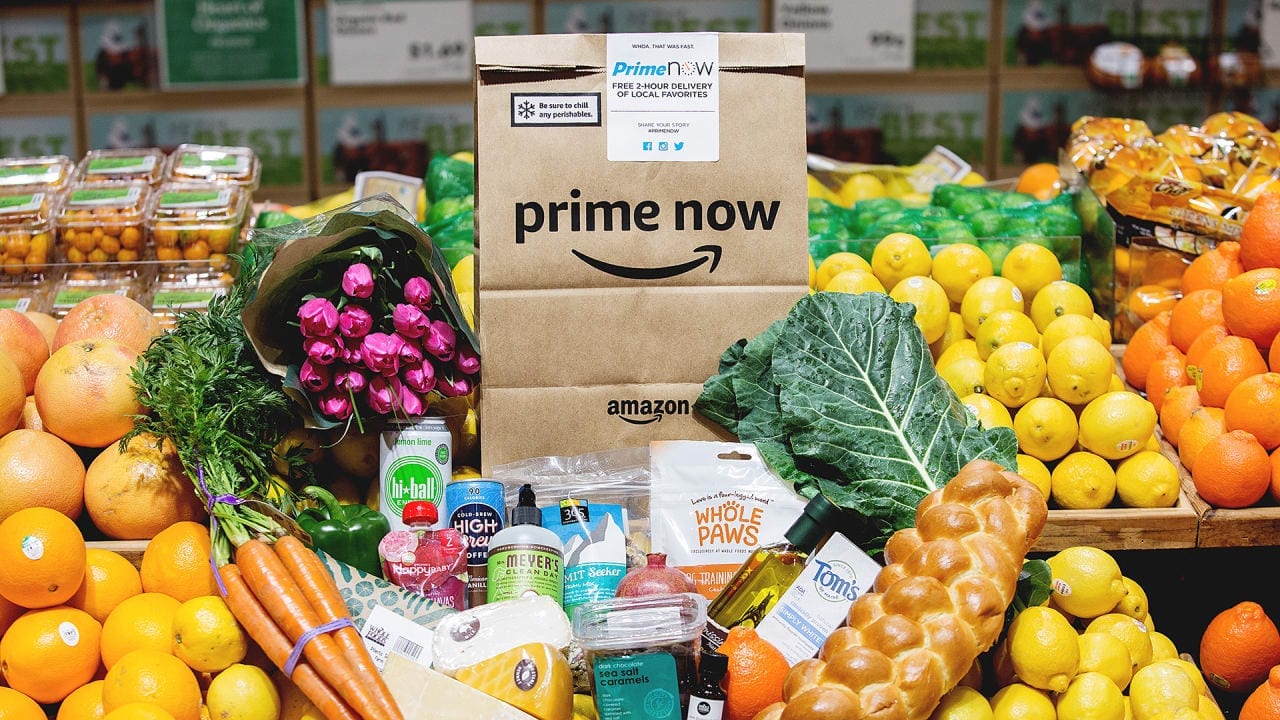
    Amazon will let customers pay for their groceries at Whole Foods locations in Seattle with a swipe of their palms. The online shopping giant, which acquired Whole Foods in 2017, is rolling out pay-by-palm technology at some grocery stores near Amazon’s headquarters to make paying quicker and more convenient.

    The technology, called Amazon One, lets shoppers scan the palm of their hand and connect it to a credit card or Amazon account.

    After the initial setup, which Amazon claims take less than a minute, shoppers can scan their hand at the register to pay for groceries without having to open their wallets.

    Amazon first launched the technology late last year and at the time said the technology could be used at stadiums, office buildings and other retailers.

    So far, Amazon hasn´t announced any takers. The technology has been put into use in several of its cashier-less stores and Amazon said it has signed up thousands of users, but didn´t provide a specific number.

    Arun Rajan, senior vice president of technology and chief technology officer at Whole Foods, said the company is always looking to innovate.

    ‘At Whole Foods Market, we’re always looking for new and innovative ways to improve the shopping experience for our customers,’ he said.

    ‘We’re starting with an initial store at Madison Broadway in Seattle and look forward to hearing what customers think as we expand this option to additional stores over time.’

    Privacy experts have warned against the use by companies of biometric data, such as face or palm scans, because of the risk of it being hacked and stolen.

    Reuben Binns, an associate professor focusing on data protection at the University of Oxford, said last year that the technology raises privacy concerns since it is kept in the cloud which could make it accessible to hackers and the government.

    ‘The advantage is that it’s on you all the time, this isn’t something you can lose, but that’s also a disadvantage because you can never change it,’ says Binns.

    ‘You can never change your palm like you change your password or other identification tokens.’

    Amazon said it keeps the palm images in a secure part of its cloud and doesn´t store the information on the Amazon One device. The company said shoppers can also ask for their information to be deleted at any time.

    People walk out of an Amazon Go store, in Seattle. Amazon said Wednesday that it is rolling out its pay-by-palm technology to some of its Whole Foods supermarkets

    A Whole Foods store in Amazon’s hometown of Seattle started using the technology on Wednesday. Seven additional Whole Foods locations in the area will have it installed in the coming months.

    Whole Foods is headquartered in Austin, Texas. It was not immediately clear if locations in Texas will receive the rollout.

    Amazon declined to say if or when other locations might get it. There are about 500 Whole Foods stores across the country.

    The move shows how Amazon is bringing some of the technology already in use at its namesake brick-and-mortar Go and Books stores to the high-priced grocery chains.

    The deployment stops short of introducing Amazon’s cashier-less technology at Whole Foods, which critics have said would result in job cuts.

    Amazon One still requires scanning items at checkout, and the company said it will not impact jobs at Whole Foods.

    According to the Amazon One website, ‘no two palms are alike’ which means it ‘can’t be used by anyone but you.’

    ‘One reason was that palm recognition is considered more private than some biometric alternatives because you can’t determine a person’s identity by looking at an image of their palm,’ the website reads.

    However, fingerprints, also long believed to be unique to individuals, have recently come under fire in the criminal justice system.

    Judge Louis Pollack made headlines with a ruling fingerprint identification was not a legitimate form of scientific evidence in the January 2002 court case of United States v. Llera Plaza.

    Amazon also announced that starting this week, customers in Tulsa, Oklahoma, ‘will see local deliveries made in electric vehicles.’

  • Starbucks, Herschel Supply collection made from recycled coffee grounds

    Starbucks, Herschel Supply collection made from recycled coffee grounds

    Eco-warriors might be familiar with last year’s sustainable Starbucks x Herschel collection made from recycled plastic. The 2 brands have teamed up again on a new environmentally-friendly series, The resupply Collection. This time, it is manufactured from recycled coffee grounds. Like the previous collaboration, the Starbucks x Herschel Supply Co. 2021 collection includes drinkware and limited edition bags.

    To commemorate Earth Day 2021 on 22 April, the collection will be dropping on the same day. Read on to find out what items will be available and how you can get your hands on them a day before everyone else.

    Mugs and tumblers

    Herschel Supply Co. is a brand that often incorporates a bevy of floral patterns on its accessories. It’s no surprise that its collaboration with Starbucks will follow suit.

    For this mug, the bright green, red and white print inspired by coffee cherries pops against the black body, making for an eye-catching piece of drinkware. It will retail for $48.90.

    For something you can bring with you on the go, the tumbler features the same print as the mug above. You can also opt for the sleek, all-black tumbler if you want a more minimal piece to add to your backpack. Both tumblers will cost $56.90.

    With the Double Wall Plastic Tumbler, you can do your part for the environment while feeling like you’re drinking out of Starbucks’ iconic takeaway cup. The tumbler will retail for $36.90.

    Lunch box

    For those who like to BYO lunch boxes to dabao food, you can now do it while repping your favourite brands. The Starbucks x Herschel Supply Co. 2021 collection To Go Lunch Box is available for $35.90.

    The Chapter Carry-on Toiletry Bag might be small, but it makes a bold statement bearing the campaign’s tagline, “People, Planet, Coffee”. Use this pouch as a daily reminder to commit to sustainability while getting ready in the morning. The pouch will retail for $49.90.

    Convenience and style packed into one nifty pouch—the Fifteen Hip Bag will be the pride of all streetwear lovers once they get their hands on it. It will be available for $59.90.

    Backpacks and totes

    Tote bags are all about versatility. Whether you carry it on your shoulder, or hold it in your hands, they always look good. The Mica Tote Bag from the Starbucks x Herschel 2021 collection is no exception. You can cop the bag for $79.90.

    VSCO girls tired of pastel colours, give the Classic Mini Backpack a chance. You can achieve a more understated look while still sporting a fresh splash of green. This backpack will retail for $89.90.

    As long as you’re out and about in Singapore, you will probably come across multiple people carrying Herschel Supply Co. backpacks. This remix of the popular Retreat Backpack boasts both brands’ logos, and the campaign’s tagline to stand out. Now you can hop on the Herschel Supply Co. train without being called basic.

    The Retreat Backpack will cost $149.90.

    Good news for Starbucks Rewards Gold Members, all that bling you spent on the brand will be worth it. Gold Members will get early access to the collection in Starbucks stores on 21 April 2021. For the rest, as mentioned earlier, the collection will be released on 22 April to coincide with Earth Day. The Starbucks x Herschel collection will be available in Starbucks Singapore’s physical stores as well as its Shopee Mall and LazMall stores from 12pm onwards.

    In the meantime, you can also check out the freshly released Starbucks hedgehog mugs from the brand’s recent summer-themed collection.

  • Causeway Bay deposed as Asia’s most-expensive retail strip

    Causeway Bay deposed as Asia’s most-expensive retail strip

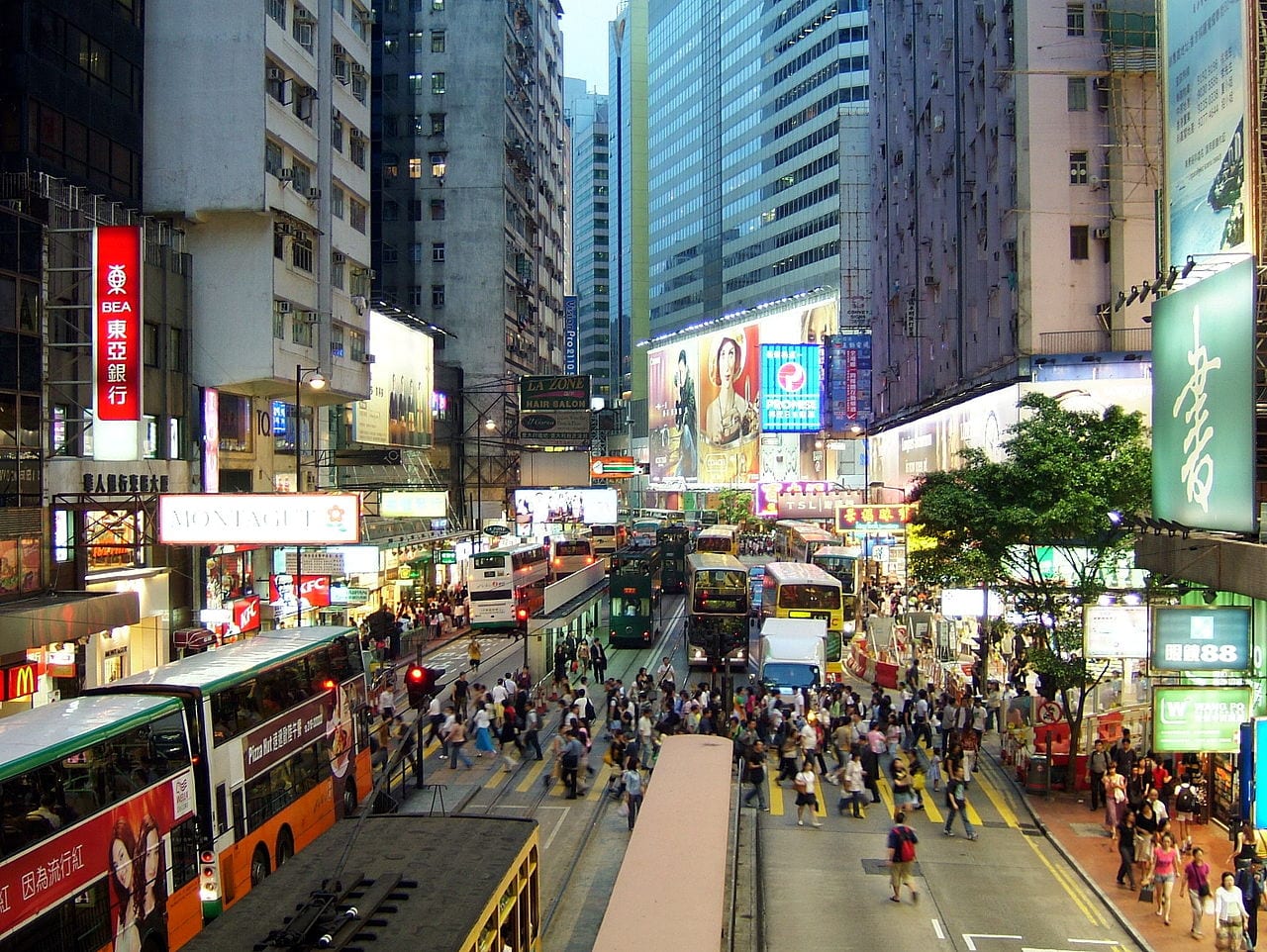
    Two-thirds of retail strips in Asia Pacific saw rental declines in 2020, with Causeway Bay in Hong Kong experiencing the steepest decline at 43%, according to Cushman & Wakefield’s latest Asia Pacific Main Streets Report. Causeway Bay had been #1 across the globe in retail rental value in the last 2 years. Yet, its position was taken over by Tsim Sha Tsui in 2020. Retail rental dropped by 42% and 35% year-on-year for Central and Tsim Sha Tsui respectively. On average, retail space rental value citywide has fell by 38% in Hong Kong over the course of 2020.

    “Ownership diversity is the key differentiator between Tsim Sha Tsui and Causeway Bay retail rental performance. Ownership of Canton Road in Tsim Sha Tsui, the main shopping area, is more centralized when compared with Russell Street of Causeway Bay. In times of crisis, centralized ownership allows for more flexible measures to retain tenants, thus maintaining a more stable trade mix with a cluster of renowned brands with optimal brand impact,” said Mr. Kevin Lam, Cushman & Wakefield’s Executive Director, Head of Retail Services, Hong Kong. “Looking ahead, with international travel made possible again towards the later part of 2021, together with a stable trade mix, we would expect retail rental performance to recover first in Tsim Sha Tsui district for the same reason,” Mr. Lam continued.

    However, the retail sector in Mainland China had the least disruption amongst all the markets in the region, with average rental declines of 5%. In contrast to the Beijing Central Business District (CBD) which had a 14% decrease in rental in 2020, the Luohu district in Shenzhen saw the largest rental growth of 5%.

    Mr. Keith Chan, Cushman & Wakefield’s Director, Head of Research, Hong Kong, commented, “Hong Kong remained in the top position regardless of the average retail rental drop of 38% in 2020. Tsim Sha Tsui still sits 31% above the second place, Ginza of Tokyo. This reflects the exceptionally high retail rentals in Hong Kong regardless of the pandemic outbreak and economic downturn.”

    “The key market drivers in operation due to COVID-19, namely international border closures, lockdowns and work-from-home practices have been universally felt across the region. As a result, we see little change in Asia Pacific rent cost rankings, at least for the top 10 cities, with Hong Kong, Tokyo, Sydney, Seoul and Osaka maintaining their dominance at the top of the list,” noted Dr. Dominic Brown, Head of Insight & Analysis, Asia Pacific at Cushman & Wakefield.

  • Adidas quits Hong Kong Central as retail stagnation continues

    Adidas quits Hong Kong Central as retail stagnation continues

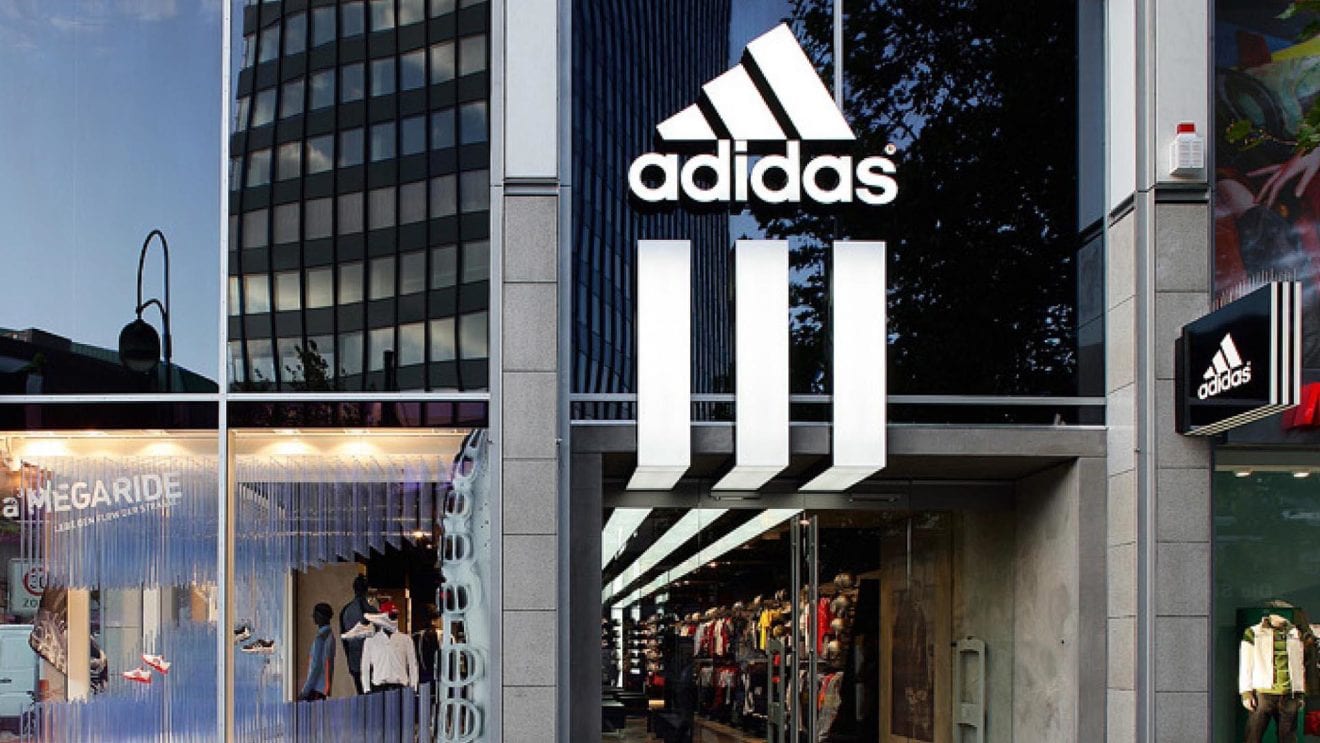
    Adidas is exiting Hong Kong’s Central prime business district. The German sportswear giant signed a HK$4.34 million a month, or HK$52.1 million a year, lease for the 13,000 sq ft shop at 36 Queen’s Road in 2015. Removal staff were seen dismantling shelves and putting away stock on Wednesday.

    “After a thorough review we have decided to close the Adidas Brand Center on Queen’s Road,” the company said on Wednesday. “We continue to have a strong presence in Hong Kong, with more than 20 Adidas stores and multiple franchise stores.”

    Adidas is potentially following in the footsteps of Gap, Topshop, and Esprit, brands that have either shut shop in Central or exited Hong Kong altogether. International brands that rely heavily on mainland Chinese and other tourists for sales in Hong Kong have found themselves unable to sustain business operations after the city essentially closed its borders early last year to combat and contain its coronavirus outbreak. Visitor arrivals dropped by about 94 percent last year to 3.57 million. Retail sales too fell, by 24.3 percent to HK$326.5 billion.

    “It is not surprising to see major retailers closing down, especially their prime flagship shops,” said Hannah Jeong, head of the valuation and advisory services at Colliers International in Hong Kong. “Despite a 25 percent drop in overall retail shop rents, and some prime street shops facing up to a 50 percent reduction in rents, operations costs including rental expenses are still not yet sustainable, given the large cuts in revenue.”

    Rents on Russell Street in Hong Kong’s prime shopping district Causeway Bay stood at US$2,671 per square foot in 2018. By the second quarter of 2019, it was the world’s most expensive shopping avenue, with rents at US$2,745 per square foot a year on average, according to commercial real estate services firm Cushman & Wakefield. The city’s exorbitant rents coupled with plunging retail sales have made business operations unviable for many retailers.

    Adidas’s lease for the space expired last year and it opted for a short-term deal, which suggests “the brand might leave at any time”, said Thomas Chan, research analyst at property agency Midland IC&I. “According to market news, a local bank may lease the premises for over HK$2 million a month, down almost 54 percent compared with the last lease, if the deal is sealed,” he said.

    The city will see more reasonable shop operations, given the softening of the retail market, said Colliers’ Jeong. “Flagship shops will find it difficult to make a profit. Therefore, we will see more brands looking for smaller shops to maximize the dollar spend per square foot. This does not necessarily mean that retail brands are closing down, or withdrawing from the Hong Kong market. It is rather that shop requirements of retailers are changing.”

    Indeed, Adidas itself rented the shop at 36 Queen’s Road at a rate that was 22.5 percent cheaper than that paid by its previous tenant, US luxury brand Coach, according to the Land Registry.

    The number of foreign brands have expanded in Central of late. Casual clothes brand American Eagle has taken up a 7,000 sq ft space vacated by Gap in LHT Tower just a few steps away from the vacated Adidas shop. In October last year, mid-priced French sporting goods retailer Decathlon rented a 9,300 sq ft shop previously rented by luxury leather goods retailer MCM in Entertainment Building in Central.

    “It is quite common to see retailers come and go across different retail districts in Hong Kong, as they adjust their retail strategies. As retail rents have dropped significantly, by as much as 60 percent from their peak in the third quarter of 2014, international retailers are in fact looking for prime spaces to take advantage of the cheaper rents,” said Lawrence Wan, senior director, advisory and transaction services – retail, at CBRE.

  • Twitter launches Professional Profiles for businesses

    Twitter launches Professional Profiles for businesses

    Twitter has officially launched a test of its new profile type called Professional Profiles, aimed to allow businesses to display specific information to potential customers.

    Twitter Business has posted an image showing what the new profile looks like, with a short description reading: “Like our new look? Today we’re launching an exciting test of a new profile type called Professional Profiles!”

    Kayvon Beykpour, Twitter’s product lead, has thrown in additional hype, saying that “Businesses will soon be able to distinguish themselves on Twitter with distinct attributes on their Profile!”

    From the image, posted above, we can see that businesses will be able to display their address and a map of their location directly under the number of followers. According to Baykpour, though, Twitter will soon implement more features, tailored toward business.

    At the moment Twitter is testing Professional Profiles with just a handful of business owners in the US, with a rollout to a wider audience to follow in the next few months.

  • China is Becoming a Global Center of the Pharmaceutical Industry

    China is Becoming a Global Center of the Pharmaceutical Industry

    China’s pharmaceutical industry is in the midst of a transformation. China is one of the largest markets in the world for medicine – and it is poised to become a global hub of drug innovation/a global leader in drug development technology.

    An increasing number of international investors have turned their attention to the healthcare sector as the corona crisis rages on. Weak spots in healthcare systems across the world have been exposed by the pandemic, and it has also triggered a fundamental reset in investor mindsets. One of the winners of these recent events will probably be the healthcare industry in emerging markets – which are also becoming increasingly important as a market for medicines.

    At the center of these developments is Asia, where healthcare systems are facing the same challenges as healthcare systems in the West. Changes in lifestyles and diets associated with rising wealth are having a negative impact on people’s health. For example, the rapidly growing number of overweight people worldwide is leading to a rapid increase in the number of diagnosed diabetes cases.

    A quarter of the estimated 400 million people worldwide who have diabetes live in China and almost a fifth live in ASEAN countries such as Malaysia or Thailand. At the same time, aging populations are leading to an increase in the number of patients diagnosed with cancer, neurological or circulatory diseases. This translates into steadily rising costs for national healthcare systems as more and more citizens require access to efficient and affordable healthcare.

    Asia is forging ahead. This was once again evident as the coronavirus crisis unfolded and Asian companies led the way with their solutions. Meanwhile, a raft of positive data has been published in other areas and improved the corresponding pipeline visibility. Last but not least, the process of digitization has gained momentum, while disruptive technologies are steadily improving access to healthcare.

    China has one of the largest medicine markets in the world. Its overall spending on healthcare is still low compared to many of the industrialized countries. The country is making steady progress in expanding its domestic drug research and development capabilities and its domestic drug production, which helps the government to provide an increasing number of Chinese with access to affordable healthcare.

    The Chinese government is offering tax and other financial incentives as part of a long-term plan to develop an internationally competitive homegrown biopharmaceutical industry. Beijing’s national health policy currently prioritizes efficiency and the establishment of innovation centers, which it is promoting through financial incentives. The main pillars of the government’s approach here are three vast centers of innovation – the Zhangjiang Hi-Tech Park near Shanghai, the BioBay in Suzhou and the Shenzhen innovation hub, which is often referred to as China’s Silicon Valley for pharma companies because it is already home to global companies such as Huawei.

    Sales of innovative drugs in China are forecast to triple from 117 billion yuan this year to 375 billion yuan in 2025. Local biotech companies selected as “partners of choice” for global companies seeking to enter the Chinese market and advance the development, approval and commercialization of their drugs in China will play a critical role in achieving this growth. Innovative homegrown Chinese drugs are also creating excitement worldwide and these drugs are being in-licensed by Big Pharma in the West.

    The current situation is comparable with the situation in the U.S. at the end of the 1980s when the biotech boom began, driven by scientific breakthroughs. We believe China’s medicine market is poised to become a major growth market and is currently transitioning from a «Me-Too» drug market to a «First-in-Class» or Best-in-Class market.

    Valuations in the Asian healthcare sector are currently very inexpensive and stock prices have shown a positive trend since the global coronavirus-induced crash last year. The BB Adamant Asia Pacific Healthcare Fund has outperformed the broader indexes throughout the various market cycles.

    For example, it has delivered an excess performance of more than 50 percent relative to the MSCI Asia Pacific Index since its launch at the end of April 2017. The secular upward trend in Asian healthcare markets should continue going forward, thanks in particular to the growing innovation power of the region, where companies that stand to benefit from structural trends are already winning international acclaim.

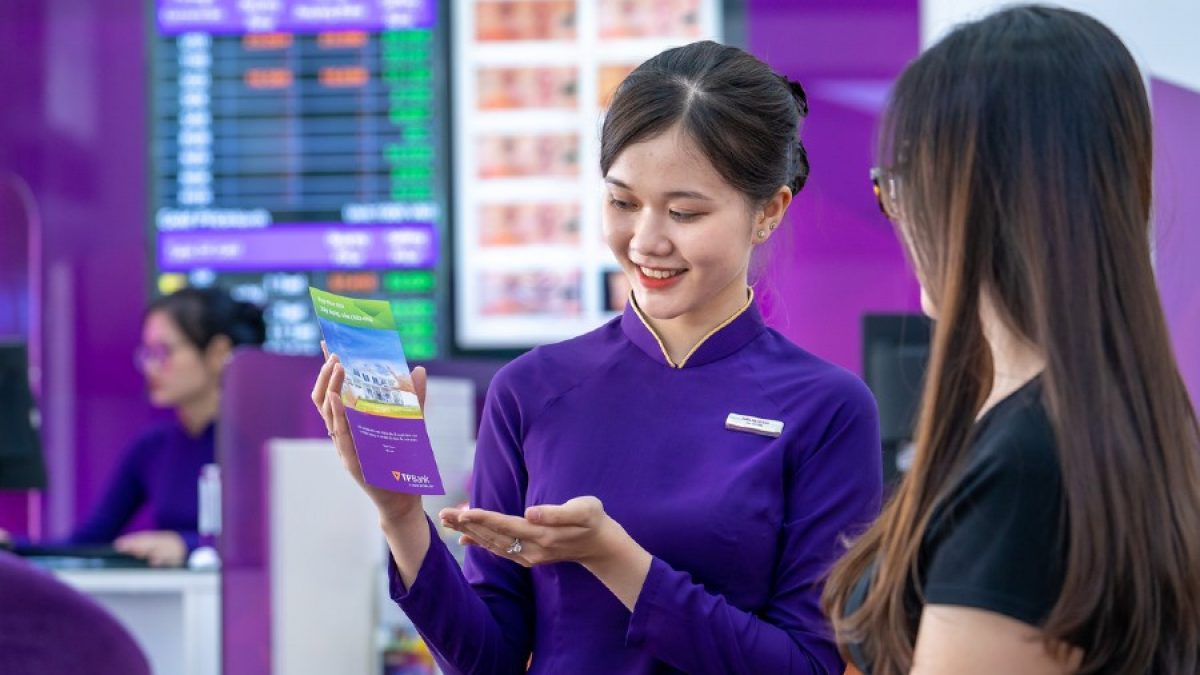
  • TPBank posts 41 percent surge in profits

    TPBank posts 41 percent surge in profits

    The bank said a surge in net interest income and a cut in operational expenses has boosted its Q1 performance.

    Its net interest income grew 30 percent in the period, while operational expenses dropped 10 percent, according to the bank’s financial statement.

    It said that its pre-tax profit growth was average compared to other lenders’ growth rates of 50 percent or even over 100 percent during the same period.

    For example, the increase in Q1 pre-tax profit was 135 and 110 percent respectively for the state-owned VietinBank and Military Commercial Bank (MBBank). Private lender ACB, meanwhile, saw a 61 percent increase in its Q1 pre-tax profit.

    TPBank’s Q1 revenue was up 15.2 percent year-on-year to VND2.78 trillion.

    By March end, both its outstanding loans and capital mobilization increased 4 percent to VND124.3 trillion and VND120 trillion, respectively. Non-performing loans were at 1.19 percent.

    The bank has set a target of VND5.5 trillion in pre-tax profit for 2021, a year-on-year increase of 25 percent.