Tag: asia

  • Apple closing all stores worldwide outside China

    Apple closing all stores worldwide outside China

    Apple has closed all its stores outside of Greater China in response to the coronavirus outbreak.

    According to a company statement, all of Apple’s retail stores outside China will be closed until March 27 however, its online store and “Apple store” app remain open.

    Apple CEO Tim Cook said the company’s experiences while trading in China earlier this year drove the decision.

    “One of those lessons is that the most effective way to minimize risk of the virus’s transmission is to reduce density and maximize social distance,” the company said in the statement.

    Apple said in all its offices outside Greater China, it is moving to a “flexible work arrangement”, which means team members will work remotely if their job allows. All hourly workers will continue to be paid “in alignment with business-as-usual operations”.

    Apple shut down all its stores in Mainland China in early February when the country was heavily affected by the outbreak. Recently, it has progressively reopened stores and all 42 outlets in Mainland China have now resumed normal business.
  • Isetan leaving Thailand

    Isetan leaving Thailand

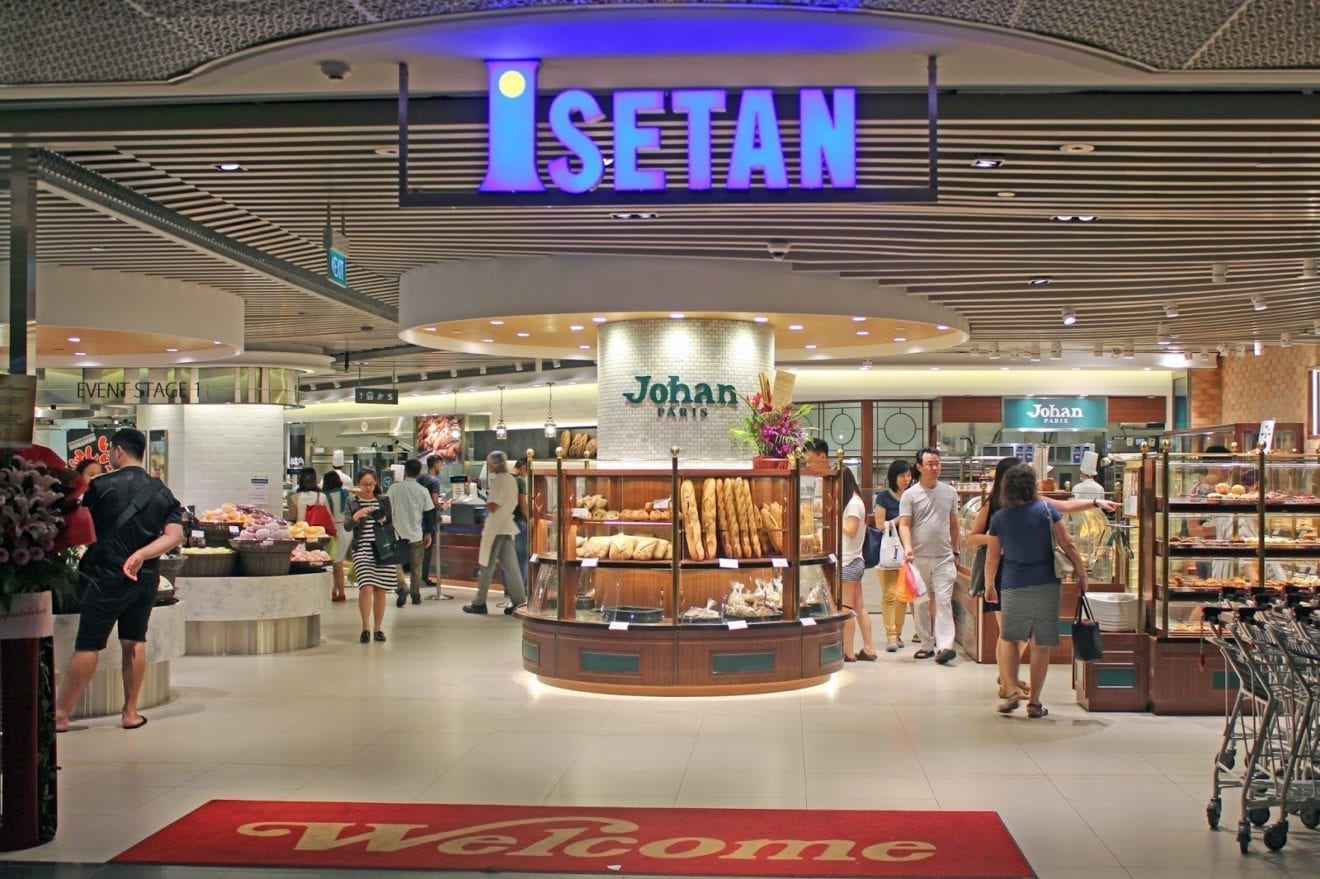
    Japanese department-store chain Isetan will quit Thailand later this year after 28 years operating in Bangkok.

    The company says it will not renew the lease of its space in the CentralWorld shopping center when it comes up for renewal in August.

    However, Isetan and CentralWorld’s owner Central Pattana may discuss a plan for the Japanese restaurant zone on the top floor, in which Isetan tenants operate effectively as concessions.

    The Isetan department store opened at CentralWorld back in 1992 when it was called the mall was called World Trade Center.

    The last major renovation of the space opened in December 2015, a food concept called Washoku Gallery.

    In keeping with the department store’s heritage, the gallery features food products imported from Japan. The company said at the time that Japanese food and culture is broadly liked by Thailand’s urban consumers and Isetan wanted to tap into that growing demand.

  • Once again, ZTE is in trouble with the U.S.

    Once again, ZTE is in trouble with the U.S.

    Before Huawei was banned from its U.S. supply chain last May, fellow Chinese manufacturer ZTE was blocked from its state-side supply chain in 2018. While Huawei was able to thrive despite its placement on the U.S. Commerce Department’s entity list, ZTE almost went out of business. Surprisingly, a tweet from President Donald Trump set the wheels in motion for a settlement that ultimately saved the company.
    But ZTE is once again in the Trump administration’s crosshairs. The smartphone and networking equipment manufacturer is being investigated for allegedly bribing foreign officials to help its global operations. The Justice Department has not revealed any information about the investigation. In 2016, the Commerce Department fined ZTE $1.19 billion for selling goods and services to Iran and North Korea despite U.S. trade sanctions against both countries.
    As part of the punishment, ZTE was banned from its U.S. supply chain for seven years; the Commerce Department suspended the ban as long as the manufacturer was following all of the penalties placed on it by the U.S. government. But once the Trump administration realized that ZTE was paying bonuses to some employees in violation of that agreement, the supply chain ban was initiated in April 2018 running through March 2025.
    Unlike Huawei, which rode a wave of Chinese patriotism and still managed to deliver approximately 240 million handsets last year (second behind Samsung and ahead of Apple), ZTE does not design its own chips and did not prepare for a ban as Huawei had done by stockpiling chips. ZTE, which was the fourth-largest smartphone manufacturer in the U.S. prior to the 2018 ban, was running into trouble. But out of nowhere, President Trump disseminated a tweet expressing concern for the jobs being lost in China because of the supply chain ban. Trump wrote that he had instructed the Commerce Department to reach a deal with ZTE. Weeks later, a deal was made. ZTE paid the U.S. $1 billion and put $400 million into an escrow account in case it committed any illegal acts in the future (like the new charges). The Chinese manufacturer also agreed to overhaul its Board of Directors and replace its executive team. A compliance team from the U.S. was placed inside the company.
    ZTE was never able to regain its position as a top smartphone vendor in the states. Motorola took over its spot as the fourth most popular brand in the U.S. and that continues. The U.S. still considers ZTE to be a national security threat. Back in November, the FCC voted to block the Universal Service Fund (USF) from purchasing networking equipment from ZTE and Huawei. The $8.5 billion fund is managed by the regulatory agency and is funded through a fee tacked on to consumers’ wireless bills. The USF is charged with helping rural carriers provide internet service to rural Americans. Many of these operators used Huawei and ZTE gear for their 3G and 4G networks.
    The FCC and the U.S. government want these rural operators to remove any Huawei and ZTE equipment that is embedded in their networks. The FCC has already estimated that this will cost nearly $2 billion to accomplish over a two-year period. Congress has approved a resolution offering rural carriers $1 billion to remove this gear from their networks. Both Huawei and ZTE are considered national security threats because of their ties to the communist Chinese government. U.S. lawmakers are concerned that the two companies place backdoors in their equipment that gather intelligence and send it to Beijing. ZTE and Huawei have repeatedly denied these allegations.
  • HSBC Simplifies SME Green Financing

    HSBC Simplifies SME Green Financing

    HSBC makes an industry-first move to launch a green loan program with a simplified process aimed to boost small to medium-sized enterprise participation.

    A minimum limit of $350,000 will apply based on a newly simplified process that accepts green loan applications from potential borrowers holding industry certifications approved by HSBC.

    The certifications include: Singapore Environment Council’s Singapore Green Labelling Scheme (SGLS) and eco-certification schemes; Building and Construction Authority’s Green & Gracious Award, and Green Mark Scheme (GoldPLUS and Platinum); Singapore Green Building Council’s product and services certification schemes; and Green-e’s Renewable Energy Certification. HSBC could look to expand its list of accepted certifications.

    In the current environment, corporates typically develop bespoke green frameworks before applying for green loans to demonstrate that their practices with regards to the proceeds are aligned with internationally recognized standards. This could incur human resource and capital costs that are relatively burdensome for SMEs compared to large corporates which can achieve scale in long-term funding from their frameworks.

    We hear a lot of interest from SME clients in green loans, but we see limited action – this is not for want of trying, but comes down to accessibility, said HSBC Singapore’s head of business banking Ng Li Lian, highlighting demand from clients with business in electric vehicles, engineering or manufacturing, clean water and recycling sectors.

    SMEs can’t afford the typical costs or time associated with green finance, with management teams already spread thin as they focus on the day-to-day running of the business.

  • Pomelo launched in-app livestream shopping with Davika Hoorne

    Pomelo launched in-app livestream shopping with Davika Hoorne

    Pomelo has launched in-app shoppable Livestream starring famous Thai actress Davika Hoorne.

    The new service is based on its in-app Livestream technology rolled out last month. With the new shoppable functionality, Pomelo offers its customers “an engaging and interactive dimension” of the digital retail experience, the company said in a statement.

    During the in-app Livestream, Pomelo’s customers will be able to interact with Davika Hoorne, receive the actress’ fashion opinions and purchase items immediately.

    Pomelo also hosts a weekly live show called ‘Live On Pomelo’, featuring the brand top picks and latest collections.

    Pomelo’s in-app shoppable livestream with Davika Hoorne will be available on March 18.

  • City Super supermarket chain sale sparks strong interest

    City Super supermarket chain sale sparks strong interest

    Investment groups China Resources and Yonghui Superstores, as well as some private individuals, are among potential buyers of Hong Kong’s City’Super high-end grocery chain.

    Current owner The Fenix Group is intending to sell a majority stake in the business in a deal that could attract US$300–400 million. The firm is likely to call for bids later this month or otherwise in early April, depending on the coronavirus outbreak situation at the time.

    Billionaire Peter Woo, who owns a minority stake in the business, is expected to hold on to his shares. Talks, however, remain at early stages and the deal may not eventually go ahead.

    City Super Group currently operates 21 Hong Kong City’Superstores, with an additional seven in Shanghai and another seven in Taiwan under different brand names. The stores are located in prime properties such as Hong Kong’s IFC Mall.

  • Gome launching on JD.com

    Gome launching on JD.com

    A Gome flagship store has launched on JD, giving the Chinese home appliance retailer access to JD’s more than 360 million active annual customers.

    “JD.com is pleased to launch Gome’s third-party flagship store on our platform, making home appliances from Gome’s offline store available to more Chinese consumers online,” said a spokesperson from JD. “JD’s third-party platform welcomes all qualified merchants with high-quality products and services to launch stores on our platform. Gome will also use JD’s supply chain to introduce consumer goods to its online platform gome.com.”

    The cooperative agreement reflects an emerging dynamic in Chinese retail where businesses that would normally tend to compete are instead leveraging each other’s strengths to take advantage of the scale of China’s online reach.

    For the time being, Gome will use its own warehouse and logistics facilities for the third-party store. JD will provide data, technology and customer service-related support to Gome.

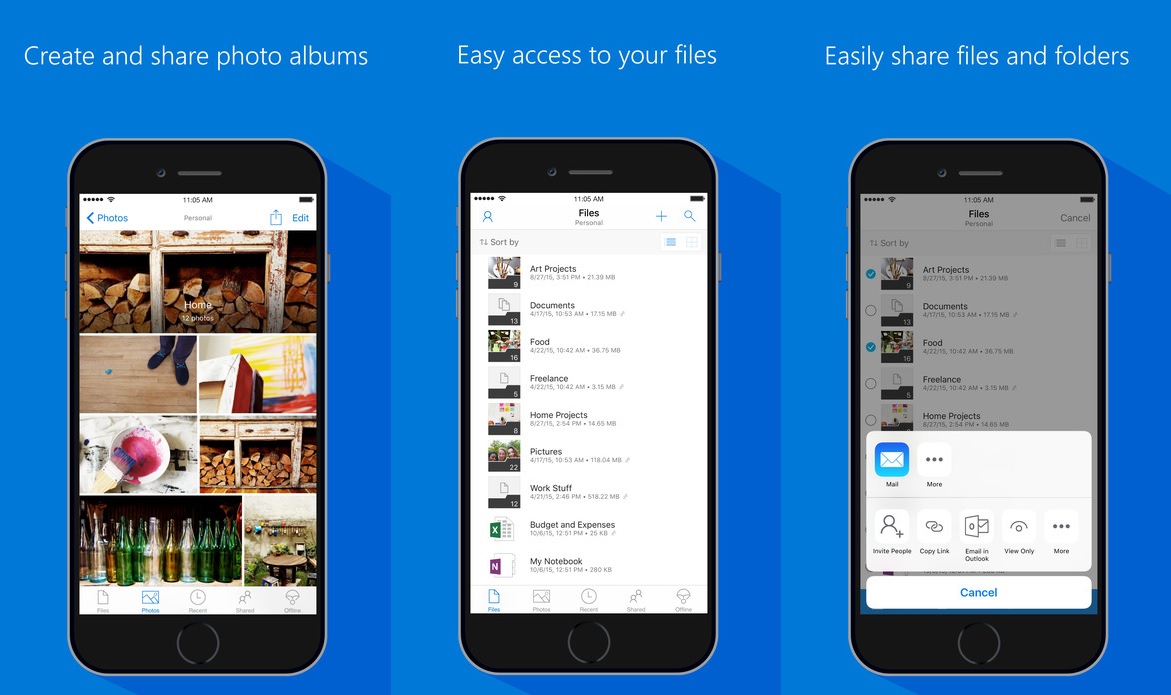
  • OneDrive now supports Dark Mode on Android phones

    OneDrive now supports Dark Mode on Android phones

    Almost six months after bringing Dark Mode to OneDrive on iOS, Microsoft is enabling the visual option on the Android version of the app. With OLED displays becoming more common, darker themes and modes started to appear in many mobile apps, including Gmail, WhatsApp, Facebook Lite, Google Translate and more. OLED technology displays black by turning off individual pixels, so the darker the theme, the less energy the device consumes. Besides energy efficiency benefits, Dark Mode is also much easier on the eyes in low-light conditions.

    Microsoft is rolling out the new features with version 6.0.1 of the app with another little tweak in the Photos tab. Users will get a trip down memory lane with the option to revisit old photos taken on the same day in previous years.

    To activate Dark Mode in OneDrive, go to the Settings menu on the homes screen, and tap on the Theme option. You can then choose Light, Dark or System Default. The last one will use the Global theme settings of the device. This option is useful when you want to schedule different themes for different times of the day – Dark Mode activating at sunset, for example.

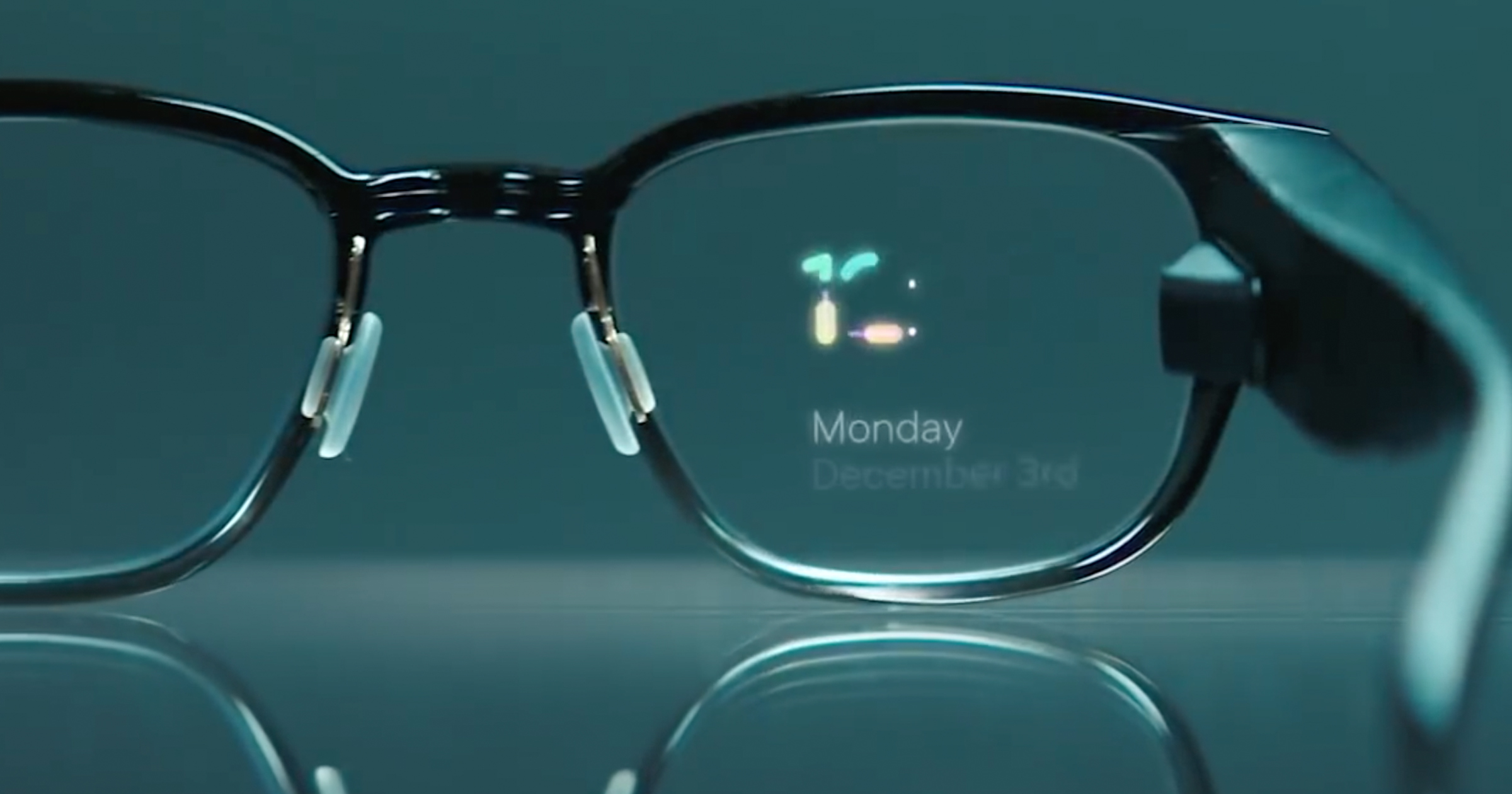
  • Patent applications reveal how Apple Glasses will charge

    Patent applications reveal how Apple Glasses will charge

    A new series of patent applications filed by Apple with the U.S. Patent and Trademark Office (USPTO) reveals some of the features that Apple might include with its upcoming AR or mixed reality (augmented and virtual reality) headset. While some analysts had called for this device to launch as soon as this year, it is more likely that the device will see the light of day in 2022 or 2023.

    The first of the patent applications published today is simply called “Display System.” The patent envisions the use of coils placed inside the headband of the Glasses that go around the back of the wearer’s head. A power storage device would be placed near the display and between uses, the headset would be placed in a dock that aligns with the coils to wirelessly charge the device. The headset band could use magnets to help align the coils with the charger. Another possibility is the use of a stand that the headset could hang on. The part of the Apple Glasses that contains the coils connects with the part of the stand that allows the inductive charging to take place.

    Since different people have different face shapes and sizes, Apple applied for another Apple Glasses related patent. Titled “Electronic Device with Adjustable Support Structures,” this reveals an adjustable structure that rests against a user’s forehead with second and third portions that rest against the user’s cheeks or temples. The adjustable structures can use telescopic layers of material, inflatable structures, posts with adjustable lengths, or elastic material that expands or retracts depending on the shape and size of the wearer’s face. A cable system could be used so that if the user adjusts the device to better fit his forehead, the cable tightens around both temples.

    Another patent application titled “Electronic Device With A Display Attached to a Lens Element” suggests that Apple could attach lens elements to the headset’s display by using a layer of optically clear adhesive or the lens element may be formed from gel that directly contacts the display. Attaching the lens directly to the display could help prevent dust and dirt from blurring images. Most VR headsets include lenses that can be found between the user’s eye and the display. The patent would help Apple align these lenses with the headset’s display. “Ultimate Sensor” is another patent application filed by Apple that discusses a system that transmits pulses and measures any echo coming from that pulse. If a sensor on the headset detects the presence of an object, a second pulse is sent out to help identify it. The technology could be used in combination with a camera to show the headset wearer a view of the real-world to prevent accidents.

    Apple has kept mum about its Apple Glasses although it is known that CEO Tim Cook loves AR. He has said in the past that “I regard it (AR) as a big idea like the smartphone. The smartphone is for everyone, we don’t have to think the iPhone is about a certain demographic, or country or vertical market: it’s for everyone. I think AR is that big, it’s huge. I get excited because of the things that could be done that could improve a lot of lives. And be entertaining.”

    Last September, hidden code discovered in iOS 13 revealed that Apple’s upcoming headset has a code name of T288 and is known as “Garta.” It reportedly will use the “reality Operating System (rOS)” and an app called “”STARTester” will recreate on an iPhone display exactly what the Apple Glasses wearer is seeing on his headset. A 5nm chip long has been rumored to be used on Apple Glasses and the very first chip that meets this standard will soon roll off of TSMC’s assembly line.

  • DBS, Revenue Projections are a Moving Target

    DBS, Revenue Projections are a Moving Target

    DBS’ Tan Su Shan followed up on the estimates for a 2 percent of revenue cut, underlining that potential revisions could come should the pandemic prolong.

    Soon after the bank’s chief executive Piyush Gupta announced a modest 1-2 percent revenue reduction, institutional banking head Tan Su Shan followed up by adding that the matter was a «moving target» and that potential revisions could come.

    We are living day by day, week by week right now, she said in a report, highlighting that the estimate was based on the assumption that the pandemic would subside by mid-year. «The key here is to stay with the clients, watch everyone’s positions and make sure everyone is okay.»

    According to Tan, non-performing loans are expected to increase from small and medium-sized enterprises across tourism, apparel, hospitality and other sectors tied to consumer demand. Nonetheless, she noted that Singapore and other parts of Asia are observing signs of stability fuelled by government stimulus though business confidence and a recovery in consumer demand still lag.

    For 2019, DBS demonstrated resilience posting a 14 percent increase to net profits to a record S$6.4 billion ($4.5 billion) from a 10 percent year-on-year income increase. From such a position, its modest revenue cut projection signals greater risks in the broader financial industry, especially amongst players with greater China exposure.

    AIA, for example, noted that face-to-face meetings in China, which account for 40 percent of sales, took a hit, though its online sales managed to partially offset the loss. Its soon to retire chief executive and president Ng Keng Hooi noted the headwinds the insurer faced from the coronavirus and low-interest rates but remains optimistic that  «the industry would overcome this down cycle and come out stronger», in a report.

  • Volkswagen Plans To Tap Electric Car Batteries To Compete With Power Firms

    Volkswagen Plans To Tap Electric Car Batteries To Compete With Power Firms

    Volkswagen’s expansion in electric cars will open up new business opportunities in storing and managing energy, encroaching on business currently dominated by utilities and energy firms, chief strategist Michael Jost said on Thursday.

    Electric car batteries could be used to stabilize the energy grid by charging the battery in times of excess supply and selling electricity back to the grid at times when supplies of electricity from wind and solar power are low, Jost said.

    An automotive analyst says the car industry will potentially suffer as the world economy is negatively impacted by the coronavirus pandemic

    “By 2025 we will have 350-gigawatt hours worth of energy storage at our disposal through our electric car fleet. Between 2025 and 2030 this will grow to 1 terawatt-hours worth of storage,” Jost told journalists in Berlin.

    “That’s more energy than is currently generated by all the hydroelectric power stations in the world. We can guarantee that energy will be used and stored and this will be a new area of business.”

    The German carmaker is not alone in looking into this field. German utility E.ON has been working with Japanese carmaker Nissan to develop so-called vehicle-to-grid (V2G) services.

    Volkswagen is launching the ID:3 electric car this year. A basic version will cost less than 24,000 euros ($27,000) in Germany, once green car tax breaks and incentives are deducted, putting electric cars on par with combustion-engined variants.

  • The Philippines’ Max’s Group posts 17-per-cent profit growth

    The Philippines’ Max’s Group posts 17-per-cent profit growth

    Max’s Group (MGI) which operates restaurants under its own brand name, Yellow Cab Pizza, Krispy Kreme, Jamba Juice and Teriyaki Boy, has boosted net income to $14.43 million last year.

    Fourth-quarter sales alone increased by 10.4 percent to $108.55 million from $98.22 million the previous year.

    System-wide revenue for the full year totaled $77.56 million, up 7 percent year on year, to $392.07 million.

    “Our performance demonstrates the success of our strategies to focus on our core business and spur long-term expansion through franchising,” said MGI president and CEO Robert F Trota. “Our continued investment in our commissaries also marshals the integration and modernization of our operations.”

    He said the company remains cognisant of the headwinds in the current business environment and assured investors that their teams are well-equipped to sustain levels of service and profitability.

    Meanwhile Ariel P Fermin, group COO said that following a year when the company invested in its brands to drive mainstream relevance, its focus now is to deliver on the increased demand.

    “Our integrated supply-chain programs are designed to furnish consistent quality, cost-optimized, and responsive services to our growing customer base and store network.”

    He added that the fundamentals the company put in place will serve it well in light of the challenges ahead this year.

    Max’s Group opened 82 new stores last year, including 22 overseas, taking its network to 760 locations, with 70 of them located overseas in North America, the Middle East and Asia.

  • BNP Paribas Wins VCC Mandate

    BNP Paribas Wins VCC Mandate

    It will provide fund administration and global custody services in Singapore to Kamet Capital Partners.

    Multi-family office Kamet Capital Partners, one of the first fund managers to use Singapore’s Variable Capital Company (VCC) structure, is partnering BNP Paribas Securities Services in its plans to use the VCC.

    We selected BNP Paribas Securities Services for its attention to client needs and willingness to grow alongside Kamet, said Kerry Goh, chief executive officer of Kamet Capital Partners, said in a statement issued by BNP Paribas on Tuesday.

    Goh founded Kamet in 2017 after leaving Julius Baer, where he was head of portfolio management, Asia. Kamet’s Long Term Capital fund invests 60–70 percent of its portfolio in public securities, and the balance in alternatives and private investments.

    The VCC framework, launched in January, is part of Singapore’s plans to attract more funds to base themselves in the city-state.

    Catered to the needs of global investment funds and investors, fund managers will have greater flexibility in share issuance/redemption and the payment of dividends. Managers can also incorporate multiple funds in a single VCC to save costs.

    The initiative has already borne fruit, with Mindful Wealth redomiciling its flagship fund to Singapore under the framework, and RF Fund Management announcing it would be setting up its inaugural private equity fund to focus on fintech and property investments in Asia.

  • Alibaba Cloud to help retailers go live online within five days

    Alibaba Cloud to help retailers go live online within five days

    Alibaba’s cloud service is promising to boost e-commerce solutions to businesses suffering from the impact of the coronavirus outbreak.

    The new services will allow retailers to set up a functioning trading platform within five days. Remote hands-on training with a focus on time to market is provided.

    “The global retail industry has been hit hard by the widespread outbreak of the novel coronavirus, with businesses encountering a variety of challenges including limited access to supplies, decreasing consumer demand and foot traffic,” said Alibaba Cloud Intelligence president of international business Selina Yuan.

    “Retailers are in urgent need of a digital enterprise platform and ready-to-deploy e-commerce system to continue growing their businesses despite the uncertainty.

    “Alibaba Cloud is committed to supporting retailers amidst the coronavirus outbreak. Our suite of solutions is to facilitate this process quickly and securely, making e-commerce a sustainable option for offline retailers to carry on with business as usual.

    The services include a set of plug-and-play Alibaba Cloud products and solutions in computing, databases, multimedia and video live streaming, collaboration, and security and data analytics.

  • AS Watson says health-category sales rise 11 per cent

    AS Watson says health-category sales rise 11 per cent

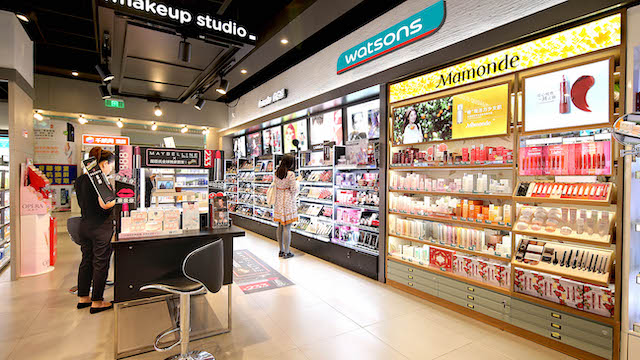
    AS Watson Group saw its health-category sales increase 11 percent last year with 1 billion shoppers purchasing health products from the brand globally.

    The figures reflect a global uptick in the vitamins and supplements industry, which is growing at a rate of 12 percent year on year internationally.

    Shoppers for health products visit a Watson’s store 10 times per year on average, according to survey data released by the firm. Their spending is almost 80 percent higher than the general shoppers.

    “Vitamins and supplements have experienced the fastest growth of 12 percent,” said group COO Malina Ngai. “We care about our customers’ health, and this is the second Global Health Survey we have commissioned, with the aim to ensure we stay abreast of their needs in their lifestyle. We will look for product and service solutions worldwide for our customers who increasingly want more control of their health.”

    The firm also launched a strategic partnership with Prenetics last year to pioneer a personalized preventive digital healthcare solution through the launch of DNA home testing to focus on prevention instead of treatment, which has also boosted its health-category sales.