Tag: asia

  • Behind the acronyms: Making sense of customer data platforms

    Behind the acronyms: Making sense of customer data platforms

    Success in today’s competitive retail landscape means putting the customer front and center.

    Retailers must understand their customers’ every need and deliver relevant, personalized experiences at the right moment to meet those needs. This necessity is particularly strong across the diverse APAC region, where connected device use, commerce platform capabilities, and consumer buying behaviors vary so widely between markets.

    This customer-centric approach relies on one key ingredient: data. Retailers are increasingly dependent on data to gain insight into the preferences and behaviors of shoppers, allowing them to deliver customized interactions. To do this they are turning to various tech platforms to help them make sense of data, correlating it across all customer interactions. Yet with so many different solutions available – and baffling acronyms such as CRM, DMP and CDP to understand – many are unsure what each technology does and which platform type is best suited to their unique needs, especially as different solutions include overlapping functionality. Let’s go behind the acronyms and take a closer look at these data platforms.

    CRM systems store sales data

    Retailers often confuse customer relationship management (CRM) systems with customer data platforms (CDPs), and they are far from alone. As reported in Gartner’s Hype Cycle for Digital Marketing and Advertising 2019, half the enterprise marketers that deploy a CDP say it is their ‘CRM system’ – indicating the confusion between the two, with definitions blurring.

    A CRM system is designed predominantly to store transactional data, usually from a form fill or purchase. CRM systems contain valuable first-party information but, with this focus on sales data, they do not provide insight into anonymous user behavior, and often have limited integration with other technologies deployed throughout the customer journey.

    DMPs create anonymous audience segments  

    Data management platforms (DMPs) collect data around online behavior, such as website interactions. This information is used to build audience segments, which are either employed in customer analysis or used to feed ad tech tools, such as demand-side platforms, that assist ad targeting.

    While valuable in their own right, DMPs have a number of limitations. They are generally cookie based and work on probabilistic data, rather than creating persistent customer profiles. As they focus largely on advertising, they don’t necessarily provide insight into the entire customer journey. While DMPs may have some ability to integrate first-party information, they are mostly focused on third-party data. 

    CDPs deliver a 360-degree view of the consumer

    CDP adoption is growing faster in APAC than in any other global region. However, despite rapid expansion, there is still confusion about what the technology does and how it differs from a CRM system or a DMP.

    A CDP is a system that centralizes customer data from all sources, including existing CRM systems and DMPs, but also mobile apps, customer-service systems, and beacons or IoT devices that track in-store behavior. The CDP then makes this data available to be used by a huge variety of other tech tools associated with marketing, customer service, and any other area of the retail organization, effectively democratizing customer data.

    CDPs can collect and collate first, second, and third-party data from multiple sources and use identity resolution to link all data snippets referring to one individual to a persistent profile. This focus on deterministic data enables retailers to build a comprehensive view of the customer – starting with their very first interaction – and to drive unified, personalized experiences.

    CDPs are prebuilt platforms but can be tailored to the needs of individual retailers with minimal technical assistance and resource requirements. They can be easily integrated with other systems, using maintained turnkey integrations. This means retailers can use them to link up, rather than replace, their existing technologies, and can bridge the internal and external data siloes that currently result in fragmented retail experiences. Because data is stored and updated over time, CDPs continually adapt and update in response to new real-time information.

    While a comprehensive view of the customer is invaluable across the entire retail organization, it is particularly beneficial in marketing, where it helps drive relevant, consistent messaging and avoid friction-generating blind spots. For instance, it can prevent a retailer emailing a customer with a special offer for a product they have already bought via the mobile app, or retargeting them with a display ad for an item they have just purchased in store.

    Retail success depends on an in-depth knowledge of consumer needs, which can only be achieved by unifying data from all sources, linking it to a persistent identifier, and gaining a comprehensive view of the customer. While CRM systems and DMPs each have useful roles to play in storing transactional data or building audiences segments, a CDP provides the unique customer view, unifying data from all sources and allowing the resulting insights to be used to drive performance across retail organizations.

    By Joseph Suriya, Senior Director Marketing APAC, Tealium
  • Luxury Real Estate in Singapore Draws Rich Chinese

    Luxury Real Estate in Singapore Draws Rich Chinese

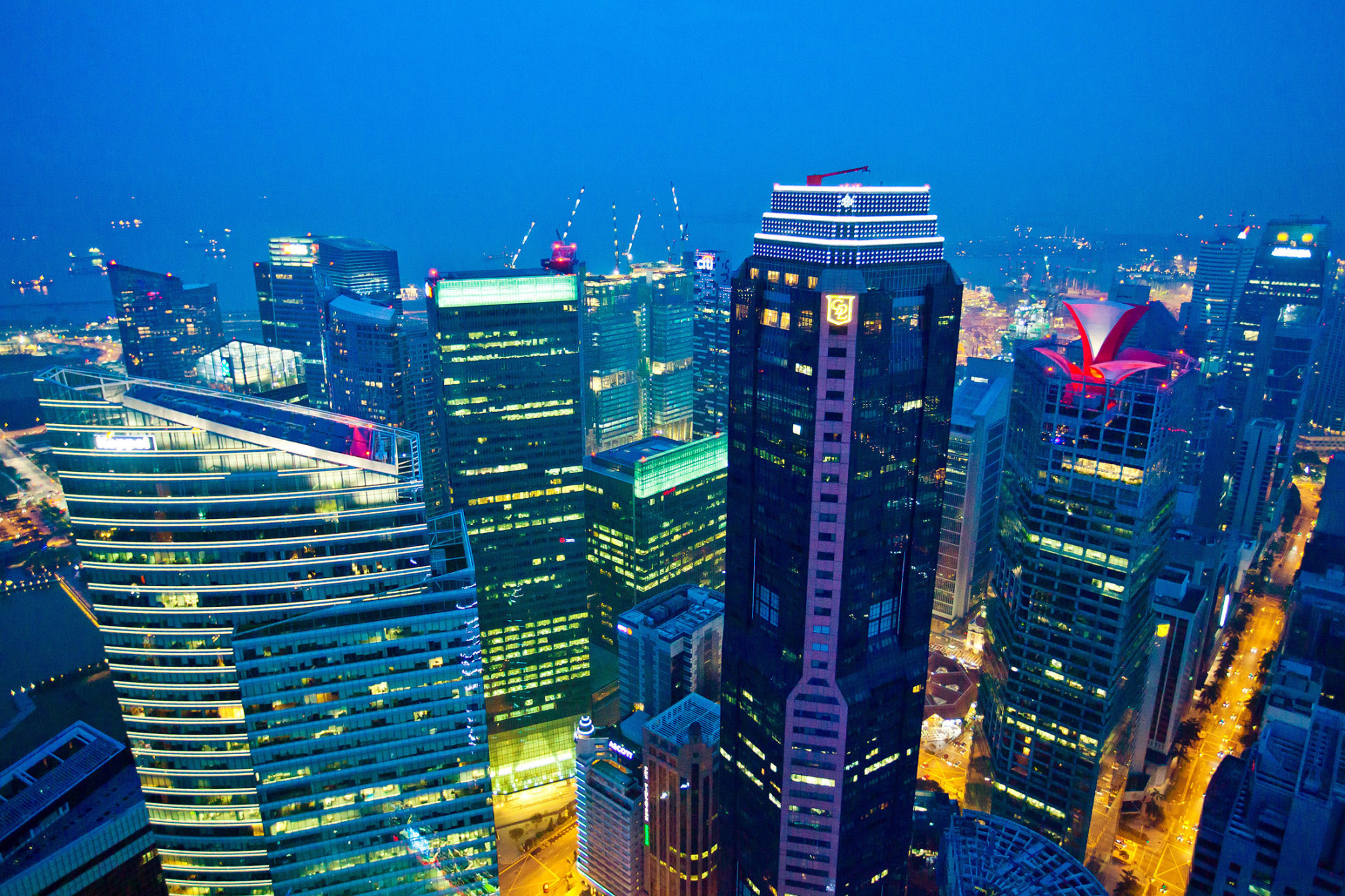
    Rich Chinese continue to snap up luxury homes in the city-state as they seek a safe and calm offshore location to park their wealth.

    Protests in Hong Kong are driving rich Chinese property buyers away from the special administrative region to relatively calm and stable Singapore.

    The Lunar New Year period is a particularly busy period for property agents in Singapore catering to this group of buyers – three interviewed by the publication said inquiries among mainland Chinese in the lead up to this period typically jump by 15 percent, with demand intensifying in the past two years.

    Property cooling measures, which raised the additional buyer stamp duty on foreigners buying any residential property to 20 percent in July 2018, up from 15 percent, have had little effect on the demand for luxury apartments in Singapore – Chinese buyers of apartments S$5 million ($3.7 million) or more doubled in the third quarter of 2019 from the same period the year before, the report said.

    Most buyers purchase properties as an investment and prefer those near landmark locations, according to realtors interviewed by the publication. However, they noted that a growing number of buyers are also buying apartments with the sole purpose of parking their wealth here.

  • Philippines Digital Bank Partners Finastra

    Philippines Digital Bank Partners Finastra

    The region’s first licensed digital-only bank is expected to debut later this year, providing a full range of retail banking services, focused primarily on retail deposits and consumer loans.

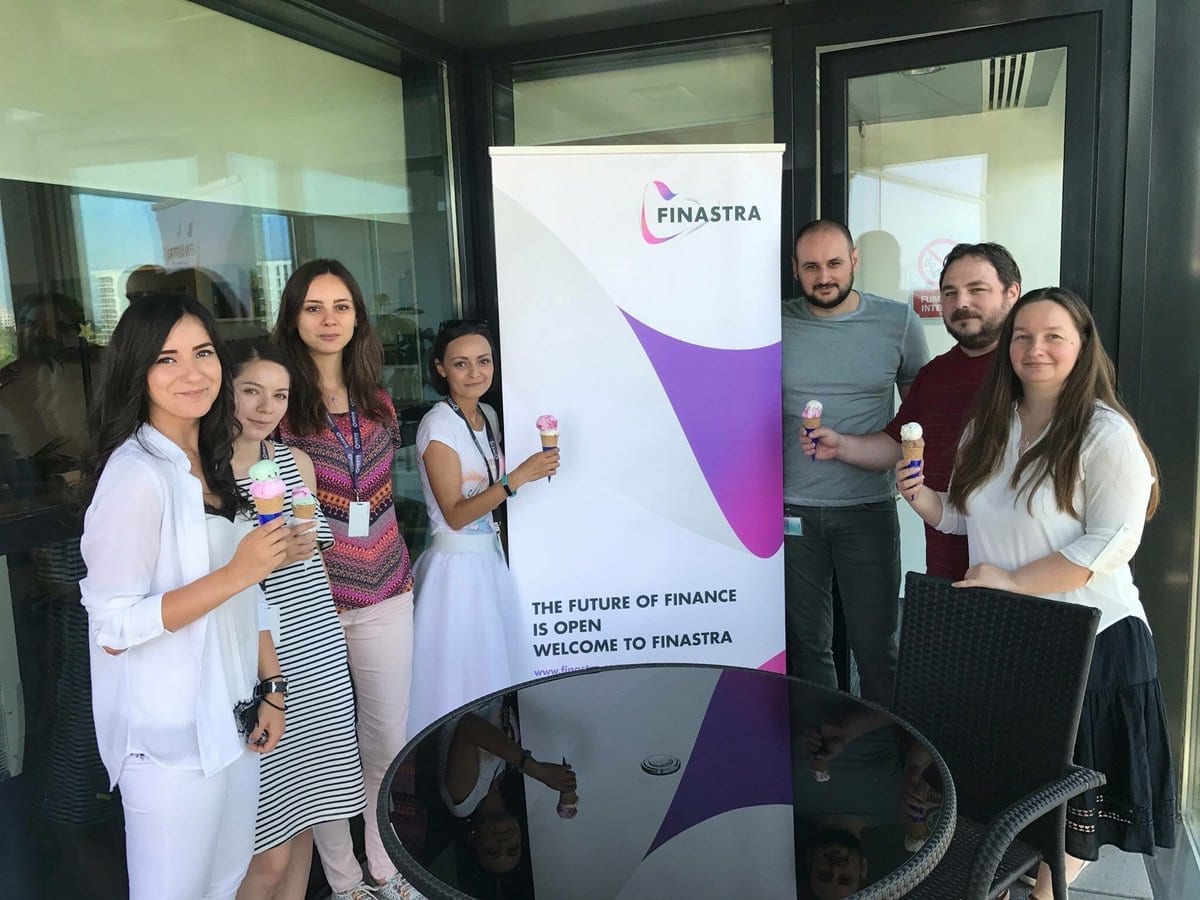
    The Philippines’ all-new digital bank Tonik is partnering financial technology company Finastra and will use its cloud platform to power its end-to-end core banking capabilities, a press release announced this week.

    Finastra’s Fusion Essence Cloud is already used by European neobanks revverbank and Gravity. It will be deployed from the Microsoft Azure Southeast Asia data center in Singapore, which will allow for both low latency and data residency, the announcement said.

    Using digital technologies and a lower-cost operating model, Tonik will be able to offer customers the products and services they need, delivered in a convenient way, as well as increasing opportunities for financial inclusion in Asia, Anand Subbaraman, Finastra’s retail banking general manager, said about the partnership.

    Earlier in January, Tonik announced that it would be rolling out digital-only banking services in the Philippines, a market where 70 percent of adults are unbanked, in 2020.

    The banking sector in the Philippines is ripe for digital disruption. The country has high internet usage, the majority of Filipinos are unbanked and research shows half of the people who do have bank accounts would be interested in switching to a neobank, Tonik CEO and founder Greg Krasnov said.

  • Money Laundering’s Last Bastion Set to Fall

    Money Laundering’s Last Bastion Set to Fall

    Financial regulators are cracking down on the opaque international fine art market’s untoward methods and loopholes for money laundering. The Swiss «Bouvier case» was the trigger.

    Prosecutors in Geneva and New York are wading through reams of evidence allegedly documenting one of the largest frauds in the secretive market for fine art. Russian oligarch Dmitry Rybolovlev is suing Swiss art dealer Yves Bouvier as well as auction house Sotheby’s.

    Rybolovlev alleges that he was cheated of $380 million in superfluous payments for artworks because of market collusion. In a separate complaint against Bouvier, he is suing for $1 billion, which is what the Russian alleges is how much he overpaid for a total of 38 pieces of fine art.

    The document-rich Bouvier case has preoccupied courts for years – and is exemplary for how opaquely the market for international art is. The cash-friendly marketplace is closely linked to private banking – and art has grown in importance as an asset class.

    A European money-laundering rule aimed at shutting loopholes for fine art came into force two weeks ago. The changes including similar «know your client» rules as apply in banking, for transactions of more than 10,000 euros ($11,084). That means galleries, dealers, agents, and other intermediaries to the rich must apply a type of due diligence to their clients before buying and selling.

    Regulators have also drawn up an extensive list of fine art of various mediums which are subject to value-added tax at purchase. It is meant to force buyers as well as sellers into a regulatory framework, and to cleanse the market of improprieties.

    Glitzy art fairs in Basel, Geneva, Hong Kong, and Miami have until now been accompanied by lots of cash – as well as more than a whiff of scandal. The specter of sudsing out ill-gotten money with a few pricey art buys is one that clashes with the image of well-heeled, refined culture mavens that galleries and auction houses have long cultivated.

    The estimated $70 billion annual art market until now has operated largely outside the purview of international regulators – as well as to its own capitalist tune. «It can be hidden or smuggled, transactions often are private, and prices can be subjective and manipulated— and extremely high,» former U.S. prosecutor Peter Hardy said.

    In other words, a valuable work of art is the perfect vehicle to conceal untaxed assets, or to launder dirty money.

    Commissions in art deals can be astronomical, while collusion and price-fixing through agents and intermediaries are reportedly rampant – and until the Bouvier case blew open, super-wealthy art clientele had rarely complained about it.

    Undoubtedly wounded in pride over being hoodwinked, Rybolovlev was the first major art buyer to blow the whistle, so to speak. Bouvier is known more as «king of Swiss freeports», tax-free storage facilities that play a huge role in stowing illicit loot, than as an art dealer. The Swiss government estimates that the country’s freeports hold more than $100 billion in assets – in secret, and untaxed.

    A Louvre director called the facilities «the biggest museums that no one can visit». The European rules are set to rob art sellers and auction houses one of their biggest advantages: vendor anonymity.

    The move comes as private banking is forced to abandon secrecy in major jurisdictions like Switzerland – a bid to crack down on lost tax income. It remains unclear whether customs and tax officials have the resources to enforce compliance in the art market – but the new money-laundering rules are a first step to force the industry into an era of oversight.

  • NokScoot soars to new heights for punctuality

    NokScoot soars to new heights for punctuality

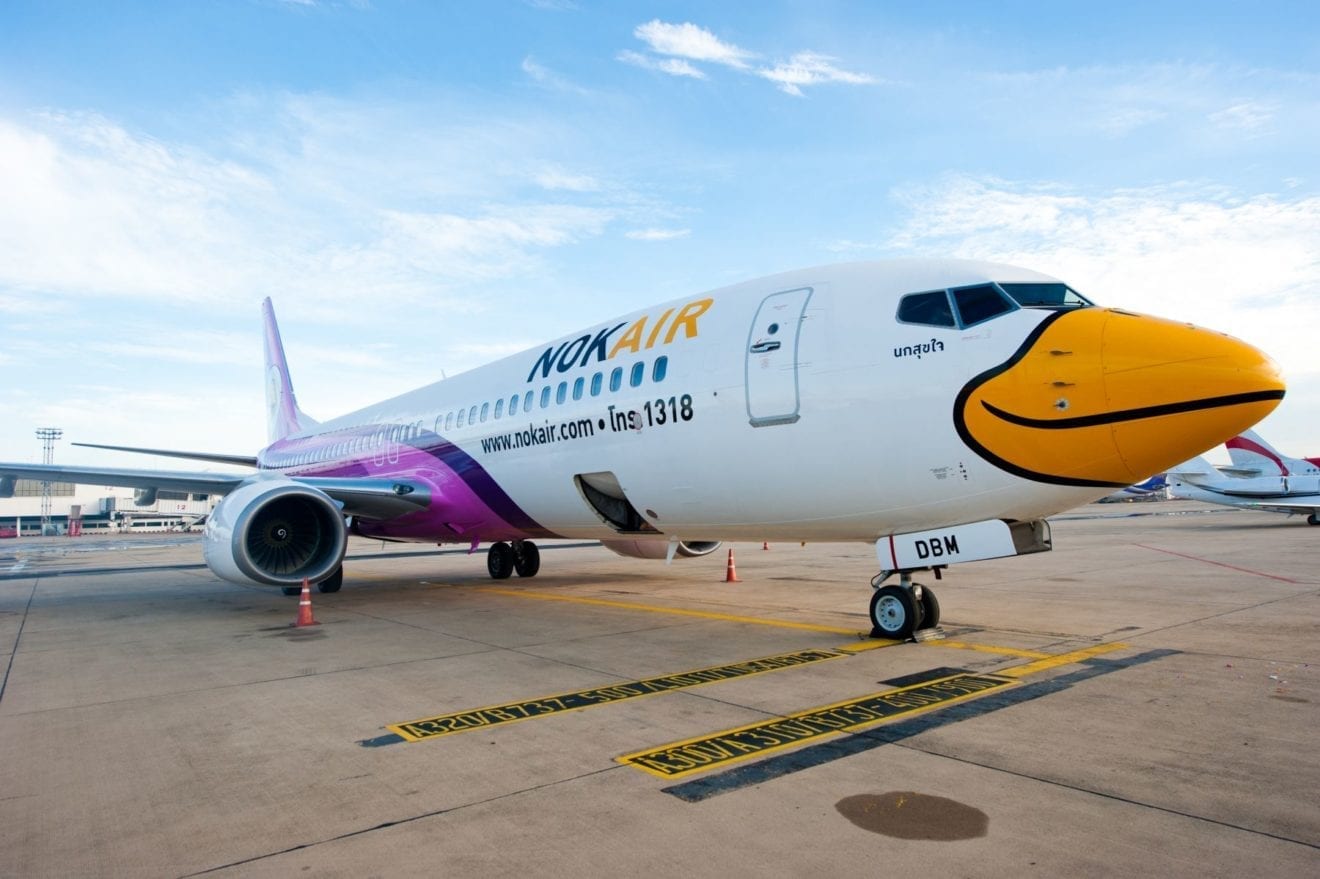
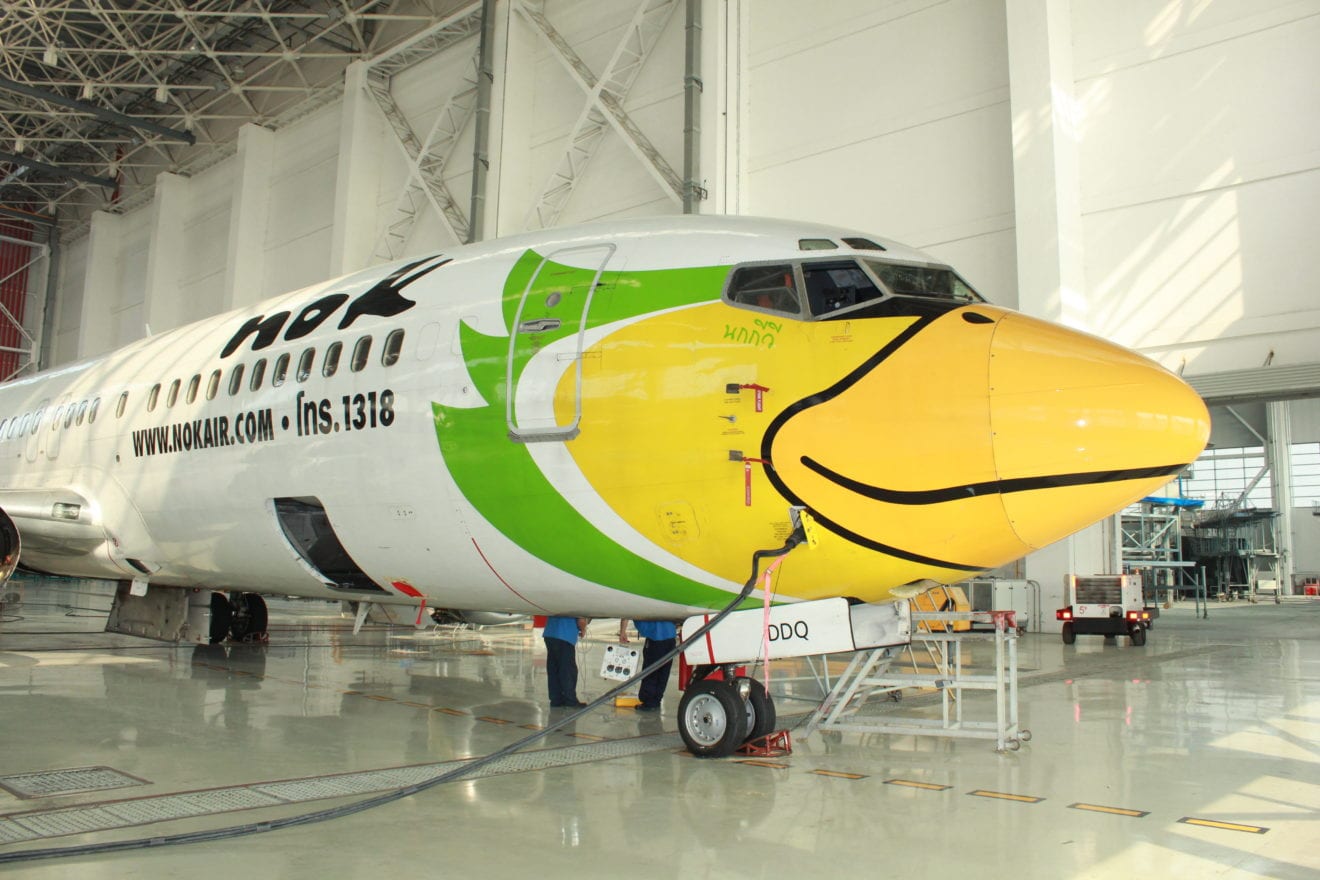
    NokScoot, the joint venture low-cost carrier of Thailand’s Nok Air and Singapore’s Scoot, achieved its best-ever annual on-time performance (OTP) since the start of operation with an average of 86.55% in 2019.

    The airline’s 2019 punctuality report revealed that the airline obtained its highest OTP on record even though the flights flown increased by 30% or 1,162 flights. Last year alone, it operated 4,951 flights, an increased from 3,789 flights flown in 2018. During the busiest month of 2019 in December, it earned a perfect 100% OTP for both, Tokyo Narita International Airport in Japan and Qingdao International Airport in China.

    “At NokScoot, we always work hard in order to offer the best services and provide an enjoyable flying experience to our passengers.” said Yodchai Sudhidhanakul, CEO of NokScoot. “OTP is crucial and has always been one of our five core values, ‘Consistently Deliver’. We are committed to maintain and enhance the highest standard in every aspect, including punctuality, safety and convenience.”

    The carrier currently flies from Bangkok to nine destinations in East Asia and India, including Nanjing, Qingdao, Shenyang, Tianjin, Taipei, Tokyo, Sapporo, Osaka, and New Delhi.

  • Wuhan Coronavirus Prompts Banks to Issue Travel Warnings

    Wuhan Coronavirus Prompts Banks to Issue Travel Warnings

    Concerns about the coronavirus outbreak originating from Wuhan are rapidly escalating this week with banks joining in to issue warnings against travel and ready their business continuity plans.

    The outbreak has so far infected more than 500 individuals globally and has reportedly claimed 17 lives thus far. Following President Xi Jinping’s announcement this week saying that it was a critical matter to combat the new virus, at least three cities including Wuhan have been on lockdown to control the spread of the epidemic.

    Meanwhile, banks are also issuing their own notices to address the matter. Standard Chartered, which has a branch in Wuhan, said it was monitoring the situation closely and is advising its staff to defer all business travel to the infected city until February 3 when it will consider whether a further suspension is warranted. HSBC, which experienced its own unrelated flu scare this week, issued its own travel advisory for Wuhan and said it had improved cleaning at its premises.

    UBS, Citi and J.P. Morgan reportedly told staff they are closely monitoring the situation but had not restricted travel.

  • Banks Talk Wuhan Virus

    Banks Talk Wuhan Virus

    Global banks discuss their views about the Chinese government’s response to the coronavirus outbreak as well as its potential near-term effect on markets.

    The coronavirus outbreak continues to escalate, having afflicted more than 500 people worldwide. 18 deaths have been confirmed including the first case outside of Wuhan earlier today. Chinese authorities have named it a top national priority to tackle the matter with a commentary issued by the Central Political and Legal Affairs Commission saying that any official deliberately hiding or delaying related information will be «nailed to the pillar of shame for eternity.

    Thus far, China’s response has yielded applaud from the banking sector which highlighted greater proactivity and transparency, especially when compared to the SARS outbreak of 2003.

    Global bank’s positive view towards China’s recent response was made in contrast to its previous efforts during the SARS outbreak which infected more than 8,000 people and claimed the lives of nearly 800. At the time, U.N.’s global health body had criticized China’s management of the outbreak, specifically citing the lack of transparency as a major issue.

    History does not repeat itself, but it rhymes. More importantly, China has learned lessons from Sars,» according to a research note by Wang Tao, head of Asia economic research and chief China economist at UBS’s investment banking arm. The government is now working much more proactively and transparently to contain the Wuhan pneumonia than it did with Sars, and China’s public health system is now more experienced than before as well.

    The evolving situation has brought some uncertainty to China’s near term growth outlook. However, Chinese authorities have been more responsive and transparent this time,» said according to a note from BNP Paribas Wealth Management’s chief investment office. With faster medical and public health measures being taken to limit transmission and to develop treatments, the overall impact may be less severe than SARS but it is still very uncertain at this stage.

    China’s retail sector will undoubtedly be impacted by the ongoing outbreak but newly emerging consumption trends could act as tailwinds to offset losses.

    Wendy Liu, a China strategist from UBS’s investment bank, said that hotel operators will be significantly affected while retailing, parks and movie theaters will see less seasonality-driven benefits from Chinese New Year. Food deliveries, video streaming services and e-commerce could marginally benefit in the near term, she added.

    The consumption pattern in China has changed quite dramatically over the past 20 years,» said Goldman Sachs’s chief equity strategist Kinger Lau. Definitely, people travel more, but a lot more consumption activities are now being conducted online. You don’t really have to go out to spend money. You can just do it online.

    According to BNP Paribas, the life cycle of SARS was considerably short-lived at seven months and led to limited economic and market disruption. China grew just 3.5 percent in 2Q03 after posting 12 percent growth in 1Q03 but ultimately closed 2003 with a strong 10 percent increase. The Hang Seng Index and MSCI China also experienced sharp drops during the period by had recovered all losses by 2H03.

    But whether the current virus will follow a similar trajectory is a question mark,» the bank said.

    Similarly, Goldman Sach’s chief APAC equity strategist Timothy Moe underlined greater global connectivity compared to 2003 as a risk factor for transmission making the matter all the more unpredictable.

    What makes this concerning and hard to handicap is that nobody really knows exactly how this is going to turn out, which really is why it’s that proverbial black swan,» Moe said. There certainly are reasons to be concerned, just citing the already published facts, which is that it’s now seen to be communicable between humans. We’ve seen how these things can propagate.

  • Apple signs multiple year supply agreements with a major chipmaker

    Apple signs multiple year supply agreements with a major chipmaker

    A filing made by Broadcom with the SEC revealed that Apple has signed two multi-year deals with chipmaker Broadcom that are separate from current agreements with the latter that supply Apple with radio frequency components and modules. Altogether, Apple’s business could generate $15 billion in revenue for Broadcom. In December, Broadcom said that business from Apple represented 25% of its gross in 2018 and 20% last year. In 2019, Apple and Broadcom settled a patent suit which led the two firms to sign a 2019 “statement of work” (SOW) and the just-announced 2020 SOW.
    According to the SEC filing, the parts being purchased by Apple will be used in new products over a three and a half year period. While the SEC 8-K submission did not specify exactly which components Broadcom will supply to Apple, the chipmaker’s Bluetooth and Wi-Fi chips and its Avago branded RF front-end chip are all found inside Apple’s iPhone 11 series.
    With Apple looking to launch 5G enabled iPhone models later this year, it is quite possible that the deals with Broadcom may supply it with 5G components. One analyst, Patrick Moorhead from Moor Insights, says that it is also possible that the deals announced today are for parts related to 4G LTE connectivity. Broadcom is one of Apple’s largest American parts suppliers with J.P. Morgan computing in 2018 that each iPhone contained $10 worth of Broadcom components.
    Broadcom investors fell over each other throwing money at the stock today. During the regular trading session, the shares rose $6.77 or 2.16% to close at $319.65. In after-hours trading, after the news broke, Broadcom soared another $8.33 or 2.61% to
    You might recall that in November 2017, Broadcom offered to buy chipmaker Qualcomm; among other things, the firm designs the Snapdragon line of wireless chipsets and wireless modems. The merger proposal was rejected by Qualcomm and Broadcom then rose the price it was willing to pay for the San Diego based company. But Qualcomm said it still wouldn’t be interested unless the price was hiked to $160 billion.
    Eventually, President Donald Trump put the kibosh on the takeover talk by claiming that a Broadcom acquisition of Qualcomm would put national security at risk. Trump signed an executive order immediately blocking the merger from moving forward. This came about after a March 2018 letter from the U.S. Treasury’s Committee on Foreign Investment in the United States (CFIUS) was sent to two Broadcom lawyers. The letter pointed out that since Broadcom was headquartered in a foreign country, Qualcomm’s assets could be exploited by “third party foreign entities.”
    Looking to keep the deal alive, Broadcom moved up its previous plans to establish itself as a U.S. company registered in Delaware. But before this could ever happen, Trump put the blocked the deal. At the time, an official statement from the president read, “There is credible evidence that leads me to believe that Broadcom Limited, a limited company organized under the laws of Singapore (Broadcom)…through exercising control of Qualcomm Incorporated (Qualcomm), a Delaware corporation, might take action that threatens to impair the national security of the United States.”
    As with many things wireless these days, the scare over national security revolves around the next generation of wireless connectivity, 5G. Qualcomm’s 5G modem chips will be found in the vast majority of 5G handsets in the states and the Trump administration was concerned, like it is with Huawei, about a foreign country gaining access to private information from U.S. citizens and corporations.
    While the president prevented Broadcom from purchasing Qualcomm, it is interesting that nothing is done to prevent Apple from using the company’s components for its 5G phones.
  • Nok Air suspends Guwahati-Bangkok flights from January 20

    Nok Air suspends Guwahati-Bangkok flights from January 20

    As per reports, Nok Air is expected to resume its operations from April 12, 2020.

    The airline has cited ‘operational reasons’ behind its decision to suspend the flights.

    Nok Air, which is a subsidiary of Thai Airways International, had operated its flights in the Guwahati-Bangkok route twice a week.

    It may be mentioned that Nok Air, which had started its flight operations from Guwahati to Bangkok in September last year, had suspended its operations just four months after airline SpiceJet has suspended the Guwahati-Dhaka direct flight service.

    The reason behind the suspension of the ambitious Guwahati-Dhaka flight service was due to not getting the desired number of passengers.

    Due to poor business operations of the flight service, SpiceJet had first reduced the frequency of the flight service from daily to twice a week.

    However, the new outcome of the flight service still being poor, SpiceJet had finally decided to suspend its operations.

    At present, only two international flights would remain operational from the Guwahati airport and that is Druk Airlines’ flights from Guwahati to Singapore and Guwahati to Paro.

  • ATMs stutter during busy Lunar New Year lead-up

    ATMs stutter during busy Lunar New Year lead-up

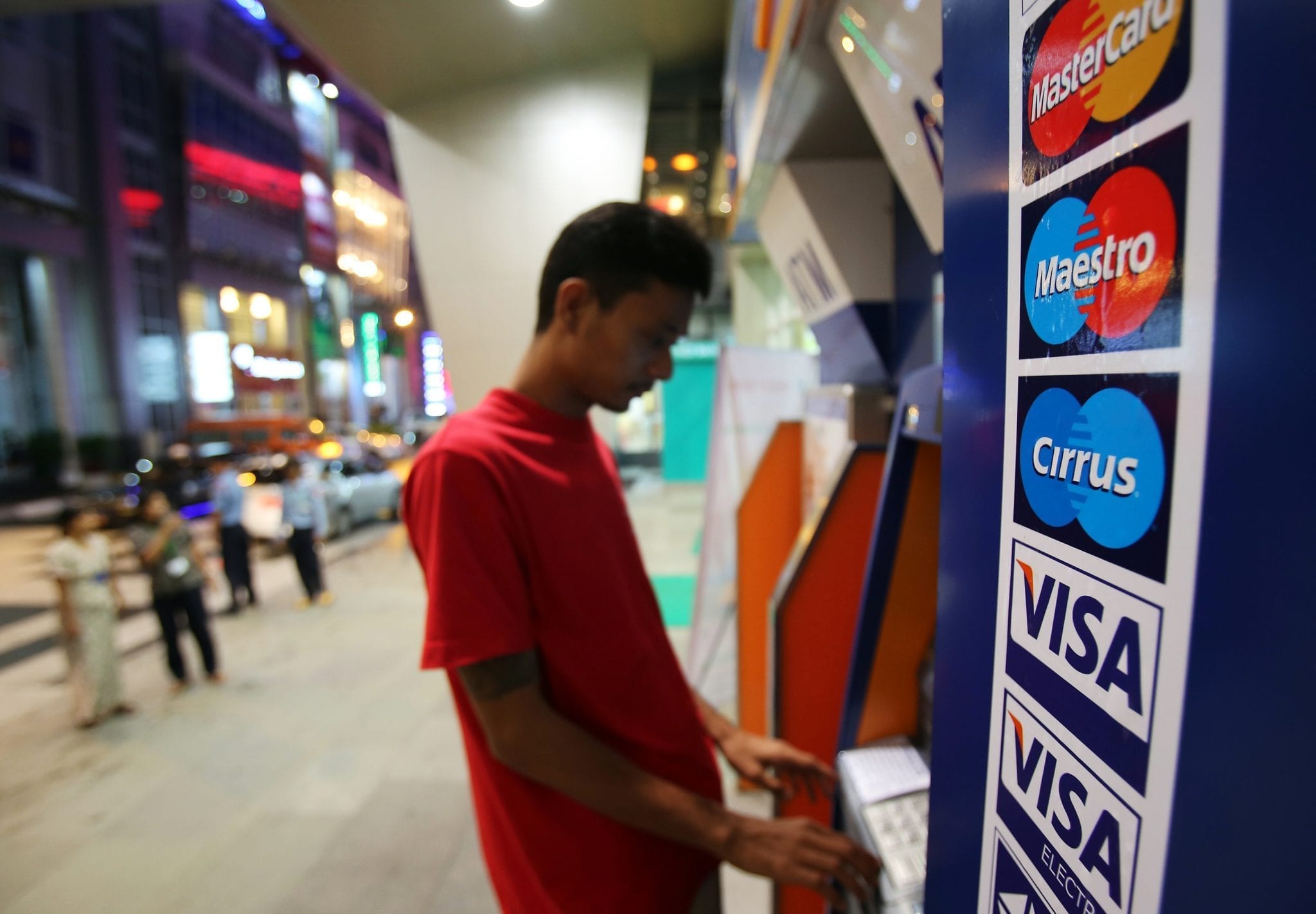
    Many people in Hanoi and Saigon were unable to withdraw cash from ATMs while online bank transfers also took longer than usual during the weekend.

    Three ATMs belonging to a bank on Hanoi’s Pham Ngoc Thach Street stopped working several times in the past few days, including on early Saturday evening when all simultaneously flashed that services were “not available at the moment”.

    Nguyen Hoang, a customer who tried to withdraw money, said: “I came here because the ATM in Ha Dong District did not let me withdraw, but not only did the transaction fail but my card was also swallowed. I have urgent things that require cash but when I called the hotline, they said I had to wait until Monday to get my card back.”

    Two ATMs belonging to Vietcombank and BIDV in the area also failed to deliver cash, as did others belonging to VietinBank and PVCombank elsewhere in the capital.

    At around 5 p.m. on Saturday a long queue could be seen outside two ATMs in front of the Hanoi University of Science and Technology in Hai Ba Trung District.

    Lien, who had to queue for over 10 minutes to withdraw cash, said: “There are three BIDV ATMs next to each other on Ton That Tung Street, but two of them showed errors resulting in a large number of people queuing up. So I came here.”

    The ATMs have been frustrating customers in Ho Chi Minh City as well.

    Two ATMs on Le Duc Tho Road in Go Vap District saw dozens of customers entering and leaving the cubicles Sunday evening after being informed they had insufficient cash. Some of them said they had already tried four or five ATMs earlier.

    In an industrial zone in District 7, Minh Buu, a blue-collar worker, said many ATMs in the area reported errors when he tried to withdraw cash.

    “There are already very few ATMs in the suburb; now errors keep popping up, tiring us out.”

    The run-up to Lunar New Year is a peak time as demand for shopping and payments skyrocket, especially during weekends, causing even transfers through some banks’ online systems to become slow and error-prone.

    This month, especially during the past week, many Agribank customers have reported being unable to use the bank’s mobile application, which has been showing the “service not available at the moment” error.

    Some have also reported not receiving notifications about money being transferred to their account several days after transactions. The bank’s employees have claimed it was due to system maintenance.

    To meet the soaring demand, the State Bank of Vietnam (SBV) has instructed banks to make specific plans for ATM operations during the end of the year and the Lunar New Year holidays, and closely monitor their ATMs to ensure they operate normally.

    It also told them to take appropriate measures to reduce the load on ATMs in busy areas, warning they would be fined if an ATM is out of order for over 24 hours without customers and the local central bank branch being notified of it.

    But technical issues and local congestion could still occur during peak hours, especially in the case of banks that have yet to upgrade their ATM systems.

    According to the SBV, in addition to existing solutions to supply ATMs with enough cash, banks also need to promote cashless payment methods such as internet banking, mobile banking and paying through POS terminals and by scanning QR codes.

  • Cebu Pacific Celebrates Dinagyang with Fiesta Fun Fest

    Cebu Pacific Celebrates Dinagyang with Fiesta Fun Fest

    Festivals are much a part of the Filipino culture as its distinct cuisines and hospitality. Filipino festivals across cities are vastly different; with different practices and tributes but still tied to an undeniable sense of Filipino community and camaraderie.

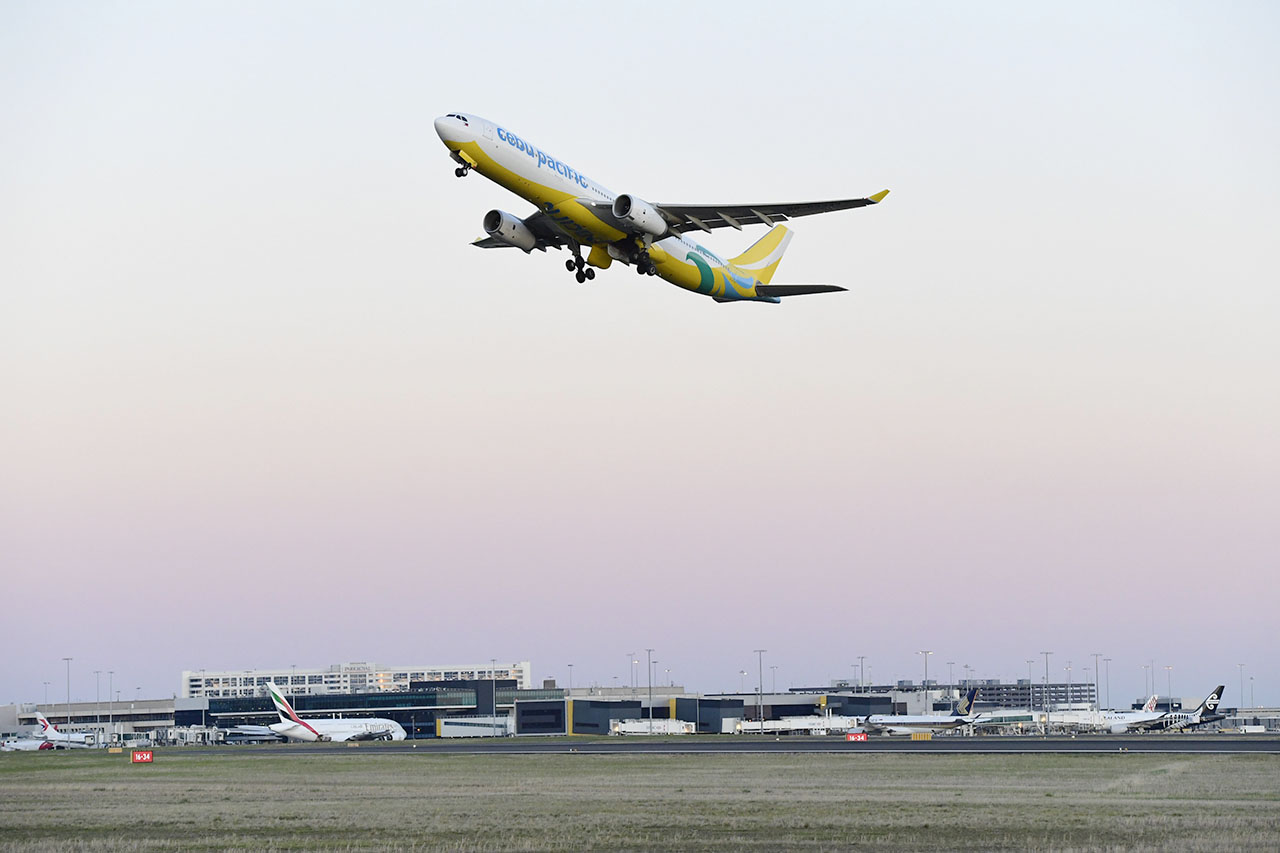
    For 2020, Cebu Pacific launches the Fiesta Fun Fest, a global campaign that will highlight the country’s top festivals that have marked the Philippines as a tourism destination among locals and foreigners alike.

    Iloilo’s Dinagyang Festival is the second stop of the Cebu Pacific Fiesta Fun Fest campaign, following the kickoff activity during the Sinulog Festival in Cebu early this year. In the true spirit of dagyang, Cebu Pacific will be having on-ground booths filled with fun games and prizes. Around 100 Grab cars will also bear the Cebu Pacific brand and its corresponding direct Iloilo routes to highlight the merits of travel, whether by land or air, especially during grand gatherings such as Dinagyang.

    To make this year’s Dinagyang Festival even more fun, Cebu Pacific will be holding a special sale for all routes in and out of its hub in Iloilo. For as low as PHP99, fly direct between Iloilo and Cebu, Clark, Puerto Princesa, Cagayan de Oro, Davao, General Santos and Manila; from Iloilo to Singapore, and vice versa for as low as PHP2016; and Iloilo to Hong Kong for as low as PHP499.

    Iloilo serves as the primary hub of Cebu Pacific in Western Visayas, with nine direct domestic and international routes and 172 flights weekly, catering to a growing number of travelers in the region. Cebu Pacific has maintained its leadership in the Iloilo market, with 54% capacity share.

    Watch out for the next stop of the Cebu Pacific Fiesta Fun Fest! Visit the official Cebu Pacific social media accounts on Facebook, Twitter and Instagram for more details.

  • Banking systems experience intense Tet surge

    Banking systems experience intense Tet surge

    Banks, ATMs, and online banking systems have been overloaded towards the end of the Lunar New Year, forcing customers to wait long hours.

    Hoa went to a major bank on Hanoi’s Duy Tan Street early one recent afternoon to process the payment of a loan.

    She was happy to notice that her turn would come soon, based on the token number she received, but it took an hour for her to be called.

    The bank was full of faces weary from the long wait, which seemed 30 minutes on average. People found ways to occupy themselves, with some even taking out laptops to work while they waited. Others grew restive and frustrated and left early without bothering for their turn to come.

    A similar scene has been enacted for several days in many banks. On Tuesday (27th of the last lunar month),  the waiting room of a bank in Hanoi’s Dong Da district had around 50 customers waiting at around 3 p.m. Each and every counter was occupied, and the staff had barely any time to break.

    Long queues in front of banks have become a common sight these days. At a mall on the city’s Ba Trieu street, people were also lining up in front of ATMs. Some of the machines are broken, some were overloaded due to a large amount of transactions, and some ran out of cash.

    In highly frequented places, the number of customers seeking banking services kept increasing day after day, slowing down every operation.

    The situation was not much better with online banking systems, which have also been overloaded. Many users complained they could not access their apps, experienced system failure and encountered long delays in carrying out a transaction.

  • Taxis, ride-hailing apps hike Tet ride charges

    Taxis, ride-hailing apps hike Tet ride charges

    Taxis are refusing to charge by the meter and ride-hailing apps have doubled ‘peak hour’ prices and added surcharges as Tet draws close.

    Monday evening, five days before the Lunar New Year (Tet), Hoang Viet requested a car on ride-hailing app Grab. He was surprised to find that his 14-kilometer trip from an office block in Duy Tan street to the Gia Lam Bus Station cost VND280,000 ($12.11), more than double the usual price.

    When he tried to request rides on other apps like Be and Fastgo, he found that the prices were cheaper, but was unable to find a driver who would accept his request.

    Many others have reported running into similar situations since last week, especially during peak hours when travel demand is high as people rush to shop before Tet.

    Ngoc Mai, another resident, said it took her half an hour to call a taxi home after taking her child to a shopping center in downtown Hanoi.

    “Before opening the door, the driver asked me for VND120,000 ($5.2) for a 5-kilometer trip. This usually costs VND60,000-70,000 ($2.6-3) on regular days,” she said.

    Mai then asked three other taxis parked around the mall, but received similarly high quotes, with drivers saying they were charging more because of traffic jams around the city. Mai ended up requesting a ride on an app, but it took 20 minutes for the driver to come to pick her up.

    During the ride, Mai’s driver apologized and explained that the roads had become heavily congested over the last few days. Despite his company charging higher fees, he was making only VND1 million ($43) from less than 10 rides, while on normal days, his revenue could go up to VND1.5 million ($65), he said.

    “It’s not that we want to reject passengers, but roads are now very busy, especially in downtown streets, where it could take an hour to go just one kilometer. Yes, we have raised prices, but Grab has done so as well,” said the driver of a traditional taxi who did not wish to be named.

    Taxi prices are expected to go even higher, with most-ride hailing firms adding a surcharge to support drivers during the Tet holiday – from January 23-27.

    From Wednesday, passengers will have to pay an extra VND10,000 ($0.43) per trip on GrabBike and VND15,000 ($0.65) on GrabCar, the Singapore-based company has announced.

    Local ride-hailing firm Be also said it was adding a surcharge of VND20,000 ($0.86) per car ride during Tet peak times, 9 a.m.-12 p.m. and 4 p.m.-11 p.m.

    Meanwhile, Indonesia-based Go-Viet has said it will charge an additional VND20,000 ($0.86) for GoBike rides for the first 2 kilometers, and an additional VND5,000 ($0.22) for every kilometer after. It will also charge an additional VND10,000 ($0.43) fee per trip during the night.

  • AirAsia, Malindo cancel all flights bound to and from Wuhan, China

    AirAsia, Malindo cancel all flights bound to and from Wuhan, China

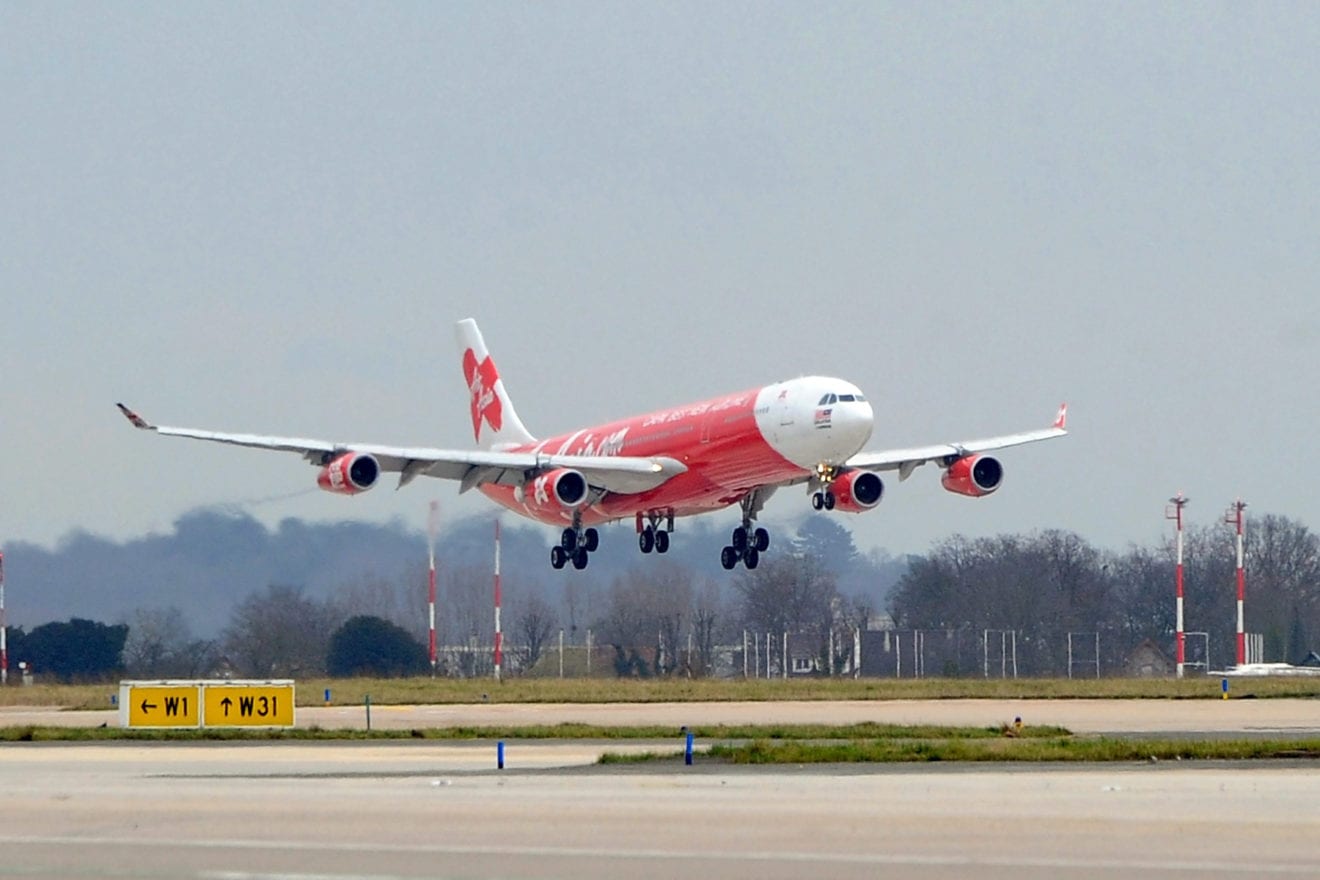
    AirAsia Group Bhd and Malindo Air have both halted all flights to and from Wuhan, China, in view of the coronavirus outbreak there.

    While Malindo did not specify how long the suspension will be in effect, AirAsia said the canceled flights affect all AirAsia flights bound to Wuhan from Kota Kinabalu, Bangkok and Phuket until Jan 28.

    Both airlines, in making the announcement in separate statements today, said they are closely monitoring the situation in Wuhan.

    “This is in response to the travel ban from the officials in Wuhan on the coronavirus outbreak to ensure the safety, security, and comfort of air travel to the flight crew and guests or passengers,” said Malindo.

    “Passengers who hold a valid booking for travel between Jan 23 and Feb 8 this year may contact our call center at +603-7841 5388 or walk into our ticketing office for further assistance,” it added.

    AirAsia, meanwhile, assures that the safety and wellbeing of its guests and Allstars is its top priority. AirAsia is complying with advice and regulations from global and local health authorities, including the World Health Organisation.

    “AirAsia guests who are in Wuhan are advised to abide by announcements made by the Government and health authorities, and to contact their respective diplomatic missions or embassies in China for assistance,” it said.

    It has also arranged the following alternatives for those who wish to alter their traveling plans to and from Wuhan:

    1. Reroute: Reroute to any other mainland China station for flights to Kota Kinabalu, Bangkok and Phuket without additional cost, subject to seat availability. Applicable for all flights until Feb 29, 2020, or

    2. Credit account: Retain the value of your fare in your AirAsia BIG Loyalty account for future travel with AirAsia. The online credit account is to be redeemed for booking within 90 calendar days from the issuance date for your travel with us. The actual travel dates can be after the expiry date as long as our flight schedule is out. Applicable for all flights until Feb 29, 2020, or

    3. Full refund: Obtain a full refund to your original payment method for the amount equivalent to your booking if flights are canceled. Applicable for all flights until Feb 15, 2020 and return flights from Feb 16-29, 2020.

    “Guests whose flights fall into the above date range can obtain a full refund in the amount equivalent to that booking in the form of original payment. Refund requests can be made with AVA at support.airasia.com. From the main menu categories available, click on ‘refund’ then ‘new refund request’ and finally ‘AirAsia flights to/from Wuhan’. From there, simply follow the instructions as directed by AVA.

    “For bookings made through travel agents including online travel agents, refund requests are to be made via the respective travel agents,” AirAsia added.

  • Sabeco reports record profits

    Sabeco reports record profits

    Post-tax profits surged 22 percent year-on-year for Vietnam’s largest brewer Sabeco, reaching VND5.37 trillion ($231.96 million), its highest annual profit ever.

    The brewer’s 2019 revenues increased 5 percent year-on-year to VND37.9 trillion ($1.64 billion), with improved business results mainly attributed to heavy investments in sales and marketing, Sabeco management said in the company’s latest annual financial report.

    Sabeco spent VND1.49 trillion ($64.33 million) on marketing last year, a year-on-year increase of 31 percent, the report said.

    Revenues in the final quarter, however, declined 7 percent year-on-year to VND9.73 trillion ($420.11 million), but post-tax profits rose 18 percent to VND1.09 trillion ($47.06 million). This was due to profits from financial investments surging 54 percent, and profits from joint ventures and associate companies rising 41 percent, Sabeco said.

    By the end of 2019, Sabeco’s total assets and liabilities were valued at approximately VND27 trillion ($1.17 billion) and VND6.9 trillion ($297.92 million) respectively.

    Sabeco is owned 53.59 percent by Vietnam Beverage, a subsidiary of Thai beverage company ThaiBev. The Vietnamese government, represented by the Ministry of Industry and Trade, retains a 36 percent stake in the company.

    According to the latest figures by securities firm FPTS Securities, Sabeco held 40.9 percent of Vietnam’s beer market by the end of 2018, followed by Heineken Vietnam with 23 percent and local brewer Habeco, with 18.4 percent.