Tag: asia

  • Ikea Store Sales in Southeast Asia exceed SG$1 billion

    Ikea Store Sales in Southeast Asia exceed SG$1 billion

    Sales at Ikea stores in Southeast Asia exceeded SG$1 billion (US$723 million) for the first time this year, reflecting healthy growth for a big-box retail business.

    Christian Rojkjaer, MD of Ikea Southeast Asia, says more than 98 million customers passed through the company’s eight full-format stores in Singapore, Malaysia and Thailand and its associated shopping centers. (Ikea stores in other parts of Asia are run by other franchisees).

    Online, there were 51.7 million visits to Ikea websites – up 16 percent year on year.

    “When our retail sales are combined with rental income generated from our three Ikea- anchored shopping centers in the region, our total revenue reached SG$1.21 billion – 20 percent more than last year,” said Rojkjaer.

    “These results show that our Ikea stores and shopping centers have fantastic potential to grow. We make a difference to many people by making life more comfortable, more beautiful and more sustainable – all at an affordable price.

    “We face increasing competition and changing customer behaviors,” he added, “but our vision to create a better everyday life for many people is perhaps more powerful than ever. We aim to offer the best deal there is in every market and we have a wide price ladder within our range so, even in challenging times, Ikea has something for everyone no matter the size of his or her wallet.”

    In November, Ikea Southeast Asia will open its new Toppen shopping centre in Johor Bahru, which features a rooftop with outdoor play spaces, a sports zone and a community garden.


  • Next-Generation Volkswagen Golf SportWagen Confirmed

    Next-Generation Volkswagen Golf SportWagen Confirmed

    The 2020 Volkswagen Golf which is all set to be unveiled next month will also get a long roof version in the near future. Though the company plans to discontinue the Golf SportWagen in certain markets, it won’t be altogether phased out and VW will continue to sell it in the European market. Volkswagen has confirmed the news in a press release which speaks about the meeting between the company and employees. “The entire production of the Golf variant will be relocated to the main plant here in Wolfsburg,” the company said in the press release.

    The Golf has been one of the most important models for the company and the next-generation model is expected to be ahead by leaps and bounds featuring new intelligent driver assistant technology and connected car tech. Jurgen Stackmann, Board Member For Sales at Volkswagen says, “The Golf is the bestseller and the benchmark in the compact segment, it is the favorite car for many people all over the world and comes top in tests. The new Golf will continue the success story, because it is fully connected, and comes equipped with modern driver assistance systems and an intelligent voice assistant. In a nutshell: We are digitalizing the Golf class.”

    The 2020 Volkswagen Golf will be launched with a range of engine options including a hybrid GTE iteration featuring the 12V mild-hybrid system. The 1.5-litre petrol will also be carried forward from the current generation while it will also get a brand new 1.0-litre, three-cylinder motor which will be coupled with an electric motor. According to news reports, the company will also introduce a new 1.5-litre, four-cylinder diesel engine on the Golf which will be joined by the 12V mild hybrid system.

  • Skoda Dealerships Get A New Corporate Identity Theme Across India

    Skoda Dealerships Get A New Corporate Identity Theme Across India

    Skoda Auto India has redesigned and rebranded its entire dealership and service network across 53 cities in India. All 63 dealerships and 61 service stations have been designed according to the new corporate identity and design (CICD) theme. The rebranding is in line with Volkswagen Group’s India 2.0 project and all dealership will get the corporate architecture and functional interiors design concept in a bid to enhance and simplify the customer experience. Skoda along with its dealer partners has invested ₹ 1200 million in India for rebranding its dealerships.

    Zac Hollis, Director – Sales, Service and Marketing at Skoda Auto India said, “Skoda has successfully rebranded its entire network of dealership facilities with a Fresh, Modern, and ‘Simply Clever’ layout that elevates the presentation of the brand and is an important cornerstone of the Skoda led ‘INDIA 2.0’ project. Through our redesigned dealership network we are focusing on strengthening the brand in India while working closely with our channel partners to guarantee sustainability. The transformation of our sales and service facilities envisioned to provide enhanced customer experience, is rated positively by our customers, dealer partners, and sales and service personnel.”

    Skoda is leading the charge for the project India 2.0 which aims at local development and better positioning of the brands (both Volkswagen Passenger Cars and Skoda Auto India) in India. Apart from revamping its dealerships, both companies will also hire local staff in every demography who have a better understanding of the regional culture and are fluent in local language. Moreover, India will see a slew of indigenously developed Skoda and VW model in future which will be based on the MQB AO platform.

  • Singtel Dashes Ahead of Grab In Survey On Deposits

    Singtel Dashes Ahead of Grab In Survey On Deposits

    A greater percentage of respondents expressed willingness to park money with Singtel compared to Grab, a survey conducted by CGS-CIMB finds. In a recent survey conducted by local brokerage CGS-CIMB, participants were given a scenario whereby they were offered a slight premium (another 30 basis points) to market rates at new digital banks. In this case, 45 percent of the respondents were willing to place fixed deposits with Singtel compared to just 33 percent for Grab. Only two choices were provided to survey respondents.

    We noted a clear difference in the trust levels accorded to Singtel and Grab, based on their willingness to use these entities as a depository institution given an identical set of circumstances, said CGS-CIMB analyst Andrea Choong in the report.

    Singtel and Grab, which operate digital wallets Singtel Dash and Grab Pay respectively, have expressed interests in applying for Singapore’s digital banking licenses. This prompted the local broker to do a survey of preferences.  The brokerage surveyed 139 respondents from various industries, with a larger proportion of them from the finance industry. Those aged between 30 and 50 years made up three-quarters of the sample pool.

    Testing for depositors’ sensitivities to interest rates with an additional 50 basis premium over the rates offered by the digital banks above, 55 percent of those who were previously unwilling to place fixed deposits with Singtel would now in this case, compared to just 40 percent for Grab, the brokerage said.

    CGS-CIMB estimates that 4 to 11 percent of deposits from the domestic banking unit is at risk of being taken by the upcoming new digital banks in Singapore. However, the brokerage acknowledged that this simulation does not take into account «retaliatory measures» by incumbent banks and the effects of further Fed rate cuts.

    The brokerage surveyed 139 respondents from various industries, with a larger proportion of them from the finance industry. Those aged between 30 and 50 years made up 75 percent of the sample pool.

    The fight for deposits is essential for digital banks, as they need cheap retail deposits to move towards profitability. The Monetary Authority of Singapore, in setting out the guidelines for digital banks here, had made it clear that digital bank applicants cannot engage in predatory pricing behavior, and must show a path towards profitability in their five-year financial projections.

    Currently, DBS, OCBC and UOB’s Singdollar deposits account for 24 percent, 17 percent and 20 percent of total deposits in the domestic banking unit – the unit that mainly accounts for Singdollar deposits.

  • Singapore and Thailand Join Hands In Insurance Supervision

    Singapore and Thailand Join Hands In Insurance Supervision

    The authorities in both countries signed a Memorandum of Understanding (MOU) to strengthen cooperation in insurance supervision. The Monetary Authority of Singapore (MAS) and the Office of Insurance Commission (OIC), Thailand, on Thursday signed a Memorandum of Understanding (MOU) to strengthen cooperation in insurance supervision.

    This MoU is an important step which will provide OIC and MAS with a committed approach to working more closely. The MoU will advance a framework for cooperation, exchange of information and assistance in insurance supervision between two authorities as well as facilitating mutual development of the insurance sector in both jurisdictions,» said Suthiphon Thaveechaiyagarn, Secretary-General of the OIC, Thailand in a media statement.

    The MOU on insurance supervision was signed by Suthiphon Thaveechaiyagarn, Secretary-General, OIC and Daniel Wang, Executive Director (Insurance Department), MAS, in Bangkok at the sidelines of the annual Thailand Insurance Expo.

    This MOU affirms the strong relationship between MAS and OIC, as well as our mutual interest to enhance insurance supervision and collaboration in both our jurisdictions. It further deepens partnerships between insurance regulators in ASEAN,» said Ong Chong Tee, Deputy Managing Director (Financial Supervision), MAS in the media statement.

    The Office of Insurance Commission manages the supervision of insurance companies, brokers and agents and promotes the development of business conducts of insurance companies. OIC also builds confidence and accessibilities, strengthens the capacity and promotes the infrastructure of the insurance system.

  • Vietnam to begin export of milk to China

    Vietnam to begin export of milk to China

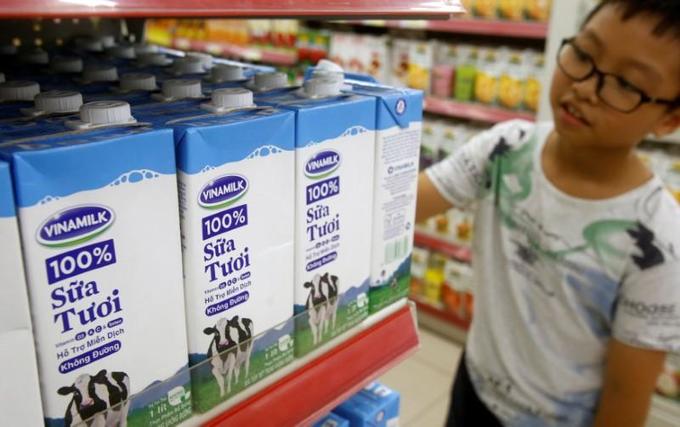
    Vietnam will export milk for the first time to China in October to make up a shortfall there. China has given export permits to five Vietnamese companies — Vinamilk, TH True Milk, Moc Chau Milk, NutiFood, and Hanoimilk — Tong Xuan Chinh, deputy head of the Ministry of Agriculture and Rural Development’s department of livestock production, said.

    Vietnam’s dairy exports are set to rise from $120 million last year to $300 million next year with the addition of this new market, he added.

    A spokesperson for Vinamilk, the country’s largest dairy company, said it would first export yoghurt to China.

    Milk production in China, the world’s second largest dairy market behind the U.S., only meets around 75 percent of demand, according to its Ministry of Agriculture and Rural Affairs.

    China is set to import 39.43 million tons of milk and other dairy products this year, including 750,000 tons of fresh milk and 650,000 tonnes of milk powder, it said.

    Vietnam’s dairy output rose 6.9 percent to 936,000 tons last year, and is set to rise to one million tons next year and two million tons by 2030, according to the country’s agriculture ministry.

    It exports dairy products to 46 markets with 70 percent going to the Middle East, it added.

  • Vodafone, Spark and 2degrees to provide rural broadband in New Zealand

    Vodafone, Spark and 2degrees to provide rural broadband in New Zealand

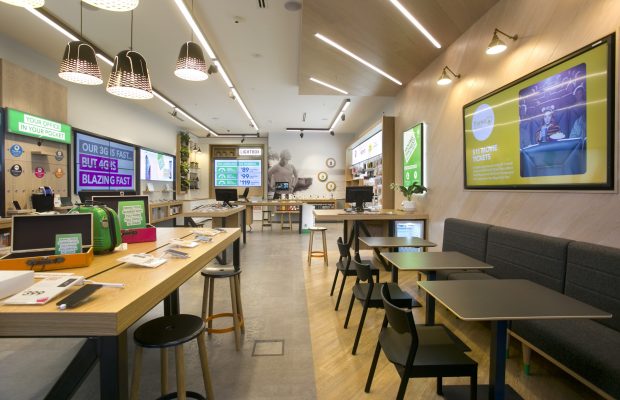
    Vodafone, Spark and 2degrees have joined forces in an effort to deliver broadband and mobile services to twenty rural areas across New Zealand.

    “Keeping Kiwis connected is a top priority for Vodafone, and we’re thrilled to be working alongside Spark, 2degrees and the Government to bring connectivity to rural New Zealand, which is the powerhouse of our economy,” said Vodafone New Zealand’s chief executive, Jason Paris.

    He added, “For this sector to remain competitive they need fast broadband and mobile coverage- not just in offices, but on farms, in schools and on the roads. This once in a generation opportunity for all three mobile network operators to provide both competitive ultra-fast broadband and world-class 4G mobile infrastructure will not only deliver the connectivity for rural New Zealand, but also the safety of Kiwis living in those remote areas.”

    There are also plans to introduce this technology for connectivity to at least 500 more sites in rural New Zealand. They will be given access to high-speed wireless broadband as well as high-quality mobile coverage.

    Jolie Hodson, CEO of Spark, stated, “The connectivity is much needed to bridge the digital divide for rural communities and help the rural sector remain competitive. Bringing together the investment from Spark, Vodafone and 2degrees along with the Government’s RBI2 funding has been the key to providing service into more challenging and remote areas of New Zealand.”

    Under the Rural Broadband Initiative 2 and the Mobile Black Spot fund, the government of New Zealand (through Crown Infrastructure Partner) has granted the RCG permission to become the infrastructure provider. The RCG project aims to deliver mobile and broadband coverage to around 38,000 rural households and businesses.

    Paul Mathewson, CCO of Spark, said, “We’re proud as an industry to be able to collaborate and work together where it makes sense – and our RCG partnership with Spark and Vodafone is the perfect example.

    “Connecting Kiwis with their loved ones or the people they do business with is at the heart of what drives us at 2degrees, and we’re thrilled that fast connectivity is going to reach the furthest and most remote corners of New Zealand.”

  • 5G Asia 2019: Collaboration is the key for 5G

    5G Asia 2019: Collaboration is the key for 5G

    The 5G Asia event held in Singapore brought together the industry’s best and brightest names to discuss the invaluable influence that the 5G phenomenon is having all over Asia and across multiple enterprises.

    Pamela Clark Dickson, the practice leader for digital communications and social networking at Ovum, kick-started day 1 with an analytical introduction about the global state of play for 5G and what is to be expected from it in the next 24 months. She described the 5G network as “huge, fast and complex” and that “telcos would need to collaborate” in order to get 5G into the market.

    This was followed by number of other keynotes from industry leaders and even a panel discussion on “Defining the killer 5G app in Asia” where some of the most influential figures in telecoms converged to exchange views about the prospect and widespread influence of a 5G driven telecommunications sector.

    During the panel, the Executive Vice President and CEO of TM One Ir. Ts. Azizi Hadi took the opportunity to introduce the company’s 10 transformative smart solutions, which was launched in August, to drive Malaysia’s commitment towards industrial innovation and growth.

    5G Asia was held between the 10th and 12th of September in Marina Bay Sands and it is one of Asia’s largest events focusing on the expansion of 5G technology in the region. Some of the topics that were explored during the event were 5G deployment choices, the journey to cloud-native, edge computing and revenue generation for companies using 5G, just to name a few.

  • Tiitan Holdings plans to open 50 stores in India

    Tiitan Holdings plans to open 50 stores in India

    Hong Kong-based digital accessories firm Tiitan Holdings plans to invest US$5 million to set up its first 50 branded outlets in India by March next year.

    The company announced its foray into India in collaboration with distribution firm Mak Mobility – which also makes and sells fitness band Aq-Fit under its sister firm in the territory.

    “This alliance will help us in reaching the customers in India and boost our strategy of increasing our pan-India presence and thereby reaching to customers,” said Tiitan Holdings co-founder Piyush Sharma. “Also, this collaboration will help both the companies to further leverage its innovative product range to customers across India.”

    Tiitan Holdings has plans to make its smart accessories – bluetooth speakers, headphones, intelligent charger, wireless power bank, etc, – at Mak Mobility’s manufacturing facilities.


  • Metro Retail Stores Group shares vision for sustainable shopping

    Metro Retail Stores Group shares vision for sustainable shopping

    Philippines retailer Metro Retail Stores Group Inc (MRSGI) is planning to open up more opportunities for sustainable shopping.

    Speaking at the recent Regional Forum on the Promotion of Sustainable Consumption in the Association of Southeast Asian Nations (Asean), MRSGI VP for corporate affairs Anna Marie Periquet shared that “as engines of economic growth and shapers of consumer taste, retailers can make a difference in the world.”

    Organized by Asean and the Department of Trade and Industry (DTI), the forum brought together delegates from Asean member states, representatives from relevant government bodies, and non-governmental organizations as well as regional and international experts.

    Periquet added that social responsibility is “part of MRSGI’s corporate DNA”. The company works alongside the Vicsal Foundation to create programs that holistically take on the challenge of providing sustainable solutions for society’s most pressing needs. Vicsal Foundation is the corporate social responsibility arm of Vicsal Development Corporation, which owns and operates MRSGI.

    “Together with Vicsal Foundation and our other CSR partners, we are able to actively pursue programs that support the United Nations’ 17 Sustainable Development Goals,” said Periquet. “We focus on helping eradicate poverty, provide quality education, ensure decent work and foster economic growth, and build stronger partnerships.”

    Among MRSGI’s programs are initiatives that promote inclusive business for local farmers, fisher folk and weavers. The company also helps consumer mindsets by providing them with socially-responsible and high-quality products.

    “The socially responsible goods on our shelves are not pity purchases,” emphasized Periquet. “They have passed strict tests on consumer safety, health, sanitation, and are government-registered.”

    Among the CSR brands mentioned were Caritas Margins, an organisation that works with micro-entrepreneurs from marginalised communities to create various products like food, artwork, home decor and accessories; St Arnold Janssen Kalinga Center, which provides care and livelihood for people experiencing homelessness; and the Bureau of Jail Management and Penology, which facilitates the sale of fashion and homeware products made by persons deprived of liberty.

  • Stripe buys Vietnam fashion chain Vascara

    Stripe buys Vietnam fashion chain Vascara

    Japanese clothing firm Stripe International has purchased a majority stakeholding in Vietnamese firm Global Fashion.

    The 70-per-cent shareholding will give Stripe a controlling interest in Vietnamese brand Vascara. It is the second Vietnamese apparel company to be acquired by the firm since its purchase of Nem Group two years ago.

    “We see the potential of the Vietnamese fashion market, especially the footwear and bags industry,” said Stripe Saigon general director and CEO Harigae Tsutomu.

    “Vascara is a brand that has great potential for development, so we believe that the experience and technology accumulated from many markets around the world will accompany and support Vascara to accelerate development, expand the system of stores and serve millions of Vietnamese consumers.”

  • Eslite Bookstore to open outlet in Tokyo

    Eslite Bookstore to open outlet in Tokyo

    Taiwan’s Eslite bookstore chain is set to launch its first outlet in Tokyo this week.

    The store opening marks Eslite Spectrum Corp’s 30th anniversary as well as the first time for the firm to start-up business in a territory where Chinese is not spoken. The 50th Eslite location, it will trade in books and other merchandise sourced from Taiwan and Japan.

    The late Robert C.Y. Wu, who founded the bookstore, is on record as hoping the store would become a “warm venue for people to meet and connect”.

    Eslite has stores in Hong Kong.

  • Alibaba Group eyes 1 billion users within the next five years

    Alibaba Group eyes 1 billion users within the next five years

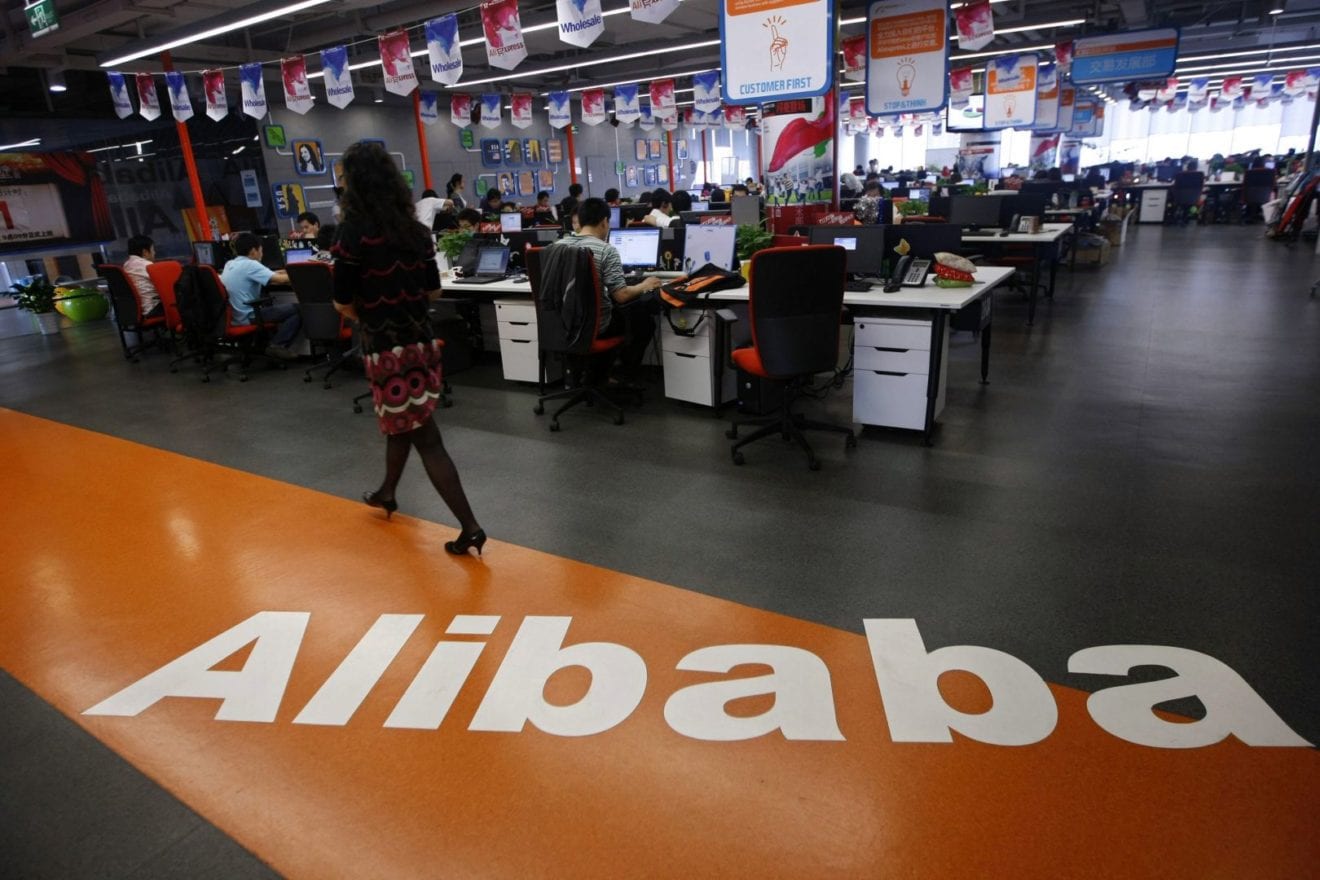
    Alibaba Group says it aims to serve more than 1 billion consumers and exceed RMB10 trillion gross merchandise volume by 2024.

    Unveiling the Chinese tech giant’s five-year plan to the investment community, Alibaba Group executive chairman and CEO Daniel Zhang said the company remains “true to the mission it laid out over 20 years ago” of making it easy to do business anywhere. He said empowering merchants with data technology and cloud intelligence is essential to fulfilling this mission in the digital era.

    “Today, we are creating and fulfilling new consumption needs with a view to focus on growing our digital consumer population as a whole. We can unlock tremendous synergies between our various consumer-facing businesses to convert and harvest incremental customers across the Alibaba digital economy,” said Zhang.

    In the year June 30, Alibaba Group had 730 million annual active consumers in its China consumer business, which includes its China retail marketplaces, digital media and entertainment, as well as local consumer services.

    Together with 130 million annual active consumers in its cross-border and global retail-commerce business, Alibaba has about 860 million annual active consumers globally.

    Its payments division Alipay, meanwhile, had about 900 million annual active users in China. Zhang said that while 85 per cent of Chinese people living in developed areas have tapped into Alibaba’s China retail marketplaces, the penetration rate is only 40 percent in less-developed areas, offering a tremendous opportunity to reach underserved consumers there and improve their lives.

    However, while absolute consumer numbers continue to rise, Zhang said it is just as important to view consumer needs holistically and serve them across all platforms in the Alibaba economy.

    Alibaba’s five-year goals for its China consumer business put it on the path of meeting its longer-term global ambitions to serve 2 billion customers, support 10 million profitable SMEs and help create 100 million jobs by 2036.

    Underpinning the company’s projected growth is the Alibaba Business Operating System, a full suite of digital tools that marries Alibaba’s commerce ecosystem and its cloud intelligence technology to empower brands and companies to reach more customers, better understand their needs and deepen engagement with them.

    “We have always viewed technology through the lens of real business applications. We don’t view technology in isolation,” said Zhang. “We believe in the marriage of commerce and technology. This has always been Alibaba’s unique value proposition.”

  • UOB Malaysia Announces Firms for Digital Accelerator Program

    UOB Malaysia Announces Firms for Digital Accelerator Program

    The program, now in its third edition, aims to help startups, SMEs and businesses adopt digital technology to drive productivity and growth.

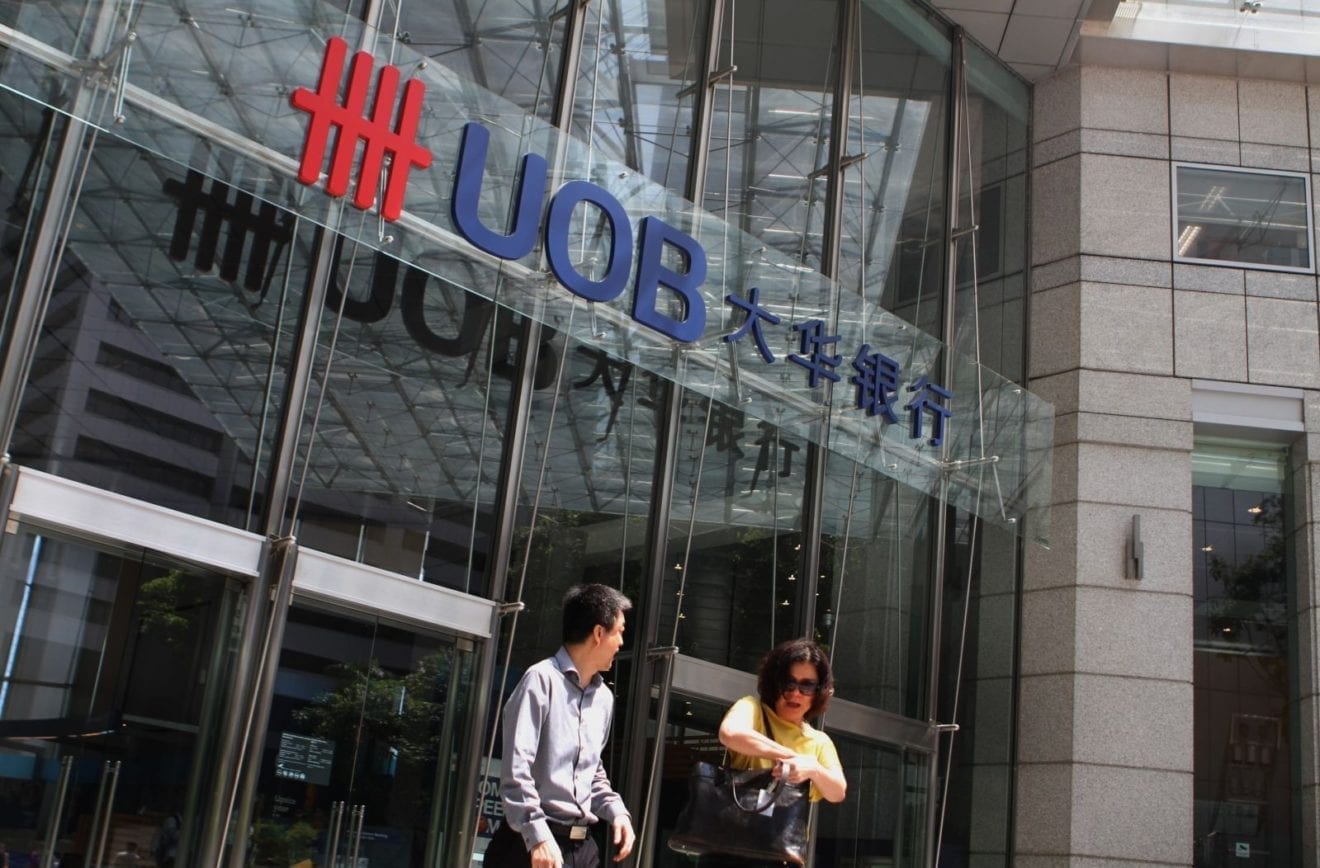
    Sixteen Malaysian SMEs have been selected to take part in UOB’s three-month-long digital accelerator program, the bank announced in a press release on Tuesday. The firms taking part in the «Jom Transform» program, whittled down from more than 900 applications, are from diverse sectors, including food and beverage, healthcare, consulting, logistics, manufacturing and more.

    As part of the program, these businesses will be paired with mentors, which include the Chinese Chamber of Commerce & Industry of Kuala Lumpur & Selangor, Malaysian Association of Tour and Travel Agents, Maxis, Malaysia Digital Economy Corporation and SME Corporation Malaysia, who will advise them on how to optimize workflow processes and inventory, distribution and human resource management systems.  They will also be paired with technology partners to pilot and assess digital solutions.

    «As family-owned businesses transition from the first- to second-generation leadership, we see an accelerated use of technology in their business. Yet many business leaders lack the skills to implement digital solutions successfully and effectively,» Wong Kim Choong, UOB Malaysia CEO, said about the opportunities and challenges SMEs in Malaysia face.

    Jom Transform is run by UOB and Singapore-based innovation accelerator The Finlab. It was announced in June in Malaysia, following successful editions held in Singapore (2018) and Thailand (2019).

  • DBS to Expand E-Wallet Functionalities

    DBS to Expand E-Wallet Functionalities

    To mark the e-wallet’s fifth anniversary, DBS announced new functionalities and merchant deals and said it hopes to grow its user base.

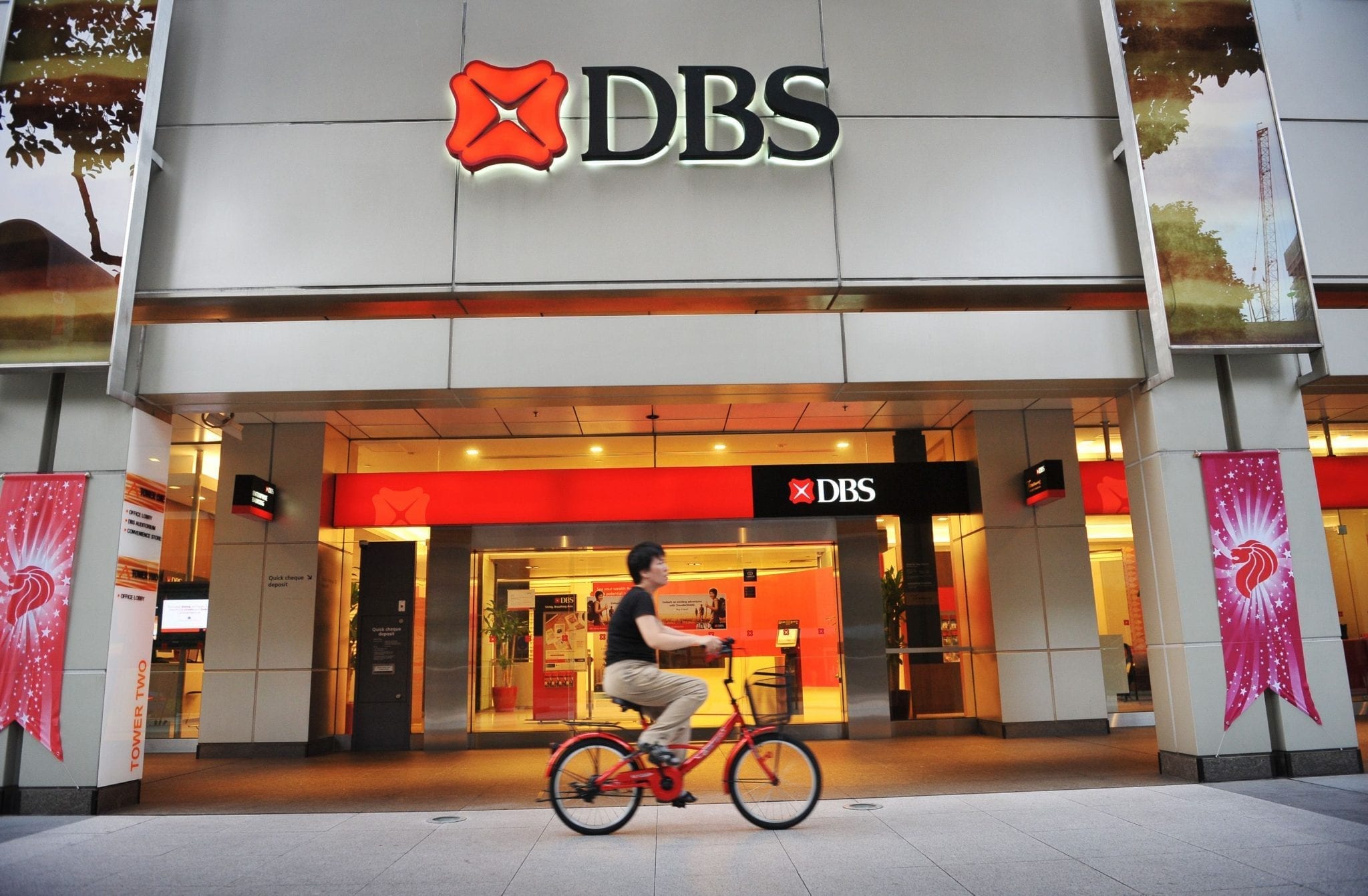
    BS Bank wants to grow its PayLah e-wallet user base from 1.6 million users currently to 3.5 million users by 2023, and will roll out new functionalities and improve the user experience, the bank said in a statement on Wednesday.

    From next year, the bank will integrate its rewards app, as well as debit and credit cards payments to the PayLah platform, expand payment touchpoints across the region, and increase ecosystem partnerships, the statement said, highlighting strategic platform partnerships with merchants like KFC, SISTIC and AXS.

    «In 2020, we’ll be building on the three Ps – Payments, Partners and Platform – as part of a longer-term strategic roadmap. By linking DBS/POSB debit and credit cards and integrating the DBS Lifestyle rewards app into DBS PayLah!, our customers will be able to earn and redeem rewards instantly on a single platform simply and seamlessly, regardless of their mode of payment,» Anthony Seow, DBS head of Payments & Platforms, Consumer Banking Group (Singapore), said.

    Introduced in 2014, PayLah allows users to make instant peer-to-peer fund transfers, purchase travel insurance, movie tickets, pay bills and transport expenses and pay for their purchases at more than 80,000 NETS QR, SGQR and PayNow QR-enabled merchants. The app was the first in Singapore to allow users to send and receive funds using QR codes.

    According to DBS, its 1.6 million e-wallet users made S$1.5 billion ($1.09 billion) in transactions from August 2018 to September 2019.