Tag: asia

  • Grab Seeks to Merge Digital Payment Firms in Indonesia

    Grab Seeks to Merge Digital Payment Firms in Indonesia

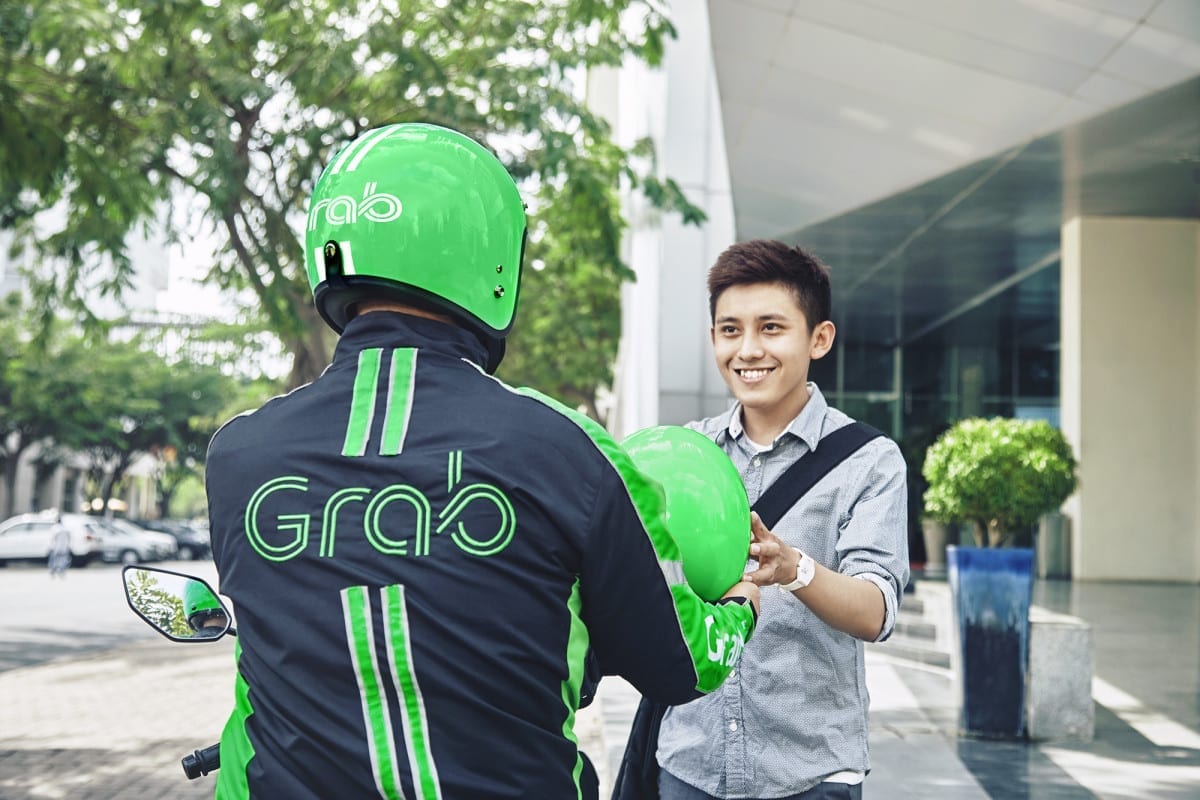
    Grab is looking to gain pole position in Indonesia’s budding digital payment market, reportedly exploring a merger between two major players – a local entity it owns and another one backed by China’s Ant Financial.

    A merger between Grab-backed ONO and Ant-backed DANA would give the ride hailer app an edge over its major Indonesia competitor Gojek, which has been vying for the top spot in digital payments with ONO since 2018.

    The deal would also result in Grab acquiring a majority interest in DANA from Indonesian media conglomerate Elang Mahkota Teknologi (Emtek).

    It’s part of the Grab-Gojek battle, one of the sources said.

    According to the report, SoftBank, Grab’s largest shareholder, supports the proposal with the plan having already been discussed in July during a meeting in Jakarta between SoftBank CEO Masayoshi Son and top Indonesian officials.

    Son is in favor, another source said, adding that negotiation on deal structure with the Indonesian central bank will also be required due to foreign ownership restrictions.

  • Ping An Signs Fintech MoU with Indonesian Insurer

    Ping An Signs Fintech MoU with Indonesian Insurer

    Ping An’s OneConnect is rapidly making inroads into the regional fintech market including the latest signing of a memorandum of understanding with Indonesian insurer Asransi Sinarmas.

    The MoU, signed by OneConnection’s insurance division CEO Bi Wei and Asuransi Sinarmas director Njoman Sudartha, includes an initial phase that will enable the insurer to launch its Smart Auto Claims solutions on the Chinese platform.

    Sudartha cited technical strength and in-depth knowledge in AI and blockchain technologies as reasons to select OneConnect as its insurtech partner which is expected to help improve operational efficiency and reduce costs.

    Ping An’s statement also details a myriad of technology from OneConnect that will be leveraged to enhance the insurer’s business.

    It has a Smart Agent app that can help insurers with agent training and incentive programs. Its agent management app aims to improve talent retention and productivity. In terms of AI, its risk control solution suite includes the usage of image recognition and big data for quick completion of car damage claim assessments.

    Asuransi Sinarmas is part of the Sinarma Group, a local conglomerate owned by Indonesian Chinese Huang Yucong, with a global portfolio of businesses spanning pulp and paper; agriculture and food; finance; and real estate.

  • Indian traders lobby for ban on Flipkart, Amazon sales

    Indian traders lobby for ban on Flipkart, Amazon sales

    The Confederation of All India Traders is asking the government to ban pending sales events to be held by e-commerce rivals Amazon and Flipkart.

    The confederation, which represents 500,000 merchants and traders within the country, claims that the heavily discounted online sales violate India’s restrictions on online retail for foreign firms.

    “By offering deep discounts ranging from 10 percent to 80 percent on their e-commerce portals, these companies are clearly influencing the prices and create an uneven level playing field which is in direct contravention of the policy,” read a letter from the retailer body to the federal trade minister.

    Both online firms have defended the sales festivals, claiming they offer best value for money to consumers and help small-scale retailers reach broader markets.

    India forbids foreign investors from direct involvement in inventory-driven models of e-commerce in order to protect the country’s retailers who are unable to compete on price.

  • UBS Appoints Riyadh Desk Head

    UBS Appoints Riyadh Desk Head

    UBS’s wealth management arm further bolsters its onshore presence in the Saudi Arabian market with the latest appointment of a new Riyadh-based desk head.

    Ghassan Soufi joined UBS, effective as of yesterday, in what the bank calls a key role in its growth plans for the Saudi market. According to a statement from the bank, Soufi will be responsible for creating and leading a team of senior advisors to some of the most important clients and families in the Kingdom.

    Soufi has more than 25 years of experience covering the market most recently with the private banking arm of major Saudi lender Samba.

    Ghassan will be crucial in identifying and hiring top talent locally and leading our onshore client acquisition strategy, said Abdallah Najia, Saudi Arabia head of wealth management at UBS.

    Soufi will help us drive growth and further his successful track record of building excellent client relationships in the Kingdom,» added Ali Janoudi, UBS’s wealth management head of Central and Eastern Europe, Middle East and Africa; and vice-chairman of Saudi Arabia.

  • Toyota Tests Solar-Powered Prius In Quest For Plugless Electric Car

    Toyota Tests Solar-Powered Prius In Quest For Plugless Electric Car

    Inspired by new ultra-thin solar panels developed for satellites, a project led by Toyota Moto is experimenting with a sun-powered Prius that it hopes will one day require no plugging in. In the Japanese government-funded demonstration project, Toyota engineers fitted solar panels designed by Sharp Corp to the hood, roof, rear window and spoiler to see how much juice the sun can generate. The electricity from the panels goes directly to the drive battery, so the Prius can charge while moving or when parked.

    On a good day, the charge can be sufficient for up to 56 kilometres (35 miles) of travel, more than the 47 kilometres driven a day by the average American, according to a study by the AAA Foundation for Traffic Safety.

    But the performance drops off quickly if it is cloudy or even when it’s too hot. If used in real-world driving in those conditions, the Prius would have to be plugged in to recharge.

    The solar cells are super-slim – just 0.03 millimetres, making them malleable enough to form-fit to the body of a car. The engineers needed to create a buffer between the car and the cells to protect them, so the actual solar panel modules are closer to a centimetre thick.

    The trunk of the car is filled with batteries for the solar panels, adding an extra weight of around 80 kilograms (180 lb).

    Making the entire package lighter and bringing down the extremely high costs are among the biggest challenges for the technology, said Satoshi Shizuka, Toyota’s lead engineer on the project, adding that commercialisation likely remained “years away”.

  • The Coffee Club opens first store in Vietnam

    The Coffee Club opens first store in Vietnam

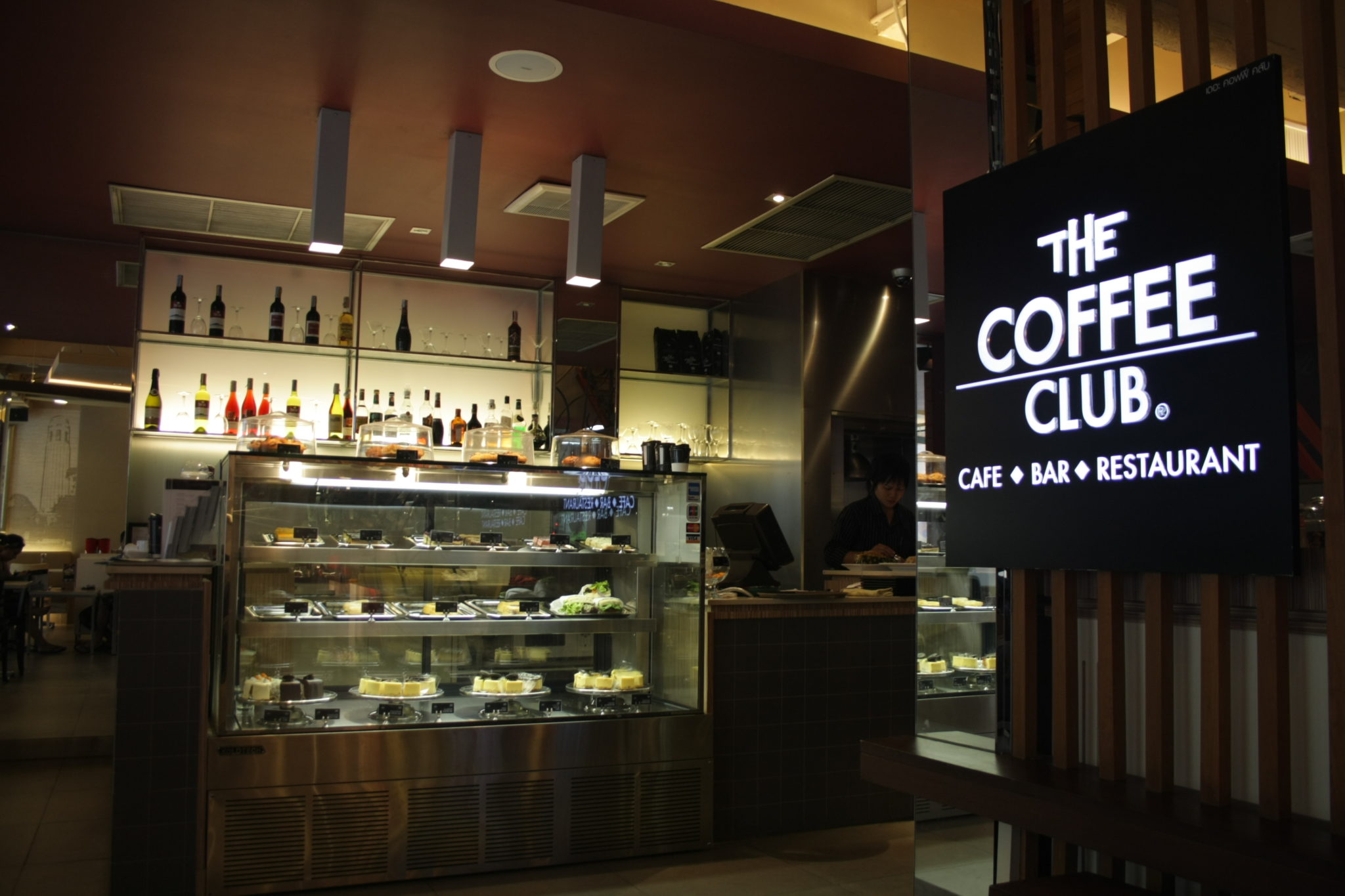
    The first The Coffee Club Vietnam store has opened, marking the Australian-founded chain’s 10th international market.

    Minor International subsidiary Minor Food signed up Vietnam Investment Group (VI Group) as its local partner in The Coffee Club Vietnam last October.

    Paul Kenny, CEO of Minor Food said the chain will provide a coffeehouse-style experience with an all-day menu following the Australian format. Together with Western dishes, the Vietnam store’s menu also includes Asian cuisine.

    “The Coffee Club offers a distinctive restaurant experience with great selections of food and beverages menus, excellent coffee and a welcoming relaxed atmosphere enriching the contemporary lifestyles of the Vietnamese consumers,” said David Do, VI Group MD.

    Since opening its doors in Brisbane in 1989, The Coffee Club has become Australia’s largest home-grown cafe group serving approximately 40 million customers in more than 400 stores.

  • London superfood restaurant Avobar makes start in Hong Kong

    London superfood restaurant Avobar makes start in Hong Kong

    London avocado-themed restaurant Avobar has opened its first overseas outpost in Hong Kong, one of a raft of new dining concepts at K11 Musea.

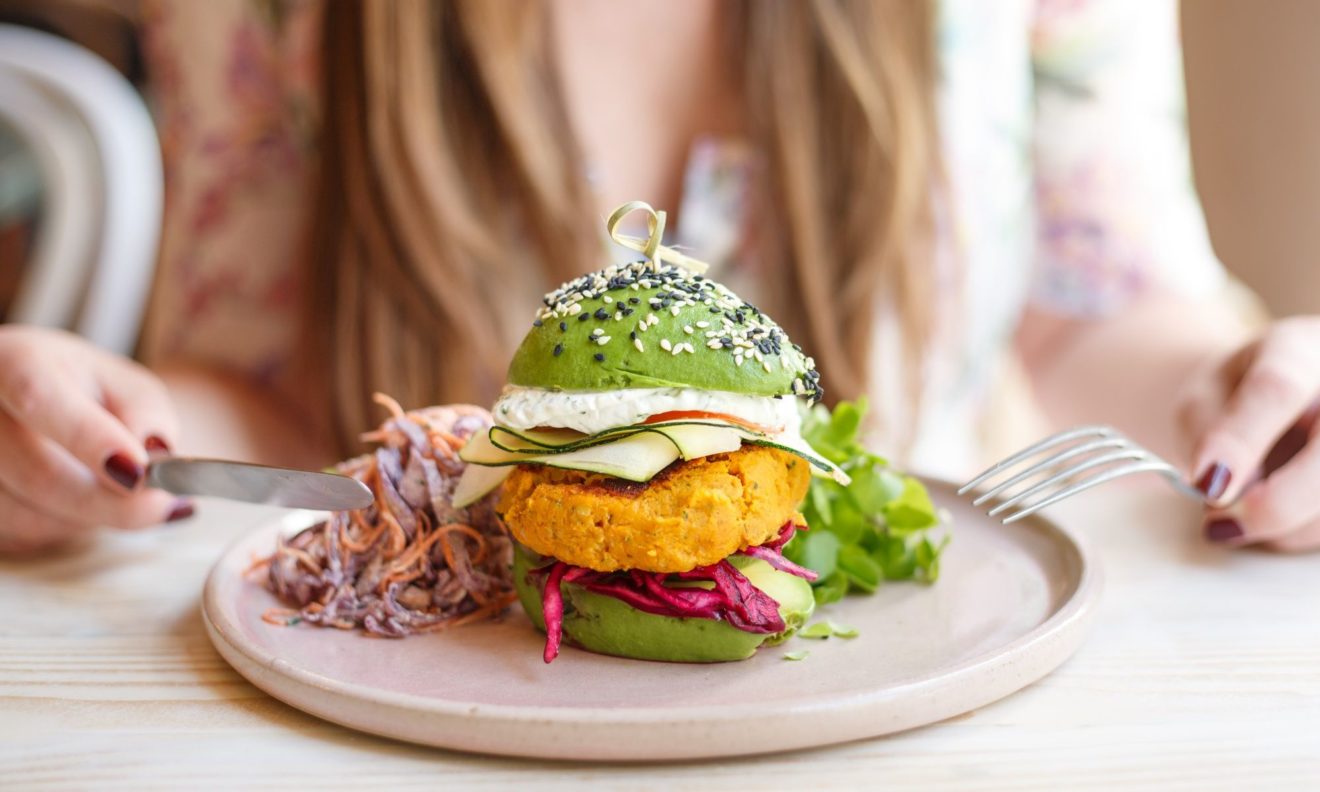
    Avobar considers itself a “superfood restaurant” offering a range of meals such as avocado salads, burgers and risotto during the day along with cocktails and desserts such as a chocolate avocado brownie.

    Besides food, Avobar sells a range of avocado-based lifestyle products, including avocado-inspired t-shirts and tote bags.

    Avobar champions the health benefits of avocados which it says contain about 20 vitamins, minerals and nutrients.

    “Avocados, which are at the heart and soul of the restaurant, are a symbol for positivity, health, uniqueness and fun,” the company explains in a statement.

    “Avobar’s offerings are perfect for contemporary health-conscious consumers who may also live a gluten-free or vegan-friendly lifestyle.”

    The avocadoes served at the new restaurant are ethically and sustainably sourced from growers all over the world.

    The dining space offers 60 seats in an industrial decorative setting. Designed with a relaxed feel, its own branding concept ‘botany meets urbanity’ shows through in a warm interior enhanced with eclectic furnishings. The main dining area features a bamboo-like wall, neutral wooden benches and stools and a bar countertop made with patterned concrete. Monochromatic geometric patterns on the floor complement coral-coloured leave decorations and industrial spotlights.

  • Inditex achieves record first-half sales

    Inditex achieves record first-half sales

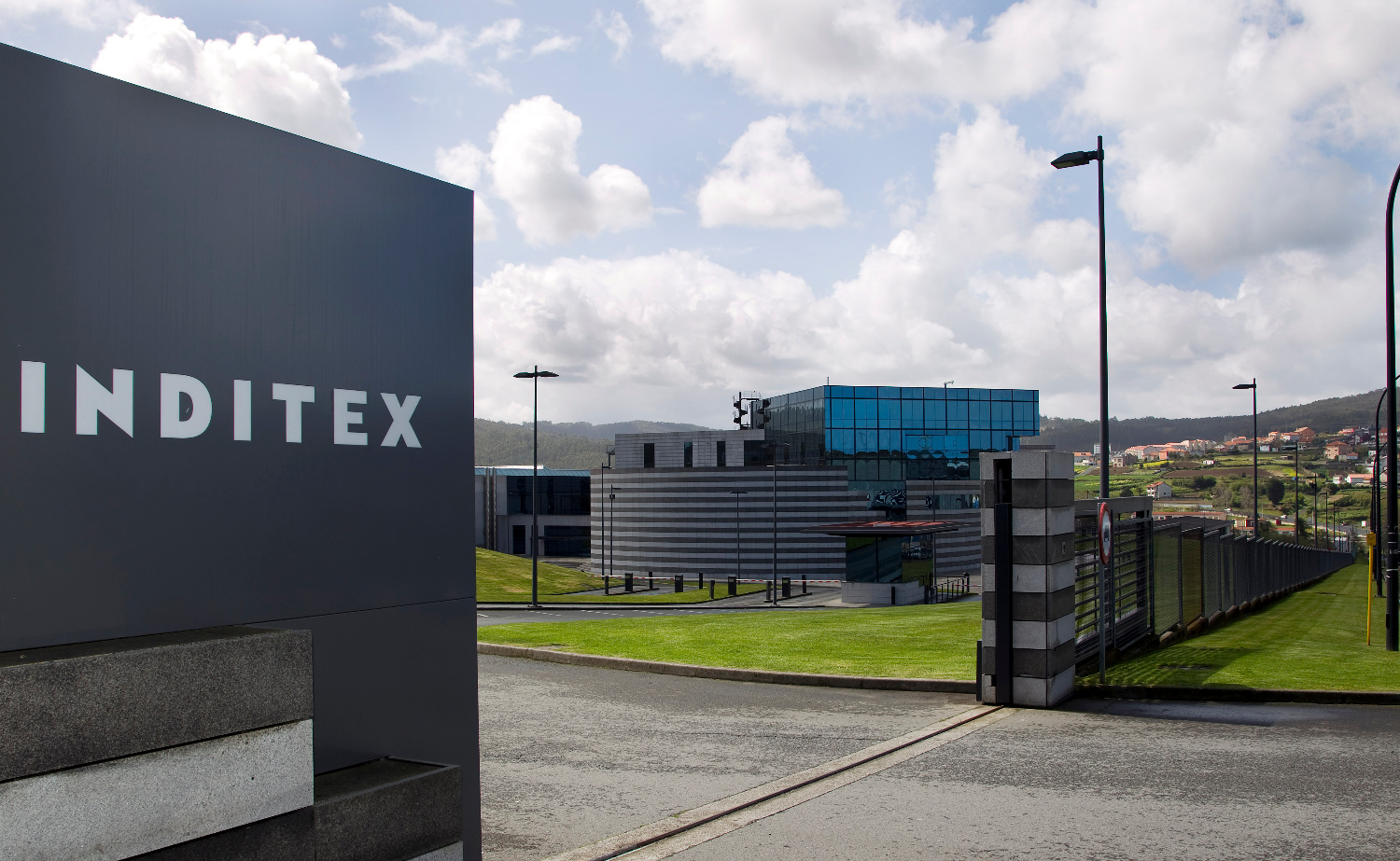
    Zara parent Inditex achieved record revenue and profits during the first half of this year.

    Net sales rose 7 per cent year on year to €12.82 billion, while net profit rose 10 per cent to €1.55 billion.

    According to Inditex executive chairman Pablo Isla, the results reflected strong first-half performance, with like-for-like growth across all brands and geographies.

    “The investments we have made in the stores as well as in logistics and technology have been key elements in the development of our customer focused integrated online and offline store platform,” Isla said.

    However, gross margin stayed steady at 56.8 per cent, up from 56.7 per cent. According to Isla, the business works to maintain gross margin, rather than maximise it.

    “We are always thinking about the medium and the long-term evolution of the company,” Isla told analysts.

    “Gross margin is a combination of many different things. You have, of course, the like-for-likes as growth. You have the product mix. You have the fashion trends. You have currencies. You have raw material costs. There are many, many elements involved.”

    Inditex said it opened, enlarged and refurbished stores across all regions during the half year, and continued to expand its online platform into new markets – seeing 7420 stores open across 96 markets, with 62 sporting the group’s online platform.

    During the beginning of its second half, Inditex has seen sales in local currencies increased 8 per cent for the period between August 1 and September 8.

    The business expects like-for-like sales growth of between 4 and 6 per cent for the full year.

  • FADA Asks SIAM To Calculate OEM Market Share Based On Retail Numbers

    FADA Asks SIAM To Calculate OEM Market Share Based On Retail Numbers

    The Federation of Automobile Dealers Associations (FADA) has announced sending a letter to the Society of India Automotive Manufacturers (SIAM), asking it to upgrade Auto OEM’s market share calculations on basis of actual registration numbers. FADA President Ashish Harsharaj Kale says that the actual registration data is which is found in Ministry of Road Transport & Highway’s Vahan Platform in much detail. Requesting for this much-needed reform, in his letter to SIAM President Rajan Wadhera, Kale mentioned that this is a globally followed norm and it should be implemented for the betterment of the Indian Auto Industry.

    Kale also says that many senior industry captains share this sentiment and had even voiced the need for such a practice at the recently held SIAM and ACMA conventions. The letter also claims that both dealers and component manufacturers feel if retail numbers were reported instead of wholesale figures, it would have been easier for them to predict the ongoing slowdown in the auto sector. Such a practice would have not only helped them manage their inventory efficiently and be better equipped for such troubled times.

    FADA has been advocating the need to upgrade Auto OEM’s market share calculations on basis of actual registrations from November 2018. The apex retail body says that many of its members have also done the same with their respective OEM’s and have received a positive response of accepting it if it becomes an industry practice.

  • Toyota Using Tesla-Style Panasonic Batteries For China Hybrids – Sources

    Toyota Using Tesla-Style Panasonic Batteries For China Hybrids – Sources

    Toyota Motor has started using the same type of battery that Panasonic Corp designed for Tesla Inc in some of its plug-in hybrids sold in China, sources familiar with the matter said.

    Toyota is using Panasonic’s cylindrical batteries in its new Corolla and Levin plug-in hybrid sedans launched in China this year, one of the people said.

    The batteries are the same size as those that Panasonic makes for Tesla, but the composition is different, said the sources, who declined to be identified as the matter is private.

    The move reflects Toyota’s efforts to secure stable supplies of high-quality batteries amid the accelerated global shift to electricity-powered cars.

    Japan’s biggest automaker co-developed the batteries with Panasonic over a period of several years as it expands its lineup of electrified vehicles, according to one of the people, who has direct knowledge of matter.

    A Panasonic spokeswoman said the company is not in a position to comment as a supplier, while Toyota declined to comment. The Nikkei newspaper reported the news earlier.

    Toyota has favoured square, or prismatic, batteries for its vehicles, and uses some manufactured by Panasonic for its hybrids. The two companies announced a joint venture in January to build electric-vehicle (EV) batteries, pooling the R&D and manufacturing strengths of one of the world’s largest automakers with one of the largest battery makers.

    Toyota has also partnered with China’s Contemporary Amperex Technology Co Ltd (CATL) and EV maker BYD Co Ltd for battery procurement.

    Toyota is believed to have ordered about 50,000 of the cylindrical batteries, pushing Panasonic’s battery plant in Osaka to full capacity, the Nikkei said.

    Panasonic has been the exclusive battery cell supplier for Tesla, but the U.S. electric vehicle maker is in advanced talks with South Korea’s LG Chem Ltd as it seeks to diversify sources of the key component.

  • One new Apple HomePod feature is coming this month

    One new Apple HomePod feature is coming this month

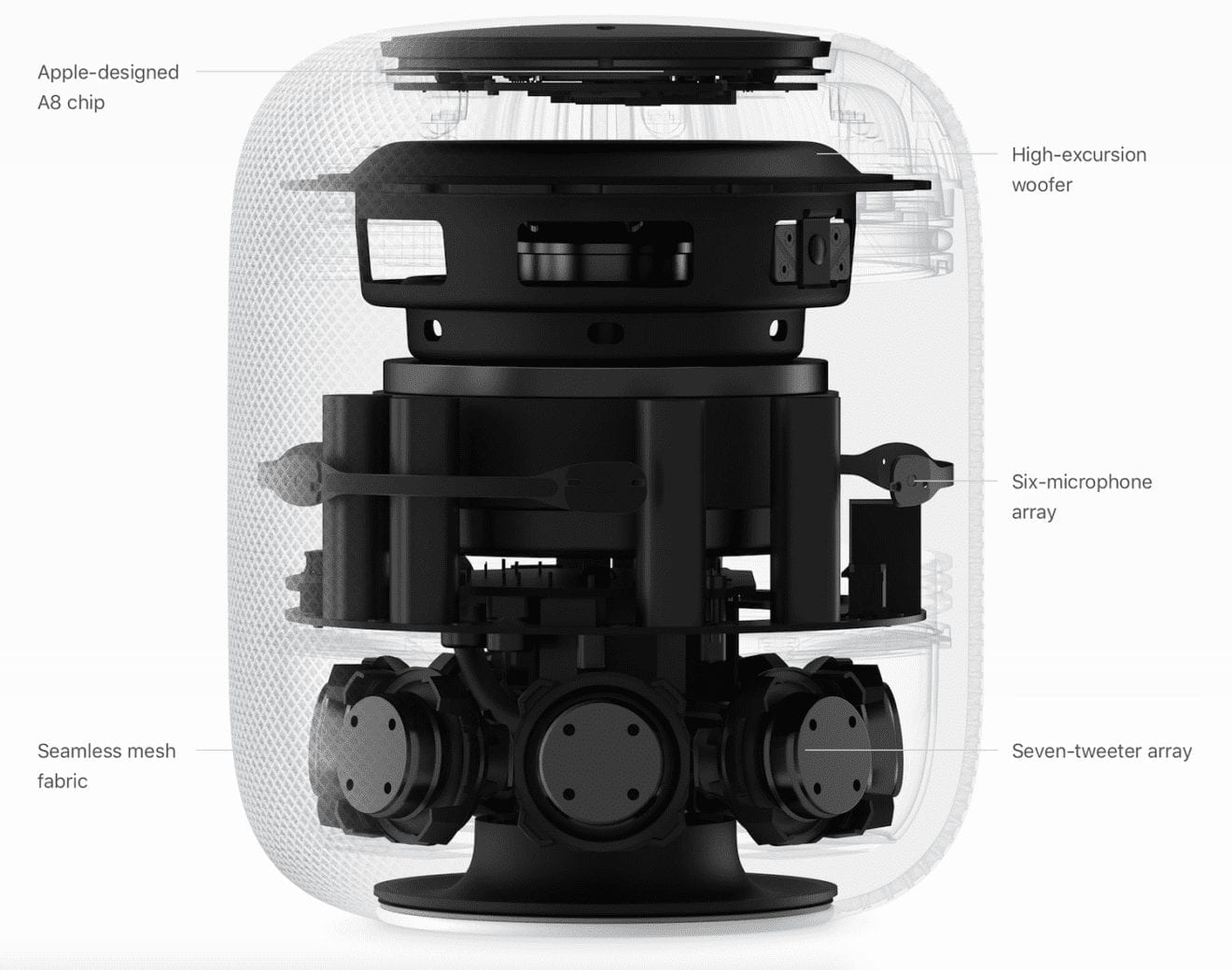
    Apple had three new iPhones, a refreshed iPad, and an upgraded Watch to showcase at its big Cupertino event earlier this week, but one product that wasn’t even mentioned in passing during a keynote that ran for nearly two hours is the company’s first (and still only) smart speaker. Unveiled in 2017 and commercially released at the beginning of 2018, the HomePod has pretty much been left in a limbo of late from both a hardware upgrade and software update standpoint.

    With no news or rumors of a sequel or spin-off on the horizon, hardcore Apple fans had hoped to at least get an ETA for a few long-overdue features promised all the way back in June. Unfortunately, the company continues to keep things as vague as always, updating the HomePod’s official product webpage with descriptions of the multi-user support and handoff functionality, which are still due to come at some point “later this fall.”

    You probably shouldn’t expect them to roll out in the next month or so, as radio streaming is apparently ready to go live on September 30. That means you’ll be able to tune in to a whopping 100,000 live, local, and global radio stations starting in a couple of weeks just by asking Siri.

    Interestingly, there’s also an all-new feature planned for a HomePod debut “later this fall”, which will allow you to relax by playing soothing pre-loaded “Ambient Sounds” like ocean waves, forest birds, rainstorms, and “more.” Meanwhile, in case you’re not familiar with the multi-user functionality Apple’s competition has pretty much always offered, that’s going to enable a “personalized experience” for “each person in the family”… eventually. In other words, different HomePod users will be able to keep their personal music preferences, messages, reminders, lists, and calendars separate.

    Finally, with the handoff feature, the Siri-powered smart speaker will seamlessly take calls, songs, and podcasts over from your iPhone or iPad simply by holding the two devices close to one another.

  • Alibaba hosts the fourth Taobao Maker Festiva

    Alibaba hosts the fourth Taobao Maker Festiva

    Chinese e-commerce platform Taobao has kicked off its fourth Taobao Maker Festival.

    The signature offline event within the Alibaba ecosystem celebrates the maker spirit of China’s young entrepreneurs. The event continues to expand in scale, with this year’s festival held at two different Hangzhou venues. It will showcase more than 1000 new and creative products, along with the most exciting avant-garde designs at the Broken Bridge Fashion Show, which opens the two-week festival.

    “The Taobao Maker Festival offers a creative and exciting experience for both our makers and visitors,” said Alibaba Group’s chief marketing officer Chris Tung. “Taobao has increasingly become the go-to platform for incubating new concepts, new designs and new products. The products that premier during this year’s Festival will have a strong appeal among young people, especially the Generation Z, who long for new experiences.”

    Featured new products will include a vegan meat launched by Hong Kong social enterprise GreenMonday, powered exoskeletons launched by C-Exoskeleton, a virtual-reality headset launched by HTC and simultaneous translation technology launched by iFlytek, among many others.

    “Brands and merchants will not only have the opportunity to showcase their innovative products and interact with users in the Alibaba ecosystem during the event, but they can also leverage social and content tools embedded in Taobao and Tmall to increase the impact after the Festival,” said Tung.

    In the coming three years, Taobao plans to incubate 200,000 merchants with more than RMB5 million (US$706,300) each in annual sales. Taobao statistics released in July this year showed that new merchants who joined Taobao over the past three years achieved a total turnover of nearly RMB500 billion ($70.63 billion) in the current fiscal year. As of the end of last year, there were nearly 50,000 independent designers running their business on Taobao, most of whom are in their 20s and early 30s.

  • Pomelo secures US$52 million investment for expansion

    Pomelo secures US$52 million investment for expansion

    Leading omnichannel fashion company Pomelo has secured US$52 million in funding, making it the first Thai startup to raise a Series C funding round.

    Investors include Central Group, Provident Growth Fund, InterVest Star SEA Growth Fund, Andre Hoffman, Toivo Annus, Lombard Private Equity, Ambient Sound Investments OU and The Luxembourg Company Deverel.

    After raising US$19 million in its Series B round in November 2017, Pomelo has expanded into Hong Kong and Malaysia, grown gross merchandise volume seven-fold, launched eight physical stores in Thailand and opened a flagship store in the heart of Orchard Road. The brand has expanded its product offering further, launching categories like Purpose, an eco-friendly collection, Beet cosmetics and Pomelo Man, its menswear label.

    “This is a disruptive time for omnichannel in Asia,” said Provident Growth Fund founding partner Michael Aw. “Pomelo is in a unique position because of its vertically integrated model and innovative technical abilities. We are confident they will lead the way in fashion across Southeast Asia and beyond.”

    Using direct-to-consumer technology, Pomelo has been involved in omnichannel fashion since its launch in 2013.About 30 per cent of orders are delivered through its Pomelo Pick-up channel, which allows customers to try before they buy.

    “Pomelo is much more than an online fashion brand,” said Pomelo CEO David Jou. “As a fashion-tech company, we are developing a proprietary catalogue of innovative technologies that will allow us to unlock significant hidden value that exists in the branded fashion business today. Everywhere we look, we see opportunities for innovation to reinvent how things are done to create better products, better serve customers, and maximise omnichannel productivity and efficiency.

    “Fashion is as relevant today as ever and we are excited to chart a unique path forward in an effort to reinvent what it means to be a fashion brand.”

    Co-founder Casey Liang said technology has always been a big focus for the company, which will be looking at big data and AI for pricing and design, as well as e-commerce personalisation in the future.

    “We want to integrate the omnichannel experience even deeper by connecting the Pomelo universe with the customer through a proprietary tech stack. Additionally, we would like to further expand our supply chain automation platform, Henry.”

  • Google’s Daydream VR platform is probably dead

    Google’s Daydream VR platform is probably dead

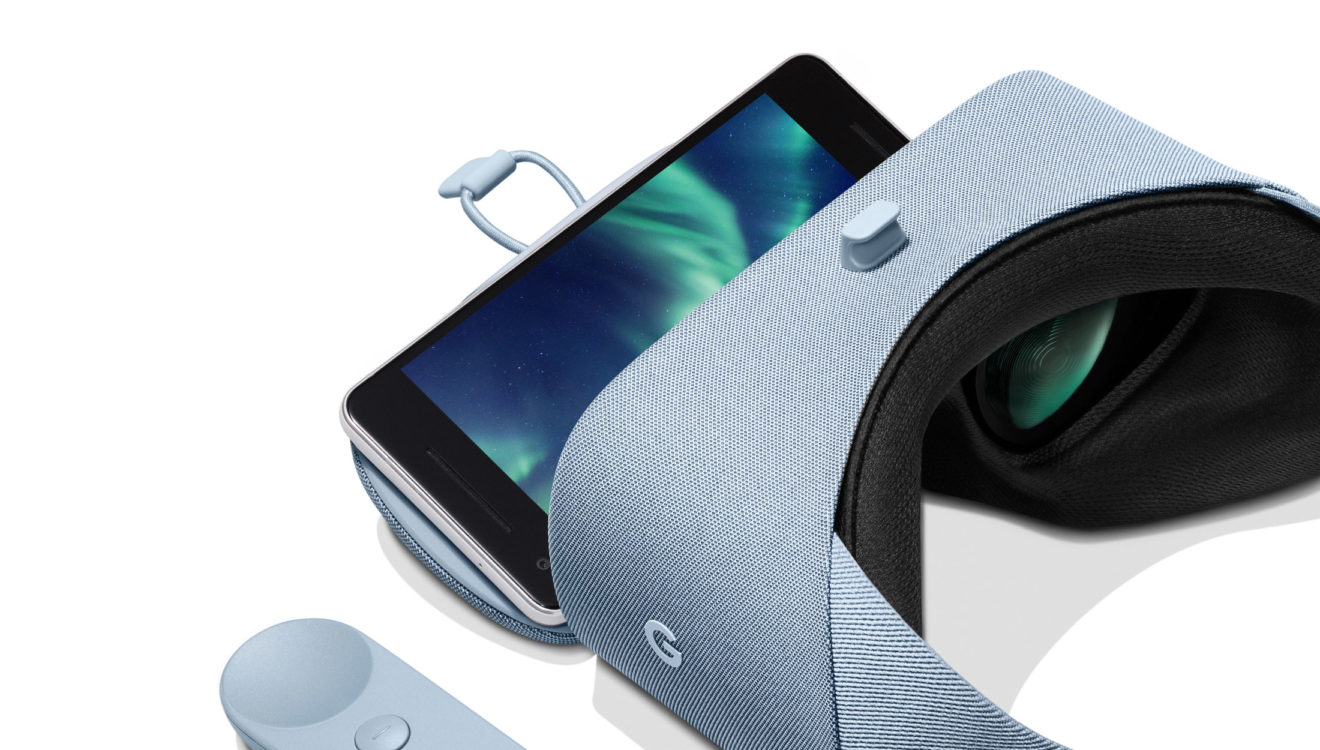
    The Daydream VR platform doesn’t seem to be as popular as Google expected. The Mountain View company has acknowledged the problem and has started to redirect resources to other projects. After shutting down the Play Movies and TV app a few months ago, Daydream VR platform is losing more content providers.

    Variety reports Hulu confirmed it has removed Daydream support from its Android app in recent weeks, so if you’re wondering why you can access Daydream VR content any longer, that’s the reason.

    There’s a workaround that will allow Daydream VR users to continue to watch Hulu content, but that requires them to downgrade to the previous version of the Android app if they’ve already updated to the latest iteration.

    The VR experience with Google Daydream is no longer supported for Android mobile devices running version 3.55 or newer of the Hulu app. That said, it is still available on Daydream-capable Android devices running version 3.54.1 or older of the Hulu app.

    One of Google’s original partners for Daydream VR, Hulu still offers VR content on other headsets like Oculus Go, Samsung Gear VR, Oculus Rift, and PlayStation VR. It’s also worth mentioning that Hulu is the second major video streaming service that drops support for Daydream VR after HBO Now and HBO Go VR.

  • Amazon adds important offline capabilities to Alexa Auto

    Amazon adds important offline capabilities to Alexa Auto

    Voice assistants are becoming more useful as companies like Amazon, Apple and Google are trying to penetrate as many markets and industries as possible. It’s great to have a car that allows you to make a call or ask for information concerning the weather without having to touch anything.

    Voice control has become a convenient way to do all these tasks while driving thanks to digital assistants like Amazon Alexa, Siri, and Google Assistant. The majority of the features offered by these assistants rely on connectivity, so when you’re driving through tunnels, parking garages or areas with a weak signal, these features are unavailable.

    To reduce the chance of being unable to access Alexa, Amazon launched something called Local Voice Control Extension, which is available in Alexa Auto SDK 2.0. The new feature enables offline access to Alexa in vehicles so that you can use music and radio, search and navigation, calling and messaging, as well as car control even when connectivity is intermittent or not available at all.

    With the latest version of Alexa Auto SDK, automakers will be able to add a lite version of Alexa’s cloud-based service to a car’s infotainment system, which kicks in when your car is no longer in an area with decent connectivity.

    The in-vehicle voice service will impact the purchasing decision of 59% buyers, and most (76%) people want continuity from their voice service at home to vehicle, Amazon claims. That’s why the name of the voice assistant vehicles offer could become a major selling point in the coming years.