Tag: asia

  • Flybuys tops loyalty programs

    Flybuys tops loyalty programs

    Flybuys remains the top ranked loyalty program according to Australians, though the distance between it and second-place Woolworths Rewards narrowed significantly in 2019, according to the 7th annual For Love or Moneyreport.

    Flybuys dropped from a 35 per cent share to 30.4 per cent in the latest report, while Woolworths Rewards grew from 20.2 per cent to 21 per cent, based on survey respondents stating the programs were “doing a very good job.”

    While much of the list of top loyalty programs appears the same, there are some notable additions and subtractions, with Myer One and Commbank Awards falling off the list to make room for Event Cinema’s Cinebuzz Rewards, and Mecca’s Beauty Loop program.

    The most important considerations by program members surrounded how secure their data is, how it’s being used, and the reputation of the company itself – with 57 per cent of survey respondents noting they are worried they will be hacked or subjected to fraud based on information gathered by a loyalty program.

    “With numerous data breaches being reported world-wide… loyalty programs are at a pivotal point with member data protection, collection and use,” report author and chief executive of The Point of Loyalty Adam Posner said.

    “To maintain members’ trust and ongoing engagement with their loyalty programs, brands with programs should prioritise a proactive and transparent approach to clearly highlight to their members how their data is being protected and used.”

    Despite concerns surrounding the use of data, 62 per cent of loyalty program members take advantage of the rewards and benefits available to them. Millennials were the most likely to utilise these rewards, with 68 per cent indicating they utilise the advantages of a loyalty program.

    Additionally, the report found that loyalty programs tend to stimulate extra purchases from its members, with 28 per cent of members indicating purchased something they didn’t need in order to earn points, or maintain program benefits – an increase on the 16 per cent first measured in 2015.

    “The incremental purchases that a well-structured loyalty program can stimulate is where business who invest in loyalty programs really succeed,” Posner said.

  • GIC Partnering to build India’s largest shopping mall

    GIC Partnering to build India’s largest shopping mall

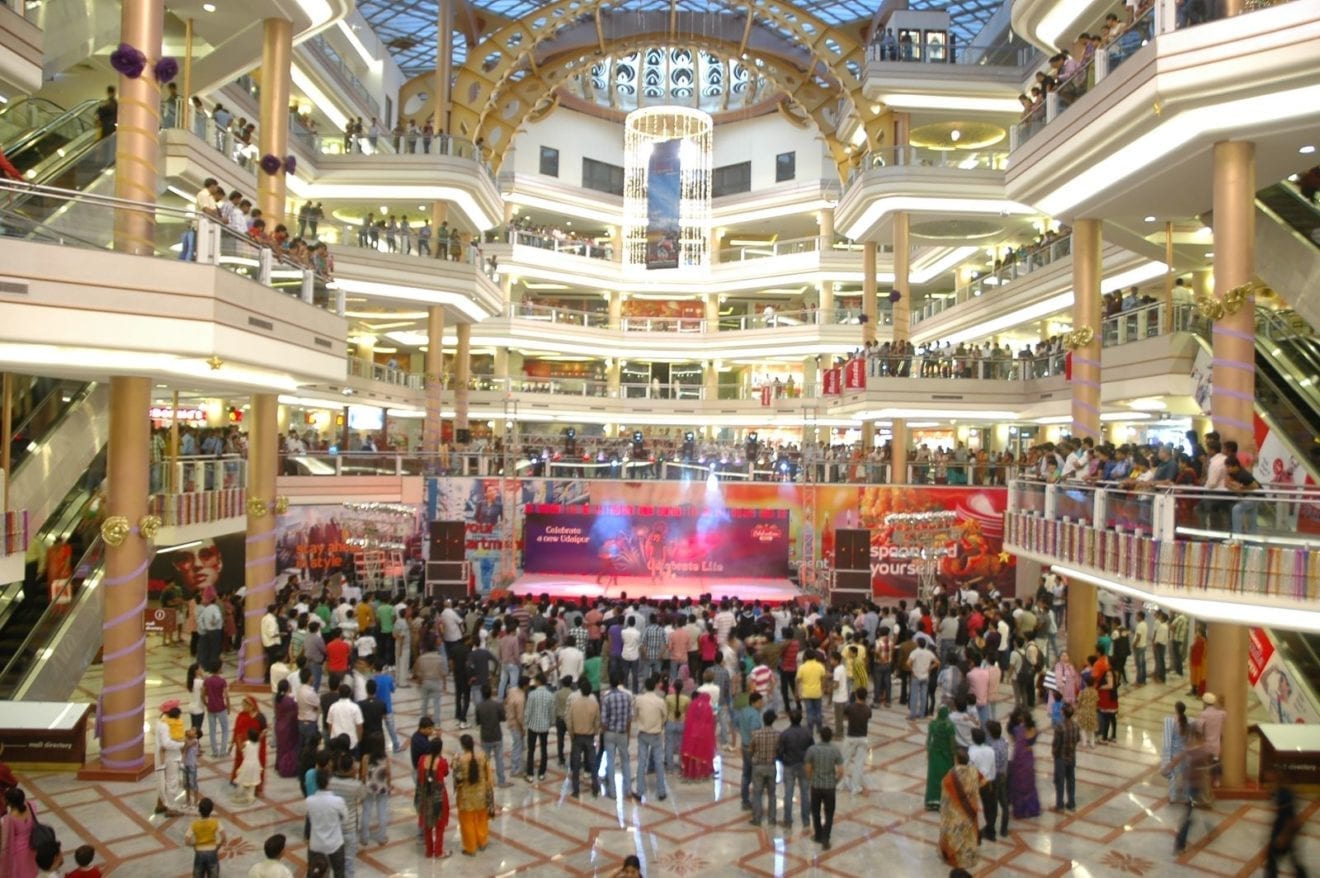
    Singapore’s sovereign wealth fund GIC is partnering with Indian property developer DLF, to construct India’s largest shopping mall.

    Down Town will be a mixed-use development of more than 2.5 million sqft, featuring retail and commercial space. It will be built on a 23-acre parcel of land owned by DLF in Gurugram.

    “The retail mall will be part of this 8 million sq ft project that will also have a component of serviced apartments, a five-star hotel, and commercial development,” an unnamed person with knowledge of the matter told an Indian news channel.

    “The project will be developed in two-three phases in more than five years.”

    The joint venture between DLF and GIC was formed in late 2017. The two companies are already working on a high-rise residential project of about 7 million sqft near Central Delhi.

  • Tiger Street Den opens at Dubai Airport

    Tiger Street Den opens at Dubai Airport

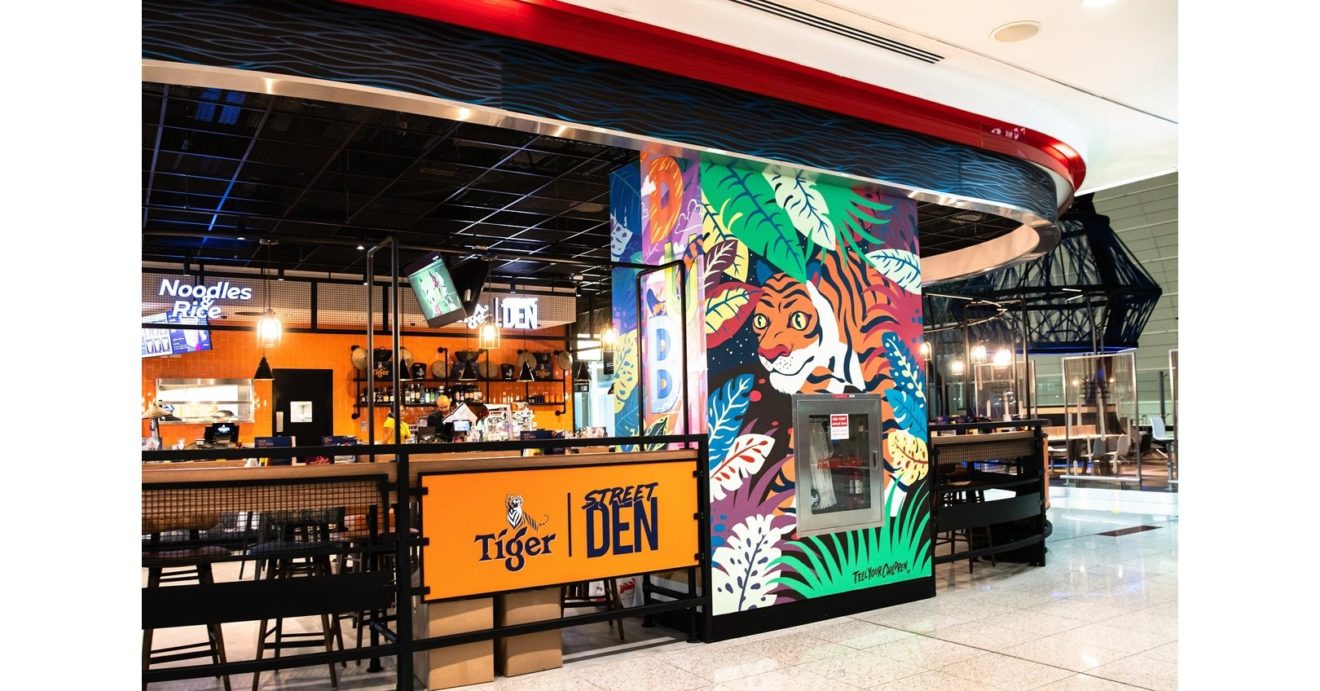
    Tiger Beer has opened its second Tiger Street Den concept store, at Dubai International Airport.

    The first store outside of Singapore, it is located within the Asian Street Kitchen, which offers a variety of Asian-inspired food and drink options.

    Tiger Street Den will bring the flavours of Singapore from its classic Tiger Beer lager, to a menu created by Chef Peter Reffell.

    In addition to food and brews, the store has been designed as a venue for live music, art and photography, created by talent recruited from the Tiger Roar Collective platform. The first live art will be performed by Singaporean artist group, Tell Your Children.

    “Following our launch at Jewel Changi Airport in Singapore earlier this year, this new addition in Dubai International Airport will be our second global lighthouse and will be a great space for us to stretch our boundaries and uncage creativity,” said Venus Teoh, director of International brands for Tiger at Heineken Asia Pacific.

    Tiger’s first experiential concept Tiger Street Lab opened at Jewel Changi airport.

    The first store outside of Singapore, it is located within the Asian Street Kitchen, which offers a variety of Asian-inspired food and drink options.

    Tiger Street Den will bring the flavours of Singapore from its classic Tiger Beer lager, to a menu created by Chef Peter Reffell.

    In addition to food and brews, the store has been designed as a venue for live music, art and photography, created by talent recruited from the Tiger Roar Collective platform. The first live art will be performed by Singaporean artist group, Tell Your Children.

    “Following our launch at Jewel Changi Airport in Singapore earlier this year, this new addition in Dubai International Airport will be our second global lighthouse and will be a great space for us to stretch our boundaries and uncage creativity,” said Venus Teoh, director of International brands for Tiger at Heineken Asia Pacific.

    Tiger’s first experiential concept Tiger Street Lab opened at Jewel Changi airport.

  • Lawson Thailand plans Further Network expansion

    Lawson Thailand plans Further Network expansion

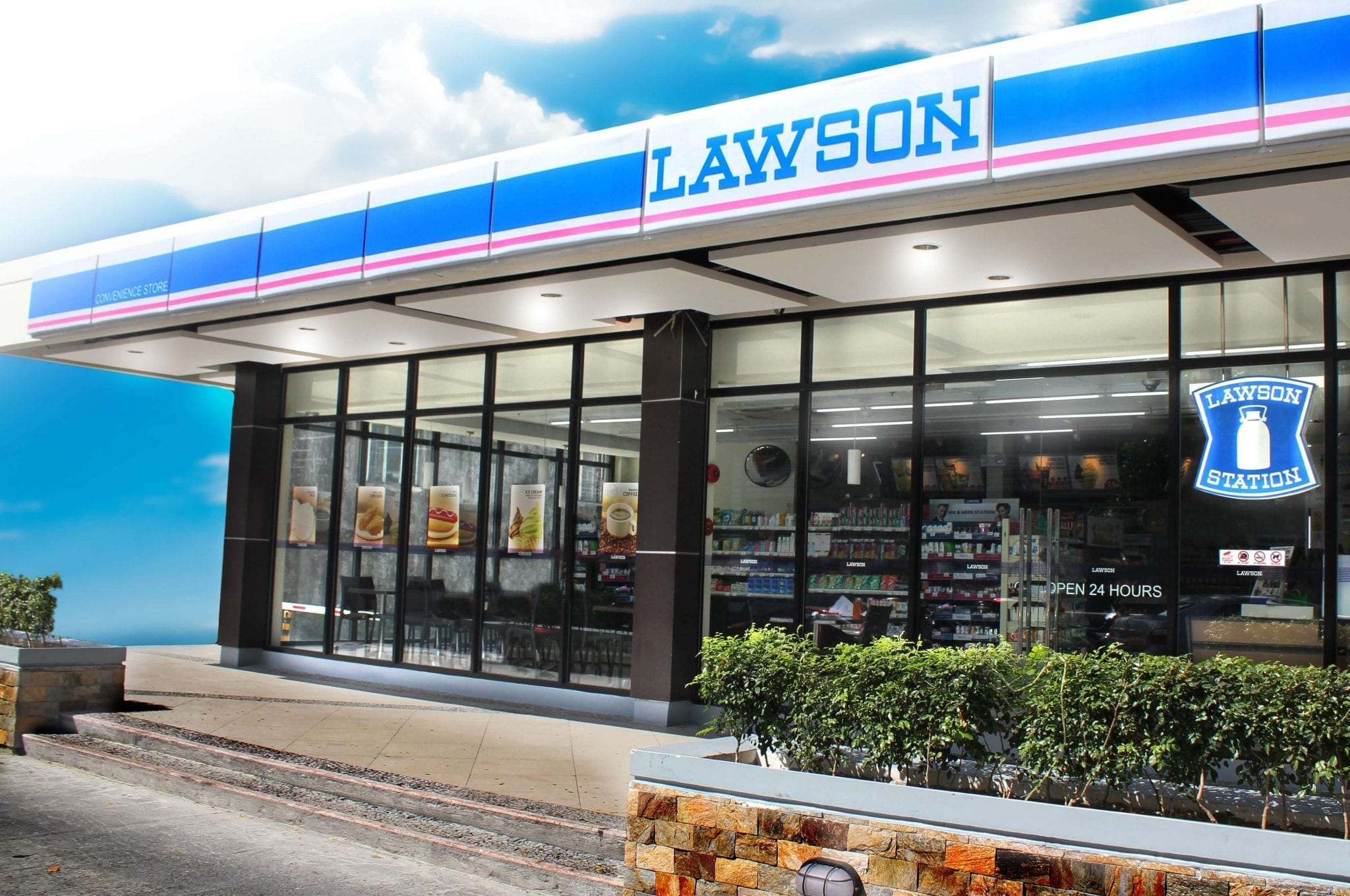
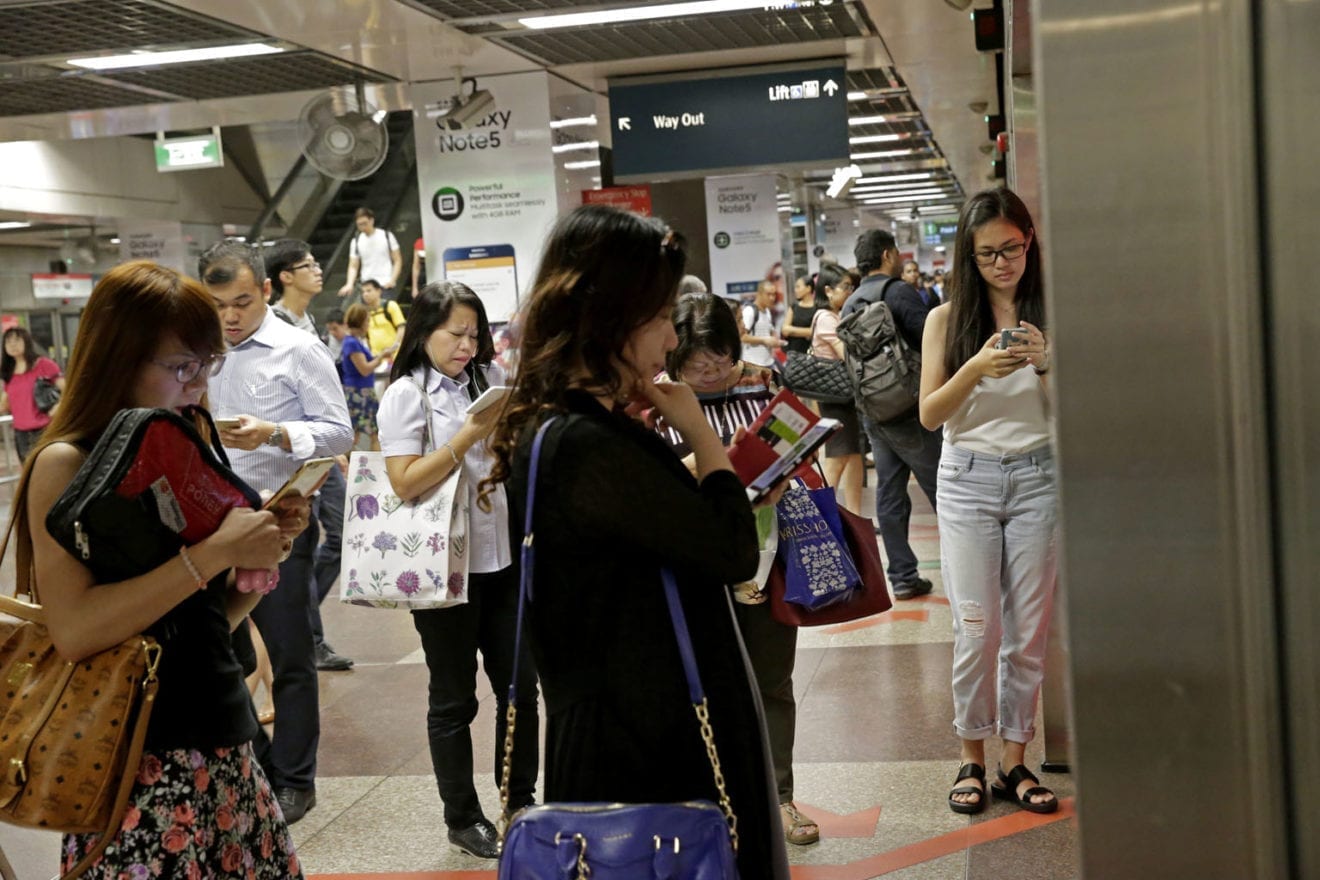
    Saha Group is opening a new wave of Lawson Thailand convenience stores in subway stations and airports.

    The firm is establishing a joint venture with its partner Japanese chain in collaboration with Thai advertising business VGI Global Media, which specialises in public transport facilities. The cooperative will launch this Friday with registered capital of THB20 million (US$645,000). Partnership Saha Lawson will hold 60 per cent of the venture, with VGI taking 30 per cent and Saha Group the remaining 10 per cent.

    Saha expects the brand’s focus on public transit customers will give the initiative an edge over leading competitor Charoen Pokphand’s 7-Eleven, which operates around 11,000 outlets. It plans to open 30 Lawson Thailand stores in transport facilities, joining its existing store network in Bangkok’s elevated mass-transit system BTS, by late February 2021.

  • China is reportedly behind huge hack of global cell networks

    China is reportedly behind huge hack of global cell networks

    Security research firm Cybereason reports that over the last seven years, hackers have been able to break into more than 10 cellular networks worldwide to gather information on calls made by at least 20 targeted individuals. The data obtained from this operation included the dates that calls were made, the times they were connected, the locations of the callers and more. The attack, dubbed Operation Soft Cell, has been active since 2012 and was spotted by Cybereason earlier this year.
    While the goal of the hackers was to obtain call detail records (CDR), other information obtained from this operation included usernames and passwords. According to the report, “the attackers worked in waves-abandoning one thread of attack when it was detected and stopped, only to return months later with new tools and techniques.” Cybereason says that it is very certain that this operation is a state-sponsored attack and is affiliated with China. The methods and tools used lead the security researcher to name APT10 as the so-called threat actor. This group reportedly works with Chinese Ministry of State Security (MSS).
    So why would the MSS go to all the trouble of hacking into 10 global cell networks? As Cybereason points out, when a nation runs an operation like this, it is not about the money. It is often done to steal intellectual property or obtain information about some of the carriers’ subscribers. The data that was stolen allowed the hackers to get call records that provided the destination, and duration of a call, information on the device used to make the call, the version number of the phone and its vendor, and the physical location where the call was made. With that data, the MSS (assuming that they were behind this) was able to learn who the individuals they were targeting had been talking to, the devices they were using to make such calls and where these people were traveling to. The security research company says that this is the type of information used to gather dirt on politicians and to track law enforcement.
  • How to use and unleash the power of artificial intelligence

    How to use and unleash the power of artificial intelligence

    Artificial intelligence has been a buzzword in the retail industry for some time now. But rather than just talk about it, retailers are now at a stage where they are putting words into action and starting on their first AI projects.

    Over the last year, an increasing number of retailers have started to adopt the technology. Uniqlo, for instance, uses machine learning to power a digital assistant on its app, which is able to give highly personalised recommendations. In Hong Kong, convenience-store operator Circle K unveiled an AI-driven checkout solution last year that uses image-recognition technology in the self-checkout process.

    While there are clear benefits to implementing artificial intelligence – improving operational efficiencies and gaining a better understanding of the customer are just two – it can also be a daunting task to embark on. Here we identify three key considerations for retailers that are looking to unleash the power of AI…

    Quality of data

    Through machine learning, retailers are able to take data from multiple channels and turn that into actionable predictions and recommendations. But the biggest success factor is not the algorithm behind these insights, but rather the quality of the data that feeds into it. Retailers that do not have their data estates in order risk having underwhelming outcomes from their AI investment. This is something that must be considered beforehand.

    Choosing which areas to focus on

    There is a multitude of areas in which artificial intelligence can be deployed in a retail setting. Aside from the different applications of AI technology – for instance, machine learning, natural language processing and robotics – there is also a choice to be made in terms of the operational area, be that the customer-facing side of the business or processes that run behind the scenes.

    AI initiatives that help to improve the customer experience can be an ideal starting point as this is an area that benefits from a wealth of data and can provide a quick win for a retailer.

    Bringing in external expertise

    Many retailers will lack the skills and expertise to confidently start leveraging AI technology. The solution is often a combination of recruiting talent to bridge the skills gap and working with credible technology partners. The advantage of both these approaches is that retailers can hit the ground running and be able to accelerate their first move. Speed is critical if a retailer wants to be a disruptor rather than disrupted.

    Digital Transformation Survey

    Is your organisation looking at emerging technologies such as artificial intelligence, augmented reality and automated deliveries? And how do technology partnerships form part of your digital strategy?

    Tofugear is conducting its annual digital transformation survey and is asking C-level executives and senior managers across Asia about their approach to innovation.

  • Mitre 10 workers win living wage case

    Mitre 10 workers win living wage case

    Two Mitre 10 stores were told to pay their employees a living wage in a decision by the Employment Relations Authority (ERA).

    Called a landmark case, the decision was the first collective agreement in New Zealand that was determined by the ERA with a living wage being imposed on the employer, according to a statement by the First Union said.

    Members of the First Union who work at Mitre 10 Mega in Dunedin and Mitre 10 Mosgiel, which are both owned and operated by local Otago business Jack’s Hardware and Timber, will be given their first collective agreement which affords a living wage.

    Jack’s Hardware and Timber is just one of the many locally owned and operated businesses across New Zealand that make up the Mitre 10 NZ Ltd co-operative.

    According to First Union, the ERA determination has set a precedent for retail staff and has widespread implications for other retail sites in the country.

    The determination states that an employee who has some industry experience or skill that they utilise in their role should be paid no less than $21.00 per hour. For a worker with a trade qualification that increases to $23.00 per hour and the start rate is $19 per hour.

    Neil Finn-House, Jack’s Hardware and Timber Limited CEO, said he is pleased to have concluded collective agreement negotiations with First Union following the ERA hearing that has settled two final outstanding matters: minimum wage rates and duration of the contract.

    “Most kiwis will agree that it is important that local New Zealand owned and operated businesses are able to pay their employees rates that are locally comparable,” Finn-House said.

    “Our objective at the Hearing was to reach a fair outcome, consistent with market rates of comparable businesses in the South Island, which maintains our ability to reward and recognize our staff above and beyond the minimum pay rates that the collective will contain,” Finn-House said.

    Greg Hartford, CEO of Retail NZ, noted, however, that the new rate will see entry-level staff receive $1.30 an hour more than the legal minimum wage, and $1 more than the median wage paid in heartland South Island regions.

    “While both the Union and the employer are hailing today’s decision as a fair compromise, the rates set are higher than those being paid by comparable companies in the regional South Island market,” Hartford said in a statement.

    “When setting rates, all parties need to make sure that they are taking individual circumstances into account and that any comparisons made between businesses are comparing like for like. It is hard, for example, to compare wage rates paid by a small local store to those paid a large regional business, and it’s hard to compare a large regional business to a national or multinational chain.”

  • Online and New Retail concepts in China driving FMCG market growth

    Online and New Retail concepts in China driving FMCG market growth

    Online and New Retail concepts in China are driving FMCG growth according to a report by Bain & Company and Kantar Worldpanel.

    As reported The Chinese FMCG market remained robust last year despite talk of economic slowdown.

    According to the latest China Shopper Report produced by the two companies, e-commerce channel growth in China slowed slightly to 30.6 per cent between 2017 and last year (compared with 35.1 per cent annual growth between 2014 and last year), as penetration in tier-1 cities leveled off at around 80 per cent last year. In lower-tier cities, however, growth is expected to continue for at least three or four more years and will serve as the engine of future online expansion.

    While last year didn’t necessarily represent a turning point, the research revealed renewed hope for offline retailers. Previously, offline stores in most formats had been steadily losing share with the rapid rise of online channels. Now there are new and interesting opportunities for offline retailers to regain their momentum, in many cases with smaller and more flexible formats. For example, the share of traditional trade (grocery) food and beverage sales intended for out-of-home consumption has risen by 14 per cent per year since 2016, reaching nearly 80 per cent last year, based on the 10 food and beverage categories analysed in the research. It is similar with convenience stores: their sales for out-of-home consumption grew 17 per cent per year in the last two years, and represent 88 per cent of total convenience store sales, for these same 10 categories.

    Large store formats also show potential for growth, but it will require them to take on new roles, the report found Last year, hypermarkets started to reignite some of their momentum by serving as a logistics base for 30-minute delivery of goods ordered online via the leading delivery platforms. Another opportunity: big chains can reinvent themselves by upping their game in fresh food.

    Insurgent brands punch above their weight

    In addition to examining these ongoing trends, Bain & Company looked at two other developments: the dramatic impact of fast-growing small brands on larger brands, and the emergence of the uniquely Chinese phenomenon of New Retail – futuristic supermarkets devoted in equal measure to in-store dining, online ordering and delivery.

    Last year’s China Shopper Report revealed that China’s insurgent brands are taking a disproportionate share of FMCG growth. As that trend continues, a fundamental question faces many companies: Can big brands get bigger and continue to be successful?

    “The new reality is that many incumbent brands watch small brands doing an impressive job of serving specific consumer needs, responding in everything from R&D to digital marketing with agility and flexibility,” said Kantar Worldpanel Greater China GM Jason Yu.

    “Whether to focus on growing big brands or building a portfolio of different brands to serve different segments nags at every FMCG executive. It’s a decision that sometimes calls for a major strategic transformation; billion-dollar brands are vastly different animals than $25 million brands and require significantly different management approaches.”

    The other big emerging trend involves New Retail. In any of its forms, New Retail blurs the line between online and offline sales, with potentially major implications for how FMCG products are sold. For example, New Retail’s biggest manifestation continues to be the growth of the food service channel, which is fueled by increasingly faster delivery. Now largely limited to Tier-1 and Tier-2 cities, and with penetration levels comparable to regional supermarkets, New Retail stores will become more broadly relevant in the future.

    According to the report, the acceleration of New Retail in multiple ways presents opportunities for retailers to transition from today’s mass-oriented offline approach to tomorrow’s seamless, multichannel world of shopping. Physical stores have a future, but offline retailers need to refine their moves to play in this new environment.

    The report recommends physical stores:

    • Redesign store portfolios in the New Retail format;
    • Make the store experience more attractive by leveraging new technologies like augmented reality; and
    • Digitalise operations to deliver a seamless experience to consumers, whether they buy online or offline, and start to monetise consumer data for better cooperation with brands.

    The three key implications for brands mentioned in last year’s China Shopper Report remain:

    • Take advantage of the channel dynamics, grow with the winning channels and anticipate retailers’ consolidation;
    • Develop high-value and personalised products to make the most of the premiumisation trend; and
    • Become data-driven, consumer-centric organisations by collaborating with platforms but also by developing your own set of consumer data.

    This year, a fourth important implication arose, based on the success of insurgent brands: Develop a portfolio of brands to grow overall share in a category, taking advantage of the fragmentation of consumer needs and shoppers’ thirst for innovations.

    “As the China consumer continues to become more sophisticated and the channels available to them become more advanced, it is essential that companies who want to win in this new era fully understand what it takes to win in this market,” said Bain & Company partner and report co-author Derek Deng.

    “By understanding and incorporating the new retail model and focusing on a consumer-centric mentality, companies will be able to win in this new battleground which is emerging.”

  • South Korean duty-free operators chasing another boom

    South Korean duty-free operators chasing another boom

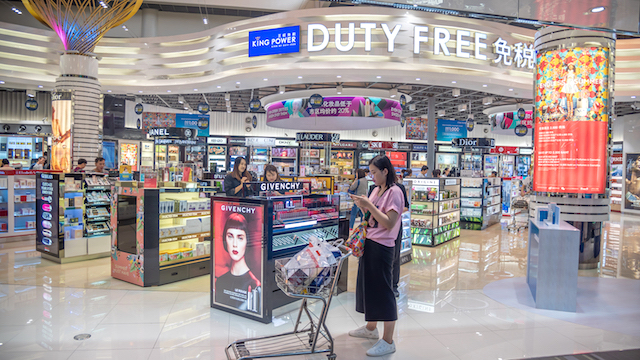
    After years of struggle in the face of a decline in Chinese tourists and increased competition, South Korean duty-free operators are in search of a more stable and sustainable business portfolio — to reduce their reliance on Chinese visitors and generate decent profits.

    The country’s duty-free business has raked in huge revenues on the back of soaring tourists, mostly from China.

    But a diplomatic row between Seoul and Beijing over a missile defense system in 2017 and regulatory changes vividly underscored the need for leading duty-free operators — Lotte Duty Free and Shilla Duty Free — to accelerate their overseas push.

    Sales at local duty-free stores continued to show solid growth in the past few years, reaching their highest-ever of US$17.23 billion last year, with an annual growth of 23 per cent over the past two years, according to data from the Korea Duty Free Shops Association.

    The spectacular result comes even when the number of Chinese package tour travellers to South Korea continued to drop after the travel ban imposed by Beijing in 2017 in protest against Seoul’s hosting of a US missile defense system.

    The number of Chinese who arrived in South Korea peaked at 8.07 million in 2016 but shrank to 4.16 million a year later, according to the state-run Korea Tourism Organization (KTO).

    The number, however, rebounded last year rising 14.9 per cent to 4.78 million, accounting for 31.2 per cent of 15.34 million foreign visitors to the country, which marks a 14.9 percentage-point rise from the previous year.

    Market watchers said the robust growth in their sales was mostly attributable to Chinese vendors or individual Chinese merchants who buy their duty-free purchases, such as cosmetic products, in large quantities and sell them back at their home.

    But commissions doled out to the sellers, who also work with travel agents to bring in big-spending tour package groups, have been excessive, eating into the profits of South Korean duty-free operators.

    The local duty-free market’s dependence on foreign tourists continued to increase with sales from foreigners accounting for 83 per cent of the total market last year, according to separate data. The figure for downtown duty-free outlets is even higher at 90 per cent.

    “It is difficult to just paint a rosy picture for duty-free operators given excessive marketing costs, such as commission fees that are needed to maintain a certain level of Chinese customers,” said Cha Jae-heon, an analyst at DB Financial Investment Co.

    Competition to bring in individual merchants and group travellers may intensify as more duty-free outlets are set to open in Seoul and other parts of the country later this year.

    The number of downtown duty-free outlets in Seoul more than doubled from six in 2015 to 13 last year. Earlier this month, the government said it will also issue five additional licenses to local retail conglomerates.

    Against this backdrop, market leader Lotte Duty Free, the travel retail division of Lotte Hotel Co, has been actively tapping into overseas markets by opening the first outpost in Jakarta, Indonesia, in 2013.

    Lotte Duty Free now operates 12 outlets in seven countries, including South Korea, and is set to increase the number to 22 in eight countries, including a new store in downtown Danang, Vietnam, and another at Hanoi International Airport that are set to open in the latter half of the year.

    The duty-free operator said it expects to meet its annual overseas sales target of 700 billion won (US$596 million) this year on the back of robust performances at its overseas operations, most noticeably in Vietnam.

    Lotte Duty Free aims to reap 1 trillion won in annual revenue from its offshore business in 2020 and plans to tap into new lucrative markets, such as Japan.

    “What sets Lotte Duty Free apart is that industry rivals are mostly focused on airport duty-free businesses, while we aim to dominate the market where there are no downtown duty-free stores,” said Park Sang-seob, a Lotte Duty Free official.

    The company also opened stores in Australia and New Zealand in March becoming the first South Korean duty-free operator to make inroads into the Oceania region. It signed an agreement with Melbourne-based JR Duty Free to run four retail outlets in Australia and one in New Zealand.

    Shilla Duty Free, the country’s second-biggest travel retailer under Hotel Shilla Co, currently operates five outlets in Singapore, Hong Kong, Macao, Thailand and Japan, as part of its strategy to balance its over reliance on the local market.

    The company already achieved annual sales of over 1 trillion won in its offshore business last year, accounting for over 20 per cent of the total revenue. The figure is also more than a twofold jump from 500 billion won in 2016.

    Its offshore business also climbed into the black in the first quarter of the year for the first time, partly on the back of stellar performance in major gateways of Asian countries.

    “The figure shows Shilla Duty Free’s reputation as an Asian travel retail powerhouse,” said Ha Joo-ho, an official at Hotel Shilla.

    “We are highly focused on our overseas push so that our sales are less affected even when there are fewer travellers from China.”

    The company said it will continue to bolster its duty-free business to make it the third-largest player around the globe by 2022, trailing Swiss-based travel retailer Dufry AG and France-based Lagardere Travel Retail.

  • Improving retail sales and operations with customer traffic data

    Improving retail sales and operations with customer traffic data

    “Highly detailed and accurate traffic information is an absolute necessity in the modern retail environment and the solution provided by ShopperTrak has allowed Kathmandu to leverage this data with great success.”

    ShopperTrak gives retailers and shopping centres the data they need to optimise labour, store and marketing performance.

    By leveraging a combination of traffic data information and analytics, shopping centres that have morphed into ‘destinations’ for consumers can react better to events that impact the popularity and profitability of their venue.

    Today’s shopping centres can fully assist retailers who are on a mission to attract and retain customers and drive conversions in an exciting transitional marketplace for a new generation of shoppers. More importantly than ever, knowledge and accurate data is power!

    Additionally, the ShopperTrak Analytics Suite provides comprehensive, customised reports of high traffic times and traffic patterns across the operation.

    Implementation of the ShopperTrak traffic counting solution in Kathmandu stores has been very successful in driving the business forward and increasing its ability to make data-driven decisions in everything from marketing campaigns to roster management.

    Data produced by these counters now forms a core part of the KPI set for Kathmandu retail and is a daily topic of discussion at every level of the business.

    “While it is impossible to place a solid number on the additional sales/profit to this one project, there can be little doubt that it has enabled us to drive additional sales through a focus on conversion and improved rostering at a store level through the development of a labour demand model.”

  • BMW Previews Vision M Next Electric Sportscar

    BMW Previews Vision M Next Electric Sportscar

    BMW today previewed the Vision M Next which offers a foretaste of the BMW M brand’s electrified future and yes, this one places the driver right at the centre of all the action. Hosting the exclusive world premiere of the BMW Vision M NEXT is the new NextGen infotainment platform at BMW Welt. The BMW Vision iNEXT and BMW Vision M NEXT Vision Vehicles represent prototype versions of BMW’s future experience concepts ‘Ease’ and ‘Boost’. Ease encompasses all the experiences during a journey when the vehicle assumes the task of driving, so maximum comfort for users while Boost is all about the ultimate active driving experience.

    The BMW Vision M Next draws its inspiration from the iconic BMW Turbo and of course the i8 plug-in hybrid. It’s low-slung, has a wedge-shaped silhouette, gets gullwing doors and a striking colour scheme while maintaining its sports-car proportions. The front and rear ends are finished in the matt-neon shade orange, producing a vivid contrast against the exterior’s otherwise silver metallic paintwork.

    The signature BMW kidney grille is flanked on either side by triangular elements which are painted in orange. The triangular elements accentuate the air intakes at the sides and the integral headlights. The headlights are positioned on the outer edges of the front end, higher up than the kidney grille. Arranged one above the other rather than side by side and that gives it BMW’s classic four-eyed front end. The black side skirts are made from recycled carbon fibre and make the car look even lower on the road.

    Domagoj Dukec, Vice President BMW Design, said, “The BMW Vision M NEXT is a progressive hybrid sports car that makes a very clear and confident statement, in terms of both appearance and interaction. Where the BMW Vision iNEXT illustrated how autonomous driving is set to transform life on board our vehicles, the BMW Vision M NEXT demonstrates how state-of-the-art technology can also make the experience of driving yourself purer and more emotionally engaging. In both models, the focus is firmly on the people inside. Design and technology make the ‘EASE’ and ‘BOOST’ experiences more natural and more intense,”

    The Vision M Next offers the choice between electric all-wheel drive and pure rear-wheel drive, with either all-electric propulsion or the power of a turbocharged four-cylinder petrol engine. The output stands at 591 bhp and it has a top speed of 300 kmph. 0-100 kmph is done in just under 3 seconds. There is also a BOOST+ mode that puts extra power on tap at the push of a button. The maximum range when driving in all-electric mode is 100 km.

    The rear wheels on the BMW Vision M NEXT measure 22 inches in diameter, making them one inch larger than the front wheels (21 inches) and that gives the car a lovely stance. The design of the rear window takes its cue from the BMW M1. The three-piece louvres are made from glass and emphasise the horizontal focus of the rear-end styling. The rear lights feature the same Laser Wire technology used for the headlights. The two-dimensional reinterpretation of the distinctive pair of BMW roundels from the BMW Turbo and BMW M1 – a gift to BMW aficionados – gives them the impression of floating in the rear lights’ transparent lenses.

    There’s also facial recognition technology in the Vision M Next and his allows the car to unlock automatically as the driver approaches. Pressing the touch sensor on the gullwing doors prompts them to swing open. The cabin is minimalist and revolves entirely around the actively engaged driver, both stylistically and technologically. The seat shells form part of a seat sculpture with a flowing design. They are upholstered in a foam material with shape memory properties that moulds itself to, cushions and supports the body to optimum effect.

  • Australian dollar rises slightly

    Australian dollar rises slightly

    The Australian dollar is only slightly changed Wednesday, buying 69.61 US cents from 69.60 US cents on Tuesday.

    Yesterday, the local currency was on track for a sixth straight session of gains against a US dollar weakened by expectations for an aggressive cut in interest rates by the Federal Reserve next month.

    The Australian dollar climbed to a two-week high of 69.72 US cents on Tuesday and was last quoted at 69.65.

    The New Zealand dollar also jumped to a two-week top of 66.46 US cents.

    The six-day rally comes as yields on US Treasuries inched lower with Fed futures fully pricing in a quarter-point easing and a real-chance of a 50 basis point cut at the next FOMC meeting in July.

    The strength in the antipodean currencies was limited to the US dollar, however, as Australian and New Zealand central banks themselves are on an easing path.

    Against the Japanese yen and the euro, the currencies were hovering near multi-month lows.

    The Reserve Bank of Australia (RBA) is widely expected to cut interest rates to a new record low of 1.00 per cent at its July 2 meeting after already lowering once in June.

    However, given more aggressive pricing for the Fed many analysts expect the Aussie may not fall much further despite easings at home, a concern that RBA Governor Philip Lowe highlighted on Monday.

    “But if everyone is easing, there is no exchange-rate channel,” Lowe told a public forum in Canberra.

    “We trade with one another, we don’t trade with Mars, so if everyone’s easing, the effect that we get from exchange-rate depreciation via the transmission mechanism isn’t there.”

  • UOB and Zilingo tie up to drive the growth of ASEAN’s fashion industry

    UOB and Zilingo tie up to drive the growth of ASEAN’s fashion industry

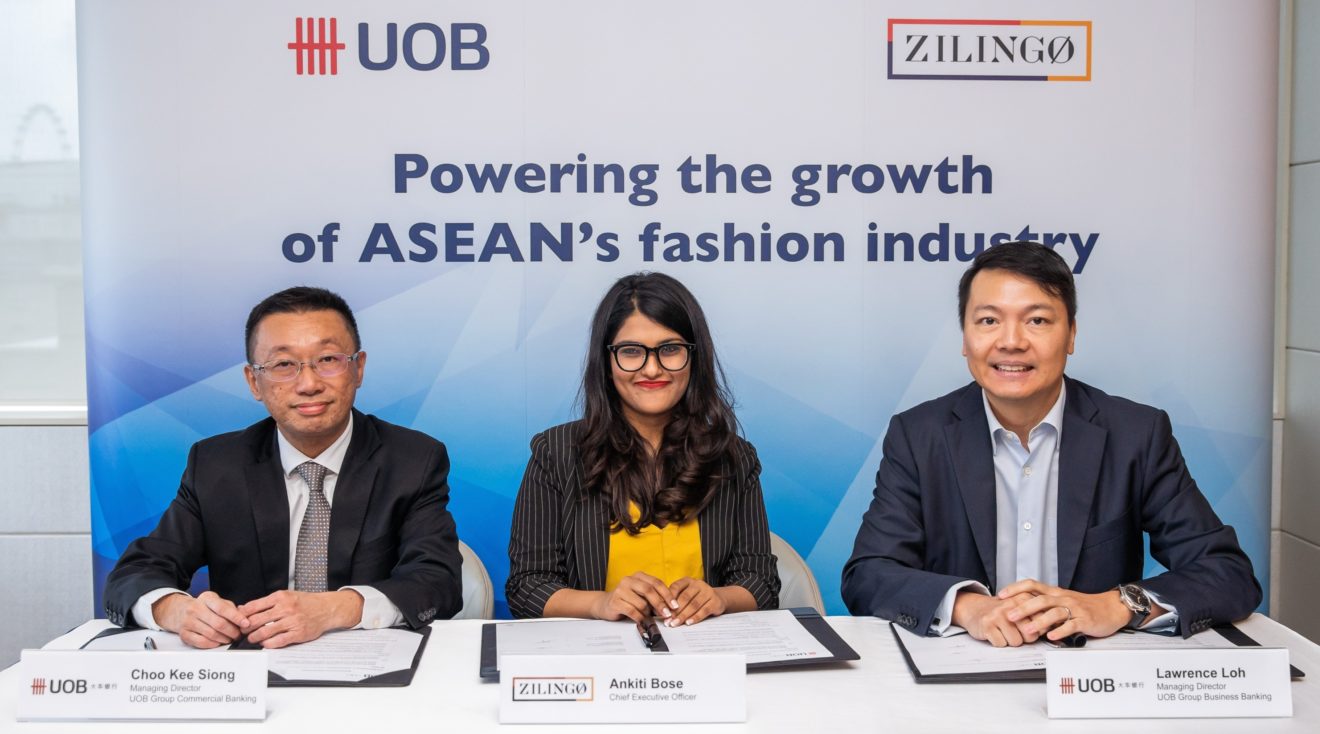
    United Overseas Bank Limited (UOB) and Zilingo, a fashion and lifestyle e-commerce platform, today announced that they have signed a Memorandum of Understanding (MOU) to support the growth of ASEAN’s fashion industry. Under the MOU, businesses on Zilingo’s platform, which are mostly small- and medium-sized enterprises (SMEs), will be able to access UOB’s banking solutions through the e-commerce platform. The greater access to banking solutions will enable Zilingo’s merchants and manufacturers across the region to manage their cash flow better and to grow their businesses more efficiently and easily.

    Ms Ankiti Bose, CEO and Co-founder, Zilingo, said, “Through this collaboration with UOB, we want to reaffirm our commitment towards empowering merchants and manufacturers with everything they need to run their business. Where businesses may find difficulty in accessing capital due to insufficient financial records, Zilingo’s unique position as a connector of the fashion supply chain will allow us to leverage a bird’s eye view of the supply chain to make a comprehensive assessment of the business’ capabilities and value proposition”.

    Mr Choo Kee Siong, Head of Industry Groups, Group Commercial Banking, UOB, said, “At UOB, we have been working with various ecosystem partners to offer our banking products and services to companies across entire supply chains, helping them pursue growth strategies and seize business opportunities. Through our MOU with Zilingo, fashion businesses across ASEAN will be able to access our comprehensive range of banking solutions seamlessly to meet their operational and financial needs.” In addition to supporting Zilingo’s merchants, UOB will also explore support for the e-commerce platform in a number of other areas, from cash management and foreign exchange services to workplace banking services

  • Aeon Vietnam to build another Hanoi mall

    Aeon Vietnam to build another Hanoi mall

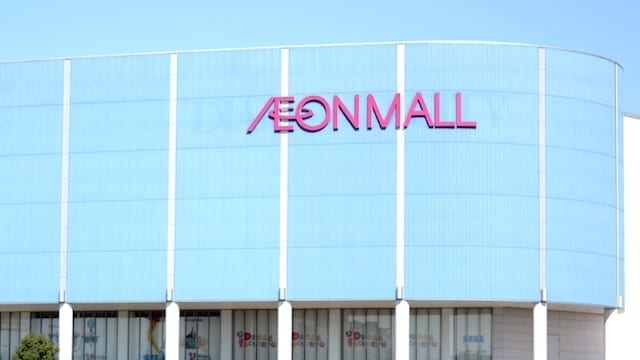
    Aeon Vietnam will invest US$280 million for its third property in the capital city, Hanoi.

    The mall, in South Hanoi, is scheduled to open by the end of next year, according to Aeon executive director and general director of Aeon Mall Vietnam, Yasutsugu Iwamura.

    The Japanese retail giant plans to have 20 malls in Vietnam by 2025. It already has four trading,  in Ho Chi Minh City, Hanoi and the southern province of Binh Duong. Two others are under construction in Hanoi and the northern city of Hai Phong.

    The retailer hopes to have a strategic partnership with Vietnam retailers, increasing sales of agricultural products to Japan through its system.

    It plans to double imports from Vietnam to US$500 million next year, and double again to US$1 billion by 2025.

    Last year Aeon’s imports were worth US$245 million, with clothing accounting for 55 per cent of that figure.

  • Apple Buys Self-Driving Car Startup Drive.ai

    Apple Buys Self-Driving Car Startup Drive.ai

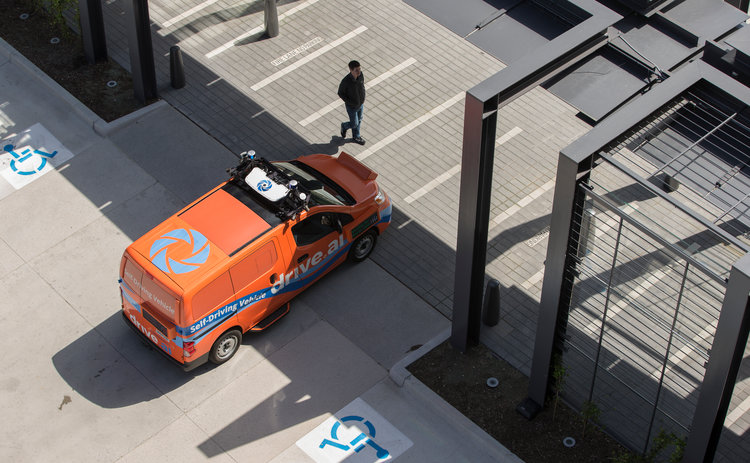
    Apple Inc on Tuesday confirmed that it has acquired self-driving shuttle firm Drive.ai.

    Technology news website The Information reported earlier this month that the iPhone maker was considering acquiring the firm as a move to bring aboard some of its engineering talent to boost Apple’s own self-driving efforts.

    One of hundreds of startups pursuing autonomous vehicles, Drive.ai had been running a small fleet of test shuttles in Texas, The Information reported. But the startup told California regulators that it plans to lay off 90 people in a permanent closure. The San Francisco Chronicle earlier reported the closure.

    In Silicon Valley, it is common for larger companies to acquire struggling startups primarily to hire their engineers, a move known in the industry as an “acqui-hire.”

    Apple is vying against rivals such as Alphabet Inc’s Waymo to develop self-driving vehicles. In the past year, Apple has revamped its efforts, bringing former Tesla Inc engineering chief Doug Field to oversee the operation, which includes more than 5,000 workers.

    Apple is also working on key components such as sensors in addition to holding talks with potential suppliers.