Tag: asia

  • Godiva New York City store a launchpad for Global Dominance

    Godiva New York City store a launchpad for Global Dominance

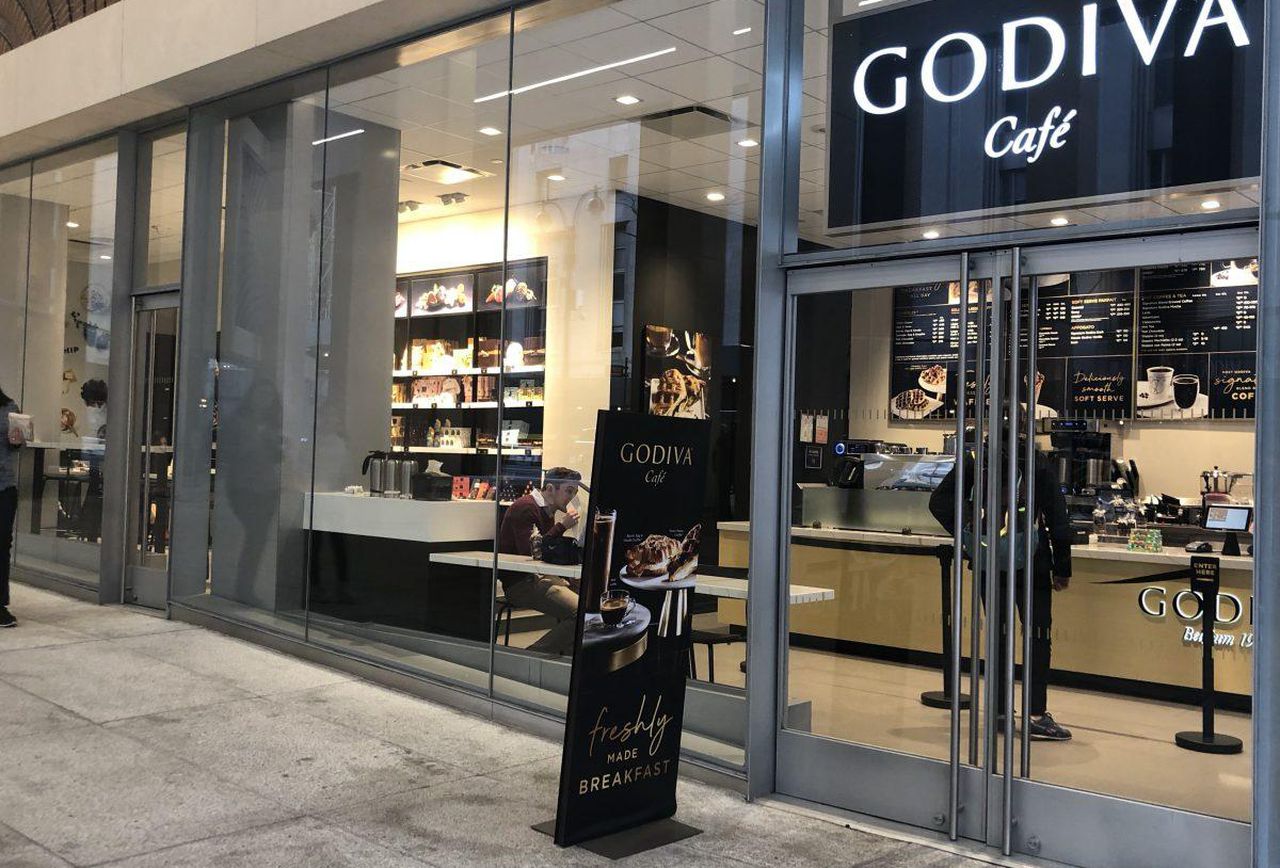
    The Godiva New York City store not only presents the newest store look, it serves as a launching pad for the brand to expand into new product categories, part of the brand’s larger global strategy in achieving a fivefold growth plan in the next six years. By the end of the year, 10 more cafes are slated to open in New York State, and the plan is to launch more than 400 locations in the Americas.

    “This is a very pivotal time for Godiva as we transition to align with the ever-changing consumer behavior,” said Godiva Chocolatier CEO Annie Young-Scrivner. “We have an aggressive growth plan for the next six years, which includes expanding our footprint of 2000 cafes worldwide with a focus on growth in the Americas.”

    Godiva’s cafes have seen international success, with locations currently open in Japan, China, Belgium and the Middle East. In February, the company sold its retail and distribution operations in four markets – Japan, South Korea, Australia and the future rights to develop New Zealand – to private equity company MBK.

    The overall concept has shifted with the Godvia New York City location, featuring a refreshed design and a wide array of new menu items that will shape and be replicated in the course of expansion over the next few years.

    “Godiva’s plan to open more cafes is a smart move from a customer loyalty perspective,” said Clarus Commerce CEO Tom Caporaso, a loyalty program expert with 20 years of experience. “One of the greatest assets that brick and mortar brands like Godiva have is their physical real estate, and adding a refreshed component to the in-store experience will create renewed excitement for both long-standing and new customers.

    “The chocolatier has already established itself as a premier brand for special occasions, but these eateries now also allow it to be a staple in its customers’ everyday lives. This will help create a deeper, more meaningful connection to the brand, and build consumer loyalty over time.”
    The Godiva New York City store not only presents the newest store look, it serves as a launching pad for the brand to expand into new product categories, part of the brand’s larger global strategy in achieving a fivefold growth plan in the next six years. By the end of the year, 10 more cafes are slated to open in New York State, and the plan is to launch more than 400 locations in the Americas.

    “This is a very pivotal time for Godiva as we transition to align with the ever-changing consumer behavior,” said Godiva Chocolatier CEO Annie Young-Scrivner. “We have an aggressive growth plan for the next six years, which includes expanding our footprint of 2000 cafes worldwide with a focus on growth in the Americas.”

    Godiva’s cafes have seen international success, with locations currently open in Japan, China, Belgium and the Middle East. In February, the company sold its retail and distribution operations in four markets – Japan, South Korea, Australia and the future rights to develop New Zealand – to private equity company MBK.

    The overall concept has shifted with the Godvia New York City location, featuring a refreshed design and a wide array of new menu items that will shape and be replicated in the course of expansion over the next few years.

    “Godiva’s plan to open more cafes is a smart move from a customer loyalty perspective,” said Clarus Commerce CEO Tom Caporaso, a loyalty program expert with 20 years of experience. “One of the greatest assets that brick and mortar brands like Godiva have is their physical real estate, and adding a refreshed component to the in-store experience will create renewed excitement for both long-standing and new customers.

    “The chocolatier has already established itself as a premier brand for special occasions, but these eateries now also allow it to be a staple in its customers’ everyday lives. This will help create a deeper, more meaningful connection to the brand, and build consumer loyalty over time.”
  • First 5G smart hotel launched in China

    First 5G smart hotel launched in China

    InterContinental Shenzhen, Shenzhen Telecom Engineering and Huawei have signed a strategic cooperation agreement to create the world’s first 5G smart hotel.

    By introducing the hotel industry’s first end-to-end 5G network with integrated terminals and cloud applications, the project will enable InterContinental Shenzhen to provide guests with an innovative luxury experience and open the door for digital transformation of entire hotel industry through 5G technology.

    Shenzhen Telecom is deploying Huawei’s 5G network equipment in the InterContinental Shenzhen to achieve continuous indoor and outdoor 5G coverage, which will serve as the platform for a new generation of hotel services.

    Guests will experience 5G hotel applications through 5G smartphones and customer-premises equipment (CPE) terminals, including 5G welcome robots, 5G cloud computing terminals, 5G cloud games and 5G cloud virtual reality (VR) rowing machines.

    For the project’s kick-off ceremony, Shenzhen Telecom and Huawei jointly deployed a 5G Digital Indoor System on the hotel’s first floor and in the presidential suites.

    In the hotel lobby, guests can access the 5G network through CPEs or their smartphones to experience high speed 5G downloads and uploads. Service efficiency is improved with 5G intelligent robots that provide services including guest information, destination guidance, and delivery.

    The presidential suites covered by the new network provide guests with 5G hotel services such as cloud VR rowing machines, cloud games and 4K movies.

    Dr. Peter Zhou, chief marketing officer of Huawei Wireless Solution, said: “5G is here – from the 4K ultra high-definition live broadcast of CCTV’s Spring Festival Gala early this year to today’s 5G entertainment and business transformation of the InterContinental Shenzhen’s presidential suites, 5G technology has penetrated into different industries.”

  • Tiffany Cafe in Tokyo marks first for New York jeweller

    Tiffany Cafe in Tokyo marks first for New York jeweller

    Jeweller Tiffany & Co is launching its first Tiffany Cafe in Tokyo.

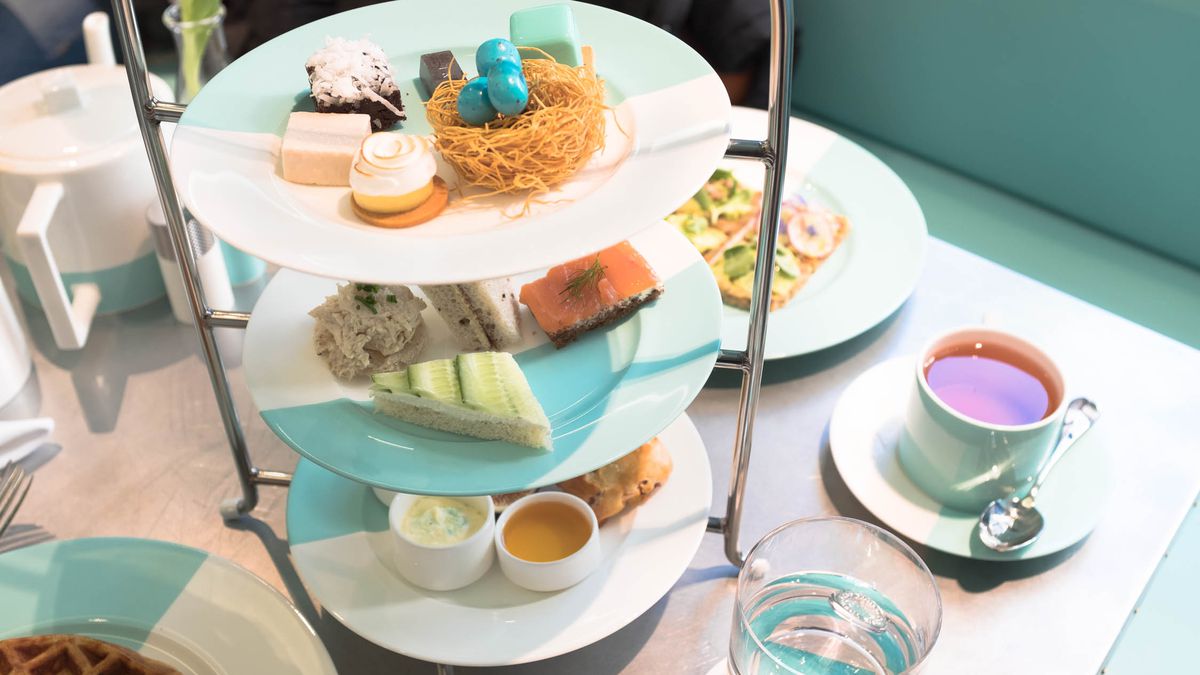
    The new Tiffany @ Cat Street concept store is located on the top floor of the Tadao Ando-designed Bank Gallery, in the Harajuku district. It follows the launch of the brand’s Blue Box Cafe in New York in November 2017.

    The lower five levels house a more futuristic-looking Tiffany fitout than the brand uses elsewhere, including a variety of areas for jewellery customisation designed to appeal to the young creative market who frequent the district.

    The Tiffany Cafe in Tokyo also includes a jewellery vending machine and photo booth, expected to be a popular background for social media images.

  • Apple may be prepping to make your iPad a “Sidescreen”

    Apple may be prepping to make your iPad a “Sidescreen”

    Apple loves to talk about the displays it has in its devices, be it the color gamut, refresh rate, lamination to minimize the space between the glass and display tech, etc. Apple is very proud of its displays, no doubt about it. Apple has also been working to integrate iOS devices with Macs a bit more with features like Handoff. Now, Apple is rumored to be bringing a new interesting feature for those with iPads and Macs.

    According to new reports, Apple is working on a new feature codenamed “Sidecar” which will allow Mac users to set up their iPad as a second display to extend their desktop. The feature is said to be coming in Mac 10.15, although it may also need iOS 13 on your iPad to work properly. The option will be triggered via the Mac by hovering over the green “maximize” button on a Mac window. The benefit is pretty easy to see: what’s on your Mac screen will be duplicated on your iPad allowing you to use the touchscreen to manipulate and annotate as needed.

    The details will be made more clear at WWDC in June, but there are some questions that need answering in terms of this Sidecar feature. First of all is whether it will be wireless or not. It seems likely that Apple would want it to be wireless and not need to worry about a USB cable, but at the same time Apple is very fond of its dongle business. Also, it doesn’t sound like this will be a way to extend your Mac desktop like a second display could be. It sounds more like a mirroring feature, but being able to extend a desktop onto an iPad would be pretty nice too.

    Lastly, there’s the question about what will happen to the current solutions that offer similar capabilities, like Luna Display. Apple has a history of duplicating features that users got from apps, and the fate of those apps is usually not too good.

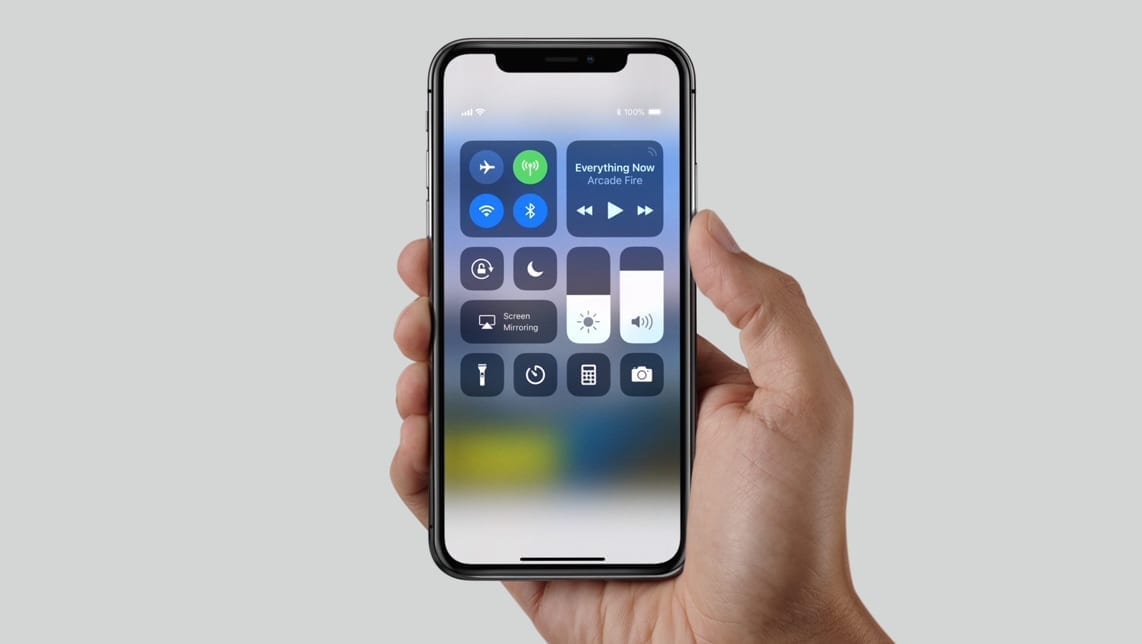
  • iPhone XE might be the true compact Apple phone

    iPhone XE might be the true compact Apple phone

    The iPhone SE was originally launched over three years ago, and officially discontinued in 2018. With its 4-inch display, the SE was a tiny offshoot in a world of ever-increasing screen sizes. And even though it struck success on its own terms—perhaps relative to the size of its footprint, but success nonetheless—the iPhone SE never got a second chance.

    Rumors about a successor to Apple’s tiny iPhone have been floating around basically since the first model came out. Alleged factory drawings, screen protectors, and even cases from a major brand were leaked online, all suggesting that the launch of the iPhone SE 2 was just around the bend. Unfortunately for people who wanted a smaller phone, the bend came and went and there was no sign of the SE 2. In fact, it seemed, Apple had no intentions of reiterating the concept of an ultra-compact phone with high-end specs.

    There’s a new light of hope, however, as a new report claims that Apple is actually working on a spiritual successor to the SE, dubbed the iPhone XE. The publication claims that it has a source “closely associated with Foxconn’s manufacturing facility in India,” where it’s getting the information from.

    According to said source, the iPhone XE will feature an iPhone XS-style design with a 4.8-inch OLED display, topped of with a notch. It will also have Face ID, just like its larger brethren, but no glass back. Instead, the XE will reportedly sport an aluminum back (just like in the good ol’ days), which means no wireless charging.

    PC Tablet’s source further claims that the new ultra-compact iPhone model will sport a single main camera, equipped with a 12MP sensor and an f/1.8 lens. As far as internals go, the report says that the iPhone XE will be powered by Apple’s A12 Bionic chip, but provides no other details.

    Another interesting tidbit is that the report claims that the new iPhone model will be made made in India, at a manufacturing facility of Apple’s manufacturing partner, Wistron. Though we haven’t been able to confirm all the claims made in this report, the fact that it comes from an Indian publication, combined with the claim that the information is coming from a source in Foxconn’s manufacturing facility in India, as well as the plethora of rumors that Apple is considering to start flagship production in India, give some credibility to the report.

    If the iPhone XE is, indeed, a real project that’s slated for release later this year, then we should hear a lot more about it in the coming weeks and months. Until then, are you excited at the premise of a much smaller iPhone model, or are you just fine with what’s currently on offer? Tell us in the comments below!

  • Supermodel Gigi Hadid Named for McDonald’s role

    Supermodel Gigi Hadid Named for McDonald’s role

    Supermodel Gigi Hadid is facing criticism over her recent promotional Instagram post for McDonald’s.

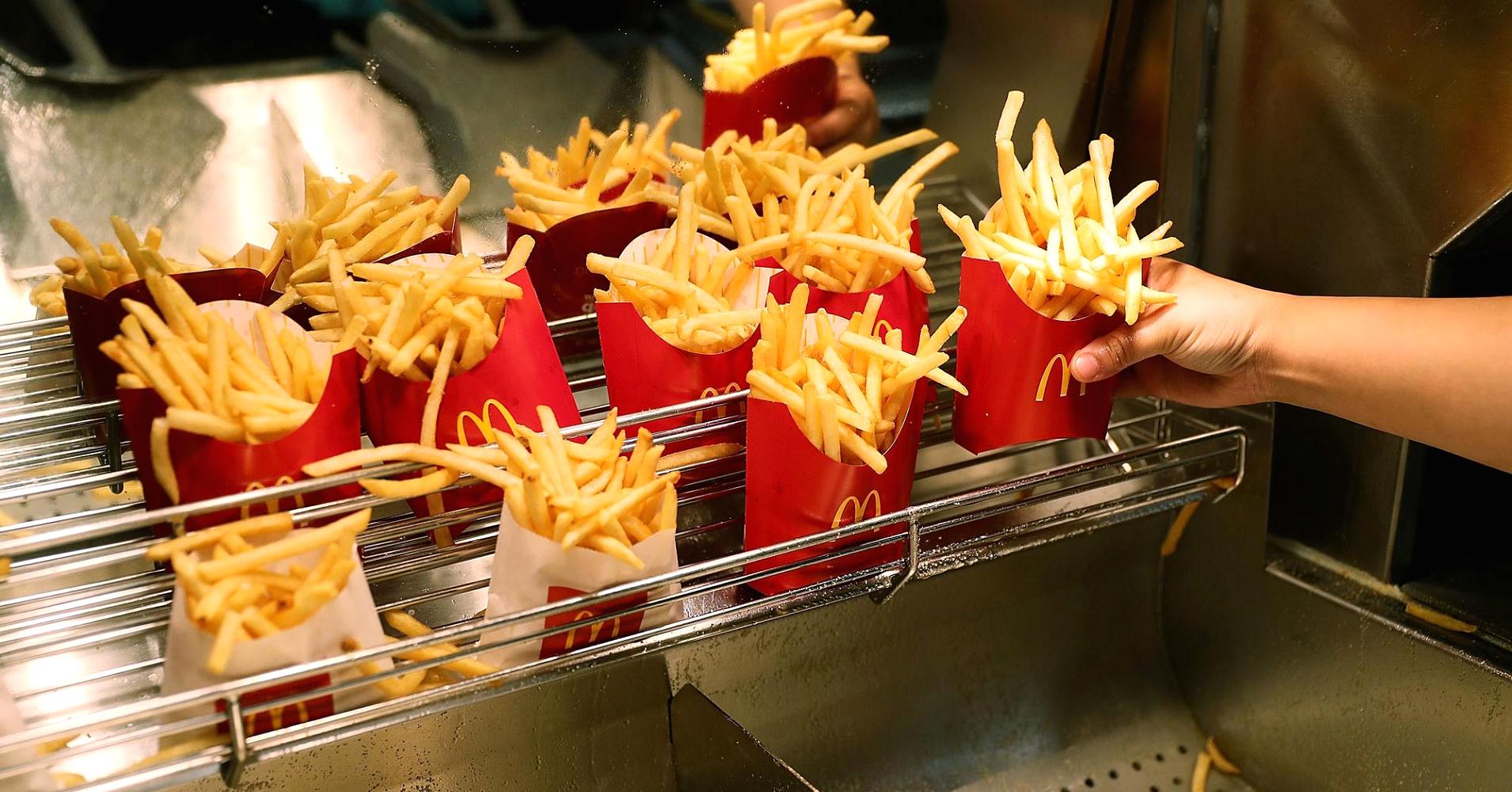
    A photo of Hadid eating McDonald’s French fries at the Coachella music festival provoked a considerable backlash in the comments feed, with many observers taking issue with her partnership with a fast-food chain considered by many to be synonymous with obesity and poor health, considering her Instagram account is followed by 47 million people.

    Hadid’s photo caption, captioned “Pre festival with @mcdonalds yesterday fed & hydrated, thanks friends!” caused many to question her wisdom in choosing sponsors.

    One popular comment liked by more than 3600 people read “I really do not understand why you would promote McDonalds. In fact, it utterly baffles me why an intelligent, well informed and influential person like yourself would what to be affiliated with such a company. Surely it can’t be for the money? There are so many other ways to be ‘fed and hydrated.’”

    The comments have been said to reveal McDonald’s still has significant PR hurdles to overcome regarding the nutritional content of its offering, despite recent moves to become seen as a “modern, progressive” burger chain.

    As one comment put it, “Awful partnership Gigi. McDonald’s is poison.”

  • A&W Singapore makes a Huge Comeback

    A&W Singapore makes a Huge Comeback

    American fast food chain A&W Singapore is making a comeback this week at Jewel Changi.

    The chain made its original debut in the city back in 1966 with an outlet at Dunearn Road, burt closed all five outlets in 2003, exiting the market.

    After the Jewel Changi return, a second outlet will be opened by June, and a third next year, however the locations have yet to be revealed.

    “After opening here, we wanted to be able to scale [at] such a speed it would ease the crowd at the first outlet,” said Kelvin Tan, A&W International’s director of marketing and communication.

    A&W Singapore also intends to apply for halal certification to cater to the big Muslim market in Singapore.

    “The Muslim community formed a very big chunk of our business (in the past) and I think right now we will continue to respect and recognise that this particular market is very important to us,” Tan said.

    And directly by A&W Restaurants, A&W Singapore’s menu also incorporates regional favourites such as the “golden aroma chicken” from A&W’s Malaysian and Indonesian outlets, and the “waffle sundae” from A&W outlets in Thailand.

  • Habitat by Honestbee Flies High with global Retail Innovation

    Habitat by Honestbee Flies High with global Retail Innovation

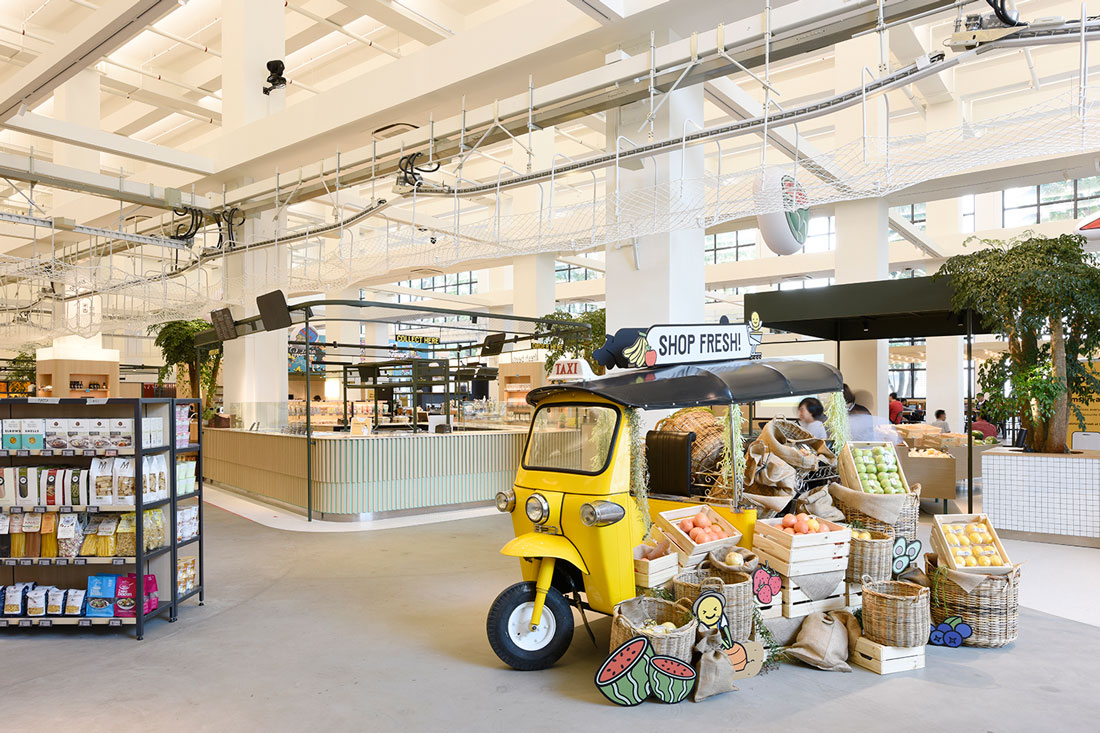
    Habitat by Honestbee has been voted one of the must-see retail innovations in the world this year. The concept was listed among the top 16 stores to visit in the world by IGD, and Google reports it among the top 10 trending searches in Singapore last year.

    The 60,000sqft flagship store opened last October, offering more than 20,000 essential and unique food and grocery products.

    The store is billed as the world’s first tech-enabled food-and-grocery concept which uses technology to provide a seamless shopping experience with human interaction.

    According to Honestbee, customers are spending an average of two hours at the store – considerably more time than people spend in a single visit to any other supermarket in Singapore.

    Close to 500,000 people spanning all age groups have visited the store, despite its remote location. The two largest demographic groups of customers fall between the ages of 26 – 35 years old (41 per cent) and 36 – 45 (28 per cent). Two in three customers are family groups who visit the store, attracted by the mix of grocery and dining and its friendly neighbourhood feel.

    “We are pleased to have had such a resounding success since the launch, not just with customers, but also with the business community in retail, property, grocery and F&B,” said Pauline Png, Habitat by Honestbee MD.

    “Strong sales growth pushes us to continue delivering a memorable experience for customers to visit, try new products and return. This tactility that Habitat by Honestbee provides ignites a curiosity for our products, which are also available online.”

    Future growth plans

    Png says Honestbee will soon be providing an option to combine food carts on the app, enabling orders from multiple F&B concepts at the store on one receipt.

    More engaging product information and content will be added in time, along with personalised recommendations.

    “The launch of Habitat by Honestbee has allowed us to elevate our business into an omnichannel platform and work with partners like no other online player can,” said Joel Sng, CEO and founder of Honestbee.

    “Habitat by Honestbee has built on our brand’s promise and expertise in using data to optimise the customer experience.”

    Sng says the company is confident it can expand the concept into other markets.

    “In the second quarter of the year, we will be extending our food-retail leadership in Asia by launching a scalable, multi-concept kitchen and convenience store powered by data.”

    Honestbee started in early 2015 as an online concierge and food-delivery service.

  • Sogo opens at Shah Alam’s Central I-City

    Sogo opens at Shah Alam’s Central I-City

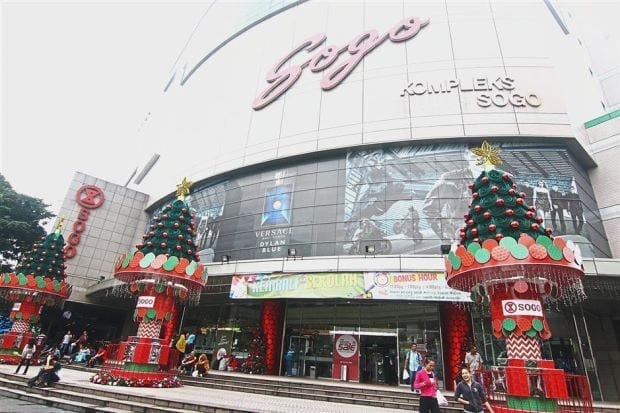
    A second Sogo Malaysia department store has launched at Central I-City shopping centre in Shah Alam, Selangor.
    The new four-storey store, designed according to a distinctive Japanese aesthetic, features 18,581sqm of retail space and more than 400 brands in a wide variety of product categories.

    “Aside from purchasing beauty products on the ground floor, shoppers can get their manicure, pedicure and waxing done at the Smooch Waxing Studio,” said Sogo Malaysia group COO Raymond Teo. “There is also the Prinz Classic Barbershop on the second level, while the shoe and bag spa is at the ladies’ shoes section on the first floor. We also have cafes for those who want to chill out without having to leave the department store.”

    A range of promotions, redemptions and activities are being held to celebrate the launch.

    “This year marks our 25th anniversary and the opening of this store is an important milestone for us,” said Sogo Malaysia CEO Toh Peng Koon. “Opening Sogo in Central I-City is not only to cater to the needs of the Shah Alam community and beyond but also to be nearer and engage more with them.”
    “We are opening two new stores this month,” he added. “After Sogo Central I-City, it will be Sogo The Mall in Mid Valley Southkey, Johor Baru, on April 23.”

    By 2022, Sogo should have expanded its total network to six stores with a total retail space of 222,967sqm, which includes Prai Megamall in Penang, Selayang, Terengganu, and the first Seibu department store at the Tun Razak Exchange (TRX) Lifestyle Precinct in Kuala Lumpur.

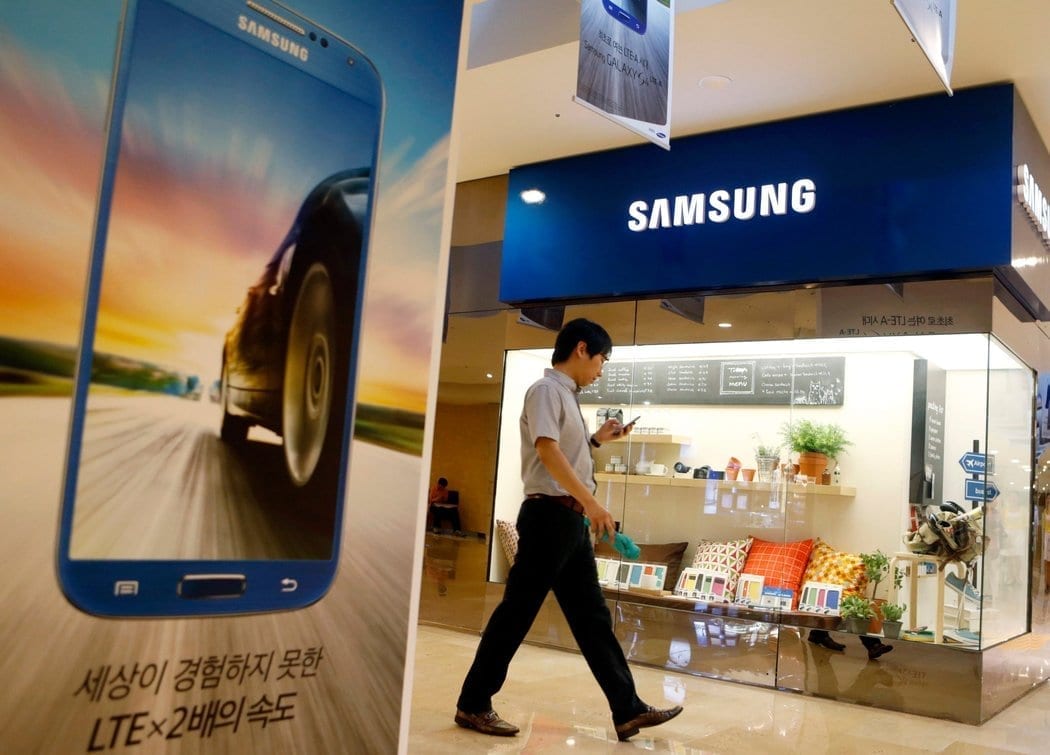
  • Could Samsung Internet actually be killing Chrome on mobile?

    Could Samsung Internet actually be killing Chrome on mobile?

    Chrome is the most popular Internet browser in the world. It’s cross-platform, it syncs effortlessly across devices, it’s fast and capable, and it comes with every Android handset, ready to rock. It’s so widely preferred by users that Android manufacturers kind of gave up on developing their own browsers and just release their phones with nothing but Chrome.

    Well, most of them.

    Through the years, Samsung has persisted and kept developing its Samsung Internet browser — an app that was once a laggy mess — and has managed to make a fast, powerful browser that supports a lot of useful plugins and works in unison with other elements across the One UI interface.

    We thought we’d ask you — do you prefer Samsung Internet over Chrome? And it turns out the result is almost 50/50! Not only that, some people report that they are on another Android phone, but make it a point to go to the Play Store and download the Samsung Internet browser.

  • iPad Pro and a car, you should be looking into the Apple Pencil 2

    iPad Pro and a car, you should be looking into the Apple Pencil 2

    Apart from being pretty expensive, at $129, we really couldn’t find anything wrong with the second-generation Apple Pencil shortly after the upgraded writing accessory was unveiled alongside a new iPad Pro duo last fall. But that’s only because we didn’t think to test the functionality of the Apple Pencil 2 around a car’s keyless entry solution. Wait, what?

    We know you may have trouble believing this, but while Amazon is testing delivery by self-driving robots and Elon Musk wants to send humans to Mars, Apple seems to have recently added a note to its support webpages highlighting some decidedly weird signal interference issues between the company’s newest Apple Pencil and car key fobs.

    Although this is a very specific problem a small number of users is likely to sporadically encounter in a particular situation, it still shouldn’t happen in 2019. Basically, the wireless charging capabilities of the Apple Pencil 2 can interfere with the signal sent from a car’s keyless entry device to your automobile, making it impossible to unlock your car without a key.

    Fortunately, there’s an easy workaround you can employ whenever the aforementioned issue might crop up, as storing the Apple Pencil separately from your iPad Pro should eliminate the bizarre signal interference. You could also try to put some distance between the iPad Pro used to juice up the refreshed Apple Pencil and your key fob, although Apple’s support documents do not specify how far you need to keep the two away from each other to stop this abnormal behavior from happening.

    On the bright side, the very root of the problem appears to be connected to the charging functionality of the Apple Pencil 2, so storing the stylus while fully charged alongside a 2018 iPad Pro should not interfere with car key fob signals in any way. Bottom line, this really doesn’t sound like a big deal and something tells us Apple isn’t going to bother trying to fix the glitch. But it’s still a curious thing we never expected to hear about in this day and age.

  • Google starts rolling out Android updates via Play Store

    Google starts rolling out Android updates via Play Store

    What started as a rumor last week has now become a certainty, as Google is now rolling out Android Q betaupdates through Play Store. The main benefit is that you’ll now find Android updates much easier, or let’s say that they will find you faster and easier than before.

    A couple of Pixel users have taken to Reddit to confirm their Android Q beta updates have arrived via Google Play Store. Those with Pixel phones that run the previous Android Q beta build should start receiving notifications like the ones you usually get for an app update. Once the update is downloaded and installed, your phone will restart automatically.

    Aside from the fact that the whole process of find and downloading an update is quicker and easier, it’s also faster than previous updates. We doubt the new update method will become available to those using phones other than Pixels anytime soon, but we can safely assume that Google will reveal in-depth details about how it’s done in early May at Google I/O.

    If Google pushes for the standardization of the Android OS updates via Play Store, it could mean a more user-friendly method of updating your phone, but it certainly doesn’t guarantee that these important updates will be released faster and at the same time for everyone.

  • Walmart launched subscription service With Kidbox

    Walmart launched subscription service With Kidbox

    International retailer Walmart and Kidbox, the curated childrenswear subscription service, are teaming up to offer Walmart.com customers an exclusive, curated stylebox for kids.

    The service features an option to receive a seasonal selection, without a styling fee.

    The new stylebox will offer Walmart.com customers personalised styles selected from more than 120 premium kids’ brands. The stylebox will include four to five fashion items for US$48 – about 50 per cent off the suggested retail price for the group of bundled items.

    Clothing will include items from premium brands including BCBG, Butter Super Soft, C&C California and Puma.
    Walmart customers can order a stylebox by visiting the store’s website and completing a short style quiz for their child. Kidbox stylists use the quiz to tailor each box based on the child’s style preferences, the season and where the child lives.
    “We are thrilled to partner with Kidbox to introduce our first kids’ subscription apparel service offering premium fashion brands at a substantial savings,” said Walmart US e-commerce head of fashion Denise Incandela.

    “Over the last year, we have significantly expanded our portfolio of kids’ fashion brands as part of our broader effort to establish Walmart.com as a destination for fashion. Our partnership with Kidbox enables us to round out our offering with additional national and premium kids’ brands.”

    The Walmart and Kidbox collaboration has a charitable aspect as well. For every stylebox purchased on Walmart.com, Kidbox will clothe a child in need through its partnership with Delivering Good.

    “Walmart has done a lot over the past year to establish itself as a go-to retailer for all things fashion, and we’re honored to partner with the retailer to expand its kids’ assortment online, while also saving parents time and offering them the value and convenience of a stylebox,” said Kidbox CEO Miki Berardelli. “At Kidbox, we pride ourselves on understanding kids’ fashion preferences while also creating moments for them to learn about the importance of giving back.”

    Walmart.com has an expanding kids’ fashion assortment, which features more than 100 new brands that have been added over the last year, including Betsey Johnson, Kapital K, Levi’s, Limited Too and The Children’s Place. The retailer has also launched new shopping destinations for dance essentials and gymnastics, and licensed children’s clothing, making it easier for customers to shop for fashion featuring top movie, TV and gaming characters.

  • Jack Ma calls 12-hour work days a “blessing”

    Jack Ma calls 12-hour work days a “blessing”

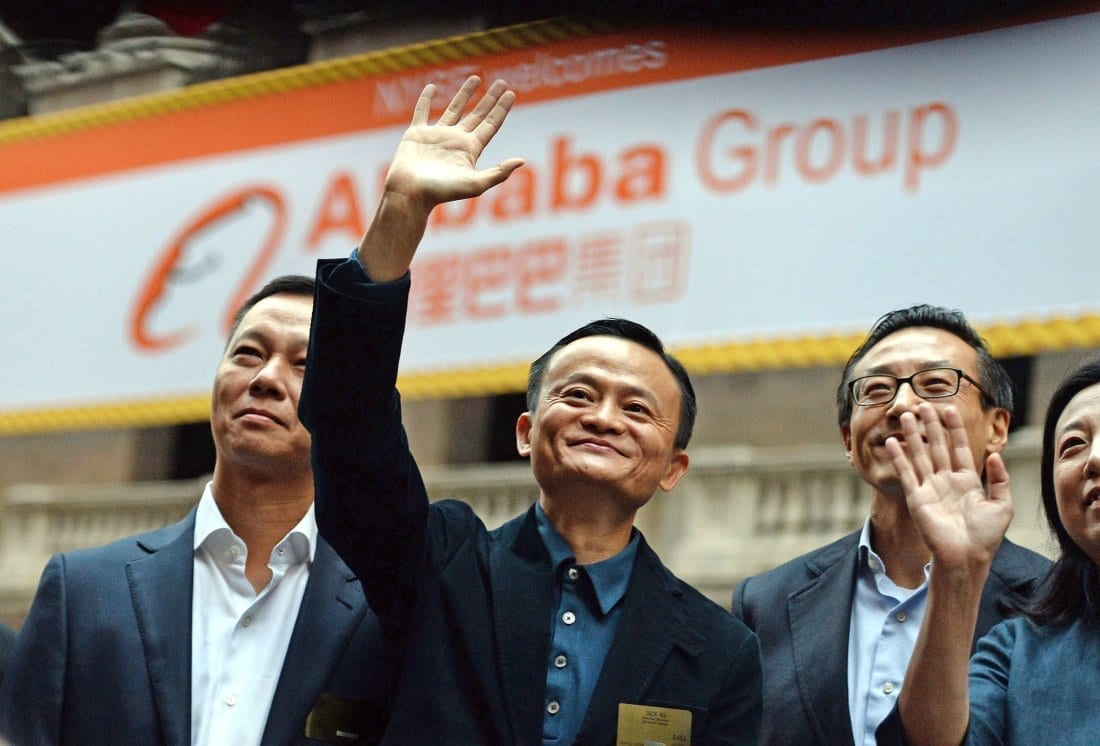
    In the middle of stress awareness month, Alibaba founder Jack Ma has told his company’s workers they should be working a “996” work schedule – that is from 9am to 9pm, six days a week.

    According to a speech made this week by Ma, working 12 hours a day for Alibaba was a “blessing” to staff, and necessary for the business to achieve success.

    Ma’s comments caused a stir in China, where a conversation about work-life balance has spring-boarded off of a slowing tech industry.

    “With the pressure of economic downturn, many enterprises are facing challenges to survive… but the way to relieve anxiety is not to let employees work overtime as much as possible,” an editorial wrote.

    Ma later backtracked on his comments, calling such a work regime inhumane, unhealthy and unsustainable.

    The comments come as LinkedIn revealed work-life balance is the top cause of stress at work for Australians, with 72 per cent of survey respondents struggling to keep a balance between the two.

    The report also found that executive-level professionals are the most stressed, more so than middle management and individual contributors.

    In terms of age demographic, Generation X is the most stressed generation with over half (54 per cent) claiming to struggle with confidence in the future of their work.

  • Singapore is APAC’s top Smart Fiber City

    Singapore is APAC’s top Smart Fiber City

    Singapore is the top Smart Fiber City in Asia-Pacific, according to a new ranking released at the FTTH Council Asia Pacific Conference in Wuhan, China.

    The inaugural Smart Fiber Cities ranking list Singapore as the region’s Champion, due to the city’s 93% FTTH/B coverage, 100% 4G coverage and its over 10,000 Wi-Fi hotspots.
    For the regional rankings, FTTH Council Asia-Pacific evaluated cities with high FTTH/B coverage based on the innovative and useful solutions that have been developed to take advantage of this infrastructure.

    Cities were raked in two categories – champs and challengers. Champs have almost complete fiber coverage city-wide and have reached maturity in smart projects that have been deployed. They also generally have a comprehensive smart city framework in place and smart projects already in operation.

    Challengers meanwhile are actively deploying fiber infrastructure to meet their smart city ambitions, but their fiber-based smart services are usually limited to specific domains.

    Behind Singapore in the Champs category are Tokyo in Japan and Seoul in South Korea with roughly 90% FTTH coverage, followed by Hong Kong, Busan in South Korea, and Melbourne in Australia.

    Chinese cities meanwhile took the first three spaces in the Challenger category, with Shanghai on top with round 90% FTTH/B coverage, followed by Hangzhou and Wuhan. Runners up included Malaysia’s Selangor, Jakarta in Indonesia, Bhubaneswar in India and Ho Chi Minh in VIetnam.

    “The research into Smart Fiber Cities shows that we are just at the beginning of these developments. Across APAC, we see many mature projects in areas such as e-government and security, with 5G-based applications in, for example, transport and disaster management coming up,” FTTH Council Asia-Pacific president Venkatesan Babu said.

    “We have great expectation for the large numbers of pilots in areas such as healthcare, smart grids and autonomous traffic. We look forward to closely follow new developments in the coming years.”