Tag: asia

  • Over 1 million Xiaomi Mi 9 units have already shipped worldwide

    Over 1 million Xiaomi Mi 9 units have already shipped worldwide

    Just over one month after the Mi 9 flagship was first announced, Chinese smartphone brand Xiaomi has today revealed that it has already shipped over one million units of its latest premium device.

    The majority of these devices were undoubtedly supplied to consumers in China, where Xiaomi conducts roughly 60% of its business and where the smartphone was made available to purchase just days after its unveiling. Europe, however, is becoming increasingly important for Xiaomi – sales surged over 415% in the region last year – and likely played a big role in the phone’s short-term success.

    The Xiaomi Mi 9, which retails at just €449 across Europe, offers a variety of impressive features such as a large 6.4-inch AMOLED display manufactured by Samsung, Qualcomm’s Snapdragon 855, up to 128GB of storage, and as much as 8GB of RAM. The smartphone also includes a 3,300mAh battery, support for extremely fast 20W wireless charging, and Android 9 Pie straight out of the box.

    Alongside the Mi 9, Xiaomi also sells two other devices in the form of the cheaper Mi 9 SE and the more expensive Mi 9 Explorer Edition. The sales figures for these two models weren’t broken down, but Xiaomi did confirm that they push the total number of Mi 9 sales to 1.5 million units, an even bigger achievement for the low-cost brand.

  • Telstra launches tiered loyalty program

    Telstra launches tiered loyalty program

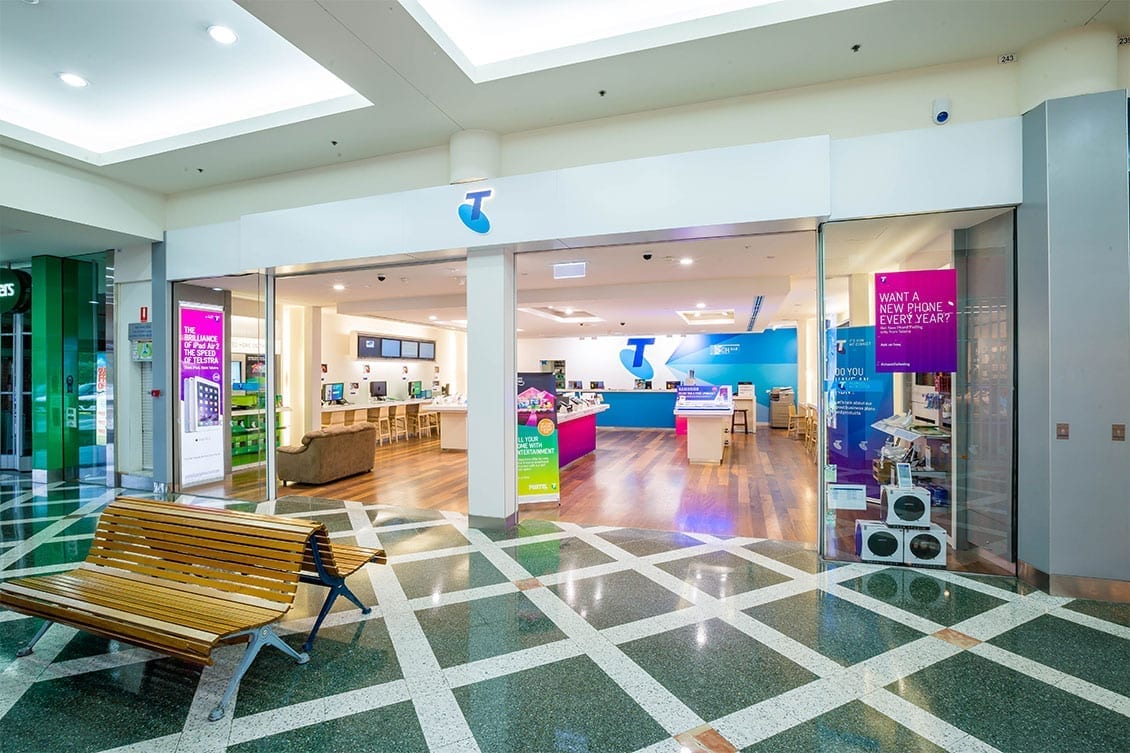
    Australia’s Telstra has announced a new tier-based loyalty program designed to allow customers to earn points for every dollar they spend with the operator.

    The Telstra Plus program will be available to both prepaid and postpaid customers. Members will accumulate points they will be able to exchange for discounts on new devices and accessories.

    Through partnerships, Telstra will also offer access to benefits such as discounted sport and movie tickets and complementary extras.

    Membership to the tiered system will be calculated based on spend over the previous 12 months. The higher tier services include benefits such as priority call handling and 24×7 tech support, as well as yet to be announced entertainment bonuses.

    Telstra CEO Andy Penn said Telstra plans to extend the new offering to its roughly 8 million customers from May.

    “Every service, subscription or hardware repayment will see customers earn points towards new technology, and we think that’s a pretty powerful offer,” he said.

    “The first 5G devices will be available with Telstra soon, opening up even more opportunities for Australians to get more out of life through technology and helping our customers take advantage of all our network has to offer… In addition to the better value we provide our customers through our larger network coverage and data speeds, we’re upping the ante through rewarding our customers for their loyalty over time.”

  • Dialog Axiata announces 5G pilot service

    Dialog Axiata announces 5G pilot service

    Sri Lanka’s Dialog Axiata has launched what it says is South Asia’s first fully standards based 5G pilot service in collaboration with Huawei.

    The successful demonstration involved the use of the operator’s Huawei-based RAN and core network with the most current 5G non-standalone architecture to transmit data to a 5G smartphone.

    Dialog Axiata group chief executive Supun Weerasinghe said the trial marks another step towards the operator’s introduction of 5G in the region. The operator has to date upgraded over 20% of its base stations to support Massive MIMO technology, giving them 5G ready status.

    “The success of South Asia’s first demonstration of a mobile 5G service is yet another milestone following our launch of a fully functional pre-commercial 5G network and builds on our significant investments into high speed broadband network infrastructure in Sri Lanka,” he said.

    “Dialog will continue to deliver on its promise of delivering the future today by leveraging the unique capabilities of 5G technology, to spearhead the country’s transformation into a regional technology hub.”

    Dialog Axiata launched its pre-commercial 5G network at the end of last year, demonstrating South Asia’s first fully functional and standards compliant 5G transmission using commercial grade base stations.

  • Skype automatically answers calls on Android due to a bug

    Skype automatically answers calls on Android due to a bug

    If you’re using Skype for your day to day communication with friends, co-workers or business partners, there’s a high chance that you’ve been affected by a nasty bug that makes the app automatically answer all calls on Android devices.

    Microsoft is probably the only one that can tell for sure when exactly the issue started to manifest for the first time, but reports go back as far as January, probably soon after the developers updated the app. Sadly, it appears that the issue now affects even more users, as we’re seeing lots of recent reports posted on Microsoft’s support forum.

    For the time being, there’s no workaround to prevent Skype from answering calls that you want to ignore, so the only way to avoid the issue is to uninstall the app until Microsoft fixes it. Not even having the “Answer incoming calls automatically” option disabled will not stop Skype from doing just that.

    The good news is Microsoft has already identified the issue and managed to patch it, but only in the latest Skype preview app. If you want to continue to use the app without being affected by the bug, you can download the beta until the final version gets updated later this month.

  • Shiseido Global Innovation Center Commences Full-Scale Operation

    Shiseido Global Innovation Center Commences Full-Scale Operation

    Shiseido’s new research hub, the Shiseido Global Innovation Center (GIC, also referred to as S/PARK), will commence full-scale operation in the Minato Mirai 21 area in Yokohama, Japan from April. As an urban open lab, the GIC supports and promotes comprehensive communication and collaboration with consumers, researchers, business partners and experts inside and outside of Japan, achieving new, flexible and diverse working styles and inspiring researchers’ creativity and imaginations through the state-of-the-art research facilities and equipment of its newly styled offices. Through these activities, Shiseido achieves “the fusion of diverse people and knowledge” to create unprecedented value. The GIC will open its public communication spaces on the first and second floors starting Saturday, April 13, 2019 and welcomes the interaction of visitors. By creating and communicating innovations of Japanese origin beyond borders and across industries, Shiseido strives to accomplish its new corporate mission, BEAUTY INNOVATIONS FOR A BETTER WORLD.

    R&D policy

    Shiseido Company, Limited (“Shiseido”) was established as a Western-style pharmacy in 1872, and opened its Testing Room in 1916 for the purposes of product development and improvement. Since then, Shiseido has created high-quality products on the strength of its fundamental research into sensitivity analysis, safety and reliability, and dermatology for over 100 years. Today, Shiseido’s global research centers, located in five countries including Japan, are engaged in various research and development activities to study and analyze the skin conditions and makeup activities of consumers in each region. Going forward, and aiming to take the lead in an ever-diverse global market, Shiseido will enhance its research in digital and environmental technologies. In addition, the company will accelerate its research and development centered on three key categories: 1) The Cosmetics, the improvement cosmetics research, 2) New Category, the proposal of unprecedented areas on the cosmetics spectrum, and 3) Unlimited Beauty, the exploration of new beauty solutions going beyond cosmetics. To this end, Shiseido will shift its research style, integrating outside expertise with its continuing focus on new findings. Through these activities, Shiseido offers new value and aims to “Be a Global Winner with Our Heritage.”

    GIC (S/PARK) overview

    The first and second floors of the GIC are a dedicated open communication space where visitors and researchers can interact, offering various content based on the concept of “get inspired by beauty.” The open communication spaces are produced by Mr. Kundo Koyama (Orange and Partners) and designed by Mr. Naoki Sato (nendo). The collaboration area on the fourth floor includes a lab for joint research with outside institutes and a space for business negotiations, which is quite unique for a research center. Superior research facilities and equipment to support various fundamental research are installed on the fifth through fifteenth floors. Thanks to an out-of-the-box office layout, researchers can pursue more flexible and diverse working styles, while ad hoc work and communication spaces welcome to the free-flowing exchange of ideas and opinions.

  • Track-Only Aprilia RSV4 X Revealed

    Track-Only Aprilia RSV4 X Revealed

    Italian bike maker Aprilia makes some high-revving performance bikes that enthusiasts swoon over, and now it has added a new name to that list of performance offerings. The company has unveiled the new Aprilia RSV4 X, which is a track-only motorcycle and has been developed by Aprilia Racing with components derived from its WSBK and MotoGP race bikes. The RSV4 X is limited to a production run of just 10 units, which makes a rare motorcycle to get your hands on. The X marks the completion of 10 years of the RSV4 and comes with state-of-the-art equipment.

    The Aprilia RSV4 X borrows the 1077 cc V4 engine from the Factory bike, but gets more power

  • Meet Alipay’s Western Expansion Partner: RiverPay

    Meet Alipay’s Western Expansion Partner: RiverPay

    Alipay is one of the dominant forces in Chinese mobile payments solutions, but its ultimate goal, like with any payments company, is global expansion. You’ve recently covered some of Alibaba’s expansion into the UK through their partnership with Barclaycard, but there’s an unknown partner I want to introduce you to that’s giving Alipay access to over 12,000 store locations and over 30,000 points of sale in the U.S., Canada and Europe.

    Meet RiverPay: Alipay’s authorized payment service partner that connects global merchants with over 1 billion Alipay users around the world, especially Chinese travelers abroad. (69% of whom used mobile payments last year, according to Nielsen.)

    All of RiverPay’s merchant customers are adopting Alipay as a payment option, including top luxury retailers like Saks Fifth Avenue, Hudson’s Bay, Dolce & Gabanna and Prada. With payments integration in less than two weeks and compatibility with over 80 percent of mainstream enterprise resource planning systems, RiverPay can help merchants adopt Alipay fast without interruption to cashiering systems.

  • How founder’s distaste for buying drove AirAsia’s growth

    How founder’s distaste for buying drove AirAsia’s growth

    AirAsia, the region’s biggest budget airline, said it prefers to pursue organic growth instead of expansion through acquisitions, partly explaining why it declined to buy Hong Kong’s sole low-cost carrier Hong Kong Express Airways (HK Express). Cathay Pacific Airways, Hong Kong’s flagship premium carrier, this week offered HK$4.93 billion (S$850 million) to buy its budget competitor from the indebted HNA Group. AirAsia looked at the proposal to buy HK Express and its full-service sibling Hong Kong Airlines, declining to acquire either, said founder Tony Fernandes.

    “My philosophy has been organic growth,” Fernandes said in an interview with South China Morning Post during Credit Suisse’s Asia Investment Conference in Hong Kong. “I generally don’t believe in acquisition because it comes with a lot of inherent issues. When you import through acquisition, it comes at a risk, so it’s not my preference.

    Fernandes’ approach illustrates how he turned the Kuala Lumpur-based airline from a near-bankrupt company into Asia’s largest budget carrier in less than two decades, with more than 140 destinations and flying on 320 routes at the lowest unit cost in the global aviation industry.

    Fernandes, who worked for Warner Music Group before striking out on his own, bought AirAsia in December 2001 for a token 1 ringgit, taking on the carrier’s 40 million ringgit (S$15 million at the time) of debt. Within a year, the carrier reported a profit, qualifying for a listing on the Kuala Lumpur Stock Exchange two years later.

    AirAsia’s 2018 revenue rose 9 per cent to 10.6 billion ringgit (US$2.5 billion), while pre-tax profit rose by the same quantum to a record 1.7 billion ringgit. Low-cost, long-haul AirAsia X notched revenue of 4.5 billion ringgit, flat year-on-year, but the 2017’s profit performance turned into a loss of 312 million ringgit.

    The airline and its affiliates flew 73 million passengers last year, a figure that beat even full-service flag carriers in Southeast Asia. AirAsia had made a single acquisition in 18 years, when it bought 49 per cent of Zest Airways for an undisclosed sum to secure a landing slot in the Philippines in 2013. Elsewhere in the region, AirAsia expands its network through joint ventures in seven countries, including Japan, India and Thailand.

    The airline, operating with 21,000 employees with no union representation, wants to steer clear of importing “inherent issues” and excess baggage from taking on another airline, Fernandes said.

    Now AirAsia has a chance to help revive Malaysia Airlines, the very competitor that the low-cost carrier had beaten into the ground. Malaysia’s Premier Mahathir Mohamad broached the idea of either selling or shutting the nation’s flag carrier two weeks ago.

    Malaysia Airlines, now under the ward of the country’s sovereign wealth fund Khazanah Nasional after a 6 billion ringgit capital infusion, “can definitely be turned around,” Fernandes said.

    Still, AirAsia is in no hurry to revive its 2011 share swap plan with the flag carrier, which was vetoed by the government of then-premier Najib Razak.

    “Many people will say that [AirAsia’s] expertise could be used to hurt Malaysia Airlines and benefit AirAsia. There is a genuine interest to help but in this day and age, not everyone will see it that way, ” Fernandes said. “It’s best that we do our own thing, and we’ve got a lot on out plate.”

    Worldwide aviation is booming, where 8.2 billion passengers could take to the sky by 2037, according to a 20-year forecast made in October by the International Air Transport Association (IATA), with the Asia-Pacific region driving the biggest growth.

    Still, not everything is hale and rosy in the region, as intense competition in a price-sensitive travelling weighed on airlines’ bottom lines. Only six of the 20 publicly traded airlines or affiliates in Southeast Asia were in the black, with 19 of them reporting declines in third-quarter profitability compared with a year earlier, according to CAPA Centre for Aviation.

    AirAsia had been approached for help. It has already evaluated and declined buying a stake in Bangkok-based NokAir. AirAsia’s Indonesia unit was also linked to – and denied – the possible purchase of Citilink, the low-cost brand of Indonesia’s flag carrier Garuda.

    “I never say no to any M&A, but it has to be a sexy opportunity to go down that route,” Fernandes said.

    Turning to India, and the troubles associated with Jet Airways, which was saved from near-bankruptcy at the last minute, the Malaysian-owned budget carrier said it was positioning itself for the opportunity to grow if runways slots relinquished come up for sale.

    “India is a prize, but just like with prizes, nothing comes easy. It’s been a lot of hard work,” Fernandes said.

    Expecting runway slots to be freed up, the AirAsia chief added. “We want to [buy] it in the right way. We’re not vultures. There will be a few airlines hoping Jet goes bust and we don’t want anyone to lose their jobs, we want every airline to survive and grow, but if an opportunity arises to take those slots, then for sure.”

  • Alibaba Launches “Fliggy Buy” Shopping Channel with Merchants

    Alibaba Launches “Fliggy Buy” Shopping Channel with Merchants

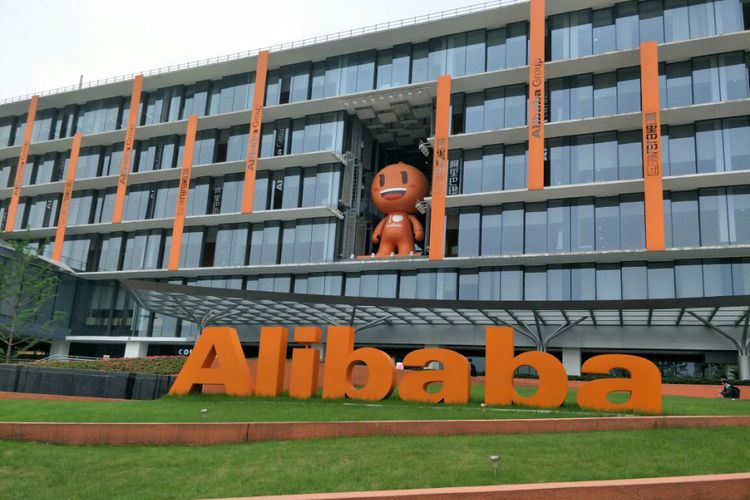
    New service offers convenience to Chinese travelers, advances “Global Fun” strategy Hangzhou, China, March 26, 2019 – Fliggy, the travel service platform of Alibaba Group, has launched its Fliggy Buy service, which offers overseas merchants a new solution to capture opportunities presented by the growing purchasing power of Chinese outbound travelers.

    The service offers a new shopping channel for Chinese travelers to browse and buy goods on Fliggy before reaching their destination, picking them up in stores after they arrive. It also advances Alibaba’s “Global Fun” strategy, which promotes international travel for Chinese tourists by working with industry players to give the tourists a richer experience while abroad.

    Merchants on Fliggy Buy will include duty-free and tax-free stores, both overseas and within mainland China, internationally renowned brands, specialty local stores and an increasing range of shopping destinations. Furla Hong Kong and Laox of Japan have already joined this channel, and more merchants are expected to join.

    “Fliggy is committed to making it easy to conduct travel business in the digital era. The launch of Fliggy Buy represents our latest move to work with merchants targeting the vast numbers of tourists from China to develop innovative solutions, and offer them targeted customer traffic. Our aim is also to embrace the potential of digital technology and provide a holistic travel experience encompassing food, accommodation, transportation, sightseeing, shopping and entertainment,” said Roman Zhu, Head of Fliggy Buy at Fliggy.

    Through Fliggy Buy, Chinese customers can access detailed information and buyers’ reviews about products, presented in their own language, prior to an overseas trip. This helps them understand features and compare prices across different merchants before committing to a purchase. They can ensure the items they want, especially limited editions, are in stock before the trip and make reservations online, as well as seek online customer service. Buying from duty-free and tax-free stores is an added benefit.
    Chinese travelers using this service can choose from a range of products, including cosmetics, suitcases, bags and alcohol offered by popular merchants. After selecting a pickup store, as well as inputting their personal information and completing payment, consumers can then pick up their goods at their leisure, allowing them more time to explore and experience the destination.

    “Duty-free and tax-free stores are our focus during the first phase of rollout, as they are the most visited shopping and consumption venues amongst Chinese outbound tourists. Our next step is to enrich the product categories on Fliggy Buy and recruit more overseas merchants to include high-end luxury brands, household electronics sellers, as well as pharmacy and cosmetics stores, assisting them to reach more Chinese consumers,” Zhu said.

    With users visiting 192 countries and regions in 2018, outbound travel is an important part of Fliggy’s business. Fliggy’s insights show an upward tendency of Chinese travelers spending overseas, as the average spending of these travelers grew 9% year-on-year in 2018. As a platform operator, Fliggy is dedicated to helping merchants and associations working in the tourist industry worldwide to build direct relationships with Chinese consumers.

    As a key component of the Alibaba Economy, Fliggy is committed to promoting Alibaba Group’s “Global Fun” initiative. Global Fun together with Global Buy, Global Sell, Global Pay and Global Delivery are the five core aspects of Alibaba Group’s globalization strategy to realize its long-term vision of serving two billion consumers around the world and supporting 10 million businesses to operate profitably on its platforms by 2036.

  • Mahindra Sales Grow By 11% Last Year

    Mahindra Sales Grow By 11% Last Year

    Indian auto giant Mahindra & Mahindra (M&M) registered a growth of 11 per cent in auto sales for the financial year 2018-19. The automaker sold 608,596 units in the previous fiscal, as opposed to 549,153 units sold in FY2017-18. The company’s steady growth was visible in the March 2019 sales results as well with Mahindra selling 62,952 units, as against 62,076 units in March 2018. The automaker saw a hike of one per cent in its sales for the previous month.

    Commenting on the performance, Rajan Wadhera, President, Automotive Sector, Mahindra said, “We have closed FY-19 with robust double digit growth of 11 per cent at an overall level, despite strong headwinds faced by the Indian automotive industry this year. This growth has been supported by our three new product launches, which have been well received in the market. The commercial vehicles segment and exports have also posted strong growth rates of 15 per cent and 37 per cent respectively.”

    Mahindra’s domestic sales stood at 59,012 units for March 2019, growing by one per cent over 58,652 units sold in March last year. The Passenger Vehicle segment that includes UVs, cars and vans contributed 27,646 units to last month’s sales, registering a growth of four per cent over 26,555 units sold in March 2018. The commercial vehicle segment meanwhile saw sales decline by four per cent with 24,423 units sold in March this year, as against 25,495 units sold in March last year.

    The Medium and Heavy Commercial Vehicles segment saw Mahindra sell sold 917 units, which also saw sluggish volumes with a decline of 33 per cent in year-on-year sales. Nevertheless, exports dor March 2019 stood at 3940 vehicles, growing by 15 per cent, while three wheeler sales for the previous month grew by five per cent at 6943 units.

  • Six great marketing lessons Learned from MarketingPulse

    Six great marketing lessons Learned from MarketingPulse

    “Great ideas should be scary,” advocates Marcelo Pascoa, head of global brand marketing at Burger King, one of the keynote speakers at the recent MarketingPulse event in Wanchai. “When new things come to be, it is often associated with fear. So, my advice to marketers is: be very afraid! If you sleep well the night before your project launches, then the promotion wouldn’t be too spectacular.”

    Pascoa’s projects are known to be bold and daring, even making fun of competitors in the market. One example was a marketing stunt in which people were asked to open the Burger King app at a McDonald’s to win a free burger. As a result, there was a huge leap in interest in the Burger King app and it became the most downloaded app on the store. He said that knowing your work aligns with the brand value is key when facing challenges and criticism. “My biggest fear is being irrelevant. Marketers live in fantasies where they control everything, but social media has proved that we cannot control everything.”

    MarketingPulse second edition

    Pascoa was one of many speakers at the second edition of MarketingPulse, Asia’s premier conference for marketers and brands, held at the Hong Kong Convention and Exhibition Centre. Organised by the Hong Kong Trade Development Council (HKTDC), the key morning session at the event, “Dear Brands, Let’s Sail to the Future!”, featured a heavyweight line-up of industry experts who shared their tricks and tips on how to keep ahead of marketing trends to develop successful brand stories.

    Respect cultural differences

    Endeavor is a brand focusing on entertainment, sports and marketing services. Bozoma Saint John, the company’s chief marketing officer, shared her success stories at Endeavor and in previous high-profile marketing roles at Uber and Apple Music.

    St John recounted some of the marketing stunts that helped to push her brands, from inviting Beyonce to perform at the Super Bowl and promoting Apple Music’s breakup song services through private chat messages between three famous black actresses, to featuring two superstar athletes sharing their thoughts on cultural differences during an Uber ride. These stunts were not only successful in capturing the attention of consumers, but also raised discussions on cultural issues relevant to society as a whole.

    “I am addicted to popular culture,” she declared. “I am always fascinated by the latest and most trendy things and would like to know how they come to be and how they connect with history. People working in the marketing sector represent various cultural differences between different places. We have to know its meaning, why it comes to be, and how cultures interact in order to use popular culture as a marketing tool.”

    Saint John pointed out that there are currently tensions in society which make it important for marketers to understand different communities well and build connections through various emotions in order to avoid controversies such as cultural appropriation.

    Think before you speak

    One of Hong Kong’s best-known creative talents, Juno Mak, creator at Kudos Films, began his presentation by sharing his experience in the entertainment industry and explaining how marketing became part of his everyday life.

    “We do not need to be a businessman to do marketing, as we are already marketing ourselves in our daily lives − our sitting posture, our favourite colours, and our watches, these are all making a promotion out of a life. When you know yourself better, you will know how to do marketing,” he said.

    Mak also made the bold suggestion that we should abandon two things: our resumes, and thoughts that come from the mouth, not the head.

    “Things you write in your resume are tasks completed in the past. But we have to think: what’s next? We should also give up on thoughts that come from our mouths, as they might be copies of other people’s ideas. Thoughts should come from your head − a creation that you agree with.”

    Storytelling techniques

    Jonathan Mildenhall, co-founder and CEO of TwentyFirstCenturyBrand and former chief marketing officer at Airbnb, offered the audience a whole new definition of marketing in the 21st century. “Marketers create assets for the company, including its finance, consumers, employees and cultural assets. Marketing with a clear focus creates unparalleled value,” he said.

    Mildenhall emphasised that storytelling techniques are key to any marketing campaign.

    “I am 100 per cent a supporter of emotional storytelling. If a marketing campaign does not contain a story behind it, it is only market pollution. Stories help us build a signature super-brand that people care about.”

    He shared his experience at Airbnb to illustrate how consumption begins with emotion − for example, bringing the room in a Van Gogh painting to life, or sharing true stories from the community to bring out cultural values.

    “We rationalise our choice of consumption after we create the emotion,” he explained.

    Understanding local tastes

    Keiei Sho, executive officer, GM of overseas business division at Calbee, distributed his company’s popular grilled corn sticks to conference visitors to demonstrate how market tastes can change.

    “People used to say that the corn sticks were too hard and that consumers would not like them,” he said, before revealing that sales were now in the region of US$300-400 million. Sho recounted Calbee’s history, explaining that after the Second World War, Japan was left with devastated industries and faced food shortages. Calbee stepped in to manufacture prawn crackers using the flour left behind by the US Army and shrimps from the Seto Inland Sea, which proved to be a hit.

    The company continues its creative legacy, recently working with 47 Japanese prefectures to create a successful campaign by developing 47 different flavours of chips.

    “We collaborated with local governments to learn about local tastes, hoping to know what would resonate with consumers, while showcasing promotions from various prefectural governments on the back of the bag,” he explained.

    Using its advantages in the areas of food safety and convenient packaging, the brand has continued to push the envelope by launching breakfast food items to attract Chinese visitors and promoting Kyoto’s breakfast culture using online celebrities.

    Embracing consumer insights

    The lingerie brand created by Michelle Cordeiro Grant, founder and CEO of Lively, has embraced the concepts of female empowerment and body acceptance. The company created a new definition of what sexiness means, building a brand that brings community, experience and products together.


    Advocating “high style and comfort”, the brand has been communicating with 100 brand ambassadors right from the start to learn about consumers’ needs and elicit useful feedback. Many of Lively’s new underwear lines are launched in accordance with customer preferences.

    Grant said Lively is an experience-focused brand, with its retail stores devoting only 30 per cent of the space to products while the rest is used for events such as hip-hop experiences and movie nights.

    “Lively is an organism with a human soul,” she said. “Normally, females purchase underwear once or twice a year, while our consumers purchase underwear on average four to five times per year. This shows that they are purchasing not out of their ‘needs’, but their ‘desires’.

    “This is key to how we create our market share.”

  • Ambassador To Return As PSA’s EV Brand For India

    Ambassador To Return As PSA’s EV Brand For India

    While the PSA Peugeot-Citroen group has officially announced that it will bring its Citroen brand to India, we finally have some news on its plans for Ambassador too. Two days before holding its first-ever official press conference in India to show us Citroen’s debut model for the country, we have learnt of a parallel plan afoot within the company. Speaking on specific conditions of anonymity, senior PSA board member and reclusive heiress Evié de Courant has shared with this reporter that the Ambassador brand will be used exclusively for electric vehicles to be sold in India only. The sub-brand will be the first new addition to the PSA family, after its last acquisition of erstwhile GM brands Opel and Vauxhall in August 2017.

    The Ambassador range of cars will likely only debut post 2022, and it is not as yet decided whether it would entail a standalone retail network. While Citroen will have a full-fledged dealer network, Ambassador branded cars are likely to be sold using an exclusive online sales strategy. Workshops for the two will be common though. The plan is to initially launch a compact SUV or crossover style car, and then a premium hatchback. Both are expected to share their platform and some components with similar sized ICE (internal combustion engine) models from the Citroen brand, to maximise economies of scale. The intent is to make Ambassador a profit-making entity from within the first quarter of the start of sales.

    PSA has also been in Formula E since 2015-16 and will bring a lot of its learnings to the EV plan. Citroen’s premium brand DS has also announced its range of EVs for Europe, which will use the E-Tense badge. The DS3 Crossback E-Tense is expected to be the first model and is expected to have a 330-kilometre range. Expect the Ambassador crossover to sport a similar electric powertrain.

    While the initial focus will be on India, the company believes the Ambassador brand will have a strong resonance with Indian diaspora across the world – especially in the Commonwealth states, which are also largely right-hand-drive. And so there is already a feasibility study on to examine the export potential of Ambassador badged products from 2023 onwards, according to Ms de Courant.

    It may be recalled that whilst entering into its two joint ventures (JVs) with Hindustan Motors (HM) in January 2017, PSA had also acquired rights to the Ambassador brand for ₹ 80 Crore a month later. At the time, HM had released a statement that read, “Ambassador has been an iconic brand and a surplus asset with us. We were looking for a suitable opportunity and found the right buyer in the PSA group. We intend to use the proceeds from the sale in clearing dues of employees, lenders and others.”

    It was at the start of 2017 that the two companies had also entered into two partnerships with an initial investment of ₹ 700 Crore for vehicle and engine manufacturing in Tamil Nadu. The first of the two JVs is between PSA and HMFC or Hindustan Motors Finance Corp for the assembly and distribution of new cars. HFMC currently also assembles Mitsubishi and Isuzu branded cars. The second is a JV for engine making with AVTEC – hived off years ago from HM that is a components and engines supplier to the auto industry. We trust the two will have a lot more success and will build on a strong foundation, unlike the veracity of this report. And on any other day we would have loved for this news to be true

  • George & Matilda expands up to 70 practices

    George & Matilda expands up to 70 practices

    George & Matilda now has 70 practices in its network, a milestone for the eyecare retailer started in 2016, which brings together independent optometrists under a single banner.

    According to CEO Chris Beer, this model has been the key to success for the business, which recently added local optometrists in Victoria, Queensland and New South Wales.

    “We pride ourselves on being a home for any practice that is focused on delivering the best care for their patients, no matter how they do so,” Beer said.

    “This makes for a very varied and diverse group of partners, which we believe is our key strength.”

    According to Beer, the firm’s ability to listen and learn from its partners to gather information which can then be filtered through its marketing, supply chain and business support structures has resulted in “fantastic results at a time when a lot of retail is hurting.”

    IBISWorld estimates the optometry and optical dispensing industry to be worth approximately $3.7 billion in Australia, with an annual growth of 2.9 per cent between 2014-19.

    Much of this is due to the industry’s distinct mix of retail and service elements, according to IBISWorld senior industry analyst Liam Harrison.

    “With around half of Australians requiring glasses, there is a large market for industry services,” Harrison told IR.

    “Combining traditional retail with service elements has helped the industry both remain relevant and protect its profitability at a time when consumers are looking to reduce their expenditure where they can.”

    However, with businesses offering the purchase of eyewear online, the offering of service elements may not be mandatory to survive in the industry, Harrison argues.

    Looking forward, Beer believes the next year will be transformative for George & Matilda.

    “We started this business with the vision to help the world see better by supporting and uniting local independents to build the best optometry community,” Beer said.

    “It’s a big ambition, but we have invested the time and resources to create something that can bring about meaningful change for the industry in the long term.”

  • Caltex putting digital foundations in place via App

    Caltex putting digital foundations in place via App

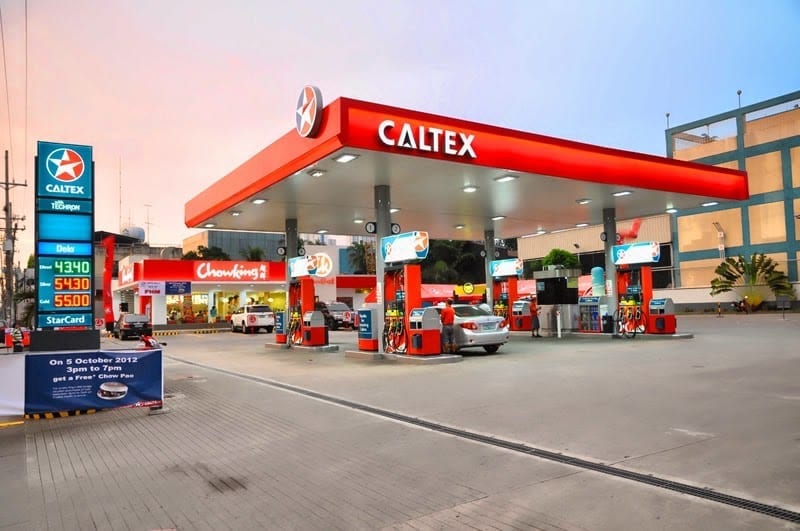
    Caltex Australia is investing heavily in new technology to make transactions at its petrol stations and convenience store sites more simple and seamless and enhance the customer experience as it expands into new areas, such as fresh food, healthy fast food, parcel collection and other services. The convenience retailer on Tuesday laid out a vision for the business that includes enabling customers to pay for fuel and pre-order coffee via app and updating prices and promotions in-store using digital signage. It is also testing use cases for payment via facial recognition and number plate recognition.

    Caltex believes these innovations will give it a competitive advantage in the lucrative $8 billion and growing convenience market going forward.

    The company’s innovation team, based out of the “C-lab”, was able to deliver a prototype of mobile checkout and mobile payments within weeks of the visit to China, and is now working on selecting appropriate sites for live trials, Da Ros said.

    This is just one example of the digital-first mindset the company has embraced through its work with technology partner, Microsoft.

    “It’s not about isolating a digital lab or a digital strategy, but instead it’s about ensuring seamless connectivity between key systems, processes, operational workflows and customer touchpoints – everything is connected,” Da Ros said about the company’s approach to innovation.

    This customer-first approach has led Caltex Australia to consider how it might enter new areas, as including fresh food, healthy fast food, parcel collection and a range of other services, as Australian demographics shift to two-income, time-strapped households.

    “The customers of the future will log in to their Caltex app, arrange to pick up the dry-cleaning and select something for dinner. They then drive into the Caltex site and an attendant will come to the car with everything the customer has ordered – including their favourite coffee,” Caltex CEO Julian Segal told.

    The technology investment comes as Caltex undergoes a significant transformation to position itself for growth in the highly competitive convenience market. This includes buying back hundreds of franchisee retail sites, growing retail and convenience revenues, strengthening fuel loyalty and embedding a digital-first mentality across the entire organisation.

  • Vardenchi To Open New Lifestyle Garage Store In Mumbai

    Vardenchi To Open New Lifestyle Garage Store In Mumbai

    Motorcycle design company, Vardenchi, is all set to open its first ‘Lifestyle Garage’ in Goregaon, Mumbai. The flagship space will offer a wide range of bespoke motorcycle upgrade solutions and crafted biker products. Biker Products will include a range of fashion motorcycle helmets, lifestyle riding gear, a collection of apparel like t shirts hoodies and shoes. Motorcycle Upgrade products will include accessories for Safety, Utility and Style such as lights, seats, guards, luggage and more.

    A lot of motorcycle parts and materials have inspired the design of the Lifestyle Garage. Akshai Varde, MD/Founder, Vardenchi said, “The Vardenchi Lifestyle Garage is a culmination of our long standing vision of offering ‘everything motorcycle.’ The market and the timing are very well positioned for a concept like this and we are extremely excited to kick off the first of an entire network of franchise stores”