Tag: asia

  • Asia becomes Laura Ashley’s last hope

    Asia becomes Laura Ashley’s last hope

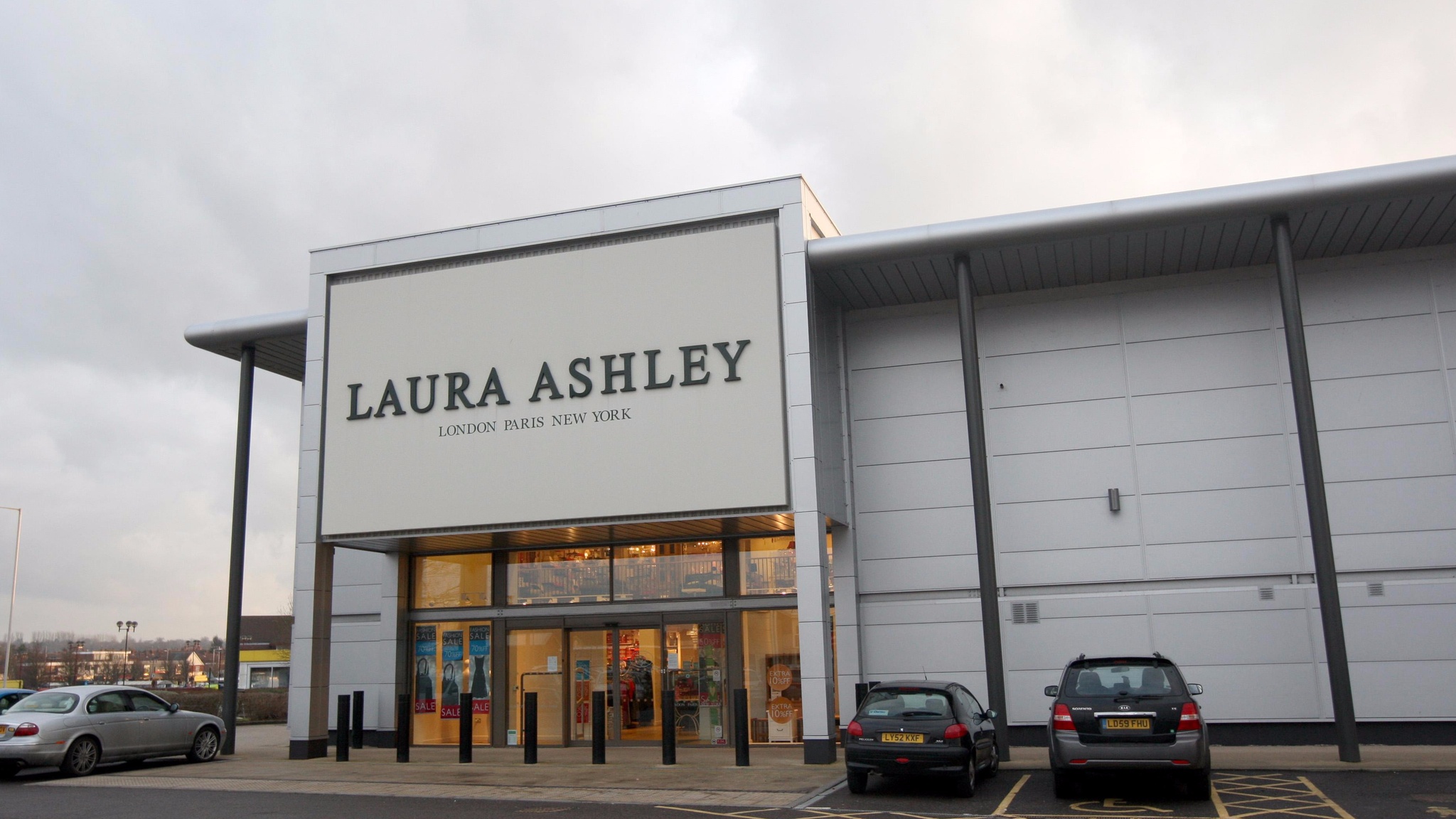
    Fashion and home furnishings brand Laura Ashley will close 40 stores in the UK as it prepares to expand into the Chinese market. The firm has already gone through a round of 40 closures since 2015 against flagging interest from British consumers, which has seen a reported 14 shops closing every day in the territory.

    Laura Ashley runs a regional office in Singapore focused purely on e-commerce into China, with plans to look at physical stores rollout after establishing a significant foothold in digital retail there.

    According to Khoo, the company is “moving to Asia in a much bigger way”.

    The brand is wholly owned by Malayan United Industries (MUI), which is currently restructuring parts of its business and rationalising assets. The brand will be expanding the 120 British Laura Ashley stores that remain following the closures to better showcase the brand.

    MUI’s executive chairman Andrew Khoo Boo Yeow said: “It doesn’t really matter if [customers] buy online or offline, we just want them to get inspired … It’s a challenging environment and it could become more challenging”.

    In Australia, the remaining 16 Laura Ashley stores will close this month after the company failed to find a buyer for the business, which was run under a licence. It was placed in administration for the second time in two years on December 3.

  • Almost all Vietnamese internet users shop online

    Almost all Vietnamese internet users shop online

    Up to 98 percent of internet users in Vietnam have made purchases online, up one percentage point over 2017. Increasing effectiveness of the online retail ecosystem in meeting the convenience of its shopper base has strengthened the online shopping habit, according to the 2018 Nielsen Connected Commerce Report.

    Fashion, travel, books and music continue to account for the largest proportion of online transactions in consumer goods, with 59 percent, 52 percent and 51 percent of Vietnamese consumer respondents saying they have purchased goods in the above categories in the respective order.

    These are also considered typical categories for the first-time online shoppers.

    Nguyen Anh Dung, director and head of Retail Measurement Services for Nielsen Vietnam, said that as levels of familiarity, comfort and confidence grow, consumers are likely to move on to purchasing items such as beauty products, personal care, packaged food or fresh groceries.

    For relatively new products, about two in three consumers said that return policies for products not of satisfactory quality have encouraged them to shop online.

    The other concern of consumers is free or same day delivery services.

    Vietnam has targeted that 30 percent of its population shop online between 2016 and 2020, with yearly sales value of approximately $350 per person.

    The country’s e-commerce value climbed to about $4 billion in 2016, becoming one of the fastest-growing markets in the world.

    Revenue from online retail in Vietnam is forecast to hit $10 billion by 2020, accounting for five percent of the country’s retail market.

  • Prada ‘racist’ incident ended up with apology

    Prada ‘racist’ incident ended up with apology

    Prada has apologised for selling a US$550 monkey figurine after a social media backlash from US consumers alleging the character is racist. The monkeys, with oversized red lips and dark skin have been likened to “racist caricatures historically used to dehumanise black people” according to a commentary in The Business of Fashion.  Some social media users pointed out a resemblance to golliwogs, the fictional children’s book character created by Kate Upton in the late 19th Century, which brands worldwide have avoided using in marketing for reasons Prada executives could have easily found with a quick Google search.

    The ‘racist’ monkey character was part of the Pradamalia range of small accessories like keychains and toys featuring cartoon characters.

    Prada said in a statement that the creatures were “not intended to have any reference to the real world and certainly not blackface”.

    “Prada Group never had the intention of offending anyone and we abhor all forms of racism and racist imagery. In this interest, we will withdraw all of the characters in question from display and circulation.”

    The Business of Fashion described the company’s design as “at best tone-deaf, at worst racist and exploitative”.

    Some people in the retail industry may well ask how Prada released such a product after the high-profile case of H&M having to apologise after releasing marketing images of a black child wearing a hoodie with the text “Coolest monkey in the jungle” in January, which prompted a similar chorus of disapproval. H&M immediately withdrew the hoodies from sale globally and recycled them, but not before some stores in South Africa had to be closed temporarily after protests and vandalism.

    And just last month, Dolce & Gabbana was forced to apologise to Asians customers around the world for a video campaign mocking a Chinese model trying to eat pasta with chopsticks, followed by an extraordinarily racist rant on Twitter by one of the label’s founders (which he later claimed – to widespread skepticism – was the result of his account being hacked).

    Facebook user Chinyere Ezie (who took the photo of the Prada monkey used with this story) was one black American woman outraged by the product. Her post had been shared more than 10,000 times by Monday morning and received some 4300 comments.

    “Today after returning to NYC after a very emotional visit to the Smithsonian National Museum of African American History and Culture, including an exhibit on blackface, I walked past Prada’s Soho storefront only to be confronted with the very same racist and denigrating #blackface imagery,” she wrote.

    “I entered the store with a coworker, only to be assaulted with more and more bewildering examples of their Sambo-like imagery. When I asked a Prada employee whether they knew they had plastered blackface imagery throughout their store, in a moment of surprising candor I was told that *a black employee had previously complained about blackface at Prada, but he didn’t work there anymore.*

    “History cannot continue to repeat itself. Black America deserves better. And we demand better.”

    The products were withdrawn from window displays – and sales – within hours of Ezie’s post on Friday.

  • World Bank cuts Malaysia’s 2018 GDP growth forecast again

    World Bank cuts Malaysia’s 2018 GDP growth forecast again

    The World Bank has again revised downward its projection for Malaysia’s 2018 gross domestic product (GDP) growth to 4.7% from 4.9% after taking into account factors such the rigorous rationalisation of expenditure by the government and slowdown in private and public investment. It last cut the country’s GDP growth forecast in October, to 4.9% from 5.4%.

    Malaysia’s third quarter GDP growth moderated to 4.4%, bringing about a nine-month expansion of 4.7%.

    Despite a moderation in growth, the World Bank believes that the Malaysian economy remains resilient and continues to be anchored by private consumption, although it has been cooling down after the reintroduction of the sales and service tax.

    The key drivers for private consumption are stable labour market conditions, cost of living aid and tax refunds payment.

    Private investment in the manufacturing and commodity sectors are also expected to be sustained.

    Speaking at the launch of the World Bank’s Malaysia Economic Monitor on Realising Human Potential Report, World Bank Group economist Shakira Teh Sharifuddin said Malaysia’s economic growth is projected to remain flat at 4.7% in 2019, with external factors such as current trade tensions and increased volatility in the financial and commodity markets expected to weigh on the overall economy.

    In addition to the escalating trade tensions, monetary normalisation in advanced economies, high dependency on oil revenue and high level of public debt are seen as potential risk for the government.

    The percentage of the federal government’s revenue to GDP has seen a steep decline between 2012 and 2018, falling from 21.4% to 16.2%. In 2019, the share of revenue to GDP is expected to be reduced further to 15.1%.

    This, Shakira said, leaves the government with limited space to respond to economic shocks.

    In the near term, the government is expected to rigorously embark on fiscal consolidation measures with expenditure expected to decline to 18.1% of GDP from the 2018 estimate of 20.3%.

    Shakira said that while the introduction of new taxes in the budget is welcomed, the government should relook the incentive mechanisms.

    On another note, the World Bank stressed on the need for Malaysia to accelerate the development of its human capital if it wishes to join the ranks of a high-income nation.

    While Malaysia, which ranked 55th out of 157 countries in the Human Capital Index, fared well in some areas, there is room for improvement in certain areas, noted the report.

    It also states the prevalence of stunting among Malaysian children which affect more than one in five Malaysian children, a key indicator of malnutrition. In the absence of renewed efforts to develop human capital, a child born today in Malaysia will only reach a productivity level of 62%.

    In terms of education, the 12.2 years spent by Malaysians in school only equates to the 9.1 years learning outcome of school goers in the highest performing system.

  • Lumine makes debut in Jakarta

    Lumine makes debut in Jakarta

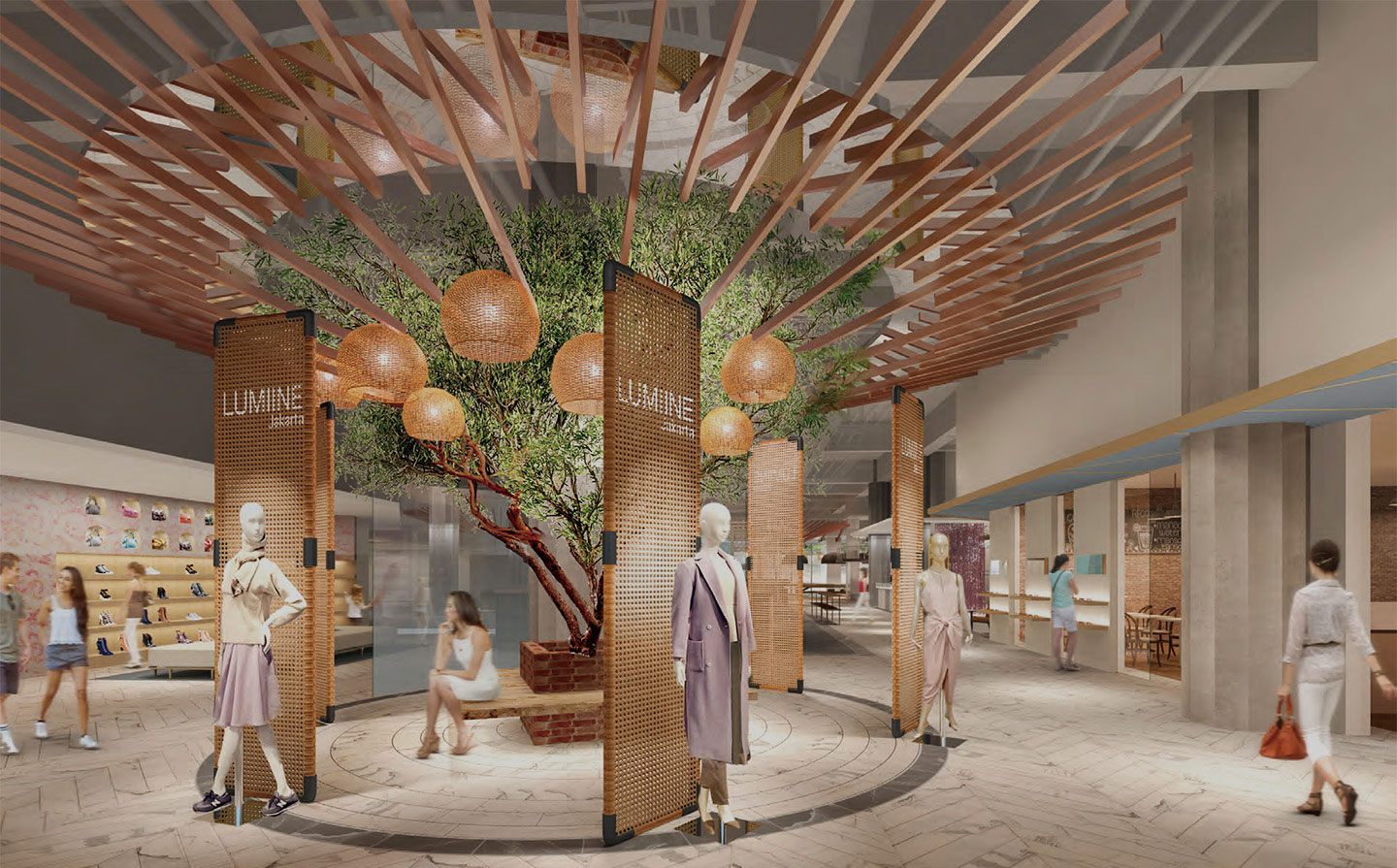
    Japanese retailer Lumine has opened its second overseas location with a launch at Jakarta’s Plaza Indonesia. The opening was timed to coincide with the 60th anniversary of diplomatic relations between Indonesia and Japan, offering a “Tokyo Mood” retail concept where consumers can experience a retail atmosphere that recalls the shopping environment of the Japanese capital.

    As a multi-brand lifestyle venue, Lumine Jakarta targets internationally-minded independent women, offering Japanese fashions as well as general lifestyle merchandise and men’s fashion brands. The store introduces 20 brands to Jakarta for the first time. It also features a cafe serving health-conscious Japanese cuisine.

    View the gallery below (5 images) :

  • Nissan terminates contract with Vietnamese distributor

    Nissan terminates contract with Vietnamese distributor

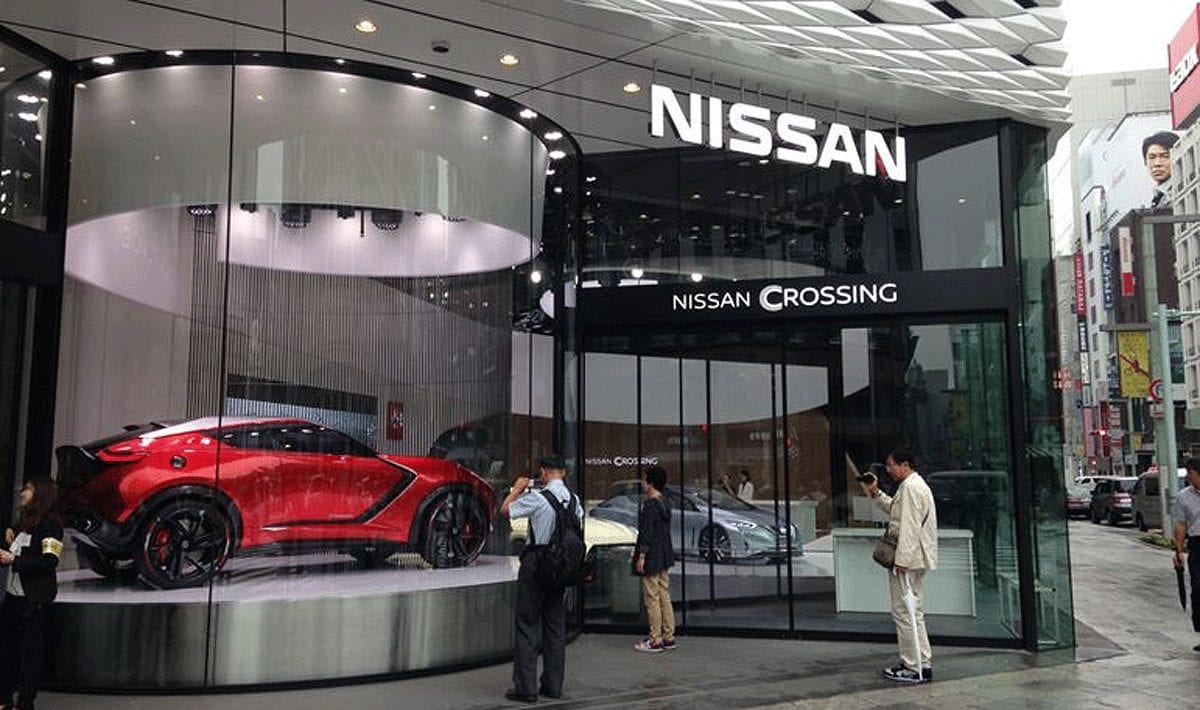
    Japanese carmaker Nissan announced it has ended its tie-up with its distributor in Vietnam, Tan Chong, without disclosing the reason. Malaysian-owned Tan Chong Motor Holdings Bhd, said it would stop importing and distributing Nissan vehicles and parts in Vietnam from September 10 next year.

    Tan Chong said it “remains open to further discussion with Nissan to explore alternative solutions and business opportunities for mutual benefit in Vietnam.”

    Nissan said: “The termination of the joint venture with Tan Chong will not affect the sales of Nissan cars in Vietnam.”

    Its business operations would remain unchanged in the near future, it said. It is set to debut its seven-seat SUV Terra in Vietnam on December 18.

    Tan Chong, a multinational corporation based in Malaysia, is not only the official distributor of Nissan in Malaysia and Vietnam, but also in Laos, Cambodia and Myanmar.

    In Malaysia, it also distributes cars by Opel, Renault and Foton. Its subsidiary, Motor Image, also owns the rights to produce and distribute Subaru vehicles in Southeast Asia, including Vietnam.

  • Jollibee opens first Malaysian outlet in Kota Kinabalu

    Jollibee opens first Malaysian outlet in Kota Kinabalu

    Jollibee Malaysia has opened its first outlet – in the beachside city of Kota Kinabalu. CEO Ernesto Tanmantiong said opening in Malaysia marked a new chapter for the group. “We invite Malaysians to come and see for themselves why people line up for hours.”

    Jollibee Foods head of international business, Dennis Flores, said Jollibee is beloved throughout Asia, because it appeals to diverse tastes and cultures.

    “This has propelled us to become the fastest-growing Asian restaurant company, and we are thankful for the overwhelming support. It drives us to do better for our customers, and to continue to serve delicious food with our signature warm service.”

    The Jollibee Malaysia opening follows the brand’s recent expansion into London and Manhattan as its rapidly expands its global store network to surpass 4300.

    After making its debut in the capital of Sabah, Jollibee Malaysia plans further outlets in major cities across the country.

  • LG U+ 5G pass self-drive test on expressway

    LG U+ 5G pass self-drive test on expressway

    LG U+ has successfully tested a 5G-powered self-driving vehicle on an expressway for the first time. The mobile carrier announced Tuesday that a self-driving car developed by Hanyang University successfully drove on LG U+’s 5G network for 25 minutes across seven kilometers (4.35 miles) of busy city roads including the Gangbyeon Expressway and Olympic Expressway.

    A low latency video transmitter developed by LG U+ delivered real-time footage of the test drive to Hanyang University. Two cameras attached to the self-driving vehicle recorded the front and rear of the car.

    During the test drive, the vehicle had to react to certain scenarios such as avoiding obstacles and changing course. The vehicle was also tested to see how it reacts to new traffic information such as a blocked parking lot entrance.

    The vehicle was remote controllable, offering added safety measures in case of emergency.

    It was the first time that a self-driving car has completed a test drive on such a scale on an expressway or high-speed road in Korea, according to the company.

    “Self-driving cars that run on the 5G network will make important contributions to solving social problems like traffic volume and accidents,” said Sunwoo Myung-ho, who teaches automotive engineering at Hanyang University.

    “It’s significant that we were able to produce substantial results with self-driving cars through cooperation between industry and academia,” said Kang Jong-oh, who manages future technologies at LG U+. “We will continue to invest our efforts into developing self-driving car technology through cooperation between mobile carriers and the auto industry.”

    LG U+ will continue to work with Hanyang University to polish its 5G-based self-driving car technology.

    Competitors SK Telecom and KT are also actively investing in self-driving technology. KT, for example, successfully tested a self-driving bus at Incheon International Airport last month.

  • L Brands sells La Senza lingerie business

    L Brands sells La Senza lingerie business

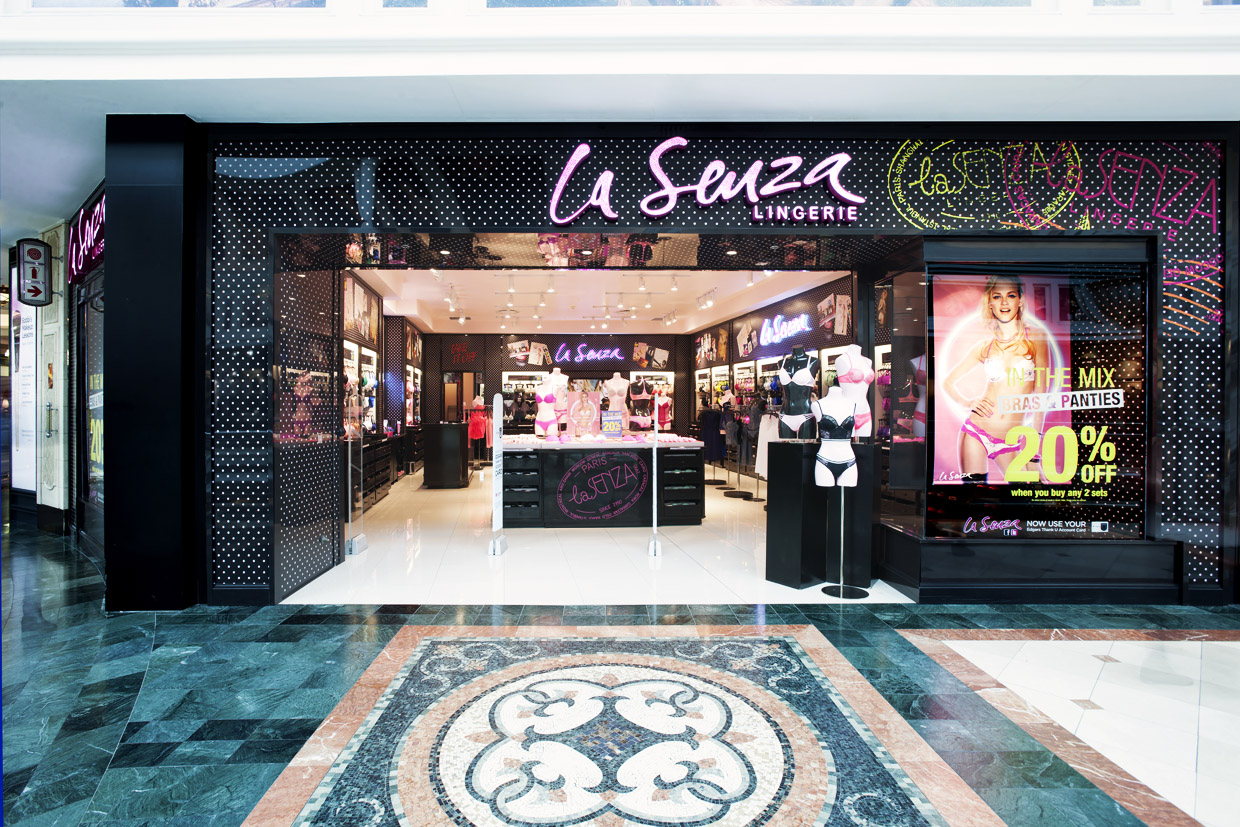
    US retailer L Brands has agreed to transfer full ownership and operations of its Canadian-headquartered La Senza lingerie brand to a Regent LP affiliate. Upon completion, the private equity investor will assume La Senza’s debts and all future considerations for the brand. The deal is part of L Brands’ efforts to focus on its core brands as its flagship label Victoria’s Secret faces challenging shifts in the market.

    L Brands this year closed down its heritage women’s apparel line Henri Bendel after 123 years of trading. The sale of both Henri Bendel and La Senza is expected to encourage investors concerned about Victoria’s Secret’s declining performance as direct-to-consumer startups and the emerging success of rival label Aerie threaten the brand’s market supremacy.

    L Brands expects this year’s sales for La Senza will hit around $250 million with operating losses of about $40 million.

    La Senza was founded in 2006 and at its peak in 2010 had some 800 stores worldwide, 320 of them in Canada. But by 2013 the business was in decline, under competitive pressures from rival brands including Victoria’s Secret. By January last year, the store network had contracted to just 329, including 122 in Canada and four in the US.

    In 2011 a separate company La Senza UK, which held the franchise to the brand in the UK and Ireland, was placed in administration and later acquired by Kuwait-based Alshaya, but despite a further change of ownership, that business was placed in administration again in 2014.

    Other stores using the brand around the world are operating under a franchise agreement.

  • New Lego land in China

    New Lego land in China

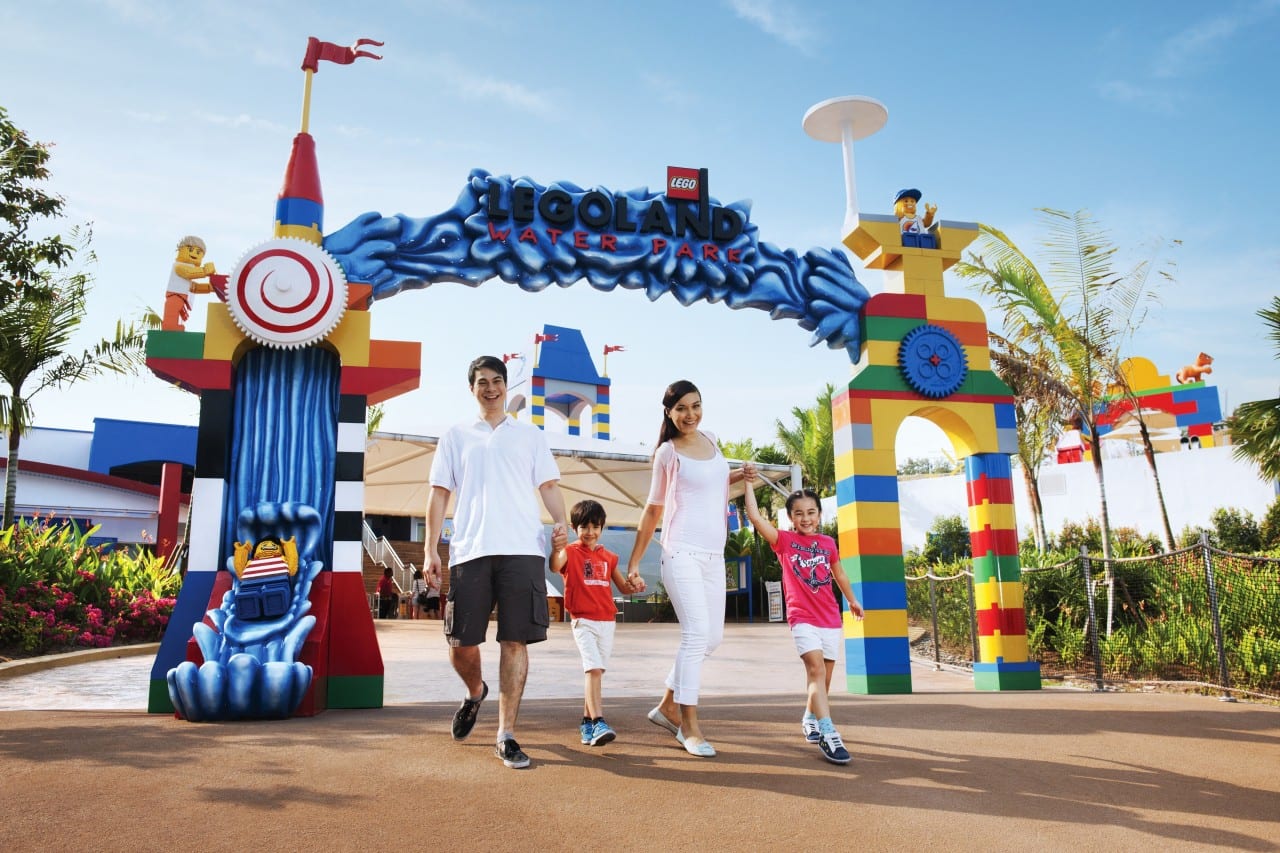
    The site where a Legoland will be built in Chuncheon, Gangwon, on Friday. The development of the Legoland, about the same size as the Legoland in Johor Bahru, Malaysia, has been approved by the Gangwon government. British amusement park developer Merlin is in charge.

  • Moda Operandi eyes China showroom

    Moda Operandi eyes China showroom

    Luxury fashion marketplace Moda Operandi is planning to open a showroom in China as it targets growth in Asia. The US-headquartered company, which allows customers to pre-order looks directly from designers immediately after their runway show, has appointed former Burberry and Tesla executive Puja Clarke in a new role as senior VP of fashion buying and e-commerce.

    Since achieving success with its pre-order concept – which has a flip side of helping fashion brands assess consumer reaction to its new collections – the e-commerce company has been evolving into a broader fashion marketplace.

    Next year Moda Operandi will open its first brick-and-mortar store in China in a city yet to be disclosed.

    The rapid expansion of the company has been helped by a US$165 million investment round last year, led by the Hong Kong-based  founder of K11 and C Ventures, Adrian Cheng.

    Clarke said in an interview with Glossy that new shopping behaviours and digital platforms are especially prevalent in China, where Moda’s customers generally aren’t interacting through a website. Instead, a Chinese shopper might buy a $500,000 necklace on an app, and consumers are more familiar with buying through live video sessions and chat platforms, than websites. She predicts this style of shopping will become more common all over the world in the future.

    “The customer knows what she wants, and the ones that listen will have productive, successful businesses,” Clarke said. “A younger designer can get a lot of people whispering in their ear about what they want to do with the collection, but [the Moda customer] is putting her deposit down, she’s favorite-ing – there are so many data points that can tell a designer whether something is great.”

    International markets comprise one-third of Moda Operandi’s sales with Asia the largest region ahead of the Middle East. While the company’s average order value is about $1400, Clarke said that number “skyrockets” in China.

  • Hobbs London opens in IFC Mall

    Hobbs London opens in IFC Mall

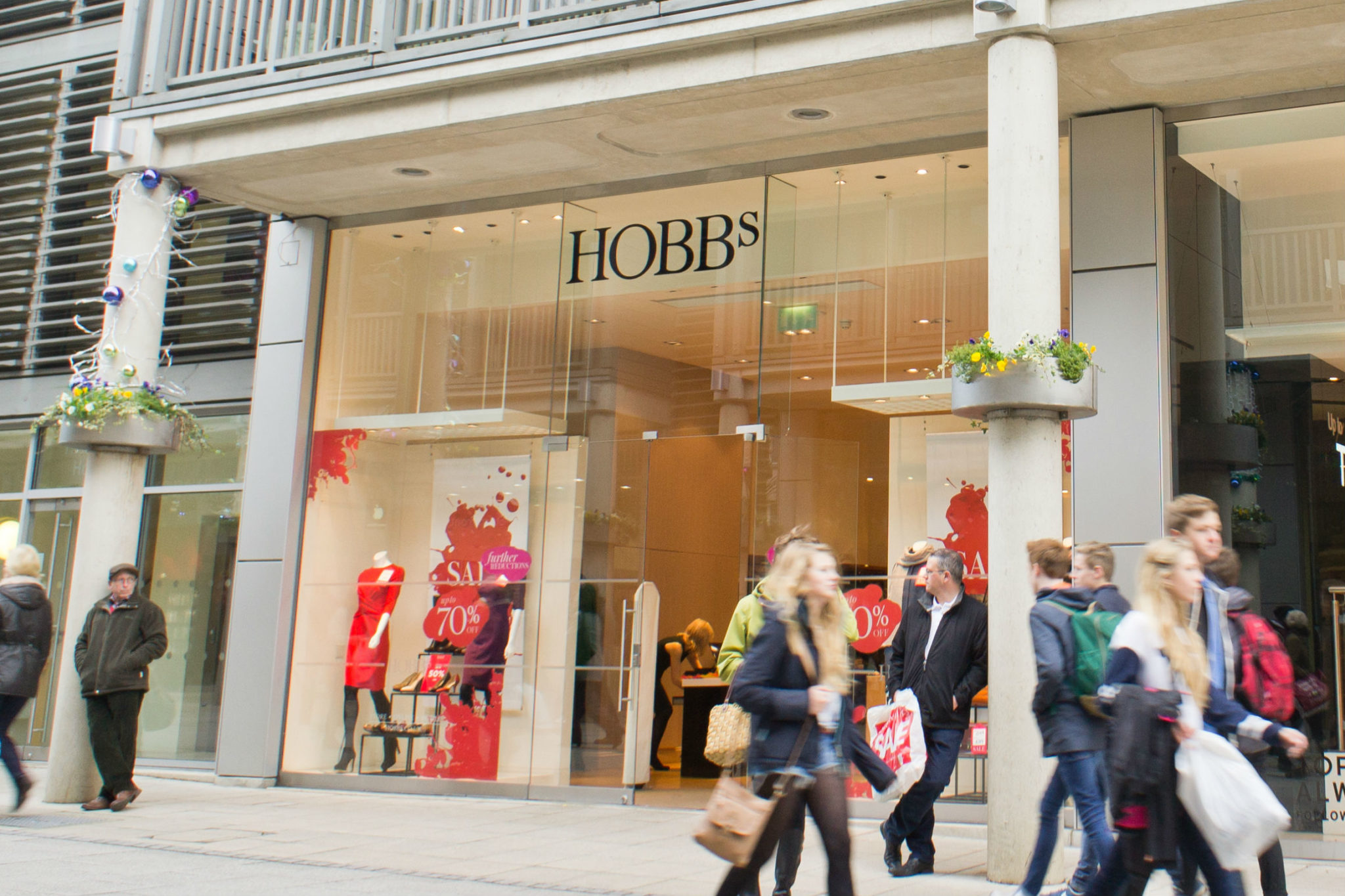
    Hobbs London, a brand for woman affordable luxury fashion, partnered with Rue Madame to unveil its first store at IFC Mall, situated amidst the city’s vibrant business and shopping district. Trading from 1150 square feet, the brand will showcase its collection of workwear, occasion dresses and casualwear, alongside its premium range of footwear and accessories.

    While visiting the store, customers can enjoy their shopping with style advisors on hand to help provide styling solutions for their individual needs.

    Each Hobbs store is designed to reflect the brand’s London heritage and contemporary sensibility.

    The clothing is displayed in easy-to-shop capsule collections, drawing upon the brand’s considered approach to womenswear.

  • Flood of new passengers to stoke demand for jet fuel in Vietnam

    Flood of new passengers to stoke demand for jet fuel in Vietnam

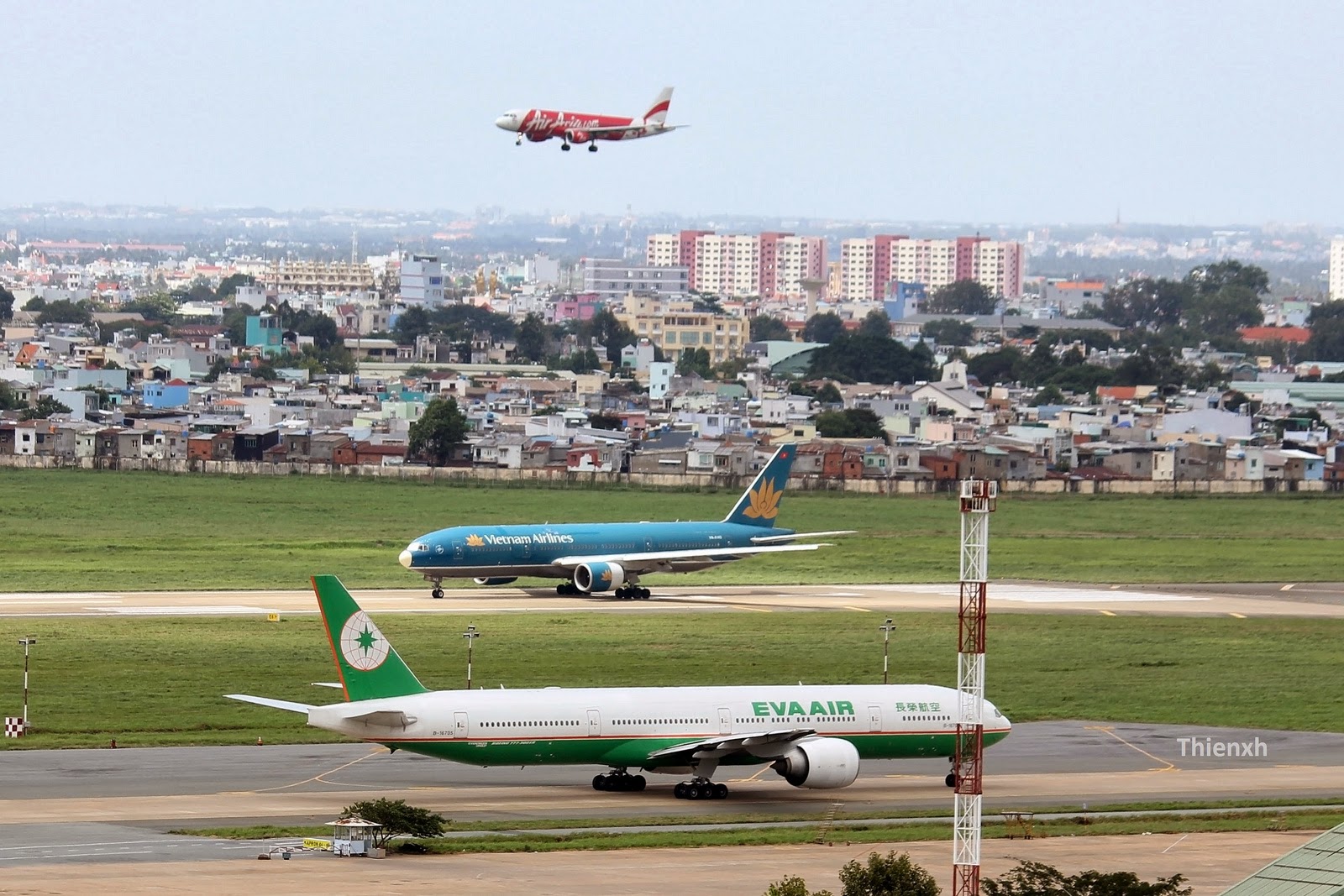
    Vietnam’s jet fuel demand will surge to a record this year as its tourism booms and the country’s airlines are rapidly expanding. The country is on track to have 38 million international passengers and 16 million visitors this year, according to data from CAPA Centre for Aviation. That is up from 18 million passengers and 8 million visitors in 2015, according to the data.

    “Aviation demand in Vietnam is booming… Fuel consumption in Vietnam will reach a record high this year and will keep rising for the years to come,” said Tran Hoai Nam, vice president of Vietjet, Vietnam’s biggest private airline.

    He added Vietnam’s growth in foreign arrivals was the highest in Southeast Asia, rising 8.7 percent annually.

    The surge in traffic has translated into a rush of jet fuel demand in Vietnam. Through November, the country has imported 1.87 million tonnes of the fuel, according to customs data, equal to 14.8 million barrels, and up 18 percent from the same period last year.

    “For 2018, jet fuel demand in Vietnam is estimated to be increased by about 20 to 25 percent in comparison with 2017, mostly due to the increase in consumption of the international flights,” said a Hanoi-based trader at one of country’s jet fuel suppliers, who asked to remain unidentified due to company policy.

    Vietnam currently consumes about 18 million barrels of jet fuel per year, according to data from Petrolimex Aviation.

    By 2035, Vietnam will have 150 million airline passengers per year, nearly four times what it was in 2015, according to a 20-year forecast from the International Air Transport Association (IATA).

    Over the same period, India will have 442 million passengers, 3.6 times what it was in 2015, while China will have 1.3 billion passengers, 2.7 times what it was in 2015, IATA said.

    In November, Vietnam issued an aviation licence to Bamboo Airways, which would be the country’s fifth airline after Vietnam Airlines, Jetstar Pacific Airlines, Vietjet Aviation VJC.HM and Vietnam Air Services Co.

    Bamboo is expected to launch its first flights within weeks. It signed a provisional deal in July to buy 20 of the wide-body 787-9 jets from U.S. manufacturer Boeing and agreed a memorandum of understanding with Europe’s Airbus for up to 24 of the narrow-body A320neo jets in March.

    VietJet, which currently operates 60 Airbus jets, has signed a $6.5 billion (5.2 billion pounds) agreement to buy 50 new jets.

    Vietnam’s jet fuel imports will continue to surge as the country only has two refineries, Dung Quat in the central province of Quang Ngai and Nghi Son in Thanh Hoa Province, near to the capital Hanoi, which only started operations this year.

    “Both Dung Quat and Nghi Son refineries are primarily catered towards the production of gasoline and diesel, and thus, jet fuel yield is relatively low at 5 percent,” said Peter Lee, an analyst at Fitch Solutions Macro Research.

    Nghi Son, once fully operational, will produce about 4.6 million barrels of jet fuel per year, said a source at the refinery. Dung Quat can produce as much as 2.3 million barrels per year, according to the company website.

    “Vietnam will be reliant on imports to meet most of its jet fuel demand going forward,” Lee added.

    Vietnam imports most its jet fuel from refineries in Singapore, Thailand and China, trade data showed.

    Despite the steep growth outlook for Vietnam’s aviation sector, passenger growth might may be uneven as the country grapples with capacity constraints at its airports.

    Vietnam’s biggest airport Tan Son Nhat, serving Ho Chi Minh city in the south, receives about 10 million more passengers per year than it is designed to serve.

    The government is planning a second international airport at Long Thanh, 40 km (24 miles) east of Ho Chi Minh City, that will serve 25 million passengers a year starting in 2025.

  • Amorepacific boosts business expansion in the Philippines

    Amorepacific boosts business expansion in the Philippines

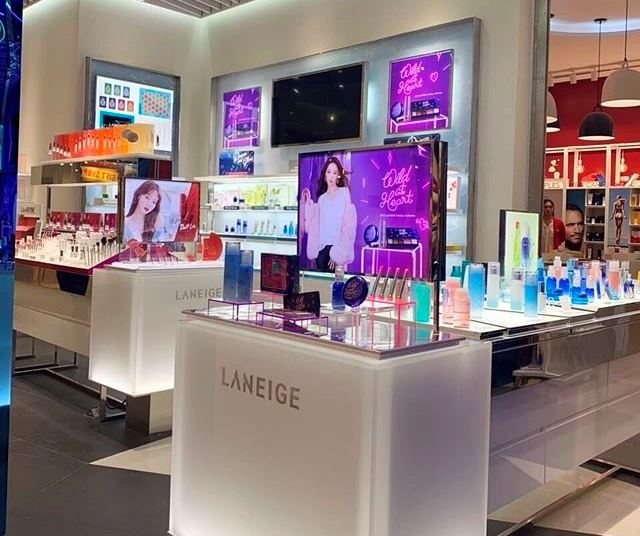
    South Korean cosmetics giant Amorepacific is ramping up its Asean expansion, opening the first Innisfree and Laneige Philippines stores. Amorepacific established Amorepacific Philippines in Metro Manila in August and has since opened the first Innisfree store, in Manila’s SM Mall of Asia.

    This week the company opened its first Laneige Philippines store, at SM Makati Department Store.

    Laneige has also launched on the nation’s largest e-commerce channels in the Philippines including Lazada.

    The upmarket Laneige brand will expand through both online and offline channels through next year, Amorepacific said in a statement.

    The company says the Philippines offers great growth potential, with its population of more than 107 million. It is particularly targeting the premium beauty market which is growing quickly there, along with the broader popularity of K-beauty.

    “By expanding into this promising market, Amorepacific aims to strengthen its presence in the Asean region, which is one of the important strategic business regions for the company,” the statement said.

    Amorepacific has already launched in Singapore, Malaysia, Thailand, Vietnam and Indonesia.

    “We are glad to finally make our way into the Philippines market and respond to its increasing need for our brands,” said Robin Na, head of Amorepacific Asean regional headquarters. “Through our differentiated, innovative products and premium brands, we will spread Asian beauty across the Philippines and satisfy the local customers.”

  • Lacoste opens new travel retail store at Lotte Busan

    Lacoste opens new travel retail store at Lotte Busan

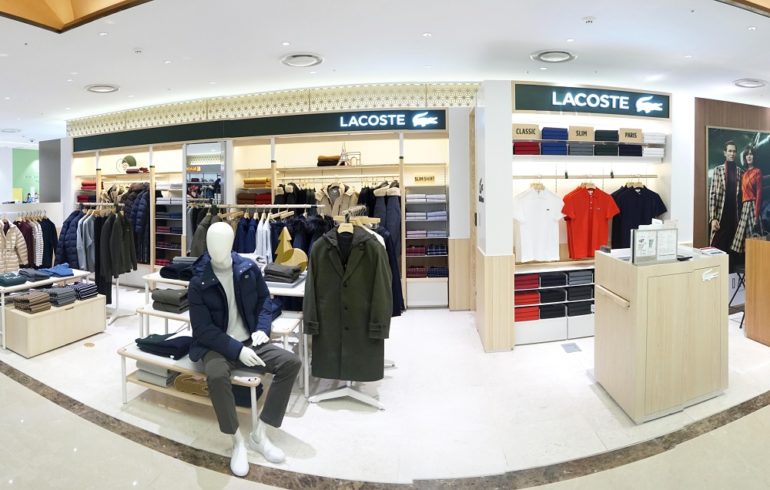
    LACOSTE has opened a new 30sqm duty-free store in Busan to further enhance their presence in Asia. This new store is located in LOTTE Duty Free, second largest duty free operator, in Busan, which is the second biggest city in South Korea.

    Travel Retail, often referred to as the “6th continent”, offers a unique opportunity to connect with consumers and highlight the brand all over the world.

    With over 170 boutiques worldwide, LACOSTE aims at reinforcing the
    consumer experience while enhancing channel specific product offering and visual merchandising.

    Looking to the future, the crocodile wants to continue to leverage the Travel Retail Channel strengthening or expand in new geographical areas and develop new channels (on-line duty free and cruises) and new ways of connecting with consumers before, during and after their trips.