Tag: asian

  • Ant Internationals Alipay+ Revolutionizes Asian Banking with Hang Seng Partnership for Cross-Border QR Payments

    Ant Internationals Alipay+ Revolutionizes Asian Banking with Hang Seng Partnership for Cross-Border QR Payments

    Ant International is making inroads into the traditional banking industry in Asia, with Hang Seng Bank being the first to partner with the payment network in Hong Kong. This collaboration will enable customers to make cross-border QR payments directly from the bank’s mobile app.

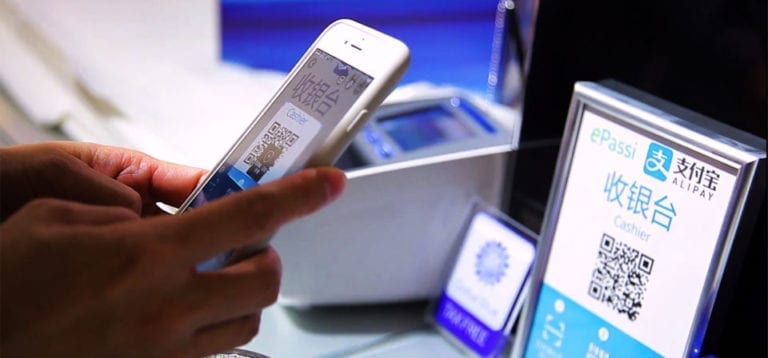
    Users of the Hang Seng Mobile App are now able to scan QR codes to facilitate payments in mainland China and overseas. This is made possible through the Alipay+ network, which boasts access to over 100 million merchants across 55 countries and regions. This marks a significant milestone in the integration of traditional banking apps with the fast-growing digital wallet and QR-based payment network ecosystem in Asia.

    Banking Sector Taps Into Expansion of Cross-Border Payments

    Banks are finding that integrating with Alipay+ allows them to enhance their cross-border payment capabilities without the necessity of establishing separate connections with merchants and payment networks in individual markets.

    Alipay+, which serves as Ant International’s unified wallet gateway, is connected to more than 50 digital wallets and financial institutions. It is accepted across more than 220 markets globally and has forged partnerships with over ten national QR payment systems including Malaysia’s DuitNow and Thailand’s PromptPay.

    With the demand for cross-border payments originating from Asia-Pacific predicted to grow faster than the global average, this presents banks with a prime opportunity. The expectation is that outbound consumer-to-consumer and consumer-to-business cross-border payment volumes from the region could hit $3.7 trillion by 2032, almost twice the level recorded in 2024. This trend enables banks to retain customers within their own digital ecosystems, even when they travel or carry out international transactions.

    Alipay+ Builds Banking Network Across Asia

    Hang Seng Bank joins an increasing number of Asian banks that are connecting their mobile banking customers to Alipay+. Existing banking partners include OCBC in Singapore, Public Bank in Malaysia, Bank of the Philippine Islands, Asia United Bank in the Philippines, Kasikorn Bank and Siam Commercial Bank in Thailand, as well as Vietcombank in Vietnam.

    This model enables customers to continue using their familiar banking app while gaining access to a much larger international merchant network. In addition to payments, banks can utilise the Alipay+ Super App Platform to integrate additional services through mini-programs and plug-in solutions, which include travel-related services and other digital features.

    Ant International is not only positioning itself as a payments provider but increasingly as a technology and infrastructure partner to banks. Alongside Alipay+, the company is developing AI-based foreign-exchange technology and blockchain-powered infrastructure for cross-border liquidity management. Ant International already collaborates with global financial institutions such as Citi, Barclays, Standard Chartered and HSBC across various technology initiatives.

    For traditional banks, the rise of networks like Alipay+ signifies a broader strategic shift in Asian payments. Banks are increasingly connecting their own apps to external payment ecosystems rather than competing with digital wallets solely through proprietary solutions. The partnership with Hang Seng brings this model to Hong Kong, one of Asia’s primary banking and cross-border financial hubs.

    Questions & Answers

    What does the partnership between Hang Seng Bank and Ant International entail?
    This partnership allows Hang Seng Bank’s customers to make cross-border QR payments directly through the bank’s mobile app via the Alipay+ network.

    How is Alipay+ influencing the cross-border payment landscape in the Asia-Pacific region?
    Alipay+ is helping banks expand their cross-border payment capabilities without the need for separate connections with merchants and payment networks in individual markets.

    What is the broader strategic shift in Asian payments?
    There is a strategic shift in favor of banks connecting their own apps to external payment ecosystems, rather than competing with digital wallets solely through proprietary solutions.


  • Brochu Walker Makes Luxurious Asian Debut with Flagship Store in Seouls Gangnam District

    Brochu Walker Makes Luxurious Asian Debut with Flagship Store in Seouls Gangnam District

    Brochu Walker, a well-known luxury womenswear label from the US, has unveiled its first global flagship store in Seoul, South Korea. This venture marks the brand’s initial foray into the Asian market.

    The store, recognized as ‘Maison’, is situated in the fashionable district of Gangnam in Seoul. The store spans a total of 664 square meters, with two floors dedicated to retail and additional space reserved for private client consultations. The establishment bears the distinction of being both the debut international flagship and the first Asian outpost for the Los Angeles-based brand.

    Earlier this year, South Korean actress Cha Joo Young was named the brand’s first Korean ambassador, emphasizing the growing significance of the Korean market to the US-based label. This strategic partnership illuminates the brand’s commitment to building a robust presence in Asia, particularly South Korea.

    The design of the flagship store, a collaboration with Seoul’s Blurker Design Studio, combines modern aesthetic with nods to traditional Korean craftsmanship. The decor incorporates a variety of materials such as oak, marble, Hanji paper, and bronze, with specially commissioned artwork from local artists enhancing the ambiance.

    “Maison Seoul has been a dream we nurtured for years. It’s a product of design, creativity, and thoughtful collaboration,” said Karine Dubner, CEO and Chief Creative Officer of Brochu Walker.

    She added, “Walking through the final product fills me with immense pride. The space embodies everything we envision Brochu Walker to be – quiet, beautiful, intentional, and deeply personal. The warm reception from the Korean community has left us humbled, and we are tremendously grateful for the welcome we’ve received.”

    Established in Los Angeles, Brochu Walker is celebrated for its exquisite knitwear and understated ready-to-wear collections, which are nested within the ‘quiet luxury’ segment. The label has progressively increased its physical presence in the US with stores in California, Connecticut, Georgia, and New York. It also intends to inaugurate more boutiques in upcoming locations like Nashville and Austin.

    Questions & Answers

    What market is Brochu Walker entering for the first time?
    Brochu Walker is entering the Asian market for the first time, with its international flagship store in Seoul, South Korea.

    Who is the brand’s first Korean ambassador?
    South Korean actress Cha Joo Young has been appointed as Brochu Walker’s first Korean ambassador.

    What are the materials used in the design of the flagship store in Seoul?
    Materials including oak, marble, Hanji paper, and bronze have been used in the design of the flagship store, alongside commissioned works by local artists.

  • Sapporo Joins Forces with Carlsberg in $643M Southeast Asian Venture to Boost Premium Beer Sales

    Sapporo Joins Forces with Carlsberg in $643M Southeast Asian Venture to Boost Premium Beer Sales

    Japanese brewing company Sapporo is set to enter into a strategic partnership with Danish brewer Carlsberg, which entails a $643 million investment for a 25% stake in a Singapore-based joint venture. This venture, which will span across Southeast Asia and Hong Kong, is anticipated to begin operations in December 2026, with Carlsberg owning a majority stake of 75%.

    A Regional Expansion

    Sapporo intends to use this partnership as an opportunity to extend its existing collaborations in Malaysia, Hong Kong, and Singapore to other countries including Vietnam, Laos, and Cambodia. The company’s goal is to significantly increase the sales of its flagship product, Sapporo Premium Beer, in these target markets. By 2035, Sapporo aims to sell around ten times the number of units sold in 2025, an ambitious objective that will be facilitated by Carlsberg’s strong market presence across the region.

    Anticipated Benefits

    As part of the agreement, Sapporo will provide the joint venture with a long-term license for Sapporo Premium Beer. The Japanese brewer expects to see a variety of financial benefits as a result of this arrangement, including diversified revenue streams. These will emanate from dividends, royalty income, and manufacturing-related earnings.

    Questions & Answers

    What is the nature of the strategic partnership between Sapporo and Carlsberg?
    The partnership involves Sapporo investing $643 million for a 25% stake in a Singapore-based joint venture with Carlsberg, which will span across Southeast Asia and Hong Kong.

    What is Sapporo’s sales goal for the Sapporo Premium Beer?
    Sapporo aims to increase sales of the Sapporo Premium Beer in the target markets to approximately ten times the sales level of 2025 by the year 2035.

    How will Sapporo benefit from this joint venture?
    Sapporo anticipates gaining from diversified revenue streams, which will come from dividends, royalty income, and manufacturing-related earnings.

  • Bread Ahead Bakes Up Asian Expansion: Launches First Store in Bangkok with Exclusive Doughnut Delights

    Bread Ahead Bakes Up Asian Expansion: Launches First Store in Bangkok with Exclusive Doughnut Delights

    UK-based bakery company, Bread Ahead, has initiated its Asian expansion strategy with the inauguration of its first outlet in Thailand, located in Siam Paragon, on May 30. This marks a significant milestone for the brand as it looks to expand its footprint in the region.

    The Bangkok store, a result of a collaboration with Passion Restaurant Group, represents the first step of the brand’s comprehensive growth plan in this region. The company has revealed plans to inaugurate six more stores in the coming 12 months.

    Introducing the ‘Hot Doughnut Theatre’

    The new store, situated on the ground floor in Gourmet Eats, will showcase Bread Ahead’s innovative ‘Hot Doughnut Theatre’ concept to Thai consumers. This unique approach offers customers the experience of watching their doughnuts being freshly made, filled, and finished live throughout the day.

    The menu primarily features Bread Ahead’s distinctive doughnut range, with a particular emphasis on two flavours which will be exclusive to the Thai market: Matcha & White Chocolate and Hojicha & Dark Chocolate.

    According to Bread Ahead’s founder, Matthew Jones, “Bangkok is an incredibly vibrant city known for its food, creativity, and hospitality. Siam Paragon is the perfect location for our first Asian bakery. This is an enormous moment for us as we open in Asia for the first time. It feels like the beginning of a very unique journey. We are proud to introduce Bread Ahead to Bangkok first, and we consider this as the initiation of a much grander journey – with Thailand leading the way as we continue our expansion across Asia. This is an incredibly exciting time for the brand, and we are eagerly looking forward to what the future holds.”

    Successful Growth Story

    Bread Ahead, established in 2013, has emerged as one of the most distinguished brands in the UK, boasting six bakery outlets across London. The brand also disclosed ambitions last year to extend its presence to the Philippines.

    Questions & Answers

    What is the ‘Hot Doughnut Theatre’ concept?
    The ‘Hot Doughnut Theatre’ is a unique approach by Bread Ahead where customers can watch their doughnuts being freshly made, filled, and finished live throughout the day.

    What flavours will be exclusive to the Thai market?
    Bread Ahead’s Thai menu will feature two exclusive doughnut flavours – Matcha & White Chocolate and Hojicha & Dark Chocolate.

    What are Bread Ahead’s expansion plans in Asia?
    Bread Ahead has kicked off its Asian expansion with the launch of its first store in Thailand. The brand plans to open six more outlets in the region over the next 12 months and has also shown interest in the Philippines.

  • BHC Chicken: Korean Fried Chicken Giant Sets Sights on Vietnam for Southeast Asian Growth

    BHC Chicken: Korean Fried Chicken Giant Sets Sights on Vietnam for Southeast Asian Growth

    BHC Chicken, a renowned fried chicken brand originating from South Korea, is setting its sights on broadening its reach within Southeast Asia, with plans to launch in Vietnam. This move is part of an ongoing expansion strategy that is rapidly growing the brand’s presence across the region.

    The brand’s parent entity, Dining Brands Group, recently formalized its plans to venture into Vietnam, sealing a master franchise agreement with Singaporean company Hao Open Foods. This strategic partnership is set to facilitate the brand’s launch and consequent operations in Vietnam.

    In terms of expansion, the company has set its sights on major cities within Vietnam, such as Ho Chi Minh City, Hanoi, and Da Nang. The brand’s ambitious growth plan anticipates the establishment of 50 locations within these cities over the course of the next decade.

    Founded in 2004, BHC Chicken holds a position of prominence among South Korea’s top fried chicken chains. With a robust network of over 2,000 stores, its reach extends beyond the domestic market. The brand has significantly leveraged franchise partnerships to successfully penetrate international markets, with a presence in countries like Singapore, Malaysia, and Thailand.

    In addition to its planned expansion into Vietnam, BHC Chicken is also preparing to make its debut in the Philippines later this year, further solidifying its foothold in Southeast Asia.

    Questions & Answers

    What is the expansion plan of BHC Chicken in Vietnam?
    BHC Chicken plans to establish a presence in key Vietnamese cities, with an aim to open 50 locations over the next 10 years.

    Who is BHC Chicken’s franchise partner for its Vietnam launch?
    BHC Chicken is partnering with Singaporean company Hao Open Foods for its expansion into Vietnam.

    Is BHC Chicken planning expansions to other countries?
    Yes, apart from Vietnam, BHC Chicken is reportedly preparing to launch in the Philippines later this year.

  • Jollibee Amplifies Asian Footprint with Hot Pot Acquisition and Compose Coffee Expansion

    Jollibee Amplifies Asian Footprint with Hot Pot Acquisition and Compose Coffee Expansion

    Jollibee Foods Corporation (JFC) is accelerating its expansion across Asia with the purchase of a South Korean hot pot buffet chain and the impending introduction of a rapidly expanding Korean coffee brand into the Philippines.

    Acquisition of Shabu All Day

    JFC has secured a 70% majority stake in All Day Fresh Co, the company that operates Shabu All Day, through its subsidiary Jolli-K Co. Shabu All Day, established in 2014, has since blossomed into a chain of 169 stores throughout South Korea, acquired for an approximate total of $87 million.

    Growth in Beverage and Dining Segments

    Already part of JFC’s Korean platform is the coffee chain Compose Coffee. This diversifies the corporation’s portfolio, enabling it to have a presence in both beverage-led and full-service dining sectors.

    Introduction of Compose Coffee to the Philippines

    JFC is set to bring Compose Coffee to Philippine consumers under a master franchise agreement via its subsidiary Fresh N’ Famous Foods. Initial stores are expected to commence operations later in the year. Compose Coffee, founded in Busan in 2014, has undergone rapid growth to almost 3000 stores, establishing itself as one of Korea’s top value-oriented coffee chains. In 2024, JFC obtained a 70% stake in the coffee chain. This move is part of JFC’s ongoing efforts to make inroads into the rapidly growing coffee and tea segment, where it already operates brands such as Highlands Coffee, The Coffee Bean & Tea Leaf, and Milksha.

    Company Growth Amid Record Sales

    JFC has reported record preliminary systemwide sales of ₱122.3 billion (approximately $2.1 billion) in the fourth quarter of 2025, a 12% year-on-year increase. Throughout the year, the company’s total network of stores grew by 5.9% to 10,341 outlets, the highest number of new store openings in JFC’s history. This includes 3504 stores in the Philippines and 6837 international locations, demonstrating ongoing expansion in key markets.

    Globally, JFC operates 576 stores in China, 348 in North America, and 437 across Europe, the Middle East, Asia, and Australia. The company’s portfolio includes 985 Highlands Coffee outlets, 1079 The Coffee Bean & Tea Leaf stores, 357 Milksha locations, 2972 Compose Coffee stores, and 83 Tim Ho Wan branches.

    Questions & Answers

    What is JFC’s strategy for expansion in Asia?
    JFC is expanding its presence in Asia through acquisitions, such as the recent purchase of the South Korean hot pot buffet chain Shabu All Day, and launching new brands, like the upcoming introduction of Compose Coffee in the Philippines.

    What are some notable brands under JFC?
    JFC operates several well-known brands, including Highlands Coffee, The Coffee Bean & Tea Leaf, Milksha, Compose Coffee, and Tim Ho Wan.

    What has been the growth of JFC in recent years?
    JFC has experienced significant growth, with record systemwide sales in the fourth quarter of 2025 and a 5.9% increase in its total store network. This growth is reflected in its ongoing expansion in both domestic and international markets.

  • Jollibee Foods Sizzles up Asian Market with Korean Hot Pot Acquisition and Compose Coffee Expansion

    Jollibee Foods Sizzles up Asian Market with Korean Hot Pot Acquisition and Compose Coffee Expansion

    Jollibee Foods Corporation (JFC), a dominant player in the food service industry, is poised to strengthen its position in Asia through the acquisition of a South Korean hot pot buffet brand, Shabu All Day, and the anticipated introduction of a rapidly-growing Korean coffee brand, Compose Coffee, into the Philippines.

    Amplifying Asian Presence

    Jolli-K Co, a subsidiary of JFC, has acquired All Day Fresh Co, the company behind the operation of Shabu All Day, in a deal worth approximately US$87 million. Shabu All Day, established in 2014, boasts 169 stores distributed across South Korea. In addition to this acquisition, JFC’s South Korean portfolio encompasses the coffee chain, Compose Coffee, ensuring the company has a diverse presence across both full-service dining and beverage-led segments.

    Introducing Compose Coffee to the Philippines

    In a synergistic move, JFC is set to bring the Korean coffee brand, Compose Coffee, to the Filipino market. This will be achieved through a master franchise agreement facilitated by its subsidiary, Fresh N’ Famous Foods. The first Compose Coffee stores are projected to open in the Philippines later this year.

    Established in 2014 in Busan, Compose Coffee has witnessed prolific growth, with around 3000 stores in operation. This growth has positioned it as one of South Korea’s most significant value-driven coffee chains. JFC acquired a 70 per cent stake in Compose Coffee in 2024. This expansion into the Philippines is a testament to JFC’s ongoing commitment to the flourishing coffee and tea sector, where it already operates various brands, including Highlands Coffee, The Coffee Bean & Tea Leaf, and Milksha.

    Unprecedented Network Growth

    These growth strategies were announced against a backdrop of record sales for JFC in the preliminary fourth quarter of 2025. The food service giant reported systemwide sales of ₱122.3 billion (approximately US$2.1 billion), a 12 per cent increase year on year.

    The company’s total store network for the full year expanded by 5.9 per cent to reach 10,341 outlets, the highest level of gross store openings in the company’s history. This network comprises 3504 stores in the Philippines and 6837 international stores, demonstrating JFC’s consistent expansion across key markets. JFC operates 576 stores in China, 348 in North America, and 437 across Europe, Middle East, Asia, and Australia. The growth is largely driven by its diverse portfolio of brands, including Highlands Coffee, The Coffee Bean & Tea Leaf, Milksha, Compose Coffee, and Tim Ho Wan.

    Questions & Answers

    What is Jollibee Foods Corporation’s latest acquisition?
    Jollibee Foods Corporation has recently acquired Shabu All Day, a South Korean hot pot buffet chain, through its subsidiary, Jolli-K Co.

    What new brand is JFC introducing to the Philippines?
    JFC is set to introduce Compose Coffee, a popular and rapidly-growing South Korean coffee brand, to the Philippines.

    What was JFC’s growth rate for their total store network in the last fiscal year?
    JFC’s total store network grew by 5.9 per cent during the last fiscal year, reaching a total of 10,341 outlets.

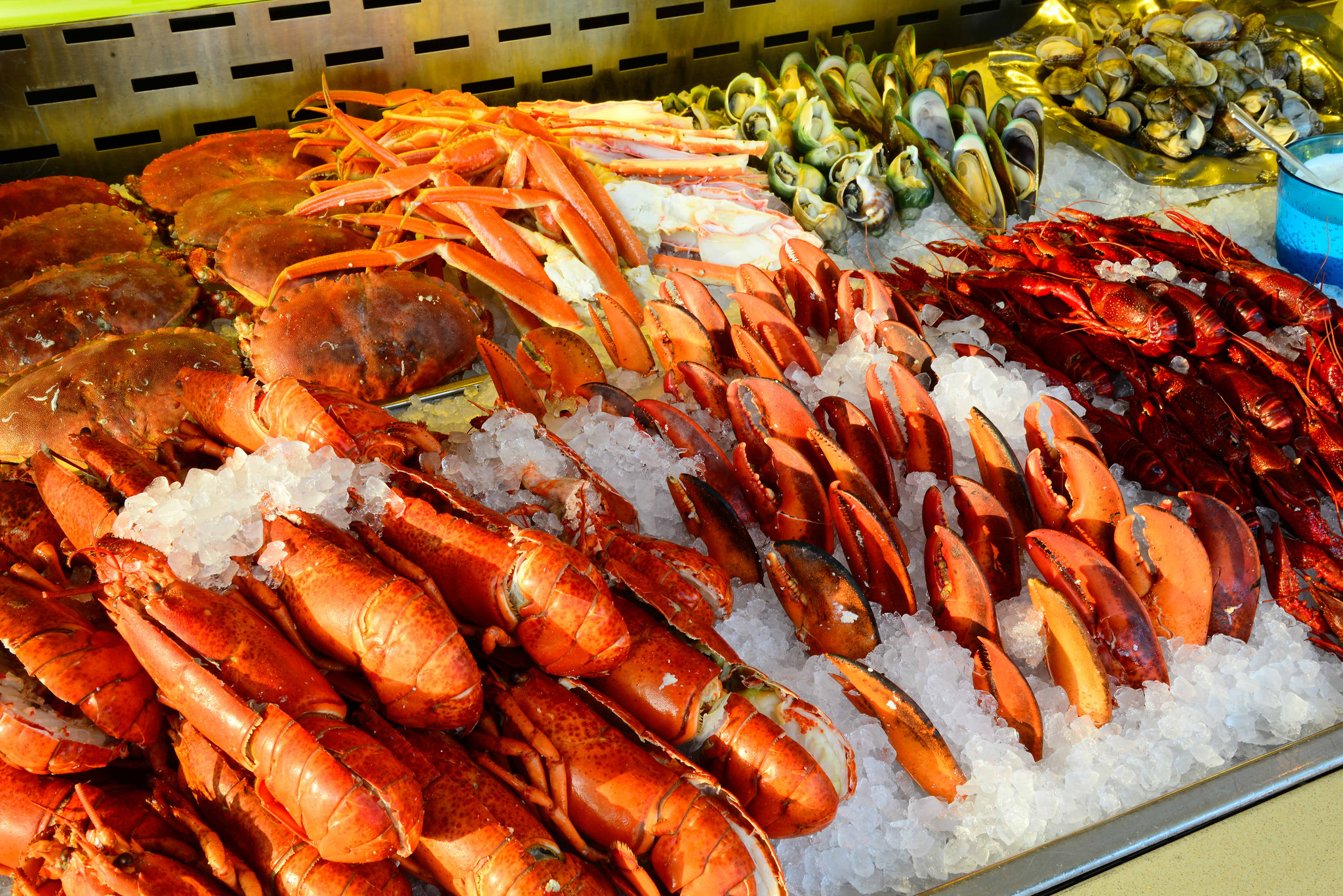
  • Vietnam’s Seafood Exports Soar 13% in January Fueled by Asian Markets

    Vietnam’s Seafood Exports Soar 13% in January Fueled by Asian Markets

    In January, exports of seafood from Vietnam totaled US$874 million, a year-on-year increase of 13%. The Vietnam Association of Seafood Exporters and Producers noted that this boost was largely due to demand from Asian markets, particularly China, Japan, and ASEAN. Key product groups like pangasius, a type of catfish, as well as squid and octopus, contributed significantly to these robust export figures.

    Decline in U.S. Shipments

    However, U.S. shipments experienced a decline, especially in tuna exports. The downturn was attributed to factors such as the Marine Mammal Protection Act’s impact and difficulties in obtaining certificates of analysis for seafood exports, a crucial step in the export process.

    China Leads as Largest Seafood Market

    China solidified its position as Vietnam’s biggest seafood market in January; export values reached nearly $250 million, marking a 28.7% surge year-on-year. This uptick is mainly due to increased shrimp demand ahead of the Lunar New Year, a period when the consumption of premium seafood products usually escalates. Many businesses also seized the opportunity of this festive demand to increase their lobster shipments.

    Anticipated Seafood Export Downturn in February

    The Association anticipates a downturn in seafood exports in February. This prediction is based on disruptions to production and logistics during the Tet (Lunar New Year) holiday, persisting regulatory issues in the U.S., and a potential decrease in Chinese demand following an early period of stockpiling.

    Questions & Answers

    What caused the 13% increase in Vietnam’s seafood exports in January?
    The main factors contributing to this increase were robust demand from Asian markets, particularly China, Japan, and ASEAN, coupled with strong performance from key product groups like pangasius and squid and octopus.

    Why was there a decline in U.S. shipments of Vietnamese seafood?
    The decline in U.S. shipments can be attributed to the effects of the Marine Mammal Protection Act and challenges in obtaining certificates of analysis for seafood exports.

    Why is a downturn in seafood exports anticipated in February?
    The predicted downturn is due to potential disruptions in production and logistics during the Tet (Lunar New Year) holiday, ongoing regulatory challenges in the U.S., and an expected drop in Chinese demand after an early period of stockpiling.

  • Singapore’s Fingular Fortifies Asian Presence with New Fintech Hub in Malaysia

    Singapore’s Fingular Fortifies Asian Presence with New Fintech Hub in Malaysia

    Fingular, a renowned Singaporean fintech firm, has expanded its Southeast Asian footprint by inaugurating a new operational hub in Malaysia. This recent development represents a strategic move in Fingular’s overall plan to establish a globally integrated fintech platform.

    Strengthening Scalable Growth and Engagement

    The Singaporean group’s venture into Malaysia manifests its prime focus on scalable growth, talent mobility, and a deeper connection with local markets in Asia. The fresh hub in Kuala Lumpur presents not only a shared workspace for the Malaysian team but also for employees across Fingular’s international network.

    Fingular’s personnel stationed in different countries will be given the opportunity to work from the Malaysian office on both short and long-term basis. This tactic signifies a broader industry shift to hybrid operational models that prioritize productivity and cross-border knowledge transfer.

    Global Expansion Through Local Presence

    Fingular, with its headquarters in Singapore and another team hub in Serbia, believes in establishing a physical presence in each market it operates. The firm embeds teams locally to better understand cultural variances, user behavior, and regulatory environments. This is a vital approach for fintech companies looking for sustainable growth in emerging markets.

    People-centric Expansion

    Maxim Chernushchenko, the founder and CEO of Fingular, has expressed that the strategy behind the new hub surpasses mere geographic expansion. He asserts that global expansion is as much about people as it is about markets. Their aim is to ensure teams feel connected, supported, and inspired, regardless of their work location. The creation of spaces that promote collaboration and personal growth is integral to how the company develops and scales its products.

    Speed and Adaptability

    Fingular, founded in October 2021, manages a wide range of fully digital financial products, including consumer financing, investments, and savings. With its presence in markets like Indonesia, Malaysia, and India, Fingular focuses on rapid deployment, made possible by a technology stack that aids it in launching in new countries within three months. This operational speed positions Fingular competitively in regions where the scope for digital financial inclusion is yet to be fully explored.

    Strategic Implications

    For investors and industry watchers, the launch of the Malaysia hub signifies Fingular’s determination to balance aggressive market expansion with organizational cohesion. As the fintech competition escalates across Asia, Fingular’s emphasis on talent infrastructure and local market immersion could be as crucial as capital deployment in driving long-term value creation.

    Questions & Answers

    What is the purpose of Fingular’s new hub in Malaysia?
    The Malaysia hub serves as a shared space for the local Malaysian team and members from Fingular’s international network. It represents a move towards hybrid operational models that blend remote flexibility with in-person collaboration.

    What is Fingular’s approach to global expansion?
    Fingular believes in carrying out global expansion by establishing a physical presence in each market it operates. The firm aims to better understand cultural nuances, user behavior, and regulatory environments by embedding teams locally.

    What is unique about Fingular’s operational speed?
    Fingular places emphasis on rapid deployment, facilitated by a technology stack that allows it to launch in new countries within three months. This operational speed provides Fingular a competitive edge in regions where digital financial inclusion is underexplored.

  • Citi Bolsters Asian FX Market Presence: Key Hires Spark Momentum in Regional Expansion

    Citi Bolsters Asian FX Market Presence: Key Hires Spark Momentum in Regional Expansion

    Citi is amplifying its efforts to boost its foreign exchange business across Japan, North Asia, Australia, and South Asia with the addition of seven experienced professionals to its foreign exchange sales and trading teams since September. The strategic move aims to capitalize on increasing regional FX flows and further develop relationships with corporate, institutional, and public-sector clients, as indicated in a recent announcement.

    Boosting Corporate FX Presence

    Citi is solidifying its corporate foreign exchange sales capacities with the appointment of Manoj Goel as Head of Corporate FX Sales for the Indian subcontinent. Goel, who brings a wealth of 23 years of experience and a proven track record of spearheading notable cross-border FX transactions in India, will be reporting to Vandana Bhatter and Aditya Bagree. Prior to this, Goel headed Global Markets Corporate Sales at a major global bank. He is an Electronics Engineering graduate from BITS Pilani and holds an MBA from IIM Calcutta, where he was a silver medalist.

    Enhancing Capabilities in Singapore

    Citi has welcomed back Cassalynne Lou to its Singapore Corporate FX Sales team, where she will be reporting to Galvin Phua. Lou, who has over seven years of experience in FX sales across New York, Singapore, and at a major bank, will be focusing on broadening the Citi Commercial Bank North Asia–Singapore FX corridor and enhancing advisory services for corporate clients.

    Powering Up Institutional FX Team

    On the institutional front, Citi has recruited Yusuke Aita as a Director based in Tokyo. Aita, who will be reporting to Anand Goyal, brings 17 years of diverse FX trading and sales experience from several leading banks. He has previously catered to hedge funds and institutional clients.

    Strengthening Hong Kong’s Institutional FX Coverage

    Citi has bolstered its institutional FX coverage in Hong Kong by appointing Renee Gao as Director. Gao, who will report to Chen Ni, has specialized in emerging-markets fixed income and FX products in her previous role at a major global bank. She started her journey at Goldman Sachs in Hong Kong and Sydney, focusing on FX solutions for institutional clients.

    Expanding Regional Bank and Real-Money Coverage in Singapore

    Matthew Lim has joined Citi’s institutional FX sales team in Singapore as Vice President and will report to Timothy Young. With prior experience at UBS and Credit Agricole, Lim has covered banks, private banks, and central banks. He is a Bachelor of Science in Finance degree holder with a minor in Economics from Pennsylvania State University.

    Augmenting FX Trading Bench with Senior Options Talent

    Citi has appointed Nicky Lam as Director in its G10 FX Options trading team in Singapore. Lam, who will report to Akshay Saxena, brings with him two decades of experience across Singapore, London, and Hong Kong. He has previously led G10 options for APAC at both Nomura and Goldman Sachs and has also served at the Royal Bank of Scotland.

    Enhancing SGD and EM Trading Capabilities

    Jonathan Chua has joined Citi’s FX Trading desk in Singapore as an SGD and short-term interest rate trader. He will report to Dany Checrallah. Chua brings over a decade of experience in SGD and emerging-market currencies. He began his career at Citi in G10 spot trading and holds degrees from the University of Exeter and INSEAD.

    Growth Corresponds with Strong Market Performance

    The recruitment momentum aligns with the robust performance in Citi’s markets business. In the third quarter of 2025, markets revenues hit $5.6 billion, marking a 15 percent increase. Fixed income revenues also saw a 12 percent rise to $4.0 billion, aided by a 15 percent surge in rates and currencies and an eight percent increase in spread products and other fixed income. Heightened client activity in rates and stronger mortgage trading contributed to these gains.

    Reaffirming Commitment to Regional FX Growth

    Nathan Swami, Head of FX Trading in Japan, North Asia, Australia, and South Asia, commented, “These appointments underscore our unwavering commitment to strengthening and maintaining our leadership position in these markets. They also reaffirm our deep dedication to our valued corporate and institutional clients, as well as our continued investment in the growth of our business.”

    Questions & Answers

    Question: What is Citi’s strategy for enhancing its foreign exchange business?
    Answer: Citi is appointing experienced professionals to its FX sales and trading teams to capitalize on increasing regional FX flows and further develop relationships with corporate, institutional, and public-sector clients.

    Question: What roles have been filled as part of this strategy?
    Answer: Citi has filled positions such as Head of Corporate FX Sales for the India sub-continent, Director positions in Tokyo and Hong Kong, Vice President in Singapore, and other senior roles.

    Question: What has been the recent performance of Citi’s markets business?
    Answer: In the third quarter of 2025, Citi’s markets revenues reached $5.6 billion, a 15 percent increase. Fixed income revenues also rose by 12 percent to $4.0 billion.

  • Renewed Confidence in Asian Trade: HSBC Reveals Progress in Intra-Region Connectivity and Policy Certainty

    Renewed Confidence in Asian Trade: HSBC Reveals Progress in Intra-Region Connectivity and Policy Certainty

    Recent reports indicate that trade policy uncertainty in Asia has lessened, largely due to ongoing adjustments within supply chain structures that boost intra-regional connections. This is an important development considering the unpredictable global business climate, exacerbated by persistent geopolitical tensions. However, there is now evidence of adaptation and stabilization in the sector, a stark contrast to the anxiety prevalent in the early months of 2025, during the height of the “Liberation Day” fear.

    Revelations from the Trade Pulse Report

    Based on the findings of the “Global Trade Pulse” report by HSBC, approximately 68% of Asian respondents expressed a higher degree of certainty about the effects of trade policy compared to their sentiments six months prior. Looking forward, an average of 13% predict a negative impact on their revenue in the upcoming two years, a decrease from the 18% who held similar concerns half a year ago.

    Reconfiguration as a Means of Adaptation

    One of the key strategies to alleviate these concerns has been the reconfiguration of supply chains, particularly within the Asian region. Southeast Asia emerged as the top choice for Asian firms seeking to increase their dependencies, with 41% of companies making this shift. This is followed by East and North Asia (34%), and South Asia (29%).

    Aditya Gahlaut, HSBC’s Regional Head of Global Trade Solutions in Asia, provides further insight into these trends. He notes that the data suggests a positive adaptation from Asian companies to the shifting trade environment. While there is a noticeable easing of concerns about potential revenue loss, companies are still actively identifying and managing risks. The uncertainty around tariffs has, in fact, stimulated the Asian markets. Additionally, a growing sense of certainty is empowering companies to make more informed decisions, better preparing them for the future.

    Questions & Answers

    What is the key finding of the “Global Trade Pulse” report?
    The report found that 68% of Asian respondents feel more certain about the impact of trade policy compared to six months ago.

    How are firms in Asia adapting to the uncertain trade environment?
    Firms are adapting by reconfiguring their supply chains, particularly within the Asian region. Southeast Asia has become the leading destination for this change.

    What has been the impact of tariff uncertainty on Asia?
    While the uncertainty has galvanized the region, it has also stimulated the markets and created a growing sense of certainty that is enabling companies to make more informed decisions and plan better for the future.

  • OCBC Revolutionizes Digital Banking: Integrates Top Southeast Asian Wallets, Targets 2.72 Billion User Base

    OCBC Revolutionizes Digital Banking: Integrates Top Southeast Asian Wallets, Targets 2.72 Billion User Base

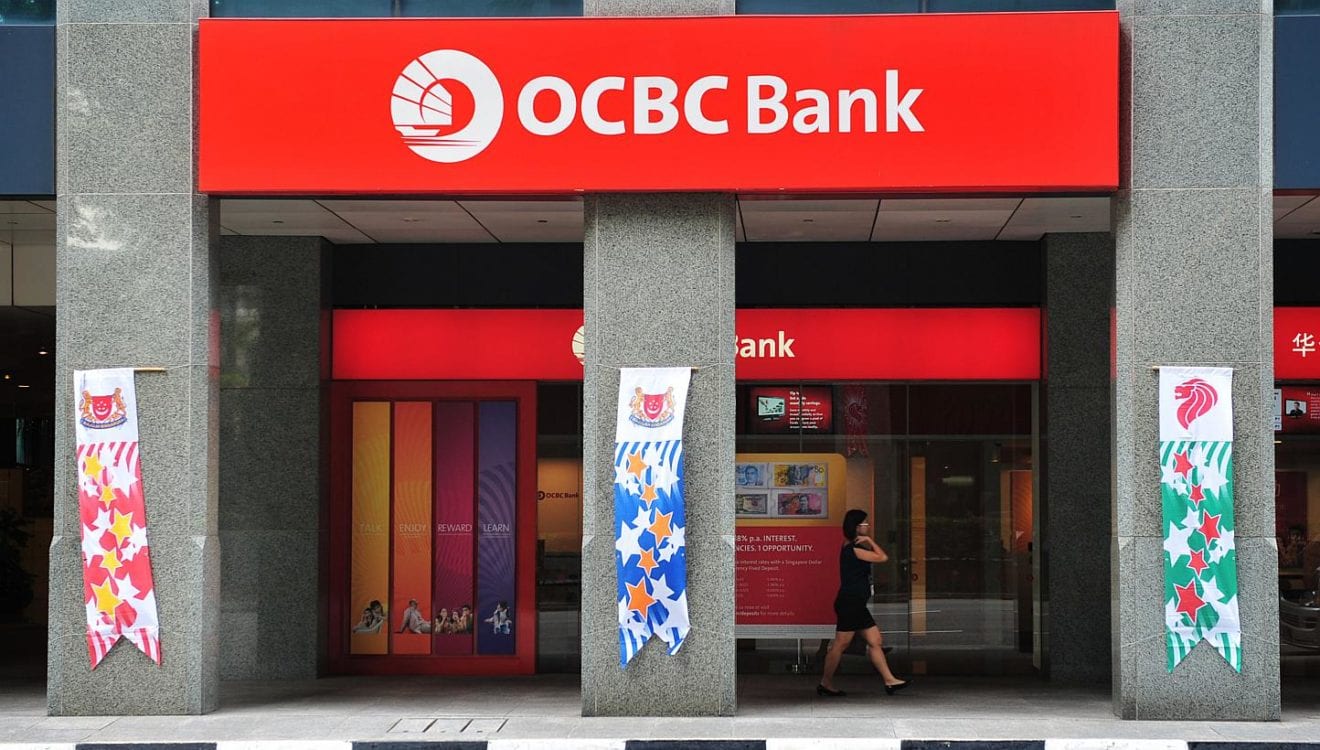
    Singapore’s OCBC bank has significantly advanced its position in the regional payments sector by incorporating eight major Southeast Asian digital wallets into its banking app. This move has established the most inclusive bank-to-wallet ecosystem in the region, according to the bank.

    The decision, facilitated by an expanded partnership with Visa, is designed to simplify remittances, reduce expenses, and bring countless unbanked consumers closer to digital financial services. Now, OCBC customers in Singapore can directly transfer money to top wallets in Indonesia, Malaysia, the Philippines, and Vietnam.

    The recently integrated wallets include the Philippines-based Coins and GCash, Indonesia’s GoPay, LinkAja, and Ovo, Vietnam’s Momo, the Philippines’ PayMaya, and Malaysia’s Touch ‘n Go. This addition builds upon the previous year’s integration of Weixin Pay and Alipay, bringing the total number of wallets to ten. Collectively, these wallets represent a user base of nearly 2.72 billion.

    Addressing the Needs of Singapore’s Foreign Workforce

    This improvement directly tackles the most significant challenges in conventional remittances, namely speed, cost, and accessibility. OCBC points out that a large number of foreign workers still depend on cash agents or manual transfers.

    Through bank-to-wallet connectivity, either the workers or their employers can send funds instantly and without any fees, even if the recipients do not have a bank account or access to physical branches. OCBC anticipates high adoption rates among Singapore’s 1.6 million foreign workers.

    Initial Success: Quadrupled Transfers to China

    OCBC introduced wallet transfers to China a year ago and has since processed more than S$60 million through this feature. Cross-border transfers to China have increased fourfold, with 90% of users avoiding branch visits. Three-quarters of these users are PMETs, primarily Chinese nationals sending money home. This initial success set the groundwork for the current broader rollout across Southeast Asia.

    Visa Partnership to Expand Global Reach

    The expanded capabilities have been made possible by Visa Direct, which links nearly 11 billion endpoints worldwide, including over 3.5 billion digital wallets. According to Adeline Kim, Visa’s Singapore country manager, Visa Direct is helping to “bridge financial gaps”. Moreover, six out of ten Singaporean remittance users anticipate maintaining or increasing their overseas transfers this year.

    OCBC’s Global Ambitions

    Sunny Quek, OCBC’s head of global consumer financial services, has said that the bank is making good on its promise to extend beyond China. He said that “By connecting OCBC accounts to eight of Southeast Asia’s most popular wallets, we are removing friction from cross-border payments and making remittances faster, cheaper, and more inclusive.”

    He further revealed OCBC’s long-term plan to connect its customers to 50 wallets globally, which would make its app “the most comprehensive wallet access of any banking app”.

    Boosting OCBC’s Regional Digital Presence

    This development further solidifies OCBC’s standing as a leading regional financial institution. As one of the world’s most highly-rated banks and one of the largest financial groups in Southeast Asia, OCBC continues to invest in consumer banking innovation in the face of growing competition in the digital payments and fintech landscapes.

    Questions & Answers

    What new capabilities has OCBC Bank added to its banking app?
    OCBC has integrated eight major Southeast Asian digital wallets into its banking app, facilitating direct money transfers to top wallets in Indonesia, Malaysia, the Philippines, and Vietnam.

    What are the benefits of this integration for OCBC customers?
    This integration simplifies remittances, reduces costs, and allows for the instant and fee-free transfer of funds – even if the recipients don’t have a bank account or access to physical branches.

    What is OCBC’s long-term vision for its banking app?
    OCBC aims to connect its customers to 50 wallets globally, with the goal of offering the most comprehensive wallet access of any banking app.

  • Lululemon Makes Stylish Strides in South Korea: Unveils First Asian Global Flagship Store in Seoul’s Gangnam District

    Lululemon Makes Stylish Strides in South Korea: Unveils First Asian Global Flagship Store in Seoul’s Gangnam District

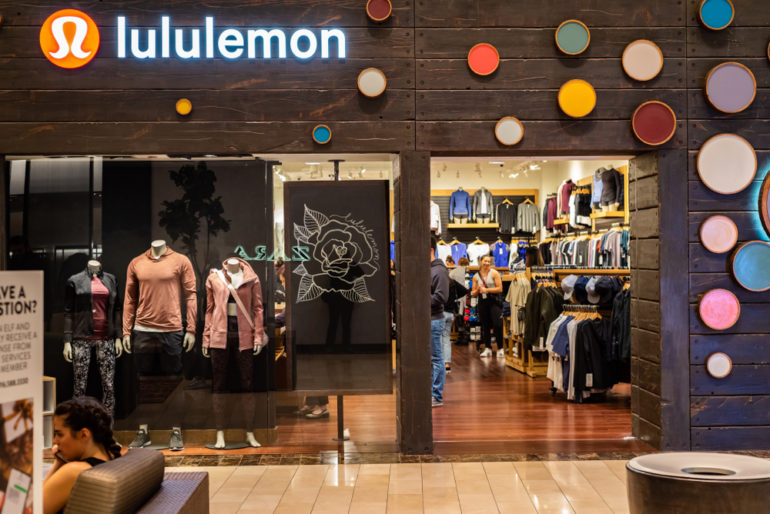
    Sportswear brand Lululemon has established its inaugural global flagship store in the heart of South Korea’s bustling Gangnam district. This 9000sqft, three-story location showcases the brand’s commitment to its growth strategy in the Asia Pacific region.

    A Fresh Retail Concept

    This new Korean flagship store introduces a unique retail design focused on movement and sensory engagement. Drawing inspiration from its Pacific Northwest roots, the store showcases structural materials and a sophisticated colour scheme to represent the brand’s heritage.

    The exterior of the store prominently features custom 3D-printed recycled materials. The design is influenced by the distinctive lines found in some of Lululemon’s most popular products.

    Expanding the Assortment

    In an effort to cater to a wider audience, the flagship store has allocated an entire floor to menswear. This expanded assortment targets not just sports and training wear, but also everyday and travel wear, meeting a range of consumer needs.

    Investing in the South Korean Market

    Gareth Pope, GM of Lululemon for the Asia Pacific region, spoke on the brand’s enthusiasm for the South Korean market. He stated, “Korea is one of the fastest-growing markets in our APAC portfolio. This flagship store represents a strategic investment in a market that continues to show significant momentum. This is driven by a vibrant community and an increasing demand for premium activewear.”

    Building on this momentum, the brand is keen on expanding its presence in Korea through new store formats, community events, and localized product assortments. “We are determined to deepen our connection with Korean consumers through personalized experiences, exclusive offerings, and continuous innovation in digital and physical retail,” Pope added.

    Strong Footprint in the Region

    The launch of the new flagship store in Korea takes the total number of Lululemon stores in Korea to 23. These stores are spread across key regions including Seoul, Gyeonggi, Busan, Daejeon and Daegu. Notably, the Gangnam location is the brand’s first flagship store in Asia and the fourth street-front store in Seoul, alongside existing stores in Cheongdam, Itaewon and Myeong-dong.

    Questions & Answers

    Where is Lululemon’s first global flagship store located?
    The store is located in Seoul’s Gangnam district in South Korea.

    What is the new retail design concept introduced by Lululemon in their flagship store?
    The new retail design is centered on movement and sensory engagement, with a colour palette and structural materials inspired by the brand’s Pacific Northwest origins.

    What does the establishment of the flagship store signify for Lululemon?
    The new flagship store represents Lululemon’s strategic investment in the South Korean market, and underpins the brand’s commitment to growth and deepening customer relationships in the Asia Pacific region.

  • Singapore and Nasdaq Unite to Establish Groundbreaking Dual Listing Link: A New Era for Asian Equities

    Singapore and Nasdaq Unite to Establish Groundbreaking Dual Listing Link: A New Era for Asian Equities

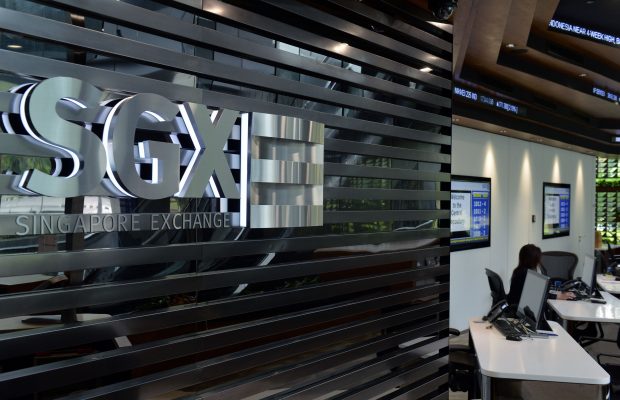
    Singapore is extending and enriching its equities market through a new collaboration with Nasdaq for dual listings. The Monetary Authority of Singapore (MAS) has developed a dual listing conduit that links the Singapore Exchange (SGX) and Nasdaq in the United States, thereby creating a novel board, as per the latest announcement.

    The New Board

    The new board is anticipated to commence operations around mid-2026 and will have a focus on “top-tier Asian growth firms” that have a market capitalisation of S$2 billion ($1.5 billion) or higher. The primary objective is to facilitate firms that have “an Asian connection and worldwide objectives” to raise funds from investors in both markets.

    The two exchanges have suggested a number of measures, all of which are subject to regulatory procedures. These include the use of a single set of offering documents to minimize regulatory hurdles and costs. According to MAS, the new system will “offer a direct and harmonized route for businesses to simultaneously access capital and liquidity across North America and Asia.”

    Equities Market Review

    As part of a broader initiative being undertaken by the Equities Market Review Group, the new bridge has been established. The group has recently concluded its examination of the stock market and released a final report.

    Additional initiatives announced include the introduction of a S$30 million package designed to assist listed companies in unlocking shareholder value and deepening engagement. There will be appointments for a second batch of asset managers as part of the S$5 billion Equity Market Development Program (EQDP). The program will also see several enhancements, such as strengthening market making, modernizing post-trade custody, and reducing board lot size.

    The second batch of asset managers will be allocated S$2.85 billion. The group includes Amova Asset Management (previously known as Nikko Asset Management), AR Capital, BlackRock, Eastspring Investments (Singapore), Lion Global Investors, and Manulife Investment Management (Singapore).

    Questions & Answers

    What is the objective of the new board?
    The new board aims to facilitate “top-tier Asian growth firms” with a market capitalization of S$2 billion ($1.5 billion) or more to raise funds from investors in both the Singapore and US markets.

    What measures have been proposed by the two exchanges for the new board?
    The two exchanges have suggested a number of measures including the use of a single set of offering documents to help reduce regulatory hurdles and associated costs.

    What are some of the initiatives announced by the Equities Market Review Group?
    The Group has announced several initiatives including a S$30 million package to assist listed companies, appointment of a second batch of asset managers under the Equity Market Development Program (EQDP), and various enhancements to strengthen market making, modernize post-trade custody, and reduce board lot size.

  • Pandora Jewelry’s Strategic Expansion: New Regional HQ and Factory to Accelerate Asian Market Growth

    Pandora Jewelry’s Strategic Expansion: New Regional HQ and Factory to Accelerate Asian Market Growth

    Pandora, recognized as the world’s leading jewelry brand in terms of sales volume, has announced its plan to establish a fresh regional headquarters in Singapore. The move forms part of a broader growth strategy designed to strengthen the company’s footprint across Asia.

    Why Singapore?

    Massimo Basei, Pandora’s Chief Commercial Officer, highlighted several reasons for choosing Singapore for this strategic move. He pointed out that the city-state’s robust business environment, dynamic economy, and strategic positioning within Asia were crucial in making this decision.

    Basei explained, “Singapore’s location, right at the heart of Asia, allows us to extend the right levels of support to markets ranging from Japan and South Korea to India and Southeast Asia.”

    A New Home for Pandora

    The Danish jewelry giant has inked a lease agreement for its new 8,600-square-foot office situated at Asia Square Tower 1 in Marina Bay. The new office is expected to become operational in the near future.

    Pandora has plans to expand its team by recruiting approximately 50 employees across various fields such as branding, marketing, and operations. The hiring process is anticipated to commence soon.

    Basei acknowledged that while Asia is home to some of the world’s largest jewelry markets, it remains relatively under-represented within Pandora’s global business landscape. He stated, “While we have had a presence in Asia, we now aim to intensify our focus on this region.”

    Current Market Position

    At present, the United States stands as Pandora’s most significant market, contributing to 32% of its revenue in the initial nine months of 2025. Other crucial markets are the U.K. (11%), Italy (7%), and Germany (7%).

    However, Pandora has been steadily reducing its operations in China due to flagging sales. Over the course of this year, the company has shut down 59 concept stores in China.

    Production Expansion

    In order to meet the expected increase in demand resulting from its Asian expansion, Pandora has launched a new production facility in Vietnam. The company commenced the construction of a US$150 million manufacturing site in Binh Duong, now a part of Ho Chi Minh City, in May last year. Production at this site is slated to start next year.

    Until now, all of Pandora’s jewelry has been produced at its three facilities in Bangkok and Lamphun, Thailand. The new Vietnam facility is projected to augment Pandora’s production capacity by approximately 50%, enabling the company to manufacture up to 60 million pieces annually. For context, Pandora produced a total of 113 million pieces in 2024.

    Questions & Answers

    Why did Pandora choose Singapore for its new regional headquarters?
    Singapore was selected due to its vibrant business environment, dynamic economy and strategic location in the heart of Asia.

    What is the main aim of Pandora’s expansion in Asia?
    While Pandora has had a presence in Asia, it aims to intensify its focus on the region, which is home to some of the world’s largest jewelry markets.

    How is Pandora planning to meet the increased production demand due to its Asian expansion?
    Pandora has set up a new factory in Vietnam, which will aid in increasing the production capacity by about 50%, enabling the manufacture of up to 60 million pieces annually.