Retail News CRM

Tag: asian

  • Swiss Innovation Meets Asian Fintech: Spotlight on Switzerland at Singapore Fintech Festival 2025

    Swiss Innovation Meets Asian Fintech: Spotlight on Switzerland at Singapore Fintech Festival 2025

    Switzerland is set to be a focal point at the Singapore Fintech Festival 2025, which will mark the country’s ninth consecutive year of participation. The Swiss Pavilion is a testament to how Swiss innovation, trust, and cooperation continue to significantly impact Asia’s rapidly transforming fintech and digital finance sector.

    Switzerland’s Stalwart Presence

    Since its initial appearance at the Singapore Fintech Festival, the Swiss Pavilion, facilitated by Switzerland Global Enterprise and the Swiss Business Hub South East Asia + Pacific, has become a fundamental aspect of the event. The combination of Switzerland’s extensive financial expertise and avant-garde technology offers a one-of-a-kind value proposition for global partners.

    The Pavilion, themed ‘Innovation Meeting Trust,’ underscores the nation’s leadership in digital assets, AI-driven finance, and secure financial infrastructure.

    Switzerland’s Deep Tech Prowess

    “Switzerland has become a beacon for deep tech capabilities, bolstered by its capacity to innovate with integrity,” stated Renée Koh, Deputy Head of the Swiss Business Hub South East Asia + Pacific.

    She indicated that Switzerland could serve as a connecting bridge for Asia’s vast deep tech ambitions, linking ecosystems through trust, expertise, and a shared vision.

    Establishing Connections Among Innovation Hubs

    The Pavilion, part of Switzerland’s broader global innovation strategy, which includes its forthcoming participation at Expo 2025 Osaka, emphasizes the country’s dedication to sustainable, trust-based innovation.

    Given the rapidly growing fintech scene in Asia, Swiss institutions are positioning themselves as trustworthy partners for research, venture scaling, and digital transformation efforts.

    Koh highlighted the Swiss collaborative model that underpins their global success, “Our innovation infrastructure is intended for partnerships, be it through talent acquisition, R&D alliances or venture scaling.”

    Showcasing Swiss Excellence

    The 2025 Pavilion congregates an impressive variety of Swiss companies and institutions pushing the frontiers of global finance. The participants, including the Swiss National Bank, Securosys, ti&m, Chartered Investment, QAI Ventures, Scenario-X, Unique.ai, and Zweyberg, showcase Switzerland’s strengths in secure technology, asset tokenization, AI, and wealth management innovation.

    The exhibits represented at the Pavilion, ranging from tokenized investment structures to AI-based identity verification, reflect the expanse of Switzerland’s fintech ecosystem. The Swiss National Bank’s involvement, in particular, underscores the central role of innovation in contemporary central banking and digital currency research.

    A Platform for Collaboration

    The Singapore Fintech Festival, the world’s largest fintech gathering, is organized by the Monetary Authority of Singapore (MAS) in partnership with The Association of Banks in Singapore. The Festival brings together policymakers, technologists, and financial leaders, providing an excellent platform for Switzerland to bolster its reputation for stability, integrity, and superior quality innovation.

    Switzerland’s consistent presence via the Swiss Pavilion not only highlights the country’s fintech leaders but also strengthens cross-border collaboration with Asia’s financial juggernauts.

    This year’s participation emphasizes Switzerland’s message: that innovation, trust, and global collaboration are the core pillars of the digital economy.

    Questions & Answers

    What is Switzerland’s theme for the Singapore Fintech Festival 2025?
    Switzerland’s theme for the festival is ‘Innovation Meeting Trust,’ which highlights its leadership in digital assets, AI-driven finance, and secure financial infrastructure.

    What is the role of the Swiss Pavilion at the Singapore Fintech Festival?
    The Swiss Pavilion demonstrates Switzerland’s extensive financial knowledge and cutting-edge technology, offering a unique value proposition for global partners. It also showcases a variety of Swiss companies pushing the boundaries of global finance.

    What does Switzerland’s consistent presence at the Singapore Fintech Festival signify?
    Switzerland’s ongoing presence highlights the country’s financial technology leaders, while also strengthening cross-border collaboration with Asia’s financial powerhouses. It underlines Switzerland’s commitment to innovation, trust, and global collaboration.

  • Amazon’s Budget-Friendly Haul Takes on Asian Market: A Thrifty Revolution in E-commerce

    Amazon’s Budget-Friendly Haul Takes on Asian Market: A Thrifty Revolution in E-commerce

    Amazon disclosed its expansion plans for its cost-effective e-commerce service, Amazon Bazaar, on a recent Friday. Known in the United States as Haul, the service is now available in 14 new markets, intensifying competition with Chinese counterparts like Shein and PDD Holdings’ Temu in the worldwide race to sell budget-friendly products such as $10 dresses and $5 accessories.

    Impact of Import Tariffs

    The import tariffs imposed by former U.S. President Donald Trump made a noticeable dent in consumer sentiment, more so among the lower-income groups, who are frequently on the lookout for economical deals.

    Amazon Bazaar Versus Amazon Haul

    Amazon Bazaar operates through a standalone app, offering merchandise akin to Amazon Haul. The latter is a budget-conscious shopping section within the primary Amazon app, which was launched in the prior year.

    Having made its debut in Mexico last year, Amazon Bazaar is set to deliver the majority of its products, priced under $10 and some as low as $2, to its newest markets. These markets span a range of categories, from home goods to fashion, as per the e-commerce behemoth.

    Amazon Bazaar’s New Markets

    Amazon Bazaar’s low-cost e-commerce service has ventured into newer markets such as Hong Kong, the Philippines, Nigeria, and Taiwan. Following its launch in Mexico, the service expanded to Saudi Arabia and the United Arab Emirates.

    DA Davidson & Co analyst Gil Luria highlighted the significance of Amazon Bazaar’s expansion, noting it as a crucial step in Amazon’s international growth strategy. According to Luria, Amazon only ventures into a market if it can scale up to a level that both delights consumers and builds a profitable business.

    Luria further mentioned that the company often takes several years to achieve profitability when entering new countries and markets. Amazon recently reported its third-quarter international revenue at $40.9 billion, witnessing a 10% growth from the same period last year, excluding the impact of foreign exchange fluctuations.

    Luria also posited that if Amazon can successfully build a business around selling a small selection of inexpensive items with appealing service levels, it could potentially extend its services beyond its core 23 markets to nearly every other country globally.

    Global Fulfilment Centers and Service Partners

    Amazon stated that products on Amazon Bazaar are shipped directly from the company’s global fulfillment centers to the designated destinations and delivered to customers via its network of service partners.

    Expansion of Competitors

    Shein and Temu, Amazon’s rivals in the space, have also accelerated their expansion outside the United States. While Shein operates in over 160 countries, including the U.S., Brazil, Ireland, and Southern China, Temu ships to at least 70 countries.

    The Launch and Expansion of Amazon Haul

    In 2024, Amazon launched Haul in the U.S., which has since expanded the in-app service to Britain, Germany, France, Italy, Spain, Japan, and Australia.

    Questions & Answers

    What is Amazon Bazaar?
    Amazon Bazaar is a low-cost e-commerce service by Amazon, known as Haul in the U.S., which sells a wide range of budget-friendly products.

    Which new markets has Amazon Bazaar entered recently?
    Amazon Bazaar has recently expanded its services to 14 new markets, including Hong Kong, the Philippines, Nigeria, and Taiwan.

    How does Amazon Bazaar operate?
    Amazon Bazaar operates through a standalone app and ships products to customers directly from Amazon’s global fulfillment centers via its network of service partners.

  • HSBC Amplifies Asian Venture Ecosystem with $1.5 Billion Innovation Banking Hub in Singapore

    HSBC Amplifies Asian Venture Ecosystem with $1.5 Billion Innovation Banking Hub in Singapore

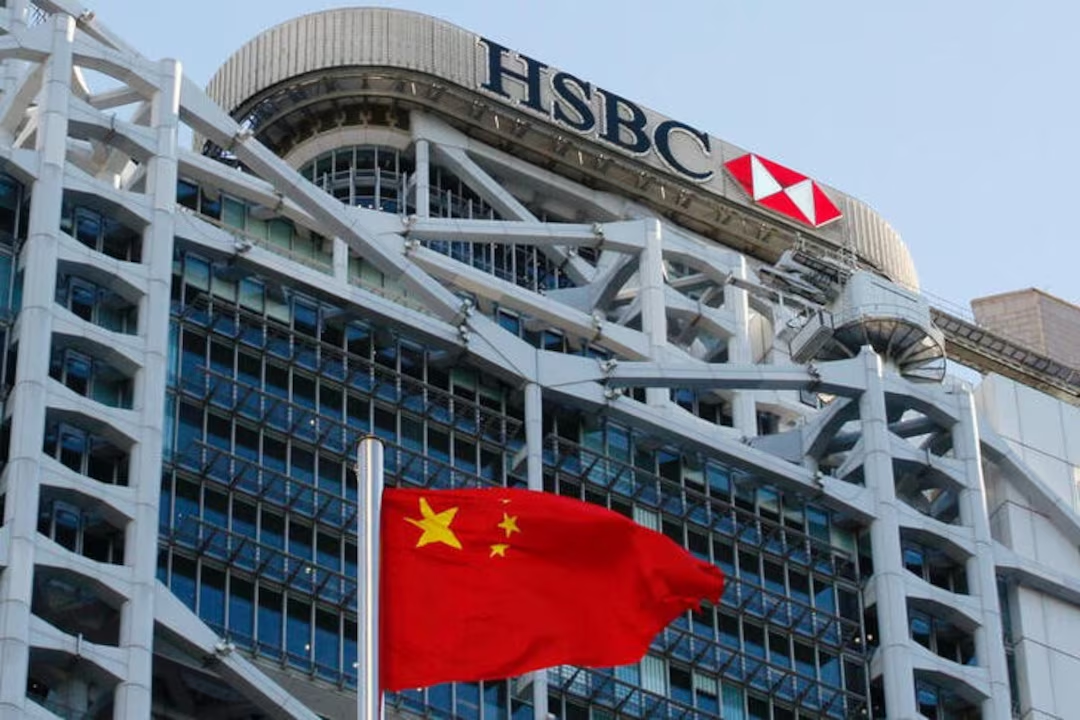
    HSBC is making a significant stride into the Singaporean market with the establishment of its Innovation Banking division. This move is marked by a considerable investment of $1.5 billion, aimed at promoting rapid expansion firms and improving the local venture ecosystem.

    Services and Leadership

    The department is structured to cater to venture-supported enterprises and investors by offering specialized products and sector knowledge. Additionally, it will provide access to the vast global network of HSBC. Neil Falconer, freshly appointed as the Head of Innovation Banking in Singapore, will lead a committed team to assist current clients and broaden coverage. Concurrently, he will maintain his role in managing the Consumer, Healthcare, and TMT sectors within the International Mid-Market segment of HSBC.

    Establishment of Credit Solutions Team

    In line with the new initiative, HSBC has also founded a Credit Solutions team. Shaun Sakhrani, the Head of Credit Solutions for Singapore and the Asia Head of Platform Lending, will lead this team. The group will offer a range of financial structures to Innovation Banking clients, including venture debt and platform finance.

    Singapore, A New Addition to HSBC’s Innovation Banking

    HSBC’s Innovation Banking launch in Singapore marks the third expansion within the Asia-Pacific region in the current year. This addition bolsters its presence across the globe, joining branches in the US, UK, Australia, New Zealand, Israel, Continental Europe, India, Hong Kong, and mainland China.

    Since its launch in 2023, HSBC’s Innovation Banking has witnessed a remarkable growth in its clientele, with an increase of nearly 60 percent. The bank now boasts of a robust team of over 900 innovation finance experts with a global connection.

    In Singapore, HSBC has been backing new-economy businesses since 2021, achieving double-digit revenue growth and supporting companies such as Atome Financial, Glife Technologies, and Tickled Media.

    Singapore: A Thriving Start-Up Hub

    Singapore houses over 4,000 start-ups and flaunts a pulsating network of accelerators, incubators, and investors. As Gilbert Ng, Head of Banking – Singapore, Corporate and Institutional Banking at HSBC, stated, the city-state is an attractive hub for the start-up ecosystem in Asia-Pacific.

    Questions & Answers

    What is the main aim of HSBC’s Innovation Banking division in Singapore?
    The division aims to support high-growth companies and enhance the venture ecosystem in the region.

    Who will lead the newly established Credit Solutions team?
    Shaun Sakhrani, the Head of Credit Solutions for Singapore and the Asia Head of Platform Lending, will lead the Credit Solutions team.

    How has HSBC’s Innovation Banking grown since its launch?
    Since its inception in 2023, the client base of HSBC’s Innovation Banking has grown by nearly 60 percent. It now includes more than 900 globally connected innovation finance experts.

  • Mouawad Debuts First Asian Boutique in Bangkok, Unveiling Masterpiece Collection of Rare Gems

    Mouawad Debuts First Asian Boutique in Bangkok, Unveiling Masterpiece Collection of Rare Gems

    The famed fine-jewellery brand, Mouawad, has expanded its global presence with the inauguration of its premier boutique in Thailand. Located on the ground floor of The Emporium in the bustling city of Bangkok, this new establishment marks the brand’s initial foray into the Asian retail location.

    Mediterranean-Inspired Boutique Design

    Mouawad’s Bangkok boutique showcases a unique Mediterranean-inspired design. It is adorned with terracotta tones, arches, and olive motifs, echoing the aesthetic first debuted at Mouawad’s London store. This design concept is meant to provide a warm, welcoming atmosphere to entice and exhilarate its clientele.

    Sun on the Seven Wonders Masterpiece Collection Launch

    To celebrate the opening of the new boutique, Mouawad is unveiling its complete ‘Sun on the Seven Wonders’ Masterpiece Collection. This collection, which pays tribute to iconic global landmarks, features yellow diamonds as a primary motif. The stunning pieces are designed to encapsulate the splendour and grandeur of these world wonders.

    Appreciation of Asian Clientele

    Fred Mouawad, co-guardian of the house, expressed his enthusiasm for the Bangkok boutique’s opening. He acknowledged the city’s importance as a nexus of culture and luxury, and expressed gratitude towards the Asian clientele, whose respect for artistry and heritage perpetually inspires the brand’s evolution.

    Mouawad: A Legacy of Craftsmanship

    Established in 1890, Mouawad has its headquarters in Geneva. The brand is renowned for its exceptional craftsmanship, particularly with rare gemstones. It is also a multiple Guinness World Records recipient for its exquisite diamond creations.

    The Bangkok boutique signifies Mouawad’s strategic move to increase its presence in Asia, a region that remains highly significant in the high-end jewellery market.

    Questions & Answers

    What is unique about the design of Mouawad’s new boutique in Bangkok?
    The Bangkok boutique showcases a Mediterranean-inspired design, featuring terracotta tones, arches, and olive motifs. This aesthetic was first introduced in Mouawad’s London store.

    What is the ‘Sun on the Seven Wonders’ Masterpiece Collection?
    The ‘Sun on the Seven Wonders’ Masterpiece Collection is a series of jewellery pieces inspired by iconic global landmarks. It features yellow diamonds as a primary motif.

    What is Mouawad’s relationship with the Asian market?
    Mouawad values its Asian clientele for their appreciation of artistry and heritage. The opening of its Bangkok boutique marks the brand’s first retail location in Asia, hinting at a strategic plan to grow its presence in this key market for high-end jewellery.

  • Sukoshi’s Largest Store Yet: Canadian Beauty Retailer Expands Footprint With New York Launch

    Sukoshi’s Largest Store Yet: Canadian Beauty Retailer Expands Footprint With New York Launch

    Canadian beauty retailer, Sukoshi, is poised to continue its North American expansion with the opening of its largest store in New York next month. This marks a significant milestone in the company’s growth strategy, reflecting its ambition to increase its footprint in the region.

    Store Details

    The new store will be located on Third Avenue in New York City’s prestigious Upper East Side. In line with Sukoshi’s brand aesthetics, the store interior will be adorned with a ‘matcha’ green colour scheme. It will be stocked with beauty products from two notable brands: Red Chamber and Girlcult.

    Linda Dang, CEO of Sukoshi, expressed her vision for the brand, stating, “Our mission is to champion brands that set high standards and to create spaces where discovery and education make beauty more meaningful for every customer.”

    Company Overview

    Sukoshi, established in 2018, is a purveyor of Asian beauty products. Currently, it represents over 200 beauty brands across 15 stores throughout North America. Additionally, the company has ambitious expansion plans for the upcoming year, including opening more than 20 new locations in the US market.

    Sukoshi also has plans to establish a presence in several shopping centres across the US. Locations for future stores include Lenox Square, Aventura Mall, King of Prussia, and Bellevue Square.

    Previous Successes

    In the previous year, Sukoshi launched its first retail outlet, Sukoshi Mart, in the Roosevelt Field mall. This establishment was in association with Simon Property Group and featured alongside prominent retailers like Neiman Marcus, Bloomingdale’s, Nordstrom, and Macy’s.

    Questions & Answers

    What is Sukoshi?
    Sukoshi is a Canadian-based beauty company that offers Asian beauty products from over 200 brands. Since its founding in 2018, it has grown to operate 15 stores across North America.

    What is significant about Sukoshi’s upcoming store in New York?
    The upcoming New York store will be Sukoshi’s largest store to date and represents a key part of its expansion plans in the North American market.

    What are Sukoshi’s future expansion plans?
    The company plans to open more than 20 new stores in the US market this year. Additionally, it intends to launch stores in several shopping centres across the US, including Lenox Square, Aventura Mall, King of Prussia, and Bellevue Square.

  • Apparel Giants Adidas And Uniqlo Grapple With Rising Tariffs On Asian Imports

    Apparel Giants Adidas And Uniqlo Grapple With Rising Tariffs On Asian Imports

    Adidas and Fast Retailing have joined the ranks of apparel magnates grappling with the reality of increased product costs in the United States due to new import tariffs levied on key Asian manufacturing nations.

    The Impact of Rising Tariffs

    The US has instigated reciprocal import duties of 20 per cent on Vietnam, 35 per cent on Bangladesh, 36 per cent on Cambodia, and 19 per cent on Indonesia and the Philippines. These tariffs target those countries that rule the roost in the worldwide apparel sourcing industry.

    Adidas CEO, Bjorn Gulden, has indicated that these tariffs could hike the company’s product costs in the US by a staggering US$218 million for the remainder of the year. “The tariffs will directly increase the cost of our products for the US,” Gulden commented. He added that Vietnam is Adidas’ chief production hub for the American market. The company has already felt the sting of tariff-related losses amounting to “double-digit euro millions” in the second quarter.

    Price Adjustments and Strategy

    Fast Retailing CFO, Takeshi Okazaki, confirmed that Uniqlo is set to raise prices to counteract escalating costs. “We will adjust prices flexibly, considering tariffs and other costs to strike a balance between price and value,” he stated. Fast Retailing oversees 74 Uniqlo stores in the US and sources extensively from Southeast Asia, including 60 factories in Vietnam, 27 in Bangladesh and 19 in Cambodia.

    Other world-class corporations are also bracing for the cost surge. Nike, which manufactures half its footwear in Vietnam and 27 per cent in Indonesia, previously announced its anticipation of an additional $1 billion in tariff-related costs and has already initiated price increases. Gap had previously forecasted $250 million to $300 million in extra costs, and H&M has hinted at contemplating price adjustments.

    The Apparel Trade Landscape

    According to the US International Trade Commission, apparel imports into the country amounted to $79.3 billion last year, equivalent to one-fifth of the global total. Vietnam was responsible for 18 per cent of the US market, followed by Bangladesh (9 per cent), India (6 per cent), and Indonesia (5 per cent).

    Questions & Answers

    What is the projected increase in Adidas’ product costs in the US due to the new tariffs?
    Adidas CEO, Bjorn Gulden, estimates that the tariffs could increase the company’s US product costs by up to US$218 million for the rest of the year.

    How is Fast Retailing planning to handle the rising costs due to tariffs?
    Fast Retailing CFO, Takeshi Okazaki, has confirmed that Uniqlo will raise prices to offset the rising costs. He stated that the company will adjust prices flexibly, considering tariffs and other costs to strike a balance between price and value.

    What is the value of apparel imports into the US according to the US International Trade Commission?
    The US International Trade Commission reports that the value of apparel imports into the country last year was $79.3 billion, which is equal to one fifth of the global total.

  • Richemont Reports 6% Quarterly Sales Rise Thanks To Cartier, Van Cleef & Arpels Jewelry Brands

    Richemont Reports 6% Quarterly Sales Rise Thanks To Cartier, Van Cleef & Arpels Jewelry Brands

    The Swiss luxury conglomerate, Richemont, reported a six per cent increase in quarterly sales, attributing the growth to the continued popularity of its fine jewelry brands, Cartier and Van Cleef & Arpels, among affluent consumers.

    Quarterly Sales Figures

    For the first quarter, ending June, the firm posted sales of 5.4 billion euros. This figure mirrors the projected six per cent growth in accordance with the forecast set by financial analysts.

    The powerhouse behind the group’s expansion was the jewelry division, which reported an 11 per cent sales increase. However, the company’s watch division, which comprises esteemed brands such as Vacheron Constantin and Jaeger LeCoultre, did not perform as well. Watch sales were seven per cent lower on a year-on-year basis, although this represents a minor recovery from the 11 per cent decline witnessed in the preceding quarter.

    Global Market Performance

    The Swiss watch industry, currently grappling with potential tariff threats in the United States, is predicted to report its lowest wristwatch export volumes since the onset of the pandemic in 2020.

    Regionally, sales performance varied. In the Americas, primarily the U.S market, sales improved mildly – up 17 per cent, surpassing the 12 per cent growth forecast. Conversely, sales in Asia remained stagnant, as a seven per cent sales slump in China, Hong Kong, and Macau was counterbalanced by robust business activities in other parts of the continent.

    Questions & Answers

    Which Richemont division led the group’s growth? The jewelry division led Richemont’s growth, reporting an 11 per cent increase in sales.

    How did the watch division perform? The watch sales were seven per cent lower on a year-on-year basis.

    How did sales vary across regions? Sales improved in the Americas, particularly in the U.S, by 17 per cent. In Asia, sales remained stagnant due to a seven per cent sales decrease in China, Hong Kong, and Macau, offset by stronger business in other Asian regions.

  • Us Clothing Brands Brace For Impact As Tariffs On Asian Textile Suppliers Soar

    Us Clothing Brands Brace For Impact As Tariffs On Asian Textile Suppliers Soar

    The US retail clothing and footwear industries are contending with increased tariff pressure as the government announced levies on numerous countries, including key Asian textile suppliers such as Vietnam and Indonesia. The tariffs are expected to be between 25 and 40 per cent.

    Impact Analysis on US Brands

    Here’s a look at how these tariffs might affect several key US clothing and footwear companies, based on their manufacturing locations.

    Ralph Lauren

    Ralph Lauren, which sources most of its goods from overseas, gets approximately 19 per cent from Vietnam and 15 per cent from China. Despite potential disruptions, the company remains confident in the diversified nature of its supply chain.

    Nike

    Nike imports about 43 per cent of its goods into the US. Its sports footwear production is split between Vietnam (50 per cent), Indonesia (27 per cent), and China (18 per cent). The brand’s sports apparel production is primarily sourced from Vietnam (28 per cent), China (16 per cent), and Cambodia (15 per cent). Nike plans to reassign its production in response to the new tariffs.

    Skechers

    Skechers sources roughly 40 per cent of its products from both China and Vietnam. The company is shifting its import sources away from China and relocating some of its production bases.

    Capri

    The majority of Capri’s Michael Kors line is produced in Asia, while Italy is the primary production location for Jimmy Choo. The company has been increasing production in Vietnam, Indonesia, and Cambodia.

    Tapestry

    Tapestry primarily manufactures in Vietnam, Cambodia, and the Philippines, which combined account for about 70 per cent of its production.

    American Eagle

    American Eagle primarily sources from Asia and plans to reduce its dependence on China by 2025.

    Abercrombie & Fitch

    Abercrombie & Fitch’s sourcing is split between Vietnam (35 per cent), Cambodia (22 per cent), India (12 per cent), China (7 per cent), and other locations (25 per cent).

    Lululemon

    Lululemon’s fabric sourcing is divided between Taiwan (35 per cent), China (28 per cent), and South Korea (11 per cent). Its manufacturing operations are in Vietnam (40 per cent), Cambodia (17 per cent), Sri Lanka (11 per cent), Indonesia (11 per cent), and Bangladesh (7 per cent).

    Puma

    Puma sources 30 per cent of its goods from China, 26 per cent from Vietnam, 13 per cent from Cambodia, and 12 per cent from Bangladesh.

    Questions & Answers

    What is the potential tariff exposure for US clothing and footwear companies?
    These companies could be exposed to new tariffs ranging from 25 to 40 per cent on imports from numerous countries.

    How are companies like Nike and Ralph Lauren responding to these tariffs?
    Companies are responding by diversifying their supply chains, relocating production, and reassigning production to manage the impact of the tariffs.

    Which countries are major sources for these US companies?
    Vietnam, China, Cambodia, Indonesia, and Taiwan are among the major sources for these US companies.

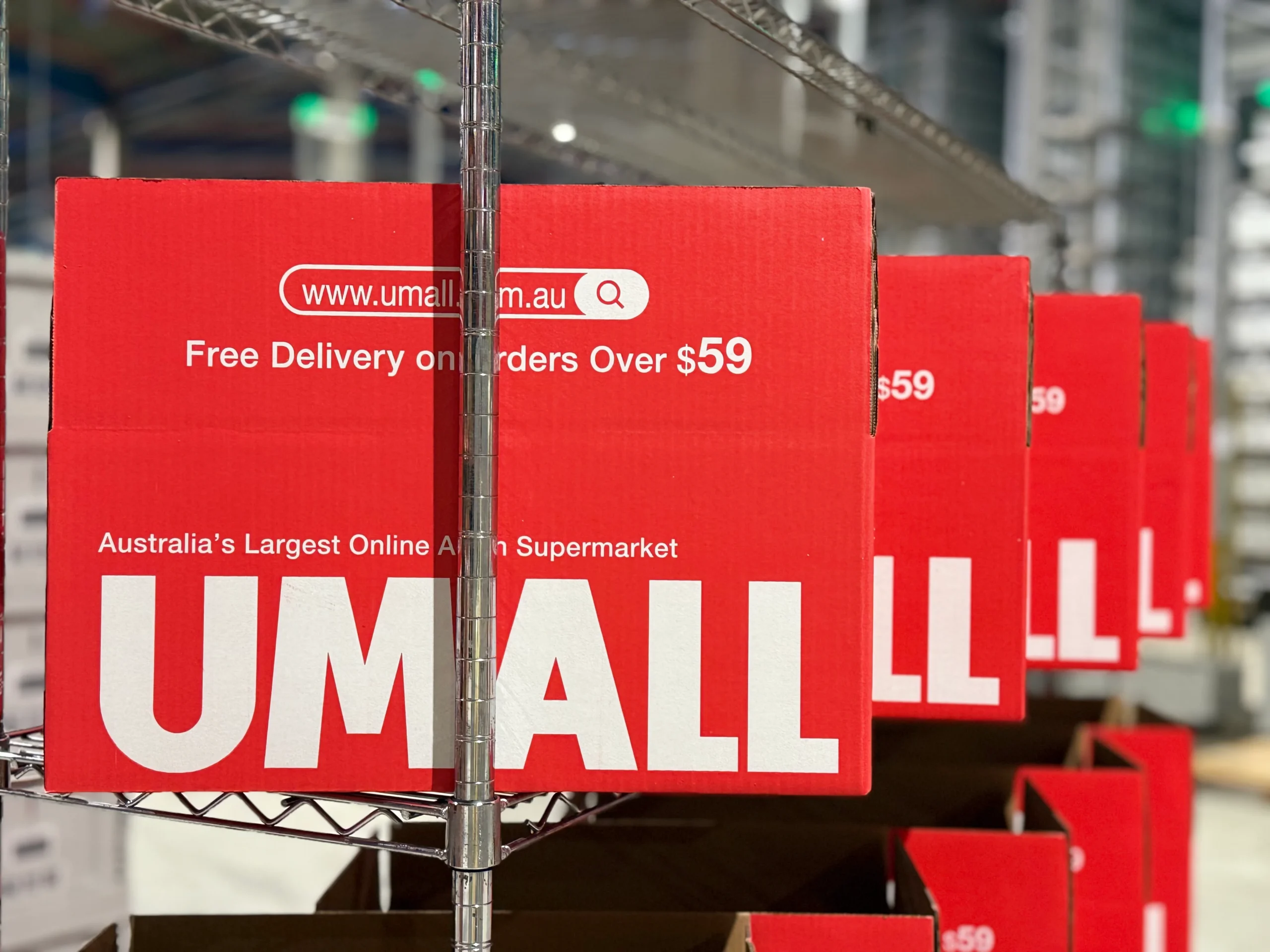
  • Umall Acquires Asian Grocer Online: A Strategic Leap In Multicultural Grocery Sector

    Umall Acquires Asian Grocer Online: A Strategic Leap In Multicultural Grocery Sector

    Umall, an Australian e-commerce platform, recently announced its acquisition of Asian Grocer Online (AGO) in a bid to expand its presence in the multicultural grocery sector.

    Strategic Acquisition

    This acquisition represents a significant development in Umall’s ongoing expansion efforts. The company refers to this move as a “key milestone” in its growth trajectory. As part of this acquisition, AGO’s website is currently unavailable due to system enhancements. However, the company is working towards launching a fully refurbished, unified platform that combines the strengths of both brands.

    Expanding Reach

    With the integration of AGO’s category expertise and dedicated customer base, Umall aims to solidify its leadership position in the multicultural grocery space. The company intends to broaden its reach across Australia, providing a more diverse range of products to its customers.

    New Online Asian Supermarket

    The acquisition of AGO comes on the heels of Umall’s recent launch of a new online Asian supermarket. This venture seeks to provide a broader array of culturally diverse products, all delivered straight to customers’ homes.

    Investments in Technology

    Umall attributes much of its rapid growth to its significant investments in advanced technologies such as AI, automation, and robotics. The company maintains that these technologies have enabled it to provide faster, fresher, and more efficient service in comparison to traditional retailers.

    Questions & Answers

    What does Umall’s acquisition of AGO indicate?
    This acquisition suggests Umall’s strategic plan to extend its influence in the multicultural grocery sector and solidify its leadership position.

    What is the plan following the acquisition?
    The current plan is to launch a fully revamped, unified platform that leverages the strengths of both Umall and AGO. This integrated platform aims to provide a wider array of culturally diverse products.

    What has contributed to Umall’s rapid growth?
    Umall attributes a significant part of its rapid expansion to its substantial investments in AI, automation, and robotics. These technologies, according to the company, allow it to provide faster and more efficient service than traditional retailers.

  • Digital Transformation: Shaping the Future of Asian Retail

    Digital Transformation: Shaping the Future of Asian Retail

    In recent years, the Asian retail landscape has undergone a dramatic transformation powered by rapid digital innovation. Traditional brick-and-mortar models are being reshaped by a surge in online shopping, mobile payments, and customer data analytics. Retailers are increasingly leveraging technology to engage consumers and enhance operational efficiency. This shift, accelerated by changing consumer behaviors and advanced digital infrastructures, is redefining competitive strategies across the region. As retail professionals navigate these changes, they face both challenges and opportunities in balancing physical presence with digital capabilities. The following analysis explores the evolving trends that are set to define the future of Asian retail.

    Evolution of Retail in Asia: From Brick-and-Mortar to Digital Ecosystems

    Across Asia, historic retail formats are rapidly giving way to digital ecosystems that integrate online and offline experiences. Urban centers in countries like China, Japan, and India are witnessing an increasing shift from traditional stores to interactive digital platforms. This evolution is fueled by broader connectivity, greater smartphone adoption, and evolving consumer expectations for convenience and personalization. Many retailers now blend e-commerce with physical outlets, offering omnichannel services that streamline purchases and support customer engagement. This integration is transforming market operations and setting new benchmarks for service efficiency and product accessibility. Overall, this shift is paving the way for a refreshed consumer experience.

    Integrating Entertainment and Retail: The Digital Shift

    Digital innovation has blurred the lines between entertainment and retail, creating immersive experiences that drive customer engagement. Modern retailers are adopting strategies from the entertainment industry to capture the attention of tech-savvy consumers. Interactive digital displays, live-streamed events, and gamified shopping experiences are now common features in contemporary retail environments. Moreover, platforms in sectors such as online gaming offer models of user engagement that retail can emulate. For instance, some digital gaming services integrate social interaction and real-time decision-making to keep users actively involved. An example of this cross-industry innovation can be seen with Singapore online poker options, which showcase how advanced digital interfaces coupled with secure transactions can create compelling user journeys. By adopting similar interactive tools, retailers are better able to personalize experiences, boost loyalty, and differentiate themselves in a competitive market. This strategy not only enhances brand perception but also drives sustainable consumer engagement in a digitally driven era.

    Building a Digital Infrastructure for Retail Growth

    A strong digital infrastructure is the backbone of modern retail success. Retailers are investing in technologies such as cloud computing, big data analytics, and mobile platforms to ensure efficient operations and superior customer experiences. These systems enable real-time tracking of inventory and consumer behavior, allowing businesses to be agile and responsive to market changes. Such investments not only streamline operations but also foster innovation through artificial intelligence and automation. Recent research highlights that digital trade in the Asia-Pacific region has experienced robust growth. For example, there has been a marked increase in digitally deliverable exports, underscoring the importance of a solid digital foundation for business competitiveness. By prioritizing digital infrastructure, retailers are better positioned to meet evolving market demands and unlock new revenue streams in an increasingly dynamic economic landscape. Investing in these digital systems not only drives operational excellence but also prepares businesses for future challenges. This commitment is critical.

    Market Outlook and the Role of Data in Strategic Adaptation

    The post-pandemic recovery in Asia has underscored the vital role of digital readiness in retail. Consumer behavior continues to evolve rapidly, with data-driven insights guiding strategic decisions. The OECD’s Southeast Asia Economic Outlook notes modest yet consistent retail sales growth, offering a positive forecast for the sector. Retailers are now harnessing advanced analytics to understand market trends and optimize inventory management. Such data integration empowers businesses to tailor personalized shopping experiences and improve customer satisfaction. Innovative strategies, driven by real-time data, are enabling companies to anticipate consumer needs and respond swiftly to market fluctuations. By embracing digital tools and robust analytical frameworks, retailers can enhance operational efficiency and drive sustainable growth in a competitive landscape. This proactive approach improves performance and strengthens the ability to respond to evolving trends. As technology advances, data will stay central to retail transformation.

    Future Prospects and Strategic Lessons for Retail Leaders

    Looking ahead, the convergence of digital and physical retail promises to redefine consumer interaction across Asia. Retailers are increasingly adopting hybrid models that integrate seamless online processes with personalized in-store experiences. Innovative technologies such as augmented reality and artificial intelligence are set to transform shopping, offering immersive environments that captivate modern consumers. Companies that invest in these technologies are likely to gain a competitive edge in a fast-evolving market. Moreover, sustainable retail growth will depend on agility, data-driven decision-making, and continuous innovation. For example, Alibaba is betting big on Vietnam’s e-commerce potential, which highlights successful strategies in digital transformation. In this era of rapid change, strategic foresight and technology adoption remain essential for long-term success and market leadership. Retail leaders must innovate to anticipate evolving industry trends and maintain a competitive position. Innovation and data will drive retail success.

  • Asian markets up after China ends travel quarantine

    Asian markets up after China ends travel quarantine

    Asian markets rose on Tuesday after China said it would end quarantine for arrivals, spurring hopes for the revival of the world’s second-largest economy and boosting oil which continued its upward surge on fears of Russian production cuts.

    China has abruptly reversed its strict pandemic restrictions even as a surge in infections overtakes the country.

    The latest easing will see three years of border controls end on January 8 when Beijing downgrades Covid-19 to a Class B infectious disease.

    People in China have since gone rushing to search for overseas flights, with the reopening set to be a boon for the travel industry.

    China’s benchmark Shanghai index and the second index in Shenzhen both posted healthy gains, while Tokyo ended a shade higher with Seoul, Singapore and Mumbai all also up.

    Markets in Hong Kong and Sydney were still closed for a holiday.

    “Global equities climbed Tuesday while the dollar declined amid positive sentiment from China upping the speed limits on zero-Covid off ramps and the softening of a key inflation measure in the U.S.,” Stephen Innes of SPI Asset Management said.

    “Inbound tourism is not a huge economic bounty for China relative to domestic tourism but policy fast-track and early zero-Covid exit means growth could recover enormously,” he added.

    Markets have also been buoyed by fresh data last week that indicated a slowing of U.S. inflation, as well as an uptick in consumer spending, which saw Wall Street take gains into the Christmas break.

    But the news was not definitive and all eyes will be on how the Federal Reserve raises interest rates to balance inflationary concerns alongside the possibility of a recession caused by increased borrowing costs.

    Following a holiday for commodities traders on Monday, oil continued its surge after a senior official said Russia could cut up to 7% of its production next year.

    Production was also curtailed by freezing conditions in the United States, where more than 1.8 million barrels a day of oil processing capacity in Texas was hit by the extreme weather.

    Both Brent Crude and West Texas Intermediate jumped around 0.5% on the supply shortfalls and expectations of renewed demand from China.

  • Asian online shoppers are visiting more sites before buying

    Asian online shoppers are visiting more sites before buying

    Savvy Southeast Asian consumers are shop-hopping across an average of 5.2 online sites before making a purchasing decision, up from 3.8 sites last year.

    The insight is among those unveiled by a new joint Facebook and Bain & Company report that shows digital growth in the region has surpassed previous projections. This year’s survey covered around 16,500 digital consumers in six nations within the territory who made an online purchase in at least two product categories within the past three months.

    The report finds that consumers are ultimately searching for better pricing (42 percent of respondents) and product quality (34 percent) when browsing across sites, suggesting the potential for building brand loyalty and growth in a fractured e-commerce market for players offering reliability and value.

    According to the report, Southeast Asian digital consumers will number around 310 million by the end of the year, 75 percent of total consumers within the region – growth originally forecasted for 2025 in last year’s study, indicating a five-year acceleration within this year alone. The average spend per consumer by 2025 is now projected to be 3.5 times that of figures for 2018, with spending patterns between Tier 1 and 2 cities narrowing.

    “With five years of digital acceleration condensed into one – the impact of digital adoption on businesses has never been more apparent,” said Gaming MD Sandhya Devanathan. “It is vital for businesses to connect with consumers in ways that are frictionless and to replicate in-person interactions through social platforms, messaging and short videos as much as possible to drive discovery and loyalty,”

    Stronger disposable incomes and a distinct lean towards contactless transactions are now significant driving factors in digital-economy growth. At the same time, 68 percent of consumers admit to not knowing what they want to purchase before going online to shop, 62 percent of whom learn about new products and brands via social platforms – especially short videos.

    “The last decade was about bringing consumers online,” said Facebook director of digital natives and technology Dhruv Vohra. “Now, with the rapid immigration of digital consumers from offline to online, coupled with the evolution of home-consumption habits, we will see more brands shifting their business models beyond the ‘omnichannel’ option to meet the consumers where they are.

    “What’s key is that businesses will need to adapt to today’s consumer trends as it continues to shape the next normal.”

  • Best Asian Bookmakers

    Best Asian Bookmakers

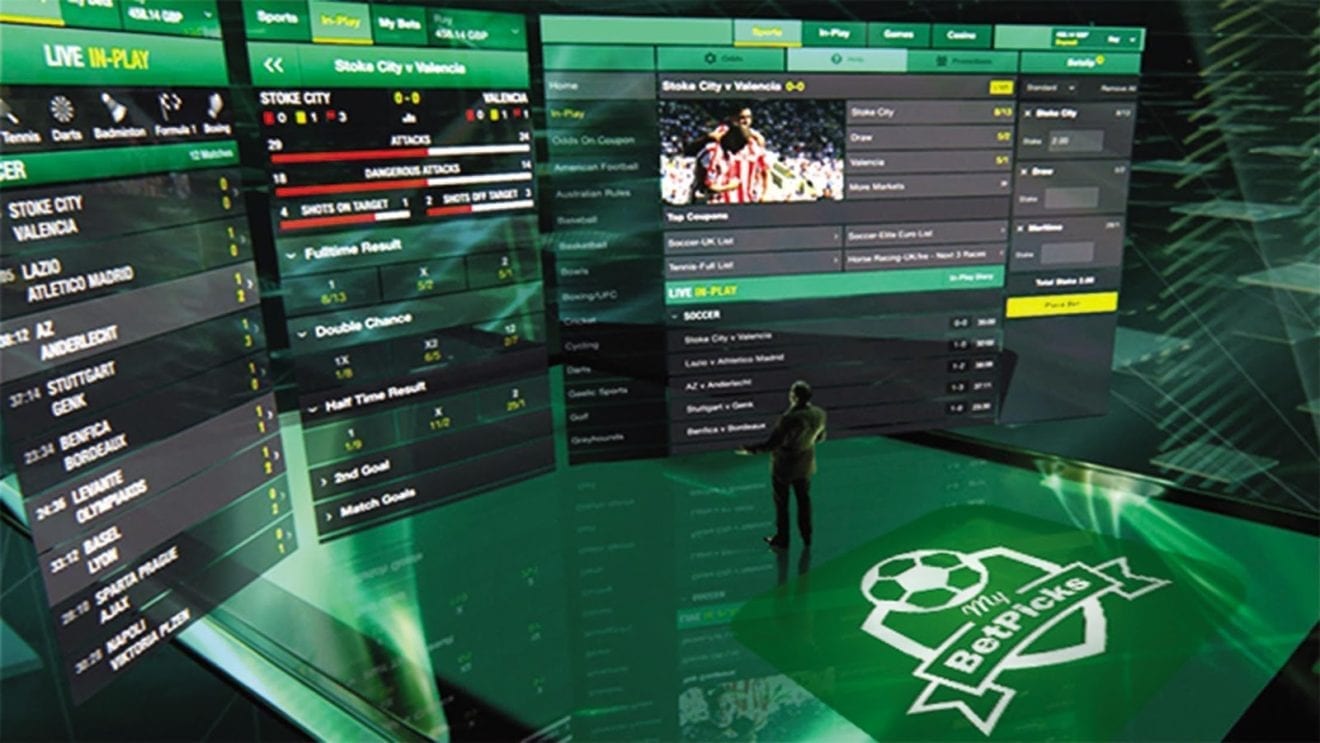
    Are you a gambler? You need to sign up with the Asian bookmakers. Here you will never fall short of the services you need in betting. If you are not a resident of Asia, you should not be worried because the Asia bookmakers are not limited to the residents of the region. Many of the Asia bookmakers will accept fiat currency from different countries. Get high betting limits, huge and fast payouts, and a faster verification process. The welcome bonuses offered by Asia bookmakers are unparalleled with any other betting site. 

    This article will provide you with some of the best Asian bookmakers you need to sign up due to tremendous benefits.

    SBOBET

    Sbobet is one of the best Asian bookmakers in the Asian market and around the world. It has gained an exceptional reputation over the years for winning several awards and titles consecutively. It operates in many countries and accepts different fiat currencies. Sbobet bookmaker offers many Asian handicap options for you to bet and with the best odds geared for your unparalleled winnings. They have a welcome bonus of $200 on your first deposit. Sbobet has a large bet limit.

    1XBET

    This bookmaker offers you exceptional betting opportunities with greet advantages. It provides you with many matches and live betting options from the best leagues that ease prediction. They have some of the bests odd that are meant for you to make high winnings. 1xbet has huge payouts for W-D-W and secondary markets, which has contributed to its rapid growth. They have featured many innovations and offer a wide range of promotions. With 1xbet, you earn yourself a $100 bonus on the first deposit.

    PINNACLE

    The greatest asset and advantage of signing up in pinnacle is the highest odd compared to the other bookmakers; they offer some of the best odds in the betting market. They have a payout of up to 97.7%, which is huge enough. Pinnacle has no limit for staking as well; there is no limit of maximum winning per bet. They have one of the best 24/7 customer services and make a perfect option for winning players.

    UNIBET

    They offer some of the best betting odds for football. They have considerably high payout rates with a wide variety of betting options they provide to customers. Unibet offers free withdrawals. They have multi-language support services to accommodate every gambler around the world.


    BETWINNER

    Despite betwinner being a new Asia bookmaker, it has had accelerated growth due to offering high odds on Asian handicap markets. They have an enticing welcome bonus of 100% and weekly promotions by reloading bonuses every Thursday. Betwinner accepts transactions with many fiat currencies and cryptocurrency. The transaction with cryptocurrency is fast and straightforward, making it an excellent option for those not willing to use fiat currency.

    888 SPORT

    This is one of the best Asia bookmakers with high sports betting odds. They have fast and high cash payouts. 888sports is an excellent option for e-sports betting professionals. They give a welcome bonus of up to $30; however small, it is not a significant disadvantage considering their vast odds. 


  • Asian Sports Betting Market

    Asian Sports Betting Market

    Asia has a huge betting market compared to other continents. But, it has poor coordination. The Asian market led in global betting in 2017. It comprises established sportsbooks like Betway88. Statistics show that about 40 percent of bets placed in the world are from Asia. Besides, many sports fans from other regions have a murky understanding of Asian gambling. Here is an insight into the Asian sports betting market.

    Asian Betting Odds

    An Asian handicap sport betting is popular all over the world. Each soccer match has a particular handicap. There are some common Asian handicap odds:

    1. Hong Kong Odds

    Most gamblers who wager at Asian bookmakers often choose Hong Kong odds. They resemble decimal odds. But, betting firms don’t factor in your original stake into the multiplier. For instance, if you place a $200 bet with 1.70 Hong Kong odds, you will get a return of $540. Thus, Hong Kong odds of 1.70 are equal to decimal odds of 2.70.

    1. Decimal Odds

    Bookies often display decimal odds as 1.70, 3.20 and 2.50. The figures reflect the return you will get from a bet. It includes your initial stake. For instance, you will receive $510 in total if you place a $300 bet at 1.70 odds. So, your profit will be $210. Punters can visit https://www.betway98.com/  to place soccer bets with decimal odds.

    1. Malay Odds

    Malay odds resemble Hong Kong odds. They are displayed as decimals and have a negative or positive sign. Bets with a 50 percent winning probability appear as 0.00. You will get a 1-unit payout for each 1 unit you wager. For example, you will get a $700 payout if you place a $100 wager at Malay odds of -0.70.

    1. Indonesian Odds

    Indonesian odds are often displayed the same as American odds. They can have a negative or positive sign at the front. A negative sign shows that that is the favorite bet. For instance, you need to wager $170 to get a $100 payout if the Indonesian odds are -1.70.

    Factors to Consider When Selecting an Asian Sportsbook

    Many Asian punters struggle to find the right bookmaker. Here are four factors that will help you find a nice Asian sportsbook:

    • Currencies and online payment options: It is advisable to choose a betting firm that offers different payment options. Pick a bookie that accepts different currencies as it allows you to bet while in different countries.
    • Safety: Safety is paramount in sports betting. Bookies should protect client data and stakes. Many Asian bookmakers have sophisticated software that prevents hackers from accessing your data and transaction history.
    • Favorable handicap odds: Bookies offer different odds for the same sports event. Choose a betting firm with high odds to get a bigger profit margin.
    • Promotions and bonuses: At times, Asian sportsbooks offer bonuses and promos to new and existing clients. You can use bonus bets to wager without using real money.

    Millions of Asians spend huge sums of money on sports betting. They wager on sports such as athletics, basketball, cricket, football, golf, tennis, volleyball and rugby. Some Asian betting firms have a lower margin compared to European bookies. It provides pundits a high chance of winning in the long run. You can place different types of bets at Betway88.


  • AuMake pivots to sell to Asian tourists

    AuMake pivots to sell to Asian tourists

    AuMake says it will focus on catering to Asian tourists at its Australian outlets, shifting away from its original business model of targeting Chinese shoppers intent on posting their products to the mainland.

    The ASX-listed company’s 16 shops initially concentrated on selling Australian products to “daigou” – residents who frequent the stores, which each have a designated parking area, in order to send bought items to China in parcels.

    “From early 2018 and due to the locations of our stores in Sydney’s CBD, we began to observe the increasing visitation of Asian tourists and their propensity to purchase less well-known and higher margin products relative to daigou,” AuMake executive chairman Keong Chan told shareholders on Wednesday.

    AuMake announced in April that it had acquired the Broadway business, including its six Australian stores popular with foreign tourists, for $14.2 million.

    “AuMake will continue to service daigou however this will increasingly be transitioning offline traffic to the company’s online platforms, to maximise efficiencies and profitability,” Chan said.