Retail News CRM

Tag: asian

  • Feel International brings Myanmar cuisine into Thailand

    Feel International brings Myanmar cuisine into Thailand

    Myanmar restaurant chain Feel International is set to open in Thailand. Opening in the popular Bangkok tourist area of Pratunam on Thursday (January 24), the group intends to introduce Myanmar cuisine to Thai consumers and foreigners.

    “At present, many restaurants are attempting to cater to the needs of tourists from China, however there are eight flights to Bangkok from Yangon every day, and there are tens of thousands of Myanmar citizens working and studying there, so there is a potential market for Myanmar cuisine”, said Feel International operations director Ko Johnny.

    “This is the very first Myanmar restaurant opened in a foreign capital city. Bangkok is one of the biggest restaurant markets in the world. It offers a wide variety of cuisine, even something as exotic in Asia as Ethiopian. Bangkok is the first step for Myanmar traditional food to penetrate the international markets”, he said.

    The restaurant intends to serve lunch boxes with Myanmar favourites for Myanmar people working in companies and offices around the area.

    Discussions are being held to open further restaurants in Chiang Mai and Mesauk.

  • Fossil Group to launch wearables for 8 brands

    Fossil Group to launch wearables for 8 brands

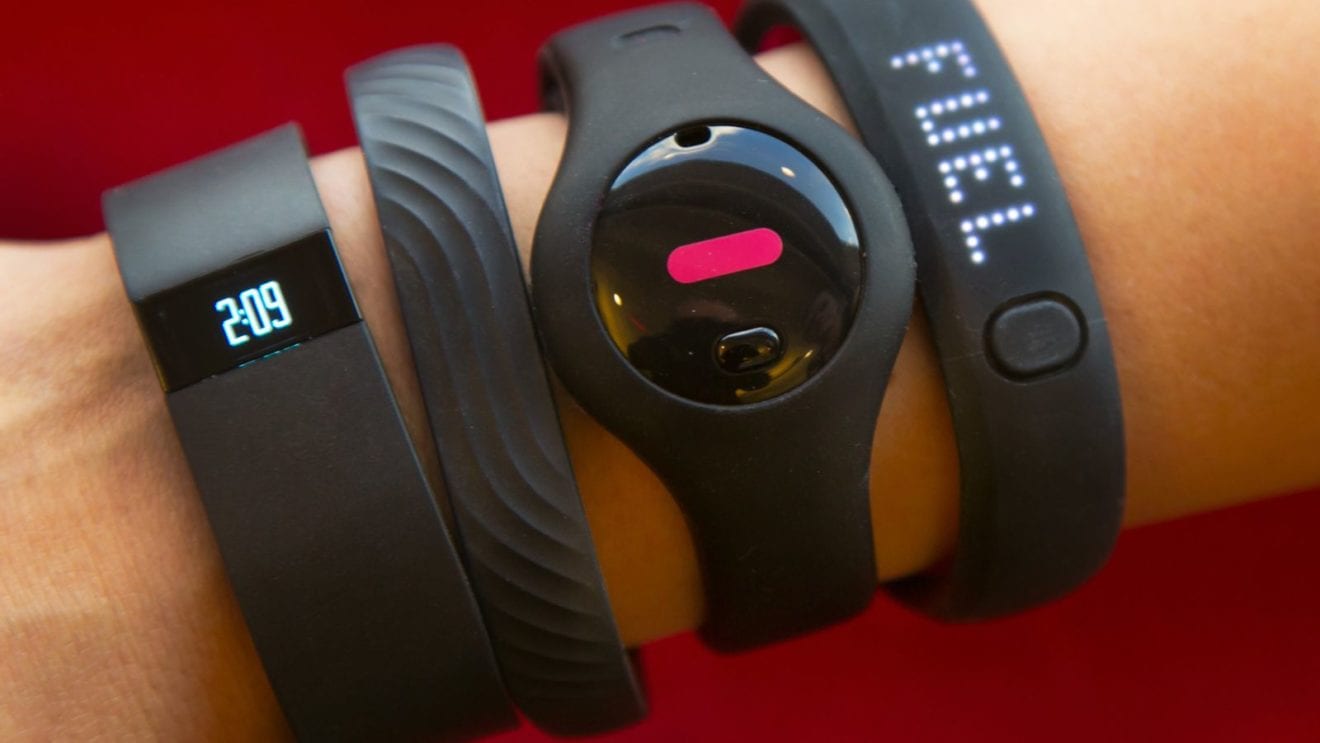
    Eight brands from the Fossil Group – Chaps, Diesel, Emporio Armani, Fossil, Kate Spade New York, Michael Kors, Misfit, and Skagen – will each launch wearables this year.

    The company said more than 100 wearables products, including display and non-display watches, will be introduced in 40 countries and more than 20 languages before the holiday season.

    Fossil Group said it will support the wearables with unique and branded apps across all brands, three product categories, and two operating systems. This is part of a corporate initiative to bring a fashion-first focus, innovation and an increased variety of products to the wearables industry.

    “One of the distinct advantages of a fashion company over traditional consumer electronics manufacturers is our product cycle. We demonstrate remarkable speed to market, from development to launch, in order to meet the retail industry’s seasonal new product deadlines,” said Greg McKelvey, chief strategy and digital officer, Fossil Group.

    The Fossil executive said the industry has been slow to adapt to growing consumer desires for new styles and options for wearables, but with the diversity major fashion brands offer, customers will be delighted shopping for a wearable that fits their personal style.

    Since acquiring Misfit in November 2015, Fossil Group has increased capabilities for the development and production of the technology supporting its wearables products.

    Its wearable technology platform includes proprietary power management technology that enables coin cell battery-powered non-display watches and trackers to be deployed across the entire Fossil Group brand portfolio. Without the need for daily, weekly or even monthly charging, the new devices function much more like traditional watches and lifestyle accessories than as typical consumer electronic products that require daily maintenance.

    The company also has strong partnerships with third-party technology partners, including Google and their Android Wear platform, to deliver on the company’s short- and long-term wearables strategy.

    Research firm IDC estimates that shipments for wearable devices will reach 237.1 million by 2020, which it said could be attributed to more vendors offering new wearables products and higher consumer awareness and demand for such devices.

    Aside from technology firms, fashion houses and luxury brands are also now entering the wearables space as part of a broader strategy to vary product offerings and cater to taste and preferences in the digital age.

  • Asian banks fear impact of negative interest rates

    Asian banks fear impact of negative interest rates

    Central banks in emerging Asia that are struggling to revive growth and keep their financial systems stable are facing new risks as their counterparts in Europe and Japan plunge deeper into uncharted policy territory.

    The Bank of Japan in February joined several European central banks in turning policy on its head with a radical prescription of negative interest rates to revive flagging economies, prompting calls from emerging markets for some form of global coordination to avoid a race to the bottom for rates and currencies.

    Concerns about potentially destabilising spillovers into the rest of the world are likely to be a key talking point over the coming week as central banks in Indonesia, Thailand, the Philippines and Taiwan hold policy reviews.

    All four central banks have seen volatile swings in their currencies and stock markets over the past year as the world’s major central banks have taken markedly divergent policy paths.

    Yesterday, Bank Indonesia cut its benchmark interest rate by 25 basis points to 6.75 per cent, its third straight reduction of that size this year as it tries to lift sluggish economic growth.

    While many Asian economies have strengthened their defences since the 1997/98 regional financial crisis, they remain vulnerable to sudden capital outflows.

    Reserve Bank of India governor Raghuram Rajan, a critic of the massive stimulus rolled out in developed economies, has called on global central banks to adopt a system for assessing the wider impact of unconventional monetary policies.

    “It seems fair to say that the benefits seem to be diminishing after years of effort, and the costs increasing,” Mr Rajan said at a three-day International Monetary Fund (IMF) event in New Delhi.

    Low rates have created problems for savers around the world, and debt levels are continuing to rise to unsustainable levels from China and Japan to Europe – feeding fears of a fresh blow to the global economy from financial market dislocation.

    Mr Rajan’s concerns were echoed by his peers in emerging markets such as Indonesia and Malaysia, but few if any in the region expect the likes of the European Central Bank (ECB) to give priority to any nasty side effects for other economies when setting policy.

    “The potential for this (to manage economic crises) is becoming more and more limited as monetary policy rates have already trended closer to zero and quantitative easing is becoming more significant,” Bank Negara Malaysia governor Zeti Akhtar Aziz said.

    She said there is a need for greater policy coordination among countries to prevent over-reliance on monetary policy.

    Mr Juda Agung, Bank Indonesia’s executive director for monetary and economic policy, agreed. “A low-yield environment encourages excessive risk-taking behaviour. At the end, the credibility of the central bank is at stake,” he said.

    Mr Frederic Neumann, co-head of Asian economic research at HSBC, said that emerging economies are right to raise a voice of caution over unconventional policies.

    “Policymakers are backpedalling because it’s not entirely clear what the benefits of negative rates would be,” he said, referring to ECB president Mario Draghi’s suggestion last week that further rate cuts were probably off the table.

    Indeed, a recovery in the euro zone has flagged over the past year and deflation looms large, while Japan’s economy is teetering on the brink of its fourth recession in five years. The IMF has cut its global growth projections for 2016 and 2017, with a slowdown in China rippling across producers of oil, cars and a range of consumer products.

  • Drone maker DJI plans retail outlet in Shenzhen

    Drone maker DJI plans retail outlet in Shenzhen

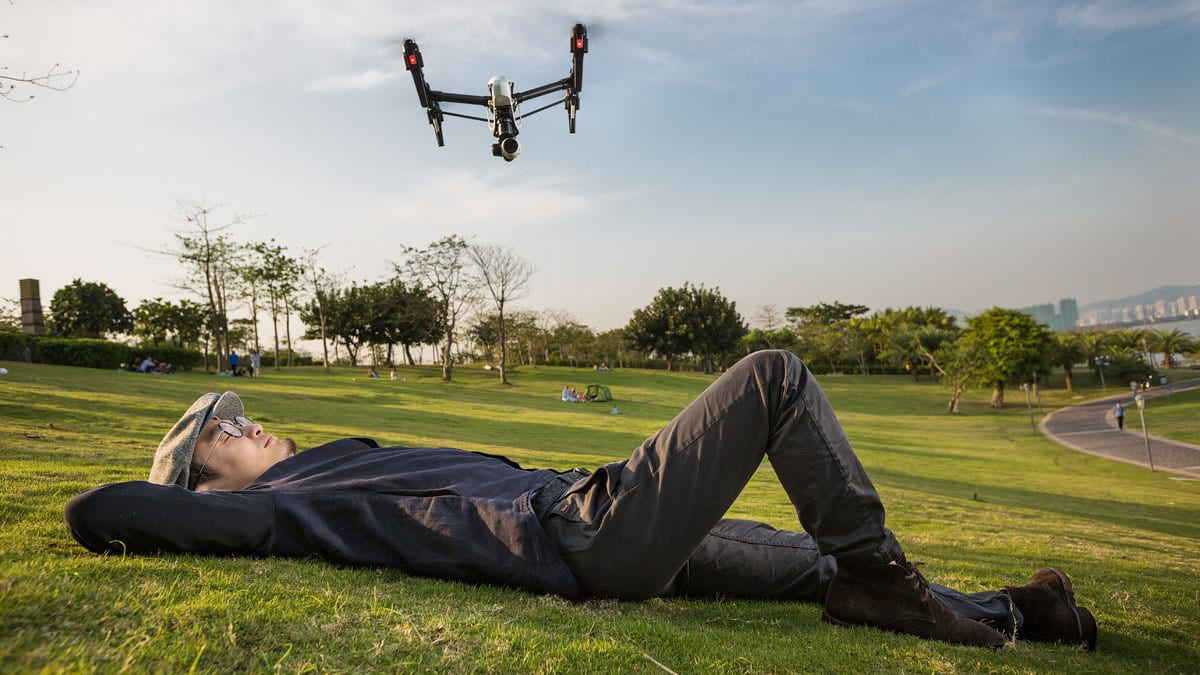
    Chinese drone maker DJI Technology Co is opening its largest retail store in Shenzhen, Guangdong province, later next month.

    The 800-square-meter store will give DJI, which claims to control about 70 percent of the global drone market, a boost in the retail sector and help ward off competition from overseas players.

    DJI said in a statement that the store has floor space larger than the passenger cabin of an A380 aircraft. It will be located in a busy shopping district named OCT Harbor, and will open for business later next month.

    She Shuanglin, a researcher who tracks the drone market at research firm Analysys International, expects the new store to spark demand for drones.

    “DJI plans to open similar stores in other cities like Beijing and Shanghai so that customers can see and experience their entire range of products,” She said. “But it will need big stores to display the entire range of products.”
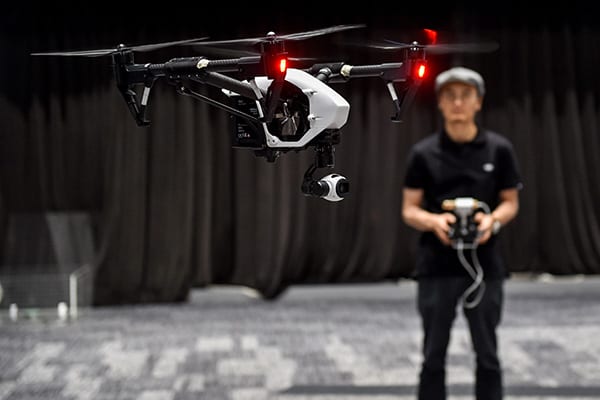
    Drone maker DJI plans retail outlet in Shenzhen

    Wang Tao, founder and CEO of DJI Innovation Technology Co, operates a drone in Shenzhen, Guangdong province. The turnover of China’s civil-use drone market is on track to soar to 2.3 billion yuan this year, according to an Analysys International estimate.

    Retail prices for the company’s drones start at around 4,000 yuan ($630), with high-end products priced above 20,000 yuan.

    The company has indicated it will not go in for a sizable expansion and will stick to just one or two outlets in each city, She said.

    DJI already has several authorized and small-sized stores in major cities.

    Turnover of the civil-use drone market in the country is set to reach 2.3 billion yuan this year, a 55 percent jump from a year earlier, according to an Analysys International estimate. Demand for drones in the country is likely to exceed 11 billion yuan by 2018, it said.

    Overseas drone makers are also eyeing the rapidly growing market in China.

    Nicolas Halftermeyer, chief marketing officer of France-based Parrot SA, told China Daily in an earlier interview that the company sees China as a key market for its inexpensive drones designed as kids’ toys.

    Parrot’s drone business generated 44.4 million euros ($47 million) in revenue in the third quarter of this year, a 60 percent surge over a year earlier.

    DJI, however, is planning a slew of measures, like ramping up hiring, to counter competition.

    It is also building a development center in Silicon Valley in the United States and has hired top engineers from companies like Apple Inc and Tesla Motors Inc.

    Darren Liccardo, former head of Tesla’s autopilot project, joined DJI in August to head its engineering, systems and application development.

    Rob Schlub, a former antenna expert from Apple, joined DJI’s research facility in Palo Alto, California, to oversee the entire development team.

    She from Analysys International said the cash-rich DJI is making aggressive investments in overseas recruitment to maintain a technology edge over its challengers.

    “DJI will remain focused on unmanned aviation and high-performance camera development in the coming years,” said She.

    DJI said it has a 1,500-member R&D team in Shenzhen. Its US facility will be responsible for advanced technology development.

  • AmorePacific plans 350 new China stores

    AmorePacific plans 350 new China stores

    The Korean parent of skincare brands including Laneige, Sulwhasoo and Etude, plans to open at least 300 new stores in China this year.

    AmorePacific expects a 30 per cent increase in sales in 2015, fuelled by a 15 per cent expansion in its existing China store network now numbering 2335.

    Despite intense competition from local Chinese brands and American multinationals like Procter & Gamble and L’oreal, AmorePacific is thriving in China, largely due to the sales success of its Laneige and Sulwhasoo brands, each of which have their own store networks. The company is South Korea’s largest manufacturer of cosmetics, specialising in facial creams and ginseng extracts. It also owns the Etude and Mamonde brands, which have retail store networks across Southeast Asia.

    Besides expanding its store network – 15 per cent of 2335 equates to around 350 stores – the company plans to increase its presence in Chinese online stores.

    A key factor in the brands’ China popularity is the increasing trend amongst young Asian women to emulate Korean popstars and actresses.

    In an interview with Bloomberg Business, Suh Kyung Bae, AmorePacific’s chairman, said the company recognised the importance of Asia’s rising middle class 15 years ago and this remains a key business driver.

    Despite the size of its retail network, and sales growth, AmorePacific still holds just 2.1 per cent of China’s total skincare market, according to data from Euromonitor International.

    The company said its 2014 sales grew 21 per cent to US$4.3 billion, with China now its largest market outside South Korea. While accounting for 8.6 per cent of group sales in 2013, analysts project it could represent 30 per cent by 2020.

    The company is also targeting substantial growth across