Tag: Australia

  • Lend Lease to partner in $2bn Malaysia project

    Lend Lease to partner in $2bn Malaysia project

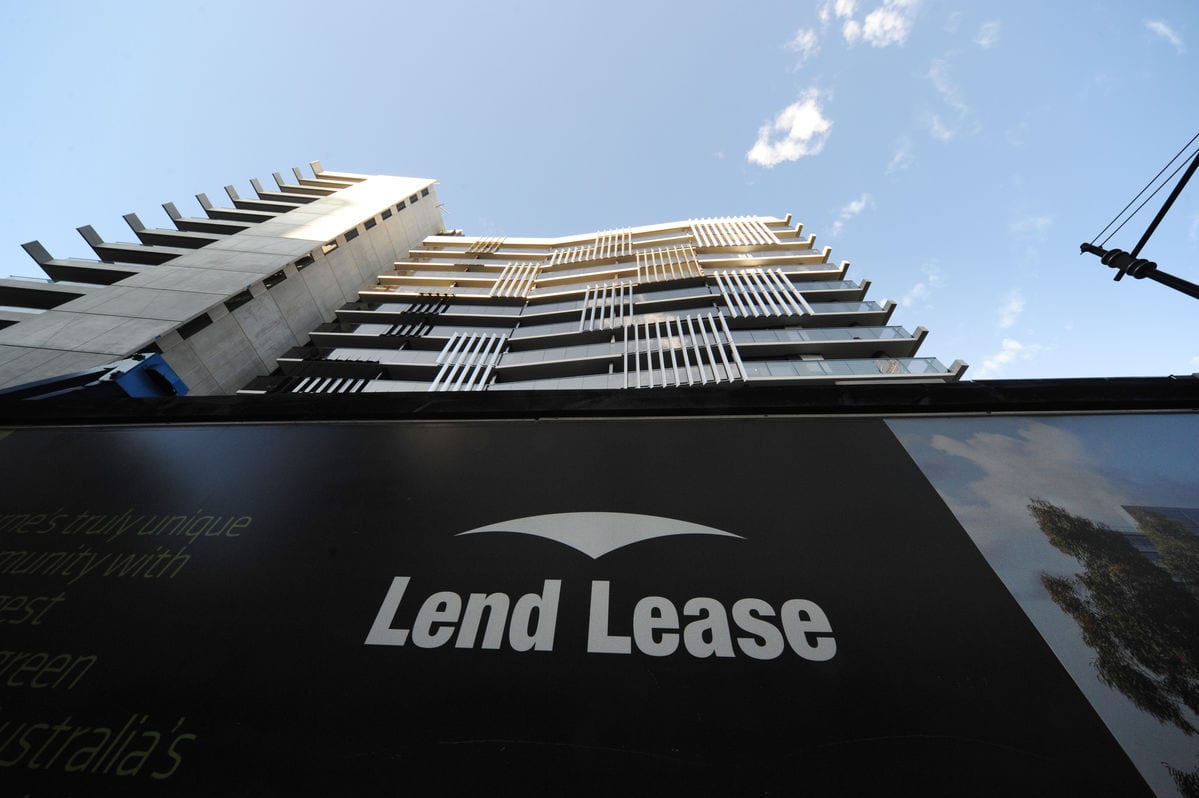
    Australia’s Lend Lease has signed up to develop a new retail and residential development in Malaysia.

    Lend Lease will have a 60 per cent stake in The Lifestyle Quarter with local developer 1MDB Real Estate the balance.

    1MDB is the master developer for an upcoming international financial district called Tun Razak Exchange. The Lifestyle Quarter will be a retail‐led, mixed‐use development of over 17 acres comprising a new retail mall, several residential towers and a hotel connected to a multilayer central park and the largest MRT station in Kuala Lumpur. When completed it will have a Gross Development Value estimated at MYR 8 billion (US$2.156 billion).

    The two companies signed a Master Framework Agreement last October, and late last week signed a formal JV agreement in the presence of Malaysia’s Prime Minister Dato’ Sri Mohd Najib Tun Abdul Razak.

    Lend Lease Asia CEO Rod Leaver, said the two companies will transform TRX into “an iconic destination”.

    “With our global track record in large scale urban regeneration in partnership with national and city governments, coupled with  our over 35 year history in Malaysia, we are confident of making the TRX Lifestyle Quarter an outstanding success with our partner.”

    TRX aims to become a global hub for international finance and business.

    Lend Lease has a growing portfolio of property interests in Malaysia, the most recent being Setia City Mall.

    The company was selected from a pool of international and local bidders to partner with 1MDB RE in the Lifestyle Quarter development following an invitation to participate as a strategic development partner.

    The Lifestyle Quarter will form the social heart of the TRX precinct. It aims to offer a series of modern lifestyle experiences and set new benchmarks not only in terms of design, but for the types of retailers, dining establishments, outdoor spaces, leisure activities and entertainment options it provides.

    TRX will be one of the largest developments in Lend Lease’s current portfolio of global projects.

  • PricePanda, Getprice to merge

    PricePanda, Getprice to merge

    Price comparison site, PricePanda, and Sydney-based, Getprice, will merge to create an online comparison shopping business network across the Asia Pacific.

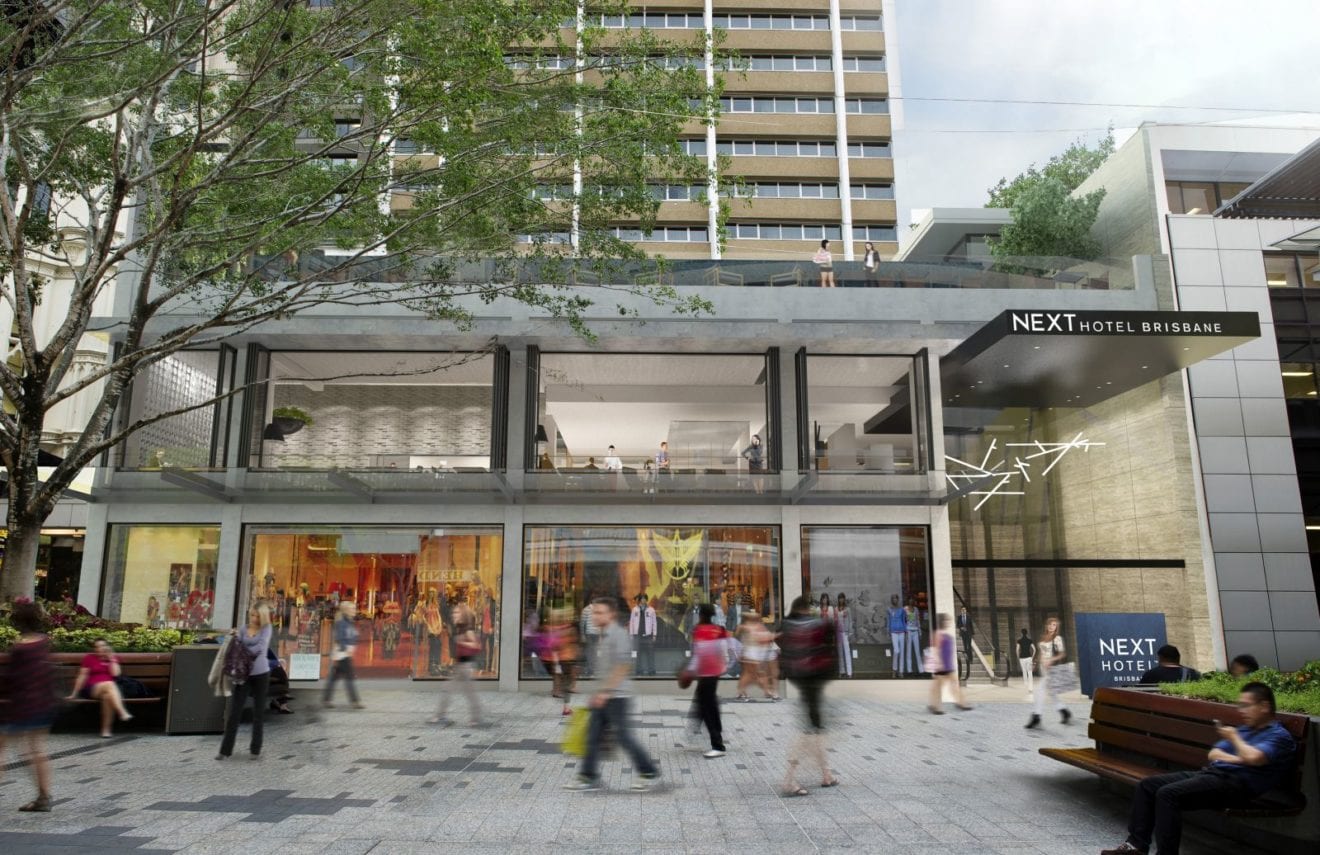
    The newly created group will operate as Next Commerce and will operate in nine countries across Asia Pacific and reach more than four million unique visitors each month.

    Under the umbrella of Next Commerce, PricePanda and Getprice will continue to operate as standalone brands in their respective markets.

    Jared Oken, Getprice co-founder, will be the new CEO of Next Commerce. Chris Hitchen, also a co-founder of Getprice, will chair the board of directors that will include Oliver Samwer from Rocket Internet.

    As part of this transaction, PricePanda’s existing shareholders including Tengelmann Ventures, subsidiary of the German retail giant, Tengelmann; the Swedish investment company, Kinnevik; and the Asia Pacific, Internet Group, which is Rocket Internet’s joint venture with Ooredoo – formerly Qatar Telecom – in South East Asia, have reinvested in the business to fund its further growth.

    Philip Wegener, MD of PricePanda, said there are tremendous opportunities in the large and rapidly growing Asia Pacific market.

    “We are excited to capitalise on the combined expertise that will enable us to pursue new initiatives in mobile, media, and launching new products and services in the region. We are convinced of the strategic benefits of this alliance, forming a strong market leader with an impressive track record both in technology and operations,” Wegener said.

    Oken said the merger with lifts the growth potential of both businesses to a completely new level.

    “Together we will focus on both extending our lead in the Australian market as well as rapid growth in South East Asia and other emerging markets, including significant investment in scaling our operations team in Manila and our regional sales team.”

  • Aldi comes to the party as grocery code tabled

    Aldi comes to the party as grocery code tabled

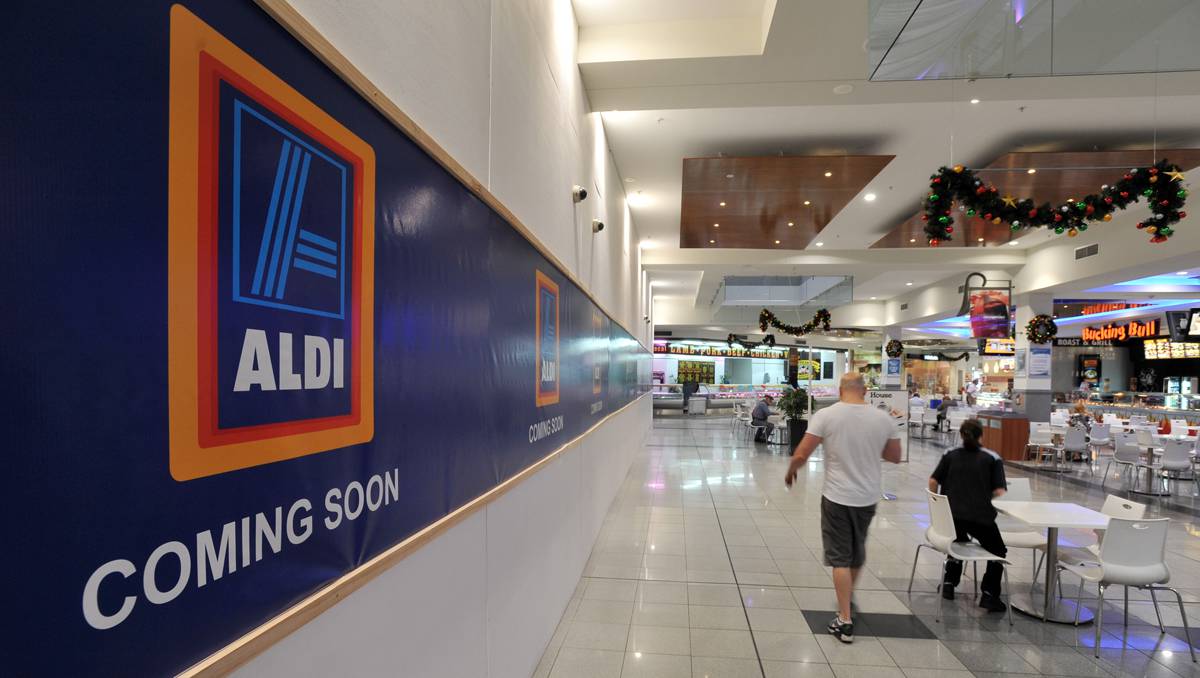
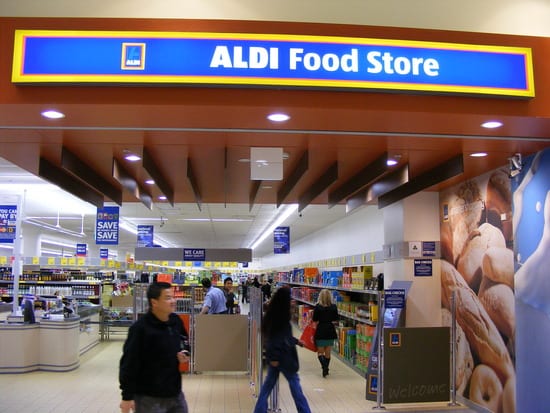
    Australian Small Business Minister Bruce Billson has won support for the grocery industry code of conduct from discounter Aldi but is disappointed that wholesaler Metcash has agreed to adopt elements of the code rather than sign up in full.

    The code, which was tabled in Parliament on Monday and takes effect on Tuesday, prohibits certain types of unfair conduct by retailers and wholesalers in their dealings with suppliers and provides a clearer framework for retailer and supplier negotiations.

    Aldi, which was originally reluctant to sign the code until it was confident it would not increase costs and push up prices for consumers, said on Monday it would sign up to the code as a party.

  • Zara opens 1st homewares store in Australia, plans more

    Zara opens 1st homewares store in Australia, plans more

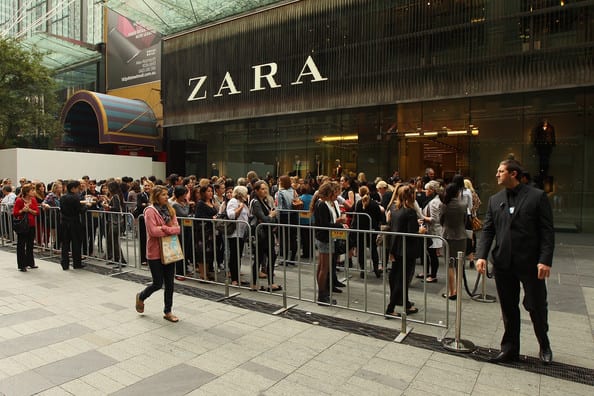
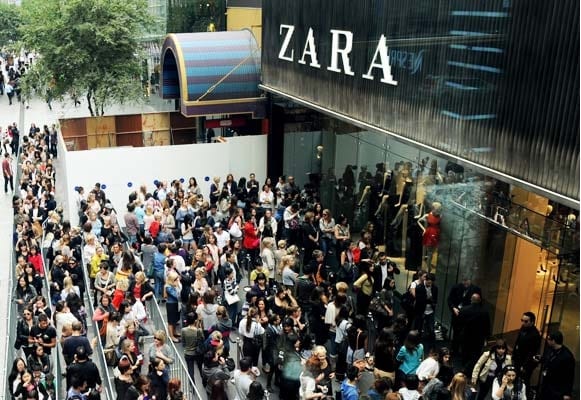
    First it was fashion and now it’s homewares for the fashion conscious with the opening of Zara Home at the Highpoint shopping centre in Melbourne.

    It’s the first homewares store by the Spanish group Inditex – the owner of the Zara label – in Australia but more are planned. There are suggestions the Macquarie Centre in Sydney will be considered for its first NSW site.

    Zara, which is the biggest fast-fashion retailer in the world, has offered homewares in other countries, as does its rival and second-biggest global retailer, Swedish H&M.

  • Slumping sales, store closures hit Australian Esprit

    Slumping sales, store closures hit Australian Esprit

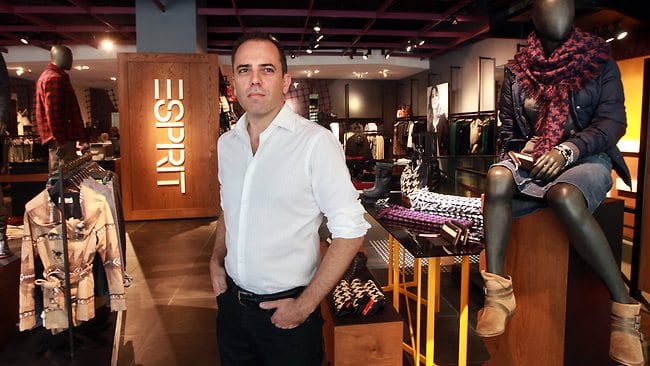
    Slumping sales and store closures led to a small loss for the Australian arm of international fashion retailer Esprit, as its parent company’s shares come under attack from short sellers.

    Esprit bills itself as the largest international fashion retailer in Australia and New Zealand, and has operated in Australia for more than 30 years.

    It employs nearly 400 people and has dozens of stores throughout Australia as well as selling through department store Myer. But in recent years, Australia has become increasingly popular for international fashion retailers, with global giants Uniqlo, Zara, H&M and Topshop setting up more than a dozen stores in the past few years.

  • Zara Australia to maintain prices as Australian dollar falls

    Zara Australia to maintain prices as Australian dollar falls

    Zara Australia has turned up the heat on domestic retailers by vowing to maintain prices despite a 17 percent fall in the dollar in the past five months.

    Zara’s plan to keep Australian prices on hold will limit the ability of domestic suppliers and retailers to raise prices across the board to recoup the cost of importing stock from countries such as China, India, Vietnam and Bangladesh.

    As reported in The Australian Financial Review last week, suppliers have warned retailers that prices for fashion clothing, underwear and basic apparel will rise significantly in the second half of calendar 2015 as currency hedges roll off and new ­season stock comes into stores.

  • Lower Australian dollar means clothing price rise “inevitable”, suppliers say

    Lower Australian dollar means clothing price rise “inevitable”, suppliers say

    Clothing prices are expected to rise across the board for the first time in five years as suppliers and retailers raise prices after a 17 percent slump in the Australian dollar.

    Suppliers have warned retailers that prices for fashion clothing, underwear and basic apparel will rise significantly in the second half of calendar 2015, as currency hedges roll off and new-season stock comes into stores.

    The Australian dollar has fallen 17 percent against the US dollar since June and 10 percent over the past 12 months, pushing up the cost of clothing sourced from China, Bangladesh, Sri Lanka, Thailand and Vietnam.

  • Goubuli runs Australian coffee chain

    Goubuli runs Australian coffee chain

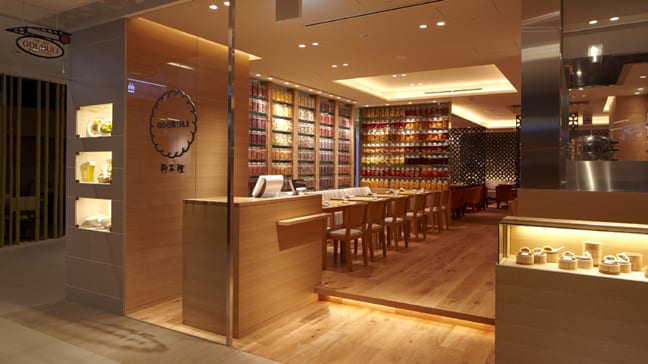
    Goubuli, a renowned Chinese restaurant chain known for its steamed stuffed buns, said they sealed a deal with Gloria Jean’s Coffees to operate the Australian brand in China.

    Tianjin Senyongtai Food and Beverage Co, a subsidiary wholly owned by the Goubuli Group, will hold an 80 percent stake in “Tianjin Glory”, a new joint venture that will operate Gloria Jean’s coffee brand in China under the deal reached on 25 December, Goubuli’s Board Chairman Zhang Yansen said on Wednesday.

    The Australian firm will hold the remaining 20 percent, he said.

  • Aussie sushi chain lands in Hong Kong

    Aussie sushi chain lands in Hong Kong

    An Australian sushi restaurant chain has opened its first outlet in Hong Kong.

    And now Wasabi Warriors plans more stores in the city, along with expansion into the Philippines in February and Dubai later in the year.

    Hong Kong ‘Business Warrior’ Elga Wong said response to the first store’s opening was overwhelming.

    “It’s been so busy I haven’t even had a minute to catch my breath.

    “The experience has been phenomenal and we’ve received extremely positive feedback from customers with fresh and tasty being the most common words heard on the opening day.”

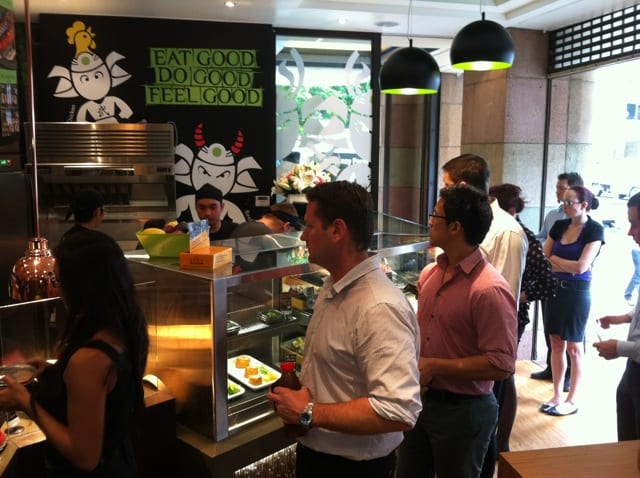
    Wasabi Warriors is owned by Australia’s Pacific Retail Brands, which also has Go Sushi and Kick! Juice Bars in its portfolio. The sushi concept is very environmentally focused, carefully sourcing ingredients from carefully selected suppliers. Using sustainable, free range and locally sourced authentic sushi, the brand says in Hong Kong it is staying true to its cause to ‘Eat good, Do good, Feel good’ by honouring their commitment to the ocean, earth and the animals.

    The chain’s menu includes freshly made sushi rolls, packs, gyozas and dragon bites.

    The Hong Kong store is on the ground floor of World Trust Tower, 50 Stanley St, in Central.

  • Marimekko to open two Asian flagships

    Marimekko to open two Asian flagships

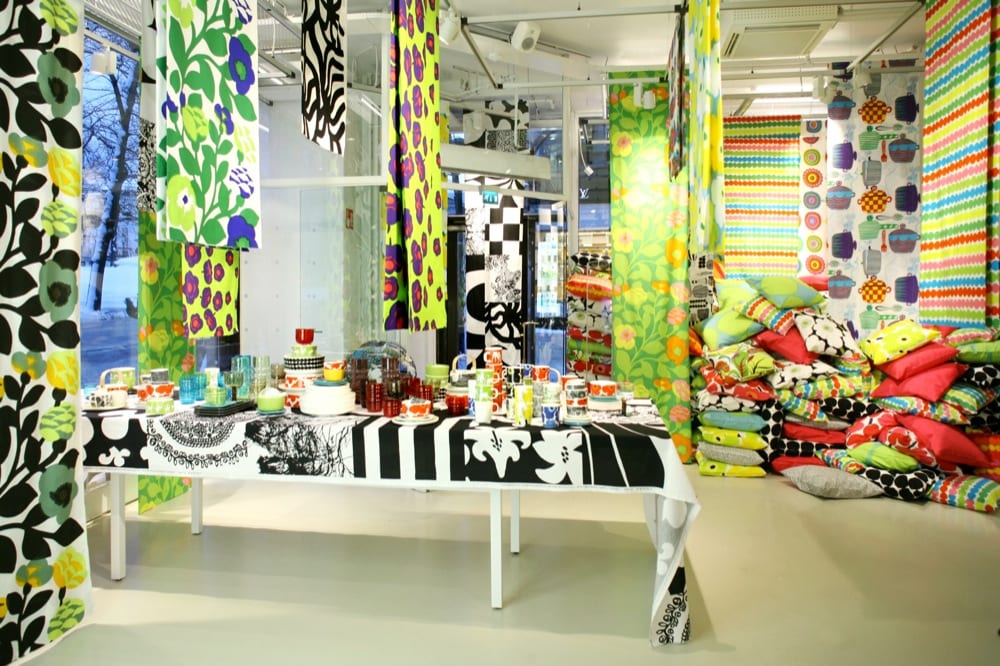
    Finnish homewares specialty retailer Marimekko is to open new flagship stores in Bangkok and Singapore.

    The move marks a continuation of a concerted push into the Asia-Pacific region. Over the last three years Marimekko has expanded into China, Hong Kong, Taiwan, Australia and New Zealand.

    In the first quarter of this calendar year the brand will open company-owned stores in Singapore’s new Capitol Piazza mall and in CentralWorld, Bangkok, which attracts as many as 150,000 shoppers per day.

    In Singapore, Marimekko already has a shop-in-shop which opened last November 2014 inside the Tangs department store on Orchard Rd.

    The company says it will open more stores in Asia over the next few years.

    “The opportunities afforded by the growing consumer markets of Asia play an important role in Marimekko’s internationalisation,” said president and CEO Mika Ihamuotila.

    “In our expansion in the international marketplace, we have focused first and foremost on regions with high growth potential. The Asia-Pacific region is our second-largest market area, and we already have a fairly strong foothold in East Asia. We are now aiming for two new markets in Southeast Asia.

    “Singapore is a modern metropolis and very attractive to us, as it is considered one of the region’s top shopping destinations for tourists. As an aviation gateway it also serves as an access point to many Asian countries and the city receives an enormous number of travellers,” he said.

    “The capital city of Thailand, Bangkok, is in an interesting stage of development from the retail viewpoint. A number of high-class malls have been opened in the city recently, and it is rising to be a noteworthy rival to Singapore and Hong Kong.”

    Half of the new Marimekko stores opened in 2014 were in the Asia-Pacific region: two in Hong Kong, one in Chengdu in mainland China, two in Seoul in South Korea and two in Japan. In Australia, Marimekko opened a company-owned store in Melbourne. One shop-in-shop was opened in New Zealand.

  • Aldi Australia vows to maintain pressure on rivals

    Aldi Australia vows to maintain pressure on rivals

    Discount retailer Aldi Australia has vowed to maintain pricing pressure on rivals in the AUD85 billion (USD69.58b) grocery market, after increasing sales by 13 percent in 2014, outpacing food and liquor sales growth at Coles and Woolworths almost three-fold.

    Aldi Australia’s sales reached AUD6 billion in the 12 months ending December 2014, compared with AUD5.3 billion in 2013. The growth was underpinned by strong same-store sales growth and 25 new stores.

    In comparison, Woolworths’ Australian food and liquor sales grew 4.7 percent to AUD41.7 billion in fiscal 2014 and Coles’ food and liquor sales rose 4.6 percent to AUD29.2 billion.

  • Good, bad, unattractive: retail’s patchy start in Australia

    Good, bad, unattractive: retail’s patchy start in Australia

    A slow but solid festive season for discretionary retailers in Australia has been followed by a spate of downgrades, making sentiment buoyant but patchy.

    Analysts say the key festive season was a good one, albeit at the price of margins. Discounting has been estimated to have added AUD800 million (USD656.9m) to sales, and Citi analyst Craig Woolford has argued cheap-as-chips petrol and big spending on food suggests Australians have the ability to spend when they have the yen.

    Last week, Harvey Norman chairman Gerry Harvey explained a jump in the furniture and homewares company’s share price by reporting a “big surge in sales” during the Christmas and New Year period.

  • Emu footwear launches localised global websites

    Emu footwear launches localised global websites

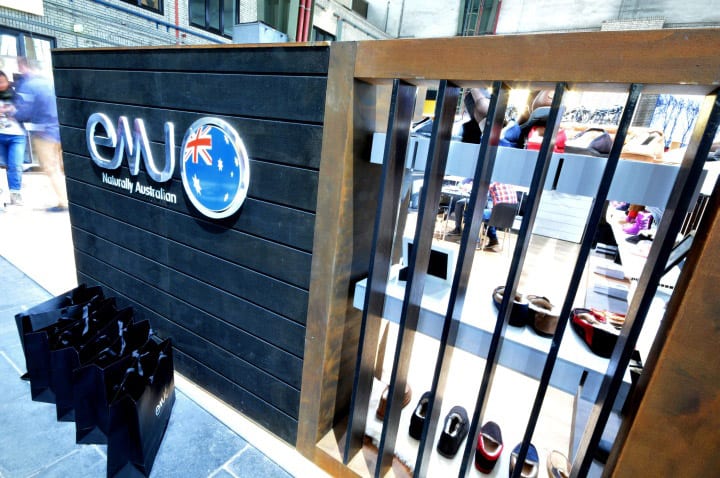
    Australian footwear brand Emu has launched a global transactional website to serve key markets including the UK and Europe, New Zealand, China, Canada, the US and Japan.

  • Australian retail sales miss expectations in November

    Australian retail sales miss expectations in November

    Soggy November sales figures have increased the scrutiny on Christmas trade for Australia’s struggling retail sector as lagging consumer confidence weighs on spending. Official retail sales released on Friday for November came in softer than expected, inching up just 0.1 per cent over the month, but retailers hope that Christmas and Boxing Day sales will have boosted December numbers.

  • Australia no longer sweet spot for Asos

    Australia no longer sweet spot for Asos

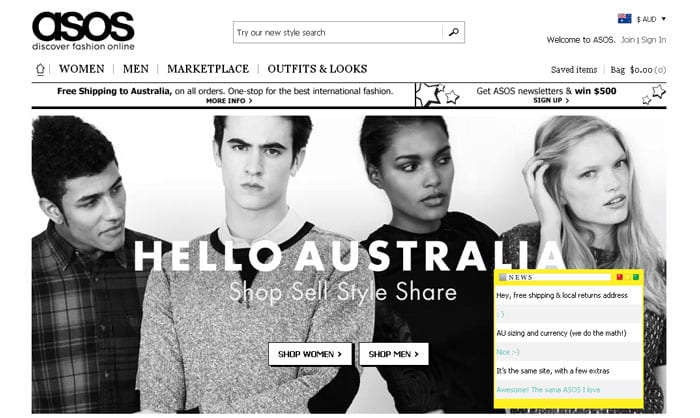
    Australia was once Asos’ largest market outside Britain. In 2012, the British online fashion retailer was flying four jumbo jets of clothing to this country each week.

    But Asos revealed this week international sales, comprising 57 percent of its total sales, were down 2 percent in the first quarter to GBP145.5 million (USD228.6m).

    And “rest of world” sales, of which Australia is estimated to comprise half, fell by 6 percent to GP58.5 million in the three months ended November 30.