Tag: Australia

  • Australian supermarket shuts website in Veterans’ Day furor

    Australian supermarket shuts website in Veterans’ Day furor

    The government has ordered Australia’s biggest supermarket chain to pull down a website that has been widely accused of commercializing Australia’s Veterans’ Day near its centenary.

    Woolworths, which brands itself as “The Fresh Food People,” briefly launched a Website “Fresh in Our Memories” late Tuesday to commemorate ANZAC Day on April 25.

    Woolworths invited customers to upload photographs of veterans on to the Website. The images were displayed with the slogan “Fresh in Our Memories,” the Woolworths logo as well as “Lest We Forget. ANZAC 1915 – 2015.” The campaign immediately drew strong criticism on social media.

  • Microsoft to open flagship Pitt Street Mall store in Sydney

    Microsoft to open flagship Pitt Street Mall store in Sydney

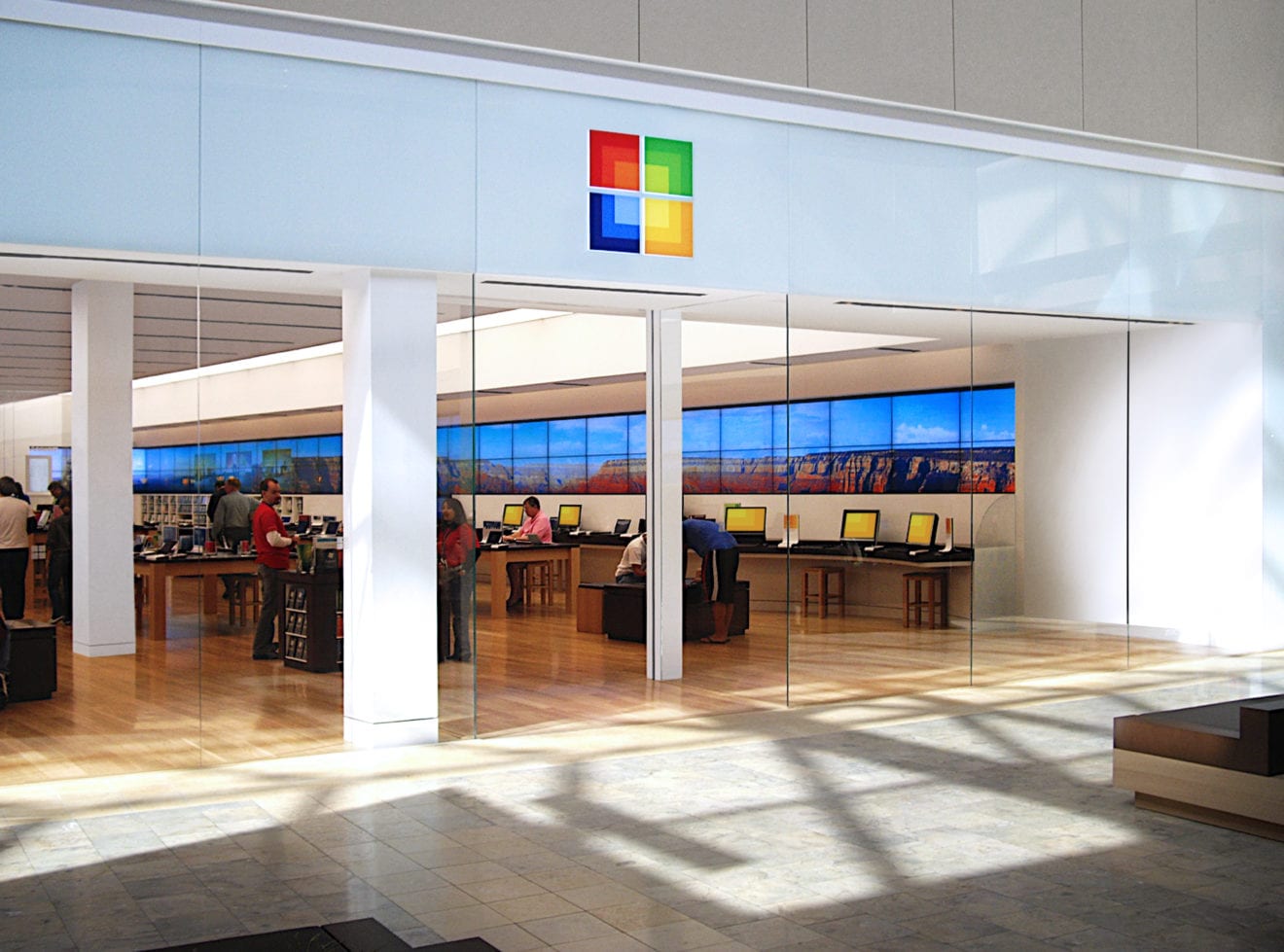
    Pitt Street Mall in Sydney has morphed into the playground of the rich and famous, with Microsoft, founded by Bill Gates, said to be the latest international name to have signed up a flagship store along the strip.

    In the most recent Main Streets Around the World survey by Cushman & Wakefield, Pitt Street Mall was named the fifth most expensive strip in terms of rent, and only sits behind New York’s Upper Fifth Avenue, London’s Bond Street and Hong Kong’s Causeway Bay. The average rent is about AUD10,000 (USD7787) per square metre, per annum.

    It is said the computer giant’s first major site in the country will be where the Guess was and could even spill over to the next-door space which was, until recently, leased by Cue. If the two stores are leased the site will total about 650 square metres over two levels.

  • Glue Store’s recipe for keeping customers sticky

    Glue Store’s recipe for keeping customers sticky

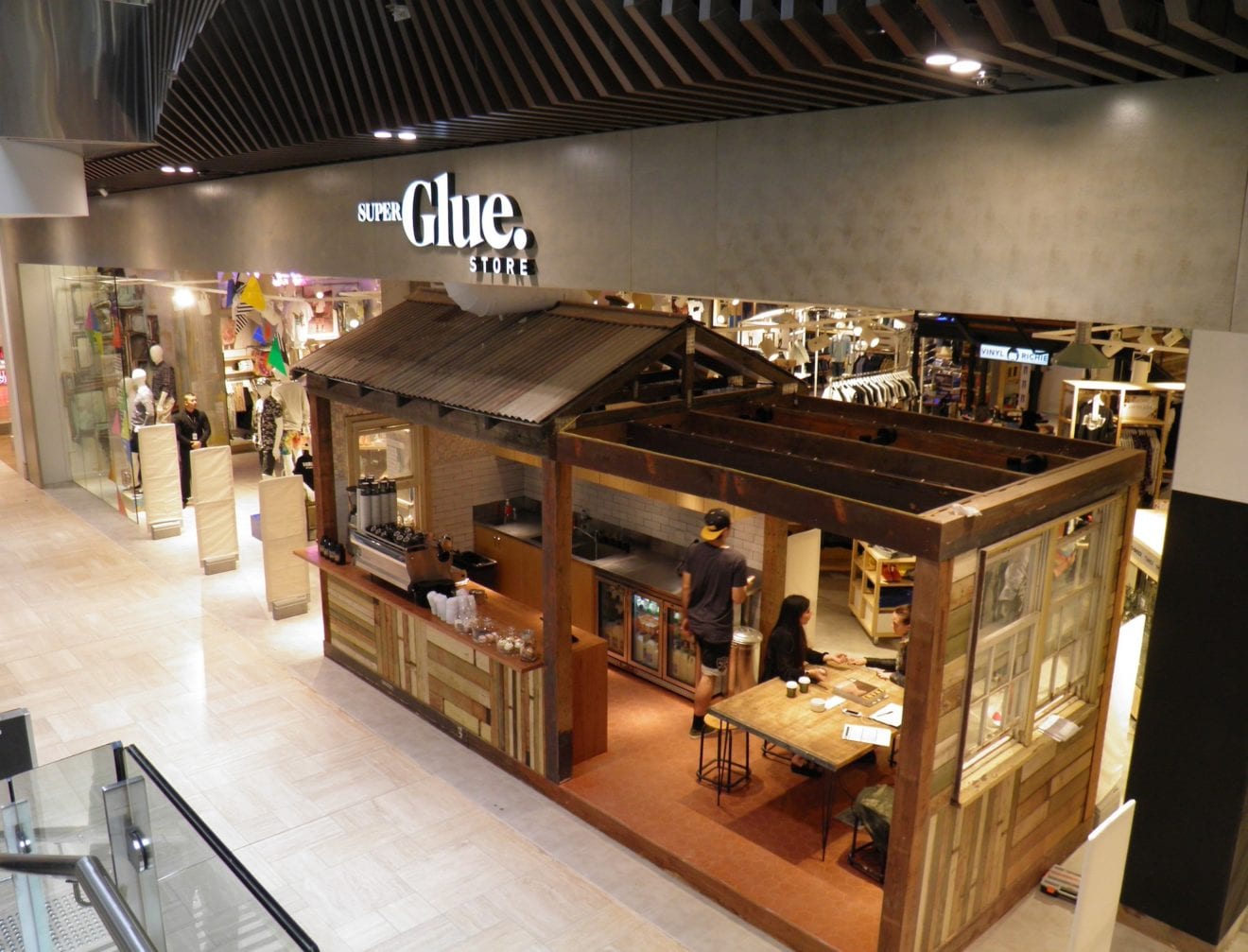
    After years of steady growth, sales of the Australian fashion retailer Glue Store were going backwards and the company was losing wholesale accounts as large chains such as Myer cut costs by bypassing middlemen and sourcing stock directly from overseas.

    Hilton Seskin, who owns Glue Store and the Topshop Topman franchise in Australia through Next Athleisure, adopted an “if you can’t beat ’em, join ’em” approach, taking on Zara and H&M by snapping up the exclusive Australian franchise for Topshop and Topman from Britain’s Arcadia Group.

    Seskin, the founder of Rebel Sport, also overhauled the business model at Glue Store, relaunching the brand and introducing exclusive labels such as British brands Miss Selfridge and Glamorous in womenswear and Dutch label Minimum and Le Coq Sportif in menswear.

  • Menya Sandaime makes Australian debut

    Menya Sandaime makes Australian debut

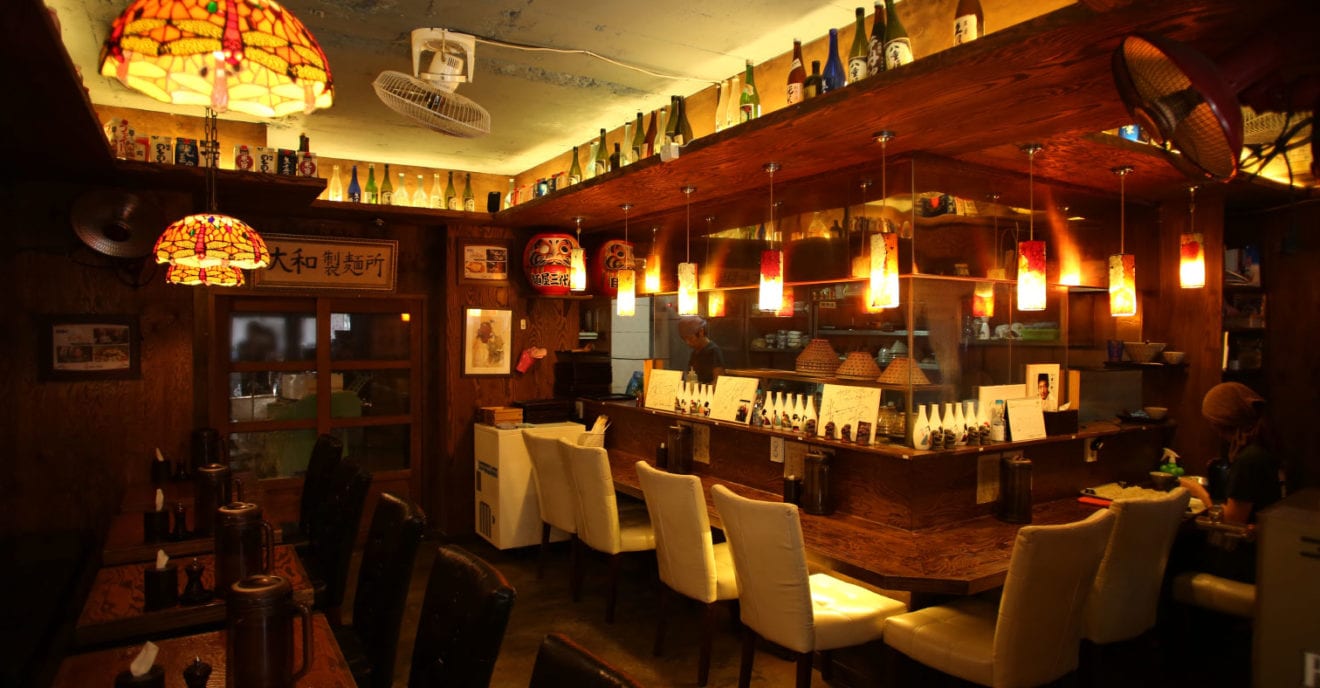
    South Korean restaurant chain Menya Sandaime is to open its first restaurant in Australia – in the Melbourne CBD.

    The chain has chosen a prime site on Russell St in the Victorian capital’s CBD, according to Savills Australia Victorian retail director, Michael Di Carlo, who brokered the deal, with colleagues Jeremy Marmur and Jock Thomson.

    Menya has taken a 10 year lease on the 93 sqm site.

    Menya Sandaime specialises in Japanese ramen dishes and chose Melbourne for its Australian debut due to the city’s reputation as a multicultural community with a well developed appreciation of foreign foods. Its website says it adheres to strict Japanese traditions in preparing its food, including brewing meat broth for at least 24 hours.

    “Melbourne has the second biggest population of Koreans in Australia but also a community which loves food and especially Asian food.

    “The location near Chinatown, QV and Lonsdale St attracts strong pedestrian traffic to the many food and beverage operators in the area, [thus] was a very good fit,’’ Di Carlo said.

  • Toys “R” Us Australia accumulates USD344m in losses

    Toys “R” Us Australia accumulates USD344m in losses

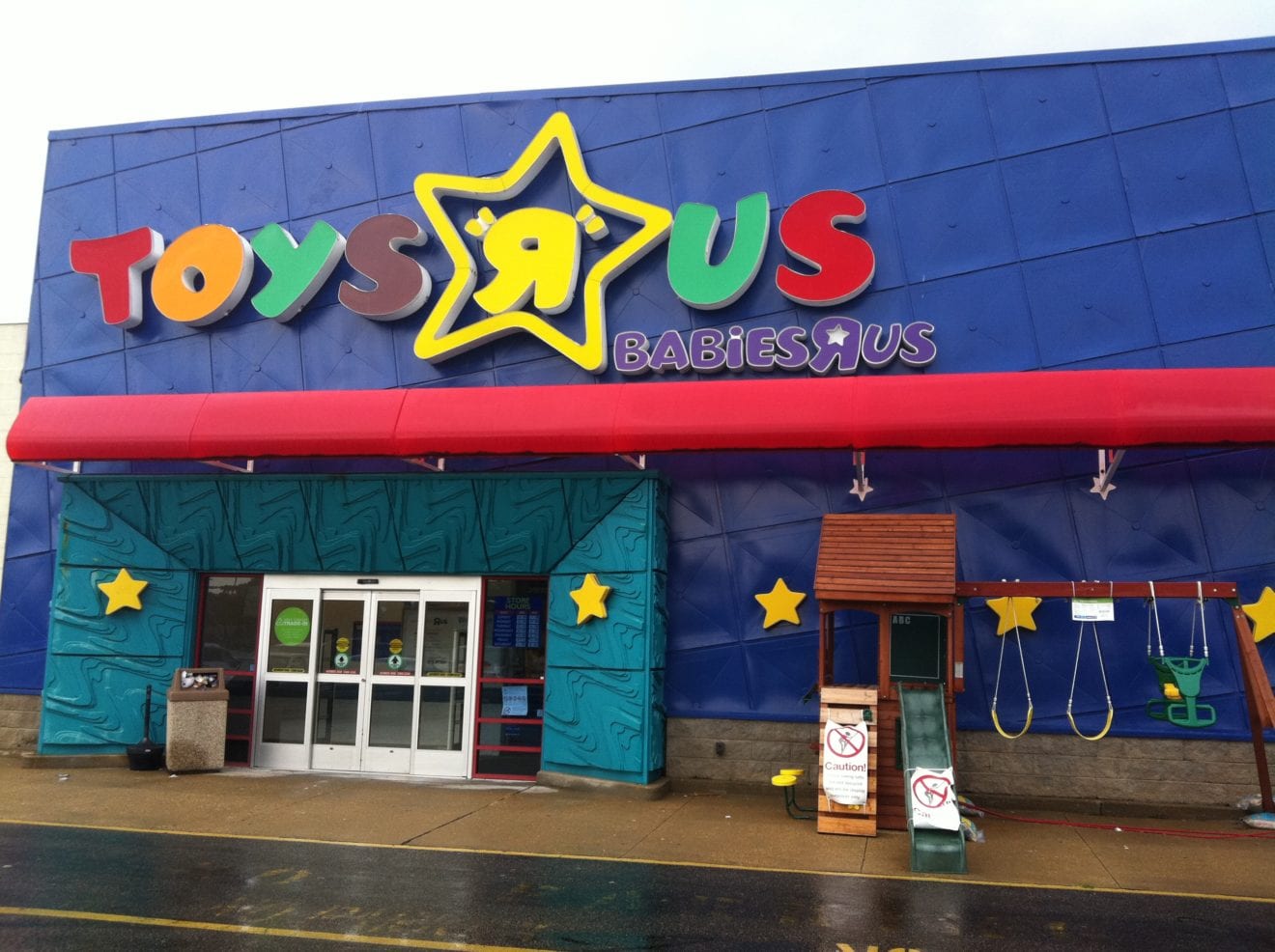
    Toys “R” Us, the self-described “world’s first toy supermarket”, has racked up accumulated losses of almost AUD450 million (USD343.9m) since arriving in Australia.

    The US-based toy and baby products retailer has operated in Australia for more than two decades. It has more than 30 stores, 11 Babies “R” Us Superstores, online operations and about 1600 employees.

    Researchers IBISWorld said it had lost market power over the past five years, but was the second-biggest player in the AUD850 million toy and game retailing industry.

  • PayPal taps Libby Roy to lead Australian team

    PayPal taps Libby Roy to lead Australian team

    PayPal Australia has passed the managing director baton to an outsider by announcing former AMP corporate super director Libby Roy has taken the reins from Jeff Clementz who is returning to the US.

    The changing of the guard comes at an important time for financial services and payments companies, which are awaiting the federal government’s response to the sweeping financial system inquiry.

    Ms Roy, joined as a vice-president and head of Australia, and will also serve as an executive committee member in the PayPal Asia-Pacific leadership team, the company said in a statement. Mr Clementz will take up the new role of vice-president of compliance and operational excellence in global operations.

  • Gelatissimo seeks new Malaysian partner

    Gelatissimo seeks new Malaysian partner

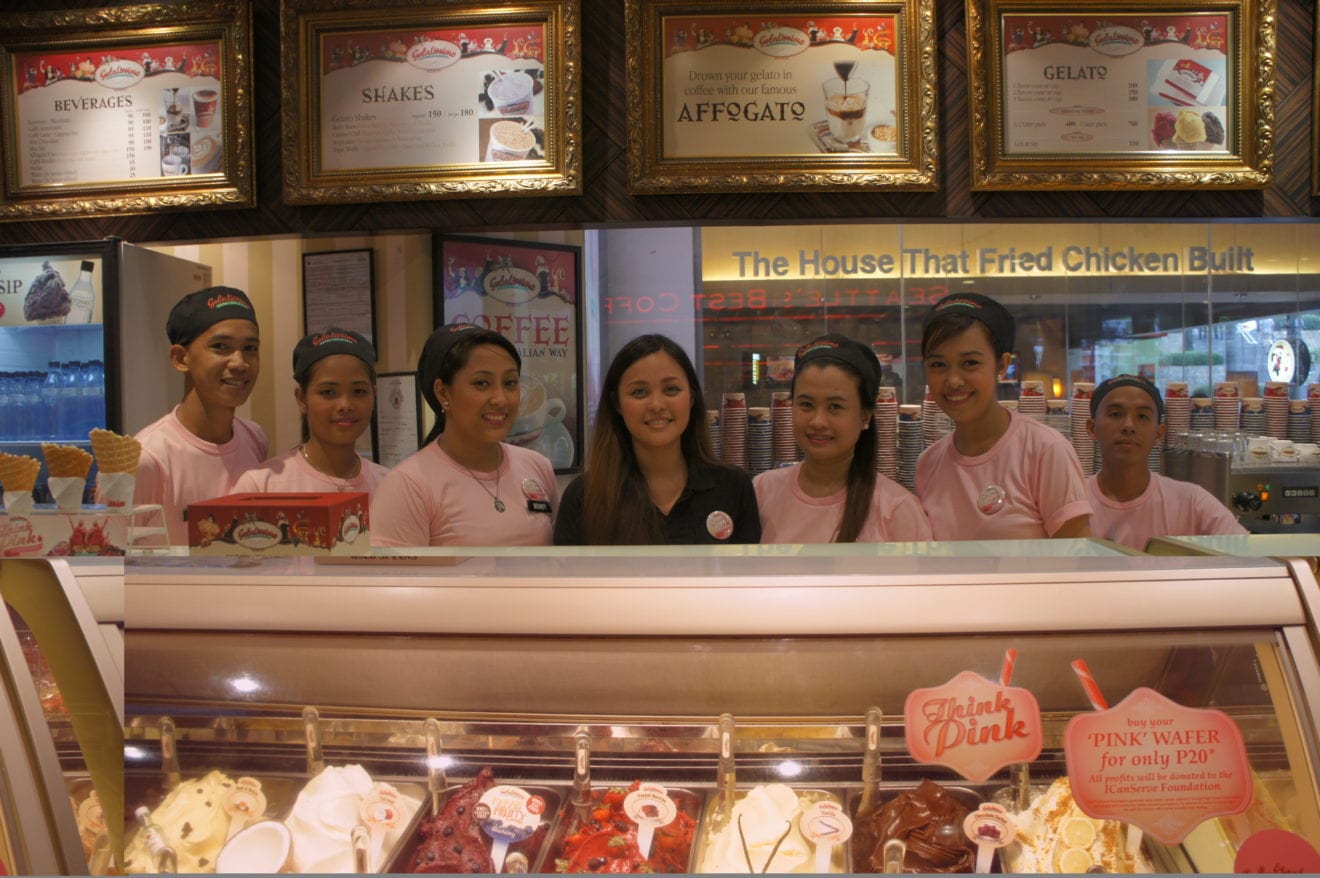
    Australian gelato chain Gelatissimo is searching for a new franchise partner in Malaysia – but says its expansion strategy in Asia and beyond remains on track.

    Gelatissimo’s sole store in Malaysia, at The Gardens mall in Mid Valley, closed late last year after the partnership proved less than successful, but Carlos Antonius, the company’s international franchise development manager, says it remains committed to Malaysia.

    “We are currently in the market for a new franchise partner to capitalise on the brand equity already developed in Malaysia,” he told InsideRetail.Asia by email.

    Meanwhile, Gelatissimo operates successfully in international markets of Singapore, the Kingdom of Saudi Arabia, Kuwait and the Philippines.

    “We are working collaboratively with our existing franchise partners to further develop our presence in these markets and are continually reviewing all aspects of our operations to drive the business forward,” said Antonius.

    “At the same time we are investigating additional market entry options into South East Asia and the Americas.”

    Gelatissimo launched in Australia with a concept store in 2002 and after quickly finding favour with customers, commenced franchising two years later.

  • Where are our beer caves? Convenience stores in Australia want US-style alcohol sales

    Where are our beer caves? Convenience stores in Australia want US-style alcohol sales

    US retailing giant Costco is appealing a court decision blocking it from selling alcohol at its new Adelaide store, as the government is urged to review restrictions on supermarkets.

    Australia’s complicated alcohol retail market is under the spotlight after the Harper review into competition policy said restrictions preventing supermarkets from selling liquor “impede competition”.

    Australia’s No.1 supermarket, Woolworths, and industry association the Australian Hotels Association last year successfully objected to Costco’s bid for a “Special Circumstances Licence” in SA.

    Convenience stores say that allowing supermarkets to stock alcohol in their aisles would be an unfair advantage.Convenience stores say that allowing supermarkets to stock alcohol in their aisles would be an unfair advantage.Photo: Gabriele Charotte

    The state’s licensing court concluded that Costco’s model for liquor retailing was not compatible with South Australian requirements and granting the big-box retailer a licence would risk setting “an undesirable precedent”.

    Only one liquor licence has been issued in SA in the past nine years, said Jos de Bruin, chief executive of the Master Grocers Australia. MGA represents the $9 billion independent grocery sector.

    Costco Australia managing director Patrick Noone told Fairfax Media he was hoping for a decision on the appeal in the next few months.

    Victoria and the ACT have the country’s most liberal alcohol retail laws.

    Costco sells alcohol in Victoria, the ACT and NSW. NSW requires Costco customers to pay for alcohol in a separate, defined area.

    In Queensland, retailers must have a pub licence or a pub to sell alcohol. Costco has yet to set up in WA.

    There are very few Coles, Woolworths and independent supermarkets, such as IGA, that are able to sell alcohol from the supermarket aisles, said Mr de Bruin. Instead, they sell alcohol in nearby but separate areas.

    Discount supermarket retailer Aldi is able to display alcohol in its Victorian and NSW supermarkets near the counter, with expensive items locked in cabinets. It also sells alcohol online.

    The government’s long-awaited Competition Policy Review this week recommended making it more difficult for large companies to competitively crush smaller ones by strengthening the Competition and Consumer Act, and deregulating retail shopping hours and planning and zoning rules.

    In response to the recommendations, Mr Noone said: “We welcome the encouragement to have more competition in all areas of retailing.”

    But the idea supermarkets might be able to sell alcohol in-store has “disappointed” Australian convenience stores, which complain their inability to sell alcohol deprives them of up to half a billion in sales.

    Jeff Rogut, the chief executive of the Australasian Association of Convenience Stores, said enabling convenience stores to sell alcohol would deliver them about $400 million to $500 million in sales, from a $17 billion overall market.

    Mr Rogut said rules in North America, the UK and Asia showed Australia’s liquor licensing laws were “really back in the [19]60s and ’70s.”

    In the US, some convenience stores have “beer caves”, areas with cold beer, and customers can fill large containers called “growlers” with beers on tap, he said.

    “There’s 160,000 convenience stores in the US,” Mr Rogut said. “There may be one or two isolated areas where they don’t allow alcohol – like Philadelphia or Pittsburgh, or somewhere up there – but the vast majority sell alcohol.

    “We were in Japan and Korea last year, virtually every convenience store that we saw sold beer, wine and spirits, from individual, almost little cups that you can drink on the run, to full bottles.”

    Mr Rogut also said giving the green light to supermarkets only would “further entrench the dominant players”, that is Woolworths and Coles, while depriving its members, such as 7-Eleven, BP and Caltex.

    “It’s a difficult category [alcohol], generally, because a lot of people tend to look at the social impacts, without really considering the commercial impacts,” he said.

    “What we’re saying is, it’s a legal category, it’s dominated by only a handful of players.

    “We really should have the ability, for those stores that choose to sell beer and wine, and that’s really what we’re looking for, to be able to sell responsibly, as we sell tobacco, lottery, other restricted-type products.”

    Grocery wholesaler Metcash did not respond on the prospect of selling alcohol on supermarket shelves.

    The Harper review made six recommendations in relation to retail markets.

    These were to develop “more effective misuse of market power provision, [to] consider competition in planning and zoning rules, [to] remove remaining restrictions on retail trading hours, [to] remove pharmacy ownership and location rules, [to] promote the development of industry codes with practical and effective dispute resolution processes, [and to] examine liquor licensing rules as part of a review of regulatory restrictions.”

  • Cotton On plans next stage of global growth

    Cotton On plans next stage of global growth

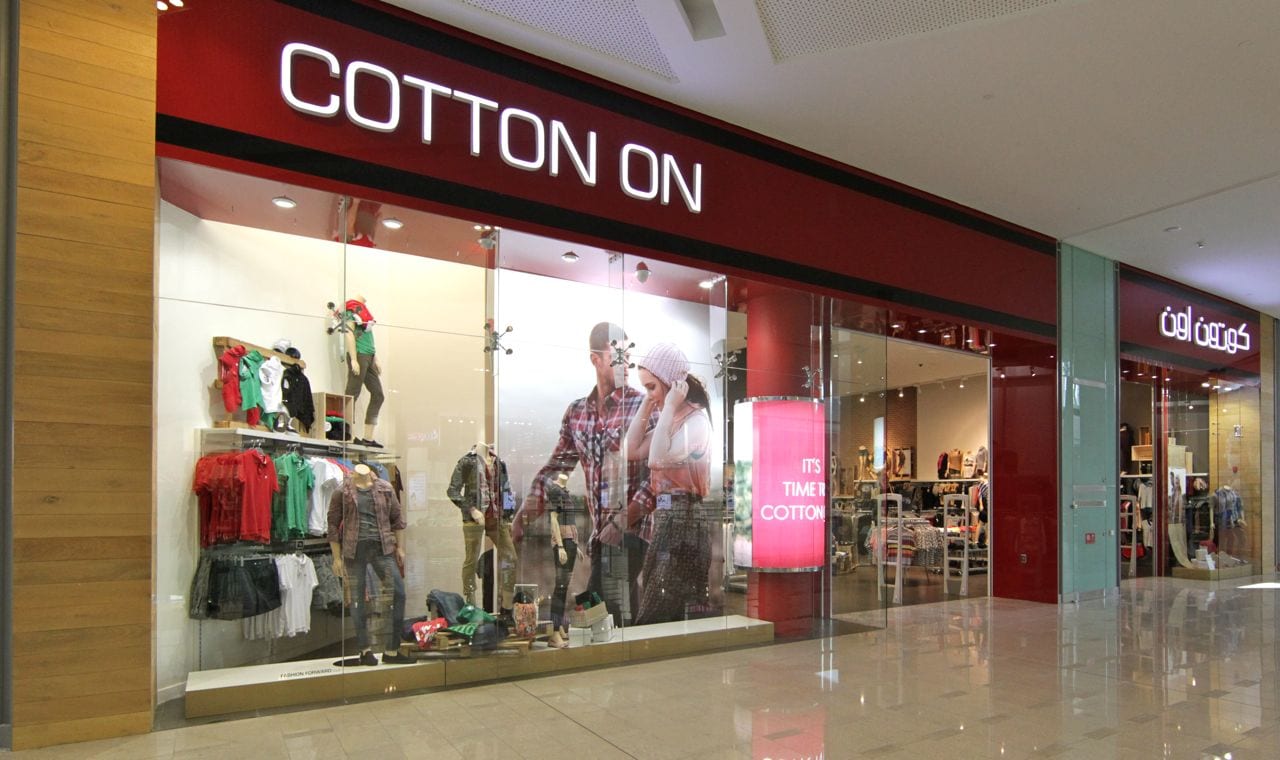
    Cotton On Group has revealed plans to add 227 jobs in Australia and overseas this year as the Geelong-based value fashion retailer embarks on another expansion phase aimed at maintaining its five-year record of 20 percent-plus sales growth.

    Cotton On Group’s sales are forecast to rise 22.5 percent in 2015 to AUD1.51 billion (USD1.17b) and the privately owned company is budgeting for 20 percent-plus growth in 2016 by opening more than 100 stores and expanding e-commerce with new online sites, improved digital content and click and collect options.

    Over the next three years, the group plans to open 570 stores around the globe, taking the total to almost 1900, while lifting online sales to AUD250 million.

  • Kathmandu slows down Aussie expansion

    Kathmandu slows down Aussie expansion

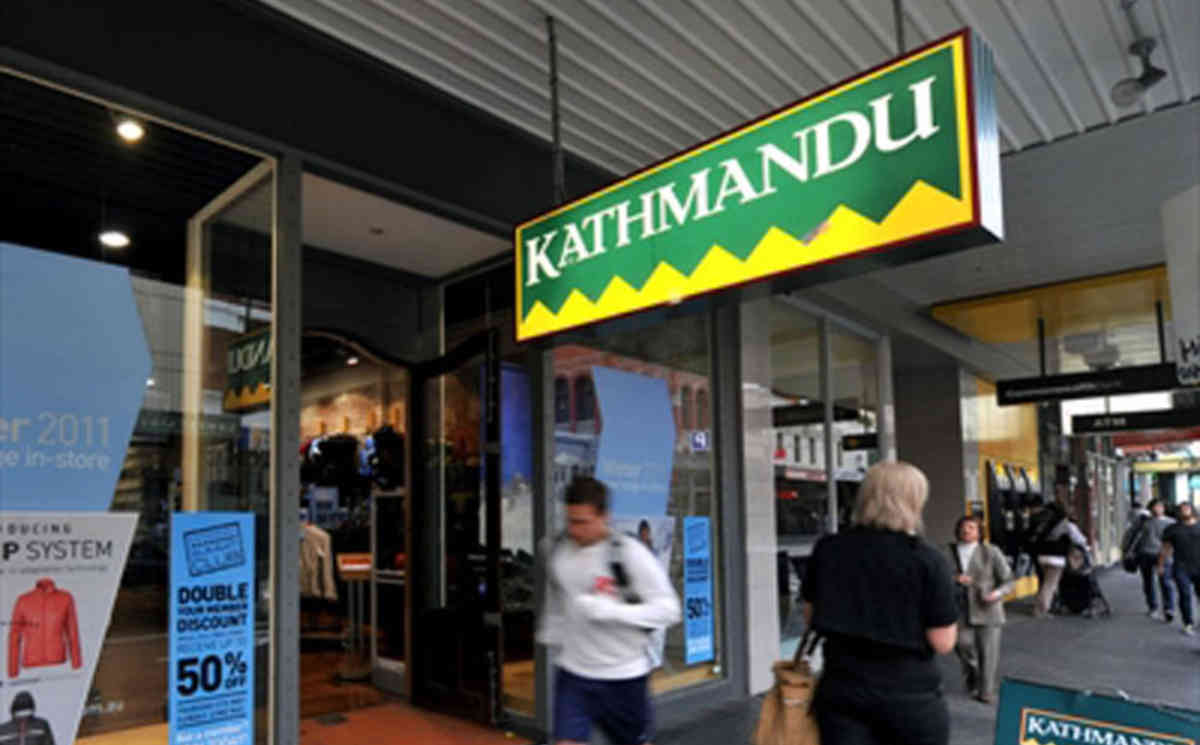
    Outdoor clothing retailer Kathmandu is putting the brakes on its store expansion in Australia after racking up a first half loss.

    Disappointing sales at Christmas and in January as well as heavy discounting on excess winter stock were blamed by the retailer for pushing it into the red with a NZD1.8 million (USD1.4m) loss.

    The gloom looks likely to continue, with sales during the seven weeks to mid-March down 2 percent on a year ago.

  • Kemenys sales and profits down in tough liquor market

    Kemenys sales and profits down in tough liquor market

    One of Australia’s largest independent liquor retailers, Kemenys, has suffered a drop in sales and profits in its latest financial year and faces an even tougher time this year as it tries to counter the full impact of a Dan Murphy’s superstore owned by Woolworths that opened nearby in a prime eastern Sydney site in mid-2014.

    Kemenys, which runs a large retail store in the beachside Sydney suburb of Bondi and has more than 100,000 mail-order and online customers it services from a separate warehouse, is owned by the Kemeny family. The business has been operating since 1960.

    It has remained independent in a fiercely competitive liquor retailing market where Woolworths and Coles have been increasingly dominant, even though there was a formal process in 2005 when investment bank Grant Samuel tested the appetite of potential buyers of the business.

  • Muji moves on Sydney

    Muji moves on Sydney

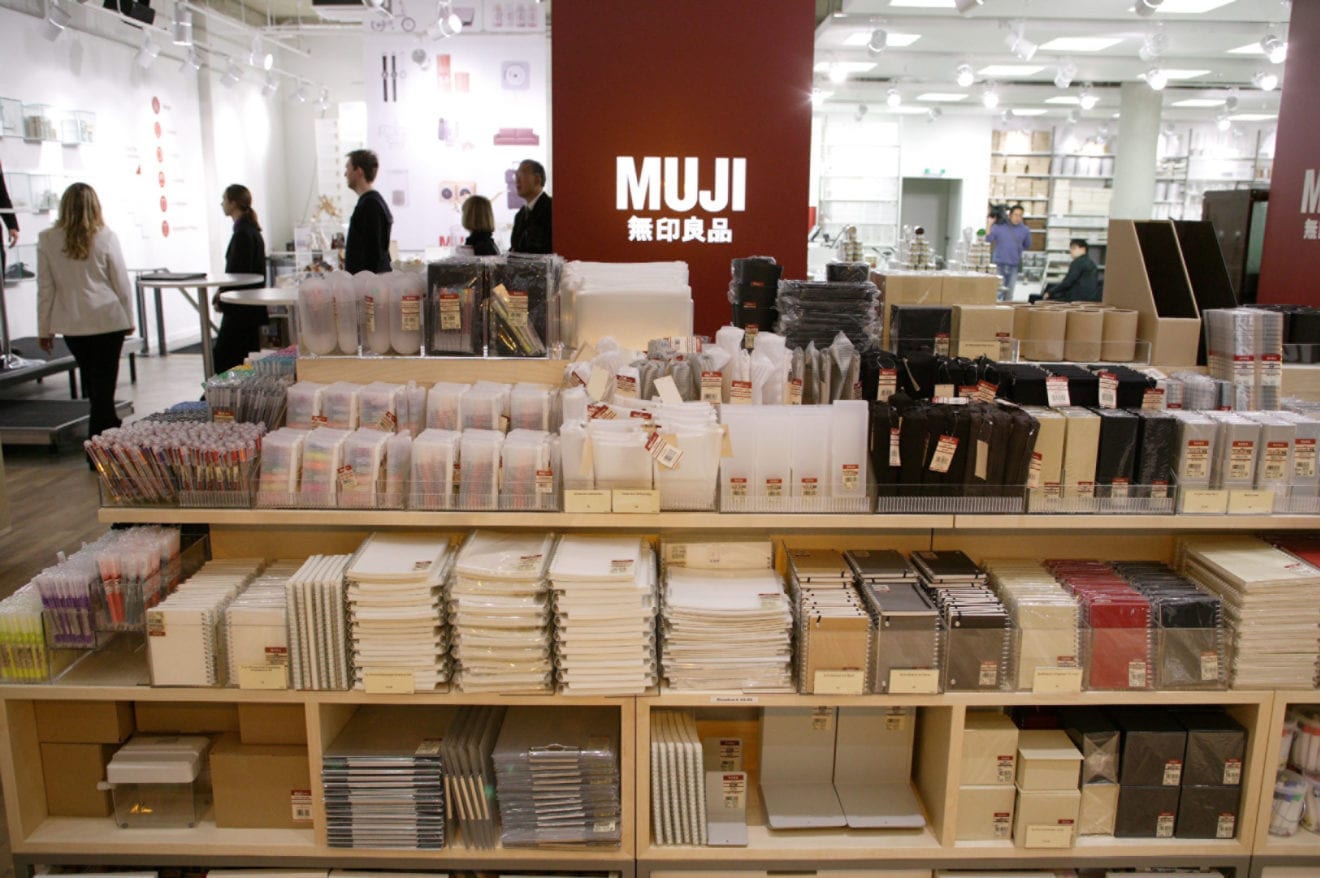
    Japanese lifestyle retailer, Muji, has confirmed it will open its first store in Sydney.

    This will be the third Australian store for Muji, adding to its two locations at Chadstone shopping centre and Emporium in Melbourne.

    Retail News understands the store will be located at The Galeries shopping centre in Sydney’s CBD, replacing the former Freedom site, and will open by May.

    Dubbed “Japan’s answer to Ikea”, Muji stocks a range of categories from men’s, women’s, and children’s apparel and accessories; furniture and homewares; skincare products; stationery; and travel goods.

    The retailer is owned by Tokyo-based company, Ryohin Keikaku, and has more than 600 stores, including more than 200 international stores in Britain, France, the US, China, Taiwan, Thailand, Germany, Sweden, and Italy.

    Muji first launched in 1980 with a range of nine household products and 31 foods. Today, it sells more than 5000 products in Japan.

  • Cotton On tells staff to keep it real or face the sack

    Cotton On tells staff to keep it real or face the sack

    It may be a new low in human resources gibberish.

    But the fun crowd at retailer Cotton On have told staff they need to “keep it real” or face the sack.

    A leaked copy of Cotton On’s code of conduct tells its staff it is “unacceptable” when working with colleagues or customers, to be anything but “fun” and “keeping it real”. No ifs or buts. Failure to do so can result in being fired on the spot.

    Less well defined in the document is what “keeping it real” means. The Online Slang Dictionary tells us that to “keep it real” is to “stay true to one’s self; to resist the temptation to be fake”. One claim is that the origins of the phrase emerged out of hip-hop culture in New York in the late 1970s and early 1980s.

  • Spotlight Malaysia opens second store

    Spotlight Malaysia opens second store

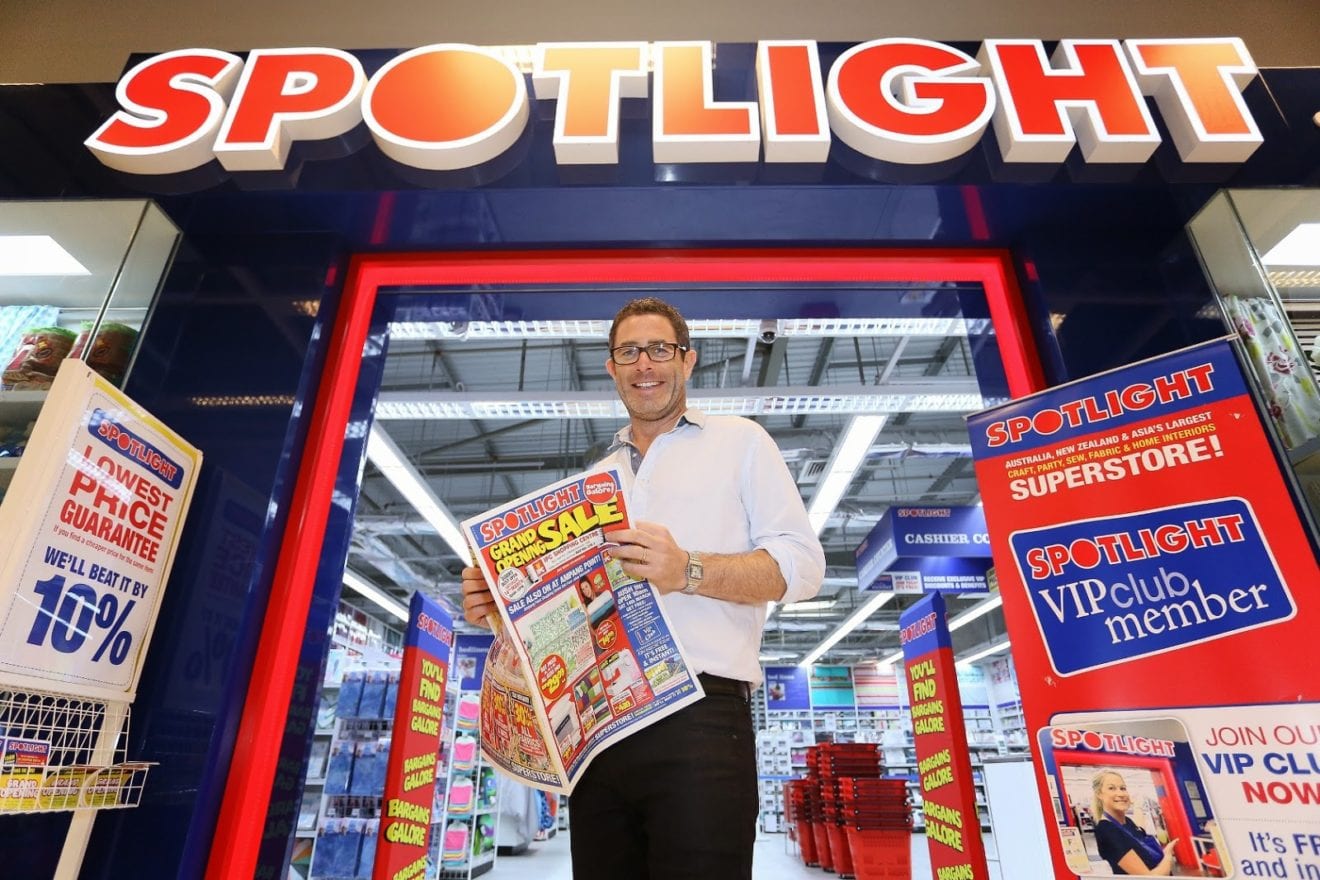
    Australian fabric, craft, party and home and living superstore Spotlight has opened its second store in Malaysia.

    The new stores is in the IPC Shopping Centre, Mutiara Damansara in Petaling Jaya, near Kuala Lumpur. It follows one in Ampang Point, Kuala Lumpur, which opened last July.

    Spotlight Malaysia 7-315.

    The store offers 2000sqm of retail space, and stocks 70,000 products in six categories: home furnishings and decor, bedding, dress and fashion fabrics, crafts, hobby and party essentials.

    Spotlight Malaysia 315

    Spotlight GM Juno Gelfand said the expansion to the IPC mall was part of Spotlight’s philosophy “to be able to offer more neighbourhoods the largest possible choice of fashionable and affordable products”.

    Spotlight Malaysia 6-315.

    “We know too well the inconvenience of searching far and wide, running from store to store just to find that one (or more) beautiful decor piece.

    Spotlight Malaysia 4- 315.

    “Here, with all-time popular home essentials and seasonal selections of products for every room of the house available under one roof, we are certain that sprucing up the home will be less stressful and hassle-free,” he said.

    Spotlight Malaysia 3- 315.

    Spotlight Malaysia 2- 315.

    “Think of it as a pit-stop whenever you are preparing for a party, breathing new life into your home interiors, or pursuing your hobbies.”

    Spotlight Malaysia 5- 315.Spotlight Malaysia 1 - 315.

    Spotlight is targeting home decorators, dressmakers, hobbyists and DIY enthusiasts as well as party organisers.

  • Pumpkin Patch looking for buyers

    Pumpkin Patch looking for buyers

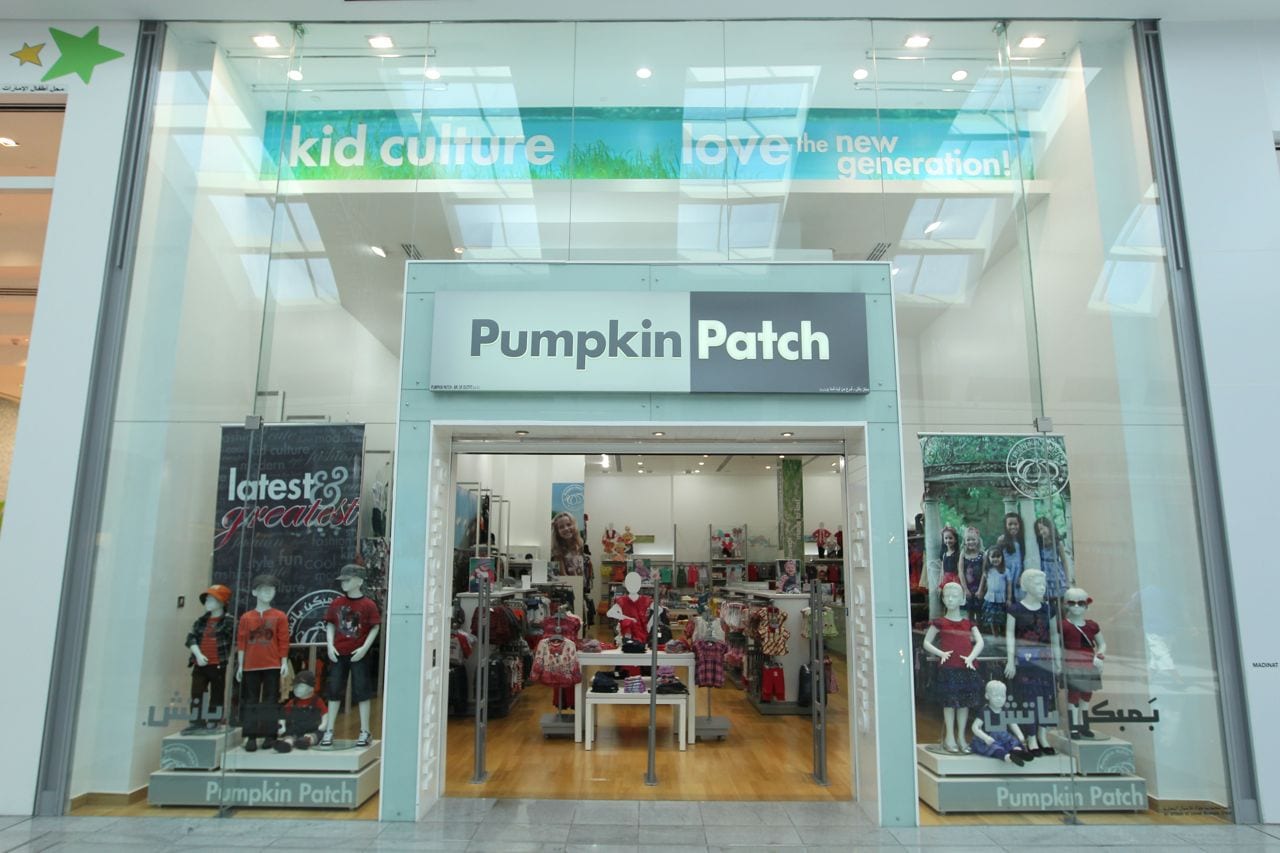
    Children’s clothing retailer Pumpkin Patch, whose shares have lost two-thirds of their value the past year, is seeking formal proposals after receiving approaches to buy or refinance the company.

    The Auckland-based retailer, which on Friday posted an improvement in first-half earnings, says third parties have indicated an interest in Pumpkin Patch since the company announced a capital review at its annual meeting in November.

    It has a market capitalisation of NZD35.5 million (USD26.4 million).