Tag: Australia

  • MasterCard says Australian retail sales ‘worrisome’

    MasterCard says Australian retail sales ‘worrisome’

    MasterCard’s Sarah Quinlan says a cooling property market is hitting retail sales. Australian retail sales will rise in 2016, but slowing wages growth and a cooling property market here and in China is dampening growth. That’s the prediction based on MasterCard’s first monthly analysis of millions of card payments made on card terminals.

    It began tracking retail sales in Australia last year based on all transactions at terminals and claims this gives more accurate data than that provided by the Bureau of Statistics, which relies on surveys.

    MasterCard’s first monthly survey of payments in Australia predicts retail spend will drop further. Photo: Jim Rice

    Sarah Quinlan, MasterCard’s New York-based senior vice-president of market insights, said retail sales year-on-year in Australia grew 3.2 per cent in value in January compared to a year earlier.

    Year-on-year sales growth in January 2015 was running at about 6 per cent.

    She said growth at the moment is due to inflation because of a depreciating Australian dollar and the trend down is being driven by real wages growth declining. This has been reinforced by house prices cooling because regulators have capped investor lending.

    A big slowdown in spending by Chinese tourists and investors is the other main factor which is hitting all countries.

    “You could have absolutely predicted the real estate outcome,” she said. “There’s two things I watch in spending; I watch consumer confidence and wage growth.”

    MasterCard's first monthly survey of payments in Australia predicts retail spend will drop further.

    Growth due to importing inflation

    In the US, she said, wage growth has been poor, but consumer confidence is higher than in Australia now.

    “They are absolutely confident they are going to hold their job now or they can find a job if they want to switch. It is the opposite of what’s happening here,” Ms Quinlan said.

    “While you still have a positive growth rate in your spending in Australia, it is of a worrisome nature because it is more due to importing inflation due to a 35 per cent drop in the Australian dollar [versus the US dollar] since 2012.”

    The pullback of Chinese money, she said, is due to a property bubble there and numerous senior officials being hit with corruption allegations.

    “We can tie exactly back to the day back in August 2013 that [politician] Bo Xilai was arrested for corruption and there’ve been 100,000 people arrested for corruption subsequently. So they are just not showing their wealth now,” she added.

    “And this debt bubble up there is huge right now, it makes ours pale by comparison. By our calculations around 75 per cent of the economy in China is owned by state-owned enterprises. So the state has been running this huge bubble.”

    As well as Australia, MasterCard produces a monthly report called SpendingPulse based on 160 million transactions per hour on its network for the US, Japan, Canada, Brazil, Hong Kong and Britain.

  • Furla Asia-Pacific plans more flagships

    Furla Asia-Pacific plans more flagships

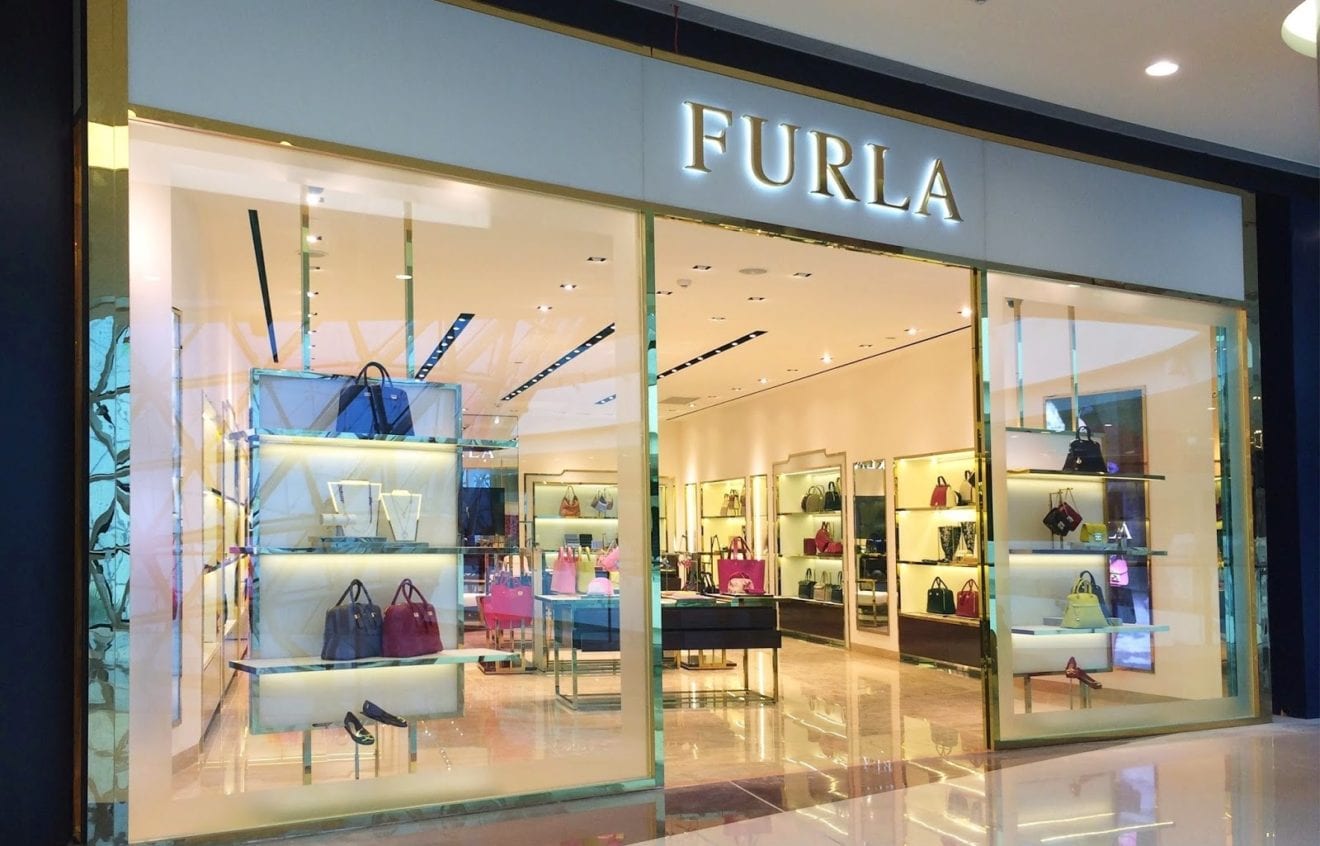
    Luxury Italian brand Furla is planning more flagship stores in Asia as the region delivers strong growth for the 89-year-old family-owned company.

    FURLA CEO_Eraldo PolettoIn an exclusive interview with Inside Retail Asia, Furla CEO Eraldo Poletto explains how the company has bucked the decline in luxury spending in core markets like Hong Kong and Singapore during the past year. Furla achieved 53 per cent growth in total sales (in euro at the current exchange rate) in Asia-Pacific, where it counts 14 markets – Australia, Cambodia, China, Hong Kong, India, Indonesia, Korea, Macau, Malaysia, Singapore, Taiwan, Thailand, The Philippines and Vietnam. Japan, a stand-alone territory in Furla’s accounts, saw sales grow 24 per cent.

    Even discounting sales from new stores, like-for-like growth for Furla Asia-Pacific reached 15.5 per cent last year, yet the region accounts for just 19 per cent of the company’s sales – about €64.4 million ($72.1 million) – suggesting strong growth potential ahead.

    “The consistent strategy we have implemented over the past four years – positioning ourselves as the only Italian and ‘Made-in-Italy’ brand in the premium segment, without accepting compromises in terms of quality – is paying off,” says Poletto.

    “We are expanding our footprint with important flagships: Singapore Marina Bay Sands opened in September; Hong Kong Miramall and Shanghai Citic, each with a 300 sqm street facade, opened in December with a luxury retail concept showcasing our full ladies’ and men’s collections.”

    Furla China Flagship Store @ Shanghai Citic Square 4

    He says more flagships will open this year in Australia and Bangkok.

    “Flagships are meant to represent every aspect of the brand in terms of image and product range; however, we are not expecting to open more than five or six flagships in the region, as we are focusing on the profitability of our retail network, and prefer to penetrate the market extensively.”

    In what he terms a “capillary” approach, more standard-sized stores and points of sale will also open across the region.

    Furla China Flagship Store @ Shanghai Citic Square 7

    For the past two years the company has opened or renovated one store a week. It now has 172 points of sale in Asia-Pacific, along with 72 monobrand stores in Japan.

    “In terms of our retail format, our average store size is increasing together with Furla’s total-look collections. Malls and high-street locations complement each other, and in this period of time, rent levels in some markets have decreased substantially because of a drop in demand from luxury, watch and jewellery brands. We are always on the lookout for new opportunities to invest in,” says Poletto.

    “Our retail store concept is also quite special, as it wants to deliver a 360-degree luxury shopping experience while maintaining our the value-for-money approach.”

    Furla China Flagship Store @ Shanghai Citic Square 2

    Asians appear to be embracing Furla’s distinctive quality brand feel and shopping experience. Perhaps surprisingly, the brand has no strategy of differentiating its Asia-Pacific product range from those of other markets.

    “We believe that if a product captures customers’ hearts in one market, its appeal is universal. Our price and product range have always been appealing to a large spectrum of clientele; it is not by chance that our two best-seller styles – Metropolis and Artesia – represent the most affordable and the highest offer of our collection respectively.

    Furla China Flagship Store @ Shanghai Citic Square 6

    “In terms of branding, strong marketing investments – like our collaboration with Mario Testino and a more aggressive digital and outdoor media planning strategy – are making Furla far more visible.”

    Department stores are still an integral part of the Furla sales strategy, especially in China, where that sector is still in its infancy by western standards.

    “The department store culture in Greater China isn’t very strong yet, and there are very few players compared to the shopping mall retail model in western markets. There is most surely room for improvement in this region.

    Furla China Flagship Store @ Shanghai Citic Square

    “The situation is much more developed in Singapore and Australia, and obviously a priority in Korea with Shinsegae, Hyundai and Lotte, where we are present with 10 domestic stores and an aggressive development plan.”

    Furla is also experiencing strong growth in the travel retail sector, which is helping both top-line sales and brand awareness.

    “Travel retail will continue to fuel the growth in APAC,” says Poletto. “Total sales generated by the travel retail channel were up 27 per cent for 2015, and we opened five new locations. We see blooming opportunities in this channel as Asian customers shop worldwide while they travel: it is a great showcase for the brand.”

    In June, Furla will open a directly managed boutique in Hong Kong International Airport.

    Furla China Flagship Store @ Shanghai Citic Square 8

    Southeast Asian focus

    Furla’s strong growth in the region is coming not just from the established markets of Hong Kong, Singapore and Greater China.

    “We have witnessed a significant double-digit growth in Southeast Asia markets including Cambodia, Malaysia, Singapore, Thailand, The Philippines and Vietnam,” says Poletto.

    “In Indonesia, a fast-growing country with a population of 250 million, we have a capillary quality presence with 10 boutiques in five cities. As of today, Furla has 46 stores in Southeast Asia, and we will focus on strengthening our foothold in these markets this year.”

    Furla China Flagship Store @ Shanghai Citic Square 5

    In India, which Furla has entered in a joint venture with Genesis Luxury, the label has three boutiques – one each in Mumbai, Delhi and Calcutta.

    “They are all performing very well with a 50 per cent sales growth increase in 2015,” says Poletto. But the market has considerable challenges.

    “India is a market with very high potential, but also with a huge limits when it comes to infrastructures. There are not enough qualitative shopping malls to cover Indian clients’ high demand for fashion and luxury: this is why Indian consumers represent a key nationality in markets like Dubai, London or Singapore.

    “In terms of expansion, we will tap into all the new relevant real-estate projects.”

    Globally, Furla has 415 monobrand stores, of which 190 are directly owned and 198 franchised. It has 27 travel retail stores and more than 1200 outlets in department stores and multibrand outlets.

    Furla China Flagship Store @ Shanghai Citic Square 10

    Results released today show that Furla’s global turnover reached €339 million last year, up 30 per cent on 2014. The growth was driven across all Furla product categories, including the new men’s collection, women’s footwear collection and eyewear.

    Poletto says that being a family-owned business – an increasingly rare phenomenon in the model luxury retail business – has its advantages.

    “Being 89 years old gives us a great DNA to be around into the future: the real assets are the brand and its heritage, which are translated into equity. The Furlanetto family has very strong values – they have a long-term vision, instead of making opportunistic choices.”

  • Bakers Maison hits Philippines

    Bakers Maison hits Philippines

    An Australian bread-and-pastry chain is introducing its artisanal products to The Philippines, with a bold plan for at least 100 outlets.

    Bakers Maison, which makes French-style breads and pastries, is under the wing of Gardenia Bakeries Philippines, reports BusinessWorld Online.

    “We envision for Bakers Maison to have a minimum of 100 strategically located stores in the next few years,” says Gardenia Philippines president/GM Simplicio Umali.

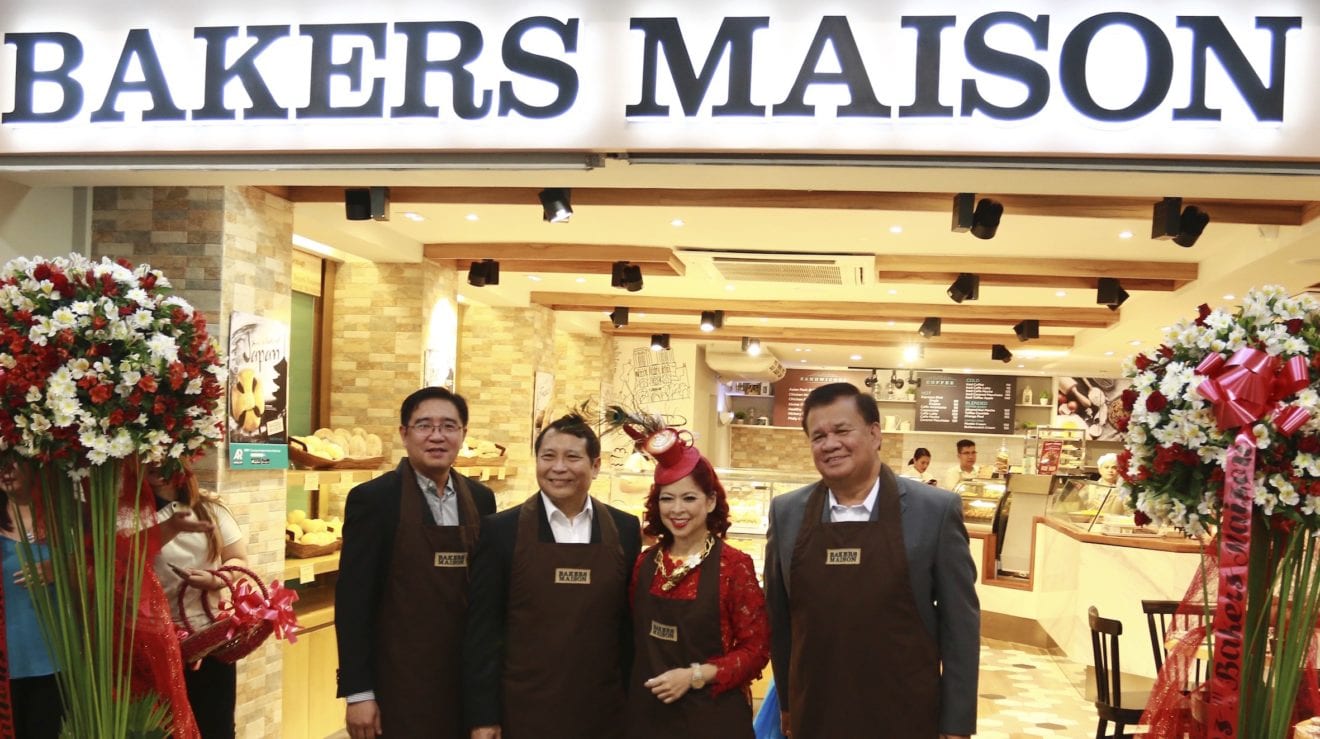
    The first Bakers Maison has opened at SM North Edsa in Quezon City, offering freshly baked products “inspired by traditional and authentic French recipes and a fusion of flavours from all over the world”.

    Bakers Maison is part of the QAF group from Singapore, the parent company of Gardenia Philippines, and was established in New South Wales in 1998.

    All breads are partially baked in a clean and controlled environment and delivered frozen to the store for final oven baking, says Umali.

    “This process, otherwise known as the ‘par-baked’ method, guarantees consistent quality and freshness.”

    A central commissary production unit in Binan, Laguna, uses fast-freezing technology to lock in the freshness in the bread until final baking.

    Gardenia Philippines last month opened a sixth plant capable of producing 150,000 loaves a day to serve bread demand in Luzon. The P1-billion ($21,000) plant is in line with the company’s effort to intensify distribution to retail partners from Cagayan Valley to Sorsogon.

  • Asian retail outlook: “more cautious”

    Asian retail outlook: “more cautious”

    High operating costs – particularly rents and labor in Asia – will ensure retailers are more cautious this year, concludes real estate specialist CBRE.

    In its annual Asian retail outlook, the company’s research department predicts many retailers will shift their strategic focus from expanding their store networks to rationalisation, improving in-store profitability and upgrading to better locations.

    That trend is expected across the broad Asia-pacific market, including Hong Kong.

    “Leasing activity will diverge across markets, with Australia, Japan and New Zealand the most upbeat, whereas Hong Kong and Singapore will continue to struggle,” CBRE concluded.

    “Driven by ongoing urbanisation and wage increases, Southeast Asia will also see solid leasing activity. Demand across the region will be led by food and beverage retailers, while affordable and niche luxury brands will also be active.”

    CBRE also warns the rise of online shopping will continue to force shopping malls to embrace ‘retail-tainment’ and adjust their trade mix to include more experience-oriented retailers to retain foot traffic. Around 63.8 million sqft of new shopping center supply is scheduled to be completed in 2016. Against the sluggish leasing demand and ample new supply, overall retail rents are forecast to experience a mild correction of below 1 per cent in 2016.

    In a broader property outlook, CBRE forecasts that due to Asia Pacific’s steady economic growth – which will continue to outpace the rest of the world in 2016 – investment activity in the region will remain solid, although activity will be limited by asset pricing and availability.

    “The region’s investment market will continue to see strong demand from real estate funds and institutional investors. Institutional investors will continue to invest in Asia Pacific to increase their exposure to real estate for strategic diversification,” said Dr Henry Chin, head of research, CBRE Asia Pacific.

    “That said, Asia Pacific will enter a period of slower growth in the commercial real estate market with activity likely to moderate over the course of the year as it becomes more challenging to source investable stock able to meet investors’ target returns. Interest rates will remain low in 2016 so yields are largely to remain stable across Asia Pacific. However, we are expecting to see a mild yield expansion in 2017 together with the rise in interest rates.”

    The economic slowdown in China – as well as higher-than-expected US interest hike rates, and currency volatility – will also remain a key concern for investors, given the scale of its impact across the whole region.

    “However, macro trends of urbanisation and the rise of the middle class remain largely unchanged and will continue to drive growth across Asia.

    “There are structural investment-themed opportunities for investors to focus on in 2016, such as the growth of e-commerce, regional tourism and demographic changes. Demographic changes will create opportunities in niche sectors such as self-storage facilities, senior and student housing, and data centers,” said Chin.

    “Regionally, active markets will continue to be led by Australia and Japan, whilst India expects to see a positive year following the relaxation of FDI norms at the end of last year.

    “China will also remain on the radar for most international investors although demand will be largely confined to tier I cities. Overall, the long-term outlook remains positive for the region,” he concluded.

    CBRE’s 2016 APAC Real Estate Market Outlook report can be downloaded here.

  • Australia, Indonesia boosting tourism and economic growth

    Australia, Indonesia boosting tourism and economic growth

    Australia is expanding efforts to encourage two-way tourism between Australia and Indonesia as a key driver of shared economic growth and more knowledge of each others country.

    Australian Ambassador to Indonesia Paul Grigson said tourism powers economies and supports communities.

    “We want to increase tourism in both directions. The Indonesian Government has already recognised the potential economic boost a strong tourism industry can deliver,” the ambassador was quoted as saying by the Australian Embassy here on its website.

    According to the ambassador, Australian tourism can help Indonesia realise that vision. More than a million Australians visit Indonesia every year. Australian tourists contribute 18 trillion IDR (AUD$1.8 billion) a year to the Indonesian economy, Ambassador Grigson said on Tuesday.

    He said as Indonesia seeks to develop its tourism industry beyond Bali, ease of travel is integral to its success. Indonesia has already experienced a 19 per cent increase in tourists from countries which were granted visa free access in 2015.

    “A quarter of all tourists to Bali are Australian. We want to see more Australians come to Indonesia and experience sunrise at Mount Bromo, taste the spices of Padang and watch the sunset at Borobudur,” Grigson told Indonesian tourism industry representatives in a speech in Jakarta.

    Beyond these economic benefits, tourism builds links between people. It challenges stereotypes. It opens up new worlds and greater understanding.

    “I want more Indonesians to visit Australia.We have world class cuisine, galleries and unique experiences. With famous wildlife, fabulous wine and fantastic weather, Australia beats any other destination,” he said.

    Australia was the tenth most popular destination for Indonesian tourists in 2014 with a total of 149,800 visitors, up 7.6 per cent from 2013.

    More Indonesians travelling to Australia will make expanded flight routes between Australia and Indonesia more viable in the long-term, bringing benefits to both our economies.

    “Indonesian investors may also be missing out on opportunities to capitalise on some of the major tourism infrastructure projects currently underway in Australia. In 2014 alone, investment in the Australian tourism industry was valued at $53.7 billion,” he said.

    He added that the more Australians and Indonesians experience each others countries, the deeper their connections become.

    “The tourism industry is integral to the prosperity of both our countries. Now is the time for us to reach out to each other as neighbours and shape our futures together,” Grigson said.

  • Chinese demand to drive growth in Australian luxury

    Chinese demand to drive growth in Australian luxury

    A surge in demand for luxury goods has seen Chinese-led spending overwhelmingly turn to international markets including Australia, according to the latest research from property group CBRE.

    According to the latest report, Luxury Retail 2015, 70 per cent of all Chinese-led luxury purchases are now transacted overseas, resulting in increased sales across the world, including Australian markets.

    “Chinese purchasers account for 30 per cent of the luxury spend worldwide and 70 per cent of these purchases take place overseas, showing that the downward shift in their economy has prompted Asian consumers to rethink their purchasing habits,” said CBRE head of research and consulting EMEA, Andrew Phipps.

    “The advent of the new ‘anti-extravagance legislation’ in China and their consumers’ growing awareness of price differentials of up to 70 per cent has led to many preferring to make their purchases overseas, where the prices are far more attractive,” said Phipps.

    CBRE head of retail brokerage leasing, Australia, Leif Olson said international brands were looking to capitalise on the uptick in demand for luxury goods by securing a presence in Australia’s biggest fashion hubs.

    “In 2015, the Australian retail landscape has transformed significantly, with a plethora of global brands lining up to open stores across the country,” said Olson. “This momentum shows no sign of slowing down, with affordable luxury brands to lead the charge in Australia over the next year, while top tier brands will look at securing flagship assets in core locations.”

    Olson said the next wave of growth in Australia’s luxury retail market would be centred on the expansion of retailers in Brisbane, Perth and Adelaide; the addition of food and beverage to luxury retail; and growth of premium childrenswear.

    “The addition of food and beverage to luxury retail stores is an untapped market in Australia, and a widespread concept already seen in the world’s largest fashion meccas, including Hong Kong and Macau,” said Olson.

    “Not everyone is in a position to splash out on a luxury branded handbag or wallet, but being able to have a coffee or meal at Armani, for example, broadens the brand’s appeal and makes it more accessible for everyone.“

    Luxury childrenswear represents another opportunity for growth in Australia says Olson.

    “Shifting the appeal of a brand from adults to families will be a major focus of retailers expanding in Australia, with this helping them to engage and reinforce relationships with their key clients – the parents – while building their future consumer base from the next generation.”

  • Study reveals Asian dining spending trends

    Study reveals Asian dining spending trends

    One in three millennials in Asia are eating at fine dining restaurants at least once a month – more often than those aged over 30.

    The surprise finding is one of a list of revelations uncovered by a MasterCard survey of Asian dining trends away from home. It featured consumers in 17 Asia Pacific markets: Australia, Bangladesh, China, Hong Kong, India, Indonesia, Japan, Malaysia, Myanmar, New Zealand, Philippines, Singapore, South Korea, Sri Lanka, Taiwan, Thailand and Vietnam.

    The most frequent fine-diners in Asia Pacific are millennials (18-29 year olds) from China – on average they visit more expensive establishments two or three times a month. This is higher than the average for millennials across the region and higher than any other age group.

    When choosing where to eat, consumers in Asia Pacific still prefer to rely on word of mouth and recommendations from friends and family (50 per cent). This was applicable for all consumers, regardless of age group, with even millennials trusting word of mouth recommendations (52 per cent) more than online reviews (38 per cent).

    This is despite the fact that more than a third of millennials (36 per cent) post comments and reviews of their dining experiences online. This is especially true of Chinese (61 per cent) and Thai (52 per cent) millennials, where more than half of the young people polled regularly post reviews after a meal.

    Beyond millennials, people in Thailand (39 per cent) and China (30 per cent) are also the most likely to spend more on dining over the next six months with around one in three indicating they plan to eat at more expensive establishments.

    But while consumers may be enjoying fine dining, they are still cost conscious. Sixty-four per cent of consumers in Asia Pacific regularly check for discounts or dining deals from coupon websites, mobile applications or credit card promotions. Sixty-eight per cent of millennials regularly look out for deals before choosing a place to eat.

    Eric Schneider, regional head, Asia Pacific, with MasterCard Advisors, said Asia has always had a strong dining out culture and so it is not surprising that affluent millennials in the region are ‘foodies,’ with many sharing their dining experiences on social media and posting reviews online.

    “While the survey has shown that people are increasingly moving from the hawker centres and into restaurants, young people are still cost conscious, taking a practical and savvy approach by looking for discounts and deals. Young people also still rely on word of mouth recommendations, despite many posting online reviews of dining spots. As Asia’s economies continue to grow, and with technology and social media revolutionizing the dining experience, people will increasingly demand top quality experiences when dining out,” he said.

    Other findings from the survey included:

    • Overall, consumers in Asia Pacific are not looking to make any significant changes to their dining out plans with 61 per cent of all consumers indicating they will look to eat out at the same frequency in the next six months. Twenty per cent plan to eat out more and 19 per cent plan to eat out less in the next six months.
    • The most popular dining option for consumers in Asia Pacific are mid-range restaurants and cafes, followed by fast food outlets and then hawker centres and food courts.
    • Consumers in the Philippines (44 per cent) are looking to tighten their belts with close to one in two planning to eat at less expensive venues in the next six months. Forty-nine per cent also plan to eat out less regularly.
    • A significant proportion of older consumers are going online to check for dining discounts whether on coupon websites/applications or credit card promotions. More than one-third of consumers aged 55 years old and above (36 per cent) indicated they regularly do so before deciding on a dining option.
    • Consumers in China (58 per cent), Taiwan (44 per cent) and Thailand (44 per cent) are the most likely to book dining deals on coupon sites or coupon applications; while consumers in Bangladesh (1 per cent) and Indonesia (11 per cent) were least likely to do so.
    • Diners in Thailand (60 per cent) and China (57 per cent) are most likely to post comments or reviews on social networking sites like Facebook and Twitter with about one in two respondents in these markets reporting that they regularly post comments online following their dining experience.

    The results are based on interviews with 8698 individuals aged 18 to 64 years-old.

  • Mujosh makes Australian debut

    Mujosh makes Australian debut

    Mujosh, the Hong Kong fashion eyewear brand, has opened its first store in Australia – at Melbourne Central mall in the city’s CBD.

    Just five years old, Mujosh has already opened stores in Thailand and Malaysia. Australia is its third overseas market entered with a specialty store, although it has distribution agreements in other markets, including Japan.

    “We hand picked a selection including our bestsellers and limited-edition designer series for our customers in Australia,” said Grace Zhang, director of international business division with Mujosh.

    “The latest Mujosh collections will also be unveiled in here at the same time as it will be in other territories.”

    “It is exciting that we can bring Mujosh to our customers in Australia,” said Alan Chen, the brand’s founder.

    “After five years of fast but solid development, Mujosh decided to expand into the international market at the beginning of 2015. Having our first store in Australia is an important milestone for our international business development.”

    Managed by GPT, Melbourne Central located in the heart of Melbourne, attracts a wide variety of customers from the inner suburbs of the city.

    Mujosh was founded by “a group of young creative rule-breakers who believe glasses are not only tools to improve eyesight, but also fashion accessories to differentiate wearers and make them stand out from the crowd,” the company explains.

  • Harvey Norman expands with new flagship megastore

    Harvey Norman expands with new flagship megastore

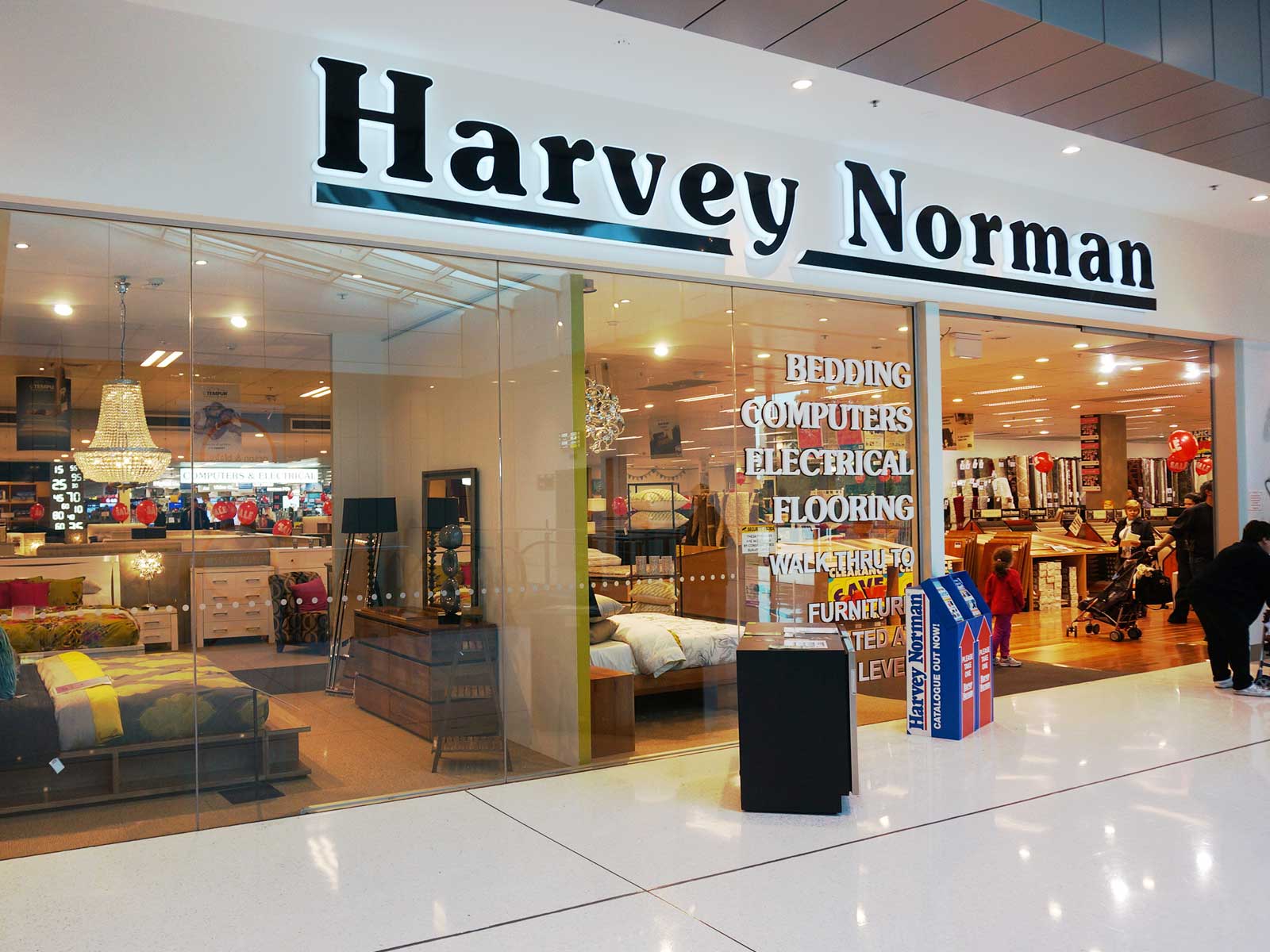
    Australian department store giant Harvey Norman has expanded its presence in Singapore with a new flagship store in the Central Business District despite a downturn in the retail sector that has crippled many operators here.

    The three-storey, 100,000 sq ft superstore, officially opened in Millenia Walk on Thursday, may seem a risky move but chief executive Katie Page shrugged off notions that she may be betting against the market odds.

    “The retail business is competitive all the time, it didn’t just start becoming challenging. We’ve been in this business for 32 years and there is not one year for me that hasn’t been competitive,” she told The Straits Times .

    “You have to keep evolving your business, you have to make it appealing to your customers, give them an experience. You don’t just open a store, not put in the effort like (the flagship store), and expect customers to shop with you.”

    The megastore, which has replaced Harvey Norman’s old 45,000 sq ft outlet in Millenia Walk, is the largest homemaker department store in the CBD.

    The expansion comes at a time when retailer businesses across Singapore are suffering from cut-throat competition, high operating costs and fragile consumer sentiment.

    Well-known brands such as French retailer Carrefour and the Japanese fashion label Lowrys Farm have beaten a retreat from Singapore in recent times.

    The challenge is also evident in Millenia Walk, with Japanese department store Parco shutting its doors in February last year.

    But Ms Page stressed that she has no issue with the location, which was the site for Harvey Norman’s first store in 2001.

    She said the massive floor size is the strategic advantage she has been seeking for years in Singapore.

    “We never had the space for furniture and bedding like we do now, and in Millenia Walk, we have the opportunity to show Singapore what the Harvey Norman brand truly is.

    “So when some retailers say it’s tough for them to do business, I say it’s tough for us that we had not been able to show our full brand like we do in Australia or Malaysia.

    “Having a flagship like this sets the brand, something you can’t do online. You must have the physical space that tells the world what you’re about.”

    Ms Page declined to reveal how much was invested in the new shop, saying only that it was a significant amount for which its return can be achieved “very quickly”.

    “We will know over the next six months where this store really sits within our group in business terms, but I am thinking that this will be as good as our No. 1 store in the world,” she said.

    Harvey Norman, which operates 15 outlets in Singapore, has included some novel features in the shop, including Singapore’s first Fujifilm Wonder Photo Shop and the first Microsoft in-store outlet.

    Ms Page added: “When I sat down with (Millenia Walk owner and) Pontiac Land’s Kwee Liong Phing – a very good friend of mine – about 12 months ago to discuss our plans, we decided for it to be nothing short of the best homemaker department store in the world.

    “This is our largest store in Asia and we want it to be our hub for the region. We’ve got 100,000 sq ft… right in the middle of the city centre. I don’t think you will find that combination anywhere in Asia.”

  • Telstra retail boss resigns after short stint in the job

    Telstra retail boss resigns after short stint in the job

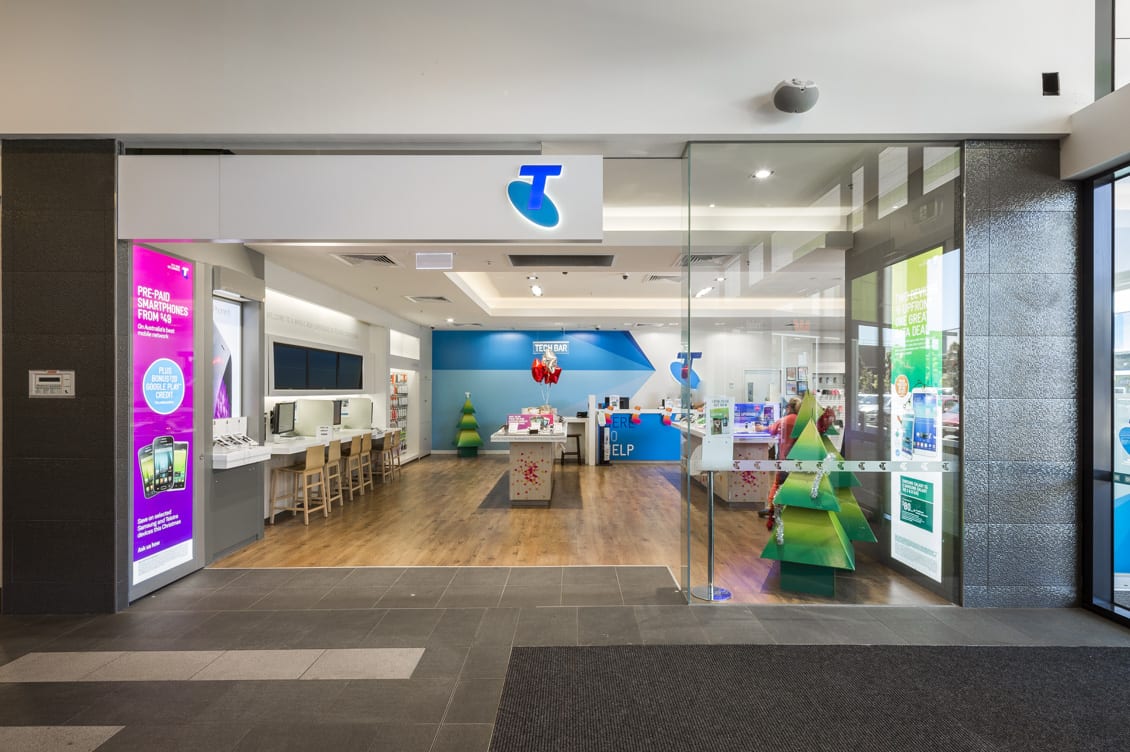
    Telstra head of retail Karsten Wildberger has resigned after less than two months in the job.

    Wildberger is leaving the telco for ‘personal reasons’ and will return to Germany around the middle of next year to take up an executive role outside the telecommunications industry.

    Wildberger was appointed to the retail role when Telstra undertook a management reshuffle after of the resignation of Gordon Ballantyne. Wildberger, who had been an executive in Telstra’s consumer division since 2013, replaced Ballantyne as retail group executive.

    Telstra CEO Andy Penn announced Wildberger’s resignation this morning, saying he was sorry that Dr Wildberger would be leaving Telstra, “as he was a very capable telecommunications executive who had contributed to Telstra’s progress”.

    “Karsten is a great executive.  We will be disappointed to see him go but understand his personal reasons.  Karsten brings great energy and passion to our business and has significant global experience.”

    Penn said a successor to Wildberger will be announced in the near future.

    Wildberger is a former partner and managing director with The Boston Consulting Group and held Executive Vice President roles in Finance, Sales and Marketing for Deutsche Telekom in the UK and Germany. He also worked with Vodafone as an executive and interim CEO in Romania and is a Director of the Telstra Foundation and Telstra Ventures.

    The Telstra Retail business includes consumer and business divisions, product and digital business units with broader enterprise-wide responsibilities and a strong focus on customer advocacy.  The division is responsible for a significant portion of the Telstra’s revenue and profit.

    In a brief statement, Wildberger said “I have thoroughly enjoyed my time at Telstra and in Australia and am excited by the company’s prospects.

    “I was privileged to be selected by Andy Penn to lead the retail team.  I am grateful to this incredible company, its people and its customers for three years of achievement and inspiration.”

  • Zara Home to launch its online platform in Australia

    Zara Home to launch its online platform in Australia

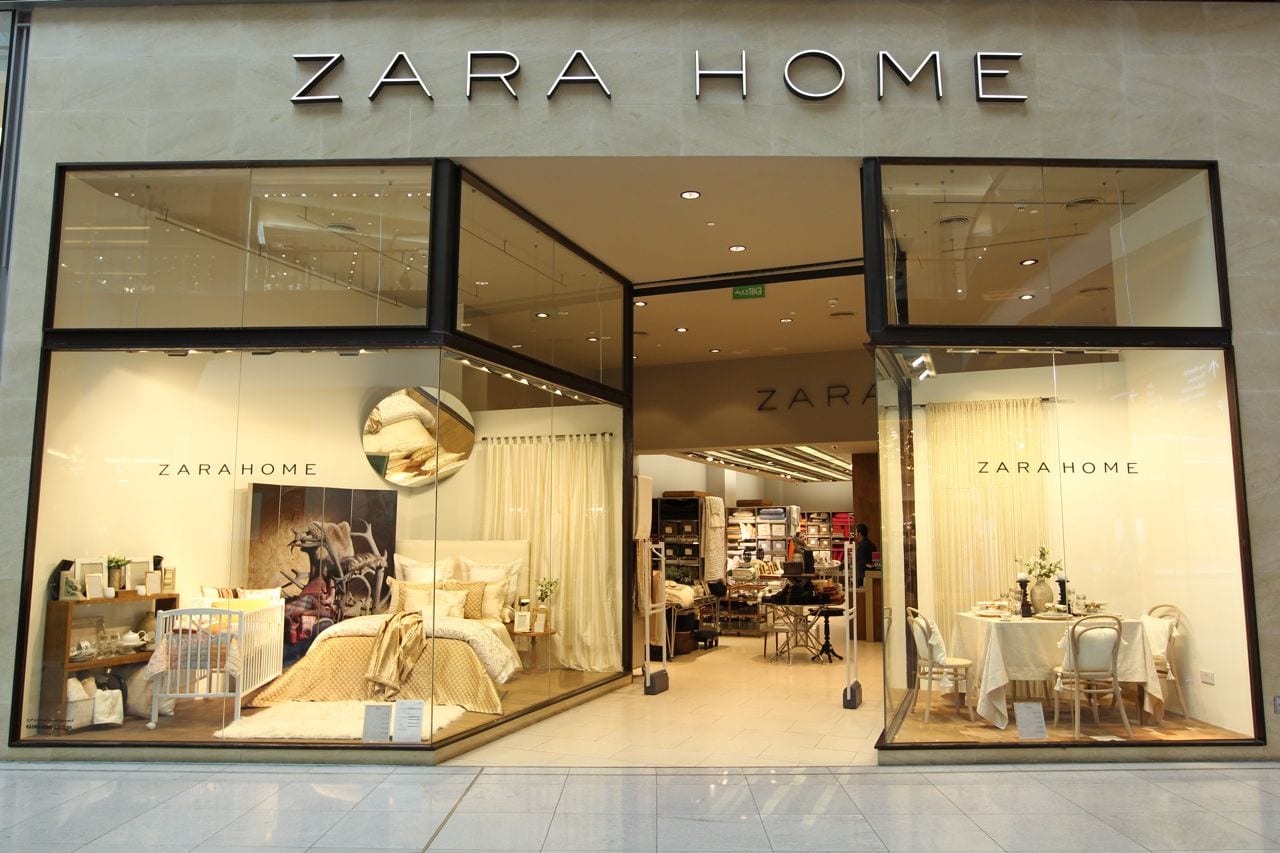
    Zara Home, the Inditex Group trademark devoted to homewear and home decor, is due to launch its online platform in Australia (www.zarahome.com) on 3 December.

    This launch marks the start of Inditex’s e-commerce operations in the Southern Hemisphere. This move emulates the decision taken back in 2007 to use Zara Home as the first Group retail format to spearhead online sales. The rollout of Inditex’s first virtual store in Australasia coincides, moreover, with the opening of the chain’s 500th establishment, namely a 480m2 flagship store in Sydney’s Pitt Street Mall.

    The product catalogue available at the new online store includes home textiles from sheets and towels to tablecloths as well as a selection of furniture, dishware, cutlery, home decoration objects and gift items; in short, all the same products as are available in the physical stores.

    The e-commerce platform will also be configured for the chain’s official app which is available in iOS and Android format. www.zarahome.com users will be offered new items weekly and monthly lookbooks and videos with all the latest trends.
    To celebrate its arrival in Australia, all orders placed online during the first week following the launch will enjoy free delivery.

    Zara Home store #500

    In parallel to the arrival of www.zarahome.com in the Australian market, the Inditex Group’s homeware chain will inaugurate its 500th store in Sydney’s Pitt Street Mall. The new establishment, a two-storey flagship store spanning 480m2, will accommodate all of the brand’s collections, including the Zara Home Kids line.

    The establishment will showcase an innovative store design, in keeping with the newest Zara Home image being deployed worldwide. The architecture team has sought to respect the building’s original façade, which is punctuated by characteristic gold logos and white lattice anagrams on the windows.

    The store combines a vanguard and elegant design with a penchant for simplicity and respect for nature, as is evident in the materials used. The neutral colour palette, the use of chestnut timber and marble floors which echo mother-of-pearl are some of the hallmark traits of this new Zara Home store in Sydney.

    As with the rest of the Zara Home stores around the world, the Sydney store will launch two collections a year. To this end, the design teams will present ideas which pick up on the latest trends each season. In parallel, the product range will be refreshed with new items twice a week.

    About Zara Home
    Zara Home is the Inditex Group chain specialised in homewear and home decor. Its collections take their inspiration from the latest fashion trends and materialise in a catalogue encompassing home textiles, such as bedding, towels and tablecloths, as well as furniture, dishware, cutlery, ornaments, gift items, loungewear and a line of bathroom and bodycare products. Since its launch in 2003, Zara Home has grown rapidly and its footprint currently extends to 62 markets, including Australia, with a total of 500 stores.

    Moreover, it sells its products online in 22 markets. Underpinned by a team of over 3,500 professionals, the brand offers the latest trends in home decor and fashion every season, restocking and rolling out new products across its store network every week.

    Zara Home – the milestones

    • 2003 – Zara Home was set up as an Inditex Group retail format in the month of August. By the end of that year it had already opened 26 stores: 22 in Spain, two in Portugal, one in the UK and one in Greece.
    • 2004 – Zara Home registered substantial growth in its second year in existence, opening 36 new stores and entering two new markets: Mexico and Netherlands.
    • 2005 – The trademark forged ahead with its expansion, opening 48 new establishments and penetrating nine new countries by year-end: Italy, Belgium, Cyprus, Turkey, Saudi Arabia, United Arab Emirates, Kuwait and Andorra.
    • 2006 – Zara Home disembarked in France. By October of that year, the Inditex Group store network reached the 3,000 mark as Zara Home opened a new store in Valencia. The brand ended that year with 152 stores worldwide.
    • 2007 – Zara Home penetrated four new markets: Qatar, Jordan, Oman and Lebanon. That same year it would initiate online selling in 14 European markets. Sales floor expansion, meanwhile, continued apace, with 52 new store openings.
    • 2008 – Zara Home established itself in four new countries: Romania, Malta, Bahrain and Morocco. That year it also inaugurated a flagship store in Saint Petersburg (Russia) in a neoclassical building on the city’s emblematic Nevsky street, with new openings that year tallying 35.
    • 2009 – Zara Home opened the doors of its first ‘eco-efficient’ store, on Portal del L’Angel street in Barcelona. It was the first European establishment to obtain LEED certification, endorsing compliance with the most stringent sustainable building standards. It also opened its first store in Poland that year and ended 2009 with 22 new openings.
    • 2010 – Zara Home unveiled a flagship store in Milan (Italy), on Piazza San Babila. That same year, a total of 27 new stores opened their doors for the first time.
    • 2011 – The homeware brand opened its maiden store in Asia: in Peking. In November of that year, Zara Home celebrated its #300 store opening when it opened a flagship store in the heart of A Coruña (Spain).
    • 2012 – Zara Home chose Sao Paulo for its first store in Brazil. That year it also penetrated four new markets: Colombia, Peru, Guatemala and the Dominican Republic. 2012 was also marked by the inauguration of the chain’s e-commerce platform in the US.
    • 2013 – The brand celebrated its tenth anniversary with store openings in 11 new markets: Canada, Honduras, Hong Kong, Indonesia, Japan, Kazakhstan, Panama, Thailand, Taiwan, Sweden and Uruguay. And it opened two new flagship stores: one on Paris’s Champs Elysees and one on Barcelona’s Paseo de Gracia.
    • 2014 – Zara Home rolled out its online platform in Mexico and Russia. The chain’s bricks & mortar presence was extended to encompass South Korea, Hungary and Algeria.
    • 2015 – Having docked in Australia (Melbourne in February and Sydney in December), Chile, Austria and Switzerland, Zara Home has extended its physical reach to 62 markets, ending the year with 500 stores worldwide. It also initiated online sales in Australia, thereby spearheading the Inditex Group’s e-commerce strategy for the Southern Hemisphere.###
    Inditex: Zara Home to launch its online platform in Australia

    Inditex: Zara Home to launch its online platform in Australia

  • Sweden’s H&M opens doors in Sydney

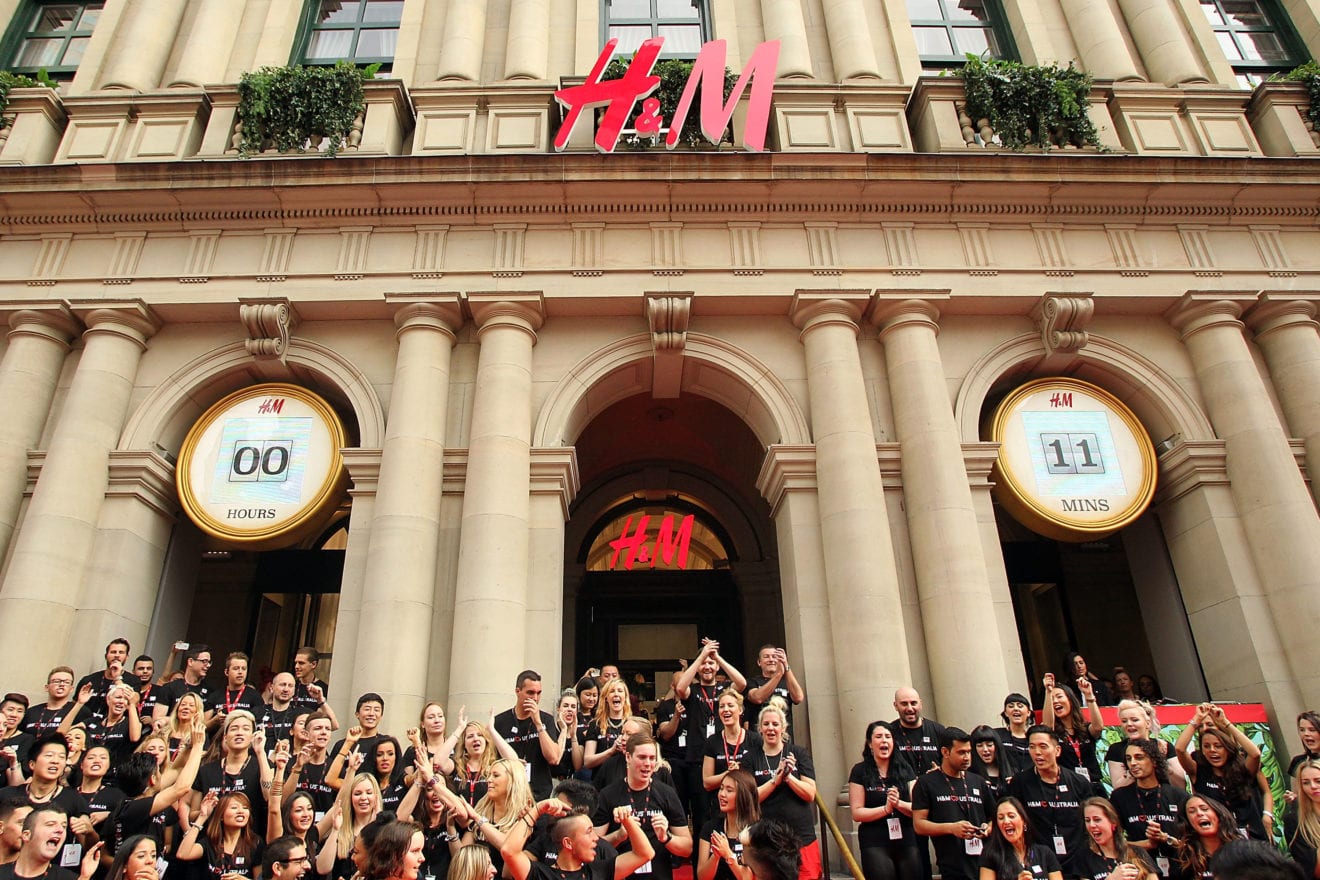
    Sweden’s H&M opens doors in Sydney

    An artist’s impression of the H&M store in Pitt Street Mall’s Glasshouse building.

    The opening of Swedish fast fashion giant H&M Australia’s store this weekend in Sydney’s Pitt Street Mall will boost revenue for city retail landlords, agents says.

    It follows Forever 21, Zara and Uniqlo onto the strip. They were the first major international brands to put the area on the global map.

    CBRE said that with openings or leases secured on more than 30 new stores, the pace of first-time international brand entrants and expansion in Australia continued unabated.

    This compares with more than 35 new openings and lease deals for 2014, CBRE’s third-quarter 2015 Retail MarketView​ shows.

    CBRE’s senior research manager, Danny Lee, said Sydney and Melbourne had had the highest activity in 2015, followed by Brisbane and Perth.

    “Foreign brand penetration in Australia is fairly low in comparison to other countries at 28 per cent, which is a key attraction for these offshore retailers,” Mr Lee said.

    “It would take an additional 50 brands to enter the market to reach the same level as some Asian countries, such as Singapore and Hong Kong, with 90 more required to reach the UK’s level of 57 per cent.”

    CBRE’s head of retail tenant representation Australia, Tim Starling, said the low penetration rate in Australia served to minimise competition between foreign brands.

    “Other key attractions for foreign retailers include the fact that Australia is one of the highest-consuming developed nations, with consumption per capita growing at twice the rate of the US between 2008 and 2014,” Mr Starling said.

    CBRE’s head of retail brokerage leasing Australia, Leif Olson, said the impact on the market would also mean that super prime rents would grow by a forecast 4 per cent per annum over the next three years

  • Pandora extends alliance with Disney

    Pandora extends alliance with Disney

    Beginning in November 2015, Pandora will launch its Disney jewellery collection in 13 markets including Australia, China and Japan.

    Pandora chief executive Anders Colding Friis said: “The reception of the Pandora Disney collection in North America has been amazing, and following discussions with Disney, we have together decided to expand the collaboration to include the Asia Pacific.

    “We believe that the collection will fit well with the population in Asia and Australia, and look forward to offer our Disney inspired products to our customers in the region.”

    As part of the alliance, Pandora will be the designated official charm bracelet of Hong Kong Disneyland Resort and the upcoming Shanghai Disney Resort.

    In August 2014 Pandora and Disney entered into a strategic alliance to create an original Pandora collection of Disney-themed jewellery.

    The collection is currently sold in Walt Disney World Resort and Disneyland Resort and Pandora stores throughout the US, Canada, Mexico, Puerto Rico, Central America and the Caribbean.

    The news is reported by the company to have no impact on its outlook for 2015, as latest communicated to the market in connection with its Q2 2015 report on August 11.

  • Sydney hosts Indonesia AirAsia X

    Sydney hosts Indonesia AirAsia X

    “We’re pleased to welcome Indonesia AirAsia X to Sydney, providing more choice for Sydneysiders travelling to Bali, as well as greater connectivity to Indonesian and Asian destinations from the airline’s Bali hub,” Sydney Airport managing director and chief executive officer Kerrie Mather said.

    “We’re thrilled that Sydney Airport is now the world’s leading low-cost long-haul airport, with five international low-cost long-haul carriers.”

    Bali is Australia’s largest outbound leisure market. Around 416,000 Australians travelled from Sydney to Indonesia in the 12 months to July 2015, an increase of eight per cent on the prior corresponding period.

    “More than 555,000 passengers travelled between Sydney and Indonesia in the past year, and this new service will significantly increase capacity to one of Sydney’s favourite travel destinations in time for the summer holidays,” Ms Mather said.

    Indonesia AirAsia X CEO Dendy Kurniawan, who touched down in Sydney on the inaugural flight, operated by an A330-300 aircraft, said that Australia is an important market to Indonesia AirAsia X and the airline is committed to further strengthening its presence in Australia.

    “We are delighted to serve direct flights between Bali and Sydney, providing Sydneysiders the opportunity to explore Bali and beyond at affordable fares. From Bali, our guests can fly onwards to many exotic destinations within Indonesia such as Jakarta, Bandung, Surabaya and Yogykarta,” Mr Kurniawan said.

    Indonesia AirAsia X is the fourth airline servicing the Sydney-Bali route

  • Smash hit Australian kids’ stationary store Smiggle is going global

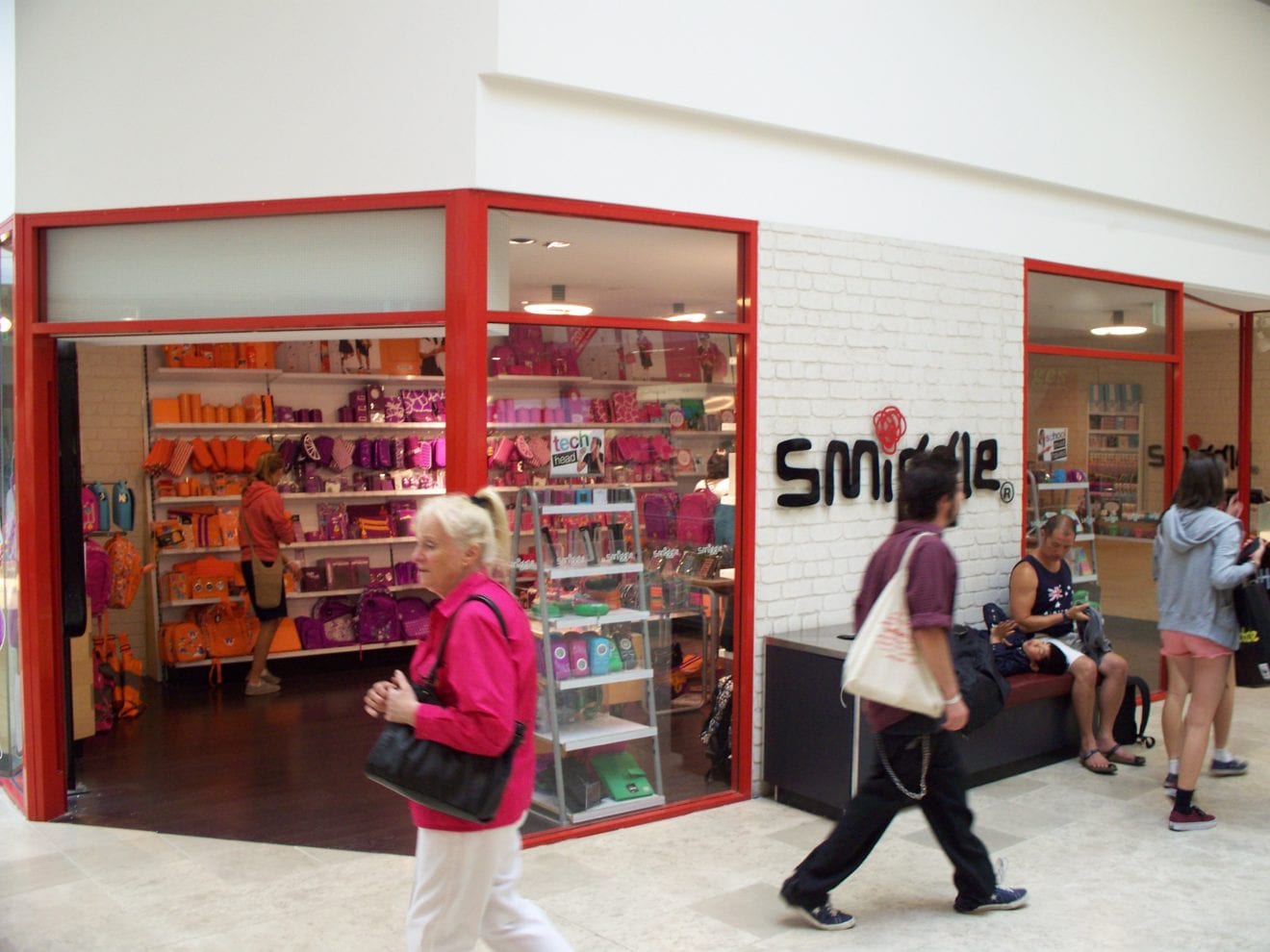
    Smash hit Australian kids’ stationary store Smiggle is going global

    Billionaire retail veteran Solomon Lew is boosting the global presence of his iconic kids’ stationary store, Smiggle, after announcing plans to open up 50 new stores across Hong Kong and Malaysia over the next five years.

    Managing director of Premier Investments’ Smiggle, John Cheston, has singled out the growing appetite for fashion-based stationary in Hong Kong’s shopping centres which he describes as being a “fertile ground” with “limited competition”.

    “In Hong Kong if you are hot they want you and if you are cold they don’t. We are in demand from the landlords over here. We need to leverage that business with the agents who represent us and get good locations and get good deals. The biggest challenge is getting the space and the rents,” Cheston told the AFR.

    So far, the retail chain store has opened more than 100 stores in Australia with shop fronts in New Zealand, Singapore including another 16 stores to open up before Christmas in UK this year, bringing the total to 200 stores in the UK.

    The decision to go global rides off the success of the stationary empire with last month’s figures reporting a sales jump of 26% to $132.6 million, making it the fastest-growing business within the Premier Investments apparel group.

    The retail is holding optimistic expectations about its first foray into the Hong Kong and Malaysian marketplace after testing the waters in Singapore earlier last year with plans to generate $55 million in revenue.

    “The international business in a very short period of time will be much larger than the Australian business and there are not too many Australian retailers who have been successful offshore,” said Lew.

    “This is going to be world-class operation and there is no reason it shouldn’t work in any country in the world where there is moderate income.”

    The decision for the retail giant to take things global has been on the cards for some time now.

    “The retail environment in Australia remains challenging, however we continue to adapt by rejuvenating our core brands, growing uniquely positioned brands like Peter Alexander and seeking opportunities for further offshore expansion of Smiggle,” said Solomon Lew more than two years ago.

    These comments were followed up by Lew who said that there would be continued investment to support the growth of Smiggle in local and overseas markets earlier this year despite volatile consumer confidence.