Tag: Auto

  • Skoda to build plant in Vietnam

    Skoda to build plant in Vietnam

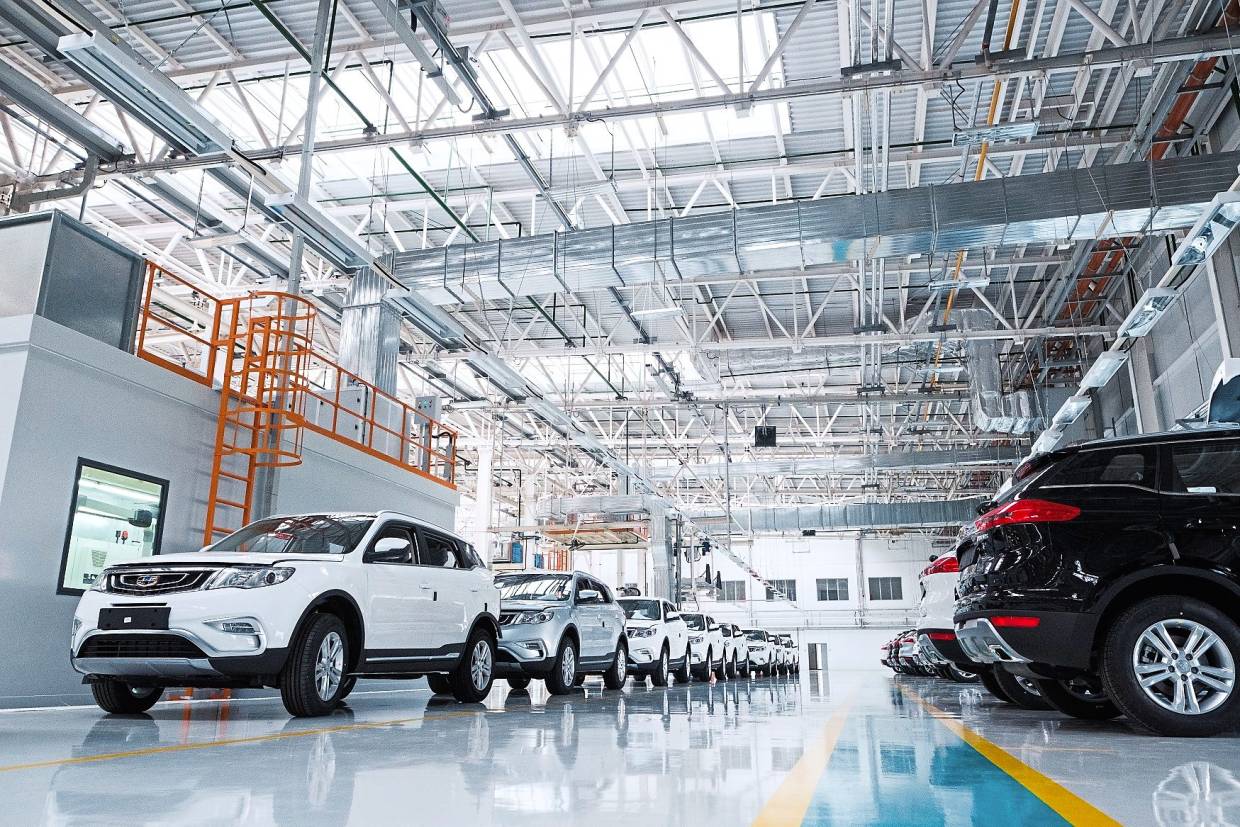
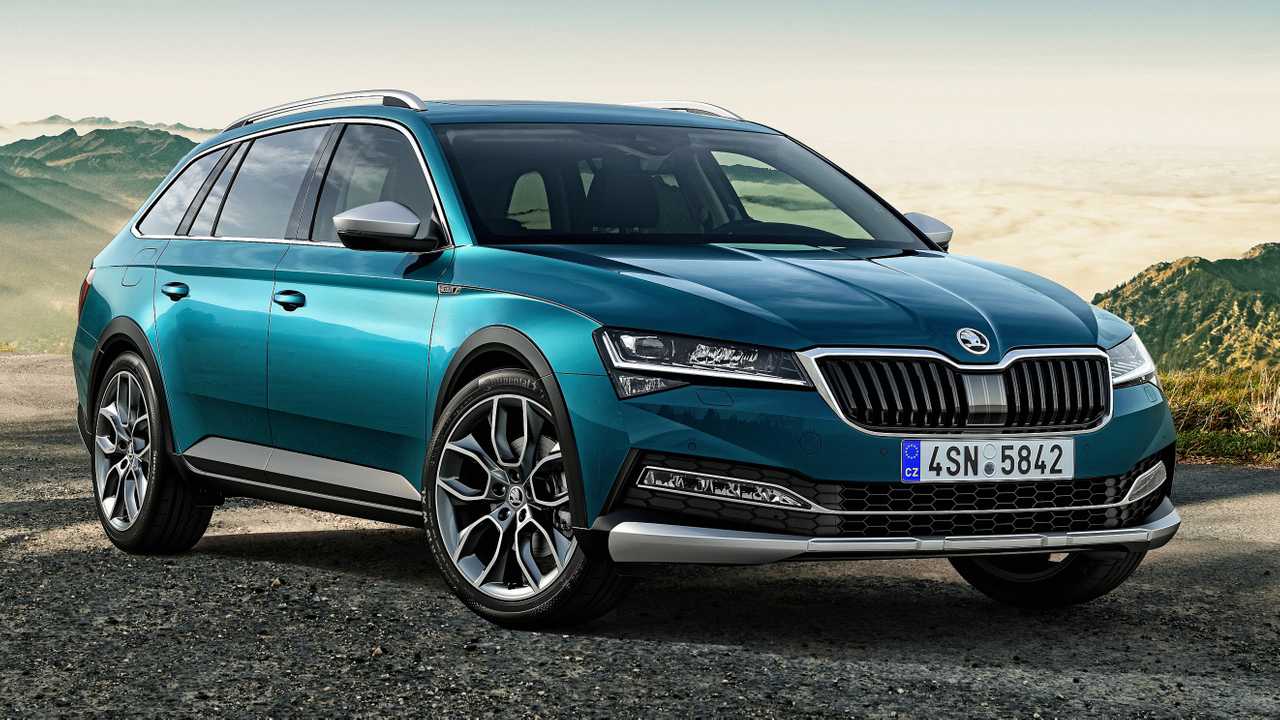
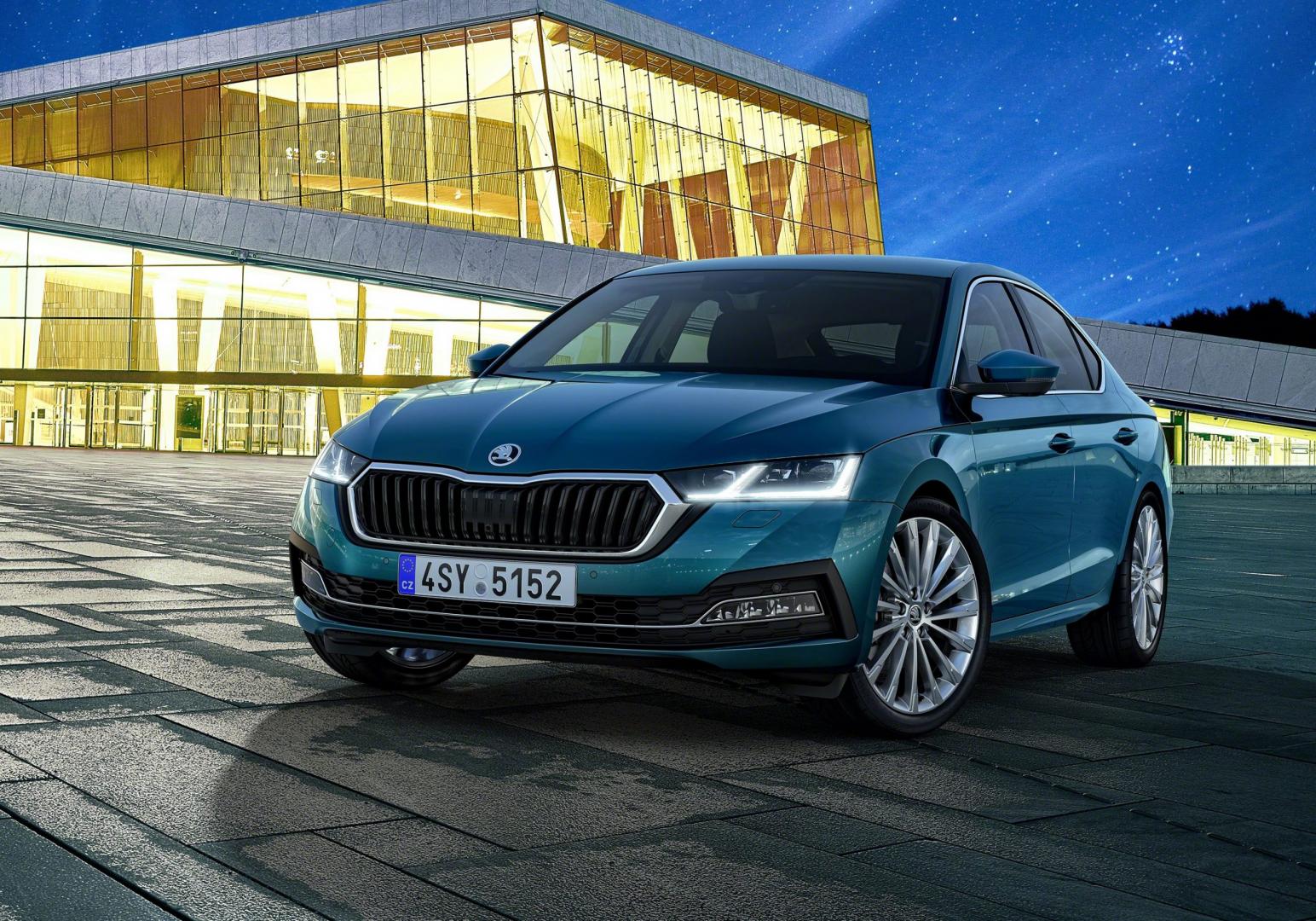
    Czech automaker Skoda is set to build a plant in the northern province of Quang Ninh and expects to begin production and exports of vehicles by 2023.
    Leaders of the company have worked with representatives of the Ministry of Industry and Trade on the plan of building the factory.

    Martin Jahn, a director of Skoda Auto, said the Vietnamese car market is relatively small but very promising.

    “The political and trade ties between the two countries represent extensive opportunities for cooperation.”

    There are 44 Czech projects in Vietnam with a total investment of $91 million, according to the Ministry of Planning and Investment.

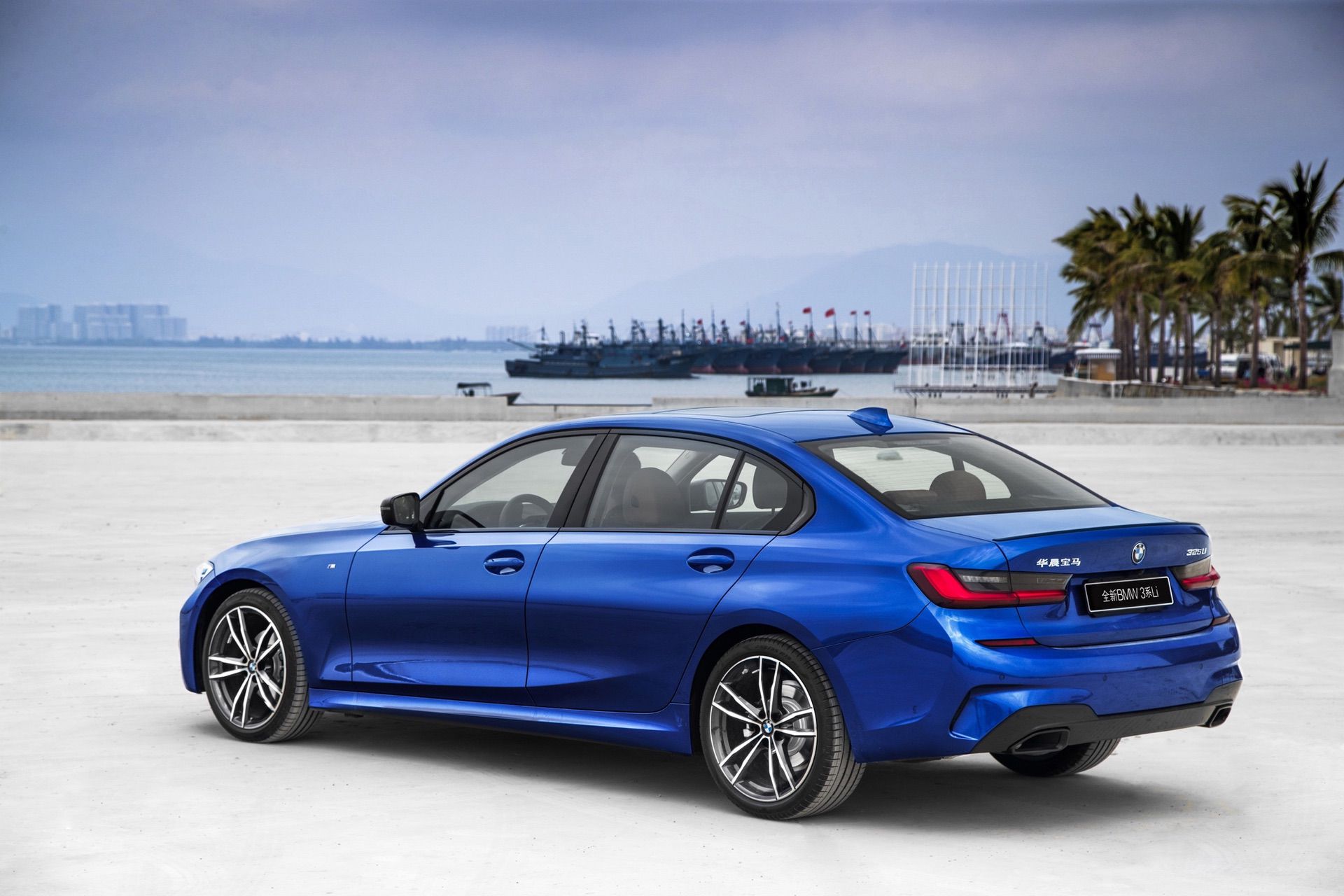
    Mercedes-Benz and Peugeot are two European carmakers with plants in Vietnam, while BMW’s factory is expected to be completed this year.

    Skoda manufactured around 900,000 cars last year and sold nearly half in Western Europe.

    Established in 1925, it is a subsidiary of German auto giant Volkswagen.

  • Skoda to build plant in Vietnam

    Skoda to build plant in Vietnam

    Czech automaker Skoda is set to build a plant in the northern province of Quang Ninh and expects to begin production and exports of vehicles by 2023. Leaders of the company have worked with representatives of the Ministry of Industry and Trade on the plan of building the factory.

    Martin Jahn, a director of Skoda Auto, said the Vietnamese car market is relatively small but very promising.

    “The political and trade ties between the two countries represent extensive opportunities for cooperation.”

    There are 44 Czech projects in Vietnam with a total investment of $91 million, according to the Ministry of Planning and Investment. Mercedes-Benz and Peugeot are two European carmakers with plants in Vietnam, while BMW’s factory is expected to be completed this year.

    Skoda manufactured around 900,000 cars last year and sold nearly half in Western Europe.

    Established in 1925, it is a subsidiary of German auto giant Volkswagen.

  • Nvidia’s CEO Believes Autonomous Vehicles Will Be All Over The World

    Nvidia’s CEO Believes Autonomous Vehicles Will Be All Over The World

    Nvidia’s founder and CEO Jensen Huang have revealed in a wide-ranging interview that autonomous vehicles will be prevalent all over the world. He believes 2022 is the inflection point for the development of autonomous vehicles and their adoption and by 2025, Nvidia will also be deploying its software at scale. By 2025, Nvidia will start monetizing its software by gathering licensing with revenue-sharing agreements with car companies.

    “I am certain that we will have autonomous vehicles all over the world. They all have their operating domains. And some of that is just within the boundaries of a very large warehouse. They call them AMRs, autonomous moving robots. You could have them inside walled factories, and so they could be moving goods and inventory around,” Huang told the Venturebeat.

    The Nvidia CEO’s comments come on the sidelines of its failed attempt to acquire ARM from SoftBank after the proposed deal faced universal negative pushback from regulatory authorities across the world. ARM, which designs chipsets and licenses its designs to countless companies across the world, is perhaps the last fabless and neutral chip design firm in the world. Its importance is so crucial because its designs are used nearly in everything from connected cars, autonomous cars, smartphones, tablets, PCs, IoT products to wearables.

    Huang believed that the failed ARM bid hadn’t impacted Nvidia one bit and from a long-term perspective he believed its autonomous division would be one of its biggest businesses. He added that Nvidia would continue to use ARM’s designs thanks to its 20-year license and it would utilize it across its product portfolio with new CPU designs already in development.

    “This will be a big year for us. And then next year, it’ll be even bigger next year. And in 2025, that’s when we deploy our own software where we do revenue sharing with the car companies. And so if the license was $10,000, we shared 50-50. If it’s a subscription base of $1,000 or $100 a month, we share 50-50. I think I’m pretty certain now that autonomous vehicles will be one of our largest businesses,” he added.

    Recently, Nvidia announced a wide-ranging deal with Jaguar Land Rover where it will be helping the iconic British automakers to develop autonomous cars and unique in-car experiences. The deal also entails Jaguar Land Rover leveraging Nvidia’s server-grade DGX GPUs.

  • Thailand Approves Incentives To Promote EV Shift

    Thailand Approves Incentives To Promote EV Shift

    Thailand’s cabinet on Tuesday approved a package of incentives including tax cuts and subsidies to promote a shift to electric vehicles (EVs) in Southeast Asia’s major auto production base, a government spokesperson said.

    The package for 2022-2025 is in line with a zero-emission vehicle policy plus a goal to ensure 30 per cent of Thailand’s total auto production are EVs by 2030, Thanakorn Wangboonkongchana told a news conference.

    In the first two years, the measures will focus on encouraging widespread domestic use of EVs by providing tax breaks and subsidies for imported models and those made locally, he said.

    In the last years of the package, the support will mainly be on promoting domestically produced EVs, while canceling some benefits for imported models, Thanakorn said.

    “This is to encourage operators to accelerate the production of electric vehicles in the country to meet increasing demand,” he said.

    Thailand last year produced 1.7 million regular vehicles, for firms that include Toyota, Honda, and Mitsubishi.

    Thanakorn did not give further details on the incentives, which he said would need to be worked out with the energy ministry.

    According to earlier media reports, the package will help reduce the price of each EV by between 70,000 baht ($2,165) and 150,000 baht ($4,638).

  • Tesla Software Updates Allow Quick Fixes

    Tesla Software Updates Allow Quick Fixes

    Tesla Inc’s ability to quickly issue safety patches via remote software updates is an approach other automakers eye enviously, but that also carries risk as cars become more like rolling computers. Investors have awarded Tesla’s leadership on in-car software with a market value of $905 billion that dwarfs traditional carmakers, many of which are now scrambling to roll out their own ability to offer over-the-air software updates. However, Tesla’s risk-friendly culture and its desire to quickly release cutting-edge technology have also put it on a collision course with U.S. safety regulators, which have launched a string of recalls and investigations into the carmaker in recent months. The latest included the opening of a formal probe on Thursday into reports of unexpected brake activation.

    “There’s definitely the mindset that you can fix fast so you can take a higher risk,” Florian Rohde, a former Tesla validation manager who is now a consultant, said about the electric carmaker’s ability to issue remote updates. That behavior was illustrated earlier this month when the National Highway Traffic Safety Administration (NHTSA) ordered Tesla to issue a recall to prevent some of its vehicles from making “rolling stops” instead of coming to a complete halt at some intersections. That feature violated state laws and was a safety risk, the agency said.

    Tesla Chief Executive Elon Musk, who has a long history of clashing with U.S. safety officials, denied there was a safety issue with the function. “The car simply slowed to 2 mph & continued forward if a clear view with no cars or pedestrians,” Musk wrote on Twitter.

    But the carmaker nevertheless issued a software update to disable the function. NHTSA officials on Thursday said they would push for recalls if they feel safety risks may exist in any vehicles.

    Tesla has said it develops almost all its software to allow for regular over-the-air updates. The carmaker has issued software updates that control vehicle performance, braking, battery charging and infotainment functions.

    Tesla has led the auto industry in over-the-air recall updates. While nearly all recalls issued by NHTSA since 2020 required physical fixes, seven of Tesla’s 19 recalls since January 2020, or 37%, were addressed with over-the-air software updates, an analysis of public data showed.

    Unlike traditional recalls that require a trip to the dealership, remote updates are cheaper and can ensure that all vehicles receive the required fix. Traditional recalls have shown an average compliance rate of around 70%, with that rate falling to less than 50% for older cars, according to NHTSA data.

    With other automakers racing to offer the same upgrades as Tesla, safety experts are concerned wider over-the-air updates could open the door to carmakers lowering their safety thresholds by rushing out immature updates.

    “Over-the-air software updates come with promise and they come with peril,” said William Wallace, manager of safety policy at Consumer Reports. “Companies need to be really responsible.”

    The dispute over Tesla recalls comes as the automaker faces increasing scrutiny by several U.S. agencies over its conduct and CEO Elon Musk’s personal behavior. Musk’s attorney on Thursday accused the U.S. Securities and Exchange Commission of an “endless” investigation to punish him for criticism of the U.S. government.

    Tesla did not respond to a request for comment, but it has criticized the agency for “anachronistic regulations”. Analysts wonder whether the company’s fast-moving, technology-centered culture could lead to issues.

    “The problem is, when you try to apply the Silicon Valley mindset to automobiles, it’s a very different situation,” said Guidehouse Insights analyst Sam Abuelsamid, a former automotive software engineer. He added Tesla should do more internal testing before releasing updates.

    But the software shift also raises new challenges for regulators, with some experts questioning whether NHTSA has the expertise to validate modern technology.

    “I haven’t seen any evidence that NHTSA has people with the experience and expertise to deal with software issues right now,” said Don Slavik, a Colorado-based lawyer who has served as a consultant in automotive technology lawsuits, including many against Tesla.

    NHTSA’s recent investigations into Tesla have centered around the carmaker’s driver assistance system Autopilot and what Tesla calls its Full Self-Driving (Beta) software – technology that allows about 60,000 Tesla users in the United States to test the company’s autonomous technology on public roads.

    While the aggressive approach allows Tesla to deploy software updates faster than the competition, “it puts untrained drivers in the position of having to compensate for potential software defects,” said Philip Koopman, a Carnegie Mellon University professor working on autonomous vehicle safety.

    Safety advocates warn Tesla vehicles potentially affect everyone on public roads.

    “A two-ton vehicle is not the same as a desktop computer or your laptop crashing,” Consumer Reports’ Wallace said. “Automakers and their suppliers need to treat software that relates to safety like it’s a life-and-death issue.”
  • Vietnamese customers continue to love Korean cars

    Vietnamese customers continue to love Korean cars

    The market share of Korean auto brands Hyundai and its subsidiary Kia increased from 18 percent in 2017 to over 30 percent last year.

    Hyundai continued to lead the market with sales of 70,518 units, though down 13.3 percent from the previous year.

    Japan’s Toyota followed with 67,339 units, down 4.7 percent, and Kia was third with 45,532 units, up 16.2 percent.

    For a third consecutive year the two Korean brands were among the top three, and they had a combined 30.2 percent share, almost the same as in 2020.

    With sales of 116,110 units, Vietnam was far and away the most important market for Korean automakers in Southeast Asia.

    To put numbers in perspective, their sales in Vietnam was four times higher than the combined sales in five other markets in the region: Thailand, Indonesia, Malaysia, the Philippines, and Singapore.

    Competitive pricing compared to Japanese brands and a wide of options have helped Korean become popular in Vietnam.

    Hyundai and Kia cars are assembled by Thaco and TC Motors respectively in the northern province of Ninh Binh and central province of Quang Nam.

  • Aptiv, Audi Invest $285 Million In Software Company TTTech

    Aptiv, Audi Invest $285 Million In Software Company TTTech

    Auto technology supplier Aptiv PLC and Volkswagen AG’s Audi brand are investing a combined $285 million in vehicle software company TTTech Auto, giving the Austrian firm a valuation of $1 billion, the companies said. TTTech Auto designs software that auto manufacturers can use to manage data flowing from sensors and safety systems used to automate driving. The company’s Motionwise software also helps engineers develop new automated driving and safety software more quickly.

    Aptiv will invest $228 million in TTTech Auto, while Audi is investing $57 million, the companies said in a statement.

    Established auto manufacturers such as Volkswagen are racing to secure more software expertise via acquisitions, hiring drives, and equity investments as they try to catch up with electric vehicle leader Tesla Inc’s ability to rapidly improve vehicles using software upgrades.

    TTTech Auto was formed in 2018 by aerospace firm TTTech Group, South Korean technology company Samsung, Audi, and chipmaker Infineon.

    “We want to provide aerospace safety at automotive cost,” TTTech Auto chief executive Georg Kopetz said in an interview.

    Aptiv, with annual revenue of $15 billion, is working to expand its business by supplying hardware and software for electric vehicles and automated driving systems. Aptiv, Audi, and TTTech Auto collaborated to develop the central driver assistance controller for automated driving used in Audi vehicles.

    With the fresh capital, Kopetz said TTTech Auto plans to expand in Asia, look for potential acquisitions and invest in the development of the Motionwise software, which is currently used in about 2 million vehicles.

  • Tesla Recalls 817,000 Vehicles In U.S. Over Seat Belt Reminder Alert

    Tesla Recalls 817,000 Vehicles In U.S. Over Seat Belt Reminder Alert

    Tesl is recalling more than 817,000 vehicles in the United States because an audible alert may not activate when a vehicle starts and the driver has not buckled the seat belt, a U.S. auto safety regulator said. The National Highway Traffic Safety Administration (NHTSA) said on Thursday the vehicles, 2021-2022 Model S and Model X, 2017-2022 Model 3, and 2020-2022 Model Y fail to comply with a federal motor vehicle safety standard on “Occupant Crash Protection” because the chime does not activate. Tesla will perform an over-the-air (OTA) software update to address the issue.

    Tesla told NHTSA that as of Jan. 31 it was unaware of any crashes or injuries related to the issue. Tesla said in a document filed with NHTSA, the South Korea Automobile Testing & Research Institute (KATRI) on Jan. 6 brought the condition to Tesla’s attention. Tesla said on the recalled vehicles a software error may prevent the chime from activating upon vehicle start under certain circumstances.

    The automaker said the issue was limited to circumstances where the chime was interrupted in the preceding drive cycle and the seat belt was not buckled after that interruption. Tesla added the issue does not affect the audible seat belt reminder chime from activating when the vehicle exceeds 22 km/h and the driver seat belt is not detected as buckled. The condition does not impact the accuracy of the accompanying visual seat belt reminder. Tesla has come under increasing scrutiny from U.S. regulators and issued several recalls in recent months.

    On Tuesday, Tesla said it was recalling 53,822 U.S. vehicles with the company’s Full Self-Driving (Beta) software that may allow some models to conduct “rolling stops” and not come to a complete stop at intersections posing a safety risk. Tesla will perform an over-the-air software update that disables the “rolling stop” functionality, NHTSA said.

  • Google fixes the issue of Android Auto not displaying messages

    Google fixes the issue of Android Auto not displaying messages

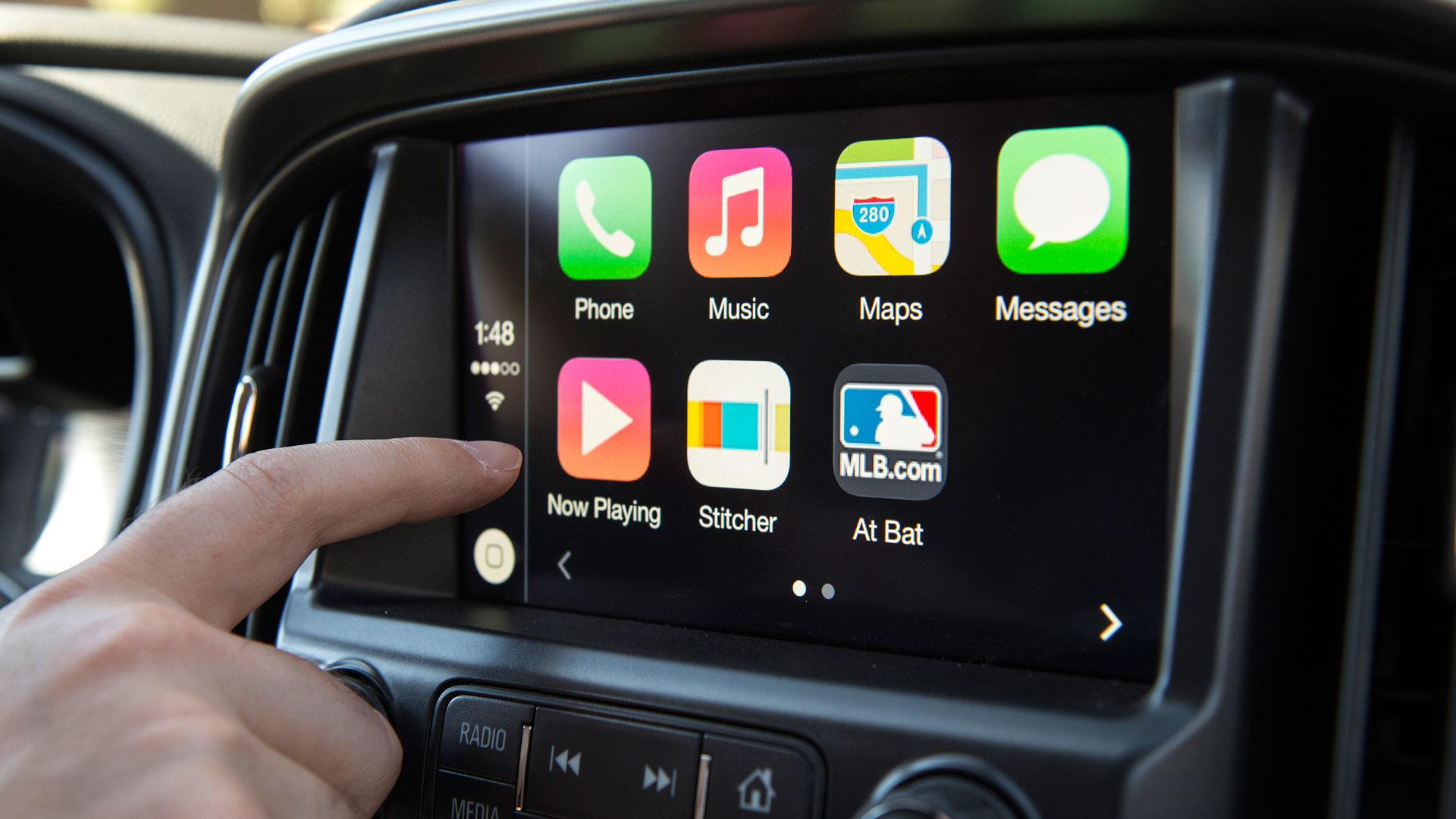
    Google has fixed an issue preventing Android Auto from displaying messages on a car’s screen. To receive the fix, you need to update your Android Auto and Messages app to the latest versions. Google did not explain what the cause of the problem was.

    Google’s fix comes in response to several customer complaints on Android Auto’s support page. Several users reported that after updating their phones to Android 12, their cars stopped showing the received messages.

    A user shared in a post: “For the past three weeks, Android Auto has stopped showing new text or other messages. If music is playing and a new message comes in, the music is turned down briefly as if to allow the new message notification to sound, but no sound and no message comes to the auto display, even though new messages have arrived on the phone.”

    Not showing received messages isn’t the only issue Android Auto users have encountered recently. As we previously reported, users who had updated their Android Auto app encountered a problem with Google Maps not appearing on their cars’ screens when they had their phones connected to their vehicles. Although the issue has been reported, it still remains for Google to roll out a fix for that problem too.

  • GM Boss Mary Barra Felt Surrel In Cruise Robotaxi

    GM Boss Mary Barra Felt Surrel In Cruise Robotaxi

    GM’s CEO Mary Barra recently took her first ride in a self-driving car which was shown off in a YouTube video on Cruise’s official channel. Of course, Cruise is owned by GM and is its self-driving car service which also operates a robotaxi service in limited parts of the US. “Last week our friends from Detroit took a midnight ride straight over the moon,” said the message on the video.

    Barra was visibly impressed by the flawless nature of the ride which was her first one. The ride took place in San Francisco, not Detroit which is the home of GM as Cruise operates its service right now in California. Barra rode is. Chevrolet Bolt EV named Tostada with Cruise Co-founder, interim CEO, and CTO Kyle Vogt.

    Both rode in the back seat of the car with the vehicle driving itself. Barra noted while she knew this was always going to happen, experiencing it for the first time felt surreal. In another Bolt EV, GM’s President Mark Reuss called the ride mind-blowing as he was a combined by GM’s Vice President of communications Craig Buchholz.

    Cruise is one of the pioneers of autonomous car technology alongside Waymo. It is closely working with GM towards developing a commercial autonomous vehicle for personal use which GM estimates will launch by the end of the decade.

  • Panasonic To Invest $700 Million To Produce Tesla EV Battery

    Panasonic To Invest $700 Million To Produce Tesla EV Battery

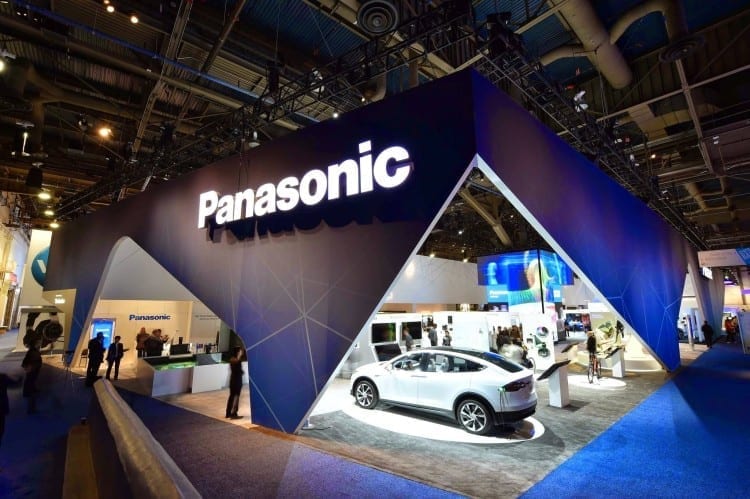
    Japan’s Panasonic will begin producing its new lithium-ion battery for Tesla from as early as 2023, with plans to invest about 80 billion yen ($705 million) in production facilities in Japan, the Nikkei reported on Monday. The powerpack could help make electric vehicles (EVs) more attractive to motorists by extending cruising range by about a fifth, the Nikkei reported, without saying where it obtained the information.

    “We are studying various options for mass production, including a test production line we are establishing this business year. We don’t, however, have anything to announce at this time,” Panasonic said in a statement sent to Reuters.

    Panasonic unveiled the 4680 format (46 millimetres wide and 80 millimetres tall) battery in October. At around five times as big as batteries it currently supplies to Tesla, it is also expected to help the U.S. electric vehicle maker lower production costs.

    Panasonic will make the 4680 batteries at a plant in Wakayama prefecture in Western Japan, with output of less than 10 gigawatt hours a year, equivalent to around 150,000 vehicles, the Nikkei said.

    Panasonic is the sole maker of the more advanced Tesla battery, ensuring it remains a key supplier to the U.S. company, at least for its pricier models, even as the EV maker seeks out battery suppliers in China and elsewhere.

  • Renault Relatively Confident For 2022 Despite Some Chip Supply Worries

    Renault Relatively Confident For 2022 Despite Some Chip Supply Worries

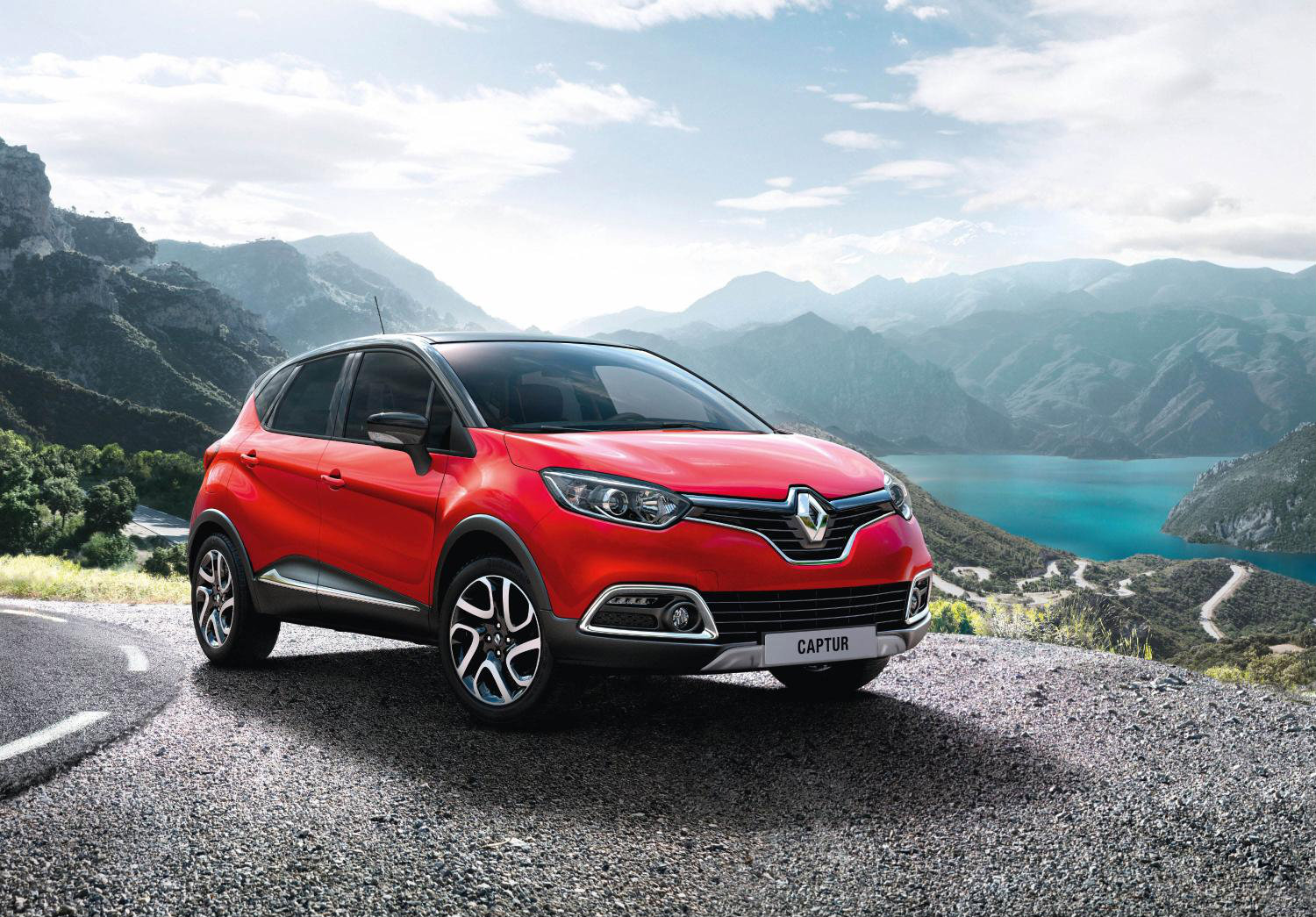
    Renault is “relatively confident” about its business year but still sees some problems over chips supplies which it expects to be felt mostly in the first half of 2022, the French carmaker’s Chief Executive Officer said on Thursday.

    “We are relatively confident for 2022 but we know that it’s a volatile and uncertain world,” CEO Luca de Meo told journalists at a company event, adding that the carmaker’s restructuring efforts were running ahead of their schedule.

    Shares in Renault edged up after the publication of the comments midday on Wednesday and traded 3.9 % higher at 1231 GMT, topping France’s bluechip CAC40 index which was down 0.55%.

    Renault’s finance chief at the same event said that the carmaker was hoping to pay back as soon as possible the remainder of a 3 billion euros ($3.44 billion) loan backed by the French state, Renault’s biggest shareholder.

    0Comments

    The company also said it would step up the ambitions to shift its core Renault brand towards e-mobility, targeting to produce a “100 % electric” fleet by 2030, from 90% previously announced.

  • Auto sales down 3 pct in 2021

    Auto sales in Vietnam last year dropped 3 percent from 2020 to 383,444 units as the fourth Covid-19 wave forced dealers to shut down.

    The sales figure is a combination of data from the Vietnam Automobile Manufacturers Association (VAMA), TC Motor, and VinFast.

    VAMA, which includes Truong Hai Auto Corporation (Thaco), Toyota, and Honda, saw 277,203 units sold, down 2 percent from the previous year.

    TC Motor, which distributes Hyundai cars, saw sales declining 13.3 percent to 70,518 units.

    VinFast posted a growth of 21.2 percent to 35,723 units.

    In the third quarter last year, most auto units in the south were shut down as the Delta variant spread.

    But a 50 percent reduction in the registration fee, which came into effect in December and will last until the end of May this year, pushed up sales.

    VAMA members sold 43,526 units in December alone, the highest last year. December was the fourth month in a row that auto sales rose.

    Most media representatives of auto brands in Vietnam expect a recovery in sales this year as the Covid-19 pandemic seems to be under control.

  • Vietnam cut excise duty on battery electric car

    Vietnam cut excise duty on battery electric car

    The National Assembly Tuesday voted to cut excise on battery-run electric cars to 3 percent for a period of five years.

    With effect from March 1, the tax on various types of battery electric vehicles (BEVs) will be reduced by 3-12 percentage points from current levels and be valid until Feb. 28, 2027.

    In 2027, they will revert to current levels of 5-15 percent.

    The National Assembly’s Standing Committee said the introduction of incentives to attract investors earlier than other Southeast Asian countries would create great opportunities for Vietnamese companies to produce BEVs for both domestic and foreign markets.

    A number of companies are preparing to begin the production of BEVs.

    “Electric cars are both environment-friendly and suitable for practical use,” Vu Hong Thanh, chairman of the House Economic Committee, said.

    Automaker VinFast has tied up with a Chinese company to research and manufacture electric car batteries as part of its vision to become a global brand.

  • BMW To Create Up To 6,000 New Jobs Next Year

    BMW To Create Up To 6,000 New Jobs Next Year

    Germany’s BMW plans to create up to 6,000 new jobs next year to prepare for the growing demand for its electric vehicles, the carmaker’s chief executive said.

    BMW is on a very good path through the transformation and has its plants prepared for e-mobility, Oliver Zipse was quoted as saying in an interview published on Wednesday. “That is why we will increase our workforce by up to five percent next year.”