Tag: Auto

  • VinFast to produce batteries for electric cars in Vietnam

    VinFast to produce batteries for electric cars in Vietnam

    Automaker VinFast has signed a memorandum of understanding on strategic cooperation with Taiwan’s ProLogium Technology Co.. Ltd. on production of batteries for electric cars in Vietnam.

    Under the MoU signed Wednesday, the two parties will set up a joint venture to manufacture solid-state batteries for electric cars. The joint venture will be licensed to use ProLogium’s patented solid-state battery pack assembly technology.

    This is a strategic step for VinFast in mastering battery technology for electric vehicles, laying a foundation for its research and development of smart and advanced electric vehicles in the future.

    Founded in 2006, ProLogium is the world’s leading solid-state battery maker. In 2017, ProLogium became the first company in the world to have a test line for solid-state battery technology for automotive applications.

    Its solid-state batteries have passed safety tests in Europe and China, which are the world’s largest electric vehicle markets.

    It is also cooperating with large electric cars manufacturers to test a new battery technology and expects to deploy it for mass-production in 2023-2024.

    By using solid-state batteries, VinFast electric cars will be able to go longer distances, reduce charging time, and increase the total number of times they can be charged.

    VinFast’s partnership with ProLogium is a part of its plan to become a global smart electric car brand.

    In January, VinFast introduced three new electric self-driving car models. It is also setting up electric charging stations nationwide, aiming at 40,000 charging ports for electric bikes and cars by the end of 2021.

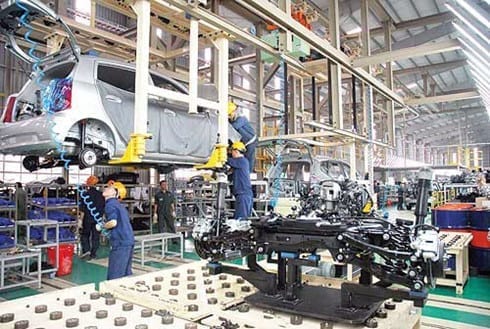
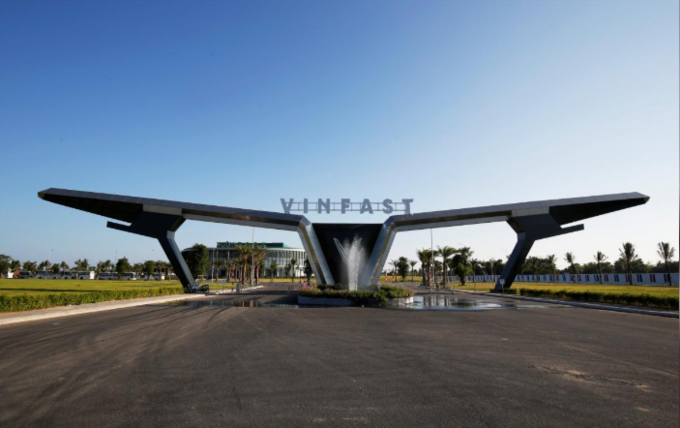
    VinFast sold 31,500 cars in Vietnam last year. Since entering the auto industry three years ago the company now has a plant in the northern province of Hai Phong and R&D centers in Australia, Germany and the U.S.
  • Ford recalls nearly 2,500 vehicles to update engine software

    Ford recalls nearly 2,500 vehicles to update engine software

    Ford Vietnam has issued a recall order of 2,470 Ranger and Everest vehicles to update the software in the transmission control module (TCM) and powertrain control module (PCM).

    The recall program will begin on March 16 this year and last until March 15, 2023.

    The affected vehicles were produced between September 2019 to February 2020 in Thailand and imported by Ford Vietnam for distribution in the local market.

    According to the company, the issues could cause problems for transmission oil pumps, which can lead to torsional vibrations while the engine accelerates and decelerates and lead to transmission malfunction, increasing the risk of collision.

    Authorized dealerships will provide free inspection and repair and the whole process will take about two hours to complete.

    Ford Vietnam said it will still carry out the replacement for drivers of Ford Ranger and Ranger Raptor models imported to the country by the Ford Motor Company.

    Ford sold 24,663 vehicles last year, accounting for 8.7 percent of total car sales, according to the Vietnam Automobile Manufacturers Association.

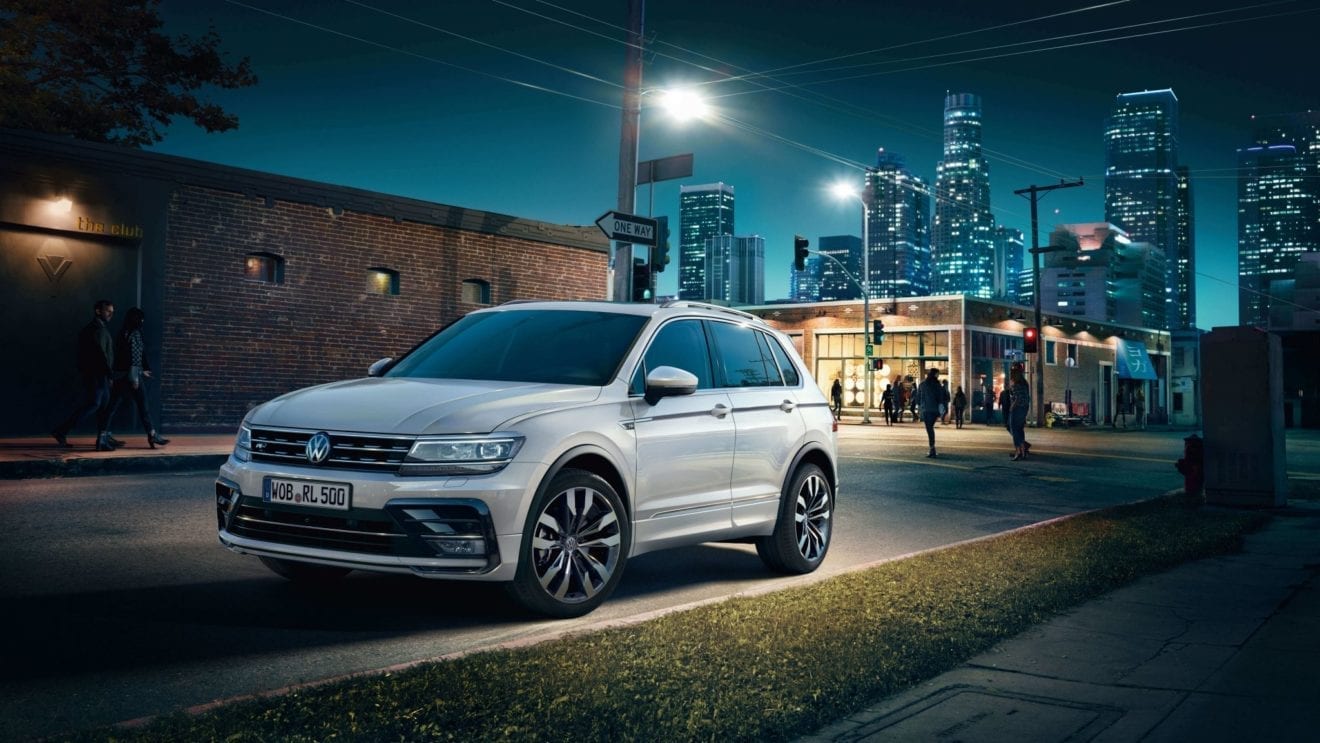
  • Volkswagen’s Market Value Crosses 100 Billion Euro Mark For The First Time Since 2015

    Volkswagen’s Market Value Crosses 100 Billion Euro Mark For The First Time Since 2015

    When the market value of Germany’s Volkswagen briefly rose above the 100-billion-euro mark on Wednesday for the first time since 2015, the boss of the normally staid carmaker took to Twitter, Elon Musk-style, to crow about it.

    VW shares soared as much as 6% after investment bank UBS raised its price target on the stock by 50% and said the company’s new electric vehicle platform was set to challenge Tesla’s dominance in the battery electric vehicle (BEV) market.

    Herbert Diess, chief executive of VW Group, highlighted the UBS note on Twitter and shared the market capitalization milestone.

    “The market has been waiting for our #BEV-ramp-up and wanted to see some proof points,” Diess posted.

    Traders reacted with comparisons to Tesla chief Elon Musk who frequently uses Twitter to talk up products developed by his companies, cryptocurrencies or other buzzing technologies.

    The comparison, at least for now, must end there.

    Diess sent his first tweet using the “@Herbert_Diess” handle less than two months ago and has since tweeted 51 times. While he has managed to amass almost 25,000 followers in this time, Musk can boast of 48.3 million.

    “The sheer fact that he started his own account apart from the official VW account tells me, that between the lines he wants to express: We are here,” a Germany-based trader said.

    Though unrelated and more a market-moving tweet, another trader highlighted instances of a probe by the U.S. Securities and Exchange Commision on Musk’s tweet in 2018 that he was considering taking Tesla private at $420 a share.

    But despite recent share price gains — up 20% this year — VW’s market capitalization is just one-sixth that of Tesla. Shares trade 7.5 times 12-month forward earnings; possibly its role in the EV transition is not fully priced.

    Despite recent share price gains – up 20% this year – VW’s market capitalisation is just one-sixth that of Tesla

    Tesla meanwhile trades at 160 times 12-month forward earnings, levels many consider bubble-like.

    On the market capitalization gap, UBS said VW’s only takes into account its EV business out to 2025, and doesn’t price its cash flow-rich legacy business, indicating there is room for the share price to rise.

    It added that VW would likely “master” the transition to close the volume gap with Tesla in 2022.

    At 300 euros, UBS has the most bullish price target on VW. Analysts’ median price target on its shares was 191 euros, according to Refinitiv data.

    Preferred shares, which are listed in Germany’s benchmark DAX index, hit January 2018 highs on Wednesday, while ordinary shares rose as much as 5.6% to their highest since July 2015, two months before the diesel scandal broke.

    VW closed 4.7% higher at 185.18 euros per share on the day, taking its market value to 99 billion euros.

  • GM Extends Vehicle Production Cuts Due To Semiconductor Chip Shortage

    GM Extends Vehicle Production Cuts Due To Semiconductor Chip Shortage

    General Motors Co said on Wednesday it was further extending production cuts at three North American plants and adding a fourth to the list of factories hit by the global semiconductor chip shortage. The extended cuts do not change GM’s forecast last month that the shortage could shave up to $2 billion from this year’s earnings. GM Chief Financial Officer Paul Jacobson subsequently said chip supplies should return to normal rates by the second half of the year and he was confident the profit hit would not worsen.

    The U.S. automaker did not disclose the impact on volumes or say which supplier or parts were affected by the chip shortage, but said it intends to recover as much of the lost output as possible.

    “GM continues to leverage every available semiconductor to build and ship our most popular and in-demand products, including full-size trucks and SUVs,” GM spokesman David Barnas said. “We contemplated this downtime when we discussed our outlook for 2021.”

    The chip shortage, which has hit automakers globally, stems from a confluence of factors as carmakers, which shut plants for two months during the COVID-19 pandemic last year, compete against the sprawling consumer electronics industry for chip supplies.

    Consumers have stocked up on laptops, gaming consoles and other electronic products during the pandemic, leading to tight chip supplies. They also bought more cars than industry officials expected last spring, further straining supplies.

    GM said Wednesday it would extend downtime at plants in Fairfax, Kansas, and Ingersoll, Ontario, to at least mid-April, and in San Luis Potosi, Mexico, through the end of March. In addition, it will idle its Gravatai plant in Sao Paulo, Brazil, in April and May.

    The automaker did not disclose the impact on volumes or say which supplier or parts were affected by the chip shortage

    The Detroit automaker had previously extended production cuts at three North American plants into mid-March and said vehicles at two other plants would only be partially built. Following Wednesday’s cuts, forecasting firm AutoForecast Solutions estimated GM could lose more than 216,000 units globally due to the shortage.

    Ford Motor Co said last month the lack of chips could cut company production by up to 20% in the first quarter and hurt profits by as much as $2.5 billion. It had previously cut production of its top-selling F-150 pickup truck. Stellantis said Wednesday the chip shortage could weigh on 2021 results.

    Some automakers, including Toyota Motor Corp and Hyundai Motor Co, avoided deeper cuts by stockpiling chips ahead of the shortage.

    Industry officials and politicians have pushed U.S. President Joe Biden’s administration to take a more active role in dealing with the chip shortage.

    Last week, Biden said he would seek $37 billion in funding to supercharge chip manufacturing in the United States. An executive order also launched a review of supply chains for such critical products as semiconductor chips, electric vehicle batteries and rare earth minerals.

    Complicating matters was a severe winter storm in Texas last month that killed at least 21 people and led to the shutdown of several chip plants. Semiconductor industry officials said customers would face knock-on effects in several months.

  • VinFast eyes global market, to open car plant in US

    VinFast eyes global market, to open car plant in US

    VinFast plans to set up an automobile plant in the U.S. as part of its strategy to start selling there in 2022, Bloomberg reported on Tuesday.

    The company, a subsidiary of conglomerate Vingroup, did not provide details about when it will be set up or where.

    Bloomberg quoted its CEO Thai Thanh Hai as saying: “VinFast’s vision is to become a global smart electric car company and the U.S. is one of the first international markets that we will focus on.

    “We will initially develop high-end models for the U.S.”

    The company also plans to open 35 showrooms and service centers this year in California state where it has received a license to test autonomous vehicles on public streets.

    Malaysian newspaper The Star quoted Hai as saying VinFast believes it can win over American and other overseas customers leery of buying an automobile from a Vietnamese company they know little or nothing about by offering top-quality vehicles with high safety standards and advanced technology.

    The company has R&D centers in Australia, Germany and the U.S.

    VinFast, founded by Vietnam’s first billionaire Pham Nhat Vuong, began selling cars with BMW-licensed engines in 2019.

    Last year it sold 31,500 units, all in Vietnam, where 296,634 cars were sold in all.

  • Volvo Cars Initiates First Ever Over-The-Air Software Update On XC40 Recharge

    Volvo Cars Initiates First Ever Over-The-Air Software Update On XC40 Recharge

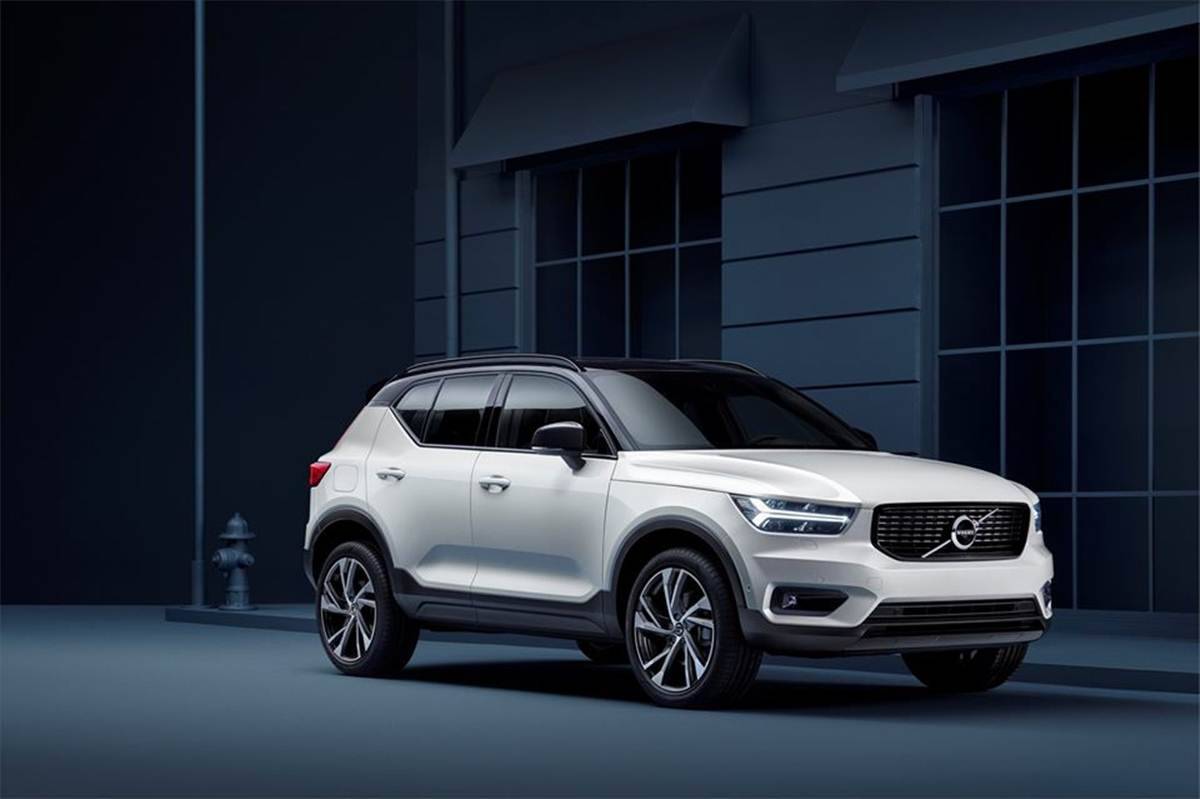
    Volvo Cars is rolling out its first ever over-the-air (OTA) software update on the XC40 Recharge, the company’s first fully electric car. Starting soon, XC40 Recharge drivers in Europe will receive a range of updates, including new features, bug fixes and stability improvements to the car’s infotainment and propulsion systems. The introduction of OTA updates means that customers no longer have to visit a workshop in order to enjoy the latest software and new, updated features on their electric Volvo.

    It also means that a new Volvo is no longer at its finest when it leaves the factory, but keeps improving over time as additional OTA updates are launched.

    The update is available automatically and XC40 Recharge drivers only have to accept the download and installation.

    “The benefits of over-the-air updates are obvious,” said Henrik Green, chief technology officer. “Yesterday you still had to drive to the workshop in order to get the latest updates to your car. Today you simply click OK and your electric Volvo takes care of the rest. It couldn’t be easier.”

    Features included in this latest software update are a new base software for the car’s main electronic systems, an increase in charging speed and an improved driving range.

    There are also updates to the Android Automotive operating system that powers the car’s infotainment system, as well as an important safety-related propulsion bug fix.

    Finally, the software package also includes updates to a variety of items such as Bluetooth connectivity, climate timers, the car’s digital owner’s manual and the 360-degree camera. The update is available automatically and XC40 Recharge drivers only have to accept the download and installation.

  • VinFast eyes 2,000 electric charging stations

    VinFast eyes 2,000 electric charging stations

    Automaker VinFast plans to have over 2,000 charging stations set up nationwide this year to expand its electric vehicle ecosystem.

    The subsidiary of Vietnam’s largest private conglomerate, Vingroup, is looking to partner with other businesses to install these stations in apartment buildings, offices, malls, supermarkets, and other locations.

    It said in a statement that these stations will have over 40,000 charging ports for cars and bikes. The company installed the first of those last month at a mall at Vinhomes Ocean Park in Hanoi’s Gia Lam District.

    Also last month, VinFast announced three electric self-driving SUVs would hit the market this year.

    The company has acquired licenses to test autonomous vehicles in California, the U.S., which is earmarked to be its first global market.

    VinFast sold 31,500 cars in Vietnam last year. Since entering the auto industry three years ago the company now has a plant in the northern province of Hai Phong and R&D centers in Australia, Germany and the U.S.
  • Bentley Aims To Revolutionize Sustainability Of Electric Motors

    Bentley Aims To Revolutionize Sustainability Of Electric Motors

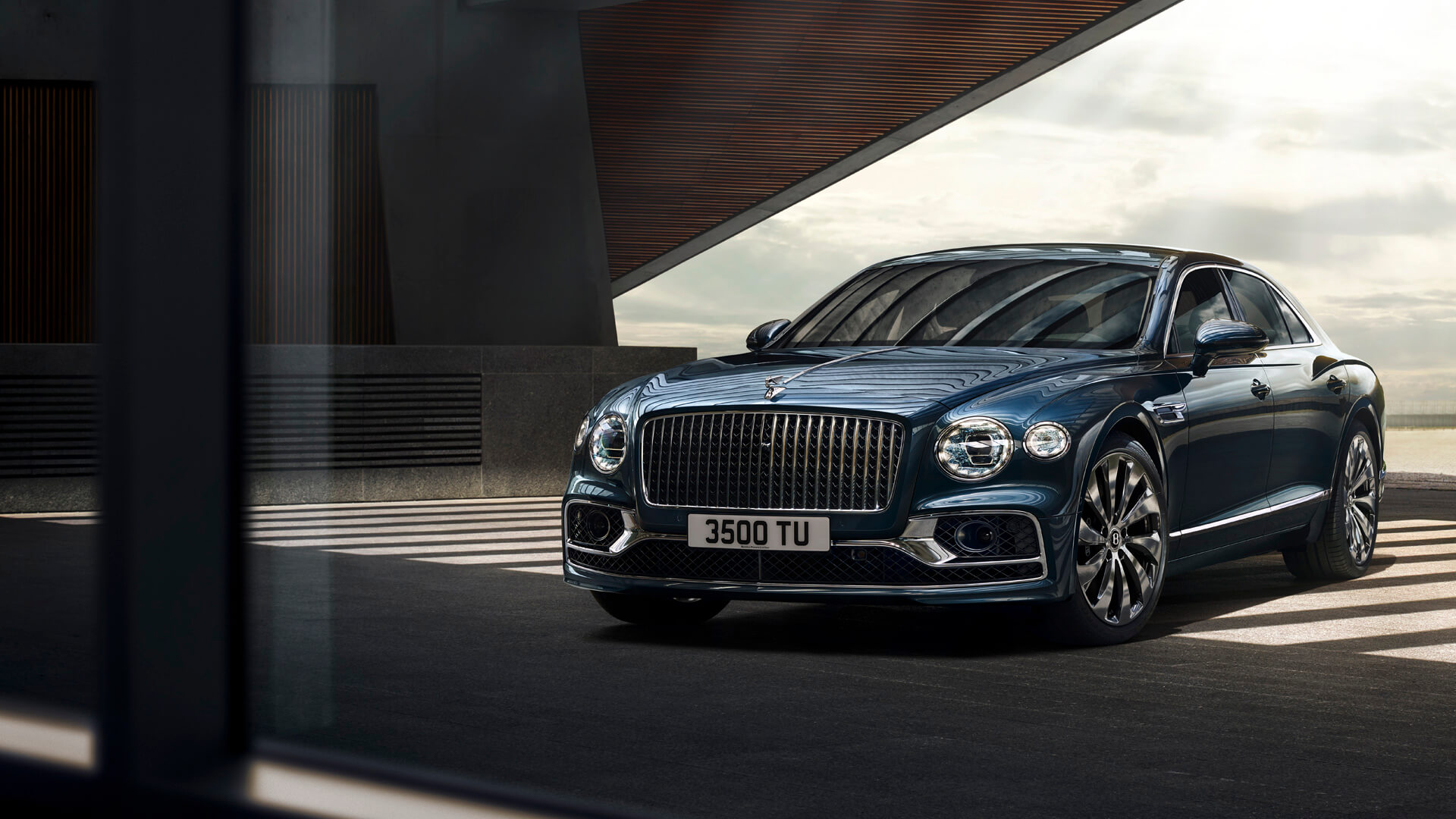
    Bentley Motors has announced a three-year research study that aims to revolutionize the sustainability of electric motors. Supporting Bentley’s commitment to offering only hybrid or electric vehicles by 2026, the result could see recycled rare-earth magnets used in selected ancillary motors for the very first time.

    The study, titled RaRE (Rare-earth Recycling for E-machines), intends to build on work completed at the University of Birmingham in devising a method of extracting magnets from waste electronics. Furthermore, the project will scale up this process and repurpose the extracted magnetic material into new recyclable magnets for use within bespoke ancillary motors.

    Adding to the sustainability benefits that RaRE will provide, the bespoke motors created through this method promise to minimize complexity through manufacture while supporting the development of the UK supply chain for both mass production and low volume components.

    Commenting on Bentley’s research ambitions, Dr. Matthias Rabe, Member of the Board for Engineering, Bentley Motors, said, “As we accelerate our journey to electrification, offering only hybrid or electric vehicles by 2026, and full electric by 2030, it is important that we focus on every aspect of vehicle sustainability, including sustainable methods of sourcing materials and components. RaRE promises a step-change in electrical recyclability, providing a source of truly bespoke, low voltage motors for a number of different applications and we are confident the results will provide a basis for fully sustainable electric drives.”

    This study will run in parallel to Bentley’s OCTOPUS research program which aims to deliver a breakthrough in e-axle electric powertrains, utilizing a fully integrated, free from rare-earth magnet e-axle that supports electric vehicle architectures. As with OCTOPUS, RaRE is an OZEV funded project delivered in partnership with Innovate UK.

  • Electric Vehicles Should Be Mandatory For All Government Officials

    Electric Vehicles Should Be Mandatory For All Government Officials

    The Ministry of Road Transport and Highways (MoRTH) has taken several significant steps to encourage electric mobility in India. Transport Minister Nitin Gadkari has advised people to use electric vehicles rather than petrol or diesel vehicles. According to a report from ANI, the Union Minister suggested that electric vehicles (EVs) should be mandatory for all government officials. To initiate the same, the minister said that he will make e-vehicles mandatory for officials of his department.

    The minister gave his remarks during the launch of ‘Go Electric’ campaign to create awareness of the benefits of electric mobility and EV charging infrastructure in India. Moreover, this campaign also focuses to make people aware of the advantages of electric cooking in the country.

    Gadkari told ANI, “If 10,000 electric vehicles are brought into use in Delhi, then about Rs 30 crores per month spent on fuel can be saved, and it will reduce pollution. I will make electric vehicles mandatory for officials of my department.”

    During the launch event, Gadkari also mentioned that electric fuel is a major alternative for fossil fuels which have an import bill of Rs 8 lakh crores. He further added by saying, “When compared to conventional fuels, the electric fuel has low cost, reduced emissions and it is also indigenous.”

    He also urged Power Minister R K Singh to make usage of electric vehicles mandatory for his department, as he will do so for his departments. During the event, he also stated the potential of electric cooking in the country, which will help in reducing import dependence on gas. He said, “Why don’t we provide subsidy on electric cooking appliances. We already provide subsidy on cooking gas.”

  • Japan’s Toyota, Honda Can Likely Cope With Global Chip Shortage

    Japan’s Toyota, Honda Can Likely Cope With Global Chip Shortage

    The global semiconductor chip shortage is not likely to significantly affect the financial profiles of Japan’s Toyota Motor Corp or Honda Motor Co, ratings agency Fitch said in a statement on Wednesday. The automakers have enough financial flexibility to absorb more costs and maintain significant rating headroom, even if the shortage persists till the second half of 2021, according to the statement. 

    The automobile industry has been grappling with a shortfall in chip supply since the end of last year, driven by coronavirus lockdowns in Southeast Asia and bulk-buying by U.S. sanctions-hit Chinese tech giant Huawei Technologies, among other reasons.

    The shortage prompted top U.S. automaker General Motor to extend production cuts at three North American plants last week, while Honda Motor and Nissan Motor were set to sell a combined 250,000 fewer cars in the current financial year.

    Toyota and Honda have enough financial flexibility to absorb more costs and maintain significant rating headroom

    Meanwhile, Toyota shrugged off the issue in its quarterly report last week and said it has up to a four-month stockpile of chips, with no immediate hit to production expected.

    “We believe the shortage should ease or even be resolved in the second half of 2021 as suppliers boost production for automotive clients,” Fitch said.

    Top economic and national security officials in the White House have launched a new effort to help the U.S. auto industry fight the chip shortage, a White House official said on Thursday.

    The issue could impact nearly 1 million units of global light vehicle production in the first quarter, according to data firm IHS Markit.

  • Google’s Waymo Self Driving Car Unit Starts Robo-Taxis In San Francisco

    Google’s Waymo Self Driving Car Unit Starts Robo-Taxis In San Francisco

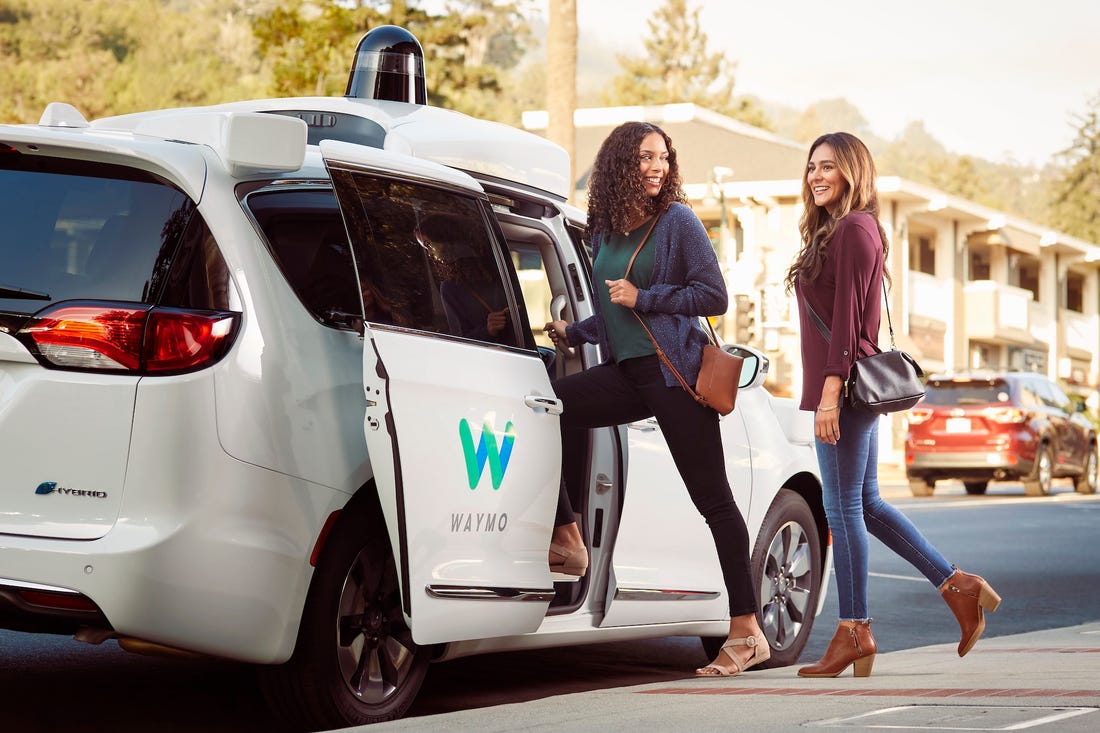
    Waymo is the pioneer of self-driving cars, but it has been beaten to the punch by Chinese rivals AutoX and Baidu to deploying robo-taxis. Well, this wasn’t going to stand for long as it has started tests of its robo-taxis in San Francisco.

    Waymo had deployed its ride-sharing service in Phoenix, Arizona earlier in 2020 called Waymo One. For the first time, it had also started testing the service without safety drivers in the area, but now a more full-fledged expansion is happening.

    Experts have predicted that the pandemic is accelerating the adoption of autonomous vehicles for transportation and delivery. Overall, global trust for autonomous vehicles has also grown by leaps and bounds in the last three years as the technology has progressed.

    Waymo has Chrysler Pacifica and Jaguar I-Pace electric SUVs which have driven over 20 billion autonomous miles through computer simulations and 20 million autonomous miles on public roads in 25 cities.

    Now Waymo employees in San Francisco will use the Waymo One app to hail rides. They will be prompted for pick-up and drop-off points before being given an ETA. This is similar to a typical ride-hailing app.

    Till 2019, Waymo had a fleet of 153 cars and 268 safety drivers in San Francisco alone, though its latest fleet size is unknown, though presumably, it has increased. These vehicles were deployed in San Francisco to deliver packages for non-profits after the pandemic induced halt in testing.

    “We’re beginning with a limited number of cars and riders and will scale over time. These rides are being offered with a single-vehicle operator,” a Waymo spokesperson said.

    “The initial program starts this week and will last for several, but we plan to grow it over time. We don’t have any specific timelines to share about when (or where) we’ll be offering a public service. It’s worth bearing in mind this is for early product testing and continuous improvement, and there are many further steps we’d need to go through … before we could deploy a service to the public,” Waymo added in a statement.

    Waymo has a permit from the public utility commission in California that’s part of the procedures to run an autonomous vehicle passenger service pilot. This is separate from the California Department of Motor Vehicles (DMV) under which 66 companies have permits.

    Waymo One currently delivers rides with a network of 600 autonomous cars from Phoenix 24 hours a day, seven days a week. It also has a partnership with LYFT to deploy 10 cars on the Waymo One platform.

    Currently, it is on track to having more than 60,000 Pacifica minivans from Chrysler and 20,000 i-pace electric SUVs from Jaguar. It also has a deal with Daimler for developing self-driving semis.

  • Bosch, Microsoft Join Forces To Develop Vehicle Software Platform

    Bosch, Microsoft Join Forces To Develop Vehicle Software Platform

    Bosch will work with Microsoft on a software platform for vehicles, it said on Thursday, as it strives to get a foot in the door to the fast-growing market for electromobility and automated driving technologies. By using cloud technology, the software platform will ensure that vehicles’ control units and computers can get software throughout their lifetime, the German auto supplier said.

    By using cloud technology, the software platform will ensure that vehicles’ control units and computers can get software throughout their lifetime

    The technology is based on Microsoft Azure and includes software modules from Bosch, it said, adding that they plan to use the software platform in-vehicle prototypes by the end of 2021. “We are thus creating the conditions for wireless updates to work just as smoothly and conveniently on vehicles as they do on smartphones,” said Bosch Managing Director Markus Heyn.

    The companies will also cooperate to adapt existing software tools to let automakers and suppliers to simplify and accelerate their own software updates. Last week, German carmaker Volkswagen AG announced similar cooperation with Microsoft to use its cloud computing services to help it streamline its software development efforts for self-driving cars.

  • Jaguar Land Rover To Cut 2,000 Jobs Globally

    Jaguar Land Rover To Cut 2,000 Jobs Globally

    Jaguar Land Rover said on Wednesday it would cut 2,000 jobs from its global salaried workforce, just days after announcing its luxury Jaguar brand will be entirely electric by 2025 and e-models of its entire lineup will be launched by 2030. “The full review of the Jaguar Land Rover organization is already underway,” the company said in an emailed statement. “We anticipate a net reduction of around 2,000 people from our global salaried workforce in the next financial year,” it said.

    However, it added that the organizational review did not impact hourly paid, manufacturing employees. JLR, owned by India’s Tata Motors, said earlier that its Land Rover brand will launch six fully electric models over the next five years, with the first in 2024.

    Known for its iconic, high-performance E-Type model in the 1960s and 1970s, Jaguar faces the same challenges as many other carmakers as it transitions to electric vehicles while trying to retain the feeling and power of a luxury combustion engine model.

    Last month, Tata Motors said it was concerned by semiconductor shortages and Brexit-related supply disruptions as its luxury car sales recover, although the Indian automaker added these had not yet hit production.

    Tata Motors posted three straight quarters of losses as the COVID-19 crisis dented sales, exacerbating uncertainties over Britain’s exit from the European Union, weak demand and rising costs, but had bounced back to clock a profit in its third-quarter to the end of December. The 2,000 reductions in JLR’s non-factory jobs was reported earlier on Wednesday.

  • Tesla Cuts Prices Of Base Variants Of Model 3, Model Y On Its Website

    Tesla Cuts Prices Of Base Variants Of Model 3, Model Y On Its Website

    Tesla Inc has reduced the price of its cheaper variants of the Model 3 sedan and the Model Y sports utility vehicle (SUV), while raising prices for their performance variants, the electric-car maker’s website showed. The price of its Model 3 Standard Range Plus has been lowered to $36,990 from $37,990, while the Model Y Standard Range’s price came down to $39,990 from $41,990, according to the website.

    The carmaker has been making various models in its lineup more affordable at a time when legacy automakers are trying to make inroads in the electric vehicle market.

    The standard range of the Model Y was launched in January, bringing its SUV’s price closer to that of the Model 3 sedan, the electric-car maker’s least expensive car.

    The prices for the Performance variant of the Model 3 rose to $55,990 from $54,990 and Model Y to $60,990 from $59,990, the website showed.

    The price cuts come as Tesla looks to ramp up its deliveries. Overall, the company delivered 499,550 vehicles during 2020, above Wall Street estimates of 481,261 vehicles.

  • 2021 Mercedes-Benz C-Class Teased Ahead Of Global Debut

    2021 Mercedes-Benz C-Class Teased Ahead Of Global Debut

    The all-new Mercedes-Benz C-Class is all set to make its global debut on February 23 and the German carmaker has released a new teaser ahead of its arrival, showing us the silhouette of the new car. Interestingly, the teaser image also shows the silhouette of the C-Class Wagon which is not expected to come to our market but will be sold in the European markets. Now the 2021 Mercedes-Benz C-Class has been spotted testing multiple times and we have some idea of what all it will get and how it will look like.

    The changes made to the new C-Class are expected to give it more of a baby S-Class look where the design will draw inspiration from the flagship in the German carmaker’s range. The face on the new model looks a bit sharper sporting a slightly protruding nose while it also gets a new and bigger radiator grille. Then there are sleeker headlights while at the rear there are horizontal taillights, similar to those we saw in some of the newer models from the carmaker’s stable.

    Now we are not expecting the new C-Class to be a whole lot different from its predecessor but the makeover surely is expected to add a sense of freshness in its appearance. That said, some significant changes are expected on the inside of the new C-Class, starting with a new dashboard that will sport a neatly integrated touchscreen unit, instead of the tablet-like unit in the outgoing model.

    Now, similar changes are expected on the other models in the C-Class range as well, like the AMG C53 and C63 models, but we expect to see the sedan first. Under the hood of the C-Class sedan, we expect to see the new 2.0-liter, four-cylinder diesel, and petrol engines along with a mild-hybrid setup. The model is expected to arrive in 2022 in India while we are waiting for the new A-Class limousine to go on sale this year.