Tag: Auto

  • Tesla Apologises After Customer Protested At Autoshow, To Share Car Data With Chinese Regulator

    Tesla Apologises After Customer Protested At Autoshow, To Share Car Data With Chinese Regulator

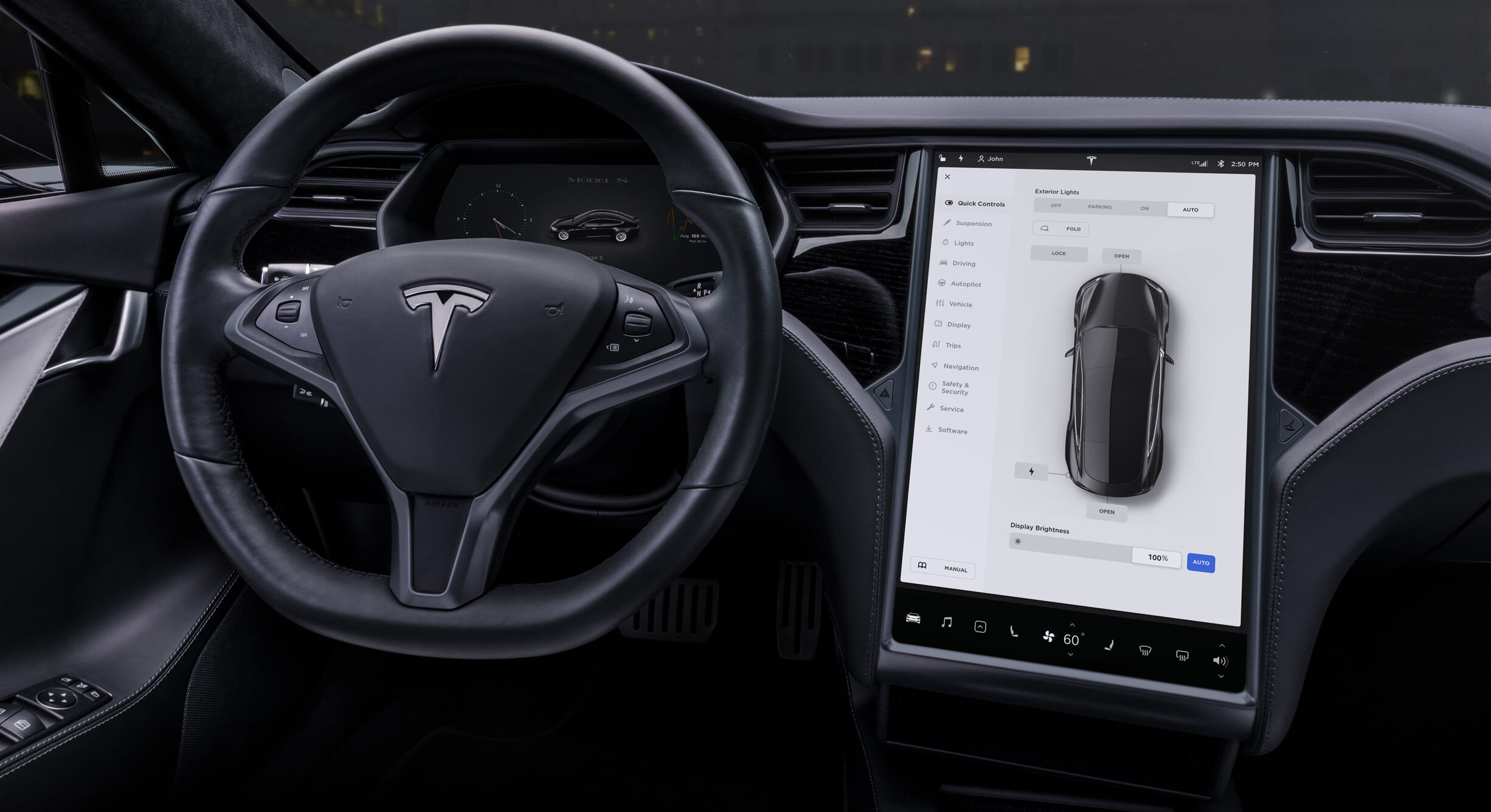
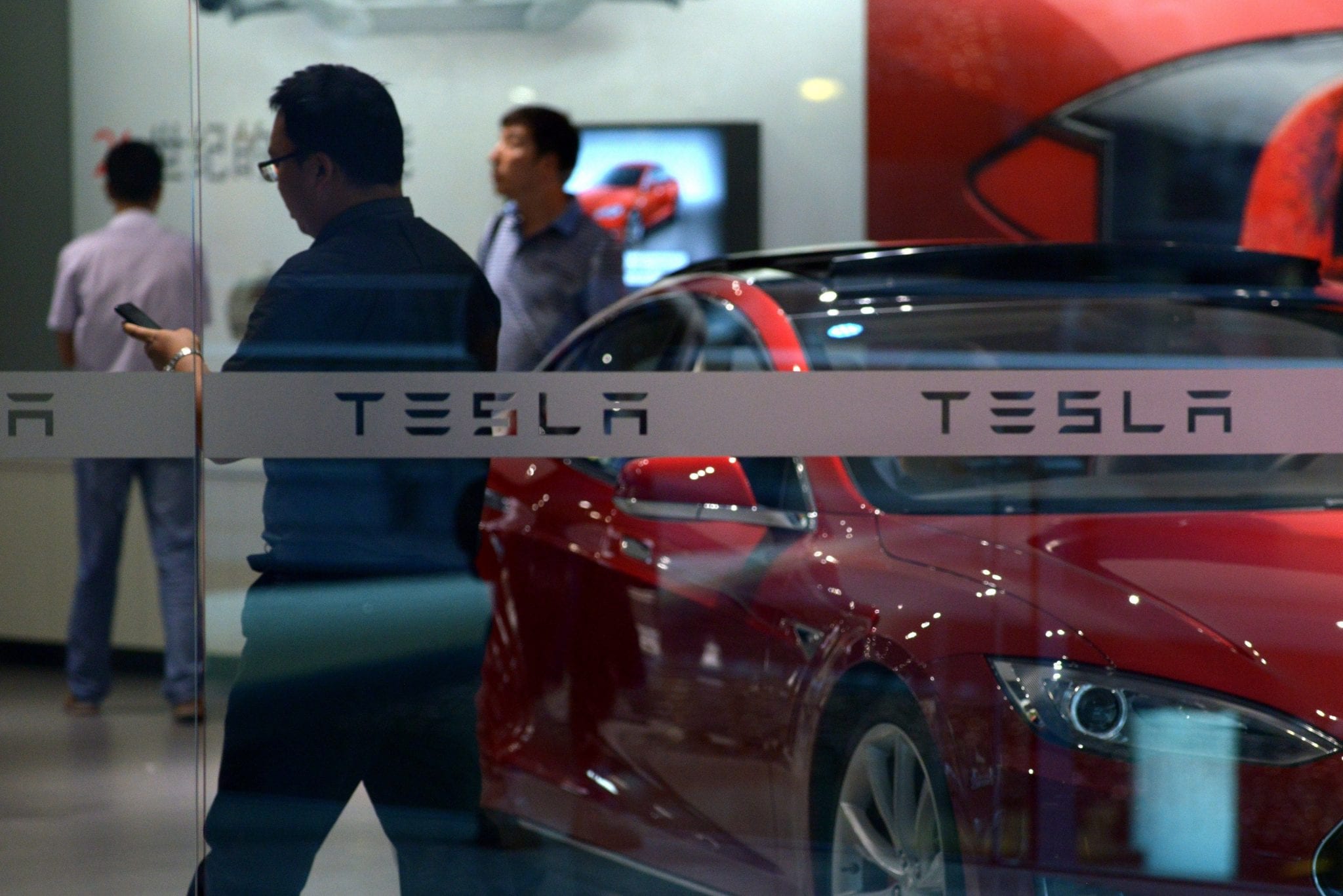
    Tesla Inc apologised to Chinese consumers for not addressing a customer’s complaints in a timely way, and said it would launch a review of its service operations in the world’s biggest auto market. The unusual public apology from Tesla followed criticism in state media, and an incident at the Shanghai auto show that got wide attention in China’s social media. An unhappy customer by clambered atop a Tesla at the auto show to protest the company’s handling of her complaints about malfunctioning brakes. Videos that went viral on Monday showed a woman wearing a T-shirt emblazoned with the words “The brakes don’t work” and shouting similar accusations while staff and security struggled to restore calm.

    The trouble for Tesla in China overlapped with new questions in the United States about the safety of the company’s Autopilot partially-automated driving systems. Police in Texas are investigating a fatal crash involving a Tesla Model S that hit a tree and burst into flames. Rescuers found victims in the passenger and rear seat, not the driver’s seat. Federal regulators are investigating the crash, and have a total of 24 probes underway of accidents involving Teslas operating on Autopilot.

    Tesla sells roughly 30% of its cars in China, made at its Shanghai factory. But it has faced occasional criticism over issues such as complaints of battery fires. Monday’s incident led state broadcaster CCTV to call for an investigation of reported brake problems on Tesla cars, while China’s anti-graft watchdog weighed in with a commentary saying such disputes should be resolved within the rule of law. “Individuals should not take extreme measures, and enterprises should not be arrogant and unreasonable,” the Central Commission for Discipline Inspection said late on Tuesday.

    On Wednesday, a representative at Tesla’s store in Zhengzhou, where the protesting customer came from, told local state media the automaker will share data related to the brake incident with local market regulators for investigation.

    Tesla said on Monday that the woman was a vehicle owner who had been involved in a collision earlier this year. It cited “speeding violations” for the crash, adding in a social media statement that it had been negotiating with her about returning the car, but the talks had stalled over a third-party inspection.

    Last month, Tesla came under scrutiny in China when the military banned its cars from entering its complexes, citing security concerns over cameras in its vehicles, sources said.

    That prompted founder Elon Musk to say that if Tesla used cameras to spy in China or anywhere, it would be shut down. Earlier this month, Tesla said cameras in its cars are not activated outside of North America.

    The woman whose protest started it all will be detained for five days, Shanghai police said on Tuesday.

    Police said the woman and a female accomplice – identified only by their surnames, Zhang and Li – “caused chaos” at the trade fair on Monday when they arrived at the Tesla display “to express their dissatisfaction due to a consumer dispute.”

    Zhang was ordered detained for “disrupting public order,” while Li received a warning, police said. Zhang and Li could not be contacted for comment.

  • Car imports from China increase sixfold

    Car imports from China increase sixfold

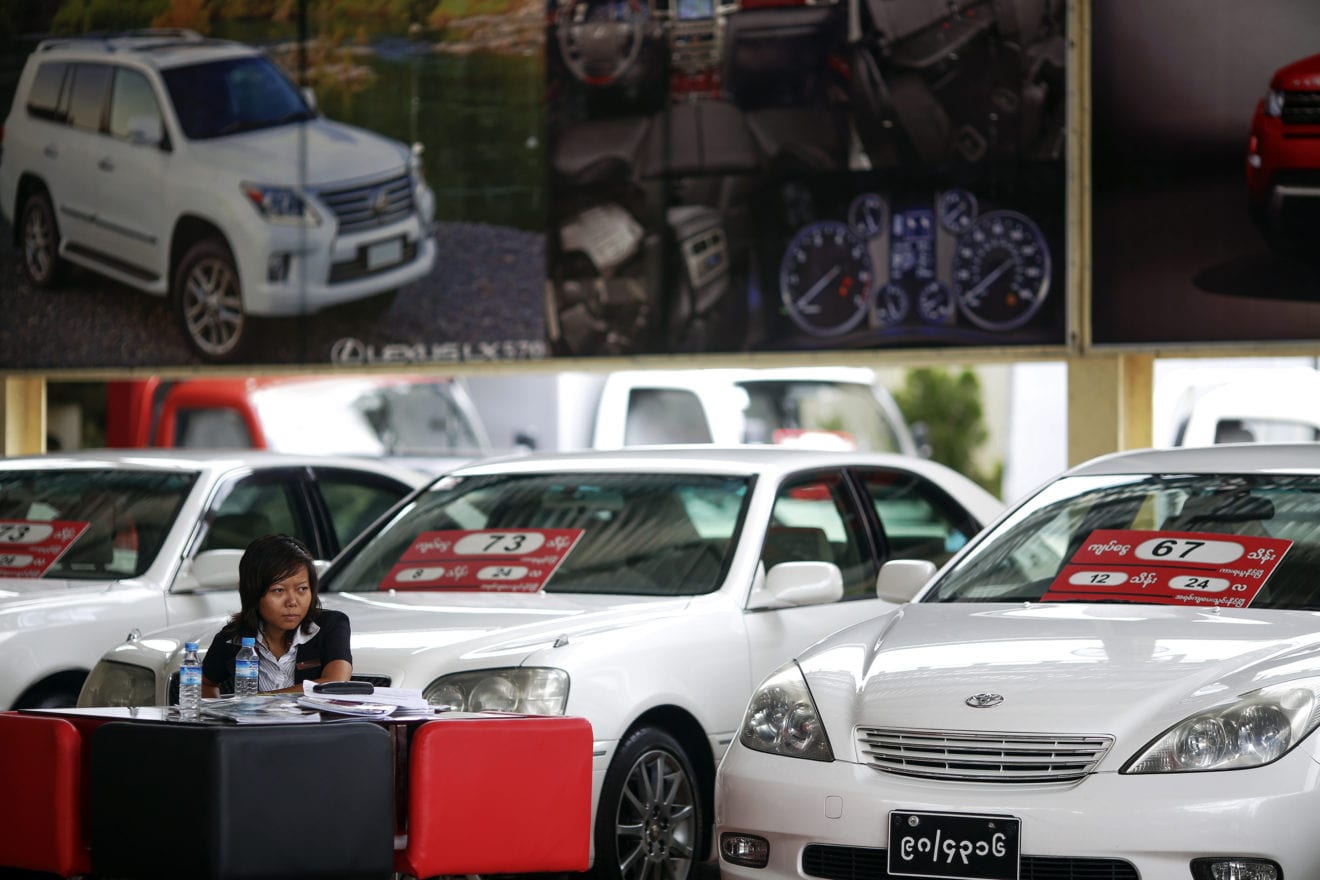
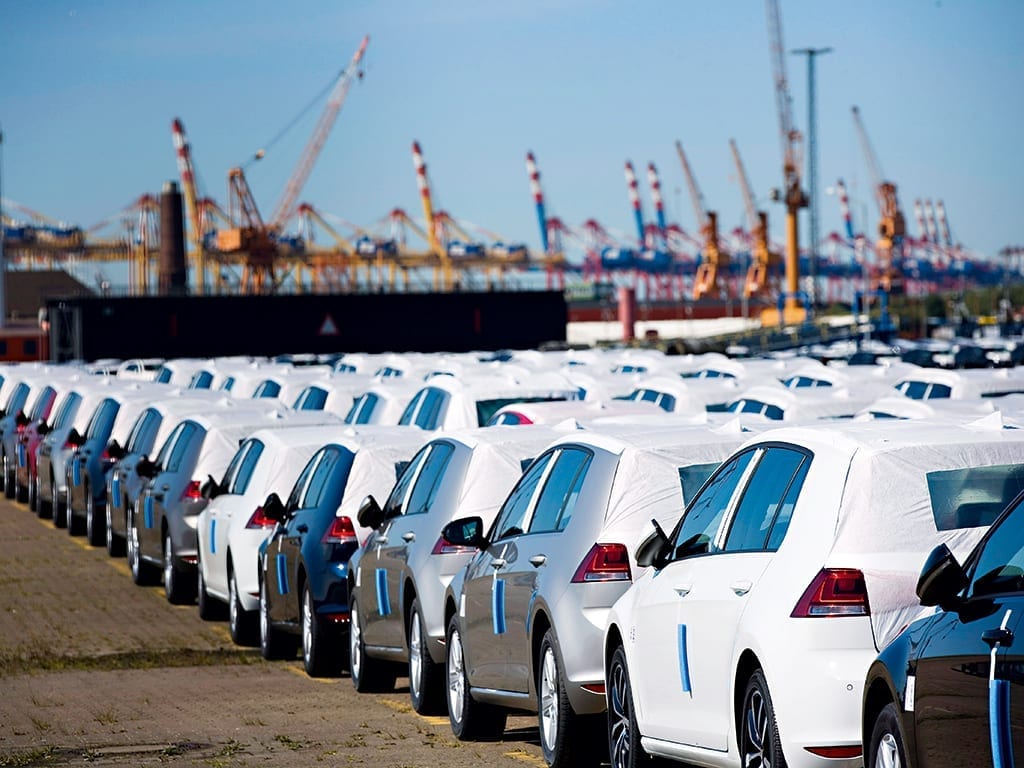
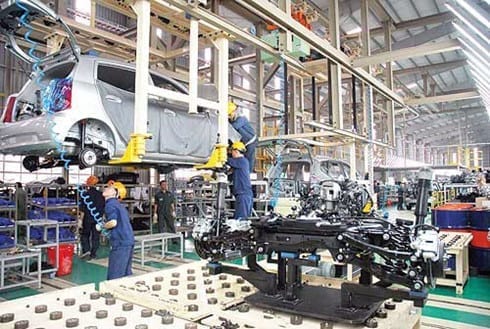
    Vietnam imported 3,945 completely built-up (CBU) cars from China in Q1, six times over the same period last year, according to the General Department of Vietnam Customs.

    Despite the surging number of cars imported from China, the country was the third-largest car supplier of Vietnam, after Thailand and Indonesia.

    Up to 80 percent of the completely built-up (CBU) cars imported to Vietnam in Q1 were from Thailand and Indonesia. The number of imported cars from Thailand was 19,300 units, up 56 percent year-on-year, while those from Indonesia stood at 8,950 units, down 26 percent year-on-year.

    Thailand and Indonesia have always led the list of Vietnam’s car suppliers ever since the ASEAN Trade in Goods Agreement (ATIGA) took effect in 2018, owing to the zero import tariff. Meanwhile, imported Chinese cars are dealt an import tariff of 47-70 percent.

    Vietnam imported around 35,300 CBU cars in Q1, a year-on-year increase of 31.1 percent.

    Auto sales rose by 36 percent year-on-year between January and March to 70,952 units, according to Vietnam Automobile Manufacturers Association (VAMA).

  • Tesla Drives On Autopilot Through A Regulatory Grey Zone

    Tesla Drives On Autopilot Through A Regulatory Grey Zone

    The fatal crash of a Tesla with no one apparently behind the wheel has cast a new light on the safety of semi-autonomous vehicles and the nebulous U.S. regulatory terrain they navigate. Police in Harris County, Texas, said a Tesla Model S smashed into a tree on Saturday at high speed after failing to negotiate a bend and burst into flames, killing one occupant found in the front passenger seat and the owner in the back seat.

    Tesla Chief Executive Elon Musk tweeted on Monday that preliminary data downloaded by Tesla indicate the vehicle was not operating on Autopilot, and was not part of the automaker’s “Full Self-Driving” (FSD) system.

    U.S. federal road safety authority has yet to issue specific regulations or performance standards for semi-autonomous systems such as Autopilot, or fully autonomous vehicles (AVs).

    Tesla’s Autopilot and FSD, as well as the growing number of similar semi-autonomous driving functions in cars made by other automakers, present a challenge to officials responsible for motor vehicle and highway safety.

    U.S. federal road safety authority, the National Highway Traffic Safety Administration (NHTSA), has yet to issue specific regulations or performance standards for semi-autonomous systems such as Autopilot, or fully autonomous vehicles (AVs).

    There are no NHTSA rules requiring carmakers to ensure systems are used as intended or to stop drivers misusing them. The only significant federal limitation is that vehicles have steering wheels and human controls required under federal rules.

    With no performance or technical standards, systems such as Autopilot inhabit a regulatory grey area.

    The Texas crash follows a string of crashes involving Tesla cars being driven on Autopilot, its partially automated driving system which performs a range of functions such as helping drivers stay in lanes and steer on highways.

    Tesla has also rolled out what it describes as a “beta” version of its FSD system to about 2,000 customers since October, effectively allowing them to test how well it works on public roads.

    Harris County police are now seeking a search warrant for the Tesla data and said witnesses told them the victims intended to test the car’s automated driving.

    Adding to the regulatory confusion is that traditionally NHTSA regulates vehicle safety while departments of motor vehicles (DMVs) in individual states oversee drivers.

    When it comes to semi-autonomous functions, it may not be apparent whether the onboard computer or the driver are controlling the car, or if the supervision is shared, says the U.S. National Transportation Safety Board (NTSB).

    California has introduced AV regulations but they only apply to cars equipped with technology that can perform the dynamic driving task without the active physical control or monitoring of a human operator, the state’s DMV told Reuters.

    It said Tesla’s full self-driving system does not yet meet those standards and is considered a type of Advance Driver Assistance System that it does not regulate.

    That leaves Tesla’s Autopilot and its FSD system operating in regulatory limbo in California as the automaker rolls out new versions of the systems for its customers to test.

    NHTSA, the federal body responsible for vehicle safety, said this week it has opened 28 investigations into crashes of Tesla vehicles, 24 of which remain active, and at least four, including the fatal Texas accident, occurred since March.

    NHTSA has repeatedly argued that its broad authority to demand automakers recall any vehicle that poses an unreasonable safety risk is sufficient to address driver assistance systems.

    So far, NHTSA has not taken any enforcement action against Tesla’s advanced driving systems.

    White House spokeswoman Jen Psaki said NHTSA is “actively engaged with Tesla and local law enforcement” on the Texas crash.

    The NTSB, a U.S. government agency charged with investigating road accidents, has criticized NHTSA’s hands-off approach to regulating cars with self-driving features and AVs.

    “NHTSA refuses to take action for vehicles termed as having partial, or lower level, automation, and continues to wait for higher levels of automation before requiring that AV systems meet minimum national standards,” NTSB Chairman Robert Sumwalt wrote in a Feb. 1 letter to NHTSA.

    “Because NHTSA has put in place no requirements, manufacturers can operate and test vehicles virtually anywhere, even if the location exceeds the AV control systems limitations,” the letter said.

    REVIEWING REGULATIONS

    NHTSA told Reuters that with a new administration in place, it was reviewing regulations around AVs and welcomed the NTSB’s input as it advanced policies on automated driving systems.

    It said the most advanced vehicle technologies on sale required a fully attentive human driver at all times.

    “Abusing these technologies is, at a minimum, distracted driving. Every State in the nation holds the driver responsible for the safe operation of the vehicle,” NHTSA told Reuters.

    NTSB also says NHTSA does not have any method to verify whether carmakers have adopted system safeguards. For example, there are no federal regulations requiring drivers to touch the steering wheel within a specific time frame.

    “NHTSA is drafting rules on autonomous vehicles, but it has been slow to regulate semi-autonomous vehicles,” said Bryant Walker Smith, a law professor at the University of South Carolina. “There is a growing awareness that they deserve more scrutiny priority and regulatory action.”

    New York has a law requiring drivers to keep at least one hand on the wheel at all times but no other states have legislation that could prevent the use of semi-autonomous cars.

    When it comes to AVs, 35 states have enacted legislation or state governors have signed executive orders covering AVs, according to the National Conference of State Legislatures.

    Such rules allow companies such as Alphabet’s Google and General Motors, among others, to test their Waymo and Cruise vehicles on public roads.

    But regulations differ by state.

    AV regulations in Texas state that vehicles must comply with NHTSA processes, though there are no such federal regulations. The Texas Department of Public Safety, the regulator charged with overseeing AVs, did not respond to a request for comment.

    Arizona’s transport department requires companies to submit regular filings to verify, among other things, that vehicles can operate safely if the autonomous technology fails.

    While most automakers offer vehicles with various forms of assisted driving, there are no fully autonomous vehicles for sale to customers in the United States.

    RED FLAGS

    Concerns about the safety of autonomous driving technology, however, have been mounting in recent years and Tesla has warned about its limitations.

    In February 2020, Tesla’s director of autonomous driving technology, Andrej Karpathy, identified a challenge for its Autopilot system: how to recognize when a parked police car’s emergency flashing lights are turned on.

    “This is an example of a new task we would like to know about,” Karpathy said at a conference during a talk about Tesla’s effort to deliver FSD technology.

    In just over a year since then, Tesla vehicles crashed into police cars parked on roads on four separate occasions and since 2016 at least three Tesla vehicles operating on Autopilot have been in fatal crashes.

    Tesla says it has used 1 million cars on the road to collect image data and improve Autopilot, using machine learning and artificial intelligence.

    U.S. safety regulators, police and local government have investigated all four incidents, officials told Reuters.

    At least three of the cars were on Autopilot, police said. In one of the cases, a doctor was watching a movie on a phone when his vehicle rammed into a police trooper in North Carolina.

    Tesla did not immediately respond to a request for comment.

    Accidents and investigations have not slowed Musk’s drive to promote Tesla cars as capable of driving themselves.

    In a recent Tweet, Musk said Tesla is “almost ready with FSD Beta V9.0. Step change improvement is massive, especially for weird corner cases & bad weather. Pure vision, no radar.”

    Tesla also says it has used 1 million cars on the road to collect image data and improve Autopilot, using machine learning and artificial intelligence.

    Tesla’s Karpathy said he has ridden in his Tesla for 20 minutes to get coffee in Palo Alto with no intervention.

    “It is not a perfect system but it is getting there,” he said in a “Robot Brains” podcast in March. “I definitely keep my hands on the wheel.”
  • Used automobile import quotas fail to attract interest

    Used automobile import quotas fail to attract interest

    The auction of import quotas for used cars at low tariffs under a free trade deal has been canceled after it failed to attract interest.

    Under the Comprehensive and Progressive Agreement for Trans-Pacific Partnership, a certain number of used cars can be imported annually, and the Ministry of Industry and Trade auctions the right to import them.

    This year, the quota was for 72 vehicles, and the deadline for bidding was March 31, but no bids were received for them.

    The auction was first held last year, and two importers won the quota for 66 cars.

    According to a car dealership, enterprises are not interested in bidding since they have to comply with stringent import regulations.
    “Car dealerships prefer buying cars that are manufactured locally since the procedures are a lot less complicated.”

    The annual quota will increase to 150 by 2034. The ministry said the auction would continue to be held next year.

  • New GTX Brand Joins The Volkswagen ID. Family

    New GTX Brand Joins The Volkswagen ID. Family

    We knew it would happen sooner or later but Volkswagen is all set to bring in a sporty top-of-the-range model to its electric vehicle range – the new ID.4 GTX. The car will be unveiled on April 28 and the company has already teased the logo. Similar to GTI and GTE, it stands for its own product brand.

    We’ll know more about the car itself, but we know a few details for now. Volkswagen says that the GTX models will impress when it comes to performance and design. An additional electric motor on the front axle brings the all-wheel-drive into the ID. Family. The additional motor switches on intelligently within a few milliseconds when very high performance or strong traction are required. In the new “Traction” driving mode, it is even permanently activated.

    Klaus Zellmer, Board Member for Marketing and Sales at the Volkswagen brand said, “Now the X is building the bridge to the mobility of the future. Sustainability and sportiness are not mutually exclusive but complement each other intelligently. ”

    The new product brand for the ID. Family gives the ACCELERATE corporate strategy a further boost. Volkswagen wants to become the most desired brand for sustainable mobility. The goal is to increase the share of pure electric cars in Europe to 70 percent of sales by 2030. Volkswagen wants to become climate neutral by 2050; around 16 billion euros will be invested in e-mobility, hybridization and digitization by 2025.

  • Nissan To Focus On Fuel-Sipping Technology And Electrification In China

    Nissan To Focus On Fuel-Sipping Technology And Electrification In China

    Japan’s financially challenged Nissan Motor Co is expected to show off a new “must-succeed” car and explain its green-car strategy for China at the Shanghai auto show which starts on Monday, two company officials told Reuters. The car Nissan plans to show off at the motor show is the significantly redesigned X-Trail sport-utility vehicle (SUV). A similar SUV called the Rogue hit the U.S. market last year. The new X-Trail will be available in China later this year.

    The new car is powered by a fuel-sipping three-cylinder, petrol-powered turbo engine, which one of the sources said might face an uphill battle in gaining acceptance in China where similar technologies have proven unpopular.

    The car is a “must succeed, a must-win car for us,” one of the two sources said. Both sources spoke on the condition of anonymity because they are not authorized to speak with reporters.

    In addition to the X-Trail’s China debut, Nissan’s chief operating officer Ashwani Gupta is expected to tell reporters in Shanghai virtually from Japan on Monday that Nissan’s green car strategy is two-pronged: the company will focus on fuel efficiency-enhancing petrol-electric hybrid technology, as well as battery-electric cars to make its lineup of vehicles in China greener.

    Nissan will focus on fuel efficiency-enhancing petrol-electric hybrid technology, as well as battery-electric cars to make its lineup of vehicles in China greener.

    In January, Nissan said all its new vehicles in key markets, including China, would be electrified by the early 2030s, as part of its efforts to achieve carbon neutrality by 2050.

    The strategy comes as regulatory pressure in China grows on carmakers to slash emissions.

    China is a key pillar of Nissan’s turnaround strategy, which involves focusing on producing profitable cars for China, Japan and the United States, rather than chasing all-out global growth pursued by ousted boss Carlos Ghosn.

    The company is scrambling to slash its production capacity and model line-up by a fifth and to cut fixed costs by 300 billion yen ($2.8 billion). Nissan aims to achieve a 5% operating profit margin and a sustainable global market share of 6% by the end of fiscal year 2023.

    It wasn’t immediately clear how much detail Nissan plans to share on its China strategy on Monday.

    The two sources said Nissan nonetheless plans to start taking “pre-orders” in China for its upcoming electric Ariya SUV before the end of this year.

    Nissan also plans to launch a hybrid “e-Power” version of the Sylphy compact car this year and an e-Power X-Trail as early as next year.

    A company spokeswoman said Nissan plans to showcase in Shanghai the redesign X-Trail crossover, as well as the introduction of Nissan’s e-power petrol-electric hybrid technology to China. She declined to comment otherwise.

  • Bentley’s 2021 Pikes Peak Race Car Unveiled

    Bentley’s 2021 Pikes Peak Race Car Unveiled

    Bentley has revealed its 2021 Pikes Peak Racecar. The Continental GT3 Pikes Peak, designed and built to compete for the Time Attack 1 record at this year’s Pikes Peak International Hill Climb, will be the first competition, Bentley, to run on renewable fuel, ahead of a goal to offer sustainable fuels to Bentley’s customers around the world.

    The modified Continental GT3 racer, based on Bentley’s race- and championship-winning car, will power its way through the 20 km course running on biofuel-based gasoline. Various blends of fuels are currently being tested and evaluated, with possible Greenhouse Gas (GHG) reductions of up to 85 percent over standard fossil fuel. This first step marks the start of a longer program that will investigate both biofuels and e-fuels for their potential to power the Bentleys of past and present in a sustainable way.

    Bentley’s ambitious and transformational Beyond100 program will see the brand become the world’s leading sustainable luxury mobility company, with the entire Bentley model range offered with Hybrid variants by 2023 ahead of Bentley being BEV-only by 2030. The adoption of renewable fuel for this project signals the start of a long-term ambition for Bentley, initiating a research and development program that aims to offer renewable fuels to Bentley customers in parallel to Bentley’s electrification program. This two-strand strategy is set to maximize the pace of Bentley’s progress towards outright carbon neutrality, as part of its Beyond100 journey.

    To break the record, the car will have to complete the nearly 5,000 ft climb, which includes 156 corners, at an average speed of more than 126 kmph to cross the finish line in less than nine minutes and 36 seconds. To help achieve this ambitious target, Bentley has once again turned to three-time Pikes Peak champion and former “King of the Mountain’ Rhys Millen (NZ) – who holds individual class records. It was with Millen that Bentley captured its two existing Pikes Peak records – the Production SUV record attained in 2018 with a Bentayga W12, and the outright Production Car record scored in 2019 with a Continental GT.

    With the start line at 9,300 ft, the course climbs to 14,100 ft – where the air is 1/3 less dense than at sea level. This environment means that the Continental GT3 Pikes Peak features modifications both to its aerodynamics package and its engine, turning it into the most extreme iteration of a Continental GT – ever.

    The biggest rear wing ever fitted to a Bentley dominates the rear of the car, sitting above a highly efficient rear diffuser that surrounds the transaxle gearbox. This rear aerodynamic package is balanced by a two-plane splitter at the front, flanked by separate dive planes.

    The biggest rear wing ever fitted to a Bentley dominates the rear of the car, sitting above a highly efficient rear diffuser that surrounds the transaxle gearbox.

    The engine is Bentley’s proven racing power unit, developed from the 4.0-litre turbo V8 fitted to the Continental GT V8. For the Continental GT3 Pikes Peak, engine modifications together with the use of carefully selected biofuel will ensure the engine develops significant horsepower despite the rarefied conditions it will operate in. Short side-exit exhausts will ensure the car sounds as dramatic as it looks.

    Further modifications include cooling air scoops in place of the rear windows, and the obligatory stopwatch mounted to the roll cage next to the steering wheel, to allow Rhys Millen to keep track of his sector times up the mountain.

  • Auto sales make recovery in Q1

    Auto sales make recovery in Q1

    Auto sales rose by 36 percent year-on-year in the first quarter to 70,952 units, with all categories of vehicles achieving double-digit growth.

    Passenger vehicles and commercial vehicles were up 34 percent and 43 percent, according to the Vietnam Automobile Manufacturers Association (VAMA).

    Truong Hai Auto Corporation, or Thaco, which assembles several brands of cars and trucks, led the market with a 37 percent share, followed by Toyota (20.2 percent) and Mitsubishi (10.7 percent).

    Hyundai Accent was the best-selling car in the first quarter with 4,804 units, followed by Mitsubishi Xpander (4,602) and VinFast Fadil (4,148).

    Last year sales had fallen by 8 percent to 296,634 units as the Covid-19 pandemic badly affected the economy, hitting people’s incomes and discretionary spending.

  • Leo Burnett India Introduces ‘StreetEye’

    Leo Burnett India Introduces ‘StreetEye’

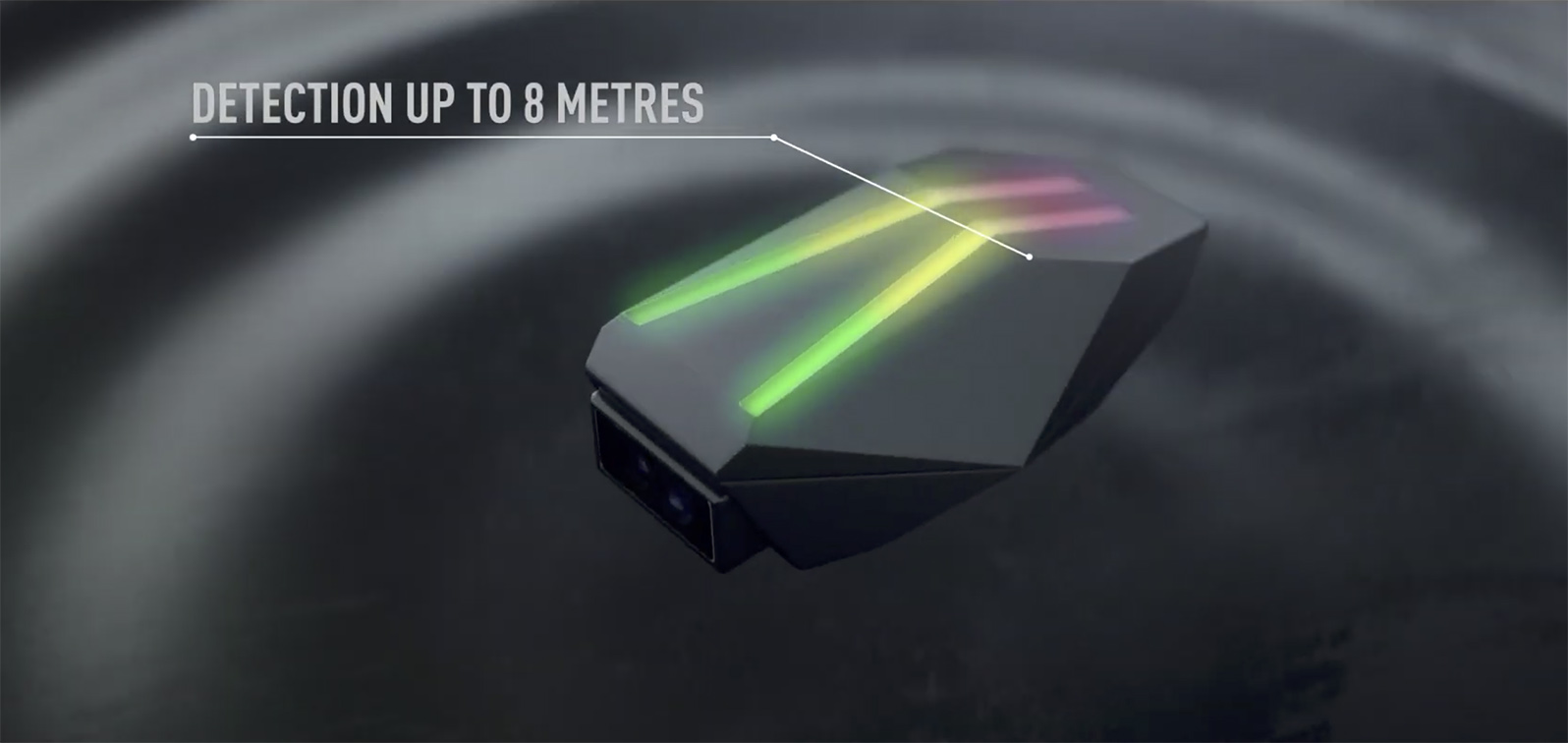
    Leo Burnett is a global multi-disciplinary consultancy firm that specializes in, advertising, brand consultancy, communication, marketing, and so on. While the company isn’t active in the business of road safety, Leo Burnett recently introduced a first-of-its-kind product in India. Called the ‘StreetEye’, this two-wheeler mounted device is designed to detect potholes and alert a two-wheeler rider of the same in real-time. StreetEye was conceptualized, designed, and manufactured by Leo Burnett and the project was sponsored by Acko Insurance.

    India has one of the densest road networks in the world. Traffic data from 2019 suggests that 4,775 road accidents were caused by pot holes, resulting in 2,140 deaths. So a device that can be mounted on a two-wheeler and alerts motorists of pot holes well in time, has the potential to save thousands of lives and even prevent injuries to two-wheeler users.

    Leo Burnett says that the StreetEye device uses stereo cameras and light detecting to map potholes on the road’s surface and alert the rider so that he/she can take adequate action to avoid the same. The device has a pot-hole detection range of up to eight meters. The device will be light and gets a sleek design. And it is encased in a weatherproof body.

    Speaking about the prospective launch Rajdeepak Das, CEO, and Chief Creative Officer, Leo Burnett said “At Leo Burnett we believe the only way to predict the future is to create it ourselves. We have always been driven by our HumanKind philosophy which puts people and problems at the center of all our initiatives. The teams at Leo Burnett have been tirelessly researching, developing, and testing various versions of StreetEye to find a solution to one of the vital problems i.e. accidents due to potholes. And we are very excited about this product and would be launching it soon in the market.”

    The StreetEye device is yet to be launched in India and so far,

  • Tesla Scouts For Showroom Space In India, Hires Executive For Lobbying

    Tesla Scouts For Showroom Space In India, Hires Executive For Lobbying

    Tesla in January registered a local subsidiary in India, which is expected to import and sell the Model 3 sedan by as early as mid-2021. Tesla has recruited Manuj Khurana, a former executive of India’s investment promotion body Invest India.

    Tesla Inc is scouting for locations to open showrooms in three Indian cities and has hired an executive to lead its lobbying and business efforts ahead of its planned entry into the country, sources familiar with the discussions told Reuters. The electric-car maker in January registered a local company in India, where it is expected to import and sell the Model 3 sedan by as early as mid-2021, seeking to target rich customers in a niche market.

    The world’s most valuable automaker by market capitalization is looking for commercial properties as large as 20,000-30,000 square feet each to open showrooms and service centers in the capital New Delhi, financial hub Mumbai in the west and tech city Bengaluru in the south, three sources said.

    Separately, Tesla has recruited Manuj Khurana, a former executive of India’s investment promotion body Invest India, in the first major hire to lead its policy and business development efforts in the country, two other sources said. Tesla did not respond to a request for comment, while Khurana declined to comment.

    In October, Tesla CEO Elon Musk said on Twitter the company will enter India in 2021 “for sure”, though the billionaire had issued similar tweets in the past. The search for showroom space and Khurana’s appointment signal Tesla is moving faster.

    Global property consultant CBRE Group Inc – hired for the showroom searches by Tesla – has been surveying places for several weeks and is focussing on locations that will give the company easier access to affluent customers, sources said.

    Some luxury car showrooms in upmarket areas of metro cities are typically between 8,000-10,000 square feet, but most showrooms are far smaller in India where high-end real estate space is usually in short supply and property prices in New Delhi and Mumbai are among the highest in the world.

    “If you look at Tesla’s showrooms globally, they are like experience centers. It would look at replicating that with some modifications for the Indian market,” said one of the sources, all of whom declined to be identified as the talks are private.

    CBRE said it does not comment “on work we may be doing on behalf of our clients”.

    Khurana has previously been on a government panel on the future of transportation led by Prime Minister Narendra Modi’s top scientific adviser. In his new role, he is also handling Tesla’s market-entry process in India, two sources said.

    But India isn’t likely to be an easy market to crack for Tesla. The country has negligible charging infrastructure and high taxes on imported cars, as well as low adoption of electric vehicles (EVs). India recorded just 5,000 EV sales out of the total 2.4 million cars sold last year, while in China new energy vehicle sales touched 1.25 million.

    However, analysts say India’s rising number of affluent consumers makes it a market the automaker can’t ignore as the government increases its focus on promoting clean cars.

    While Tesla plans to import cars at first, India’s road minister told Reuters last month that the government is ready to offer incentives to ensure the carmaker’s production cost would be less than in China if it commits to local manufacturing.

  • Switch Mobility And Siemens Partner To Work On Electric Mobility Projects In India

    Switch Mobility And Siemens Partner To Work On Electric Mobility Projects In India

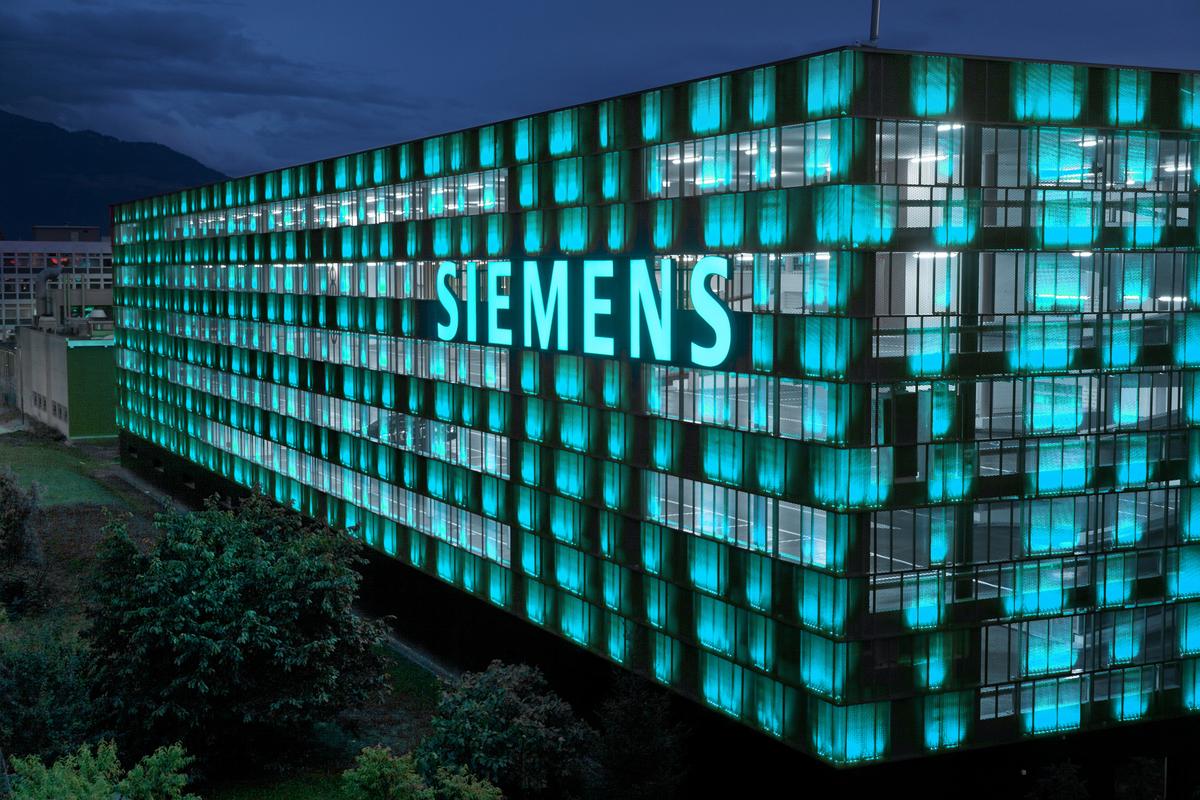
    Home-grown commercial vehicle manufacturer, Ashok Leyland’s global electric mobility arm, Switch Mobility has entered into a partnership with German technology conglomerate, Siemens Limited. The two companies have signed a Memorandum of Understanding (MOU) towards building a cooperative technological partnership in the electric commercial mobility segment and work on eMobility projects in India. The company says that the main objective of this partnership between the two brands is to offer efficient, cost-effective and sustainable e-mobility solutions to various commercial vehicle customers in India.

    Commenting on the partnership, Nitin Seth, Director, Switch Mobility said, “Our collaboration with Siemens will focus on key identified areas, which will be critical to propel ourselves as an industry, towards clean and sustainable mobility solutions. Our overarching objective is to achieve the lowest Total Cost of Ownership (TCO) and our endeavour with Siemens will focus on it to make eMobility a compelling solution for businesses and the environment in India.”

    At the same time Sunil Mathur, Managing Director and Chief Executive Officer, Siemens Limited, said, “Siemens is a global leader in e-mobility solutions for commercial vehicles. We have been implementing projects for electric commercial vehicles across the globe. Together with Switch Mobility, we intend to implement high-quality techno-commercial solutions to address the needs of the growing E-mobility market in India.”

    To achieve their joint objective, for its part, Switch Mobility will offer its strong electric commercial vehicle industry experience. Siemens, on the other hand, will bring its flexible, high-efficiency charging infrastructure technology to the table, which comes with efficient and reliable medium-voltage grid connection solutions. The company says that Siemens’ charging infrastructure management software solution would enhance the energy-efficient operations of the chargers.

    As part of the MOU, Siemens Financial Services (SFS), the financing arm of Siemens AG, will consider a minority investment in OHM Global Mobility Private Ltd., the eMaas platform company to be formed as a subsidiary of Switch Mobility Automotive Limited.

  • Indian Consumers Prefer 3D Catalogues As Digital First Trend Takes Off Because Of COVID19

    Indian Consumers Prefer 3D Catalogues As Digital First Trend Takes Off Because Of COVID19

    Eccentric Engine’s One 3D platform has been powering the virtual showroom and 3D catalogs for various automobile OEMs has released a survey which reveals 7.6 million Indians chose to experience cars virtually in 3D on platforms enabled by its technology in 2020.

    It reports a 300 percent increase from 2019 for its visualization platform One 3D. The data is based on 100 million interactions and over 500 respondents spanning tier 1, tier 2 and tier 3 cities. Its platform enabled research for cars in a virtual 3D format.

    Eccentric Engine’s 3D configurator has been in the market since 2018. Most recently, it enabled the 3D experiences for MG Motors, Citroen and Tata Motors.

    “In India, we work with Maruti Suzuki, Tata Motors, MG, Citroen, Toyota, and Nissan. And also with the newly formed Stellantis (which is the whole PSA group plus FCA),” revealed Varun Shah, the co-founder of Eccentric Engine.

    Shah reveals his platform enables users to explore granular details about vehicles, including details that can’t be explored in review videos or online activations.

    The survey revealed that 51 percent of the sessions were from the 6 top-tier cities including New Delhi, Mumbai, Pune, Hyderabad, Bangalore and Chennai. Even Lucknow broke into 3 percent of the digital sessions making its way into the top 10 cities in India. Interestingly, tier 3 cities accounted for 9 percent of the queries which is an impressive number.

    The survey also revealed that 91 percent of the users who experienced the car online ended up buying the same car offline.

    “By intuitively integrating the real and digital world with One 3D we are excited to create an unprecedented level of customer engagement for our OEM partners to understand evolving consumer needs and help them serve their customers better by offering world-class product visualization that can create surprise and delight and personalize their buying experience,” said Varun Shah.

    The survey also revealed that non-resident Indians were making buying decisions for their families in India digitally. 4.6 percent sessions were from NRIs out of which 31 percent were from North America, 32 percent were from the Middle East, 10 percent were from Europe, 5 percent from the UK, 4 percent from Australia, 2 percent Africa and 1 percent from Latin America.

    The survey also showed blue and white were the most popular shades by more than 40 percent. 35 percent people preferred the colour grey, brown and silver. Red, black and orange were preferred by 15 percent.

    Indian automakers have seen a sharp rise in digital interaction over the past couple of years and yes, it’s been largely driven by the pandemic. Audi India, Volkswagen India saw an uptick of 70% in online interface compared to pre-covid times and with new tech, enhancing that experience for customers is going to be paramount. More manufacturers are now getting into the game and innovation is at the top of everyone’s agenda.

  • Mercedes-Benz EQS Cabin Revealed

    Mercedes-Benz EQS Cabin Revealed

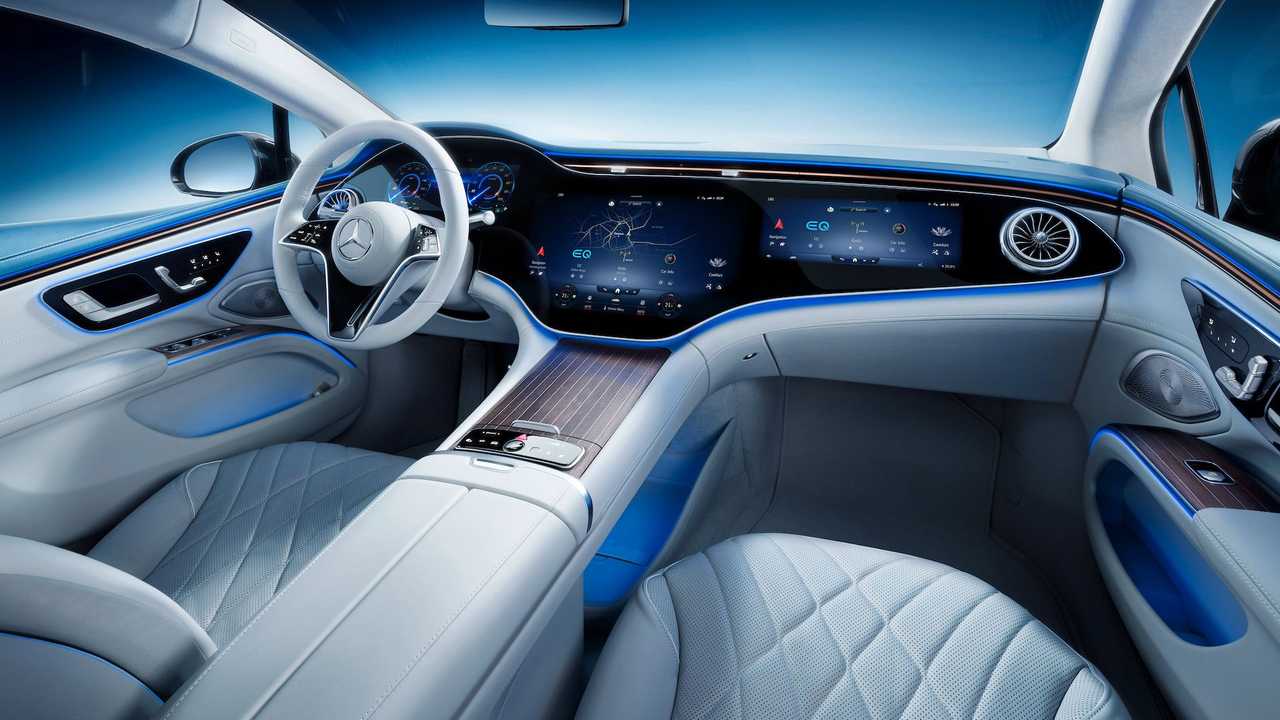
    The EQS is the luxurious and avant-garde top-of-the-range model from Mercedes-EQ and while we’ve seen teasers from the company, we are looking forward to see what the car is actually like and come April 15, we’ll see the what it looks like. But the company has now revealed what the cabin of the EQS looks like and we have to say it looks something from outer space and the reason we say this is because of the MBUX Hyperscreen that is showcased in the car.

    Though optional, the entire instrument panel is one ultimate widescreen. This determines the aesthetics of the entire cockpit and interior. The real glass appears to drape itself in three dimensions over the entire width of the vehicle like a wave – a unique feature in automotive construction to date.

    The high-resolution screens merge seemingly seamlessly under the shared glass cover. The graphic appearance of their MBUX content is tailored to each other. The MBUX Hyperscreen is integrated into the instrument panel in minimalist fashion. The MBUX Hyperscreen is surrounded only by a thin silver shadow frame, a vent band and a narrow leather frame, reminiscent of the lower volume body of classic instrument panels.

    The vent band spans across the entire width at the top and is very slim at the same time. These extreme proportions, together with the glass wave of the MBUX Hyperscreen, create the avant-garde architecture of the cockpit. For further details on the MBUX Hyperscreen, see separate chapters.

    The front section of the center console joins the instrument panel and stands freely in space. Flowing leather surfaces with intricate seam patterns create a lot of storage space in combination with a large cover made of real wood. The visual impression is both modern and luxurious.

    The base model without MBUX Hyperscreen has a slightly different center console. There is a soft armrest in the rear section. It is first visually interrupted before being transitioned into the floating central display.

    The design of the door panels borrows from the interior design of modern living spaces. Doors and their center panels emerge from behind the MBUX Hyperscreen to span the space. A surface-mounted modular body floats like a sideboard in front of the door panel. It accommodates all necessary door elements such as armrest, door module, pull handle, and map pocket. Circular ambient lighting completes this floating, avant-garde aesthetic in the dark.

    In combination with the AMG Line interior, the EQS is fitted with sports seats. They are characterized by a slim and monolithic shape. The seat surfaces are designed in such a way that they give the impression of draped-on leather blankets. The technical term is “layering”.

    Common features of the seats are the dynamic graphic patterns with highly elaborate, positioned perforations. Here, too, you will find the typical Mercedes-EQ combination of the highest standards in materials, ambiance and workmanship as well as state-of-the-art technology.

    Avant-garde, as well as traditional materials and colors, give the interior a special atmosphere. Eight coordinated color combinations in the interior emphasize the generous feeling of space. The EQS is immersed in a progressive and luxurious color world of warm and cool tones. Colors such as balao brown-neva grey and space grey-macchiato add the finishing touches to the soft and emotive design. The color rosé gold, derived and evolved from the electric coil, emphasizes the design of the vent band and is used as a contrasting color.

    The shape of both seats is outlined by illuminated piping. This creates a unique night-time ambiance. The innovative trim elements make a decisive contribution to the aesthetics in the EQS. Two examples: the anthracite 3D relief-look trim elements feature tiny metal pigments. The different lighting situations in the vehicle subtly change the appearance and create a subtle value appeal.

    Visually, all graphics are designed in a new color world of blue/orange throughout. The classic cockpit display of the two-round dials has been reinterpreted with a digital laser sword in a glass lens. All content relevant to driving can be accessed between the round dials.

    The “sporty” display from the S-Class has been converted into a three-dimensional performance bar and emotively and impressively conveys the respective driving status (Drive, Accelerate, Charge). The central object here is a “G-force puck”, which dynamically moves freely in space in line with the acceleration forces.

    The appearance of the screens can be individualized with three display styles (discreet, sporty, classic) and three modes (Navigation, Assistance, Service).

    In the EQS, the content of the displays is reduced as much as possible and coordinated with the colour change of the ambient lighting in seven screen color worlds. In “Assistance” mode, important events such as lane changes or target distance control as well as the infrastructure and detected other road users (cars, motorbikes, trucks) are displayed.

    Head-up displays are available in two sizes. They contribute to relaxed driving because the driver does not need to look away from the road. The large augmented head-up display is the highlight here, as it shows relevant information and actions three-dimensionally in the actual driving situation and environment.

  • Skoda To Invest 2.5 Billion Euros Over Next 5 Years On Future Technologies And EVs

    Skoda To Invest 2.5 Billion Euros Over Next 5 Years On Future Technologies And EVs

    Czech carmaker Skoda Auto, part of the Volkswagen Group, said on Wednesday it would invest around 2.5 billion euros over the next five years on future technologies, with more than half going to electric vehicle investment. The Czech Republic’s largest exporter is hoping for a rebound in 2021 from a global car sales drop but faces uncertainty over the coronavirus pandemic and a semiconductor shortage rattling the industry.

    “This year is likely to be another big challenge,” finance director Klaus-Dieter Schuermann said. “We expect Skoda Auto’s group performance to improve, with sales revenue significantly above the level of last year.”

    Skoda reported on Wednesday a 54.5% drop in 2020 operating to 756 million euros ($894 million). Sales revenue dropped 13.8% to 17.1 billion euros.

    Global deliveries remained above 1 million cars for a seventh straight year despite a 19% drop after production outages at the outset of the pandemic and a fall in China, its biggest single market.

    Chief Executive Thomas Shaefer said the car company was managing the semiconductor shortage “but it will follow us for a while” and the impact was not visible yet.

    Skoda’s core market in Europe would be electric in the future, Shaefer said, although it was still not time to completely switch away from traditional models, which include the launch last year of a new generation of its flagship Octavia model. It has also started production of the all-electric Enyaq iV model.

    Skoda plans investments of 1.4 billion euros into electromobility development as part of its five-year investment plan. Investments will also go into digitalization activities and plant modernization.

  • Lamborghini Urus Sets High-Speed Record On Ice

    Lamborghini Urus Sets High-Speed Record On Ice

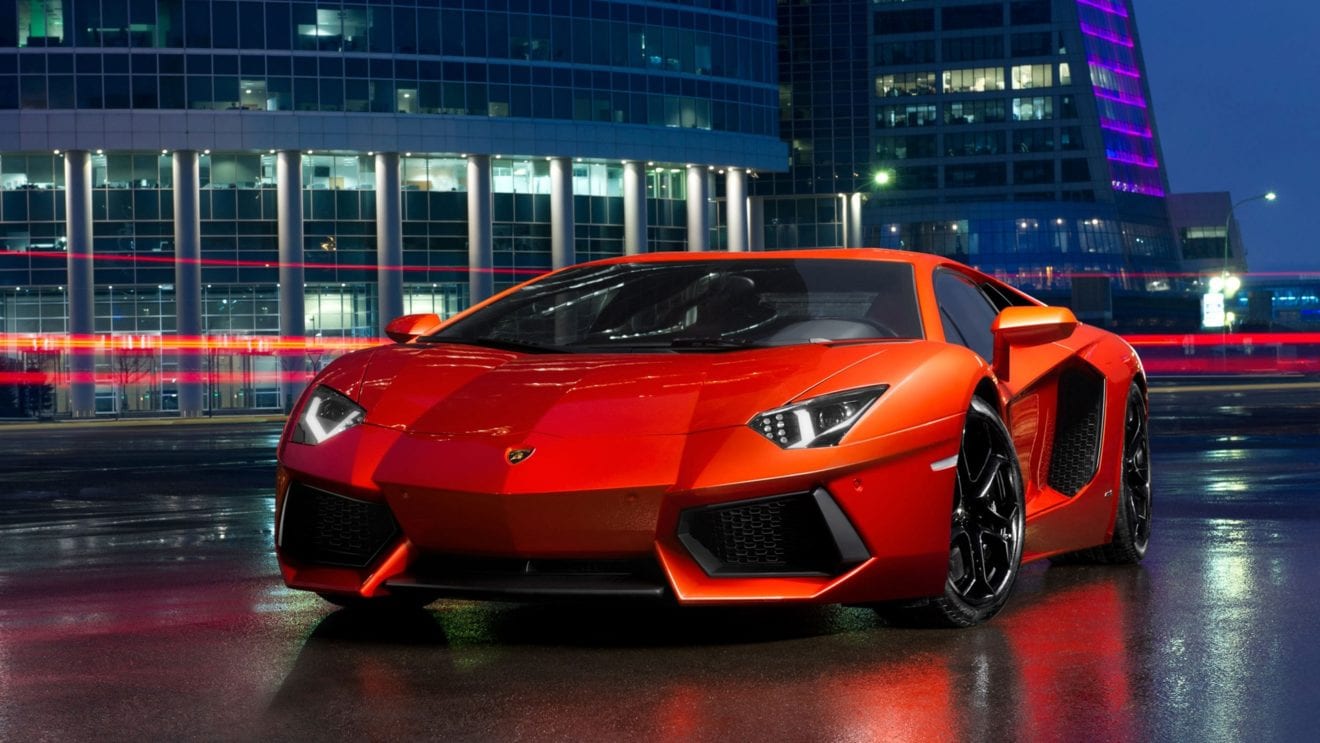
    Automobili Lamborghini took part for the first time in the Days of Speed on the ice of Lake Baikal, with the Lamborghini Urus and it set the 1,000-meter record, averaging a top speed of 114 kmph from a standing start. Piloted by the 18-time Days of Speed Russian record-holder Andrey Leontyev, the maximum recorded speed of the Urus during the record-breaking sprint was an impressive 298 kmph, despite significant warming of the ice on the world’s deepest lake. During the practice runs, the Urus even managed to reach a maximum speed of 302 kmph. Official data registered by the FIA and the RAF (Russian Automobile Federation) will be published in April.

    The annual Days of Speed festival was held between 10 and 13 March. Organised by LAV-racing company, this official sports event is dedicated to setting record speeds on ice. The event strictly adheres to all regulations of the FIA (Federation Internationale de l’Automobile) and RAF (Russian Automobile Federation).

    The Lamborghini Urus features a 4.0-litre V8 twin-turbo engine delivering 650 horses, producing maximum torque of 850 Nm at 2,250 rpm. The Urus accelerates from 0-100 kmph in 3.6 seconds, 0-200 kmph in 12.8 seconds and with a top speed of 305 kmph making it the fastest SUV in the world.