Tag: Auto

  • Volkswagen, Ford To Exit Auto Finance Business In India

    Volkswagen, Ford To Exit Auto Finance Business In India

    The auto financing arms of Volkswagen AG and Ford Motor Co plan to stop giving new credit to car buyers and dealers in India and will exit from the country, sources aware of the development told Reuters. Volkswagen Finance Private Ltd, the German carmaker’s finance arm, stopped giving loans to car buyers in India last year and in May told dealers of all VW brands, which includes Volkswagen, Skoda and Audi, to find another financing, two sources with direct knowledge of the talks said.

    As some customers failed to make repayments, the finance unit has suffered losses, and will close for business by Dec. 31, the sources said.

    More than 50% of Volkswagen group dealers use credit from the finance arm, they said.

    Volkswagen Finance Private Ltd said in a statement that it had acquired a major stake in Indian loan brokerage portal KUWY Technologies to service its retail customers.

    It is in talks with dealers and will review its business strategy by the end of the year, the company said.

    The auto finance arms are classified as non-banking financial companies (NBFCs) and they compete with banks for providing credit. But banks have access to cheaper funding so can offer loans at lower rates than those offered by NBFCs or shadow lenders.

    To offset the disadvantage, Volkswagen and Ford would offer incentives to those dealers who have used their credit finance, the sources said.

    Dealers typically need credit to buy cars from automakers which they then sell on to customers.

    Volkswagen’s plan to exit the financing business has surprised dealers, coming weeks ahead of the launch of Skoda’s new sport-utility vehicle (SUV) to boost sales in India, the two sources said.

    Skoda dealers have been asked to find new financing by the end of the month – a tight deadline ahead of a new model launch, one source said.

    Ford Credit, the automaker’s financing arm, stopped lending to car buyers at the end of last year and will cease credit to dealers by June 30, two separate sources said.

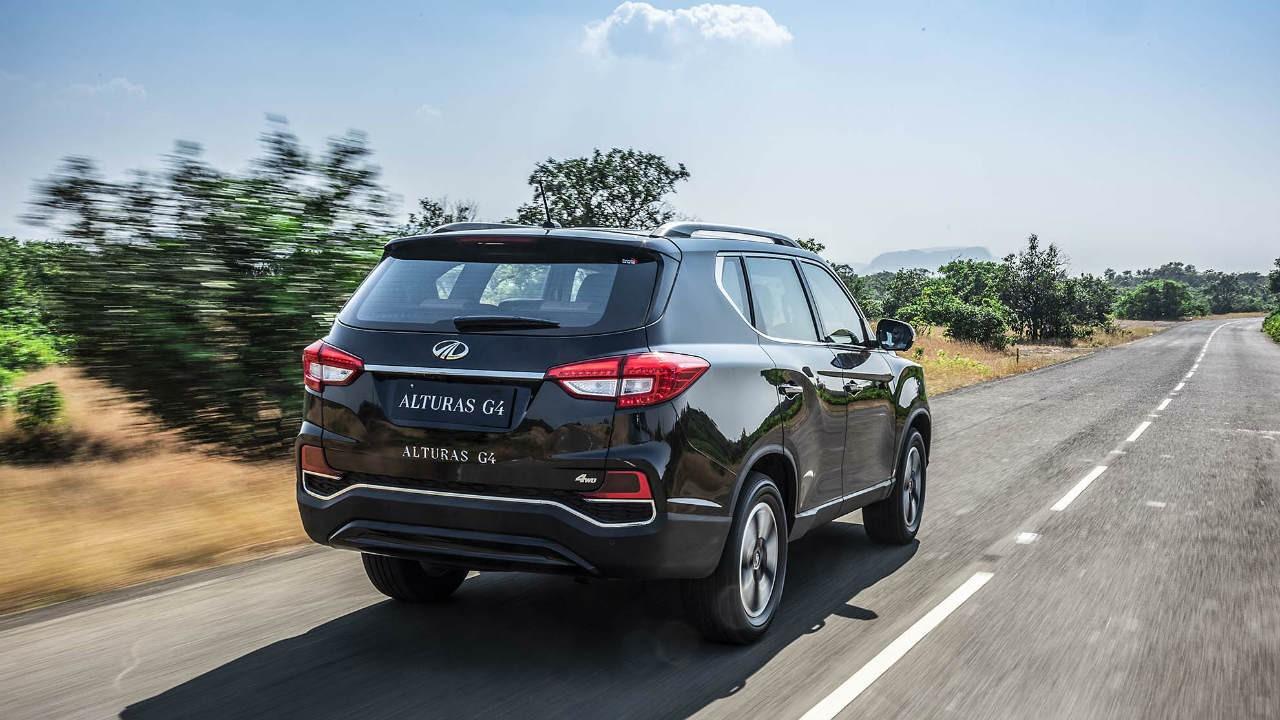
    The decision to exit the financing business comes at a time when Ford is finalizing a new strategy for India after ending ties with Mahindra & Mahindra on Dec. 31.

    A Ford Motor India spokesperson said the company regularly assesses market conditions for its credit business and the decision to discontinue was conveyed to dealers in October – before it made any announcement on the Mahindra partnership.

    “We are confident the auto financing sector in India can support Ford customer and dealer new financing needs. Our team continues to service our existing book of business,” the spokesperson said, adding that 25%-30% of its dealers do business with Ford Credit.
  • Auto sales down in Vietnam

    Auto sales down in Vietnam

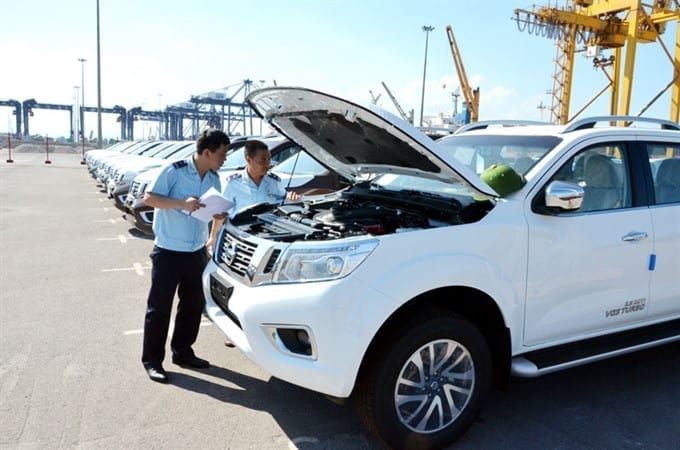
    Auto sales rose 53 percent year-on-year in the first five months to 126,894 units.

    Passenger vehicles accounted for 70 percent and commercial and special-purpose vehicles for the rest, according to the Vietnam Automobile Manufacturers Association (VAMA).

    Truong Hai Auto Corporation, which manufactures its own vehicles and assembles foreign brands such as Kia and Mazda, led with nearly 44,000 units, a 67 percent rise.

    It was followed by Toyota with over 24,100 units, up 16 percent.

    Mitsubishi, Honda and Ford made up the top five.

    Last year sales had fallen by 8 percent to 296,634 units as the Covid-19 pandemic badly affected the economy, hitting people’s incomes and discretionary spending.

  • Alibaba To Develop Self-Driving Trucks With Logistics Unit Cainiao

    Alibaba To Develop Self-Driving Trucks With Logistics Unit Cainiao

    Chinese e-commerce leader Alibaba Group Holding Ltd plans to develop self-driving trucks with logistics subsidiary Cainiao, Chief Technology Officer Cheng Li said on Thursday.

    Cheng also said Cainiao aims to introduce 1,000 autonomous delivery robots in China over the next year.

    The announcement comes as dozens of startups, automakers, and large technology firms, such as internet search leader Baidu Inc, accelerate work on self-driving vehicle systems, which are widely expected to bring a sea change to the transportation industry.

    Other self-driving truck makers include U.S. firm TuSimple Holdings Inc, which listed shares in April.

  • Mercedes-Benz India Has No Plans To Launch The EQS Or Any Other EV This Year

    Mercedes-Benz India Has No Plans To Launch The EQS Or Any Other EV This Year

    Despite the challenges caused by the second wave of the COVID-19 pandemic, Mercedes-Benz India has been among the select few carmakers that have stayed on course with regard to product launches. The Stuttgart-based luxury carmaker has confirmed that it will launch 15 new models in India this year, however, that will not include any electric vehicles. When asked about the launch timeline for the EQS, during the post-launch interaction for the Maybach GLS 600, Santosh Iyer, VP – Sales & Marketing, Mercedes-Benz India confirmed that the company has no plans to launch the EQS or any other EV at least for next one year.

    Talking about the company’s product plan with regards to the EQS and other electric vehicles, Iyer said, “The EV portfolio for Mercedes-Benz is strong. You already saw the EQA, the EQB, there are many products that are getting launched. So, we’ll pick up the right products and definitely, surely introduce them in India. But, for now, the EQC remains our key driver when it comes to the volumes here. Again, we are struggling with the availability of EQC so no point in again launching more EVs and putting some confusion in the market at this stage. Also, EQS is available for sale only in the last part of the year, even worldwide. So, nothing in the next one year at least as far as the EQS or anything else goes.”

    Iyer pointed out that a lot of these electric vehicles introduced globally are high on demand worldwide, and they will make it other markets gradually. Assuring that India is a priority market for the brand, he said that there is no point in launching a product and not being able to cater to the demand. Right now, it’s even struggling with the demand for the EQC. So, before bringing a high-value product like the EQS electric sedan, the carmaker wants to get some volume and certain clarity.

    Having said that, Mercedes-Benz India has already listed its flagship electric vehicle – the EQS on its official website. When asked what that means for the Indian market, Iyer said, “For us electric is not an option. It is something that the automotive industry will transform, and we take pride that in India we were the first to start, and we’ll now continue to bring in new products. As regards that EQS, I think that a statement in terms of our brand, in terms of our commitment to electric.” He further added, “I think the EQS transforms, it makes a paradigm shift into the technology scape, into the luxury space apart from being a very good EV in terms of driving, in terms of battery charging, and some of the other dynamics. So, it was natural for us when there is a global unveil of such a product, which is now our flagship when it comes to the EV story to be there on our website.”

    The Mercedes-Benz EQS is the company’s flagship electric vehicle, and it was just in April 2021 that the sedan version of the EV made its debut. Mercedes also plans to introduce an SUV version of the EQS, which is likely to make its global debut in late 2022. The EQS sedan comes with a 107.8 kWh Lithium-Ion battery, promising a 770 km WLTP cycle certified drive range on a full charge. However, the carmaker has not provided detailed variant-wise range options. The car comes with a standard onboard charger of 11 kW with an optional 22 kW charger. The EQS can be charged from 10 to 80 percent in 35 minutes using a 110 kW DC fast charging, while a 240-volt household wall charger will take 11 hours for the same range.

  • Bosch Opens German Chip Plant

    Bosch Opens German Chip Plant

    Robert Bosch opened a 1 billion euro ($1.2 billion) chip plant in Germany on Monday, a record investment by the leading automotive supplier as it stakes a claim to equipping the latest electric and self-driving cars. The plant, located in a semiconductor hub near Dresden, opens as the automotive industry battles a global chip shortage, and will increase Bosch’s ability to serve carmakers directly, relying less on third-party manufacturers.

    “Every chip that we make here in Dresden is one chip less that is lacking. That helps,” management board member Harald Kroeger told Reuters in an interview.

    Addressing an online opening ceremony, Chancellor Angela Merkel said semiconductor shortages were hampering Germany’s economic recovery, and that it was important to strengthen resilience against external supply disruptions.

    “We aren’t in pole position – we have to catch up,” Merkel said. “We must be ambitious. Our competitors around the world aren’t sleeping.”

    The Bosch plant will make specialist power-management chips and Application Specific Integrated Circuits (ASICs) that are designed to carry out a single task, such as triggering a car’s automatic braking system.

    It will not however address shortages of products like microcontrollers which have forced automakers to halt production and are expected by industry leaders and analysts to extend into next year.

    “The fab (chip fabrication plant) may help to insulate Bosch and its key customers somewhat,” said Asif Anwar at Strategy Analytics. “But it is unlikely to serve as a gap filler to the current shortages being experienced in the automotive market.”

    The Bosch plant, which received 200 million euros ($243 million) in state aid under a European Union investment scheme, will start making chips for power tools in July, with output of automotive chips to follow from September.

    “The state-of-the-art technology in Bosch’s new semiconductor factory in Dresden shows what outstanding results can be achieved when industry and government join forces,” said European Commission Vice-President Margrethe Vestager.

    Kroeger said Bosch supported a broader strategic push by Brussels to revive Europe’s semiconductor industry. A recently unveiled plan targets doubling the region’s share of global chip production to 20% by 2030.

  • Volvo Cars India To Set Up Digital Technology Hub In Bengaluru

    Volvo Cars India To Set Up Digital Technology Hub In Bengaluru

    Volvo Car India announced that it is expanding its Digital Technology Hub at Bangalore which will help strengthen its digital presence in India. The company has appointed Jonas Olsson as the Head of Digital Technology Hub with effect from June, 1 2021. Olsson comes from Volvo Group India, where he was HR Director Region APAC, and was part of the Group IT Leadership Team. His experience with Volvo Group IT spans over 20 years, with the past 15 years in India, and he has played an instrumental role in leading the set-up of Volvo Group’s IT-delivery center in Bengaluru.

    Volvo Cars India seeks to leverage on the talent available in the country, by being an attractive and inclusive employer and offering the value proposition to contribute to the organization’s journey of creating the cars of tomorrow.

    Jyoti Malhotra, Managing Director, Volvo Car India said, “Olsson’s rich experience will value add and strengthen Volvo Car India’s core strategy of going digital in all its customer offerings in the future. We welcome him in his new assignment and are confident that he will play a key role in strengthening our digital footprint in India”

  • Mercedes-Benz Introduces ‘Direct To Customer’ Retail Sales Model In India

    Mercedes-Benz Introduces ‘Direct To Customer’ Retail Sales Model In India

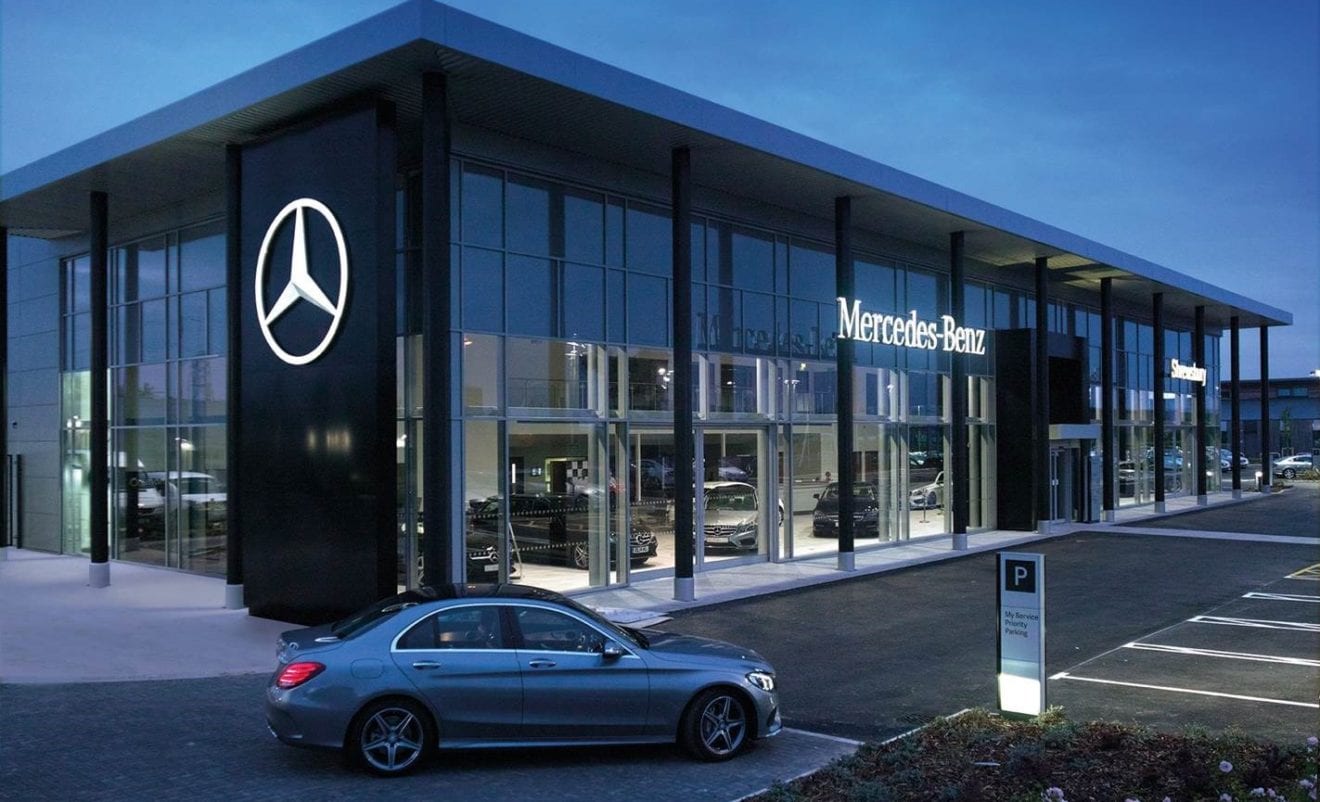
    Mercedes-Benz India today introduced its new retail sales model called ‘Retail of the Future’ (ROTF). With this new model, the company plans to promote a ‘direct to customer’ retail approach to creating a more customer-centric brand. To the effect, under this business model, Mercedes-Benz India will own the entire stock of cars, sell them via appointed Franchise Partners, invoice the new cars to the customers directly, process the order, and fulfill them. This would also mean that the company will offer one transparent price across India. The new retail model will be applicable only for new car sales, whereas other verticals like – customer service, pre-owned cars, and allied businesses will remain unchanged.

    Talking about the introduction of the new retail sales model, Martin Schwenk, MD & CEO, Mercedes-Benz India said, “This long-term strategic move will strengthen our customer focus by introducing a fundamental transition in the retail business in the market. It also will deliver a win-win solution for both customers and Franchise Partners, underscoring our clear vision for a future that is sustainable, empowering and digital. The advent of new sales channels has brought sweeping changes in customers’ aspirations and requirements and being a customer-obsessed brand, we have adapted our current business models to meet our customers’ aspirations and needs.”

    Commenting on Mercedes-Benz India’s new retail model, Vinkesh Gulati, President, FADA India said, “The agency model introduced by Mercedes India will be an out-of-the-box thinking by the company. Even though the model has tested waters internationally, India is a unique market where customer physic is very different as they change Dealers and even brands on any additional discount. Even though on the face of it, this model looks beneficial for the dealer community dealing in Premium Brands with low Volume but we will need to see if this model can work with mass-market brands so that every dealer can benefit from it.”

    Now, for customers, this might not be a big change. They will still have to visit the showroom or go online to purchase the vehicle, and, they will continue to the facilitated by the franchise representatives. What will change, however, is they’ll get uniform and transparent pricing, larger stock availability for choosing, and better customers service as that will become the major focus areas for dealerships. However, things will be widely different for franchise partners, the dealers, who will be operating on reduced risks and liabilities right now. A direct-to-customer retail model would mean they won’t have to worry about inventory cost, warehousing of the stockpile, which is added cost to dealers right now.

    However, this also means that dealers won’t be able to offer selective discounts or deals to attract buyers to compete with other dealers and gain more margin. Instead, now, in order to compete with other franchise partners, dealers will have to offer improved customer service, which will be measured based on what the company calls the CSI rating. In short, dealers will get commissions instead of sales margin.

    As for Mercedes-Benz India, it will be responsible for centrally managing the selling price of all new cars. The company will also be owning and managing the entire stock of new cars and will have to take care of order processing and fulfillment. This means the company will stop wholesale despatches to dealers. The company says that this new retail model will allow Mercedes-Benz to have better control over volume scalability and achieve price stability within segments. The company will also get improved forecasting with regards to the market trends and customer insight, along with better inventory management.

    Mercedes-Benz India will implement its new Retail of the Future sales model starting from the fourth quarter (Q4) of the 2021 calendar year.

  • Tesla Recalls Nearly 6,000 U.S. Cars Over Potentially Loose Bolts

    Tesla Recalls Nearly 6,000 U.S. Cars Over Potentially Loose Bolts

    Tesla Inc is recalling nearly 6,000 U.S. vehicles because brake caliper bolts could be loose, with the potential to cause a loss of tire pressure, documents made public on Wednesday show.

    The recall covers certain 2019-2021 Model 3 vehicles and 2020-2021 Model Y vehicles. Tesla’s filing with the National Highway Traffic Safety Administration (NHTSA) said it had no reports of crashes or injuries related to the issue and that the company will inspect and tighten, or replace, the caliper bolts as necessary.

    Tesla said that loose caliper bolts could allow the brake caliper to separate and contact the wheel rim, which could cause a loss of tire pressure in “very rare circumstances.” The company said that in the “unlikely event” there is vehicle damage from a loose or missing fastener, it will arrange for a tow to the nearest service center for repair.

    The filing with NHTSA said Tesla was made aware in December of a field incident involving a 2021 Model Y vehicle with a missing fastener on the driver-side rear brake caliper.

    The company has since taken measures to prevent the loosening of the bolts in the assembly process

  • Ford Boosts EV Spending, Aims To Have 40% Of Volume All-Electric By 2030

    Ford Boosts EV Spending, Aims To Have 40% Of Volume All-Electric By 2030

    Ford Motor Co on Wednesday outlined plans to boost spending on its electrification efforts by more than a third and said it aims to have 40% of its global volume be all-electric by 2030 in a move to have investors value it more like a technology company.

    Under a plan dubbed “Ford+,” the No. 2 U.S. automaker said it now expects to spend more than $30 billion on electrification, including battery development, by 2030, up from its prior target of $22 billion. It has launched the all-electric Mustang Mach-E crossover and plans to introduce electric versions of the Transit van and F-150 pickup.

    In premarket trading, Ford shares were up about 2%.

    “This is our biggest opportunity for growth and value creation since Henry Ford started to scale the Model T,” Ford Chief Executive Jim Farley said in a statement.

    Ford plans to develop two dedicated EV platforms, one for full-size trucks and SUVs, the other for cars and smaller SUVs.

    Ford and other global automakers are racing to shift their gasoline-powered lineups to all-electric power under pressure from regions like Europe and China to cut vehicle emissions. U.S. President Joe Biden has called for $174 billion to boost U.S. EV production, sales and infrastructure.

    Ford rival General Motors Co has said it aspires to halt U.S. sales of gasoline-powered passenger vehicles by 2035. The Detroit automaker said last year it was investing $27 billion in electric and autonomous vehicles over the next five years.

    Some analysts see Ford as trailing its rivals in the electrification race, but Ford officials disagree with that view, pointing to the Mach-E rollout and its other plans.

    Ahead of an investor meeting, Ford said it expects to deliver an 8% operating margin in 2023.

    The Dearborn, Michigan-based company also said it is forming a new unit, called Ford Pro, to focus exclusively on commercial and government customers, a segment Farley sees as a huge growth opportunity for the company.

    The company is targeting increasing revenue for the commercial market for hardware and related services addressable by Ford to $45 billion by 2025, up from $27 billion in 2019.

    Ford said it will also aim to develop EV batteries, from lithium-ion versions to lithium-ion phosphate for commercial vehicles and eventually low-cost solid-state batteries in partnership with startup Solid Power, in which the automaker has invested.

    Last week, the automaker announced a memorandum of understanding to form a battery joint venture with South Korea’s SK Innovation, to make battery cells at two U.S. plants.

    Ford also said it expects to have 1 million vehicles capable of receiving over-the-air software updates on the road by the end of the year, and scaling that to 33 million by 2028.

    It sees the overall market for connected functions like driver-assist technologies, new features and upgraded software content, and EV charging hitting a projected $20 billion by 2030.

    Sources previously told Reuters Ford plans to develop two dedicated EV platforms, one for full-size trucks and SUVs, the other for cars and smaller SUVs.

    The sources said Ford is planning to launch at least nine all-electric cars and car-based SUVs and at least three electric trucks, vans and larger SUVs, including second-generation editions of the Ford F-150 Lightning and Mach-E at mid-decade.

  • BYD Rolls Out 1 Millionth Electric Passenger Car In China

    BYD Rolls Out 1 Millionth Electric Passenger Car In China

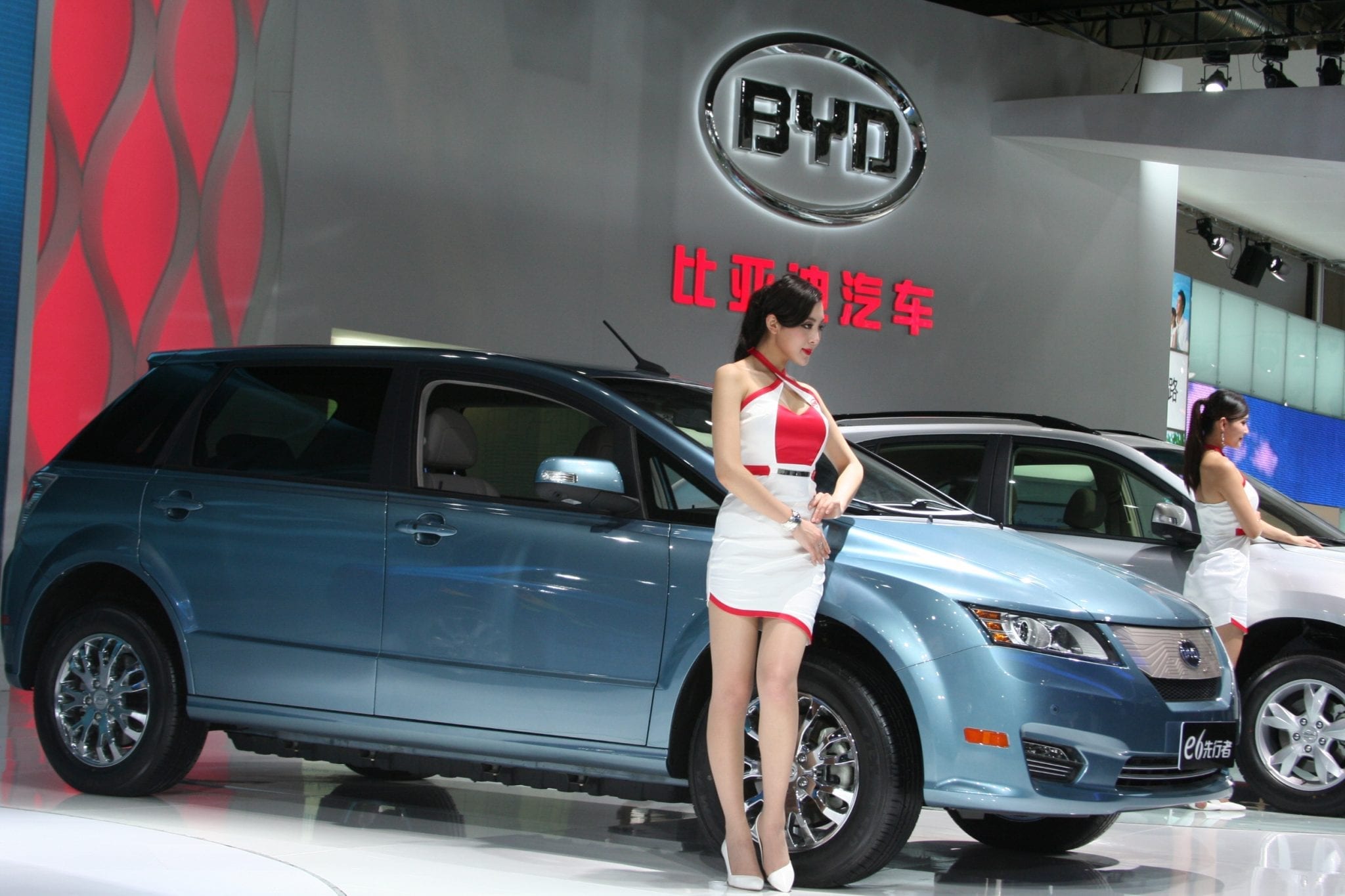
    Chinese automaker BYD is celebrating the rollout of its one-millionth electric passenger car, becoming the first automaker globally to do so. The one-millionth car is the Han EV that rolled off the production line at BYD’s headquarters and manufacturing facility in Shenzhen, in China. The occasion marked the presence of officials from the Chinese government, industry heads, media guests, and about 100 BYD vehicle owners. With no Covid cases reported, China is able to host public events.

    Speaking about the rollout, Wang Chuanfu, Chairman and President of BYD Co., Ltd. said, “BYD shoulders the responsibility and mission of upward development for China’s new energy vehicle brands. From zero to one million vehicles, this is BYD’s response to the call for global auto industry transformation. It also sets a benchmark in the journey of the new energy vehicle industry in China starting from nothing, alongside the greater national journey for a country dominated by traditional automobiles to one that is a leader in the field of sustainability.”

    He added, “The journey to one million vehicles would not be possible without the support of car owners every step of the way, and BYD recognizes that the ‘green dream’ can only be achieved hand-in-hand with all our customers.”

    Beginning operations in China in 2003, BYD’s new energy vehicle (NEV) journey commenced in 2004 with the ET electric concept car at the Beijing Auto Show. This was followed up with the F3DM – the world’s first mass-produced plug-in hybrid NEV model unveiled in 2008. The BYD Han was launched in 2020 and the automaker says it’s a top-selling model in China, competing with the German luxury sedans.

    Rolf Petter Almklov, Commercial Counsellor, Royal Norwegian Embassy in Beijing, and Wang Chuanfu, Chairman & President – BYD at the rollout ceremony

    BYD says the one million EV production milestone coincides with the first batch of 100 fully-electric BYD Tang SUVs being readied for Norway. The Scandinavian country will be at the center of the automaker’s ambitious plans for the European market, it says. A total of 1500 Tang SUVs will be delivered to Norway before the end of the year as part of BYD’s European and global strategy. The first batch will be delivered to customers in Norway in the third quarter of the year.

    The BYD Tang SUV promises a range of 505 km (NEDC) and can sprint from 0-100 kmph in 4.6 seconds. The battery capacity stands at 86.4 kWh. BYD will be bringing only electric cars to the European market and the company already retails its electric bus product range in Europe.

  • Vietnamese automaker acquires South Korean retail chain

    Vietnamese automaker acquires South Korean retail chain

    A THACO spokesperson said that the agreement will be signed this week. South Korean retail giant E-mart, owned by the Shinsegae Group, will stop operating its outlets in the country. Under the buyout deal, THACO will operate the chain as a franchisee and pay a royalty to E-mart.

    The South Korean established the E-mart Vietnam Co. in 2014 after three years of doing market research in the country.

    It opened its first megamarket in HCMC’s Go Vap District at the end of 2015, covering an area of 12,000 square meters. The megamarket consists of a shopping area, restaurants and a kids’ playground.

    It hiked its charter capital by 62.5 percent to VND2.7 trillion ($117.8 million) in 2018.

    The E-mart Vietnam management board said 95 percent of products it sold were domestically produced.

    Rumors had surfaced at the end of last year that E-mart will exit the Vietnam retail market, but the company denied them.

    South Korean newspaper The Korea Times cited the retail giant as saying it was selling its Vietnam operations due to difficulties in expanding the business. It had planned to open a second megamarket in HCMC’s Tan Phu District in mid-2018, but the plan was not realized.

    THACO has announced plans to open 10 supermarkets in Vietnam by 2025.

  • Burry Of ‘Big Short’ Fame Reveals $530 Million Bet Against Tesla

    Burry Of ‘Big Short’ Fame Reveals $530 Million Bet Against Tesla

    The family office run by “Big Short” investor Michael Burry has disclosed a short position against Tesla Inc worth more than half a billion. Scion Asset Management said in a regulatory filing on Monday that it had bearish put options on 800,100 shares in Tesla as of the end of the first quarter that was worth $534 million. Put options give investors the right to sell shares at certain price in the future.

    One of the investors profiled in the book “The Big Short’ and the film of the same name for betting more than a billion dollars against the U.S. housing bubble, Burry has been skeptical of Tesla’s sky-high valuations.

    In February, he tweeted “my last Big Short got bigger and Bigger and BIGGER,” referring to Tesla’s surge in market capitalization. “Enjoy it while it lasts,” he said.

    Powered by strong sales and its first annual profit, Tesla shares jumped more than eight times last year and hit a record high of $883 per share in January. But they have since fallen as hedge fund managers raise concerns that it is overvalued.

    The shares closed at $576 per share on Monday, valuing the electric car maker at around $555 billion.

    Burry also said last year that the green regulatory credits which Tesla has relied on to generate profits will dwindle as Fiat Chrysler increases sales.

    Stellantis, formed through the merger of Italy’s FCA and France’s PSA, said this month it expects to achieve its European carbon dioxide emissions targets this year without environmental credits bought from Tesla.

    Scion, which does not hold external capital, also lifted its exposure to energy last quarter, adding 530,000 shares in Golden Ocean Group, 323,823 shares in SunCoke Energy and 225,000 shares in Occidental Petroleum.

  • Android Automotive Will Be In 10 Cars By End Of 2021

    Android Automotive Will Be In 10 Cars By End Of 2021

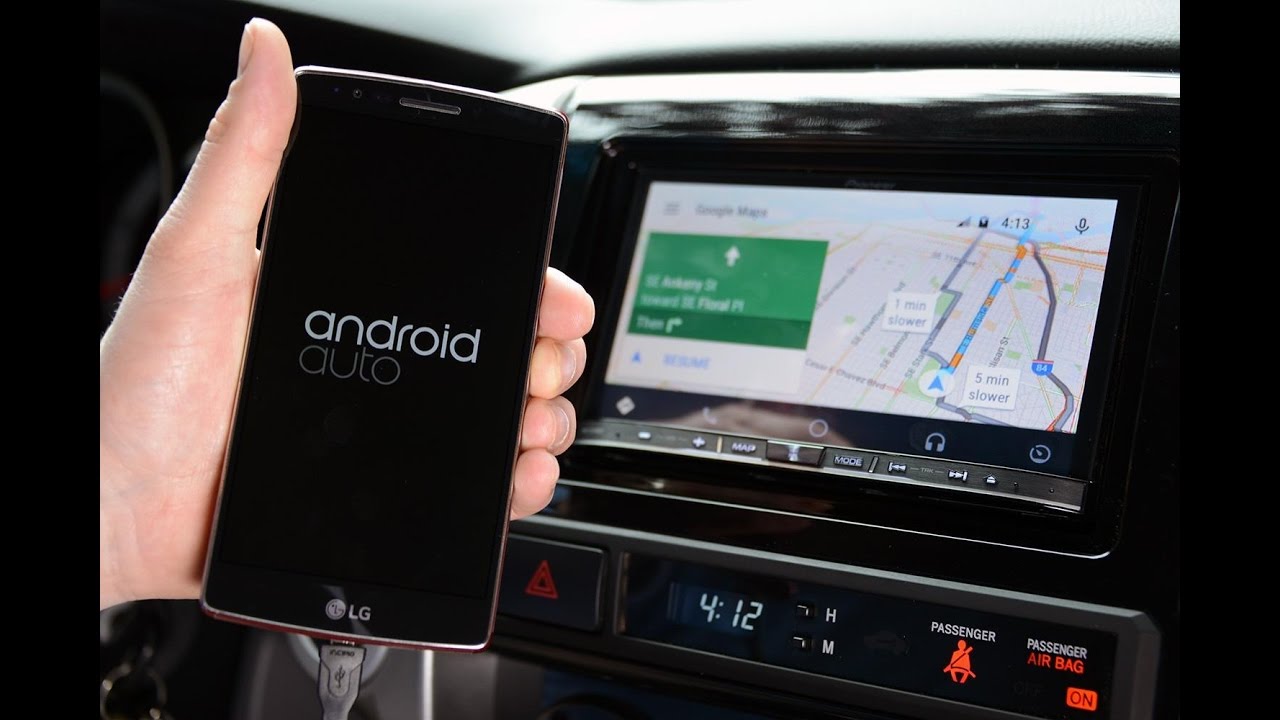
    Google has already announced at wireless Android Auto is soon going to be going to a legion of cars by mainstream manufacturers. At Google IO 2021, it also announced a new digital car key feature that works via NFC and ultra-wideband. It is also saying that we will see 10 new models based on its Android Automotive operating system by the end of the year. Android Auto and Automotive are different. Android Auto is a technology that basically allows the user to beam and mirror the smartphone interface and features using the infotainment system onto the car, while Android Automotive is a full car operating system based on Android.

    Google has partnered with GM and Renault in addition to its existing partnership with Volvo and its electric subsidiary Polestar. It has also added Nissan and Ford to the list. Overall there will be more than 10 car models. This means the new GM Hummer EV — yes, it will be based on Google’s new car operating system.

    After facing a strict fine in Italy, Google is also making it easier for third-party app developers to bring their navigation, EV charging, parking and media apps directly to the car interface. Android for Cars App Library is being extended to support the Automotive OS. This way developers can make one app that works both with the core Android OS for gadgets like phones and tablets and Android Auto. It also means that one app can work across different makes and models. This wasn’t possible earlier which added friction to the process of bringing new apps to Android Automotive.

    Google is working with a bunch of  Early Access Partners — Parkwhiz, Plugshare, Sygic, Chargepoint, Flitsmeister, SpotHero and many more to bring their apps to Android Automotive. Already third-party apps like Spotify support Cars App Library for Android Auto, now with that being extended to Automotive, that app should be presumably coming to cars using Android Automotive.

    Android itself is based on Linux and 2 years ago, Google modified it further to work on cars as an alternative and more scalable option to Android Auto which was running on the phone but the interface of the phone was being beamed on to the car using a USB connection or a combination of wifi and Bluetooth. This mean core Google features like Maps, and Assistant were embedded inside the car on a system level.

    The first cars based on this system were the Polestar 2 and the Volvo XC40 Recharge which is also coming to India later this year.

  • Electric Cars Expected To Be Launched In India In 2021

    Electric Cars Expected To Be Launched In India In 2021

    Electric cars are the future, and the year 2021 will offer the slightest glimpse of the electric vehicle (EV) revolution. Though EVs represent a very small percentage of global car sales, several automakers have already made massive investments in electric mobility foreseeing the demand it could create in the coming years. As India is moving towards e-mobility, there has been substantial investment in electric vehicles (EVs) by domestic and global auto majors. The models like the Tata Nexon EV and MG ZS EV have received a decent amount of success in the Indian EV market. Other automakers too are planning to enter into the electric vehicle space in India. On that note, we list down the EVs that are expected to go on sale in the Indian market this year.

    Tesla Model 3:

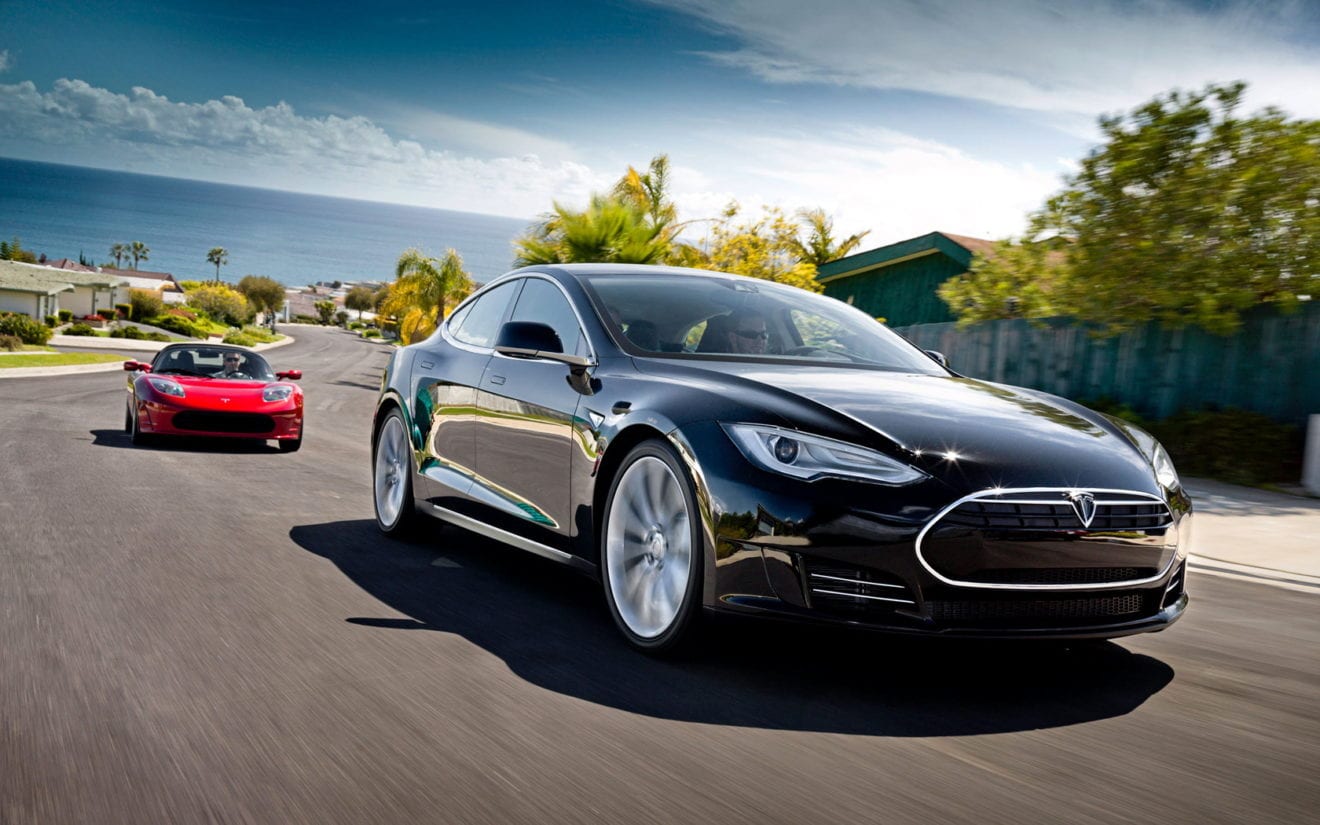
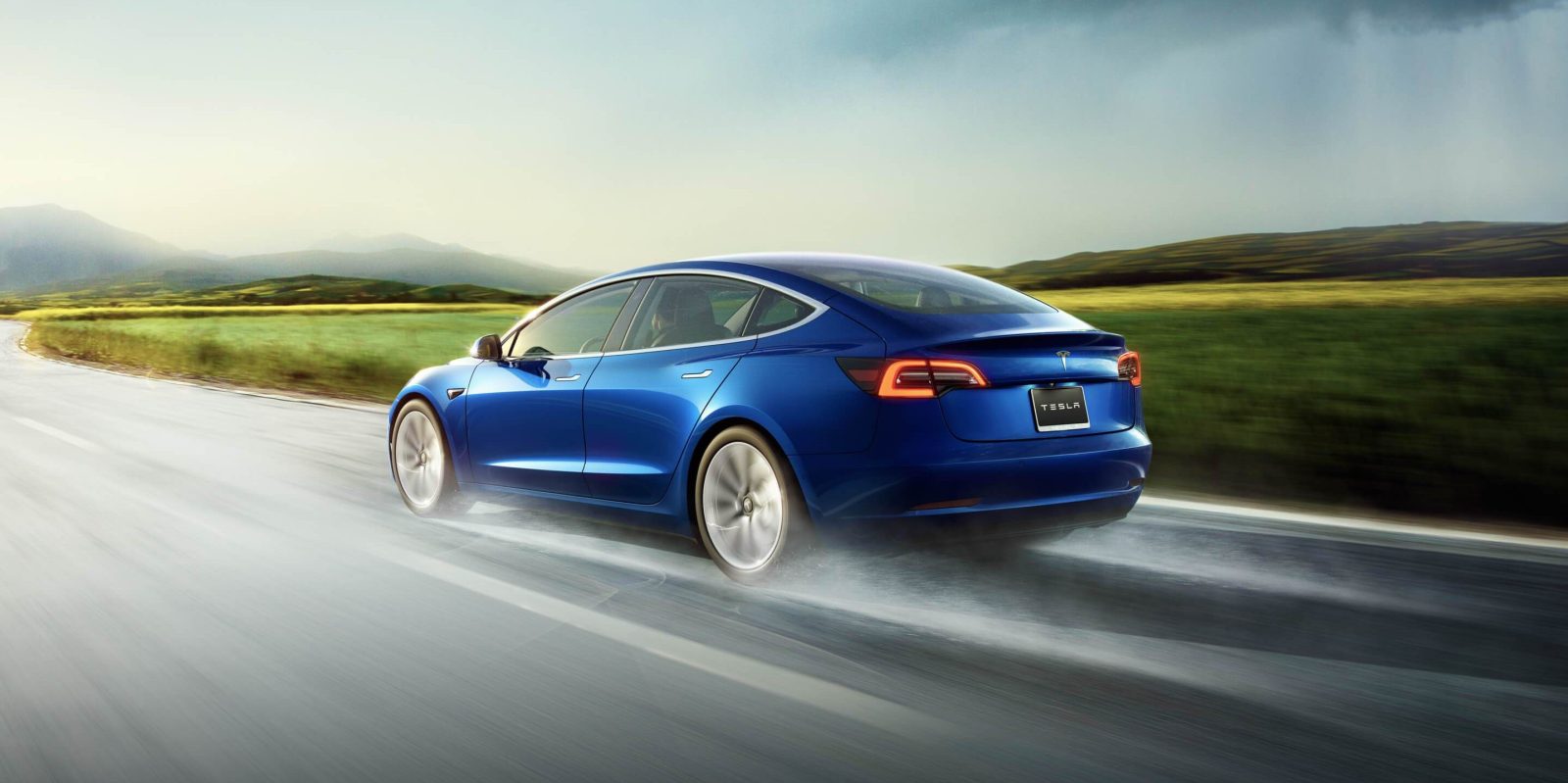
    Tesla is all set to roll out its first electric car, the Model S, in the country this year. The EV maker will set up India headquarters in Mumbai’s Lower Parel location while the production base will be established in Karnataka. The American EV maker will start its sales operations with the Model 3 which is the most affordable offering in its line-up. The Tesla Model 3 will come to India as a completely built unit (CBU) model. The car is rumored to be priced somewhere ₹ 55 lakh in the country. The Tesla Model 3 has a range of up to 500 kilometers and a top speed of 162 kmph. It can even do 0-100 kmph in 3.1 seconds.

    Volvo XC40 Recharge:

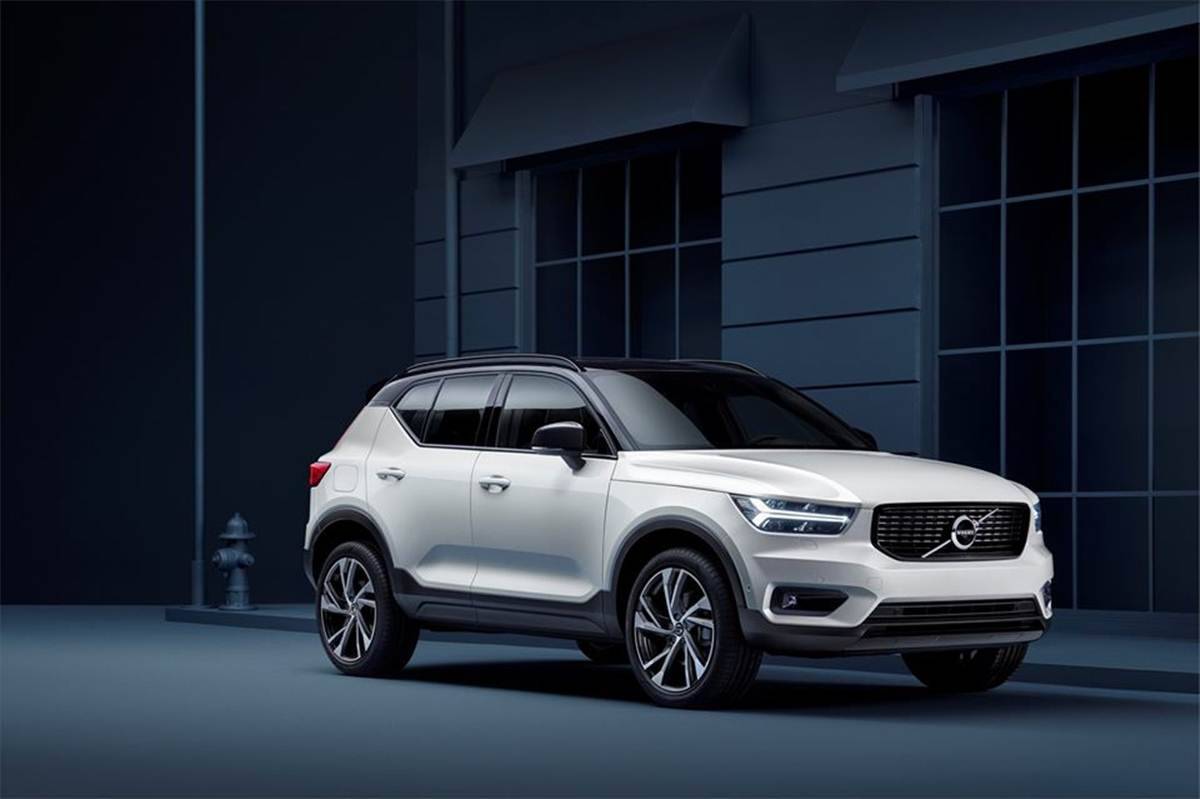
    Volvo Car India revealed the new XC40 Recharge electric SUV in the country a couple of months ago. It will be the first all-electric offering from a Chinese-owned Swedish carmaker. The company will start accepting pre-bookings for the electric SUV next month, while deliveries will commence in October 2021. The Volvo XC40 Recharge will come to India as a completely built unit (CBU) model. The electric SUV comes with a dual-motor powertrain with 150 kW electric motors on each axle that converts to 402 bhp and 660 Nm of peak torque. The electric motors are powered by a 78 kWh battery pack that offers an approximate range of up to 418 km. It can achieve 0-100 kmph in 4.9 seconds.

    Audi e-Tron:

    Audi India has confirmed the arrival of the e-Tron alongside the e-Tron Sportback in the country this year. It will be the German carmaker’s first all-electric offering in India. The electric SUV was previously slated to go on sale last year, which was delayed due to the COVID-19 pandemic. Both the Audi e-Tron and the e-Tron Sportback share the same underpinnings, but the latter gets the coupe-like sloping roofline and a redesigned rear profile. Both the EVs come with two electric motors that develop 355 bhp and 561 Nm of peak torque. In the boost mode, the power output increases up to 408 bhp and 664 Nm. The EVs use a 95 kWh battery pack that offers a range of about 452 km on a single charge and can be fully charged in eight and a half hours using a regular charger.

    Mahindra eKUV100:

    Mahindra is all set to launch the eKUV100 in the Indian market in the coming months. The Indian carmaker has already announced prices of the EV at the 2020 Auto Expo, which costs ₹ 8.25 lakh (ex-showroom, India). While the eKUV100 will be targeted at fleet operators, the EV will also be offered for private buyers. Visually, the car looks identical to its petrol counterpart. However, we expect minimal changes on the production-spec version including possibly a revised grille, along with reworked headlamps and taillights. The Mahindra eKUV100 will use a 40 kW electric that belts out about 53 bhp and 120 Nm of peak torque. A single-speed transmission will be sending power to the front wheels. The car will come with a 15.9 kWh lithium-ion battery and is expected to offer a range of 120 km on a single charge.

    Porsche Taycan:

    The all-new Porsche Taycan electric sports car will be introduced in India this year. It is the first fully-electric sedan from the Stuttgart-based luxury carmaker, which will be based on the Porsche Mission E Concept that was showcased in 2015. The new Porsche Taycan will sport two permanently excited synchronous electric motors that can churn out a maximum of 600 bhp and will a range of over 500 km thanks to its high voltage lithium-ion batteries. The EV will get 800-volt chargers with fast charging capability, which can offer a 400 km range in 15 minutes of charge time. The carmaker claims that the EV can sprint from 0-100 kmph in under 3.5 seconds.

    Tata Altroz EV:

    The Altroz EV will be the next electric vehicle from the Indian automaker’s stable, which was showcased at the 2019 Geneve Motor Show. The fully electric version of the premium hatchback is expected to go on sale in India this year. Like its ICE derivative, the EV version will also be built on the all-new Agile Light Flexible Advanced (ALFA) Architecture. Tata Motors has already confirmed that all its future electric vehicles will use the Ziptron powertrain technology. So, the Altroz EV will get a Lithium-ion battery with IP67 certification.

    Mercedes-Benz EQS:

    It was last month that Mercedes-Benz revealed the EQS electric sedan in the global market. The electric sedan has been listed on the official India website, suggesting it could be launched in our market later this year. The luxury electric sedan will be available in two trims – EQS 450+ and EQS 580 4MATIC. The EQS 450+ is the base variant that features a single electric motor on the rear axle for a total of 328 bhp and 568 Nm of peak torque. The EQS 580 4MATIC is an all-wheel-drive (AWD) range-topping trim and gets an electric motor on both front and rear axles. Total output in combination here is 516 bhp and a whopping 855 Nm of peak torque, good for a 4.1 seconds sprint to 100 kmph from a standstill.

  • Mahindra Rolls Out M-Protect COVID Plan For Farmers

    Mahindra Rolls Out M-Protect COVID Plan For Farmers

    Mahindra & Mahindra’s Farm Equipment Sector on Sunday officially announced the rollout of the ‘M-Protect Covid Plan’ for the Indian farmers. With this new customer-centric initiative, the company intends to support Indian farmers in these testing times as the entire nation battles with the second wave of the coronavirus pandemic. The plan aims to safeguard new Mahindra tractor customers and their families against the possibility of contracting COVID-19. This plan will be available on Mahindra’s entire range of tractors purchased in May 2021.

    Under the M-Protect covid plan, Mahindra will provide its customers with a health cover of ₹ 1 lakh through a unique COVID Mediclaim policy covering the customer in case they contract COVID-19 with home quarantine benefits. It will also offer financial support by providing pre-approved loans to support medical expenses incurred during COVID-19 treatment. Moreover, customers’ loan with insured under ‘Mahindra Loan Suraksha’ in case of loss of life.

    Commenting on the development, Hemant Sikka, President, Farm Equipment Sector, M&M Ltd., “At Mahindra, we care about our customers and the community at large and have taken a series of initiatives to help those most in need to overcome the challenges related to COVID. Our new ‘M–Protect Covid Plan’ is a new initiative in that direction targeted at farmers, as we stand by them to drive positive change even in these tough times. With M-Protect we are privileged to serve and support them to reduce the impact of a COVID-related eventuality. With M-Protect we hope our farmers continue to have a healthy life.”

    Shubhabrata Saha, Chief Executive Officer, Farm Division, M&M Ltd. said, “May and June are important months for the livelihood of the farming community and COVID-19 has brought in several challenges. Our new M-Protect Covid Plan is intended to ease farmers’ worries as we support them in these crucial farming-related months. Through M-Protect we will offer health, financial and insurance-related protection to bring relief to the farmer during these challenging times, safeguarding them and more so their families. I would like to thank our channel partners for the immense support they’ve extended to our farmer customers.”