Tag: Auto

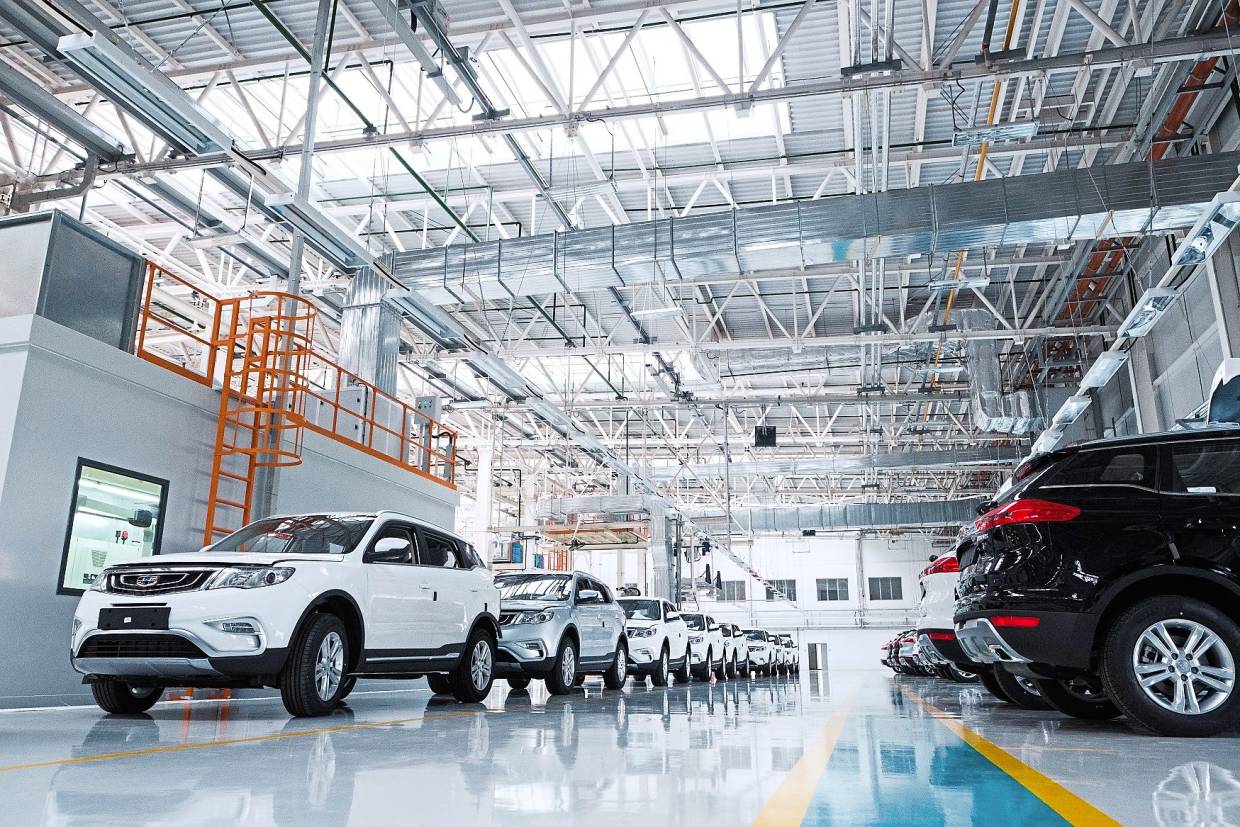
  • Vietnam begins to make switch to online car sales

    Vietnam begins to make switch to online car sales

    Three auto brands have begun to sell online as they seek to take advantage of the country’s e-commerce boom.

    Since January this year customers have been able to go to the VinFast website, select the model, customize color and interiors, and indicate mode of payment.

    They can then go to the nearest showroom to complete the purchase. VinFast offers to deliver the car to the customers’ doorstep. Customers who want to pay in installments can submit their profiles online. Mercedes launched online sales March. Customers can customize their vehicles and a dealership is suggested to them. The sales procedures are however completed in person.

    TC Motor, which assembles Hyundai vehicles, last month began to allow customers to compare its cars online and see how much they cost after promotions, taxes and fees.

    Auto companies are actually late in adopting technology in sales, Nguyen Trung Kien, chief technology officer at digital marketing company Novaon MarTech, said.

    “When customers become familiar with online transactions, online sales options are inevitable.”

    It has taken a long time for auto companies to start offering online sales since theirs are expensive products and customers are used to the idea of physically touching them before making a purchase decision, he said.

    But with the development of technology, auto manufacturers could now go directly to customers and gradually cut out the middlemen, and also get to know their customers’ needs more, he added.

    But industry insiders expect it to take a long time to change customers’ preference from shopping offline for cars to online.

    “There are many perks in online shopping for cars but to make the decision customers still need to come to showrooms and see with their own eyes and touch with their own hands,” the marketing director of a Japanese auto company in Vietnam, who asked not be identified, said.

    In order to reach the same level as Tesla, meaning customers do not need to test drive the cars before making the purchase, auto manufacturers need to first create firm trust in product quality, the marketing director added.

    Auto sales in Vietnam rose 53 percent year-on-year in the first five months to 126,894 units, according to the Vietnam Automobile Manufacturers Association.
  • Volvo Cars To Harness Real-Time Data From Customer Cars To Set New Safety Standards

    Volvo Cars To Harness Real-Time Data From Customer Cars To Set New Safety Standards

    The next generation of Volvo cars are set to be the company’s safest ever, thanks to cutting-edge software and hardware levels, coupled with continuous and more rapid improvements to safety features with the help of real-time data. Volvo Cars has always taken a data-driven approach to safety, using traffic data from real-life situations to develop new safety technologies and make its cars even safer. For its next generation of cars, Volvo Cars is now looking towards processing data from customer cars in real-time, if customers choose to share data and help Volvo Cars make its cars safer.

    Volvo Cars and Zenseact are investing in a data factory that will contain over 200 PebiBytes (225 million gigabytes) of data within the next few years.

    By allowing customers to choose and be a part of improving safety levels and traffic safety in this way, Volvo Cars can make continuous and much faster improvements to its cars, constantly improving safety levels. This data would include continuous inputs on the car’s environment from sensors like the high-resolution LiDAR delivered by technology company Luminar.

    Volvo Cars engineers would be able to validate and verify autonomous drive (AD) features quicker, to promote a safe roll-out of AD technology. Thanks to the data generated from millions of kilometers driven by tens of thousands of Volvo drivers around the globe, engineers would be able to validate AD features for specific geographic locations much quicker than with a limited number of cars on a test track.

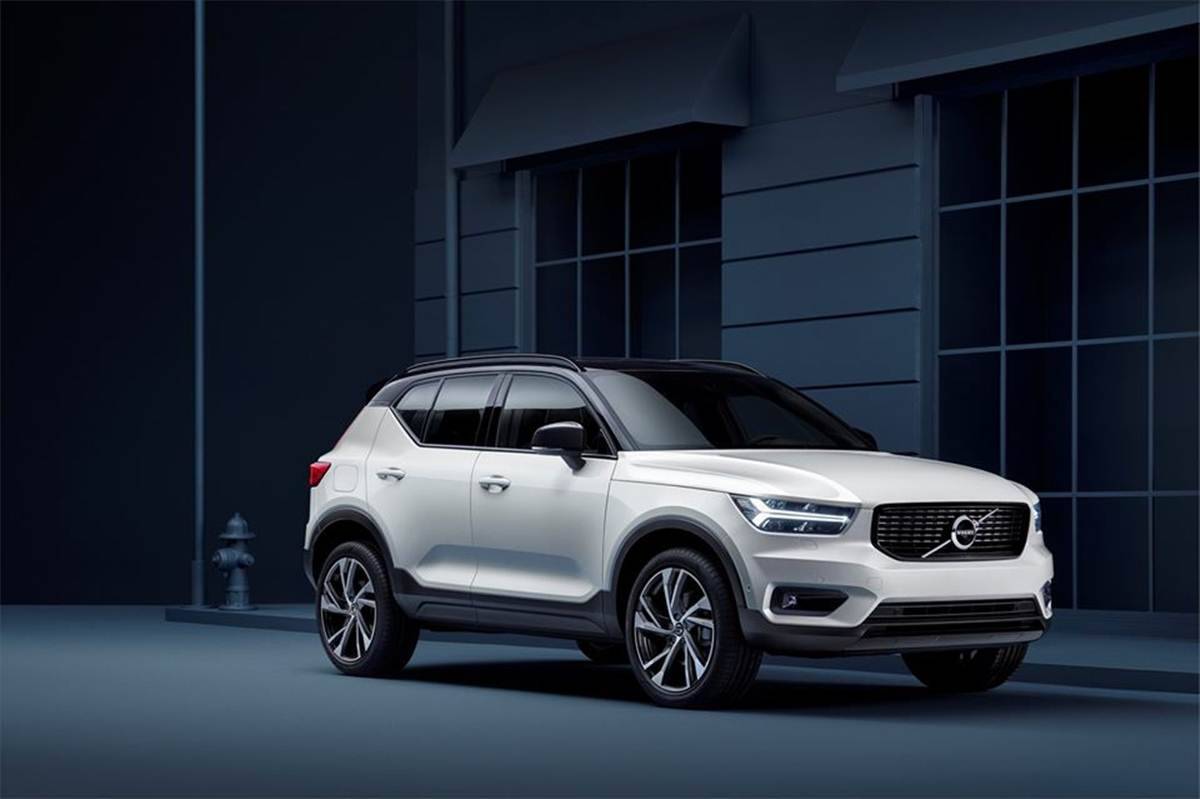
    Verified updates to existing systems and new features can be rolled out rapidly through over-the-air updates, increasing the safety of Volvo cars step by step. The first car to benefit from this new approach to safety development is the company’s first SUV on a completely new electric-only technology base.

    To process the real-time traffic data they will collect, Volvo Cars and Zenseact are investing in a data factory that will contain over 200 PebiBytes (225 million gigabytes) of data within the next few years. By using artificial intelligence (AI) capabilities, data can be crunched at record times. Customers will be able to choose whether this data is collected about them, and all collected data will be aggregated with adequate safeguards for customer privacy.

    Volvo Cars engineers would be able to validate and verify autonomous drive (AD) features quicker, to promote a safe roll-out of AD technology.

    The use of real-time data is part of Volvo Cars’ longer-term vision for a future where collisions simply no longer happen, by equipping its cars with some of the best sensors available and advanced, continuously improving safety and autonomous drive systems.

    Volvo Cars’ forthcoming fully electric flagship SUV will have industry-leading safety technology as standard, helping the company to save even more lives as it sets a new standard for automotive safety. It will come with state-of-the-art sensors, including a LiDAR developed by Luminar and an autonomous driving computer powered by the NVIDIA DRIVE Orin system-on-a-chip, as standard.

    By combining this state-of-the-art hardware with software by Volvo Cars, Zenseact and Luminar for the next generation of its well-established collision avoidance technology, Volvo Cars expect its new safety package to reduce fatalities and accidents as a whole.

    Over time the car will improve and have the hardware and software capabilities to allow the car to take over on its own, in case the driver does not respond in life-threatening situations after repeated warnings. So while the driver always remains in ultimate control, the car and its safety technology can both support and watch over the driver like an extra pair of eyes and brains.

  • Honda Cars India To Hike Prices Across Range From August 2021

    Honda Cars India To Hike Prices Across Range From August 2021

    Honda Cars India plans to increase the prices of its entire model range effective from August 2021. As reported by PTI, the Japanese automaker has cited an increase in input cost as the primary reason for the price hike. The carmaker looks to offset the impact of a sharp increase in the procurement cost of various essential commodities like steel and precious metals. However, the company hasn’t revealed the quantum of the hike, which is expected to vary from model to model.

    This will be the third price hike this year as the company had earlier increased prices in April because of rising input costs. In January 2021, prices of Honda cars were hiked as the company cited a rise in input costs to hike prices. The carmaker has four models in its product line-up for the Indian market, including the City and the Amaze sedan.

    Rajesh Goel, Senior VP and Director, Marketing and Sales, Honda Cars India today PTI, “The prices for raw materials like steel, aluminium and precious metals have increased sharply and many of them are at an all-time high, impacting our input costs significantly.”

    He further added that the carmaker is presently working out the details of the price hike which could be implemented from next month.

    “Our endeavour is to keep the cost of acquisition lower, so we are currently deliberating on how much of the additional cost we can absorb and how much will be inevitable to be passed on to our customers. The revised prices will be implemented from next month,” Goel noted.

    With input costs going up, Maruti Suzuki India last month announced that it would increase prices of its entire product portfolio in the second quarter of the financial year 2022. The Indo-Japanese auto major has already effected a price increase in April 2021.

  • Volkswagen Polo GTI Facelift Unveiled

    Volkswagen Polo GTI Facelift Unveiled

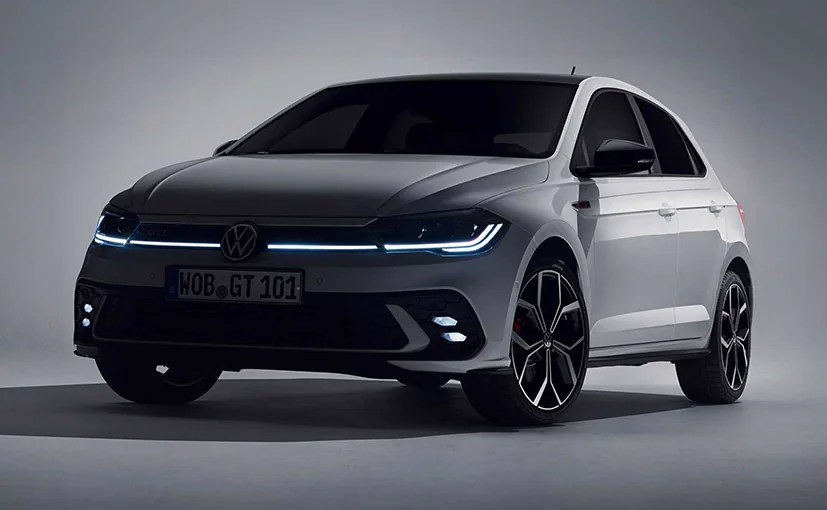
    Now before getting into the details of the new Volkswagen GTI facelift, let us tell you how these official pictures of the 2021 model year surfaced online. So we actually don’t know whether it is one of Volkswagen’s marketing strategies, or Ralf Brandstatter – CEO, Volkswagen Passenger Cars got so excited by looking at these official pictures of this new hot hatch, that he couldn’t help sharing them on his linked in profile. Yes! This is how the range-topping 2021 Volkswagen Polo GTI was unveiled, almost two years after the global debut of the line-up.

    In terms of design, the new GTI gives you exactly what you expect of a facelift as the changes remain subtle and it’s a predictable evolution if you will. It gets fully redesigned headlights along with the slim DRLs extending to the new grille, just like the Golf GTI. Then, there are wider taillights and the overall design has been spruced up with the usual red accents, dual exhaust tips, and a honeycomb grille. It also sports chunkier two-tone alloy wheels with upgraded brakes featuring red calipers and other sporty elements include contrasting black mirrors and roof.

    On the inside, it gets VW’s Discover Pro and Discover Media systems as optional, and the car also receives Volkswagen’s new ‘digital cockpit’ dashboard setup, as used by the Golf and ID 3. Other elements include a 9.0-inch touchscreen unit, panoramic sunroof, voice control, wireless charging, Beats sound system, and 18-inch alloy wheels. In the safety department, the new Polo gets Volkswagen’s Travel Assist system for the first time, which includes adaptive cruise control, lane assist, side assist and rear traffic alert. Autonomous emergency braking is also standard, as is a driver alert system and automatic post-collision braking.

    The new Polo GTI also comes with three driving modes – Eco, Normal and Sport with the last one tuned for enhanced exhaust note. The Polo GTI also gets a bespoke, performance-oriented chassis tune, lowering the body by 15 mm compared with the standard Polo and adding a large stabilizer on the car’s front axle, rigid coupling rods at the front and stiffer axle-locating mounts at the rear. Now Brandstatter is promising a powerful TSI engine under its hood, but mechanical details are not confirmed yet. We expect it to feature the same 2.0-litre, four-cylinder Turbo TSI motor tuned for optimum performance and it should come with the options of both six-speed manual and DSG transmission. Talking about the India context, the new Volkswagen Polo GTI is based on the sixth-generation Polo and both models are not likely to join VW India’s line-up anytime soon.

  • Canoo Reveals Renders Of Manufacturing Campus In Oklahoma, USA

    Canoo Reveals Renders Of Manufacturing Campus In Oklahoma, USA

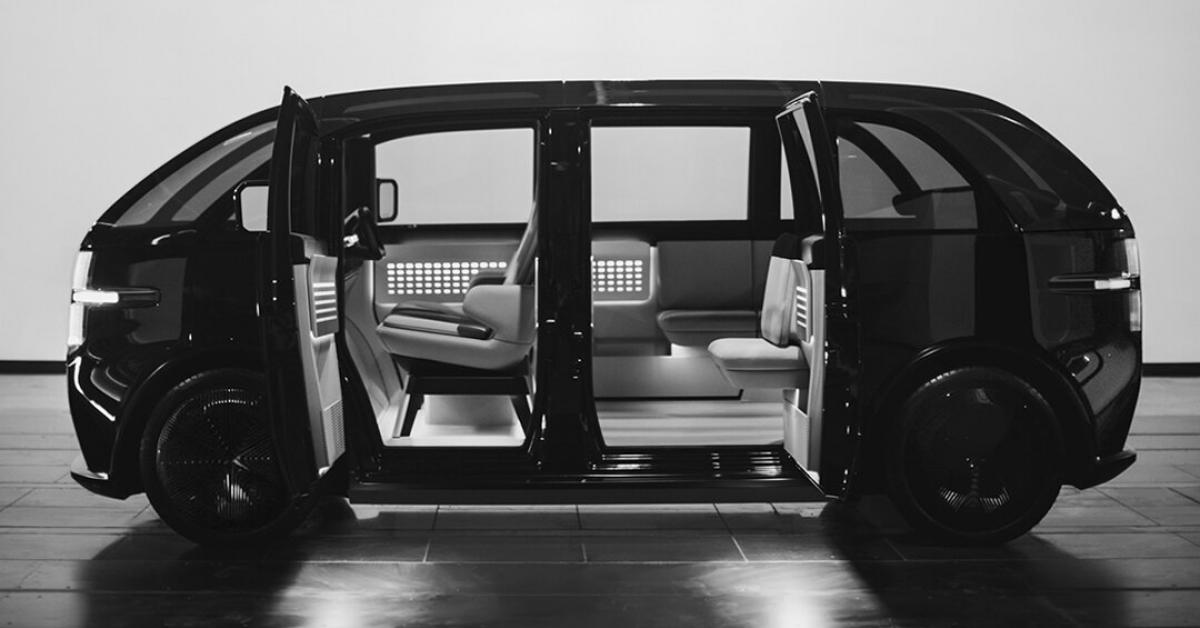
    Canoo, the electric car startup which went public recently via a SPAC merger has shared renders of its manufacturing campus that will be built in Oklahoma. Canoo calls it the mega micro-factory and it is scheduled to be opened up in 2023. In the Tulsa region, it is expected to create more than 2000 jobs. Canoo recently lost both its co-founders, with one, Ulrich Kranz, who led the development of BMW’s i3 and i8 electric cars and then moved to Faraday Future has joined Apple. In fact, Canoo was of great interest to Apple with the company interested in its skateboard. But Apple being Apple wanted to acquire Canoo while the team at Canoo wanted to retain its independence.

    “Oklahoma has always been a pioneer in the energy industry, and this partnership with Canoo shows that our state is an innovation leader in electric vehicle technology,” said Governor Stitt.

    “We are thrilled to partner with Canoo and Chairman & CEO Tony Aquila to provide high-paying jobs for Oklahomans and position America as the global leader for vehicle manufacturing for decades to come,” he added.

    It is developing an all-purpose delivery van and a modular pickup truck. It has a 400-acre campus which will be Tulsa. In a tweet, Canoo shared a 55-second video showcasing the concept design of the campus that it will start building soon.

    As per the tweet, it is right now in a design phase and remains on track to be up by 2023. It expects the facility to be over 1 million square feet. It plans on beginning production and delivery of its first vehicles by Q4 2022 with the help of a third-party manufacturer.

    “We invested millions of dollars to find the right location for our manufacturing facility. We’re proud to be American-made and to bring more than 2,000 jobs to Oklahoma,” said Tony Aquila, Investor, Chairman & CEO, Canoo, Inc.

  • Nissan Will Build The First EV Factory In UK

    Nissan Will Build The First EV Factory In UK

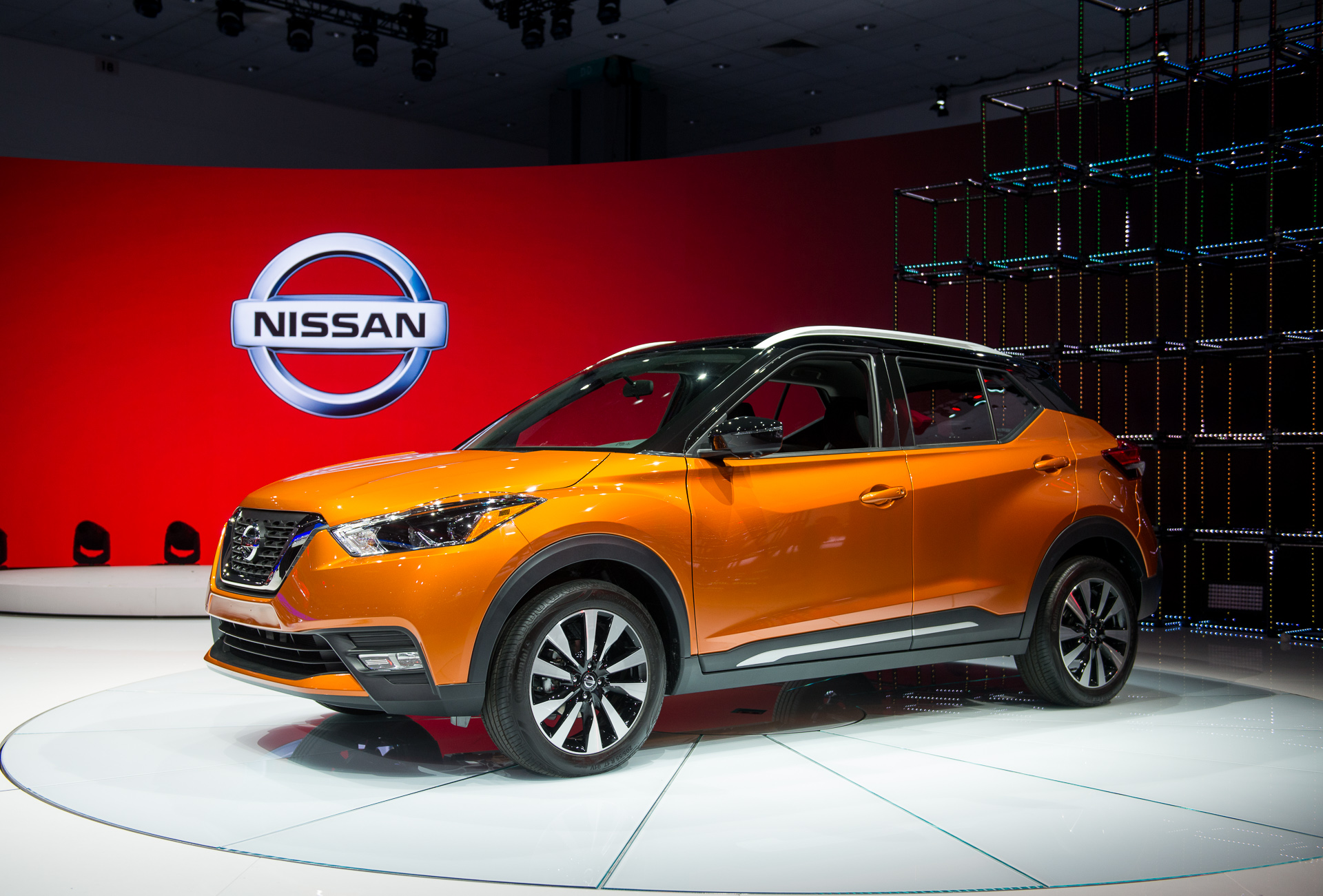
    Japanese automotive giant Nissan will be making the first battery facility in the UK as per Sky News. The factory is slated to open in Sunderland in 2024 and is expected to produce batteries in 200,000 electric cars every year. Nissan will be partnering with Chinese specialist Envision AESC to build the batteries. It will produce 6 gigawatts of battery capacity per year which is far more than 1.9-gigawatt-hours of capacity that an existing Envision AESC Sunderland plan has. Of course, all of this is made to look tiny compared to what Tesla has in the US with the 35-gigawatt hour Gigafactory in Nevada.

    Of course, the cost is in the hundreds of millions and the British government will be contributing to the cost. The cost, however, is not known.

    “It is hoped the new plant will be producing batteries in time for 2024 when the level of UK-made components in UK-made cars is required to start increasing in line with the terms of the UK’s trade deal with the European Union – where most of Nissan’s Sunderland-assembled cars are sold,” reported the BBC.

    “Industry sources expect the scale and size of the new facility may closely match that of a new facility in Douai, France, recently announce by Renault – which is a major shareholder in Nissan and a partner in a global manufacturing alliance,” the report added.

    Nissan of course is known for the Leap EV which is also made in Sunderland. It could be there is a new electric car launch on the cards.

  • Apple Car Team Rejigged Again

    Apple Car Team Rejigged Again

    The one thing that the Apple Car project at the legendary company has lacked is consistent management. After more changes late last year, a slew of executives left the Cupertino-based giant earlier this year revealed a report by Bloomberg. Three top members of the tear Benjamin Lyon, Jaime Way, and Dave Scott left, but Apple has made amends by hiring some more people like Ulrich Kranz who helped BMW make the i3 and i8 and was more recently the co-founder of Canoo.

    Apple has promoted Hanns Teppeiner, who was the co-founder and former president of robotic toy car startup Anki that was even featured by Apple at WWDC 2013. Similarly, Tim Cheng, formerly of Drive.Ai, a self-driving company Apple acquired two years ago has also been promoted.

    Apple also recently hired Hans Lee, the co-founder of Freedom Robotics which creates software to control fleets of robots. Martin Levihn, who now leads AI-based decision-making for self-driving cars has also been promoted. Apple also promoted Paul Costa who has been a longtime Apple hardware engineer.

    Day-to-day operations of the Apple Car project is run by Doug Fields who was a VP at Tesla for the Model 3’s development.  He spent five years at Telsa before returning to Apple where he used to be the VP for Mac hardware engineering. Before Apple, he used to be the CTO at Segway. He reports to Apple’s AI boss John Giannandrea who joined Apple previously in 2018 from Google. Giannandrea was handed reigns of the project from Bob Mansfield, an Apple veteran and a trusted confidant of Steve Jobs who used to run hardware engineering, before Dan Riccio.

    Bob Mansfield had retired but was pulled out of retirement by Tim Cook to run the project, but he has retired again and this time around it seems like it is for good. Recently at a conference, Tim Cook eluded to keep some secrets when asked about the Apple Car. In the past, he has called the self-driving car the mother of all AI projects.

  • Honda’s First All-Electric SUV To Be Called Prologue

    Honda’s First All-Electric SUV To Be Called Prologue

    Honda today announced that its first new mass-market battery-electric vehicle will be called Prologue, signaling a new electrified era that will lead to the company’s vision for 100% zero-emission vehicle sales in North America by 2040. An all-new SUV coming to market in early 2024, the battery-electric Honda Prologue will be, according to the company ‘highly competitive’ but specific details about the new vehicle will be released over the coming months.

    In addition to the Honda Prologue, the company will introduce an all-electric Acura SUV in the 2024 calendar year. Both will utilize the highly flexible global EV platform powered by Ultium batteries based on the company’s strategic partnership with General Motors. Honda also plans to launch a new series of EV models in the second half of the decade based on a new e:Architecture, with development led by Honda.

    In April 2021, Honda global CEO, Toshihiro Mibe, announced a vision to achieve carbon-neutrality for its products and corporate activities by 2050, including key targets for sales of electrified vehicles. This vision calls for the sales ratio of battery-electric and fuel cell electric vehicles in North America to progress from 40% by 2030 and 80% by 2035 to 100% by 2040.

    Honda has a long history in bringing electrified vehicles to market in the U.S., beginning almost a quarter-century ago with the EV Plus electric vehicle (1997); to America’s first hybrid, the Honda Insight (1999); the Honda FCX (2002), the industry’s first fuel cell vehicle in the hands of individual customers, and the Clarity series (2017). As Honda prepares for the launch of Prologue, the company will introduce hybrid-electric systems to more core models to continue to reduce CO2 emissions and bridge customers to the volume of battery-electric vehicles now in development.

  • China’s Automaker Great Wall Aims To Sell 4 Million Cars In 2025

    China’s Automaker Great Wall Aims To Sell 4 Million Cars In 2025

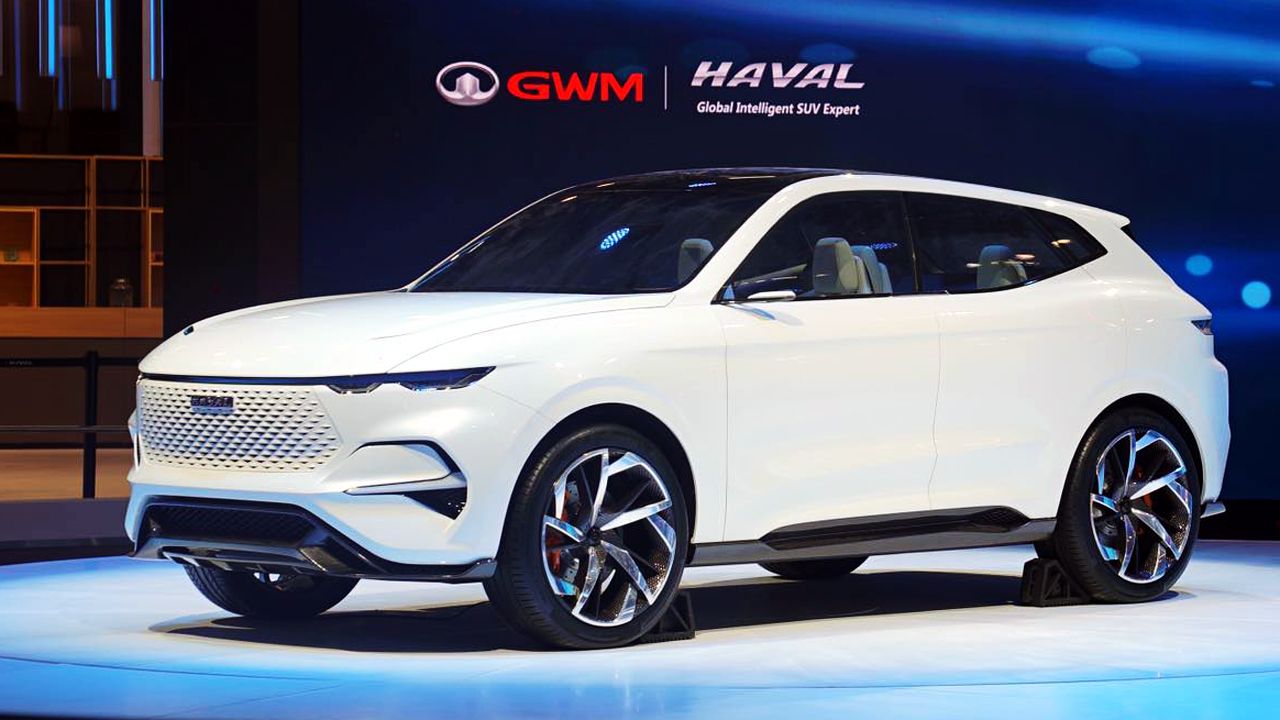
    Great Wall Motor is targeting an annual sales of 4 million vehicles in 2025, Chairman Wei Jianjun said on Monday, as China’s top pickup truck maker sees an increase in the demand for leisure use.

    Great Wall’s revenue is expected to reach 600 billion yuan ($92.86 billion) in 2025, Wei said in a briefing on the company’s strategy at its headquarters.

    Great Wall, which sold 1.1 million cars last year, aims for 80 percent of its annual sales in 2025 to be new energy vehicles, including battery-electric, plug-in hybrid, and hydrogen fuel cell vehicles.

    It targets to sell 2.8 million cars in 2023 with a product lineup of more than 60 models, Meng Xiangjun, a senior executive at Great Wall said.

    China, the world’s largest auto market, rolled out supportive policies for hydrogen fuel-cell vehicles last year, which require local governments and companies to build a more mature supply chain and business model for the industry.

    Baoding-based Great Wall is building a car plant in China with BMW for electric vehicles. The company plans to be carbon-neutral in 2045, earlier than China’s overall target of 2060.

    Great Wall, which competes with Geely and BYD, is also planning to manufacture cars in Russia and Thailand.

  • Toyota-Backed Self-Driving Startup Pony.ai Considers Going Public

    Toyota-Backed Self-Driving Startup Pony.ai Considers Going Public

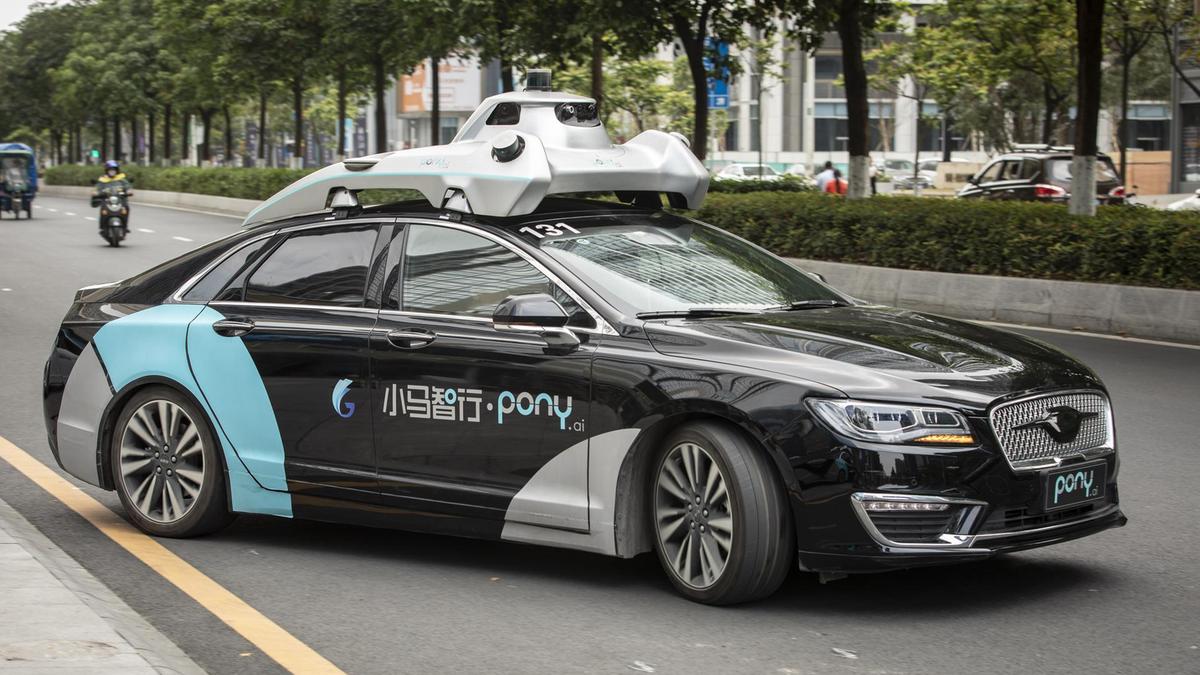
    Self-driving tech company Pony.ai, backed by Toyota Motor, is considering going public in the United States to help fund its goal of commercializing driverless ride-hailing services, its chief executive said. The startup, active in the United States and China, plans to install its technology in hundreds of vehicles next year, rising to tens of thousands in 2024-2025, he said.

    Self-driving startups such as Alphabet Inc’s Waymo and General Motors Co’s Cruise have been racing to raise capital as the industry prepares to scale up operations.

    Still, beyond the time taken to address technological challenges and the massive cost of producing self-driving cars, the industry still has to persuade global regulators as well as the public as to the safety of full automation.

    “For autonomous driving, it’s a big opportunity. But at the same time, it’s a long-term, big opportunity,” CEO James Peng said in an interview with Reuters.

    “So it requires a long lead way for spending. That means all the autonomous driving companies need to raise enough funding to support their operations,” he said.

    The comments come as Pony.ai on Friday said it had tapped Lawrence Steyn, vice chairman of investment banking at JPMorgan Chase & Co, as chief financial officer to help “accelerate its commercial growth and global deployment”.

    “We’re still debating and considering,” said Peng, when asked about the time frame for a public share sale.

    “It’s just a different way of raising funds.”

    Pony.ai, founded by former Google and Baidu Inc engineers Peng and Lou Tiancheng in 2016, has so far raised more than $1 billion, including $462 million from Toyota, valuing the startup at $5.3 billion as of late last year.

    Earlier this month, it said it had begun driverless testing on public roads in California’s Fremont and Milpitas ahead of the planned launch of a robotaxi service next year. It has also been testing driverless vehicles in Guangzhou, China.

    The firm has operated robotaxi services with safety drivers behind the wheel in some parts of China, as well as in Irvine, California. That has yielded diverse data which it could use to train its driver system and tap a talent pool in both countries, Peng said.

    He said the next big challenge is to reduce manufacturing costs for driverless vehicles while expanding into more cities and regions and ensuring safety in different environments.

  • Lucid Air Reveals It Has Over 10,000 Reservations For Its First Car

    Lucid Air Reveals It Has Over 10,000 Reservations For Its First Car

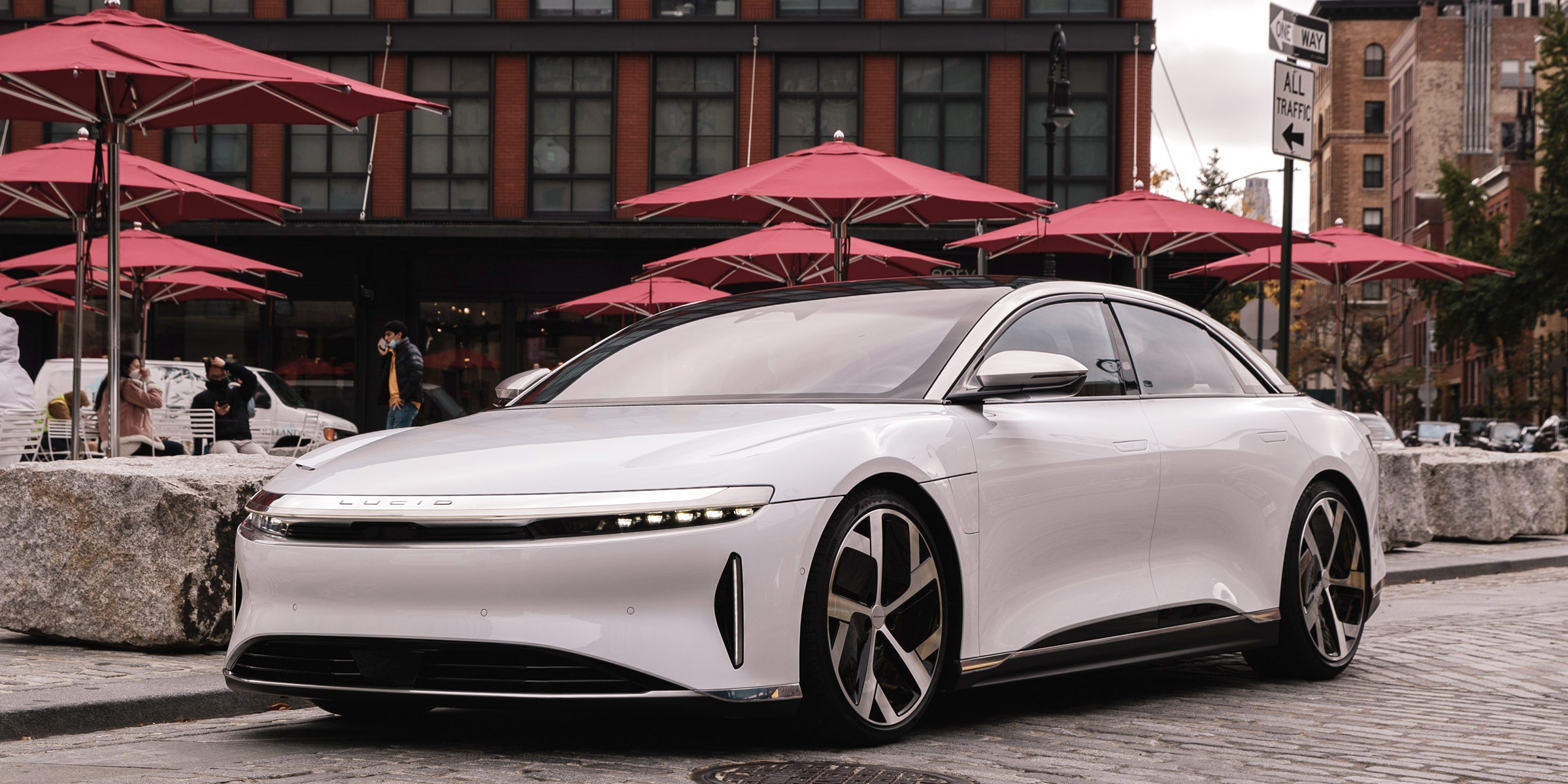
    Lucid Motors has revealed that now it has 10,000 reservations for the Lucid Air, the electric car which many believe is going to be the first credible rival to the Tesla Model S. These numbers may not blow your mind but considering the vehicle is from a rather small company and the vehicle is quite expensive at upwards of $70,000 going all the way to $169,900 for the Dream Edition. Lucid Motors has faced some delays with production by now Peter Rawlinson, Lucid’s CEO and the former head of the Tesla Model S project has revealed that these issues are ending. Rawlinson has revealed that it is now producing quality validation prototypes in its factory in Arizona and is on track to start deliveries.

    ” We achieved a landmark last Friday when we started building our quality validation production run of cars. We completed our pre-production run very successfully. The quality validation builds are the cars that we eventually will sell directly to customers once we got the quality right. This is a big step in our mission to industrialize,” he said.

    Rawlinson is indicating that the first deliveries of the vehicle will happen in the second half of the year stating that the top-of-the-line Dream Edition will launch first. The dream edition will have over 809 kilometers of range and over 1000 bhp making it the chief rival to the Tesla Model S Plaid.

  • Car imports from China up 6.5-fold

    Car imports from China up 6.5-fold

    Vietnam imported 9,400 vehicles from China in the first five months of the year, 6.5 times higher than in the same period last year, according to the customs department.

    Of them, nearly 5,600 were special purpose vehicles and 2,840 were trucks, with passenger cars accounting for the rest.

    China remained the third-largest source of vehicles for Vietnam behind Thailand and Indonesia.

    Thailand dominated with 33,140 vehicles, double the figure from the same period last year, and Indonesia accounted for 18,340 units, up 16.2 percent, with the two accounting for 80 percent of imports.

    Under the ASEAN Trade in Goods Agreement that took effect in 2018, import tariffs on vehicles within the bloc are zero.

    Vietnam’s imports jumped by 78 percent to over 65,700 units.

    Auto sales rose 53 percent to 126,894 units, according to the Vietnam Automobile Manufacturers Association.
  • Porsche Setting Up Battery JV With Customcells For An EV Future

    Porsche Setting Up Battery JV With Customcells For An EV Future

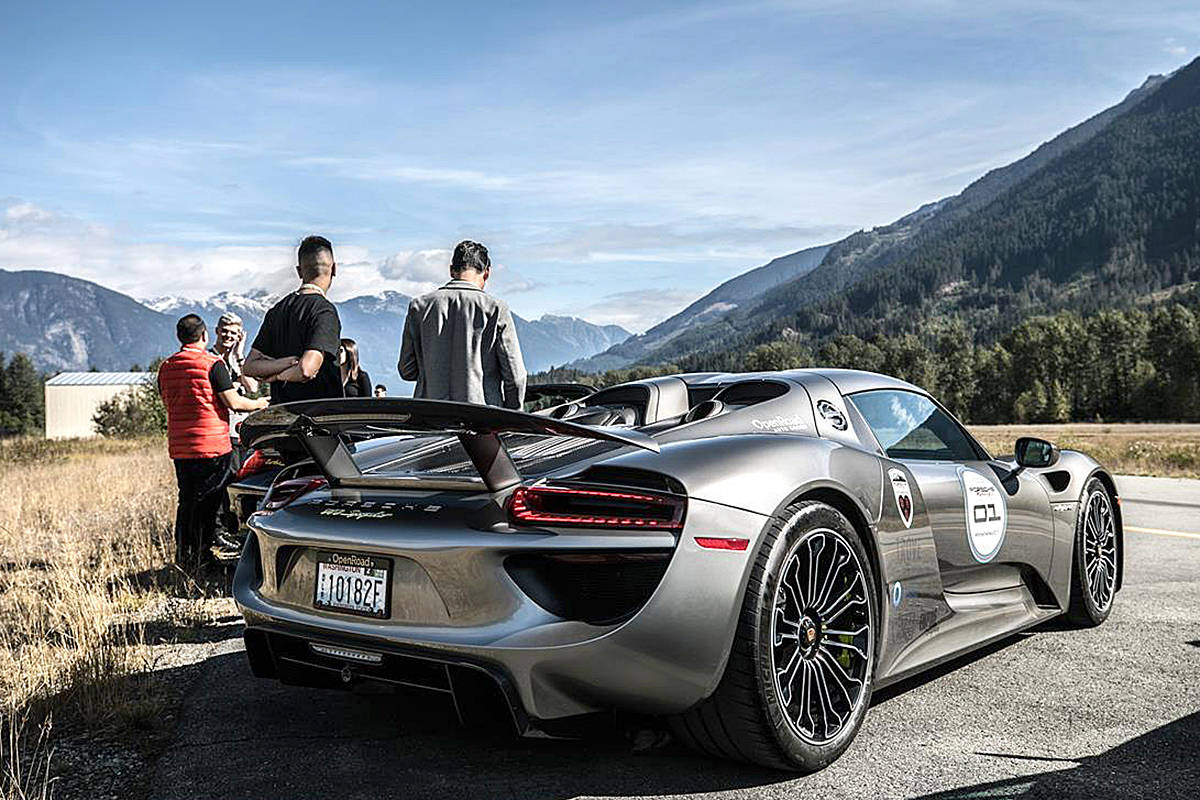
    Porsche has made waves around the world with its Taycan and Taycan Cross Turismo EVs which have been dubbed as the most driver-centric EVs in the world, more so than even Tesla’s groundbreaking vehicles. To further an electrified future, like all things Volkswagen group, it is forming a joint venture with Customcells that will create high-performance batteries that will significantly reduce charge times.

    Like Porsche, Customcells is also a German company hailing from the Southern German region specializing in lithium-ion batteries aiming to create packs that have higher energy density than what Porsche is already using in cars like the Taycan.

    More importantly, it is part of a broadened push towards enhancing the battery supply chain in Europe which is currently dominated by Asia. The Volkswagen group has been making huge investments in this space as the EU has stricter emissions norms which means European manufacturers have to go green faster than automakers around the world.

    One of the keys to achieving better battery efficacy is enhancing the energy density which in turn results in less raw material being used. It will also cut battery production costs and help make electric cars more affordable.

    As a part of the JV, Porsche doesn’t disclose its investment but does say it is a number upwards of 10 million Euros and it holds an 80 percent stake in the venture. The production facility in the equation will have an aim to deliver 100 kWh of capacity which could service about 1000 cars per year. This is a tie-in from what Porsche chief executive officer Oliver Blume said in April which was indicative of the legendary German sports cars marquee ramping up its e-mobility plans for a German factory in Tuebingen for battery production. It so happens this JV with Customcells is based in Tuebingen.

    Porsche parent, Volkswagen has even broader plans of building 6 battery cell plants across Europe and expand its infrastructure for the charging of electric vehicles.

  • Carmakers In Chennai Allowed To Operate At Full Capacity

    Carmakers In Chennai Allowed To Operate At Full Capacity

    Global carmakers such as Renault-Nissan, Hyundai Motor and Ford Motor Co may operate with their full workforces in India’s automaking hub from Sunday, despite worker protests over safety in the pandemic. Tamil Nadu state, one of the country’s worst-hit, allowed industrial units with export commitments to operate at 100% capacity, boosting its flourishing automobile industry.

    New cases in the state have fallen from more than 30,000 a day in May to about 8,000 but still account for one-seventh of all cases in India, which is second only to the United States in total infections.

    Renault-Nissan Fights Court Battle With Indian Workers On Operations During COVID-19 Surge

    “Any company which exports or supplies to export-oriented industries will be allowed to operate at full capacity as cases have come down,” a senior state government official said.

    An Indian court tasked industrial safety officials this month with visiting carmakers in the southern state to draw up uniform safety guidelines.

    The Madras High Court was responding to a case filed last month by workers at the Indian unit of the French-Japanese alliance of Renault SA Nissan Motor.

    They asked for operations to be halted, saying social distancing norms were being flouted and the risk to their lives outweighed the health benefits provided by the company.

    Labour unions for global carmakers have written letters of protest, arguing that hundreds of workers in the automaking hub of Chennai have fallen ill with COVID-19 and dozens have died. Ford and Hyundai also halted work at their plants last month after workers protested and some went on strike

  • MV Agusta May Resurrect Cagiva Elefant Name

    MV Agusta May Resurrect Cagiva Elefant Name

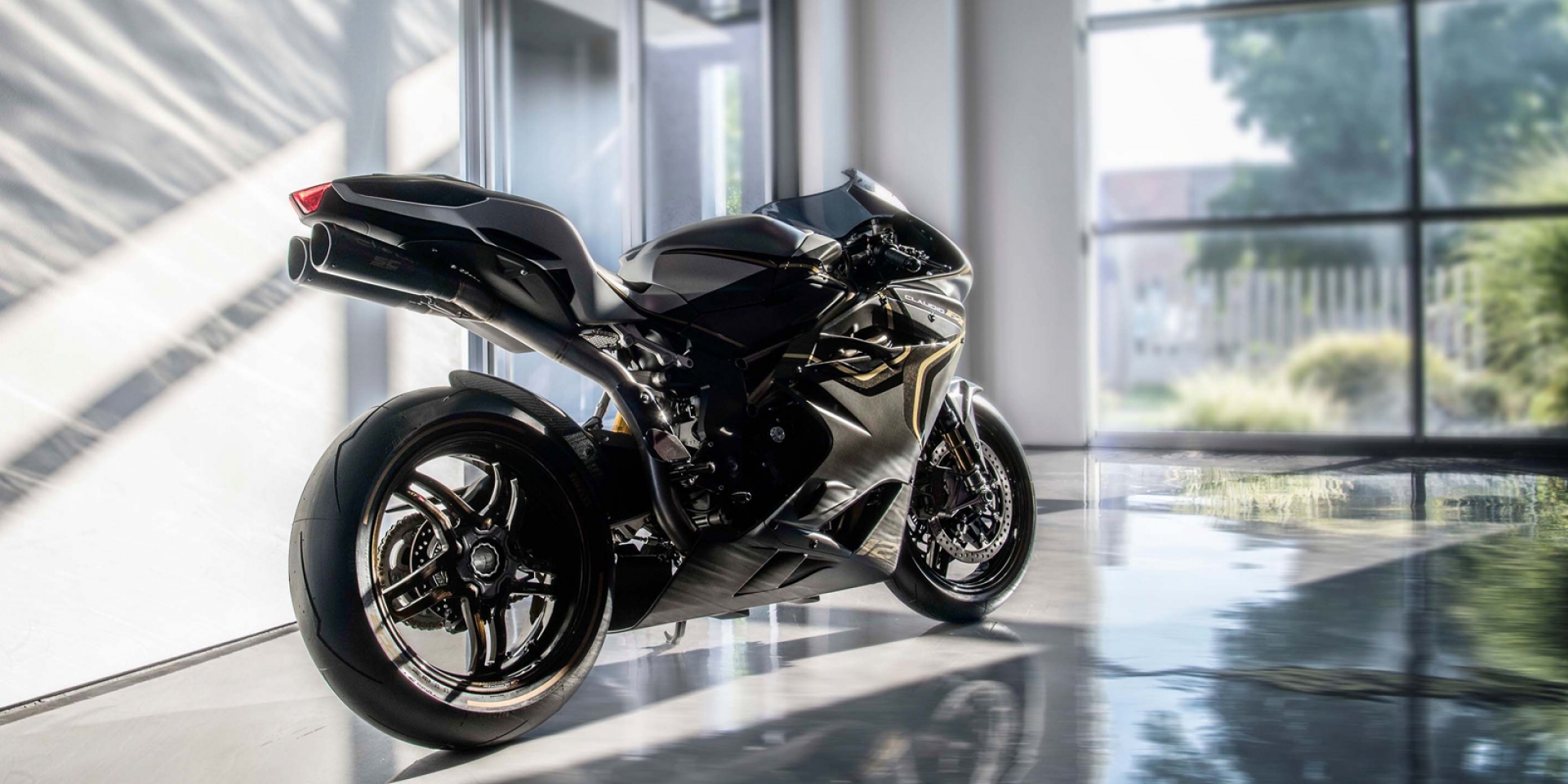
    MV Agusta may revive the Cagiva name, with the iconic Cagiva Elefant adventure bike making a comeback. In an interview to an Italian publication, MV Agusta CEO Timur Sardarov spoke about the motorcycle brand’s future plans, including new products, as well as two new engines that the brand is working on, a 550 cc and a 950 cc, which will include new models. More importantly, Sardarov also talked about a new adventure bike, with the name Elefant, taken from the iconic Dakar-winning Cagiva Elefant adventure bike.

    MV Agusta owns the Cagiva name, but so far it’s not clear whether the Elefant name will be introduced under the MV Agusta brand or as a separate Cagiva Elefant model. In fact, a few years ago, it was widely reported that MV Agusta will revive the Cagiva motorcycle name, but that it will be launched as an electric mobility brand. The latest comments from MV Agusta’s top boss seems to suggest that Cagiva could also be a sub-brand, under the MV Agusta umbrella.

    “Cagiva is a brand that belongs to MV Agusta. Our marketing department is evaluating the possibilities of products with the Cagiva brand and we are also considering whether to define Elefant as a ‘sub-brand’ of MV Agusta or as Cagiva Elefant. The decision has not yet been made,” Saradrov is quoted as having said in the interview.

    Cagiva is an Italian motorcycle manufacturer founded in 1950 by Giovanni Castiglioni in Varese. The brand has a rich history and at one point even owned Ducati and MV Agusta, as well as Moto Morini. In the late 1990s, MV Agusta became the main brand comprising Cagiva and Husqvarna. The brand has been inactive for more than a decade, and with fresh impetus and growth to the MV Agusta brand, Cagiva may just as well make a comeback in the next few years.

    The Sardarov family originally came on board as investors in MV Agusta, but assumed full control in 2019, signaling the end of the Castiglioni family’s historic ownership of the MV Agusta and Cagiva brands. Under the Russian businessman’s leadership, the MV Agusta brand has slowly stabilised, and made appreciable moves to address concerns regarding reliability and ownership experience. Currently, MV Agusta is busy updating its Euro 5 range, and once that is completed, new models will be developed, in the 550 cc and 950 cc platforms.