Tag: Auto

  • Honda Swings To Q1 Operating Profit

    Honda Swings To Q1 Operating Profit

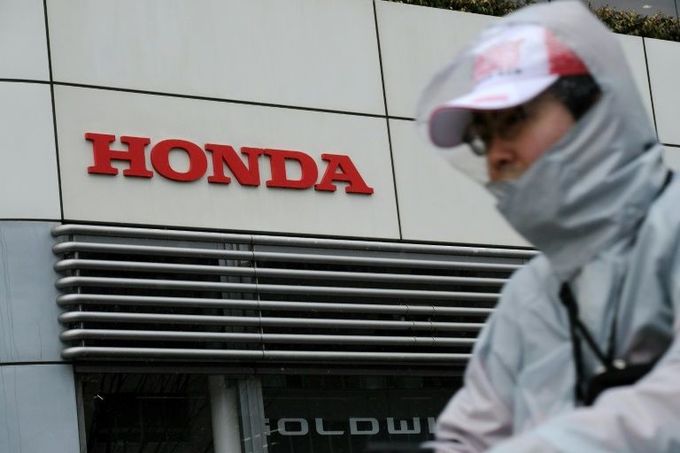
    Honda Motor Co swung on Wednesday to a first-quarter operating profit of 243.21 billion yen ($2.23 billion) from a 113.7 billion loss a year ago as car sales recovered from the impact of the COVID-19 pandemic.

    Operating profit at Japan’s No.2 carmaker by sales for the three months ended June 30 was double the average profit estimate of 119.2 billion yen based on nine analysts surveyed by Refinitiv.

    Honda raised its full-year forecast by 18% and now expects an operating profit of 780 billion yen in the current financial year, having previously forecast in May a 660 billion yen operating profit.

    The new forecast is higher than an average forecast of a 764 billion yen operating profit from 19 analysts polled by Refinitiv.

  • Toyota Slashes September Output Amid Chip Crunch, COVID Resurgence

    Toyota Slashes September Output Amid Chip Crunch, COVID Resurgence

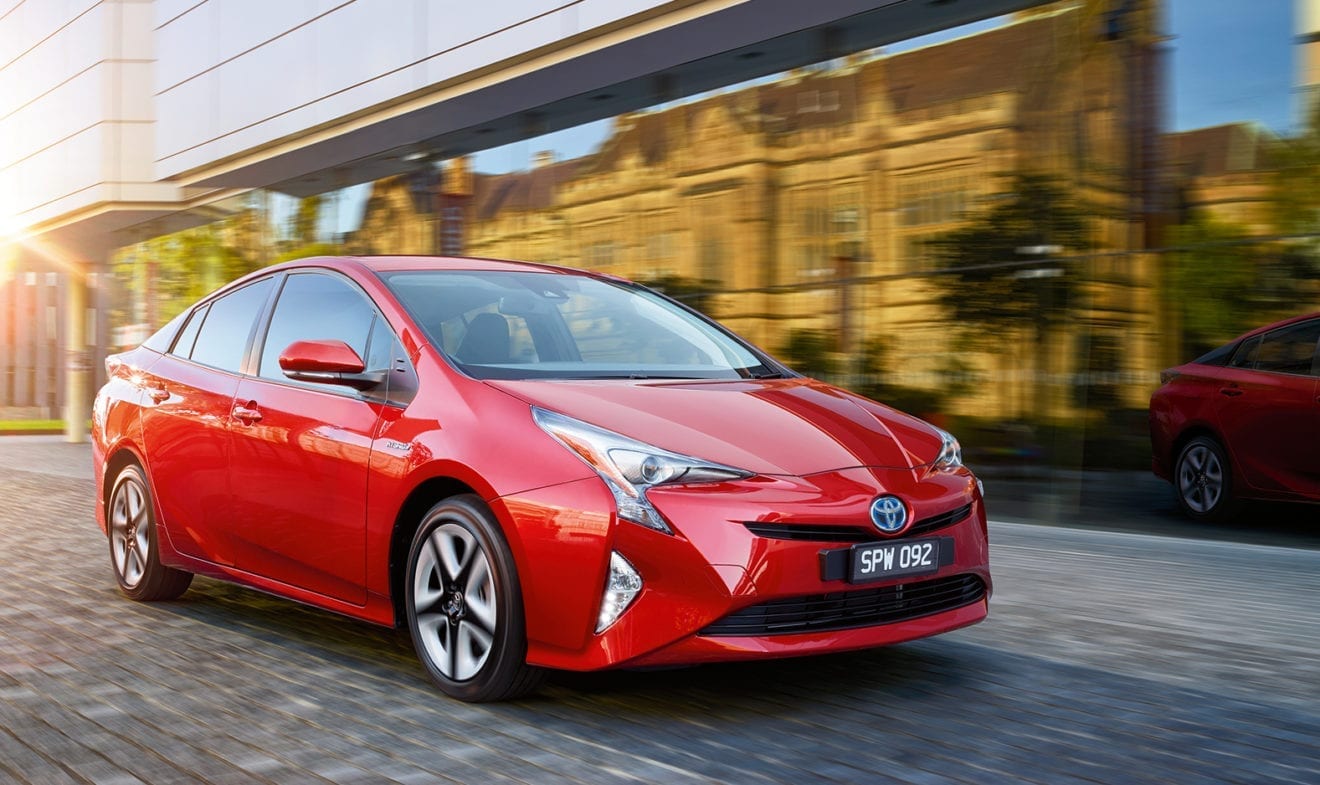
    Toyota said it will slash global production for September by 40% from its previous plan, becoming the last major automaker to cut output due to a global chip crunch, but it maintained its annual sales and production targets. Toyota’s success in navigating the chip shortage better than rivals has come down to its larger stockpile of chips under a business continuity plan adopted after the 2011 earthquake and the Fukushima nuclear disaster. The world’s largest automaker by sales volumes reiterated on Thursday its global production target of 9.3 million vehicles for the year ending in March, as well as its plan to sell 8.7 million cars in the period.

    “The 9.3 million global production plan takes into account certain risks,” executive Kazunari Kumakura told reporters. “We want to achieve the numbers.”

    Toyota said the September cuts included 14 factories in Japan and overseas plants, and that the company would reduce its planned global production that month by around 360,000 vehicles.

    Of these, 140,000 will be at Japanese plants, with the rest in the United States, China, Europe and other Asian countries.

    Car makers worldwide have been cutting production due to the months-long chip shortage, but a resurgence in COVID-19 cases in Japan, Philippines, Thailand, Vietnam and Malaysia – home to auto factories and chip plants – have led to stricter curbs and compounded the crisis.

    Germany’s Volkswagen said on Thursday it may need to cut production further and that it expected the supply of chips in the third quarter to be “very volatile and tight.”

    Ford Motor Co said Wednesday it will temporarily shut its Kansas City assembly plant that builds its best-selling F-150 pickup truck due to a semiconductor-related part shortage as a result of rising cases in Malaysia.

    Earlier this month, Toyota had flagged an unpredictable business environment due to fresh COVID-19 cases in emerging economies, the semiconductor shortage and soaring material prices.

    The carmaker had already halted assembly lines at some Japanese factories between late July and early August, including its Tahara plant, due to a surge in infections in Vietnam which had constrained the supply of parts, the Nikkei reported earlier.

    A person familiar with the matter told Reuters this month that Toyota had also suspended production at one assembly line in Guangzhou, China, which it operates with its Chinese joint-venture partner Guangzhou Automobile Group Co Ltd.

    In Thailand too, Toyota suspended production last month at three factories due to a pandemic-related parts shortage.

  • MG Motor India Partners With Microsoft And L&T For Data Security For New Astor SUV

    MG Motor India Partners With Microsoft And L&T For Data Security For New Astor SUV

    MG Motor India has announced a raft of features with the launch of the new compact SUV, the Astor, and one of the key aspects of the announcement has been the partnerships MG has closed with tech giants like Microsoft and L&T. Particularly with Microsoft, MG Motors has closed a deal for its Azure cloud computing service which has many local data centres in India – in cities like Mumbai and Noida. This means, MG’s cloud-connected features will not be pushing the data to its servers in China but will be localised.

    “With data playing such a critical part in enhancing the in-car experience, we are doing our best to ensure that it is safe and protected. All the data from the car systems that we are using to power these personalized services are securely stored on the Microsoft Azure cloud platform in India,” said MG Motor India MD, Rajeev Chaba.

    “MG Motors India is using our cloud computing service to store the data they collect from their customers within India itself. All customer driving data is stored on cloud servers which come with high levels of security so that you can rest easy,” said John Stenlake, Director, Automotive, Mobility and Transportation Industry, Microsoft, highlighting the security benefits.

    Apart from the obvious security benefits, this also is a performance boost for the cloud-connected features as they will be more responsive thanks to the geographic proximity of the servers as they are now in India which reduces latency.

    Microsoft Azure has the most localised cloud regions of any cloud computing service in the world. It has even more local regions than market leader and category inventor Amazon Web Services (AWS). Microsoft Azure trails AWS in overall global cloud compute market share but has been gaining market share over the last decade under the leadership of CEO Satya Nadella.

    Nadella was the man entrusted to start Azure in 2008 and its success propelled him to the top spot of the American giant when he replaced long time CEO Steve Ballmer in 2014. Nadella has made many partnerships in India with regards to Azure, including Flipkart.

    MG Motor India has also partnered with L&T Technology Services for the security and privacy of the data that’s parsed through the vehicles.  Chaba highlights that the best data privacy practices are being leveraged thanks to this partnership as the Astor generates troves of data.

    “In the connected world we live in, cybersecurity, privacy and data usage are questions that occur to each one of us. This also applies to connected cars. We at L&T Technology Services are happy and excited to collaborate with MG India to provide security auditing services for your vehicles. We also ensure that any communication that happens from and in-between, the vehicle, the network and the mobile app is secure,” said Nitin Jain, global head of digital products and services L&T Technology Services.

    Jain also highlighted that L&T technology services also ensure that MG Motor India complies with the latest security standards. The Astor gets level 2 autonomous driving capability and also gets a new virtual assistant which also leverages AI, apart from an assortment of unique services.

  • Google Maps faces a new Russian rival on Android Auto

    Google Maps faces a new Russian rival on Android Auto

    Earlier this spring, Google made the smart move to permit its Android Auto app-mirroring dashboard display software to become compatible with third-party apps. This was after it was fined $123 million in Italy, for its monopolistic actions in refusing to allow Italian navigation app JuicePass (which directs electric vehicle drivers to the nearest charging station) access in favor of Google’s own Maps app.

    Once the gates were open, naturally, there was an influx of navigational and other car experience-enhancing apps rushing in to compete with Google’s native navigational offerings. It was finally all healthy, fair competition, and Russia has joined the fray with one particular recent candidate: Yandex.Maps.

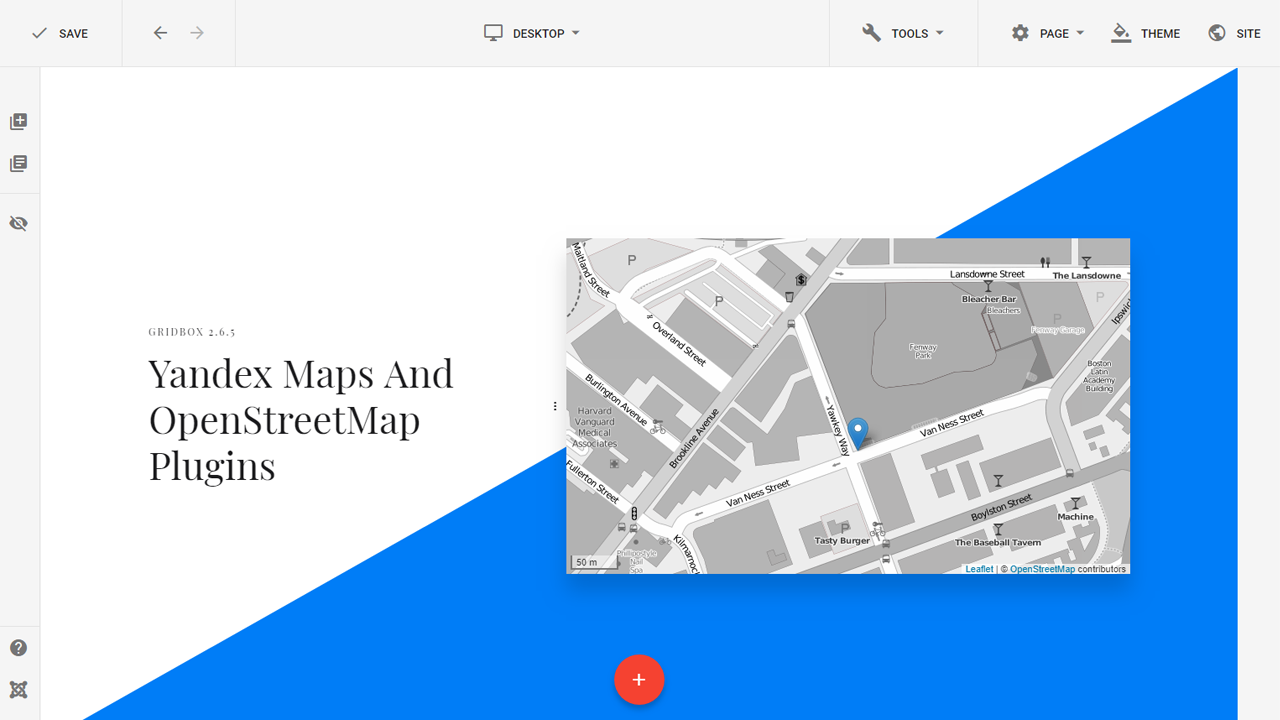
    Yandex is a Russian machine-learning navigational tech company, which seems to have created a perfect alternative to Google Maps, with its 10 years of experience in navigation and transportation services. Yandex.Maps offers it all to rival Google Maps, including voice prompts, alerts for upcoming speed limits and traffic cameras, and traffic congestion info updated in real-time.

    The new software even has the option to download directions into an offline mode, for when you run out of data or venture out on an off-road adventure in the bush somewhere.

    Yandex.Maps is currently only available in Russia, and requires a paid “Yandex Plus” subscription if drivers want to make use of the novel dashboard-navigation experience.

    The company does offer Russians a three-month free trial to test it out before buying, though. And for all we know, the $2.30 equivalent of the 169 Russian rubles that are charged as a monthly usage fee may just be worth it if it outperforms Google Maps in precise road mapping and route calculation.

    Google Maps isn’t always updated to reflect the opening up or blocking off of smaller streets, or acknowledge the existence of some legitimate off-road routes, for example, especially outside the USA—so it’s possible Yandex.Maps could be a truly worthy alternative.

    Even if it’s only a Russian breakthrough at the moment, it’s also a breakthrough in the sense that more developers are showing an interest in taking advantage of the free Android Auto app market and looking for ways to compete with Google in the car-optimized navigational software sphere.

  • Government may halve registration fees for locally produced automobiles

    Government may halve registration fees for locally produced automobiles

    The government has instructed the Ministry of Finance to assess the impact of a 50-percent cut in registration fees for locally produced automobiles.

    Thanh Cong Motor Vietnam Joint Stock Company had called on the government to cut the fee to support an industry affected by Covid-19.

    The ministry has been told to complete the task this month.

    In June, the Vietnam Automobile Manufacturers Association (VAMA) had proposed a similar 50-percent cut in registration fees, but the ministry had rejected it.

    Last year too the government had cut the fee by half, and it cost VND6 trillion ($260.9 million).

    In the first six months of this year VAMA members, who account for more than 95 percent of the market, saw sales fall 30 percent year-on-year to 102,720 vehicles.

    Car manufacturers fear the global effects of Covid would have a long-term impact on people’s incomes and auto demand.

    VAMA expects sales to decline by more than 15 percent this year. Last year, they had risen by 11.7 percent to 322,322 units.

  • Ford Mustang Mach-E Production Delayed Because Of Global Semiconductor Shortage

    Ford Mustang Mach-E Production Delayed Because Of Global Semiconductor Shortage

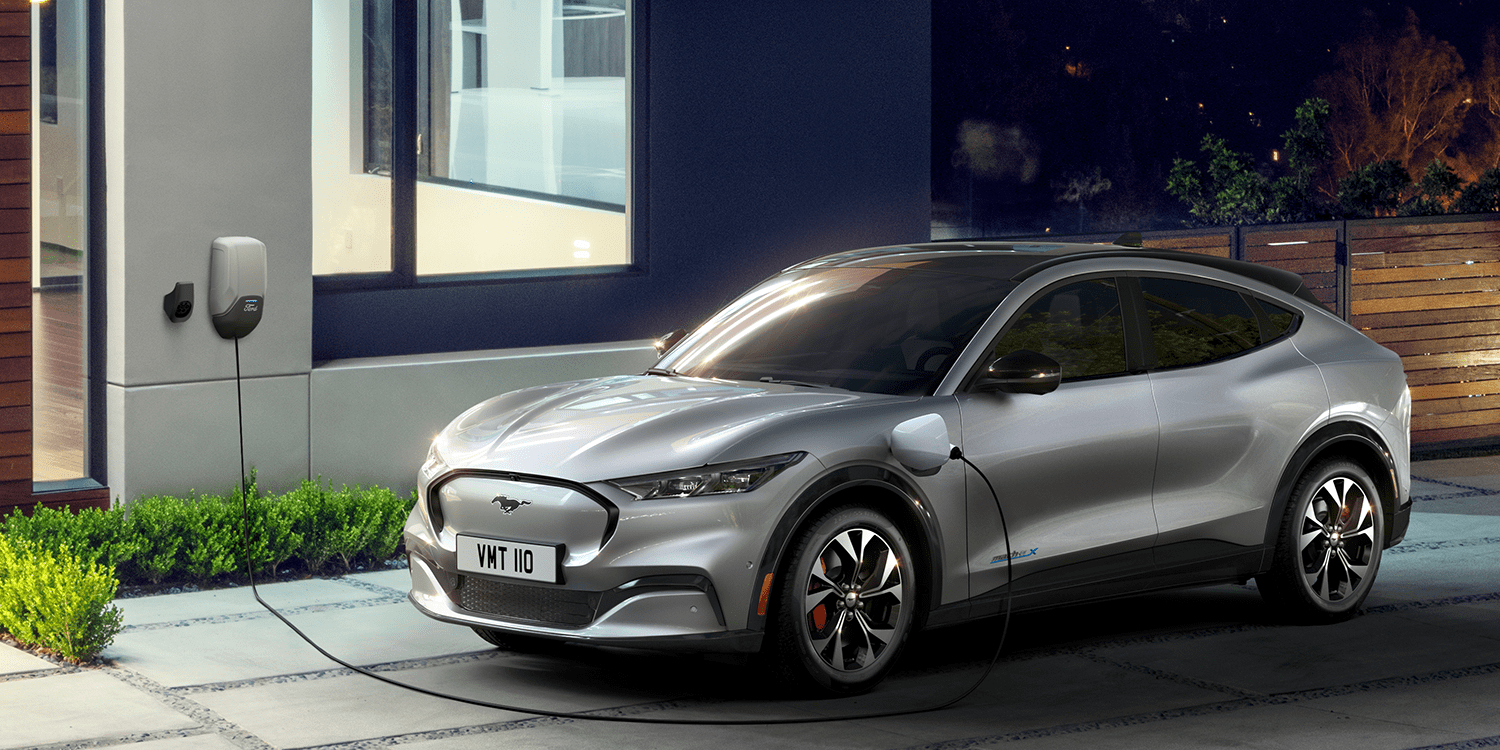
    Ford is delaying shipments of Mach-E electric vehicles due to the global chip shortage that’s causing problems across all manner of industries. The company told affected owners their deliveries will be delayed by at least six weeks.

    In an effort to make up for the delay, Ford is offering an additional 250kWh worth of charging on the house, which should be good for around 700 miles of driving. That doubles the complimentary charging Mach E owners receive with their EV. The delay affects EVs that were scheduled for production between July 5th and October 1st.

    “We’d like you to know that while we’re working nonstop to deliver your very own Mustang Mach-E vehicle, we project your vehicle delivery will be delayed by a minimum of six weeks,” Ford wrote in an email to customers. “Once your vehicle receives the required chip, your vehicle status will be updated, and you’ll receive an email with an estimated week of delivery.”

    The semiconductor shortage has impacted production of a broad range of products in recent months. Along with EVs and other vehicles, game consoles, graphics cards, smartphones, Apple products and other goods have been affected. Ford cut vehicle production earlier this year due to the problem.

  • July auto sales hit five-month low

    July auto sales hit five-month low

    Auto sales in July fell by 33 percent year-on-year to 16,035 units, the lowest in the last five months, dragged down by mobility restrictions in major cities.

    Monthly sales have experienced a downward trend since March as the fourth Covid-19 wave forced dealers to shut down during social distancing in Hanoi and Ho Chi Minh City, according to data from Vietnam Automobile Manufacturers Association (VAMA).

    But in the first seven months, sales still rose 27 percent year-on-year to over 166,500 units thanks to a surge in the first quarter.

    During this period, Thaco led with over 56,900 units, up nearly 34 percent year-on-year. Toyota followed with 32,800 units, up nearly 8 percent.

    Mitsubishi, Ford and Honda make up the rest of the top five.

    The best-selling model in July was the hatchback VinFast Fadil with over 2,928 units shifted, followed by Toyota Vios with 1,344 units and Ford Ranger, 1,310.

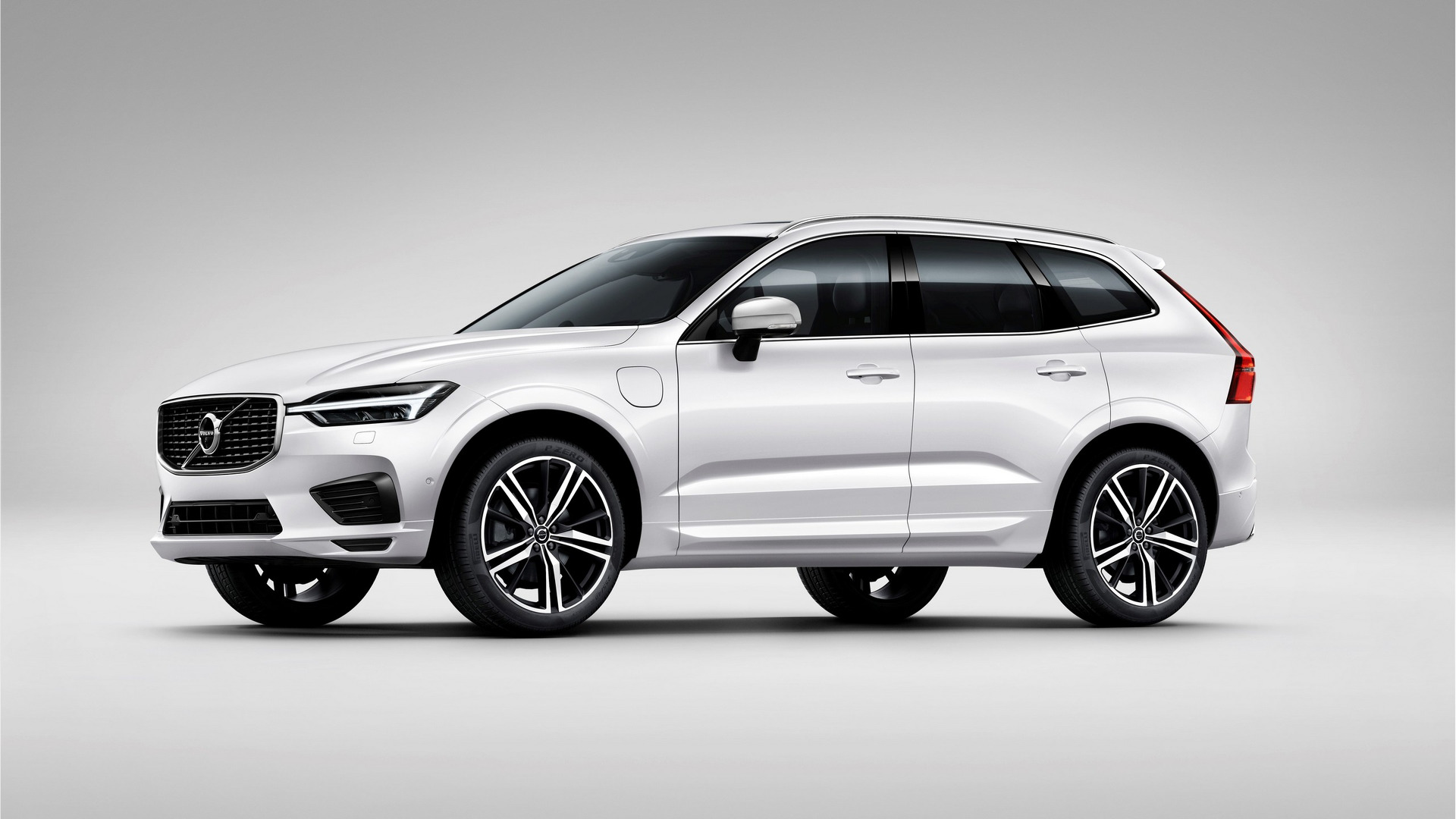
  • Chip Shortage Prompts Production Halt At Volvo Cars In Gothenburg

    Chip Shortage Prompts Production Halt At Volvo Cars In Gothenburg

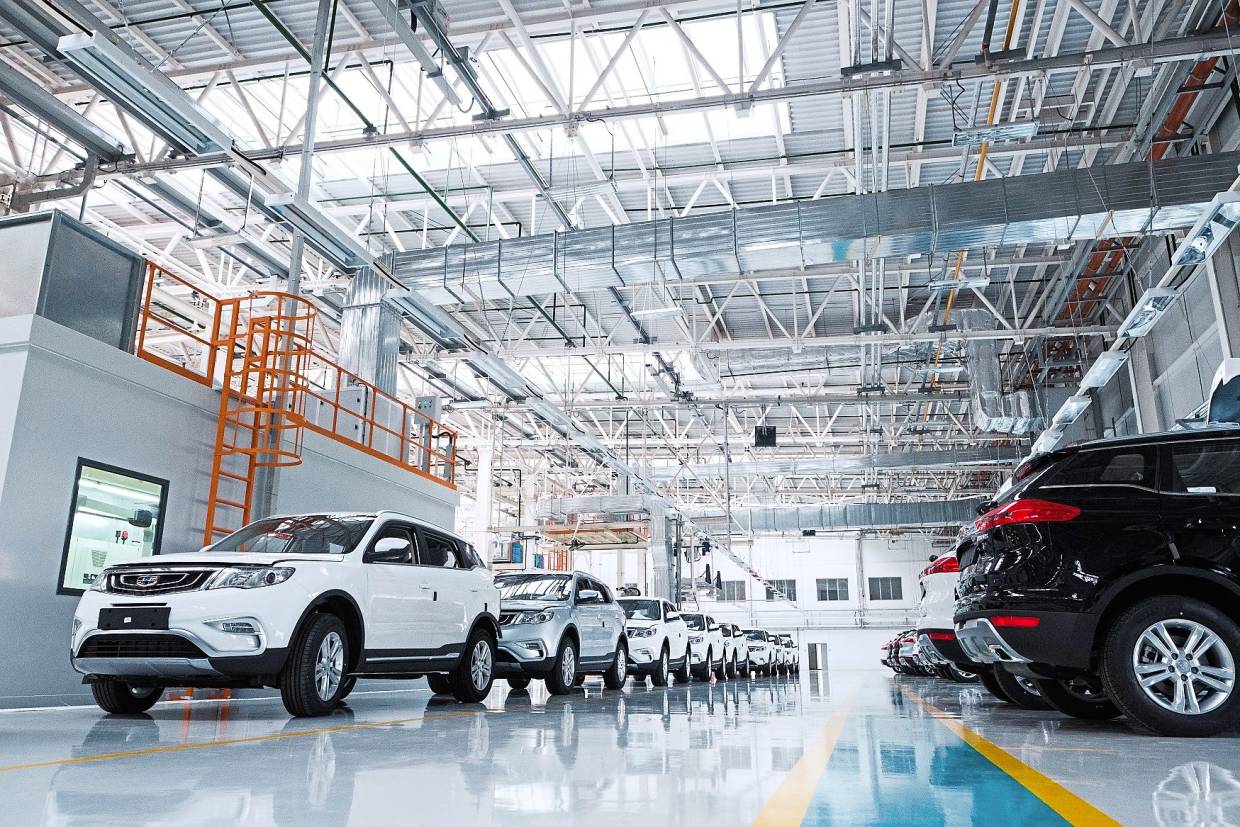
    Volvo Cars, owned by China’s Geely Holding, will temporarily stop production at its Swedish plant in Gothenburg due to the shortage of semiconductor chips, it said on Wednesday. A global chip shortage has hit manufacturing, with automakers cutting down on production and electronic device makers struggling to keep up with a pandemic-led surge in demand for phones, TVs and gaming consoles.

    “Production at Torslanda will be paused temporarily from this evening due to a material shortage linked with the semiconductor issue,” Volvo Cars said in an emailed statement.

    “Production will restart as soon as possible, at the latest before next week,” the Swedish carmaker, which in June halted production at its Belgian plant in Ghent for a week, said.

    Volvo Cars, which last month reported a return to profit in the first half as demand for electric cars grows, is considering listing on the Nasdaq Stockholm stock exchange this year.

  • Toyota Launches Virtual Showroom To Further Digitize Customer Experience

    Toyota Launches Virtual Showroom To Further Digitize Customer Experience

    Toyota Kirloskar Motors has launched its virtual showroom to further expand the digital experience for its customers in India. Calling it a step towards the new normal, the Indian arm of the Japanese carmaker says that the virtual showroom will allow customers to have an in-depth look at Toyota’s vehicle line-up online. Customers can also book their new Toyota directly from the virtual showroom, as it’s fully integrated with a payment gateway. The carmaker says that the virtual showroom will facilitate offers, finance options, loan applications and other value-added services in the future.

    Commenting on the new initiative, V. Wiseline Sigamani, Associate General Manager (AGM), Sales and Strategic Marketing, TKM, said, “Owing to the pandemic and growing access to technologies, customers increasingly prefer digital and contactless experience. Last year, as COVID-19 disrupted the purchase lifecycle, we took immediate steps to digitalize our sales process by making available pricing, offers and booking in the online realm. The virtual showroom further simplifies all the elements of car buying by digitizing and integrating the key touchpoints in a customer’s purchase cycle as a one-stop-shop solution. The core idea behind the virtual showroom is to empower our customers to access our world-class cars from wherever they want to. Moving forward, we will continue to listen to our customers keenly and introduce new solutions and tools leveraging digital technologies to further improve their buying experience.”

    Customers visiting Toyota’s virtual showroom will be able to select any model and get a 360-degree external and internal view of the car. They can even check out all the available variants and colour options, switch on the lights, open and close the doors, virtually experience the top features in the day or night modes and get variant-wise prices. The platform also comes with an augmented reality mode for smartphones, which allows customers to see how a Toyota vehicle will look when parked in their garage or portico.

    The virtual showroom also gives you the option to schedule a test drive. Customers can also book their Toyota vehicle directly from the virtual showroom and get it delivered to their nearest dealership or their homes. In fact, Toyota says that it has also integrated all its dealer partners onto the new platform, and soon the virtual showroom will be made available on the websites of all its dealer partners as well.

  • Porsche SE Faces U.S. Lawsuit Over Dieselgate Scandal

    Porsche SE Faces U.S. Lawsuit Over Dieselgate Scandal

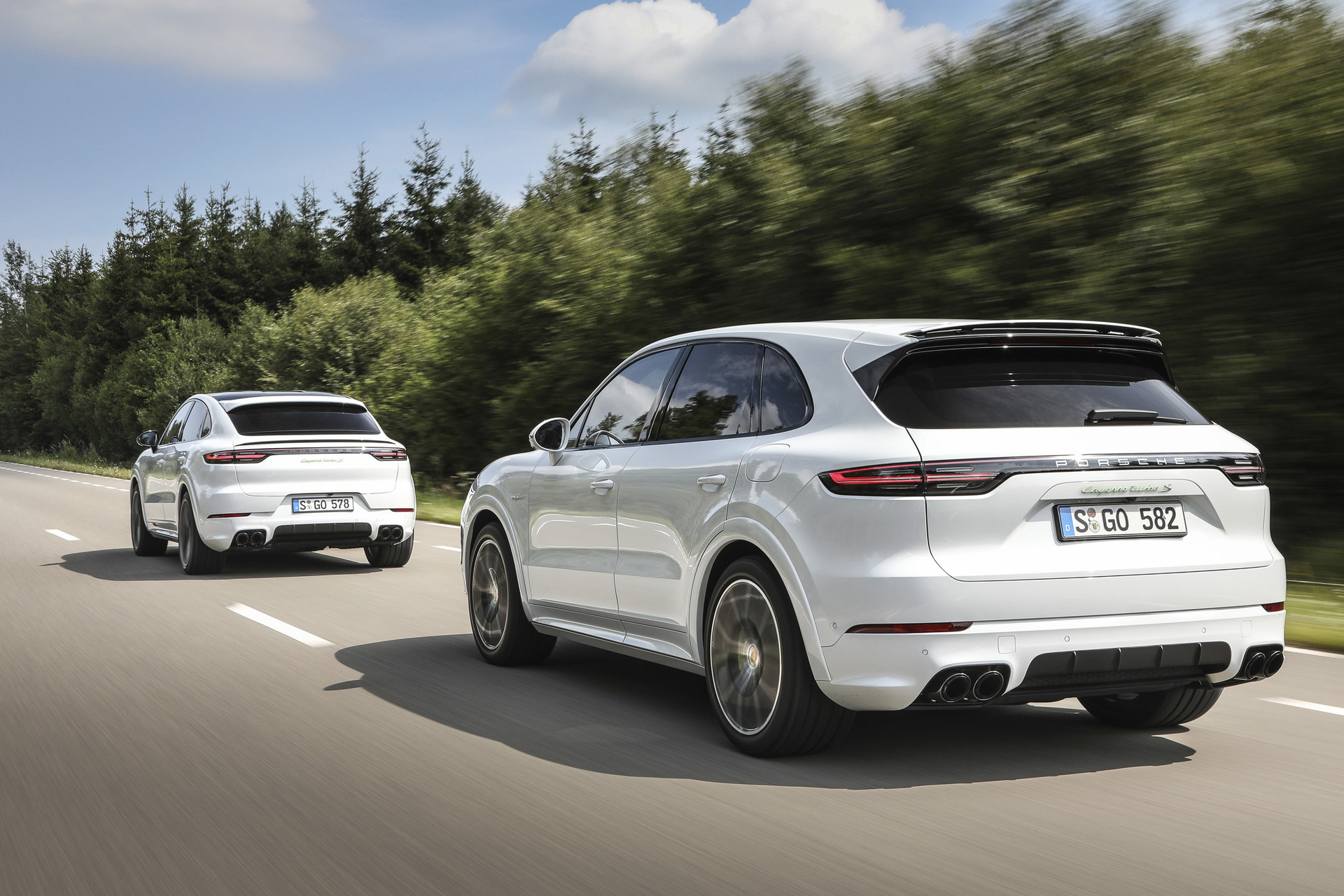
    Porsche SE, Volkswagen’s largest shareholder, is facing a lawsuit in the United States over claims related to the carmaker’s diesel emissions scandal. The suit, filed with the Supreme Court of the state of New York in April, targets Porsche SE as well as former members of the management and supervisory boards of Volkswagen, Porsche SE said in its half-year report. Porsche SE, which holds 31.4% of Volkswagen, did not identify the plaintiffs and did not detail or quantify possible claims, saying the action had not yet been served.

    “The plaintiffs claim to be shareholders of Volkswagen AG and assert with their action alleged claims of Volkswagen AG on behalf of Volkswagen AG,” Porsche SE said.

    The lawsuit marks the latest chapter in the “dieselgate” saga since Volkswagen admitted in September 2015 to using illegal software to rig diesel engine emissions tests. The scandal has cost the carmaker more than 32 billion euros ($38 billion) in fees, fines and legal costs so far.

    Volkswagen and Porsche SE are already subject to 4.1 billion euros worth of shareholder claims in relation to the crisis, but it could take years before they are resolved.

    Last month, Volkswagen shareholders approved a deal to settle claims against four former executives, including long-time CEO Martin Winterkorn, related to the crisis.

  • All-New Lamborghini Countach Teased

    All-New Lamborghini Countach Teased

    The Lamborghini Countach is said to be one of the most beautiful cars to have ever been designed. Pre-dating the iconic Lamborghini Diablo, the Countach was designed by the legendary Italian car designer Marcello Gandini and production of the Countach LP 400 started in 1974 and lasted till 1990, when the 25th anniversary edition of the model was manufactured. Its wedge-shape and the scissor doors are considered to be some of the most iconic automotive design to have ever been created! But why are we harping about the Countach? That is only because Lamborghini has teased a brand-new Countach and we can’t keep calm.

    All that we know is there’s a wedge-shaped car, shrouded in mist and kept under covers. There is absolutely no other detail available! Whether it will have a V12 or will it be a hybrid. Will it be a one-off concept model or will it be a full-fledged production car? There are a lot of questions that are begging to be answered, but all in due time, says Lamborghini!

    The model under wraps reveals a roofline, which seems to be higher than that of the old Countach. Also, there is a pronounced cut back towards the rear. The front windscreen seems to be really angular, but not as much as the old model. Whether, it is a concept car, a one-off model or a production car, we believe it to be a modern interpretation of the Countach. Now that sportscar was a global icon, a masterpiece in its own right and a reinterpretation/follow-up of the Countach over three decades after the last model was manufactured is something that Lamborghini must carefully tread upon.

    Nonetheless, we are waiting with bated breath for Lamborghini to unveil the all-new Countach!

  • Mercedes-Benz Inks Pact With DSEU For Mechatronics Programme

    Mercedes-Benz Inks Pact With DSEU For Mechatronics Programme

    Mercedes-Benz India will offer a one-year Advanced Diploma in Automotive Mechatronics and also extend apprenticeship and placement support to students of the Delhi Skill and Entrepreneurship University (DSEU), the varsity said in a statement. The Delhi government-run university has signed a Memorandum of Understanding with Mercedes-Benz India to offer the highly specialised course under the Auto Mechatronics Research Centre (AMRC) at the DSEU Okhla campus, according to the official statement.

    The course will nurture future automobile engineers and provide experiential learning, it added.

    At the MoU exchange ceremony, Shekhar Bhide, Vice President, Customer Services & Corporate Affairs, Mercedez-Benz India said, “The course curriculum will include training in electrical and electronics technology embedded systems, advanced automobile systems engineering which will assist a holistic development of students.”

    He emphasised that the trainers will also be benefitted from the course from capacity-building exercises.

    “Both students and trainers will attend guest lectures, go on field visits, and be encouraged to enrol for apprenticeship,” he added.

    It is understandable that in today”s day and age, students are most concerned about placement when they complete a course, and hence, Mercedes-Benz India with DSEU will extend placement support to all students, he said.

    The admissions to the course are expected to be announced next month, the statement said.

    DSEU Vice Chancellor Neharika Vohra said the faculty as well as its students will greatly benefit from the course and get insights of the field from an entirely new perspective.

    “Many students have a childhood dream to design and develop their own cars. However, this dream never comes true for many. Through this partnership, the university desires to provide a platform for students to achieve their dreams while also assisting them in becoming future entrepreneurs and leaders,” she said.

    The training will include a factory visit to Mercedes Benz Pune plant.

    The Advanced Diploma in Automotive Mechatronics (ADAM) course, an initiative by Mercedes-Benz India, will fulfil the requirement for superlative service in the automotive sector and train aspiring engineers on latest automotive technology using latest, world- class tools and equipment, the statement said.

  • China’s Electric Vehicle Makers Report Strong July Sales

    China’s Electric Vehicle Makers Report Strong July Sales

    Electric vehicle sales at China’s Li Auto and Xpeng Inc more than tripled in July from a year ago, while they doubled at Nio Inc, helped by robust demand for new energy automobiles in the world’s biggest auto market.

    The rise in July deliveries comes at a time when electric car makers have been expanding manufacturing capacity in China, encouraged by the country’s policy of promoting greener vehicles.

    U.S.-listed shares of Xpeng surged as much as 8.9% to a near two-week high of $44.12, Li Auto rose as much as 6.1% to a one-month high of $35.44, while Nio gained as much as 4.7% at $46.78.

    Nio, Li Auto and Xpeng compete with U.S. electric car maker Tesla, which dominates the EV market in China.

    Nio, the maker of the ES8 and ES6 electric sport-utility vehicles, said it delivered a total of 7,931 vehicles in July, up 124.5% from a year earlier. Deliveries had more than quadrupled in July 2020.

    Xpeng, which makes the P7 sedan and G3 sport-utility vehicles, said its July deliveries jumped 228% to 8,040 vehicles.

    Li Auto, the producer of Li ONE SUVs, said it delivered 8,589 Li ONEs last month, an increase of about 251%.

    The strong sales numbers for the EV makers come as a global recovery in auto sales is being threatened by chip shortage that has forced automakers around the world to adjust assembly lines, cut productions and shutter factories.

  • Tesla AutoPilot Stops Car After Driver Passes Out At The Wheel

    Tesla AutoPilot Stops Car After Driver Passes Out At The Wheel

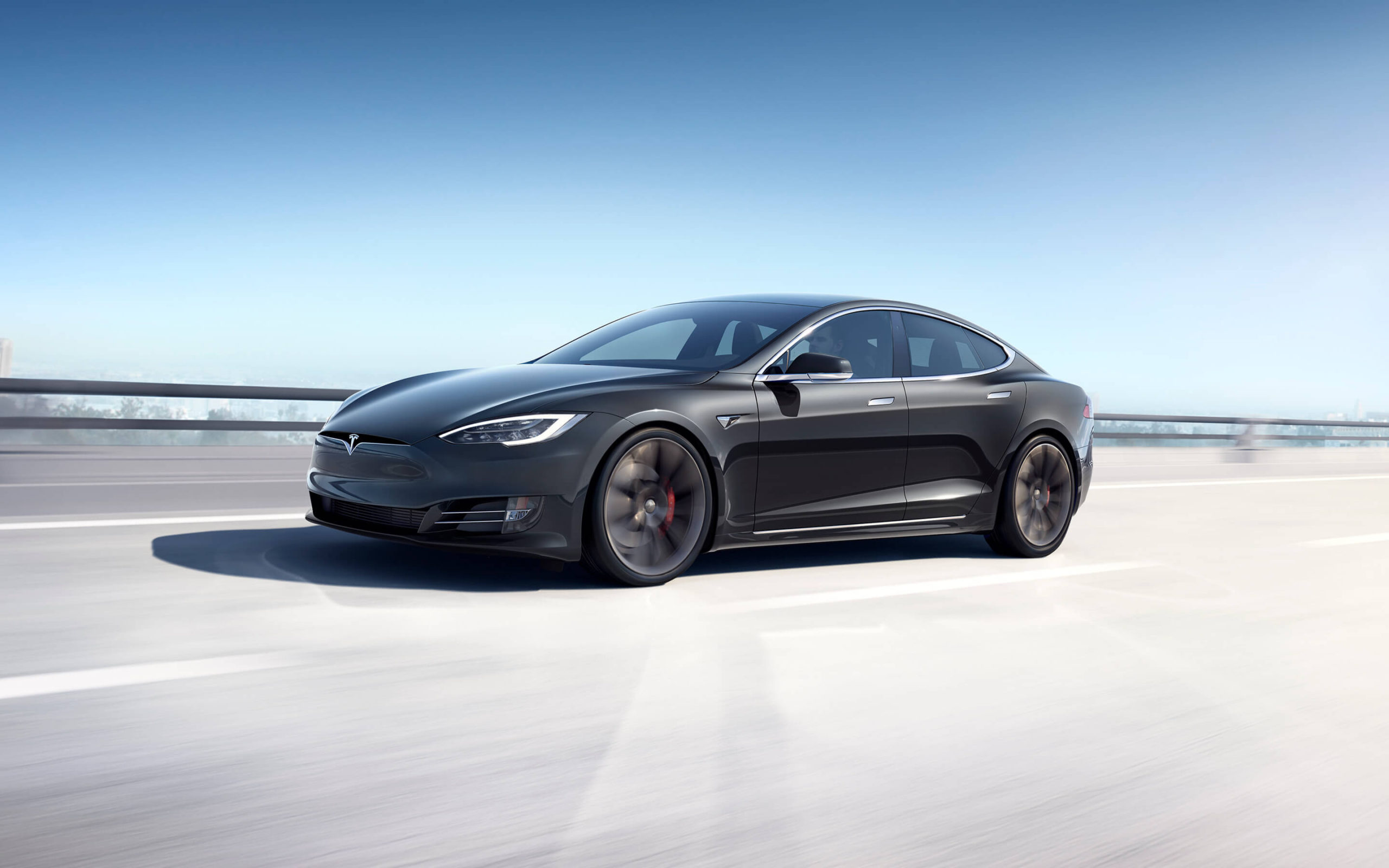
    Tesla has been talking about its AutoPilot level 2 autonomous driving technology for years. It is also transitioning to Tesla Vision which will just use cameras and its computer vision algorithms. Now, its driver-assist system has done it again – this time around stopped the car after a drunk driver in Norway passed out on the wheel. The incident happened on July 30. Many motorists passed the Tesla Model S which was on the road when the driver was unconscious on the wheel. The car was followed and filmed while he had his head down for over a minute before AutoPilot kicked in and stopped the car itself. Many motorists stopped by the car who tried to wake up the driver but he was still unconscious.

    Then the police came to the scene and found that the 24-year-old driver was unconscious because he was drunk. The police also revealed that the driver denied driving.

    “At 0540; a Tesla stops in the tunnel. It turns out to be a man 24 years old who has fallen asleep behind the wheel. He is also drunk but stubbornly denies driving. Although there is a video of him from the car … Necessary samples have been taken,” the police said in a statement. Many times before drunk drivers have used AutoPilot as an excuse to avoid drunken driving charges by claiming the system was driving the car not them. Tesla needs the driver’s hands to be on the steering wheel to make sure they are conscious of the wheel.

    It has also cameras inside the car to make sure that the driver is paying attention to the road. It also sends out alerts to the driver and if the vehicle detects torque isn’t being applied to the wheel – but when alerts are repeatedly ignored it slows down the car makes it stop at the side of the road.

  • Nissan Raises Earnings Outlook, Optimistic Chip Crunch Will Ease

    Nissan Raises Earnings Outlook, Optimistic Chip Crunch Will Ease

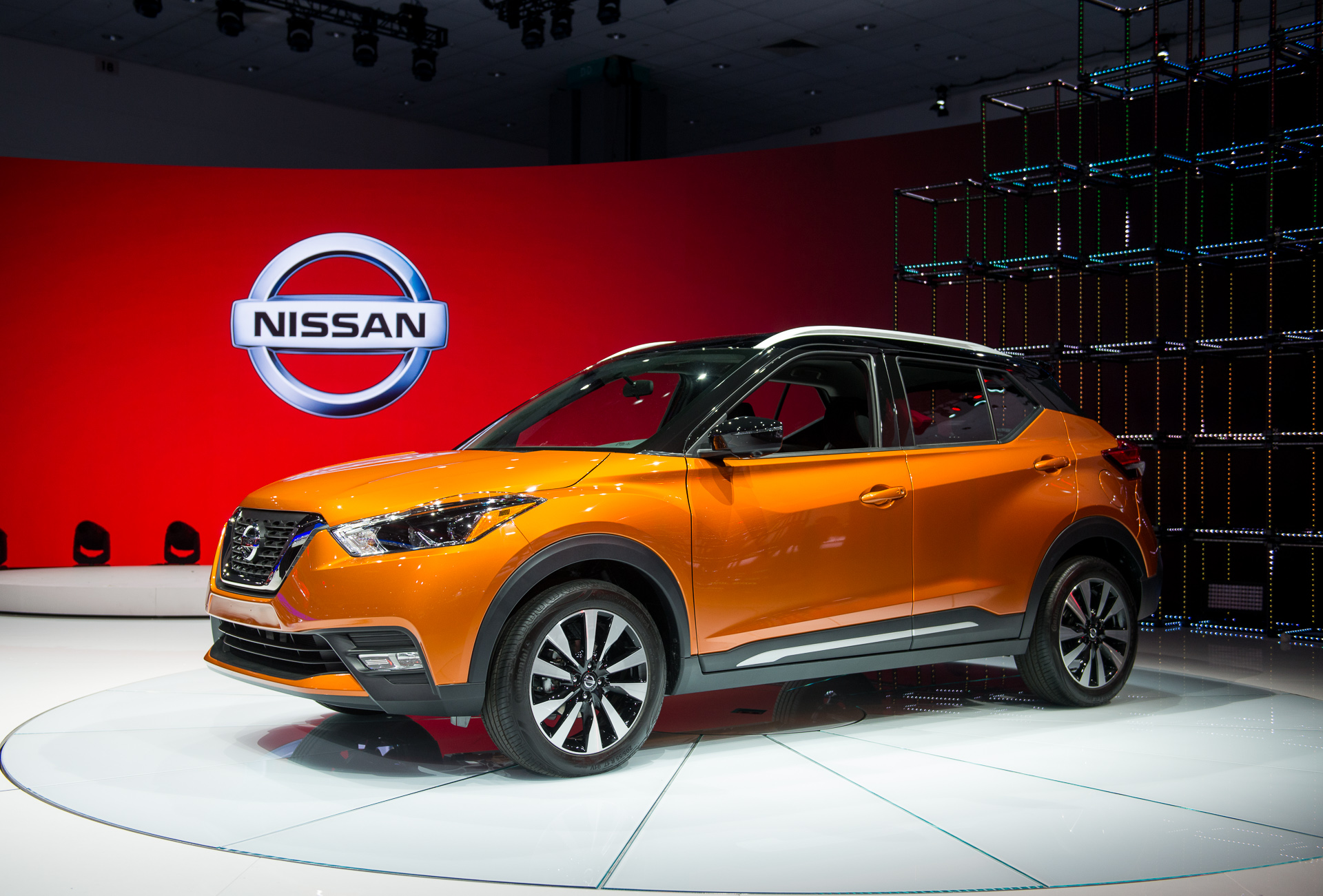
    Japanese automaker Nissan Motor Co on Wednesday raised its earnings outlook for the year, helped by a weaker yen and favorable demand in the United States and China, after reporting a surprise first-quarter operating profit. The company also warned that a global shortage of semiconductor chips will significantly hurt sales volume in the July-September quarter, but added that demand for its newly launched, pricier models will mitigate the impact on profits.

    Nissan hopes to make up for production and sales losses during the latter half of the fiscal year ending March 2022 and expects semiconductor shortages to ease during that period, Chief Operating Officer Ashwani Gupta told reporters.

    “Nobody has got a crystal ball. Nobody. But there are some assumptions,” he said, referring to an expected easing of the crisis, partly because a fire-hit Renesas Electronics chip plant in Japan is functioning again.

    Nissan, Japan’s No. 3 carmakers, maintained its global sales target of 4.4 million vehicles that it had set for the year in May.

    Nissan sold 1.048 million vehicles in April-June, up 63% from a year earlier, when global demand was hit by the COVID-19 pandemic. It sold 378,000 vehicles in North America (U.S., Canada and Mexico), up 70% from a year earlier, while sales in China totaled 352,000 vehicles, a 71% increase.

    Sales in the United States totaled 298,000 vehicles, up 68% from a year earlier.

    Chief Executive Makoto Uchida said Nissan will have to live with business uncertainties, including higher raw materials costs, for the remainder of the year.

    The auto industry has been grappling with a months-long shortage of semiconductor chips, which has forced them to cut production and delay car deliveries.

    Some companies such as Stellantis, owner of brands including Peugeot and Jeep, have said they expect the shortage to easily drag into next year.

    Some, though, like Taiwan chipmaker TSMC and Volkswagen said they are seeing some signs that the crunch is easing.

    Despite that, Nissan had a good start to the year, Gupta said, attributing the surprise first-quarter profit partly to the company efficiently managing supply chains and strategically using its chip stockpile, minimizing the impact of the shortage.

    Nissan reported an operating profit of 75.68 billion yen ($688.6 million) for the first quarter ended June 30. Analysts had expected a loss of 42.72 billion yen, according to Refinitive SmartEstimates.

    For the year ending March 2022, Nissan now expects an operating profit of 150 billion yen. In May, the company had forecast that it would break even in the period.