Tag: Auto

  • China Tells Firms To Boost Cyber, Data Security Oversight On Connected Vehicles

    China Tells Firms To Boost Cyber, Data Security Oversight On Connected Vehicles

    China’s industry ministry published a notice on Thursday telling companies to step up cyber and data security oversight over connected vehicles, saying that security risks in the industry had become increasingly prominent.

    All relevant companies should establish data security management systems and regularly assess risks from network attacks, the Ministry of Industry and Information Technology said in a statement.

  • Stellantis To Push Into Challenging Indian Market With Citroen

    Stellantis To Push Into Challenging Indian Market With Citroen

    Carmaker Stellantis plans to launch a new model in India and Latin America next year under its Citroen brand, the group said on Thursday, as it aims to push out of its European turf and branch further into emerging markets where it has less exposure.

    The plan marks Citroen’s return to India, a market it left in the 1930s, and comes at a time when some other foreign carmakers are leaving the country after struggling to make a profit.

    Stellantis, which was formed earlier this year by the merger between Fiat Chrysler and Peugeot-maker PSA, has brands like Jeep and Ram in the United States, but is still aiming to reduce its reliance on Europe.

    The company said it plans to produce a new version of the Citroen C3, positioned as a city car in Europe, in India and Latin America for launch in the second half of 2022.

    Citroen said it would be the first of three models which it will produce and aim at India and Latin America over the next three years.

    Stellantis has said it expects India to become the world’s third-biggest car market after China and the United States by 2030 with total new cars in the country reaching 4-5 million cars a year.

    Still, the country has proved challenging for many foreign carmakers, which compete with local manufacturers such as Maruti Suzuki there as well as South Korea’s Hyundai. Ford last week said it was stopping production in India.

    Stellantis aims to grow sales outside Europe to 30% of its revenue by the middle of this decade, compared to 15% now.

  • Lightyear Raises $110 Million To Bring Its Solar Electric Car To Market

    Lightyear Raises $110 Million To Bring Its Solar Electric Car To Market

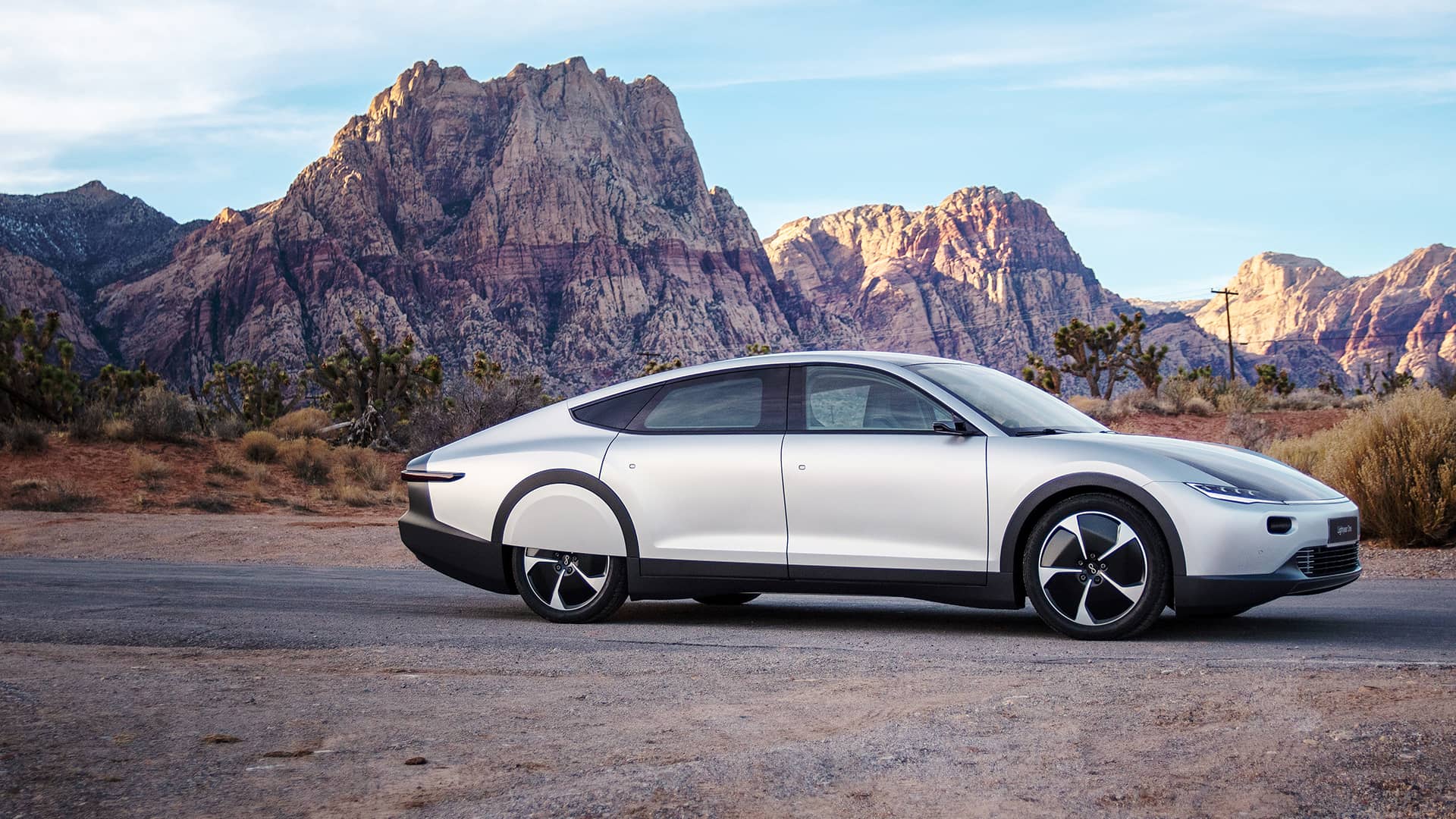
    Lightyear which is a startup that has been developing electric cars based on solar power has announced a $110 million in a round of funding that will enable it Bira its vehicle to the markets The company came to prominence when it was spun out of Solar Team Eindhoven which was basically a group of engineering students from the Technical university of Eindhoven who were competing in the world solar challenge with their  Stella and Stella Lux energy positive solar cars. These cars were producing more energy than they consumed.

    The Solar Team Eindhoven even recently unveiled a solar RV also, but Lightyear has graduated to becoming a full fledged automotive player than a college project. The project which was announced back in 2019 promised an electric sedan with integrated solar cells and that enabled it to give a whopping range of 725 kilometres based on the WLTP cycle.

    The team at Lightyear has made bold claims of an 724 kilometre range

    “We reached the $110 million funding milestone with the help of one of the largest international insurers in the Netherlands, Cooperation DELA. This investment aligns with their long-term focus on sustainability. Together, we can work on our shared mission of bringing clean mobility to everyone, everywhere,” said the company.

    “It is great to see the acknowledgment from investors, which is a testament to the confidence that they have in Lightyear. Thanks to the trust and funding received from our investors, we can further grow as a company and bring our Lightyear One exclusive model on the market in 2022,” said Lex Hoefsloot, the CEO and cofounder of the company.

    It still plans to deliver the first units to the market in 2022 but it must be noted that this car will not come cheap as it will cost upwards of $100,000 at around $170,000 for a starting price.

  • Covid restrictions put the brakes on car sales

    Covid restrictions put the brakes on car sales

    The Vietnam Automobile Manufacturers Association said its members sold only 7,714 vehicles in August, the lowest number in seven years.

    Their sales were down 68 percent year-on-year for the month and 47 percent from July.

    The Vietnam Automobile Manufacturers Association said its members sold only 7,714 vehicles in August, the lowest number in seven years.Their sales were down 68 percent year-on-year for the month and 47 percent from July.

    It marked the fifth consecutive month of decline for the industry, which attributed the slump to social distancing amid Covid-19 in many provinces and cities, especially Hanoi and Ho Chi Minh City.

    The country’s largest automaker and non-member TC Motor, which assembles Huyndaicars, saw sales plummet by 60 percent year-on-year in August to 2,182.

    VAMA members have sold 157,777 vehicles so far this year, up 8 percent from 2020.

    Car sales increased sharply in the second half of 2020 after a 50 percent cut was made to registration fees, which are substantial at 10-12 percent of the vehicle price. There have been no rate cuts this year.

    TC Motor’s sales for the year were down 2 percent to 40,248 units, the first time ever its sales have declined.

  • Sales Of Maruti Suzuki Ciaz Crosses The Three Lakh Milestone

    Sales Of Maruti Suzuki Ciaz Crosses The Three Lakh Milestone

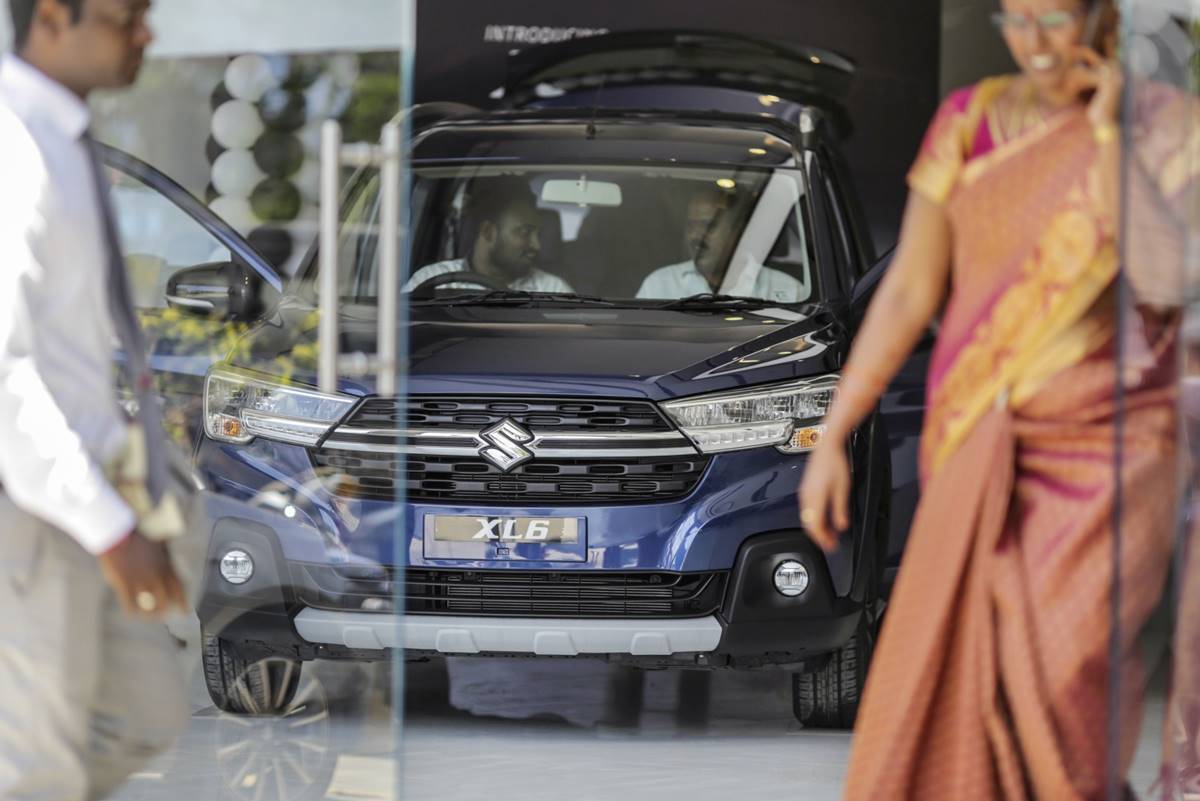
    Maruti Suzuki reports that the total sales of the Ciaz sedan have crossed the three lakh milestone. The Maruti Suzuki Ciaz was launched in 2014 and it becomes the fastest model in its segment to achieve the landmark. The Ciaz is offered only with a 1.5-litre petrol engine which makes 102 bhp at 6,000 rpm against 138 Nm at 4,400 rpm. Customers can choose between a 5-speed manual gearbox and a 4-speed torque converter automatic unit. Prices for the Maruti Suzuki Ciaz start at ₹ 8.72 lakh and go up to ₹ 11.71 lakh (ex-showroom, Delhi).

    Speaking on the milestone, Shashank Srivastava, Senior Executive Director, Maruti Suzuki India Limited, said, “Since its launch in 2014, Ciaz has redefined the segment with its class-leading space, design and sophistication & has witnessed a resounding success in the highly competitive premium sedan segment. The milestone of 3 Lakh sales demonstrates customer’s faith and confidence in the brand”.

    Recently, Maruti Suzuki issued a massive recall for petrol models of the Ciaz, Ertiga, Vitara Brezza and XL6 vehicles. According to the company’s regulatory filing on the Bombay Stock Exchange, a total of 181,754 units, manufactured between May 4, 2018 and October 27, 2020, are said to be affected. The carmaker has said that the recall is for the inspection and replacement of the vehicle’s motor generator unit, which may have a potential safety defect. The company further stated that the inspection and replacement will be done free of cost.

  • Vietnam’s biggest auto expo canceled again

    Vietnam’s biggest auto expo canceled again

    The Vietnam Motor Show, the biggest automobile expo in the country, has been canceled for the second year running over Covid-19 impacts.

    This year’s show was originally scheduled to be held next month.

    Members of the Vietnam Automobile Manufacturers’ Association (VAMA) and the Vehicles Importers Vietnam Association (VIVA) said in a joint statement the VMS 2021 has been canceled as was VMS 2020.

    Earlier, the VMS 2021 organization board had planned to postpone the expo to the last week of November or the second week of December, but found that such plans were not feasible. The board is expected to make an official announcement about the cancellation soon.

    The VMS 2019 in HCMC drew the participation of 15 firms that displayed over 100 new cars. Many firms in the supporting industry also participated in the event that drew over 200,000 visitors.

    Vietnam’s car sales rose 27 percent year-on-year to over 166,500 units in the first seven months, thanks to a surge in the first quarter.

  • Volvo’s Global Sales Down By 10% In August

    Volvo’s Global Sales Down By 10% In August

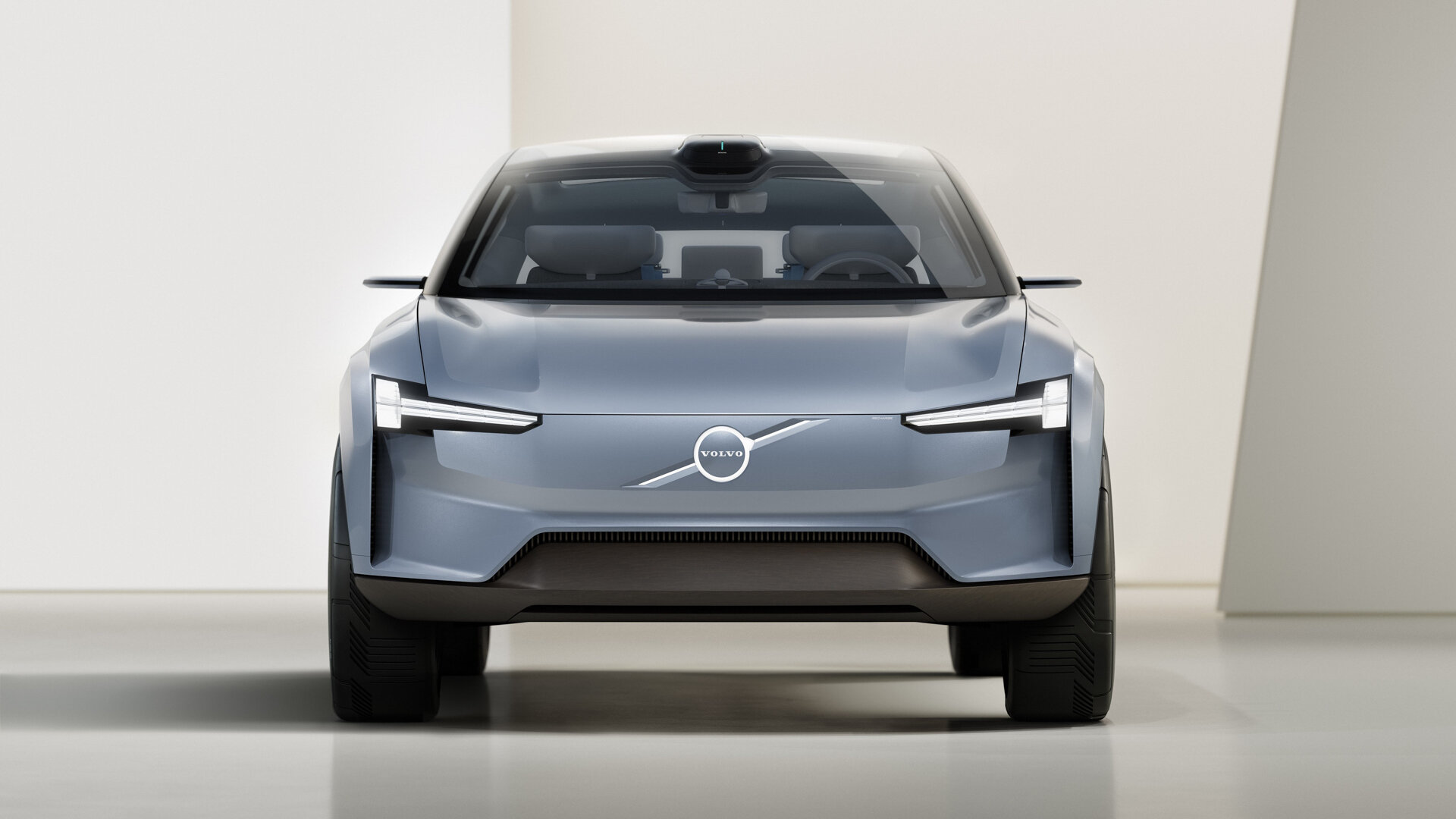
    Volvo Cars reported global sales of 45,786 cars in August, down 10.6 percent compared with the same period last year. Overall underlying demand in the car industry and for Volvo Cars’ products remained very robust. Since mid-July, supplier shut-downs due to Covid-19 in South East Asia, especially in Malaysia, has worsened an already strained supply situation. These material shortages have led to temporary production halts at Volvo Cars’ facilities in Sweden, Belgium, China and the US, with reduced production volumes as a result.

    Volvo Cars continue to monitor the situation and currently expects that, for the second half of 2021, it will be challenging to achieve the volume levels achieved during the same period in 2020. This will have an impact on revenue and profit. In the first eight months of the year, the company sold 483,426 cars globally, up 26.1 percent compared with the same period last year.

    The sales of Volvo Cars’ Recharge line-up of chargeable models remained strong and accounted for 24.2 percent of all cars sold in the month. In Europe, Volvo Cars reached an all-time high as 47.0 percent of all cars sold in August were from the Recharge line-up.

    The US reported a solid sales performance in August with 10,686 cars sold, a 3.0 percent increase compared with the same period last year. The increase was led by strong customer demand, mainly for the XC90 – which was the best-selling model – followed by the XC60.

    In Europe, Volvo Cars reached an all-time high as 47.0 percent of all cars sold in August were from the Recharge line-up.

    For the month of August, sales in China were impacted by the Covid-19 outbreaks in South East Asia. This led to lowered retail deliveries despite strong underlying demand and order intake. Total volumes for the month reached 13,112 cars, down 17.2 percent compared with August last year.

    European sales for the month were 13,052 cars, a 25.4 percent decline compared with the same period last year. The decline in sales was related to the material shortage, which affected the production volumes and, consequently, the sales performance in the region.

  • Hyundai’s Global Sales Down By 7.6 Percent In August 2021

    Hyundai’s Global Sales Down By 7.6 Percent In August 2021

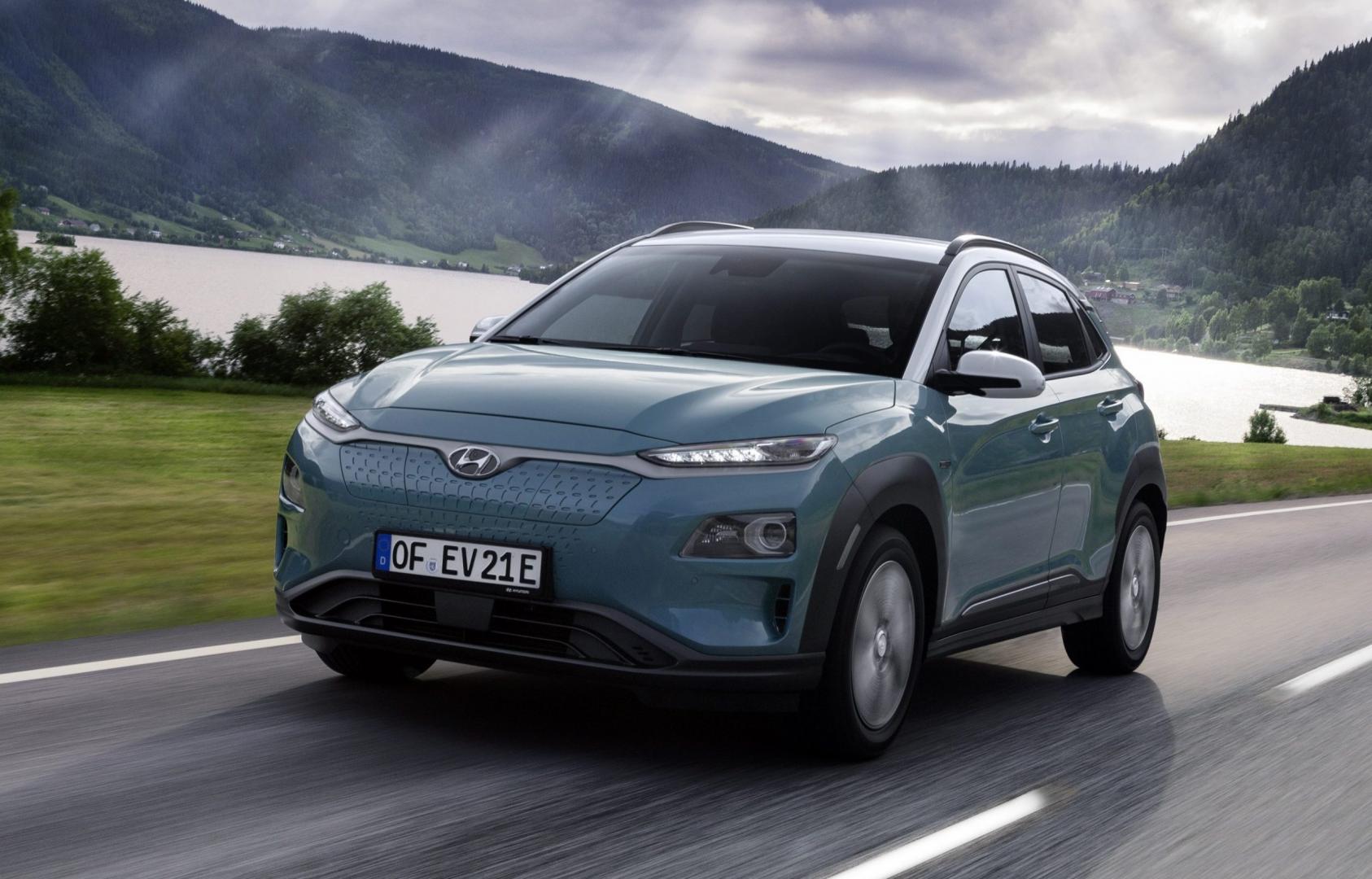
    Hyundai Motor Company has announced its global sales for the month of August 2021. Compared to 318,700 units sold in August 2020, the automaker recorded a decline in sales of 7.6 percent as it sold 294,591 units in the last month. On a month-on-month (MoM) basis, Hyundai recorded a de-growth of 6 percent selling 313,451 units in August 2021. The automaker expects the sales could drop further for the rest of this year amid adverse business conditions caused by issues like global chip shortage and COVID-19 resurgence.

    Sales at Hyundai’s home market, Korea, slipped by 6.5 per cent year on year to 51,034 units. Compared to 59,856 units sold in July 2021, the carmaker has registered a Month-on-Month (M-o-M) de-growth of over 14 per cent. The carmaker says the sales were mainly affected due to the COVID-19 resurgence and the disruption of the semiconductor supply chain.

    For markets other than Korea, sales declined 7.8 percent to 243,557 units compared with 264,110 units a year earlier. On a month-on-month (MoM) basis, the automaker witnessed a drop of 4 per cent selling 253,595 units in July 2021.

    Last month, Hyundai has recorded a 2.3 percent growth in India.

    However, there was good news emerging out of India as the carmaker saw a growth of 2.3 percent last month. The South Korean automaker sold 46,866 units last month compared to 45,809 units sold in the corresponding month in 2020.

  • Suzuki Expects 60% Drop In September Production Due To Chip Shortage

    Suzuki Expects 60% Drop In September Production Due To Chip Shortage

    India’s top carmaker Maruti Suzuki said on Tuesday that the global chip shortage will hurt production at its plants in the states of Haryana and Gujarat in September. Total production volume across both locations could be around 40% of normal output, it said in a regulatory filing.

    Top Indian carmakers, like their global peers, have been hit by semiconductor supply chain disruptions during the pandemic, which drove up demand for chips used in electronics like computers as people worked from home, and hit output at many automakers.

    Tata Motors and Mahindra and Mahindra Ltd have already warned of the impact from rising commodity prices and a global shortage of semiconductors, combined with pandemic uncertainty.

    In July, Tata Motors said it expected the chip supply crunch in the second quarter to be greater than in the first, likely resulting in wholesale volumes for its Jaguar Land Rover to be about 50% lower than planned.

    Analysts earlier said Maruti was better positioned than rivals as it was not dependent on a single vendor for chips.

    However, Maruti Chairman RC Bhargava has indicated the semiconductor crisis was not over and that it is difficult to predict what happens next.

  • Oil Falls In Biggest Weekly Decline In Months On Demand Worries

    Oil Falls In Biggest Weekly Decline In Months On Demand Worries

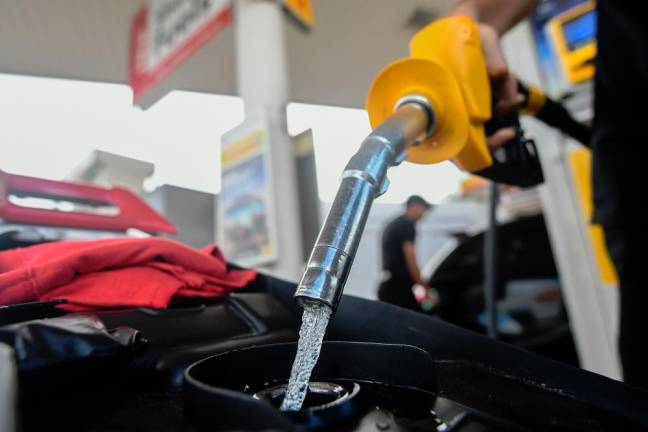
    Oil prices fell about 1% lower on Friday, posting to their steepest weekly losses in months, on worries that travel restrictions to curb the spread of the Delta variant of COVID-19 will derail the global recovery in energy demand. Crude futures also came under pressure as the dollar strengthened after monthly U.S. job growth came in higher than expected. A stronger dollar makes greenback-denominated oil more expensive for buyers in other currencies.

    Brent crude oil futures settled down 59 cents, or 0.8%, at $70.70, while U.S. West Texas Intermediate (WTI) crude futures fell 81, or 1.2%, to settle at $68.28 a barrel.

    For the week, global benchmark Brent shed more than 6%, its largest week of losses in four months, and WTI tumbled nearly 7% in its biggest weekly decline in nine months.

    “The price action we see now is really a function of the macro picture,” said Howie Lee, an economist at Singapore bank OCBC. “The Delta variant is now really starting to hit home and you see risk aversion in many markets, not just oil.”

    Growth in the rig count has slowed in recent months as drillers continue to focus on capital discipline.

    U.S. President Joe Biden said that COVID-19 cases in the United States, which have climbed to a six-month high, will go up before they come down and that the new Delta variant is taking a needless toll on the country.

    Japan is poised to expand emergency restrictions to more regions of the country, while China, the world’s second-largest oil consumer, has imposed curbs in some cities and canceled flights.

    “Increased travel restrictions in China have come under the microscope of traders and could become a key oil price mover as this month proceeds,” said Jim Ritterbusch, president of Ritterbusch and Associates LLC in Galena, Illinois.

    U.S. oil rigs rose two to 387 this week, energy services firm Baker Hughes Co said. Growth in the rig count has slowed in recent months as drillers continue to focus on capital discipline.

  • Kia Workers Accept Wage Deal Without Strike For The First Time In A Decade

    Kia Workers Accept Wage Deal Without Strike For The First Time In A Decade

    Workers’ Union at Kia Motors has voted to accept the company’s wage proposals without a strike for the first time in 10 years. According to a report from IANS, the carmaker said that 68 percent of 26,945 workers have voted in favor of the wage, which includes an increase of 75,000 won ($64.30) in monthly basic pay, two months of wages in performance-based pay, and cash bonuses worth 5.8 million won. The report also mentioned that over 1,600 out of the 28,604-member union abstained.

    The company has rejected the Union’s demand to extend the retirement age from current 60 to 65, however, the company reinstated fired workers.

    The automaker and the workers’ Union reached a tentative wage deal early this week without staging a strike amid the ongoing COVID-19 pandemic. This is the first time that Kia will sign a wage deal without industrial actions. They will sign the wage agreement on Monday.

    Last month, Hyundai Motor Company and its union signed this year’s wage deal without strikes for the third consecutive year.

  • Ferrari Boss Has No Fears Over Electric Future

    Ferrari Boss Has No Fears Over Electric Future

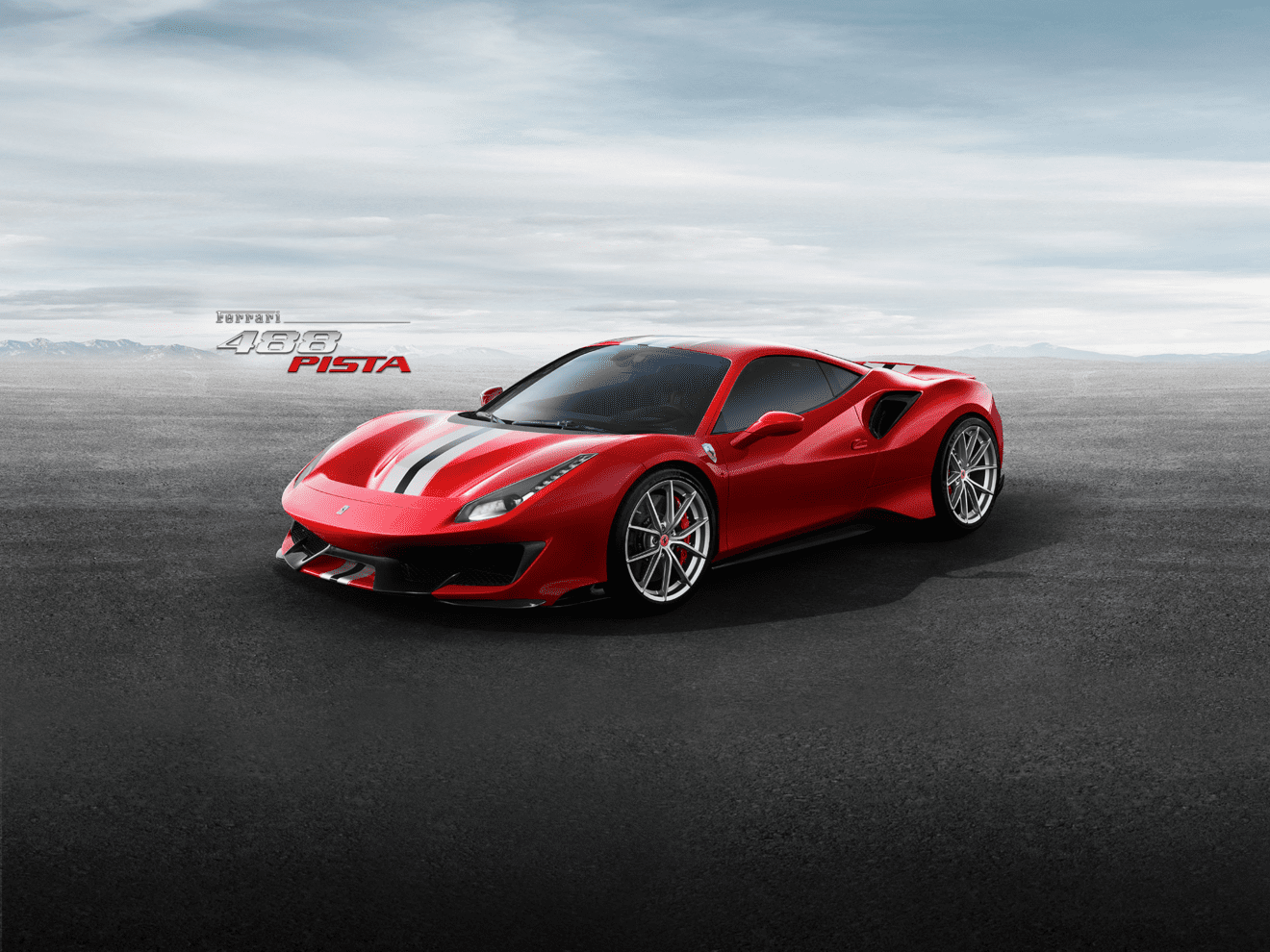
    Ferrari, the sports car maker synonymous with roaring petrol engines, welcomes the shift to electric powertrains and is confident of retaining its lead in the market for high-performance cars, its chairman said on Monday.

    The European Union last month proposed an effective ban on the sale of new petrol and diesel cars from 2035 as part of its measures to combat global warming, posing a challenge to automakers that have made powerful engines a key selling point.

    But Ferrari Chairman and acting CEO John Elkann told analysts on Monday the company known for its ‘Prancing Horse’ logo saw the change in technology as an opportunity.

    “We see the regulation as welcome,” Elkann said, as Ferrari stuck to its main 2021 targets after reporting second-quarter core profits just ahead of expectations.

    “The opportunity set by electrification, electronics, and other technologies that are coming available will allow us to make even more distinct and unique products,” he said.

    Elkann, the scion of Italy’s Agnelli family which controls Ferrari through its investment company Exor, was speaking weeks before new CEO – technology industry veteran Benedetto Vigna – takes the helm on Sept. 1.

    One of Vigna’s tasks could be to forge new partnerships, along the lines of Ferrari’s existing tie-up with Britain’s Yasa, now part of Daimler, to help with the shift to an electric era, Elkann said.

  • Tesla Updates Mobile App With New User Interface & Features

    Tesla Updates Mobile App With New User Interface & Features

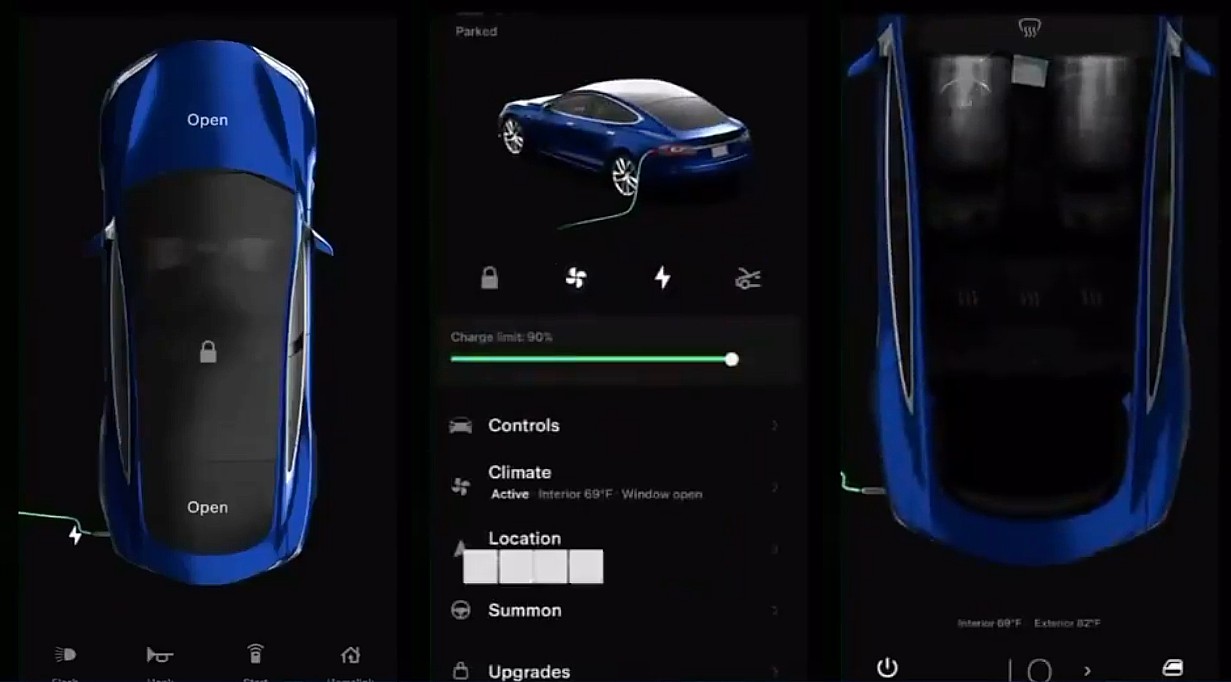
    Tesla has released version 4 of its mobile app which receives a massive overhaul of the user interface and adds a ton of new features. Users can unlock their vehicles using the app and remotely also manage the climate control system of the car apart from many other connected car functions. Version 4 is clearly the most comprehensive update to the app.

    Via the app users can also access the after-sales experience and book the car for servicing and repairs. It also lets users know the charge levels of the car remotely which is quite critical.

    Here are the new features that Tesla lists in its official release notes:

    — Refreshed vehicle and energy homepage
    — Streamlined Summon experience
    — Enhanced phone key support – vehicle no longer needs to be selected
    — Send commands to vehicle immediately upon opening app
    — Use Go Off-Grid to seamlessly disconnect your home from the Grid with Powerwall
    — Shop the Tesla catalog and view and manage your orders (available in select countries)
    — View Supercharging history and ability to pay outstanding Supercharging or service balance (available in select countries)

    Tesla is one of the first automotive companies to push over the air updates and has its own app.

    Tesla has also added support for widgets on iOS which was introduced in iOS 14 last year. Tesla has also added the supercharger billing experience in the app which comes at a time when the manufacturer is opening up the network to third-party vehicles.

    This update comes at a time when Elon Musk has said that it is close to rolling out its full self-driving software to users who opted for the package. Musk estimates after the release of the next beta, in 4 weeks the software update should be rolled out to users.

  • Tesla Plans To Deploy FSD Software To Public In Four Weeks

    Tesla Plans To Deploy FSD Software To Public In Four Weeks

    Tesla has said that it plans of releasing the final version of its full self-driving software to the public in a month’s time. As of now it is still in a beta stage being tested by internal Tesla employees and members of the beta program. This program has been ongoing for almost a year now. This software is different from AutoPilot as it allows the car to drive by itself using computer vision on highways and city streets. This, however, is still considered to be level 2 autonomous system.

    Recently, Tesla’s CEO revealed that the current beta build of the FSD software 9.2 isn’t great but he has noticed great improvements in the 9.3 software which is he already using. Elon Musk had stated that the program will come out of beta once it hits version 10. The FSD software has been promised to users who have opted for the FSD package. This release has been in limbo for a while.

    Now, Musk has announced plans to accelerate the release stating that v10 of the software will be pushed to early access members in a beta stage next week. Musk expects testing for the v10 build to last 4 weeks before a wider release.

    “We should be there with Beta 10, which goes out a week from Friday (no point release this week). It will have a completely retrained NN, so will need another few weeks after that for tuning & bug fixes. Best guess is a public beta button in less than 4 weeks,” he said.

    This release is going to be an over-the-air update for the folks who have purchased the FSD package and will be downloadable by a push of a button. Tesla has moved to a full vision-based system for its autonomous technology using cameras on its cars that ping back some data to its Dojo supercomputer which trains algorithms using a neural network. Tesla’s process the information based on these algorithms in real-time using a the FSD chip that’s present on many of its vehicles.

    Tesla will deploy the next generation of its FSD hardware next year with a new chip and camera system that Musk says will debut with the Cybertruck.

  • 95 pct made-in-Vietnam auto parts for foreign brands

    95 pct made-in-Vietnam auto parts for foreign brands

    Nearly 95 percent of auto parts produced in Vietnam are for foreign brands, showing a lack of localization in the industry.

    Of the 287 items that have been approved by the Ministry of Science and Technology as of Aug. 17, 15 were registered for VinFast cars.

    The rest were all for foreign brands. A total 226 were for Toyota, 15 for Ford and 10 for Honda.

    This means Toyota accounts for nearly 79 percent of the registered items.

    None of these items include parts for Hyundai and Mazda vehicles, although TC Motor (which assembles Hyundai cars) and Thaco (which assembles Mazda cars) have both previously affirmed they had “high” localization rates.

    TC Motor claims the rate at around 20 percent.

    Most parts are frames, chairs, and wires that are considered basic. There are no complicated parts like engines and gearboxes.

    Vietnamese officials have been calling for a higher localization rate of cars produced in the country for over two decades but the target has not been achieved.