Tag: Auto

  • Zeekr’s 001 EV Goes Into Production

    Zeekr’s 001 EV Goes Into Production

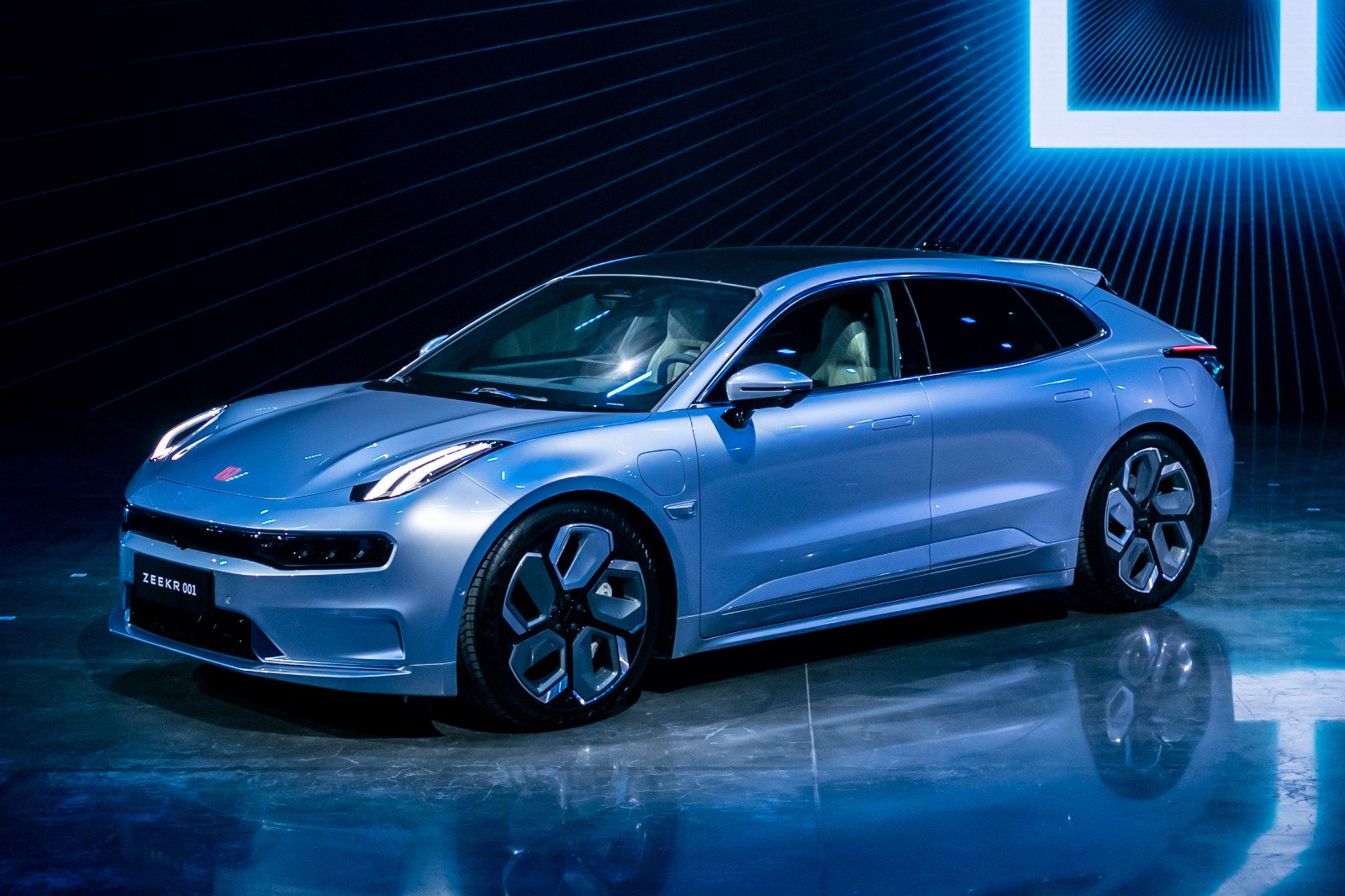
    Chinese EV startup Zeekr has announced that its new 001 sedan is now in production. Zeekr is part of the Geely Holding Group which also owns Volvo and Polestar. The first deliveries of the Zeekr 001 will start in China this weekend. Zeekr is a more luxury-focused EV brand, unlike Polestar which is more mass market.

    This launch comes on the back of the announcement of the sustainable experience architecture which is an open-source chassis base. There are more EV brands under the Geely umbrella including Lynk & Co, Geometry will still be upon the same chassis

    Zeekr intends to compete with Tesla in China. While it is part of the Geely holding group in July, Geely pulled out as a majority shareholder in the brand, though it still has control of other subsidiaries. It even features Intel Capital CATL as investors.

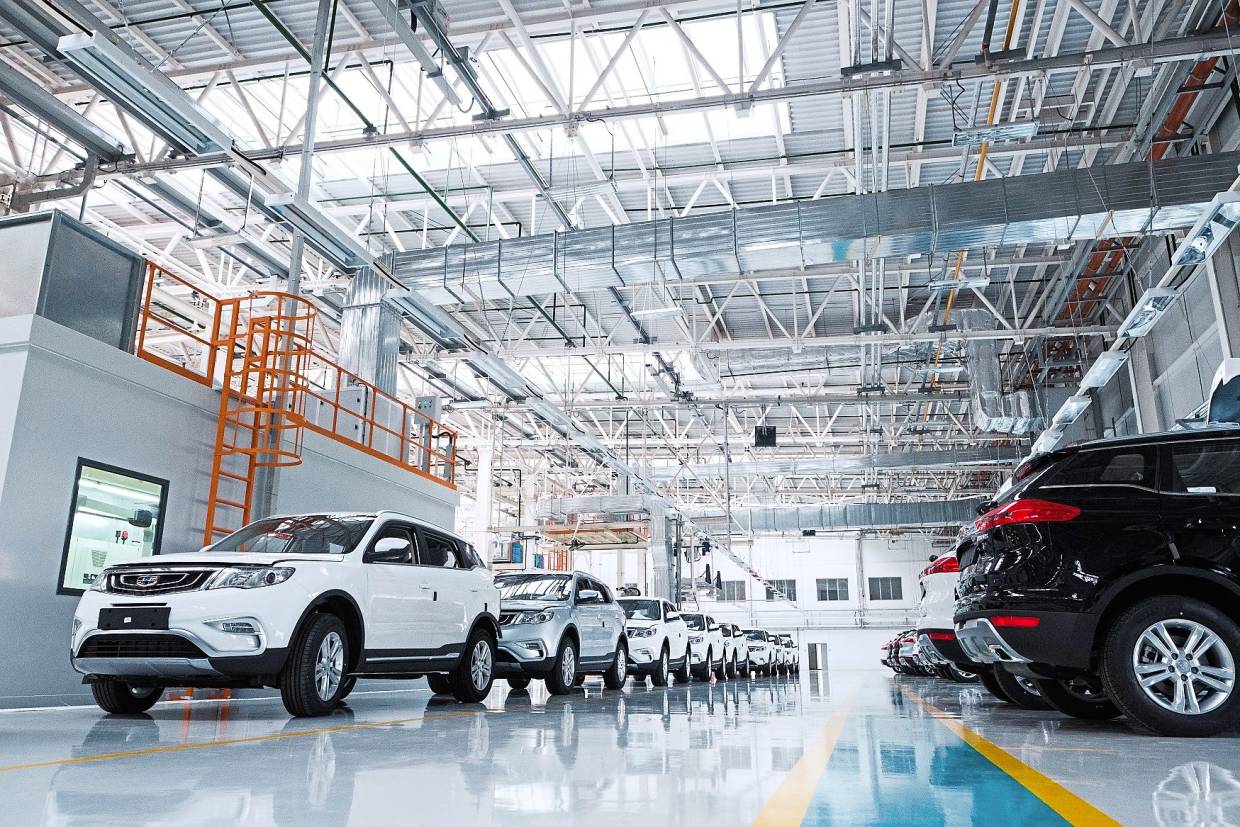
    There was a ceremony at Zeekr’s intelligent factory which even features a 5G network, 300 automated welding robots, and other production systems which are being continuously self optimized using AI.

    The 001 EV features 400 kW of power with 768 nm of torque with a dual-motor system. It can do 0-100 km/h in just 3.8 seconds and can halt from the same speed in 34/5 meters. The impressive bit is that Zeekr is saying its Z-Battery architecture can charge from 0-80 percent in 30 minutes and can deliver 526-712 km of NEDC range.

    It also shared its first set of over-the-air updates to further improve Zeekr assisted drive system after the first deliveries. It has an approximate cost of between $44,000-$56,500.

    10 Zeekr Spaces planned in China that will join two already opened facilities in Hangzhou and Tianjin. Zeekr is also planning on opening 360 kW charging stations across 10 Chinese cities this year.

  • Xiaomi CEO Says It Will Be Mass Producing Its EV By 2024

    Xiaomi CEO Says It Will Be Mass Producing Its EV By 2024

    Xiaomi’s CEO Lei Jun has revealed that the world’s third-largest smartphone maker is ahead of schedule for making its foray into the automotive sector and will start mass-producing its EVs in the first half of 2024. These comments were made at an investor event. But then the Chinese billionaire tweeted his thoughts as well. “Xiaomi EV is ahead of schedule. Aiming for mass production in 2024 H1,” he said on the social media platform. His executives also went to Chinese social media platforms to confirm the news. Zang Ziyuan who is a director for marketing at Xiaomi also posted this news on his verified Weibo account.

    In March, Xiaomi had announced that it would be investing $10 billion in the new electric car division over the next 10 years. The company finished the registration of its electric car business in August and already it has ramped up hiring for the unit – though it hasn’t revealed whether it is going to make the car or will partner with someone.

    Its close partner for the manufacturing of smartphones, Foxconn, has already announced its own electric car venture, and considering manufacturing isn’t Xiaomi’s forte, this would be a partnership that’s likely to happen.

  • Land Rover Range Rover Teased Ahead Of Debut

    Land Rover Range Rover Teased Ahead Of Debut

    The Land Rover Range Rover is no ordinary SUV and the arrival of the new-generation model is always special. It’s one of the oldest brands in the full-size luxury SUV segment and the next-generation model will rival the likes of the Mercedes-Maybach GLS and BMW X7 and other premium SUVs like the Aston Martin DBX, Porsche Cayenne, and even the Lamborghini Urus gave its pricing. Land Rover has released the first teaser of the 2022 Range Rover which is a new-generation model and is all set to make its official debut on October 26, 2021.

    Now the teaser image doesn’t give us much insight of the design but we get a sense that the overall silhouette has been retained. That said, expect to see some significant updates made to the front end and even at the rear. The bronze color SUV in the teaser image also gives us an idea that Land Rover might introduce some new body colors on the new Range Rover. Then, it is also expected to be an all-new model by transitioning to Jaguar Land Rover’s new MLA platform. Then, the 2022 Range Rover will be offered with a variety of powertrain options which will include plug-in hybrid (PHEV) as well, and of course in both configurations. The latter is probably scheduled to arrive later in the model’s life cycle. And finally, expect a performance version as well with the 4.4-liter, twin-turbo V8 engine sourced from BMW.

    Switching to the new platform should bring some significant updates as well like more room on the inside where a potential increase in the vehicle’s size is expected. Land Rover’s latest Pivi Pro infotainment system is one of the safest guesses on the inside, given its flagship status and some variants are also rumored to get rear-wheel steering offering tighter turning radius at lower speeds and better agility at higher speeds

  • Tesla Q3 2021 Results Out; Meets Expectations After Sublime Quarter

    Tesla Q3 2021 Results Out; Meets Expectations After Sublime Quarter

    Tesla has delivered the goods in its Q3 2021 earning report with it reporting revenues of $13.76 billion which is slightly below the lofty expectations of the analysts at Wall Street which expected revenues of $14 billion.

    “The third quarter of 2021 was a record quarter in many respects. We achieved our best-ever net income, operating profit, and gross profit. Additionally, we reached an operating margin of 14.6%, exceeding our medium-term guidance of “operating margin in low-teens,” said the electric car maker in its announcement.

    Notably, Tesla’s automotive gross margins improved by 30 percent in this quarter despite cost pressure from the supply chain as the world continues to suffer from a global semiconductor crisis. Tesla’s engineers were swift to rewrite code for new parts which helped the company navigate the crisis well.

    But despite these improving margins, Tesla’s cash in hand actually went down due to debt repayment.

    “Quarter-end cash and cash equivalents decreased to $16.1B in Q3, driven mainly by net debt and finance lease repayments of $1.5B, partially offset by the free cash flow of $1.3B. Our total debt excluding vehicle and energy product financing has fallen to just $2.1B at the end of Q3,” said the company in its shareholder letter.

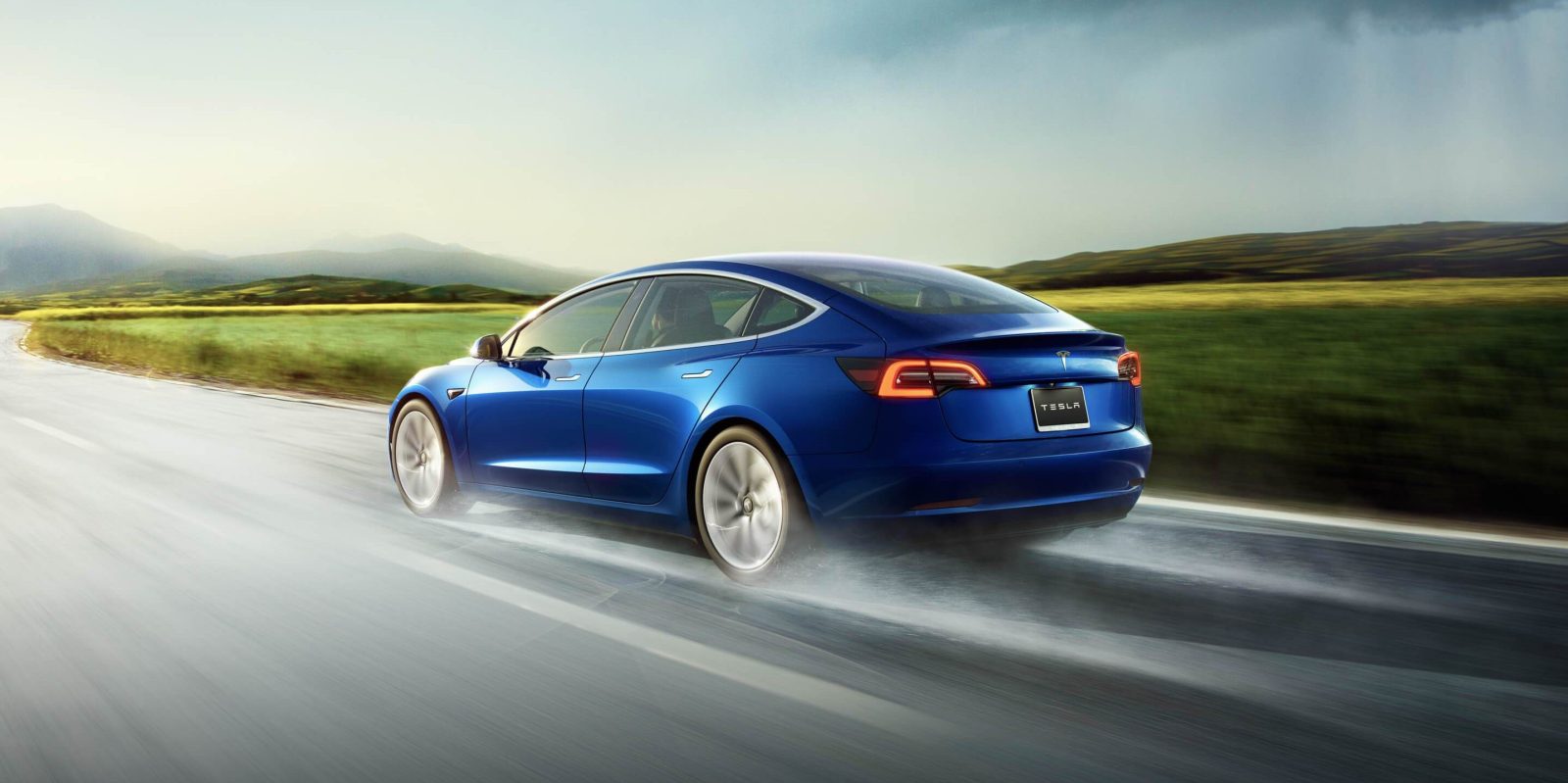
    This quarter Tesla has started sales of the Model S Plaid which has been a success, apart from it opening its Berlin Gigafactory which has started rolling out Tesla Model Y units. Earlier in the year, the Model 3 became the best-selling executive sedan in the world, but Tesla estimates, the Model Y will overtake its sales at some point.

  • Mercedes dealer reports record loss in Q3

    Mercedes dealer reports record loss in Q3

    Hang Xanh Motors Service JSC (Haxaco), a major Mercedes-Benz dealer in Vietnam, reported a record loss, more than VND33 billion ($1.4 million) in Q3, due to social distancing orders.

    Revenue in Q3 was VND700 billion, down 59 percent compared to the same period last year.

    Social distancing measures applied in Hanoi, Ho Chi Minh City and other localities in this quarter have seriously affected Haxaco and the automobile industry. The company’s two branches in HCMC had to temporarily close in Q3 while another in Hanoi was closed until Sept. 12.

    “This has caused a decline in our sales and services during this period,” the company noted.

    Between January and September, the auto dealer’s revenue was VND3.4 trillion, down 9 percent over the same period, equivalent to 35 percent of this year’s business plan.

    However, profit dropped by 45 percent to VND44 billion.

    Despite the revenue decline, the company retains a positive forecast for the last quarter of this year. It has thoroughly prepared to resume operations in the new normalcy, with all employees fully vaccinated to ensure operational safety.

    Previously, in the annual meeting at the beginning of the year, the company set a business plan for 2021 with a net profit of VND126 billion.

  • Czech Car Sector To Make 250,000 Fewer Vehicles This Year Due To Chip Shortage

    Czech Car Sector To Make 250,000 Fewer Vehicles This Year Due To Chip Shortage

    Czech car makers will produce a quarter a million fewer cars than expected this year due to the global shortage of chips and the automotive sector will lose 200 billion crowns ($9.14 billion) in sales, the Auto Industry Association (AutoSAP) said on Sunday. AutoSAP said domestic passenger car production dropped by 53.1% in September year-on-year, to 56,157 cars. It said the chip shortage impact would exceed that of pandemic shutdowns last year, and called on the government to activate an aid program created amid the coronavirus pandemic last year to compensate firms for wages of idled workers.

    AutoSAP said production rose 2.9% year-on-year cumulatively in the January-September period to 831,653 cars. “Already since August, production has been significantly affected by output curbs and the September statistic confirms the negative trend,” AutoSAP said.

    The country’s biggest producer, Volkswagen’s Skoda Auto, has said it would significantly limit or shut production at its Czech plants from next week, possibly until the end of the year. The car sector is the backbone of the highly industrialized Czech economy, employing 180,000 workers, and makes up a quarter of industrial output.

    SAP said 120 billion crowns in revenue would be lost at carmakers and a further 80 billion at parts suppliers. The 200 billion crowns in revenue equal to about 3.3% of the country’s expected nominal gross domestic product this year.

    The other car makers with assembly plants in the Czech Republic are Hyundai — which has been the least affected by the chip shortage — and Toyota.

  • Commercial EV Startup ELMS Signs Battery Supply Deal With CATL

    Commercial EV Startup ELMS Signs Battery Supply Deal With CATL

    U.S. commercial electric vehicle maker Electric Last Mile Solutions Inc (ELMS) on Thursday said it has signed a battery supply deal with China’s Contemporary Amperex Technology Co Ltd (CATL). The financial terms of the deal, which runs through 2025, were not disclosed. CATL’s batteries power the Class 1 small delivery vehicle that ELMS began building last month at its plant in Mishawaka, Indiana.

    The companies are also exploring a setup where CATL would have a U.S. plant that would make battery cells and ship them to the ELMS plant in Indiana for assembly into battery packs, an ELMS spokesman said. “We reached an important milestone to secure battery capacity in an extremely challenging supply environment,” ELMS’ deputy chief financial officer, Rob Song, said in a statement.

    Battery makers are boosting production to meet soaring worldwide demand as carmakers accelerate the shift to electric vehicles to comply with tougher emission rules aimed at tackling climate change. CATL, which supplies numerous global automakers including Tesla Inc, Volkswagen AG and General Motors Co, has not announced where it would open a U.S. plant, but last year purchased a facility in Glasgow, Kentucky. Kentucky state officials in September 2020 offered incentives to CATL for a potential battery pack plant there.

    Ningde, China-based CATL, which already has U.S. sales offices, has previously declined to comment on plans for the American market. President Joe Biden has made it a priority to support the rollout of electric vehicles to make the United States competitive with China.

    Under the deal with ELMS, CATL will provide lithium-iron-phosphate (LFP) batteries using simpler cell-to-pack technology. The LFP chemistry is less expensive and safer than cobalt- or nickel-based cathodes in other batteries.

    In August, Troy, Michigan-based ELMS, which went public in June through a reverse merger with a special-purpose acquisition company (SPAC), said despite impacts from COVID-19 and industry-wide supply chain problems it was on track to build 1,000 vans this year.

    Following the small van, which has a starting price of $34,000 before federal tax credits, ELMS plans to build a larger Class 3 truck in the second half of 2022.

  • Hyundai Motor Aims To Develop Chips

    Hyundai Motor Aims To Develop Chips

    Hyundai Motor’s global chief operating officer said on Wednesday the South Korean automaker wants to develop its own chips to reduce reliance on chipmakers. A global shortage of semiconductors, triggered partly by surging demand for laptops and other electronic products during the pandemic, has shuttered some auto production lines globally this year. Hyundai temporarily suspended some factories, but the company’s global COO Jose Munoz told reporters the worst has passed for the industry chip shortage, adding Hyundai had the “toughest months” in August and September.

    “The (chip) industry is reacting very, very fast,” Munoz said, adding Intel is investing a lot of money to expand capacity. “But also in our case, we want to be able to develop our own chips within the group, so we are a little bit less dependent in a potential situation like this,” he said. “This takes a lot of investment and time, but this is something we’re working on.”

    He said the company’s parts affiliate Hyundai Mobis would play a key role in the in-house development plan. He also said Hyundai Motor aims to deliver vehicles at the level of its original business plan in the fourth quarter, and offset some of its production losses next year.

    Along with Toyota and Tesla, Hyundai is among a handful of automakers that increased global sales despite the chip shortage. Hyundai decided not to cut orders during the pandemic, after seeing the Asian markets recover more strongly than expected, Munoz said. Munoz, president of Hyundai Motor North America, said the company is on track to produce electric cars in the United States in 2022, and is looking into both enhancing its existing factory in Alabama and increasing its production capacity.

    He said the U.S. government needs to extend a proposed $4,500 tax credit incentive to U.S. electric vehicles made at non-union factories as well as union ones. “American workers are the same,” he said. “We would like this to be equal for all.” U.S. factories of Tesla and foreign automakers such as Hyundai and Toyota Motor are not unionized.

  • Honda To Launch New EV Brand In China Next Year

    Honda To Launch New EV Brand In China Next Year

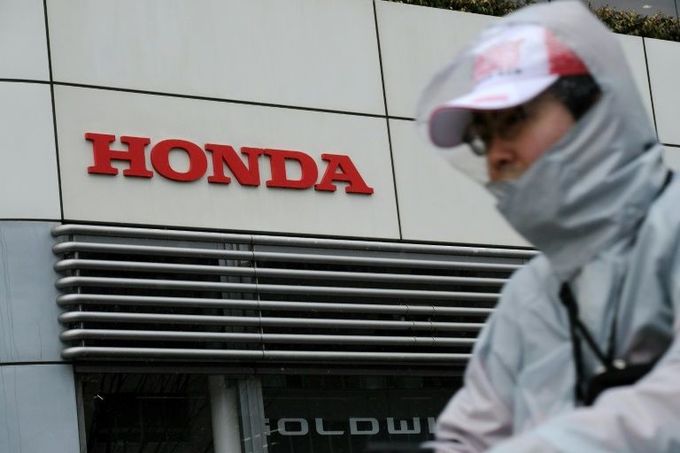
    Japan’s Honda Motor will launch a new electric vehicle brand in China next year, it said on Wednesday, and will only launch battery-electric, hydrogen fuel-cell or petrol-electric hybrid vehicles therefrom 2030. Known for its fuel-efficient internal combustion engines, Honda sold over 1.6 million vehicles in China last year. The new brand will be called “e:N Series” and it plans to roll out 10 models with partners GAC and Dongfeng Motor over the next five years, Honda said.

    Its two joint ventures, GAC-Honda and Dongfeng-Honda, plan to build new EV-only assembly plants that are expected to begin production in 2024. The planned new models will use a new vehicle operating system and are being developed based on an auto product platform designed for electric vehicles.

    Honda will set up an e:N Series section in all its existing retail stores. Over time, Honda also plans to set up dedicated e:N Series retail stores but did not provide detail on that plan. Honda has roughly 1,200 Honda brand stores currently.

    China’s sales for electric, plug-in hybrid and hydrogen fuel-cell vehicles are expected to reach three million this year, the China Association of Automobile Manufacturers said on Tuesday.

    Honda will continue to sell existing gasoline-powered models even after 2030, it said.

  • September auto sales plunge

    September auto sales plunge

    Auto sales in Vietnam plunged 50 percent year-on-year to 13,537 units in September as Covid-19-triggered social distancing forced dealers to close.

    This is the second monthly lowest figure this year behind August with 8,884 units sold, according to Vietnam Automobile Manufacturers Association (VAMA).

    In the first nine months, sales rose 5 percent year-on-year, compared to 40 percent in the first half, showing a decline in sales in the third quarter when strict social distancing measures were imposed in Ho Chi Minh City and Hanoi.

    Truong Hai Auto Corporation (Thaco) led in sales in the first nine months with 65,764 units sold, up 10 percent year-on-year.

    The remaining four companies in the top five saw sales decline.

    Toyota came in second with 38,055 units sold, down 7 percent.

    It was followed by Mitsubishi, Ford and Honda.

    The hatchback VinFast Fadil was the best-selling car in September, followed by the sedan Hyundai Accent and SUV Kia Seltos.

  • Volvo Car India Announces Lifetime Parts Warranty Scheme

    Volvo Car India Announces Lifetime Parts Warranty Scheme

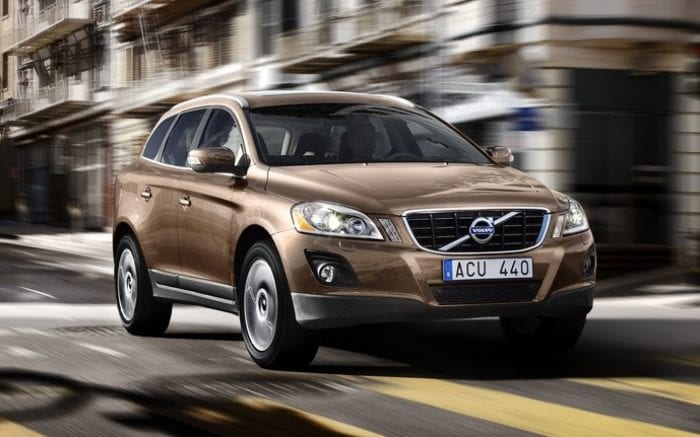
    Volvo Car India announced a new “customer lifetime parts warranty” scheme across its model range. Under the new scheme, parts bought after the standard period of warranty and installed at an authorized workshop will carry a lifetime warranty and will be applicable on genuine parts bought from October 1, 2021. The coverage period begins on the date of purchase of the part and remains till the time the ownership of the car does not change. However, the scheme will lapse when the ownership changes. Under this scheme, both parts and the labor costs are covered. The initiative has been taken to provide customers reassurance on aftersales services given the high spare parts and replacement cost in luxury cars.

    Jyoti Malhotra, Managing Director, Volvo Car India said, “It is for the first time in India that such an initiative has been offered to the luxury customers. This is a unique offer in the automotive industry that gives the customer carefree and secure car ownership. In the unlikely event of customers requiring a part changed for their car, the company will give a lifetime warranty on the part. The warranty commences on the date of purchase of the part and will follow the combination of car and car owner. If the car has a new registered owner, the warranty will end.”

    Moreover, the company also reaffirmed that any genuine Volvo part which will require repair or replacement because of material or manufacturing defect will be repaired or replaced free of charge by an authorized dealer. However, the scheme is not applicable of normal wear and tear of parts, consumables, batteries, accessories, and Software which is not associated with a hardware replacement. Also, parts replaced under new car warranty or extended warranty or goodwill warranty would not be covered under this scheme.

  • Apple Developing A System For iPhone To Control ACs, Seats, Stereo In Cars

    Apple Developing A System For iPhone To Control ACs, Seats, Stereo In Cars

    Apple already has CarPlay which is highly successful as it allows users to beam the interface and features of their iPhone onto the infotainment system of their vehicles. It allows to get navigation, voice recognition via Siri and also taps into contacts and music streaming services. But Apple as per a Bloomberg report by Mark Gurman is working on a bolder system that will enable the iPhone to control core features of a car like the air conditioning, the seats, and even the stereo. The initiative internally is apparently called “IronHeart” and is in the early stages of development and will likely require the compliance of automakers.

    The automotive market is clearly a long-term goal for Apple as it also has its electric self-driving car project in the works called Project Titan. But that project is a long-term play and has had many issues, but in the meanwhile, Apple has made solid inroads with CarPlay. One of the latest automobile-focused features that Apple introduced in 2020 was CarKey which has even been emulated by Google.

    But IronHeart takes things to another level and it will provide inside and outside temperature and humidity readings. It will have information around temperature zones, fans, and defroster systems. There will be settings embedded for surround sound speakers, EQ settings which Apple doesn’t even provide for Apple Music, and fader and balancer settings; things that are standard in a car infotainment system that allows the user to sculpt the sound of the sound system in the car.

    Users will also be able to control the seats and armrests and it will also embed the car telematics data and will pull information from the speedometer, tachometer, and fuel instrument clusters – basically, Apple is trying to combine all the functions that are found in both the infotainment screen and the instrument cluster and make it accessible right from the iPhone. Apple is turning CarPlay into the interface for the car itself and potentially with access to such data, Apple could allow third parties to develop more apps over these core functions.

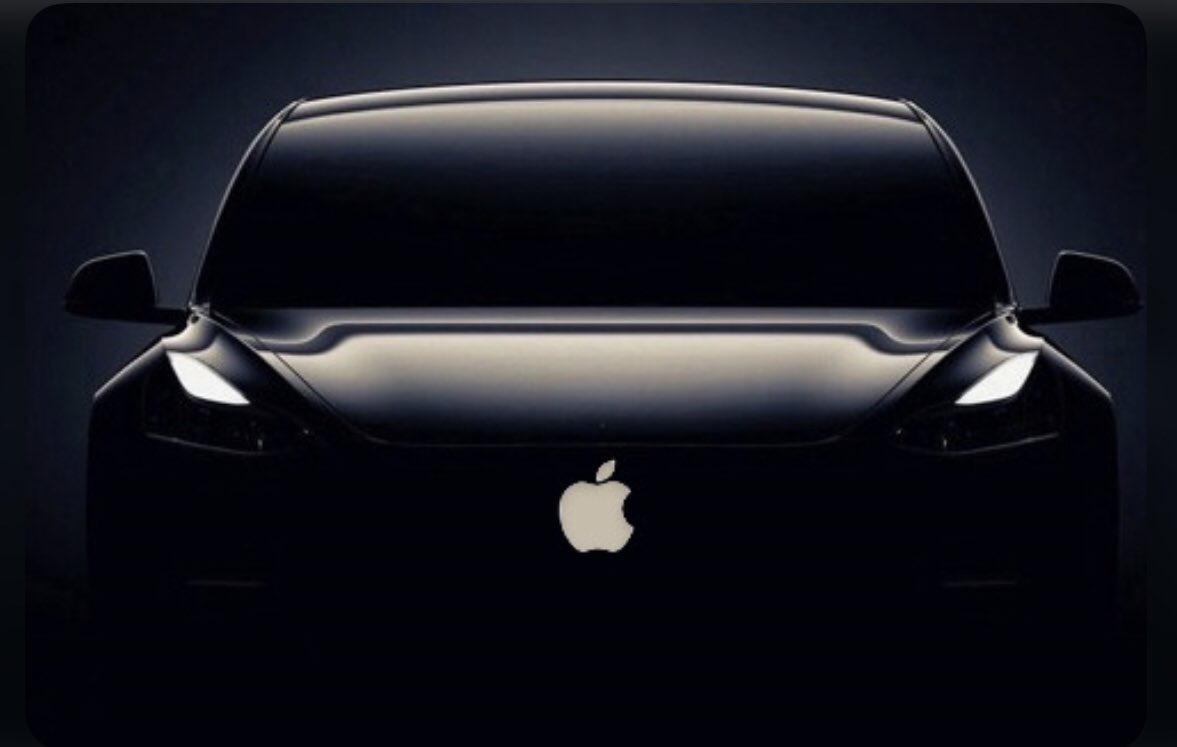
    Apple has faced resistance from major manufacturers like Tesla with the adoption of CarPlay. The updates that Apple is working on will reduce the reliance on the core car infotainment interface and most users will likely default to Apple’s interface. Apple could also use this information that will further help its efforts to make its own car which has been a tumultuous project since 2015.

  • Geneva Motor Show Cancelled For The Third Time

    Geneva Motor Show Cancelled For The Third Time

    Due to industry-wide issues relating to the COVID-19 pandemic, the foundation Comité permanent du Salon international de l’automobile, as organiser of the Geneva International Motor Show (GIMS), has announced that the 2022 edition of the show will be canceled. The decision to cancel GIMS 2022 was made with the best interests of both car manufacturers and automotive fans in mind. The direct and indirect issues relating to the ongoing COVID-19 pandemic left the organisers with no alternative.

    On the one hand, direct issues of the pandemic include continued travel restrictions for international exhibitors, visitors, and journalists. On the other hand, indirect issues of the pandemic, such as the semiconductor shortage, have presented car manufacturers with new priorities that they need to solve first. These issues led to several recent cancellations, which resulted in the final confirmation of the show’s postponement

    Maurice Turrettini, President of the Comité permanent du Salon international de l’automobile said, “We have pushed very hard and tried everything to reactivate the Geneva International Motor Show in 2022. Despite all our efforts, we have to face the facts and the reality: the pandemic situation is not under control and presents itself as a big threat for a large indoor event like GIMS. But we see this decision as a postponement, rather than a cancellation. I am confident that the Geneva International Motor Show will come back stronger than ever in 2023.”

  • Continental Restructures Technology Unit, Downsizes Board

    Continental Restructures Technology Unit, Downsizes Board

    Continental’s tyres business and the ContiTech division, focused on rubber technologies, will become independent group sectors, while its Automotive Technologies branch will split into five business areas including a new focus on smart mobility and user experience.

    German car parts maker Continental announced plans for a restructuring that will combine from the start of next year business activities around connectivity, mobility, and high-performance computers, it said on Thursday. Its tyres business and the ContiTech division, focused on rubber technologies, will become independent group sectors, while its Automotive Technologies branch will split into five business areas including a new focus on smart mobility and user experience, a statement said.

    The restructuring is a further step by Continental to reorganise its business after spinning off its powertrain unit Vitesco in mid-September.

    Continental will combine business activities around connectivity, mobility, and high-performance computer

    “Mobility of the future is sustainable, automated and connected,” Chief Executive Nicola Setzer said in a statement. “We are thus making the most of the potential presented by our unique strong technology position in all of these fields.”

    As part of the restructuring, management board members Helmut Matschi and Frank Jourdan will step down, nearly three years before the end of their contracts. That will shrink Continental’s board to five members from Jan. 1.

  • Cadillac Lyriq Sold Out In 90 Mins

    Cadillac Lyriq Sold Out In 90 Mins

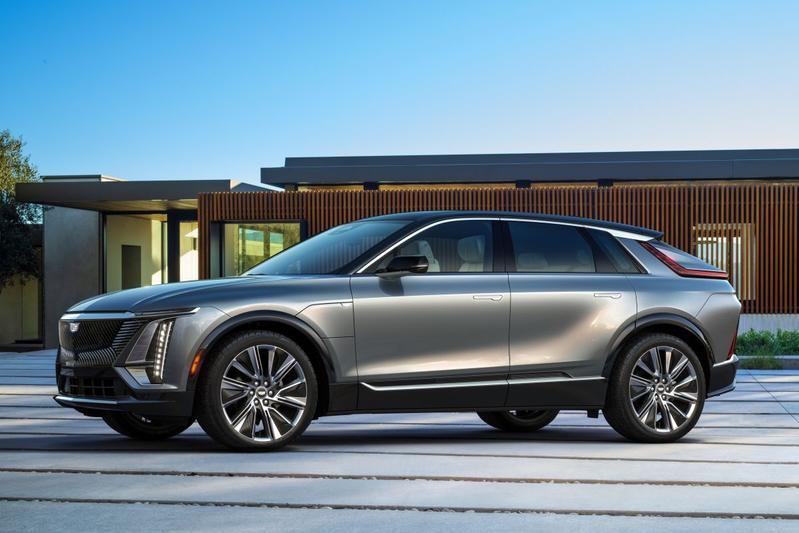
    The Cadillac Lyriq has been the long-talked-about electric SUV that the luxury brand by GM has been working on and already it has been sold out in 90 minutes. The car which is also due to come in 2022 and now Cadillac has announced the “Debut Edition” has been reserved. So far Cadillac has only opened reservations for the “Debut Edition”.

    The luxury EV play costs upwards of $60,000 and the car will have a 100 kWh battery that has 335 bhp in power and coughs up 482.8 kilometers of range. It even supports 19.2kW AC charging and can even do 190 kW DC fast charging. It is also one of the first cars to feature GM’s ADAS stack called Super Cruise powered by Cruise, the self-driving car company capitalized by GM.

    “2023 Cadillac LYRIQ Debut Edition reservations are full, but more vehicles will be available to order through your Cadillac dealer starting the Summer of 2022. Contact your dealer for more details,” announced Cadillac.

    Deliveries for the Lyriq are supposed to start in Q2 of 2022 but that could change considering the global semiconductor shortage. It joins the likes of the Ford F-150 Lightning and Tesla Cybertruck as major EVs that will be delivered to consumers in 2022. Rivian has already started deliveries of the R1T and will soon launch new trims of the car in 2022.