Tag: Auto

  • Kia Sonet Subcompact SUV Pre-Bookings Begin In India

    Kia Sonet Subcompact SUV Pre-Bookings Begin In India

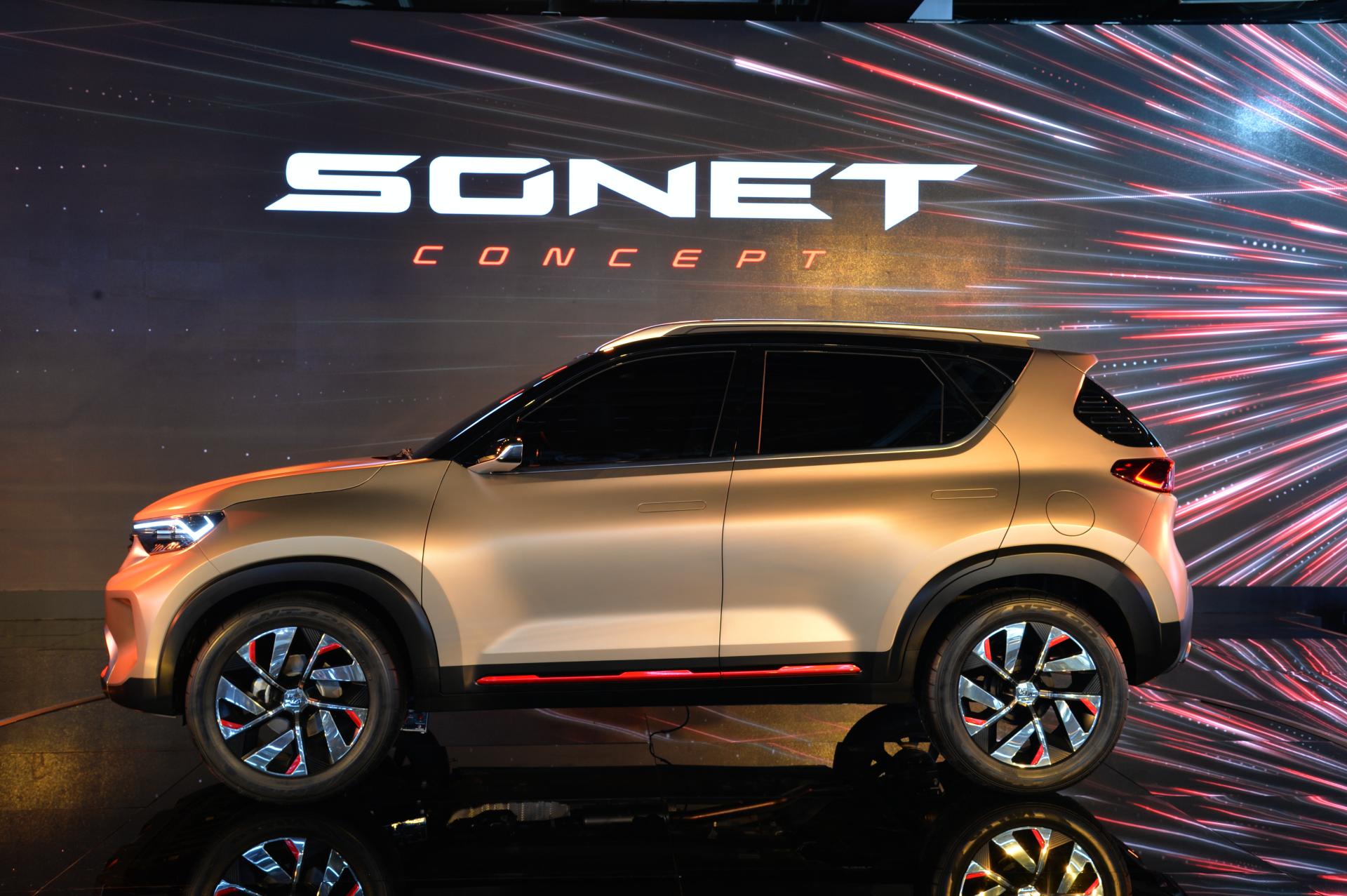
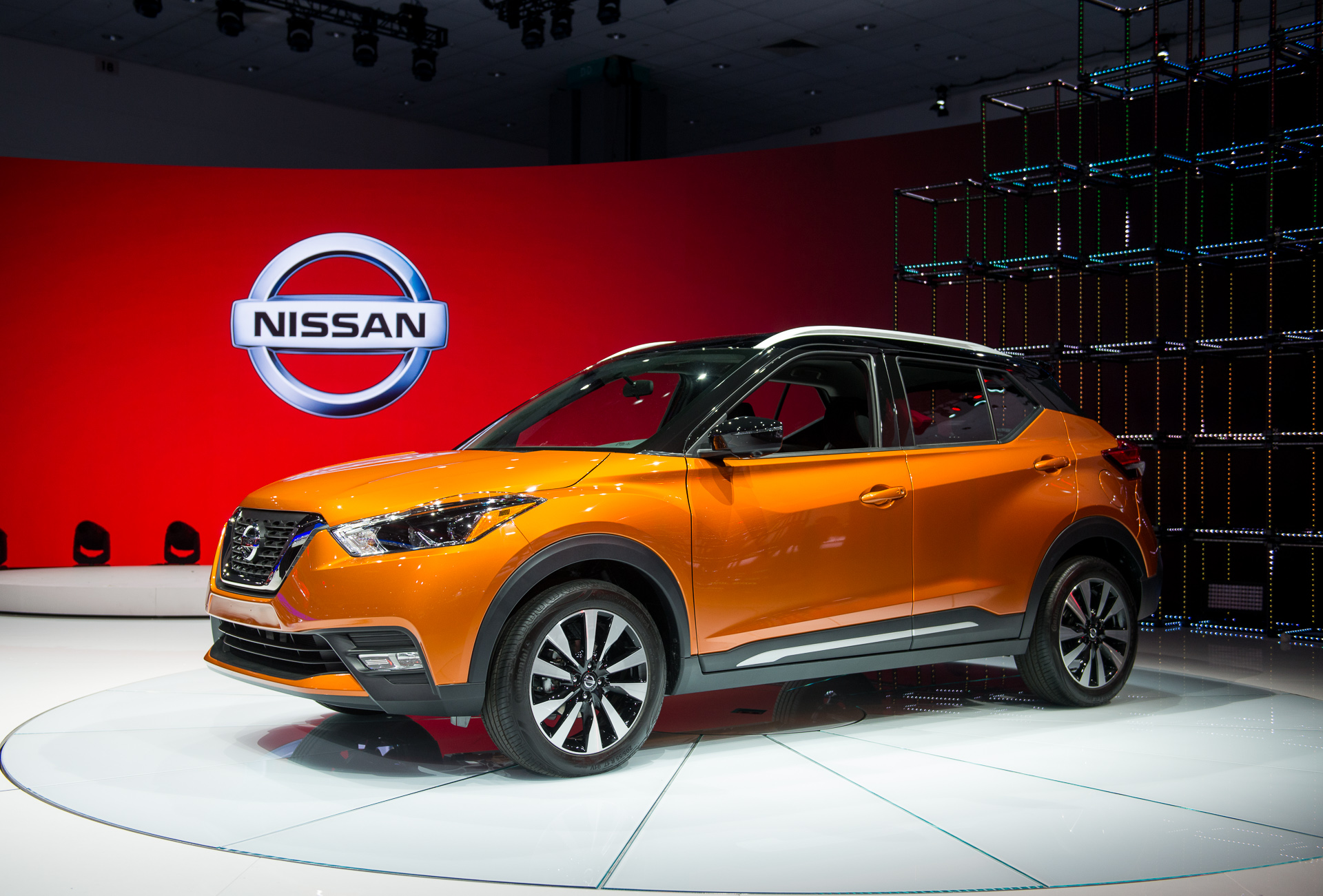
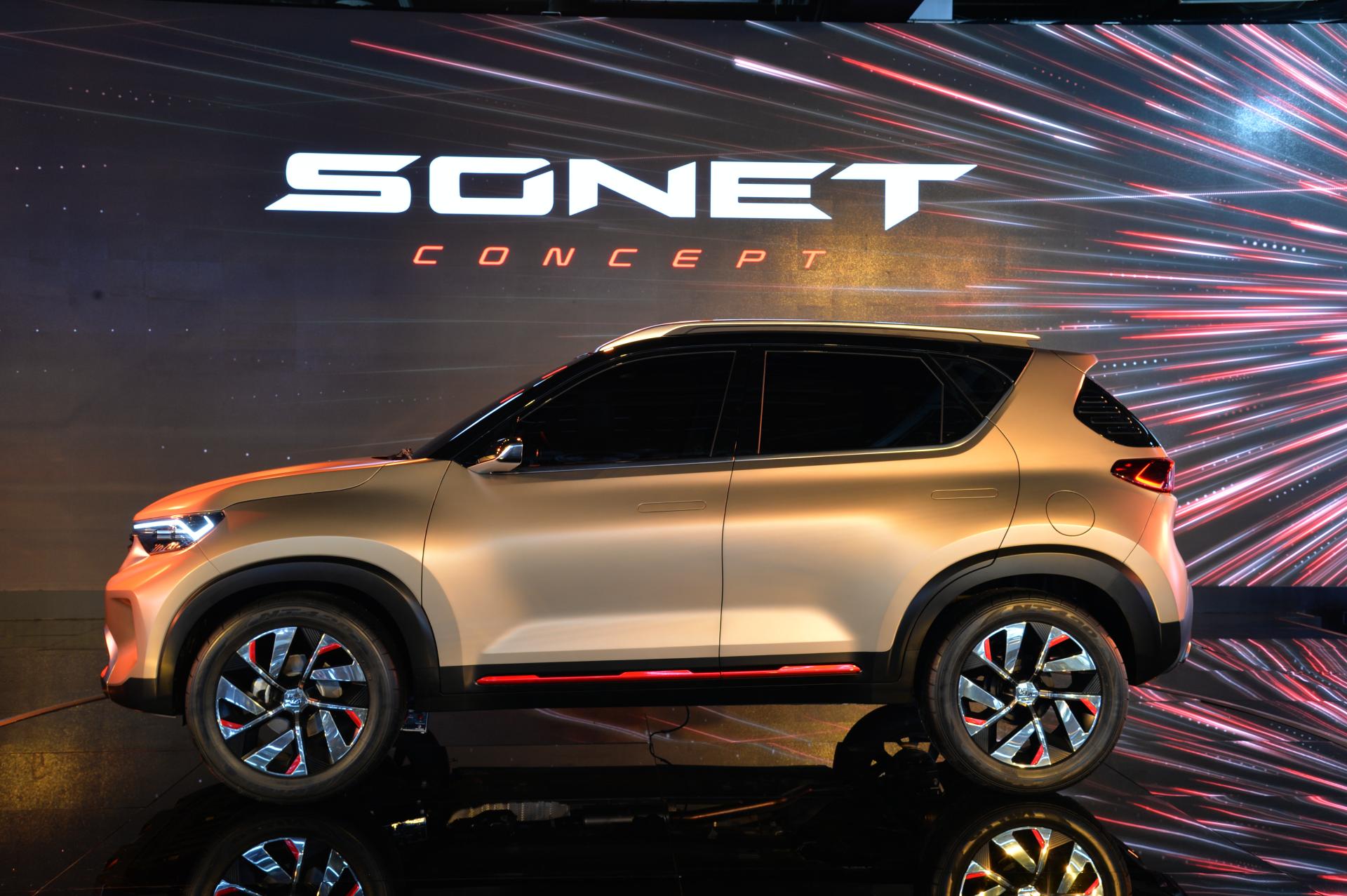
    Pre-bookings for the Kia Sonet subcompact SUV will begin August 20, 2020 onwards. Interested customers can pay ₹ 25,000 and pre-book the Sonet at any Kia Motors dealership or even online on the company’s website. The Kia Sonet made its global debut on August 7, 2020 and is slated to be launched in September 2020. The Sonet will be the first sub-four-meter vehicle from Kia and will take on established rivals such as the Hyundai Venue, Maruti Suzuki Vitara Brezza, Tata Nexon, Ford EcoSport, Mahindra XUV300 and the upcoming Nissan Magnite.

    Like the Seltos, the Sonet will also come in two trim options – GT Line and Tech Line. Kia promises that the Sonet will offer a bunch of class-leading features such as ventilated seats, Bose Surround audio system, a 10.25-inch HD touchscreen with smartphone connectivity, integrated air purifier with virus protection, ambient lighting and wireless charging for mobile phone with cooling function. Like the Seltos and the Carnival, the Kia Sonet will have the company’s UVO connect technology with over 57 connectivity features which include voice assist and over-the-air updates for maps.

    Kookhyun Shim, Managing Director & Chief Executive Officer, Kia Motors India said, “The Sonet is Kia’s answer to customers in the compact SUV segment who want style and substance, quality and features, performance and technology, comfort and safety in one compelling package. The Sonet has been engineered and built with Indian inputs and is a global model for Kia from India. India is the first country in the world where the Sonet goes on sale, and with the commencement of pre-bookings, we are confident our smart urban compact SUV will be warmly received in the country.”

    The Kia Sonet is likely to get four engine options which are – 1.2-litre petrol, 1.0-litre turbo petrol and a 1.5-liter diesel engine in two states of tune. Expect the Sonet to get a 7-speed dual-clutch automatic, 6-speed manual, 6-speed automatic and an iMT or intelligent manual transmission option as well. All three engine options are the same as on the Hyundai Venue, a sibling of the Kia Sonet. We expect the Kia Sonet prices to between ₹ 7 lakh and ₹ 12 lakh (ex-showroom).

    Kia says that in phase-I, the Sonet will be manufactured exclusively in India and then exported to over 70 countries around the globe, a beautiful example of make-in-India, for the world.

  • Porsche Panamera Teased Ahead Of Global Debut

    Porsche Panamera Teased Ahead Of Global Debut

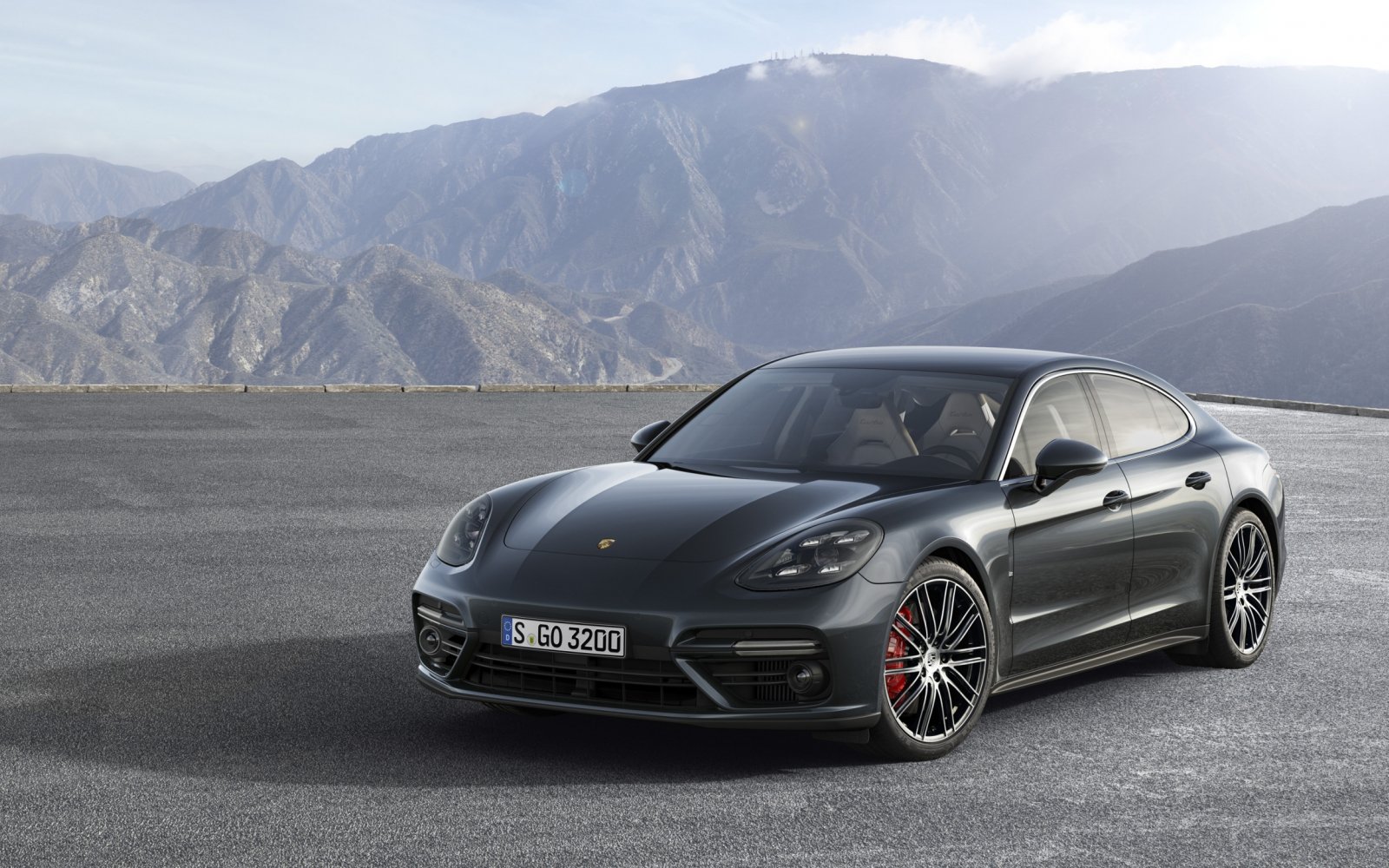
    The 2021 Porsche Panamera is already making quite a buzz after it was crowned the fastest ‘executive luxury car’ at the Nurburgring circuit. It went on beating the Mercedes-AMG GT63 S at the Nordschleife in both 20.6 km and 20.83 km stretch. In a new video, Porsche has shown that the new-generation Porsche Panamera has set a lap record of 7:29:81. The company has also teased the new Porsche Panamera ahead of its unveiling on August 26.

    We still don’t have all the details of this upcoming model but the lap record video confirms that the range-topping Panamera Turbo S variant is definitely on the cards. However, the sport bucket seats and roll cage that we have seen on the test mules won’t make it to the production model. The Porsche Panamera isn’t an outright sports car like the 911 range, hence focus will be inclined towards driver’s and passengers’ comfort, at the same time keeping the driving pleasure intact.

    The Porsche Panamera Turbo is also likely to get a hybrid powertrain belting out 535 bhp and 770 Nm of peak torque. The Porsche Panamera Turbo S gets a 4.0-liter, twin-turbo V8 iteration is expected to deliver 616 bhp and 832 Nm of peak torque. Now as far as looks go, it’s very easy for you to mistake it with the Taycan electric unless you spot the air dam at the front and quad exhausts at the rear. Like modern Porsches, even the Panamera will have an even wider track and expect all new elements like the LED headlights and conjoined LED taillights, new Porsche communication management (PCM) and Porsche Active Management System (PASM) among others.

  • Tata Motors Roll Out 1000th Nexon EV From Its Pune Plant

    Tata Motors Roll Out 1000th Nexon EV From Its Pune Plant

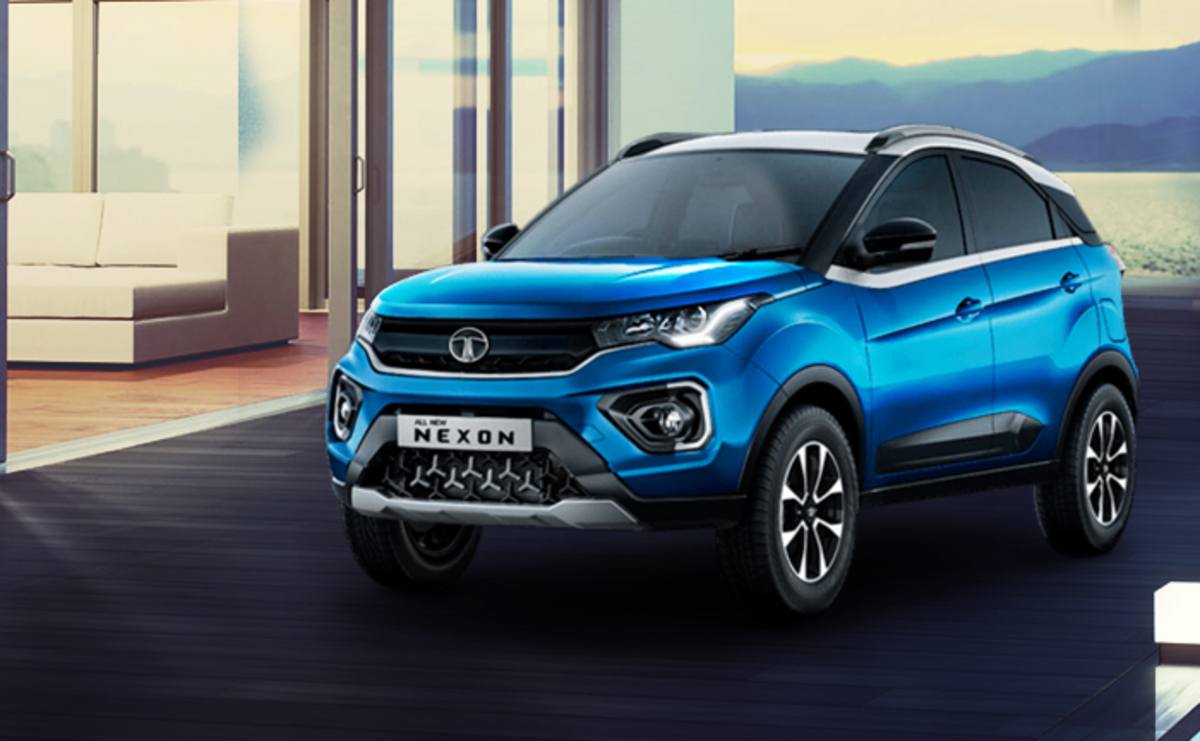
    Tata Motors on Tuesday announced a momentous milestone in the EV segment by rolling out the 1000th Nexon EV from its Pune plant in India. The Indian car manufacturer has achieved this significant landmark in just over six months after the launch of the electric vehicle portraying that the demand and interest for EVs are increasing across the country. The Nexon EV has also helped the carmaker to post a market share of 62 percent in the electric car segment in the first quarter of FY21. Tata Motors’ Nexon EV is the first of its new generation electric cars with the Ziptron technology.

    The EV was launched in the country earlier this year in the presence of the Tata Group Chairman, Ratan Tata and Tata Motors CEO, Guenter Butschek. The EV is priced in India from ₹ 13.99 (ex-showroom, India) for the XM variant. However, the top-end variant – XZ+ costs ₹ 15.99 lakh (ex-showroom, India). The electric SUV is offered in three variants – XM, XZ+, XZ+.

    Shailesh Chandra, President – Passenger Vehicle Business, Tata Motors Ltd. said, “Acceptance of EVs is accelerating fast, and we are seeing growing interest in it from all parts of the country. The rollout of the 1000th Nexon EV in a short time span, despite the challenges of Covid-19, reflects the rising interest of personal segment buyers in EVs. Tata Motors will continue to innovate and develop comprehensive sustainable mobility solutions to meet global standards. EVs are the future and as the industry leader, we are committed to making them desirable and a mainstream choice for the customers.”

    The Tata Nexon EV comes powered by the Ziptron technology offering zippy performance and a range of 312 km on a single charge. The EV also gets fast charging capability, IP67 rated battery as well as class-leading safety features, and 35 connected car features. The electric powertrain makes 245 Nm of peak torque, which is enough for the EV to sprint to clock 100 kmph under 9.9 seconds.

    To further accelerate the adoption of EVs in the country, the homegrown automaker has announced an e-mobility ecosystem called ‘Tata uniEVerse’. Powered by Tata uniEVerse, the customers will get a host of e-mobility options including charging solutions, retail experiences and easy financing options.

  • Car imports plummet nearly half

    Car imports plummet nearly half

    Vietnam imported 44,973 cars in the first seven months, down 47.5 percent year-on-year amid a slump in auto demand due to Covid-19.

    The value of the cars was around $1 billion, falling by 47 percent year-on-year, according to Vietnam Customs. Over 80 percent of the cars were imported from Thailand and Indonesia, tax-free under the ASEAN Trade in Goods Agreement. Thailand accounted for 19,944 units and Indonesia for 17,723.

    July saw a recovery from the previous month to 4,760 cars worth $107.7 million, up 34 percent and 10 percent. Auto sales in the first seven months fell 28 percent year-on-year to 131,200 units, with the Vietnam Automobile Manufacturers Association (VAMA) blaming it on a fall in demand due to the pandemic.

  • Toyota, Mazda Joint Venture Alabama Plant Will Now Cost $2.3 Billion

    Toyota, Mazda Joint Venture Alabama Plant Will Now Cost $2.3 Billion

    Toyota Motor and Mazda Motor Corp said on Thursday they will invest $2.3 billion (1.76 billion pounds) in a new joint venture factory in Alabama, $830 million more than announced in their original plan in 2018. Production is expected to start next year building up to 150,000 future Mazda crossover vehicles and 150,000 Toyota sport utility vehicles annually. The Japanese automakers are expected to receive $97 million in additional tax incentives for the added investment, a person briefed on the matter said.

    The automakers have faced challenges as they continued construction work during the coronavirus pandemic on the plant, which will now cost about 50% more than first estimated. The companies said the higher investment “accommodates production line enhancements made to improve manufacturing processes.”

    The plant continues to target up to 4,000 new jobs and has hired approximately 600 employees to date. “Mazda and Toyota’s increased commitment to the development of this manufacturing plant reiterates their belief in the future of manufacturing in America and the potential for the state of Alabama to be an economic leader in the wake of unprecedented economic change,” Alabama Governor Kay Ivey said in a statement. The companies said the plant’s roofing, siding, floor slabs, ductwork, fire protection, and electrical work is 75% to 100% complete.

    State and local governments in Alabama previously provided more than $700 million in tax incentives. In September, President Donald Trump and Japanese Prime Minister Shinzo Abe signed a limited trade deal that cuts tariffs on U.S. farm goods, Japanese machine tools and other products but delayed the question of auto imports for future talks. Trump threatened hikes but did not raise current auto tariffs of 2.5% on passenger vehicles and 25% on pickup trucks.

    Japan exported 1.7 million vehicles last year to the United States, making up about 10% of U.S. vehicle sales.

  • Sony Marching Ahead With The Development Of The Vision-S Concept Electric Car

    Sony Marching Ahead With The Development Of The Vision-S Concept Electric Car

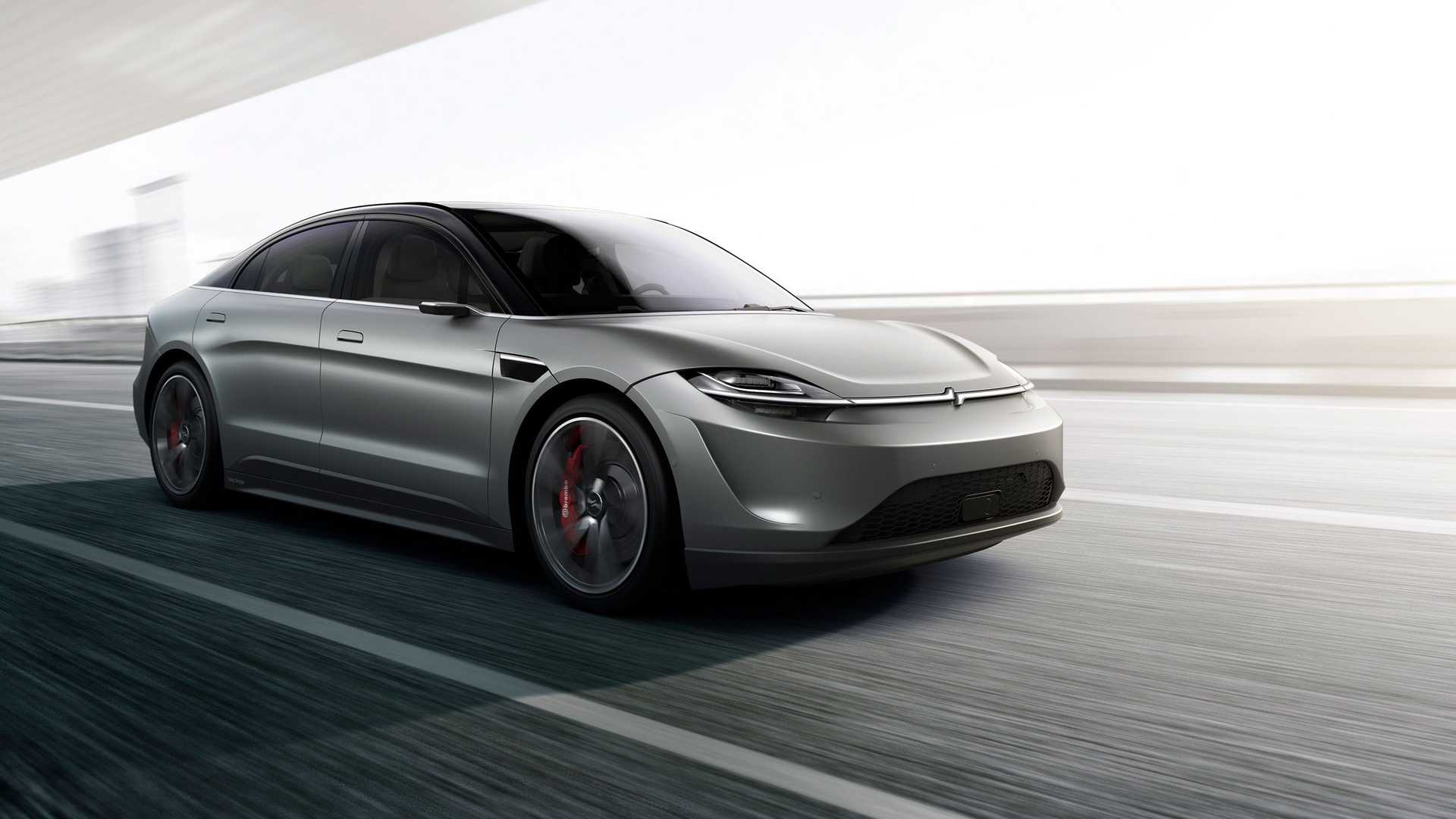
    Sony stole the show at CES 2020, alas the last major trade show, before the world was crippled by the pandemic. And the company introduced its show-stopper which was something it is not known for. Cars, an electric one to be precise. Sony’s Vision-S concept stole the show at CES, but at the time, the Japanese company insisted that this wasn’t an overture for a product, but instead just a concept and more about the technology.

    It turns out Sony has more plans for the electric car and now is marching ahead with its development. Magna, the company behind the electric car platform, has now started involving the car in road testing trials in Tokyo, Japan which is also Sony’s home turf. Previously, the car was parked in the Magna Steyr factory in Graz, Austria.

    Just to recap, the Vision-S concept has 33 sensors feeding the driver assistance system coupled with an all-new electric powertrain. The 33 sensors leverage Sony’s leadership in imaging technology with a slew of CMOS and time of flight (ToF) sensors embedded in the system that kind of replicates the job of a LiDAR for autonomous capabilities.

    The car also gets some goodies from Sony’s iconic audio group with technologies like a 360-degree reality audio system that has speakers built-in the seat. Like Tesla, this car even had a panoramic screen for the core user interface of the car. It even features technologies from Bosch and Blackberry which has the QNX automobility platform.

    While Sony hasn’t communicated anything officially that it will be pursuing this venture more seriously, the fact that the car is being tested on roads in Sony’s home, indicates something bigger. It also comes at a time when many big tech companies have started struggling or failing with electric car ventures. Notable examples are Apple and Dyson. While Dyson has pulled the plug on the project, Apple has pivoted towards the development of autonomous car technology which can be integrated with third-party manufacturers rather than making the so-called prophetic “Apple Car”.

  • Upcoming Kia Sonet Spotted In A New Unlisted Orange Shade

    Upcoming Kia Sonet Spotted In A New Unlisted Orange Shade

    New spy photos of the Kia Sonet have surfaced online, and while we know that the SUV has already been unveiled, these new ones warrant attention. The Kia Sonet in these photos comes in a special orange exterior color, which is not listed on the company’s website among its official colors. It’s possible this could be a one-off, or a special color will be introduced at the time of the launch or sometime in the near future. As of now, Kia dealers have opened unofficial pre-bookings for the new subcompact SUV, while the official bookings will commence later this month. The launch, of course, is slated for September 2020.

    The new Kia Sonet will be offered in both GT-Line and Tech-Line trims, and the former will come with sportier styling with different bumpers, black exterior details, and red accents. The SUV also comes with Kia’s signature Tiger Nose grille with LED headlights, LED daytime running lamps, sporty 16-inch alloy wheels, LED taillamps, roof trails, and more. The cabin too will come with a premium design, offered in either a dual-tone beige/black treating (Tech-Line) or all-black interior with red accents (GT-Line). The GT-Line trim will also come with a flat-bottom steering wheel.

    On the features front, the upcoming Kia Sonet will come with a segment-first 10.25 inch HD infotainment display with Kia’s UVO connected car tech, premium Bose 7 Speaker sound system with mood lights, segment-first ventilated front seats, air purifier which claims to come with virus protection, wireless phone charger, and an electric sunroof among others. Kia says the Sonet will feature an extensive list of active and passive safety equipment, including up to six airbags – including front, side, and curtain airbags.

    Powertrain wise, the new Kia Sonet will share its engines with the Hyundai Venue, so it will come with a 1.2-liter naturally aspirated petrol engine, a 1.5-liter diesel motor, and a 1.0-liter turbocharged petrol engine. Transmission options will include a 5-speed manual, a 6-speed manual gearbox, a DCT automatic, 6-speed Intelligent Manual Transmission (iMT) unit, and an automatic torque converter unit for the diesel model.

  • Toyota Vietnam recalls 2,700 cars over faulty airbags

    Toyota Vietnam recalls 2,700 cars over faulty airbags

    Toyota Vietnam is recalling over 2,700 Vios and Corolla sedans for airbag faults that can cause severe damage to users in the event of a crash.

    The recall covers 2,568 Toyota Vios cars assembled in Vietnam between September 2007 and December 2008, and 145 imported Toyota Corolla cars produced between January 2004 and April 2005, according to a statement submitted by the automaker to the Vietnam Register.

    The inflator canister in these vehicles can be penetrated by humidity. In some crashes, the activation of the airbag can break the inflator into pieces. These pieces can be pushed through the inflated airbag, causing serious damage to users, Toyota Vietnam said.

    Customers can bring their vehicles for a free replacement of the faulty parts at Toyota dealers. The replacement should take up to 1.5 hours. The recall will run until August 2022.

    In 2018, Toyota Vietnam recalled more than 11,300 cars with similar airbag faults.

  • Fuelled By Volvo, China’s Geely Seeks Launchpad To Enter Auto Giant Orbit

    Fuelled By Volvo, China’s Geely Seeks Launchpad To Enter Auto Giant Orbit

    Chinese carmaker Geely plans to use a platform developed with input from Volvo to build new models in Malaysia for its partly owned Proton brand, a strategy that shows how it aims to accelerate its push to become China’s first global auto giant. The yet-to-be-finalized plans for Proton are just one strand of a Geely project to revamp factories at home and abroad using joint platforms it has been perfecting with Volvo since 2013. Geely bought the Swedish brand 10 years ago for $1.8 billion (1.4 billion pounds) – a deal that raised its international profile and sent shockwaves through the global auto trade.

    Senior Geely officials and engineers told Reuters that a project dubbed Compact Modular Architecture (CMA) will allow them to develop, design, and build different types of compact cars with similar mechanical layout faster than before – and at a lower cost.

    They said CMA, along with a platform for smaller cars known as B-segment Modular Architecture (BMA) that Geely plans to roll out for Proton, allows them to harness the Swedish automaker’s technologies and Geely’s capabilities in cost control, supply chain management, and local production.

    “CMA will be the core of Geely’s future architecture design … We learn technologies and build up talents through developing it,” said Li Li, vice president at Geely Automobile Research Institute, confirming the Proton plan during an interview in Ningbo, south of Shanghai. Li declined to disclose details of the general investment, financial targets, or a timetable for expansion plans.

    From its lowly foundation in 1986 in Taizhou on the east coast as a maker of refrigerator parts, Geely has grown into one of the biggest players in China, the world’s largest auto market accounting for nearly one in every three passenger cars sold around the planet. Geely now sells more than 2 million cars a year across all brands, ranking it not far from the world’s top 10 automakers by unit sales.

    The CMA platform in particular will allow Geely and Volvo to design vehicles more quickly and cost-effectively, Li said, providing a technological springboard towards a higher market share at a time when the auto industry must embrace a future featuring electric and autonomously driven transport.

    Like Geely – an anglicization of the Chinese word for ‘lucky’ – domestic peers Great Wall Motor and GAC have branched out with their own versions of vehicle platforms, harboring greater ambitions for selling cars in major Western markets.

    But grand plans have previously been delayed, or simply canceled, amid a lack of practical preparedness, analysts have said, against a backdrop of years of trade tensions between China and the United States that have roiled the global economy. At the same time, attention has been diverted to deal with stalling sales at home as the pace of China’s growth has slowed.

    Geely Automobile and its sister company Volvo Cars are planning to merge and list in Hong Kong and possibly Stockholm, giving Volvo access to public markets after it dropped a move to list its stock two years ago.

    In its pursuit of global automaker status, Hangzhou-based Geely is now holding talks to merge the Volvo Cars business with its Hong Kong-listed Geely Automobile – worth about $22 billion by market value, bigger then famed industry names like Fiat Chrysler Automobile and Nissan Motor.

    As well as the 49.9% stake it took in Proton three years ago, the broader Geely group – Zhejiang Geely Holding Group, led by Taizhou-born billionaire Li Shufu – now also comprises a 9.7% stake in Germany’s Daimler AG and a majority stake in British sports car brand Lotus.

    And while giants from Toyota Motor Corp to Volkswagen AG and General Motors Co have followed a similar shared platform project for their respective brands, Geely’s strategy is a first for a Chinese company.

    The automaker plans to develop all its future models for the Geely and Lynk & Co brands on CMA or other related product platforms, like BMA. It is also developing a new architecture to accelerate the launch of pure battery electric vehicles with intelligent connectivity functions, said Li, a former Ford engineer.

    In addition, Geely wants to shift the development of next generations of some popular existing models, like Borui and Emgrand sedans, to those architectures, he said. It takes around 18 months for Geely to significantly change a CMA-based car, versus 24-30 months to do so on a non-CMA-based model.

    Using CMA, plant managers can switch production of different models to maintain smooth overall capacity utilization rates at production lines, said Oskar Falk, the Volvo-trained head at Geely and Volvo’s first joint production site in Taizhou.

    The plant already exports Volvo Polestar 2 electric sedans to the United States and Europe, and is preparing to make Volvo’s first battery-powered electric vehicle, Falk said.

    Geely also plans to start exporting China-made Lynk & Co 01 SUVs to Europe this year.
  • Hyundai Brazil’s New Employee Of The Year Is A Dog That’s Winning Hearts All Over The Internet

    Hyundai Brazil’s New Employee Of The Year Is A Dog That’s Winning Hearts All Over The Internet

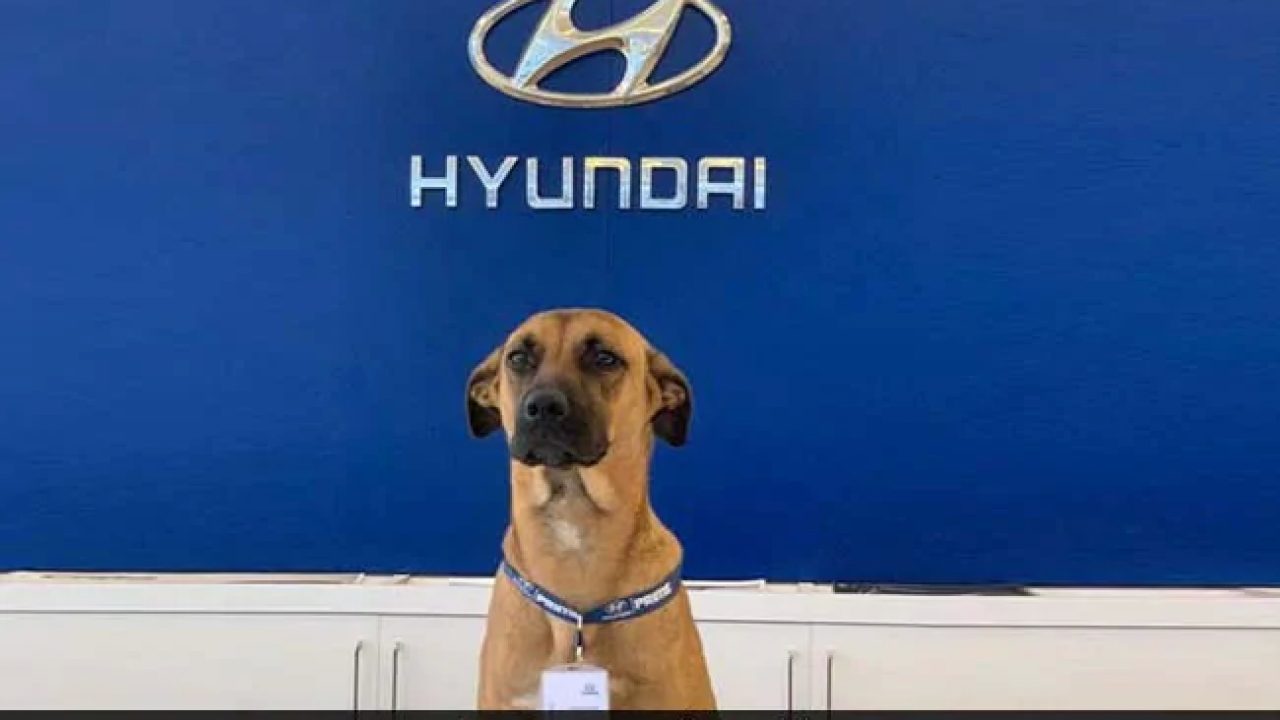
    Hyundai’s new ‘four-legged’ Tucson might be one of the most adorable things you would have seen on the internet at a time when we are mostly getting to read all kinds of negative news. Just imagine walking into a car showroom and being welcomed by a dog! It’s nothing less than a treat for animal lovers. In fact, the dog we are talking about is Hyundai’s employee of the year and works at a Hyundai Showroom in Brazil. Tucson Prime was a street dog that a Hyundai showroom in ES, Brazil adopted and its story is indeed heart-warming.

    Tucson was often found hanging around a Hyundai car showroom in Brazil. No marks for guessing! He soon befriended almost everyone at the showroom and their bond grew so strong that he was soon adopted by the showroom and was made an honorable employee who has his own ID card as well. Just like any other dog, Tucson used to guard the Hyundai showroom and now has been promoted to a salesman by the company. Hyundai took to Instagram to introduce its new employee and said, “The new member is about a year old, was welcomed by the Hyundai family and has already won over co-workers and customers.”

    Hyundai Prime has his own Instagram handle as well with over 28,000 followers already and counting. According to a news report published by World of Buzz, Tuscan Prime was adopted on May 21, this year by Hyundai Serra, ES, Brazil outlet.

  • Japanese Automakers Post Double-Digit Sales Growth In China

    Japanese Automakers Post Double-Digit Sales Growth In China

    Japanese automakers’ China sales grew by more than 10% from a year earlier in July as the world’s biggest auto market sustained its recovery.

    Nissan Motor said on Wednesday its sales in China rose 11.6% last month from a year earlier to 120,945 vehicles. China is a market that Nissan is focusing on as the embattled carmaker struggles to fix problems from ousted leader Carlos Ghosn’s aggressive expansion drive

    Nissan’s sales in China rose 11.6% last month from a year earlier to 120,945 vehicles.

    Toyota Motor Corp sold around 165,600 cars last month in China, up 19.1% year-on-year. Of the total, 22,300 came from its premium Lexus brand, which showed a 38.6% sales jump compared to a year earlier.

    Honda Motor Co said on Wednesday it sold 136,646 vehicles in China in July, up 17.8%.

  • BMW Loses Millions As Sales Slide During Lockdowns

    BMW Loses Millions As Sales Slide During Lockdowns

    BMW expects to make a profit this year if demand continues to recover, despite posting a record loss for its car division in the second quarter after sales slumped 25% because of coronavirus lockdowns, it said on Wednesday.

    The German manufacturer of BMWs, Minis, and Rolls-Royces said sales had started to recover during the latest three-month period, including a 17% jump in deliveries in China, but the rebound would not fully make up for sales lost to COVID-19.

    As a result of the sales slide, and higher costs for developing low-emission cars, BMW posted a pretax loss of 498 million euros, its first in over 11 years, and an operating loss of 666 million euros ($790 million) for the quarter.

    Shares in BMW fell 3% following the results, with some analysts saying they had not expected such a big loss in earnings before interest and taxes (EBIT).

    BMW, which makes Minis and Rolls-Royces said sales had started to recover during the latest three-month period, including a 17% jump in deliveries in China.

    “What matters now is how robust this upward trend is and when individual markets will follow suit,” said Chief Executive Oliver Zipse, adding that its overall cars sales in July were higher than last year.

    BMW said, however, that its outlook did not factor in the potential impact of the second wave of COVID-19 infections, nor the prospect of a more sustained or deeper recession than expected in its key markets.

    Zipse said on a call that developments in the United States, which has the highest number of COVID-19 cases and deaths worldwide, were “extremely worrying”.

    Sales in the United States made up 12.6% of deliveries in the first half of 2020, down from 15.2% in 2020. Overall, BMW said it expected global demand for luxury cars to fall by a fifth this year.

    The COVID-19 pandemic has already hit carmakers such as Fiat Chrysler, Ford, and Daimler particularly hard at the time when the auto industry is ramping up spending to clean up their combustion engines as well as developing low-emission technologies to conform with stringent European anti-pollution rules.

  • Toyota recalls cars over loose bolts

    Toyota recalls cars over loose bolts

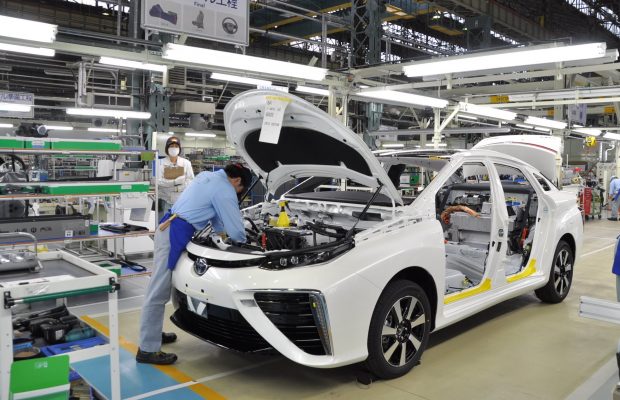
    Toyota Vietnam has called back 721 vehicles to fix a bolt issue that could stall operation. The recall, starting Monday, involves 183 Innovas and 538 Fortuners, manufactured between January 21 and May 11.

    The affected vehicles were equipped with automatic transmissions, in which the steering wheel is connected to the torque converter by six bolts. Automaker Toyota Vietnam said due to errors in the assembly process, these bolts may not be tightened as usual and might come loose when the vehicle is operating.

    Loose bolts create abnormal noise in the engine compartment when the driver applies the brake pedal, or when shifting gears. In special cases, the vehicle cannot move.

    Car owners can take their vehicles to a Toyota dealership for tightening the bolts which would take between 20-30 minutes.

    Last year, Toyota was the best-selling car brand in Vietnam with 78,795 units sold, followed by TC Motor with 69,916 Hyundai cars.

  • Tata Warns Of Another Loss At JLR As Demand Slow To Pick Up

    Tata Warns Of Another Loss At JLR As Demand Slow To Pick Up

    India’s Tata Motors warned that its luxury car unit, Jaguar Land Rover (JLR), may post another quarterly loss as the coronavirus crisis saps demand and cripples its supply chain. The pandemic has taken a heavy toll on automakers globally and piled pressure on Tata Motors, which has been trying to improve JLR’s cash flows by reining in costs after geopolitical and regulatory challenges hurt the British carmaker’s sales.

    Tata Motors raised its cost-savings target for JLR by 1 billion pounds ($1.31 billion) and now expects to save 6 billion pounds in costs by March 2021, Chief Financial Officer PB Balaji said on Friday, noting that it had already achieved savings of 4.7 billion pounds.

    Unit sales at JLR, which accounts for most of the company’s revenue, fell over 42% during the quarter

    “As much as we take on costs and reduce cash burn, demand is a very important lever for this business,” Balaji said, adding that even though sales were improving demand was not coming back in a hurry.

    Unit sales at JLR, which accounts for most of the company’s revenue, fell over 42% during the quarter, while its EBITDA (earnings before interest, tax, depreciation and amortization) margin was 3.5%.

    Earlier this week, JLR named ousted Renault boss Thierry Bollore as its next chief executive, with a mission to return the carmaker to profit. Balaji said while JLR’s electrification plans are on track, the company may drop or go back to the drawing board on certain projects that are not “great on financial returns”. He did not specify which projects were being re-looked at.

    JLR’s electrification plans are on track, said Chief Financial Officer PB Balaji

    Tata Motors reported a consolidated net loss of 84.38 billion rupees ($1.13 billion) for its first quarter, compared with a loss of 36.98 billion rupees a year earlier. The company said it expects a gradual pickup in demand and an improvement in supply in the second half of fiscal 2020-2021.

  • Skoda’s First-Half Deliveries Fall

    Skoda’s First-Half Deliveries Fall

    Skoda Auto sees signs of recovery after first-half deliveries crashed 31% amid coronavirus lockdown measures, the Czech carmaker owned by Volkswagen said on Friday.

    The company, a bellwether for the Czech economy which contracted by a record 10.7% year-on-year in the second quarter, said it expected global markets to stabilize gradually as long as the coronavirus pandemic does not worsen significantly.

    Skoda delivered 426,700 cars from January to June while sales revenue fell by a quarter to 7.55 billion euros ($8.95 billion)and operating profit sank 72% to 228 million euros. Skoda plans to roll out the largest model campaign in its history, with 30 new models – including electric vehicles – launching between 2019 and 2022.

    It said that its program to restart operations since June had shown positive effects and said incoming orders had started to exceed last year’s level. Demand at European dealerships had increased, it added.

    “In June we were able to make significant gains compared to the previous months,” said Skoda board member for sales, Alain Favey. “We expect a recovery in the third quarter and anticipate a return to the previous year’s level in the fourth quarter.”

    Skoda, the country’s biggest exporter that delivered 1.24 million vehicles in 2019, said it was continuing to roll out the largest model campaign in its history, with 30 new models – including electric vehicles – launching between 2019 and 2022.

    The company’s Czech factories shut for 39 days after the coronavirus pandemic hit Europe in March, a major blow to an economy that relies heavily on the car industry.