Tag: Auto

  • Cars made in Vietnam cost more than imports

    Cars made in Vietnam cost more than imports

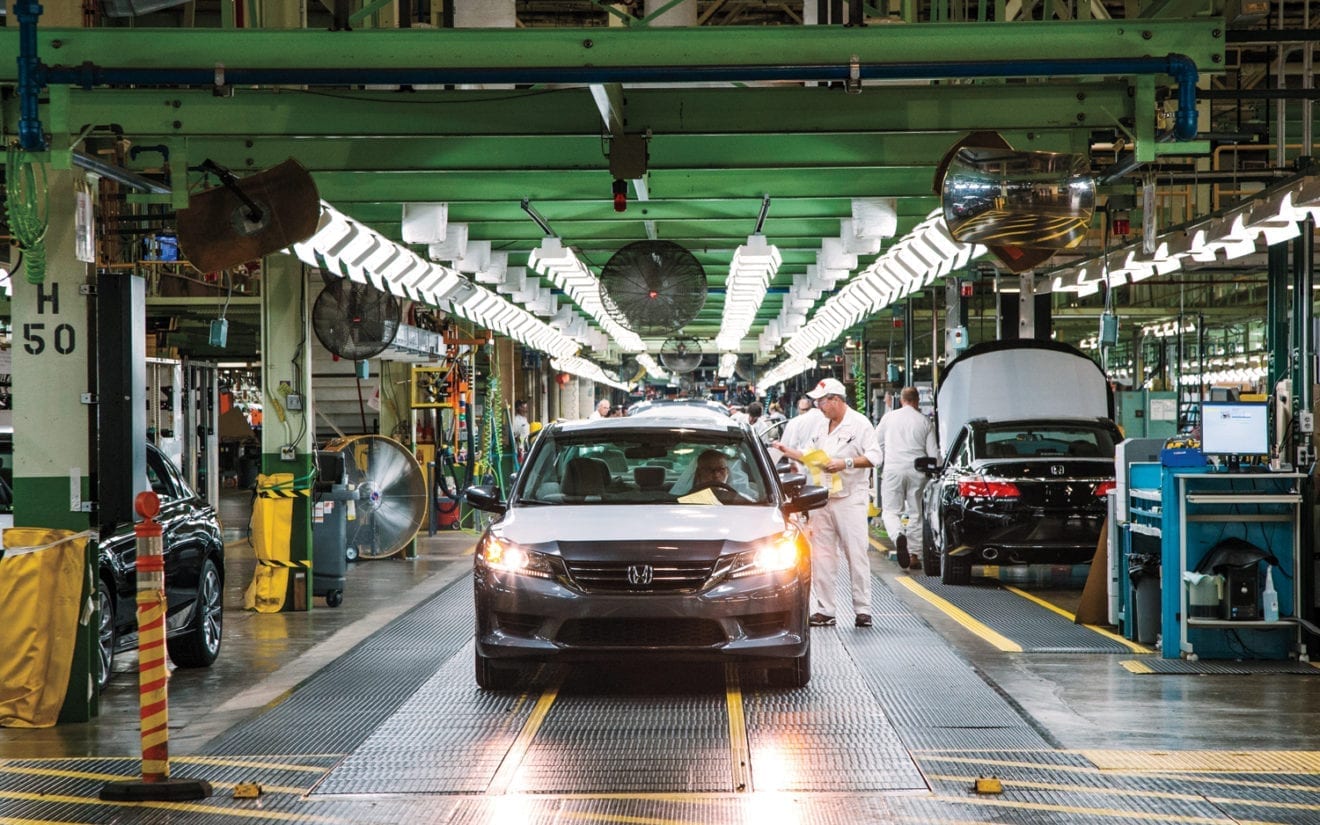
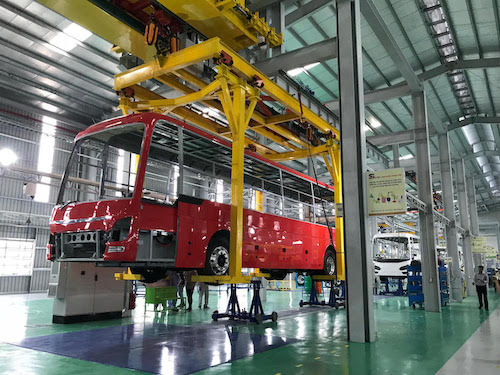
    Cars assembled in Vietnam cost more than imported ones, belying consumers’ expectations, and hampering the growth of the auto industry. Earlier this month, Honda unveiled its compact SUV CR-V assembled in the northern province of Vinh Phuc. The car costs VND1.2 billion ($51,700), VND25 million ($1,080) more than the imported version.

    The assembled-in-Vietnam Toyota Fortuner, another SUV, costs VND7 million ($302) higher than the imported version, while the locally-assembled Mitsubishi Xpander AT, an MPV, has the same price as its imported version from Indonesia.

    Many buyers expect locally assembled cars to cost lower than imported ones, but several factors don’t allow this to happen. This situation could blur the government’s vision for developing the domestic car industry.

    The costs of importing parts to assemble a car in Vietnam is higher than importing a completely-built unit, and this is the main reason why the former costs more, said a spokesperson for a Japanese auto brand who wished to remain anonymous.

    Car parts have an import tax of 7-9 percent, while completely-built units imported from Thailand and Indonesia are tax-free under the ASEAN Trade in Goods Agreement (ATIGA) that took effect in 2018.

    Auto brands have to import parts because local suppliers are not capable of making complicated parts. Vietnam had targeted to reach a 60 percent localization rate for passenger cars in 2010, but until now it remains at 7-10 percent, compared to the ASEAN average of 55-60 percent.

    The inability of suppliers in Vietnam to make parts more complicated than tires, seats, and wires require the domestic industry to import about $2 billion worth of car parts each year, mostly components like the breaking and steering system, from countries like Japan, China, and South Korea, according to a report by the Ministry of Industry and Trade.

    Importing in large numbers can lower the prices of these parts, but Vietnam’s market is too small for auto brands to expand their production scale, industry insiders have said.

    Car sales in Vietnam reached 385,600 units last year, but the size of the Indonesia and Thailand market was 2.6 times bigger and that of Malaysia, 1.6 times.

    “Producing a car in Vietnam costs 15-20 percent more than in other countries,” said the strategic and planning head of another Japanese auto brand who also wished not to be named. For example, the production scale of the same car model in Thailand could be two or three times bigger than in Vietnam, making prices lower, he said.

    For now, locally assembled luxury cars are the only ones that cost lower than their imported peers, because the import tax for this vehicle segment is around 70 percent as they are usually imported from Europe and Japan.

    However, this advantage will not last as the import tax on cars from the E.U. will gradually fall and be cut within the next 10 years under the EU-Vietnam Free Trade Agreement that takes effect next month.
  • Aston Martin Has Posted A Loss Of $293 Million In First-Half Of 2020

    Aston Martin Has Posted A Loss Of $293 Million In First-Half Of 2020

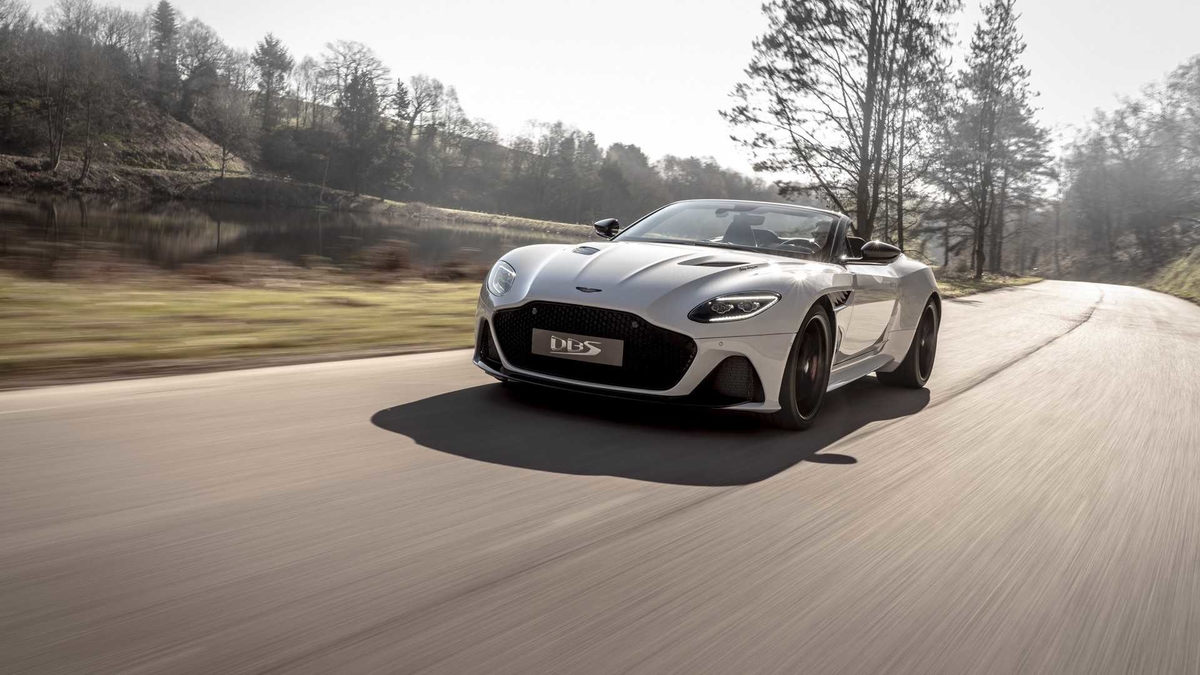
    Carmaker Aston Martin, which has changed its boss and brought in a billionaire investor this year, posted a deeper first-half loss of 227 million pounds ($293 million) on Wednesday amid a slump in sales. Its main factory, which closed during the lockdown, is not due to reopen until the end of August as the firm focused on resuming production at a new site in Wales, where its first sport-utility vehicle, the DBX, rolled off the line this month.

    Renowned as James Bond’s carmaker of choice, the firm has had a difficult time since floating in 2018 as it failed to meet expectations and burnt through cash, prompting it to give a stake to a consortium led by billionaire Lawrence Stroll.

    Aston Martin is now focused on resuming production at a new site in Wales, where its SUV, Aston Martin DBX will be manufactured.

    Since then, it has announced job cuts, reduced inventories, and picked a new chief executive among a series of changes, while it is also responding to the pandemic, which contributed to a 41% drop in sales.

    “It has been a challenging period with our dealers and factories closed due to COVID-19, in addition to aligning our sales with inventory with the associated impact on financial performance as we reposition for future success,” Stroll said.

    The firm’s half-year pre-tax loss of 227 million pounds compares to a loss of 80 million pounds in the same period last year. Revenue fell by nearly two thirds to 146 million pounds.

    The Aston Martin DBX SUV has embarked on a testing program that will see it put to its performance limits while ensuring it functions as an off-roader.

    The company said it had identified an accounting error in its U.S. region, meaning the firm’s loss was slightly more profound in 2019 with a reduction in earnings before interest and tax of 15.3 million pounds.

    Aston’s first 4×4 is central to its turnaround plans as it enters a lucrative segment of the market in a bid to widen its appeal, including to more female buyers.

    “We’re pleased with how it’s developing,” finance chief Ken Gregor said.

  • Jaguar Land Rover Appoints Thierry Bollore As New Chief Executive Officer

    Jaguar Land Rover Appoints Thierry Bollore As New Chief Executive Officer

    British automaker Jaguar Land Rover has appointed Thierry Bollore as its new Chief Executive Officer (CEO), the company has announced. The former Renault executive succeeds Ralf Speth at JLR and will assume office from September 10, 2020. Speth has moved to the position of Non-Executive Vice Chairman at Jaguar Land Rover plc, as previously announced, after serving as the CEO since 2010. Bollore joins the Tata Group company during one of its turbulent times as the British marque is looking at possible solutions to sustain the dynamically changing global automotive landscape.

    Speaking on the appointment, N Chandrasekaran, Chairman, Tata Sons said, “I am delighted to welcome Thierry to Jaguar Land Rover. An established global business leader with a proven track record of implementing complex transformations, Thierry will bring a wealth of experience to one of the most revered positions in the industry.  I want to thank Ralf for a decade of outstanding vision and leadership for Jaguar Land Rover and welcome him to his new Non-Executive position in addition to his existing role on the board of Tata Sons.”

    Commenting on his appointment, Thierry Bollore said, “Jaguar Land Rover is known around the world for its peerless brand heritage, exquisite design and deep engineering integrity. It will be my privilege to lead this fantastic company through what continues to be the most testing time of our generation. Renowned for their passion and spirit, the people of Jaguar Land Rover are the driving force behind its success. I couldn’t be more excited to join the team continuing to shape the future of this iconic company.”

    Thierry Bollore has extensive expertise in the automotive sector and has previously served as the CEO of Groupe Renault, as well as in senior positions at global automotive supplier Faurecia. During his stint with the different firms, Bollore has gained extensive experience in conceptualizing and developing a customer focussed strategy, optimizing operations, improving quality control, and more.

    These experiences will be important as JLR looks for a transformative strategy. The automaker that produces about 500,000 vehicles per year is looking at optimizing operations to improve productivity and profitability. It has also been working on new technologies including electric mobility, autonomous tech, and shared mobility.

  • Elon Musk Hints At The Possibility Of A New Compact Electric Car

    Elon Musk Hints At The Possibility Of A New Compact Electric Car

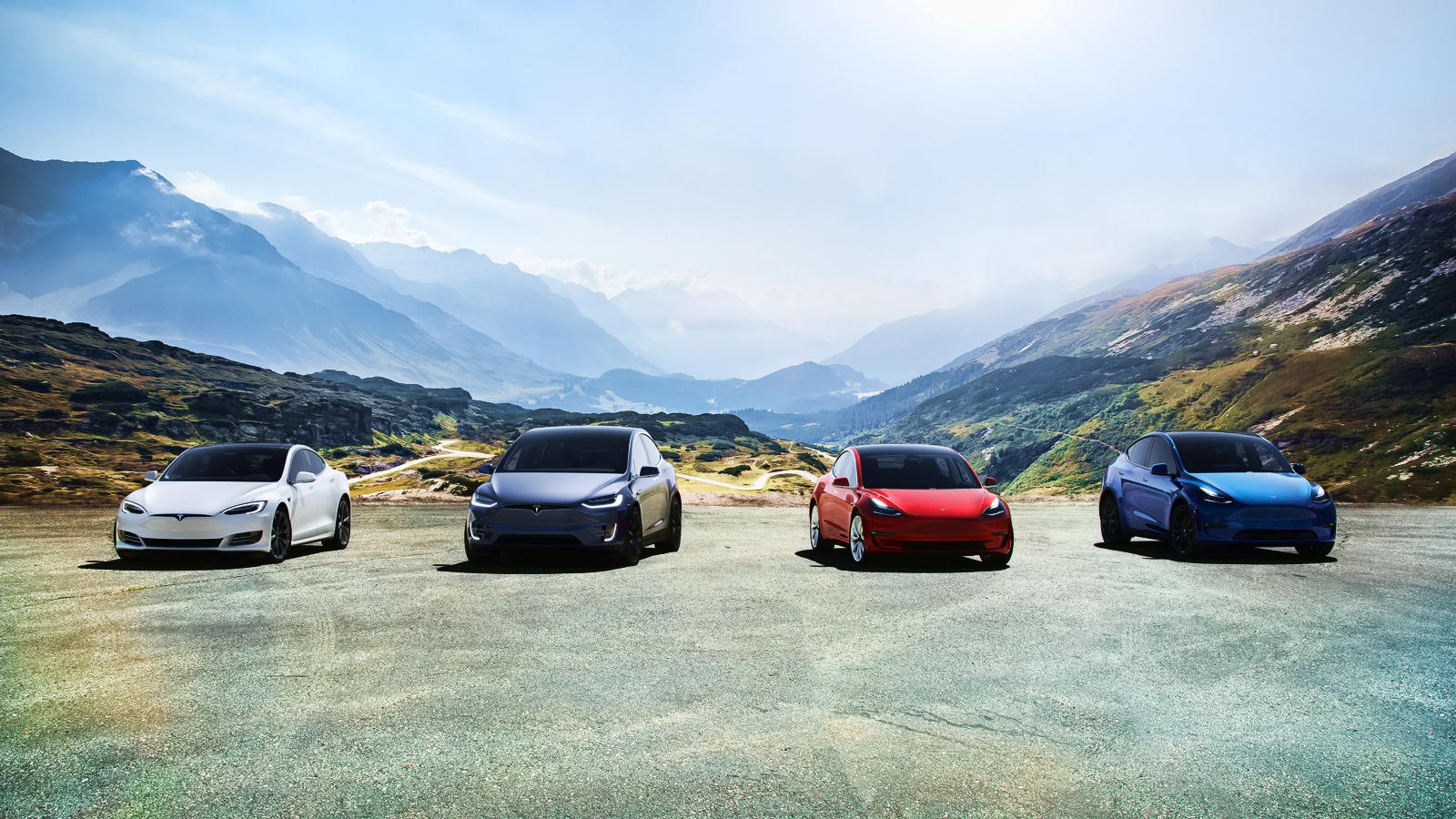
    American electric carmaker Tesla’s CEO, Elon Musk, hinted at the possibility of launching a new compact electric car that will be positioned below the Model 3. According to Business Insider, recently, while speaking to some analysts and investors, Musk expressed his opinion that Tesla cars are too expensive, stating his desire to offer a more affordable electric car. Currently, Tesla sells four electric vehicles, including the Model 3, Model S, Model Y and Model X. In the United States, Tesla’s most affordable offering right now is the Tesla Model 3 that starts at $37,990.

    Talking about making affordable electric cars, Musk said, “I think we will not succeed in our mission if we do not make cars affordable. Like the thing that bugs me the most about where we are right now is that our cars are not affordable enough. We need to fix that.” While he did not go into the specifics of the new compact electric car, he did say, “It would be reasonable to assume that we would make a compact vehicle of some kind and probably a higher capacity vehicle of some kind. These are likely things at some point. But I do think there’s a long way to go with 3 and Y and with Cybertruck and Semi. So, it’s a long way to go with those. I think we’ll do the obvious things.”

    However, it’s very much possible that the new compact electric car will not be made in the US nor in China, but rather in Germany. Earlier this month, replying to a Twitter user’s direct query about Tesla coming up with a European style hatchback, Musk hinted at the possibility of designing and developing such a car in Germany. Currently, the company is building its new vehicle manufacturing plant, better known as the Gigafactory, in Berlin.

    More recently, Tesla has finally zeroed in on the location for its second Gigafactory for the US, which will come up near Arizona, Texas. Tesla is making an investment of $1.1 billion in building the new plant, which is expected to create up to 5000 new jobs in the US state. The new factory will mainly serve the eastern part of the country and will manufacture the upcoming Cybertruck, along with the Model 3 and Model Y. Recently, Elon Musk also hinted at the possibility of coming up with a second Gigafactory for Asia, outside China, sometime in the future.

  • Tesla Hiring In Shanghai As Production Ramps Up

    Tesla Hiring In Shanghai As Production Ramps Up

    Tesla has launched a hiring spree in Shanghai with plans to bring on designers at its China studio and about 1,000 factory workers, job posts show, as the U.S. electric vehicle maker ramps up production in the world’s biggest auto market.

    The posts on the Tesla human resources department’s official WeChat account mark the first time the California-based automaker has looked to hire designers in China. Tesla said in January it planned to open a design and research centre in China to make “Chinese-style” cars.

    The posts did not reveal how many designers Tesla planned to hire.

    The company also planned to hire 600 workers at stamping, bodywork, painting and assembly workshops in Shanghai, according to a separate job post by the Lingang local government. Another 150 workers were needed for quality checks, 200 for logistics work and 20 for security, it added.

    Two sources familiar with the matter said the recruitment drive was partly for the preparation of Model Y sport-utility vehicles at the Shanghai plant. Tesla is building manufacturing facilities for Model Ys in Shanghai from next year.

    Tesla did not immediately respond to a request for comment.

    The company delivered over 30,000 units in China in the past quarter, most of them locally made Model 3 sedans.

    In March it advertised for solar and energy storage project managers in China, as it moves to expand its energy business into the country.

  • Aston Martin Callum Vanquish 25 Production Model Revealed

    Aston Martin Callum Vanquish 25 Production Model Revealed

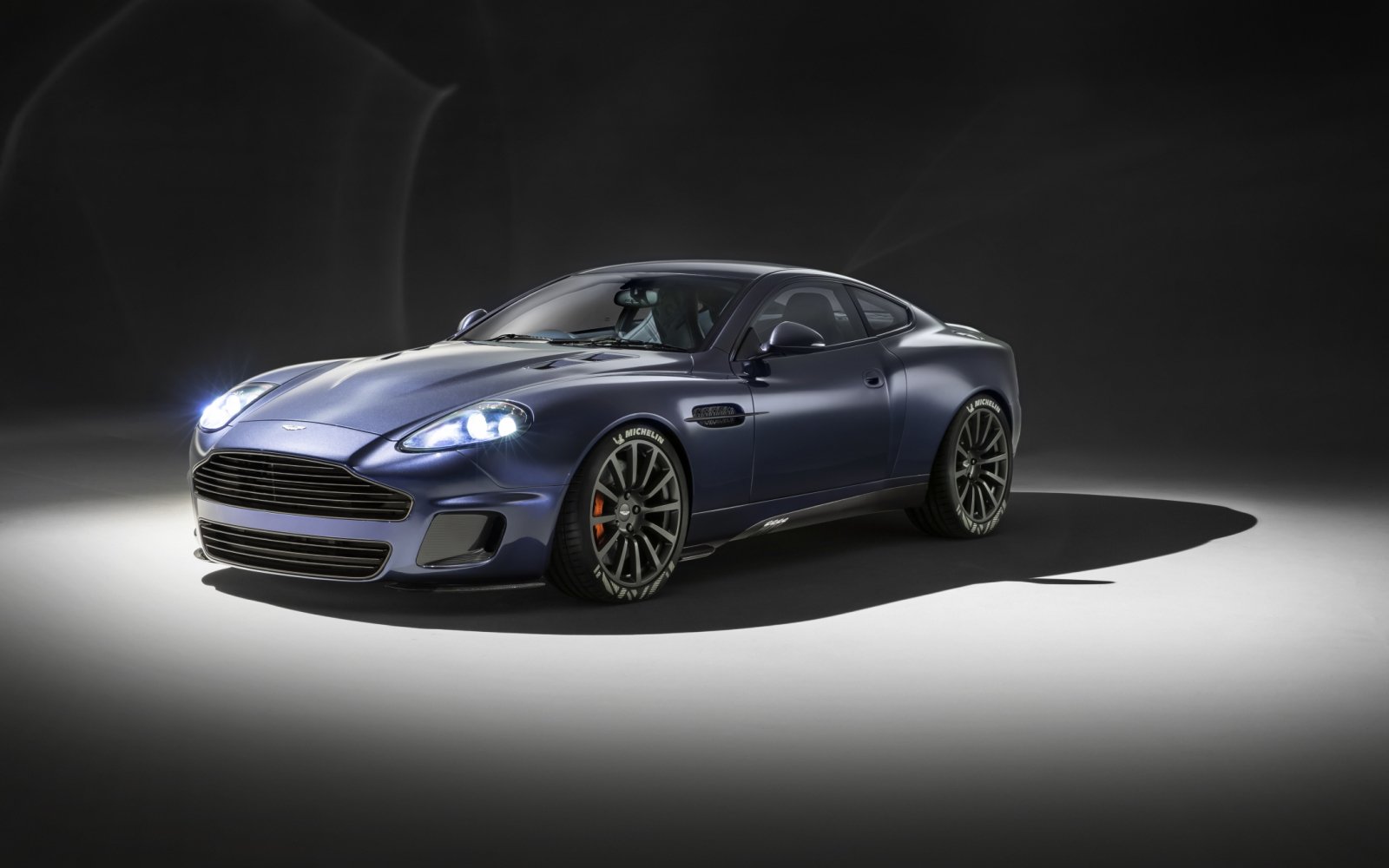
    Just nine months after announcing the project, the production iteration Aston Martin Callum Vanquish 25 by R-Reforged has been revealed alongside confirmation that customer car build will commence in September. Designer Ian Callum has evolved the concept shown in 2019 with a revised interior, more trim options and definitive chassis and powertrain set up. In fact, Callum talked about this venture even in our exclusive episode of Freewheeling With SVP and gave us a hint that the car is on the way.

    The Vanquish 25 now features over 350 engineerings, material, and design changes that transform the much-loved car into a more practical and relevant GT. Having covered over 32,000 kms of rigorous testing on UK’s broad range of road types and qualities, as well as multiple sessions on both the wet and dry tracks at Michelin’s Ladoux proving ground, engineers carefully determined a crisper set up to amplify the driving experience of a classic GT. Highly tuned rebound and compression of the Bilstein dampers provides composure with noticeably more agility and control. Careful bush selection, stiffer anti-roll bars, a 10mm lower ride height, up to 60mm wider track, and specific Michelin Pilot Sport tire compounds assure linearity in roll and composure without resorting to a rock-solid track feel that contemporary GTs often lean towards. Steering feel, aided by the fitting of a more slender wheel rim, lower seating position, and the suspension improvements, is sharper with more feedback to reward the enthusiast driver. The overall result is a more versatile GT eminently suitable for everyday use.

    Ian Callum, Founder, Callum Designs, said, “The designers, engineers, and craftspeople have poured all their energy into breathing new life into the car, pushing the boundaries of every detail: flawless surface finishes, tight shut lines and a crafted interior I believe you’ll enjoy spending time in. I’m particularly impressed with how it drives. From the lower, more sculpted, and cossetting seat, the crisper steering with enhanced feel to just the glorious way it sounds, I think we have created something quite special.”

    The Vanquish 25 by R-Reforged is offered with eight trim colors, three transmission variants – manual, auto and semi-automatic – as well as three bespoke 20-inch wheel choices. The car’s leather trim is provided by Bridge of Weir Leather Company, while Bremont’s removable pocket watch, an industry-first, remains prominent in the interior that now includes brushed or polished dark chrome details, and a walnut veneer option instead of carbon. Mulberry has developed the luggage to fit snugly in the rear of the cabin.

    R-Reforged has now also revealed revisions to the engine and the engineers have detailed the area with carbon and leather dressing alongside the bespoke carbon intake system and tuned equal length stainless steel primary collectors that create a sonorous V12 howl from the 580bhp engine. The car will be built starting September with initial cars destined for Europe and Latin America.

  • Lamborghini Celebrates New Production Milestone With 10,000th Urus SUV

    Lamborghini Celebrates New Production Milestone With 10,000th Urus SUV

    Automobili Lamborghini has recently rolled out the 10,000th Urus SUV from its manufacturing plant in Sant’Agata Bolognese. The milestone car with chassis number 10,000 is destined for Russia and it comes in the new Nero Noctis Matt Black color. This particular Lamborghini Urus also comes with the carbon fiber package and two-tone Ad Personam interiors in black and orange, complemented by more carbon fiber components for the cabin.

    The Lamborghini Urus made its global debut in December 2017 and it has been the top-selling model for the Italian marque, globally, as well as in India. In fact, in 2019, the first full year that the Urus was present in the market, Lamborghini sold 4,962 units worldwide, out of which close to 50 units were sold in India. The same year, driven by Urus’ sales, the company’s total volume increased by a massive 43 percent, to 8,205 units, as against the 5,750 Lamborghini vehicles sold during the 2018 calendar year.

    Interestingly, it appears as though Lamborghini had anticipated the massive demand the Urus will garner and was prepared for it. Before the launch of the SUV, the company has expanded its facility from 80,000 square-meter to 160,000 square-meter, and dedicated an entire assembly line, Manifattura Lamborghini, for the Urus. The assembly line itself is based on the so-called Factory 4.0 model, which integrates new production technologies to support workers throughout the assembly operations.

    As for the car itself, the Lamborghini Urus recently received a new exterior color package called the Urus Pearl Capsule range, which includes new two-tone color options combined with glossy black roof, rear diffuser, spoiler lip, and other details. Customers can choose from three base colors – Verde Mantis (green), Arancio Borealis (orange), and Giallo Inti (yellow). The new range is for MY2021 Urus. The SUV is powered by a 4.0-litre Twin Turbo V8 engine, which is tuned to produce 641 bhp and 850 Nm of peak torque. The SUV can go from 0-100 kmph in 3.6 seconds and reach 200 kmph in 12.8 seconds, before reaching the electronically limited top speed of 306 kmph.

  • Volvo Cars On Recovery Path But Merger With Geely On Hold For Now

    Volvo Cars On Recovery Path But Merger With Geely On Hold For Now

    Volvo Cars said it expects its business to recover in the second half of the year after reporting on Tuesday an operating loss for the first six months as coronavirus lockdowns strained supply chains and forced plant closures.

    The Swedish-based carmaker also said that its planned merger with Geely Automobile Holdings Ltd had been temporarily put on hold due to Geely Auto’s plans to list in China. The companies will resume talks in the autumn.

    “If the market recovers as we expect, we anticipate sales volumes to return to the levels we saw in the second half of 2019 and it is also our ambition to return to similar profit levels and cash flow,” CEO Hakan Samuelsson said in a statement.

    Market recovery has allowed the company to resume production in all factories, except the Charleston plant in Ridgeville, South Carolina, Volvo said.

    Volvo Cars, which was bought by China’s Zhejiang Geely Holding Group Co Ltd from Ford Motor Co in 2010, plans to merge with Geely Automobile and list in Hong Kong and possibly Stockholm – as well as on a stock market in mainland China.

    Luxury EV brand Polestar is gearing up to take on Tesla in China, while Alibaba-backed Xpeng also has its sights set on the U.S. brand.

    Geely Automobile said last month that its board had approved a preliminary proposal to list new renminbi shares on Shanghai’s Nasdaq-like STAR board.

    “In connection with this (the Shanghai listing) Geely Auto cannot discuss a potential combination of the companies,” a Volvo Cars spokeswoman said about the merger. Talks would resume as soon as Geely Auto had “ended its activities related to that”, she said.

    The Gothenburg-based carmaker reported an operating loss of 989 million Swedish crowns ($110 million) for January-June, versus a 5.52 billion profit in the first half of last year, as revenues fell 14% to 111.8 billion crowns.

    Volvo had warned in March that sales, earnings and cash flow in the first half of 2020 would decline from a year ago as the coronavirus pandemic weighed on its business. In April it announced plans to make 1,300 white-collar workers in Sweden redundant.

  • Tesla Share Rally Propels Some Early Fan Investors To Riches

    Tesla Share Rally Propels Some Early Fan Investors To Riches

    Convinced of Tesla Inc’s imminent meteoric rise, Orestis Palampougioukis, a Netherlands-based software developer, took out a 43,000 euro ($49,000) loan in early October to invest it all in the electric carmaker, which at the time was trading at around $230 a share.

    Since then, Palampougioukis’ bet has paid off as Tesla’s share price has increased more than six-fold, trading around $1,500 on Monday and surpassing every rival to become the world’s highest-valued automaker. After investing an additional 14,000 euros in personal funds, he has pocketed around 10,000 euros in profit to date, even when accounting for the 7% interest he pays the bank.

    “To me it didn’t feel like a bet because I studied what Tesla does very closely and it’s simply inevitable that it would dominate,” Palampougioukis said, adding that he plans to own the shares for decades.

    He is not alone. Retail investors around the world, staunch believers in the company’s mission to lead the auto industry into a battery-powered future, have invested their personal money, and at times their parents’ retirement funds, in Tesla and reaped handsome rewards.

    Tesla reports second-quarter results on Wednesday after the close of trading. While analysts polled by Refinitiv on average expect the company to report a loss, a surprisingly strong vehicle delivery report boosted hopes among many retail investors for a profitable quarter.

    Discussions about Tesla on online retail investor forums have surged, with users debating whether to hold their shares in hopes of even higher returns or cash out.

    While the total number of Tesla retail investors is not known, around 75% of the company’s stock is owned by large institutional investors and Tesla executives, including Chief Executive Elon Musk, according to Refinitiv data.

    Tesla shares are among the most popular on U.S. retail investor platforms, such as Robinhood Markets Inc and TD Ameritrade. The number of users holding Tesla stock on the Robinhood trading app increased more than 400% from the first two weeks of July 2018 to the same point this year, according to data from Robintrack.net, which compiles data on the investing platform.

    In South Korea, where Tesla has become the latest craze among tech-savvy professionals, the company is the most-traded overseas stock, with Koreans buying $3.2 billion worth of Tesla shares so far this year, up nearly 13-fold from all of 2019.

    Choi Jong-wan, the former head of Korea’s Tesla owners’ club, borrowed money to invest in Tesla after the company unveiled its Model 3 in 2016. He also bought Tesla stock for his seven-year-old son, taking advantage of Korean inheritance tax breaks.

    Choi, who bought a Model S, said the company’s shares are supported by its many fans buying stock. Convinced of Musk’s vision, Choi bought when Tesla shares tanked in the past.

    “I am getting more confident about Tesla,” he said. “I will sell Tesla stock when other automakers introduce better electric cars than Tesla at competitive prices.”

    Tesla outpaced analyst estimates for second-quarter vehicle deliveries on Thursday, defying a trend of plummeting sales in the wider auto industry as coronavirus-linked lockdown orders kept shoppers at home. This report produced by Yahaira Jacquez.

    Some investors have invested their stock proceeds in the company by buying its vehicles. David, a marketing specialist from Oakland, California, who asked that his last name not be used, bought a Tesla Model 3 last August after selling some of his Tesla shares.

    He bought his first Tesla shares for a couple of hundred dollars right out of college in 2010. The company had just listed publicly, with the shares trading around $29.

    David has since invested about another $40,000 and currently holds 180 shares.

    “Tesla has treated me well so far. I believe in their vision and I believe in Elon Musk,” he said. “But the house we bought needs a new roof and I’m thinking to just sell a few shares to pay for that.”

    Musk’s own net worth has soared even higher thanks to the latest share price rally. The outspoken Tesla boss is within reach of another share-based payday potentially worth as much as $2 billion. Including previously vested tranches, Musk would own options for about $4 billion worth of Tesla shares.

  • Volkswagen Sees Mild Growth In China’s Premium Car Segment This Year

    Volkswagen Sees Mild Growth In China’s Premium Car Segment This Year

    German automaker Volkswagen AG expects slight growth in China’s premium car segment this year despite a slide in broader market sales, a senior executive said.

    Volkswagen Group’s China chief, Stephan Woellenstein, made the remarks to reporters in Beijing on Friday.

    Volkswagen replaced Herbert Diess as chief executive of the VW brand on Monday and installed Chief Operating Officer Ralf Brandstaetter to lead cost-cutting efforts.

    In China, the world’s biggest auto market, Volkswagen has joint ventures with local partners including SAIC Motor, FAW Group, and JAC.

  • Toyota To Resume Production At Its Bidadi Plant From July 20

    Toyota To Resume Production At Its Bidadi Plant From July 20

    Toyota Kirloskar Motor (TKM) has announced that it will resume vehicle production at its Bidadi plant, in Karnataka, from July 20. Following a directive issued by the Government of Karnataka, earlier this month, the company had announced that it will stop production at its plant from July 14 (second shift) to July 22nd (first shift). The directive was issued as part of the State Government’s efforts to fight the spread of the coronavirus, and the rising Covid-19 positive cases in Karnataka.

    However, under a revised directive from the Karnataka Government, Toyota can now officially resume production earlier, on July 20 itself. While many employees had left for their hometowns following the announcement of lockdown, Toyota says that at any given point, only 40 to 45 percent of the production workforce has been attending work to maintain all forms of social distancing.

    Additionally, Toyota has undertaken several measures to maintain safety and hygiene at the workplace, and it has already announced guidelines for both its factory employees and its dealer partners. All employees must also self-declare their health condition on a daily basis. If there is a situation where an employee tests Covid-19 positive, the company also takes adequate measures to quarantine those employees who might have come in contact with the infected employee through appropriate contact tracing.

    Toyota was one of the first carmakers to halt production in March, even before the Government of India issues the lockdown. The company officially resumed production around mid of May after a hiatus of over 6-weeks. In April, the company for the first time, like most OEMs, saw zero sales in India. In May, after the lockdown was relaxed, the company sold 1639 units in India, which more than doubled in June 2020, with the company selling 3866 units vehicles in India.

  • Honda most searched vehicle brand in Vietnam

    Honda most searched vehicle brand in Vietnam

    Honda, Toyota, BMW, Mitsubishi, and Suzuki are the five most googled car brands in Vietnam, market research firm iPrice said.

    The Malaysia-based meta-search website, which operates in Vietnam and six other countries across Southeast Asia, said it considered 22 car brands googled between March 1 and May 31 this year to find the most searched brands.

    Honda topped the list since it produces both motorbikes and cars, and has an 80 percent share of the motorbike market.

    It was also the most googled brand in Thailand and Indonesia. In the Philippines, it was Toyota.

    In Singapore and Hong Kong, which prioritize green transportation, American electric vehicle brand Tesla was in first place.

    Across the seven markets, Honda was the most googled brand with 550,000 searches, followed by Toyota (368,000) and BMW (301,000). Tesla and Mitsubishi tied with 246,000 to round off the top five.

    The study also found that SUVs were the most searched cars in all seven markets, followed by sedans, MPV/WGNs, hatchbacks, and coupes.

    According to data from Vietnamese manufacturer Thanh Cong Motor and the Vietnam Automobile Manufacturers Association (VAMA), Toyota Vios was the most sold model in the first half of this year with 11,244 units.

    Sales of VAMA members, who account for more than 95 percent of the market, were down 30 percent year-on-year to 102,720 vehicles.

  • Land Rover Reveals New Ingenium Diesel Engine Line-Up For 2021

    Land Rover Reveals New Ingenium Diesel Engine Line-Up For 2021

    Land Rover has taken the wraps off its Range Rover and Range Rover Sport models for 2021. Both models are offered in multiple variants with a variety of engine options. In fact, Land Rover has developed a completely new range of Ingenium engines. The new 2021 Range Rover and Range Rover Sport portfolio will get up to seven engine options which include three diesel engines and three petrol engines along with a new 2.0-litre PHEV unit. Actually, there is just one diesel engine in three states of tune.The new Ingenium engines are said to be efficient and refined than the outgoing engine range. These have been developed in-house.

    The new range of Ingenium diesel engines is best-suited for customers who have high mileage or those who tow stuff regularly. These new engines are built around Jaguar’s modular Aluminium engine architecture. The new range of 3.0-litre straight-six diesel engines is more refined and efficient than the outgoing range of diesel engines. Also, all diesel engines get 48V mild-hybrid technology to meet stringent emissions regulations. These engines deliver improved responses by harvesting and storing energy generated during deceleration and then redeploying it to assist the engine when accelerating.

    Diesel engine options:

    1. D250 – 245 bhp, 3.0-litre six cylinder, 600 Nm of torque at 1,250-2,250 rpm

    2. D300 – 296 bhp, 3.0-litre six cylinder, 650 Nm of torque at 1,500-2,500 rpm

    3. D350 – 345 bhp, 3.0-litre six cylinder, 700 Nm of torque at 1,500-3,000 rpm

    Petrol engines

    The petrol engine options stay the same as before for the Range Rover line-up. But the 2.0-litre P400e is a new unit. It is the most efficient engine on the 2021 Range Rover line-up. It gets a fully electric range of 40 kilometres. There is a 105 kW electric motor that is powered by a 13.1 kWh lithium-ion battery. The standard fit Mode 3 charging cable significantly reduces charging times for the P400e, with a full charge taking less three hours, compared to 7.5 hours when using a Mode 2 charging cable. In addition to the electric motor, the engine also gets a 2.0-litre four-cylinder petrol engine that makes 296 bhp. The total power output is 398 bhp and the total torque output comes to massive 640 Nm. The claimed fuel efficiency comes to around 30 kmpl for this powertrain, as per the world harmonized light vehicle test procedure (WLTP) cycle

  • Daimler Talks With Workers Heat Up, With 15,000 Jobs At Risk

    Daimler Talks With Workers Heat Up, With 15,000 Jobs At Risk

    Labour representatives at German carmaker Daimler said on Monday that discussions with management over cost cuts had become “rougher”, after a board member said over the weekend that more than 15,000 jobs were at risk. The auto industry has been hit hard by the coronavirus pandemic, which shuts factories and showrooms forcing traditional carmakers to seek deeper cuts.

    Daimler had already said in November, before the pandemic started, that it would cut at least 10,000 jobs worldwide over the following three years, following peers as they cut costs to invest in electric vehicles while grappling with weakening sales.

    Daimler says it will deepen cost-cutting measures ahead of an expected loss in the second quarter.

    The owner of the Mercedes-Benz brand had stuck with a pledge at the time to avoid forced redundancies at its German workforce until 2029.

    Daimler board member Wilfried Porth told Stuttgarter Zeitung over the weekend, however, that more than 15,000 workers would now have to take a buyout or retire to avoid forced layoffs.

    The works council for Daimler said on Monday it was aware of the seriousness of the situation.

    The owner of the Mercedes-Benz brand had stuck with a pledge at the time to avoid forced redundancies at its German workforce until 2029

    “The tone of our discussion is getting rougher and is putting our cooperation to the test,” it said.

    Daimler managed to come through a crisis in the past, the works council said, adding it had always found a way forward, and did not expect the situation to be any different this time around.

    Daimler reiterated on Monday the company wanted to avoid forced redundancies, but for this to happen the carmaker needed to find alternative ways of cutting costs.

  • Mercedes-Benz India Launches New Digital Solutions For Its Customers

    Mercedes-Benz India Launches New Digital Solutions For Its Customers

    Mercedes-Benz announced the launch of two new customer-centric digital solutions in India. These new solutions from the carmaker are aimed to provide not only seamless ownership experience but also reinforcing confidence in the Indian luxury car market. The Digital Service Drive Next solution comprises of several key digital service initiatives that ensure safe and hassle-free ownership experience. On the other hand, ‘Pay at your convenience’ is a smart financial solution that offers financial assistance to the customers.

    The visit of the customers to the workshop will now be auto-detected. They will be welcomed with a personalized message at the service facility along with an intimation to the entire service staff about the customer. Vehicle Digital Reception System (vDRS) is a unique services program that allows customers to stay connected with their vehicle at the comfort of being at home. The customer receives a link of ‘Service Web Check-In Pass’, which gives access to information related to the service appointment, preference selection, real-time tracking, real-time service updates, access to invoices & documents, online bill payment and more.

    The newly introduced service bill finance solution will guarantee easy payment for the service requirements, which is available with credit cards of more than 13 banks. The customers will be benefitted with credit card EMI option for up to 12 months, zero-cost EMI option for 3 months, one swipe EMI easy payment option.

    This digital program also includes WhatsApp as the new communication channel for the customer. They will now get updates related to their next service due date, allotment of service consultant, service estimate and service status on their smartphone.

    Martin Schwenk, MD & CEO, Mercedes-Benz India, said, “Every element of our strategy revolves around the customer. At Mercedes-Benz, we are designing the digital future and are responding to changing customer expectations, and faster innovation cycles. Digitalization is driving customer experience. As a customer-centric brand, we believe in the integration of digital technology in our entire value chain, from design and development to production, and finally to sales and service. Towards this strategy, today we rolled-out key customer service initiatives under our digital program DSDNxt, the Vehicle Digital Reception System (vDRS), and WhatsApp for Business. These initiatives will ensure real-time service updates to our customers remotely, ensuring utmost convenience.”