Tag: Auto

  • Toyota to invest $2 billion in developing EVs in Indonesia

    Toyota to invest $2 billion in developing EVs in Indonesia

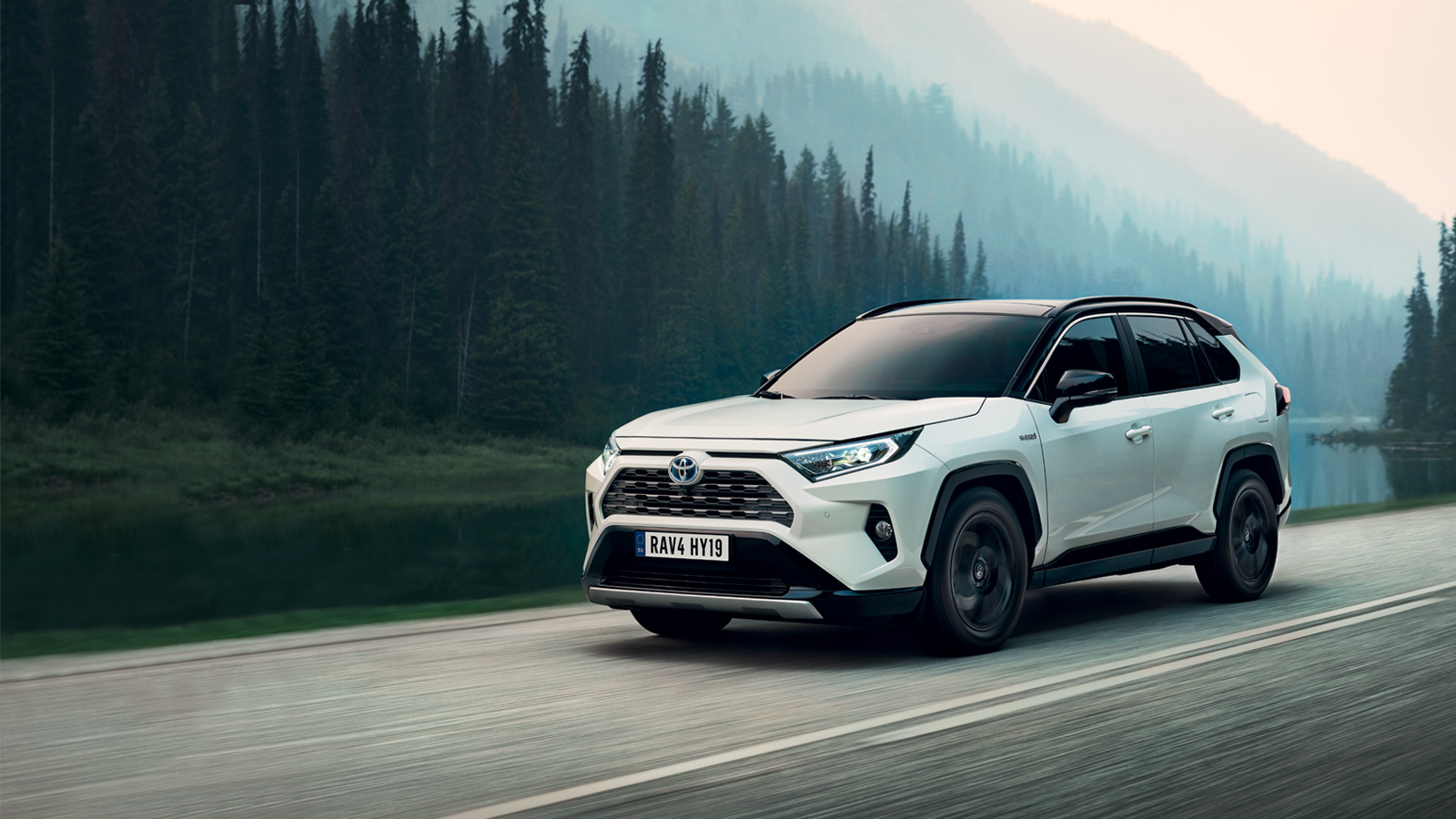
    Toyota Motor Corp. plans to invest $2 billion to develop electric vehicles in Indonesia over the next four years, starting with hybrid vehicles, Indonesia’s coordinating ministry for maritime affairs said.

    “From 2019 to 2023, we will progressively increase our investment to 28.3 trillion rupiah ($2 billion),” Toyota president Akio Toyoda was quoted as saying in a statement released by the ministry on Thursday.

    Toyota said this month that it aimed for half its global sales to be from electric vehicles by 2025, five years ahead of schedule, and will tap Chinese battery makers to meet the accelerated global shift to electric cars.

    The deal was agreed at a meeting in Osaka on Thursday between Indonesia’s Coordinating Minister for Maritime Affairs Luhut Pandjaitan and Toyoda.

    “Because the Indonesian government already has an electric vehicle development map, Toyota considers Indonesia a prime EV investment destination,” Toyoda said in the statement.

    He said Toyota would follow the government’s EV plan by investing in stages, starting with the development of hybrid vehicles.

    Monet, the self-driving car joint venture of Toyota and SoftBank Corp., separately told Reuters in June it plans to begin operating in Southeast Asia next year.

    Battery hub

    Indonesia, the region’s largest economy, has plentiful reserves of nickel laterite ore, a vital ingredient in the lithium-ion batteries used to power EVs, and has been making a push to attract foreign carmakers.

    Officials are betting Indonesia, which is already Southeast Asia’s second-largest car production hub, can become a major regional player in lithium battery production and feed the fast-rising demand for EVs.

    The country announced earlier in 2019 plans to introduce a financial program that will offer tax cuts to EV battery producers and automakers, as well as preferential tariff agreements with other countries that have a high EV demand.

    Indonesian ministers told Reuters in December that Korean carmaker Hyundai Motor Co. plans to start producing EVs in Indonesia as part of an around $880 million auto investment in the country.

    Mitsubishi Motors Corp., meanwhile, announced in mid-2018 it would work with the Indonesian government to research infrastructure that could accommodate EVs.

    Analysts are cautious however on how quickly Indonesia’s EV ambitions can be carried out, as some of its lithium battery projects require complicated nickel smelter technology.

    The ministry’s statement on Thursday gave no details on how Toyota, which already makes batteries for hybrids and hybrid plug-ins, would implement its investment plans.

    Toyota was not immediately reachable for comment but said in June it would partner with China’s Contemporary Amperex Technology Co. and EV maker BYD Co. for battery procurement.

  • 2020 Skoda Octavia Leaked Ahead Of Global Reveal In November

    2020 Skoda Octavia Leaked Ahead Of Global Reveal In November

    Skoda Auto’s popular selling Octavia sedan is scheduled to enter its 11th generation next month, and ahead of the big reveal in Prague, an exterior image of the car has been leaked online. While Skoda released sketches of the new Octavia recently, the leaked image comes from the automaker’s online configurator that is yet to go live and gives us a good look at the new design language. As expected, the 2020 Skoda Octavia shares its design cues with the new Superb complete with the long and swooping bonnet, new single headlamp cluster design that we first saw on the Scala and a wider butterfly grille. The new Octavia looks more stately than the predecessor and that’s something the executive sedan class buyers will appreciate.

    The new generation Skoda Octavia is based on a modified version of the MQB platform and is expected to boast of a larger footprint. The leaked image hints at a longer wheelbase, although we will have to wait for the official specifications to confirm that. While the rear is yet to be revealed, the Octavia’s notchback styling will return on the new generation model, while the car will get new LED taillights that now overlap the boot-lid.

    The interiors are yet to be revealed, but previous spy images have hinted at a virtual instrument cluster, larger touchscreen infotainment system, two-spoke multi-function steering wheel and an electric parking brake. The car will also come with new driver aids and assistance systems as part of the package. The rear is also likely to boast of better legroom and shoulder room than the outgoing version. The sedan will also get the Skoda badging on the boot instead of the winged-arrow badge that has adorned the company’s offerings so far.

    Engine options on the new Skoda Octavia will include a 1.5-liter petrol and 2.0-litre diesel engines, while a hybrid version is also expected to join the line-up with a 48V mild-hybrid motor. The car will also come in the station wagon body style for the European markets, and there’s of course, the Octavia vRS in the pipeline that is expected to pack in some serious power this time around.

    The 11th generation Skoda Octavia is slated to be revealed globally at a special standalone event on November 13, 2019, in Czech Republic. Interestingly, India is expected to get the new Octavia as early as 2020 and will be part of the four new launches that the automaker will bring over the course of the year. The new Octavia is produced at Skoda’s Mlada Boleslav facility in the Czech Republic for Europe, and is partially made-in-India at VW Group’s facility in Aurangabad, Maharashtra.

  • Hyundai Motor May Raise Stake In China Joint Venture

    Hyundai Motor May Raise Stake In China Joint Venture

    Hyundai Motor said on Tuesday it was considering raising its stake in its underperforming truck joint venture in China, potentially joining other foreign automakers in boosting ownership in the world’s biggest car market. Sichuan Hyundai Motor is Hyundai’s only commercial car venture in China that makes cargo trucks and buses.

    Beijing relaxed rules last year on foreign firms controlling any Chinese automakers or joint venture, removing caps on those making fully electric and plug-in hybrid vehicles. Limits on commercial vehicle makers ease in 2020, and by 2022 for the wider car market.

    Hyundai is reviewing various plans to strengthen the joint venture’s competitiveness in changing market conditions in China, the firm said in an emailed statement, without elaborating. Volkswagen AG is exploring the prospect of buying a big stake in its Chinese electric vehicle joint venture partner, sources have told Reuters, while BMW has agreed to buy control of its main joint venture in China.

    Sichuan Hyundai Motor is jointly owned by Hyundai and China’s Sichuan Nanjun Automotive Group, with a stake of 50 per cent each. The Sichuan joint venture, which started operations in 2013, produced 12,228 commercial vehicles last year, down by more than half from 28,786.

    That means that their production facilities are heavily underutilised given that they have a capacity of making 160,000 trucks and 10,000 buses a year.

  • Bentley Kick Starts Production Of New Flying Spur In Crewe

    Bentley Kick Starts Production Of New Flying Spur In Crewe

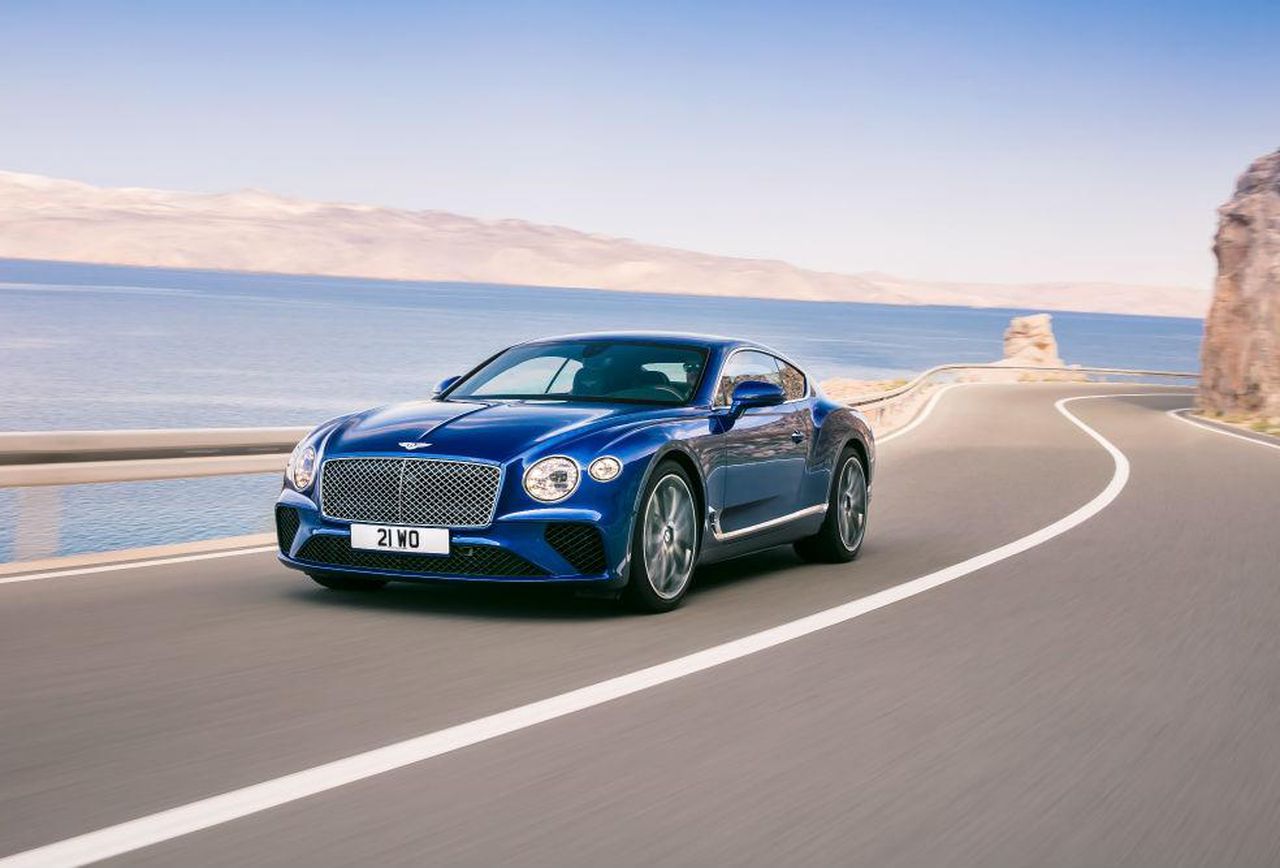
    Bentley Motors announced that the production of the all-new Flying Spur, is now underway, and deliveries will begin from early 2020. Handcrafting of the first customer orders is taking place at Bentley’s factory headquarters in Crewe, England, following completion of over 1.6 million kilometres of development testing. This is the third generation of the company’s Grand Tourer and the company says that it is the most advanced Bentley ever built. Nearly 200 people handcraft every Flying Spur through 84 different assembly stages at the company’s factory in Crewe.

    The all-new Flying Spur is hand-built in Britain, and benefits from the extended wheelbase, while a retractable Bentley ‘Flying B’ mascot features for the first time on a modern-day Flying Spur. The cabin is unmistakably Bentley, with contemporary design lines flowing from the new wing-themed fascia through the passenger areas. Optimal comfort and style are delivered by completely new-design fluted leather seats, which feature diamond quilting for the Mulliner Driving Specification, while three-dimensional diamond-quilted leather doors inserts are a world first.

    Upfront, you get a Bentley Rotating Display and it is the central feature of the dashboard. The rear seat comes with a Touch Screen Remote Control that can operate all the major functions. There’s a panoramic sunroof, that stretches the full length of the roof. The all-new Flying Spur now comes with a wide range of Advanced Connectivity features, as also cutting-edge driver assistance systems such as a Night Vision infra-red camera, Traffic Assist and a Head-Up Display.

    Electronic All-Wheel Steering is used for the first time in a Bentley, combining with Active All-Wheel Drive and Bentley Dynamic Ride – the world’s first 48V electric anti-roll system – to deliver phenomenal handling and ride. New, three-chamber air springs offer a much greater range of suspension adjustment between limousine-style ride comfort and sporting levels of body control.

    The new Flying Spur is powered by Bentley’s 6.0-litre, twin-turbocharged W12, and it is mated to an advanced dual-clutch eight-speed transmission. 0-100 kmph is done in just 3.8 seconds while top speed is rated at 333 kmph.

  • Volvo Cars Aims To Be Carbon Neutral By 2040

    Volvo Cars Aims To Be Carbon Neutral By 2040

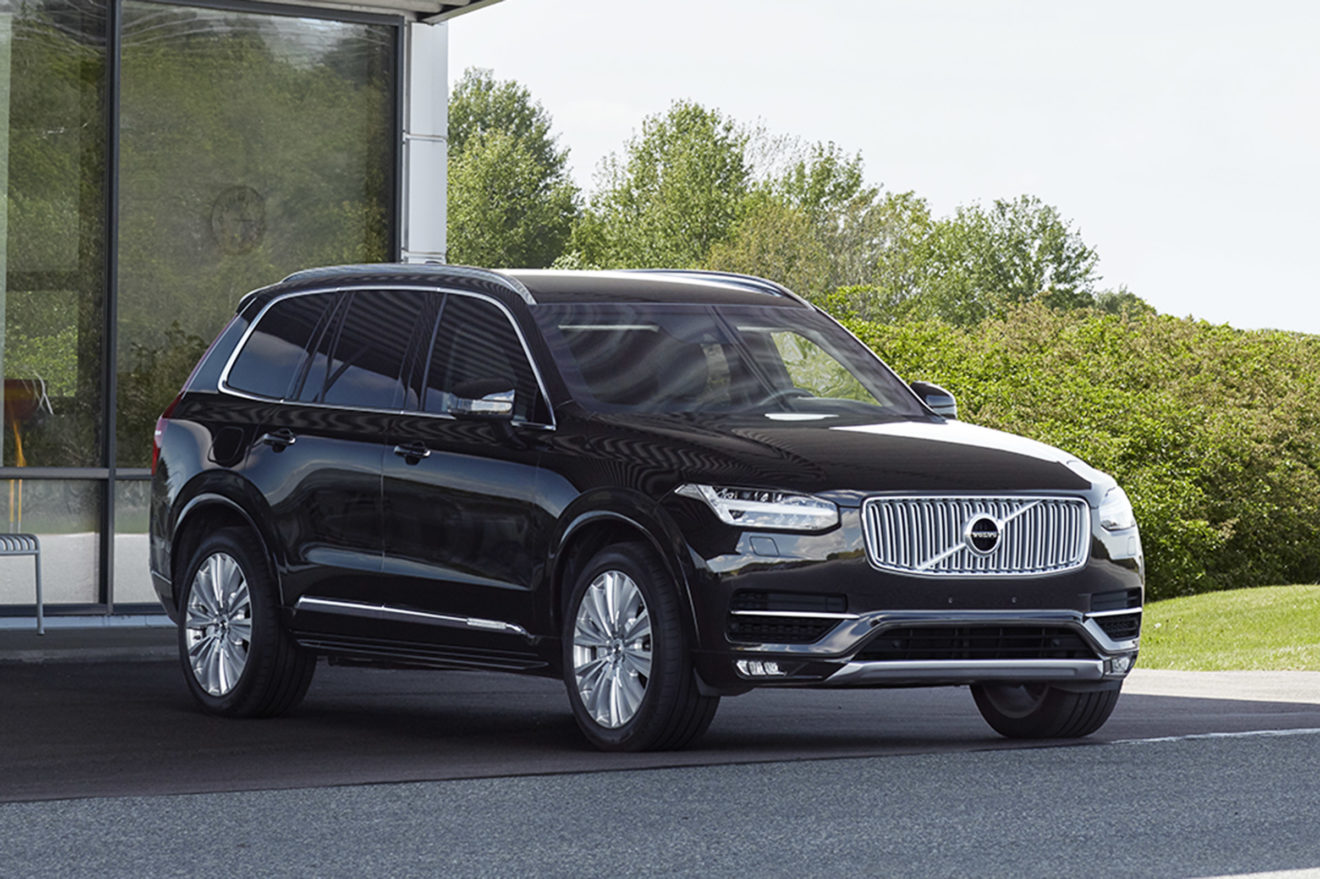
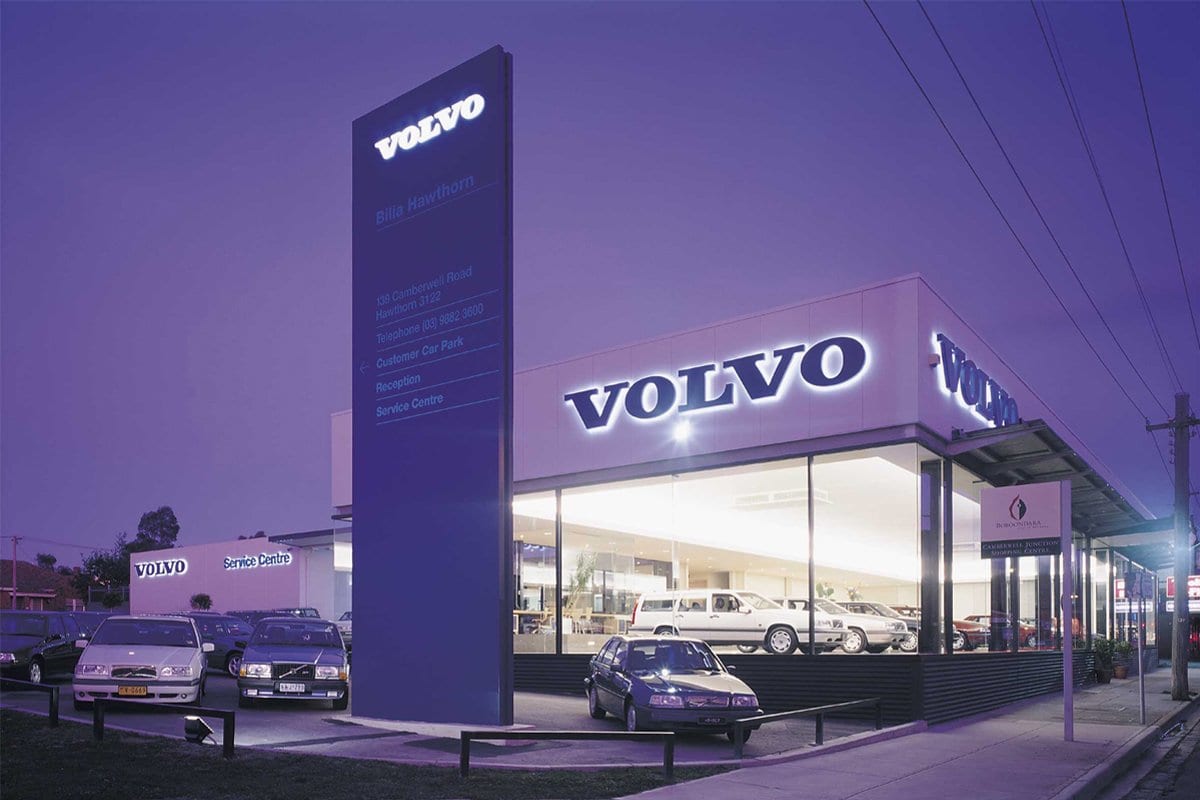
    Volvo Cars aims to reduce its lifecycle carbon footprint per car by 40 per cent between 2018 and 2025. This is in line with the company becoming a climate neutral company by 2040. The plan represents concrete actions in line with the global Paris climate agreement of 2015, which seeks to limit global warming to 1.5 degrees Celsius above pre-industrial levels. Volvo Cars’ 2040 ambitions is not just about tailpipe emissions or all-out electrification. It will also tackle carbon emissions in its manufacturing network, through its supply chain and through recycling and reuse of materials.

    As a near term step towards its 2040 ambition, Volvo Cars is implementing a set of ambitious, immediate measures in its efforts to reduce the company’s lifecycle CO2 footprint per car by 40 per cent between 2018 and 2025. At that point in time, the company also aims for its global manufacturing network to be fully climate neutral.

    To realise the significant 40 per cent reduction of its CO2 footprint per car by 2025, the company has devised a number of ambitions for different parts of its operations. The previously communicated goal of generating 50 per cent of global sales from fully electric cars by 2025 is a prominent one, which would result in a 50 per cent reduction in tailpipe carbon emissions per car between 2018 and 2025.

    Other short-term ambitions include a 25 per cent reduction of CO2 emissions related to its global supply chain by 2025, a 25 per cent share of recycled plastics in new Volvo cars by 2025 and a 25 per cent reduction of carbon emissions generated by the company’s overall operations, including manufacturing and logistics.

  • Laos, Cambodia imports can threaten Vietnam auto industry

    Laos, Cambodia imports can threaten Vietnam auto industry

    Even weaker economies with less developed industries can threaten Vietnam’s auto industry due to its low localization rate, the Trade Ministry said.

    While the domestic auto industry is already facing fierce competition from car imports, mostly from Thailand and Indonesia, other ASEAN economies are emerging threats, the Ministry of Industry and Trade said in a recent report to the National Assembly.

    From January to September, sales of imported cars rose 150 percent year-on-year to nearly 93,600, while that of locally-assembled vehicles dropped 13 percent to 136,800 units, according to the Vietnam Automobile Manufacturers’ Association (VAMA).

    “Auto imports will continue to rise because of surging domestic demand, severely affecting domestic auto manufacturing and our trade balance,” the ministry reported.

    As Vietnam has scrapped imports tariffs on cars made in ASEAN countries with a localization rate of at least 40 percent since last year, the domestic market will have to deal with additional competition from Laos, Cambodia and Myanmar.

    Vietnam’s car businesses have only participated in low-value segment of the supply chain and has not mastered core technology in producing engines and transmission systems, it noted further.

    The lack of material suppliers and large-scale parts producers leads to higher prices compared to imported cars, the ministry added.

    Cars with nine seaters or under have a localization rate of only 7-10 percent, compared to a 60 percent target that had been set for 2010. In ASEAN countries, the rate is around 65-70 percent, and in Thailand it is 80 percent.

    “Without a solution to increase localization rate, domestic manufacturers will face challenges in competing with the region.”

    Policies related to the auto industry are slow in coming, compared to other countries in the region, and Vietnam loses opportunities to attract investment as a result. The policies are also not stable and synchronized, therefore the industry is yet to make a breakthrough, it said.

    With rising competition from ASEAN and the E.U. because of trade pacts that Vietnam has signed, the ministry is considering scrapping special consumption tax on auto parts produced locally for 5-10 years.

    It also suggested tax incentives for electric cars, for both manufacturers and buyers.

    There are about 40 auto businesses in the country with the capacity of assembling and producing 680,000 vehicles a year. Production of 9-seater or under cars is growing by 20-30 percent annually.

    The trade ministry forecasts that Vietnam will surpass the Philippines in manufacturing and sales figures next year.

  • Saigon to double car registration fees

    Saigon to double car registration fees

    HCMC will raise registration fees of cars under 9 passenger seasts from VND11 million ($473) to VND20 million ($860) from October 17.

    According to a resolution recently passed by the city’s People Council, licensing fees for other types of cars will be set from the initial cost of VND150,000 ($6.4) to VND500,000 ($22). Such as, prices for semi trailers and trailers (container trucks) will now be VND200,000 ($8.6).

    For motorbikes, those valued under VND15 million ($645) will now have a new registration fee of VND1 million ($43). Motorbikes costing between VND15-40 million ($645-1,720) and above will have new registration fees of VND2-4 million ($86-172).

    Vo Van Hoan, Vice Chairman of Ho Chi Minh City People’s Committee, said the new registration fees were equivalent to those in Hanoi, and that the increase was an appropriate reflection of the city’s economic status.

    The HCMC department of transportation estimates that there are more than 825,000 cars and 8.1 million motorbikes in the city. In the first six months of this year, the number of newly registered cars and motorbikes increased year-on-year by 15 percent and 6 percent respectively.

  • Tesla To Start Powerwall Home Battery Installations In Japan

    Tesla To Start Powerwall Home Battery Installations In Japan

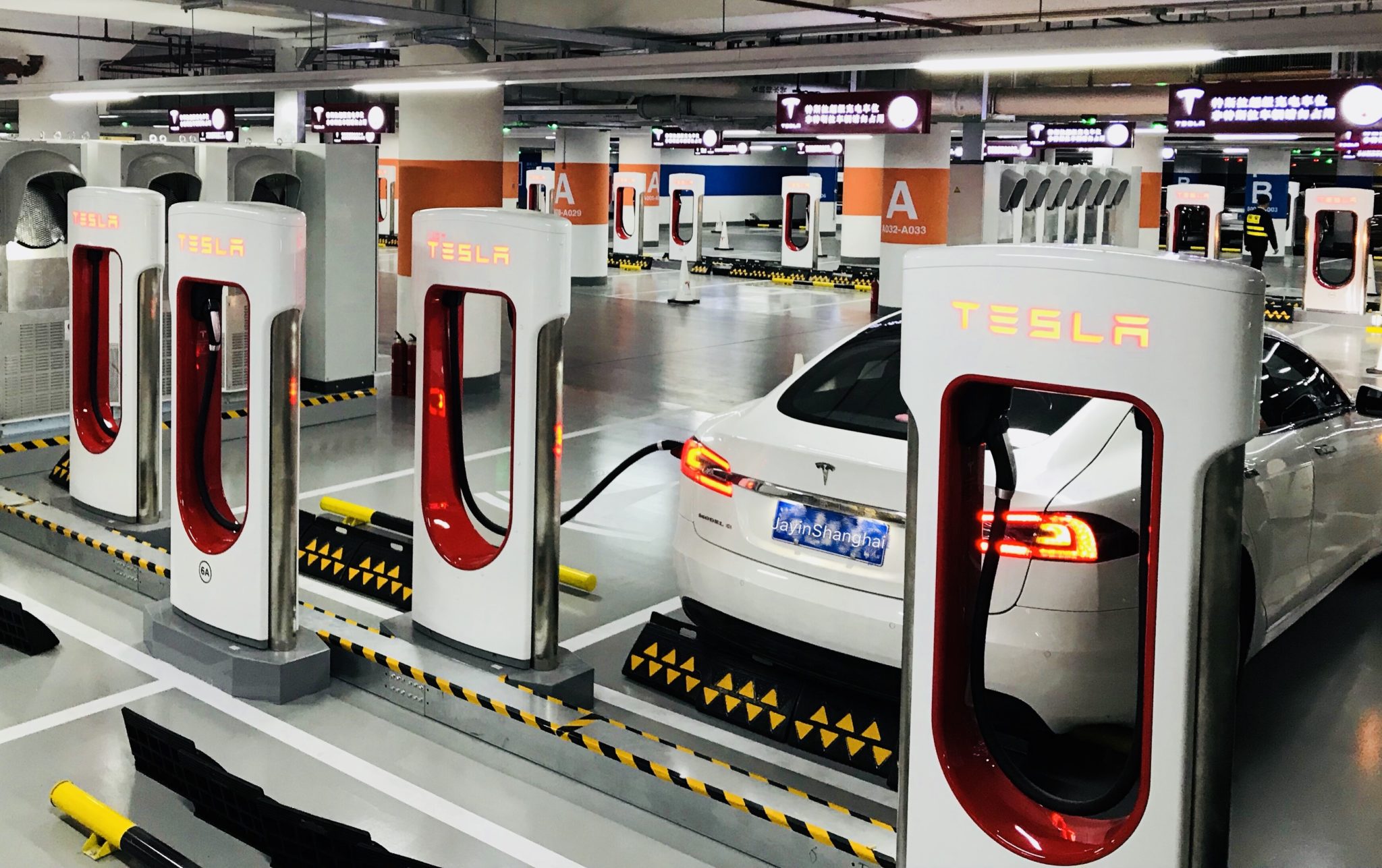
    Tesla Inc will start installing its Powerwall home power storage batteries in Japan next spring, the U.S. electric car and battery maker said on Tuesday, marking the product’s debut in Asia. The 13.5 kilowatt-hours (kWh) Powerwall can store power generated by solar panels and costs 990,000 yen ($9,135), including the Backup Gateway system which manages the grid connection, but excluding installation costs and retail tax. It will be sold directly online by Tesla or via certain third-party installers.

    The company has been taking orders online from Japanese customers since 2016, but had not announced when installations would start, a company spokeswoman said.

    “Tesla believes that the Japanese home battery market has big growth potential,” Shinji Asakura, country manager of energy products in Japan, told reporters in Tokyo.

    He cited feed-in-tariffs, which had guaranteed minimum power prices to spur solar development, are starting to expire later this year.

    The need for backup power supply during outages due to natural disasters also offers growth potential, he said.

    Tesla has installed Powerwall systems at about 50,000 sites in seven countries since its launch in 2015, a company official said.

  • Hyundai Group To Invest $35 Billion In Mobility And Auto Technologies By 2025

    Hyundai Group To Invest $35 Billion In Mobility And Auto Technologies By 2025

    Hyundai Motor Group said it plans to invest 41 trillion won ($35 billion) in mobility and other auto technologies by 2025, part of which will be directed to an ambitious effort to become more competitive in self-driving cars that has also received government backing.

    The plan, which Hyundai said encompasses autonomous, connected and electric cars as well as technology for ride-sharing, comes after the automaker and two of its affiliates announced an investment of $1.6 billion in a venture with U.S. self-driving tech firm Aptiv.

    South Korea’s government is also onboard, unveiling more funding for autonomous vehicle technology with President Moon Jae-in declaring on Tuesday that he expected self-driving cars to account for half of new cars on the country’s roads by 2030.

    “The self-driving market is a golden market to revitalize the economy and create new jobs,” Moon said in a speech at Hyundai Motor’s research centre near Seoul.

    The government intends to spend 1.7 trillion won between 2021 and 2027 on self-driving technology. It expects Hyundai to launch level 4, or fully autonomous, cars for fleet customers in 2024 and for the general public by 2027, an industry ministry official told Reuters.

    But some experts question whether targets set by the government and the automotive group, which also includes Kia Motors Corp, are realistic given the technological and cost challenges and the lack of home-grown technology.

    In a 45-page report on future automotive technology, the government acknowledged South Korea lags in some key areas necessary for self-driving cars such artificial intelligence, sensors and logic chips.

    Other analysts noted that the prospects for self-driving cars are quite murky.

    General Motors Co’s self-driving unit, Cruise, said in July it was delaying the commercial deployment of cars past its target of 2019 as tech firms and automakers acknowledge it will take more time and money than they had expected to make autonomous vehicles safe for unrestricted use on public roads.

    South Korea’s government said it would prepare a regulatory and legal framework for autonomous cars and the safety questions they pose by 2024.

    It is also aiming to lay the technological and legal groundwork for demonstrations of flying cars by 2025. Hyundai Motor’s executive vice-chairman Euisun Chung said last month that the company is looking at developing flying cars.

    Hyundai has also received much government backing for hydrogen fuel cell cars, with Moon calling hydrogen power the “future bread and butter” of Asia’s No. 4 economy and declaring himself an ambassador for the technology.

  • India’s Retail Inflation Surges In September, But Rate Cut Hopes Still High

    India’s Retail Inflation Surges In September, But Rate Cut Hopes Still High

    India’s retail inflation rose close to the central bank’s medium-term target of 4% in September for the first time in 14 months, but analysts still predict a sharp economic slowdown will prompt a sixth consecutive interest rate cut in December.

    Annual retail inflation rose to 3.99% last month, driven by higher food prices, up sharply compared with 3.21% in the previous month, and higher than the 3.70% forecast in a Reuters poll of analysts.

    Retail food prices, which make up nearly half of India’s inflation basket, increased 5.11% in September from a year earlier, compared with 2.99% in August.

    “The uptick in September was backed by sharp sequential uptick in food components, primarily led by vegetables prices. We think the food inflation seasonal uptrend will likely continue in the near term before easing later.”

    “We see headline inflation averaging around 3.7%-3.8% for FY20 and expect the headline print to fiddle above 4% in early part of 1HCY20, but not significant enough to derail the rate-cut cycle.”

    “Some signs of sequential bottoming of food prices are emerging, while there could also be increased policy focus ahead to correct food anomalies to favour agriculture terms of trade.”

    “On the other hand, we continue to see core inflation component fiddling a tad above 4% average in FY20, but admittedly moderating sharply from 5.8% in FY19. That said, the output gap remains significant, we continue to see rate cut cycle extending beyond October by at least another 50 bps, depending on the incoming data ahead.”

    “Reflection of higher inflation in select food items has now begun to show in retail inflation as inflation in meat and fish, vegetables, and pulses jumped in September 2019.”

    “Vegetables and pulses contributed 76.4% of the increase in retail inflation in September over August. Food inflation would continue to rise at least till March 2020 mainly due to base effect. The other items exerting pressure on retail inflation in September 2019 are expenditure on health, education and personal care.”

    “Given the ongoing slowdown in the economy and retail inflation remaining well within the target range of the RBI, India Ratings and Research believes RBI will continue with accommodative policy and expect further rate cut in the policy review of December 2019.”

    “It is mainly prices of vegetables and pulses that have pushed the (inflation) rate higher. With a good monsoon having come to a close, its moderating impact may be felt on the price level due to improved supply of produce.”

  • Nissan Motor Company Appoints New CEO And COO

    Nissan Motor Company Appoints New CEO And COO

    Nissan Motor Company has appointed Makoto Uchida as its new chief executive officer (CEO). Uchida has been serving as a senior vice president in the company along with being the president of Dongfeng Motor Company. The Japanese carmaker has also appointed Ashwani Gupta as chief operating officer (COO) and representative executive officer. Gupta has been serving as chief operating officer (COO) at Mitsubishi Motors. Nissan’s Senior Vice President Jun Seki has been appointed to the position of vice-chief operating officer, reporting to Gupta.

    Speaking on the appointment, Chairman of the Board of Directors, Yasushi Kimura said, “The board concluded that Uchida is the right leader to drive the business forward. Nissan’s Nomination Committee led the nomination process and assessed candidates thoroughly in line with the new three-committee governance structure established in June. We expect Uchida to lead the company as one team, immediately focus on the recovery of the business and revitalize the company. We look forward to Gupta and Seki fully leveraging their expertise and experience to support the new CEO.” Both Uchida and Gupta will be taking on their positions from January 1, 2020.

  • Volvo, Geely To Merge Combustion Engine Operations

    Volvo, Geely To Merge Combustion Engine Operations

    Volvo Cars will merge its engine development and manufacturing assets with those of parent Geely, creating a division to supply in-house brands Lotus, LEVC, Lynk and Proton, and also potential rivals with next-generation combustion and hybrid engines. It marks the latest example of consolidation in the engine manufacturing sector as tighter emissions rules hike development costs at a time when the expansion of electric cars calls into question the long-term demand for gas guzzlers. Rival Volkswagen (VOWG_p.DE), which is in the midst of ramping up mass production of electric cars, has already warned its in-house suppliers to create structures to consolidate combustion engine assets.

    Volvo currently builds 600,000 combustion engines, a number that rises to about 2 million when combined with Geely’s assets, allowing for savings on components and development costs, Volvo Chief Executive Hakan Samuelsson told Reuters.

    That will allow the Gothenburg, Sweden-based brand to more sharply focus its resources on building and developing a range of entirely electrified premium cars.

    “As a general business, combustion engines is most probably not growing. It is important to consolidate and seek synergies. It is another step transforming our company in the direction of electrification,” Samuelsson said in a phone interview. In the medium term, Volvo will drop diesel engines altogether in favor of focusing on hybrid and electric powertrains, requiring further investments in fuel injection, turbocharging and brake recovery technologies.

    Combining its operations with those of Chinese partner Geely will help achieve cost savings, Samuelsson said.

    “On a component level, I see considerable cost savings. Most important is the development side. The engineers will get the resources to take the next step to develop top-notch hybrid engines,” Samuelsson said.

    Geely in August reported a 40% drop in net profit, citing a sharp slowdown in demand for cars, while Volvo has rejigged its global production plans in an effort to reduce the impact of tariffs.

    Geely bought Volvo Cars in 2010 from Ford Motor Co, allowing the Swedish brand to operate on an arms-length basis. But in recent years, it has deepened cooperation between the two brands. Volvo already supplies engines to some Geely-branded vehicles, sharing technology through Geely’s Lynk brand. Both companies share and develop common vehicle platforms.

    Global tariffs, accelerated by a trade war between China and the United States, as well as higher investment requirements for electric and autonomous vehicles, are forcing carmakers to seek new ways to cut and share costs.

    Volvo in 2018 postponed plans to seek a separate stock market listing for the Swedish carmaker, blaming trade tensions.

    The tightening of emissions requirements in both Europe and China is strengthening the industrial logic for combining Volvo’s and Geely’s operations, the Swedish executive said.

    “The emissions requirements are getting tougher everywhere. China is catching up very rapidly. The days when China had outdated technology are gone,” Samuelsson said.

    The new combustion engines business will combine 3,000 employees from Volvo Cars with 5,000 employees from Geely’s combustion engine operations, and include research, development, procurement, manufacturing, IT and finance functions, Volvo said.The creation of the stand-alone business will result in no job losses, Volvo said.

    The new stand-alone supplier could also equip outside rivals struggling to keep up with more stringent regulations.

    “It can be an interesting alternative to third-party customers,” Samuelsson said.

  • BMW M5 Competition Launched In India

    BMW M5 Competition Launched In India

    Well if you thought the BMW M5 was bonkers! Here comes the BMW M5 Competition which has arrived to further up the ante. The BMW M5 Competition has been launched in India as a completely built unit (CBU) at ₹ 1.55 crore, ex-showroom, India. The same 4.4-litre, twin-turbo V8 motor which powers the standard M5 is also the workhorse here but has been uprated to churn out 616 bhp at 6000 rpm and 750 Nm of peak torque. The engine is mated to the eight-speed M Steptronic transmission and takes 3.3 seconds to clock triple-digit speeds as opposed to 3.9 seconds of the standard M5. Just like the standard M5, the M5 competition also gets the M xDrive all-wheel-drive system with DSC and xDrive modes which enables the driver to choose between the 4WD, 4WD Sport and 2WD mode.

    In a bid to balance the performance and fuel efficiency, it also gets the BMW Efficient Dynamics featuring brake energy regeneration, auto start-stop function, a new differential transfer case with optimized warm-up behavior and aerodynamics. Additional standard equipment on the M5 Competition includes dynamic stability control (DSC) including anti-lock braking system (ABS), automatic stability control (ASC), M dynamic mode (MDM), cornering brake control (CBC), dynamic brake control (DBC), dry braking function and active M differential. Moreover, it is also equipped with the M exhaust system with electrically controlled flaps to minimize the exhaust pressure creating a throaty roar exhaust note along with optimizing the efficiency.

    While largely the M5 Competition looks similar to the standard car, there are certain highlights on the outside that tell it’s a bit more special. Elements like the radiator grille, wing mirrors, rear apron, rear spoiler and side air vents finished in BMW individual high-gloss black and the air vents also wear the Competition badge. The roof is made of extremely lightweight and high tensile reinforced carbon fibre plastic and the chrome-plated exhaust pipes get a mild yellow shine.

    On the inside, the M5 competition gets illuminated M5 logo on the sport seats and black seatbelts with the BMW M GmBH design. The double-spoke M steering wheel is borrowed from the standard car while it gets red start-stop button which adds a sense of sportiness as you fire the engine. Moreover, it is pretty well-loaded with almost all the equipment you get in a car of this class. So features like BMW gesture control, BMW display key, wireless charging, BMW head-up display and wireless Apple CarPlay, BMW operating system 7.0 which includes 3D navigation with a high-resolution instrument cluster behind the steering wheel with a 12.3-inch screen and a 10.25-inch control display. Other features include a 600 watt Harman Kardon sourced surround sound system with 16 speakers.

    The BMW M5 Competition is around ₹ 10 lakh more expensive than the standard M5 which is priced at ₹ 1.44, lakh, ex-showroom, India. Out in the marketplace, it will rival the likes of the Mercedes-AMG E 63S and the Audi RS7 Performance.

  • Maruti Suzuki’s Production Improves Amid Festive Season

    Maruti Suzuki’s Production Improves Amid Festive Season

    The prolonged slowdown has been denting production of some of the leading carmakers in India, but the month of September has shown some signs of improvement. Maruti Suzuki in September 2019 has witnessed a lesser de-growth in sales compared to what it recorded in the previous month and that has reflected in production figures as well. Despite a two-day plant shutdown (September 7 and September 9), Maruti Suzuki has recorded a 17.37 percent decline in production last month which is better than 33.67 percent slump it witnessed in August 2019.

    In September 2019, Maruti Suzuki rolled out 130,264 units of passenger vehicles compared to 157,659 units in the same month a year ago, which is a year-on-year decline of 17.37 percent. However, the company had manufactured 110,214 units in August 2019 compared to 166,161 units in the same month last year, witnessing a YoY production decline of 33.67 percent. The improvement is also possible on the anticipation of better festive season sales. The company has recorded 24.8 percent YoY sales decline selling 1,22,640 units in September 2019 including 112,500 units in the domestic market and 2,952 units of domestic OEM sales whereas 7,188 units were exported. However, in August 2019 it witnessed a year-on-year sales decline of 34 percent.

    Maruti Suzuki is already providing attractive discounts across its product range. The company has also slashed prices by ₹ 5000 on select models like the Alto 800, Alto K10, Swift Diesel, Celerio, Baleno Diesel, Ignis, Dzire Diesel, Tour S Diesel, Vitara Brezza and S-Cross. Interestingly, the compact vehicle segment where almost all products underwent a price cut has seen the least production cut at 4.2 percent with a total of 75,264 units being rolled out as compared to 78,589 units. It includes products like the Swift, Dzire, Ignis, Baleno Celerio and the new WagonR. The company is offering discounts of up to ₹ 1.01 lakh on the Vitara Brezza subcompact SUV and production has also improved in the UV segment. The UV segment witnessed a de-growth of 17.05 percent at 18,435 units while the mini segment (including the recently launched S-Presso) recorded a de-growth of 37.61 percent manufacturing 23,073 units. The company rolled out 2350 units of the Ciaz mid-size sedan, down by 50.41 percent and the Vans segment recorded a de-growth of 26.24 percent at 11,142 units.

  • Honda Acquires Drivemode, Developer of Smartphone Apps for Drivers

    Honda Acquires Drivemode, Developer of Smartphone Apps for Drivers

    Honda has acquired all the outstanding shares of the California-based Drivemode, Inc., in order to further strengthen Honda’s vision to create digital and connected mobility products. With the acquisition, Drivemode became a wholly-owned subsidiary of Honda R&D. Drivemode is a startup that develops and operates smartphone-based connected services, excelling in multiple areas such as the development of the user interface and application as well as cloud-based technologies. Honda R&D and Drivemode have been collaborating and conducting joint development activities since 2015. In April 2019, Honda newly established the Digital Solution Center within Honda R&D, which will focus on creating new value through the utilisation of digital technologies.

    With this acquisition, the Digital Solution Centre and Drivemode will work together to accelerate new value creation in the area of connected mobility services. Toshihiro Mibe, President and Representative Director of Honda R&D said, “As a step toward the realization of value creation for mobility and enhancing people’s daily lives, which is an integral part of Honda’s 2030 Vision, we decided to further enhance our collaborative relationship with Drivemode.”

    With the support of Honda, the Drivemode team will focus on providing safe, meaningful software solutions for drivers, and the innovation on mobile-based technology will be for both connected cars and motorcycles.