Tag: Auto

  • Ducati Diavel 1260 Receives 2019 Red Dot Design Award

    Ducati Diavel 1260 Receives 2019 Red Dot Design Award

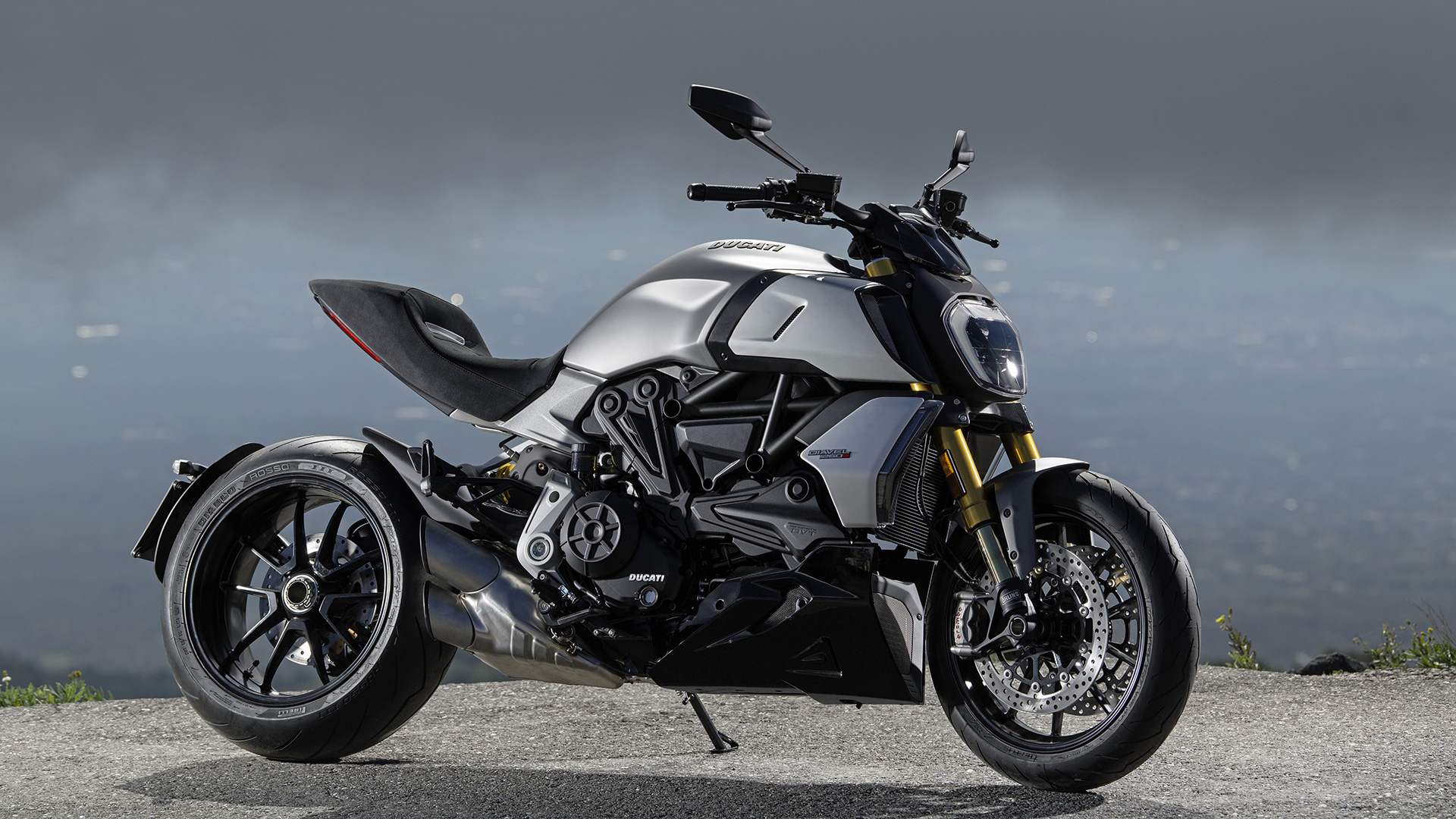
    Ever since it came into existence, the Ducati Diavel has been a standout motorcycle as far as design and performance is concerned. Its raw sex appeal and power cruiser styling has been liked by enthusiasts. And furthering its reputation, the new Ducati Diavel 1260 has won the Red Dot Award “best of the best” in the product design category this year. The Diavel 1260 won the award amongst 5,500 products, with 40 international jury members voting for it to be the winner. This is the third time that Ducati has won a Red Dot award with previous winners being the 1199 Panigale in 2013 and the XDiavel S in 2016. Yes! It is a second for the Ducati Diavel family as well.

    The 2019 Ducati Diavel 1260 makes 159 bhp at 9500 rpm and 128 Nm of peak torque kicking in at 7500 rpm, from the 1,262 cc, Testastretta V-twin with desmodromic valve timing. The new Diavel offers three riding modes – Sport, Touring and Urban. Each mode has its own engine map, as well as distinctive settings for traction control, wheelie control and cornering ABS. Other features include a full-colour TFT display, hands-free ignition, and cruise control.

    The S variant gets Bluetooth connectivity on the TFT screen and full LED lighting. The top-spec S variant gets fully adjustable 48 mm fork and rear shock from Ohlins. The S model also uses Brembo M50 monobloc front brake calipers, whereas the regular Diavel 1260 uses Brembo M4.32 calipers. Both variants use twin 320 mm front discs and a 260 mm rear disc.

  • Isuzu To Increase Prices Of The D-Max

    Isuzu To Increase Prices Of The D-Max

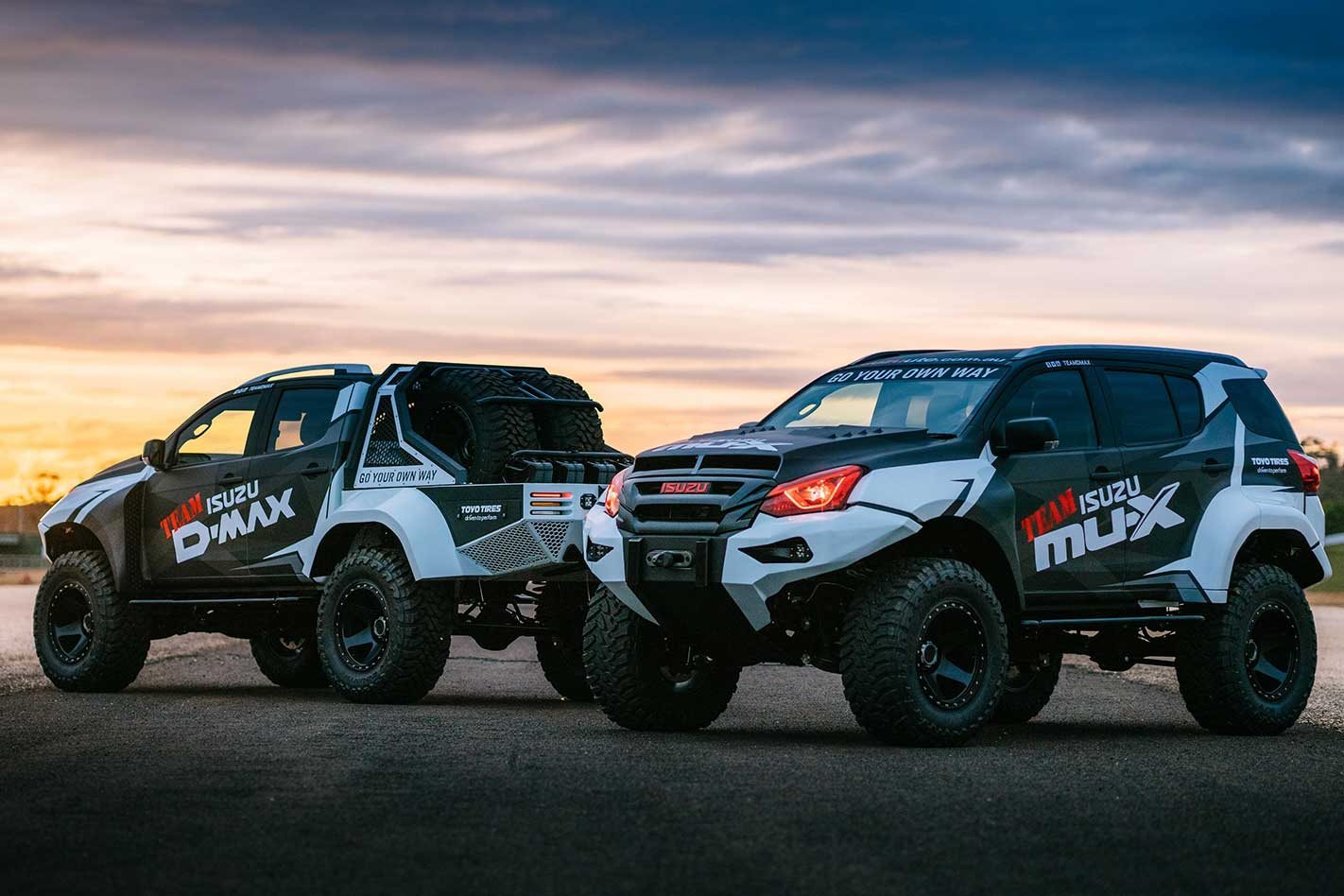
    Isuzu Motors India has announced to increase the prices of its commercial pick-up range- the D-Max Regular Cab and the D-Max S-Cab. The company has decided to increase the prices by 2 per cent which will be effective from April 1. Following a series of price hike by carmakers like Mahindra, Tata Motors, Renault and Nissan, even Isuzu has made the price hike announcement citing similar reasons. The company has cited rising input costs and distribution costs as the reason for the increase in prices.

    It has become a common practice for automakers to adjust prices of select models at the beginning of a financial year in a bid to sustain their margin. Isuzu has increased the prices of its commercial range which means only the D-Max pick-up trucks will get more expensive. The Isuzu D-Max V-Cross which is more of a lifestyle vehicle will see no change in the prices.

    The D-Max Regular Cab and the S-Cab are priced at ₹ 7.40 lakh and ₹ 8.89 Lakh, respectively (all prices ex-showroom, Delhi). Both the pick-up trucks are powered by a 2.5-litre, four-cylinder, turbocharged engine which churns out 78 bhp and 176 Nm of peak torque and is mated to a five-speed manual gearbox as standard.

  • Renault Samsung XM3 Unveiled At The Seoul Motor Show

    Renault Samsung XM3 Unveiled At The Seoul Motor Show

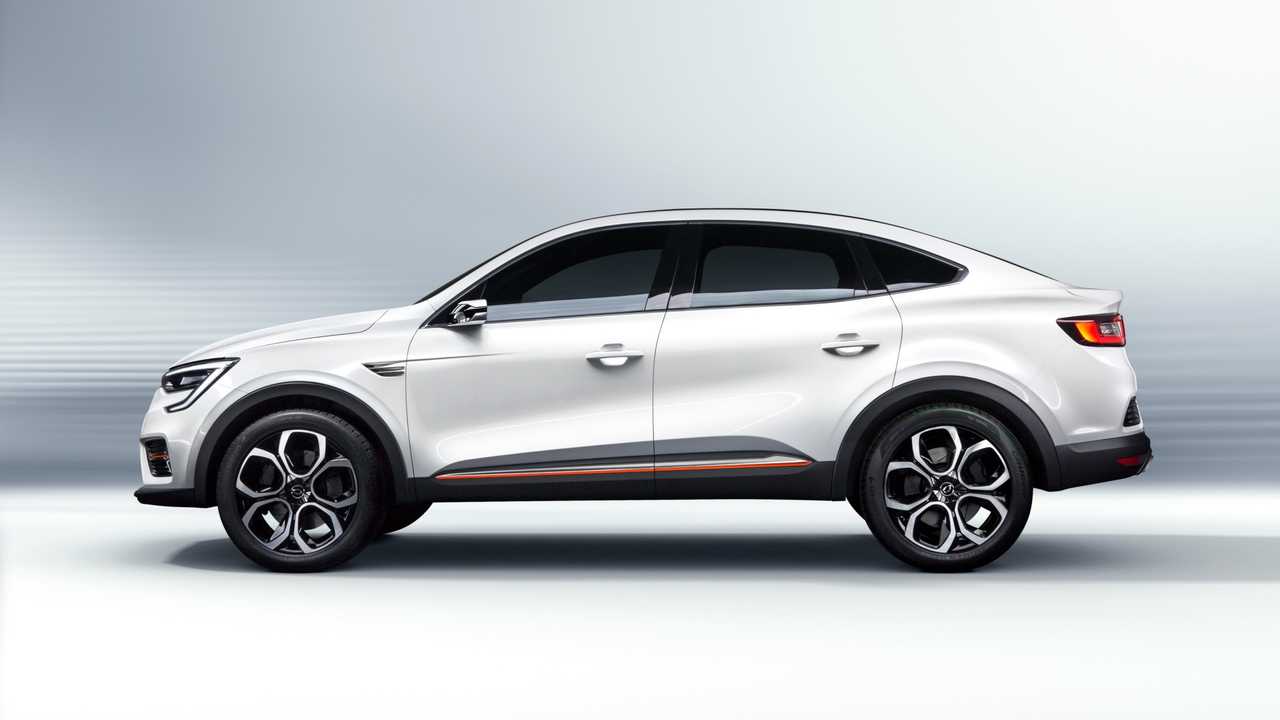
    Renault and Samsung who operate in a joint venture in the South Korean market have unveiled a new C-segment coupe SUV at the 2019 Seoul Motor Show. The Renault Samsung XM3 Inspire concept was first showcased at the Arkana concept last year at the Moscow Auto Show and has been rebadged for the South Korean market. To be specific, the second party in the JV- Samsung Motor is different from Samsung electronics which manufacture electronic goods and smartphones. The company was commissioned in 1994 and started market operations in 1998.

    The key difference between both the show cars is limited to the grille which has been tweaked and sports the Renault-Samsung logo instead of Renault’s diamond logo and is finished in white paint shade. The Renault Samsung XM3 Inspire being a coupe concept sits high up the ground wearing the top hat of a sedan. It gets a tapering roofline and a panoramic glass roof along with massive wheel arches that cover the 19-inch alloy wheels. It is also equipped with LED headlights with C-Shaped daytime running lights.

    The XM3 Inspire concept is a part of Renault Samsung Motor’s future product line up. The production model of the Renault Samsung XM3 Inspire will be launched in the South Korean Market in 2020.

  • BMW X5 Launch Details Revealed

    BMW X5 Launch Details Revealed

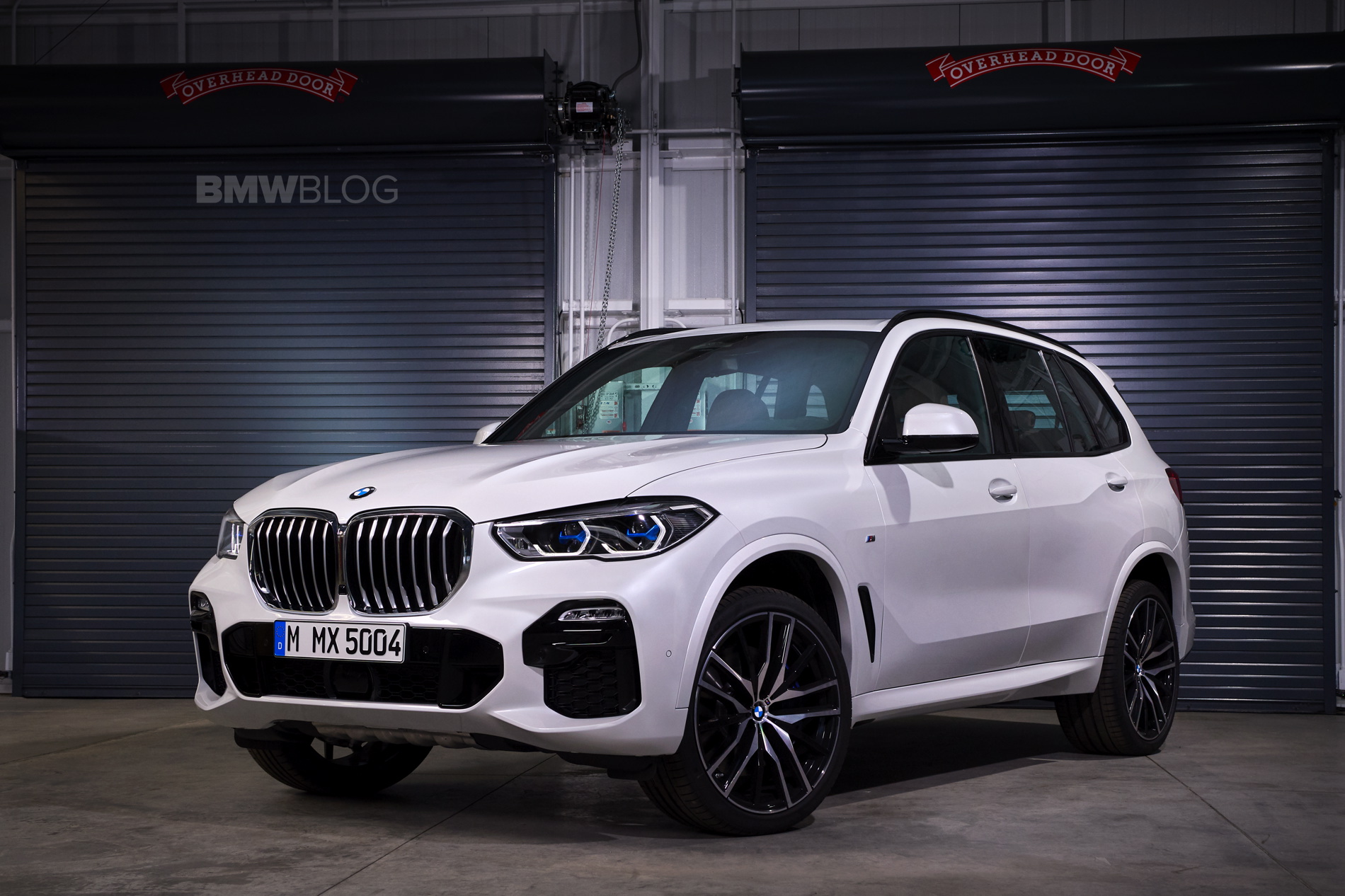
    We had exclusively reported that BMW will be launching 12 new models in India this financial year. The Bavarian carmaker will be beginning with the launch of the 2019 BMW X5 and will be launching the all-new SUV in Indian on May 16. The new-generation BMW X5 is spawned by the same CLAR platform which also underpins several other BMW models like the 5 Series, 7 Series and the X3. Upfront, the new BMW X5 gets a wide BMW kidney grille with single-piece surround. The new model is also equipped with BMW’s latest LED headlights which have new blue X-shaped beam what split the light inside the headlights. At the side, there is not much change in the design to point out, however, the new X5 has grown in dimensions which is quite apparent when you look at it from this angle. It also gets the new LED tail lamps which have a three-dimensional layout and is sharply sculpted at the edges.

    The cabin of the new BMW X5 is equipped with a 12.3-inch all-new digital instrument cluster with a control display. The layout of the cabin is also in-line with other new BMW models with a revamped central console which integrates the controller and the new gear knob along with the new driving mode selector. The design of the air-con vents too has been tweaked. Moreover, it gets the four-zone climate control system and the panoramic glass roof which is 30 per cent larger than the outgoing model.

    The current BMW X5 is sold in India only in the 30d iteration, however, the new model is also likely to be offered with petrol variants. The diesel will be the same 3.0-litre, turbocharged, six-cylinder unit which develops 335 bhp and 450 Nm of peak torque. The petrol in the 540i variant is also likely to be the 3.0-litre, turbocharged, six-cylinder unit. Both the engines are mated to an eight-speed automatic gearbox and also get the xDrive intelligent all-wheel-drive system as standard. The BMW X5 range in some of the global markets also gets a 4.4-litre V8 engine which makes a whopping 456 bhp and a heavy peak torque of 650 Nm. However, we are not sure if BMW will consider it for our market. BMW engineers have also shared that the new X5 also has better off-road abilities than before while keeping its handling prowess intact. In terms of safety features, the BMW X5 gets the collision warning and pedestrian warning system. It is also offered with an Active Cruise Control system as an optional feature.

  • New Honda Accord For ASEAN Markets Revealed

    New Honda Accord For ASEAN Markets Revealed

    The tenth generation Honda Accord has been revealed for the ASEAN markets and the all-new sedan is more compact than its predecessor while offering more generous cabin space. Interestingly, the new generation ASEAN-spec Accord is similar to the North American version in design that has been on sale since 2017. The latter model has usually been bolder and sportier in terms of appearance, and it’s nice to see the ASEAN model borrowing those traits. This is also the version of the new Honda Accord that India will get, possibly by next year.

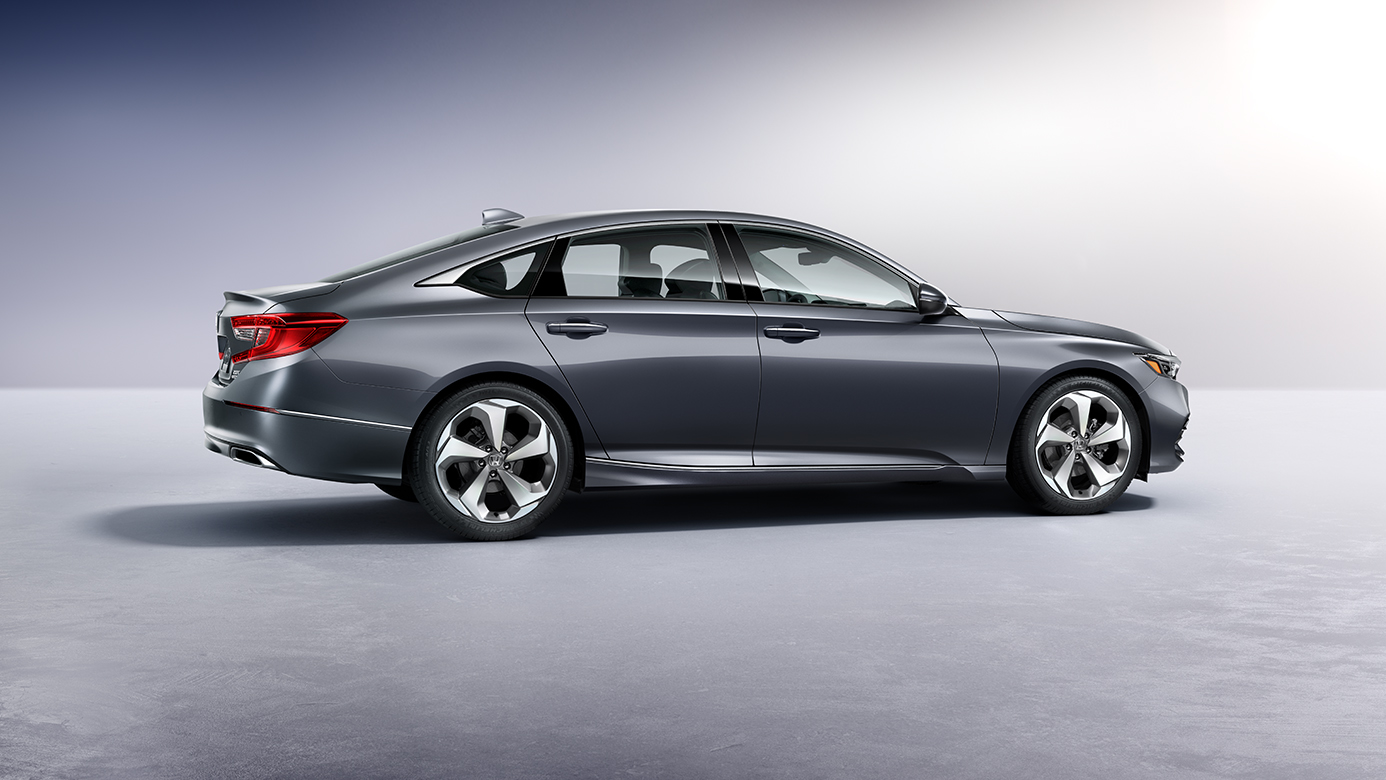
    With respect to dimensions, the 2019 Honda Accord is shorter in length, while the wheelbase has gone up over the ninth generation version. The new Accord is 13 mm shorter at 4920 mm, while the wheelbase stands at 2830 mm, up by 54 mm. The new version is also 10 mm wider than the previous gen Accord while the roofline has been lowered by 15 mm that lends a coupe-like appearance.

    The tenth generation Honda Accord gets an imposing design language with the thick chrome bar on the grille with the giant ‘H’ in the centre. The car gets full-LED headlamps with daytime running lights and the fog lamps too are LED equipped. The coupe roofline takes prominence at the sides with a chrome lining running through, and also gets the diamond cut alloy wheels. The rear sports the new C-shaped LED taillights that we first saw on the new generation Civic globally and the boot comes with an integrated spoiler for the sporty appearance.

    Inside, the ASEAN-spec 2019 Honda Accord gets a familiar treatment with the flat-bottom, multi-function steering wheel, floating infotainment system and a semi-digital instrument console. The seats are upholstered in leather and are finished in brown, creating a nice contrast over the black dashboard. The leather upholstery also extends to the door panels and centre console in the car. Like the current version, the new Accord is loaded on tech and comes with climate control, electric sunroof, heads-up display, front and rear parking sensors, 360-degree camera, cross traffic monitoring, wireless smartphone charging, Honda Smart Parking Assist System with auto parallel and perpendicular parking. The car also gets the Honda Sensing Suite that adds a bunch of safety aids to the sedan.

    The all-new Honda Accord will be offered with two engine options including the 1.5-litre turbocharged petrol engine that churns out 188 bhp and 243 Nm of the peak torque, while there is also the 2.0-litre four-cylinder petrol motor that is paired with electric motors on the hybrid version. The combined output on the new Accord Hybrid is rated at 213 bhp. It is the hybrid version that India is likely to get and will replace the current Accord Hybrid already on sale here.

  • Volkswagen To Improve Production With Amazon Cloud

    Volkswagen To Improve Production With Amazon Cloud

    Volkswagen on Wednesday said it has teamed up with Amazon Web Services to link up and integrate the data from 122 VW Group plants, machines and systems, as a way to improve its production systems and processes. Amazon will help Volkswagen join up its plants and supply chain with over 30,000 locations and 1,500 suppliers using a data platform known as the “Volkswagen Industrial Cloud”, the company said in a joint press release with Amazon.

    The cloud platform could be made available to other car manufacturers and specific negotiations with major industrial companies interested in migrating to the Volkswagen Industrial Cloud are already underway, VW and Amazon said.

    The cloud helps VW to detect supply bottlenecks and process disruptions early as well as to optimize the operation of machinery and equipment.

    Amazon’s machine learning analytics and production know-how will be extended to the requirements of the auto industry, VW and Amazon Web services said.

  • 2020 BMW 1 Series Details Revealed

    2020 BMW 1 Series Details Revealed

    The 2020 BMW 1 Series is all set to be revealed but before it does, the company  is still testing the car at the BMW proving ground in Miramas, Southern France. Of course, it’s taken 5 years of development before this to change to the modern BMW front-wheel drive architecture.  The company says that the front wheel drive layout will improve the driving dynamics of the cars and it will be agile too. A crucial element for the car’s agility is ARB technology (actuator contiguous wheel slip limitation) known from the BMW i3s, which we’ll get to see for the first time in a car with a combustion engine.

    The ARB technology will be standard on the 2020 BMW 1 Series and will feature a slip control system positioned directly in the engine control unit instead of in the control unit for the DSC function (Dynamic Stability Control). BMW Performance Control will also be part of standard equipment on the 2020 BMW 1 series. This will help enhance the torsional stiffness of the body structure by the targeted use of additional struts such as a standard rear-end boomerang strut.

    Under the hood of the 2020 BMW 1 series will be a powerful 4-cylinder motor for the top of the line model. The BMW M135i xDrive will feature the most powerful  2-litre 4-cylinder engine from the BMW Group BMW TwinPower Turbo technology. This engine churns out 302 bhp and it gets a reinforced crank drive, new pistons and cod rods, a larger exhaust turbocharger as well as optimised fuel injection valves.

    Inside, BMW says that the 1 Series has more to offer thanks to the new front-wheel drive architecture with transverse engines and a low centre tunnel. Legroom for rear-seat passengers has increased by 33 mm and headroom at the back by 19 mm. Access to the rear compartment is now easier and luggage compartment capacity has increased by 20 litres to 380 litres. The company will reveal more details closer to the reveal of the car

  • Daimler To Develop Smart Brand Together With Geely

    Daimler To Develop Smart Brand Together With Geely

    Daimler on Thursday said it will develop its next generation of Smart electric vehicles in China through a joint venture with rival Geely, deepening an alliance between the two carmakers.

    Daimler said it will build next generation Smart vehicles at a purpose built factory in China, and share its expertise in manufacturing, engineering and design with Geely.

  • Renault Kwid To Cost More From April Onwards

    Renault Kwid To Cost More From April Onwards

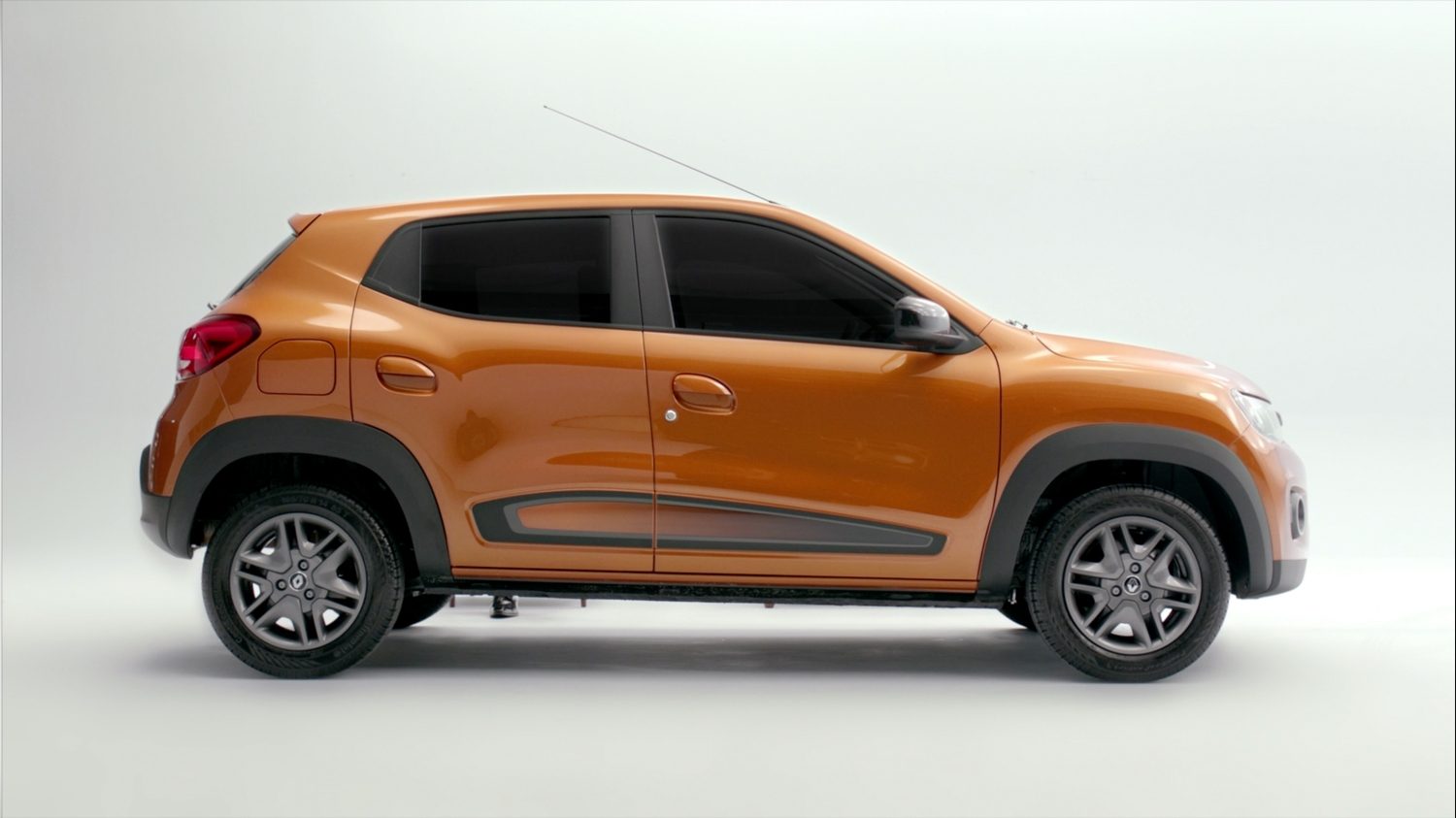
    Renault announced a price increase on the Kwid range by upto 3 per cent. The revised prices will be effective April 2019. The company has said that the price increase is on the account of rising input costs. The rest of the range remains unaffected as far the price hike is concerned. The Kwid range starts at ₹ 2.67 lakh going all the way up to ₹ 4.63 lakh  and come April 1, 2019, we’ll see a hike in these prices.

    The 2019 range Kwid continues to get the 7-inch touchscreen infotainment system which is available only on the RXT(O) and Climber variants of the car, but it now gets new connectivity options in the form of Android and Apple Carplay. It also has a ‘Push to talk’ button allowing for ease in operations and better accessibility to all applications like music, videos, navigation all of which can be seamlessly used through your smart phone.

    One can also enjoy videos on the MediaNAV display through the new video playback option, just by connecting any USB device. The other segment-first equipment that the updated Kwid offers is a Rear view camera assist through sound warning with colour guidelines which is standard across all variants. The rear view camera does make it easier to park the car in tight parking spots. Renault has also introduced a rear arm rest only on the Climber edition for extra comfort and convenience. In addition, the AMT variants of the new Kwid come equipped with Traffic assist which helps the vehicle to crawl forward in slow moving traffic and also prevents it from rolling back on slopes.

    As far as safety equipment goes, the 2019 Kwid features Anti-Lock Braking System with Electronic Brakeforce Distribution (ABS with EBD), Driver airbag and Driver & Co Driver Seat belt reminder, speed alert; all of which are standard across variants.

  • Oslo Becomes The First City In The World To Get Wireless Charging Systems For EVs

    Oslo Becomes The First City In The World To Get Wireless Charging Systems For EVs

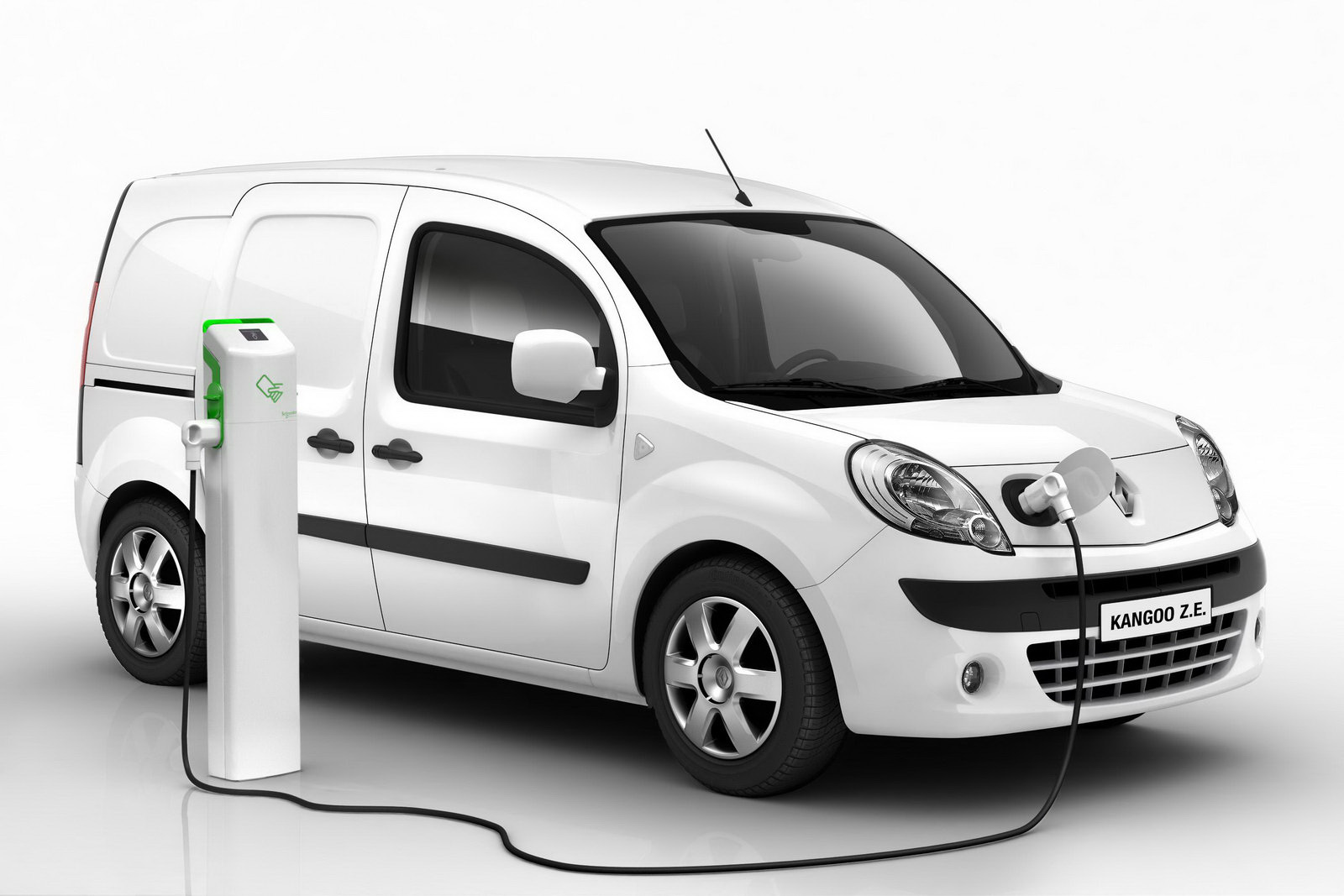
    Norway’s capital Oslo will become the first city in the world to install wireless charging systems for electric taxis, hoping to make recharging quick and efficient enough to speed the takeup of non-polluting cabs. The project will use induction technology, with charging plates installed in the road at taxi ranks linking to receivers installed in the vehicle, Finnish utility Fortum said.

    From 2023 onward all taxis in Oslo will have to be zero emission and Norway wants all new cars to be zero emission by 2025. Among other nations, Britain and France have similar goals for 2040. Fortum, which is working with U.S. firm Momentum Dynamics and the City of Oslo on the scheme, said the greatest hurdle for electrification of taxis had so far been the infrastructure, as it is too time consuming for cabbies to find a charger, plug in, then wait for the car to charge.

    Induction is more energy efficient and enables charging the taxis while they are in the slowly moving queues at taxi ranks. “Time equals money when taxi drivers are working,” said Ole Gudbrann Hempel, head of Fortum’s public charging network in Norway.Norway has the world’s highest rate of electric car ownership, partly thanks to long-term perks such as free or discounted road tolls, parking and charging points. Last year, almost one in three new cars sold was electric.

    The government also exempts electric vehicles from taxes on traditional vehicles that are very high in a country which does not have its own fossil fuel car industry to lobby against them. With just five million people, Norway bought 46,143 new battery electric cars in 2018, making it the biggest market in Europe, ahead of Germany with 36,216 and France on 31,095, according to the European Automobile Manufacturers’ Association.

  • Porsche Cayenne Coupe Unleached

    Porsche Cayenne Coupe Unleached

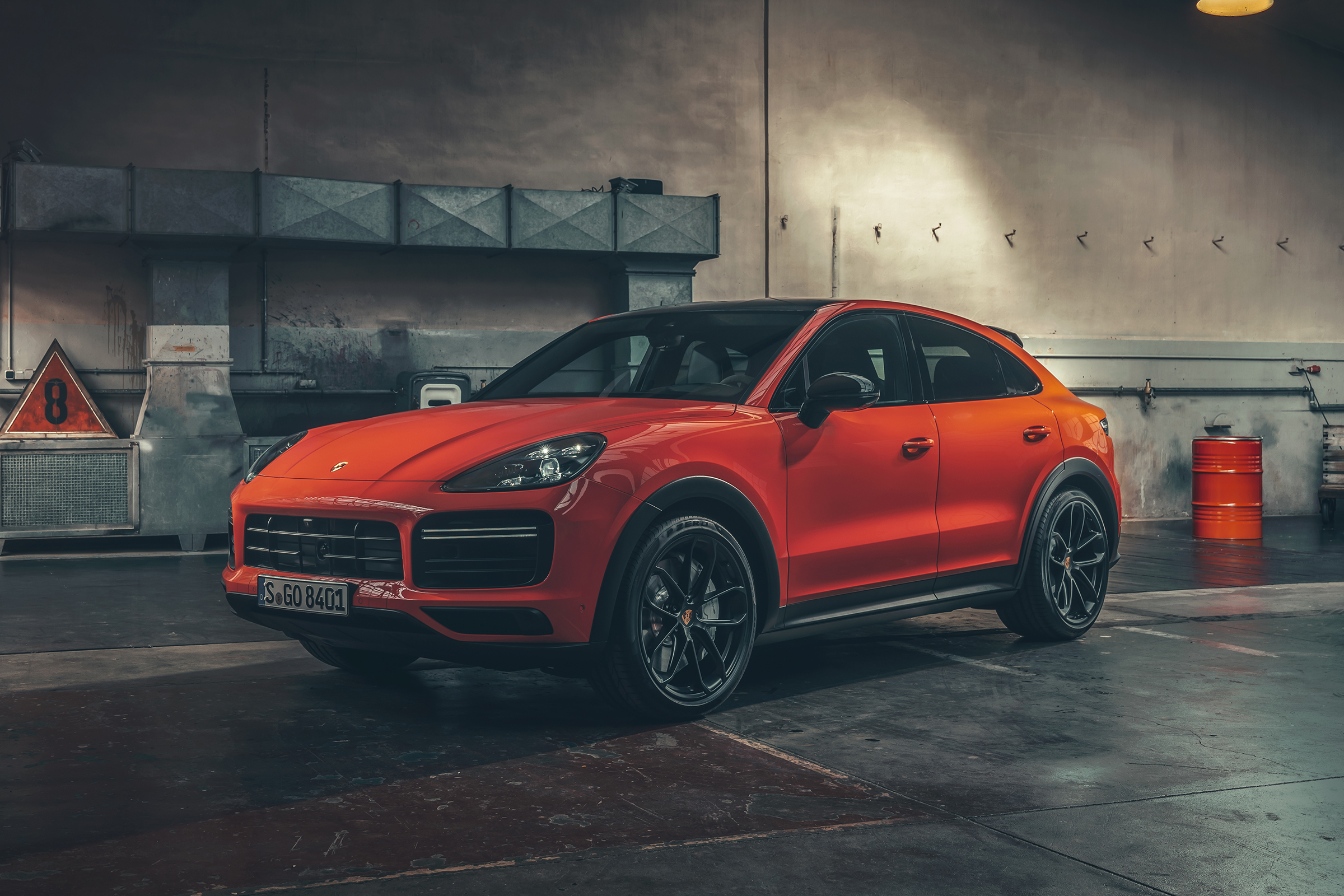
    We’ve been anticipating it for a while now from Porsche and it’s finally here. The Porsche Cayenne has taken the Coupe route and the company has revealed the Cayenne Coupe. The highlights of the new Cayenne model include sharper lines with a unique rear section, an adaptive rear spoiler, a rear bench with the characteristics of two individual seats. The new model also offers two different roof concepts, which includes a panoramic fixed glass roof fitted as standard and an optional carbon roof.

    The front windscreen and A-pillar are shallower than in the Cayenne, courtesy of a roof edge that has been lowered by around 20 millimetres. Redesigned rear doors and fenders broaden the shoulders of this vehicle by 18 millimetres, contributing to its overall muscular impression. The rear number plate is integrated into the bumper, making the vehicle seem closer to the ground. With its adaptive roof spoiler, the current Cayenne Turbo was the first SUV to feature this type of active aerodynamics. The new Cayenne Coupé picks up that ball and runs with it. On each Cayenne Coupé model, a roof spoiler is combined with a new adaptive rear spoiler as part of Porsche Active Aerodynamics (PAA). The spoiler – harmonically integrated into this model’s silhouette – extends by 135 mm at speeds of 90 kmph and up, increasing the contact pressure on the rear axle, while PAA simultaneously enhances efficiency.

    The new Cayenne Coupé comes with a 2.16 m2 panoramic fixed glass roof as standard. A contoured carbon roof is optionally available for the Coupe. The centre seam gives the roof the characteristic look of a sports car, similar to the Porsche 911 GT3 ₹ The carbon roof is available in one of the three lightweight sports packages. These packages also include the Sport Design features and new, weight-reduced 22-inch GT Design wheels, seat centres in classic checked fabric, as well as carbon and Alcantara accents in the interior. For the Cayenne Turbo Coupe, the package also includes a sports exhaust system.

    If you thought it’s pretty groovy looking on the outside, well, the inside is no different. At the front, the new eight-way sports seats with integrated headrests offer exceptional comfort and optimum lateral support. In the rear, the Coupé comes fitted as standard with a rear bench that has the characteristics of two individual seats. Alternatively, the comfort rear seats – a familiar feature of the Cayenne – can be ordered at no additional cost. Rear passengers sit 30 millimetres lower than in the Cayenne, meaning there is plenty of headroom despite the vehicle’s sporty lowered silhouette. The boot capacity is 625 litres – ideal for everyday use – and rises to 1,540 litres when the rear seats are folded down (Cayenne Turbo Coupé: 600 to 1,510 litres).

    Under the hood of the Cayenne Coupe will be two high-performance engines. It will come with a 3-litre 6-cylinder turbocharged engine that delivers 335 bhp and maximum torque of 450 Nm. The Sport Chrono Package fitted in the car achieves the standard sprint from 0-100 kmph in 6 seconds, with this figure dropping to 5.9 seconds with the optional lightweight sports packages. The vehicle’s top speed is 243 kmph. The top-of-the-range Cayenne Turbo Coupe goes to the starting line with a 4 litre V8 engine with twin-turbo charging 542 bhp, and a maximum torque of 770 Nm. The Cayenne Turbo Coupe accelerates from a standing start to 100 kmph in 3.9 seconds, and has a top speed of 286 kmph.

    The new Porsche Cayenne Coupe models are available for order now in the European markets. We have to wait to find out when India gets this model. We are sure that it will be very soon though.
  • All-New BMW 1 Series Launch on The Agenda for this Year

    All-New BMW 1 Series Launch on The Agenda for this Year

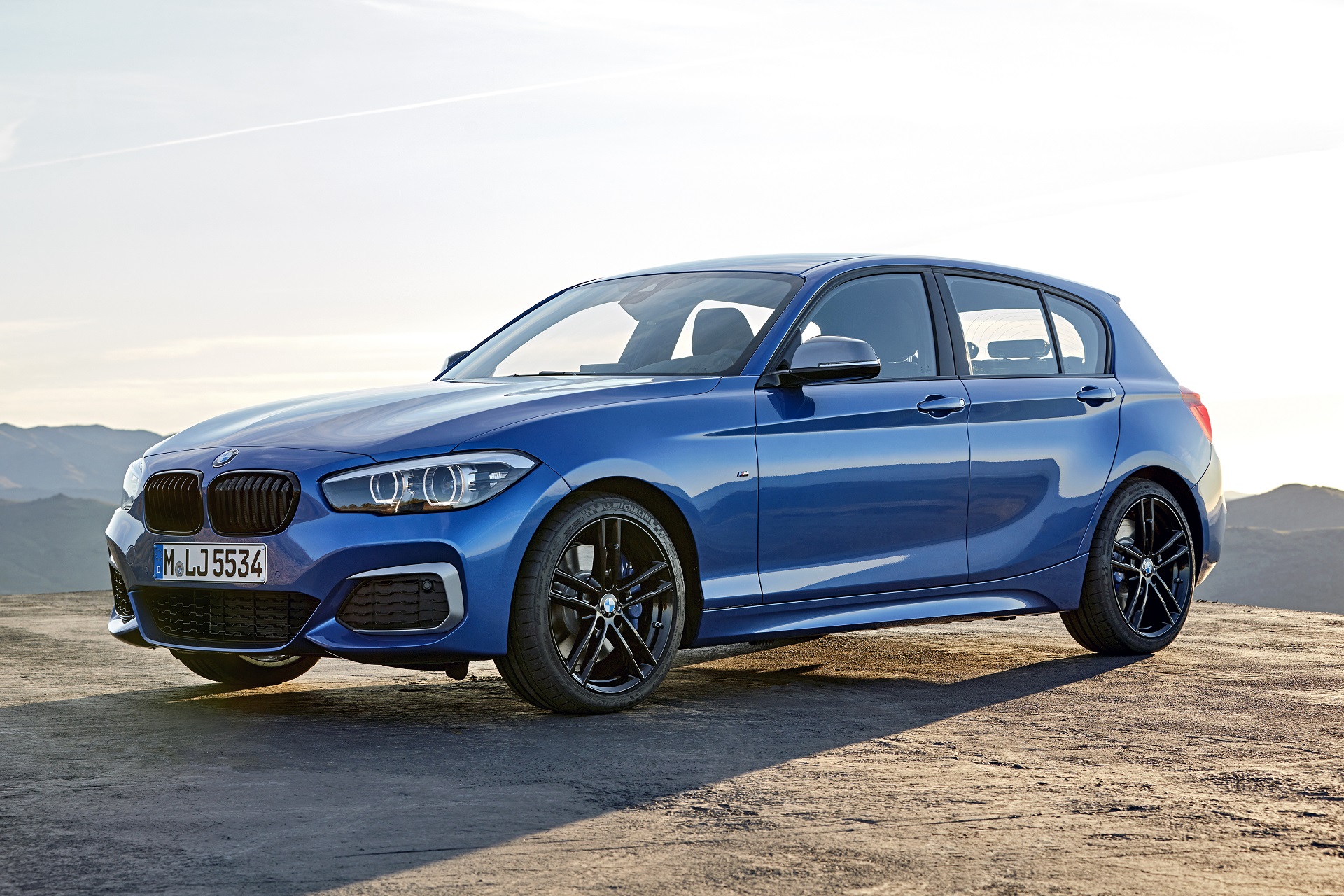
    The 2019 BMW 1 Series has been one of the long-awaited launches not only for the Indian market but also globally. The 1 Series is BMW’s most affordable offering and has been around since 2011 globally. The hatchback also made its way to India in 2012, however, it was soon taken off the production line in India pertaining to its low demand. That said, BMW has heavily updated the next-generation BMW 1-Series and it will make its first public appearance at the 2019 Frankfurt Motor Show in September. The company has also confirmed that the all-new BMW 1 Series will be launched in Europe in 2019 and will make its way to the other global markets in 2020. The all-new BMW 1 Series will have a similar interior design to the latest 3-Series.

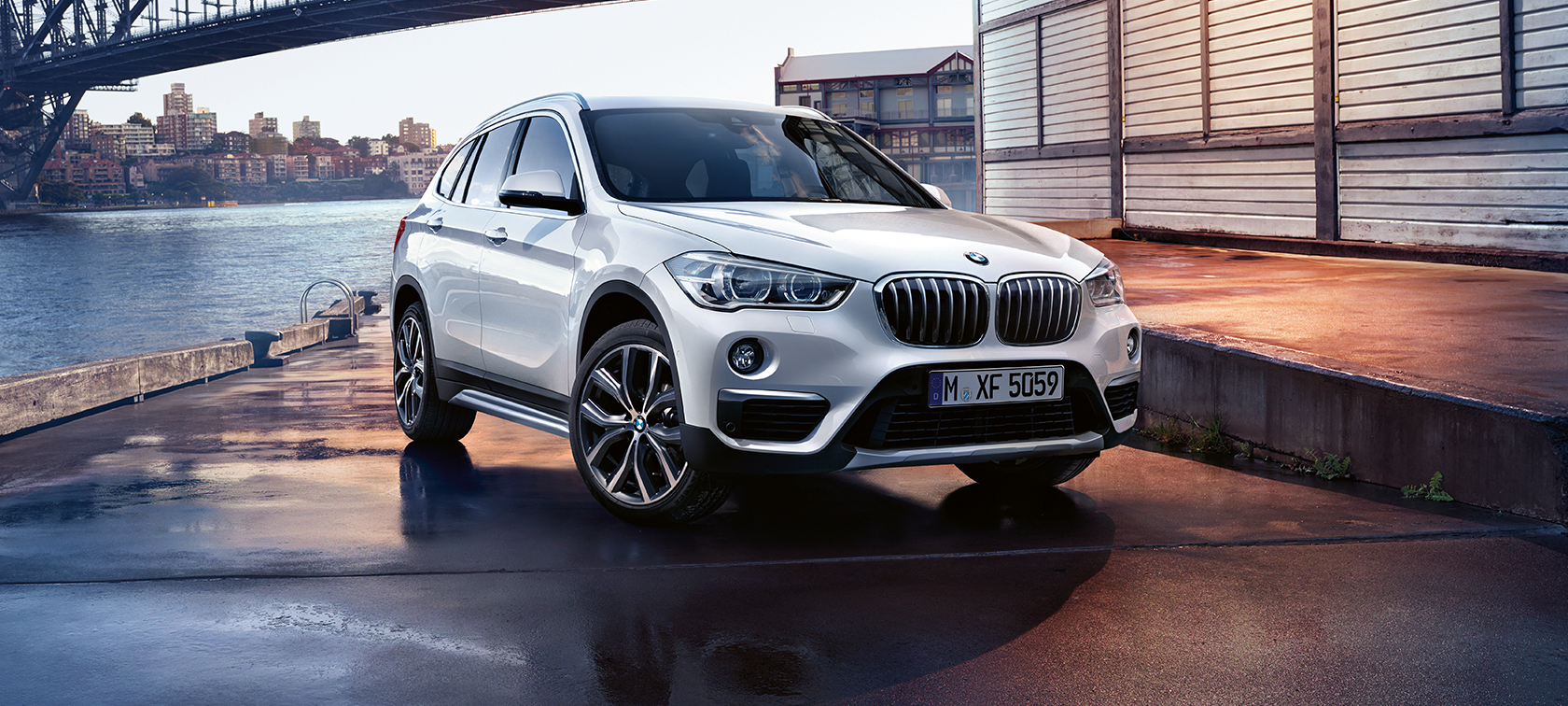
    The new BMW 1 Series has been developed on the FAAR platform and will embody BMW groups latest design language with its face picking up cues from the 8-Series Coupe. The cabin of the new BMW 1 Series is also inspired by the bigger models of the family and the dash will be quite similar to what we have seen on the latest 3 Series sedan. However, the size of the infotainment screen and instrument panel is still uncertain. The key highlight, however, is that the new 1 Series will be front-wheel driven like the BMW X1 and, unlike its predecessor which was rear-wheel driven.

    At the 2019 Frankfurt Motor Show, the next-generation 1 Series will be showcased alongside the BMW 2 Series Gran Coupe. While the latter is unlikely to be considered for the Indian market, we still hope the BMW 1 Series could return given the fact that BMW is planning to launch 12 new models in India in the 2019 Fiscal year. The new 1 Series will also be a feature loaded model, unlike the previous one which lost its sheen being bare basic for a luxury car brand. Moreover, being a front-wheel-drive model, it’s likely to be cheaper than its predecessor.

  • Shelby Mustang GT500 Could Be Launched Soon In India

    Shelby Mustang GT500 Could Be Launched Soon In India

    Pune-based AJP Group is likely to launch the much-loved Shelby Mustang GT500 in India this year. The multi-brand enterprise, which recently appointed Manas Dewan as its Chief Operating Officer (COO), said that the company has partnered with performance auto brands like Scomadi Scooters and Shelby. And we have reasons to believe that the first car to come from the latter will be the new 2020 Shelby Mustang GT500. It was just early this year in January that Ford performance-oriented pony car made its official debut at the 2019 Detroit Motor Show, and it’s possible that the car could come to India by the end of this year.

    At the moment neither Dewan nor any other company spokesperson was available to provide us with an official confirmation about the Shelby GT500’s arrival. However, it’s clear that AJP is likely to serve as the technical partner for Shelby in India, handling modifications and upgrades, and as is the case globally sales, services and warranty bits could be handled by Shelby and Ford India.

    Although based on the regular Mustang, this particular GT500 tuned by Shelby is the most powerful Ford car. The Shelby GT500 is powered by a hand-built supercharged 5.2-litre aluminium alloy engine with inverted a 2.65-litre roots-type supercharger and air-to-liquid intercooler tucked neatly in the V8 engine valley and is tuned to churn out around 700 bhp. The Shelby GT500 gets a 7-speed dual-clutch transmission, which can shift smoothly in less than 100 milliseconds. This dual-clutch transmission is designed for a number of drive modes, including normal, slippery, sport, drag and track, and features line-lock and rpm-selectable launch control through selectable Track Apps.

    Visually, the car carries the signature Shelby character merged with the Ford Mustang’s design, like the large grille with the Cobra at the centre, sporty front bumper with a lip spoiler, 20-inch carbon fibre wheels. The car also comes with 0.5-inch-wider rear wheels (11.5-inch), custom Michelin Pilot Sport Cup 2 tyres, adjustable exposed carbon fibre GT4 track wing and splitter wickers with integrated dive plane. Then we also have the signature twin racing strips running from front to back.

    The car also gets a race car-inspired cabin with premium materials and unique finishes with fibre instrument panel applique and new door panel inserts in Dark Slate Miko suede with accent stitching. The dashboard features an 8-inch SYNC 3 touch screen featuring SiriusXM and FordPass Connect, along with a 12-inch full-colour LCD instrument cluster as well. The car also gets a high-performance custom-tuned 12-speaker B&O play premium audio system.

  • Royal Enfield Classic & Thunderbird Range Get Optional Alloy Wheels

    Royal Enfield Classic & Thunderbird Range Get Optional Alloy Wheels

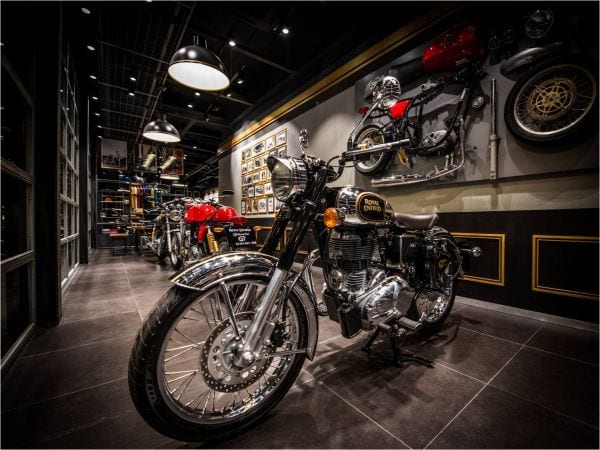
    Chennai-based motorcycle maker, Royal Enfield has added alloy wheels as an optional accessory for the Classic and Thunderbird range of motorcycles. The alloy wheels are priced at ₹ 10,000 for a pair and can be purchased at any of the brand’s 800+ dealerships across the country. The black with chrome finished nine-spoke alloy wheels are the same ones that are already offered on the Thunderbird X series, and will seamlessly integrate with the original tyres, tubes and brakes, replacing the stock spoked wheels that are offered with all Royal Enfield offerings.

    The alloys are compatible with any of the Royal Enfield Classic and Thunderbird range of motorcycles

    Compatible with the Royal Enfield Classic 350 and 500, as well as the Thunderbird 350 and 500, the front alloy wheel measures at 19-inch while the rear is an 18-inch unit. The alloys come with a warranty period of two years, and the bike maker’s lists the installation time at 105 minutes. The new alloy wheels not only add to the visual appeal of the motorcycle but also bring the convenience of tubeless tyres, which are easier to repair, in case of a puncture.

    Given the fact that Royal Enfield motorcycles tend to be one of the most customisable motorcycles out there, offering factory-backed accessories is a smart move from the manufacturer. This should also help reduce the use of substandard alloys that are available in the market that tend to break easily with a simple bump or thud. It’s a safety risk afterall, putting the rider and pillion’s life in danger.

    In addition, Royal Enfield is expected to roll out alloy wheel options for the Interceptor 650 as well in the coming weeks. The alloy could sport a different design while prices are likely to be in the same vicinity. Both the front and rear wheels are 18-inch spoked-units on the Interceptor 650 and Continental GT 650, and come shod with Pirelli tyres.

  • Toyota To Use Maruti Suzuki’s Platforms To Develop New Models

    Toyota To Use Maruti Suzuki’s Platforms To Develop New Models

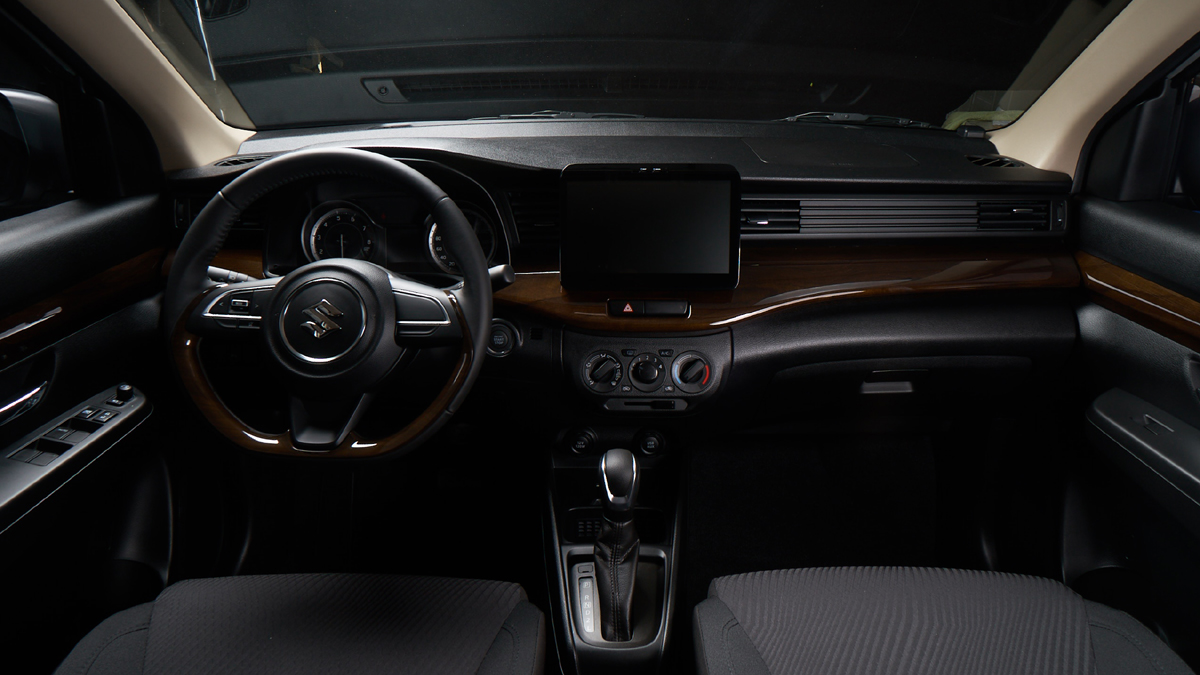
    Toyota Motor Corporation and Suzuki Motor Corporation have announced their agreement to begin considering concrete collaboration in new fields. The two Japanese companies have been considering the details of the collaboration since they signed an MOU for business partnership in February 2017. The companies have spelt out the broad areas of collaboration keeping different markets in mind. It was already known that the Maruti Suzuki Vitara Brezza and Baleno will be cross-badged and Toyota will retail them through their network after making minor design changes and in return, Maruti Suzuki will do the same with the Suzuki badged Corolla. The company has shared that Maruti Suzuki will also supply two compact vehicles which will be developed on Suzuki’s Global C and Heartec platforms which spawn the Ciaz and Ertiga, respectively.

    Though Toyota will be outsourcing the Ciaz and Ertiga along with the Vitara Brezza and Baleno for the African market, the company will be using Suzuki’s expertise and platforms to develop a similar but new C-segment MPV for the Indian market. This means that Toyota’s version of the Ertiga and Ciaz for our market won’t be limited to cross-badging, but could see some substantial modifications as well. Toyota will also start the production of its version of the Vitara Brezza in 2022 at its Karnataka plant while the Toyota badged Baleno will go on sale in 2019 itself.

    The Toyota-Suzuki pact, however, will go beyond sharing of vehicles and platforms. The company will supply hybrid electric vehicle (HEV) technologies to Maruti Suzuki through local procurement of HEV systems, engines and batteries. Toyota’s hybrid technology will hence be a replacement for the mild hybrid or SHVS technology which Maruti Suzuki has been using so far in the Ciaz and Ertiga along with introducing some plug-in hybrid models. Globally, Toyota will also supply Suzuki hybrid systems which will make way in its models worldwide.