Tag: Auto

  • Mahindra Marazzo MPV Gets Apple CarPlay

    Mahindra Marazzo MPV Gets Apple CarPlay

    Mahindra’s latest launch- the Marazzo will now be equipped with Apple CarPlay. The MPV was launched in India on September 3 and it’s infotainment system was Android Auto compatible. The UV maker has now confirmed to carandbike of having received the licence for Apple CarPlay. The company has sold over 4500 units of the Marazzo, which were rolled out of the Nashik plant. All these units did not have Apple Carplay but the company has informed us that all the models sold will be updated with the Apple CarPlay in their schedule service, without any additional cost.

    The timing for the license couldn’t have come at a better time as Mahindra is all set to launch the Y400 in the country in November this year and well, the SUV of course will get both Apple CarPlay and Android Auto now.

    The 7-inch touchscreen infotainment system in the Mahindra Marazzo is claimed to be the most updated unit in Mahindra’s product portfolio boasting of some cool features, for example configurable home screen. Buyers can add personalized images on the infotainment system’s internal memory via the USB socket and select it as the background wallpaper. Moreover, Mahindra has also been innovative with the creature comfort features in the Marazzo.

    The new Mahindra Marazzo is powered by a new 1.5-litre four-cylinder diesel engine that has been tuned to offer a maximum of 121 bhp and develops a peak torque of 300 Nm. The engine only comes mated to a 6-speed manual gearbox, and right now, there is no automatic transmission on offer. Mahindra is also working on the petrol engine and an automatic transmission for the Marazzo and could introduce the same when the BS VI emission norms come into effect from April 2020.

  • Tesla Chief Elon Musk Unveils a $35,000 Model 3

    Tesla Chief Elon Musk Unveils a $35,000 Model 3

    Tesla chief Elon Musk said late Thursday that the automaker was preparing to sell the cheapest version yet of its newest electric car, the Model 3, signaling an attempt to get back to business after months of controversy. Musk said on Twitter that the sedan, with its “midrange” battery pack, would cost $35,000, bringing it in line with the mass-market model he had promised for years would revolutionize the availability of electric cars.

    But that price takes into account federal and state tax rebates. Before the discounts, it will sell for $45,000 – though the company says buyers should think of the car as far cheaper, because of the money they’ll save on gas.

    Musk sparked a frenzy of customer reservations in 2016 when he said the Model 3 would cost $35,000 before incentives, such as a $7,500 federal tax credit – a price point that would help Tesla expand beyond its traditional range of well-heeled buyers. That model, however, remains delayed until 2019, the company said Thursday.

    The surprise announcement, delivered via tweet to Musk’s 23 million followers, comes as Tesla seeks to steer attention away from a chaotic period in which Musk battled with critics, smoked marijuana during an interview and pledged that he had the money to take Tesla private – a promise for which he was sued by the Securities and Exchange Commission, and which he recently settled.

    Musk agreed as part of the settlement to step down as the company’s chairman for three years, opening a prominent void for which the company has yet to fill. But the announcement again highlights Musk’s enduring role as the company’s chief executive, designer and hype man.

    Musk said Thursday the car would be sold via Tesla’s “super simple new order page,” which estimated that delivery for its midrange model would take six to 10 weeks. That model, the company said, could go 260 miles on a single charge.

    The only available Model 3 for the last year has been a long-range version, offered mostly at luxury prices. But Musk said a “truer cost of ownership” for the midrange version would be about $31,000, his estimate for discounting the cost of gas.

    The move could ratchet up the pressure on Tesla’s already-straining California factory and its nationwide system built to deliver cars to customers, which Musk described last month as mired in “delivery logistics hell.”

    “As Model 3 production and sales continue to grow rapidly, we’ve achieved a steady volume in manufacturing capacity, allowing us to diversify our product offering to even more customers,” a Tesla spokesperson said in a statement.

    The move could frustrate Tesla fans who put down a $1,000 deposit two years ago for what they believed would be a sleek electric sedan costing about $27,500 after tax incentives.

    Tesla says the “standard battery” version will not be available for another 4 to 6 months. Musk has said the company, a cash-burning giant that faces billions of dollars in impending debts, must push out more profitable and expensive versions first: Shipping the cheapest “Model 3 right away (would) cause Tesla to lose money & die,” he tweeted in May.

  • New Hyundai Santro Bookings Cross 14,000 Units

    New Hyundai Santro Bookings Cross 14,000 Units

    The Hyundai Santro is back with a bang. And as if to proclaim that this nameplate still commands the kind of strength it used to, the small car has already garnered over 14,000 bookings. Sources have shared with carandbike that the small car has notched up 14,208 bookings within the first 9 days of pre-bookings having been opened for a token of ₹ 11,000, on October 10 2018. This is even though the variants and prices are not known, and customers have shown a preference for the top spec (Asta) manual variant followed by the top spec (Sportz) AMT version.

    These are pan-India bookings, but sources have shared with carandbike that a large chunk of the bookings are from the southern states, with Tamil Nadu, Andhra Pradesh, Telengana, Karnataka and Kerala accounting for just under half the total bookings so far. The above figure does not include bookings taken on Dussehra (celebrated on October 18 in Western India, October 19 in North India), and so the overall number is expected to shoot up with Dussehra bookings and then more so over this weekend too. Bookings are only open online, and not at dealerships since there is no car in showrooms as yet that people can see. But a number of dealers have shared with carandbike that many potential customers have been visiting their showrooms, and then making the bookings online with their help.

    The Hyundai Santro has bagged over 14,000 bookings in just 9 days

    Hyundai had opened online pre-bookings for the Santro the day after it unveiled the car to media at its Chennai plant. At the time, the Hyundai India MD, YK Koo had also announced a price protection for the first 50,000 customers. and had pretty much guaranteed that the prices announced at launch will be hiked soon after. At that preview we had the chance to see and drive the car, and have told you plenty about it. What we have been unable to do is share our pictures and videos. And while that remains embargoed until launch day – i.e. October 23 2018 – a lot of leaked pictures have already emerged that show the car’s exterior and interior in fairly good detail.

    The 2018 Hyundai Santro will get a 6.5-inch touchscreen infotainment system

    We know there will be a base version – most likely the Era variant, followed by the Magna variant, the fairly well-loaded Sportz trim and the top spec Asta. All variants will sport a driver-side airbag and ABS (anti-lock braking) as standard equipment. The Asta will have dual airbags standard. The Sportz will also get the 7-inch touchscreen with Apple CarPlay, Android Auto, MirrorLink and Voice Commands. The car’s cabin will be finished in a dual-tone palette of beige and black. On the outside, buyers will have 7 colours to choose from, though only the green will get a special interior package in its Asta trim.

    Under the hood, the new Hyundai Santro features a 1.1-litre four-cylinder petrol engine that comes from the company’s Epsilon engine family. The motor is capable of churning out a maximum of 68 bhp and develop a peak torque of 99 Nm, and Hyundai says that it’s already BS-VI ready. Additionally, the 2018 Santro will also come with a factory fitted CNG kit, which can hold up to 8 kg of gas, and offer a reduced power output of 58 bhp, while developing the same 99 Nm of peak torque. Transmission duties are taken care of by a 5-speed manual gearbox in both the versions, however, the petrol trim also gets an optional 5-speed automated manual transmission (AMT) unit. The AMT unit is developed by Hyundai in-house and uses an electric actuator instead of a hydraulic, which is controlled by a separate electric unit. The petrol engine offers a mileage of 20.3 kmpl, while the fuel efficiency of the CNG version is yet to be revealed.

  • Porsche Expects To Repeat Record Vehicle Sales

    Porsche Expects To Repeat Record Vehicle Sales

    Volkswagen’s Porsche sports car brand is confident it can repeat last year’s record sales in 2018, the division’s chief executive told. Porsche sold 196,562 vehicles during the first nine months of the year, with Europe showing a 9 percent increase and China, the world’s largest car market, growing by 4 percent.

    “In light of these good numbers we expect that we can reach last year’s record again,” Oliver Blume said in e-mailed comments on Thursday.

    Porsche delivered 246,375 vehicles in 2017.

  • Samsung Launches New Chipsets To Make Cars Smarter

    Samsung Launches New Chipsets To Make Cars Smarter

    Samsung Electronics, a part of the Samsung Group, has announced the introduction of two new chipsets or processors for the automotive segment for connected cars technology. Christened the Samsung Exynos Auto and Samsung ISOCELL Auto, the new chipsets claim to offer cutting-edge application processor and image sensor technology solutions to the road.  While the former Exynos will help manufacturers develop in-car apps for infotainment, advanced driving assistance systems, and telematics, the ISOCELL Auto is targeted at developing in-vehicle infotainment systems and telematics solutions.

    Talking about the two new chipsets, Kenny Han, vice president of Samsung’s Device Solutions Division said, “Samsung’s new automotive brand solutions, Exynos Auto and ISOCELL Auto, bring Samsung’s market-proven technologies to automotive applications with enhanced features and durability required by the market. With fast telecommunication, accurate sensing and powerful processing capabilities, Samsung’s Auto-branded solutions will enable new driving experiences to next-generation smart vehicles.”

    Processors from Exynos Auto range come in three sub-categories: Exynos Auto V series for advanced in-vehicle infotainment (IVI) systems, Exynos Auto A series for ADAS, and Exynos Auto T series for telematics solutions. On the other hand, Samsung’s ISOCELL image sensors are built on the company’s innovative pixel isolation technology, which provides greater visibility of the road and surroundings even in low-light environments, while enabling more precise identification of objects. The sensors also allow vehicles to perceive road conditions or potential hazards even when driving through tunnels or other high-contrast environments.

  • BMW India To Launch 12 New Models In 2019

    BMW India To Launch 12 New Models In 2019

    BMW plans the largest ever product offensive from any manufacturer in India in the coming year. 2019 will see the introduction of a slew of new products that BMW expects will really fire up the market and help strengthen its position in the premium car space. The plan is to bring twelve model launches to India next calendar year from the BMW brand, and two additional new models also from MINI. The motorcycle side of the business will also see two all-new models being added in.

    This will be further supplemented by new variants or updates on existing products, Speaking at the inauguration of BMW India’s brand new headquarters in Gurgaon, Hildegard Wortmann, Senior Vice President – Region Asia Pacific, BMW Group said the new car strategy is planned across the region, with India playing a strong part in it. “On a worldwide scale, it (will be) the biggest product segments that we have done at BMW. So we are really going full blast here into the product segments and I can full-heartedly say, the future is really bright. Fantastic cars coming, strong design aspects, strong performance, and you can feel the joy of BMW in every instance now!”, she added.

    Spearheading that charge will be the most awaited new generation of the BMW 3 Series sedan. The 7th generation G20 just made its public debut at the recently concluded Paris Motor Show and it will get to India next year. There are big expectations from the new sedan, which includes its performance on the road, as well as on the sales charts. Speaking about the 3 series and also another significant upcoming model, Ms Wortmann says, “Clearly if you look at it, the core of BMW business around the 3 series is a very very important part of our business. And having the new 3 series coming is obviously a milestone again. I think I am not exaggerating if I see the 3 series as an icon in the automotive industry, not just in India, but everywhere in the world. So having that model coming next year is very exciting. Personally I think the big news will be the X7, where again we created something very special, very new, and I think that one will have very big impact.” So the other big plan then is a huge offensive of the X range of cars. Currently the X portfolio comprises four models, but in 2019 that will go to seven with the addition of the X7 flagship SUV, as well as the X2 and X4 crossovers. BMW sees much potential for the large and very luxurious X7 in the Asia Pacific region as a whole, but particularly so in India.

    BMW India had its most successful year in India in 2017, with total car sales at 9800 units, which was a 25 per cent growth over the previous year. And it expects 2018 to end even bigger, with the first nine months already showing an 11 per cent year-on-year growth at 7915 units. But next year will clearly be another one for the record books, and also one where it might be able to eye the number one slot again – held by Mercedes-Benz for 3 years straight. “I think we’ve shown over the 11 years that we have to find the right strategy, the right way of approaching the market, and really making sure we grasp what customers desire here, I think last year was a really good jump and I am highly satisfied to seeing the development here. And 2018 as a strong year now, with the major launches – you’ve seen the 6 GT coming and again a new segment that we created. And obviously the future is very bright as I look forward to the next year. 12 launches! So it will definitely keep the team here, spending long evenings in these offices!” says Ms Wortmann.

  • 2018 Porsche Cayenne India Revealed

    2018 Porsche Cayenne India Revealed

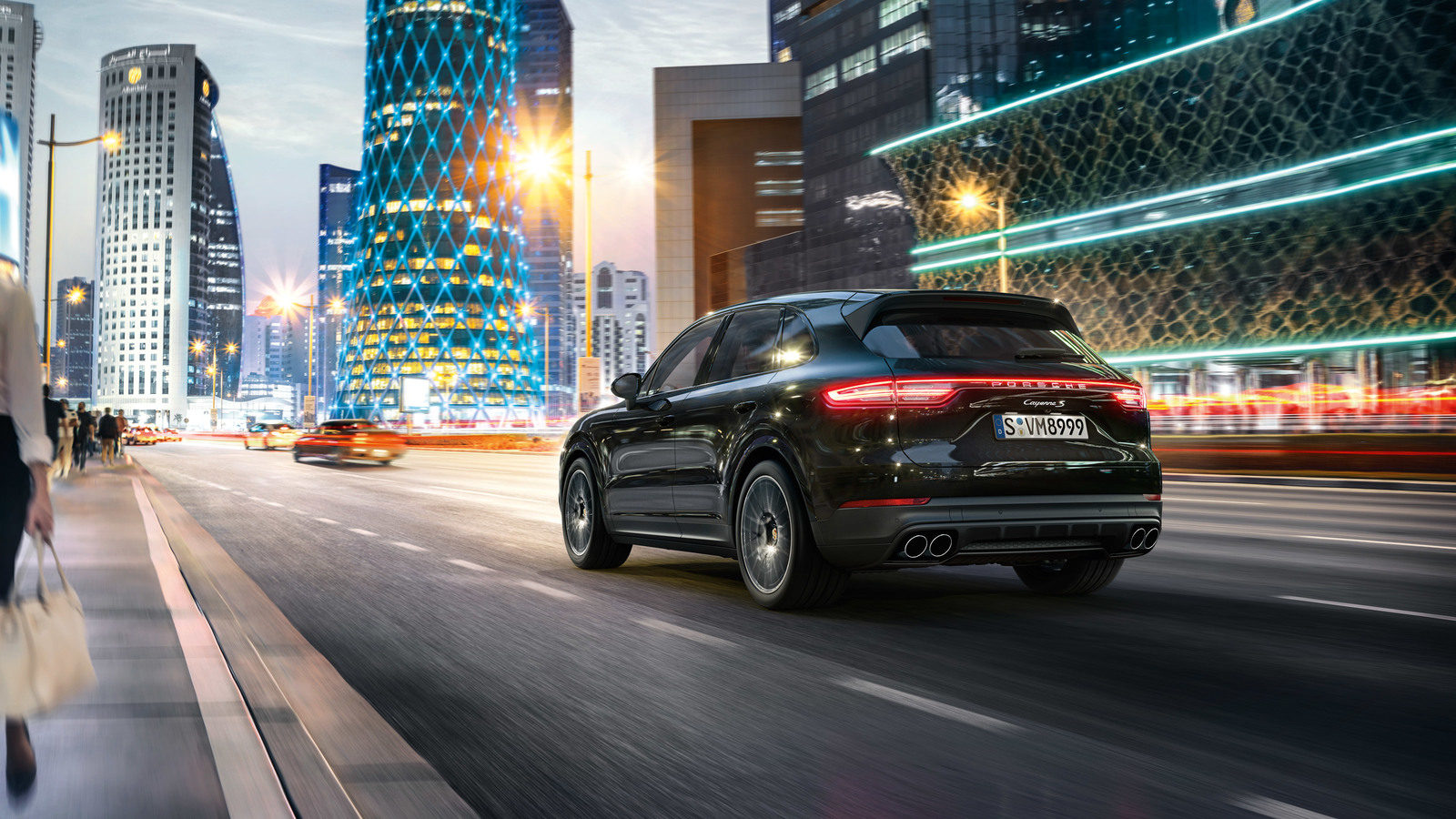
    We’d told you a long time back that the 2018 Porsche Cayenne is all set to land on Indian soil this year. Though the launch has been delayed to the festive season, the company was planning to launch the car in the middle of the year. However, the third generation of the SUV is all set to grace our shores today. Bookings for the new Porsche Cayenne Turbo had already started in September and the first batch of cars will be delivered this year. The all-new model boasts of a new and more agile platform, more powerful engines and for the first time, the option of a hybrid powertrain as well.

    The 2018 Porsche Cayenne SUV gets a host of upgrades over its predecessor including a revised chassis, and a separated link design for the front axle and a multi-link rear axle. The latter though is offered as optional, but further improves the agility on the car. Visually too, the Cayenne has evolved and gets a sharper looking appearance while keeping the appearance similar. The SUV now comes with the Porsche Dynamic Light System (PLDS) or LED Matrix Beam headlights, which also include PDLS.

    In terms of power, the new generation Porsche Cayenne will be offered in a range of engine options including V6 and V8. The standard version will use a 3.0-litre single-turbo V6 with 335 bhp and 450 Nm of peak torque, while the Cayenne S will draw power from the 2.9-litre twin-turbo V6 that produces 433 bhp and 550 Nm of peak torque. The 2018 Cayenne Turbo packs in 542 bhp and 770 Nm of peak torque from a 4.0-litre bi-turbo V8 engine, and is capable of hitting a top speed of 286 kmph.

  • Kodiaq GT SUV to be Skoda’s flagship in China

    Kodiaq GT SUV to be Skoda’s flagship in China

    Skoda has said its new, coupe-styled Kodiaq GT SUV will become its flagship model in China. The midsize SUV, shown in pictures for the first time, will increase Skoda’s SUV range in China to four when it goes on sale later this year. The new model reshapes the design of the Kodiaq seven-seat SUV to give it more of a coupe profile to the rear and make it look more sporty and dynamic, the brand said.

    The new model reshapes the design of the Kodiaq seven-seat SUV to give it more of a coupe profile to the rear of the car. Skoda said the Kodiaq GT will be its flagship model.

    “It will be a key driver of the brand’s image,” Skoda said in a statement.

    China is Skoda’s biggest market, accounting for about a quarter of the brand’s global sales, the Czech automaker says. This year Skoda launched the China-only Kamiq small SUV to sit below the Karoq. The Kamiq sits on the low-cost PQ platform and is priced to rival Chinese offerings outside the country’s biggest cities.

    Skoda has said it wants to double its Chinese sales to 600,000 a year by 2020, largely through its SUV launches. A fifth SUV is to be added in 2019, CEO Bernhard Maier said in March without providing details.

    Skoda’s vehicle sales in China rose 2.5 percent last year to 325,009, according to company data. That puts that country ahead of the automaker’s No. 2 market of Germany at 173,300 and the Czech Republic in third at 95,000.

    Skoda has said the Kodiaq GT would not be sold in Europe. “I would love to do so,” Maier said in March, “but we do not have any production capacity.”

    Technology available in the Kodiaq GT includes the VW Group’s Virtual Cockpit with its customizable digital dials, as well as wifi connection, adaptive cruise control, and blind spot detection.

    The car will be sold with a 2.0-liter turbo gasoline engine with either 186 hp or 220 hp. The higher power model comes with all-wheel drive and a seven-speed dual-clutch transmission as standard.

    The Kodiaq GT will be revealed at the Guangzhou auto show next month.

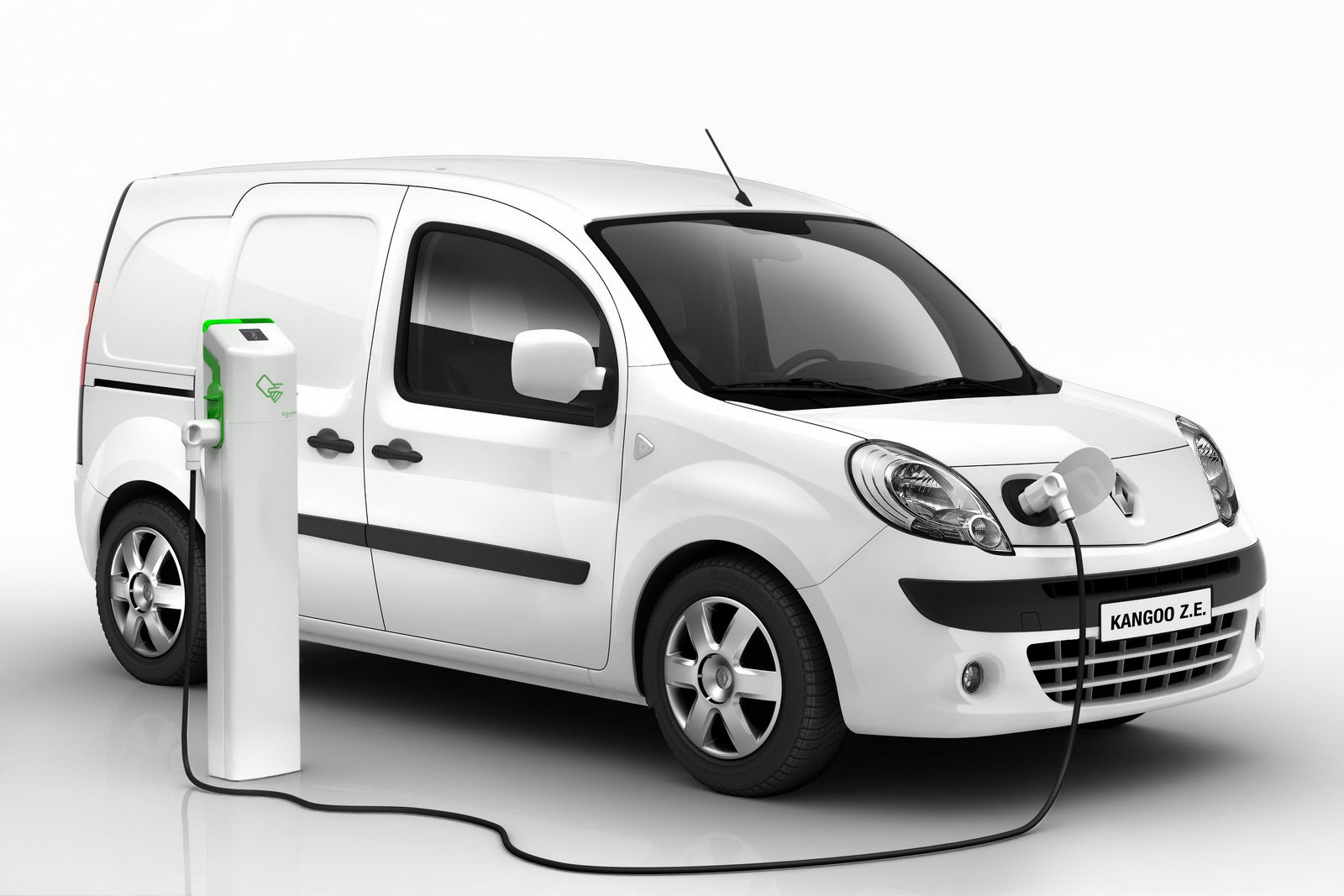
  • Renault-Brilliance count on e-vans

    Renault-Brilliance count on e-vans

    Renault and Chinese partner Brilliance plan to launch three electric delivery vans in two years, seeking to capitalize on robust growth in China’s commercial vehicle market and city center driving curbs on vehicles with combustion engines. The battery-powered vans will be part of a seven-model product offensive announced on Tuesday for the Renault-Brilliance joint venture that was created last December.

    The first two electric vans are to be introduced as commercial and passenger versions under Brilliance’s Jinbei brand. The first will be a full-electric update of Jinbei’s F50 model. A battery-powered Renault vehicle will follow in 2020.

    “Now with the expertise of Renault in electrified technology we will get it into the zero-emissions (zones) for last-mile deliveries,” Ashwani Gupta, commercial vehicles chief for the Renault-Nissan-Mitsubishi alliance, told reporters on a call.

    The overall Chinese auto market shrank for the third consecutive month in September, recording its biggest year-on-year decline in seven years.

    But Renault’s Gupta expects commercial vehicle sales growth to stay resilient, with an 11 percent expansion to 3.2 million vehicles this year and a further 8 percent to 9 percent in 2019.

  • Tesla’s Supercharger network is the Footprint for the hydrogen era

    Tesla’s Supercharger network is the Footprint for the hydrogen era

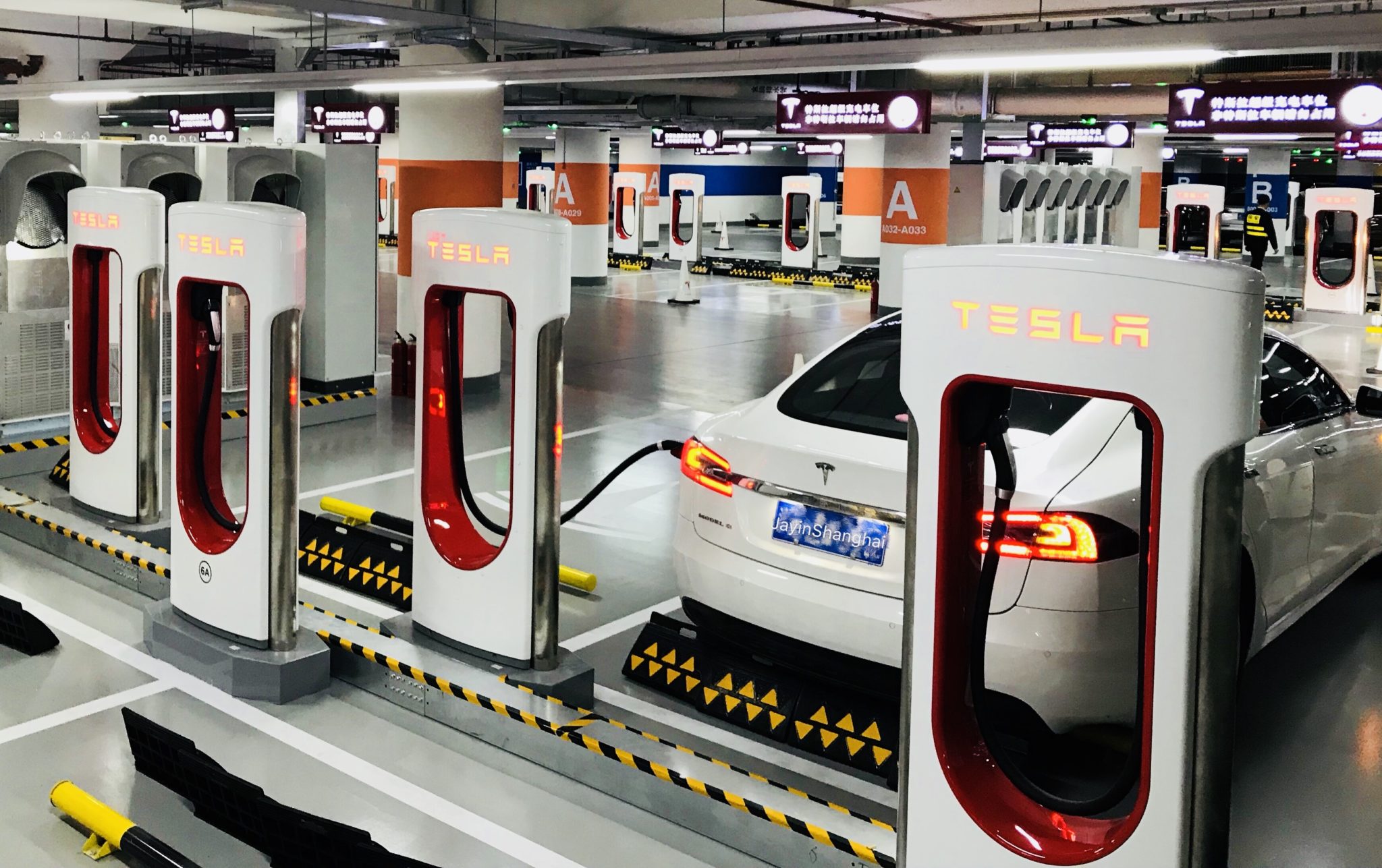
    Elon Musk has taken his share of hits in the media for his Twitter rants and behavior that is just plain weird for a CEO. We don’t know how Tesla Inc. is going to fare now that competition from Jaguar, Audi and Mercedes is here or soon will be. If Tesla doesn’t make it because of mismanagement and misbehavior by Musk, and if the company goes down in flames like DeLorean, Bricklin and Tucker, there is at least one Musk legacy that is undeniably brilliant: Tesla’s nationwide network of Supercharger charging stations. Tesla’s Supercharger network, I think, is the template for automakers gearing up to launch fuel cell vehicles. Toyota, Honda, Hyundai and General Motors are on the cutting edge of fuel cell technology, with some vehicles already available for lease and new, more efficient fuel cell stacks — the component that creates electricity from gaseous hydrogen — on the way.

    Musk answered the chicken-and-egg question with electric vehicles by investing more than $1 billion in a nationwide charging network specifically for Tesla cars. He short-circuited drivers’ biggest fear of owning an EV: range anxiety.

    That same strategy will be necessary for fuel cell vehicles to have wide appeal. Fuel cells, you’ll recall, are EVs. But instead of storing electricity in a battery pack that weighs hundreds of pounds, electricity is produced from gaseous hydrogen stored on the vehicle under high pressure. A hydrogen fuel cell vehicle can be refilled in minutes, just like a gasoline- or diesel-powered vehicle — and the short time to refill the hydrogen tank is one of the key advantages fuel cell vehicles have over battery-powered EVs.

    California leads the nation in the number of fuel cell filling stations, many built by FirstElement Fuel Inc., a company headed by auto industry veteran Joel Ewanick. He agrees a Tesla-like nationwide network of hydrogen fueling stations could help reduce the time it will take for fuel cell vehicles to become economically viable to manufacture.

    “All the car companies are trying to find a path to [production of] 30,000 cars. That’s where you start to see real efficiencies in your production, parts and suppliers. Anything below that, it’s a challenge to make these cars at a reasonable price. We are getting to that tipping point in 2020 and 2021,” Ewanick said.

    Beijing city authority has allotted 11 more roads in Fangshan district for the testing of autonomous vehicles to push the speedy development of self-driving technology.

    But he also recognizes that automakers want to build cars, not the fueling infrastructure. And yet they may have no choice if they want to sell hydrogen fuel cell vehicles nationwide. Toyota and Honda have chipped in more than $20 million so far, helping FirstElement build 19 of 31 planned hydrogen fuel stations in California.

    Ewanick says costs are coming down — from between $2.2 million and $2.5 million per station — while the number of vehicles each station can handle is increasing. He sees the company eventually expanding beyond California, perhaps by building a hydrogen fuel filling station “bridge” across the country.

    “We don’t need the network that we have with gasoline stations,” he said. “We just need to make sure they (hydrogen filling stations) are in convenient locations to serve our customers.”

    The federal government under the Trump administration likely isn’t going to do much to help create a nationwide hydrogen fuel network, so it may be a project for automakers and refiners such as Shell — which is installing hydrogen pumps at some California stations — and GM.

    GM should take the lead here by creating an entity that brings together suppliers of hydrogen fueling equipment, companies such as FirstElement that build the stations, refiners that produce hydrogen and other car companies to fund and quickly roll out hydrogen stations in every major market.

    GM and Honda have reduced the size and cost of the fuel cell stack, and the electronics are proven. Hydrogen fuel cars will be part of the mix. The question now is what will automakers be willing to do to seed the technology and overcome customers’ doubt and fear over range. For that answer, all they need to do is look at Tesla’s Supercharger network. That’s how you introduce alternative fuel vehicles in a market.

    “As I have heard my entire career, automakers make cars and they don’t do infrastructure,” said Ewanick. “They don’t want to be in the business of building gas stations and roads and bridges. Their job is make cars and do a really good job of that.”

    If that doesn’t change, fuel cells might just remain in the tiniest of niches.

  • BMW Luxury Lounge Showcases Future Products

    BMW Luxury Lounge Showcases Future Products

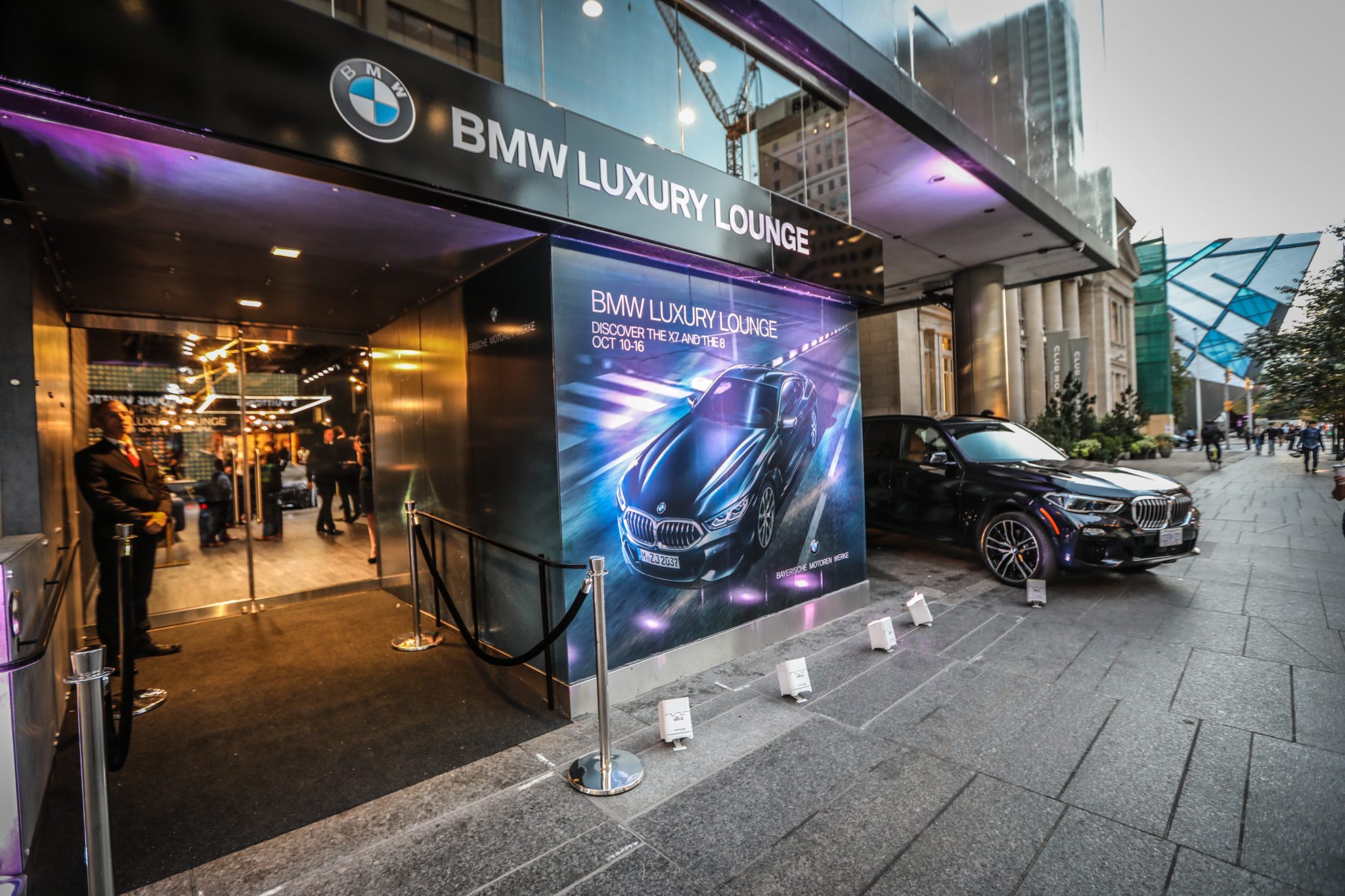
    In the midst of a product offensive that will see many new and refreshed models join its lineup in the coming months, BMW recently staged a limited-run brand experience in Toronto’s Yorkville neighbourhood to showcase two forthcoming models. The display, which has a pop-up feel to it, is known as the BMW Luxury Lounge, a venue open to the public during the day and invite-only events in the evening. As its name would suggest, the point is to generate interest in the brand and get attendees excited for a slew of new BMWs on deck.

    The site of the Luxury Lounge – Bloor St. W. near Avenue Rd. – is fertile ground not only for luxury automotive manufacturers but makers of other luxury goods as well, which is why BMW is partnering with Hugo Boss, Montblanc and Roche Bobois. These brands, along with Samsung Canada and art gallery LUMAS Canada have also contributed to furnishing the space which, with its black and glass walls, wood grain floors and leather sofa, has the feel of modern, minimalist luxury.

    “We’ve taken on this initiative because we believe customers’ expectations of luxury are evolving,” said Sebastian Beuchel, director, BMW brand management, said in a statement. “This beautifully designed space is a showcase for our interpretation of modern, contemporary luxury.”

    Last October, BMW hosted a similar limited engagement exhibit known as the Luxury Excellence Pavilion on Bay St. in the heart of Toronto’s financial district that not only showcased the Munich-based carmaker’s wares, but also those of other several other luxury brands. The feature attraction was the BMW X7 iPerformance, a concept vehicle first shown about a month earlier at the 2017 Frankfurt Motor Show.

    Fast forward a year, and it’s time for the Luxury Lounge, a similar exhibit but with some noteworthy differences.

    Whereas the Luxury Excellence Pavilion ran for almost two weeks (Oct. 16-29), the Luxury Lounge was around for just six days (Oct. 10-16) and there were no test drives from the BMW fleet available.

    In its place are two main attractions that represent the future of BMW and are bound to cause a bit of a stir.

    First up is a vehicle that can’t be discussed in detail but was available for viewing so long as visitors surrendered their mobile phones before entering the curtained-off backroom where it was being shown. A strict no-photo policy was in effect.

    I’m talking about the full-size, three-row 2019 X7 SUV, a vehicle BMW and its dealers are very excited about. The production X7 will make its world premiere at the Los Angeles Auto Show next month and will go on sale early next year. The one being shown in Toronto was an uncamouflaged pre-production copy. Getting it to Toronto took some doing, but its presence made a visit to the Luxury Lounge even more worthwhile.

    Now, in accordance with the wishes of BMW Canada’s communications team, I’ll move along… to the 8-Series coupe which is returning to the lineup after a 20-year hiatus. I have clearance to talk about this one freely.

    Centred in the middle of the Luxury Lounge floor plan was a Dravit (metallic) grey 2019 850i xDrive, trimmed in factory option carbon fibre accents (roof, mirror caps, lip spoiler, rear diffuser, etc.) and optional M Performance 20-inch wheels finished in a metallic gold tint.

    Conceived as a flagship model, the 8 Series is a design and technology carrier and, as such, has features that will eventually spread across the BMW family.

    On this front, a few things stand out. The first thing that caught my eye are the new LED headlights the 8 Series is wearing, which feature standard high beam LaserLight technology (to comply with North American laws they’ll only work at speeds above 60 km/h) along with a more angular shape with two separate elements that still look like BMW headlights when viewed from a distance. Clever.

    Other new design elements include a revised kidney grille that is attached at the centre, a callback to the grilles of 1970s-era BMWs. Also, a BMW rep told me that customized paintwork will be offered on the 8 Series though the company’s Individual program. While they can’t guarantee they’ll be able to match every paint chip or swatch a customer has, BMW aims to make the 8 Series available in more exciting colours than those offered on a traditional list of set finishes.

    Inside, the cabin receives some noteworthy advances headlined by the company’s all-new Operating system 7.0 software, which powers the infotainment and instrument cluster screens. My eye was also drawn to the available glass crystal shift knob and iDrive controller.

    Finally, I’d be remiss if I didn’t mention the powertrain. The 8 is being offered with an overhauled variant of BMW’s 4.4-litre twin-turbocharged V8, which packs 523 horsepower and 553 lb-ft. of torque that is mated to a standard 8-speed automatic and xDrive AWD system.

    Fast? You bet. BMW has the 8 Series’ 0-100 km/h time pegged at 3.7 seconds.

    The best part for consumers and interested auto journalists alike is the wait for the 8 Series arrival won’t last much longer. Customer orders begin on December 8, with deliveries likely to begin in the new year. Pricing info hasn’t been released but will be announced closer to on-sale.

    As for the X7, look for more info when it’s revealed during the media preview days at the Los Angeles Auto Show on Nov. 28-29.
  • BMW plans to take control of China joint ventures

    BMW plans to take control of China joint ventures

    German luxury carmaker BMW announced a plan to take control of its China joint-venture, the first foreign automaker to take advantage of Beijing’s new ownership rules for the sector. BMW will acquire a further 25 per cent stake in the venture with Brilliance China Automotive for €3.6 billion (US$4.2 billion), the company said, bringing its stake to 75 per cent by 2022.

    Foreign automakers have long been restricted to holding no more than a 50 per cent stake in their China operations, but Beijing decided to relax the ownership caps this year.

    The reforms are part of Beijing’s plan to further open its economy to foreign business, after years of facing pressure from the United States and Europe.

    But US and European business groups say the reforms have still not gone far enough, and have pushed for further opening.

    To force the issue, and to hit back at China for alleged theft of American intellectual property, US President Donald Trump has slapped tariffs on roughly half of the imports from China.

    The joint-venture “is the cornerstone of the BMW brand’s sustained success in its largest single market,” said Harald Kruger, BMW’s chairman.

    “BMW Group and Brilliance continue to set a good example of successful cooperation in China,” he said.

    TRADE WAR EFFECT

    The changes in ownership rules are a boon for foreign automakers which will gain a greater share of control and profits from their China operations, but hurt prospects for their Chinese partners.

    Brilliance China’s shares in Hong Kong have plummeted this year, and were suspended from trading on Thursday.

    The two companies had extended their joint venture contract until 2040 and announced a plan to pump €3 billion (US$3.5 billion) into expanding their auto plants in northeast Liaoning province – ramping up production capacity to 650,000 cars early next decade while creating 5,000 new jobs.

    BMW has been hit particularly hard by the US-China trade war with many of its SUVs imported from the US facing new 25 per cent taxes, while cars imported from other countries have benefited from China’s tariff cut for vehicles from 25 per cent to 15 percent.

    With the new production capacity, the China joint-venture will start to produce BMW vehicles like fully-electric BMW iX3 for export globally from 2020, BMW said.

    China’s auto market, the world’s largest, has faced headwinds this year as the economy slows.

    In August, China’s new vehicle sales continued to fall, following a drop in July.

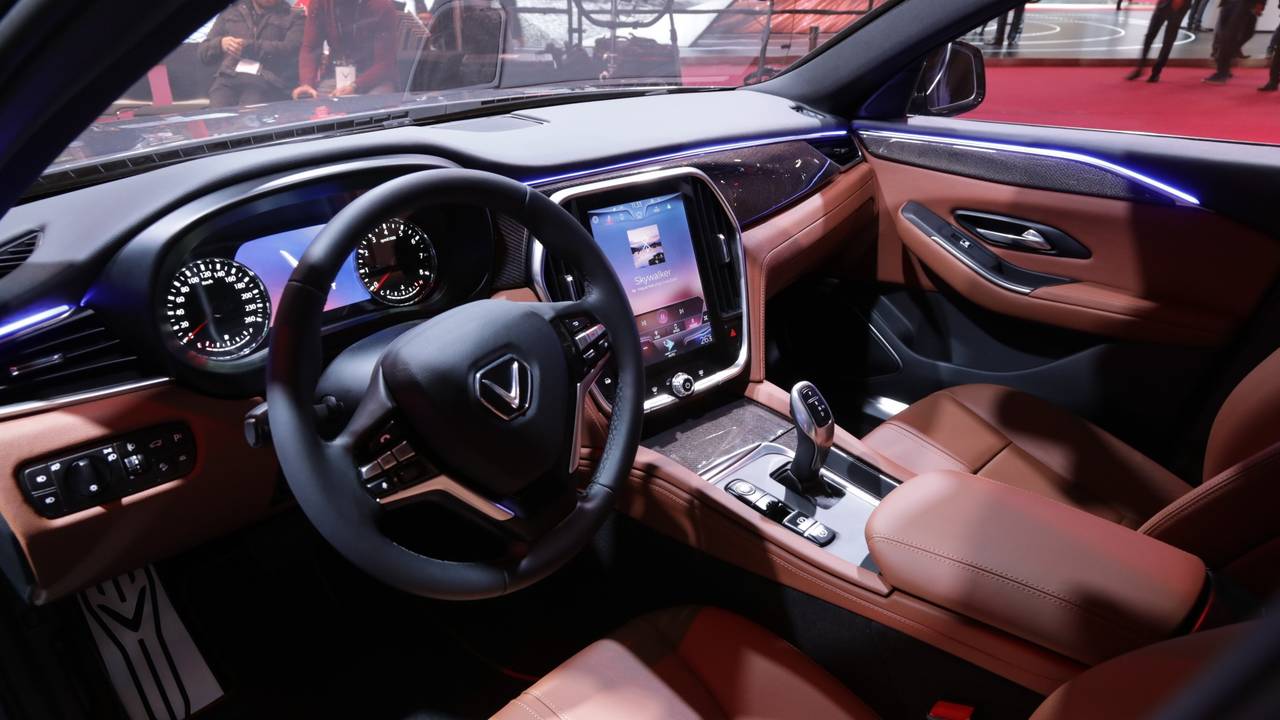
  • Vinfast, set to be Vietnam’s first domestic carmaker, gains credit line

    Vinfast, set to be Vietnam’s first domestic carmaker, gains credit line

    VinFast aims to become Vietnam’s first domestic car manufacturer.

    The company, a unit of Vietnam’s largest conglomerate Vingroup JSC, plans to have its first production models built under its own badge hit the streets next August. Vingroup has earmarked about $3.5 billion for the project.

    Credit Suisse AG and HSBC were the lead arrangers and the financing agreement was guaranteed by German export credit agency Euler Hermes, Vingroup and Vinfast said in a statement.

    The statement also said that in August Vinfast completed syndication of a $400 million term loan facility led by four international banks.

  • Electric vehicles on the fast track in Thailand

    Electric vehicles on the fast track in Thailand

    Experts see bright prospects for electric vehicles (EV) in Thailand with all concerned agencies pursuing the government’s goal of getting 1.2 million units on the road by 2036.

    There are many reasons and data behind the confidence of success, a seminar was told yesterday. The rising number of registered EVs, the development of a locally made EVs, as well as research and development of some EV parts are indications that it could have a major role in Thai society, said Amonrat Kaewpradap, a committee member of the Electric Vehicle Association of Thailand (EVAT), at a panel discussion yesterday titled “The future of Electric Vehicle in Thailand”.

    The discussion was held as part of the Delta Future Industry Summit, organised by Delta Electronics (Thailand), as a venue for exchanging innovative ideas for a sustainable future.

    Amornrat said the number of EVs in use in Thailand was gradually increasing, leading to the continuous growth of infrastructure of charging stations.

    “More stations will boost the confidence for consumers in using EVs and so far, there are 500 charging stations in the country, she said. In 2016, there were 80,194 registrations but the number surged to 102,700 in 2017, or an increase of 20,000 units.She pointed out that the accumulated number of EV registrations in Thailand for Battery Electric Vehicles [BEV] and Plug-in Hybrid Electric Vehicles (PHEV) sharply increased from 2016 to 2017.Incentives will bring down priceAnother indication is the higher imports of EVs, she said, adding that more BEV motorcycles were sold these days, pointing to its popularity.

    Moreover, EV manufacturers are hiking production amid increasing demand from buyers. Also, educational institutions have launched development projects for EV battery, motors and the structure of a light-weight car.She believes the price of EVs could come down in the future as the government will support its usage with incentives.

    Jumpote Himacharoen, director of research and development, Metropolitan Electricity Authority [MEA], said the power agency would provide sufficient electricity to serve the targeted number of EVs. MEA has recently launched an online application on the locations of EV charging stations for the convenience of drivers.

    In a separate panel discussion titled “A Decade into the Future: Predictions for Thai Cities”, participants said smart cities would be the cornerstone of the country’s future urban landscape, with significant investment from the government and private sector.

    Pansak Siriruchatapong, the vice minister of the Ministry of Digital Economy and Society, said the government would expand its smart city project to three more provinces – Chon Buri, Rayong and Chaochengsao – on the Eastern Economic Corridor this year.Currently, Phuket, Chiang Mai, Khon Kaen and Bangkok are the cities earmarked for the pilot program.

    “Within the next five years, Thailand will develop smart cities in all 77 provinces,” he said.He added the two factors driving the development of smart cities are the engagement of community and local government and the connectivity and sharing information with technology solutions.However, Piyapan Tayanithi, Bangkok Bank’s executive vice president, warned that smart or high-technology is a double-edged sword, and back-up measures were needed in the event of malfunctions.

    Piyapan cited an incident late last month when banks’ electronic money transfers, withdrawals and payment services crashed for several hours. The banks attributed the cause to heavy interbank money transfers at the end of the month at large banks.“Simplicity or convenience of a group of people could come along with difficulty or complexity for another group [of people],” he said.

    Hsieh Shen-yen, president of Delta Electronics (Thailand), said: “We are currently witnessing the decline of old technologies such as gasoline cars and the gradual shift to smarter, cleaner technologies to power our lives and manage our cities.“But the shift to the future will only gain real momentum when the public and private sectors work together and get serious about action for climate change and managing urbanization,” he said.

  • High-powered Mustang marks a Thai first for Ford

    High-powered Mustang marks a Thai first for Ford

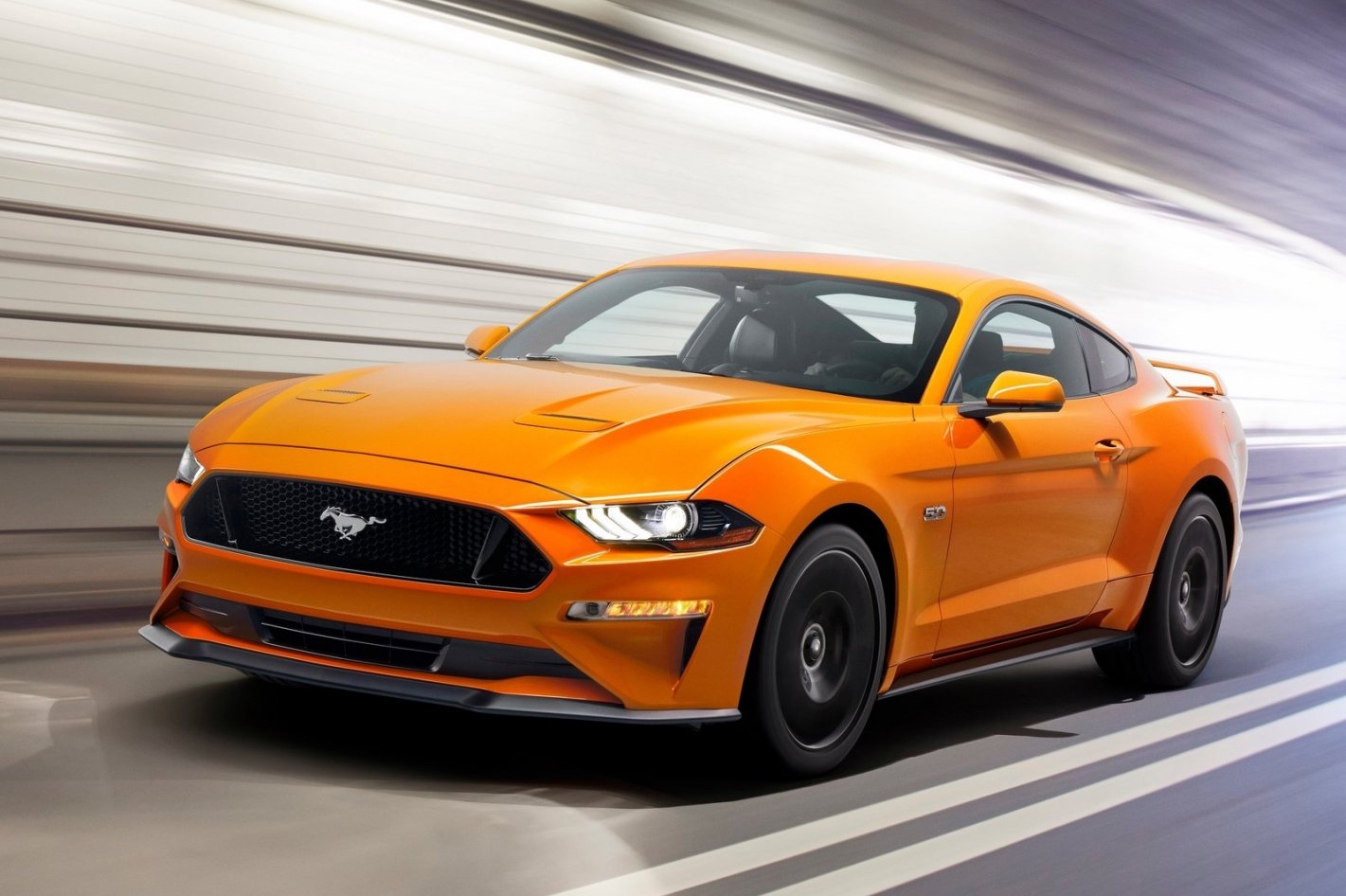
    Ford has officially launched the Mustang sports car in Thailand with prices ranging from Bt3.599 million for the 2.3-litre EcoBoost Coupe to Bt4.799 million for the 5.0-litre V8 GT.

    The iconic Mustang, imported from the US, is the first high-powered model offered by the American automaker in Thailand. Other models offered in the Thai market include the Fiesta, Focus, Ecosport, Ranger pickup and Everest PPV (Pickup Passenger Vehicle).

    The Mustang takes on the form of a fastback and is available in four exterior colour choices along with different wheel options. For the 2018 model, the 5.0-litre V8 engine with Ford’s new dual-fuel, high-pressure direct injection and low-pressure port fuel injection for better low-end torque, has been beefed up to 460hp and 556Nm. Acceleration from 0-100km/h is claimed at 4.3 seconds.

    The turbocharged 2.3-litre motor develops 300hp and 440Nm and features overboost function. Both are equipped with a newly developed 10-speed automatic that Ford claims has been tested over a distance of more than 10 million kilometres. Last month the American automaker was ordered by a Thai court to pay compensation worth Bt23 million to 296 customers of the Ford Fiesta, Focus and Ecosport for its defective Powershift dual-clutch transmission.

    As for the Mustang, Ford engineers highlighted the various settings available for each drive mode, saying that the new gearbox allows the engine to maintain peak power and torque while upshifting, resulting in faster acceleration and seamless shifts. Both models also get the electronic line lock system that brakes the front wheels so drivers can burn the rear tires in order to achieve optimal temperature for quick standing starts.

    The drag strip mode also optimises all systems for each of the many driving modes, while the exhaust volume can also be adjusted (to keep the neighbours happy).

    The 2018 model gets suspension improvements for better grip and handling, including thicker anti-roll bars. Inside there’s a 12-inch digital instrument cluster and a pulsating red engine start button, gearshift paddles behind the multi-function steering wheel, along with aluminium finish and soft touch materials on the door panel. There’s also a full driver assistance package and infotainment system compatible to both Android and iOS.

    The Mustang is available at only 19 selected Ford dealerships in the country. The cars come with Ford Premium Care package that includes five-year/100,000km warranty, five complimentary service checks in 60 months/75,000km, and 24-hour roadside assistance for five years.