Tag: Auto

  • Tesla plans 6-day stoppage at factory for assembly line fixes

    Tesla plans 6-day stoppage at factory for assembly line fixes

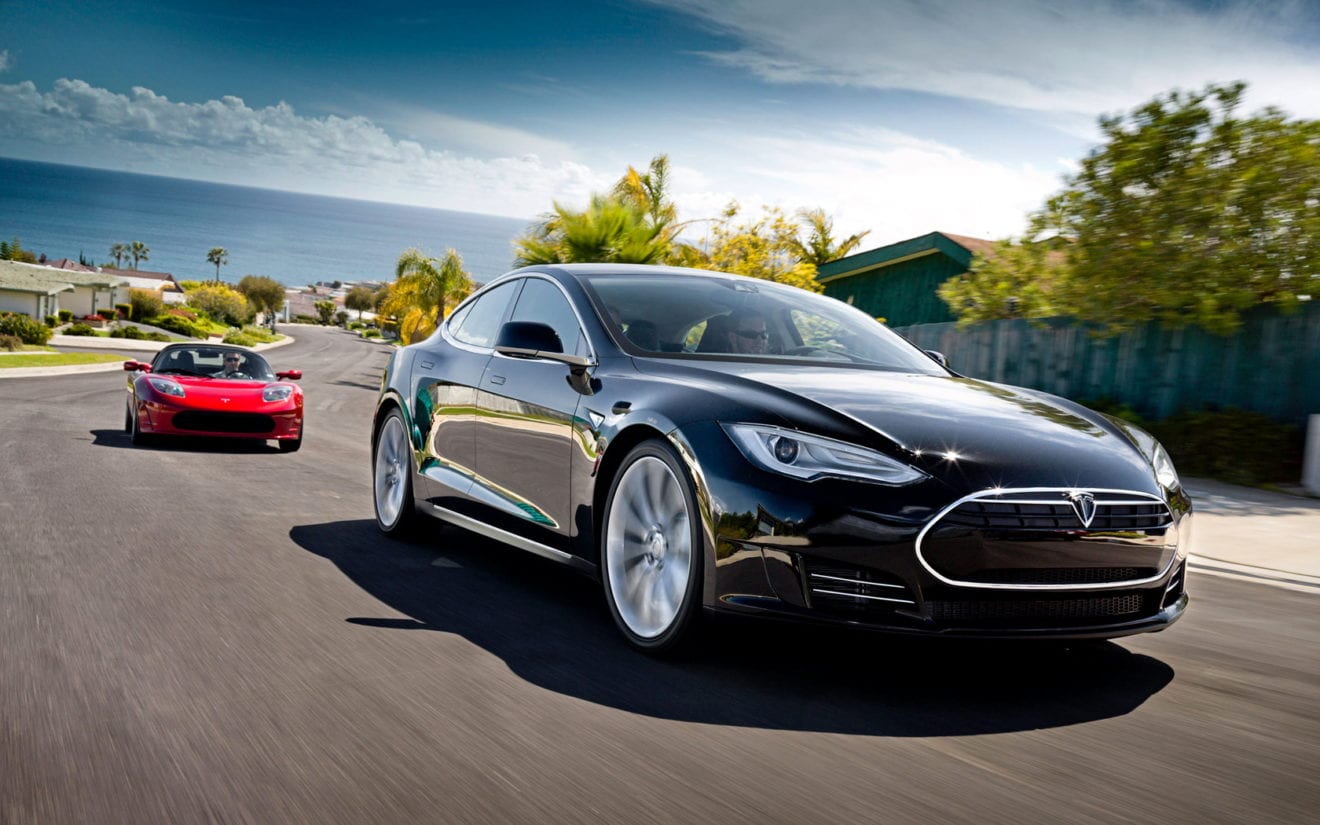
    Tesla will pause production at its California factory for six days at the end of the May to work on fixes to its assembly line for its new Model 3 sedan, sources inside the company told Reuters.

    The Silicon Valley luxury electric car maker previously warned of 10 days of temporary shutdowns this quarter as the company addresses manufacturing problems that have delayed volume production of the Model 3 sedan, which is seen as crucial to Tesla’s long-term profitability.

    Two sources confirmed to Reuters that the next stoppage on the general assembly line at the Fremont, Calif., plant was scheduled for May 26-31.

    A Tesla spokesperson declined to comment.

    Tesla has been struggling to find solutions to manufacturing bottlenecks on the new assembly line that produces the Model 3, a sedan intended for volume production. An over-reliance on robots has complicated that task, CEO Elon Musk has acknowledged.

    Musk, Tesla’s billionaire founder, told employees it was “quite likely” the company would reach a rate of 500 Model 3s per day this week, or 3,500 a week, automotive news website Electrek reported on Tuesday, citing an internal email. Musk also told staff to alert him of “any specific bottlenecks” on the production line.

    The company shut down the Fremont assembly line last month, and also in February, for a few days to rework. The April shutdown, combined with the upcoming one, would add up to the planned 10 days of stoppages.

    Musk has said the planned stoppages are intended to give the company time to perform upgrades that will help it reach a goal of building 6,000 vehicles per week by the end of June. Musk last month said the company was producing 2,000 Model 3 cars a week.

    In order to meet the goal, Musk said last month that all Model 3 production would begin working around the clock. Reuters learned that the teams working on general assembly have already switched to three shifts, a schedule that helps maximize capacity and flexibility.

    Teams working on the body of the vehicle — where the external shell of the car is assembled — are working in two 12-hour shifts.

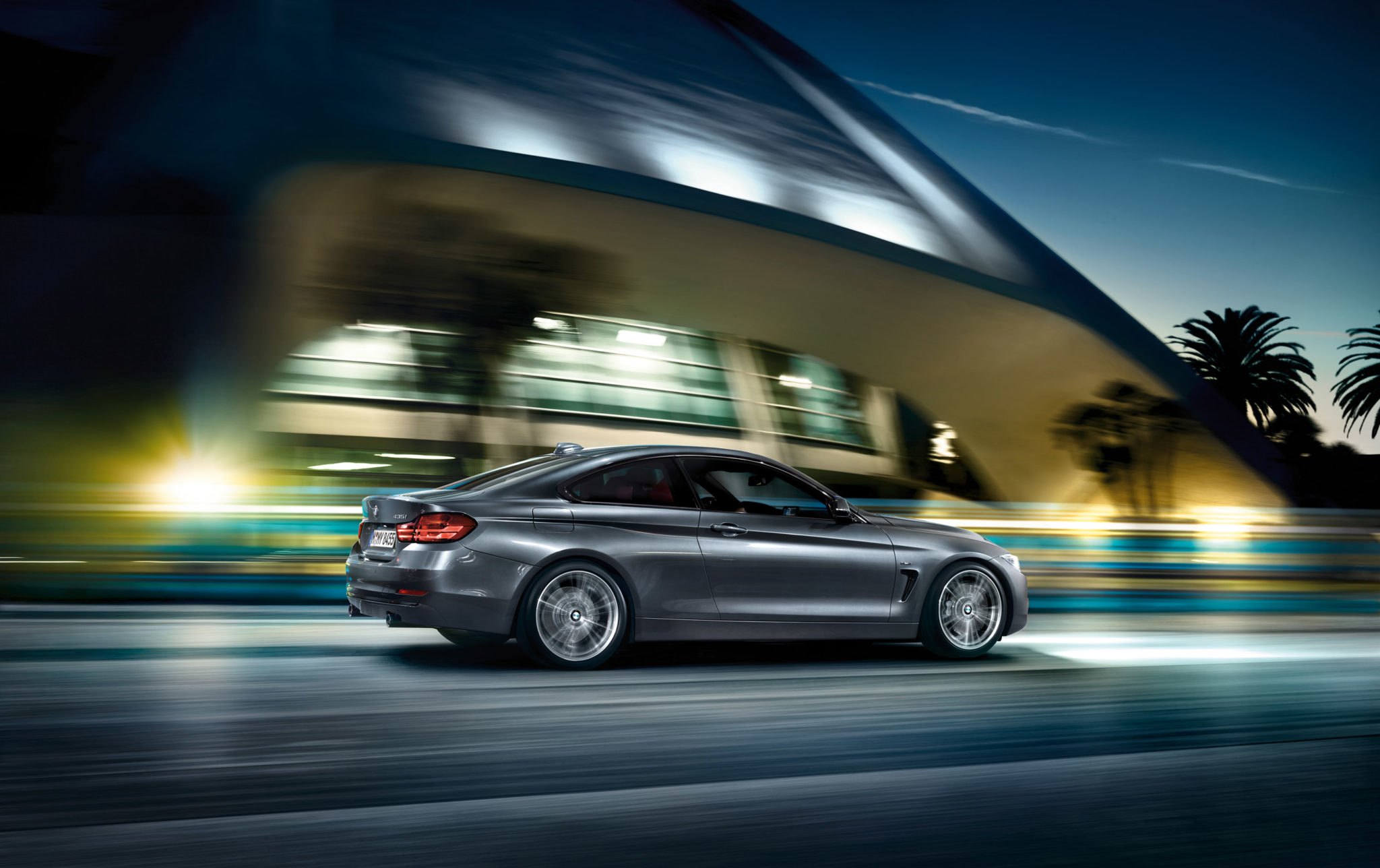
  • BMW is Recalling some of their cars

    BMW is Recalling some of their cars

    BMW started the company in the opinion of their own cars. This is the second necessary measure from the German automaker. Last year was recalled about 36,000 of the cars, including the BMW 1 Series, 3 Series, Z4.

    The reason have a problem with the electrical part of the machine during the movement of the car. As a result, there is a risk not only stop the machine but also the fire.

    The case was investigated by the British authorities. It identified 19 cases of failures of electronics.

    BMW say that the current problem cars were not covered by initial opinion. Therefore, to increase the security of the owners made an additional request of car.

    At the moment, BMW is conducting additional testing 417 machines. This level of sampling on statistics helps to understand the essence of the problem and corresponds to the code of business ethics prevailing in the automotive industry.

  • BMW Contract Assembler to Make Engines in Malaysia

    BMW Contract Assembler to Make Engines in Malaysia

    Malaysian conglomerate Sime Darby Motors and BMW Group Malaysia open a 132 million ringgit ($33.5 million) engine plant for locally assembled vehicles and to support exports to regional markets including Vietnam and the Philippines.

    Sime Darby Managing Director Dennis Ho tells reporters the plant will produce 10,000 units a year in a single shift.

    The 91,493-sq.-ft. (8,500-sq.-m) engine plant is the first of its kind for contract manufacturer Sime Darby. Until now, locally assembled BMW and Mini models have used engines imported from Germany or Austria.

    The new facility will assemble 3- and 4-cyl. gasoline engines, 4-cyl. diesel engines and 3- and 4-cyl. gasoline engines for plug-in hybrid vehicles. It is the second BMW engine plant in the region after Rayong, Thailand.

    The new engine operation is alongside the assembly plant and regional parts-distribution center.

    Ho says there is no compromise in the quality of engines being built at the plant in Padang Meha 233 miles (375 km) north of Kuala Lumpur. “The standards of the quality checks are similar to those used in Germany,” he says. “The parts and components are imported from Germany.”

    BMW Group Malaysia CEO Harald Hoelzl says Malaysia plays a major role in BMW’s plans for Southeast Asia.

    “In Malaysia, BMW has already successfully achieved a 15% increase in the deliveries of BMW, Mini and BMW Motorrad vehicles, with 3,000 vehicles in the first quarter,” he says.

    Malaysian motoring analyst Paul Tan says the inclusion of diesel engines is interesting because BMW Malaysia no longer has diesel models in its lineup. “This means that the company is likely looking to introduce new oil-burning models soon,” Tan says on his website.

    Sime Darby Chairman Abdul Aziz Wan Abdullah says the company aims to be the preferred contract-assembly partner for the most dynamic automakers in the region.

    “We aim to produce more than 50,000 vehicles (including Mazda and Hyundai vehicles produced at the company’s Inokom plant), as well as the engine parts and components for the vehicles by the year 2020,” he says in a statement.

  • Vietnam’s April car sales fall 4 pct on-year

    Vietnam’s April car sales fall 4 pct on-year

    Toyota remained the leading brand last month, with sales rising 3 percent from a year earlier to 4,234 units. Vietnam’s car sales fell slightly in April, declining 4 percent from a year earlier to 20,557 units, according to data released by the Vietnam Automotive Manufacturers Association (VAMA).

    Sales in April were 2 percent lower than in March, VAMA said in a statement.

    Toyota remained the leading brand last month, with sales rising 3 percent from a year earlier to 4,234 units.

    Truong Hai (Thaco) group, the local assembler and distributor of brands such as Kia, Mazda, Peugeot and Hyundai and a significant player in the commercial vehicle segment, reported a 0.5 percent rise in group sales to 8,679 units in April.

    Ford’s sales were 47 percent lower at 1,359 units in April while Honda sales rose four-fold to 2,815 units.

    For the first four months of this year, total car sales in the country fell 2 percent from a year earlier to 79,115 units, VAMA said.

  • Vietnamese willing to Spend huge Amounts of Money on Super Cars

    Vietnamese willing to Spend huge Amounts of Money on Super Cars

    As many as  8,670 luxury cars of different kinds were sold in Vietnam in 2017, a decrease of 15 percent from 2016, according to one report. However, the amount of money spent on the cars was VND20 trillion.

    According to Choi Duk June, CEO of Mercedes Benz Vietnam, 150 Maybachs were delivered to Vietnamese buyers in 2017. The sales of Maybach in Vietnam are the highest in Southeast Asia.

    This is a luxury model of Mercedes-Benz with three versions in distribution in Vietnam, including Maybach S 400 priced at VND6.899 billion, Maybach S 500 VND10.999 billion and Maybach S 600 VND14.169 billion.

    When launching Maybach S 600 into the market in January 2015, Mercedes Benz then hoped it could sell 10 products a year. However, to its surprise, over 50 products were sold in the year.

    The figure was over 100 in 2016, and Vietnam remained the biggest buyer of Maybachs in 2017, leaving Indonesia, Thailand, Malaysia and Singapore far behind.

    It is estimated that over 300 Maybachs are rolling on Vietnam’s streets.

    The other luxury models also had very good sales. Over 500 S-Class products, priced at VND4-10 billion, were sold in 2017.

    However, the highest growth rate belonged to mid-end luxury models, priced at VND1.5-3 billion. A record number of 2,500 GLCs priced at VND1.939-2.209 billion was sold in 2017, placing GLC as one of the 15 best sellers in the market.

    The other luxury models which sold very well in 2017 included BMW’s Seri 3 and Seri 5, Audi’s A4 and Q5 and Lexus’ ES 250 and NX 200T.

    Car dealers in Vietnam say there is a switch in consumption from common products to mid-end products. A survey by Mercedes Benz found that car buyers tend to be younger.

    In 2014, the average age of car buyers was 42, while it was 39 in 2016 and 38 in 2017.

    Boston Consulting Group’s (BCG) survey showed that Vietnam is getting wealthy thanks to the strong rise of the middle class which has been growing more quickly than any other place in South East Asia.

    Those who have monthly income of $714 and more are classified as middle class. Vietnam expects to have 33 million middle class people by 2020.

    According to the Vietnam Automobile Manufacturers’ Association (VAMA), a total of 272,750 automobile units were sold in 2017, down 10 percent yearly.

  • Increasing Chinese wealth helps drive luxury auto sales growth

    Increasing Chinese wealth helps drive luxury auto sales growth

    Almost half of the automotive sales growth in China this year has come from luxury brands, driven by consumers’ increasing household wealth and consumer confidence.

    According to a report from Scotiabank, in March global automotive sales were up 1.2 percent over the previous year, with China one of the key forces behind this growth. As the Asian market becomes increasingly important to luxury auto brands, OEMs are set to benefit from newly eased regulations in China.

    “China now accounts for close to 30 percent of global luxury auto sales, up from 20 percent in 2012,” said Carlos Gomes, senior economist and auto industry specialist at Scotiabank, Toronto. “As wealth continues to increase in China this share will advance further.”

    Accelerating sales
    Chinese auto sales grew 3 percent in January and February, and growth picked up in March, with a 5.1 percent increase.

    Luxury cars made up half of the year-to-date growth in China. Scotiabank notes that this rise in luxury sales is the greatest seen in China since the government began its anti-corruption campaign.

    Over the past few years, the government’s communist party has been working to curb conspicuous spending, in an attempt to fight corruption in politics.

    As part of the campaign, China’s Finance Ministry implemented a 10 percent import tax on the highest priced automobiles entering the country. The tax affects vehicles retailing for at least 1.3 million yuan, or $205,000 at current exchange.

    As of 2012, China represented 20 percent of the total volumes for the top six premium marques. Today, Chinese consumers make up 30 percent of these brands’ businesses.

    Whereas these brands saw an average volume growth of 15 percent in 2016 and 2017 in China, in the first three months of this year, their year-over-year volumes rose 25 percent.

    The top six marques are projected to have their sales exceed 2.7 million cars this year. This would more than double the number sold just five years ago.

    By 2020, the luxury car industry in China is likely to become the world’s largest. The country is leading the way in the breakaway from reliance on dealerships.

    According to L2, while ultra-luxury auto brands such as Ferrari have a better handle on exclusivity and high-end image, standard high-end automakers are more accessible and have a better grasp on digital performance in China.

    L2’s research in its “China: Luxury Auto” report shows that more than 50 percent of luxury auto brands are available on China’s top retail Web site Tmall. Their presence on the ecommerce site beats out luxury fashion and jewelry brands.

    Along with China, auto sales around the world picked up in March due to growth in emerging markets and a 6.5 percent volume increase in the United States. Scotiabank attributes this to growing wages and incomes.

    “Luxury sales in China are up about 23 percent so far this year, lifting global luxury volumes by about 7 percent year-over-year through March,” Mr. Gomes said. “The key driver of these gains is ongoing increases in household wealth, which is being driven by strengthening global economic growth.

    “As long as that trend persists, luxury volumes will  outperform,” he said. “We expect the global economy to expand 3.8 percent in 2018 and 3.7 percent in 2019. If global GDP slows significantly from our current forecast, luxury volumes would slow as well.”

    Auto outlook
    Foreign automakers are set to benefit from some recently announced regulation changes in China.

    One of the changes relates to the 50:50 rule, which prevented automakers from owning more than half of their Chinese operations. At the time the regulation was implemented in 1994, it was intended to help local businesses by forcing OEMs to enter joint ventures.

    China is rolling this back, allowing automakers to have more ownership over their Chinese sales.

    The nation is also lifting its 25 percent tariffs on foreign cars.

    Tesla’s Elon Musk had complained about the import duties on Twitter, saying that having a 25 percent tax compared to the import duty of 2.5 percent for the United States was similar to “competing in an Olympic race wearing lead shoes.”

    The United States is currently at risk of a trade war with China following President Trump’s announcement of tariffs on steel and aluminum in March. Since then, each side has imposed new tariffs on different goods, escalating the disagreement.

    “The announcement that China will reduce import tariffs from the current 25 percent ‘as soon as possible’ is likely to have most significant near-term impact for luxury automakers,” Scotiabank’s Mr. Gomes said. “For example, tariff reduction will improve the affordability of imported luxury models, spurring even stronger sales going forward.”
  • Hyundai group under pressure from U.S. activist hedge fund with $1 billion stake

    Hyundai group under pressure from U.S. activist hedge fund with $1 billion stake

    A unit of U.S. activist hedge fund Elliott Management revealed on Wednesday that it holds more than $1 billion worth of shares in key affiliates of South Korea’s Hyundai Motor Group and called for more rapid reform of the auto giant’s governance.

    It is Elliott’s latest challenge to South Korea’s family-run conglomerates after it forced Samsung Electronics to increase shareholder returns in 2017, and comes amid a government campaign to boost investors’ power in a country where shareholder activism is rare.

    Elliott Advisors called for a “more detailed roadmap” as to how Hyundai Motor Group will “improve corporate governance, optimize balance sheets, and enhance capital returns” at Hyundai Mobis, Hyundai Motor and Kia Motors.

    The fund did not provide a breakdown of its stakes in Hyundai’s three affiliates but its over $1 billion worth of shares account for around 1.5 percent of the total market value of the three firms.

    Hyundai Mobis shares jumped as much as 6.1 percent to their highest since Jan. 25 in the wake of the announcement. Hyundai Motor rose 4.9 percent, its highest in three weeks, while Kia Motors gained 3.8 percent in morning trade in Seoul. Hyundai Glovis shares rose as much as 4.8 percent.

    “I see Elliott’s call as positive, as it should enhance shareholder value,” said Kim Sung-soo, a fund manager at LS Asset Management.

    “Elliott has declared war against Hyundai but it has not made detailed demands, so further discussions need to be seen.”

    Auto-to-steel giant Hyundai Motor Group announced a plan last week to streamline its complex ownership structure as it responds to calls from the government and investors for greater transparency and better governance at family-controlled conglomerates.

    But worries that the plan would benefit the parent group’s controlling family ahead of investors have hit the share prices of group companies such as parts supplier Hyundai Mobis.

    While Elliott said it was pleased that Hyundai Motor Group had taken a first step toward reform, it added in a statement that “more needs to be done to benefit the companies and stakeholders”.

    “Elliott looks forward to engaging with management and other stakeholders directly on these issues, and to offering recommendations regarding the proposed plan,” the hedge fund said.

    Hyundai Motor Group responded that it was “confident” its restructuring plan would enhance shareholder value, and promised to communicate with investors at home and abroad.

    Last year, South Korea’s new antitrust chief told Reuters he had been in talks with Hyundai Motor Group about unwinding its circular shareholdings, which critics say give too much power to the controlling family at the expense of shareholders.

    Under Hyundai’s plan, Hyundai Mobis is to spin off its domestic module and after-service parts businesses and merge them with logistics affiliate Hyundai Glovis, which is personally backed by Hyundai’s controlling Chung family.

    But some investors complained that Mobis could be giving away the most profitable part of its business too cheaply.

    The plan is yet to be approved by shareholders.

    After the merger, Group Chairman Chung Mong-koo and his son Chung Eui-sun, who is vice-chairman, will buy stakes in Mobis held by other affiliates Kia Motors, Glovis and Hyundai Steel .

    The group has not announced when the family members would buy the Mobis stakes.

    Elliott’s intervention is another headache for Hyundai, which is already struggling with slowing sales in China and the United States and Seoul’s diplomatic row with Beijing last year.

  • Audi aims to double China sales over six years

    Audi aims to double China sales over six years

    Volkswagen’s premium brand Audi aims to double sales in China over the coming six years, sales chief Bram Schot told Automobilwoche.

    “In 2023 we want to sell 1.2 million cars in China,” the German trade magazine quoted him as saying.

    Audi sold 597,000 vehicles in China, its biggest single market, last year.

    The company last year resolved a dispute with dealers in China that could have disrupted the luxury carmaker’s business in the world’s biggest auto market.

    The dispute stemmed from a long-term collaboration between Audi and SAIC Motor Corp that had riled Audi store operators in China, who among others sell Chinese-made vehicles as part of Audi’s existing joint venture with China’s FAW Corp .

    Schot said Audi would continue to work with both SAIC and FAW.

  • Hyundai’s union says revised trade deal with US ‘humiliating’

    Hyundai’s union says revised trade deal with US ‘humiliating’

    Hyundai Motor’s South Korean labor union on Tuesday called Seoul’s revised free trade deal with the United States “humiliating”, and said the extended tariffs on pick-up trucks mean a missed opportunity to tap into the US market.

    The United States and South Korea agreed to revise a trade pact sharply criticised by US President Donald Trump, Seoul said on Monday, with the nations agreeing to extend US tariffs on Korean pickup trucks by 20 years until 2041.

    “The union has called for domestic (South Korean) production of pickup trucks for the past several years,” the union said in a statement, adding it believes the US pickup truck market “represents the US market’s blue ocean and the future bread and butter of the South Korean auto industry”.

    Although no South Korean automakers currently export pickup trucks to the United States, Hyundai Motor had said last year it planned to launch a model there to catch up with a shift away from sedans.

    The government’s agreement to revise the US-Korea Free Trade Agreement’s auto industry section “is a humiliating negotiation that accepted Trump’s ‘strategy to preemptively block Korean pickup trucks’”, the union said.

    Hyundai was the worst performer among major automakers in the United States as of February, with its sales down 12 per cent year-on-year over the first two months of this year due to its heavy reliance on sedans and its aging SUV models. This compares to the market’s 0.8 per cent drop over the period.

    “Among potential offerings from (Korean) automakers in the US market, Hyundai Motor’s pickup truck is likely to be made locally (in the US),” Yoo Ji-woong, analyst at eBest Investment & Securities, wrote in a note on Tuesday.

    Hyundai Motor said on Monday it was “too early to elaborate on the details such as the estimated timing of the model release and production location”.

  • South Korea agrees to further open auto market to US

    South Korea agrees to further open auto market to US

    South Korea has agreed to further open its auto market to the United States as the two countries prepare to amend their six-year-old free trade agreement, its top trade negotiator said Monday. South Korea’s Trade Minister Kim Hyun-chong said the United States will end tariffs on South Korean-made pick-up trucks in 2041 instead of 2021.

    Each American carmaker will also be able to export 25,000 additional vehicles to South Korea each year without having to comply with domestic safety regulations. South Korea also will ease emission standards for American cars shipped from 2021-2025, when the Asian country is due to set new import regulations.

    Kim said South Korea also won an exemption from increased import tariffs on steel products. The third-largest steel exporter to the United States after Canada and Brazil, South Korea was among 12 countries whose exports of steel and aluminum U.S. President Donald Trump recently said would be hit with heavy tariffs. But South Korea’s steel tariff exemption is subject to a quota of about 2.7 million tons of steel products a year, about 74 percent of its exports in 2017.

    The agreements in principle were announced Monday just hours after Trump said the United States was on the verge of amending its trade agreement with South Korea, which took effect in 2012. They came as a relief to South Korean industries, although the steel companies said they had wanted a larger quota of tariff-free exports to the United States.

    The auto sector is among the most contentious issues in South Korea’s trade dealings with the U.S. The Korean Automobile Manufacturers Association praised the government’s efforts to protect South Korean automakers and avoid major changes on sensitive issues such as adjusting tariffs.

    The revised agreement appears like significant concessions by South Korea but is expected to have little impact on its exports to the United States or its domestic auto market. No local auto companies export pick-up trucks made in South Korea to the United States, according to Kim.

    While U.S. carmakers will be able to ship 50,000 cars to South Korea annually, 25,000 more than before, without being subject to domestic safety regulations no American car brand sold more than 10,000 vehicles in South Korea last year.

    South Korean negotiators managed to avoid changes in treatment of its agriculture sector, a highly sensitive area in domestic politics.

    The two allies started working on amending the free trade pact in August after Trump blamed the arrangement for causing the U.S. trade deficit with South Korea.

    The president told reporters at a Friday news conference that trade deals are being made with various countries and then highlighted South Korea, a key economic and national security partner in Asia. The United States ran a $10.3 billion trade deficit with South Korea last year.

    While the United States posted a trade surplus of $10.7 billion with South Korea in the services sector, it recorded a goods trade deficit of $27.7 billion in 2016, leaving an overall deficit of $17.0 billion.

    After Trump’s remarks, Commerce Secretary Wilbur Ross said he hoped a final agreement with Seoul would be announced next week.

  • Haulage – Self-Driving Vehicles in the Logistic Industry

    Haulage – Self-Driving Vehicles in the Logistic Industry

    At Argentus, we try to stay on top of technological developments from workplace automation to 3D printing. We pay close attention to the technologies that could potentially affect your Supply Chain and its related disciplines.

    The supply chain is intimately connected to increased globalization and technological progress, regarding transportation and hard goods technology and software. This is a fast-evolving field.

    It is exciting for a professional working in this field. A person can expect their skills and knowledge to evolve and grow over the years as changes occur in the Supply Chain technology field. There is a huge potential for professional growth.

    The self-driving car is one of the emerging technologies that have gotten a lot of hype in recent years. Google announced, in 2011, that this technology, due to the growing sophistication of GPS, camera, and computer navigation technologies, was within its grasp. The self-driving car is a technological advance people have been envisioning for most of the 20th century.

    Apple jumped into the game quickly, setting a 2019 target date for shipping its first self-driving car. With this technology being closer than ever, many analysts began looking at the implications a driverless car would have on automotive liability, and safety. People wondered how a self-driving car would affect various industries.

    There are also concerns about the job prospects for a massive number of truck drivers. There are 3.5 million truck drivers in the U.S. alone. Many people are wondering, what impact driverless cars and trucks will have in the field of logistics in general?

    Some speculate that self-driving vehicles will reduce the demand for truck drivers. However, they see an increased need for service providers (3PLs) and logistics planners. Would there be an increase in opportunities for advantages in Supply Chain strategic and efficiency?

    To get a handle on this trend and how it could impact the Logistics field, DHL, the express logistics leader commissioned a report on the topic.

    According to the report from Intelligent Car Leasing, automated driving offers a few key benefits:

    Safety will improve due to a reduction in driver error.

    Having fewer vehicles on the road will lower the environmental impact of these vehicles and reduce fuel consumption.

    Driver rest time would be eliminated so trucks could travel 24/7 and traffic flow would be increased which would offer higher efficiency.

    The report states that autonomous driving could reduce the cost of freight by up to 40% per kilometer.

    This technology’s impact on logistics alone could be staggering. DHL reports that there is a strong case to suggest that self-driving vehicles will be adopted by the logistics industry faster than other industries.

    This technology will probably initially be used in private and secure environments like open-air sites and warehouses. The Logistics field will adopt this technology sooner than other because, according to the report, liability issues are less of a consideration for vehicles carrying freight rather than people.

    Based on the report’s findings, the core areas of Logistics that will be impacted by this technology are:

    Warehouse Operations, including autonomous loading technologies, auto pallet movers, and assisted order picking.

    Line Haul Transportation, including convoys with one live driver in the front and assisted highways trucking. The driver would have oversight of the autonomous vehicles following their vehicle.

    Last-mile delivery, which is the least predictable part of the journey. According to the report, this is the most visionary application of autonomous vehicles. Advances in self-driving vehicles can improve and transform last-mile delivery using parcel station loading, self-driving parcel and shared car technologies.

    Most likely, the near-future outcome of these advances will be some type of hybrid. Control of the vehicle will remain in the hands of a driver, but automation technologies will help with the driving process. This would allow the logistic industry to experience the gains noted above. This said according to Fircroft, autonomous trucks have been impressive.

    Some vehicle manufacturers have already embraced this hybrid approach. Vehicles already have come from these technologies, including adaptive cruise control, which requires some human attention. A number of logistics service providers have already begun to deploy transportation systems that are partially automated.


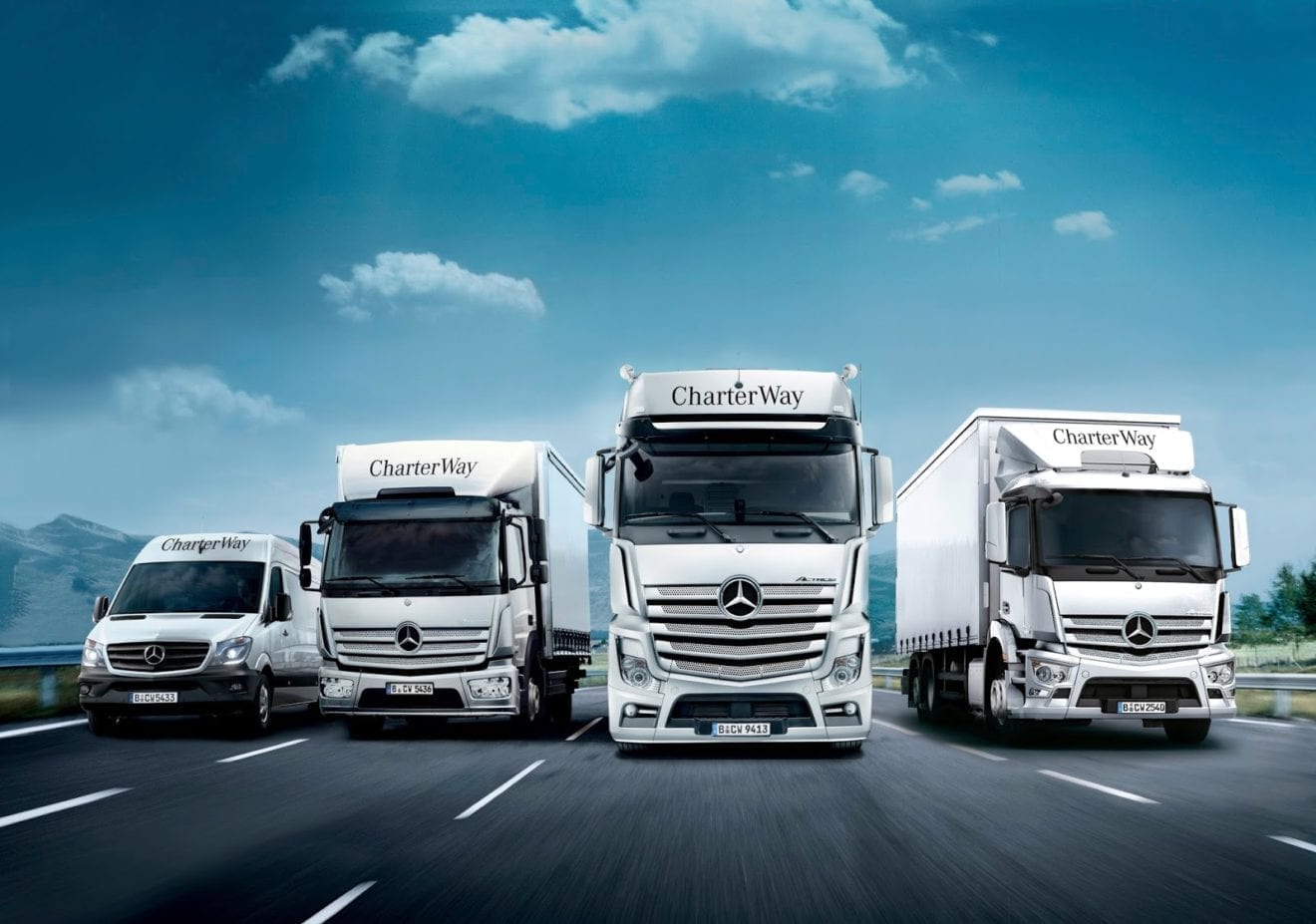
  • Daimler Trucks on track to record sales of 465,000 units in 2017

    Daimler Trucks on track to record sales of 465,000 units in 2017

    Daimler Trucks has increased its worldwide deliveries in the first 11 months of 2017 by 12 percent year on year to 422,500 units, despite the continuation of disparate market conditions. Until the end of November, more trucks were delivered than in the whole of last year. In full-year 2016, the Daimler truck division sold approximately 415,100 vehicles of the Mercedes-Benz, Fuso, Freightliner, Western Star, Thomas Built Buses and BharatBenz brands worldwide.

    On the basis of initial December data, Daimler Trucks assumes that it will end the full year with unit sales in the magnitude of 465,000 vehicles (2016: 415,100). The final sales figures will be available at Daimler’s annual press conference on February 1, 2018.

    “For full-year 2017, we at Daimler Trucks anticipate unit sales in the magnitude of 465,000 trucks – significantly more than in the previous year and significantly more than we expected at the beginning of the year. This is only possible with leading products and an excellent international team – especially with an ongoing situation of weak tailwinds from our markets. I thank all our employees for their outstanding efforts,” stated Martin Daum, Member of the Board of Management of Daimler AG, responsible for Trucks & Buses. “In everything that we do, our focus is on our customers. In order to offer them the best products and solutions, we work continuously on innovations. We used the year 2017 to work hard on efficient, electric, automated and connected trucks.”

    North America key growth driver
    The significant growth in unit sales achieved by Daimler Trucks was driven by the positive sales development in the NAFTA region, especially in the second half of the year. Sales rose by 12 percent to 150,600 units (2016: 134,200).

    With a market share of 39.2 percent in weight classes 6 to 8 (2016: 40.0 percent), Daimler Trucks says it continued to be the undisputed market leader for medium- and heavy-duty trucks in North America by a clear margin. A key growth driver in the North American market is the new Freightliner Cascadia, which has been produced since early 2017 with an integrated Detroit powertrain and sets standards in terms of fuel efficiency, safety and connectivity. Also in the fourth quarter, Daimler Trucks recorded a significantly higher number of orders received in the NAFTA region than in the prior-year period.

    Uptick in Europe and Latin America – growth in Brazil again
    Daimler Trucks increased its sales also in the EU30 region (European Union, Switzerland and Norway) by three percent to 73,600 units in the months of January through November (2016: 71,100). Mercedes-Benz maintained its market leadership in the segment of medium- and heavy-duty trucks with 21.0 percent (2016: 20.7 percent). Mercedes-Benz is the best-selling brand also in Germany, with a market share of 36.6 percent (2016: 37.2 percent) and deliveries of 28,000 vehicles (2016: 27,600).

    Since March 2017, Mercedes-Benz trucks feature the new Truck Data Center. This standardised connectivity module is fitted across the Daimler Trucks brands: in the Mercedes-Benz Actros, Arocs, Antos and Atego as well as in the new Freightliner Cascadia and the new Fuso SuperGreat. The Truck Data Center forms the basis for existing connectivity solutions from Daimler Trucks such as the telematics systems of Fleetboard, Truckonnect and Detroit Connect. However, it also allows new digital services such as the Mercedes-Benz Uptime service product. This intelligent linking up of trucks, Mercedes-Benz Service and customers can reduce off-road times.


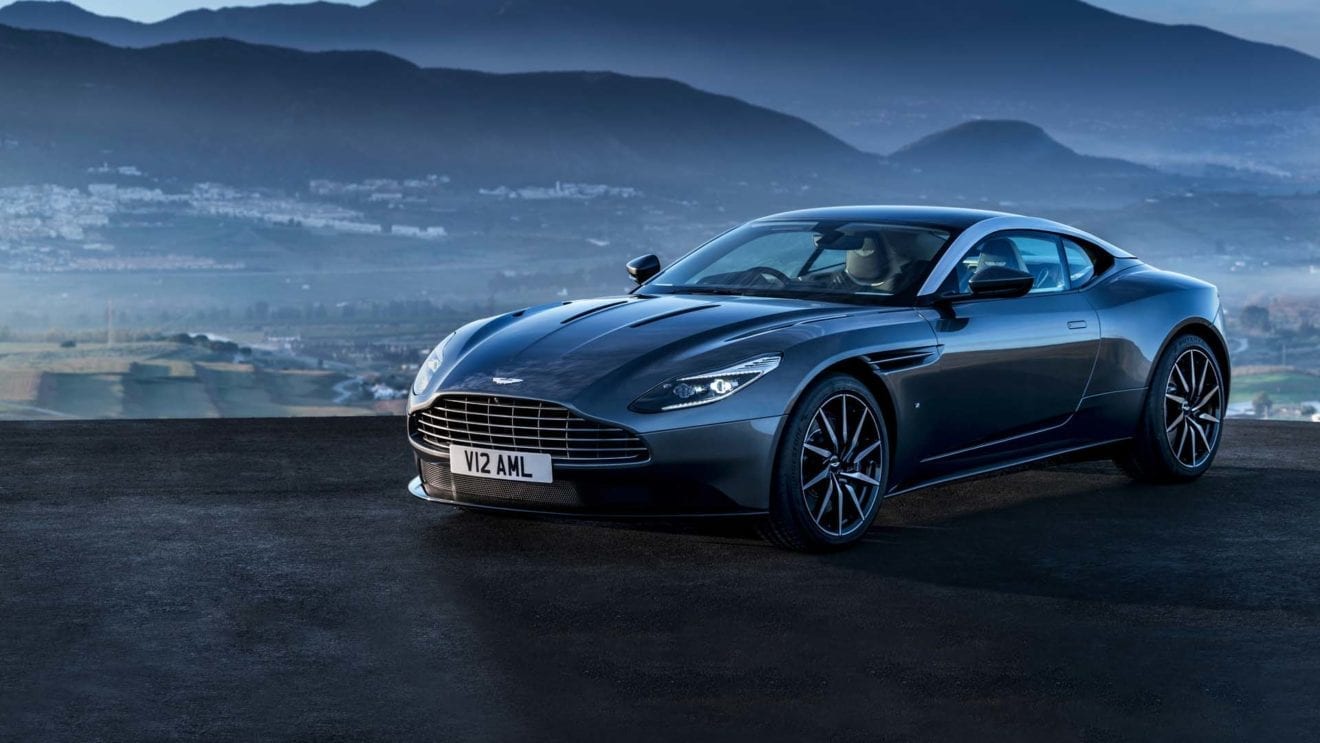
  • Aston Martin to recall over 5,000 cars

    Aston Martin to recall over 5,000 cars

    British sportscar maker Aston Martin is recalling around 5,500 vehicles in the United States due to problems with powertrains and battery cables, according to documents posted on the National Highway Traffic Safety Administration’s (NHTSA) website.

    The recalls are expected to begin on Feb. 1, 2018, and come as the owners of the carmaker made famous by fictional spy James Bond prepare for a stock market listing or sale of the company.

    The documents on the NHTSA website say Aston Martin is recalling 3,493 DB9, DBS, Rapide, Virage and Vanquish models that were made between 2009 and 2016 due to problems that can cause the transmission park pawl to not engage, which could make the vehicle roll and increase the risk of a crash.

    The Gaydon, England-based company is also recalling 1,953 DB9 and DBS vehicles manufactured between 2005 and 2009 because their battery supply cables can be damaged when the driver seat is in the full rearward location, which could ultimately increase the risk of a fire, the documents said.

    A spokesperson for the carmaker was not immediately available for comment.

  • Ford Partners With Alibaba to sell Cars In China

    Ford Partners With Alibaba to sell Cars In China

    Online retail giant Alibaba has signed a deal to sell Ford’s electric vehicles in China using gigantic vending machines. Shoppers scan the vehicle they’re interested in  purchasing, using Alibaba’s Taobao app. They then pick a color and other customized options. Next, they snap a selfie that is used to match them with their order. The system then arranges for a test drive of the car, using facial recognition as a way to unlock access to the vending machine.

    The multi-floor vending machine rotates the cars in stock until the one the customer selected is found.  Alibaba customers pay a deposit and are given three days to test the vehicle to determine whether they want to purchase it. Once they decide, they can use the smartphone app to pay for the car or to return it and arrange another test drive.

    Customers are limited to five test periods every two months. They also must qualify as Alibaba Super Members, and have reached a certain level on the company’s credit scoring service.

    Alibaba plans to open two facilities in January 2018 in Shanghai and Nanjing, followed by dozens more across China next year if the concept proves a success.

  • Tesla cranks up big battery in Australia

    Tesla cranks up big battery in Australia

    Tesla has completed construction of the world’s largest lithium ion battery in Australia, putting it on track to meet a 100-day deadline for switching the battery packs on, the South Australian government said on Thursday.

    Tesla won a bid in July to build the 129 megawatt hour battery for South Australia, the country’s most wind power-dependent state, with a vow from Chief Executive Elon Musk to install it within 100 days of signing a grid connection agreement or give it to the state for free.

    When the grid connection deal was signed on Sept 29, Tesla was already half way through installing the battery packs.

    The Tesla Powerpacks have now been fully installed at a wind farm run by France’s Neoen, and testing is set to begin to provide grid security services in South Australia.

    “While others are just talking, we are delivering our energy plan, making South Australia more self-sufficient, and providing back up power and more affordable energy for South Australians this summer,” state Premier Jay Weatherill said in a statement.

    The state has yet to say how much it would pay for the battery, which is part of a AUS$510 million (US$390 million) plan that includes diesel-fired generators to help keep the lights on following a string of blackouts over the past 18 months.

    Australia’s energy market operator has warned that power supply will be tight this summer, particularly in South Australia and neighboring Victoria, where one of the market’s biggest coal-fired power plants was shut in March.