Tag: Auto

  • Ford, Lyft will partner to deploy self-driving cars

    Ford, Lyft will partner to deploy self-driving cars

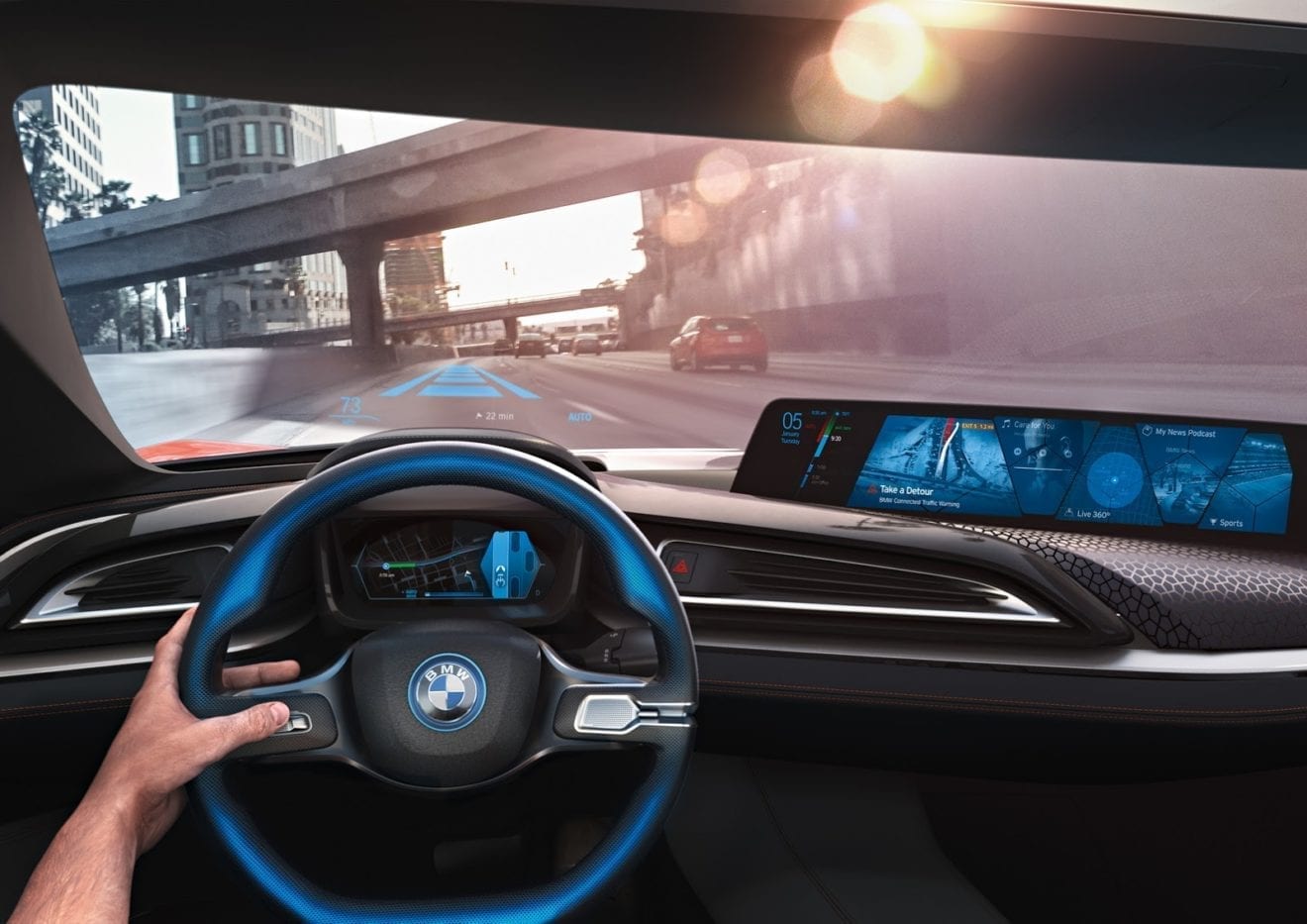
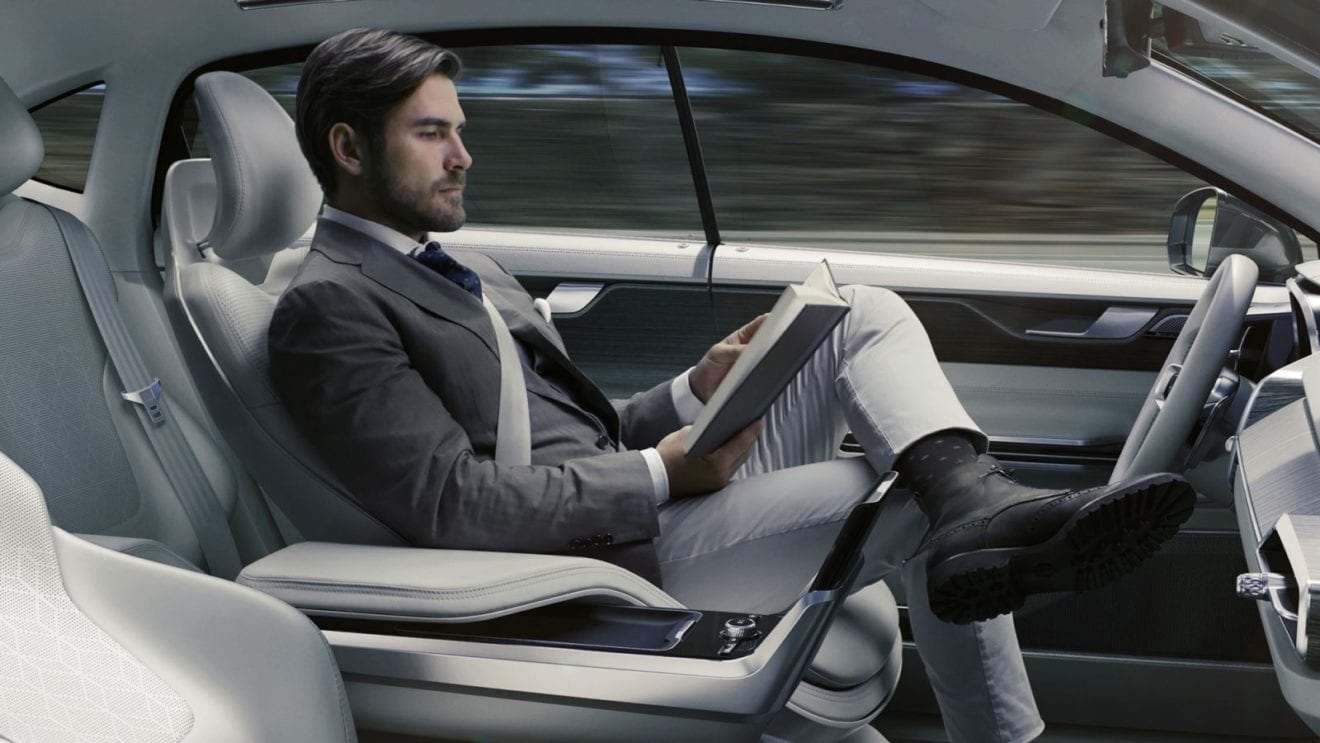
    Ford said on Wednesday it will collaborate with Lyft to deploy Ford self-driving vehicles on the ride services company’s network in large numbers by 2021.

    Ford and Lyft teams will begin working together to design software to allow Ford vehicles to communicate with Lyft’s smartphone apps.

    Ford self-driving test vehicles will be connected to Lyft’s network, but at first, customers will not be able to use them, Sherif Marakby, Ford’s vice president for autonomous vehicles and electrification. Ford will put human-driven vehicles on Lyft’s network.

    He did not say when Ford and Lyft expect to offer the first rides in self-driving cars.

    “We’re not building prototypes for the sake of building prototypes,” Marakby said, adding Ford intends to ultimately put thousands of self-driving vehicles in use.

    Ford’s new Chief Executive Jim Hackett is scheduled to meet with investors on Tuesday to outline the Dearborn, Mich. automaker’s strategy for boosting profitability. Ford shares are down 1.65 percent so far this year, while Detroit rival General Motors shares have risen 15.6 percent, and Fiat Chrysler Automobiles NV shares are up 71 percent.

    Hackett’s plans to compete for revenue from mobility services, which include car sharing and ride-hailing, will be one area of focus for investors. The Lyft partnership fills in a piece of the puzzle.

    Ford also is testing delivery services using self-driving vehicles and a van shuttle service. The self-driving vehicles Ford will deploy through Lyft will use software developed by Argo AI, a company in which Ford is investing $1 billion over the next five years.

    The company has said it will invest $700 million in a factory in Flat Rock, Michigan, to make it capable of building electric and self driving vehicles.

    Lyft has said it will offer an open platform for companies to deploy self-driving vehicles on its network, and has partnerships with self driving vehicle technology startup Drive.ai and Alphabet’s Waymo self driving car unit.

    GM has a 9 percent stake in Lyft, acquired for $500 million in January 2016. “Our relationship with GM has always been a non-exclusive relationship,” Raj Kapoor, Lyft’s chief strategy officer.

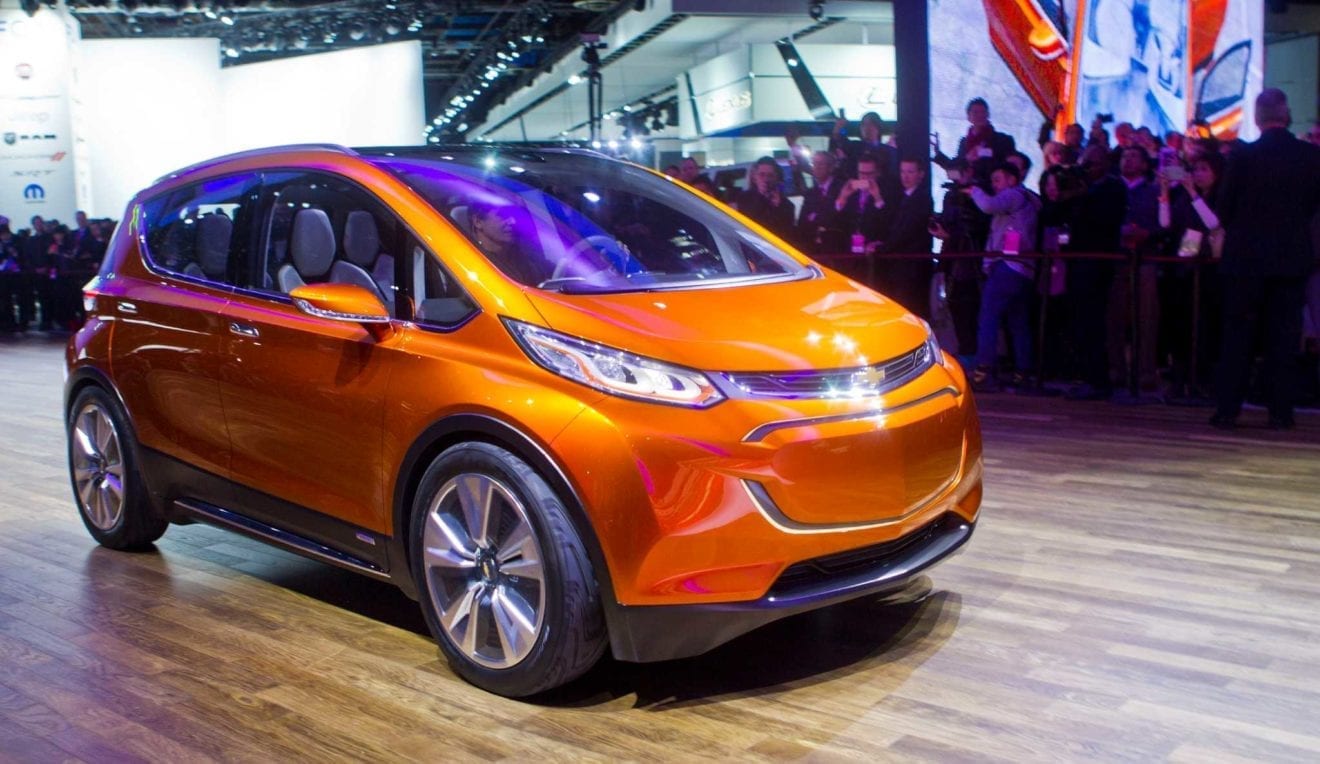
    GM is also assembling the assets necessary to launch its own ride services using self-driving cars, building its Maven car-sharing unit and preparing to launch mass production of autonomous Chevrolet Bolt electric cars at a factory in suburban Detroit.
  • Indonesia overtakes Thailand to become Vietnam’s top car supplier in August

    Indonesia overtakes Thailand to become Vietnam’s top car supplier in August

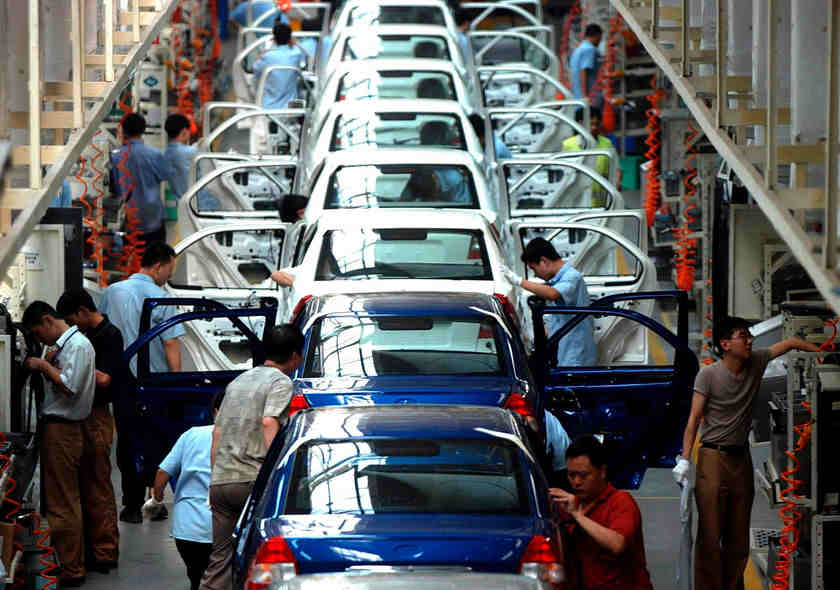
    Tariff cuts under a regional trade deal are making cars from Southeast Asia more affordable in Vietnam. Indonesia dethroned Thailand to dominate Vietnam’s car market in August, with Toyota and Ford among the most popular brands, according to Vietnam Customs.

    Nearly 3,000 made-in-Indonesia cars flooded into Vietnam in August, compared to 438 units during the same period last year, official data showed. Most of the vehicles had nine seats and below.

    Thailand was the runner-up, exporting 2,000 cars to Vietnam, followed by China with 800 units.

    The import tariff on cars from Thailand and Indonesia was cut to 30 percent from 40 percent at the start of this year, according to tax authorities. As a result, many imported cars are now 7 percent cheaper, ranging from $18,000-19,000.

    Vietnam’s car imports in August soared 13 percent from the previous month to about 7,800 units worth $190 million, customs data shows.

    However, Thailand still leads the way so far this year, followed by Indonesia and China.

    Vietnam imported at total of 65,485 cars in the first eight months, down 5 percent on-year. Over 60 percent of those came from Thailand and Indonesia.

    The surge in imports from Southeast Asian countries is expected to continue when the import tariff on cars is abolished at the start of 2018 under the ASEAN Trade in Goods Agreement.

  • Tesla working with AMD to develop chip for self-driving car

    Tesla working with AMD to develop chip for self-driving car

    Electric carmaker Tesla is working with Advanced Micro Devices to develop its own artificial intelligence chip for self-driving cars, citing a source familiar with the matter.

    AMD spin-off GlobalFoundries Inc Chief Executive Sanjay Jha said his company is working directly with Tesla. GlobalFoundries, which fabricates chips, has a wafer supply agreement in place with AMD.

    Tesla isn’t completely going it alone in chip development, according to the source, and will build on top of AMD intellectual property.

    More than 50 people are working on the project under Jim Keller, a longtime chip architect and the head of Autopilot hardware and software of Tesla, according to the report.

    AMD shares were up 2.2 percent in extended trading.

    Tesla, AMD, and GlobalFoundries did not immediately respond to requests for comment.

  • BYD chief expects all vehicles to be electric in China by 2030

    BYD chief expects all vehicles to be electric in China by 2030

    The head of Chinese automaker expects all vehicles in the country to be electric or hybrid by 2030, a more aggressive timeframe than even Europe, as Beijing pushes ahead on a longer-term plan to shift away from petrol-engine cars.

    Earlier this month, a senior Chinese official said the world’s largest auto market had begun studying when to ban the production and sale of cars using traditional fuels, without giving a timeframe from the shift.

    The United Kingdom and France have said they will ban new petrol and diesel cars from 2040.

    “We are very confident about all the timetables (to eliminate fossil fuel cars) and we think it will happen earlier than expected,” said Wang Chuanfu, chairman and president at Shenzhen-based carmaker BYD, which has invested heavily in battery electric and plug-in hybrid vehicles.

    “Various governments have announced timetables to end the sale of fossil fuel cars and this is putting pressure on everyone else,” Wang told reporters in Shenzhen on Thursday.

    China has set goals for electric and plug-in hybrid cars to make up at least a fifth of its auto sales by 2025 in a bid to combat air pollution and close a competitive gap between its newer domestic automakers and their global rivals.

    However, China is also phasing out subsidies for the electric-vehicle market that have supported makers of new-energy vehicles like BYD. BYD, which is backed by U.S. investor Warren Buffett, has seen its profits fall sharply this year.

    Wang added that 20 cities in China would begin building BYD sky rail transport systems next year, amid a push by the firm to diversify away from cars alone.

    BYD’s first sky rail project was launched in China’s northwestern city of Yinchuan at the beginning of this month.


  • Mazda to make all models hybrid, electric by early 2030s

    Mazda to make all models hybrid, electric by early 2030s

    Mazda Motor plans to make all of its vehicles electric-based, including petrol hybrids, by the early 2030s, Japanese media reported on Friday, as more automakers shift strategies to meet tightening global emission regulations.

    The Japanese automaker plans to use electric motors in all of its models by that time, Kyodo News reported, without citing sources. A Mazda spokeswoman declined to comment on the report.

    At the moment, Mazda’s line-up does not include any all-battery electric vehicles, though it sells one hybrid model, a version of its Mazda3.

    The company has said it will introduce electric powertrain technologies including electronic vehicles (EVs) from 2019.

    To catch up with other larger automakers including Nissan Motor, which already market electric cars, Mazda has partnered with Toyota Motor Corp to develop technology.

    Meanwhile, it has also developed an ultra-efficient petrol engine, which can be used in hybrids, and plans to incorporate that into its cars from 2019.

    Unveiling the new technology last month, Mazda CEO Masamichi Kogai said its gasoline, diesel and electric vehicle technologies would “co-exist” in the future.

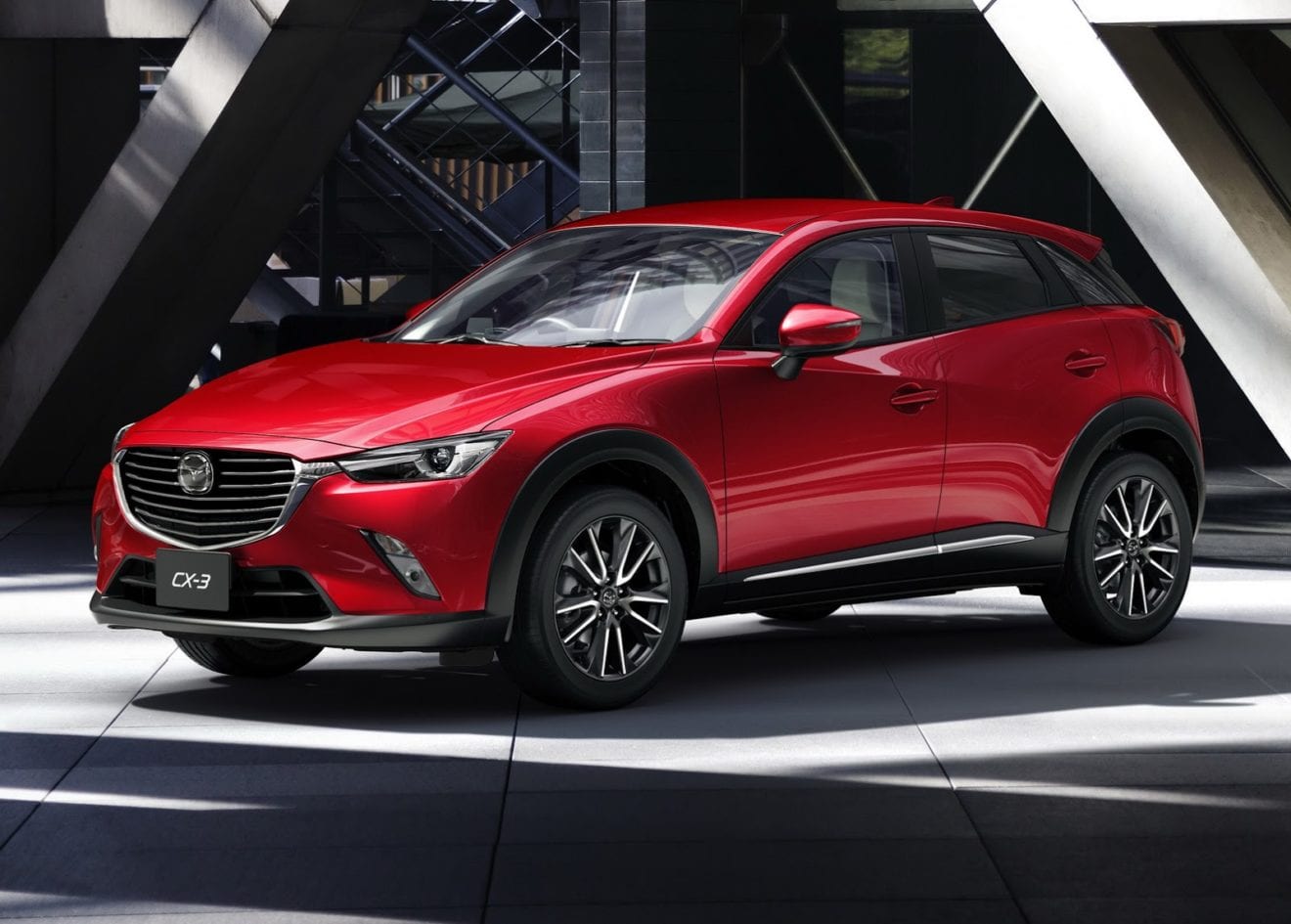
    The automaker, which also specialises in highly-efficient diesel engines, on Thursday launched a new CX-8 model in Japan, which is only available as a diesel model at the moment.

    Other global automakers are planning to shift away from internal combustion engines towards electrification in the coming years.

    Volvo Car Group in July said that all of its new models from 2019 would use electric motors, while Volkswagen earlier this week said it would launch 80 new electric cars across its brands by 2025.

  • Carmakers face electric reality as combustion engine outlook dims

    Carmakers face electric reality as combustion engine outlook dims

    ‘There’s going to be a huge increase in prices in 2021-22 if effective electrification becomes as widespread as people expect.’

    European car bosses gathering for the Frankfurt auto show are beginning to address the realities of mass vehicle electrification, and its consequences for jobs and profit, their minds focused by government pledges to outlaw the combustion engine.

    As the latest such announcement by China added momentum to a push for zero-emissions motoring, Daimler, Volkswagen and PSA Group made disclosures about their electric programs that could give policymakers some pause.

    Planned electric Mercedes models will initially be just half as profitable as conventional alternatives, Daimler warned – forcing the group to find savings by outsourcing more component manufacturing, which may in turn threaten German jobs.

    “In-house production is almost irrelevant to the consumer,” Daimler boss Dieter Zetsche told reporters and investors on the eve of the Frankfurt show, speaking in the midst of a German election campaign in which automotive jobs have loomed large.

    Volkswagen, for its part, said it was seeking new global supplier contracts to source 50 billion euros ($60 billion) of electric car content including batteries, which are not yet manufactured competitively in Europe.

    “A company like Volkswagen must lead, not follow,” Chief Executive Matthias Mueller told reporters.

    VW diesel emissions-cheating exposed by U.S. regulators triggered global public outrage, dozens more investigations into test-rigging by the wider industry and a push by some lawmakers to ban diesel and eventually all engines.

    Tightening noose

    Tesla Inc shares jumped nearly 6 percent on Monday after a Chinese minister said it was a question of when, not if, Beijing bans fossil-fuel cars, tightening the rhetorical noose around the combustion engine. France and Britain have promised its outright abolition by 2040.

    But PSA, the maker of Peugeots and Citroens, said it was concerned about the risks if consumers are left behind in the rush, and a new generation of battery cars does not sell.

    “If it doesn’t gain acceptance in the market, then everybody – industry, employees and politicians – has a big problem,” PSA Chief Executive Carlos Tavares said in a pre-show interview with German weekly Bild am Sonntag.

    While Tesla has carved itself a successful premium niche, electric vehicles have yet to penetrate volume markets, with the heavily subsidized exception of Norway, and still account for less than 1 percent of global car sales.

    Automakers have sought to adapt to the changing tide – and in some cases distance themselves from “dieselgate” – by announcing multibillion-euro investments in electric cars, underpinned by plans to sell millions within a decade.

    A year into the scandal, VW unveiled plans to develop 30 new electric cars and sell 2 million-3 million annually by 2025. On Monday it upped the goal to 80 models and said it would need four times the capacity of Tesla’s “gigafactory” to supply their batteries.

    Jobs flight

    Since the battery is the single biggest-value item in an electric car, however, experts point out that mass adoption would shift business and jobs from European suppliers to China, which already dominates the automotive power-pack market.

    According to consulting firm AlixPartners, electric drivetrains including batteries require 40 percent less manufacturing labor than mechanical ones. That would hit 112,000 jobs at European suppliers, even before any outsourcing.

    A phase-out of combustion engines by 2030 could cost 600,000 jobs in Germany alone, the country’s Ifo economic institute has warned. Chancellor Angela Merkel, on course for re-election on Sept. 24, said she was “no friend of bans”, in a Berliner Zeitung interview published on Tuesday.

    Any deepening of the doubts surrounding mass electric car uptake could vindicate Fiat Chrysler CEO Sergio Marchionne – one of the few car bosses who has largely resisted the plug-in vogue.

    “My aversion to electrification was based on pure cost issues,” Marchionne told analysts recently, predicting that stubbornly high battery costs would combine with tightening combustion-engine regulation to choke off overall sales.

    “There’s going to be a huge increase in prices in 2021-22 if effective electrification becomes as widespread as people expect,” Marchionne said. “That, based on everything I know in terms of economics, will cause a shrinkage of demand.” ($1 = 0.8358 euro)

  • Samsung secures self-driving car permit in California

    Samsung secures self-driving car permit in California

    Samsung Electronics Co Ltd said on Thursday it has received a permit to test self-driving vehicles in California, marking the entry of the world’s largest smart phone maker four months after iPhone maker and arch rival Apple Inc (AAPL.O) received a permit.

    Its parent company in May secured permission from South Korean authorities to test a self-driving car fitted with its own sensors and software systems. At that time, South Korean officials said the company planned to use the car to develop a self-driving car algorithm that could drive in adverse weather.

    In a statement to Reuters, Samsung did not say what precisely what it planned to test in the United States but said it secured the permit “in pursuit of a smarter, safer transportation future.”

    The company, part of a massive conglomerate that makes everything from washing machines to heavy machinery, said it has “no plans to enter the car-manufacturing business.”

    With the foray into the U.S. self-driving car landscape, Samsung will jostle with its friends and foes. Besides Apple, it will join Waymo, a division of Alphabet Inc (GOOGL.O), which supplies the Android operating system that runs on Samsung’s phones.

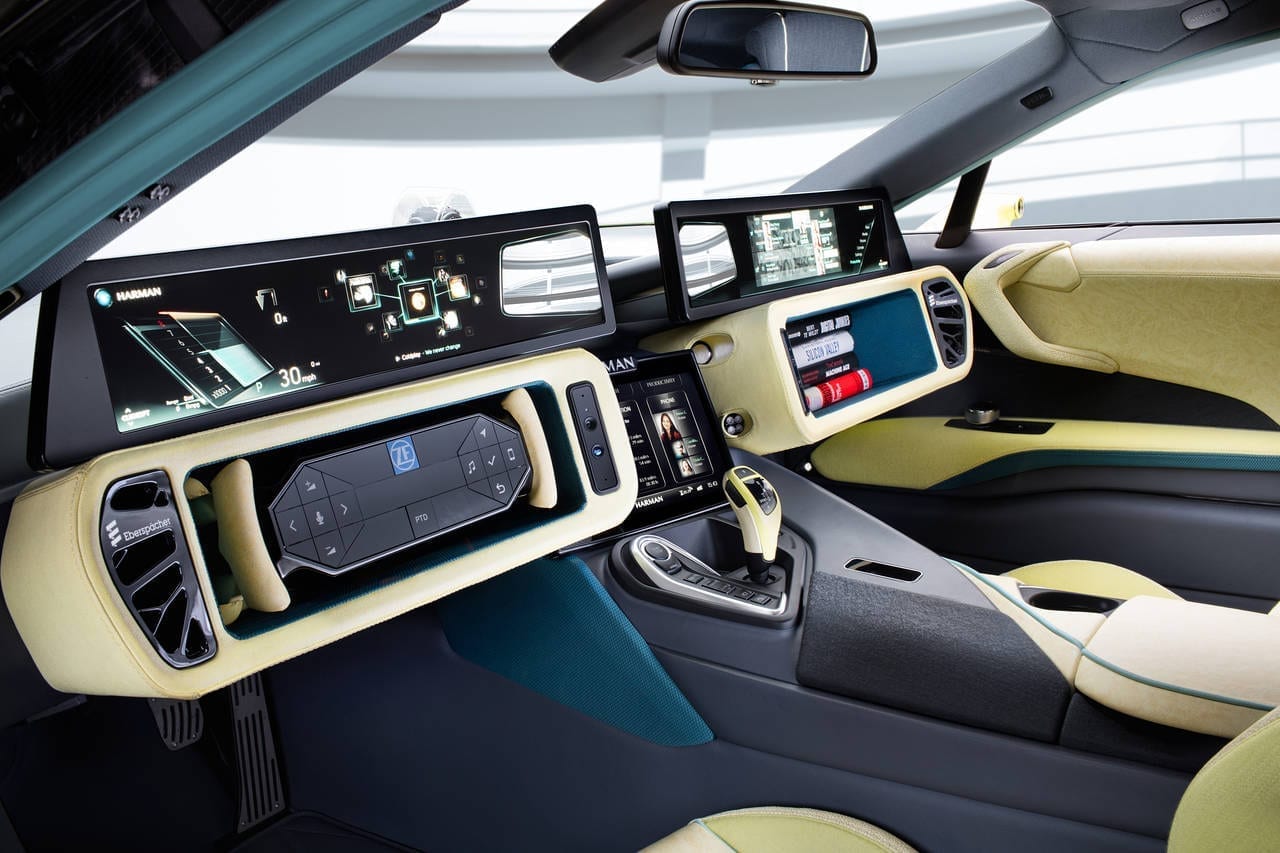
    Samsung has a range of other opportunities for growth in the self-driving car business. Earlier this year, the company closed its $8 billion purchase of car audio maker Harman International Industries, giving it a wide foot print in so-called connected car technologies.

  • Hyundai resumes production in China after supply hiccup

    Hyundai resumes production in China after supply hiccup

    Hyundai Motor said on Wednesday it had resumed production in China after a supply disruption forced the suspension of operations last week, complicating its efforts to lift sagging sales in the world’s biggest auto market.

    The production stoppage, although resolved, adds to investor concerns after the South Korean carmaker posted its smallest quarterly profit in five years amid political headwinds linked to diplomatic tensions between Seoul and Beijing.

    Hyundai had to cut production at its four factories in China earlier this year due to slumping sales. Its fifth China factory was scheduled to start production this month.

    Hyundai Motor’s sales from its Chinese factories plummeted 64 percent to 105,000 vehicles in April-June alone.

    “The effects of the China production halt are yet unclear, but Hyundai’s third-quarter results are likely to be lower than the previous quarter partly due to continued weak performance in China,” said Park Sang-won, analyst at Heungkuk Securities.

    Hyundai shares pared losses after skidding to their lowest level in more than four months on Wednesday, falling as much as 3.8 percent. They were trading down 0.4 percent at 0504 GMT, compared to a flat wider market .KS11.

    Hyundai said earlier on Wednesday its joint venture with China’s BAIC Motor  began shutting down production last week after a fuel-tank components supplier refused to provide parts due to non-payment.

    BAIC declined to comment and Reuters could not immediately reach the joint venture, Beijing Hyundai, for comment.

    South Korean firms are weathering a Chinese backlash over Seoul’s decision to deploy a U.S. missile defense system to counter threats from nuclear-armed North Korea. China says the system poses a threat to its national security.

    Hyundai’s weak brand image has put it at a disadvantage in China versus local and global rivals such as Honda Motor (7267.T), Toyota Motor (7203.T) and General Motors (GM.N), which all saw higher China sales for last month.

  • Autosports Group announecs acquisition of BMW Melbourne

    Autosports Group announecs acquisition of BMW Melbourne

    Autosports Group Ltd acquisition of Bmw Melbourne.

    Expects to pay for the bmw melbourne businesses a consideration of approximately $22 million.

    Unit enters agreement with bmw melbourne to buy businesses such as bmw melbourne ,mini garage melbourne ,south bank motor cycles and bmw body shop.

  • Germany draws up rules of the road for driverless cars

    Germany draws up rules of the road for driverless cars

    Protecting people rather than property or animals will be the priority under pioneering new German legal guidelines for the operation of driverless cars, the transport ministry said on Wednesday.

    Germany is home to some of the world’s largest car companies, including Volkswagen, Daimler and BMW, all of which are investing heavily in self-driving technology.

    German regulators have been working on rules for how such vehicles should be programmed to deal with a dilemma, such as choosing between hitting a cyclist or accelerating beyond legal speeds to avoid an accident.

    Under new ethical guidelines – drawn up by a government-appointed committee comprising experts in ethics, law and technology – the software that controls such cars must be programmed to avoid injury or death of people at all cost.

    That means that when an accident is unavoidable, the software must choose whichever action will hurt people the least, even if that means destroying property or hitting animals in the road, a transport ministry statement showed.

    The software may not decide on its course of action based on the age, sex or physical condition of any people involved.

    “The interactions of humans and machines is throwing up new ethical questions in the age of digitalization and self-learning systems,” German Transport Minister Alexander Dobrindt said in a statement.

    “The ministry’s ethics commission has pioneered the cause and drawn up the world’s first set of guidelines for automated driving,” he added.

    Germany earlier this year passed legislation under which a driver must be sitting behind the wheel at all times ready to take back control if prompted to do so by the autonomous vehicle, clearing the way for the development and testing of self-driving cars.

  • Hyundai will launch pickup, more SUVs to reverse U.S. sales slide

    Hyundai will launch pickup, more SUVs to reverse U.S. sales slide

    Hyundai Motor plans to launch a pickup truck in the United States as part of a broader plan to catch up with a shift away from sedans in one of the Korean automaker’s most important markets, a senior company executive told Reuters.

    Michael J. O’Brien, vice president of corporate and product planning at Hyundai’s U.S. unit, said Hyundai’s top management has given the green light for development of a pickup truck similar to a show vehicle called the Santa Cruz that U.S. Hyundai executives unveiled in 2015.

    Hyundai currently does not offer a pickup truck in the United States.

    O’Brien also said Hyundai plans to launch a small SUV called the Kona in the United States later this year.

    People familiar with the automaker’s plans said the pick-up truck is expected to be launched in 2020.

    They said separately that Hyundai plans to introduce three other new or refreshed SUVs by 2020.

    Under the plan, Hyundai Motor plans to roll out a new version of its Santa Fe Sport mid-sized SUV next year, followed by an all-new 7-passenger crossover which will replace a current three-row Santa Fe in early 2019 in the United Sates. A redesigned Tucson SUV is expected in 2020.

    So-called crossovers – sport utilities built on chassis similar to sedans – now account for about 30 percent of total light vehicle sales in the United States. Consumers in China, the world’s largest auto market, are also substituting car-based SUVs for sedans.

    Hyundai’s U.S. dealers have pushed the company to invest more aggressively in SUVs and trucks as demand for sedans such as the midsize Sonata and the smaller Elantra has waned.

    “We are optimistic about the future,” said Scott Fink, chief executive of Hyundai of New Port Richey, Florida, which is Hyundai’s biggest U.S. dealer. “But we are disappointed that we don’t have the products today.”

    Hyundai’s U.S. sales are down nearly 11 percent this year through July 31, worse than the overall 2.9 percent decline in U.S. car and light truck sales. Sales of the Sonata, once a pillar of Hyundai’s U.S. franchise, have fallen 30 percent through the first seven months of 2017. In contrast, sales of Hyundai’s current SUV lineup are up 11 percent for the first seven months of this year.

    “Our glasses are fairly clean,” O’Brien said. “We understand where we have a shortfall.”

  • Mitsubishi, Audi recall cars in Vietnam due to safety concerns

    Mitsubishi, Audi recall cars in Vietnam due to safety concerns

    The automakers said the technical faults could cause serious damage, and they will be fixed free of charge.

    Mitsubishi Motors Vietnam has recalled 4,218 cars due to technical faults, official reports said.

    The majority of the recalled models are Pajero Sports manufactured between 2011 and 2016, but around 20 percent are Outlander Sports produced from 2014-2016.

    Explaining the recall, which may take until July 2019, Mitsubishi Motors Vietnam said the hinges on the rear doors were prone to rust because they were not completely coated in anti-corrosion paint. This meant they could fall off and injure people.

    In a separate move, Audi Vietnam has recalled 33 of its Q3 models manufactured between June 2014 and November 2016 due to a problem with their brake lights.

    Audi said the brake lights could fail if the handbrake was used to make an emergency stop.

    Official data shows Vietnamese customers bought more than 134,200 cars in the first half of this year, down 1 percent against the same period last year.

  • Intel set to roll out 100 self-driving cars

    Intel set to roll out 100 self-driving cars

    Silicon Valley giant Intel on Wednesday (Aug 9) announced plans for a fleet of self-driving cars following its completion of the purchase of Israeli autonomous technology firm Mobileye.

    A day after closing the US$15 billion deal to buy Mobileye, which specialises in driver-assistance systems, Intel said it will begin rolling out fully autonomous vehicles later this year for testing in Europe, Israel, and the US.

    The fleet will eventually have more than 100 vehicles, according to Intel.

    The testing in real-world conditions “provides immediate feedback and will accelerate delivery of technologies and solutions for highly and fully autonomous vehicles,” said Mobileye co-founder Amnon Shashua, who is to run the unit for Intel.

    “Our goal is to develop autonomous vehicle technology that can be deployed anywhere.”

    The Intel test fleet with include various types and makes of vehicles, and capitalize on Mobileye expertise in computer vision, mapping and sensing.

    Intel, which has been expanding beyond its core of computer chipmaking, is keen for its technology to be an engine powering self-driving systems across the spectrum of vehicle manufacturers.

    “We want to enable automakers to deliver driverless cars faster while reducing costs,” Shashua said.

    Intel said the vehicles would offer “level 4” autonomy, which under industry standards represents a “high” level of autonomy just below the fully automated level 5.

    Most major automakers and several other technology firms have been stepping up efforts on autonomous driving in recent years, contending these systems will eliminate the vast majority of road accidents. Apple has a testing permit in California.

    German luxury carmaker Daimler and auto parts supplier Bosch have announced plans to work together to create completely driverless cars in the next few years.

    US-based Tesla boasts that all its models are built with the hardware for self-driving in event regulators five the technology a green light.

    US car rental giant Avis Budget earlier this year announced it will team up with Waymo on the self-driving cars being tested on Arizona roads.

  • BMW’s 5-series launch helps drive forecast-beating second quarter profit

    BMW’s 5-series launch helps drive forecast-beating second quarter profit

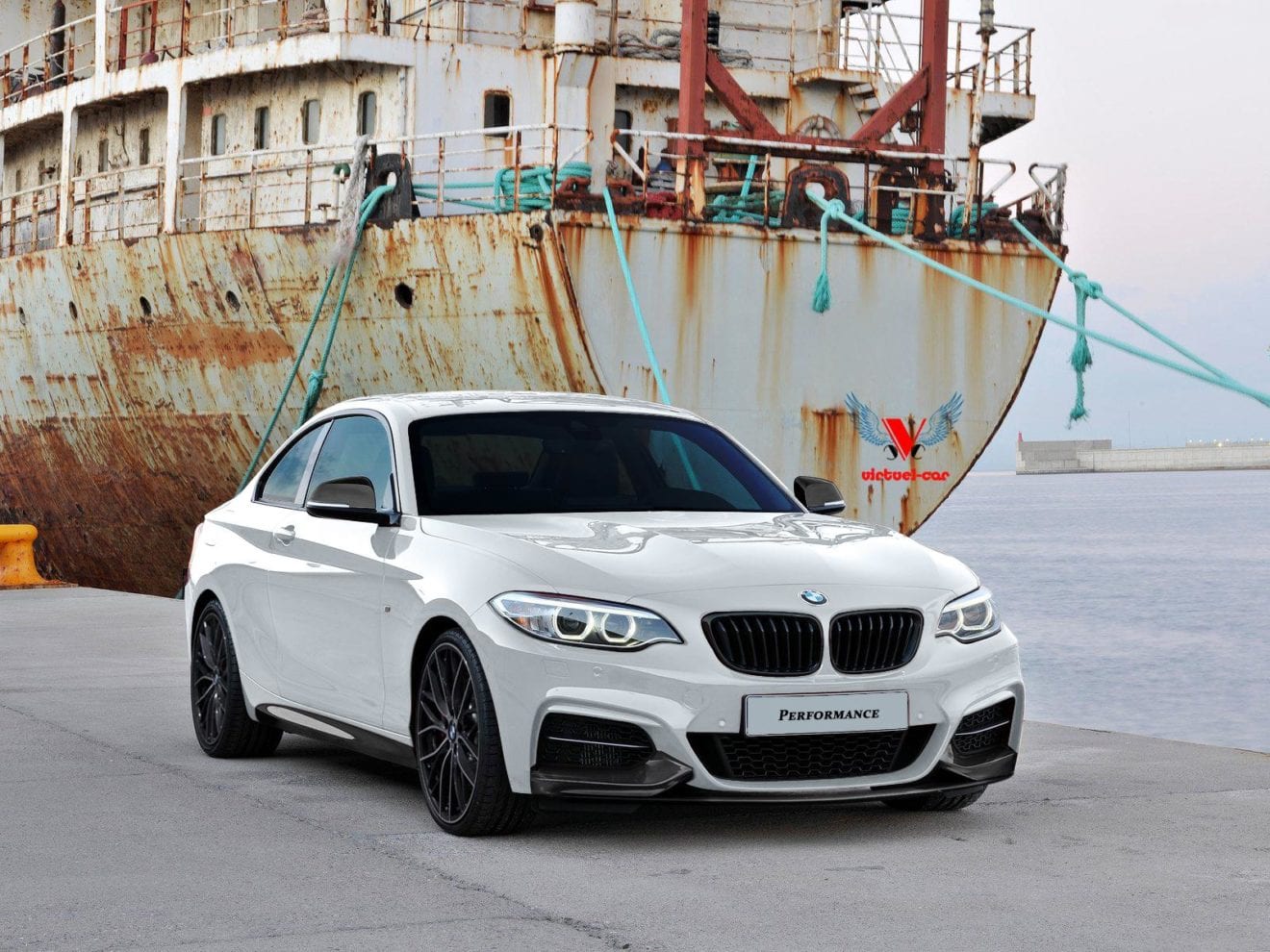
    German luxury carmaker BMW posted a forecast-beating 7.5 percent rise in second-quarter profits as sales of its new 5-series helped to offset slowing demand for luxury cars in the United States.

    Earnings before interest and tax (EBIT) rose to 2.92 billion euros ($3.46 billion), compared with an average forecast for 2.82 billion in a Reuters poll of banks and brokerages.

    BMW affirmed its guidance for a slight increase in full-year group pretax profit and an operating margin of 8 to 10 percent at its automotive business, which posted a second-quarter margin of 9.7 percent, up from 9.5 percent a year earlier.

    BMW said it now forecasts a solid increase in automotive segment revenues for the full year.

  • Japan’s Subaru posts higher profit as car sales jump

    Japan’s Subaru posts higher profit as car sales jump

    Subaru on Thursday posted a better-than-expected rise in its quarterly operating profit, buoyed by higher sales in the United States, its biggest market, where other Japanese automakers are struggling with slower demand.

    Operating profit at Japan’s No.6 automaker came in at 119.3 billion yen ($1.08 billion) in the first quarter ended June, up 17.5 percent from a year ago and exceeding the average forecast for 114.8 billion yen from seven analysts polled by Thomson Reuters I/B/E/S.

    Most Japanese automakers have been hit by both an overall slowdown in the U.S. market and a growing preference for bigger car models, versus the sedan.

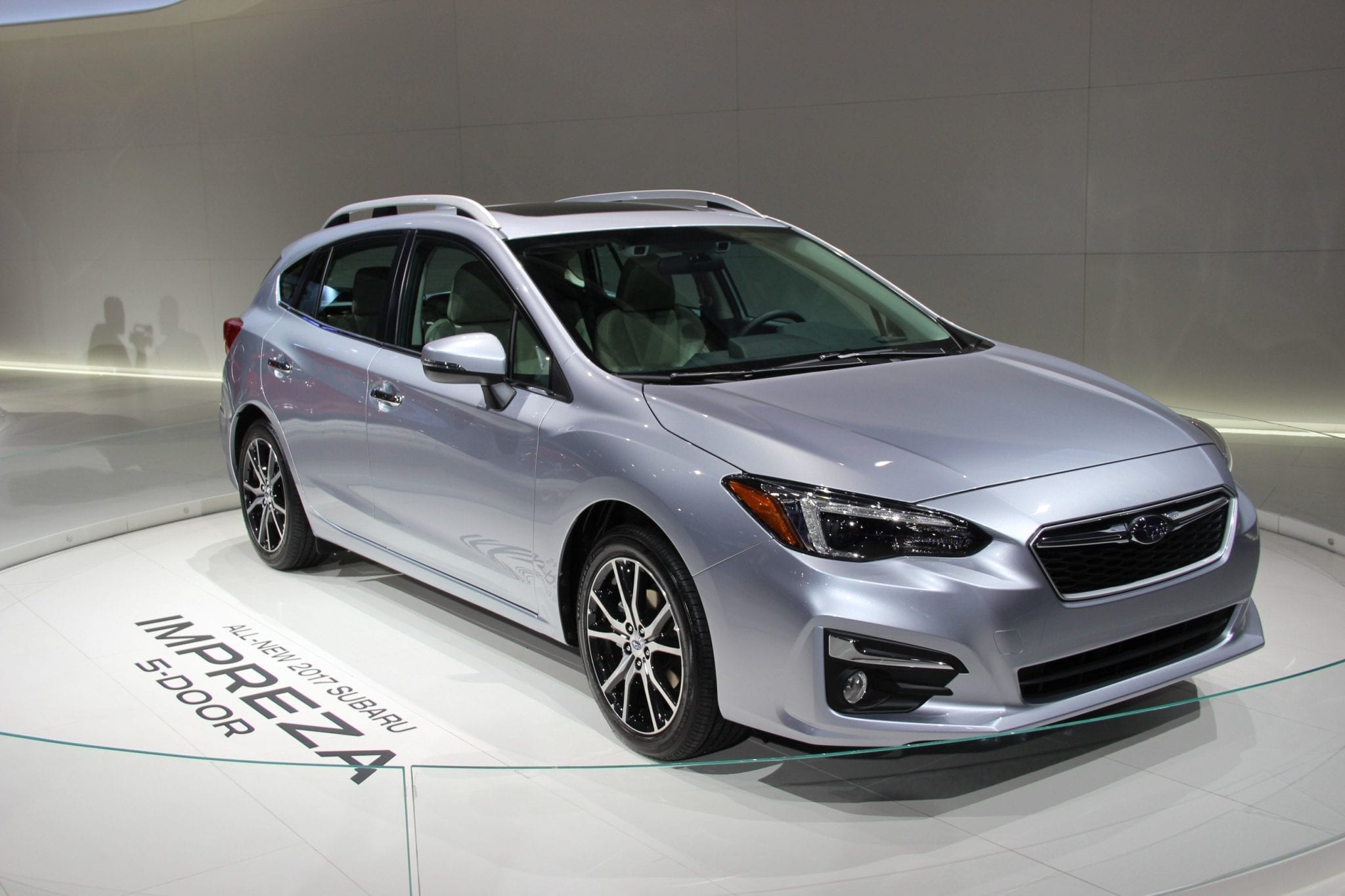
    Subaru has, however, managed to buck this trend, reporting a 12.3 percent jump in sales in the world’s No.2 auto market after China, with models such a revamped version of its Impreza sedan, along with the Forester SUV and Outback SUV crossover.

    Subaru raised production capacity last year at its plant in Indiana and was able to deliver more units over the quarter in the United States, which accounts for around 60 percent of its global sales volume.

    The automaker’s U.S. marketing strategy has focused mainly on affluent and liberal-minded consumers, with advertisements featuring slogans such as love and inclusion.

    It has won over consumers living largely on the west and east coasts – a concentration that has allowed it to leverage its production capabilities, which are a fraction of those of Toyota Motor and other bigger rivals like Nissan Motor Co.

    Toyota is expected to announce a 16 percent drop in its quarterly operating profit, according to analysts surveyed by Thomson Reuters I/B/E/S, while Nissan last week posted an almost 13 percent slide in profit, dragged by rising incentives to sell its cars in the United States.