Tag: Auto

  • Tesla climbs as Musk prepares to hand over first Model 3 cars

    Tesla climbs as Musk prepares to hand over first Model 3 cars

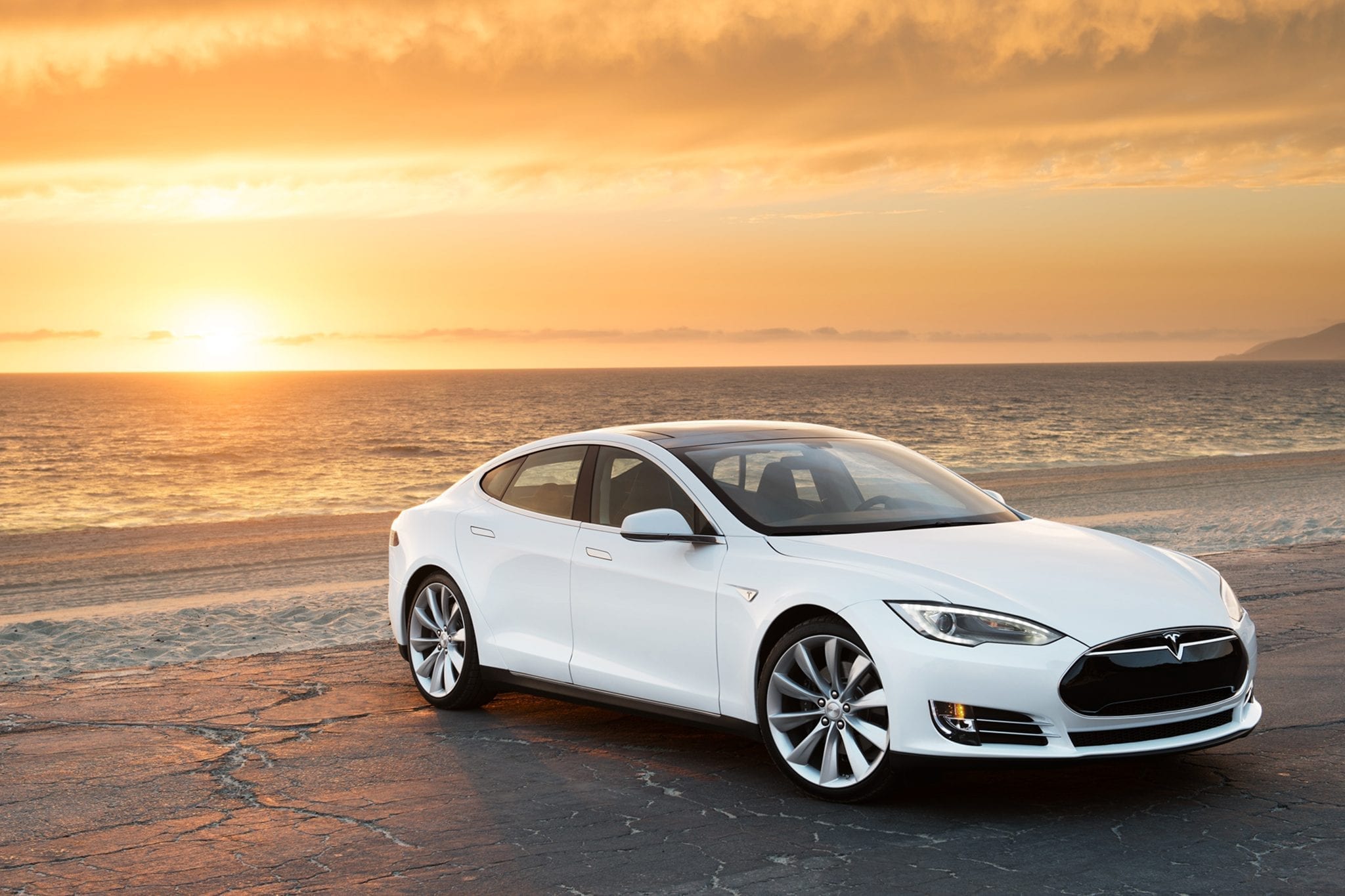
    Shares of Tesla rose nearly 1 percent on Friday ahead of a handover to customers of its first Model 3 sedans, the electric cars that Chief Executive Officer Elon Musk is betting will propel his company into the mass market.

    Tesla is counting on the Model 3 to help turn the cash-losing company into a profitable one, and its event later on Friday at its factory in Fremont, California comes as the car maker’s stock trades down 12 percent from a record high set in June.

    Fueled by expectations that Tesla will become a carbon-free energy and transportation heavyweight, Tesla’s stock remains up 58 percent year to date, but it is also a favorite among short sellers.

    Shorts sellers have about $8.5 billion bet against Tesla, equivalent to about 20 percent of the company’s float, according to Astec Analytics.

    The $35,000 Model 3 is designed for easy production, with output targeted to reach 20,000 per month by December. The Silicon Valley car company aims to quickly ramp up its factory to reach a production target of 500,000 cars per year in 2018.

    Tesla’s last launch was the luxury Model X SUV in 2015, which had a number of production issues.

    Tesla reports its second-quarter results on Wednesday, and investors are keen for an update on how quickly its output is expanding after deliveries for the first half of 2017 came in at the low end of the company’s own forecast.

    “This evening’s event will keep investors focused on the Model 3 ramp, and less on the upcoming quarter,” Barclays analyst Brian Johnson wrote in a note to clients. Johnson has a an “underweight” rating on Tesla.

    Skeptics believe Tesla’s growth targets are unrealistic and that it is at risk of being overtaken by General Motors , BMW and other deep-pocketed manufacturers that are ramping up their own electric-vehicle offerings.

  • Maruti, Hyundai rule passenger vehicle sales in June

    Maruti, Hyundai rule passenger vehicle sales in June

    Country’s top two carmakers Maruti Suzuki India and Hyundai Motor India dominated the Indian passenger vehicle sales segment last month with their models occupying all the slots in the top ten list.

    While car market leader Maruti has seven of its models in the list, rival Hyundai Motor India has three of its models in the top ten selling list of last month.

    Toyota Kirloskar Motor’s Innova and Renault Kwid which were there in the June 2016 list have failed to find place in this year’s top ten list.

    According to the latest data from Society of Indian Automobile Manufacturers (SIAM), Maruti’s Alto retained the top position in June with 14,856 units, as against 15,750 units in June last year.

    Hyundai’s compact car Grand i10 stood at second position with 12,317 units. It was at third position in June 2016, with 12,678 unit sales.

    Maruti’s compact sedan Dzire occupied the third position with sale of 12,050 units as compared with 15,560 units in June last year.

    The car market leader’s compact hatchback Wagon R stood at fourth position with sale of 10,668 units during the last month.

    Hyundai’s Elite i20 stood at fifth position last month with 10,609 units. The company had sold 8,990 units of the vehicle in the same period last year.

    Maruti’s Swift retained sixth position with 9,902 units in June. It had sold 9,033 units in the same month of the last year.

    The carmaker’s premium hatchback Baleno stood at seventh position with sale of 9,057 units last month, while compact SUV Vitara Brezza with sale of 8,293 units took eighth position in June.

    Hyundai’s Creta retained ninth position with sale of 6,436 units in June. It sold 7,700 units in the same month last year.

    Maruti’s hatchback Celerio stood at tenth place with sale of 6,375 units.

  • Peugeot sets new profitability record on pricing gains

    Peugeot sets new profitability record on pricing gains

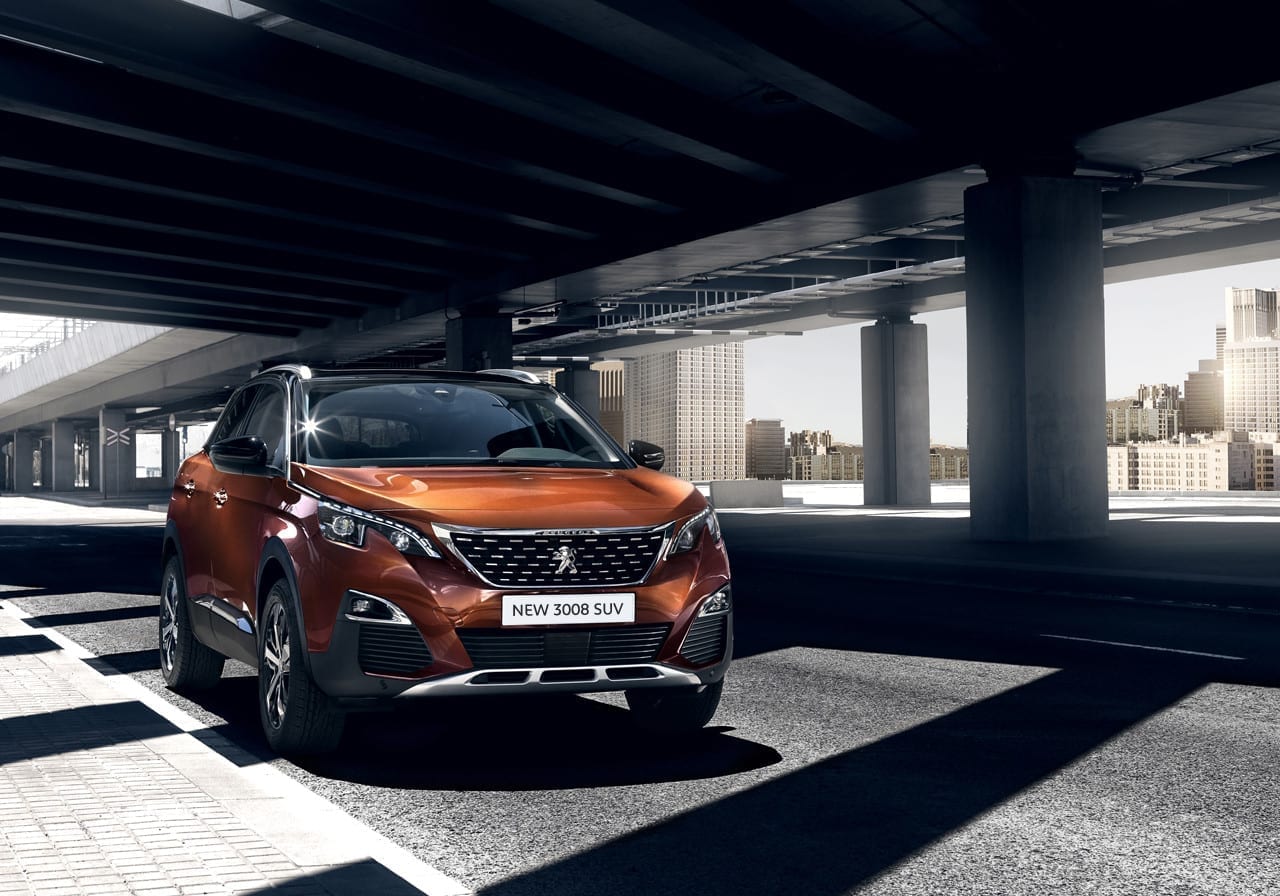
    PSA Group increased sales and profit in the first half, the maker of Peugeots and Citroens said, beating analyst expectations with a new profitability record at its core manufacturing division.

    Net income rose 3.6 percent to 1.26 billion euros ($1.46 billion) on a 5 percent increase in revenue to 29.17 billion, the French carmaker said on Wednesday, as stronger pricing more than made up for weaker sales volumes in Europe and China.

    The core automotive operating margin jumped from 6.8 percent to 7.3 percent, setting a “new historic high” for the carmaker, Chief Financial Officer Jean-Baptiste de Chatillon said on a conference call with reporters.

    The Paris-based carmaker rebounded from near-bankruptcy and a government-backed bailout in 2014 to a 6 percent automotive operating margin last year on the strength of cost-cutting, a pared-down lineup and determined efforts to lift prices.

    Weaker first-half vehicle sales in Europe and a sharper slowdown in China had sparked concerns about the pace of PSA’s recovery just as it prepares to acquire Opel from General Motors , in a deal closing later this year.

    But the first-half numbers squarely beat analyst expectations of 28.92 billion euros in sales, 1.3 billion in automotive profit and a 1.06 billion-euro net profit, based on the median of nine estimates polled for Reuters.

    PSA also raised its full-year European auto-market growth forecast to 3 percent from one percent and its Latin American and Russian growth forecasts to 5 percent from 2 percent and flat, respectively.

  • Britain launches fund to boost electric battery technology

    Britain launches fund to boost electric battery technology

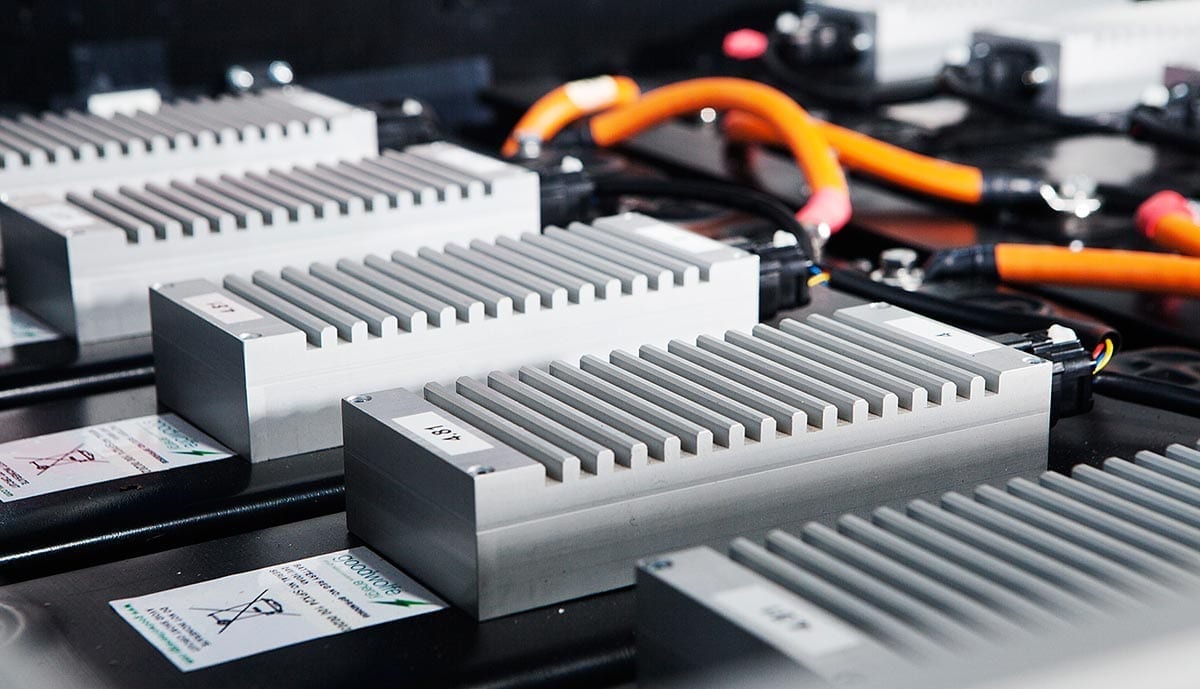
    Britain launched a 246 million-pound ($320 million) fund on Monday to boost the development and manufacturing of electric batteries, a major growth area for the car and energy sectors.

    The scheme, which allows those in business and academia to apply for government funds to work on a range of possible electric battery schemes, is part of Britain’s industrial strategy which Prime Minister Theresa May published in January.

    It is designed to take a more hands-on approach to developing key industries to help protect the economy as Britain leaves the European Union.

    Automakers are racing to build greener vehicles and improve charge times in a bid to meet rising customer demand and meet air quality targets but Britain lacks sufficient manufacturing capacity, an area ministers are keen to build up.

    The first tranche comprises a 45 million-pound pot of money which will help to establish a ‘Battery Institute’ for research to help improve the affordability of the technology, which needs to bolster charge and use times, reduce storage sizes and boost capacity.

    Business minister Greg Clark also wants to establish a “National Battery Manufacturing Development facility” which would support the building of electric batteries for the automotive sector.

    “Joining together the research, development, application and manufacture of energy storage technologies – and specifically battery storage – is a huge opportunity for the energy sector and the automotive sector alike,” Clark said in a speech in Birmingham.

    In May, representatives from politics, academia and business in the central English city of Coventry pitched plans to receive part of the funds for a “National Battery Prototyping Centre” which would focus on research and development and testing.

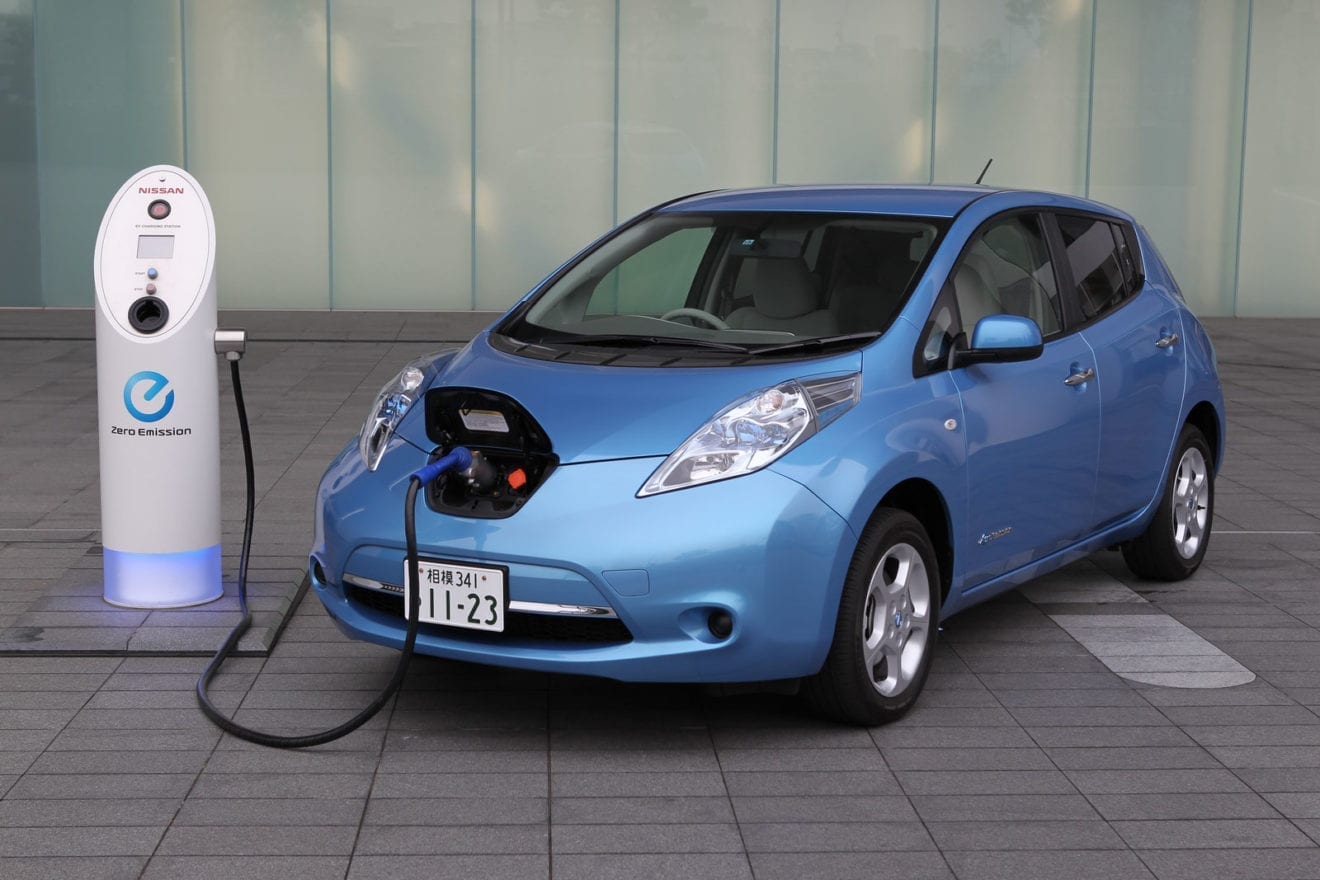
    Japan’s Nissan already builds its electric Leaf at its north of England plant but Britain’s biggest carmaker Jaguar Land Rover is building its first low-emissions model in Austria.

    Its chief executive told Reuters last year that a number of factors needed to be put in place before JLR would build electric models in Britain, including pilot testing and support from science.

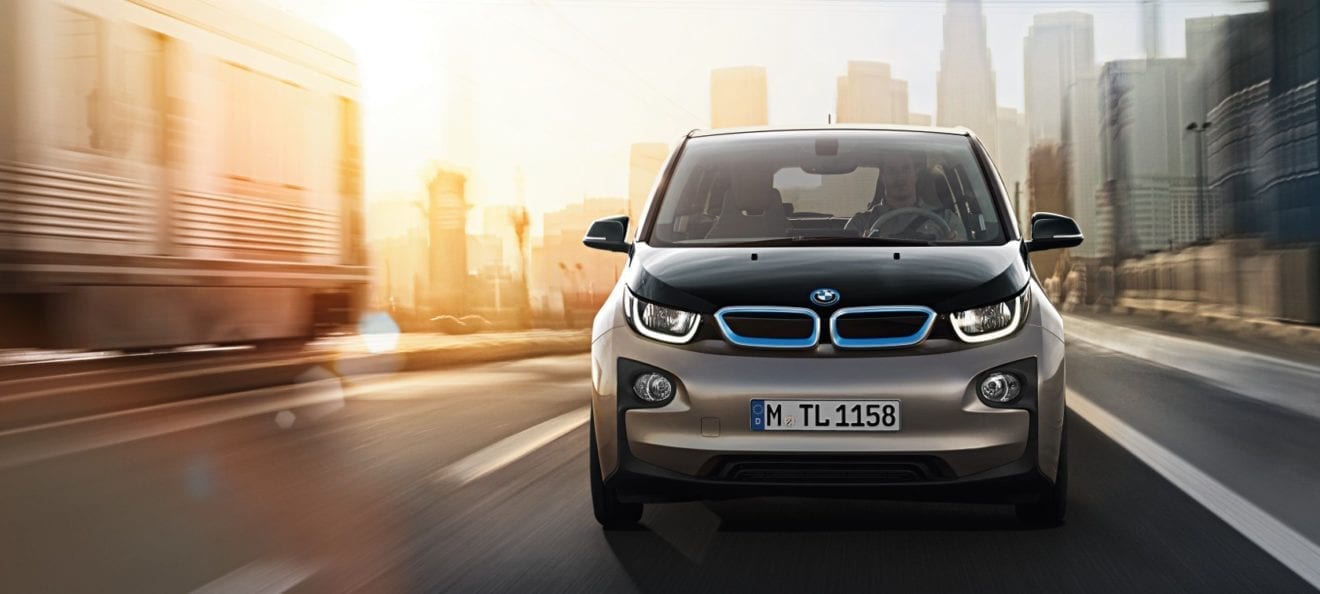
    Germany’s BMW favors building its first electric model at its Oxford plant, two sources told Reuters last week, in a decision which is due to be announced in September.

    Clark also said that up to 40 billion pounds could be saved by 2050 with a range of measures designed to better manage energy use, including allowing users to control their appliances from their smartphones.

    But businesses have become more cautious about future investment in Britain ahead of Brexit, worried that the country may lose unfettered and free trade with its biggest export partner at the end of two-year divorce talks in March 2019.

    Many companies have urged the government to push the European Union to agree to a clear and lengthy transitional arrangement to help them make investment decisions.

    Asked on Monday when the government would set out the kind of transitional arrangement it would be seeking, Clark said:

    “During the autumn… and as the negotiations move forward, we hope from their initial discussion, then that’s the time to say more about that.”

  • BMW denies collusion on diesel emissions

    BMW denies collusion on diesel emissions

    BMW said that none of its models had been ‘manipulated’ or violated industry regulations. German luxury carmaker BMW on Sunday denied any collusion with industry rivals on emissions from its diesel engines, saying none of its models had been “manipulated” or violated industry regulations.

    As revelations about polluting exhaust continue to buffet Germany’s all-important auto sector, the Munich-based giant sought to distance itself from what it called the “scandaliation of diesel motors”.

    “The fact is that automobiles from the BMW group are not manipulated and comply with the relevant legal requirements,” the company said in a statement.

    “This of course also applies to diesel automobiles. This is confirmed by the relevant results from tests by national and international authorities.”

    Der Spiegel magazine had reported Friday that German carmakers Volkswagen, Audi, Porsche, BMW and Daimler had secretly worked together from the 1990s onwards on issues including polluting emissions from diesel vehicles.

    Volkswagen, which is facing tens of billions of dollars in compensation and fines after admitting in 2015 to cheating on diesel emissions, had reported the cartel to German competition authorities in a letter seen by the weekly, as did Mercedes-Benz maker Daimler.

    According to the report, carmakers held “innumerable meetings” from 2006 onwards about diesel exhaust processing systems designed to reduce emissions of harmful nitrogen oxides (NOx).

    Carmakers agreed to install only small tanks of a treatment solution, AdBlue, used to convert the gases into harmless water and nitrogen, as larger tanks would have been more expensive.

    The size of the AdBlue tanks agreed on was too small to clean exhaust gases by the necessary amount — “laying the foundations for the diesel scandal,” Spiegel reported.

    However BMW said it “firmly dismissed the accusation” that its AdBlue tanks were insufficient, meaning that any “recall or retrofitting for the Euro 6 diesel cars is unnecessary”.

    Volkswagen admitted in September 2015 to installing software in 11 million cars worldwide that reduced NOx emissions when it detected that cars were undergoing regulatory tests.

    More recently, authorities’ suspicion fell on Mercedes-Benz and Smart maker Daimler, with investigators raiding sites belonging to the group in late May.

    The firm recalled some three million cars last week for a software update designed to reduce emissions.

    Meanwhile, VW subsidiary Audi on Friday recalled up to 850,000 cars fitted with its diesel engines for a similar software update.

  • Toyota set to sell long-range, fast-charging electric cars in 2022

    Toyota set to sell long-range, fast-charging electric cars in 2022

    Toyota Motor is working on an electric car powered by a new type of battery that significantly increases driving range and reduces charging time, aiming to begin sales in 2022, the Chunichi Shimbun daily reported on Tuesday.

    Toyota’s new electric car, to be built on an all-new platform, will use all-solid-state batteries, allowing it to be recharged in just a few minutes, the newspaper said, without citing sources.

    By contrast, current electric vehicles (EVs), which use lithium-ion batteries, need 20-30 minutes to recharge even with fast chargers and typically have a range of just 300-400 kilometers (185-250 miles).

    Toyota has decided to sell the new model in Japan as early as 2022, the paper said.

    Toyota spokeswoman Kayo Doi said the company would not comment on specific product plans but added that it aimed to commercialize all-solid-state batteries by the early 2020s.

    Japan’s biggest automaker is looking to close the gap with EV leaders such as Nissan Motor Co and Tesla Inc as battery-powered cars gain traction around the globe as a viable emission-free alternative to conventional cars.

    Whether Toyota will be able to leapfrog its rivals remains to be seen, however, as mass production requires a far more stringent level of quality control and reliability.

    “There’s a pretty long distance between the lab bench and manufacturing,” said CLSA auto analyst Christopher Richter. “2022 is ages away, and a lot can change in the meantime.” How quickly the new EVs will catch on would also depend largely on battery costs.

    Having long touted hydrogen fuel-cell vehicles and plug-in hybrids as the most sensible technology to make cars greener, Toyota last year said it wanted to add long-range EVs to its line-up, and set up a new in-house unit, headed by President Akio Toyoda, to develop and market EVs.

    Toyota is reportedly planning to begin mass-producing EVs in China, the world’s biggest auto market, as early as in 2019, although that model would be based on the existing C-HR sport utility vehicle and use lithium-ion batteries.

    Other automakers such as BMW are also working on developing all-solid-state batteries, eyeing mass production in the next 10 years.

    Solid-state batteries use solid electrolytes rather than liquid ones, making them safer than lithium-ion batteries currently on the market.

  • GM joins other carmakers investing in self-driving startup Nauto

    GM joins other carmakers investing in self-driving startup Nauto

    General and Japan’s Softbank Group Corp are among the latest investors in Nauto, a Silicon Valley startup developing software for self-driving vehicles.

    Nauto, based in Palo Alto, said on Tuesday it closed a $159 million Series B funding round, led by Softbank and venture capital firm Greylock Partners. Previous investors included German automaker BMW and Japanese automaker Toyota, as well as German insurance firm Allianz.

    Nauto is unusual in attracting money from big-name automakers, and also in its focus on software and data, which cost less to develop than hardware or entire vehicles.

    “Any (vehicle) manufacturer is better than any startup at building cars,” said Stefan Heck, founder and chief executive officer of two-year-old Nauto. “Our aim is to provide the data, intelligence and a cloud platform” to automakers that plan to begin putting self-driving cars on the road from 2020.

    The amount of GM’s investment in Nauto was not disclosed. The Detroit automaker bought Silicon Valley startup Cruise Automation in early 2016 for more than $500 million.

    Heck declined to specify the company’s post-funding valuation. He did say it was shy of $1 billion, “unicorn” status in Silicon Valley shorthand.

    “But we’re getting there,” he said.

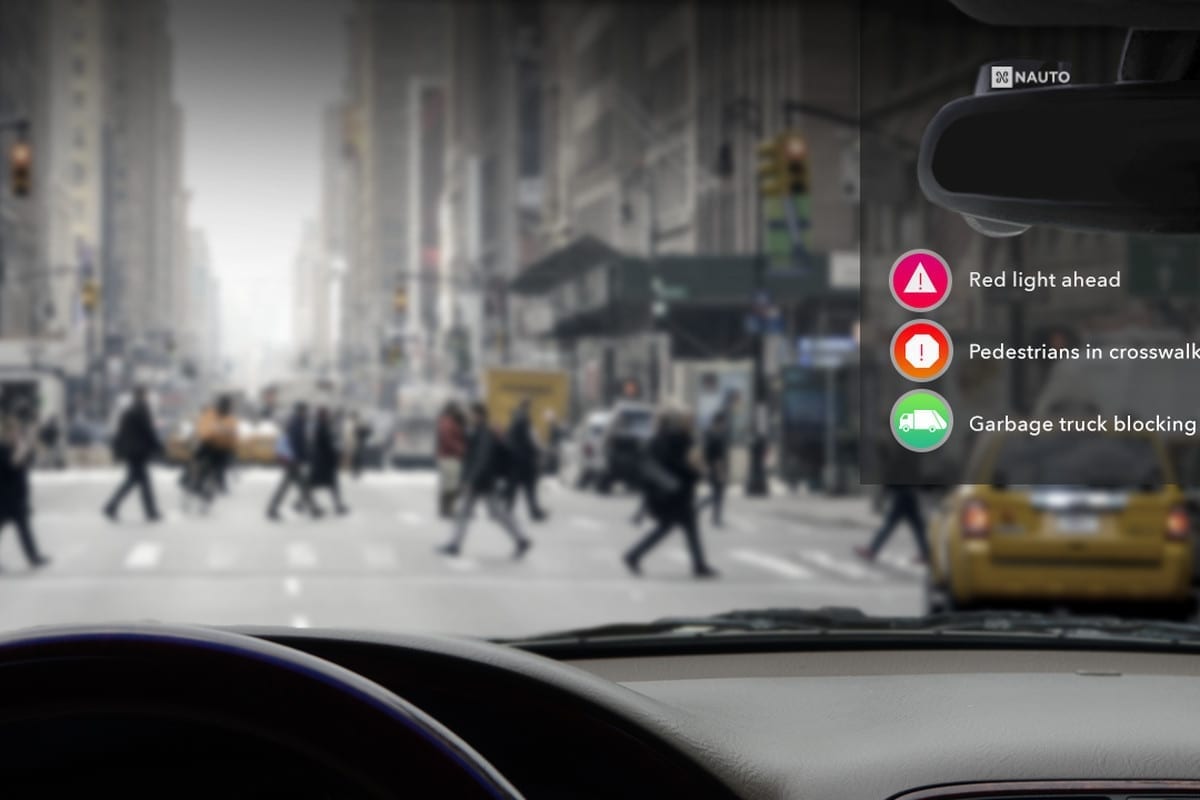
    To develop its technology, Nauto is retrofitting windshields of commercial trucks from North America to Europe and Japan with dual cameras: one aimed at the road and the other at the driver. The goal is to gather data on driver distraction and on the environment around vehicles and speed development of self-driving technology.

    Using such techniques as computer vision and deep learning, a form of artificial intelligence, the company is analyzing video feeds and data from the retrofit devices to improve driver performance and safety. Learning more about how humans drivers behave is critical, Heck said, because self-driving cars must share the roads with those vehicles for at least the next 20 to 30 years.

    “During that transition period, we need autonomous vehicles that are not just smart, but are able to collaborate with humans,” Heck said in an interview.

    Nauto is working with investors and other companies “to learn from human drivers, the best and the worst, to inform” the development of self-driving vehicles.

    Heck declined to say how many vehicles are using Nauto’s cameras and software, but said the company expects to accumulate more than one billion miles of real-world data within the next year.

  • With new Takata air bag recalls, automakers may face more liabilities

    With new Takata air bag recalls, automakers may face more liabilities

    Takata’s bankruptcy filing last month was meant to draw a line under the auto industry’s biggest safety recall, but last week’s announcement of more air bag inflator recalls suggests automakers could face fresh liabilities in the future.

    In late-2015, U.S. regulators gave Takata until the end of 2019 to prove that its replacement air bag inflators – which add a drying agent to combat moisture that can set off the ammonium nitrate compound in an inflator, with potentially lethal results – are also safe.

    If Takata fails that test – and some industry consultants, explosives experts and former employees question whether the workaround guarantees safety over the long-term – the 100 million or so replacement inflators currently being installed may themselves need to be replaced.

    “Absent proof that the other desiccated inflators are safe, they will also be subject to recall,” the U.S. National Highway Traffic Safety Administration (NHTSA) said in a statement last week. The agency declined to comment on the risk that additional inflators may be subject to recall.

    NHTSA announced last Tuesday that new testing at Takata prompted the Japanese parts firm to declare 2.7 million of the new air bag inflators defective, raising questions about the risk from replacement air bags as moisture can still seep into the propellant of some inflators.

    Takata’s automaker customers, which have so far borne much of the estimated $10 billion cost of replacing faulty bag inflators, could be on the hook for future liabilities in the event that Takata fails to prove that the desiccant workaround is sufficient.

    Last week’s recall is the first to involve Takata bag inflators that use a drying agent.

    Nearly 20 automakers have been affected by the air bag recalls, and some still use Takata inflators for replacements in the recalls. Automakers including Honda Motor Co, Toyota Motor Corp and Nissan Motor Co have said they will stop using Takata inflators for new contracts for future models.

    “If NHTSA in the future raises issues about the safety (of desiccated inflators) we will of course comply with their orders,” Nissan’s chief sustainability officer Hitoshi Kawaguchi told Reuters. “At the moment, our focus is on getting replacement inflators to our customers.”

    Toyota said it was “working closely with all stakeholders, including Takata, other suppliers and relevant agencies, to assess any potential impact and take action accordingly” on the recall issue. Honda, Takata’s biggest client, declined to comment.

    “The automakers… and Takata – they all know that this is a future issue,” said Scott Upham, chief executive at Valient Market Research, whose clients include auto parts suppliers. “But I think everybody is concerned about the near-term issues, and the financial arrangements of the bankruptcy.”

    Takata says it has produced around 100 million replacement inflators containing drying agents: the 2.7 million recalled last week used calcium sulfate, and the rest contain zeolite.

    “We still have to prove the safety of our desiccated inflators, but we believe those using zeolite are safer than those using calcium sulfate,” said spokesman Toyohiro Hishikawa.

    The company has declined to comment further on the testing process or the NHTSA deadline.

    Takata is the only global air bag maker to use ammonium nitrate as a propellant in its inflators. The compound’s vulnerability to high temperature and moisture can trigger an explosion that can spew shrapnel inside a vehicle. The defect has been linked to at least 17 deaths, mostly in the United States.

    ‘Lengthening the Fuse’

    The new inflators with the added desiccant have not been linked to any deaths or injuries, but the problems with the original inflators typically took five years or more to emerge.

    Keiichi Hori, who oversees automotive safety components at the Japan Explosives Society, said adding a drying agent can reduce, but not eliminate, the risk of uncontrolled explosions.

    If the desiccant can prevent all moisture from reaching the inflator propellant, “then it would be possible that the inflators could be used safely,” he said. “Otherwise, alternatives should be considered.”

    But Upham, the industry consultant, predicts the recalled parts will themselves eventually be recalled – because ammonium nitrate is fundamentally too volatile – and Takata’s carmaker customers may again have to foot the bill given that Takata is unlikely to be able to cover the costs.

    “Automakers are hoping and praying that the desiccant solves the problem… (but) this might come back to bite them,” Upham said.

    Former Takata employees involved in manufacturing inflators have said the desiccant may buy Takata time. One told Reuters last year that by adding the desiccant, “you’re just lengthening the fuse, not correcting the problems.”

    Key Safety Systems, a U.S.-based components supplier owned by China’s Ningbo Joyson Electronic Corp, has agreed to buy Takata’s good assets such as seat belts and steering wheels, for $1.6 billion. The plan is for Takata’s air bag business to be wound down by March 2020 after making replacement inflators for the ongoing recalls.
  • Volkswagen group deliveries rise 4.2 percent in June

    Volkswagen group deliveries rise 4.2 percent in June

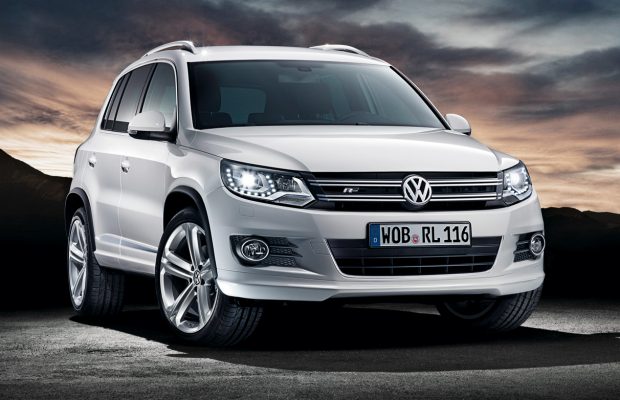
    Volkswagen Says group deliveries rise 4.2 percent to 920,700 in June. Volkswagen says June group deliveries rise 3.1 percent in Europe, 9.8 percent in the U.S., 5.2 percent in China.

    Volkswagen says January-June group deliveries rise 0.8 percent to 5.16 million.

  • Fiat Chrysler recalls 1.33 million vehicles over fire, air bag risks

    Fiat Chrysler recalls 1.33 million vehicles over fire, air bag risks

    Fiat Chrysler said on Friday it is recalling 1.33 million vehicles worldwide in two separate campaigns for potential fire risks and inadvertent airbag deployments.

    The Italian-American automaker said it is recalling about 770,000 sport utility vehicles because of a wiring issue that may lead to inadvertent deployment of the driver-side air bag and is linked to reports of five related minor injuries, but no crashes.

    The company said wiring could chafe against pieces of steering-wheel trim, potentially causing a short-circuit and ultimately leading to an inadvertent air bag deployment. The issue could also cause unintended windshield wiper operation or inoperable switches.

    The recall covers 538,000 2011-2015 Dodge Journey vehicles in North America and 233,000 2011-2015 Fiat Freemont crossovers sold elsewhere. Dealers will inspect and replace the wiring, as needed and equip it with additional protective covering.

    The automaker is also recalling 565,000 vehicles to replace their alternators because of fire risks. The company said hot ambient temperatures could lead to premature diode wear, may result in a burning odor or smoke, could impact the anti-lock braking system or lead to engine stalls.

    The company said it is aware of two potentially related accidents but no injuries.

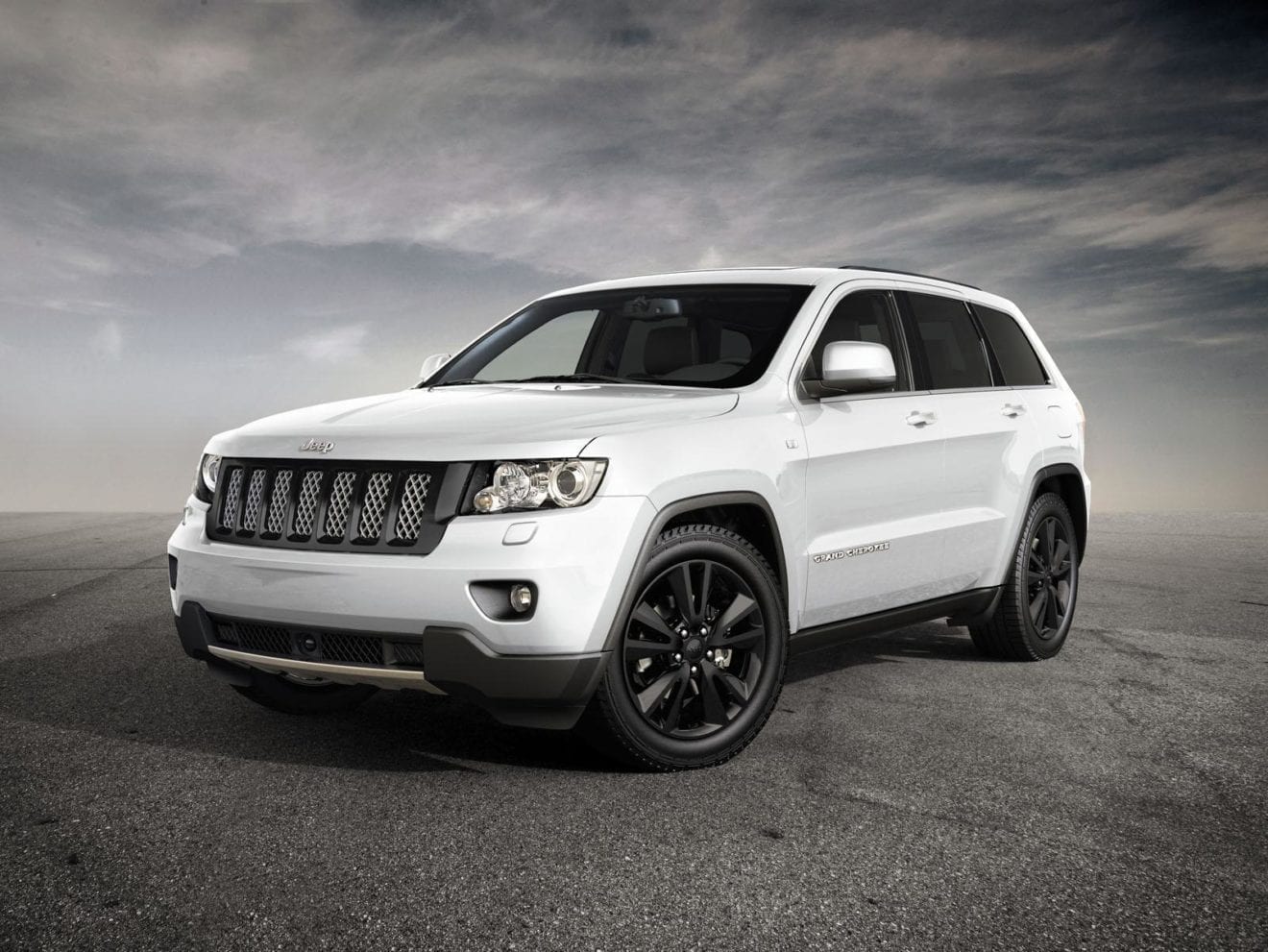
    The recall covers 2011-2014 model year Chrysler 300, Dodge Charger and Dodge Challenger cars and Dodge Durango SUVs and 2012-2014 Jeep Grand Cherokee SUVs.

    In October, Fiat Chrysler recalled about 86,000 Ram 2500 and 3500 pickup trucks, 3500, 4500 and 5500 chassis cabs from the 2007-2013 model years and 2011-2014 Dodge Charger Pursuit sedans for the same alternator issue. Fiat Chrysler said at the time one minor injury was related to the recall.

    Dealers will replace the alternators.

  • Faraday Future moves electric SUV production site, mothballs Las Vegas plant

    Faraday Future moves electric SUV production site, mothballs Las Vegas plant

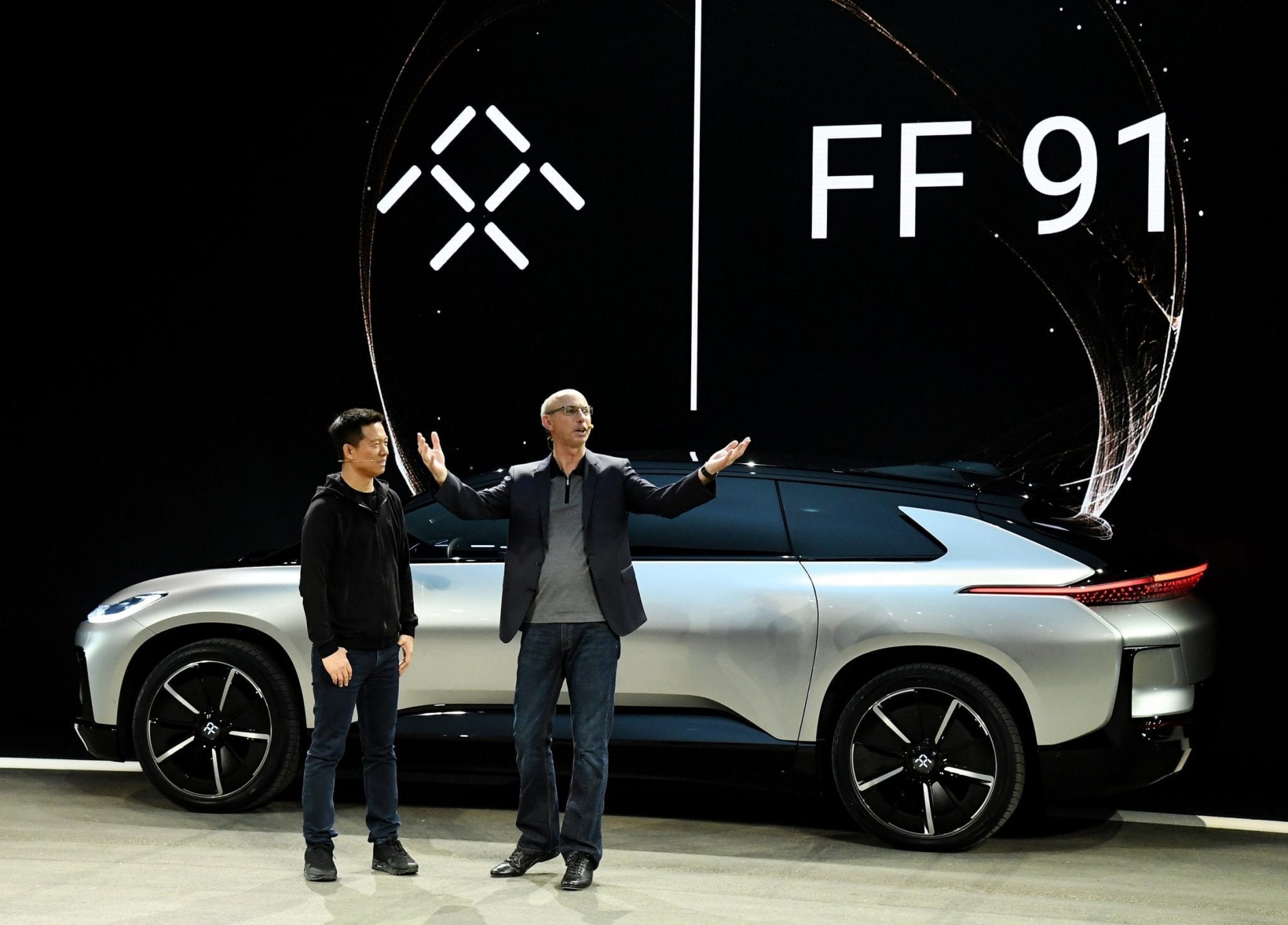
    Startup Faraday Future said it would move production of its planned luxury electric SUV to a new site, virtually scrapping a stalled $1 billion Las Vegas factory amid deepening financial woes of key investor Chinese entrepreneur Jia Yueting.

    Faraday is part of a network of young electric vehicle (EV) firms in China and the United States backed by Jia, who has said his company LeEco – that grew from a Netflix-like video website to a business empire spanning consumer electronics to cars within 13 years – is facing a severe shortage of cash after expanding too fast and in too many directions.

    Struggling to support goals that included beating Elon Musk’s Tesla in premium EV making, Jia is now trying to ride out the cash crunch by taking measures such as halting work on the Las Vegas factory and selling a Silicon Valley property less than a year after buying it from Yahoo.

    On the latest decision to shift production of Faraday’s luxury electric SUV FF 91 to a new site, the startup said: “This will allow product production to be realized faster, as well as allow our future strategy to be implemented more effectively.”

    For LeEco, this marks a second major setback to its ambition to become a major EV manufacturer after it recently pulled out of a joint project with British sports carmaker Aston Martin to develop RapidE electric car.

    Faraday had initially planned to open the Las Vegas factory late in 2017, with a product portfolio of seven models – an estimate that was later slashed to two, including the FF 91.

    Jia, who posted the Faraday statement on his social media account, did not name the new FF 91 production location. Faraday will continue to own the Nevada factory site.

    The FF 91 has been described by its designer as “weird-pretty” and Faraday executives say it will be the most technologically advanced vehicle of its kind on the market when it goes into production in early 2018. But cash shortages have raised questions about the company’s prospects.

    According to estimates from mutual fund investors, LeEco could see the market value of its listed unit, Leshi Internet Information & Technology Corp Beijing (300104.SZ), fall around $2.5 billion should its shares resume trading.

    The company is set to hold an extraordinary shareholders’ meeting on July 17 in the Chinese city of Shenzhen.

  • China vehicle sales rebound in June amid price cuts

    China vehicle sales rebound in June amid price cuts

    China’s vehicle sales rebounded in June, the country’s top industry association said, shaking off weakness seen in the previous two months as carmakers grappled with a rollback in tax incentives that drove strong growth last year.

    Total vehicle sales hit 2.17 million in June, up 4.5 percent from a year earlier, while sales for the first half of the year rose 3.8 percent to 13.4 million vehicles, the China Association of Automobile Manufacturers (CAAM) said on Tuesday.

    The rise in sales, which industry insiders said was helped by hefty discounting, lends a sheen to the world’s largest auto market, but growth overall is struggling to keep pace with 2016 when the market grew at its fastest pace in three years.

    Overall vehicle demand in China would likely grow just 1-4 percent this year, mainly because consumers made purchases last year to benefit from lower tax rates, said Yale Zhang, head of Shanghai-based consultancy Automotive Foresight.

    In January, CAAM predicted sales would rise 5 percent this year, slowing from 13.7 percent in 2016, citing the rollback of a tax incentive for small-engine cars and economic pressures. It stuck with that forecast on Tuesday.

    June’s rise, however, marks an improvement from April and May, when vehicle sales fell 2.2 percent and 0.1 percent, respectively, registering two straight months of declines for the first time since 2015.

    Peter Fleet, Ford Motor Co’s Asia-Pacific chief, told Reuters average vehicle transaction prices in China had fallen about 4 percent in the first half of this year against 2016. “We continue to see negative industry pricing in China,” he said.

    Ford is among the foreign brands strong in the small sedan segment that have seen China sales slow this year, others being General Motors Co and Volkswagen AG.

    Buyers in China have shied away since the purchase tax on vehicles with engines of 1.6 liters or below rose to 7.5 percent, from 5 percent, at the start of the year.

    However, there is one bright spot: sales of new-energy vehicles (NEVs) – all-electric battery vehicles and plug-in electric hybrids – that saw a 33 percent bump in June to 59,000 units, the latest CAAM data shows.

    In the first half of this year, sales volume of such NEVs totaled 195,000 vehicles, up 14.4 percent.

    China is the world’s largest market for green energy vehicles, with the government aggressively promoting the segment, including spending billions in subsidies, in a bid to fight intense urban air pollution.

  • GAC China to provide upstream logistics services for car imports

    GAC China to provide upstream logistics services for car imports

    Parallel car importer Shandong High Speed Qingdao West Coastport has appointed GAC China its upstream logistics provider. Under the one-year contract, it will handle the receiving and checking, container loading and freight services of an estimated 3,000-4,000 cars exported from Hamburg and Rotterdam to Qingdao and Hong Kong every year.

    Simon Xu, managing director of GAC China, is optimistic about the growth of that market and the opportunities that it will generate: “China was ranked as the world’s number one automotive market for the eighth year last year, with a double-digit total sales growth. We are also seeing a rising trend for the direct import of European cars into the country.

    “Our partnership with Shandong High Speed marks the beginning of a new chapter for GAC China, that will allow us to leapfrog into a new territory in the contract logistics market for fully assembled automobiles.”

    GAC China’s contract logistics team led by manager Tyrone Liu will work closely with GAC’s partners in Hamburg and counterparts at GAC Rotterdam to ensure the safe and prompt delivery of the vehicles.

    Chengguang Du, general manager of Shangdong High Speed Qingdao West Coastport says: “When looking for a logistics partner with global resources and extensive experience to handle the shipment of our high value automobiles, GAC came to our mind. We know GAC as a well-known brand in the logistics industry, but it was only when we flew to Hamburg and saw the facility and operations with our own eyes that we were fully convinced.”

    GAC China has already handled the first shipment under the contract – two Range Rover HSEs from Germany to Qingdao, China.

  • Renault-Nissan Alliance annual synergies rise 16% to €5bn

    Renault-Nissan Alliance annual synergies rise 16% to €5bn

    The Renault-Nissan Alliance reported a 16 percent increase in synergies for 2016 compared to 2015.

    The Alliance members secured savings, generated incremental revenues and implemented cost-avoidance measures through the world’s leading automotive partnership.

    The value of annualized synergies realized by the Alliance rose to €5 billion last year, up from €4.3 billion in 2015. Converged operations in purchasing, engineering and manufacturing contributed most of the €700 million synergy improvement.

    “The growing cooperation across the Alliance is delivering strong benefits for the members of the Alliance, reflected by the economies of scale, technological breakthroughs and innovations that are being shared between Renault and Nissan,” said Carlos Ghosn, chairman and chief executive officer of the Renault-Nissan Alliance. “We are on track to realize synergies of €5.5 billion in 2018, even before taking into account the contributions from Mitsubishi Motors, our new Alliance partner.”

    With the addition of Mitsubishi Motors, which became the third full member of the Alliance at the end of 2016, annual sales have reached 10 million units. The addition of Mitsubishi Motors comes two years after Renault and Nissan deepened their partnership by converging four key functions: Engineering, Manufacturing & Supply Chain Management, Purchasing and Human Resources. Each such functions is led by a common Alliance Executive Vice President.

    “We continue seeing tangible results of this major convergence,” added Ghosn. “Our growing synergies are helping Renault, Nissan and now Mitsubishi Motors meet their financial objectives and deliver higher-value vehicles to customers in the new era of mobility.”

    In the current year, the Alliance members are expected to introduce more next-generation technologies in electric vehicles, autonomous driving and connected cars and will increase commonalities in platforms, powertrain and parts to boost competitiveness and identify new synergies.

    In April 2017, the Alliance created a light commercial vehicle business unit that will deliver additional synergies in vans and light trucks. The new unit will maximize shared product development and cross-manufacturing, technology sharing and cost-reduction, while preserving brand differentiation among Alliance members.

  • Here are Southeast Asia’s next big car manufacturing hubs

    Here are Southeast Asia’s next big car manufacturing hubs

    Foreign car firms can smell the burning of engine oil as the Vietnamese market heats up.

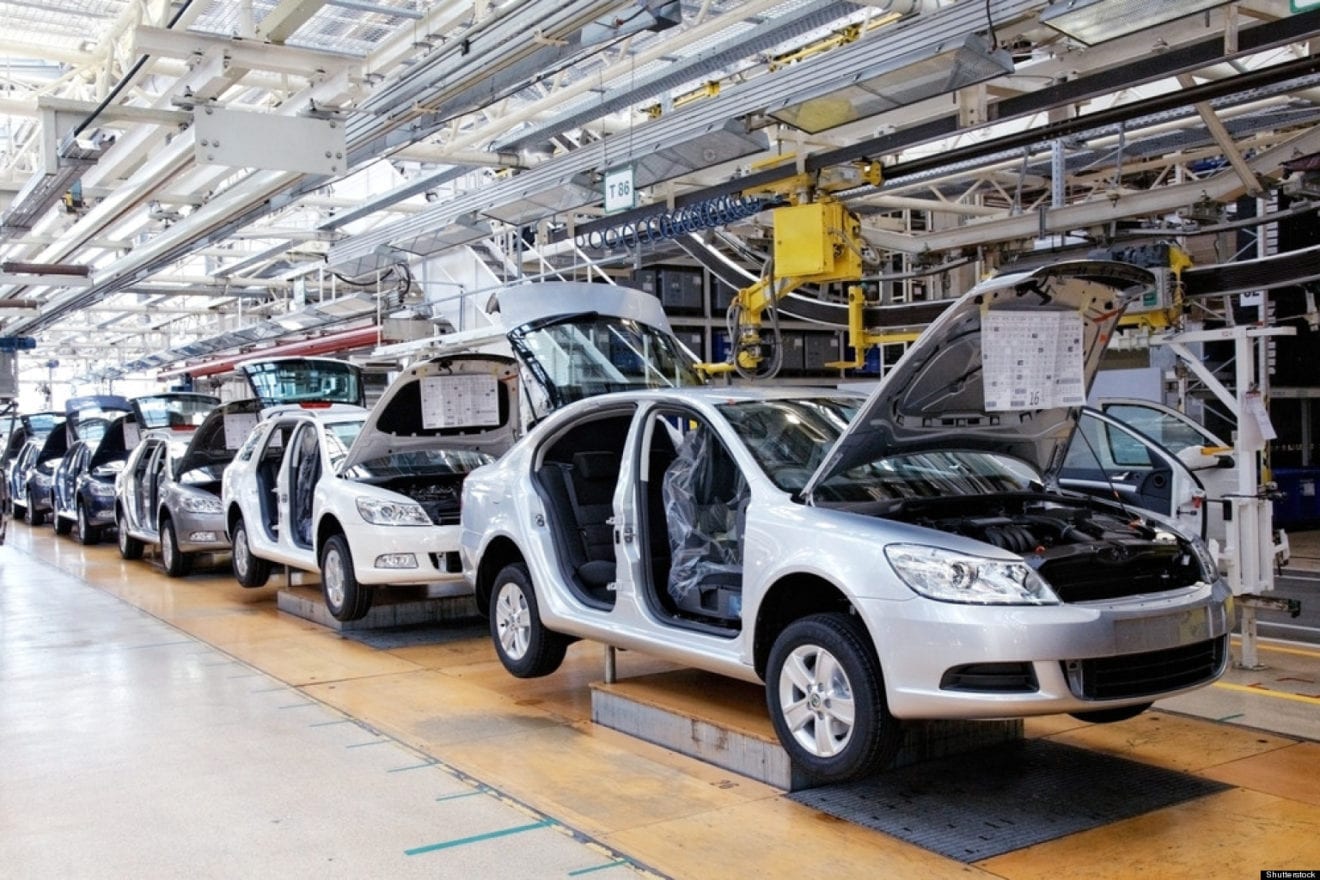
    Vietnam will emerge as the second fastest-growing production hub for cars in Southeast Asia after the Philippines between 2017 and 2021, according to BMI Research, a part of Fitch Group.

    Output of passenger cars is expected to surge over 60 percent to 84,000 units during the period.

    BMI analysts predict Vietnam’s average annual car output growth could reach 10 percent over the next five years, thanks to increased investment from foreign manufacturers.

    French automaker Groupe PSA, which owns brands such as Citroen and Peugeot, and Korea’s Hyundai Motors are among those looking to take advantage of the country’s increasingly affluent population and low existing car ownership. Only 2 percent of Vietnamese households own a car, according to Pew Research Center.

    PSA aims to assemble 27,000 units in Vietnam from 2017-2020.

    Aside from these investments, there are also growing challenges to Vietnam’s role as a regional production hub.

    The cost of vehicle production in Vietnam is around 20 percent higher than in other regional countries due to the country’s heavy reliance on imported parts.

    When it comes to the localization rate in car manufacturing, Vietnam performs poorly with 20-40 percent, compared to 90 percent in neighboring Thailand.

    From 2018, import tariffs on automobiles imported from Southeast Asian countries will be cut from the current 30 percent to zero, which is likely to hurt the local auto manufacturing industry, said BMI.