Tag: bangkok

  • Malaysia’s AirAsia to buy Gojek’s Thai business for $50 million in shares

    Malaysia’s AirAsia to buy Gojek’s Thai business for $50 million in shares

    Malaysian budget carrier AirAsia Group will buy Indonesian ride-hailing and payments firm Gojek’s business in Thailand in return for $50 million of shares in part of the airline’s digital business, the companies said on Wednesday.

    The deal will give Gojek a 4.76% stake in AirAsia SuperApp, valuing the division at around $1 billion, more than the pandemic-hit airline’s current market value of $868 million at a time when it has been looking to raise more capital.

    The agreement with the Indonesian startup unicorn comes just a week after AirAsia applied for a digital banking licence in Malaysia, signaling a shift in focus towards digital business as most of its fleet remains grounded amid coronavirus restrictions.

    “By taking on Gojek’s well-established Thai business, we’ll be able to turbocharge our ambitions in this space to become a leading Asean challenger super app,” AirAsia Chief Executive Tony Fernandes said in a statement.

    AirAsia SuperApp, a lifestyle platform for travel, e-commerce and financial services, is one of three companies under the AirAsia Digital group. The others are logistics venture Teleport and the BigPay fintech business.

    Gojek’s Thai business, which includes ride-hailing, food delivery and payments, is its smallest overseas operation and has a far smaller share of that market than food delivery market leader Grab.

    Gojek will focus on increasing investment in Vietnam and Singapore after the deal is completed, the statement said.

    Gojek’s Thai business was loss-making in 2019 and 2020, according to accounts provided with the deal announcement.

    Nikkei Asia earlier reported that AirAsia was in talks with Gojek to acquire its Thai business.

  • AirAsia readies for Sandbox opening

    AirAsia readies for Sandbox opening

    As the Thai government confirms the country will embark on a reopening phase beginning with a pilot “Sandbox project” in Phuket 1 July, airlines are planning to increase domestic flights.

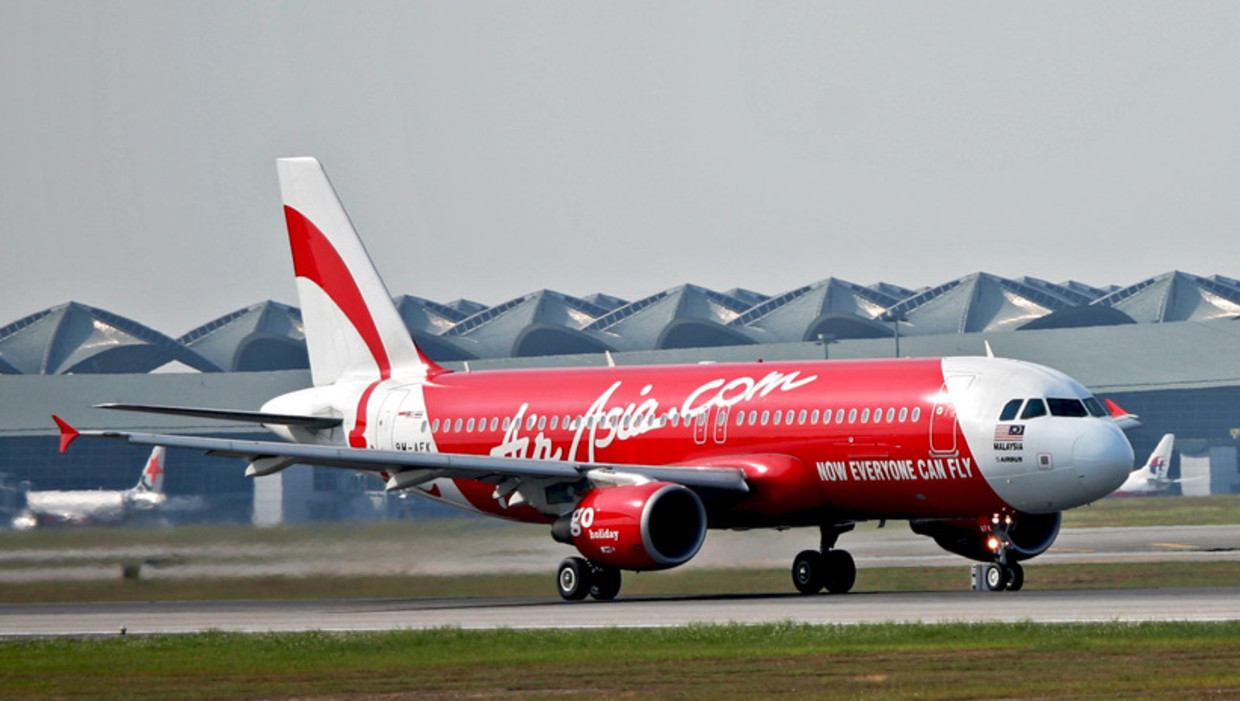
    In a press statement released Tuesday, AirAsia says it is “set to paint the skies red again in support of the Phuket Tourism Sandbox programme that is also seen as the first step in welcoming international visitors to Thailand.

    Caption 1  Krid Pattanasan

    AirAsia Thailand head of government relations and secretary-general of the Airlines Association of Thailand Krid Pattanasan said: “Domestic travel will be the first to restart with the reopening of Phuket from 1 July 2021. Thai and foreign travellers who have been fully vaccinated against Covid-19 will be able to enter Phuket under strict government guidelines.

    “This initiative will soon be extended to other destinations including Chiang Mai, Krabi, Phang Nga, Pattaya and Hua Hin. AirAsia has been rigorously preparing for this much-awaited programme, and its staff are ready to welcome and facilitate guests, including by getting themselves vaccinated to ensure the safety, wellbeing and peace of mind for all guests.”

    By the end of June, over 80% of AirAsia’s staff will be fully vaccinated against Covid-19. The programme started with those who have direct contact with guests such as ground staff, cabin crew and pilots, but it is extending to those working as baggage handlers, technical crew and engineering staff are also ensured to receive the vaccine.

    In preparation to take to the skies again, AirAsia has lined up various attractive promotions to further stimulate travel. These promos will commence as soon as the government provides the green light for mass air travel to kick off.

    Caption 2 Lunchakorn Saengsiri

    Senior Cabin Crew Lunchakorn Saengsiri, as frontline staff in direct contact with guests, said receiving a full vaccination has provided great confidence when interacting with his co-workers, his family and AirAsia guests.

    He noted that despite the low frequency of flights currently, he and his colleagues have been maintaining safety and hygiene standards for every flight.  Close contact with passengers has been reduced to the minimum in accordance with state regulations, while the consumption of food and sale of goods in-flight has been completely restricted.

    Caption 3 Tapachcha Khanpimool

    For Senior Cabin Crew Tapachcha Khanpimool, most people have been adapting to the situation, and she expressed the belief that once vaccinations become widespread, air travel will quickly return especially the much anticipated domestic travel.

    “We are very excited to return to flying and have ensured that we are fully ready by protecting ourselves and staying up to date on the latest information  so that we can provide the best possible service to our guests.”

    Meanwhile, Ramp Agent Noppalit Budrath shared that despite everyone in his department having been fully vaccinated, it is crucial that the highest safety and hygiene measures continue to be observed. He said this is especially true as in the course of his duties delivering aircraft for service and to be present during landing and take-off, he would frequently come into contact with passengers.

    Caption 4 Noppalit Budrath

    AirAsia intends to increase its domestic service by 20 to 30% compared to the same period in 2020 and before the latest COVID-19 wave.

    It will fly Don Mueang-Phuket three times daily and Suvarnabhumi-Phuket once daily every Monday, Wednesday, Friday and Sunday.

  • Thailand Reins in Speculation in Digital Assets

    Thailand Reins in Speculation in Digital Assets

    The country’s finance regulator is banning licensed digital asset exchanges from trading meme coins, fan-based tokens, NFTs and social coins as part of its ongoing regulatory action against crypto trading.

    The Thai Securities and Exchange Commission (SEC) is prohibiting exchanges in the country from providing services related to utility tokens or cryptocurrencies to ensure customer protection and ward off attempts by anyone using digital assets to operate a grey business, the regulator announced on Friday.

    As a result, meme coins like Doge, which has attracted the interest of investors in the past year as its price surged by as much as 10,000 percent this year, will no longer be allowed to be traded in Thailand. The SEC said such coins have «No clear objective or substance or underlying, and whose price [runs] on social media trends.

    The move came amid reports that publicly listed mobile phone retailer Jay Mart was making plans to launch the country’s first non-fungible tokens (NFTs) linked to nine local stars and celebrities. However, Jay Mart said it would go ahead with the launch this week as planned, though the NFTs will be listed on foreign exchanges.

    NFTs have garnered increasing popularity in recent months, particularly as a way to sell and invest in digital artworks as verification of authenticity and ownership are stored on the blockchain.

  • Thailand Reins in Speculation in Digital Assets

    Thailand Reins in Speculation in Digital Assets

    The country’s finance regulator is banning licensed digital asset exchanges from trading meme coins, fan-based tokens, NFTs, and social coins as part of its ongoing regulatory action against crypto trading.

    The Thai Securities and Exchange Commission (SEC) is prohibiting exchanges in the country from providing services related to utility tokens or cryptocurrencies to ensure customer protection and ward off attempts by anyone using digital assets to operate a grey business, the regulator announced on Friday.

    As a result, meme coins like Doge, which has attracted the interest of investors in the past year as its price surged by as much as 10,000 percent this year, will no longer be allowed to be traded in Thailand. The SEC said such coins have «No clear objective or substance or underlying, and whose price runs on social media trends.

    According to «The Bangkok Post,» the move came amid reports that publicly listed mobile phone retailer Jay Mart was making plans to launch the country’s first non-fungible tokens (NFTs) linked to nine local stars and celebrities. However, Jay Mart said it would go ahead with the launch this week as planned, though the NFTs will be listed on foreign exchanges.

    NFTs have garnered increasing popularity in recent months, particularly as a way to sell and invest in digital artworks as verification of authenticity and ownership are stored on the blockchain

  • CP All to roll out 700 more 7-Eleven stores in Thailand

    CP All to roll out 700 more 7-Eleven stores in Thailand

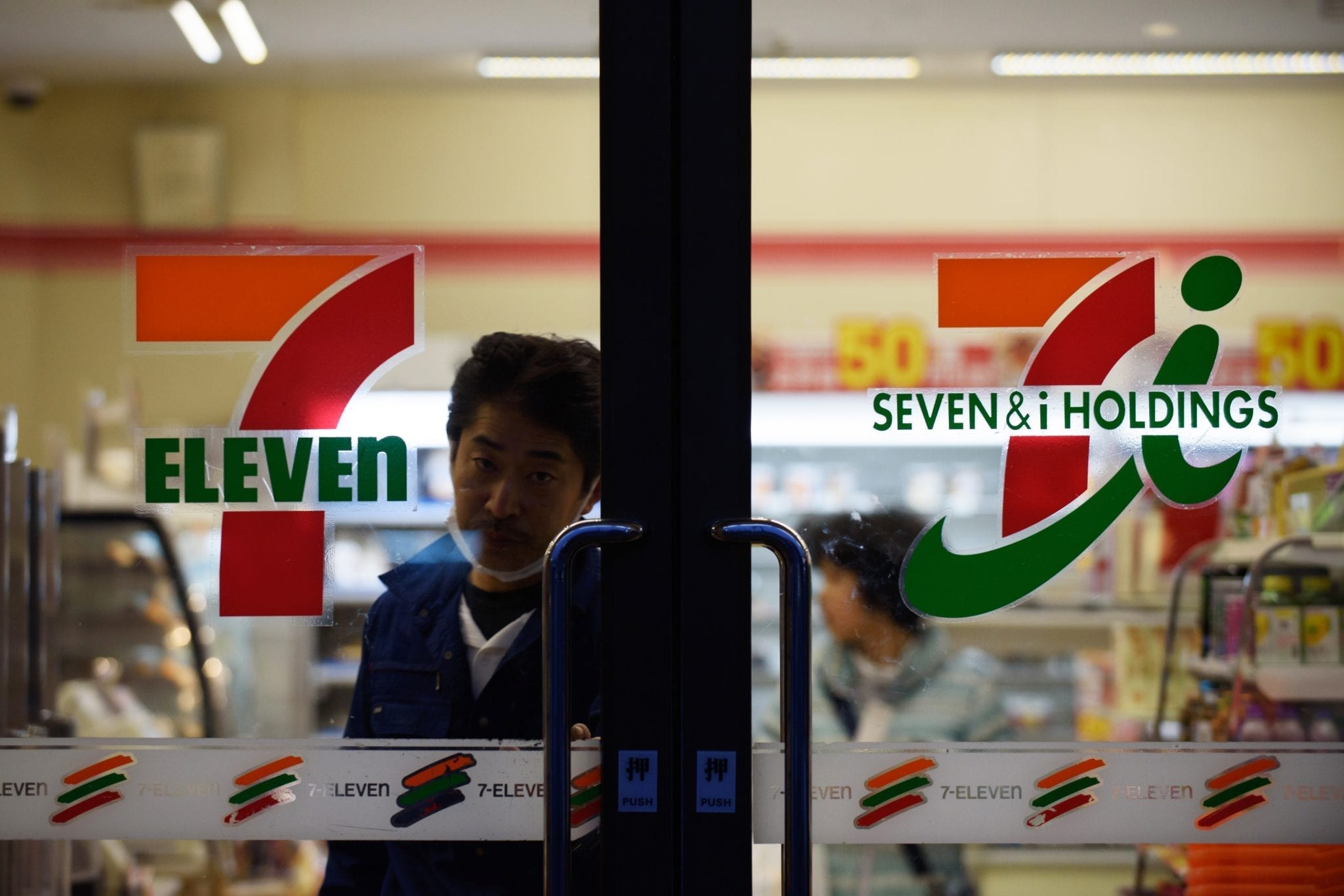
    CP All Plc, the operator of 7-Eleven convenience stores, plans to spend 11.5-12 billion baht this year to expand its business.

    Kriengchai Boonboapichart, the company’s chief financial officer, said 4-4.1 billion baht of total spending is for investment in new projects, subsidiaries and distribution centres, 3.8-4 billion is slated for store expansion, 2.4-2.5 billion is for store renovations, and the remaining 1.3-1.4 billion is for fixed assets and IT systems.

    The company plans to open 700 new convenience stores this year, on par with last year.

    Some 155 new 7-Eleven stores were opened in the first quarter this year.

    “We will continue to open new stores, but with a more cautious approach. There are many uncertainties, so we will select locations that can build revenue and have real demand from customers,” Mr Kriengchai said.

    “Moreover, each location has to possess the capability to support our O2O [online-to-offline] retailing strategies.”

    CP All operated 12,587 branches of 7-Eleven at the end of the first quarter this year.

    Of the total, 6,771 stores belong to business partners and 5,816 stores were owned by CP All.

    Moreover, 85% of the stores were standalone with 15% located in PTT petrol stations.

    CP All reported total revenue of 547 billion baht in 2020, down 4.3% from the previous year, with a net profit of 16.1 billion, a decrease of 27.9%.

    In the first quarter this year, the company’s total revenue dropped by 8.5% year-on-year to 133 billion baht, with a net profit of 2.59 billion, a fall of 54%.

    The decrease in revenue was largely attributed to outbreaks of the pandemic, resulting in a slow recovery of domestic consumption, decreased consumer purchasing power and a lack of tourism.

    Footfall per store per day in the first quarter this year declined to 845, down from 949 in 2020 and a peak of 1,187 before the Covid-19 outbreak.

    The decrease is mainly a consequence of the first wave of the outbreak, followed by a new wave in late 2020.

    The government announced measures to control the pandemic, resulting in a decrease in economic activities.

    The slow recovery of the tourism industry and domestic consumption has also hurt prospects.

    Furthermore, customer lifestyles are shifting to shopping online.

    The company continues to implement O2O retail strategies, such as 7-Eleven Delivery, All Online and 24Shopping to satisfy customer demand.

    CP All aims to provide prompt access to various consumer products, including at 7-Eleven stores, with delivery and pick-up service at branches seeing a good response, said Mr Kriengchai.

  • Lazada’s president quits

    Lazada’s president quits

    Jessica Liu, president of Lazada Group, is leaving the South-East Asian online shopping unit of Alibaba Group Holding Ltd.

    She is departing Lazada to spend more time with her family, the company said, confirming an earlier report by Bloomberg News.

    Liu has been a key member of Lazada’s leadership team and also served as head of LazMall, the fast-growing marketplace for international and local brands within the Lazada platform.

    Earlier this year, she took on an additional role of chief executive officer of Thailand, becoming the company’s first female country head.

    “Under her leadership, Lazmall has grown to become one of the largest online virtual malls in South-East Asia, ” Lazada said in a statement.

    “We want to thank Jessica for this and her many other contributions, and wish her well as she takes some time off to focus on her family.”

    Lazada has gone through frequent management shuffles since it was acquired by Alibaba.

    The company appointed Chun Li as group CEO in July, and Lazada has since been investing in technology and logistics and recording triple-digit year-on-year order growth.

    Revenue from Alibaba’s international commerce retail business climbed 42% to US$5.26bil (RM21.74bil) in the fiscal year ended March 31, led by Lazada and Trendyol.

    Liu joined Lazada in 2020 from Alibaba, where she was general manager of Tmall Fashion and Luxury.

    Under her leadership, Tmall became China’s largest fashion business-to-consumer online platform.

    Nine-year-old Lazada operates in Indonesia, Malaysia, the Philippines, Singapore, Thailand and Vietnam.

  • Thai startup Pomelo to launch fashion tech platform Prism

    Thai startup Pomelo to launch fashion tech platform Prism

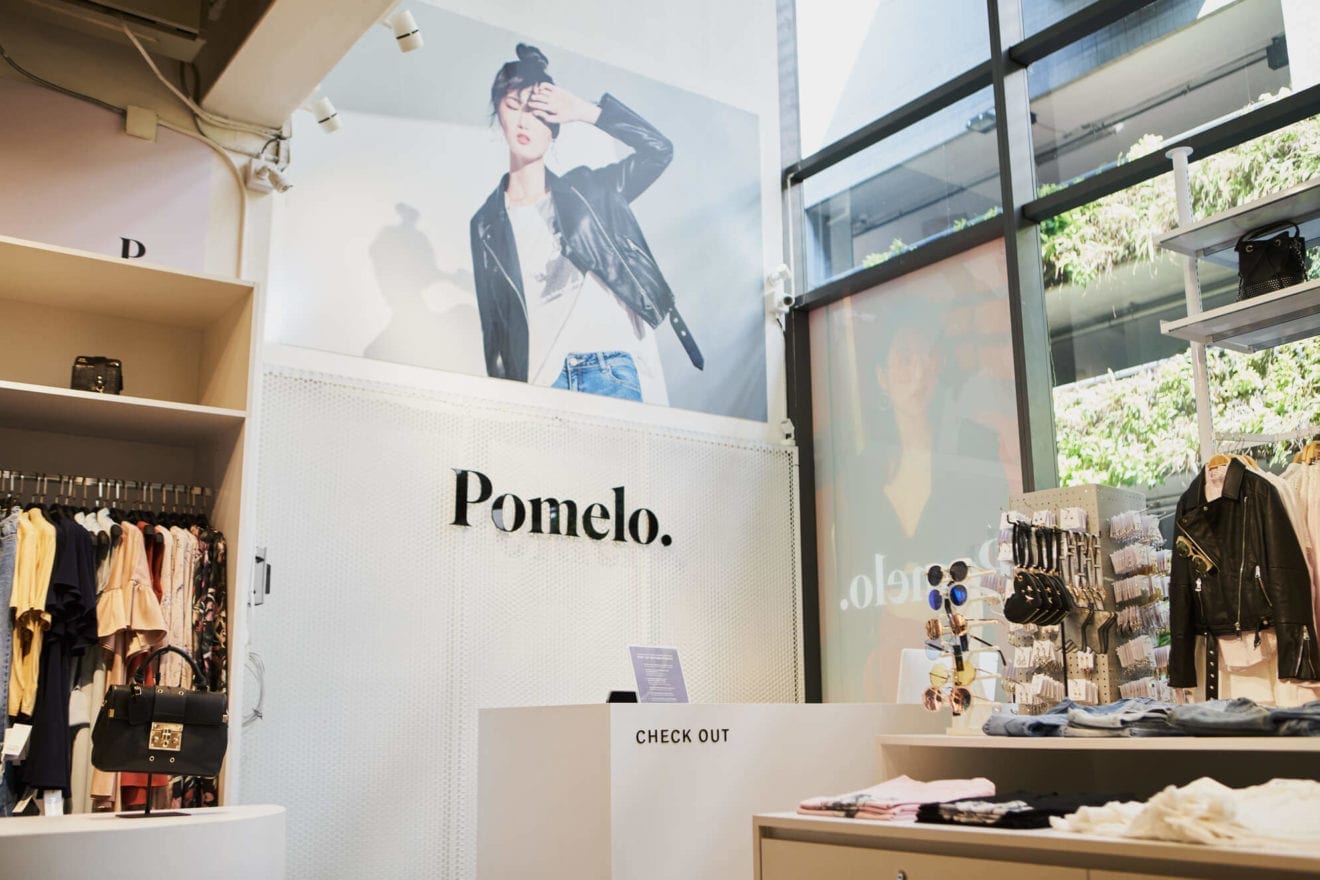
    JD-backed Thai fashion e-commerce startup Pomelo plans to boost revenue by offering its own technology in analytics and demand forecasting to other fashion brands in the region, its CEO David Jou says, amid slowing offline sales.

    The women’s fashion firm, which started as an online business in 2013, plans to launch its business-to-business (B2B) unit, Prism, next month to offer services like demand planning and logistics for other fashion and lifestyle brands.

    The plan comes as physical store sales and traffic have dropped.

    Store traffic in Thailand plummeted 71 percent in the first quarter of this year and about 20 percent in its other markets, said Jou in an interview with Reuters, adding that e-commerce was strong.

    Its B2B service has drawn brands like Levi’s as customers.

    The startup has raised a total of $83 million from investors including Thailand’s largest retailer Central Group and competes with companies like Japan’s Uniqlo.

    Retailers are accelerating digitization due to the pandemic, creating demand for the service, he said.

    Local brands, which already know their customers, can get support in product development, textile sourcing, and supply chain management, Jou said.

    Pomelo would continue to sell its own apparel brand and is planning to add 44 more physical stores on top of its 25 existing locations.

    The company is also experimenting with having customers try on clothes at home in a partnership with ride-hailer, Grab.

  • Central Retail sales rebound to 90 per cent of pre-Covid levels

    Central Retail sales rebound to 90 per cent of pre-Covid levels

    Thai group Central Retail says it achieved 90 percent of its pre-Covid sales performance in the March quarter, the result of what CEO Yol Phokasub described as “thriving on steadily regaining balance” during a time of challenges and uncertainties”.

    First-quarter sales were down 9.7 percent to US$1.56 billion, however, net profit was down 48.4 percent to $14.65 million.

    In a statement, the company said that considering the semi-lockdown situation resulting from the second and third waves of the pandemic – when most businesses stopped trading – the impact on the retail market was more severe than the previous year.

    Phokasub said the company was able to take advantage of a broad portfolio of retail brands which enabled business agility during the Covid crisis, including synergy between the Central and Robinson department stores. It also benefited from the expansion of the Tops Market both within Thailand and in Vietnam, its Go! Malls concept in Vietnam and the recent acquisition of the B2B omnichannel books and stationery business.

    He said that during the year ahead Central Retail plans to increase work efficiency and productivity through technological development and strong cash flow while looking for new business ventures to diversify its portfolio.

    “Central Retail’s long-term vision and business plan before the Covid-19 pandemic remain unchanged, and that is to achieve sustainable and profitable growth.”

  • Royal Enfield Begins Operations In Singapore With New Store

    Royal Enfield Begins Operations In Singapore With New Store

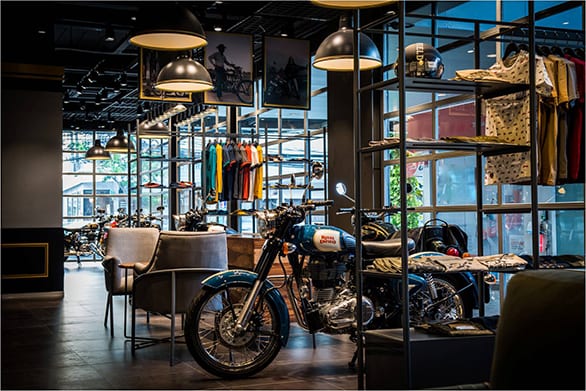
    Royal Enfield has started operations in Singapore by setting up a new flagship store in the city’s Ubi Road. The new Royal Enfield Singapore store showcases the entire range of Royal Enfield motorcycles, including the RE Interceptor 650, Continental GT 650, Himalayan, and the Classic. The Royal Enfield Singapore store also has a complete range of Royal Enfield’s genuine accessories for its motorcycles, as well as apparel and riding gear range. While the 650 Twins spearheaded the brand’s global aspirations, the updated Himalayan and the new Meteor 350 have also been positioned as global products, and will likely suit the requirements of Asian motorcyclists.

    The Royal Enfield Singapore store expands the Indian motorcycle brand’s footprint across South East Asia

    Royal Enfield has ambitious plans to establish itself as a global leader in the mid-size motorcycle segment and is expanding aggressively across Asia, as it aims to tap into the world’s biggest motorcycle market, after India. With a focus on increasing sales across India, Royal Enfield now has operations across Japan, Indonesia, the Philippines and Thailand, with plans to open a new factory in Thailand, which will be a hub for exports to other countries in the region, including the motorcycle-intensive markets of Vietnam and Indonesia. The Thailand factory is the second overseas plant for Royal Enfield, after its factory in Argentina.

    Royal Enfield has 36 showrooms in Thailand and has started operations in other ASEAN (Association of southeast Asian Nations) countries including Vietnam, the Philippines, Malaysia and Indonesia over the last few years. With the brand’s lion’s share of sales coming from the domestic market, which is the world’s biggest market for motorcycles sales, Royal Enfield will be increasingly looking to expand its presence in other strong motorcycle markets in the region.

  • Thai AirAsia plans IPO for capital injection by new investor

    Thai AirAsia plans IPO for capital injection by new investor

    Thai AirAsia’s parent company has disclosed a corporate and capital restructuring plan for the airline, which involves listing it on the Stock Exchange of Thailand (SET) to accept a Bt3.15 billion ($100 million) loan from a new investor.

    Asia Aviation’s board approved the plan on 26 April, it says in a 27 April SET filing.

    The new investor is not connected to Asia Aviation or Thai AirAsia and will provide the funds in the form of a convertible loan agreement or convertible bonds with zero-coupon issued at par, with an approximately three-year term.

    This will be convertible to ordinary shares in Thai AirAsia at an agreed conversion price of about Bt20.4 per share. The conversion period is expected to be after Thai AirAsia receives approval for an initial public offering.

    Should the investor opt not to convert the loan or bonds into shares, it will hold the investment, which bears 3% interest, until maturity as a creditor.

    Asia Aviation says the investor is currently conducting due diligence and expects to complete the process in mid-May.

    It states that the investor wishes to invest directly in Thai AirAsia rather than through holding shares in Asia Aviation. Taking the airline public would also “increase the opportunities for Thai AirAsia to raise funds by itself rather than being dependent on [Asia Aviation] for fundraising”.

    Concurrently, Asia Aviation plans to convert its shareholders into direct shareholders of Thai AirAsia. This entails dissolving and liquidating Asia Aviation and the company says its board has yet to approve this.

    Asia Aviation holds shares equivalent to 55% of Thai AirAsia’s paid-up capital while AirAsia Investment, which is also the airline’s major creditor, holds shares representing 45%.

    Asia Aviation expects the new investor to hold 11.4% of Thai AirAsia X’s expanded shares issued after it goes public.

  • Thailand’s top coffee chain to expand in Vietnam

    Thailand’s top coffee chain to expand in Vietnam

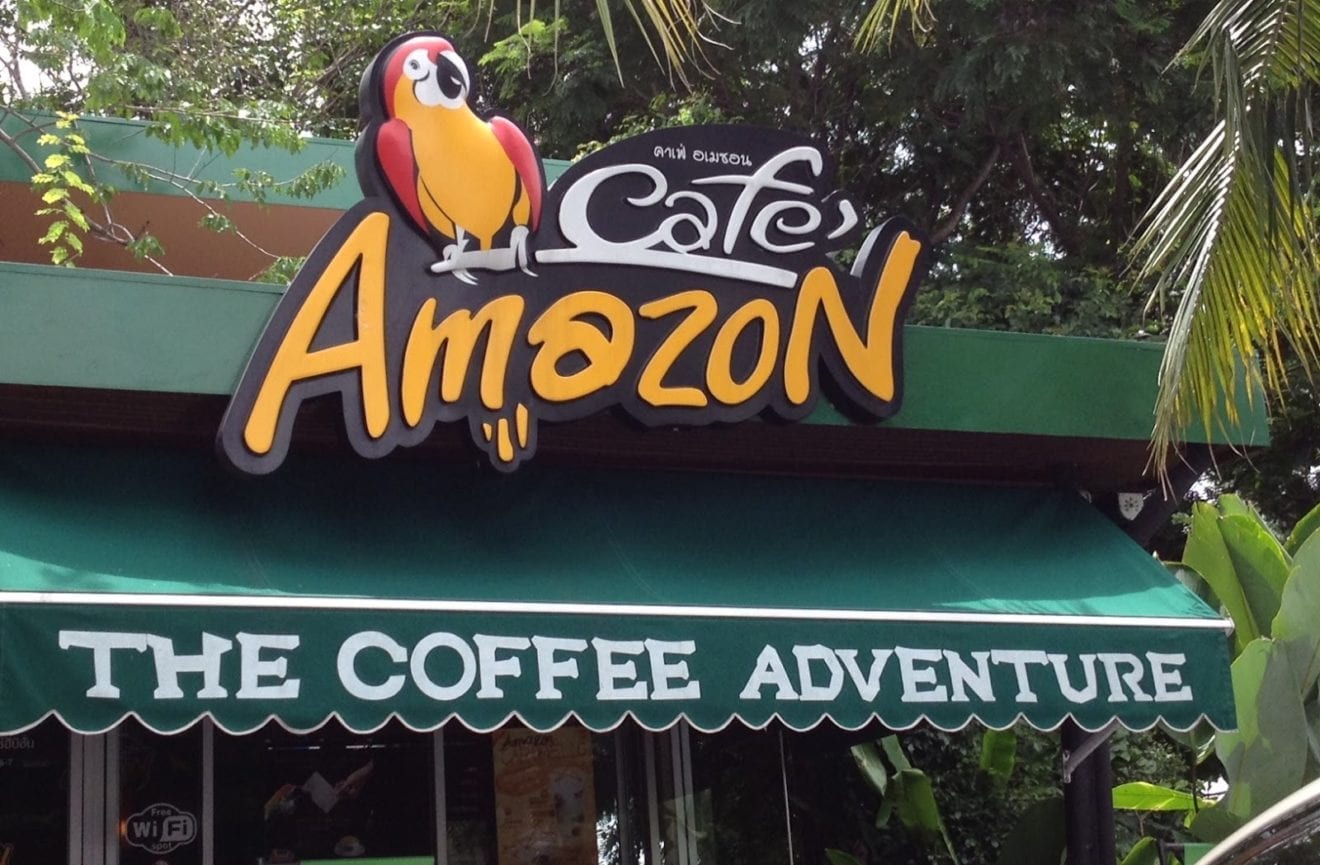
    Thailand’s leading coffee chain Café Amazon plans to expand in Vietnam after five months of establishment in the country.

    A spokesperson said recently the chain sees long-term potential in Vietnam and will expand in Ho Chi Minh City and neighboring provinces this year, but did not reveal specific figures.

    The chain opened its first outlet in southern Ben Tre Province last October, and later two in Tien Giang Province and Tra Vinh Province in December, all in Go! Supermarkets operated by Thai giant Central Retail.

    It also opened in December an outlet in HCMC.

    Thailand’s Central Group owns 40 percent of Café Amazon Vietnam, while the remainder belongs to another Thai fuel distributor PTT Oil and Retail Business.

    Café Amazon has over 3,000 stores in 10 countries.

    In Vietnam, it will have to compete with long-established domestic players like Highlands, Phuc Long, The Coffee House and Trung Nguyen.

    The market in the past has seen the withdrawal of foreign brands like NYDC – New York Dessert Café and Gloria Jean’s Coffees.

  • Thai cement giant to make Vietnam ‘top priority’ market

    Thai cement giant to make Vietnam ‘top priority’ market

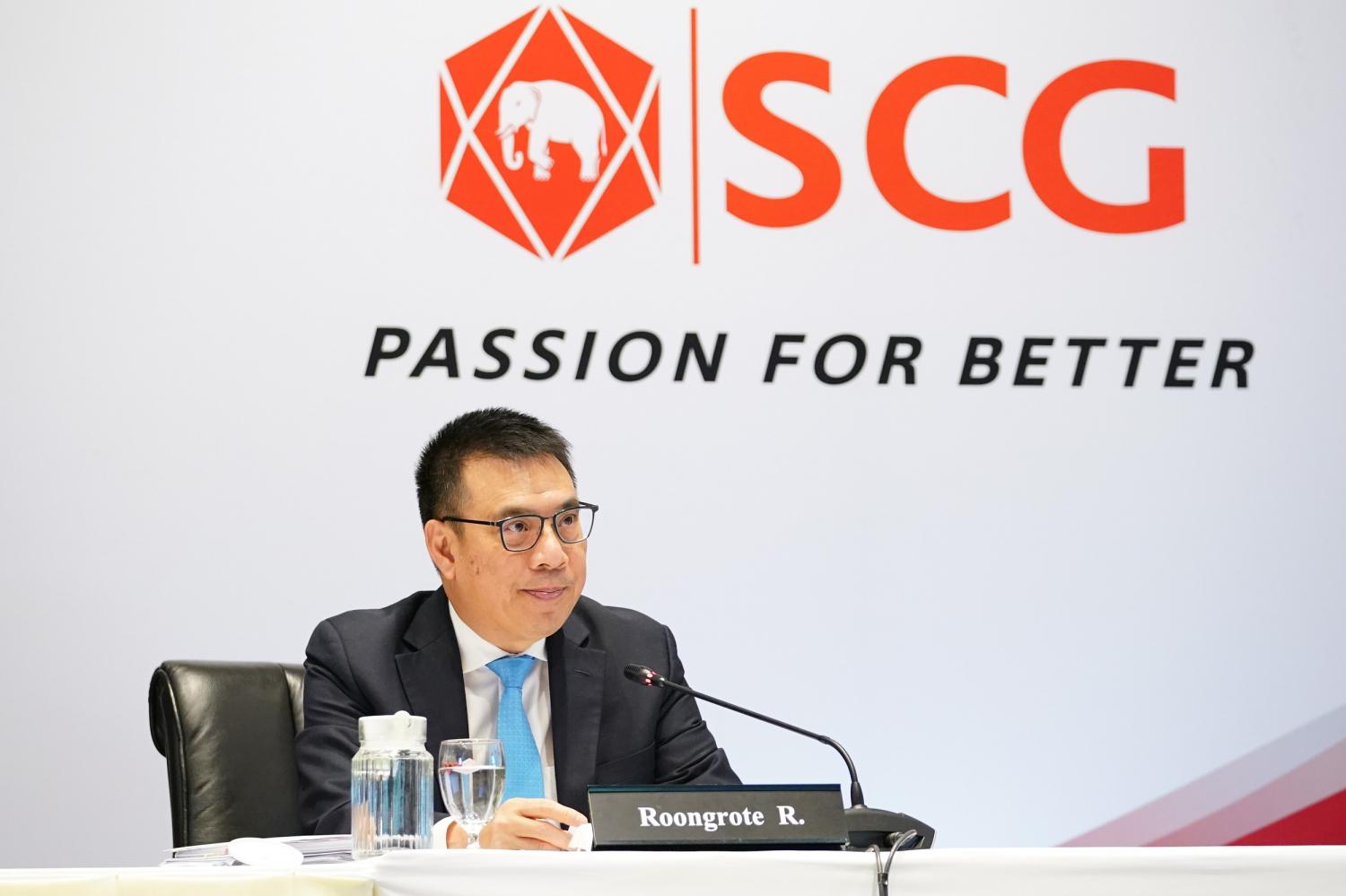
    Siam Cement Group (SCG), one of Thailand’s leading industrial companies, has earmarked Vietnam as its top priority market in upcoming years.

    Once a petrochemicals plant comes online in southern Vietnam, the company anticipates revenue from Southeast Asia excluding Thailand would rise to 35 percent of the total from the current 26 percent, its CEO Roongrote Rangsiyopash told Nikkei.

    “We have several projects ongoing, some big ones like a chemicals complex in northern Vietnam. That one, fortunately, has had no impact from the pandemic,” he added.

    The group has seen a trend of localized production within ASEAN and will make this a focus.

    “For the next few years, I foresee Vietnam would be our top priority,” Roongrote stated.

    SCG recently signed an agreement to buy 70 percent of Duy Tan Plastics, the largest manufacturer of rigid plastic packaging products in Vietnam, bringing its number of packaging companies in the country to eight.

    The group started investing in Vietnam in 1992. It has over 20 subsidiaries in Vietnam in the cement and building materials, chemicals and packaging industries. It has been investing in the packaging industry for over a decade.

  • Rhenus Logistics opens free zone warehouse in Bangkok

    Rhenus Logistics opens free zone warehouse in Bangkok

    Global logistics service provider Rhenus Logistics has opened a new free zone warehouse in Bangkok, Thailand, as it aims to serve a wider range of industries.

    The warehouse is strategically located within a 10-kilometre radius of three existing warehouses that house general cargo and dangerous goods.

    Rhenus says the facility, located within Bangkok’s free trade zone, will offer a wider range of services to key industries like manufacturing, medical devices and healthcare, whilst offering better value for customers, including duty exemptions.

    “The warehouse provides added convenience to customers who conduct business in the nearby Bangkok metropolitan city, with its close proximity to key freight hubs at Suvarnabhumi Airport and Thailand’s major sea ports,” the company said.

    Rhenus noted that the facility features its latest in-house technology and an ecofriendly design. Customers in electronics and medical devices with specific storage requirements can safely and securely tap on its 450-sqm temperature and dust-free controlled room, ambient storage facilities and the anti-static testing room.

    The warehouse supports pallet storage for standard cargo and block space for oversized cargo up to 3 tonnes, offers flexible in-transit capacity for large shipments, with comprehensive 24-hour security measures within and around the facility.

    “With its strategic proximity to the Bangkok Free Trade Zone, we hope to better support evolving warehousing needs by providing more space options, improving quality and all while reducing operational costs for our customers,” said Tim Burger, director warehousing and transport, Rhenus Logistics Thailand.

  • Thai fuel player bets US$1.5 billion on coffee

    Thai fuel player bets US$1.5 billion on coffee

    The head of Thailand’s biggest gas station network has US$1.5 billion that says motorists will soon be stocking up on a different kind of fuel – coffee.

    That’s the bet that Jiraporn Kaosawad, Chief Executive of PTT Oil and Retail Business (PTTOR), is placing on rolling out thousands of coffee shops at home and abroad, along with other non-oil businesses, as global auto and fuel players gear up for a near future dominated by electric car growth.

    A month on from Thailand’s biggest initial public offering of the year, Jiraporn’s plans for the Cafe Amazon business – already the no.1 Thai coffee shop chain – present PTTOR’s take on the task facing oil majors from BP to Total: how to maximise profit from fuel networks as drivers of the near future wait for their electrics cars to be charged up.

    These strategies are dependent on mass-scale take-up of electric vehicles (EV), now being promoted by governments and international organisations as one key to capping and ultimately reducing the emissions that stoke climate change.

    “Our investments and partnerships have to build on the company’s strength, and align with consumer demand,” Jiraporn told Reuters in a recent interview. “Charging EVs takes about 20 minutes, while you wait you can have a meal, buy things in the service station.”

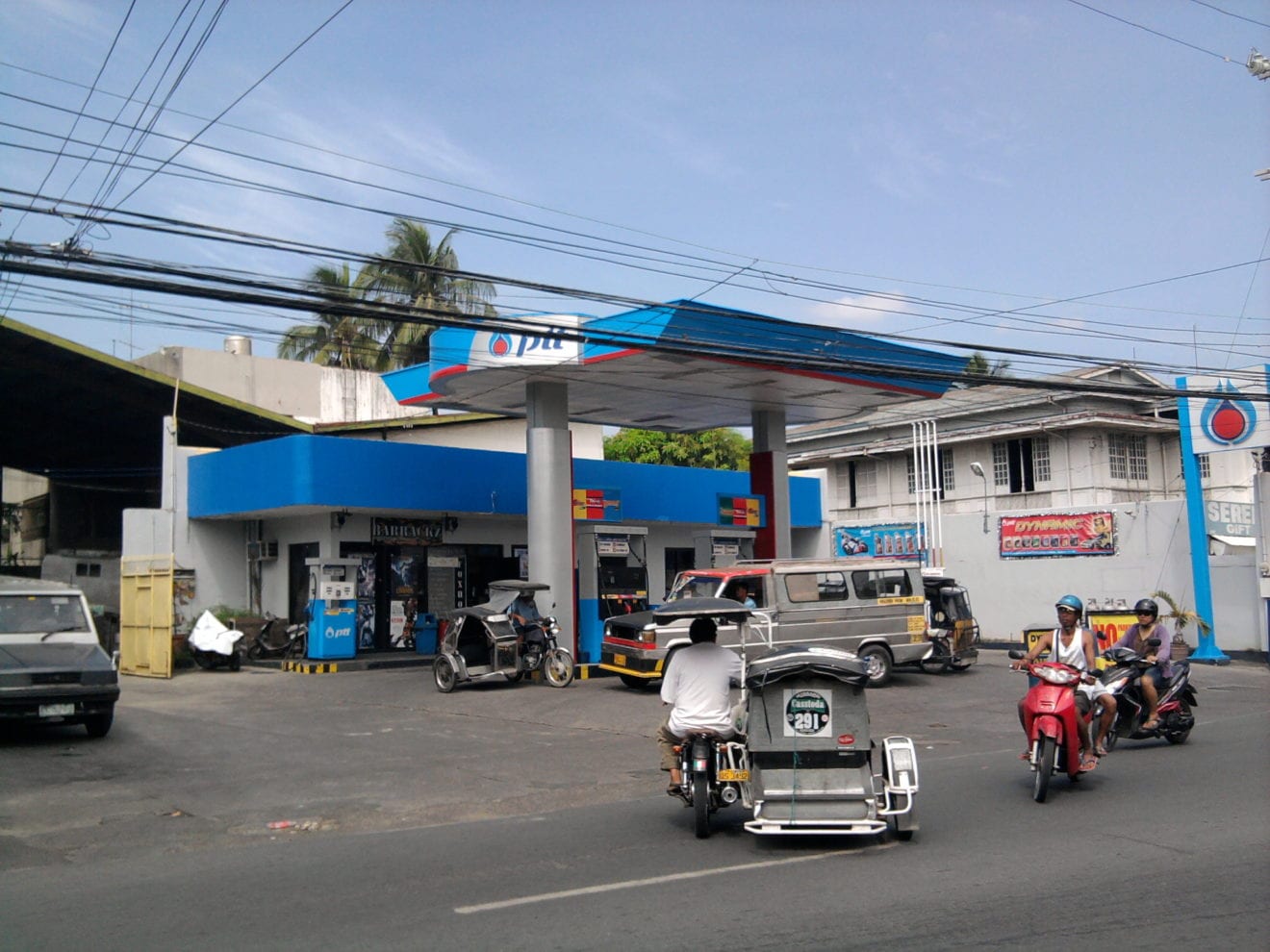
    PTTOR’s network now stands at 2,000 gas stations across Thailand: it plans to add another 500 by 2025, and to rapidly ramp up the number that are equipped with EV charging points, to 300 by 2022 from just 30 currently. That surge will come as the Thai government seeks to implement plans to have 1.05 million EVs on the road by 2025, up from current levels of about 200,000.

    To be sure, PTTOR’s expansion plans beyond oil require heavy investment, with oil business still accounting for 90% of its revenue. Some point out that its dominance within Thailand won’t do anything per se to further its international ambitions.

    “The retail business has had a competitive advantage in Thailand,” said Maybank Kim Eng analyst, Kaushal Ladha. “This advantage of course will be significantly reduced if it goes to international markets.”

    Still, PTTOR has deep pockets and strong backing. State-owned energy giant PTT Pcl retains a 75% stake in the company after it raised $1.8 billion in its listing last month.

    Jiraporn said PTTOR’s plan to invest 74 billion baht ($2.39 billion) over five years to expand will be heavily skewed toward non-oil operations, which last year carried an operating profit margin of nearly 20%, compared to a skinny 1%-2% for oil sales.

    “The investment will be heavily used in the first two years,” she said, with 65% allocated to its non-oil business, overseas expansion, and new ventures, while 35% would be for oil.

    Though not alone, coffee is PTTOR’s best-known product line outside oil.

    Cafe Amazon started out in 2002 as outlets offering coffee, cookies and other goods for motorists at gas stations, before expanding into a 3,000-store Starbucks-like chain, including shopping mall and standalone outlets. PTTOR’s goal is to expand that to 5,200 in the next five years, Jiraporn said.

    Abroad, it operates a store in Singapore’s Jewel Changi Airport as it seeks insights into adapting business for international customers. It also counts branches in Cambodia, Japan, Oman, Vietnam and China.

    PTTOR’s investments beyond coffee include 500 million baht for a 20% stake in an organic food restaurant, Ohkajhu, and it has announced a partnership for cloud kitchens – spaces where restaurateurs cook meals solely for delivery – with a food delivery platform Line Man Wongnai.

    For investors, though, the main point of interest and appeal in the PTTOR model, remains the retail network of stations that can provide more than gas.

    “The attraction is the station, not the oil,” said prominent Thai investor Niwes Hemvachiravarakorn, who doesn’t own shares in PTTOR.

    “The gas stations have become a centre for travellers and through this they can add products and services continuously to expand business – use the real estate to sell fried chicken.”
  • Thai Airways disputes $7.4bn of aircraft lessor claims

    Thai Airways disputes $7.4bn of aircraft lessor claims

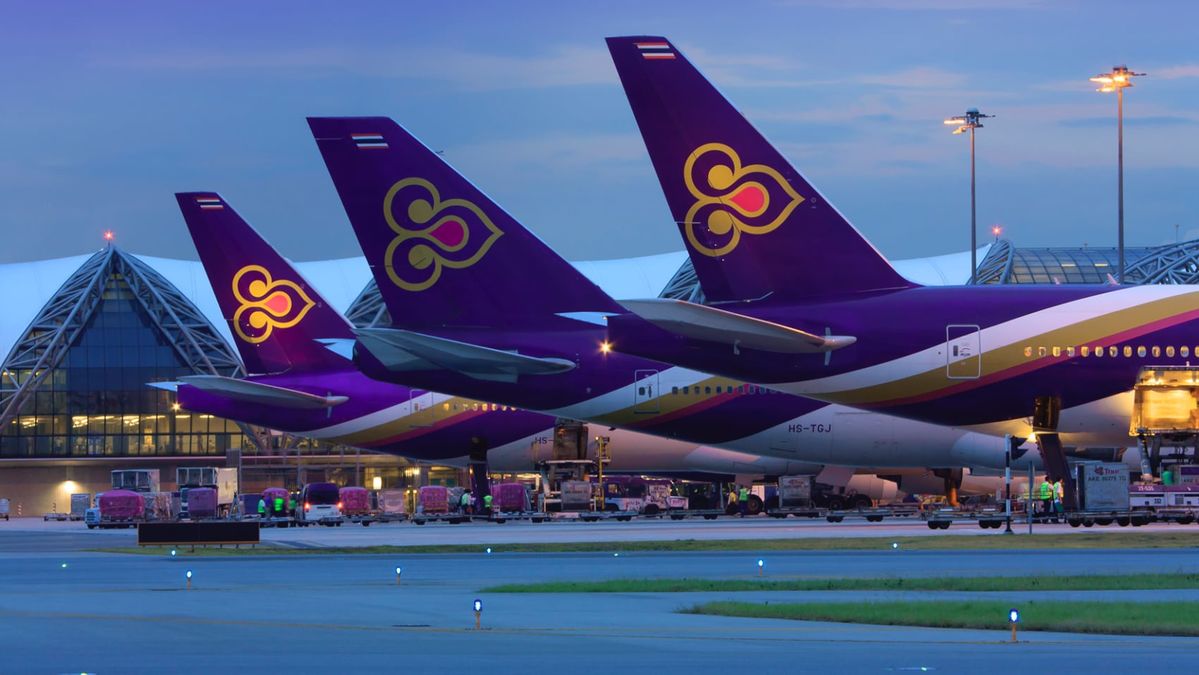
    Thai Airways International Plc is challenging some US$7.4 billion in claims from dozens of aircraft lessors and engine service provider Rolls-Royce Holdings Plc, saying it is not liable for the monies because they concern future expenses and were incurred after the airline received bankruptcy protection from a Bangkok court.

    Thailand’s flag carrier, which is undergoing a court-supervised restructuring to trim debt and return to profit by raising fresh capital, is disputing around 192 billion baht ($6.3 billion) claimed by 48 lessors including BOC Aviation Ltd and SMBC Aviation Capital Ltd, and another 33 billion baht that Rolls-Royce says it is owed for maintenance services, according to a copy of the debt rehabilitation plan seen by Bloomberg.

    A spokesperson for Thai Airways declined to comment. Representatives from BOC Aviation, and Rolls-Royce and SMBC Aviation in Europe also declined to comment.

    The disputed amount is more than half of Thai Airways’ total liabilities of 410 billion baht. Yet an amicable settlement with creditors is key for the airline to stave off bankruptcy.