Tag: bangkok

  • HSBC Launches Fund Administration Services in Thailand

    HSBC Launches Fund Administration Services in Thailand

    This move is in line with the change in the securities services landscape in Thailand, which has relaxed outsourcing rules to boost the efficiency of local fund managers’ operations.

    By outsourcing their back-office operations to HSBC, asset owners and managers will be able to focus on their core offerings, the bank said in an announcement on Tuesday.

    The service will be available on HSBC’s Multifonds fund administration platform. HSBC clients already have access to custody and fund supervisory services offered by the bank.

    “Our clients have expressed a keen desire to improve efficiency and reduce cost, reduce operational risk, adapt to their investors’ need and manage regulatory changes effectively, Utumporn Viranuvatti, HSBC head of securities services, Thailand, said in the announcement.

    The bank said it has many other offerings planned as a part of HSBC Securities Services’ Asia-first strategy to accelerate growth in the region by ramping up its investment in additional solutions and capabilities.

    HSBC has been expanding its offerings in Thailand as part of its bid to strengthen its Asean coverage. HSBC Private Bank launched its onshore business in the kingdom in February 2021, the bank’s second onshore business in the region after Singapore.

  • HSBC Launches Fund Administration Services in Thailand

    HSBC Launches Fund Administration Services in Thailand

    This move is in line with the change in the securities services landscape in Thailand, which has relaxed outsourcing rules to boost the efficiency of local fund managers’ operations.

    By outsourcing their back-office operations to HSBC, asset owners and managers will be able to focus on their core offerings, the bank said in an announcement on Tuesday.

    The service will be available on HSBC’s Multifonds fund administration platform. HSBC clients already have access to custody and fund supervisory services offered by the bank.

    “Our clients have expressed a keen desire to improve efficiency and reduce cost, reduce operational risk, adapt to their investors’ need and manage regulatory changes effectively, Utumporn Viranuvatti, HCBC head of securities services, Thailand, said in the announcement.

    The bank said it has many other offerings planned a part of HSBC Securities Services’ Asia-first strategy to accelerate growth in the region by ramping up its investment in additional solutions and capabilities.

    HSBC has been expanding its offerings in Thailand as part of its bid to strengthen its Asean coverage. HSBC Private Bank launched its onshore business in the kingdom in February 2021, the bank’s second onshore business in the region after Singapore.

  • R3, Enterprise Blockchain Provider Announces Expansion in Thailand with Bangkok Bank

    R3, Enterprise Blockchain Provider Announces Expansion in Thailand with Bangkok Bank

    R3, the enterprise blockchain software firm, will expand its presence in Thailand following the renewal of its partnership with Bangkok Bank. The expansion will see an increase in R3’s workforce in Thailand, underscoring R3’s commitment to the Thai market and its local partners. 

    “Thai enterprises are at the forefront of innovation, digital transformation and blockchain adoption and R3 is proud to support the nation’s digital industry transformation,” said Amit Ghosh, Head of APAC, R3. “We’ve had a long standing relationship with Bangkok Bank and collaborated with various large-scale blockchain projects, including Project Inthanon-Lionrock and Contour—as such, we are excited to continue our partnership with Bangkok Bank and to support their ongoing commitment to improving their service offering through the use of emerging technologies.”

    Highlighting R3’s commitment to the Thai market and local partners, the partnership renewal with Bangkok Bank coincides with R3’s recent expansion of its local workforce—consisting of in-market sales and pre-sales roles in Thailand. 

    “As we see new opportunities and innovations coming from Thailand, and as we continue to work with some of the Thai ecosystem’s largest actors—we want to ensure that we have the appropriate resources in place to continue providing our partners with transformative tools to meaningfully improve their business. The partnership renewal with Bangkok Bank, together with our recent in-market hires, demonstrates R3’s commitment to support our current and future partners in Thailand,” Ghosh added.

    Through its partnership with R3, Bangkok Bank will have the ability to leverage R3’s flagship enterprise blockchain platform, Corda Enterprise, to streamline business operations across its trade finance, capital markets, and supply chain businesses. Bangkok Bank is also planning to ramp up Corda training for their internal teams and is exploring new Corda-based solutions within the trade, payments and supply chain space. 

    “It is almost five years since we first met with Dave Rutter and his leadership team in New York. At that time we were impressed by their open minded and collaborative approach to developing the potential of distributed ledger technologies. The decision to develop Corda as a DLT solution to meet the requirements of financial services was visionary. In 2021 we are seeing growing interest from our corporate clients in deploying enterprise blockchain solutions tailored to their industry-specific needs,” said Ian Guy Gillard, Senior Executive Vice President at Bangkok Bank and R3 board advisor. “Consequently, we have renewed our annual subscription of Corda Enterprise for the full licensing plan. We are also delighted that R3 has shown their confidence in the Thai market by adding presence on the ground with the local office. This is even more important in uncertain times such as this when travel is restricted,” Gillard added.

    Bangkok Bank has cemented itself as a leader in blockchain innovation and is a founding member of Contour, a blockchain-based open industry platform to create, exchange, approve, and issue Letters of Credit L/C on Corda. In September 2020, Bangkok Bank used Contour to facilitate an L/C transaction between a subsidiary of Thailand-based PTT Group and a Vietnam-based trading partner in September 2020, greatly reducing L/C issuance time by over 95%. The most recent success extends the bank’s collaboration with leading local and global partners in the ecosystem. The bank collaborated with SCG Chemicals, a manufacturer of petrochemical products and GC Marketing Solutions Limited, the chemical flagship of PTT Group under GC Group, to facilitate their L/C transactions with their partners via leading local banks in Vietnam. The bank also joined with Pacific Containerbag Co., Ltd. to facilitate the company’s transactions with corporate partners in Oman, opening and receiving L/C, supporting both import and export customers. Bangkok Bank has plans to go-live with Contour and implement L/C transactions under the Contour network within its ecosystem.

  • Thai Airways announces staff cuts in desperate bid to avoid bankruptcy

    Thai Airways announces staff cuts in desperate bid to avoid bankruptcy

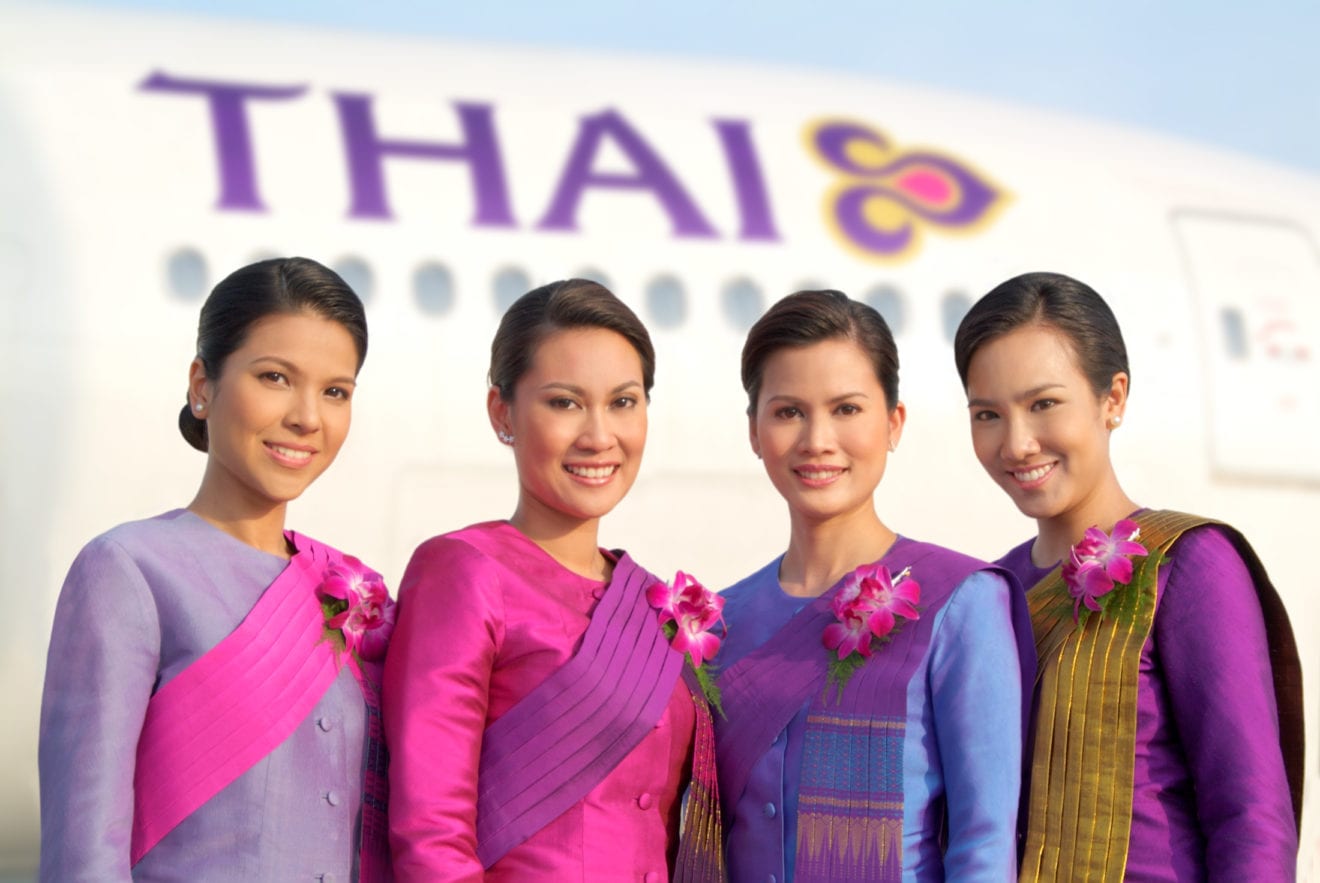
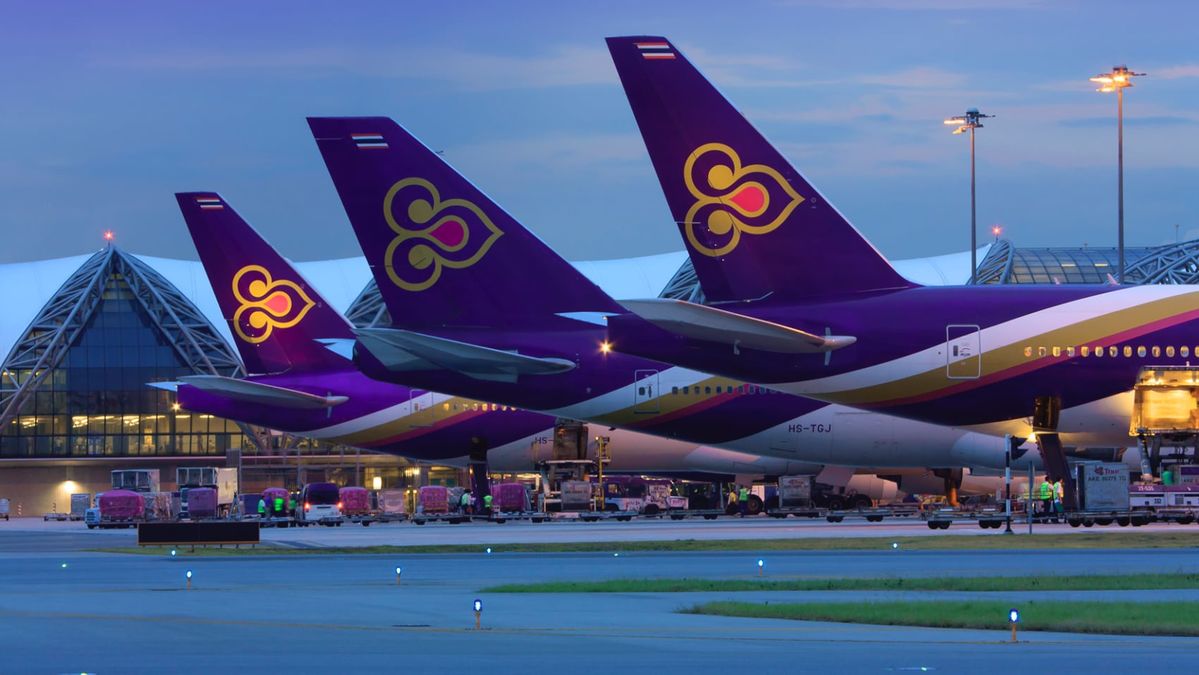
    Thai Airways says it has cut around 240 executive positions as part of its bankruptcy restructuring process.

    The airline said: “The number of executive positions has been reduced from 740 to about 500”, also confirming that the number of supervisory levels would go from eight to five to increase efficiency.

    Thai Airways, like most of its rivals around the world, has slashed capacity as travel restrictions and falling demand make many commercial routes unviable during the coronavirus pandemic.

    The airline will submit its restructuring plan to the Central Bankruptcy Court on 2 March and the plan is expected to be voted on by creditors in May.

    If a majority of creditors vote against it then the airline will go ahead with bankruptcy procedures.

    Acting president Chansin Treenuchagron said: “A successful restructuring will require cooperation from all parties, including creditors and employees.”

    Thai Airways employs around 21,000 people and is Thailand’s national carrier, an important part of its vital tourism industry.

  • Toyota recalls Hilux trucks for brake problem

    Toyota recalls Hilux trucks for brake problem

    Toyota will recall 1,935 imported Hilux trucks due to a safety issue related to their brake system.

    The batch was produced in Thailand between June and December 2018 and imported by Toyota Vietnam.

    The company said the problem has occurred due to a degrading of the resin piston within the brake booster due to improper molding.

    “If this were to occur, repeated operation of the brake pedal may cause the piston to break, potentially causing loss of braking assist and therefore increasing the vehicle stopping distance,” it said in a statement.

    Toyota will coordinate with its dealers to recall, inspect and replace the brake booster free of charge. The replacement will take between half an hour and four and a half hours.

    According to Toyota Vietnam, the recall will begin on March 5 and last three years.

    In the case of Hilux not imported by the company, it will obtain approval from its parent in Japan before carrying out the replacement.

  • Starbucks opens its largest coffee store in Thailand

    Starbucks opens its largest coffee store in Thailand

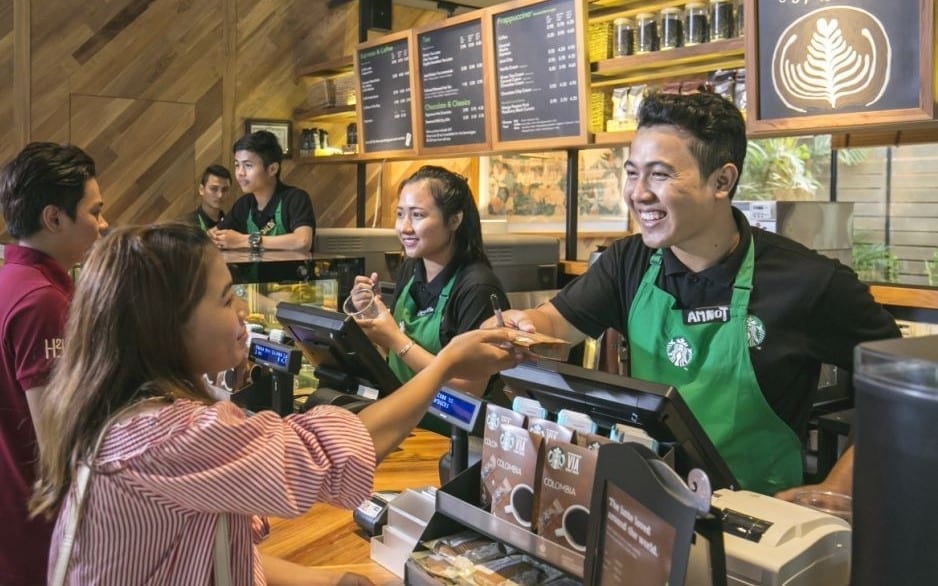
    Starbucks today celebrates 20 years of delivering the Starbucks Experience to customers throughout Thailand with the recently opened Central World store– its largest store in Bangkok. Located on the first floor of CentralWorld, the store features a Starbucks Reserve Bar and, for the first time in Asia, Starbucks® DRAFT beverages infused with nitrogen.

    Starbucks CentralWorld is Thailand’s largest Reserve Bar store composed of Starbucks traditional coffee bar as well as the Starbucks Reserve Bar, which invites customers to deepen their coffee knowledge. Featuring the Black Eagle espresso machine for unique, espresso-forward beverages and various brewing methods such as the Siphon, Chemex, and Pour Over, customers can taste Starbucks Reserve, small-lot coffees for a premium coffee experience specially-crafted by Starbucks Coffee Master partners (employees) whose passion and knowledge of coffee is highlighted by their black aprons.

    Starbucks DRAFT makes its Asia debut in the store on a four-tap system delivering Starbucks Cold Brew and nitrogen-infused Starbucks Cold Brew, tea and milk. This latest beverage innovation draws in customers with its velvety texture cascades from the taps causing a sensory experience to both taste and see. The Starbucks DRAFT counter, found on the first floor of the store, highlights select nitro beverages including Nitro Cold Brew, Nitro Peach Tea, Nitro Green Tea Latte, Nitro Caramel Macchiato and Nitro Flat White.

    “From the success of Starbucks Nitro Cold Brew coffee, we continue to search for beverage innovation to elevate the customer experience. Today, we are pleased to launch Starbucks® DRAFT, an innovative cold beverage offering a rich, creamy texture for each beverage.” says Nednapa Srisamai, managing director of Starbucks Coffee (Thailand) Ltd. “This is a new cold beverage experience not to be missed.”

    This beverage innovation is the first-of-its-kind in Starbucks across Asia further elevating the cold beverage experience. Starbucks® DRAFTis also available today at one location in the U.S.

    As customers enter the space for the first time, their eyes will be drawn to the high, gold ceiling inspired by the natural terraces where coffee is grown, paying homage to the landscapes of coffee-growing terrain. The ceiling begins the coffee journey for customers by inviting them to come in from the outside and move towards the central Starbucks Reserve bar where the aroma of coffee can be enjoyed all around.

    The 760 metre store has more than 230 seats and two large rooms is designed to host community events or small gatherings surrounded by locally-relevant art installations throughout the store. Local artists Rukkit Kuanhawate created a feature piece highlighting the various coffee growing regions through regional wildlife including, the Sumatran Tiger, Kenyan Elephant and Guatemalan Quetzal bird. Similarly, Irin (Ann) Ariyatanap and her team handpainted murals using drawings of coffee botanicals and Thai floral motifs alongside imagery of the Starbucks Reserve coffee silos found exclusively at the Reserve Roasteries.

    Continuing on the coffee journey, customers are delighted upon entering the store with wooden coffee scoops engraved with messages and colorful motifs describing the various parts of the coffee tree. Similarly, the walls of both meeting rooms serve as tribute to the bean-to-cup story through natural hemp woven art, hand painted ceramics and a floor-to-ceiling wood carving.

  • P2P Lender Funding Societies Launches in Thailand

    P2P Lender Funding Societies Launches in Thailand

    This expansion to the startup’s fourth market comes after more than a year of working with Thai regulators and planning for market entry.

    Singapore-based Funding Societies, Southeast Asia’s largest SME digital financing platform, has rolled out its platform in Thailand, the company announced in a statement on Tuesday.

    The P2P lender noted Thailand’s large and SME-driven economy and the credit gap that has been exacerbated by the pandemic.

    The platform will provide Thai SMEs with full access to short-term customizable financing solutions, which are funded by retail and institutional investors, who can expect returns of 8 to 13 percent, the announcement said.

    The crowdfunding landscape in the country is growing steadily and we see a lot of potential here, Varun Bhandari, country head of Funding Societies Thailand, said about the expansion. The market follows launches in Singapore, Malaysia and Indonesia.

    In its six years of operation, Funding Societies has disbursed over $1.4 billion in funding to some 65,000 SMEs. The platform is backed by major investors like Sequoia India and Softbank Ventures Asia.

    Funding Societies recently announced a strategic alliance with Samsung Ventures and Samsung Life Insurance to introduce prospective partnerships and collaborations.

  • Thailand’s 2nd largest bank set for Vietnam entry

    Thailand’s 2nd largest bank set for Vietnam entry

    Thailand’s second-largest lender by assets, Kasikornbank, plans to open a branch in Ho Chi Minh City in the third quarter this year.

    “Attention is now focused on Vietnam as a regional investment hub that has attracted the world’s leading companies, including from Thailand, thanks to its strong economy,” the bank’s executive vice-president, Pattarapong Kanhasuwan, said in a statement, adding its recovery should be helped by its success in containing Covid-19.

    The new branch gained regulatory approval in January and plans to lend THB10 billion ($333 million) in its first year of operation.

    The bank will focus on Thai and foreign businesses investing in Vietnam and startups in digital technologies.

    Thailand was the seventh-largest foreign investor in Vietnam last year with $292 million, according to the Ministry of Planning and Investment.

  • HSBC Private Banking Enters Onshore Thailand Market

    HSBC Private Banking Enters Onshore Thailand Market

    HSBC will build its second onshore private banking business in Southeast Asia with the establishment of a new unit in Thailand.

    HSBC Private Banking will enable its Thai clients to access international capital markets, according to a statement, while leveraging existing infrastructure for activities such as booking assets in Singapore.

    Saranya Arunsilp, a 25-year banking veteran, joined HSBC last year and will lead the onshore team as head of global private banking, Thailand. Arunsilp will be supported by a local team of relationship managers and investment counselors who will work locally with the Singapore teams.

    We welcome the progressive opening up of the private wealth investment corridor between Singapore and Thailand, which can serve as a pilot for other markets to ‘green-lane’ wealth flows to serve genuine cross-border investment needs, said HSBC’s Southeast Asia head of private banking Philip Kunz.

    According to APAC head of HSBC Private Banking Siew Meng Tan, connectivity to the broader ASEAN region is a major strategic focus for future growth in the region.

    Aside from the new presence in Thailand, the private bank has also placed emphasis on other ASEAN markets such as Singapore and Malaysia, for which it appointed new market heads in August last year. Separately, it has also introduced offshore Vietnam coverage to serve the private wealth needs of small and medium-sized enterprises, particularly for supply chain businesses.

    This connectivity is central to our growth in ASEAN which is key to delivering our ambition to become the No 1 wealth manager in Asia, Tan said.

  • Thai Airways Is On Track With Its Rescue Plan

    Thai Airways Is On Track With Its Rescue Plan

    Thai Airways acting president Chansin Treenuchagron claims the airline is still on schedule with its debt rehabilitation plan. Thai Airways has until February 2nd to submit its plan to the Central Bankruptcy Court in Thailand after it was granted a one-month extension.

    In an attempt to save Thailand’s national airline from going under, the country’s Central Bankruptcy Court approved its restructuring back in September. Having accumulated $11bn in debt, the carrier was set a deadline of January 2nd to submit its full rehabilitation plan. However, the courts gave Thai Airways an additional month to finalize its rescue plan, with a new deadline of February 2nd.

    The extension suggests Thai Airways has been struggling to reach a satisfactory agreement with all parties involved. In a statement, acting president Chansin Treenuchagron offered reassurance that the airline is still on track with its plan.

    The nature of Thai Airways’ debt is complex, with banks, aircraft lessors, lenders, and suppliers all looking for a satisfactory outcome. The airline is ‘moving closer and closer to an agreement’ with its creditors. Before it can submit its plan to the Central Bankruptcy Court, Thai Airways requires approval from its creditors.

    While Thai Airways initially planned to implement the restructuring plan by the first quarter of 2021, it wasn’t able to finalize and submit the details in time. The airline is also working with consultants and advisors to help it deal with all the complexities of the restructuring process. Mr. Treenuchagron added,

    Thai Airways has been in a difficult position for a few years now, with fierce competition from low-cost carriers contributing towards spiraling debt. The airline was in a precarious position before the COVID pandemic had begun, with the downturn in air travel only adding to its woes. By July 2020, Thai Airways had defaulted on over $3bn worth of debt and suspended most of its operations.

    Domestic air travel has remained steady in Thailand for most of 2020, with the country faring better than most in its domestic market. However, a second COVID wave sweeping across Thailand has led to a 60% drop in air travel since the beginning of the year. Thai Airways has resorted to increasingly novel methods of raising capital during the pandemic. This includes selling surplus consumables like salt shakers, aircraft tires, and wine glasses, as well as auctioning off 32 widebody planes.

  • Thai AirAsia to furlough 75% of workforce

    Thai AirAsia to furlough 75% of workforce

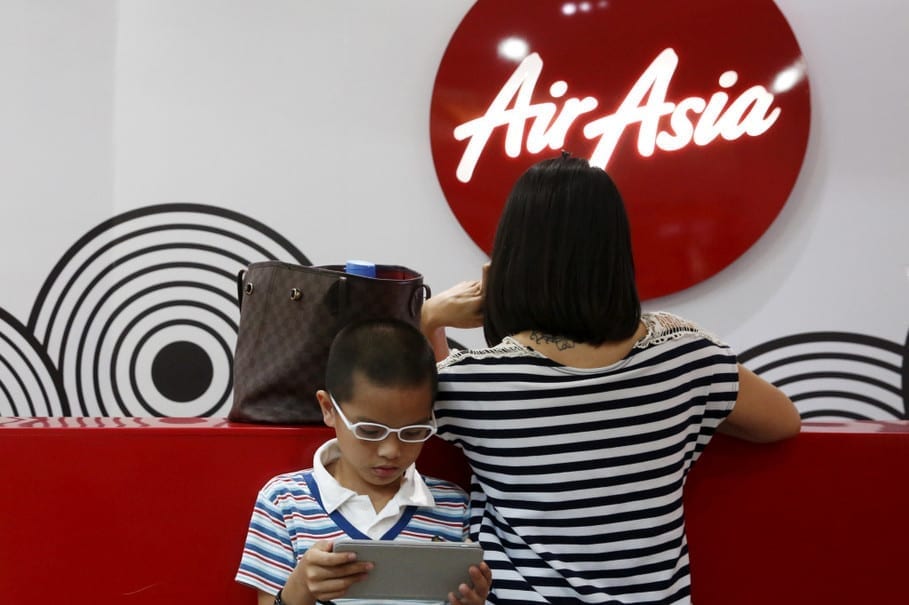
    Thai AirAsia will keep only one-fourth of the staff and ask the rest to take a leave-without-pay offer for four months, starting February, as the re-emerging coronavirus outbreak has dealt a heavy blow to the aviation sector.

    Tassapon Bijleveld, executive chairman of Asia Aviation Plc (AAV), the largest shareholder of the airline, said on Monday only 25% of its workforce will be active after this month as the airline is downsizing to match real demand.

    He did not mention the size of the workforce, but according to the latest AAV annual report, it had 5,974 employees in 2019.

    “Before the Covid-19 resurgence, we had 40 planes serving domestic flights. But since the re-emerging of the outbreak, some provincial lockdowns have made it impossible for people to travel and passenger demand has dropped significantly at every airport,” said Mr. Tassapon.

    The budget airline has 62 aircraft, which has not been fully utilized since the first nationwide lockdown in April last year. It flies only 10 planes now due to the sluggish demand for air travel.

    He said the company had no layoff plans for now but it was difficult to predict when the market would recover.

    He said the furlough from next month to May should allow the employees to find other revenue sources and resume work immediately if the situation improves.

    Mr Tassapon said there was little hope for financial support for airlines from the government. Thai AirAsia now is trying to secure loans from banks by itself, instead of waiting for state approval, he added.

    The furlough, the second in the past few months, was larger in scale than the first round late last year.

    “The international market should recover in the last quarter of this year, but only slowly. Half of the global population must be vaccinated before international travel can resume,” said Mr. Tassapon.

    As of September 2020, its staff-related expenses accounted for 18% of operating costs, the second-highest after jet fuel.

    During the first nine months of 2020, the low-cost airline carried 6.68 million passengers, a 60% dip compared to the same period in 2019.

    AAV stocks plunged six satangs, or 2.54%, to 2.30 baht on Monday.

  • Thai department stores must revise business models to stay relevant

    Thai department stores must revise business models to stay relevant

    While department stores have been a familiar destination for Thai people for many decades, CBRE, an international property consultant, is witnessing a decline in popularity and stunted growth, particularly in 2020 when Covid-19 adversely impacted the sector. CBRE believes that to adapt to e-commerce disruption and the changing consumer behaviour, department stores in 2021 (and beyond) will have to fine-tune their business model in terms of customer shopping experience, inventive activities and value-added programmes to continue their status as the second home for Thai shoppers.

    Jariya Thumtrongkitkul, Head of Advisory and Transaction Services – Retail, CBRE Thailand explained… “While department stores offer shoppers convenience, saving them time with many varieties of goods grouped in different departments and allowing the shoppers to find and compare products and choose what they want, the traditional department store model does not fit the needs, lifestyle and behaviour of its shoppers anymore, especially the new generations.”

    According to CBRE Research, the total retail supply in Bangkok as of Q4 2020 increased to 7.8 million square metres, a 1.16% increase year-on-year. Out of this, only approximately 3% was reported within the department store format. The department store market in Thailand is mainly dominated by two domestic retail giants, with Central Group and The Mall Group holding the largest market shares. They do not only concentrate in Bangkok, but have also opened department stores in many major cities throughout the country which allowed them to build bigger networks and grow their customer base.

    In the past few decades, Japanese investors had also shown interest in entering the Thai market and offered local features that are well-known in Japanese department stores: simplicity, premium quality and services. However, with strong competition many Japanese department store operators have ceased their expansion plans. Some have exited the country due to the fierce competition against the local players, their performance in Thailand and the shrinking Japanese department store business, especially in overseas countries.

    “The department store concept as a one stop shopping place is still in demand for certain groups of customers. However, with the e-commerce disruption and changing consumer behaviour, department store operators need to adapt their models, offerings and value-added services to their customers to cope with the challenging economic and market conditions.”

    Adaptability of department stores can be highlighted into 3 main parts: customer shopping experience, inventive sales and marketing activities, and value-added programmes. While more and more younger generations prefer to shop online to save time and money, the brick-and-mortar store is still believed to be the second home for Thai shoppers. Department stores should be more agile in the era of e-commerce and adopt some technological innovations such as in-store automation and mobile payment solutions to reach the younger crowds.

    Design is another aspect that plays an important part in customer shopping experience. Department stores can be more creative in remodelling traditional department store space into some ingenious and interactive space with a great design and right product portfolio mix for their customers.

    The Mall Group, for example, has launched its first “Lifestore” concept at The Mall Ngamwongwan at the end of 2020 by redesigning and renovating its traditional department store space to enhance customer shopping experience and enjoyment.

    The second part to be considered for the adaptability comprises inventive activities related to sales and marketing. The prices of products being sold in a department store are normally set high to cover the higher establishment and operating costs by operators, narrowing their target to only upper- to high-income customers.

    Brand offerings may also no longer meet fast-changing customer needs since today’s shoppers have more choices in buying products online, not to mention the declining footfall due to the growth of e-commerce. CBRE Research has seen domestic players pushing hard to drive sales growth via numerous promotions, marketing campaigns and activities and collaboration with credit card companies during seasonal sales.

    The third part consists of value-added programmes such as personal shopper, customer loyalty programme, on-demand solution and service personalisation, which have become a new trend as customers, including the aging population, are now more sophisticated and demanding.

    The retail landscape has changed drastically in the past few years from various factors like technological advancement, consumer behaviour and preference as well as Covid-19. Cookie-cutter strategy will be a thing of the past, especially for department stores where the format and offerings have remained the same for decades.


  • AirAsia’s digital platform eyes more airline partnerships

    AirAsia’s digital platform eyes more airline partnerships

    Malaysian budget carrier AirAsia Group’s travel, e-commerce and fintech unit airasia.com is in partnership talks with several Middle Eastern and European airlines, its chief executive said on Wednesday.

    Airasia.com CEO Karen Chan said the company was working on selling more flights on the online platform.

    “Apart from just selling AirAsia flight tickets, we are now selling any airline’s flight tickets. We are now in serious discussions with quite a few full-service carriers,” Chan said at a CAPA Centre for Aviation event.

    She said the company is working closely with Middle Eastern airlines to drive traffic to pilgrimage destinations.

    “Religious travel has taken a huge delay, and already we are getting a lot of requests from customers for pilgrimages,” she said.

    Airasia.com is also in talks with some European airlines, she said. “Once the international borders are open, all of us are banking on the pent up demand,” she said without providing details.

    Last November, airasia.com announced a strategic partnership with Turkish Airlines for cross-promotion of its flight inventory with AirAsia flights, and offer travel itineraries with discounted fares.

    “Now we can pull their content and inventory onto airasia.com’s platform,” Chan said. The company offers more than 15 lines of products online and via its super-app “to fly, to stay, to shop, to eat”, an earlier media statement showed.

    With the airline business taking a hit from the coronavirus pandemic, AirAsia Group last year rebranded its digital arm as AirAsia Digital, which houses airasia.com.

    Malaysia’s flagship budget airline AirAsia Group said last September it is considering raising capital to expand its digital business.

  • Thai AirAsia says latest virus outbreak has dented business

    Thai AirAsia says latest virus outbreak has dented business

    Thai AirAsia Co Ltd (TAA) said the latest Covid-19 outbreak in Thailand has dented the already weak travel sentiment in the country after the company witnessed a whopping 50% plunge in its domestic flight booking numbers this month.

    “Travel sentiment has plunged lower than last year. This is different this time because people are voluntarily skipping their travel plans even without a nationwide lockdown order from the government,” TAA largest shareholder Tassapon Bijleveld was quoted by the Bangkok Post as saying.

    Tassapon is also an executive chairman of Asia Aviation, a company that owns a 51% stake in TAA, while the remaining 49% stake is held by AirAsia Investment, an investment arm of AirAsia Group Bhd.

    Accoring to him, TAA’s domestic flight numbers shrank by more than 50% as it had to merge and cancel many flights, with the average load factor taking a nosedive this month.

    He added that some flights had only 20 to 30 passengers, a sharp contrast to the resurgent market two months ago.

    “We were just rebounding from the first lockdown last year. Despite hardly any profits, at least we could have had a consistent revenue stream from the domestic market. But this outburst of new cases destroyed us,” said Tassapon.

    Tassapon said most airlines expect the market will continue to be severe in February. He warned that the weak travel sentiment could cause some airlines to cease operations.

    He said the pessimistic outlook for next month is despite the Chinese New Year holidays, citing that “travellers may not increase domestic trips if people are worried about the outbreak”.

    “This could be the quietest Chinese New Year we’ve ever had,” he noted.

    Reuters previously reported that Thailand, which had largely controlled the virus by mid-2020, saw a second wave of outbreaks beginning in December.

    “The government has declared 28 provinces, including Bangkok, as high-risk zones and asked people to work from home and avoid gathering or travel beyond provincial borders, as infection numbers climbed after an outbreak was detected last month at a seafood market near the capital,” said the report dated Jan 4.

    The pandemic-battered aviation industry has adversely impacted most airlines in Thailand financially, as they have received no financial support from the government, particularly the soft loans they have been requesting since last year.

    Eight airlines that teamed up to send the financial aid proposal to the government last year do not have plans to discuss the progress of that proposal as they have already clearly stated their concerns, said Tassapon.

    He said the group conveyed all information to the Thailand’s prime minister and three finance ministers, as well as banks that were assigned to help airlines. But, there has not been any response since.

  • Thai Airways Launches Scenic Fly By and Over Buddhist Attractions

    Thai Airways Launches Scenic Fly By and Over Buddhist Attractions

    Proving the ‘flights to nowhere’ trend is taking off, Thai Airways has given religious tourists a bird’s-eye view of 99 holy places across Thailand. Olivia Palamountain reports.

    Led by “celebrity fortune-teller and religion history expert” Dr Khata Chinbunchon at the end of November, the “Thai Magical Flying Experience Campaign” from Thai Airways gave Buddhists the chance to see 99 sacred sights from the air, complete with chanting.

    Passengers on the Thai Airways flight from Bangkok received Buddhist prayer books and a special in-flight meal while flying over temples in 31 provinces before returning home. Tickets ranged in price from 5,999 baht (£149) to 9,999 baht (£248).

    The sacred sights included Bangkok’s Wat Arun and Wat Phra Kaew (commonly known as the Temple of the Emerald Buddha), Phra Samut Chedi in Samut Prakarn, Wat Phra Boromma That Chaiya in Surat Thani and UNESCO-listed heritage sites in Sukhothai and Ayutthaya, in the kingdom’s central plains.

    Part of a plan to boost domestic tourism, the initiative comes hot on the heels of similar offerings from the likes of Qantas, China Airlines and Eva Air, all of which have launched their own series of scenic and themed flights over the past few months. Globetrotter has also reported on Covid-secure luxury cruises to nowhere, recently launched in Singapore.

    Tourism accounts for up to 20 percent of GDP in Thailand, and in a blow to the national carrier, the kingdom has remained shut to foreign travellers throughout the pandemic. However, the airline had been struggling even before coronavirus turned travel upside down. Estimates suggest it is now buried under £6 billion worth of debt.

    Still, Thai Airways has been a pioneer of creative initiatives that boost revenue. The airline has put bags made from life vests and slide rafts on sale, opened an airline-themed café selling in-flight meals in Bangkok, and a food stall selling dough fritters. It has also opened its Airbus and Boeing flight simulators to the public.

    In the autumn, Thailand reopened its borders to international travelers with the launch of a new 90-day Special Tourist Visa (STV).