Retail News CRM

Tag: bank

  • Revolut Gears Up for Swiss Expansion, Seeking Top-Tier Executives for Groundbreaking Move

    Revolut Gears Up for Swiss Expansion, Seeking Top-Tier Executives for Groundbreaking Move

    Revolut, the digital banking platform, has unveiled ambitious plans for expansion in the Swiss market. The company’s General Manager for Switzerland, Julian Biegmann, declared that Revolut is “building the future of Swiss banking” and announced an extensive recruitment drive aimed at elevating the company’s presence in Switzerland.

    Senior Positions Open for Recruitment

    The available roles currently being advertised by Revolut include Head of Risk, Head of Legal, Treasury Manager, Tax Manager, Business Risk Manager, and a Strategy & Operations Manager catering to both retail and business clients. This level of seniority and the range of positions available are unprecedented for Revolut within the Swiss market, marking a significant shift in the company’s approach.

    Focused on Regulatory Compliance

    Interestingly, many of the vacant roles are concentrated on regulatory, legal, and risk management functions. This emphasis is seen by industry insiders as an intentional move by Revolut, signalling that the company is establishing a solid foundation for a more independent operation in Switzerland.

    For years, there’s been ongoing speculation in the Swiss banking and fintech circles that Revolut may be considering applying for a Swiss banking license. While the company has not made any public confirmations, the current wave of recruitment lends more credibility to these rumours.

    Biegmann emphasized in his announcement that Revolut is seeking candidates who thrive in “fast-paced environments” and are eager to have a significant “impact at scale.” He further stated that all applications are being processed solely through Revolut’s official recruitment portal.

    Presently, Revolut services a substantial and expanding Swiss client base under its European license framework. The company’s long-rumored larger ambitions now seem to be materializing into tangible organizational steps within Switzerland.

    Questions & Answers

    What positions is Revolut currently hiring for in Switzerland?
    Revolut is recruiting for several senior roles, including Head of Risk, Head of Legal, Treasury Manager, Tax Manager, Business Risk Manager, and a Strategy & Operations Manager.

    Why is the emphasis on regulatory, legal, and risk management roles significant?
    The focus on these roles suggests that Revolut is laying the groundwork for a more self-governing operation in Switzerland, possibly indicating its intention to apply for a Swiss banking license.

    What kind of candidates is Revolut seeking for these roles?
    Revolut is looking for candidates who are comfortable in dynamic, fast-paced environments and are eager to make a significant impact at scale.
  • OCBC Pioneers New Securities Financing Division to Optimize Lending Solutions

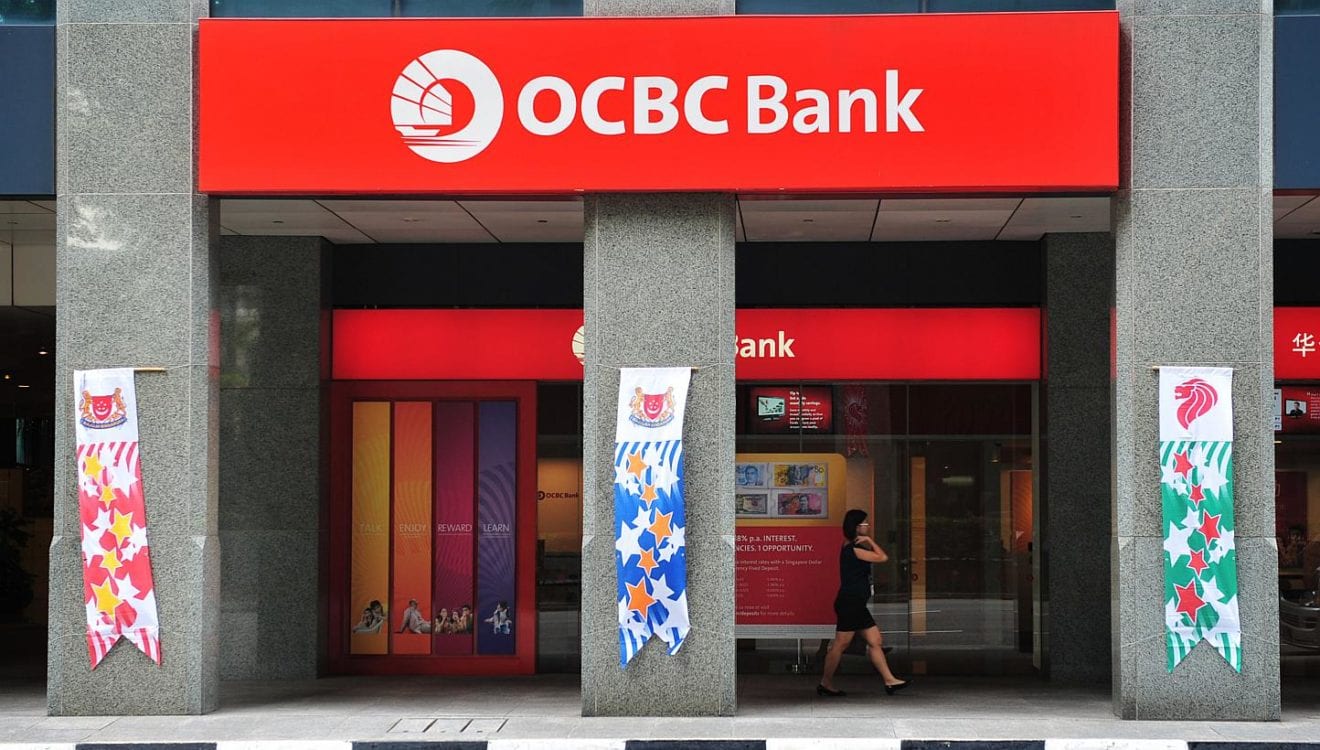
    OCBC Pioneers New Securities Financing Division to Optimize Lending Solutions

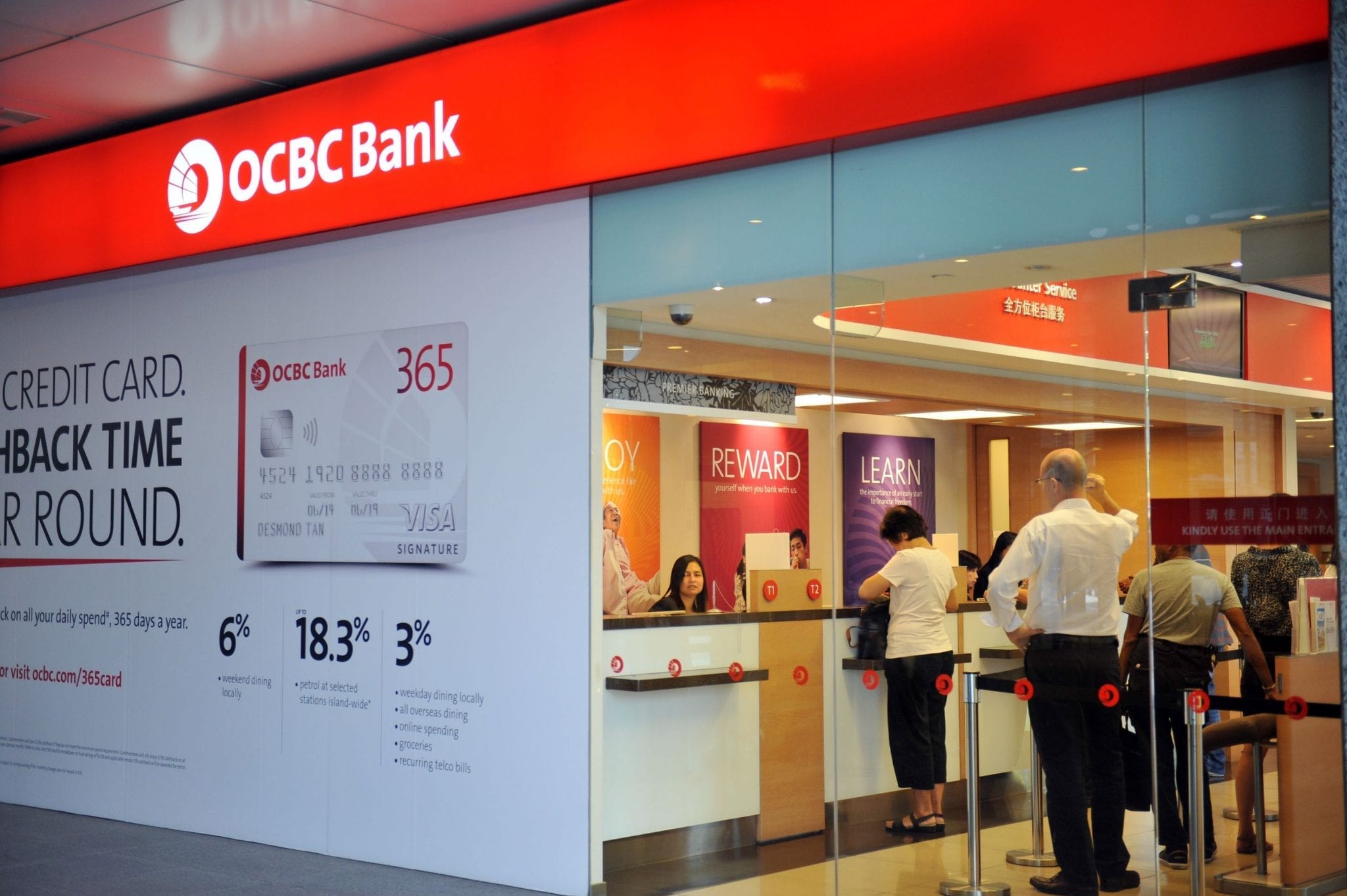
    Singapore’s OCBC Bank has established a new division that is committed to providing loans against idle securities in customer accounts.

    Enabling Efficient Use of Idle Securities

    OCBC Bank has introduced a dedicated securities financing unit that will operate within the global markets division. This unit’s main function will be to activate lendable securities like equities and fixed income, which are held by customers of OCBC Bank and its affiliate businesses OCBC Securities, Bank of Singapore, and Great Eastern.

    The financing unit will be under the leadership of Jansen Chua, the newly appointed head of securities finance. Chua, who officially joined the bank on January 2, will directly report to Kenneth Lai, the head of global markets.

    Chua brings to the table 25 years of international experience spanning across the United States, Europe, Middle East, Africa, and the Asia Pacific. His most recent role was at State Street Bank & Trust Company, where he was the senior managing director and head of financing solutions for the Asia Pacific region. He has led teams in trading, sales, customer management, and product development.

    The Increasing Demand for Securities Financing

    Globally, there has been a noticeable increase in the demand for securities financing. More and more buy-side firms are looking for ways to optimize liquidity, fulfill collateral requirements, and put in place hedging strategies in fluctuating markets.

    In 2025, global securities lending revenues hit an all-time high of $15.3 billion, according to EquiLend Data & Analytics.

    Accessing liquidity and effectively deploying capital has become crucial, especially given the current high market volatility. As a result, securities financing has become increasingly important, and there has been a correspondingly significant rise in demand from institutional customers, according to Lai.

    With Chua’s leadership, the bank is well-positioned to assist its customers as they implement trading and hedging strategies, meet settlement obligations, and optimize capital usage.

    Questions & Answers

    What is the purpose of the new securities financing unit?

    The new unit has been established to mobilize lendable securities such as equities and fixed income held by customers, allowing for lending against these idle securities.

    Who will lead the new securities financing unit?

    The unit will be under the leadership of Jansen Chua, the head of securities finance at OCBC.

    What factors have contributed to the increased demand for securities financing?

    The growing demand is largely due to buy-side firms seeking to optimize liquidity, meet collateral obligations, and implement effective hedging strategies amidst volatile market conditions.

  • From OCBC to BOS: Collins Chin Steps Up as New Chief Financial Officer

    From OCBC to BOS: Collins Chin Steps Up as New Chief Financial Officer

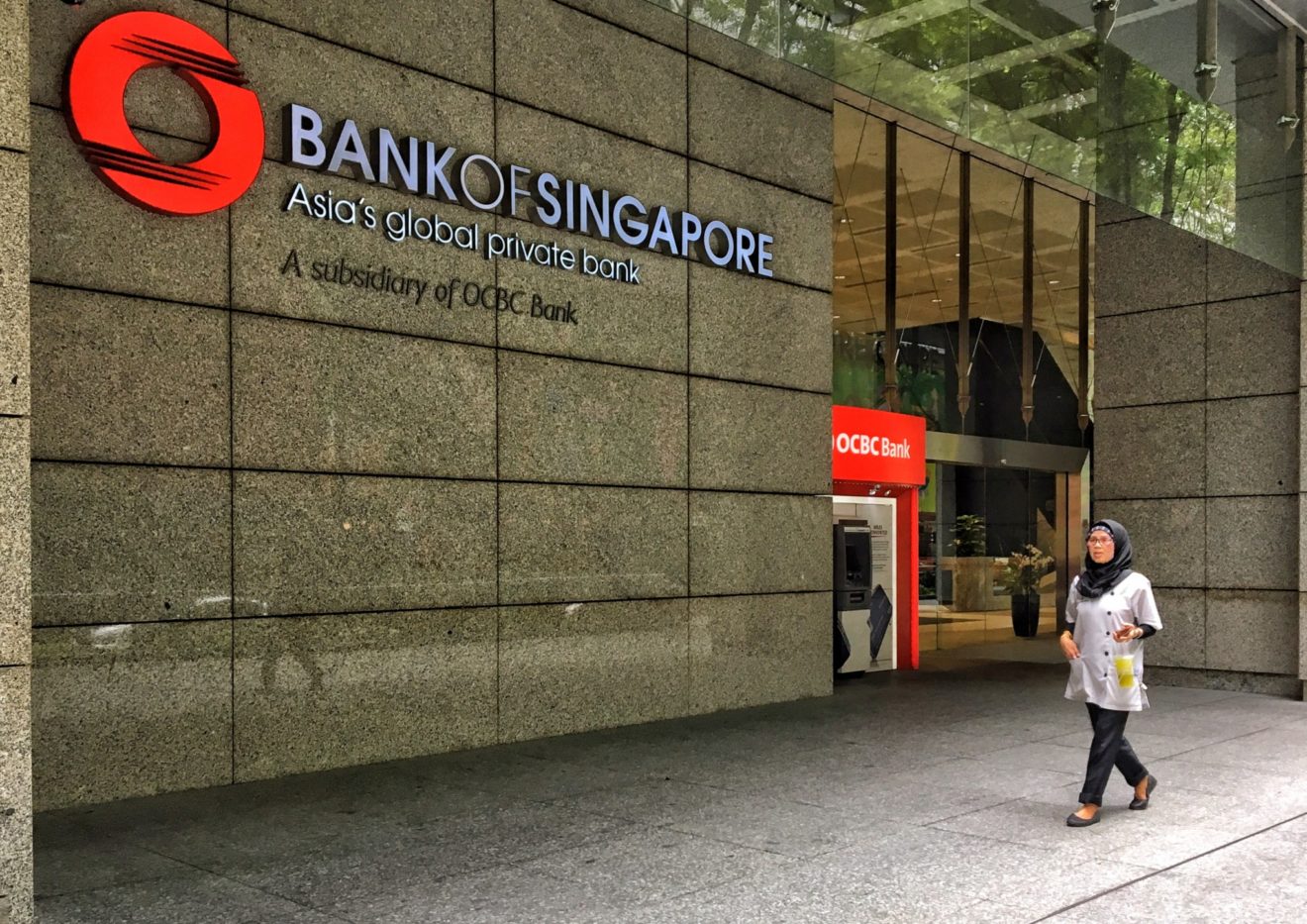
    The former OCBC investor relations head has taken on a new role as the chief financial officer at the Bank of Singapore.

    New Appointment

    Collins Chin has been appointed as the new global chief financial officer at the Bank of Singapore, taking effect immediately. In addition to this position, he will also join the bank’s global management committee. As the chief financial officer, he will report directly to the bank’s CEO, Jason Moo.

    Chin is no stranger to the banking sector. His most recent role was the head of investor relations at OCBC, which is also the parent company of the Bank of Singapore. Before joining the Singaporean bank in 2009, he occupied various leadership roles across finance, capital markets, and risk functions in multiple major banks. These include the Royal Bank of Scotland, Standard Chartered Bank, and Barclays Capital.

    Leadership Skills and Experience

    Chin is recognized as a strong leader who possesses an innovative and future-oriented mindset. His vast experience, along with his excellent people management skills, equips him well to lead the Bank of Singapore. As the bank strives towards its ambitious targets, Chin’s leadership will play a crucial role in steering the bank forward.

    CEO Jason Moo expressed his confidence in Chin’s abilities, praising him as a highly regarded and strong leader. Moo believes that Chin’s extensive experience, coupled with his remarkable people management skills, will be instrumental in pursuing the bank’s ambitious goals.

    Questions & Answers

    Who has been appointed as the new global chief financial officer at the Bank of Singapore?
    Collins Chin, the former head of investor relations at OCBC, has been appointed as the new global chief financial officer at the Bank of Singapore.

    What are some of the roles Collins Chin held before joining the Bank of Singapore?
    Before joining the Bank of Singapore, Collins Chin held various regional leadership roles at the Royal Bank of Scotland, Standard Chartered Bank, and Barclays Capital.

    What qualities does Collins Chin bring to his new role at the Bank of Singapore?
    Chin is recognized for his strong leadership, forward-looking mindset, and extensive experience in the banking sector. He also possesses strong people management skills. These qualities make him well-suited to steer the Bank of Singapore towards achieving its ambitious goals.

  • HSBC Private Bank Revamps Asian Leadership: Key Appointments in India, China, and Thailand

    HSBC Private Bank Revamps Asian Leadership: Key Appointments in India, China, and Thailand

    HSBC Private Bank, the private banking division of HSBC, has recently announced several significant leadership appointments across its Asian operations, with a particular focus on the India and China markets.

    Focus on India

    The global India team has welcomed Phaneendar Bhavaraju and Rangan Krishnan as senior relationship managers. Both report to Manoj Ramarao, who is the Senior Desk Head for global India, Singapore, and Hong Kong.

    Bhavaraju brings to the table more than 28 years of experience across several financial sectors, including foreign exchange, rates, derivatives, precious metals, private banking, and structured finance. He previously held the role of Chief Investment Officer at various asset management companies in the Dubai International Financial Centre. Bhavaraju’s past experience also includes nine years of serving in private banking roles at both RBS and Credit Suisse.

    Krishnan, on the other hand, has over 31 years of wealth management experience. He was previously at the Bank of Singapore where he spent nine years leading a team that managed ultra-high net worth clients, family offices, and institutional portfolios. His resume also includes roles at ANZ, Credit Suisse, ABN AMRO Bank, and DSP BlackRock Mutual Fund.

    China & Other Markets

    In China, Alex Liu has been appointed as the Market Head of Offshore China. His coverage now extends from Hong Kong to Singapore. Liu reports to Kanas Chan, the head of North Asia and Hong Kong.

    In addition to the appointments in India and China, Dawn Fung has assumed the role of Head of Wealth Planning for Southeast Asia. With over 25 years of experience in banking and trust, Fung reports to Ann Ling, the Regional Head of Wealth Planning and Advisory for Asia Pacific, and Tommy Leung, the Head of Private Bank for South Asia.

    Onshore Thailand

    In Thailand, William Fok has been named the Country Head of Private Bank. Fok, who is based in Bangkok, reports to Benjamin Wang, the Desk Head for Thailand and Vietnam. Fok has more than 20 years of experience in structured products and investment advisory. Before taking on this role, he was a Senior Investment Counsellor at LGT. Fok is returning to HSBC Private Bank after having worked there for almost five years earlier in his career. His past employers also include Julius Baer and Morgan Stanley.

    Questions & Answers

    Who are the new senior relationship managers for HSBC Private Bank’s global India team?
    Phaneendar Bhavaraju and Rangan Krishnan have been appointed as the senior relationship managers for the global India team at HSBC Private Bank.

    Who has been appointed as the Market Head of Offshore China for HSBC Private Bank?
    Alex Liu has been appointed as the Market Head of Offshore China, expanding his coverage from Hong Kong to Singapore.

    Who is the new Country Head of Private Bank for HSBC in Thailand?
    William Fok has been named the Country Head of Private Bank for HSBC in Thailand.

  • United Overseas Bank Breaks Ground: First Foreign Institution to Headquarter at Vietnam’s International Financial Center

    United Overseas Bank Breaks Ground: First Foreign Institution to Headquarter at Vietnam’s International Financial Center

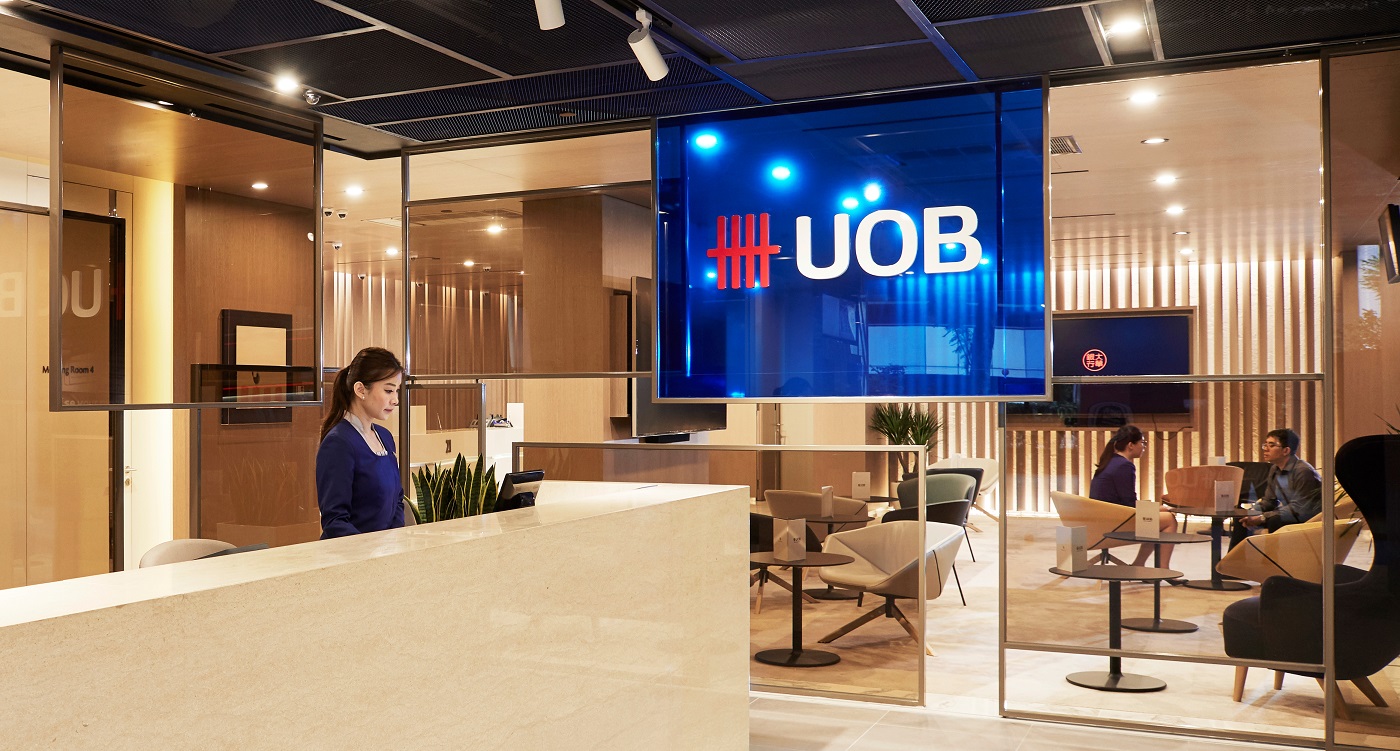
    United Overseas Bank (UOB), based in Singapore, is poised to become the inaugural foreign banking institution to establish its headquarters at the International Financial Center (IFC) in Ho Chi Minh City. This information surfaced during a meeting between Singapore’s Deputy Prime Minister Gan Kim Yong and his Vietnamese counterpart, Standing Deputy Prime Minister Nguyen Hoa Binh.

    UOB holds the distinction of being the first Singaporean bank to set up a representative office in Vietnam, a move that dates back to 1992. Following this, in 1995, the bank launched a wholly foreign-owned branch in Ho Chi Minh City.

    Expansion Plans

    Wee Ee Cheong, UOB’s Deputy Chairman and CEO, who previously met with Binh, disclosed that the bank is contemplating a 20% increase in the capital of its Vietnamese subsidiary to VND10 trillion (US$380 million). This move is intended to facilitate the expansion of the bank’s operations in Vietnam, a Southeast Asian market that UOB regards as strategically significant.

    The IFC, which received approval from the National Assembly last June, is set to be established in two locations, with Da Nang City being the second. Several domestic lenders and financial institutions, including MB Bank, Vietcombank, and VietinBank, have shown interest in establishing offices at the Ho Chi Minh City location of the center. Singaporean enterprises, banks, and funds have been invited by the government to establish bases at the financial center.

    Support from Singapore

    Yong expressed his support for Vietnam’s decision to establish an international financial center, deeming it a timely and appropriate policy move. He also affirmed Singapore’s commitment to share operational experiences and promote financial connectivity between financial centers in both nations.

    During Binh’s meeting with executives from approximately 20 esteemed Singaporean enterprises and investment funds, the consensus was that Vietnam should ensure policy stability and expedite the development of the legal framework for digital assets and financial technology.

    Singapore is the second largest investor in Vietnam, behind South Korea, out of 153 investing countries and territories. To date, Singapore has invested more than US$90 billion in over 4,400 active projects in Vietnam. The Vietnam-Singapore Industrial Park (VSIP) now comprises 21 parks within 14 provinces and cities. The two nations are enhancing their economic and investment cooperation efforts, in both new and promising sectors such as carbon credits, digital technology, agriculture, energy, and the upcoming VSIP 2.0.

    Questions & Answers

    What is the significance of UOB’s decision to set up its headquarters at the International Financial Center in Ho Chi Minh City?

    UOB’s decision marks a significant milestone as it becomes the first foreign bank to establish its headquarters at the newly approved International Financial Center.

    What is the proposed increase in UOB’s Vietnamese subsidiary’s capital and why?

    UOB plans to increase its Vietnamese subsidiary’s capital by 20% to VND10 trillion (US$380 million) to facilitate the expansion of the bank’s operations in Vietnam.

    What is the current status of investment between Singapore and Vietnam?

    Singapore is the second-largest investor in Vietnam, with investments exceeding US$90 billion in more than 4,400 active projects. The two nations are also enhancing economic and investment cooperation in various sectors.

  • Bank of Singapore’s 2026 Vision: Asia’s Rise, Dollar’s Dip, and the Power of AI

    Bank of Singapore’s 2026 Vision: Asia’s Rise, Dollar’s Dip, and the Power of AI

    The Bank of Singapore’s (BoS) most recent global outlook for 2026 indicates resilient growth, improved financial conditions, and a steady rebalancing of economic power. According to the BoS, success for investors does not lie in pursuing volatile investments but in preparing for a fundamentally different economic cycle.

    US Dollar: Downward Trend

    One of the most significant changes the BoS’s report highlights is a continuous decrease in the value of the US dollar. Investors are reevaluating the risk associated with the US due to constant twin deficits and institutional credibility concerns, reducing the appeal of its currency as a safe investment option.

    In the current market, gold continues to have a strategic role. The precious metal has seen substantial gains thanks to its status as a reliable investment during uncertain times, and it is likely to remain stable as global tensions persist.

    Conversely, energy markets are expected to remain well-supplied, keeping oil prices relatively low despite ongoing conflicts and the shift towards green energy.

    Asia: The Exception in the Narrative

    Asia is the standout region in the 2026 economic forecast. Lower interest rates, a weakening US dollar, and supportive fiscal policies are all contributing to the growth of Asian equities, especially outside of Japan. Additionally, the region’s inherent strengths are becoming increasingly obvious.

    Asia is leading the way in global clean energy production, from creating components for solar and wind energy to manufacturing lithium-ion batteries. It is also quickly developing the infrastructure necessary for the Artificial Intelligence ecosystem, including data centres, power networks, and advanced semiconductors.

    Artificial Intelligence: From Speculation to Profit

    Despite ongoing debates about whether AI is overvalued, the 2026 outlook suggests that its potential impact and duration are still underestimated. Large technology companies continue to report resilient profits, and AI-driven demand is pushing U.S. hyperscalers to increase capital expenditure.

    Importantly, the process of monetising AI is slowly taking shape, shifting the narrative from speculative excitement towards concrete revenue. For investors, the opportunities go far beyond the major players, extending to often overlooked suppliers across hardware, software, energy, and real estate sectors, particularly in Asia.

    Resilience: A New Perspective

    A key takeaway from the BoS’s presentation is the urgent need to move beyond traditional, benchmark-focused asset allocation. In a complex world that is frequently disrupted, portfolios that heavily concentrate on a limited set of U.S. equities and dollar exposure are becoming increasingly vulnerable.

    The BoS is promoting a comprehensive approach to portfolio resilience, combining diversified regional equity exposure, selective fixed income, alternatives, and non-USD assets. This diversified approach has historically performed better during downturns, outperforming when diversification is more critical than simple market exposure.

    Alternatives and Active Management in the Spotlight

    As the macroeconomic cycle matures, alternative investments are expected to play an increasingly prominent role. Private equity is seeing a slow recovery in exits, private credit is favouring high-quality senior exposures, and hedge funds are benefiting from market dispersion and volatility.

    Real assets and infrastructure continue to be supported by long-term trends such as digitalisation and energy transition.

    Active risk management strategies such as rebalancing, income diversification, and careful monitoring of concentration risk become crucial in navigating an environment where leadership regularly changes.

    The Future is Changing

    The primary challenge for 2026 is not predicting the next economic shock, but building portfolios that can withstand shocks while seizing structural opportunities.

    With central banks easing monetary policy, Asia on the rise, AI transforming industries, and the dollar losing some of its dominance, investors must rethink old assumptions. The Bank of Singapore’s message to investors is to remain invested, but do so with resilience, diversification, and a sharp focus on the trends that are shaping the world beyond 2026.

    Questions & Answers

    What is the Bank of Singapore’s perspective on the future of the US dollar?
    The Bank of Singapore predicts a continuous decrease in the value of the US dollar due to constant twin deficits and concerns about institutional credibility.

    What is the projected role of alternative investments in the future?
    As the macroeconomic cycle matures, alternative investments—such as private equity, private credit, and hedge funds—are expected to play an increasingly prominent role.

    How does the Bank of Singapore suggest investors prepare for the future?
    The Bank of Singapore advises investors to remain invested, but to do so with resilience, diversification, and a keen eye on the trends that are shaping the world beyond 2026.

  • HSBC Secures Shareholder Approval for $14 Billion Hang Seng Privatization Deal: Set for Hong Kong Stock Exchange Delisting

    HSBC Secures Shareholder Approval for $14 Billion Hang Seng Privatization Deal: Set for Hong Kong Stock Exchange Delisting

    HSBC, the London-based bank, has successfully secured approval from the shareholders of its subsidiary, Hang Seng, to privatize it. This move signifies HSBC’s intention to acquire the Hong Kong lender, a deal estimated to be worth $14 billion.

    On January 8, during a shareholders’ meeting, HSBC managed to secure about 86% of non-partisan votes in favor of the privatization. This percentage was comfortably above the 75% threshold that was required for the proposal to pass.

    Next Steps

    This development doesn’t mark the end of the process, however. The proposal is now set for a High Court hearing, which is scheduled for January 23. If approved by the court, the scheme is expected to become effective on January 26. Subsequently, Hang Seng’s shares will be delisted from the Hong Kong Stock Exchange on the following day, January 27.

    Georges Elhedery, HSBC CEO, expressed satisfaction at the approval of the proposal. Elhedery also expressed gratitude towards the Hang Seng Bank shareholders for their continued support. He stated that the approval showcases the shareholders’ robust trust in Hang Seng Bank’s franchise and the opportunities that complete ownership within the HSBC Group could present.

    Elhedery also expressed eagerness to move forward with the proposal and to fulfill the remaining conditions. He committed to providing further updates when appropriate.

    Concerns and Reassurances

    There have been concerns raised about HSBC assuming potential loan risks due to the downturn of Hong Kong’s commercial real estate sector. However, Elhedery previously asserted that the decision to privatize Hang Seng aligns strategically with their aim of driving stronger growth.

    Questions & Answers

    What is HSBC’s plan regarding Hang Seng Bank?
    HSBC has obtained approval from the shareholders of Hang Seng Bank to take it private. This will involve buying out the Hong Kong-based subsidiary for an estimated $14 billion.

    What are the next steps for the proposal?
    The proposal will undergo a High Court hearing on January 23 for sanctioning. If successful, the scheme is expected to be effective by January 26, with Hang Seng’s shares to be delisted from the Hong Kong Stock Exchange on January 27.

    What are the concerns related to this proposal?
    Some have expressed concerns about HSBC taking on loan risks linked to the downturn of Hong Kong’s commercial real estate sector. However, HSBC’s CEO maintains that the move aligns strategically with their goal to drive stronger growth.

  • Alexander Wong: From Credit Suisse to Citi – Shaping Investment Banking in Asia

    Alexander Wong: From Credit Suisse to Citi – Shaping Investment Banking in Asia

    In a recent development, Alexander Wong, ex-managing director of the now-inoperative Credit Suisse, has taken up a new role at Citi’s investment banking division in Asia.

    Alexander Wong Joins Citi’s Investment Banking Division

    Citi has officially announced the appointment of Alexander Wong as their new Managing Director for the investment banking sector. His primary responsibilities in this role will involve bolstering senior coverage within the industrials and mobility sector across the Asia Pacific region.

    Wong brings a wealth of experience and industry knowledge to his new role at Citi. His strategic thinking and leadership skills will be crucial in driving the growth and development of Citi’s investment banking division.

    Reporting to Lei Li

    In his capacity as the managing director, Wong will report directly to Lei Li, who is the APAC head of industrials for the investment banking division. Wong’s appointment is expected to significantly contribute to the strategic expansion and growth of the industrials and mobility sector in the Asia Pacific region.

    Past Experience at Credit Suisse

    Before taking up his new role at Citi, Wong served as a managing director at Credit Suisse. He was instrumental in managing and developing the mobility and industrial technology sectors in his previous role. His past experience and achievements in the industry are expected to contribute significantly to his success at Citi.

    Questions & Answers

    What is Alexander Wong’s new role at Citi?
    Alexander Wong has been appointed as the new Managing Director for the investment banking division at Citi. His role will primarily focus on enhancing senior coverage in the industrials and mobility sector across the Asia Pacific region.

    Who will Alexander Wong report to at Citi?
    In his role as Managing Director, Alexander Wong will directly report to Lei Li, the APAC head of industrials for the investment banking division.

    What was Alexander Wong’s role at Credit Suisse?
    Prior to his role at Citi, Alexander Wong served as a Managing Director at Credit Suisse, where he was responsible for managing the mobility and industrial technology sectors.

  • Former Bank of Singapore Executive Joins Standard Chartered to Helm New Greater China Team

    Former Bank of Singapore Executive Joins Standard Chartered to Helm New Greater China Team

    In the latest series of industry movements, Hu Hong, previously an executive at the Bank of Singapore, has migrated to Standard Chartered. At Standard Chartered, his new role involves the development and expansion of a team dedicated to the Greater China market.

    A New Role at Standard Chartered

    Standard Chartered’s Global Private Bank has welcomed Hu Hong to their team as a group market head. His primary responsibility will be to build and expand a new team dedicated to the Greater China region, based in Singapore. According to an official statement, Hu will report directly to Foo Tian Ong, who is the regional head for Southeast Asia and also the Singapore location head for Standard Chartered’s Global Private Bank.

    A Wealth of Experience

    Hu brings a wealth of experience to his new role at Standard Chartered. He is an established figure in private banking, with a significant track record in covering the Greater China markets. During his stint at the Bank of Singapore, Hu demonstrated impressive leadership skills as he managed three market heads as well as a team of 100 frontline staff members.

    Questions & Answers

    Who has recently joined Standard Chartered’s Global Private Bank?
    Hu Hong, a former executive at the Bank of Singapore, has joined Standard Chartered’s Global Private Bank as a group market head.

    What will be Hu Hong’s primary responsibility at Standard Chartered?
    Hu Hong will be primarily responsible for the development and expansion of a team that focuses on the Greater China region.

    Who will Hu Hong report to in his new role at Standard Chartered?
    In his new role at Standard Chartered, Hu Hong will report directly to Foo Tian Ong, the regional head for Southeast Asia and the Singapore location head for the Global Private Bank.

  • UBS’s Bold Leadership Move to Unlock Post-Integration Value in 2026: Beatriz Martin at the Helm

    UBS is on the verge of a critical phase in its historic integration with Credit Suisse, signified by a strategic leadership change. Since the beginning of 2026, Beatriz Martin has assumed the role of Group Chief Operating Officer, alongside her new responsibility for Group Technology. This move underscores UBS’s focused efforts to enhance execution as the bank nears what is believed by management to be the final stage of the integration process.

    Operational Challenges During Integration

    Credit Suisse’s integration has been more about systems than branding. The greatest hurdles have been complex IT migrations, legacy platform shutdowns, and seamless data transfers. By placing operational control and technological execution under one executive, UBS aims to minimize delays, shorten decision-making time, and speed up problem-solving, particularly in areas where delays could prove costly.

    Industry experts perceive this consolidation of responsibilities as a practical solution to integration risk. Misalignment between operations and IT is a frequent cause of cost overruns and operational incidents during large-scale bank mergers, and UBS seems committed to evading this pitfall.

    The Shift from Consolidation to Performance

    2026 is not just another year for UBS. It signifies the final full year of integration work and, importantly, the point at which the bank expects to fully capitalize on the synergies from the Credit Suisse acquisition. The narrative has shifted from consolidation to performance, a transition eagerly anticipated by investors.

    Thus, Beatriz Martin has a clearly defined mandate: finish the remaining system migrations, decommission obsolete infrastructure, and do so without disrupting routine banking operations. The risk is high but so is the potential reward.

    Cost Discipline and Job Reductions

    Alongside the leadership change, UBS is demonstrating its focus on cost control with another round of job cuts set for mid-January. Although these cuts may be socially and politically sensitive, the markets typically regard them as indications of management’s dedication to efficiency and enhancing margins.

    The timing of these cost reductions is crucial from an investor’s perspective. Implementing these changes before the final integration phase increases the likelihood that synergy benefits will translate into enhanced profitability rather than being consumed by residual restructuring costs.

    Equity Markets’ Reaction

    UBS shares are trading near their 52-week high of 47.27 dollars, signaling growing confidence that the most severe integration costs are behind the bank. The stock rally towards the end of 2025 implies that investors anticipate a noticeable improvement in earnings power from the latter half of 2026.

    The prospect of a structurally lower cost base after years of substantial restructuring costs is becoming a reality. The current market valuation suggests that investors expect the management to deliver and will not easily tolerate execution errors.

    Moving Towards Measurable Results

    By consolidating operational and technological control under Beatriz Martin, UBS is sending a clear message: 2026 is the year of results, not excuses. After a groundbreaking merger and years of internal consolidation, the bank is positioning itself to transform scale and synergies into sustainable returns.

    The message to financially astute investors is clear – the bank’s performance in the next twelve months will shape the post-merger UBS.

    Questions & Answers

    What is the role of Beatriz Martin in UBS’s integration with Credit Suisse?
    Martin, as the Group Chief Operating Officer, is responsible for overseeing operational control and technological execution, critical components of the integration process.

    What do the proposed job cuts at UBS signify?
    Though potentially sensitive socially and politically, these cuts are viewed by markets as evidence of UBS’s commitment to efficiency and margin improvement.

    What is the significance of 2026 for UBS?
    2026 denotes the final full year of the integration process and the point at which UBS aims to fully capitalize on the synergies from the Credit Suisse acquisition. The bank’s narrative has shifted from consolidation to performance during this year.

  • Wellington & Standard Chartered Unveil No-Load Shares, Transforming Wealth Market Dynamics in Singapore

    Wellington & Standard Chartered Unveil No-Load Shares, Transforming Wealth Market Dynamics in Singapore

    Wellington Management has enhanced its alliance with Standard Chartered Bank by launching exclusive no-load share classes of the Wellington Asia Quality Income Fund for the bank’s customers in Singapore. This strategic initiative enhances its competitive standing in an increasingly cost-conscious wealth market.

    Building on Established Collaboration

    Wellington’s new offering, announced on Monday, is an extension of a collaboration that started in 2024. At that time, Wellington’s Credit Total Return strategy was made exclusively accessible to Standard Chartered’s private and retail banking clients in Singapore and Hong Kong. This award-winning UCITS model has since grown to over $1.3 billion in AUM in less than two years, showcasing robust client acceptance.

    Encouraging Long-Term Investment

    The recently launched Class B Shares of the Asia Quality Income Fund eliminates the initial subscription fees, making investment more accessible. The structure incorporates a contingent deferred sales charge of two percent if shares are redeemed within three years, an inventive way to encourage long-term investment rather than short-term trading.

    Chia Chia Chng, Southeast Asian Wealth Head at Wellington Management, noted that this expanded collaboration reflects the mutual emphasis on resilient income strategies. She further emphasized the attractiveness of dividend strategies given the current economic climate characterized by growth uncertainties, trade policy ambiguities, and geopolitical risk.

    A Disciplined Approach to Asia ex-Japan Equities

    The actively managed fund, overseen by seasoned portfolio manager Naveen Venkataramani, targets superior, dividend-paying companies across the Asia ex-Japan region. The investment approach emphasizes three categories; Dividend Compounders, Dividend Leaders, and Dividend Surprisers. It accentuates robust balance sheets, competitive advantages, and sound corporate governance.

    Venkataramani revealed that historically, dividends have constituted approximately 65 percent of total equity returns in Asia ex-Japan. He predicts room for growth in Asia’s dividend payout, supported by improved cash flow generation and relatively low corporate leverage.

    The Significance of this Partnership for Wealth Platforms

    For astute investors and distributors, this partnership signifies a wider industry trend. Global asset managers and banks are leveraging targeted fee structures and exclusive access to differentiate their offerings in competitive wealth markets like Singapore.

    By merging Wellington’s considerable scale – $1.3 trillion in assets under management – with Standard Chartered’s regional distribution capabilities, this initiative aligns product design with changing client expectations around cost transparency and income resilience.

    Questions & Answers

    What does the newly introduced Class B Shares of the Asia Quality Income Fund offer?
    These shares eliminate initial subscription fees, turning investment more accessible. It also includes a two percent deferred sales charge if shares are redeemed within three years, encouraging long-term investment behaviors.

    What is the investment focus of the Asia Quality Income Fund managed by Naveen Venkataramani?
    The fund targets high-quality, dividend-paying companies in the Asia ex-Japan region, emphasizing strong balance sheets, competitive advantages, and good corporate governance.

    What is the significance of this partnership between Wellington Management and Standard Chartered Bank for the wealth market?
    This collaboration, which offers targeted fee structures and exclusive access, signifies a wider industry trend in competitive wealth markets like Singapore. It aligns product design with evolving client expectations around cost transparency and income resilience.

  • UBS Tech Revolution: COO-designate Takes the Reins as Dargan Exits, Setting Stage for AI-Driven Future

    UBS Tech Revolution: COO-designate Takes the Reins as Dargan Exits, Setting Stage for AI-Driven Future

    UBS, the leading global financial institution, is implementing a strategic restructuring of its executive team, aimed at enhancing oversight of its technology operations. This change comes as a critical phase of operational and technology development begins, with the Group Technology division now falling under the purview of the incoming Group Chief Operating Officer.

    Executive Changes on the Horizon

    Mike Dargan, the current Group Chief Operations and Technology Officer, will be leaving his position at UBS at the end of December 2025 to seize a new opportunity elsewhere. This departure has resulted in an immediate reshuffling of responsibilities within the firm’s operational and technology sectors.

    From the start of January 2026, the Group Technology division will report to Beatriz Martin as she steps into her new role as Group Chief Operating Officer. This shift will consolidate the operational responsibility and technology governance on a day-to-day basis under Martin’s leadership.

    Interim Leadership and Continuity

    In the interim, while a permanent successor is sought, Chris Gelvin will assume the role of acting Head of Group Technology. Gelvin, who currently serves as Chief Operating Officer of Group Technology, will maintain continuity and stability within the operation as UBS finalizes its long-term leadership structure.

    UBS has indicated that this expansion of the Group COO role is designed to support seamless operations from beginning to end, prioritizing technology and artificial intelligence initiatives. Furthermore, it is intended to facilitate the completion of the ongoing technology integration process.

    CEO’s Perspective: Growth, Resilience, and Digitization

    Sergio Ermotti, the Group CEO, has praised Dargan for his role in leveraging technology to enhance the company’s business performance. He stated that Dargan had played a pivotal role in positioning the company’s technology as a key factor in business growth and resilience, and in advancing the firm’s strategic shift towards artificial intelligence and digitization.

    It’s important to note that changes to the Group Executive Board are subject to regulatory approval. Revised reporting lines and interim arrangements are being implemented to ensure stable execution during this transition period.

    Questions & Answers

    Q: Who will assume the role of Group Chief Operating Officer at UBS?
    A: Beatriz Martin will take over as Group Chief Operating Officer from January 1, 2026.

    Q: What will be the role of Chris Gelvin during the transition?
    A: Chris Gelvin will serve as interim Head of Group Technology, maintaining continuity during the transition period until a permanent successor is found.

    Q: What is the main goal of these changes in UBS’s leadership?
    A: The main goal is to enhance oversight of technology operations, support seamless end-to-end operations, prioritize technology and artificial intelligence initiatives, and complete the ongoing technology integration process.

  • UBS Tech Shake-up: Outgoing CTO Paves Way for Incoming COO’s AI-Driven Vision

    UBS Tech Shake-up: Outgoing CTO Paves Way for Incoming COO’s AI-Driven Vision

    UBS Group has announced changes in its executive oversight, particularly in regard to technological advancements and operations. This comes as the company enters a significant phase in executing its operational and technological strategies. To spearhead this pivotal phase, UBS has moved its Group Technology department under the direct supervision of the soon-to-be Group Chief Operating Officer.

    Mike Dargan, the current Group Chief Operations and Technology Officer, is stepping down from his position at the end of December 2025. His departure has set into motion an immediate reshuffling of roles at the top echelons of the company’s operating and technology sections, as stated in a recent press release.

    Restructuring the Leadership

    As of 1st January 2026, the Group Technology department will be reporting to Beatriz Martin, who will be assuming the position of Group Chief Operating Officer. This move is designed to consolidate daily operational accountability with technological governance.

    In the meantime, Chris Gelvin will serve as the interim Head of Group Technology, while also retaining his current role as Chief Operating Officer of Group Technology. This arrangement will ensure continuity as UBS works on finalizing its long-term leadership structure.

    The expanded portfolio of the Group COO is expected to facilitate seamless end-to-end operations, prioritize technological and artificial intelligence initiatives, and aid in completing the remaining technology integration process.

    Emphasizing Growth, Resilience, and Digitization

    Sergio Ermotti, the Group CEO, has praised Dargan’s valuable contributions in positioning technology as a key driver for business growth and resilience. He particularly highlighted Dargan’s role in steering the company’s strategic shift towards AI and digitization.

    The changes to UBS’s Group Executive Board are contingent on regulatory approval. However, the revised reporting lines and interim arrangements have been designed to ensure consistent execution throughout the transition period.

    Questions & Answers

    What is the purpose of the recent changes in UBS’s executive oversight?
    The changes are intended to consolidate daily operational accountability with technological governance as the company enters a critical phase of executing its operational and technological strategies.

    Who will be assuming the role of Group Chief Operating Officer in UBS?
    Beatriz Martin will be assuming the role of Group Chief Operating Officer at UBS starting from 1st January 2026.

    What is the role of technology in UBS’s business strategy?
    Technology is seen as a key driver for business growth and resilience at UBS. The company is strategically shifting towards artificial intelligence and digitization.

  • DBS Makes History as First Singapore Bank to Secure RMB Clearing Role: Revolutionizing Regional Capital Flows and Currency Exposure Diversification

    DBS Makes History as First Singapore Bank to Secure RMB Clearing Role: Revolutionizing Regional Capital Flows and Currency Exposure Diversification

    DBS Bank has become the first Singaporean financial institution to be appointed by the People’s Bank of China as an RMB clearing bank. This significant development bolsters Singapore’s role in offshore renminbi infrastructure and heightens DBS’ strategic position in regional capital flows. The announcement came during the Singapore-China Joint Council for Bilateral Cooperation meeting held in Chongqing.

    A Leap in Currency Diversification

    This appointment comes at a time when corporations and investors are increasingly diversifying their currency exposure to build resilience amid geopolitical uncertainties and rate fluctuations. DBS’ new status as a clearing bank provides it with direct access to onshore RMB liquidity, facilitating more efficient settlements and expanding the cross-border usage of the currency in trade, investment, and treasury activities.

    Enhanced Onshore-Offshore RMB Provision

    Now that DBS has direct access to China’s onshore RMB pools, the bank can provide a more comprehensive RMB package that includes payments, liquidity management, and access to RMB-denominated instruments across both onshore and offshore markets. Leveraging Singapore’s standing as a global foreign exchange hub, the bank plans to improve liquidity access, increase settlement options, and provide better capital and risk management flexibility for its clients.

    OTC Bond Market Approval Expands Investor Reach

    Simultaneously, DBS has been authorized to operate in China’s onshore over-the-counter bond market – a move that allows the bank to streamline access for foreign investors while enhancing trading efficiency within China’s domestic bond market. These recent approvals have further cemented DBS’ active participation in China’s cross-border financial infrastructure.

    From Panda Bonds to International Investor Channels

    DBS has an established presence in China’s Panda Bond market as a leading foreign underwriter, aiding international issuers in their quest for RMB funding. The bank also enables offshore participation in onshore RMB assets via channels such as Bond Connect, interbank bond market settlement agency services, and QFII-RQFII programs, thereby contributing to the gradual integration of China’s capital markets into the global financial system.

    Implications for Issuers and Investors

    Lim Soon Chong, the Group Head of Global Transaction Services at DBS, stated that the appointment allows DBS to offer deeper liquidity and enhanced settlement capabilities to a variety of clients, including corporations, investors, and respondent banks. Andrew Ng, Group Head of Global Financial Markets at DBS, echoed these sentiments, stating that this development will create a more seamless connection between on- and offshore RMB markets, facilitating greater market access for issuers and investors and enabling them to exploit RMB opportunities with increased confidence and agility.

    Questions & Answers

    What significance does DBS’ appointment as an RMB clearing bank hold?
    This appointment enhances Singapore’s role in offshore Renminbi infrastructure and strengthens DBS’ strategic position within regional capital flows.

    How does DBS’ new status as a clearing bank benefit its clients?
    Being a clearing bank gives DBS direct access to onshore RMB liquidity, enabling more efficient settlements and broadening the cross-border use of the currency in trade, investment, and treasury activities.

    What does DBS’ approval to operate in China’s onshore OTC bond market imply?
    This approval allows DBS to facilitate onshore bond trading while offering custody services offshore, streamlining foreign investor access and improving trading efficiency within China’s domestic bond market.

  • US Dollar Dips to Five-Week Low: Anticipations Rise for Potential Federal Reserve Rate Cut

    US Dollar Dips to Five-Week Low: Anticipations Rise for Potential Federal Reserve Rate Cut

    On Friday morning, the strength of the U.S. dollar saw a slight decrease against the Vietnamese dong, trading near a five-week low against major currencies. The Vietnamese-based commercial bank, Vietcombank, traded the U.S. dollar at a rate of VND26,408, a marginal decrease of 0.004% from the previous day’s rate. Additionally, on the unofficial black market, the currency showed a 0.05% slip, trading at around VND27,402.

    Vietnam’s Central Bank Update

    The State Bank of Vietnam adjusted their reference rate down by 0.004% to VND25,151. This rate is the benchmark against which banks in the country can negotiate their exchange rates for the day’s transactions.

    Global Performance of U.S. Dollar

    Internationally, the U.S. dollar was hovering near a five-week low against its major competitors on Friday. This global performance has been primarily driven by the anticipation of a rate cut by the U.S. Federal Reserve in the following week.

    The dollar index, a measure of the U.S. currency against six key global currencies, was static at 99.065 early in Asia. This followed a previous downward shift that saw the index touch a five-week low of 98.765. The overall trend for the week indicates a likely 0.4% decrease in the index.

    Cross currency rates remained relatively stable. The U.S. dollar traded at 155.18 yen, while the euro stood steady at $1.1647. The British pound remained firm at $1.3326, after pulling back from a six-week high the previous day.

    The Australian dollar held steady at $0.6609, after reaching a two-month high of $0.6624 on Thursday. Meanwhile, the Canadian dollar was trading at C$1.3961 against the U.S. dollar, with the Swiss franc at 0.8035, following a significant pullback from Wednesday’s two-week high of 0.7992.

    Future Projections

    The U.S. dollar faced further pressure due to speculations surrounding potential changes in the Federal Reserve leadership. The current term of Jerome Powell, the Fed Chair, is set to end in May. Anticipations of White House economic advisor, Kevin Hassett, taking over the role are high, and he is expected to advocate for additional rate cuts.

    Questions & Answers

    What was the trading rate of the U.S. dollar at Vietcombank on Friday?
    The U.S. dollar was traded at VND26,408 at Vietcombank on Friday.

    What changes were observed in the U.S. dollar’s performance against major currencies?
    On Friday, the U.S. dollar was trading near a five-week low against major currencies.

    Who is expected to succeed Jerome Powell as the Fed Chair, and what is anticipated from his tenure?
    White House economic advisor, Kevin Hassett, is expected to succeed Jerome Powell. Hassett is likely to advocate for more rate cuts.