Tag: bank

  • US Dollar Dips to Five-Week Low: Anticipations Rise for Potential Federal Reserve Rate Cut

    US Dollar Dips to Five-Week Low: Anticipations Rise for Potential Federal Reserve Rate Cut

    On Friday morning, the strength of the U.S. dollar saw a slight decrease against the Vietnamese dong, trading near a five-week low against major currencies. The Vietnamese-based commercial bank, Vietcombank, traded the U.S. dollar at a rate of VND26,408, a marginal decrease of 0.004% from the previous day’s rate. Additionally, on the unofficial black market, the currency showed a 0.05% slip, trading at around VND27,402.

    Vietnam’s Central Bank Update

    The State Bank of Vietnam adjusted their reference rate down by 0.004% to VND25,151. This rate is the benchmark against which banks in the country can negotiate their exchange rates for the day’s transactions.

    Global Performance of U.S. Dollar

    Internationally, the U.S. dollar was hovering near a five-week low against its major competitors on Friday. This global performance has been primarily driven by the anticipation of a rate cut by the U.S. Federal Reserve in the following week.

    The dollar index, a measure of the U.S. currency against six key global currencies, was static at 99.065 early in Asia. This followed a previous downward shift that saw the index touch a five-week low of 98.765. The overall trend for the week indicates a likely 0.4% decrease in the index.

    Cross currency rates remained relatively stable. The U.S. dollar traded at 155.18 yen, while the euro stood steady at $1.1647. The British pound remained firm at $1.3326, after pulling back from a six-week high the previous day.

    The Australian dollar held steady at $0.6609, after reaching a two-month high of $0.6624 on Thursday. Meanwhile, the Canadian dollar was trading at C$1.3961 against the U.S. dollar, with the Swiss franc at 0.8035, following a significant pullback from Wednesday’s two-week high of 0.7992.

    Future Projections

    The U.S. dollar faced further pressure due to speculations surrounding potential changes in the Federal Reserve leadership. The current term of Jerome Powell, the Fed Chair, is set to end in May. Anticipations of White House economic advisor, Kevin Hassett, taking over the role are high, and he is expected to advocate for additional rate cuts.

    Questions & Answers

    What was the trading rate of the U.S. dollar at Vietcombank on Friday?
    The U.S. dollar was traded at VND26,408 at Vietcombank on Friday.

    What changes were observed in the U.S. dollar’s performance against major currencies?
    On Friday, the U.S. dollar was trading near a five-week low against major currencies.

    Who is expected to succeed Jerome Powell as the Fed Chair, and what is anticipated from his tenure?
    White House economic advisor, Kevin Hassett, is expected to succeed Jerome Powell. Hassett is likely to advocate for more rate cuts.

  • Vietnam Stocks Soar to Six-Week High: A Remarkable Upsurge on the VN-Index

    Vietnam Stocks Soar to Six-Week High: A Remarkable Upsurge on the VN-Index

    On Tuesday, the VN-Index, Vietnam’s benchmark index, rose by 0.9% to reach 1,717.06 points. This marked the highest level it had reached since October 17. The index ended the day 15 points higher, with a total increase of over 56 points across the previous five sessions.

    Growth in Trading

    The Ho Chi Minh Stock Exchange, where the index is located, experienced a 6.4% increase in trading. The trade value came to VND22.39 trillion, equivalent to US$849 million.

    Significant Stock Movements

    The VN30 basket comprises the 30 largest capped stocks, of which 20 saw an increase in their share prices. Leading the pack was Sabeco’s SAB and Vietjet’s VJC, both of which saw a significant 6.9% increase in their share prices. They were closely followed by the Vietnam Rubber Group’s GVR, which saw an increase of 3.9%, and Techcombank’s TCB, which experienced a 3% hike in its share price.

    On the other hand, five blue-chip stocks experienced a drop, with VPBank’s VPB seeing the most significant decline of 1.4%.

    Foreign Investment

    In terms of foreign investment, investors were net buyers, with VND637 billion invested predominantly in Vietjet’s VJC and Vingroup’s VIC.

    Other Indices

    Other exchanges also saw a rise in their indices. The HNX-Index on the Hanoi Stock Exchange, famous for mid and small-cap stocks, saw an increase of 0.37%. Meanwhile, the UPCoM-Index for the Unlisted Public Companies Market experienced an increase of 0.47%.

    Questions & Answers

    What was the highest point reached by the VN-Index on Tuesday?
    The VN-Index reached its highest point since October 17 on Tuesday, concluding at 1,717.06 points.

    Which stocks led the increase in the VN30 basket?
    The stocks that led the increase in the VN30 basket were Sabeco’s SAB and Vietjet’s VJC, each experiencing a 6.9% rise in share price.

    What was the trend among foreign investors?
    Foreign investors were predominantly net buyers, notably investing in Vietjet’s VJC and Vingroup’s VIC.

  • OCBC Leads the Charge in QR Payments Integration, Dominating China’s Scan-and-Pay Market

    OCBC Leads the Charge in QR Payments Integration, Dominating China’s Scan-and-Pay Market

    OCBC Bank is set to be the first Singaporean financial institution to allow customers to scan and pay every major merchant QR code in Mainland China via its Singapore mobile banking application. This innovation is a significant leap in the integration of cross-border payments.

    Positioning for the Future

    This strategic move places OCBC in a strong position to tap into the increasing travel and expenditure flows into China, where QR code transactions are commonplace. The additional functionality is a result of an extended collaboration with UnionPay International, formalized in Shanghai on November 28, 2025.

    Streamlining Payments for Travellers

    The OCBC application will take advantage of NETS infrastructure to facilitate payments to vendors that accept Weixin Pay, also known as WeChat Pay, augmenting its current support for Alipay+ and UnionPay QR. The Weixin Pay feature will be rolled out in the first quarter of 2026.

    The upgrade offers OCBC Singapore clients a seamless experience within one of the globe’s most cashless economies. Users can effortlessly scan any Weixin Pay, Alipay+, or UnionPay merchant QR code and have the payment directly deducted from their OCBC accounts.

    Surge in Strategic Opportunity

    The update spares customers the inconvenience of downloading separate applications, refilling digital wallets, or standing in line for currency exchange. Instead, they can enjoy competitive real-time exchange rates and no additional charges.

    The Scan & Pay feature of OCBC is experiencing substantial growth. Payment volumes have increased by eleven percent year-on-year, with active users up by 67 percent. Mainland China has become the top destination for these transactions, which are frequently used for dining, sightseeing, and retail shopping, including duty-free products and jewelry.

    Travel Demand on the Rise

    The bank’s expanded QR acceptance aligns with the escalating travel demand. The number of arrivals from Singapore to Mainland China more than doubled in 2024, rising from 260,000 in 2023 to a projected 535,000, according to Oxford Economics.

    Questions & Answers

    What does this move mean for OCBC?
    By enabling customers to scan and pay every major merchant QR code in Mainland China, OCBC positions itself to capture increasing travel and spending flows into China, where QR code transactions dominate.

    How does this change benefit OCBC clients?
    The enhancement removes obstacles from one of the world’s most cashless ecosystems. Users can simply scan any Weixin Pay, Alipay+ or UnionPay merchant QR code and have payments debited directly from their OCBC accounts.

    How does OCBC’s Scan & Pay feature perform?
    OCBC’s Scan & Pay feature has seen robust growth, with payment volumes up eleven percent year-on-year and active users up 67 percent.

  • HSBC Bolsters ASEAN Presence: Ruby Ho to Spearhead Markets and Securities Services in Singapore

    HSBC Bolsters ASEAN Presence: Ruby Ho to Spearhead Markets and Securities Services in Singapore

    HSBC, the UK-based banking institution, recently undertook a strategic shift in its Southeast Asian operations, assigning an experienced professional to spearhead its markets and securities services across ASEAN.

    Ruby Ho Takes the Reins

    Ruby Ho now holds the reins of HSBC’s Markets and Securities Services (MSS) franchise throughout Singapore and the ASEAN region. She will lead the bank’s regional strategy for markets and securities services, poised at a moment when institutional demand, transnational investment, and treasury needs in Southeast Asia are on the rise.

    Ho comes to the role armed with almost three decades of experience in the financial markets. She joined HSBC in 2011 and has since occupied high-ranking roles across a variety of asset classes and markets, most recently serving as the head of MSS in HSBC Taiwan. Her proven ability to build robust institutional relationships is expected to be instrumental in driving client engagement across the region.

    Fostering HSBC’s ASEAN Growth Goals

    HSBC’s management team sees Ho’s appointment as a significant stride towards deepening the bank’s regional footprint. “Singapore is a high-priority growth market for HSBC. We have been consistently enhancing our regional banking and advisory capabilities, catering to the capital and investment requirements of our ASEAN clients”, said Wong Kee Joo, CEO of HSBC Singapore.

    He further remarked on Ho’s “vast expertise across asset classes and her capacity to foster robust collaboration across our wealth and corporate banking sectors, which will assist us in expanding our market share in this region.”

    Prepared for Growth

    With demographic growth, burgeoning capital markets, and increasing intra-regional investment, ASEAN is one of HSBC’s key areas of focus worldwide.

    The appointment of an experienced markets executive emphasises the bank’s intent to augment its MSS portfolio and seize a larger share of the institutional market across Southeast Asia.

    Questions & Answers

    Who has HSBC appointed to lead its MSS franchise in the ASEAN region?
    Ruby Ho has been appointed to oversee HSBC’s Markets and Securities Services in the ASEAN region.

    What is the significance of Ruby Ho’s appointment to HSBC’s growth strategy in ASEAN?
    Ho’s appointment is seen as a key step in strengthening HSBC’s regional presence and providing a boost to the bank’s growth agenda in the ASEAN market.

    What factors make ASEAN a high-priority area for HSBC?
    ASEAN is a key focus for HSBC due to the region’s demographic growth, expanding capital markets, and rising intra-regional investment.

  • HSBC Boosts ASEAN Growth Strategy with Key Leadership Appointment in Singapore

    HSBC Boosts ASEAN Growth Strategy with Key Leadership Appointment in Singapore

    HSBC, the renowned British lender, has showcased its strategic intentions in Southeast Asia by naming a seasoned financial professional as its Head of Markets and Securities Services, ASEAN. This move echoes HSBC’s determination to boost its growth strategy in the region, basing its operation in the economically vibrant Singapore. This approach is a direct response to the increasing concentration of global capital flows in the ASEAN region.

    Appointment of Ruby Ho

    The respected industry figure, Ruby Ho, is to take the reins of HSBC’s Markets and Securities Services (MSS) in Singapore and throughout the wider ASEAN region. From her base in Singapore, Ho will guide the bank’s regional markets and securities services strategy. Her leadership comes at a critical time, as institutional demand, cross-border investments, and treasury needs in Southeast Asia are on an upward trend.

    Ho’s professional experience, spanning nearly three decades in financial markets, will be invaluable in her new role. Since becoming part of the HSBC team in 2011, she has held high-ranking roles in multiple asset classes and markets. Her most recent position was as the head of MSS in HSBC Taiwan. Ho’s proven ability to forge trusted institutional relationships will play a crucial role in fostering client engagement across the region.

    Consolidating HSBC’s ASEAN Growth Plan

    HSBC’s leadership highlights Ho’s appointment as a crucial enabler in solidifying the bank’s regional footprint. HSBC’s regional strategy views Singapore as a crucial growth market. The bank has consistently enhanced its regional banking and advisory capabilities to accommodate the capital and investment needs of its ASEAN clients. Wong Kee Joo, the CEO of HSBC Singapore, emphasized Ho’s extensive knowledge across asset classes and her skill in fostering strong relationships within wealth and corporate banking sectors. He is confident that these qualities will help the bank increase its market share in the region.

    Positioning for Growth

    HSBC has identified ASEAN as a primary focus area globally, motivated by demographic growth, expanding capital markets, and a surge in intra-regional investments. The decision to appoint a seasoned markets expert like Ho exemplifies the bank’s aspiration to expand its MSS offering and secure a greater share of the institutional wallet across Southeast Asia.

    Questions & Answers

    Who has HSBC appointed as its new Head of Markets and Securities Services, ASEAN?
    Ruby Ho, a financial markets veteran, has been appointed to this role.

    What role will Ruby Ho play in HSBC’s ASEAN strategy?
    Ho will be guiding the bank’s regional markets and securities services strategy, based in Singapore. Her focus will be on fostering institutional relationships to drive client engagement and increase the bank’s market share in Southeast Asia.

    Why is HSBC focusing on ASEAN for growth?
    HSBC sees ASEAN as a primary global focus area due to demographic growth, expanding capital markets, and rising intra-regional investments.

  • UBS Names Kwa Chong Seng as New Chair for Singapore and Southeast Asia: A Strategic Move for Growth and Innovation

    UBS Names Kwa Chong Seng as New Chair for Singapore and Southeast Asia: A Strategic Move for Growth and Innovation

    UBS, the Swiss banking powerhouse, has announced the appointment of experienced corporate leader Kwa Chong Seng to the position of chairman for Singapore and Southeast Asia. Effective from December 1, Kwa will be based in Singapore from where he will report directly to Iqbal Khan, the president of APAC and co-president of Global Wealth Management (GWM).

    Kwa’s Role and Responsibilities

    In his new role, Kwa will be tasked with strategic oversight of the business, fostering partnerships and relationships within Singapore, and stimulating the bank’s growth and innovation across the region. A crucial part of his role will also be mentoring and cultivating the next generation of leaders. In carrying out these responsibilities, he will work closely with Edmund Koh, the APAC Chairman, and Jin Yee Young, the head of Singapore country and co-head of APAC GWM.

    Experience and Track Record

    Kwa brings to the table extensive leadership experience from both public and private sectors. His impressive portfolio includes chairing the boards of notable Singapore-based companies such as Singapore Exchange, ST Engineering, Neptune Orient Lines, Olam International, Fullerton Fund Management, and Media Corporation of Singapore. Kwa has also held board member positions at DBS and Seatown Holdings, while serving as the deputy chair of Temasek Holdings and the Public Service Commission Singapore.

    Presently, Kwa holds the position of chairman at UltraGreen.ai, a company that specializes in surgical imaging technology. The bank has officially confirmed these details pertaining to Kwa’s portfolio and appointment.

    Questions & Answers

    What role will Kwa Chong Seng play at UBS?
    Kwa Chong Seng has been appointed as chairman for Singapore and Southeast Asia. He will provide strategic oversight, boost partnerships and relationships in Singapore, aid the bank’s regional growth and innovation, and mentor emerging leaders.

    What is Kwa’s professional background?
    Kwa Chong Seng has a significant amount of leadership experience in the public and private sectors. He has chaired the boards of several prominent companies in Singapore and has held board member positions at DBS and Seatown Holdings.

    Who will Kwa report to in his new role at UBS?
    Kwa will report to Iqbal Khan, the president of APAC and co-president of Global Wealth Management (GWM).

  • HSBC Ushers in New Era with Steve Hughes at Helm of Australasian Operations

    HSBC Ushers in New Era with Steve Hughes at Helm of Australasian Operations

    HSBC, the London-based banking conglomerate, has announced the appointment of Steve Hughes as the new Chief Executive Officer of its Australia and New Zealand operations. This change in leadership will take effect from the 1st of January, 2026.

    Leadership Transition

    Hughes will take over from Antony Shaw, who is set to retire at the end of the year. Shaw leaves behind a legacy of nearly two decades with the British financial institution.

    Background of the New CEO

    Steve Hughes has been associated with HSBC since 2015 and has been leading the wholesale banking division for Australia and New Zealand since January 2023. He brings to the table an extensive background in international banking operations, courtesy of his more than 20-year tenure with the Royal Bank of Scotland.

    Questions & Answers

    Who has been appointed as the new CEO of HSBC’s Australia and New Zealand operations?
    Steve Hughes has been appointed as the new CEO for HSBC’s Australia and New Zealand operations.

    When will Steve Hughes officially take on his new role?
    Steve Hughes will assume his role as CEO from the 1st of January, 2026.

    Who is Steve Hughes succeeding as CEO?
    Steve Hughes is succeeding Antony Shaw, who is retiring at the end of the year.

  • Balancing Speed and Security: UOB CEO Wee Ee Cheong’s Take on AI Adoption in Fintech

    Balancing Speed and Security: UOB CEO Wee Ee Cheong’s Take on AI Adoption in Fintech

    United Overseas Bank (UOB) CEO, Wee Ee Cheong, recently expressed his concerns over the potential risks that come with the swift implementation of technology. He emphasized that in the financial services sector, ensuring security and maintaining trust is crucial to prevent undesired consequences.

    Striking a Balance between Progress and Risk

    There’s no denying that the integration of artificial intelligence (AI) brings about a myriad of advantages. However, it is equally important to recognize that with these benefits comes an array of risks. These risks can take various forms, from distorted results due to faulty data interpretation, breaches of data privacy, to the rise of sophisticated fraudulent activities. Wee Ee Cheong highlighted that the pace at which these technologies are adapted should be tempered with appropriate security measures.

    According to Wee, “Speed without security is fragile. The foundation of lasting relationships is trust,” while speaking at the Singapore FinTech Festival in 2025. He underscored the importance of regulatory transparency and the need for standardization within the industry.

    AI: An Aid, Not a Substitute

    Wee also shed light on the broader societal implications of the widespread use of AI, emphasizing that technology cannot and should not replace humans.

    “AI cannot replicate the empathy in advice, the ethics in decision-making, or the leadership and judgement that builds trust over time,” said Wee. He stressed the role of AI as a tool to assist humans in improving efficiency and increasing productivity rather than replacing them.

    A “Mindset-First” Approach

    Wee proposes that the financial sector should adopt a “mindset-first approach”. This approach centers on problem-solving guided by purpose and value, as opposed to a “technology-first approach” that promotes innovation solely for its own sake.

    As an illustration of this approach, he mentioned initiatives at UOB such as a program that has assisted 1,000 SMEs in Southeast Asia in the initial stages of AI integration and efforts to improve the skills of the bank’s 32,000 employees through an innovation academy.

    By working together, Wee believes we can shape a financial industry that is resilient, adaptive, and aligned with society’s changing needs and values.

    Questions & Answers

    What are the potential risks associated with the rapid adoption of AI in the financial sector?
    Answer: Risks can range from data misinterpretation leading to inaccurate results, violation of data privacy, and the emergence of sophisticated fraud schemes.

    What is the role of AI according to UOB CEO, Wee Ee Cheong?
    Answer: Wee views AI as a tool to aid humans in increasing efficiency and productivity, not as a replacement for human empathy, ethics, leadership and judgement.

    What approach does Wee advocate for in the financial sector regarding technology adoption?
    Answer: Wee advocates for a “mindset-first approach” that focuses on problem-solving guided by purpose and value, as opposed to a technology-centric approach that promotes development purely for the sake of innovation.

  • DBS and Franklin Templeton Pioneer Singapore’s First Tokenized Retail Fund: A Leap towards Digital Finance

    DBS and Franklin Templeton Pioneer Singapore’s First Tokenized Retail Fund: A Leap towards Digital Finance

    Singapore has made a bold move towards mainstream digital finance through the launch of its first tokenized retail fund. The innovative initiative, the result of a collaboration between Franklin Templeton and DBS Bank, offers a US dollar short-term money market strategy recorded on a blockchain register. With a minimum requirement of just US$20, it’s anticipated to be available to retail customers in the first quarter of 2026.

    Market Approval and Distribution

    The Monetary Authority of Singapore (MAS) has granted its approval for the fund, known as the Franklin Onchain US Dollar Short-Term Money Market Fund. This endorsement ushers in a regulated, low-volatility cash vehicle on blockchain rails. The process of tokenization allows for fractional ownership, expedited record-keeping, and near real-time transparency, all while maintaining the familiar economic structure of a money market fund.

    For now, the fund is accessible through DBS relationship managers for wealth clients and accredited investors, with plans for a broader retail rollout in 2026. The low minimum requirement of US$20 significantly reduces the barrier to entry compared to traditional share classes, making high-quality, short-duration U.S. dollar assets more accessible to a wider range of investors.

    The Importance of Tokenization

    The adoption of an on-chain share register provides investors with increased transparency, including daily yield accrual and real-time fund data. It also results in improved operational efficiency in the subscription, transfer, and redemption processes. The blockchain’s tamper-resistant ledger further enhances auditability throughout the investment lifecycle.

    The tokenized model follows closely in the footsteps of Franklin Templeton’s Luxembourg-domiciled US Dollar Short Term Money Market Fund, a strategy boasting over 30 years of performance history. The key benefits? Liquidity, capital stability, and competitive cash yields, now amplified by the speed and transparency offered by blockchain technology.

    Powered by Proprietary Technology

    The Benji Technology Platform, Franklin Templeton’s proprietary solution, drives the fund’s blockchain-integrated record-keeping and administration. This technology stack is also available as a white-label infrastructure for banks and asset managers looking to tokenize securities or support fully on-chain money market funds across a variety of use cases, including retail, wealth, institutional, and collateral.

    Reducing Entry Barriers through Digital Innovation

    DBS Bank, known for its digital leadership and financial robustness, targets this investment opportunity at the mass-affluent and retail segments. Franklin Templeton, having been involved in digital assets since 2018, has demonstrated its commitment to advancing the tokenization of financial assets by launching the first fully tokenized UCITS fund in 2024.

    Future Expectations

    For investors, the core economics remain the same as in a traditional cash fund, but the added advantage of blockchain registry provides faster settlement, better transparency, and potential integration with programmable finance. The retail launch timeline, secondary-market transfer mechanisms, and tokenization adoption rate by other banks and asset managers will be key milestones to watch.

    Questions & Answers

    What is the significance of the tokenized fund?
    Participating in the fund allows investors to take advantage of enhanced transparency, faster record-keeping, and near real-time transparency while preserving the familiar economics of a money market fund.

    Who currently has access to the fund?
    The fund is immediately available to DBS Bank’s wealth clients and accredited investors, with a broader retail rollout planned for 2026.

    What is the minimum investment requirement for the fund?
    The minimum requirement to participate in the fund is just US$20, significantly reducing the barrier to entry compared to traditional share classes.

  • Singapore FinTech Festival 2025: Blueprint for Next Decade’s Financial Technology Revolution Begins This Week

    Singapore FinTech Festival 2025: Blueprint for Next Decade’s Financial Technology Revolution Begins This Week

    The Singapore FinTech Festival (SFF) 2025, the country’s premier annual financial technology event, is set to begin this week. The highly anticipated conference will feature over 800 speakers covering a myriad of topics within the industry.

    Looking Ahead to a Decade of Innovative Finance

    This year’s theme, “Technology Blueprint for the Next Decade of Finance,” aptly underscores the forward-looking spirit of the event. Scheduled for November 12 to 14, the festival marks its 10th year of being a central hub for fintech thought leadership and innovation. The event is a collaborative effort between the Monetary Authority of Singapore (MAS), the Global Finance & Technology Network (GFTN), Constellar, and the Association of Banks in Singapore (ABS).

    Across more than 400 sessions, over 800 speakers will discuss topics such as artificial intelligence, tokenization, settlement assets, quantum technology, and financial inclusion. In addition to these speakers, the event will host over 500 sponsors and exhibitors, creating a truly global platform with over 40 international pavilions spread across six exhibition halls.

    Insights Forum and Beyond

    Before the main conference, the Insight Forum will take place from November 10 to 11. This pre-event will include Public-Private Roundtables, the second annual Layer 1 Summit, and Thematic Spotlights.

    Kenneth Gay, Chief FinTech Officer at MAS, reflected on the significance of this milestone. He noted that SFF 2025 presents a pivotal moment in the financial technology industry, setting the stage for the next decade of fintech growth and transformation.

    Similarly, Sopnendu Mohanty, Group CEO of GFTN, highlighted the importance of responsible AI utilization, safe scaling in tokenization, and the readiness for a quantum future. According to Mohanty, these areas will be critical in shaping resilient and innovative financial infrastructures.

    Chua Wee Phong, Group CEO of Constellar, shared that apart from the exhibition, the festival will also offer immersive experiences, such as a new interactive digital engagement initiative powered by Ant International’s Antom. This, along with elements like the SFF Gallery, live-streamed sessions, and after-party celebrations, will contribute to a unique festival atmosphere centered on discovery, networking, and innovation.

    Questions & Answers

    What is the theme of the Singapore FinTech Festival (SFF) 2025?
    The theme for SFF 2025 is “Technology Blueprint for the Next Decade of Finance.”

    What topics will the speakers at SFF 2025 cover?
    The speakers will cover a range of topics, including artificial intelligence, tokenization, settlement assets, quantum technology, and financial inclusion.

    What are some highlights beyond the exhibition at SFF 2025?
    Beyond the exhibition, the festival will feature immersive experiences like a new interactive digital engagement initiative, the SFF Gallery, live-streamed sessions, and after-party celebrations.

  • OCBC Maintains Steady Q3 Profit Amid Lower Interest Income: A Balance Sheet Analysis

    OCBC Maintains Steady Q3 Profit Amid Lower Interest Income: A Balance Sheet Analysis

    OCBC, the Singapore-based banking corporation, has reported that its profits remained stable in the third quarter of 2025. The bank’s net earnings for the period matched the previous year’s figures, standing at approximately S$2 billion ($1.5 billion).

    Income and Expenditure Details

    The results showed that the bank’s non-interest income experienced a growth of 15 percent. It rose to S$1.6 billion, an increase driven by diversified earnings from fees, trading, and insurance. However, this upturn was balanced out by a drop in net interest income. Lowered by 9 percent due to contracting margins in a weakening interest rate environment, the net interest income fell to S$2.2 billion.

    The report also indicated a rise in operating costs, with an increase of 4 percent taking total expenses to S$1.5 billion.

    Year-To-Date Profits

    Considering the performance over the year to date, the bank’s net profit is reported to be S$5.7 billion. This signifies a decrease of 4 percent, indicating a drop in earnings from previous periods.

    Future Outlook

    Looking forward, the prospects appear challenging due to the dynamic policy environment and geopolitical tensions. Despite these complexities, OCBC’s strong balance sheet and robust capital position provide the flexibility to navigate these uncertain times. In the words of OCBC group CEO Helen Wong, their solid financial standing allows them to manage risks while continuing to serve their customers and invest in future growth.

    Questions & Answers

    What is the reported net profit of OCBC for the third quarter of 2025?
    The bank reported a net profit of S$2 billion, which is equivalent to $1.5 billion.

    How do changing dynamics in the policy environment and geopolitical tensions affect OCBC’s future prospects?
    These factors complicate the external environment, creating potential risks. However, OCBC’s robust capital position and strong balance sheet provide the flexibility to manage these uncertainties.

    What factors contributed to the 15 percent growth in OCBC’s non-interest income?
    The growth is attributed to diversified earnings from fees, trading, and insurance income.

  • Deutsche Bank Boosts Thailand Operations with Ex-Julius Baer Exec Appointment

    Deutsche Bank Boosts Thailand Operations with Ex-Julius Baer Exec Appointment

    Deutsche Bank Private Bank has appointed a former executive from Julius Baer’s onshore Thailand joint venture to their private wealth team. Penluck Sriboonruang has taken the post of vice president on the Thailand team, now based in Singapore and reporting directly to Paul Handley, the Southeast Asia market head.

    Professional Experience

    Sriboonruang brings with her a vast amount of experience, having worked for over seven years in the field. Her previous roles include being a senior private banker at the Thailand joint venture SCB-Julius Baer, as well as a team leader at the Bangkok-based Siam Commercial Bank.

    A representative for Deutsche Bank Private Bank has confirmed the details of Sriboonruang’s appointment.

    Questions & Answers

    Who has Deutsche Bank Private Bank appointed to their private wealth unit?
    Deutsche Bank Private Bank has appointed Penluck Sriboonruang to their private wealth unit.

    What is Penluck Sriboonruang’s role in Deutsche Bank?
    Penluck Sriboonruang has been appointed as the vice president in the Thailand team at Deutsche Bank Private Bank.

    What is her professional background?
    Penluck Sriboonruang has over seven years of combined experience at Thailand joint venture SCB-Julius Baer, where she was a senior private banker, and Bangkok-based Siam Commercial Bank, where she was a team leader.

  • Malaysia’s Digital Banking Revolution: The Race to Modernize Amid a Surge in Fintech Innovations

    Malaysia’s Digital Banking Revolution: The Race to Modernize Amid a Surge in Fintech Innovations

    As the Malaysian payments market surpasses the $90 billion mark, a significant challenge confronts traditional banking institutions – the urgent need to modernize to keep up with the rapid digital transformation and evolving consumer demands. The question then arises as to what strategies will help them stay ahead of the curve.

    The Digital Challenge

    While consumers in Malaysia are rapidly embracing digital payments, many banks are struggling to keep pace. Cards and digital wallets have become ubiquitous, fintech start-ups can offer a virtual card in minutes, and regulatory bodies are increasingly opening up the market to new players. However, banks operating on outdated systems risk being left behind in this rapidly-evolving market.

    By 2025, it is projected that card payments in Malaysia will reach MYR 422.4 billion ($92.6 billion), an increase from MYR 387 billion in 2024. This growth is largely driven by credit and charge cards, which make up nearly 60% of expenditures, with Malaysians using them more than twice as often as debit cards. Moreover, the use of contactless payment methods is now commonplace, with over 63% of consumers owning and using a contactless card.

    Regional Shift

    Despite the rise of digital payments, cash still accounts for nearly half of daily transactions in Malaysia. This is partly due to habit and partly because not all merchants and consumers are ready to completely let go of cash. As a result, banks are tasked with balancing different customer expectations – catering to the digital-savvy younger generation while also servicing traditional segments of the market.

    According to a recent study by Visa, about six out of ten consumers in Southeast Asia now prefer to go cashless, while more than seven out of ten reported having gone cashless for over a week as they experimented with new payment methods. In this context, cards continue to be the preferred payment medium, mainly due to their widespread acceptance by merchants and their use in funding digital wallets.

    Fintechs Lead the Charge

    The impact of this dual-speed market is most discernible in consumer behavior. Younger Malaysians, having grown up in the digital age, are more likely to use e-wallets and super-apps before applying for a traditional bank card. They expect financial services to be instantaneous, integrated, and accessible through familiar apps. Fintech companies have been quick to meet these demands.

    Companies like BigPay, Wise, GoPayz, and MAE offer instant virtual cards and integrate payments into everyday apps. Utilizing cloud-based systems allows them to roll out services such as multi-currency wallets and spending insights faster and more affordably than traditional banks. Moreover, lower fees on international spending and transfers make them more appealing to consumers.

    Regulatory Responses

    Regulatory bodies are also driving change. In 2022, Bank Negara Malaysia issued five licenses for digital banks under its new framework, which was updated in 2024 to enhance capital requirements and consumer safeguards. The central bank also introduced DuitNow QR as the national QR code standard, compelling banks and non-bank providers to adopt the same system. This initiative has facilitated the wider adoption of QR code-based transactions and reduced barriers to cashless transactions for consumers.

    Setting the Bar Higher for Banks

    These regulatory reforms have spurred innovation and raised the standards for banking institutions. They are part of the Financial Sector Blueprint 2022-2026, which envisions a more digital, inclusive, and fraud-protected financial system. Far from inhibiting progress, these regulations are actually accelerating it, with objectives that extend beyond convenience to include financial inclusion, resilience, and cross-border connectivity.

    Meeting Consumer Expectations

    For banks, the challenge lies in leveraging their scale and trustworthiness to gain a competitive edge in the digital realm. This necessitates direct attention to modernizing their legacy systems. Modern card management platforms can accommodate credit, debit, and digital credentials from a unified system.

    Such platforms also support instant issuance, thereby reducing the cost of maintaining multiple outdated platforms and enabling seamless integration with digital wallets and super-apps. They further offer enhanced features such as real-time fraud detection, flexible repayment options, and personalized card controls.

    Winning Customer Loyalty

    Modern platforms also open up a broader range of possibilities. They offer analytical capabilities that enable banks to detect and prevent fraud, and facilitate the design of products like ‘buy now, pay later’ schemes, which are gaining popularity among younger consumers.

    Moreover, these platforms enable banks to tailor offers and limits to individual consumer behavior, converting transaction data into personalized services. In a competitive market, these capabilities can be the key to winning customer loyalty and keeping up with fintech competitors.

    From Plans to Action

    Some banks have already commenced their digital transformation journey. For instance, Co-opbank Pertama implemented a new fraud management system to comply with stricter Bank Negara regulations and enhance online customer protection. This initiative highlighted how modern platforms can deliver regulatory compliance and a superior customer experience simultaneously.

    Further, banks that have replaced their outdated systems have been able to introduce flexible credentials – allowing a single card to switch between debit, credit, installment, or rewards – while extending fraud protection across all channels. These examples demonstrate that the shift towards digitalization is not just possible, but practical.

    Questions & Answers

    What is the projected growth of card payments in Malaysia by 2025?
    By 2025, card payments in Malaysia are expected to reach MYR422.4 billion ($92.6 billion), up from MYR387 billion in 2024.

    What steps are traditional banks taking to modernize their services?
    Many banks are adopting modern card management platforms that can issue credit, debit, and digital credentials from a single system. These platforms also offer features like real-time fraud detection, flexible repayment options, and personalized card controls.

    How are regulatory bodies in Malaysia driving the digital transformation in the banking sector?
    Regulatory bodies in Malaysia are issuing licenses for digital banks and introducing initiatives like DuitNow QR – the national QR code standard. This is part of a larger push towards a more digital, inclusive, and fraud-protected financial system.

  • Tokyo: The New Fintech Frontier Poised for $30.2 Billion Boom by 2033

    Tokyo: The New Fintech Frontier Poised for $30.2 Billion Boom by 2033

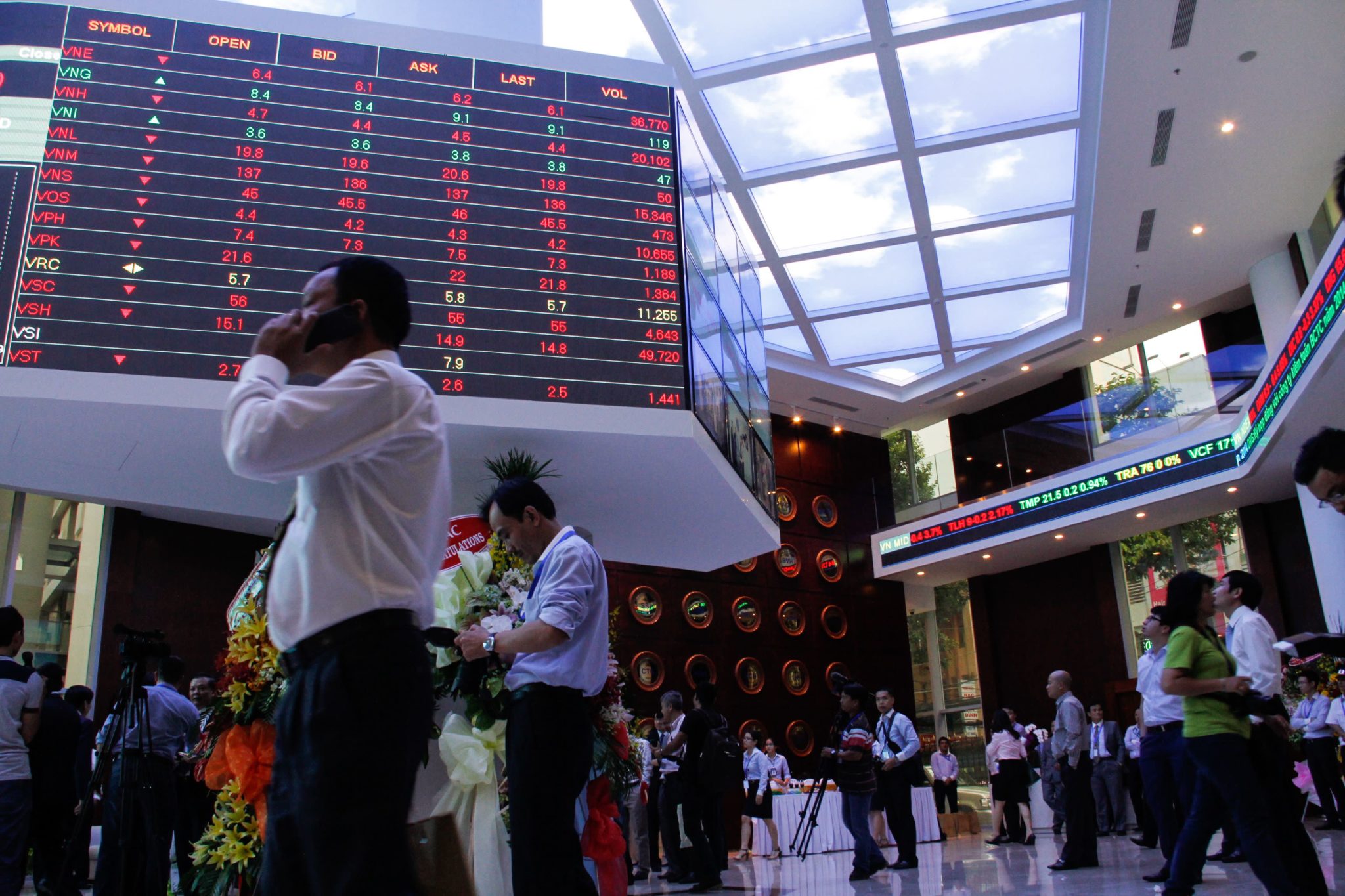
    Tokyo is spurring efforts to establish itself as a leading hub for financial technology (fintech), capitalizing on the exponential growth of digital finance in Asia. The city’s fintech market is predicted to hit an impressive $30.2 billion by 2033, growing at a steady rate of 14.1 percent annually. Leading the city’s drive to attract the most innovative fintech companies globally is FinCity.Tokyo, a financial promotion body that offers tangible support to startups seeking to penetrate the Japanese market and form enduring partnerships.

    Spotlight on Tokyo

    In a bid to showcase Tokyo’s potential, FinCity.Tokyo will host a Fintech Insight Session at the Singapore Fintech Festival (SFF) on 13 November 2025. The event, themed “Unlocking Tokyo: The Next Wave in Fintech and DeFi,” will delve into how global and ASEAN fintech enterprises can tap into Tokyo’s regulatory sandbox, burgeoning venture capital operation, and its function as a conduit for Japanese capital into Southeast Asia.

    A New Home for International Fintechs

    Tokio Morita, Executive Director of FinCity.Tokyo, announced that “ASEAN’s fintech sector is gaining strong momentum and cross-border expansion is the natural next step in its evolution.” He further noted that Japan offers more than just capital- it brings the credibility of a well-established regulatory environment and deep institutional trust. The organization’s aim is to assist fintechs from Singapore, ASEAN, and other global regions to create their secondary base in Tokyo. With the ASEAN fintech market projected to surpass $150 billion by 2030, the timing for such international collaboration is ideal.

    Enhancing Collaboration and Accelerating Web3

    The Financial Services Agency (FSA) in Japan has made strides in welcoming both local and international startups by opening its regulatory sandbox. This move allows businesses to experiment with new models in a flexible, low-barrier setting, thus facilitating smoother market entry and sparking innovation in fields like digital assets, Web3, and decentralized finance.

    Japan’s Ministry of Internal Affairs and Communications predicts that the country’s Web3 economy will grow over 20 times to 2.4 trillion yen by 2027, a testament to the strong institutional and governmental dedication to digital transformation.

    Bridging the Gap between Singapore and Tokyo

    ADDX, a Singapore-based digital securities platform, is one of FinCity.Tokyo’s success stories. The platform now collaborates with Japanese investors and key institutions. Another successful example is Lydia.ai, a healthtech startup that leverages AI to extract insights from unconventional data sources. The Co-Founder, Christina Cai, credited their successful entry into Japan’s financial ecosystem to the support they received from FinCity.Tokyo.

    Transforming Tokyo into a Fintech Launchpad

    FinCity.Tokyo’s mission goes beyond mere promotion. In collaboration with the Tokyo Metropolitan Government’s Invest Tokyo platform, the organization provides practical aid to foreign fintechs, ranging from licensing assistance to venture capital introductions. Under the Attraction U Project, eligible fintechs can receive subsidies of up to 30 million yen (approximately $200,000) to establish and expand their business in Japan.

    Building a Global Financial Hub

    Tokyo is positioning itself as a global launching pad for fintech innovators by offering regulatory clarity, institutional trust, and access to extensive Japanese capital. As the fintech landscape in Asia matures, Tokyo aims to play a crucial role in linking global innovation with one of the world’s largest and most advanced financial markets.

    Questions & Answers

    What is Tokyo’s projected fintech market value by 2033?
    The predicted value of Tokyo’s fintech market by 2033 is $30.2 billion.

    How is FinCity.Tokyo supporting fintech startups?
    FinCity.Tokyo is providing hands-on support to fintech startups by helping them enter the Japanese market and form lasting partnerships. It also offers tangible aid ranging from licensing advice to venture capital introductions.

    What is the purpose of Japan’s regulatory sandbox?
    Japan’s regulatory sandbox allows businesses to test new models in a flexible, low-barrier setting. This facilitates smoother market entry and fosters innovation in various fields, including digital assets, Web3, and decentralized finance.

  • Standard Chartered Gears Up for Early RoTE Target Triumph Amid Q3 Profit Surge

    Standard Chartered Gears Up for Early RoTE Target Triumph Amid Q3 Profit Surge

    Following a prosperous third quarter, Standard Chartered Bank, noted for its focus on emerging markets, has reported a rise in profits. The bank now anticipates meeting its return on tangible equity (RoTE) goal ahead of its original schedule by one year.

    Financial Success in Q3

    Standard Chartered’s pre-tax profit for the third quarter of 2025 saw a 10% increase from the previous year, growing to just shy of $2 billion. This is according to the bank’s own recently released financial results.

    An increase of 5% was also noted in operating income, reaching $5.1 billion. Simultaneously, net interest income fell by 1% to $2.7 billion. However, non-interest income demonstrated a significant climb of 12% to $2.4 billion. The majority of this remarkable growth can be attributed to a record-breaking quarter experienced by wealth solutions, in conjunction with global banking. These sectors witnessed respective income growth of 27% and 23%. Meanwhile, operating expenses rose by 4% to $3 billion as a result of strategic investments intended to stimulate business development. Efficiency-related savings helped to partially offset this increase.

    The bank’s year-to-date pre-tax profit similarly displayed a promising trend, increasing by 16% to approximately $6.7 billion.

    Upward Revision of Projections

    Given these promising outcomes, Standard Chartered has revised its projections upwards. The bank now expects its operating income to demonstrate a compound annual growth rate of 5-7% from 2023 to 2026. Notably, the year 2025 is predicted to reach the upper end of this bracket, barring any remarkable items. This represents a shift from the bank’s previous forecast, which placed expectations towards the lower end of the range.

    In addition to these adjustments, the bank has also forecasted that its return on tangible equity (RoTE) will stand at roughly 13% in 2025. This indicates that the bank is on track to achieve its target one year sooner than initially planned.

    Strategic Focus Leads to Growth

    Standard Chartered’s CEO, Bill Winters, commented on the financial results, stating that the progress seen was widely distributed. However, he attributed a significant proportion of the bank’s success to a refined strategic focus on meeting the cross-border and affluent banking requirements of their clients. This stance has shown fruitful results, with substantial double-digit growth being observed in Wealth Solutions and Global Banking. There is also positive momentum in the bank’s Global Markets flow business.

    Questions & Answers

    What has led to Standard Chartered’s increase in profits in Q3?
    Standard Chartered saw a rise in profits due largely to a record-breaking quarter in wealth solutions and global banking, leading to a 10% increase in pre-tax profit for Q3.

    How has the bank revised its future projections?
    Standard Chartered now expects its operating income to demonstrate a compound annual growth rate of 5-7% from 2023 to 2026, with its return on tangible equity (RoTE) estimated to be approximately 13% in 2025.

    What strategic focus does CEO Bill Winters believe is paying off?
    Winters attributes the bank’s recent success to a strategic focus on meeting the cross-border and affluent banking needs of their clients. This has led to substantial growth in the Wealth Solutions and Global Banking sectors.