Tag: bank

  • Standard Chartered Appoints Chief Investment Officer

    Standard Chartered Appoints Chief Investment Officer

    Standard Chartered promotes a 25-year financial markets veteran internally to become its chief investment officer based in Singapore, according to an internal memo.

    Standard Chartered appoints Steve Brice as its new chief investment officer, according to an internal memo, as well as head of the discretionary portfolio management division.

    He will lead 25 investment professionals and chair the bank’s global investment committee which forms cross-asset investment views for the private and retail banking segments.

    A spokesperson for the bank confirmed the appointment.

    Brice is a longstanding Standard Chartered employee, spending 23 of his 25 years in the industry with the bank beginning in 1998. He was previously its Southeast Asia chief economist; head of research for the Middle East and South Asia; and South Africa head of global markets.

    Prior to joining Standard Chartered, he began his financial career with London-based consultant IDEA where he was its regional head of FX for Europe.

  • UBS’ Top Private Bank Strategist Advances

    UBS’ Top Private Bank Strategist Advances

    A top adviser to UBS private bank co-head Iqbal Khan won a major promotion as part of a shake-up of the Swiss bank’s strategy and corporate development team.

    Zurich-based UBS is tasking Christian Zeinler with group strategy, from February 1, according to a memorandum. Zeinler is head of strategy and business development at UBS’ flagship $2.6 trillion wealth management arm – a job he will retain – as well as chief of staff to Iqbal Khan, who co-runs the unit.

    The change was set into motion by the departure of Michael Bonacker, who had held the top strategy job since 2017, and will leave by mid-year. Bonacker, an ex-McKinsey partner who held top roles at Deutsche Bank, Lehman Brothers, and Commerzbank before joining UBS, was instrumental in the Swiss bank’s strategy reviews since 2017.

    After Bonacker departs, UBS’ mergers and acquisitions chief, Malte Schwaner, will oversee corporate development, which will include M&A, equity investments, and benchmarking activities. Schwaner and Richard Barrett, who oversees UBS performance assessment and analytics, will report financing chief Kirt Gardner.

    The changes are also in connection to the advancement of Sabine Keller-Busse to the top Swiss job, Gardner said in the memo. The 60-year-old finance chief also poached from Morgan Stanley last month for a key finance role.

  • OCBC Names New CEO as Samuel Tsien Retires

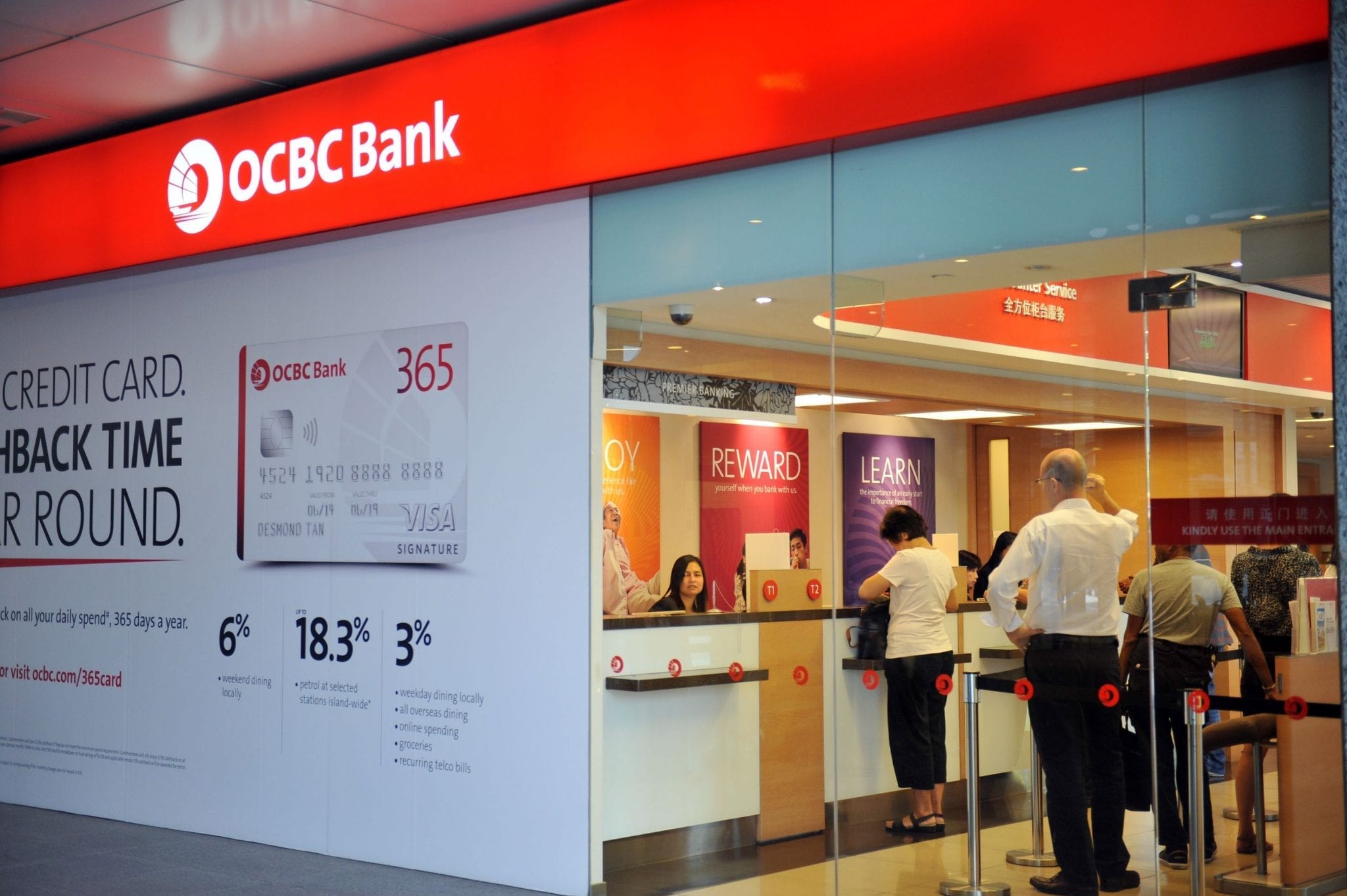
    OCBC Names New CEO as Samuel Tsien Retires

    The banking industry veteran, with 35 years of banking experience, will take the helm from 14 April 2021.

    OCBC has named Helen Wong as the successor for its outgoing chief executive Samuel Tsien, who retires after 14 years at the bank, the firm announced on Friday evening.

    Wong, who rejoined OCBC in January 2020 to lead OCBC’s new wholesale banking unit after starting her career at the bank as a trainee in 1984, was appointed after a rigorous global search, the bank said in the announcement.

    Wong is widely regarded as a top female banker in Hong Kong with deep Greater China experience and extensive market knowledge and is regarded as an expert on the Southeast Asian region.

    She previously spent 27 years at HSBC, where she held various senior management positions in corporate and investment banking, including president and chief executive of HSBC China, head of global banking (Hong Kong), and chief executive of Greater China.

    Tsien, 66, joined OCBC Bank in July 2007 as the global head of global corporate bank and was appointed the group CEO in 2012.

    In his nine years as the Group CEO, Sam has significantly built the OCBC franchise into a much more diversified and resilient business. He has strengthened the risk culture and internal processes, and instilled a set of solid corporate values to guide the team in doing business in a sustainable way, OCBC chairman Ooi Sang Kuang said in an internal memo to staff.

  • The great banking profit paradox of Covid-hit 2020

    The great banking profit paradox of Covid-hit 2020

    Banks made huge profits in 2020 although the economy grew at the slowest rate this decade and 70 percent more companies shut down than in 2019.

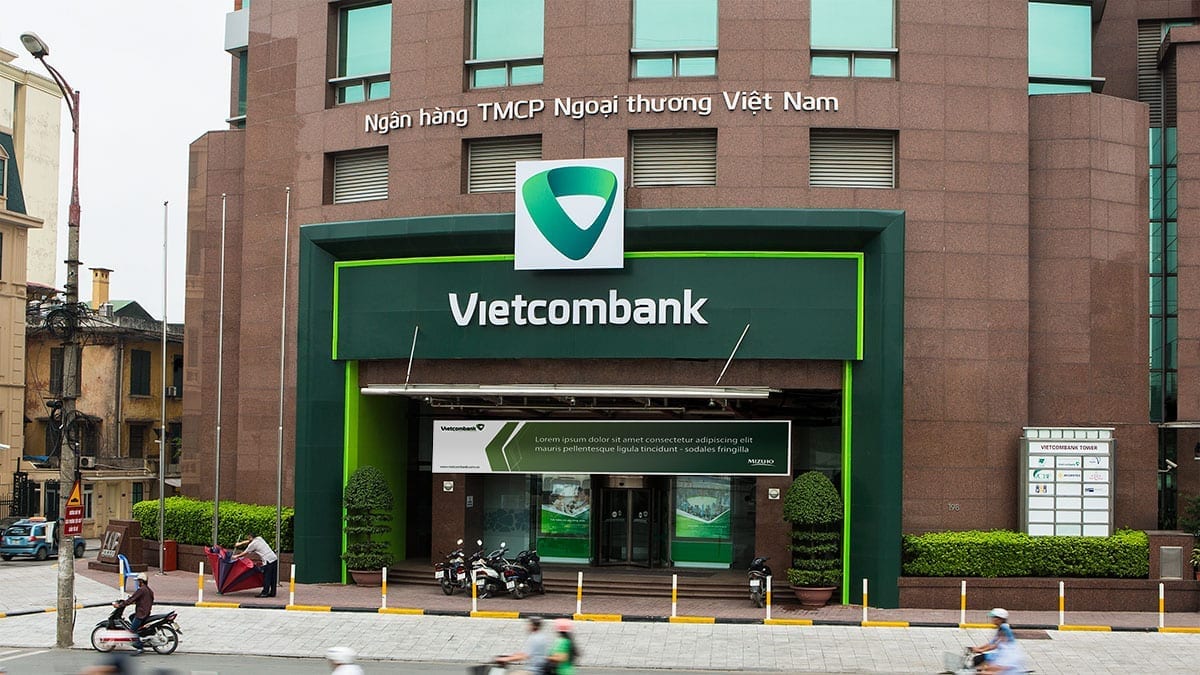
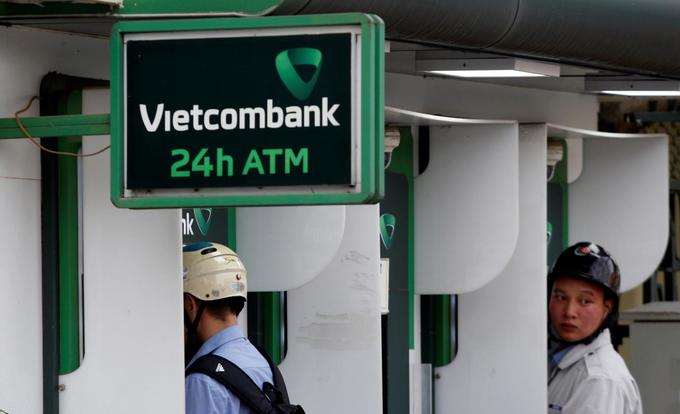
    VietinBank, Vietnam’s third largest lender by assets, reported a 40 percent increase in profit. Vietcombank reported profits of around $1 billion, the same as the previous year. Tien Phong Commercial (TPBank) and Vietnam Maritime Commercial Joint Stock Bank saw their profits increase by 11 percent and a scarcely believable 90 percent.

    State-owned VietinBank attributed the jump in profits to a surge in non-interest income and reduction in operation costs.

    Vietcombank said it owed its profits to bancassurance. In the first nine months, profits had been down 17 percent, but they recovered rapidly in the last three months, increasing by 30 percent, to claw back to the previous year’s levels.

    VPBank and Techcombank were two of the most profitable lenders. They have yet to announce full-year figures, but in the first nine months their profits rose by 30 percent and 20 percent, respectively.

    VPBank managed to cut costs while its income remained steady, while Techcombank saw interest income increase by 28 percent and non-interest income by 65 percent.

    They benefited from a particular segment auto loans. The 50 percent cut in car registration fees in the second half of the year sparked a rush to borrow to buy vehicles. VIB’s interest income in the third quarter was up 38 percent, and the fourth quarter saw probably more of the same. Income for the first nine months rose by 30 percent. TPBank’s interest income too rose by almost 30 percent.

    “Banks’ results are not as we expected,” SSI Securities researchers said in a note. They had forecast in April that banks’ profits would fall by 11 percent in 2020, but in the first nine months, they rose by 11 percent.

    They said the rising profits were due to a surge in non-interest income and improvement in net interest margin (NIM).

    For the banks SSI researched, non-interest income was up by 15 percent in the first half and almost 60 percent in the third quarter, with private joint stock banks providing a major boost.

    “Payment services, trade finance, bancassurance, and remittances revived in the third quarter after social distancing in April and May suppressed demand,” SSI said.

    The second quarter saw NIM plunge due to interest rate cuts and loan restructuring, but it recovered in the third quarter, in fact, reaching a three-year peak as deposit interest rates fell sharply and lending interest rates gradually rose back up.

    The third quarter saw a 9 percent rise in interest income and 31 percent increase in non-interest income.

    It is estimated that for the full year banks’ net profits would rise by 10.2 percent, while that of non-financial companies would fall by over 21 percent, financial data company Fiingroup said.

  • Deutsche Bank Strikes a Deal on Bribery

    Deutsche Bank Strikes a Deal on Bribery

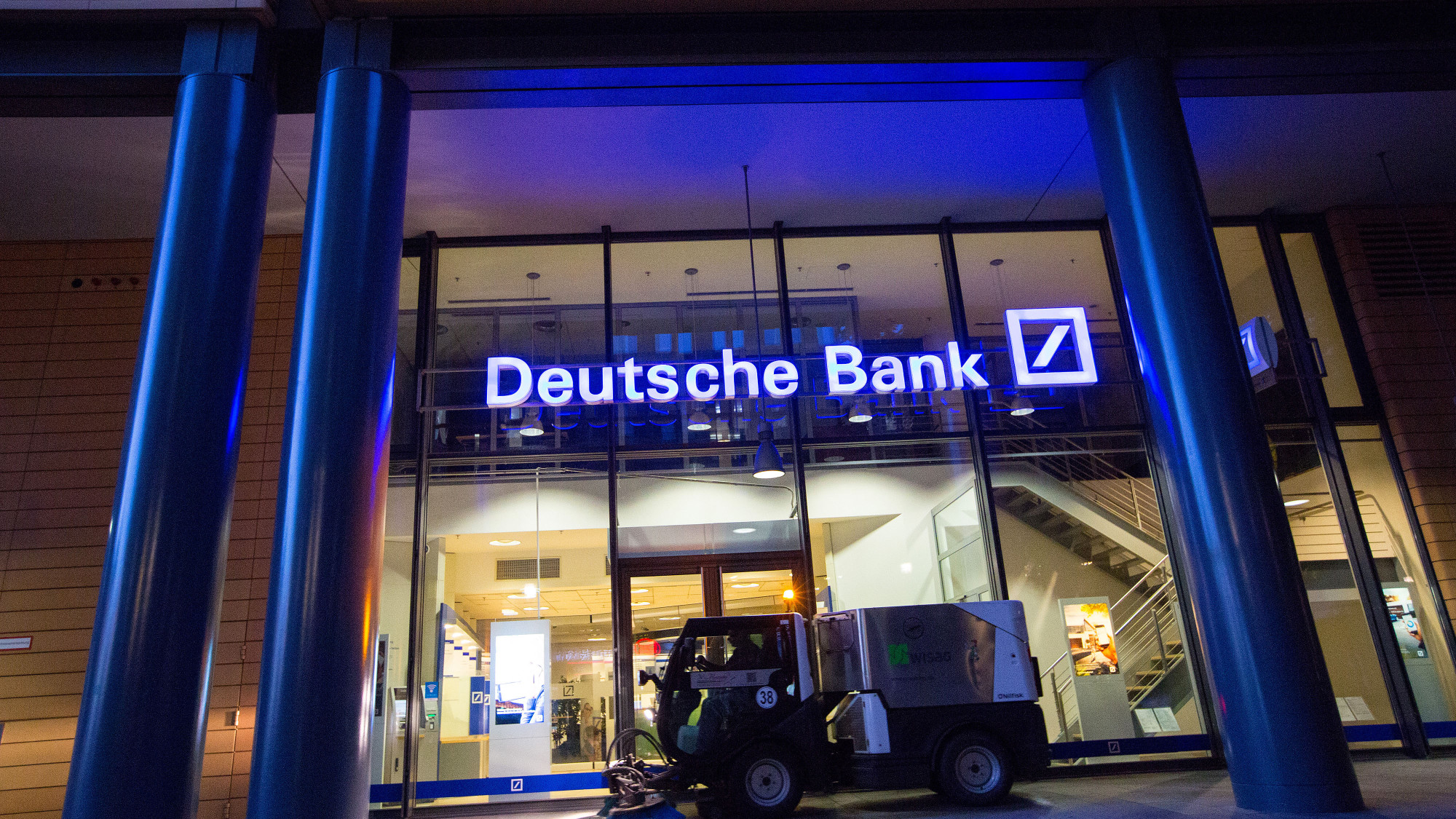
    Deutsche Bank will look to avoid U.S. charges of bribery and manipulation of precious metals markets by making a payment totaling nearly $125 million.

    Almost the entire payout relates to charges against the German lender over its dealings in Saudi Arabia, Abu Dhabi, China, and Italy, according to court papers, with a criminal fine making up two-thirds of the total sum, according to a court hearing in New York.

    Prosecutors claim that Deutsche Bank violated the federal Foreign Corrupt Practices Act (FCPA) which prohibits firms with U.S. operations from paying bribes elsewhere.

    Deutsche Bank engaged in a criminal scheme to conceal payments to so-called consultants worldwide who served as conduits for bribes to foreign officials and others to win and retain lucrative business projects said a statement from Acting U.S. Attorney Seth DuCharme in Brooklyn.

    According to prosecutors, Deutsche Bank allegedly disguised bribes as «referral fees» paid to «decision-makers» in Saudi Arabia and millions of dollars in consultancy fees to an intermediary for an Abu Dhabi official.

    The bank was also accused of making similar payments to a Chinese government entity to help establish a clean energy investment fund and a tax judge in Italy for referring wealthy clients.

    With regards to precious metals market manipulation, Deutsche Bank was accused of placing fraudulent trades to lure other stop buy and sell futures contracts at price levels they normally would not engage.

  • APAC Investment Banking Fees Break Records Amid Pandemic

    APAC Investment Banking Fees Break Records Amid Pandemic

    Investment banking fees in the Asia Pacific ex-Japan region rose to reach record-highs in 2020, driven most notably by a surge in Chinese capital markets.

    Asia ex-Japan investment banking fees reached $28.5 billion in 2020, a 23.4 percent increase, according to Refinitiv data.

    This marks an all-time high in annual fees earned since Refiniv began collecting such data in 2000 and also the first time the region surpassed European fees.

    The most notable record broken was in debt capital markets which saw proceeds from APAC-domiciled issuers reach $3.1 trillion – a first time ever the $3 trillion mark was broken since Refinitv started keeping records in the 1970s.

    This represents a 23.3 percent increase, breaking last year’s record of $2.5 trillion, with China making up the lion’s share at around $2.3 trillion.

    The most notable surge was from equity capital markets which saw $409.9 billion of funds raised (up 66.5 percent) – surpassing the last all-time high of $342.5 billion in 2010 – while issuances grew 40.2 percent.

    China once again dominated as the top issuing country, raising over $275 billion in funds, while industrials was the leading sector with a 185 percent year-on-year spike.

    Mergers and acquisition activities also saw a robust climb of 10.3 percent to $1 trillion after activity in the second half of 2020 rebounded 85.5 percent and 24.1 percent in value and deal number, respectively.

  • VietinBank reports record profit

    VietinBank reports record profit

    VietinBank, Vietnam’s third largest lender by assets, has reported a 40 percent increase in standalone profits in 2020 to VND16.5 trillion ($715 million).

    This is its highest ever profit, and chairman Le Duc Tho, speaking at a meeting on Wednesday, attributed it to a surge in non-interest income and reduction in operation costs.

    While it has not published its financial statement for the year, the bank said in a press release that consolidated debts rose by 7.7 percent and non-performing loans were less than 1 percent.

    Its non-interest income jumped 35 percent, lifting it as a ratio of total income from 16.5 percent in 2019 to 20 percent.

    Income from services, foreign exchange trading and treasury operations increased by 12 percent, 24 percent and 70 percent.

    The bank targets 8-11 percent credit growth in 2021 and 10-20 percent growth in standalone profit and consolidated profit, and keeping non-performing loans to under 2 percent.

  • DBS Opens Tech Academy in Upskilling Drive

    DBS Opens Tech Academy in Upskilling Drive

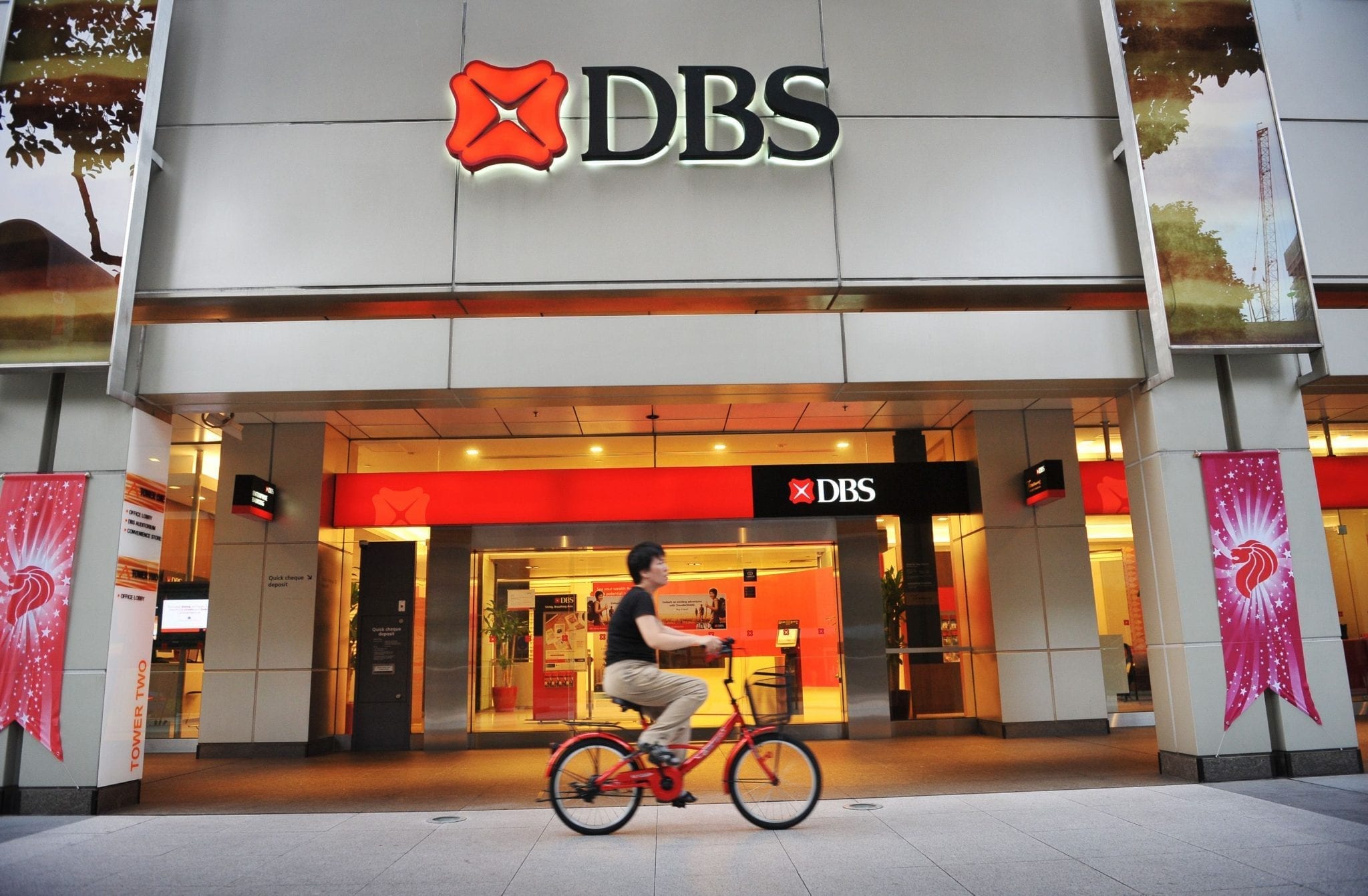
    The bank has launched an in-house digital training institute to equip its 5,000-strong technology workforce with cutting-edge skills for the future.

    The Future Tech Academy covers three technology disciplines: Site Reliability Engineering, Data Processing and Analytics, and Application Security, with more programs to be added over the next year.

    Having our own DBS Future Tech Academy gives us the agility to adapt our training curricula according to the bank’s needs and enables us to stay ahead of the massive changes around us, Jimmy Ng, DBS group chief information officer, said.

    The curriculum DBS is offering incorporates a blended pedagogical approach tapping on both external experts as well as internally developed content and certifications.

    DBS believes that this will enable employees to acquire the latest technology skillsets from external industry experts and immediately apply their new skills to relevant technology projects being rolled out by the bank, it said in a statement on Thursday.

    Growing the Talent Pool

    UOB and Standard Chartered have also previously launched programs to train their staff to adapt to the digital era, with the latter launching a learning hub in Singapore in December 2020 to boost the job readiness, career prospects and future competitiveness of its Singapore workforce.

    Growing the pool of technology talent in Singapore will place the country in good stead as we respond to the disruptions ahead, Ng said.

  • More Account Suspensions for Exiled Hong Kong Dissident

    More Account Suspensions for Exiled Hong Kong Dissident

    Self-exiled Hong Kong dissident Ted Hui, who was recently spotlighted over frozen accounts at HSBC, has faced even more pressure from the British lender which allegedly canceled credit cards and «unlawfully embezzled» his funds without explanation.

    Ted Hui Chi-fung claimed that HSBC had not only canceled credit card accounts belonging to him and his family but frozen funds within it that resulted from refunded purchases.

    On the credit cards of both my family and myself, as a result of consumption refunds, the credit is more than the debit,» he said on his social media account. «The balances (around a few tens of thousands of Hong Kong dollars) are all private property protected by Hong Kong’s Basic Law. They are now unlawfully embezzled by HSBC without any explanation.

    While Hui’s claims about frozen funds could potentially be contentious, banks routinely assess and close accounts based on legal and compliance risk, especially with regards to politically exposed persons (PEPs).

    This is not the first time Hui has had his accounts frozen after similar moves were made against him and his family’s HSBC Premier accounts in December. At the time, local police issued an official statement confirming it had directed the account suspension over a money laundering and national security law probe.

    Although Hui’s claims that the latest credit card account cancellations were not requested by the police, an HSBC statement indicated otherwise.

    «We have to abide by the laws of the jurisdiction in which we operate and this case is no different,» according to an HSBC spokesperson who said further inquiries should be directed to law enforcement.

  • Big state banks gradually lose credit market share

    Big state banks gradually lose credit market share

    The credit market share of Vietnam’s three largest banks has fallen by 2.7 percentage points in the last two years due to liquidity constraints.

    The three, all state-owned and listed and the country’s largest by assets, Vietcombank, Vietinbank and BIDV, account for 34 percent of all loans outstanding, securities company VDSC said in a note last week.

    But this represents a 2.74-percentage-point fall even as the four largest non-state banks, Techcombank, VPBank, Military Bank (32.42 percent state-owned), and ACB, increased their share of loans outstanding by 1.6 percentage points.

    During the two years ending in the third quarter of 2020, VietinBank’s share fell by 1.96 percentage points, BIDV’s by 0.7 percent and VCB’s by less than 0.1 percent.

    The big fall in VietinBank’s market share is because it has been strapped for cash. There have been no major infusions of capital in the past few years, return on equity has been low, bonuses and employee welfare funds cause a big drain on resources, and the government appropriates much of its earnings.

    This situation has been exacerbated by Basel II standards, which prescribe a capital adequacy ratio (CAR) of 8 percent of risk-weighted assets for all financial institutions. Thus, to lend more, banks have to increase their charter capital.

    Though the Government has agreed to reduce its ownership in state-owned banks from 65 percent to 51 percent by 2025, it has yet to be implemented.

    But the government issued a decree in October allowing state-owned banks to pay dividends in stocks to increase their capital, helping them improve their growth prospects in the medium and long terms.

    According to the State Bank of Vietnam, banks’ total outstanding loans were worth VND8.69 quadrillion ($376.87 billion) at the end of the third quarter.

    Credit growth is expected to be 11 percent in 2020, down from 13.5 percent in the previous year.

  • Asia is Ready for a Digital Banking Revolution

    Asia is Ready for a Digital Banking Revolution

    In the next three years, Asia will see more than fifty new digital banks that will completely change the financial services landscape. That’s just the beginning, GFT’s Christopher Ortiz says. The region will also see broader adoption of blockchain technology with new private exchanges, multi-currency e-wallets and digital assets.

    Some of the incumbent banks understand that a technological revolution is inevitable and are working on a digital reshaping of their offering, with broader cloud adoption, end-to-end digitalization of processes and a revamped user experience. What’s interesting is the focus remains predominantly on the retail offering, while the institutional and wealth businesses are trailing behind, weighed by the concept of personalized relationships.

    While this remains true for the current core client base of the top wealth managers, some wealth players are underestimating the impact of the transfer of wealth to the next generation, who despite not being digital natives have already adopted a complete digital lifestyle.

    Some of the most prestigious Swiss private banks understand the impending evolution and have already started a deep transformation of their offering and services with a digital mindset, to smoothly transition to a real personal digital experience. Asian wealth institutions are poised to start this process and revisit the impact of these new services on their current revenue streams.

    This is no longer about providing digital channels; that was the goal of the past ten years. The challenge is to reshape business models and create revenue-generating digital processes and services. It is estimated that cloud migration can help financial institutions reduce 80 percent of their mainframe costs, but this is not a short migration process it could take several years. As such, our recommendation to CIOs is to start embracing the cloud and initiate the migration as soon as possible.

    By 2025, most banking services will be completely digitalized. Multi-currency e-wallets with multiple central bank digital currencies and stable coins will replace physical currency, and the broad tokenization of investment assets and real state will be a reality, while most cross-border transactions will be booked on DLT technology. Financial intermediaries will also have reinvented themselves.

    Banks, as we know them today, are undergoing a fundamental change to become IT platforms with a banking license. However, the overall readiness of current financial services incumbents is under par. With some exceptions, the risk-aversion mindset is likely to prevail, and the lack of a transformational change mindset will stretch the profitability and long-term survival of key incumbents.

    The median age in Asia is around 30 years old, and about 70 percent of the region’s population is underbanked. The scale and challenges are unprecedented.

    In addition, If we look at the amount of unserved retail wealth in Asia, the opportunities are limitless. Yes, Asia will witness a revolution. Now it’s up to the incumbents to jump on the wagon and help drive it.

  • UBS Celebrates Singapore Anniversary with Sustainability Splash

    UBS Celebrates Singapore Anniversary with Sustainability Splash

    The Swiss major is celebrating its 50th anniversary in Singapore in 2020, with the launch of an immersive art installation and new commitments focused on sustainability.

    UBS rolled out an immersive art installation focused on sustainability at its new office outside Singapore’s central business district at 9 Penang Road.

    It features 3,600 butterflies and birds made from repurposed bottles by UBS staff and other external partners. And the bank hopes the installation can make it into the Singapore Book of Records as the «largest display of butterflies made from recycled plastic bottles.

    According to UBS, the move to launch the art display was to demonstrate its commitment to sustainability and community engagement, with efforts extending beyond just cosmetics.

    UBS Singapore will match 10 percent of the total amount raised and continue to support and collaborate with our local community partners to make a significant and lasting impact to local communities,” said Michelle Per, UBS Singapore’s community affairs lead, according to a report.

  • Stock market raises standard trading lot to 100 to cope with overload

    Stock market raises standard trading lot to 100 to cope with overload

    The Ho Chi Minh Stock Exchange is set to raise the minimum number of shares that can be transacted in order from 50 to 100.

    It had planned to effect the change on January 18, but after testing and interaction with securities companies it has decided to advance it by two weeks to January 4 “if everything goes smoothly,” a bourse spokesperson said.

    Currently investors wanting to trade odd lots of 1-49 shares have to transact with securities companies instead of on the exchange.

    HoSE executives said securities companies are keen to make the switch and willing to speed it up.

    A standard lot of 100 is the norm in many countries in the neighborhood such as SET (Thailand), BM (Malaysia), and SGX (Singapore) consistent with international practices and reasonable given the current market conditions, HoSE said.

    The larger lot size is expected to reduce the load on the system at a time when market liquidity is at historic highs. Between December 17-28, the exchange had to halt trading completely for short periods of time as volumes approached VND14 trillion ($606.14 million).

    Le Hai Tra, head of its board of directors, said at a press conference last week that the exchange was receiving 3-12 times higher volume of orders than before.

    Although the system has backup capacity, it cannot cope with this sudden surge immediately, he explained.

    Before Covid-19 caused other asset classes such as property to lose their charm and redirected cash into securities, HoSE saw average daily trading of VND3-5 trillion.

    But in the last two months, it has surged to VND12-14 trillion as the benchmark VN-Index kept rising and approached the 1,000-point mark, a threshold it struggled to cross in the last two years.

    The VN-Index on Wednesday shed 0.18 percent to close at 1,097.54 points. Trading was worth VND13.5 trillion.

  • Asia is Ready for a Digital Banking Revolution

    Asia is Ready for a Digital Banking Revolution

    In the next three years, Asia will see more than fifty new digital banks that will completely change the financial services landscape. That’s just the beginning, GFT’s Christopher Ortiz says. The region will also see broader adoption of blockchain technology with new private exchanges, multi-currency e-wallets and digital assets.

    Some of the incumbent banks understand that a technological revolution is inevitable and are working on a digital reshaping of their offering, with broader cloud adoption, end-to-end digitalization of processes and a revamped user experience. What’s interesting is the focus remains predominantly on the retail offering, while the institutional and wealth businesses are trailing behind, weighed by the concept of personalized relationships.

    While this remains true for the current core client base of the top wealth managers, some wealth players are underestimating the impact of the transfer of wealth to the next generation, who despite not being digital natives have already adopted a complete digital lifestyle.

    Some of the most prestigious Swiss private banks understand the impending evolution and have already started a deep transformation of their offering and services with a digital mindset, to smoothly transition to a real personal digital experience. Asian wealth institutions are poised to start this process and revisit the impact of these new services on their current revenue streams.

    This is no longer about providing digital channels; that was the goal of the past ten years. The challenge is to reshape business models and create revenue-generating digital processes and services. It is estimated that cloud migration can help financial institutions reduce 80 percent of their mainframe costs, but this is not a short migration process it could take several years. As such, our recommendation to CIOs is to start embracing the cloud and initiate the migration as soon as possible.

    By 2025, most banking services will be completely digitalized. Multi-currency e-wallets with multiple central bank digital currencies and stable coins will replace physical currency, and the broad tokenization of investment assets and real state will be a reality, while most cross-border transactions will be booked on DLT technology. Financial intermediaries will also have reinvented themselves.

    Banks, as we know them today, are undergoing a fundamental change to become IT platforms with a banking license. However, the overall readiness of current financial services incumbents is under par. With some exceptions, the risk-aversion mindset is likely to prevail, and the lack of a transformational change mindset will stretch the profitability and long-term survival of key incumbents.

    The median age in Asia is around 30 years old, and about 70 percent of the region’s population is underbanked. The scale and challenges are unprecedented.

    In addition, If we look at the amount of unserved retail wealth in Asia, the opportunities are limitless. Yes, Asia will witness a revolution. Now it’s up to the incumbents to jump on the wagon and help drive it.

  • HSBC Appoints Singapore Head of Securities Services

    HSBC Appoints Singapore Head of Securities Services

    The bank has named a longstanding executive as its head of securities services in Singapore, as part of its strategy to capitalize on Singapore’s position as a global-Asia Pacific fund gateway for institutional wealth.

    Noor Adhami, currently based in the United Arab Emirates as HSBC’s regional head of global liquidity and cash management and securities services, MENA and Turkey, will take on the new role from 1 February 2021, the bank announced on Tuesday in a statement.

    Adhami joined HSBC in 2004 and has held a variety of roles in Jordan and Dubai. In her new role, she will report to Brian Godins, Asia Pacific head of securities services and Gavin Powell, Singapore head of markets and securities services.

    Singapore is increasingly becoming a prime international wealth and investment center, Powell said, noting that Adhami’s experience will deepen the bank’s expertise in the Republic and enable it to better support its clients.

    HSBC has been progressively building out its wholesale banking capabilities in Singapore, which includes the launch of a new coverage division focusing on mid-sized non-bank financial institutions.

    In the past year, the securities services division has also launched Asia’s first digital bond issuance alongside Singapore Exchange and Temasek. It was also part of the first interest rate swap trade by an overseas institutional investor through the central counterparty clearing model in the China Interbank Market, and was a securities services provider for the first ETF launched under the Singapore Variable Capital Company structure.