Tag: bank

  • OCBC Bank to reopen all branches over the next two weeks

    OCBC Bank to reopen all branches over the next two weeks

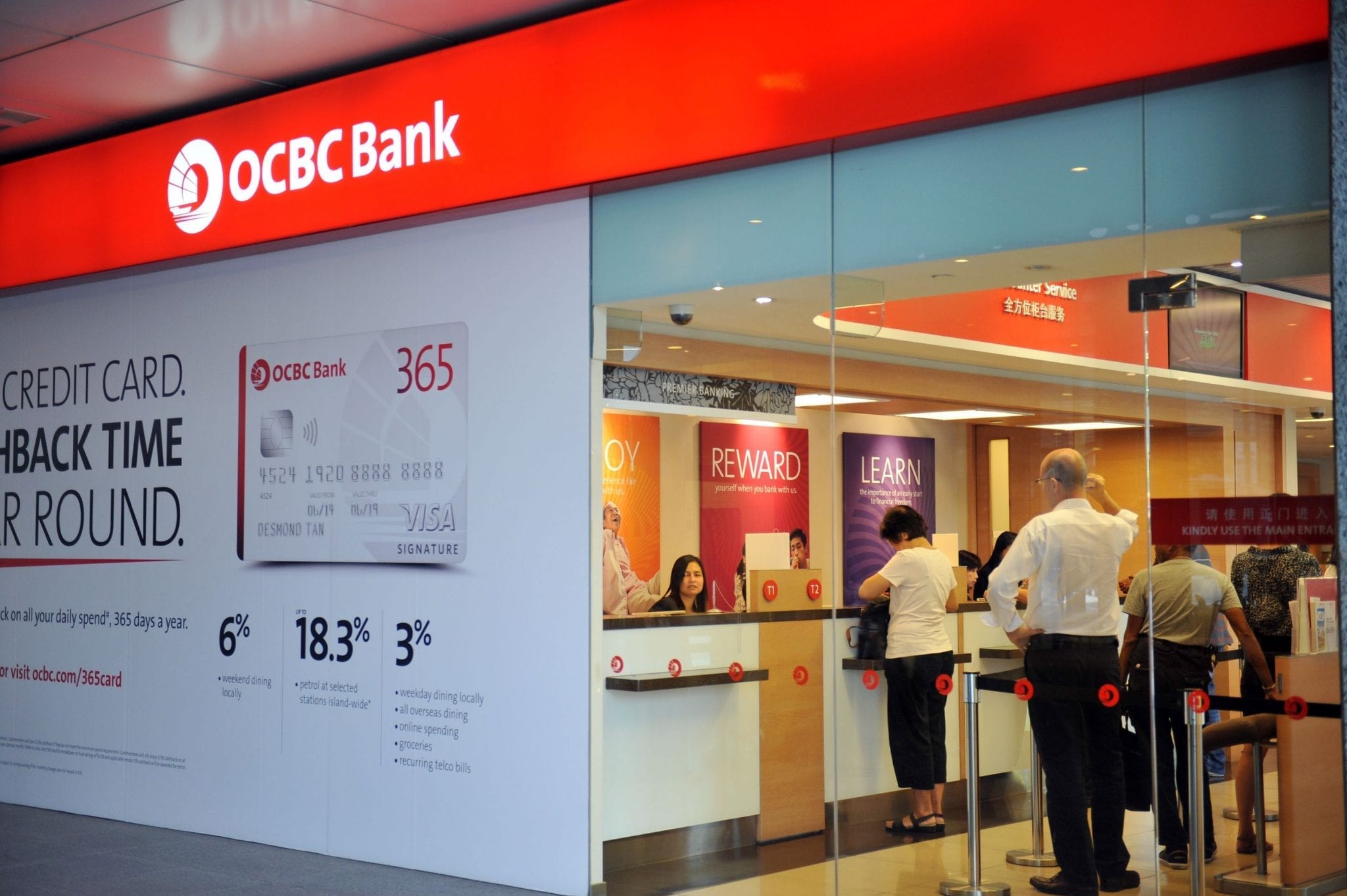
    OCBC Bank announced it would reopen five branches tomorrow, 19 June 2020, due to the expected increase in customer traffic as Singapore enters Phase Two of ‘Safe Re-opening’. They are located in Bishan, Buking Panjang, Jurong West, and at City Square Mall and Paya Lebar Square. This brings the total number of branches open up to 32. The remaining branches which were closed during Singapore’s ‘circuit breaker’ period will progressively reopen over the next two weeks.

    OCBC Bank will also resume all in-person meetings with customers on an appointment basis for all financial services. These meetings can be held within the bank’s premises or at external locations, and include home loan applications, bancassurance sales and wealth management advisory services for bonds, funds, and structured investments (which took effect on bank premises since 12 June 2020) for retail banking. In-person meetings by appointment will also resume for corporate and commercial banking services for large corporates and small-and-medium enterprises (SMEs).

    However, OCBC Bank’s retail banking customers are encouraged to continue to use its virtual wealth advisory service, which includes the comprehensive Financial Needs Analysis, for their financial planning needs. The virtual wealth advisory service via secure video conferencing with an OCBC Bank financial advisor was launched on 18 April 2020during the Circuit Breaker.

    Safe distancing measures continue to be enforced

    For the safety of employees and customers, OCBC Bank employees will wear face masks while rendering the in-person home loans, bancassurance and wealth advisory services. Customers are required to wear face masks. All employees and customers entering OCBC Bank branches have been using SafeEntry since the app was mandated as a contact tracing tool. TraceTogether has been used by all branch employees and by customers who are coming to the branches for face-to-face wealth advisory services.

    Temperature screenings and one metre queue markings at branches are strictly enforced to keep employees and customers safe. Employees also ensure that customers are practicing safe distancing of at least one metre within the branch waiting area. At branch locations where it is feasible, separate queues with seats are provided for elderly and pregnant customers. Branch employees will assist seniors to perform the SafeEntry QR code scanning if they are unable to do so independently.

    Mr Sunny Quek, OCBC Bank’s Head of Consumer Financial Services, Singapore, said: “As we transition to Phase Two of Singapore’s ‘Safe Reopening’, we continue to encourage our customers to use our digital banking platforms for their day-to-day banking needs, and to invest in wealth management products and apply for credit cards, home loans and personal loans. While all our branches will open progressively and we look forward to serving our customers’ needs, our financial advisory services will continue to remain available virtually via video conferencing with our financial advisors, so customers can receive timely investment and financial advice from the comforts of their home, without having to come to a branch.”

    The list of 32 branches and one dedicated OCBC Premier Banking Centre in operation from 19 June 2020 are:

      Branch
    1 Ang Mo Kio
    2 Ang Mo Kio Central
    3 Bedok
    4 Bedok North
    5 Bishan
    6 Bukit Batok
    7 Bukit Panjang
    8 Causeway Point
    9 Choa Chu Kang
    10 City Square Mall
    11 Clementi
    12 Compass One
    13 Harbourfront
    14 Hougang Mall
    15 ION Orchard
    16 Jurong East
    17 Jurong Point
    18 Jurong West
    19 Marine Parade
    20 NEX
    21 NorthPoint
    22 OCBC Centre
    23 Orchard Gateway
    24 Paya Lebar Square
    25 Sixth Avenue
    26 Sun Plaza
    27 Tampines
    28 Thomson
    29 Tiong Bahru Plaza
    30 Toa Payoh Centre
    31 Waterway Point
    32 White Sands
       
      Dedicated OCBC Premier Banking Centre
    1 Parkway Parade

  • Maybank Sued for Loan Pullback

    Maybank Sued for Loan Pullback

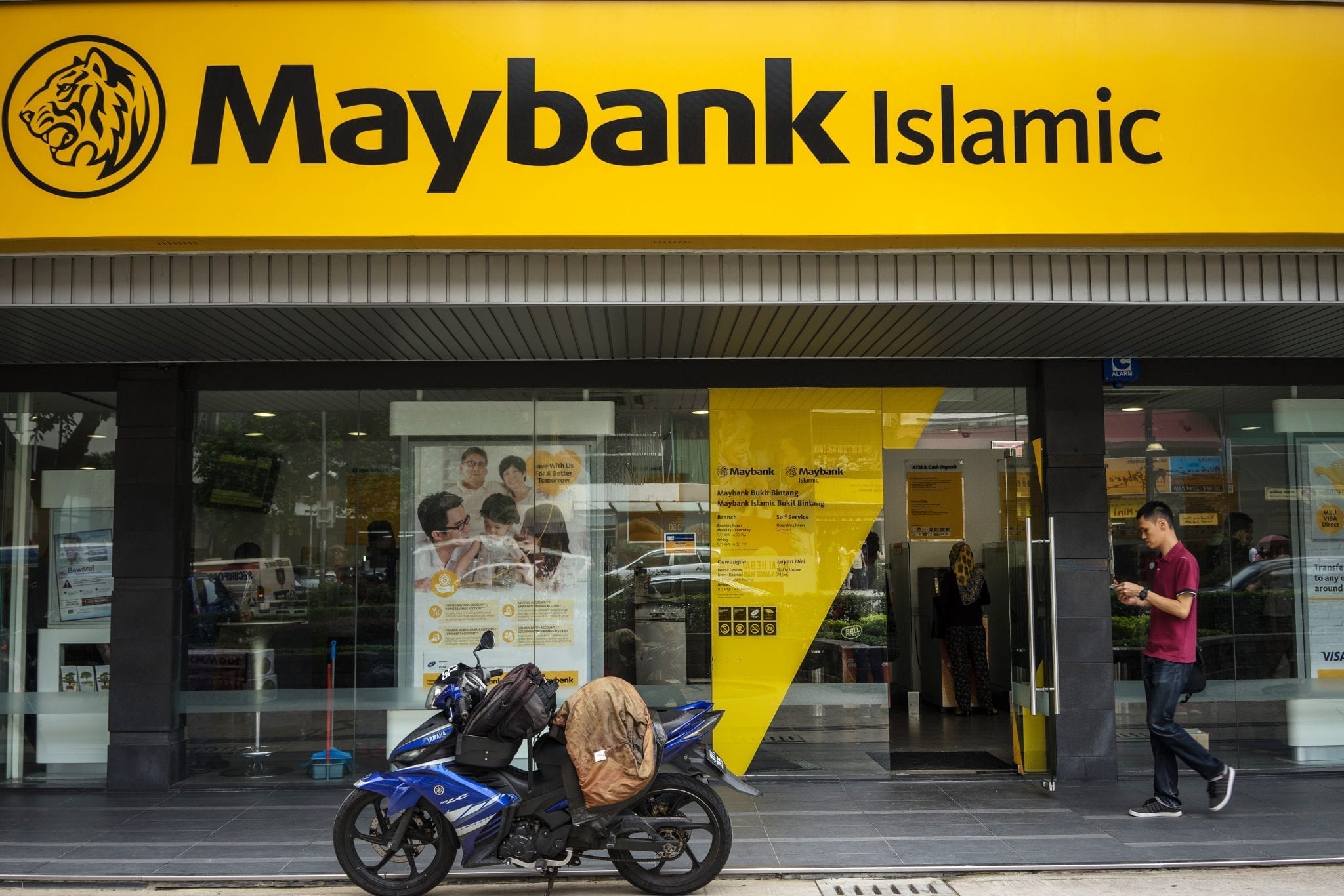
    Malayan Bank Berhad – better known as Maybank – is reportedly being sued for effectively thwarting a Manhattan-based proper project after allegedly reneging on a loan agreement.

    American real estate developer Sharif El-Gamal said that the Malaysian lender and other syndicate members ignored and breached their obligations under the building facility and related loan documents which caused «irreparable damage to the plaintiff’s relationship with its contractor, leading to a cessation of all work, according to a report citing a notice last week.

    El-Gamal, also chairman and chief executive of Soho Properties, is seeking an award of more than $245 million which he claims is the net sell-out value of the property that has been filed for disclosure by the loan syndicate.

    According to El-Gamal, Maybank reneged on agreements to provide more than $162 million in syndicated construction loans to fund the project in New York.

    At the time of the project’s announcement, El-Gamal reportedly also said in a statement a senior construction loan totaling US$174 million was received from a syndicate that also included Warba Bank of Kuwait and Intesa Sanpaolo alongside US$45 million in mezzanine financing from MASIC, a Saudi investment firm.

  • Revolut, Appears to be a Normal Bank

    Revolut, Appears to be a Normal Bank

    Revolut has announced the introduction of fees for free account users. This will anger customers and is a perfect example of how to botch an opportunity.

    The noise surrounding U.K.-based digital bank Revolut has just become a fair degree louder in recent days: the company announced to its free-account customers in an email that the days of using a service free-of-charge were numbered.

    We’ve been talking with thousands of you about how we can help you get even more from your money, was the introductory statement. The remainder of the letter was devoted to how Revolut was going to make more money from serving its clients.

    And that’s why it will introduce forex fees on August 12, 2020. From that day onwards, sending money abroad will cost $1.06 for a transaction in the respective country’s currency, 4 francs for transactions in the dollar, and 6 francs in any other currency – for instance, if you wish to send pound sterling to someone in Brazil.

    Furthermore, the upper limit for free exchange orders will be lowered to 1,250 francs and the percentage charged for orders on weekends increased to 1 percent from 0.5 percent.

    That will anger a substantial percentage of the bank’s clients. A large majority of Revolut clients have used the services of the digital bank to make foreign payments precisely because costs were low and fees almost inexistent.

    So to introduce fees for a service that has been advertised as free of charge is more than just a little ironic. It smacks more of how you’d expect a normal bank to behave and not a fintech. At least if you held a similar view of banks as the founder of Revolut, who had launched his company precisely because of such actions.

    It is also poignant at what point of time the company has chosen to announce the changes. Revolut, which has been typically bullish about its performance, seems to have been forced to raise the fees because of a drop in revenues during the pandemic lockdown.

    Revolut CEO Nikolay Storonsky in May claimed that the bank was awash with money after a recently concluded financing round and that he considered making acquisitions. That was shortly after reports about the departure of more than a dozen of the bank’s managers and the announcement that it would cut 60 jobs.

    A further 50 jobs are on the line in Poland and Portugal, according to a report, an online magazine. And the way of disposing of the workers raises some questions: ex-employees have said that they were called into their manager’s office one morning and told to choose between resigning or being sacked.

    And the rest of the staff were said to have received one part of their salary in recent months in stock, more or less voluntarily.

    Revolut is using such methods to reach its goal of profitability by year-end. The corona-crisis looks to have hampered its efforts. Revolut seems one of the very few payment fintechs not to have profited from the stay-at-home message that boosted online shopping.

  • UBS Adds 300 Jobs in Singapore

    UBS Adds 300 Jobs in Singapore

    UBS continues to accelerate growth in Asia, despite an economically troubling coronavirus pandemic, with plans to add 300 new jobs in Singapore.

    Asia’s largest wealth manager will boost its existing 3,000-strong headcount in the city-state by 10 percent over the next 18 months, according to a report.

    The bank is also reportedly tapping into Singapore’s Job Support Scheme – a government-backed program that provides wage subsidies to retain employees in light of the ongoing pandemic.

    UBS’s new hiring drive will target both local graduates as well as mid-career individuals to develop sustainable skills through a program called Singapore UBS Program for Employability and Resilience (SUPER). The program aims both to create a pipeline of financial talent for Singapore and also support prospective workers in a difficult job market.

    The program is a promise to upskill our own people to give them the capabilities they will need in the future», said August Hatecke, UBS Singapore country head and APAC co-head of wealth management.

    The vision is to create the financial workforce of the future, added Edmund Koh, president of UBS Asia Pacific. UBS has the knowledge and experience to make this happen and in partnership with the Job Support Scheme, we are confident we can make a difference.

  • OCBC Brings Wealth Advisory Online

    OCBC Brings Wealth Advisory Online

    The bank launched its virtual wealth advisory service in April, at the height of Singapore’s partial lockdown, and saw a 45-percent increase in the sale of wealth products in the first 10 days, compared with the 10 days.

    OCBC Bank has seen a positive response from its customers to non-face-to-face wealth conversations, as sales of wealth products, including unit trusts to bancassurance products, and from structured investments and bonds to foreign exchange products, grew when it moved the wealth advisory process online as a result of the Covid-19 outbreak.

    This has allowed customers to review their investment portfolios during a time of market volatility and seize investment opportunities, OCBC said in a press release on Tuesday.

    The highly regulated wealth advisory process was previously a complex face-to-face process involving over 50 pages of documents and a comprehensive Financial Needs Analysis. But since April 18, the bank’s financial and wealth advisors have been conducting meetings and sales advisory via video and screen-sharing facilities in place of physical face-to-face interactions, using e-signatures and pdf documents sent via encrypted email instead of paper.

    The bank highlighted growing digital adoption for both banking and wealth solutions in the first quarter of the year, including investments made on its RoboInvest platform, as well as online time deposit placements and unit trust purchases.

    While many customers are still accustomed to face-to-face interactions with our bankers, even after the Covid-19 outbreak, this virtual process will become a new normal, Sunny Quek, OCBC Bank’s head of consumer financial services, Singapore, said.

    OCBC previously said it is rethinking its branch network strategy Covid-19 circuit breaker has diverted traffic from physical branches and prompted a surge in the adoption of digital baking services.

  • Libra Poaches Top Credit Suisse Crime-Fighter

    Libra Poaches Top Credit Suisse Crime-Fighter

    The bank’s top anti-money laundering executive is leaving for Facebook-backed payments project Libra.

    Sterling Daines is leaving Credit Suisse for Libra, a source familiar with the matter said on Tuesday. The bank had poached Daines three years ago from Goldman Sachs to run its financial crime compliance, or FCC, activities under top compliance boss Lydie Hudson.

    He is the latest representative from traditional finance to head for Libra, an upstart payments system governed by a Swiss-based association. Last month, Libra said it is hiring HSBC’s top lawyer Stuart Levey as its CEO, and also tapped the weighty support of Singapore’s sovereign wealth fund.

    Neither Daines nor Libra responded to a request for comment. A 2018 sanction from Swiss watchdog Finma for several money-laundering scandals fell in the early days of Daines’ tenure at Credit Suisse.

    The Swiss bank is poised to replace him with Tam Ludford, a 12-year Credit Suisse veteran who will add the job to his current role as global head of core compliance, surveillance, and investigations.

  • Digital Channels to Drive Standard Chartered’s Retail Growth

    Digital Channels to Drive Standard Chartered’s Retail Growth

    Standard Chartered’s digital banking and investment platforms have been given a boost by the Covid-19 pandemic, as digital adoption rates in Singapore hit historic highs in the first four months of 2020.

    Digital sign-up for credit cards growing by 71 percent year-on-year, while wealth and investment-related transactions more than doubled during the same period. The number of digital transactions grew by 30 percent in March, and the number of mobile banking users grew by 42 percent year-on-year.

    As such, the bank expects digital services to be a key growth driver for its Retail Banking business in Singapore this year, Standard Chartered said in a press release on Wednesday. The bank has bulked up its digital solutions in recent years, expanding its real-time onboarding, remittance services, and investment platform.

    There is no doubt that client behaviors and habits have shifted in the past months, and we will see sustained levels of clients opting to go digital as much as possible,» Dwaipayan Sadhu, Standard Chartered’s head of retail banking in Singapore, said about the increase in online banking.

    Standard Chartered Singapore said its Wealth Management arm has also witnessed a strong migration to digital and strong growth on its digital investment platforms. The number of transactions and volume increased by over 200 percent year-on-year, while the number of monthly digital transactions on the Online Mutual Funds and Online Trading platform grew 238 percent and 160 percent respectively since the beginning of 2020.

    Applications for the bank’s Online Trading platform in April were 129 percent higher than the monthly average in 2019, and the monthly volume of transactions on its real-time foreign exchange platform grew 245 percent in 2020.

  • HSBC Adds Offshore Investment Options

    HSBC Adds Offshore Investment Options

    The bank has become the first international bank in China to roll out Qualified Domestic Limited Partnership (QDLP) investments.

    HSBC is expanding overseas investment options for its Chinese high-net-worth (HNW) clients under a partnership with China International Fund Management – 51 percent-owned by J.P. Morgan Asset Management – to distribute asset management plans investing in QDLP, the bank announced on Tuesday.

    The QDLP scheme facilitates investments in offshore traditional and alternative investments by allowing qualified foreign asset managers to raise money in Chinese currency from a qualified individual and institutional investors in mainland China to invest in alternative assets abroad.

    This new scheme will help clients diversify their investments and leverage overseas opportunities to mitigate risks in their overall portfolio and further grow their wealth, especially amid uncertainty in the global markets, Richard Li, executive vice president and head of wealth and personal banking, HSBC China, said.

    Unlike the Qualified Foreign Institutional Investors (QDII) program, QDLP can direct Chinese domestic investors’ funds to overseas markets and allow investments in alternative assets, including hedge funds, private equity funds, and real estate investment trusts (REITs).

    A QDLP pilot was launched by China’s State Administration of Foreign Exchange in 2013. Since its launch, China has granted a total of $5 billion in quotas.

  • CIMB Appoints Group CEO

    CIMB Appoints Group CEO

    He succeeds Zafrul Tengku Abdul Aziz, who resigned as group CEO of CIMB Group Holdings and CEO of CIMB Bank in March to join the Malaysian cabinet as finance minister.

    CIMB Group, Malaysia’s second-largest financial services provider by assets, has appointed Abdul Rahman Ahmad as group chief executive officer/executive director for CIMB and CEO/executive director of CIMB Bank, effective June 10, the bank announced in a statement.

    Abdul Rahman brings more than two decades of experience in leadership roles across several industries, including as CEO of Malaysian Resources Corporation, CEO of Media Prima, CEO of government-linked private equity firm Ekuiti Nasional, and president and most recently as group CEO of asset management firm Permodalan Nasional.

    As the industry undergoes fundamental changes, he will bring a fresh perspective to lead CIMB’s continued transformation and build upon its successful ASEAN franchise, CIMB chairman Mohd Nasir Ahmad said in the statement.

    CIMB offers consumer banking, commercial banking, investment banking, Islamic banking, and asset management products and services. Headquartered in Kuala Lumpur, the Group is present in all 10 Southeast Asian nations, with 697 branches as of March 31, 2020.

    Beyond Southeast Asia, the Group has market presence in China, Hong Kong, India, Korea, the U.S., and U.K. CIMB Group operates its business through three main brand entities, CIMB Bank, CIMB Investment Bank, and CIMB Islamic. CIMB Group is also the 92.5 percent shareholder of Bank CIMB Niaga in Indonesia, and 94.8 percent shareholder of CIMB Thai in Thailand.

  • UBS Looks to Soccer Banker for Wealth Goal

    UBS Looks to Soccer Banker for Wealth Goal

    With more than $1.2 trillion of UBS’ assets and nearly 6,500 private bankers, Jason Chandler is poised for his break-out moment. The former collegiate soccer player is the linchpin to the bank’s efforts to make a super-rich push truly global.

    The American-born banker has been head of UBS’ wealth management activities for 17 months – but he is central to the Swiss bank’s efforts to truly span the world for the ultra-rich. A soccer scholarship got him to college, but Jason Chandler switched to business when it became clear his coursework would interfere with practice.

    The U.S. unit is attempting to duplicate what UBS does in Asia, Latin America, or Switzerland: be and do everything to and for wealthy clans who command enough volume to merit the attention of investment bankers. Locking in this client segment globally, including the U.S., would lend credence to UBS’ sudden mega-merger in 2018.

    UBS’ plan is underpinned by sheer volume: the Americas are still home to the most billionaires. The U.S. has four times as many super-rich – those with more than $50 million – than China in second place, according to a recent Credit Suisse study. It falls to Chandler, the father of three teenage girls, to prove that it can adopt an advice-based, European-influenced model among its fee-driven brokers.

    The wealth management business is durable, I don’t think it can be Amazon-ed, Uber-ed, or AirBnB-ed, the 49-year-old said last year. It’s a relationship business where advice is specific to the family and to the client.» Personable and charismatic in the style of Americas Chairman Robert Bob McCann, Chandler faces major changes at the U.S. unit in the midst of a pandemic and as a severe recession looms.

    Like his boss, Tom Naratil, Chandler got his start as a trainee at Paine Webber. He never left, though Chandler leapfrogged the man who hired him, John Decker, more than ten years ago (Decker still works for UBS as New York market head).

    His most pressing challenge is profitability in a tough, expensive year: UBS, where productivity averages $1.3 million per adviser, wanted to move the goalposts for its advisers, making it tougher for them to reach payout targets. Chandler was forced to postpone the effort when the coronavirus hit the U.S., to autumn at the earliest.

    The U.S. unit’s profitability lags that of the wider unit, dramatically so (though it is improving): the Americas posted a cost-income ratio of 83.1 basis points in the first quarter, compared to 72.4 basis points in the wider unit (Switzerland, at 57.4 basis points, is a standout).

    Chandler, who still plays soccer and has coached his daughters’ teams, has spent the entirety of his career in the U.S. market but dipped into the wider world when he briefly co-ran an investment product and solutions group with Swiss banker Christian Wiesendanger. The now-disbanded unit was one of the first to pool efforts worldwide to source products for ultra-wealthy clients, long before the 2018 merger.

    A break in UBS’ gridlock has also helped him: the U.S. private bank won $9 billion in first-quarter inflows for separately-managed account strategies provided by its asset management unit, following price concessions, he told «Barron’s» last week.

    The specifics of UBS’ American push includes moving top investment banker Reinhardt Olsen to its private bank five months ago. More recently, the outline of a one-bank structure took shape recently under Paul Crisci, a veteran technology banker

    UBS’ closest competitor – unless Credit Suisse revisits its 2015 decision to leave the U.S. wealth market – is Morgan Stanley. It is far more efficient than UBS (a 73-basis-point cost-income ratio in the first three months) and, like UBS, is quietly trying to tap Asia’s ultra-wealthy through partnerships.

    UBS also started lending more aggressively in the U.S.: its loan book fattened by $5.5 billion in the last two years. At just north of five percent, its loan penetration with American clients is still relatively low. Chandler emphasized advice as much as lines of credits against luxury homes, planes, or pieces of fine art.

    Our wealthy clients are looking to be flexible: when they see something, to do something. When they want to buy something, to buy it,» he noted. «So having access to credit provides flexibility for our clients, he said.

  • JPMorgan South & Southeast Asia CEO to retire

    JPMorgan South & Southeast Asia CEO to retire

    The Chairman and CEO of South & Southeast Asia for JPMorgan, Kalpana Morparia is reportedly planning on stepping down from her role in Q1 2021.

    Morparia first joined the firm in 2008, and in addition to her regional roles acts as the Senior Country Officer for JPMorgan in India, based in Mumbai. Speaking of the offer to join the firm, Morparia said: “Out of the blue, I received this offer from JPMorgan. This was again one of the great turns of fate that I joined a great organization like JPMorgan. Despite all the negative clouds you see today in the country, I believe in the great growth story of India. JPMorgan is extremely focused on serving its clients in India.

    Prior to joining the American firm, she was affiliated with ICICI Bank, an Indian multinational banking and financial services company, for over three decades.

    She first joined ICICI in 1975, beginning in the bank’s legal department, as she pursued a Law degree following her science-focused studies. In 1991, Morparia traveled to the USA to study capital markets at Davis Polk & Wardwell. Subsequently, she enacted the listing of ICICI Bank in 1999 on the New York Stock Exchange and is credited with the 2002 merger of ICICI Bank and ICICI.

    Morparia will be succeeded by Madhav Kalyan as Senior Country Officer for JPMorgan India, who currently serves as Managing Director and CEO for the India operation, entering the role in Q4 2009, according to his LinkedIn.

    Leo Puri is reportedly going to be appointed as Chairman of South & Southeast Asia, joining JPMorgan in Q1 2021, and Murli Maiya will take up the reins as CEO. Both will report to JPMorgan’s CEO for Asia Pacific, Filippo Gori.

    In a statement, JPMorgan said: “Kalpana Morparia, Chairman, South and Southeast Asia, informed the firm of her desire to retire. She has agreed to stay with the firm until Q1 2021, and help lead the firm’s efforts in South and Southeast Asia as we and our clients adapt to the new economic and work environment.”

    “Leo is a very senior and experienced finance professional who will bring a wealth of industry knowledge and depth of relationships. He will be dedicated to covering our critical external stakeholders, including key clients, regulators and industry bodies,” the company statement continued.

  • HSBC Digital Payment User Growth Surges

    HSBC Digital Payment User Growth Surges

    HSBC’s PayMe – Hong Kong’s largest e-wallet operator – reached 2 million users, fuelled in part by the city’s love for card and tile games.

    The 2 million users represented a 25 percent year-on-year increase as transactions in the broader e-wallet payment activity, run by 10 operators, tripled due to the Hong Kong Monetary Authority’s faster payment systems (FPS).

    According to HSBC’s managing director and head of PayMe Kerry Wong Chu Po-yin, the accelerated growth was driven by the ongoing pandemic and increasing bill settlements.

    We have seen above-average growth in registration and more active usage of PayMe over these few months of Covid-19 pandemic,” Wong said in an SCMP report. The increase is seen in settling of bills, including those related to online social games such as mahjong and poker.

    The ongoing coronavirus pandemic has caused significantly accelerated digital adoption in Asia across banks and client segments. It took PayMe 17 months to acquire its first million users but around eight months to achieve the second million.

    Need for digital access aside, the coronavirus pandemic has created a bankconstant demand for healthcare goods – some merchants with 15,000 to 40,000 transactions in a single day involving surgical face masks, according to Wong.

    «Our payment platform also helps start-ups and other businesses to accept payment easily,» she said. «Looking ahead, we will line up more big companies [such as utility providers].»

  • HSBC Ordered to Restart and Deepen Overhaul

    HSBC Ordered to Restart and Deepen Overhaul

    The economically crippling coronavirus pandemic has driven HSBC’s board to push the British lender not only to restart the original overhaul strategy but also further deepen cost cuts.

    The ongoing health crisis has prompted the board to review the HSBC’s recent reorganization, according to a «Financial Times» report citing unnamed sources from the bank, and consider more drastic measures.

    The bank has been undergoing restructuring changes while concurrently attempting to retain most jobs. After announcing its plan to cut 35,000 jobs, $4.5 billion in costs and $100 billion in risk-weighted assets, HSBC announced a pause most of the job cuts while proceeding with its original plan «wherever possible»

    Intensified restructuring could potentially include more job cuts or a possible sale of its U.S. business, its retail network in France and operations in smaller non-strategic markets, the report added.

    A spokesperson for HSBC declined to comment on the report.

    HSBC has been continuously facing a stampede of challenges after finally confirming its permanent chief executive Noel Quinn in March this year. Since then, the London-headquartered bank has faced social unrest in Hong Kong, a temporary pause to its plans to cut 35,000 jobs, a dividend cancellation fiasco and now a greater overhaul driven by the pandemic.

  • Maybank Posts Q1 Profit Growth

    Maybank Posts Q1 Profit Growth

    The bank’s improved quarterly performance was the result of the sale of some liquid assets and fixed income instruments, which raised net fee-based income.

    Malaysia’s largest lender recorded a profit of RM2.05 billion ($470 million) for the first quarter of the year, an increase of RM240.4 million or 13.3 percent year-on-year, according to financial results released on Thursday.

    However, the bank’s group president and chief executive Abdul Farid Alias said the results do not reflect expectations for the rest of the year, as the full impact of the Covid-19 pandemic was not yet known.

    The full effects of rate cuts across key markets will show in 2Q income, with net interest margin expected to compress 15bps in the current rate environment, Maybank said in its outlook for 2020.

    Given the strong trading income and heightened risk going forward, the bank is making additional provisions of about RM600 million for loan losses, RM400 million for forward-looking assessment based on weakening macro-economic factors, and RM200 million for retail portfolio slippage.

    Maybank said its priority was to help support the domestic economies of its home markets and to work with affected borrowers to ensure viable solutions that support employment and prevent business failures in the near term.

    In Singapore, its profit before taxation was S$77.3 million, an improvement of more than 100 percent from the same period a year before, which recorded a loss before taxation of S$79.7 million, which was due to higher loan loss allowances.

    Net fund based income was 11.8 percent lower on-year at S$170.4 million, attributed to margin compression, while fee-based income grew 26.1 percent on-year, led by wealth management and investment gains. At the same time, overhead expenses increased by 7.5 percent due to higher personnel and information technology costs.

  • HSBC Zones in on Family Offices in Asia

    HSBC Zones in on Family Offices in Asia

    The U.K.-headquartered bank will place a much greater focus on the family office segment in Asia following the new merger of its wealth unit.

    Over the next three years, HSBC will look to grow client assets in the unit at a double-digit rate, according to a report. The recent merger of the private banking and retail wealth business formed a unit that now manages around $1.3 trillion in assets globally including nearly half from Asia.

    And of the broader market, HSBC will look to add greater focus on wealthier clients, especially those with sufficient assets to oversee via a family office.

    With the combination, there is a big, big focus on family offices going forward,» said Greg Hingston, recently appointed regional head of wealth and personal banking at HSBC. «And it all fits within that focus around increasing penetration into the high and ultra-high net worth segments.

    In addition to segment focus, the bank has also seen a boost in digital activities in the midst of a coronavirus pandemic that has reduced physical traffic and branch access.

    In Hong Kong, average monthly equity and FX transactions surged 63 percent and 65 percent, respectively. Retail activities saw similar trends with 94 percent of all regional transactions in March conducted online.