Tag: bank

  • CEO of SCB Julius Baer Resigns

    CEO of SCB Julius Baer Resigns

    The chief executive of SCB Julius Baer has left the role less than seven months into the appointment.

    Jiralawan Tangitvet, the CEO of SCB-Julius Baer, has resigned, according to a report in the Asian Private Banker. He was looking to make the newly-formed entity, a joint venture between Siam Commercial Bank and the Swiss bank, become a powerhouse in Thailand’s nascent private equity management sector.

    Tangitvet has joined the joint venture entity in April as its CEO this April. She was previously from Kasikorn Securities, where she was its managing director. Both banks could not be reached for comment at the time of this report.

    In June, SCB Julius Baer released its inaugural edition of the Wealth Report Thailand, which report focuses on the wealth management landscape in Thailand.

  • Revolut’s Lessons on Blitzscaling

    Revolut’s Lessons on Blitzscaling

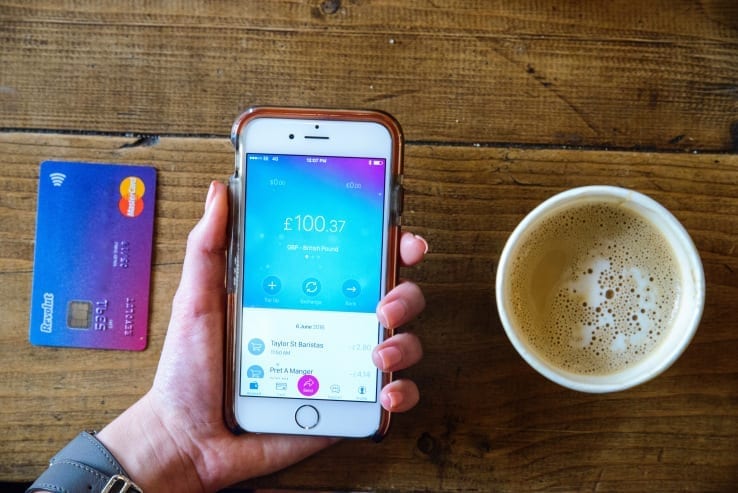
    The founder and CEO of neobank Revolut spoke about how he built the company from a 20 person outfit in a co-working space in 2015 to one of the fastest-growing fintechs globally.

    I sleep well, Revolut founder and CEO Nicholas Storonsky said to Mandy Lamb, Visa group country manager for Southeast Asia on Tuesday when asked about what keeps him awake at night.

    The British-Russian entrepreneur said he is comfortable with where the business is heading. Within four years, Revolut has amassed more than 8 million users and £40 billion ($49.19 billion) in transactions so far, according to its website. «Obviously, there are problems. But I believe that any problem is solvable. If you believe in your product, you will find a solution,» he said.

    Storonsky spoke about maintaining strong company culture, and how Revolut has had to transition from young and hungry pirate» to admirals, which was one of the most difficult parts of scaling at such a breakneck speed.

    Looking back, Storonsky said the most important thing he learned about growing a company is the importance of hiring the right people, and advised entrepreneurs to focus on building a strong leadership team.

    In October, the firm launched its services in Singapore, the first market outside Europe and Australia. One of the stumbling blocks Revolut faced when building the company and expanding into overseas markets was finding partners that could scale their services as quickly as it was growing, Storonsky said.

    Partnerships rarely work. It’s rare to find the perfect match, with companies that move at the same speed,» he said. «In my experience, only 5 percent of partnerships work, but when they do, it’s great.

    Earlier in the day, Storonsky spoke at the Singapore Fintech Festival 2019, where he said the firm would not pursue a digital banking license in Singapore because of the high capital requirements.

  • DBS Avoids Larger M&A Deals

    DBS Avoids Larger M&A Deals

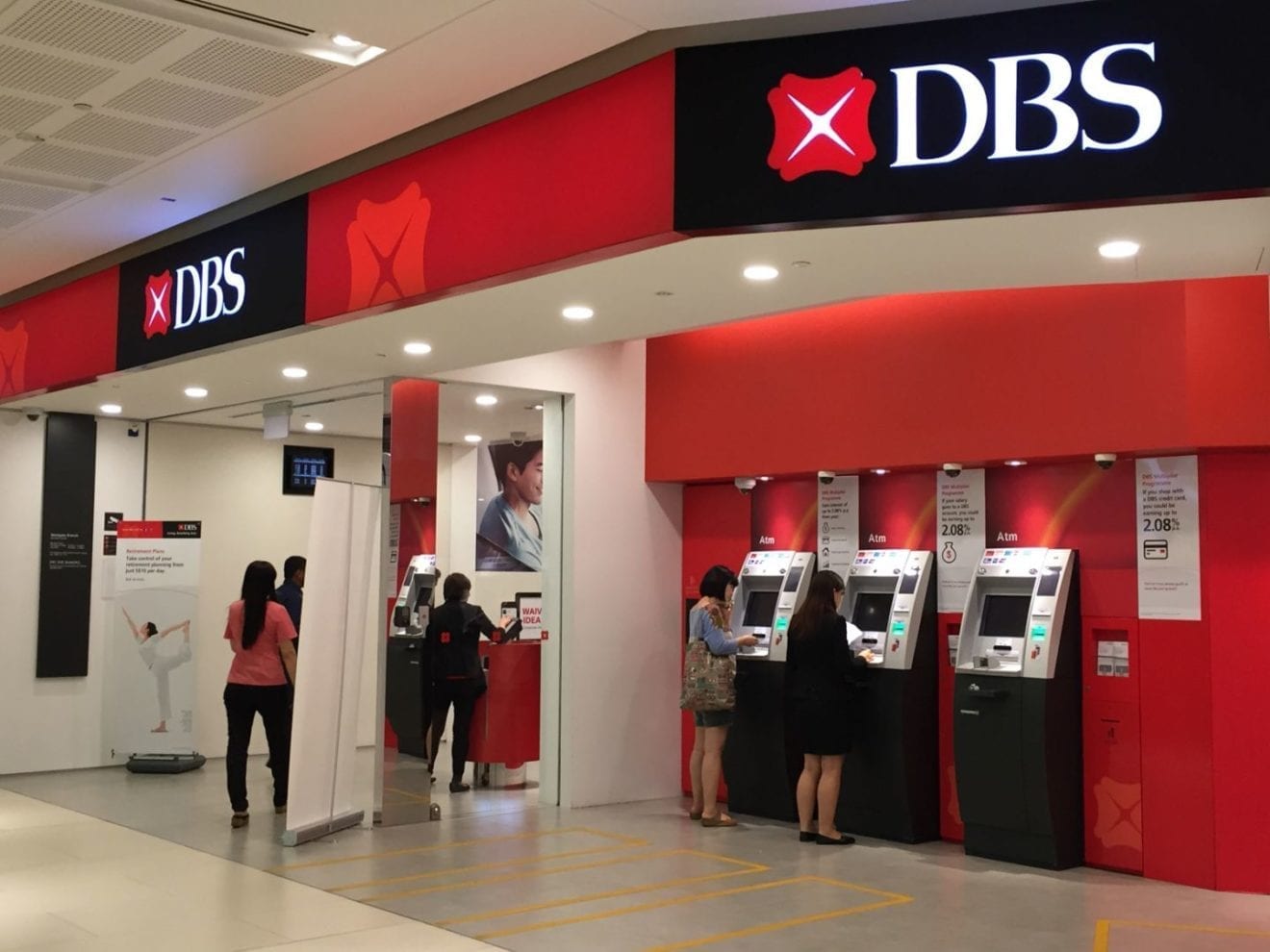
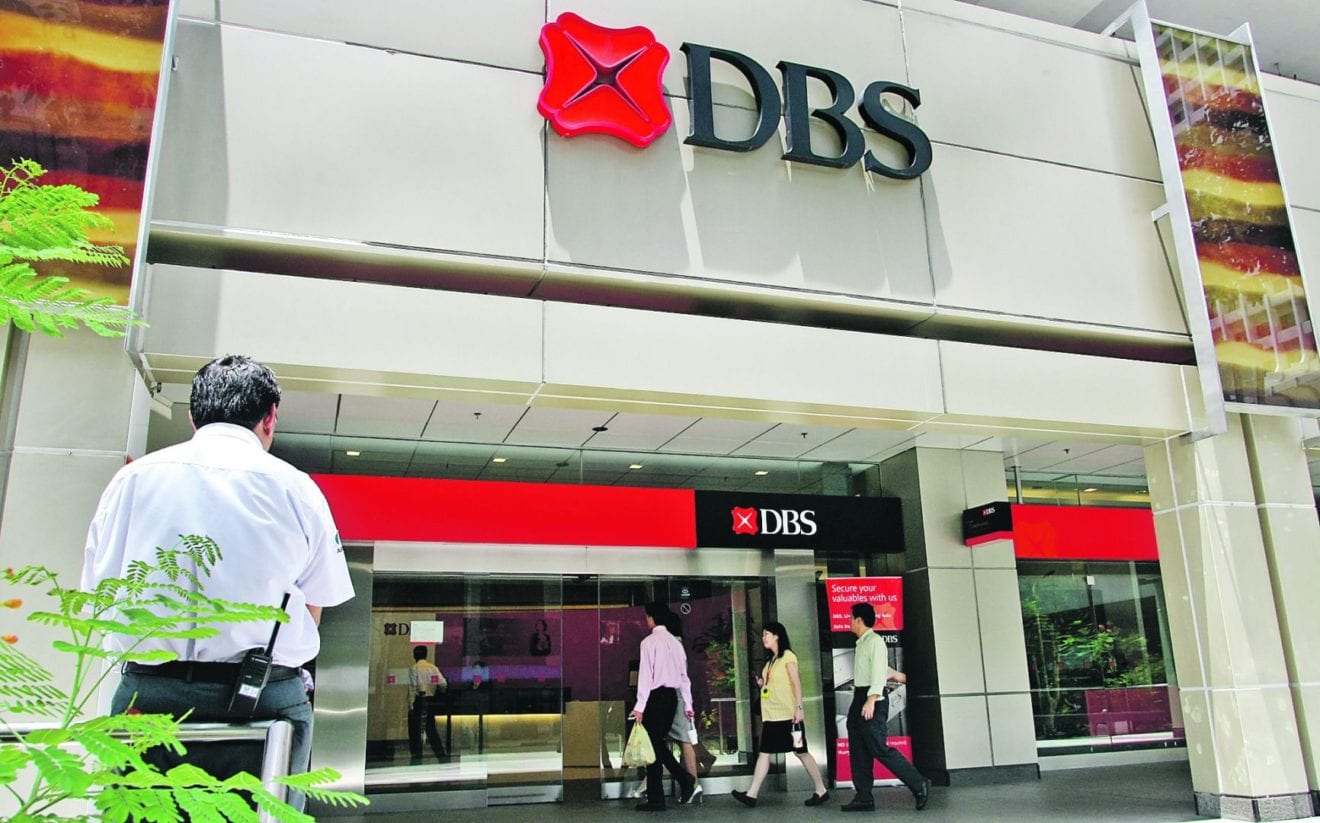
    DBS group chief executive Piyush Gupta said it would avoid acquisition targets with large deal sizes in order to maintain concentrated focus on its digital transformation.

    According to Gupta, the bank would target deals valued at about five percent of DBS’s market cap (around $3.7 billion as of publishing) and avoid larger ones in order to focus on a digital market he calls «the battleground of the future».

    The general thesis for us is that we still think that the digital transformation requires energy and bandwidth,» he explained. If I did a bigger deal and I wound up saying that I’m going to lose two years’ worth of tech work that would be quite a cost to pay.

    Piyush reiterated that the bank remained open to acquisitions but noted that the size preference was due a successful track record of «very quick returns» via digital integration, referencing the bank’s $81 million purchase of ANZ’s Asian wealth and retail business in 2016.

    We realized that if you get a core customer base at a sensible price, and then overlay our digital capabilities and tools on top of that, it can actually be very accretive, very quickly,» Gupta said. «So we are open to exploring those, but again, it’s a fine call. When does it become too big – one that is going to subsume everything else?

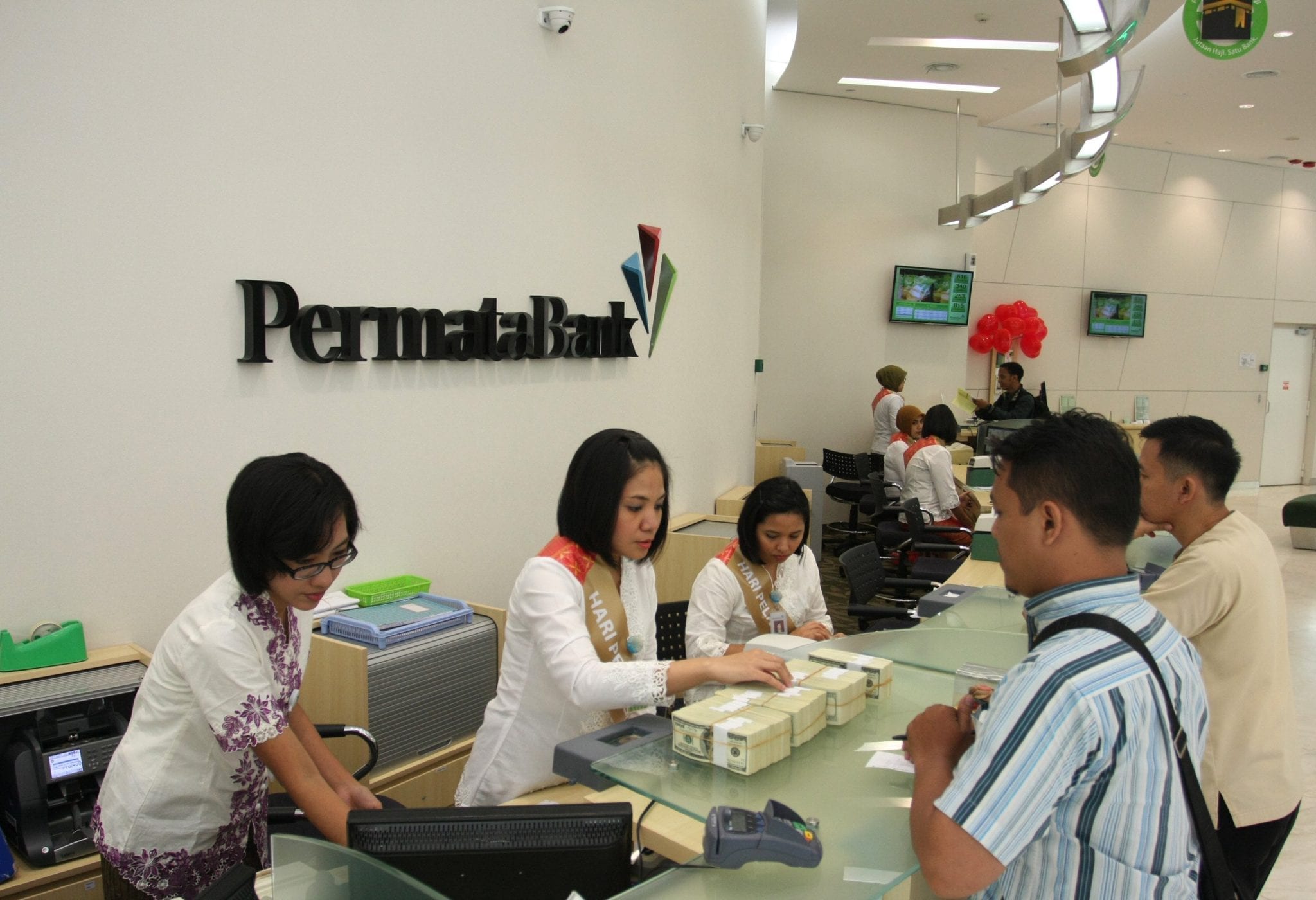
    One such financial institution which may qualify for the bank’s taste is Indonesia’s Bank Permata, valued at around $2.7 billion, in which DBS has reportedly expressed interest. Currently, Japan’s SMFG and Singaporean rival OCBC are believed to be frontrunners for the medium-sized lender.

  • DBS and OCBC Collaborate With Google Pay

    DBS and OCBC Collaborate With Google Pay

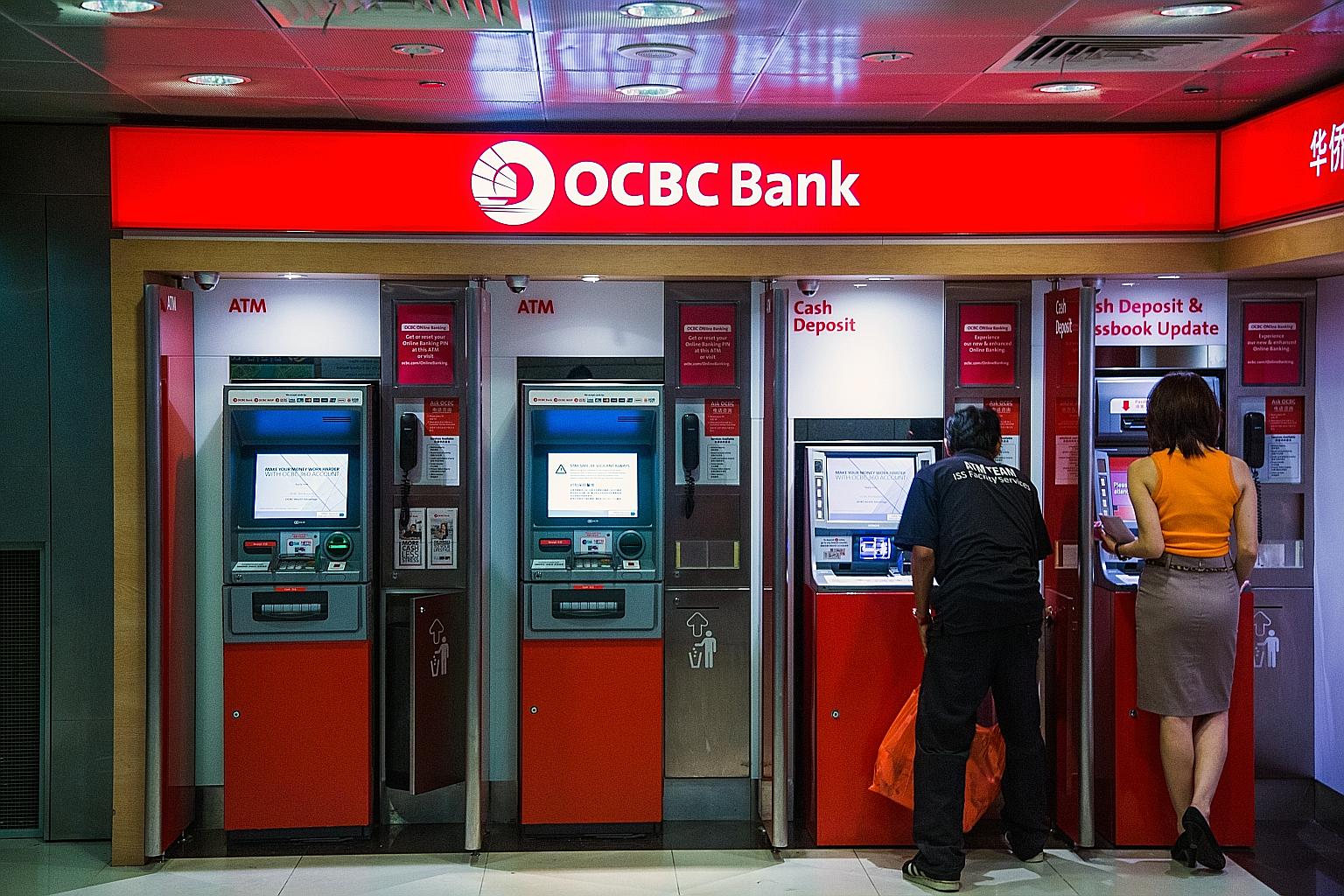
    DBS and OCBC account holders without credit cards can soon use Google Pay to make payments to merchants in Singapore.

    The integration will allow both banks’ customers to send and receive funds and also pay merchants via Google Pay using a single-click sign-up.

    We believe that integrating Google Pay with our DBS PayLah! the platform will deliver greater convenience to consumers as they will have more options to transfer funds and make instant payments to some 80,000 merchants in Singapore, said Han Kwee Juan, Chief Strategy Officer at DBS Bank in a media statement.

    The U.S. technology giant on Monday demonstrated a preview of Google Pay in Singapore at the Singapore Fintech Festival 2019, promising features of simplicity, security and helpfulness for users. It taps on conversations of users to create suggestions and also tokenized cards within Google Pay.

    The new service is being tested early next year with the aim of rolling it out in full later in the year, said Hannia Zia, product manager of Google Pay during the preview at the festival. The collaboration includes the integration of both peer-to-peer (P2P) and peer-to-merchant (P2M) transaction services.

    As Google Pay is tapping onto Funds Transfer Services PayNow, customers of nine banks on the payment infrastructure may also enjoy Google Pay later. PayNow allows users in Singapore to make and receive payments from their bank accounts using their mobile or identification number.

    The potential of Google Pay leveraging PayNow is tremendous and will provide our customers with the benefits of secure, seamless and ubiquitous payments without having a wallet. Both OCBC and Google share the same customer-centric approach to enabling seamless digital payments – an open-loop payments ecosystem, said Ching Wei Hong, Chief Operating Officer at OCBC Bank in a media statement.

  • OCBC Names Consumer Banking Sucessor

    OCBC Names Consumer Banking Sucessor

    OCBC names a successor to oversee the consumer financial services following the exit of Dennis Tan.

    Tan joined the bank 10 years ago as its head of branch and group premier banking before being appointed as head of consumer financial services in 2012. He will be succeeded by Sunny Quek, effective November 13, reporting to OCBC’s COO and Bank of Singapore chairman, Ching Wei Hong.

    After 10 years with OCBC, [Tan] has decided to pursue other interests, according to a spokesperson for the bank, who added that Quek would also join the bank’s group management committee.

    Quek was the branch banking director at Citibank Singapore before he joining OCBC in late 2012 as Singapore head of branch and premier banking. In the last six years, he has tasked with forming and executing OCBC’s sales and distribution strategy for the consumer banking branch network in Singapore.

  • Xiaomi Becomes a Bank

    Xiaomi Becomes a Bank

    Xiaomi has the expected trimmings for a smartphone and device-maker: A retail channel for its products and internet services for its 300 million users. It’s also becoming a bank.

    «We are looking at the business we are doing in the non-financial sectors and how we can apply the technology, apply the artificial intelligence to power our financial business,» Hong Feng, chairman, and CEO of Xiaomi Finance and co-founder of Xiaomi, said at the Singapore Fintech Festival 2019 on Monday.

    In May, the Hong Kong Monetary Authority issued Xiaomi an online-only banking license. The smart-device maker has also begun «beta» consumer lending services in India, according to a «Reuters» report. In China, Xiaomi’s lending business has an $8 billion loan book as of mid-2018, the «Reuters» report said, citing documents it had seen.

    In August, Xiaomi reported 792 million yuan ($112.98 million or S$153.68 million) in revenue from the fintech business in the second quarter, up 62.7 percent on-year.

    We have about 300 million active users. They are using our devices five hours per day,» Hong said. «We are collecting a lot of data about our users’ behavior, our users’ financial situation, and their different situations. When we’ve got the consent of the users, we are having those data analyzed and [they] provide a very accurate credit profile.

    Hong noted that wasn’t particularly innovative any longer, with other providers on the mainland and elsewhere taking the same tack.

    But he said Xiaomi is able to offer some unique features, particularly with more accurate fraud detection.

    It’s relatively easy to pretend to be a good user if you are only facing the financial institutions for a very short period of time. But our users are using our phone 24-7 for an extended period of time so it’s much harder to defraud, Hong said.

    He added the company was also able to leverage its smart devices for payment services, such as using the smartphone or smartwatch to pay for transportation passes, a service already offered in 200 Chinese cities’ mass transportation systems.

    Xiaomi isn’t only looking at consumer lending. It’s leveraging its experience as a manufacturer – of a range of products from smart devices to smart washers, dryers and refrigerators – to arrange to finance for other manufacturers.

    By doing all this business, we know how to evaluate a manufacturing enterprise inside out. We know exactly which factor to look into and how to look at their operation, management, and technology side,» Hong said.

    For the financial institutions, it’s difficult to read the real or crisis situation for the manufacturing enterprises because in each industry is different on how they operate,» he said. Usually, the financial institutions just read your balance sheet, with your revenue and those financial numbers and those are just after the fact of operations.

    Hong said his company was particularly interested in helping large OEMs onboard smaller clients, which can be a difficult process if the larger company isn’t sure how long the smaller company might stay in business.

    But Xiaomi has end-to-end» data – tracking the product through its retail stores and internet services, Hong said.

    We know if they have a good quality product, if they are selling well or not well and also we know if this product has been frequently and constantly used by the end consumers. And all those end-to-end data provide very useful risk control methodologies for our financial institution partners, he said.

    Hong pointed to a smart doorbell product maker his company founded two years ago, which Xiaomi was able to direct throughout the product lifecycle, from tapping the most appropriate OEM manufacturer, to watching the balance sheet in real-time, to making sure their e-commerce partners were paying the company correctly. Xiaomi has more than 20 companies working with at a similar stage, he said.

    Xiaomi is estimated to be the fourth-largest smartphone maker as of early 2019, behind Samsung, Apple, and Huawei, according to data from Trendforce.
  • SMFG, OCBC Join Bidding War for Bank Permata

    SMFG, OCBC Join Bidding War for Bank Permata

    Sumitomo Mitsui Financial Group and OCBC Group are believed to be readying their offers to compete for the acquisition of Indonesian lender PT Bank Permata.

    The two banks have separately conducted due diligence on Permata in the past several months, citing unnamed sources. This follows recent reports that OCBC was still making considerations on whether or not to submit a bid.

    The two banks earmarked as the frontrunners for the deal but DBS and other Southeast Asian lenders were also reportedly interested in Permata. At least two parties will be shortlisted for the final round, the report continued, with Bank Permata seeking a valuation exceeding 1.6 times book value.

    Currently, Standard Chartered and PT Astra International each own a 45 percent stake in Permata, a mid-sized lender with a 320-strong branch network in Indonesia.

  • UBS: Billionaire-Controlled Stocks Outperform

    UBS: Billionaire-Controlled Stocks Outperform

    Listed firms controlled by billionaires outperformed the broader market with such entities in Asia leading the pack in relative gains.

    In the past 15 years to 2018-end, billionaire-controlled listed companies posted equity returns of 17.8 percent compared to 9.1 percent for the MSCI benchmark in the same period. By region, Asia Pacific ranked second in demonstrating this trend delivering annualized average returns of 18.3 percent – just 0.1 percent behind the first-ranked Americas.

    According to a report co-published by UBS and PwC, the outperformance can be attributed to what it called the billionaire effect or the tendency for self-made entrepreneurs for smart risk appetite and longer-term planning.

    Political uncertainty and economic volatility led global wealth to dip 4.3 percent and Asia was not immune, registering a $217.6 billion wealth drop and a decrease of billionaires by 7.4 percent to 754.

    Still, the region boasted a quadrupling of billionaire wealth in the last five years and unsurprisingly, China led the regional ranks with 325 billionaires. Interestingly, the region was also a significant contributor to female billionaire wealth, which grew by a quarter to $871.2 billion globally, with the number of billionaires doubling over the last five years.

    Entrepreneurs, which account for 70 percent of our client base in Asia Pacific, has been the driving force of the rapid wealth creation in the region, said Amy Lo, co-head wealth management Asia Pacific at UBS Global Wealth Management.

  • DBS Launches Virtual Wealth Manager With Celebrities

    DBS Launches Virtual Wealth Manager With Celebrities

    DBS introduced its fully virtual wealth management capabilities in Hong Kong in grand fashion, accompanying the launch with renowned local celebrities.

    The bank recently launched its new virtual wealth manager which can enable users to undergo the entire experience digitally from account-opening to transacting. The suite of capabilities also includes general banking, investments, FX trading, remittance and others.

    We are the first bank that has a fully digitized journey from onboarding to all wealth management products, said Sebastian Paredes, DBS Hong Kong CEO. This is not an app. This is the launch of a new virtual bank.

    Then DBS began its planning exercise two years ago to launch the virtual solution, it wanted to significantly reduce the time required to open accounts, after repeatedly hearing clients express how busy they are and how laborious it is to fill out application forms.

    This is something on our mind for a long time,» explained Ajay Mathur, managing director and head of consumer bank gin and wealth management, DBS. With this fully virtual wealth management account onboarding, you can open an account in just a few minutes.

    Joined by renowned local celebrities, Louis Koo Tin-lok and Jessica Hsuan, the bank made a live demonstration to showcase the ease of opening an account. In addition to mandatory documents, the system was able to use facial recognition technology to verify the user simply by matching an image of an official ID and a selfie image.

  • Singapore E-Wallet Inks Partnership With Thai Bank

    The Singapore-based firm has made its first foray into an overseas market, and is promising Thai travelers affordable options to pay with the competitive exchange rates when abroad.

    YouTrip, a multi-currency mobile wallet designed with travelers in mind, is taking its services to customers outside Singapore by launching in Thailand with a partnership with Kasikornbank (KBank), the firm announced in a press release on Tuesday.

    Juthasree Kuvinichkul, founding partner of You Technologies and Grab Thailand, will lead YouTrip’s Thailand operations. As part of the tie-up, YouTrip will be offered to KBank’s 11.6 million online customers, who will be able to register through their online banking app within 3 minutes.

    KBank president Patchara Samalapa said in the statement that he sees «strong potential» in the partnership with YouTrip. We also believe in the foreign exchange market which has benefited from the strong outbound tourism growth in Thailand, due to strong Baht, travel promotions, new flight routes openings, etc., he added.

    YouTrip allows users to pay in 150 currencies at 30 million Mastercard payment points worldwide with no hidden fees at wholesale exchange rates.

    Riding on the wave of Southeast Asia’s booming travel market, YouTrip has received strong interest in its multi-currency wallet since its launch in Singapore in August 2018, counting over 400,000 downloads of its mobile application in its home market, as well as 10 million transactions processed in the year since its launch, the statement said.

    In May, the firm announced that it closed a record $25.5 million pre-Series A fundraise – the largest for a fintech startup from Southeast Asia.

  • Vietcombank to pull out of BNP Paribas insurance joint venture

    Vietcombank to pull out of BNP Paribas insurance joint venture

    Vietcombank is selling its stake in a JV with French life insurance firm BNP Paribas as part of a possible bancassurance deal with a foreign buyer.

    Its board of directors passed a resolution approving the divestment of an unspecified stake in Vietcombank – Cardiff Life Insurance Co., Ltd (VCLI), the state-owned lender said in a release last Thursday.

    VCLI is a 45:55 joint venture between Vietcombank, Vietnam’s largest lender by market capitalization, and BNP Paribas Cardif, part of France’s BNP Paribas banking group.

    Although Vietcombank’s announcement did not identify a buyer, Bloomberg reported in late September that Hong Kong-based insurer FWD Group Ltd. was nearing an agreement to pay around $400 million for VCLI as part of a long-term bancassurance agreement with the bank.

    A bancassurance transaction is typically an arrangement between a bank and an insurance company in which the latter pays an upfront amount for exclusive rights to sell its products to the bank’s clientele.

    FWD Group, owned by Hong Kong billionaire Richard Li, had outbid several firms, including British insurance giant Prudential, which had been vying to obtain exclusive rights to distribute life insurance products through Vietcombank’s branch network, Bloomberg quoted sources as saying.

    According to VCLI’s latest financial statements, as of the end of 2017 it had VND950 billion ($40.79 million) in assets and accumulated losses of nearly VND3 billion ($128,800).

    Recently major international life insurance companies have been expressing interest in entering the growing Vietnamese market through bancassurance and acquisition deals.

    German insurer Allianz and Japanese insurers Nippon Life and MS&AD Insurance were among several vying to buy the Singapore and Vietnam businesses of Britain’s Aviva in a deal estimated to be worth $2-2.5 billion.

    Earlier Prudential had signed an agreement with South Korea’s Shinhan Bank Vietnam to distribute its insurance products through its network and Canada’s Manulife struck a similar deal with local lender ACB.

    Phung Ngoc Khanh, general director of the Insurance Supervisory Authority (ISA), said the country’s insurance market has huge potential due to the low penetration and people’s rising incomes and awareness.

    In the first half of this year the industry’s premium income was VND71.15 trillion ($3.06 billion), up 24.4 percent year-on-year. Last year’s growth was also around 24 percent, according to the ISA.

  • OCBC 3Q Core Profit Up Slightly

    OCBC 3Q Core Profit Up Slightly

    Singapore’s second-largest lender reported core net profit of S$1.26 billion in the third quarter, slightly above the $1.25 billion reported a year earlier.

    However, OCBC Bank’s headline net profit slipped 6 percent to S$1.17 billion for its third quarter ended September 30, from S$1.25 billion a year ago due to a one-off charge at its Indonesian banking unit.

    The one-time charge of S$91 million arose as a result of refining the group’s expected credit loss modeling approach for Bank OCBC NISP. Excluding the one-time charge, the group’s core net profit of S$1.26 billion is slightly higher than $1.25 billion a year earlier.

    Loans rose year-on-year and fee income climbed to a record high led by wealth management as the private banking business managed to maintain net new money inflows, said OCBC chief executive Samuel Tsien in a statement.

    Net fees and commissions grew 10 percent to a new record of S$550 million from S$502 million a year ago, led by higher fees from wealth management, investment banking and remittance services.

    Net interest income for the quarter grew 6 percent to S$1.60 billion, stemming from a five basis point increase in net interest margin to 1.77 percent. Improved asset yields and a 2 percent increase in customer loans underpinned the improved net interest income.

    Non-interest income for the quarter increased 2 percent to S$1.06 billion from S$1.04 billion in the previous year. Total income for the quarter rose 4 percent to S$2.66 billion from S$2.54 billion a year ago.

    Not all sections of the bank’s results slip are glowing – net trading income was only S$182 million compared to S$213 million a year ago, as a decline in treasury income offset a rise in customer-related flow income.

    Global and regional economic growth continued to slow, and geo-political event risks have increased. We shall remain vigilant and will maintain prudent risk management practices while exercising disciplined cost management, Tsien said.

  • OCBC Allows Instant Account Opening For Startups

    OCBC Allows Instant Account Opening For Startups

    Start-ups are now able to open an OCBC business banking account in Singapore immediately after incorporation, rather than having to wait one day. Once a business is incorporated, OCBC Bank can validate the start-up’s business profile issued by the Accounting and Corporate Regulatory Authority (ACRA). This is made possible due to an Application Programming Interface (API) between OCBC Bank and global information services provider, Experian (formerly known as DP Information).

    Banks play a key role in the start-up and SME ecosystem partly because the bank account is at the center of business operations. Given this role and our standing as banker to more than 1 in 2 SMEs in Singapore, we are in the best position to strengthen the connections among all players in this ecosystem, said Christie Chu, Head of Emerging Business and Commercial Banking Cash, OCBC Bank in a media statement on Monday.

    OCBC Bank launched a dedicated business supporting the start-up segment at the end of 2018. Since then, it has been engaging start-ups to understand the pain points when starting a business. With a track record of serving the start-up segment, the bank found that starting a business is a journey of discovery, and many stumble along the way.

    To that end, the team is putting together a start-up guide, with practical tips from successful entrepreneurs with first-hand experience. The guide will be accessible to all aspiring entrepreneurs on OCBC Bank’s website.

  • Hong Kong Virtual Banks Talk Linkage with ATM Giant Jetco

    Hong Kong Virtual Banks Talk Linkage with ATM Giant Jetco

    Hong Kong’s upcoming virtual banks are considering cash withdrawal capabilities for its customers through automatic teller machine giant Jetco.

    Under the terms of the newly issued virtual banking licenses, no physical branches are allowed to be made and a partnership would allow the digital lenders to sidestep the rule while still providing access to physical cash.

    The virtual banks may opt to issue cards to customers to use the Jetco ATMs owned by other banks, or they can allow access through a mobile application on smartphones,» said Jetco CEO, Angus Choi Ping-chung, in an SCMP report.

    Jetco was founded by the entity preceding Bank of China (Hong Kong) which is amongst its now 30-strong list of lenders that are shareholders, including Standard Chartered Bank.

    With 44 ATMs per 100,000 residents, Hong Kong has the second-highest ATM density per capita, behind Singapore, according to the World Bank. And in Hong Kong, Jetco operates 60 percent of the 3,000 ATMs with the remaining 1,200 owned by HSBC and its majority-owned lender Hang Seng.

    But recent unrest in the city has led to the damage of about 10 percent of all ATMs, according to Choi, who noted that transactions were nonetheless unaffected as customers would just seek other undamaged machines.

  • Citi Drops China Website On IPO Fee Disput

    Citi Drops China Website On IPO Fee Disput

    Citigroup had initially been listed in the IPO document of Fangdd Network Group in the second position after Morgan Stanley, but did not appear on the press statement last Friday on the Nasdaq Global Market.

    Citi had been hired as the second bookrunner on the Chinese group’s IPO, but as both sides could not reach an agreement on the underwriting fees, the IPO arranger dropped out, citing people familiar with the matter.

    Morgan Stanley, UBS, China International Capital Corp, and AMTD Global Markets Limited were listed as joint book-runners for Fangdd’s IPO.

    Fangd had cut the number of shares it sold in its IPO from seven million to six million ase= demand for its stock during its roadshow was soft.

    DouYu International Holdings, which raised $775 million in July, is the biggest US IPO of a Chinese company this year while four deals from last year topped $1 billion, according to data compiled by Bloomberg.

    U.S. offerings typically pay a higher percentage in IPO fees compared to most Asian countries. However, U.S. IPOs of Chinese companies have shrunk in size this year as investors grew wary about the tensions between U.S. and China, reducing fees for Asian investment bankers.

    Chinese companies raised $2.9 billion in the US this year, down from the $7.9 billion raised during the same time last year.