Tag: bank

  • Revolut Challenges Swiss Banks with New Euro Accounts Tailored for SMEs

    Revolut Challenges Swiss Banks with New Euro Accounts Tailored for SMEs

    Revolut Business is stepping up its game in Switzerland, unveiling a suite of new financial features aimed squarely at small and medium-sized enterprises (SMEs). Effective immediately, Swiss companies can access euro-denominated savings accounts offering an attractive annual interest rate of up to 1.75 percent. These accounts come with the flexibility of daily payouts, no minimum deposit, and the freedom of free withdrawals anytime.

    But that’s not all. Revolut is also introducing support for QR-bill payments, a popular invoicing standard in Switzerland. In the near future, the neobank plans to roll out forward foreign exchange contracts, enhancing its appeal to businesses navigating the complexities of international trade.

    Seizing on Rising Demand

    The latest innovations are a direct response to the surging demand from SMEs. Revolut has reported an impressive 76 percent annual increase in business client deposits, alongside a staggering 123 percent uptick in monthly transactions. Such growth indicates that Swiss SMEs are eager for modern banking solutions that accommodate their dynamic needs.

    This rollout builds on Revolut’s current offerings, which include virtual IBANs and investment solutions tied to money markets. The anticipated forward contracts promise to equip companies with effective tools for hedging against currency risks, a service historically dominated by larger firms.

    Ambitious Plans for Expansion

    James Gibson, head of Revolut Business, hinted at the company’s ambitious expansion plans in Switzerland during a recent interview. He identified the Swiss SME sector as ripe for disruption with digital-first banking solutions. Gibson also mentioned that Revolut is actively considering the introduction of physical point-of-sale payment terminals, a move that would further broaden its service portfolio in the region.

    Globally, Revolut boasts over 60 million personal accounts and several hundred thousand corporate customers. Within Switzerland alone, the company claims to have over 1 million personal users and thousands of businesses tapping into its innovative offerings, proving that they are indeed shaking up the banking landscape.

    Questions & Answers

    What new features is Revolut introducing for Swiss SMEs?
    Revolut is launching interest-bearing euro-denominated savings accounts with an attractive 1.75 percent annual interest rate and support for QR-bill payments. Forward foreign exchange contracts are also set to follow soon.

    How significant is the demand for Revolut’s services from SMEs in Switzerland?
    The demand is substantial, as revealed by a 76 percent year-on-year rise in business client deposits and a 123 percent growth in monthly transactions.

    What are Revolut’s broader plans for expansion in Switzerland?
    James Gibson indicated that Revolut is looking into offering additional payment tools, such as physical point-of-sale terminals, further enhancing its digital-first approach to banking for Swiss SMEs.

  • Bank of America Unveils New Leadership for Global Payments Solutions across APAC Region

    Bank of America Unveils New Leadership for Global Payments Solutions across APAC Region

    Bank of America’s (BofA) Global Payments Solutions (GPS) is ramping up its game in the Asia Pacific region with the recent appointment of three key leaders. Lin Guo has taken the reins as the head of GPS China, while Kitty Yen has been designated head of GPS Taiwan.

    In addition to her new position, Lin will continue her oversight of GPS corporate sales for China and Hong Kong, along with her role as deputy branch manager in Beijing. With a career at BofA that began in 2013, Lin boasts over 20 years of comprehensive experience in the financial services sector, including sales, client coverage, and management.

    Meanwhile, Kitty Yen, who joined BofA in 2012, will maintain her leadership of GPS corporate sales for Taiwan. Her impressive nearly 30 years of experience spans treasury sales and corporate banking, reinforcing her capacity to steer the firm’s ambitions in her new role.

    Both Lin and Kitty will report to Aziz Parvez, head of GPS Asia Pacific Corporate Sales, as well as to Winnie Chen, head of GPS APAC. They will also connect with their respective local management teams as they join the GPS Asia Pacific Senior Leadership Team.

    In another significant move, Olivia Anceau has been appointed the head of GPS Asia Pacific Specialized Product Sales (SPS). Based in Singapore, Anceau is expected to shape BofA’s strategy across various pivotal domains, including trade, card, core cash, sales readiness, bid management, and advisory services.

    With over 20 years in the financial services arena, Anceau previously held a position at Citi Commercial Bank, where he focused on cash and trade, as well as corporate and commercial banking. He will report to Galen Robbins and Tracy Stover, co-heads of GPS Specialized Product Sales, and to Winnie Chen.

    As the old adage goes, “A smooth sea never made a skilled sailor”—and with these appointments, it appears BofA is ready to navigate the fluctuating waters of Asia’s financial markets.

    Questions & Answers

    What roles have Lin Guo and Kitty Yen been appointed to at BofA?
    Lin Guo has been named head of GPS China, while Kitty Yen has been appointed head of GPS Taiwan.

    What experience do Lin Guo and Kitty Yen bring to their new positions?
    Lin Guo has over 20 years of experience in financial services, including roles in sales and management, while Kitty Yen brings nearly 30 years of experience in treasury sales and corporate banking.

    Who did Olivia Anceau replace at BofA, and what will his focus be?
    Olivia Anceau has been appointed head of GPS Asia Pacific Specialized Product Sales, where he will concentrate on strategy across trade, core cash, and advisory services.

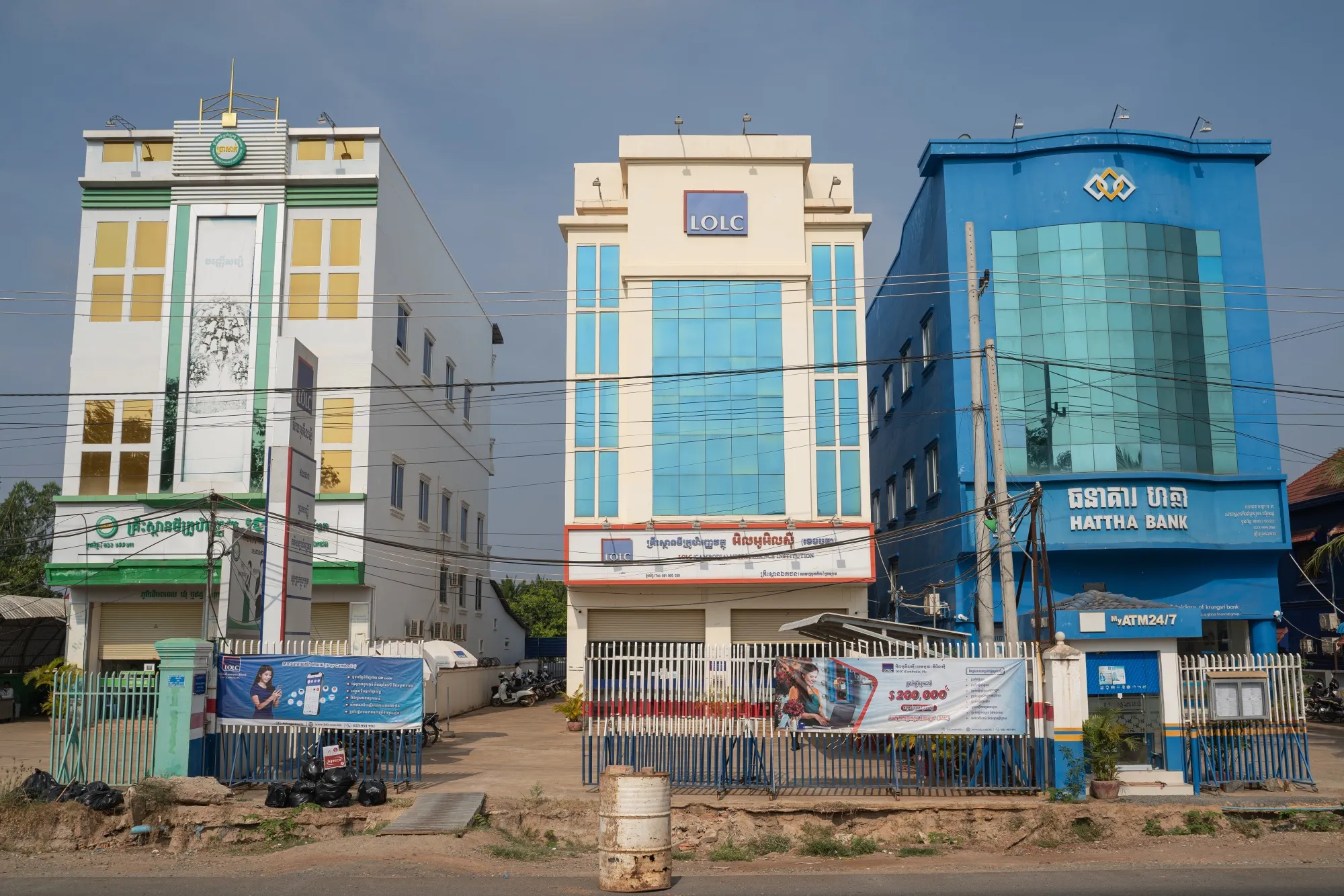
  • Cambodian Banks Struggle Amid Real Estate Challenges and Sluggish Tourism Recovery

    Cambodian Banks Struggle Amid Real Estate Challenges and Sluggish Tourism Recovery

    Cambodia’s banking sector faces a challenging landscape as non-performing loans (NPLs) are projected to surge to between 9.5% and 10% of outstanding loans by 2026. S&P Global Ratings highlights a sluggish recovery in tourism and ongoing pressures in the real estate market as major contributors to this downturn.

    Struggling Profitability Amid Growing NPLs

    As NPLs climb, banks will be required to increase their provisioning levels, keeping profitability grim, according to Ruchika Malhotra, a primary credit analyst at S&P Global Ratings. She estimates that profitability will stagnate at around 0.3% in 2025 and 2026—just a slight improvement over an already dismal 2024. It’s a bit like trying to put a shiny coat of paint on a rickety old house; the underlying issues are hard to miss.

    External Pressures Complicate Recovery

    Additionally, the banking sector is grappling with the fallout of tariffs and significant exposure to the construction and real estate industries, which have been under severe stress. “Cambodia’s sizeable manufacturing exports to the U.S.—accounting for one-third of total exports—could face steep tariff hikes. This uncertainty inevitably casts a shadow on the economy,” Malhotra explained.

    A Stubborn Property Market

    Malhotra anticipates continued pressure on property prices and sales, attributing this to a persistent mismatch between supply and demand. With banks heavily invested in the construction and real estate sector—representing one-fifth of their total loans—banks could find themselves in a precarious position. “The absence of swift court settlement processes means banks may be left with substantial real estate collateral after foreclosures, which constitutes a considerable portion of their loan collateral,” she noted.

    Regulatory Relief on the Horizon?

    Given the dismal profit margins, regulatory bodies may be inclined to extend support measures. Malhotra suggests that this could involve prolonging the current restructuring schemes for distressed borrowers, especially if NPL levels continue to rise. The central bank might even consider delaying the normalization of prudential measures to provide banks with a much-needed lifeline.

    Questions & Answers

    What are the predicted levels of non-performing loans in Cambodia’s banking sector by 2026?
    Non-performing loans are expected to rise to between 9.5% and 10% of outstanding loans by 2026, according to S&P Global Ratings.

    How is the Cambodian banking sector’s profitability projected to change over the next few years?
    Profits are expected to remain bleak, with estimates at only 0.3% in 2025 and 2026, indicating a minor improvement over 2024.

    What measures might regulators consider in response to the rising non-performing loans?
    Regulators may extend restructuring schemes for distressed borrowers and delay the implementation of new prudential measures to help banks manage their challenges.

  • DCS Launches Innovative Web3 Payment Platform, Revolutionizing the Retail Experience

    DCS Launches Innovative Web3 Payment Platform, Revolutionizing the Retail Experience

    DCS Card Centre is on the fast track to redefine its role in the financial landscape, transitioning from a traditional card issuer to a comprehensive global payments enabler. This transformation underscores a larger ambition to seamlessly connect the realms of Web2 and Web3 finance.

    Milestone Moments in Embedded Finance

    The company will showcase this evolution as the official payment provider for GastroBeats 2025. Dayna Leng, Chief Marketing Officer at DCS, stated, “This year, DCS has evolved into a global payments enabler, leading innovations that breach traditional finance and Web3 economies to facilitate everyday spending.”

    Once primarily identified with the Diners Club brand, this Singapore-based institution has significantly broadened its partnerships to include major players like Visa, MasterCard, and UPI. DCS’s evolution mirrors a broader regional trend, with embedded finance across the Asia Pacific projected to soar to US$255 billion by 2029.

    Redefining Payments for a New Era

    For DCS, the strategy now transcends simply issuing cards; it includes merchant acquisition and advanced payment services. “Card payments have undergone significant evolution,” Leng noted. “We’ve transitioned from debit to credit, to mobile and digital, moving from the confines of traditional finance to enabling real-time transactions across both physical and Web3 ecosystems.”

    Today’s consumers demand instant gratification, expecting payment solutions to be agnostic, borderless, and unhindered by limitations. This heightened expectation is prompting businesses to adopt innovative tools like virtual cards. These tools streamline accounting processes by consolidating expenses across teams, vendors, and merchants while also enabling multi-currency transactions, ultimately reducing foreign exchange costs.

    The Future is Regulated Yet Flexible

    “At the core of everything is the need for regulatory compliance,” Leng emphasized. She foresees a rapidly evolving digital payments landscape shaped by significant institutional involvement aimed at fostering a responsible digital lifestyle. One might say that while the future of finance is fast-paced and flexible, it must also tread carefully in regulatory waters — a balancing act reminiscent of walking a tightrope culinary experts skillfully navigate at a fine dining restaurant.

    Questions & Answers

    What is DCS Card Centre’s new role in the payments landscape?
    DCS Card Centre is shifting from a traditional card issuer to a global payments enabler, bridging traditional finance and Web3 ecosystems.

    How crucial is regulatory compliance in DCS’s strategy?
    Regulatory compliance is foundational for DCS, as the evolving digital payments landscape will require responsible frameworks to support new technologies.

    What is the significance of DCS’s partnership with GastroBeats 2025?
    DCS’s role as the official payment provider for GastroBeats 2025 marks a significant milestone in its ambition to integrate innovative payment solutions into everyday spending.

  • OCBC Bank Hong Kong Launches Dedicated Team to Empower Local Entrepreneurs

    OCBC Bank Hong Kong Launches Dedicated Team to Empower Local Entrepreneurs

    OCBC Bank (Hong Kong) has embarked on an ambitious journey, establishing a new department dedicated to providing loans for serial entrepreneurs in the bustling city. This strategic move aims to bolster support for the thriving entrepreneurial ecosystem in Hong Kong, with expectations to launch a comprehensive financing proposition by the end of 2025.

    A Holistic Approach to Entrepreneurial Lending

    In a bold departure from traditional banking practices, OCBC Hong Kong plans to assess potential borrowers through a holistic lens, considering their entire portfolio, including operating experience, track record, and strategic vision. This not only highlights the importance of individual entrepreneurial journeys but also allows the bank to tailor its offerings to meet diverse needs.

    Comprehensive Support Network for Entrepreneurs

    Entrepreneurs who secure financing from OCBC will find themselves supported by an integrated network that features a dedicated relationship manager and specialists in areas like cash management, corporate advisory, and wealth management. This multifaceted support is designed to empower entrepreneurs to navigate the complexities of business growth seamlessly.

    Sector-Specific Solutions on Offer

    OCBC’s offerings extend beyond standard loans, encompassing working capital loans, venture loans, cross-border expansion assistance, sustainable finance options, and corporate finance advisory services, particularly for mergers and acquisitions. It’s a buffet of financial solutions that aims to cater to the unique challenges faced by entrepreneurs, proving that financing can be as nuanced as the ventures themselves.

    Ambitions for the Future

    This initiative is part of OCBC’s broader goal to lend S$5 billion to the serial entrepreneur segment across Singapore, Hong Kong, Malaysia, and Indonesia by 2028. To date, since 2019, the bank has successfully financed 1,800 entrepreneurs in Singapore and Malaysia, disbursing S$1.5 billion. Looking ahead, an impressive S$3.5 billion in loans is expected to be extended between 2025 and 2028.

    A Commitment to Fostering Entrepreneurial Growth

    Ruby Yiu, head of emerging business at OCBC Hong Kong, articulated the bank’s commitment to facilitating entrepreneurs in navigating their journeys: “This new banking initiative showcases our dedication to enabling founders to expand and manage their ventures with ease.” Yiu further emphasized that the newly established department, created in July, is focused on providing tailored support necessary for the ongoing success of serial entrepreneurs.

    “Through this initiative, we hope to set a new standard in the market and gain widespread recognition for our efforts in fostering entrepreneurial growth,” she added, hinting at OCBC’s ambition to not just be a lender but a key player in enhancing the entrepreneurial landscape.

    Questions & Answers

    What is the main focus of OCBC Bank’s new department in Hong Kong?
    The new department is dedicated to providing tailored financial support to serial entrepreneurs, evaluating their entire portfolio to tailor solutions effectively.

    How much does OCBC aim to disburse in loans by 2028?
    OCBC aims to lend S$5 billion to serial entrepreneurs across Singapore, Hong Kong, Malaysia, and Indonesia by 2028.

    What kinds of financing options are available for entrepreneurs?
    Entrepreneurs can access working capital loans, venture loans, cross-border expansion support, sustainable finance, and corporate finance advisory services through OCBC.

  • Natixis CIB Strengthens APAC Investment Banking Team with Notable New Additions

    Natixis CIB Strengthens APAC Investment Banking Team with Notable New Additions

    The bustling streets of Seoul are set to witness an unprecedented surge in foot traffic, all thanks to a new partnership between Shinsegae Department Store and technology giant LG. This collaboration aims to redefine the shopping experience, blending the charm of in-person retail with innovative digital solutions. With nearly 130 years of retail expertise, Shinsegae has long been a staple in the South Korean shopping landscape, and now it is stepping into the digital age with gusto.

    Shinsegae’s Ambitious Vision Comes to Life

    The unveiling of Shinsegae’s flagship store in the heart of Gangnam promises to be a game changer. This new retail haven will not only house luxury boutiques and high-end fashion but will also feature interactive displays powered by LG’s cutting-edge technology. Picture this: as customers stroll through the store, they’ll engage with AI-driven kiosks that personalize their shopping journey. It’s a bit like having a virtual shopping assistant, minus the awkward small talk.

    Furthermore, Shinsegae plans to integrate augmented reality (AR) experiences within the store. Shoppers will have the chance to visualize products in their intended settings, making decision-making easier and more entertaining than ever. As if shopping in a virtual wonderland wasn’t enough, the department store will also offer exclusive workshops and events that make it a community hub, enriching the overall consumer experience.

    The Tech Revolution in Retail

    This partnership with LG is not just about sleek displays and cool tech; it represents a strategic shift in how traditional retailers can leverage digital tools to enhance customer engagement. The marriage of Shinsegae’s retail expertise with LG’s technological prowess sets a new benchmark for what consumers can expect in retail spaces across Asia.

    As the retail sector continues to evolve, particularly in urban centers where competition is fierce, Shinsegae’s initiatives signal a crucial step toward sustaining relevance in a digital-first world. These transformations reflect a growing recognition that today’s shoppers not only demand quality products but also experiences that resonate on a personal level.

    Consumer Engagement: The Future of Retail?

    Shinsegae’s move aligns perfectly with broader trends in consumer behavior. Recent studies reveal that shoppers are increasingly drawn to brands that offer interactive and engaging experiences. By prioritizing technology-driven interaction, Shinsegae is poised to attract a new demographic of tech-savvy consumers who favor convenience alongside high-quality offerings. It’s a smart pivot that marries nostalgia with modernity, ensuring that every shopping trip feels like an adventure.

    This transformation could not come at a better time. With global retail struggling in the wake of pandemic disruptions, innovative approaches like Shinsegae’s are needed to reinvigorate the shopping landscape, making it not just a chore but a delightful outing that consumers look forward to.

    Questions & Answers

    What can shoppers expect from the new Shinsegae Department Store?
    Shoppers can look forward to luxurious product offerings coupled with interactive displays and AR experiences designed to enhance the shopping journey, making it both personal and engaging.

    How does the partnership between Shinsegae and LG benefit consumers?
    This collaboration allows Shinsegae to leverage LG’s advanced technology, offering personalized experiences that meet the modern consumer’s expectations for interaction and engagement in retail.

    What trends in consumer behavior is Shinsegae responding to with these changes?
    Shinsegae is adapting to a growing preference among consumers for brands that provide interactive experiences, recognizing that modern shoppers value convenience and personalized service alongside product quality.

  • Krungthai Bank Announces Upcoming ATM System Maintenance: What You Need to Know

    Krungthai Bank Announces Upcoming ATM System Maintenance: What You Need to Know

    As Asia continues to be a global retail powerhouse, new strategies and trends are emerging that are reshaping the landscape. One of the most talked-about phenomena in the region is the rise of omnichannel retail, which has transformed how businesses engage with consumers. Retailers are increasingly blending online and offline experiences, recognizing that today’s shoppers crave flexibility, convenience, and a seamless journey from browsing to purchasing.

    Unlocking the Power of Omnichannel Retailing

    In major Asian markets, brands are embracing technology to fortify their omnichannel strategies. Retailers are deploying innovative solutions like mobile apps, augmented reality, and personalized marketing to capture the ever-elusive, tech-savvy consumer. In China, for example, businesses are taking advantage of super apps that combine shopping, social media, and payment systems all in one platform, making it easier than ever for consumers to navigate their buying decisions.

    The pandemic has accelerated this shift. Consumers, now accustomed to the convenience of digital shopping, are less loyal to brands that fail to meet their expectations. As a result, retailers are rethinking their strategies, finding ways to integrate their physical stores with digital platforms to create a more engaging shopping experience. This shift is not without its challenges; inventory management, consistent branding, and rapid order fulfillment are just a few of the hurdles that retailers must overcome in this new digital age.

    The Growing Importance of Sustainability

    Sustainability is no longer just a buzzword in retail; it’s becoming a critical factor influencing consumer choices across Asia. As awareness around environmental issues grows, brands are finding that adopting sustainable practices can significantly enhance their appeal. Companies are now looking at everything from ethically sourced materials to eco-friendly packaging, which resonates particularly well with younger consumers.

    In Japan, for instance, retailers are focusing on recycling initiatives and reducing plastic waste, showcasing their commitment to sustainability as a core aspect of their business identity. This trend is more than just ethical; it’s financially savvy, as studies indicate that consumers are willing to pay a premium for products they perceive as environmentally friendly.

    Surprising Retail Innovations on the Horizon

    The future of retail in Asia is not just about adapting to current trends; it’s also about anticipating the next big thing. One surprising innovation gaining traction is the rise of social commerce, where platforms like TikTok are turning into virtual marketplaces. Imagine scrolling through a feed filled with videos and discovering you can buy that stylish jacket or trendy gadget without ever leaving the app—it’s an exciting prospect that could redefine shopping.

    Retailers are also exploring the potential of artificial intelligence and machine learning to predict consumer behavior, manage supply chains, and personalize marketing efforts. This technologically driven approach not only streamlines operations but also fosters deeper connections with customers by offering tailored experiences.

    As the retail landscape evolves, one thing is clear: adaptability is key. Brands that are willing to embrace change and innovate will not only survive but thrive in the dynamic Asian retail market.

    Questions & Answers

    What is omnichannel retailing, and why is it important in Asia?
    Omnichannel retailing refers to the seamless integration of online and offline shopping experiences. It’s crucial in Asia due to the region’s tech-savvy consumers who expect a flexible and convenient shopping journey.

    How are brands in Asia addressing sustainability?
    Many Asian retailers are adopting sustainable practices, such as using eco-friendly materials and reducing plastic waste, to appeal to environmentally conscious consumers, especially younger shoppers who prioritize sustainability.

    What are some innovative trends shaping the future of retail?
    Trends like social commerce, where platforms like TikTok facilitate shopping, and the use of AI to personalize shopping experiences are at the forefront of innovation, promising to transform how consumers interact with brands.

  • UOB Boosts Vietnam’s GDP Growth Outlook to an Impressive 6.9%

    UOB Boosts Vietnam’s GDP Growth Outlook to an Impressive 6.9%

    Vietnam’s economy is doing a celebratory dance. A report from UOB’s Global Economics & Market Research Unit reveals that in the second quarter of 2025, Vietnam’s real GDP soared by an impressive 7.96% year-on-year, well surpassing Bloomberg’s forecast of 6.85% and UOB’s own prediction of 6.1%. This uptick follows a revised growth figure of 7.05% from the first quarter, highlighting a vibrant and resilient economy.

    Throughout the first half of this year, Vietnam’s GDP achieved an astonishing growth of 7.52% year-on-year, marking the highest rate recorded since data collection began in 2011. This remarkable performance can largely be attributed to businesses ramping up export orders during a 90-day window when the U.S. temporarily suspended reciprocal tariffs, replacing them with a standard 10% tariff rate.

    In the first six months of 2025, Vietnam’s export turnover surged by 14.4% compared to the same period last year, reaching $219 billion, while imports rose by 17.9% to $212 billion. These figures are nearly equivalent to the full-year growth rate witnessed in 2024, creating a picture of a robust trading environment.

    However, it’s not all sunshine and rainbows. Vietnam’s Purchasing Managers’ Index (PMI) suggests that the manufacturing sector still faces hurdles, having recorded six readings below the crucial 50-point threshold over the last seven months. This indicates ongoing challenges, particularly stemming from a dip in new orders. Alarmingly, the most recent data from S&P Global shows that export orders in June dropped at the steepest rate since September 2021, mirroring the declines observed in May 2023.

    With recent positive shifts in trade talks with the U.S., experts at UOB are cautiously optimistic, suggesting that the worst may be behind Vietnam, although tariffs continue to pose a significant challenge. In response to the adjusted U.S. tariffs on Vietnamese goods, UOB has revised its export forecast. Rather than the previously anticipated 20% decline, they now expect exports to the U.S. to grow modestly by 5%. Meanwhile, exports to other markets are projected to rise by 10%, closely aligning with the 11.3% increase recorded last year.

    Overall, Vietnam’s exports are anticipated to climb by 8.5% in 2025 — a notable deceleration from the 14% growth recorded in 2024. Taking all of this into account, UOB’s Global Economics & Market Research Unit has adjusted its GDP growth forecast for 2025, now predicting a rise of 0.9 percentage points, projecting a growth of 6.9% compared to the earlier estimate of 6.0%.

    On the monetary policy front, UOB indicates that the strong economic performance may reduce the urgency for further policy easing. As such, the bank expects the State Bank of Vietnam to keep its current policy rates steady, maintaining the refinancing rate at 4.5%.

    Questions & Answers

    How does Vietnam’s GDP growth in the second quarter compare to past performance?
    Vietnam’s GDP growth of 7.96% in Q2 2025 is the highest growth since data collection began in 2011, significantly exceeding forecasts by both UOB and Bloomberg.

    What are the main factors driving Vietnam’s economic growth in 2025?
    The acceleration in export orders during a temporary suspension of reciprocal tariffs by the U.S. plays a critical role, alongside a robust increase in both exports and imports.

    What challenges does Vietnam’s manufacturing sector currently face?
    The manufacturing sector struggles with a declining Purchasing Managers’ Index (PMI) and a significant drop in new export orders, reflecting ongoing vulnerabilities in the industry.

  • Deutsche Bank Revamps Wealth Management Division for a Dynamic Future in Financial Services

    Deutsche Bank Revamps Wealth Management Division for a Dynamic Future in Financial Services

    Deutsche Bank’s Bold Move to Elevate Wealth Management

    Deutsche Bank is shaking up its wealth management operations in Germany with a strategic reorganization aimed at harnessing growth and capitalizing on lucrative markets. By merging its teams serving affluent and high-net-worth clients, the bank is setting the stage for increased revenue generation within its Wealth Management division.

    The latest restructuring initiative, announced on Monday, is designed to streamline leadership and navigate the complexities of wealth management across Germany. The approach mirrors the bank’s model for corporate clients, creating a regionally structured framework that targets specific client needs.

    As part of this overhaul, Deutsche Bank is enlisting fresh talent from competitors, including notable hires like Nasim Amini. Amini, who previously worked at HypoVereinsbank, will take charge of the Southern Region starting in January. He brings a wealth of experience from a career that includes 22 years at Commerzbank.

    Also joining the team is Naveed Arshad, who comes from private bank Hauck Aufhäuser Lampe. Arshad will focus on catering to wealth management clients seeking innovative digital solutions, tapping into the growing trend towards tech-driven financial services.

    Adding to this dynamic team, Lisa-Marie Wöhrle returns to Deutsche Bank from UBS to spearhead a new unit dedicated to advising wealthy families on retirement and inheritance planning. Wöhrle’s rich history with Deutsche Bank includes a stint as Executive Director at UBS, where she showcased her expertise in wealth planning.

    This newly minted expert team aims to assist clients throughout Germany in managing complex family wealth, crafting retirement strategies, and designing wealth transfer solutions like foundations and executorships. Wöhrle will report to Corrado Palmieri, Head of Advisory & Sales Wealth Management Germany, who is eager to leverage her insights for the benefit of clients.

    “With this new team, we are reinforcing our commitment to holistic advisory services,” said Raffael Gasser, Head of Wealth Management Germany. “We’re offering our clients solutions for one of their most pressing needs: navigating wealth transfer to the next generation.”

    Gasser himself joined Deutsche Bank from UBS not long ago, enriching the firm with his experience managing wealth for private clients in Northern Europe. His arrival marks a strategic shift, as Deutsche Bank aims to bolster its Wealth Management operations to reduce dependency on traditional interest income streams.

    Currently, the bank oversees €632 billion in its private client business, including wealth management and retail banking—still trailing behind heavyweights like UBS and Morgan Stanley, each boasting over one trillion U.S. dollars in assets. Gasser is determined to change that, stating, “With our strategy, we are laying the foundation to grow above the market and gain further market share – positioning ourselves as the undisputed number one in wealth management in Germany.”

    Questions & Answers

    How is Deutsche Bank restructuring its wealth management division?
    Deutsche Bank aims to streamline its wealth management operations by merging teams focused on affluent and high-net-worth clients, thus enhancing leadership and revenue potential.

    What roles have been filled by new hires in this reorganization?
    New hires include Nasim Amini as Head of the Southern Region and Naveed Arshad, who will focus on digital solutions for wealth management clients. Lisa-Marie Wöhrle will lead a new unit for family wealth planning.

    What is the strategic goal behind Deutsche Bank’s restructuring?
    The bank seeks to strengthen its Wealth Management operations to reduce reliance on interest income, aiming to create a more robust and competitive presence in the market amidst competitors managing significantly larger assets.

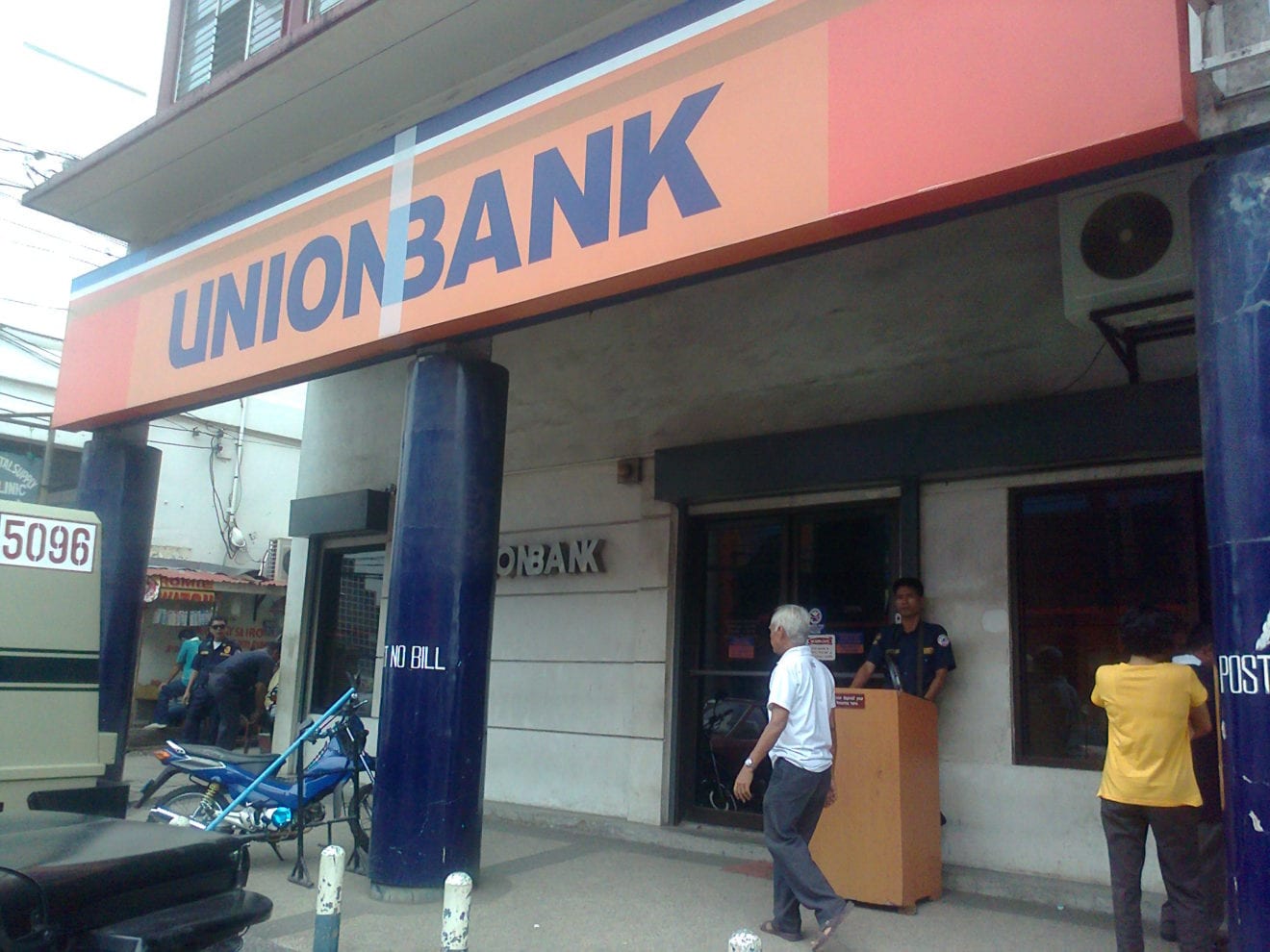
  • Union Bank of the Philippines Welcomes Five New Senior Officers to Strengthen Leadership Team

    Union Bank of the Philippines Welcomes Five New Senior Officers to Strengthen Leadership Team

    The retail landscape in Asia is witnessing a transformative shift as brands increasingly adopt hybrid shopping models in response to changing consumer preferences. As physical and digital shopping environments converge, retailers are finding innovative ways to enhance customer engagement and streamline their operations.

    Navigating the Hybrid Shopping Wave

    With the pandemic forcing a rethink of traditional shopping habits, many retailers are now enhancing their omnichannel strategies. This trend is particularly evident in Southeast Asia, where the integration of e-commerce and brick-and-mortar shopping experiences has taken center stage. Retailers are employing an assortment of tactics, from click-and-collect services to interactive in-store technologies that provide a seamless transition between online and offline shopping.

    Embracing Technology for Enhanced Customer Experience

    Technology has become a cornerstone in this hybrid shopping revolution, with a growing number of retailers leveraging data analytics and artificial intelligence to personalize the shopping journey. Stores are not merely spaces for transactions anymore; they’re evolving into experience centers where customers can immerse themselves in brands. Picture this: a mall filled with interactive kiosks and virtual reality displays, transforming mundane shopping trips into mini-adventures.

    Changing Consumer Behaviors and Expectations

    As consumer behaviors evolve, so do expectations. Shoppers now seek instant gratification and convenience, a demand that has prompted retailers to rethink their supply chains and operational processes. This includes offering faster delivery options and more flexible return policies. Additionally, as sustainability rises to the forefront of consumer consciousness, retailers are increasingly focusing on eco-friendly practices, from sourcing sustainable materials to reducing waste in their operations.

    Challenges Ahead: Striking the Right Balance

    While the hybrid model offers numerous benefits, it also presents challenges. Retailers must find the right balance between online and offline experiences to ensure they meet consumer expectations without straining resources. The challenge is akin to juggling flaming torches while riding a unicycle—challenging yet thrilling for those who dare to embrace it.

    Innovative Collaborations Driving Growth

    Innovative partnerships are becoming increasingly essential in this evolving landscape. Collaborations between technology companies and retailers are paving the way for enhanced shopping experiences, whether through advanced payment solutions, logistics support, or customer insights. As retail transforms into a more interconnected ecosystem, brands that forge strategic alliances are likely to enjoy a competitive edge.

    A Bright Future for Asian Retail

    As we move forward, the hybrid shopping model is expected to define the future of retail across Asia. With brands making strides towards integrating technology and prioritizing sustainability, the next chapter in retail promises not just growth but a reimagining of what shopping can be.

    This new era invites not only retailers to adapt but also inspires consumers to engage with brands in more meaningful ways than ever before.

    Questions & Answers

    What is driving the hybrid shopping model in Asia?
    Changing consumer preferences, combined with the impact of the pandemic, are compelling retailers to create seamless experiences that meld online and offline shopping.

    How are retailers leveraging technology to enhance customer experiences?
    Many retailers are incorporating data analytics and AI to personalize shopping journeys, while also creating immersive in-store environments through interactive technologies.

    What challenges do retailers face in implementing a hybrid model?
    Retailers must carefully balance their resources to deliver satisfying online and offline experiences while navigating the complexities of modern consumer expectations.

  • Postfinance Says Goodbye to Yuh: What This Means for the Future of Digital Banking

    Postfinance Says Goodbye to Yuh: What This Means for the Future of Digital Banking

    The finance app Yuh has officially transitioned into the hands of a single owner following the acquisition of Postfinance’s 50 percent stake by Swissquote. This move, four years post-launch of the joint venture, is seen as a strategic step to enhance Yuh’s growth potential and focus.

    With this change, Yuh is poised to implement its expansion plans with greater agility. In turn, Postfinance will redirect its resources toward its fundamental objectives, concentrating on areas that promise the most substantial impact for its customers during a challenging market climate.

    Celebrating Success and Future Growth

    Beat Röthlisberger, CEO of Postfinance, expressed pride in their role in Yuh’s journey, stating, “We are extremely proud to have been part of Yuh’s success story. It underscores our role as an innovator in Switzerland.” Yuh has swiftly emerged as the country’s most popular finance app, a feat that showcases the power of digital finance in today’s landscape.

    Swissquote’s CEO Marc Bürki noted, “We continue to stand by our long-standing, successful partnership with Postfinance. Today’s move allows us to fully integrate Yuh into our overall offering.” This full ownership enables Swissquote to better exploit synergies between the two entities and broaden its service lineup for customers across various demographics.

    Growth Valued at CHF 180 Million

    Yuh’s valuation in this transaction stands at an impressive 180 million francs. Swissquote has opted to pay part of this price through treasury shares, leading to an increase in Postfinance’s previously held 5 percent stake in Swissquote, marking a new chapter in their collaborative history.

    Despite divesting from Yuh, Postfinance remains committed to bolstering its digital services. Röthlisberger reaffirmed the bank’s intention to carve its own path within the digital banking landscape, signaling continued investment in innovation.

    As of June 30, Yuh boasted 342,369 customer accounts, holding a total of 3.2 billion francs in assets. With the acquisition, Swissquote surpasses the impressive milestone of one million customer accounts, now totaling 1,050,762—a testament to its successful expansion strategy.

    Questions & Answers

    What prompted Swissquote’s acquisition of Yuh from Postfinance?
    The acquisition is aimed at enhancing Yuh’s growth efficiency and allowing for greater focus under a single ownership structure, after four years of operating as a joint venture.

    How does this acquisition impact Postfinance’s digital strategy?
    Postfinance plans to sharpen its focus on its core business areas, continuing to strengthen its digital offerings and services, despite selling its stake in Yuh.

    What are Yuh’s performance metrics following the acquisition?
    As of June 30, Yuh reported 342,369 customer accounts with assets totaling 3.2 billion francs, contributing to Swissquote’s overall customer base exceeding one million accounts.

  • Malaysia’s Banks Report 5.3% Loan Growth in May, Driven by Construction Sector Surge

    Malaysia’s Banks Report 5.3% Loan Growth in May, Driven by Construction Sector Surge

    The retail landscape in Asia is witnessing a striking transformation as digital shopping experiences increasingly complement traditional brick-and-mortar stores. Consumers are embracing a fusion of online convenience and in-store engagement, creating a unique shopping atmosphere that retailers must navigate. The latest insights reveal a dynamic shift toward omnichannel strategies, illustrating how brands are innovating to meet evolving consumer needs.

    A Surge in Omnichannel Shopping

    In recent months, surveys indicate that 70% of consumers across major Asian markets prefer a blend of online and in-store shopping. This trend reflects a desire for the tactile experience of physical stores along with the efficiency of digital transactions. While retailers once focused on building standalone online platforms, the game has shifted. Brands are now racing to create seamless shopping experiences that engage consumers at multiple touchpoints — whether through mobile apps, social media, or classic storefronts.

    Consumer Preferences are Shifting

    Surprisingly, a recent study found that 58% of millennials are likely to make impulse purchases driven by social media ads. Brands like Shopee and Lazada are capitalizing on this trend by integrating social commerce features into their platforms, transforming how products are showcased and sold. The playfulness of an Instagram story can lead to a purchase just as easily as a walk through a retail aisle.

    Retailers Embrace AI and Personalization

    Amid this transformative environment, artificial intelligence is emerging as a vital tool for personalization. Retailers are harnessing AI algorithms to analyze consumer behavior and tailor shopping experiences that resonate with individual preferences. The results are impressive, with brands reporting up to 30% increases in conversion rates when leveraging AI-driven personalization strategies. As one industry insider noted, “When your shopping experience feels like it was designed just for you, how can you resist?”

    The Role of Sustainability in Consumer Choices

    Moreover, sustainability is becoming a pivotal factor in consumer purchasing decisions. A staggering 65% of shoppers in Asia now prioritize buying from brands that demonstrate strong environmental commitments. Eco-conscious initiatives, such as sustainable packaging and ethical sourcing, are more than just buzzwords; they are becoming essential components of a brand’s identity in today’s market. Retail giants are not just selling products; they’re selling values, and consumers are taking note.

    Looking Ahead: Challenges and Opportunities

    As the retail sector continues to evolve, challenges persist. Supply chain disruptions and shifting regulatory landscapes test the resilience of even the most established brands. Yet, with every challenge comes an opportunity. Retailers that adapt to these changing dynamics—through enhanced technology integration, innovative customer engagement strategies, and a commitment to sustainability—are poised to thrive in the new era of retail.

    Questions & Answers

    What percentage of consumers in Asia prefers a combination of online and in-store shopping?
    Seventy percent of consumers across major Asian markets prefer a blend of both online and in-store shopping, reflecting the increasing demand for omnichannel experiences.

    How is social media influencing shopping habits in Asia?
    A study showed that 58% of millennials are likely to make impulse purchases due to social media ads, driving retailers to integrate social commerce features into their platforms.

    What role does sustainability play in consumer purchasing decisions?
    Approximately 65% of shoppers in Asia prioritize buying from environmentally conscious brands, making sustainability a critical factor in brand loyalty and purchasing behavior.

  • Australia’s Big Four Banks Face Billions in Fossil Fuel Exposure – What It Means for Investors

    Australia’s Big Four Banks Face Billions in Fossil Fuel Exposure – What It Means for Investors

    Australia’s major banks, while reducing their project finance to fossil fuel companies, still maintain significant exposures in the billions, according to recent findings from the Institute for Energy Economics and Financial Analysis (IEEFA). The big four—Australia and New Zealand Banking Group (ANZ), Commonwealth Bank of Australia (CBA), National Australia Bank (NAB), and Westpac—continue to overlook a critical environmental risk: methane emissions during fossil fuel production.

    Overlooked Methane Risks in Fossil Fuels

    Anne-Louise Knight, IEEFA’s lead coal analyst for Australia, highlighted how these banks, despite recognizing methane risks in other sectors, tend to ignore them when it comes to their coal or oil and gas clients. This oversight is particularly alarming given that methane is responsible for approximately 30% of the post-industrial increase in global temperatures.

    Missing Methane Reporting

    According to Knight, none of the major banks differentiate methane emissions from carbon dioxide emissions in their reporting. Some institutions appear to rely on outdated International Energy Agency (IEA) scenarios regarding net-zero emissions when devising their plans. Alarmingly, none of the banks have committed to phasing out financial support for metallurgical coal mining, a sector known for its higher methane intensity compared to thermal coal.

    Calls for Action on Emissions

    IEEFA strongly advocates for the mandatory submission of climate transition plans by all fossil fuel clients and urges banks to integrate methane emissions into their accounting practices. Independent verification of self-reported methane emissions from clients in methane-heavy industries should also become a standard requirement.

    “Australia’s major banks have made substantial progress in tackling climate-related financial risks and establishing decarbonization goals,” Knight stated. “However, the credibility and effectiveness of these measures are undermined by critical shortcomings, particularly the inconsistent focus on methane emissions.”

    As the climate crisis mounts, one wonders: can Australia’s banks really afford to keep their heads in the sand over methane emissions, or will they wake up and smell the… well, gas?

    Questions & Answers

    What are the main findings of the IEEFA regarding Australia’s major banks and methane emissions?
    IEEFA’s findings indicate that while the big four banks in Australia have cut back on financing fossil fuel companies, they continue to have massive exposures. They also largely ignore the risks associated with methane emissions from these sectors.

    How has methane contributed to climate change according to the IEEFA?
    Methane is responsible for around 30% of the post-industrial increase in global temperatures, making it a significant concern in the context of fossil fuel production.

    What measures does the IEEFA recommend for banks to improve their environmental accountability?
    IEEFA recommends that banks should require submissions of climate transition plans from all fossil fuel clients, incorporate methane emissions into their accounting, and necessitate independent verification of self-reported methane levels.

  • Vontobel Welcomes New Head of Human Resources to Drive Talent and Innovation Forward

    Vontobel Welcomes New Head of Human Resources to Drive Talent and Innovation Forward

    The Winds of Change at Vontobel: New HR Leadership Steps In

    In a strategic move reflecting its commitment to innovative leadership, Vontobel has announced the appointment of Annette Nanzer as its new Head of Human Resources, effective September 1, 2025. Nanzer replaces Caroline Knoeri, who departed the bank earlier this year, leaving behind a mantle that Nanzer is poised to embrace.

    Nanzer arrives at Vontobel with a wealth of experience that spans various international leadership roles, particularly in human resources and consulting. Her background highlights a strong focus on driving digital and organizational transformations — a skill set that could be pivotal as the banking sector navigates an increasingly complex landscape.

    Before joining Vontobel, she held the position of Head of Human Resources at Zuger Kantonalbank. Her career also boasts an impressive roster of prior stints with major firms such as Bristol Myers Squibb, Partners Group, Swisscard AECS, and McKinsey. Armed with a Master’s degree in Economics and Business Administration from the University of Bern, Nanzer’s qualifications underscore her readiness for this vital role.

    As Vontobel sets its sights on enhancing organizational effectiveness, one can only wonder if her leadership will spark as much transformation as a splash of color on a blank canvas — and possibly bring an unexpected twist to the bank’s HR strategy.

    Questions & Answers

    What is the significance of Annette Nanzer’s appointment at Vontobel?
    Nanzer’s appointment signifies Vontobel’s focus on innovative leadership and expertise in digital and organizational transformation within the evolving banking landscape.

    What previous roles has Annette Nanzer held before joining Vontobel?
    Before Vontobel, Nanzer served as the Head of Human Resources at Zuger Kantonalbank and held leadership roles at Bristol Myers Squibb, Partners Group, Swisscard AECS, and McKinsey.

    How does Nanzer’s academic background support her new position?
    Nanzer holds a Master’s degree in Economics and Business Administration from the University of Bern, providing her with a strong analytical foundation to navigate the complexities of HR within a financial institution.

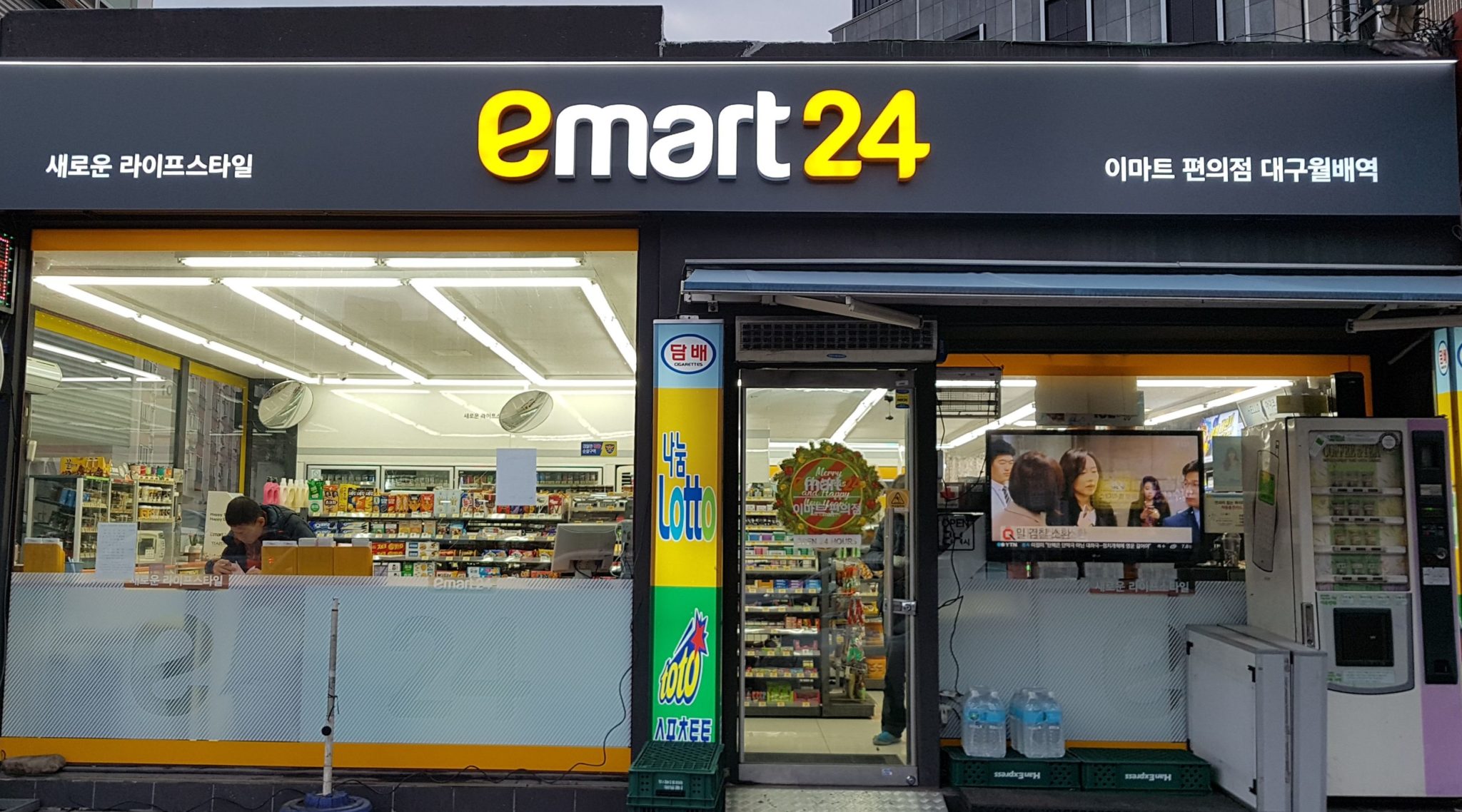
  • Korean Retail Giant E-mart Invests $150m For Philippine Expansion: Aims To Enhance Local Shopping Experience

    Korean Retail Giant E-mart Invests $150m For Philippine Expansion: Aims To Enhance Local Shopping Experience

    In a bold move to capture a growing market, Korean discount department store chain E-Mart has announced its ambitious expansion into the Philippines. With a combined investment of approximately $150 million, E-Mart is set to open five new stores across the archipelago over the next few years, targeting the burgeoning middle class and their increasing appetite for affordable yet quality retail experiences.

    Targeting the Filipino Market with Strategic Stores

    Initially, E-Mart plans to establish its presence in major urban centers such as Metro Manila and Cebu, locations brimming with potential customers eager for diverse shopping options. Local market analysis suggests that Filipino consumers are increasingly drawn to retail environments that offer both value and variety — a niche that E-Mart aims to fill with its unique blend of products, from groceries to electronics.

    The decision to invest in the Philippines is not just a stroke of luck; it’s rooted in the company’s successful South Korean model. This version of a “hypermarket” approach has won hearts back home, where E-Mart has over 150 locations. The Philippine economy has shown resilience, making it ripe for the chain’s budget-friendly offerings and expansive range of home goods.

    Creating a Dazzling Retail Experience

    But expanding into a vibrant market like the Philippines involves more than just placing stores. E-Mart has committed to tailoring its shopping experience for Filipino customers, incorporating local products alongside its beloved Korean offerings. This strategy not only caters to local tastes but also fosters a sense of community, turning shopping into a delightful cultural exchange rather than a mere transaction. Imagine snatching up your favorite local snack right next to an imported Korean delicacy—talk about a shopping thrill!

    To bolster its brand awareness, E-Mart is launching an engaging marketing campaign that traverses traditional advertising to digital platforms, ensuring maximum reach among potential customers. Employing social media strategies and local influencers will further elevate its profile, especially among younger, tech-savvy shoppers who dominate the market.

    Facing Challenges with Optimism

    While the Philippines offers a promising landscape for retail growth, E-Mart’s entry will not be without challenges. Navigating bureaucratic hurdles and building a reliable supply chain in a new environment will require deft planning and local insights. However, the chain’s leadership remains undeterred, viewing these obstacles as mere stepping stones toward establishing a lasting legacy in the Filipino retail space. “We are excited to connect with Filipino consumers and be part of their daily lives,” the company stated in a recent press release.

    Looking Ahead: What’s Next for E-Mart?

    The anticipated openings are expected to create a buzz in the local markets, potentially leading to not just retail growth but also new job opportunities for the local workforce. As E-Mart lays the groundwork for its future, the attention will be on how well it integrates into the Filipino retail landscape and meets the expectations of its new customer base. For now, all eyes will be on the first store launch, which promises to deliver both value and innovation, as well as a much-needed upgrade to the local shopping scene.

    Questions & Answers

    What is E-Mart’s investment plan in the Philippines?
    E-Mart plans to invest approximately $150 million to establish five new stores in the Philippines over the next few years.

    Which locations are targeted for E-Mart’s new stores?
    The first E-Mart stores are set to open in major urban centers, particularly in Metro Manila and Cebu, to attract a large customer base.

    How does E-Mart plan to engage with the local market?
    E-Mart aims to tailor its offerings by incorporating local products alongside Korean goods and is launching a comprehensive marketing campaign that includes social media outreach.