Tag: bank

  • Citi Names Asia Clean Energy Head

    Citi Names Asia Clean Energy Head

    Based in Hong Kong, the newly created role will support the bank’s clients with their transition to cleaner energy.

    Citi has appointed William Pang as head of natural resources and clean energy transition (NRCET) investment banking Asia, effective immediately, the U.S. lender announced in a statement on Tuesday.

    Pang joined Citi in 2015, and has over 18 years of investment banking and legal experience, including at HSBC, Lexicon Partners, Macquarie Group and Clifford Chance.

    In his new role, Pang will work closely with the global leaders of NRCET and the leaders of the relevant sectors – chemicals, energy, power and clean energy transition. He is currently head of power and infrastructure investment banking for Asia, and will concurrently hold this role, the announcement said. He will report regionally to Jan Metzger, Asia Pacific head of banking, capital markets and advisory and globally to NRCET co-heads Stephen Trauber and Sandip Sen.

    In 2019, Citi met its $100 billion environmental finance goal four years early. In April 2021, it announced a $500 billion environmental finance goal and $1 trillion sustainable finance goal, all by 2030. Circular economy and sustainable agriculture and land use are among the new criteria for its $500 billion goal.

    The drive toward low and net-zero carbon solutions will facilitate the formation and growth of many new companies and will require significant capital investment. It will also facilitate the formation and growth of many new companies requiring significant capital investment, Metzger said.

  • Line Launches Digital Bank in Indonesia

    Line Launches Digital Bank in Indonesia

    The country – the world’s fourth most populous – is its third overseas market, following launches in Thailand and Taiwan.

    Japan-headquartered mobile and internet services firm Line has launched a digital banking platform in Indonesia in collaboration with Bank KEB Hana Indonesia, a subsidiary of South Korea’s Hana Bank, and LINE Financial Asia.

    Line Bank by Hana aims to make banking easier and expand access to financial services in a country that counts one of Southeast Asia’s largest unbanked populations. Its product line includes savings accounts, time deposits, debit cards, and bill payments. Line said it plans to expand the range of products to include loans, partnership loans, and QR payments.

    In Indonesia in particular, due to this market’s unique geographical characteristics, we believe bringing banking services to people’s mobile phones will greatly increase their availability and convenience,» Young Eun Kim, Line Financial Asia CEO, said in an announcement on Friday.

    Founded in 2011 as a messaging app in Japan, Line has since grown into a global ecosystem that includes AI technology, fintech, and more. The company has lay the groundwork in Indonesia since 2018, when it became the second-largest shareholder of Hana Bank Indonesia when it acquired 20 percent of the company through a Share Subscription Agreement.

    Line has its work cut out in the country: it is competing in a crowded market with giants such as Gojek with Bank Jago, Sea Group with Seabank Indonesia, Akulaku with Bank Neo Commerce, and Kredivo.

  • Standard Chartered Faces More Hin Leong Headwinds

    Standard Chartered Faces More Hin Leong Headwinds

    Energy trader Winson Oil Trading is seeking damages from Standard Chartered for failed payments over a diesel cargo sold to Hin Leong Trading.

    The Hin Leong debacle continues to unravel with Winson Oil filing the latest case to seek damages, interest and costs – at least $30.4 million – from Standard Chartered, according to court documents.

    Documents show that Winson Oil sold a cargo of ultra-low sulfur diesel to Hing Leong and had received a letter of credit (LC) from Standard Chartered in early April. Upon presenting the LC through Credit Agricole Corporate and Investment Bank, Standard Chartered failed to complete the payment.

    23 banks were reportedly affected by financial distress at Hin Leong, whose founder reportedly admitted that the Singapore oil trader failed did not disclose losses totaling $800 million. OCBC is amongst the affected lenders who also faced charges from Winson Oil which demanded payment for the sale of fuel financed by the bank.

    Hin Leong is currently under Singapore’s judicial management to restructure billions of dollars in debt.

  • CITIC Offloads McDonald’s Stake

    CITIC Offloads McDonald’s Stake

    CITIC has plans to sell a 22 percent stake in McDonald’s Chinese mainland and Hong Kong business to its parent group’s private equity arm.

    The main listed arm of the Chinese state-owned CITIC Group, CITIC Ltd., will aim to raise at least 2.17 billion yuan, according to a report citing a Beijing bourse filing.

    The report also underlined CITIC Capital, the group’s alternative investment arm, as the likely buyer of the stake, adding to its $26 billion in assets already under management. Finalization of the deal is earmarked for early February, one of the sources added.

    McDonald’s said that strategy and daily operations at its mainland and Hong Kong business would be unaffected by the deal. CITIC also provided assurances, noting that the deal was a purely «commercial decision» and that it would continue cooperation with McDonald’s business in China.

    CITIC will be selling the 22 percent stake through Fast Food Holdings Ltd., a holding firm set up with CITIC Capital to hold the combined 52 percent stake of McDonald’s mainland and Hong Kong business. Following the deal, CITIC Ltd. will still hold 10 percent of the regional McDonald’s business.

  • ABN Amro Faces Significant Penalties for Controversial Bonus Payments

    ABN Amro Faces Significant Penalties for Controversial Bonus Payments

    The Dutch central bank has handed down a hefty €15 million fine to ABN Amro for awarding bonuses to senior executives, a practice strictly forbidden for state-owned banks since 2012. This punitive action stems from the bank’s decision to defy explicit warnings from regulators, much to their chagrin.

    Regulatory Backlash

    De Nederlandsche Bank (DNB) described this incident as a “serious violation.” The rationale behind the ban on bonuses for state-owned banks is clear: it aims to safeguard taxpayer money and ensure that government support does not enrich top executives. Although the law forbade bonuses for board members since 2012, its reach extended to certain senior managers, categorized as the “second tier,” in 2015.

    Between 2016 and 2024, ABN Amro managed to pay €1.5 million in bonuses to seven of these second-tier managers, along with awarding one executive two raises that notably exceeded established pay norms—all of which were prohibited. The fine, fixed in accordance with current regulatory guidelines, is seen as “appropriate and justified” given the size of the institution.

    A Warning Ignored

    The supervisory authority has long had its eyes on ABN Amro, having previously flagged the illegal bonus policy. After temporarily halting the practice, the bank bizarrely decided to reinstate it and even issue new bonuses, which directly contradicted instructions from the DNB. This blatant disregard for regulations has earned the bank a higher degree of culpability in the eyes of its overseers.

    “A professional market participant and licensed bank such as ABN Amro is expected to be aware of and comply with the applicable laws and regulations,” the DNB emphasized.

    Acceptance and Reflection

    In the aftermath, ABN Amro accepted the fine, claiming it had “interpreted and applied the legislation in good faith,” while conceding that this interpretation was flawed. The bank was nationalized during the 2008 financial crisis when it teetered on the edge of collapse, leading to a government bailout. Although the Dutch government has been gradually reducing its ownership stake since 2015, it still retains a 30 percent share in the bank.

    ABN Amro might now wish it had kept its bonuses under wraps because, as they say, money can’t buy you compliance!

    Questions & Answers

    What was the reason behind the fine imposed on ABN Amro?
    The Dutch central bank fined ABN Amro €15 million for awarding bonuses to senior executives, which is prohibited for state-owned banks to prevent taxpayer funds from enriching top executives.

    How long had ABN Amro been violating the bonus ban?
    The bank paid bonuses between 2016 and 2024, even after receiving warnings from regulators.

    What was ABN Amro’s response to the fine?
    ABN Amro accepted the fine and admitted that its interpretation of the legislation was incorrect, despite claiming it was applied in good faith.

  • Taipei Fubon Commercial Bank Poised to Thrive Amid Market Volatility with Strong Financial Resilience

    Taipei Fubon Commercial Bank Poised to Thrive Amid Market Volatility with Strong Financial Resilience

    The landscape of corporate lending at Taipei Fubon Commercial Bank (TFCB) is set for a period of modest turbulence, but the institution is firmly grounded in its financial foundation. According to Moody’s Ratings, the bank is projected to maintain solid solvency and robust liquidity through 2026, navigated by the stormy waters of global trade tensions and their potential impact on Taiwan’s economy. As the new Taiwanese dollar strengthens, TFCB is well-positioned to weather these challenges.

    Steady Outlook Amid Challenges

    As of March 31, 2025, TFCB’s problem loan ratio stood at a commendable 0.42%. Moody’s anticipates a “very mild increase” in this ratio over the next year and a half. Meanwhile, caution is warranted for corporate lending, particularly among borrowers heavily reliant on revenue streams from the United States, which may see a moderate dip in asset quality.

    Residential Lending Remains Stable

    On a brighter note, the bank’s residential mortgage and property-related lending—accounting for nearly half of its gross loans—shows promising stability, with low levels of non-performing loans. While growth in this sector is expected to be modest, sitting in the low single digits, this largely stems from credit control measures recently instituted by the government in 2024.

    Profitability Projections

    Looking ahead, TFCB’s profitability is predicted to see a modest rise, thanks to steady flows from non-interest income streams, particularly from wealth management and credit card fees. This positive trend underscores the bank’s ability to diversify and strengthen its earnings base.

    Strong Funding and Liquidity

    Moody’s also highlights that TFCB’s funding and liquidity continue to be significant credit strengths. The bank’s funding structure remains robust, with customer liabilities representing 88% of its total liabilities. Furthermore, its liquid banking assets make up approximately 29.5% of tangible banking assets as of March 31, 2025. This financial cushion, coupled with the government’s readiness to bolster the banking system, provides a reassuring backdrop for TFCB as it grapples with the changing economic landscape.

    So, while clouds may gather, it seems that TFCB is more than ready to dance in the rain!

    Questions & Answers

    What are the predictions for TFCB’s problem loan ratio?
    The problem loan ratio is expected to see a very mild increase over the next 12 to 18 months, remaining stable at 0.42% as of March 31, 2025.

    How stable is TFCB’s residential mortgage lending?
    The asset quality of TFCB’s residential mortgage and property-related lending remains stable, with low non-performing loan formation; growth is expected to be in the low single digits due to government credit control measures.

    What are the main sources of income driving profitability?
    Profitability is predicted to improve modestly, bolstered by steady growth in non-interest income from wealth management and credit card-related fees.

  • Baloise Welcomes Dynamic New Executive from NPB Neue Privat Bank to Strengthen Leadership Team

    Baloise Welcomes Dynamic New Executive from NPB Neue Privat Bank to Strengthen Leadership Team

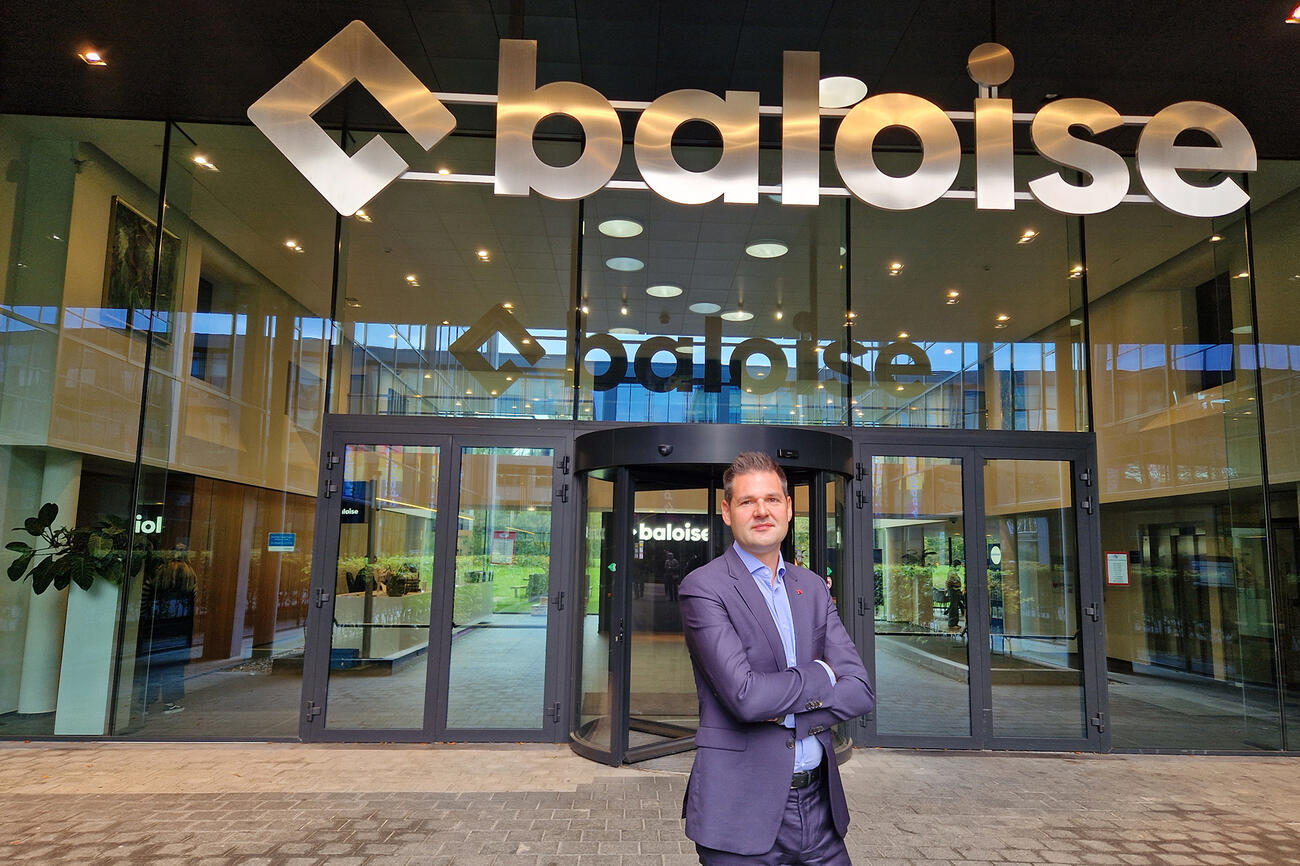
    Baloise Bank has welcomed a new addition to its executive board with the appointment of Joël Renggli, who took on his role in May following a brief tenure at NPB Neue Privat Bank. This vibrant shift hints at how major banks continue to adapt in today’s dynamic financial landscape.

    As a multi-asset trader, Renggli will navigate the complex waters of capital markets by executing transactions in equities, bonds, funds, options (EUREX), and foreign exchange. His responsibilities also encompass co-managing the bank’s liquidity and strategizing on money market operations, including the meticulous handling of FX reserves and REPO transactions. It’s a crucial role that demonstrates Baloise’s commitment to maintaining a robust and agile financial position.

    From NPB and UBS to Baloise

    Renggli’s impressive journey in the banking sector brought him from NPB, where he served as a junior relationship manager for ultra-high-net-worth individuals, focusing on international clients primarily from the Middle East. His extensive previous experience at UBS spanned nearly seven years, where he began his career as an intern in 2017 and climbed through various roles within the bank’s external asset management division.

    With a career trajectory that showcases adaptability and expertise, Renggli’s transition to Baloise is not just a shift in position but a sign of the evolving demands in the banking industry. Will he bring a fresh approach that disrupts the norm? Only time will tell!

    Questions & Answers

    Who is Joël Renggli? Renggli is the newly appointed multi-asset trader and executive board member at Baloise Bank, having previously worked at NPB Neue Privat Bank and UBS.

    What are Renggli’s responsibilities at Baloise Bank? He is responsible for executing capital market transactions, co-managing the bank’s liquidity, and handling money market operations, including FX reserves and REPO transactions.

    What prior experience does Renggli have in the banking sector? Before joining Baloise, Renggli worked at NPB Neue Privat Bank and spent nearly seven years at UBS, where he held multiple roles in the external asset management division.

  • UBS Teams Up with British Fintech: A New Era of Investment Innovation Begins

    UBS Teams Up with British Fintech: A New Era of Investment Innovation Begins

    British fintech firm Icon Solutions, a pioneer in payment systems, has recently attracted attention from UBS, which has joined a funding round that also includes existing investors Citi and NatWest. This significant investment, announced in a press release on Thursday, underscores Icon’s commitment to enhancing payment capabilities for banks around the globe.

    Driving Innovative Payment Solutions

    Pieter Brouwer, Head of Group Operations and Technology Office (GOTO) at UBS, highlighted the importance of this partnership, stating, “Icon is an important partner of UBS and plays a key role in modernizing payment platforms through innovative infrastructure solutions. This investment strengthens our partnership with Icon and underscores our commitment to providing our clients with faster and future-ready payment solutions.”

    By collaborating with Icon, UBS and other banks seek to fuel innovation in instant payments and streamline advanced transaction processing, enhancing overall performance in this fast-evolving sector.

    Empowering Banks through Technology

    Tom Kelleher, co-founder and CEO of Icon Solutions, expressed enthusiasm about the funding, stating, “This funding round further validates our core belief that banks should be empowered to transform their payments operations themselves.”

    The Icon Payments Framework (IPF), a development platform increasingly embraced by major financial institutions, is central to this vision. The IPF equips banks with the necessary technology and processes to independently upgrade their payment infrastructures, allowing for accelerated development, testing, and deployment while ensuring that banks maintain control over timelines and costs.

    Founded in 2009, Icon Solutions is headquartered in London and has a representative office in New York, hinting at a global ambition to revolutionize payment systems. Icon is on a mission so significant that it could make even your morning coffee payments feel cutting-edge!

    Questions & Answers

    What is Icon Solutions known for?
    Icon Solutions specializes in payment systems and focuses on developing innovative infrastructure solutions for banks worldwide.

    How does the partnership with UBS benefit Icon Solutions?
    The partnership with UBS enhances Icon’s capabilities in refining payment solutions and accelerates the development of their Icon Payments Framework (IPF) to better serve their banking clients.

    When was Icon Solutions founded?
    Icon Solutions was founded in 2009 and is based in London, with a representative office in New York.

  • Bank Tabungan Negara’s Capital Soars, Yet Asset Risk Persists: What It Means for Retail Investors

    Bank Tabungan Negara’s Capital Soars, Yet Asset Risk Persists: What It Means for Retail Investors

    Profitability at Bank Tabungan Negara (BTN) is projected to dip to between 0.55% and 0.65% by 2025, largely due to increased credit costs even as net interest margin (NIM) shows signs of improvement. The Indonesia-based bank, while boasting a strong capital ratio of 15.3%, faces potential solvency risks that may not be immediately apparent in its financial figures, according to Moody’s Ratings.

    Sustained Asset Risks Despite Clean-Up Efforts

    Moody’s highlighted that BTN’s reported leverage at 6.6% might give an inflated sense of the bank’s financial stability. The ongoing burden of nonperforming loans (NPLs) still looms large, despite the bank’s significant strides in rectifying its historical loan issues via substantial NPL sales and write-offs. “We expect BTN’s asset risk to remain high,” Moody’s remarked, noting that 16% of BTN’s gross loans are still tied up in restructured loans due to significant mortgage exposure with longer tenors.

    Provisioning Challenges Reveal Underlying Stress

    The ratings agency pointed out that BTN holds a minimal level of provisioning compared to its heightened asset risks. This is evident in its substantial portfolio of restructured loans and accrued interest. “Although the bank’s risk-weight density was low at 43%, this figure isn’t entirely indicative of the bank’s reality,” Moody’s stated, emphasizing that restructured loans receive risk-weighting according to their collectability classification dictated by the central bank, regardless of their restructuring history. Hence, BTN’s reported earnings and capital do not entirely reflect the pressures on its financial profile.

    Government Support as a Silver Lining

    On a brighter note, BTN is expected to receive a generous cushion of support from the Indonesian government in challenging times. This backing is crucial as the bank navigates its financial landscape, especially under the cloud of projected declining profitability.

    As BTN explores its capability to lower funding costs through ongoing digital initiatives aimed at boosting access to low-cost deposits, its profitability journey will depend heavily on these strategic endeavors and new government support schemes to enhance lending yields.

    Questions & Answers

    What is the anticipated profitability range for BTN by 2025?
    BTN’s profitability is expected to decline to between 0.55% and 0.65% due to rising credit costs.

    What challenges does BTN face regarding its loan portfolio?
    The bank is grappling with a high level of restructured loans, which constitute around 16% of its gross loans, amidst ongoing asset risk.

    How does government support influence BTN’s outlook?
    BTN is projected to benefit from substantial government support during critical periods, which could help mitigate financial strains and bolster its lending capabilities.

  • India Enhances Guidelines for Unclaimed and Inoperative Deposit Accounts: What You Need to Know

    India Enhances Guidelines for Unclaimed and Inoperative Deposit Accounts: What You Need to Know

    Retail News is proud to highlight the latest innovations and trends shaping the retail landscape in Asia.

    The Rise of Omni-Channel Retailing in Asia

    In an increasingly competitive market, retailers across Asia are embracing the omni-channel approach, providing seamless shopping experiences that blend online and offline interactions. This transformation isn’t just about having a website; it’s about creating a cohesive brand experience that resonates with customers no matter where they choose to engage.

    Leading the charge, prominent brands are leveraging technology to redefine customer service, enhance convenience, and foster loyalty. From integrating artificial intelligence in inventory management to harnessing data analytics for personalized marketing, the deployment of tech is proving vital. It’s as if retailers are saying, “Why settle for one experience when you can have them all?”

    Consumer Behavior is Changing

    Trends reveal that today’s consumers crave instant gratification, further accelerating the shift toward swift delivery options. Nearly 80% of shoppers in Asia now expect same-day delivery, prompting retailers to rethink their logistics and supply chains. Fast is no longer just a luxury; it’s an expectation. Retailers that can meet these demands are not just surviving; they’re thriving, with some even turning logistics into their unique selling proposition.

    Moreover, the influence of social media cannot be ignored. Platforms like Instagram and TikTok are morphing into shopping destinations, allowing retailers to foster community and drive sales simultaneously. After all, who says you can’t scroll and shop at the same time?

    Sustainability as a Driving Force

    As consumers become more environmentally conscious, sustainability emerges as a key consideration in retail strategies. Brands are now actively working to reduce their carbon footprints and implement eco-friendly practices. Whether it’s through sustainable sourcing or innovative recycling programs, the push for green retailing is stronger than ever. This shift speaks volumes about consumer expectations: It’s no longer just what you sell, but how you sell it that matters.

    Innovation shines bright as companies experiment with various initiatives, from biodegradable packaging to circular economy models. It’s a thrilling time when retailers not only satisfy shopping cravings but also contribute to a healthier planet—talk about a win-win!

    Challenges Ahead

    Nonetheless, challenges loom on the horizon. Retailers must navigate economic uncertainties and supply chain disruptions, not to mention rising competition. Preparing for the unexpected is more crucial than ever, as agility and adaptability define the winners in this dynamic market landscape.

    Companies are investing in robust digital infrastructures to ensure they can pivot quickly—a savvy move in an ever-evolving environment. Surprises are around every corner, and those who dare to be one step ahead will be the ones leading the way.

    It’s a wild world out there in the retail sector, but with innovation, sustainability, and a touch of agility, the future looks promising!

    Questions & Answers

    What is omni-channel retailing?
    Omni-channel retailing is a strategy that integrates multiple shopping methods—online, mobile, and physical stores—into a seamless customer experience.

    How important is speed in delivery for today’s consumers?
    Speed has become essential, with nearly 80% of consumers in Asia expecting same-day delivery as standard.

    What role does sustainability play in modern retail?
    Sustainability is increasingly vital, as consumers prefer brands that demonstrate eco-friendly practices and a commitment to reducing their environmental impact.

  • Sygnum Appoints Former UBS Executive as New Chairwoman of the Board

    Sygnum Appoints Former UBS Executive as New Chairwoman of the Board

    In a strategic move poised to enhance its leadership, Sygnum has welcomed two notable figures to its board: Pia Tischhauser, a former Senior Partner at Boston Consulting Group and Supervisory Board member at Swiss Re, and Vinod Kumar, the former CEO of Vodafone Business and current Vice-Chairman of private equity firm Everstone. Their arrival promises to inject a wealth of experience in navigating highly regulated industries and tech-driven markets.

    Luka Müller Steps Down as President

    The Zurich-based crypto bank officially announced Gabriela Maria Payer as the new Chairwoman of the Board, marking a new chapter for the company. Payer, who had been serving as the acting Chair since September 2024 due to co-founder Luka Müller stepping down for health reasons, brings her established expertise as a founding board member and former senior positions at UBS. Presently, she also serves on the boards of Helvetia Group and Sphaira Innovation.

    Prominent Finance Figures Join Advisory Council

    The board expansion coincides with the establishment of an expanded Advisory Council featuring notable figures such as investor David Sacks and former Swiss National Bank Vice President Philipp Hildebrand, adding to Sygnum’s prestigious network.

    Celebrating Unicorn Status

    2024 has been a landmark year for Sygnum, with annual trades skyrocketing over 1000%, its loan book nearly tripling, and total assets soaring to $4.5 billion. Earlier this year, the bank raised a whopping $58 million in a growth round, celebrating its achievement of Unicorn status—a nod to its soaring valuation and ambition.

    Expanding B2B Partnerships

    Sygnum’s client base is growing, supported by over 20 B2B partnerships, including alliances with Postfinance, Zuger and Luzerner Kantonalbanks, and Bordier & Cie. With operations spread across Switzerland, Singapore, Abu Dhabi, Luxembourg, and Liechtenstein, the board’s expansion aligns with Sygnum’s aspirations to rise as a global frontrunner in regulated digital asset banking. Who knew that crypto banking could be this dynamic!

    Questions & Answers

    What positions did Pia Tischhauser and Vinod Kumar previously hold? They both held significant roles in their respective fields, with Tischhauser as a Senior Partner at BCG and Kumar as CEO of Vodafone Business.

    Why did Luka Müller step down from his position? Luka Müller stepped down due to health reasons, paving the way for Gabriela Maria Payer to take charge as Chairwoman.

    What milestone did Sygnum achieve earlier this year? Sygnum achieved Unicorn status after successfully raising $58 million in a growth round, reflecting its rapid growth and market potential.

  • SG Digital Banks Venture into Investments and Loans to Drive Profit Growth

    SG Digital Banks Venture into Investments and Loans to Drive Profit Growth

    Digital banks in Singapore are striding confidently into the future by expanding their portfolios with higher-margin products like investments and loans, but two years after their debut, they still face significant challenges. A recent report from Simon-Kucher highlights that while these digital entities have garnered attention, they remain in the red due to high acquisition costs clashing with a troubling number of inactive accounts.

    Curiosity versus Commitment

    One major hurdle for these banks is the surprising number of accounts that remain dormant. “Many customers open accounts out of curiosity but fail to fund them—especially in Singapore, where the process is streamlined with tools like Singpass,” explained Simon-Kucher managing partner Silvio Struebi, alongside partners Alan Lim and David Lielacher. This scenario underscores the challenge of transforming casual curiosity into active engagement.

    Expanding Offerings to Boost Engagement

    In a bid to attract a more engaged customer base, digital banks are broadening their service offerings. MariBank, for instance, has recently unveiled investment options, becoming the first digital bank in Singapore to do so. This innovative move is expected to pave the way for Trust and GXS to introduce similar features in 2025. Simon-Kucher suggests that integrating investment solutions into a more comprehensive, customer-centric product lineup could help digital banks deepen their impact.

    Building Broader Ecosystems

    Many digital banks are already nested within larger ecosystems, like Trust Bank’s partnership with NTUC or GXS’s collaboration with Grab and Singtel. However, the report emphasizes that to truly grow, these banks must seek expansion beyond their initial ecosystems. Recognizing this necessity, GXS and MariBank are now reaching out to sole proprietorships and micro-businesses, often overlooked by traditional banks.

    These small enterprises share some characteristics with retail clients but typically come with heightened risks and costs for established banks. “We observe a financing gap in the MSME and SME segment, where business customers struggle to access loans at reasonable rates,” the report noted. Digital banks, buoyed by their tech-driven models, could potentially offer more affordable options, sidestepping the liquidity constraints that traditional lending platforms often face.

    Moreover, digital banks possess a unique advantage in monitoring customer payment behaviors, which helps them gauge the liquidity health of MSME clients. By also providing supplementary services—ranging from payment terminals to invoicing solutions and cybersecurity offerings—they can carve out a valuable niche in this underserved market.

    As digital banks navigate this complex landscape, they hold the promise to not only expand their own foothold but also empower a wealth of small businesses in Singapore.

    Questions & Answers

    What challenges are digital banks in Singapore currently facing?
    They are contending with high acquisition costs and a significant number of inactive accounts, which has kept them in the red for the past two years.

    What strategies are digital banks employing to attract customers?
    Digital banks are expanding their product offerings to include investments and wealth management services to engage customers more effectively.

    How are digital banks serving micro and small businesses?
    They are reaching out to niche markets such as sole proprietorships and micro-businesses, offering tailored financial solutions and ancillary products to meet underserved needs.

  • Bank of Ningbo Boosts Profitability with Strong Regional Presence and Strategic Growth Initiatives

    Bank of Ningbo Boosts Profitability with Strong Regional Presence and Strategic Growth Initiatives

    Bank of Ningbo is poised to maintain its robust market position, bolstered by its established foothold in China’s affluent regions and solid funding stability, according to a recent report by S&P Global Ratings. While the bank’s strengths shine through its geographic focus and moderate capital adequacy, the rapid expansion of its assets serves as a notable counterbalance to these advantages.

    “The bank has consistently outperformed domestic peers in customer retention and profitability, even amidst economic downturns in its operating regions,” the ratings agency affirmed in a press release. This resilience can largely be attributed to Bank of Ningbo’s deep integration into the local ecosystem, enhanced by agile services that benefit from an early embrace of digital technologies.

    One of the bank’s standout features is its emphasis on cross-border settlements and foreign exchange management, which appeals to its primary clientele: private small to medium-sized enterprises engaged in international ventures. Since being recognized as a domestic systemically important bank (D-SIB) in China in 2021, Bank of Ningbo has enjoyed enhanced customer loyalty and reduced funding costs.

    “We anticipate low credit losses and a high non-performing asset (NPA) coverage ratio for Bank of Ningbo over the next two years. The bank’s credit cost averaged 1.13% over the past five years, outperforming the sector average of 1.27%,” S&P noted.

    As of the end of 2024, Bank of Ningbo commands a 0.58% market share nationwide, with impressive figures of 11.46% in Ningbo City and 3.99% across Zhejiang province. These strengths, coupled with an above-average net interest margin (NIM), position the bank favorably for continued profitability. “The bank’s return on average assets stood at 1.02% and NIM at 2.05% between 2020 and 2024, compared to the sector averages of 0.73% and 1.86%,” S&P elaborated.

    In summary, with its unique local insight and smart digital solutions, Bank of Ningbo isn’t just surviving; it’s thriving in the fast-paced world of banking.

    Questions & Answers

    What factors contribute to Bank of Ningbo’s strong market position?
    The bank’s solid presence in high-income regions, coupled with adequate funding and liquidity, allows it to maintain a competitive edge.

    How has the bank’s digital transformation impacted its operations?
    Early adoption of digital systems has enabled the bank to offer agile services, deepening its integration within the local ecosystem and enhancing customer satisfaction.

    What is the bank’s current market share in China?
    As of the end of 2024, Bank of Ningbo holds a 0.58% market share nationwide, with an impressive 11.46% in Ningbo City and 3.99% in Zhejiang province.

  • Singapore Banks Face Growing Job Vacancies Amid Corporate Spending Slowdown

    Singapore Banks Face Growing Job Vacancies Amid Corporate Spending Slowdown

    Singapore’s banking landscape is undergoing a significant transformation, as hiring practices take a cautious turn in response to shifting economic realities. According to recruitment expert Ken Ong, managing director at Morgan McKinley’s Singapore operations, banks are slowing down hiring, with a striking statistic emerging: for every two employees who resign, only one position is filled.

    Hiring Trends Shine Light on Industry Concerns

    Ong shared his insights in a recent interview with Asian Banking & Finance, noting that while some specific roles, particularly in wealth management and relationship management, continue to be in demand, the overall trend is undoubtedly towards reduced hiring. “Bulge bracket banks are not bringing in new talent at the same pace,” he explained. “Conversely, second-tier banks, especially Asian ones, are still making selective strategic hires.”

    Cybersecurity and Contract Work Take Center Stage

    Ong emphasized that second-tier banks are actively looking for specialized skills to enhance their cybersecurity measures, cloud investments, and data analytics capabilities. However, this hiring activity is primarily concentrated in contract positions, reflecting a broader economic expectation for stagnation this year. “Organizations are eager to maintain greater flexibility with their cash flow, ensuring they have enough cushion in these uncertain times,” he added.

    Shifting Job Market Dynamics

    In this era of caution, the banking workforce is also evolving. Ong noted a noticeable trend of bankers transitioning into the fintech sector, as well as shifts in job locations, with roles moving from Hong Kong to Singapore. Employers are now leveraging contract work as a means to evaluate potential candidates before offering permanent positions. “Many clients are open to the contracting approach to validate performance,” he shared.

    Career Paths Redefined

    Interestingly, new professionals are embracing contract roles as a unique opportunity to explore different career paths. “Gone are the days when young professionals were expected to specialize early in their careers; they now prefer varied experiences before committing to a niche,” Ong concluded, revealing a refreshing shift in mindset.

    Questions & Answers

    What is the current trend in hiring at Singaporean banks?
    The hiring trend in Singaporean banks is slowing down, with a significant imbalance where for every two resignations, only one position is filled.

    What types of roles are still in demand despite the slowdown?
    Roles such as relationship managers and positions in wealth management continue to be sought after, particularly within second-tier Asian banks.

    How are new hires approaching their career paths differently today?
    New hires are increasingly opting for contract roles that allow them to explore various career paths before settling on a specialization, contrasting with previous expectations of early specialization.

  • Migros Bank Strengthens Leadership Team with Former UBS Executive Appointment

    Migros Bank Strengthens Leadership Team with Former UBS Executive Appointment

    Migros Bank is making waves with its newly appointed Head of Corporate Clients. As of September 2025, Stephan Hässig, a seasoned professional with nearly two decades at UBS, will step into this pivotal role on the Executive Board.

    The Transition of Leadership

    Hässig takes over from Olivier Häner, who has been holding the position temporarily since February. This change comes after former Head of Corporate Clients Bernd Geisenberger announced his departure at the end of June to pursue new professional ventures.

    A Wealth of Experience from UBS

    Hässig is no stranger to the nuances of banking, having joined UBS in 2005 where he cultivated expertise in advising corporate, institutional, and affluent individual clients. His most recent role was as Head of Personal Banking in the Zurich Region while also overseeing Corporate Clients for Aargau & Solothurn. Prior to his tenure at UBS, he honed his skills in client management and customer acquisition at private bank IHAG Zurich and Zürcher Kantonalbank.

    A Warm Welcome and Future Aspirations

    CEO Manuel Kunzelmann expressed enthusiasm over Hässig’s recruitment, stating, “His extensive leadership background in sales and proven ability in developing corporate and private clientele create the perfect environment for the growth of Migros Bank’s corporate client segment.” Meanwhile, Häner will refocus on leading the structured corporate finance division that he has expertly nurtured.

    As Migros Bank navigates this significant transition, one can’t help but wonder: Will Hässig’s years at UBS introduce a new era of innovation for corporate clients? Only time will tell, but it promises to be an intriguing journey ahead!

    Questions & Answers

    When will Stephan Hässig officially begin his new role at Migros Bank? He will take over as Head of Corporate Clients on September 2025.

    Who did he succeed in this position? Hässig succeeds Olivier Häner, who has been in the role on an interim basis since February 2023.

    What previous experience does Hässig bring to Migros Bank? He has nearly 20 years of experience at UBS, focusing on corporate client advisory and personal banking across various regions.