Tag: Banking

  • Wirecard Assessing Singapore Services

    Wirecard Assessing Singapore Services

    The firm is at the center of one of the region’s biggest corporate accounting scandals in recent years, having admitted that €1.9 billion is missing from its financial accounts. Wirecard has informed the Monetary Authority of Singapore (MAS) that it is assessing if it can continue providing its services in Singapore, which include credit card payments and usage of its pre-paid cards, following its parent company’s insolvency filing in Germany.

    MAS is closely monitoring the operations of Wirecard, the regulator said in a statement on Tuesday, noting that the company has complied with directions to hold customers’ funds in segregated accounts with banks here.

    DBS is seeking details from Wirecard if it can continue to use its services, and will transition to other service providers if necessary, while UOB and OCBC merchant partners use payment gateways by Mastercard and Visa and not Wirecard.

    The German payments processor, once seen as a rising star in the fintech world, has come under intense scrutiny over its alleged improper accounting conduct, which came to a head on June 18, when it was supposed to report its full-year-2019 and first-quarter-2020 results after three delays.

    However, auditor EY said it could not find sufficient audit evidence of the missing €1.9 billion in the firm’s balance sheet.

    This led to the resignation of CEO and largest shareholder Markus Braun on June 19, and his arrest several days later by German authorities on suspicion of market manipulation and false data.

    The Singapore Police Force’s (SPF) Commercial Affairs Department (CAD), which deals with white-collar crimes, started criminal investigations into Wirecard’s operations in the country in February 2019.

    MAS said on Monday that it was working with the Accounting and Corporate Regulatory Authority (ACRA) and CAD to scrutinize other possible aspects of the case.


  • UBS Closes London Harassment Case

    UBS Closes London Harassment Case

    UBS settled a discrimination and harassment lawsuit with a former graduate of the Swiss firm’s investment banking unit in London. A woman who accused the Zurich-based bank of fomenting a culture of harassment and intimidation has settled with UBS, her lawyer said Monday. We are able to confirm that a settlement was reachaed with UBS, Suzanne McKie of Farore Law said, adding that financial details are sealed.

    The settlement brings to a close a more than two-year saga involving a former graduate that roiled both UBS and the wider investment banking industry. The graduate alleged that she had been raped by her superior, and separately that she had been groped by a managing director at an event hosted by UBS. The Swiss bank’s handling via an outside probe by a major London law firm was slammed, and the case is being investigated by the U.K. regulator.

    The graduate alleged that she had been transferred repeatedly against her wish during the investigation by the bank. She also says to have been threatened with dismissal should she discuss her ordeal outside the bank.

    The settlement means the former graduate will withdraw her claim against UBS. The agreement with UBS includes a five-figure donation to British-based whistleblowing charity Protect, which first reported the settlement.

    The episode sparked several changes at UBS, including moving top investment banker Emma Molvidson into an investigative role and beefing up human resources with a J.P. Morgan top executive. Separately, Molvidson, part of an elite cadre of UBS managing directors, added the additional role of employee conduct risk to her remit in April.

  • UBS Names Co-Head of Australasia Equities

    UBS Names Co-Head of Australasia Equities

    A veteran of the Swiss private bank, who left in 2016 after 23 years, is returning to the fold as co-head of equities for Australasia.

    Based in Sydney, Chris Scott will begin his new role in August, working alongside co-head Steve Boxall and reporting to Asia-Pacific head of equities Taichi Takahashi, «AFR» reported on Friday, citing a memo circulated to UBS staff.

    According to his LinkedIn profile, Scott first joined UBS in 1992 spent nine years in Sydney as part of the bank’s equity derivatives team, and subsequently relocated to Tokyo, where he built and managed UBS Japan’s equity trading and derivatives business for 11 years. In 2012, Scott moved to Hong Kong, where he was head of APAC equity derivative trading and co-head of APAC equity derivatives.

    He returned to Sydney in 2016, and has since held roles at Asia Pacific Capital and HEAL Partners.

    The report noted that Scott’s appointment comes amid several high-profile departures of senior investment bankers from UBS in Australia, including country head Matthew Grounds and head of capital markets and head of corporate advisory Guy Fowler in 2019.

    Former co-head of investment banking Aidan Allen also left the firm earlier this month.

  • 10 Million Asia Pacific Small Businesses to Participate in Visa’s Global

    10 Million Asia Pacific Small Businesses to Participate in Visa’s Global

    Visa, today announced a commitment to support 10 million small businesses across Asia Pacific in an effort to get local communities back to business in the wake of the COVID-19 pandemic. Visa is introducing a range of programs and solutions to help small and medium enterprises (SMEs) drive efficiency and sales by accepting and making payments digitally to meet increased demand for cashless payments – both online and in-store. Visa also formed the Visa Economic Empowerment Institute (VEEI) focused on economic and societal issues, including pandemic challenges SMEs face and closing racial and gender opportunity gaps.

    The 10 million pledge is part of a global program that will see Visa supporting 50 million small businesses worldwide. Small businesses will play a vital role in helping communities recover – they account for more than half of global employment and are among the most affected by the pandemic. In Asia Pacific, SMEs account for more than 90 per cent of businesses and employ 50 per cent of the workforce.

    In addition to the economic impacts, COVID-19 is accelerating the use of digital commerce experiences, from people seeking new ways to pay that do not involve touching a terminal to a boom in eCommerce, as stay-home orders result in shopping online instead of in-store. In Asia Pacific, 41% of consumers made five or more eCommerce transactions in the past three months. Three quarters of consumers in the region have said they will keep using digital payments instead of going back to cash, even after the global pandemic has subsided.

    “Commerce across Asia Pacific is shifting further into digital in the wake of COVID-19, from more people ordering essentials online to people looking for secure, touchless ways to pay in person,” said Chris Clark, regional president, Asia Pacific, Visa. “Visa’s role as a payments network means we can help SMEs adapt to these new ways of managing and growing their business, ensuring that these crucial players can recover.”

    To help small businesses, Visa is focusing initially on four strategic areas to promote digital commerce and economic growth, with plans to continue to create products and services as the needs of entrepreneurs change over time. These areas include:

    • Empowering digital-first businesses: Visa has built localised online resource centres – now available in more than 20 countries and territories – providing tools, partner offers and information on how to start, run and grow a digital small business. Visa is teaming up with leading eCommerce platforms such as Shopify and Boutir to help local businesses get online. Visa will be expanding its global partnership with IFundWomen to Asia Pacific, providing grants and digital training to women-owned small businesses in India.
    • Encouraging digital payments:  Deploying easy to adopt touchless payment technology – rapidly, and at scale – is critical to enabling faster, more secure commerce. Visa is working to introduce low-cost digital payments acceptance, including solutions that do not require point-of-sale systems and can enable a merchant’s mobile phone to become a payment terminal. Visa and our partners have launched tap to phone solutions in Malaysia, with more Asia Pacific markets such as Australia, Hong Kong, India, Taiwan and Vietnam to follow. Visa is also supporting SMEs to make business-to-business (B2B) payments digitally. By digitalising procurement payments through the use of a Visa Business Card, SMEs can utilise reconciliation tools and benefit from higher efficiency and data insights, in addition to managing their working capital effectively. Visa has curated special partner offers for SMEs using these business cards, which include access to cloud accounting platforms, digital marketing and professional courses.
    • Incentivising neighbourhood support: Visa partnerships encourage consumers to shop local and remind them that where you shop matters. The Visa Back to Business Project – an online tool that helps consumers identify businesses that may be open in the wake of the pandemic or a natural disaster – is now live in Australia, New Zealand, and the U.S., and further expanding globally. Visa has launched its new ‘Where You Shop Matters’ initiative in Australia and New Zealand that champions and enables entrepreneurs while encouraging consumers to support small businesses. Visa will be expanding the initiative to other Asia Pacific markets such as Hong Kong, Malaysia, Philippines, Singapore and Vietnam.
    • Developing positioning and policy: In addition to the initiatives Visa is undertaking, the company today announced the formation of the Visa Economic Empowerment Institute. This new institute comprises Visa experts and partners who will help address underlying problems and provide insights for SMEs growth and closing racial and gender gaps. Key projects in the next six months will address topics including post-crisis recovery and resilience, urban mobility, closing equality opportunity gaps and insights into the gig economy.

    Suripong Tantiyanon, Country Manager for Visa Thailand, said: “As part of this commitment, Visa Thailand repurposed its available resources and struck new partnerships with fintechs to help small and micro businesses make the necessary digital transformation. The recently-launched Everyone Speaks Visa program is helping businesses of all sizes gain access to digital payments that are fast, convenient and secure.  In addition, as businesses reopen and consumers head back in-store, Visa is committed to ensuring buyers and sellers have the best and safest commerce experience through the acceptance of digital payments.  To that end, Visa is partnering with merchant partners across the country to expand the use of contactless terminals in order to help meet the growing demand for safe, secure and reliable digital payments.”

    Today’s announcement follows a global commitment from the Visa Foundation announced in April, to provide USD210 million in COVID-19 relief funding to address the longer-term needs of the small and micro business community over the next five years.

  • HSBC Singapore Spared as Overhaul Resumes

    HSBC Singapore Spared as Overhaul Resumes

    The bank’s said that the city-state remains a growth market and will continue to hire talent in its bid to become the leading international bank.

    Singapore will not be affected this year by the bank’s restructuring exercise that is expected to see it shed some 35,000 employees globally, people familiar with the matter said.

    The bank said plans to hire more than 400 retail and private banking customer-facing employees by 2023 also remains on track.

    Since 2018, HSBC Singapore has grown its headcount by 10 percent and has invested in our premises, digital capability and propositions in order to grow our customer base and market share,» a spokesperson said, the newspaper reported. «These investments and growth ambitions will continue.

    Yesterday, HSBC lifted its moratorium on job cuts to about 15 percent of its workforce, announced in March at the height of the Covid-19 pandemic.

    HSBC chief executive Noel Quinn, who unveiled the overhaul in February, told the bank’s 235,000 global staff in a memo that the exercise is even more necessary today.

    The British lender is currently at the center of a controversy over its support for Beijing’s new security law for Hong Kong, the bank’s most important market.

  • OCBC Bank to reopen all branches over the next two weeks

    OCBC Bank to reopen all branches over the next two weeks

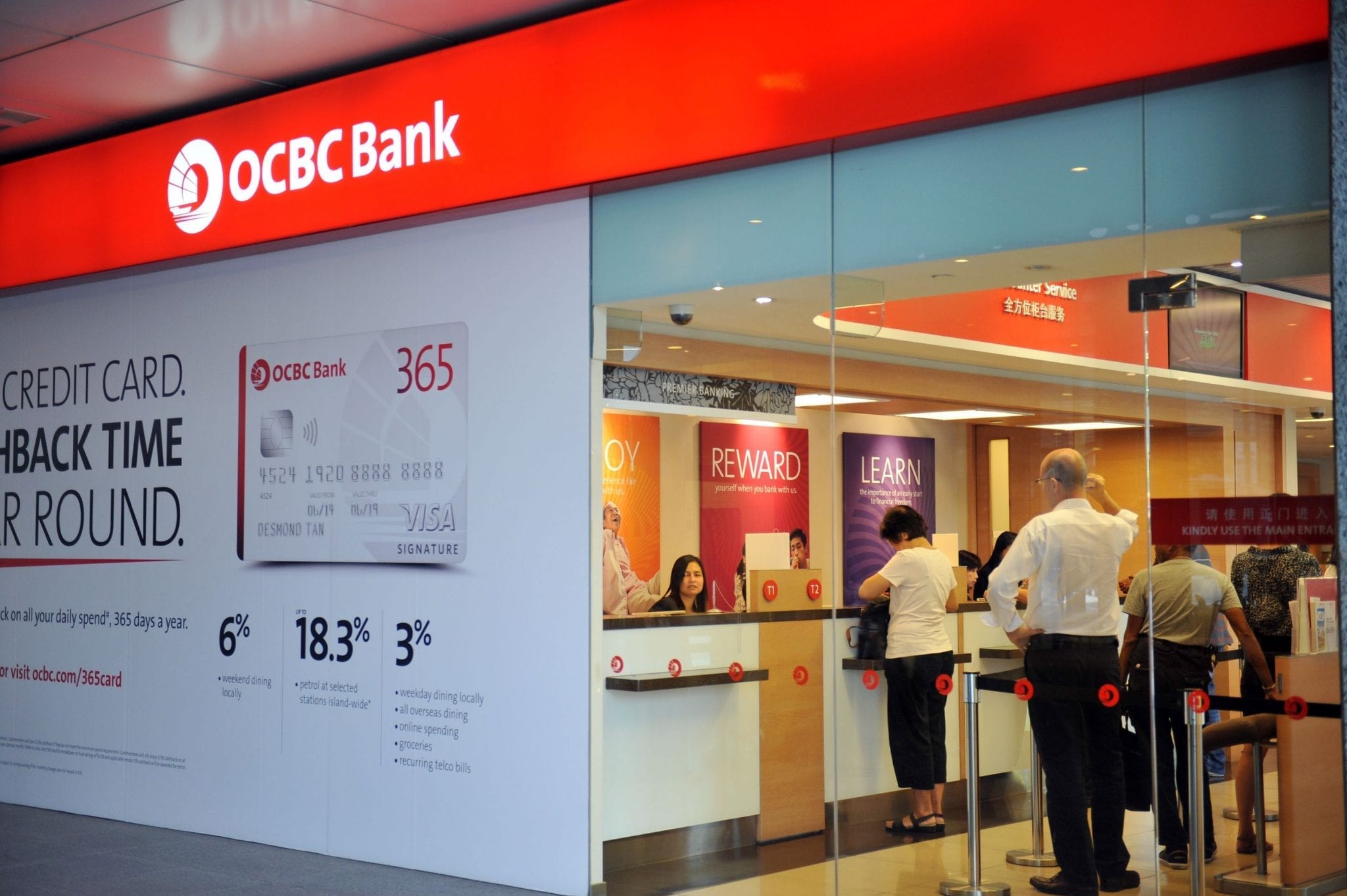
    OCBC Bank announced it would reopen five branches tomorrow, 19 June 2020, due to the expected increase in customer traffic as Singapore enters Phase Two of ‘Safe Re-opening’. They are located in Bishan, Buking Panjang, Jurong West, and at City Square Mall and Paya Lebar Square. This brings the total number of branches open up to 32. The remaining branches which were closed during Singapore’s ‘circuit breaker’ period will progressively reopen over the next two weeks.

    OCBC Bank will also resume all in-person meetings with customers on an appointment basis for all financial services. These meetings can be held within the bank’s premises or at external locations, and include home loan applications, bancassurance sales and wealth management advisory services for bonds, funds, and structured investments (which took effect on bank premises since 12 June 2020) for retail banking. In-person meetings by appointment will also resume for corporate and commercial banking services for large corporates and small-and-medium enterprises (SMEs).

    However, OCBC Bank’s retail banking customers are encouraged to continue to use its virtual wealth advisory service, which includes the comprehensive Financial Needs Analysis, for their financial planning needs. The virtual wealth advisory service via secure video conferencing with an OCBC Bank financial advisor was launched on 18 April 2020during the Circuit Breaker.

    Safe distancing measures continue to be enforced

    For the safety of employees and customers, OCBC Bank employees will wear face masks while rendering the in-person home loans, bancassurance and wealth advisory services. Customers are required to wear face masks. All employees and customers entering OCBC Bank branches have been using SafeEntry since the app was mandated as a contact tracing tool. TraceTogether has been used by all branch employees and by customers who are coming to the branches for face-to-face wealth advisory services.

    Temperature screenings and one metre queue markings at branches are strictly enforced to keep employees and customers safe. Employees also ensure that customers are practicing safe distancing of at least one metre within the branch waiting area. At branch locations where it is feasible, separate queues with seats are provided for elderly and pregnant customers. Branch employees will assist seniors to perform the SafeEntry QR code scanning if they are unable to do so independently.

    Mr Sunny Quek, OCBC Bank’s Head of Consumer Financial Services, Singapore, said: “As we transition to Phase Two of Singapore’s ‘Safe Reopening’, we continue to encourage our customers to use our digital banking platforms for their day-to-day banking needs, and to invest in wealth management products and apply for credit cards, home loans and personal loans. While all our branches will open progressively and we look forward to serving our customers’ needs, our financial advisory services will continue to remain available virtually via video conferencing with our financial advisors, so customers can receive timely investment and financial advice from the comforts of their home, without having to come to a branch.”

    The list of 32 branches and one dedicated OCBC Premier Banking Centre in operation from 19 June 2020 are:

      Branch
    1 Ang Mo Kio
    2 Ang Mo Kio Central
    3 Bedok
    4 Bedok North
    5 Bishan
    6 Bukit Batok
    7 Bukit Panjang
    8 Causeway Point
    9 Choa Chu Kang
    10 City Square Mall
    11 Clementi
    12 Compass One
    13 Harbourfront
    14 Hougang Mall
    15 ION Orchard
    16 Jurong East
    17 Jurong Point
    18 Jurong West
    19 Marine Parade
    20 NEX
    21 NorthPoint
    22 OCBC Centre
    23 Orchard Gateway
    24 Paya Lebar Square
    25 Sixth Avenue
    26 Sun Plaza
    27 Tampines
    28 Thomson
    29 Tiong Bahru Plaza
    30 Toa Payoh Centre
    31 Waterway Point
    32 White Sands
       
      Dedicated OCBC Premier Banking Centre
    1 Parkway Parade

  • Maybank Sued for Loan Pullback

    Maybank Sued for Loan Pullback

    Malayan Bank Berhad – better known as Maybank – is reportedly being sued for effectively thwarting a Manhattan-based proper project after allegedly reneging on a loan agreement.

    American real estate developer Sharif El-Gamal said that the Malaysian lender and other syndicate members ignored and breached their obligations under the building facility and related loan documents which caused «irreparable damage to the plaintiff’s relationship with its contractor, leading to a cessation of all work, according to a report citing a notice last week.

    El-Gamal, also chairman and chief executive of Soho Properties, is seeking an award of more than $245 million which he claims is the net sell-out value of the property that has been filed for disclosure by the loan syndicate.

    According to El-Gamal, Maybank reneged on agreements to provide more than $162 million in syndicated construction loans to fund the project in New York.

    At the time of the project’s announcement, El-Gamal reportedly also said in a statement a senior construction loan totaling US$174 million was received from a syndicate that also included Warba Bank of Kuwait and Intesa Sanpaolo alongside US$45 million in mezzanine financing from MASIC, a Saudi investment firm.

  • Revolut, Appears to be a Normal Bank

    Revolut, Appears to be a Normal Bank

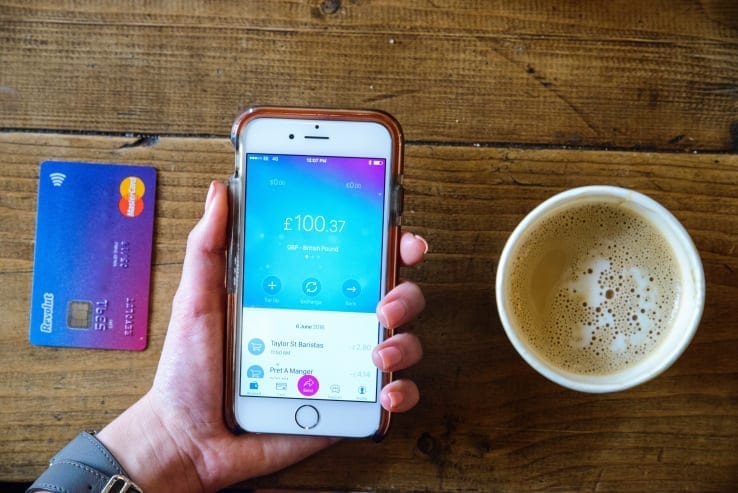
    Revolut has announced the introduction of fees for free account users. This will anger customers and is a perfect example of how to botch an opportunity.

    The noise surrounding U.K.-based digital bank Revolut has just become a fair degree louder in recent days: the company announced to its free-account customers in an email that the days of using a service free-of-charge were numbered.

    We’ve been talking with thousands of you about how we can help you get even more from your money, was the introductory statement. The remainder of the letter was devoted to how Revolut was going to make more money from serving its clients.

    And that’s why it will introduce forex fees on August 12, 2020. From that day onwards, sending money abroad will cost $1.06 for a transaction in the respective country’s currency, 4 francs for transactions in the dollar, and 6 francs in any other currency – for instance, if you wish to send pound sterling to someone in Brazil.

    Furthermore, the upper limit for free exchange orders will be lowered to 1,250 francs and the percentage charged for orders on weekends increased to 1 percent from 0.5 percent.

    That will anger a substantial percentage of the bank’s clients. A large majority of Revolut clients have used the services of the digital bank to make foreign payments precisely because costs were low and fees almost inexistent.

    So to introduce fees for a service that has been advertised as free of charge is more than just a little ironic. It smacks more of how you’d expect a normal bank to behave and not a fintech. At least if you held a similar view of banks as the founder of Revolut, who had launched his company precisely because of such actions.

    It is also poignant at what point of time the company has chosen to announce the changes. Revolut, which has been typically bullish about its performance, seems to have been forced to raise the fees because of a drop in revenues during the pandemic lockdown.

    Revolut CEO Nikolay Storonsky in May claimed that the bank was awash with money after a recently concluded financing round and that he considered making acquisitions. That was shortly after reports about the departure of more than a dozen of the bank’s managers and the announcement that it would cut 60 jobs.

    A further 50 jobs are on the line in Poland and Portugal, according to a report, an online magazine. And the way of disposing of the workers raises some questions: ex-employees have said that they were called into their manager’s office one morning and told to choose between resigning or being sacked.

    And the rest of the staff were said to have received one part of their salary in recent months in stock, more or less voluntarily.

    Revolut is using such methods to reach its goal of profitability by year-end. The corona-crisis looks to have hampered its efforts. Revolut seems one of the very few payment fintechs not to have profited from the stay-at-home message that boosted online shopping.

  • Hong Kong’s Second Digital Bank Enters the Market

    Hong Kong’s Second Digital Bank Enters the Market

    The Xiaomi-AMTD joint venture has launched Airstar Bank, becoming the second digital lender to enter the Hong Kong market.

    Airstar Bank will offer savings accounts, time deposits and personal loan deposits alongside tools such as mobile app-based financial planning analysis. Loan rates as low as 2.99 percent per annum and deposit rates as high as 3.6 percent will be offered.

    Airstar Bank was granted a digital banking license by the Hong Kong Monetary Authority in May 2019 and launched a pilot in March to offer a trial for 2,000 selected users under the central bank’s fintech supervisory sandbox.

    Airstar Bank is determined to deliver the full benefits of emerging financial technologies and innovative solutions, providing each and every customer with proactive stellar banking experience regardless of their wealth,» the bank said, according to a report, dubbing itself Everyone’s Bank.

    Airstar joins ZA Bank – backed by mainland insurer ZhongAn Online P&C Insurance and industrial firm Sinolink Group – as the two out of eight licensed virtual banks that have launched.

    In April, Mox Bank – backed by Standard Chartered, PCCW, HKT and Trip.com – also launched its own pilot. This included features like easy registration, user-centric experiences and high security, clients and an «all-in-one numberless bank card – a card for purchases and cash withdrawals with no expiry date, verification value or other numbers to reduce risks.

  • UBS Adds 300 Jobs in Singapore

    UBS Adds 300 Jobs in Singapore

    UBS continues to accelerate growth in Asia, despite an economically troubling coronavirus pandemic, with plans to add 300 new jobs in Singapore.

    Asia’s largest wealth manager will boost its existing 3,000-strong headcount in the city-state by 10 percent over the next 18 months, according to a report.

    The bank is also reportedly tapping into Singapore’s Job Support Scheme – a government-backed program that provides wage subsidies to retain employees in light of the ongoing pandemic.

    UBS’s new hiring drive will target both local graduates as well as mid-career individuals to develop sustainable skills through a program called Singapore UBS Program for Employability and Resilience (SUPER). The program aims both to create a pipeline of financial talent for Singapore and also support prospective workers in a difficult job market.

    The program is a promise to upskill our own people to give them the capabilities they will need in the future», said August Hatecke, UBS Singapore country head and APAC co-head of wealth management.

    The vision is to create the financial workforce of the future, added Edmund Koh, president of UBS Asia Pacific. UBS has the knowledge and experience to make this happen and in partnership with the Job Support Scheme, we are confident we can make a difference.

  • OCBC Brings Wealth Advisory Online

    OCBC Brings Wealth Advisory Online

    The bank launched its virtual wealth advisory service in April, at the height of Singapore’s partial lockdown, and saw a 45-percent increase in the sale of wealth products in the first 10 days, compared with the 10 days.

    OCBC Bank has seen a positive response from its customers to non-face-to-face wealth conversations, as sales of wealth products, including unit trusts to bancassurance products, and from structured investments and bonds to foreign exchange products, grew when it moved the wealth advisory process online as a result of the Covid-19 outbreak.

    This has allowed customers to review their investment portfolios during a time of market volatility and seize investment opportunities, OCBC said in a press release on Tuesday.

    The highly regulated wealth advisory process was previously a complex face-to-face process involving over 50 pages of documents and a comprehensive Financial Needs Analysis. But since April 18, the bank’s financial and wealth advisors have been conducting meetings and sales advisory via video and screen-sharing facilities in place of physical face-to-face interactions, using e-signatures and pdf documents sent via encrypted email instead of paper.

    The bank highlighted growing digital adoption for both banking and wealth solutions in the first quarter of the year, including investments made on its RoboInvest platform, as well as online time deposit placements and unit trust purchases.

    While many customers are still accustomed to face-to-face interactions with our bankers, even after the Covid-19 outbreak, this virtual process will become a new normal, Sunny Quek, OCBC Bank’s head of consumer financial services, Singapore, said.

    OCBC previously said it is rethinking its branch network strategy Covid-19 circuit breaker has diverted traffic from physical branches and prompted a surge in the adoption of digital baking services.

  • Libra Poaches Top Credit Suisse Crime-Fighter

    Libra Poaches Top Credit Suisse Crime-Fighter

    The bank’s top anti-money laundering executive is leaving for Facebook-backed payments project Libra.

    Sterling Daines is leaving Credit Suisse for Libra, a source familiar with the matter said on Tuesday. The bank had poached Daines three years ago from Goldman Sachs to run its financial crime compliance, or FCC, activities under top compliance boss Lydie Hudson.

    He is the latest representative from traditional finance to head for Libra, an upstart payments system governed by a Swiss-based association. Last month, Libra said it is hiring HSBC’s top lawyer Stuart Levey as its CEO, and also tapped the weighty support of Singapore’s sovereign wealth fund.

    Neither Daines nor Libra responded to a request for comment. A 2018 sanction from Swiss watchdog Finma for several money-laundering scandals fell in the early days of Daines’ tenure at Credit Suisse.

    The Swiss bank is poised to replace him with Tam Ludford, a 12-year Credit Suisse veteran who will add the job to his current role as global head of core compliance, surveillance, and investigations.

  • Digital Channels to Drive Standard Chartered’s Retail Growth

    Digital Channels to Drive Standard Chartered’s Retail Growth

    Standard Chartered’s digital banking and investment platforms have been given a boost by the Covid-19 pandemic, as digital adoption rates in Singapore hit historic highs in the first four months of 2020.

    Digital sign-up for credit cards growing by 71 percent year-on-year, while wealth and investment-related transactions more than doubled during the same period. The number of digital transactions grew by 30 percent in March, and the number of mobile banking users grew by 42 percent year-on-year.

    As such, the bank expects digital services to be a key growth driver for its Retail Banking business in Singapore this year, Standard Chartered said in a press release on Wednesday. The bank has bulked up its digital solutions in recent years, expanding its real-time onboarding, remittance services, and investment platform.

    There is no doubt that client behaviors and habits have shifted in the past months, and we will see sustained levels of clients opting to go digital as much as possible,» Dwaipayan Sadhu, Standard Chartered’s head of retail banking in Singapore, said about the increase in online banking.

    Standard Chartered Singapore said its Wealth Management arm has also witnessed a strong migration to digital and strong growth on its digital investment platforms. The number of transactions and volume increased by over 200 percent year-on-year, while the number of monthly digital transactions on the Online Mutual Funds and Online Trading platform grew 238 percent and 160 percent respectively since the beginning of 2020.

    Applications for the bank’s Online Trading platform in April were 129 percent higher than the monthly average in 2019, and the monthly volume of transactions on its real-time foreign exchange platform grew 245 percent in 2020.

  • HSBC Adds Offshore Investment Options

    HSBC Adds Offshore Investment Options

    The bank has become the first international bank in China to roll out Qualified Domestic Limited Partnership (QDLP) investments.

    HSBC is expanding overseas investment options for its Chinese high-net-worth (HNW) clients under a partnership with China International Fund Management – 51 percent-owned by J.P. Morgan Asset Management – to distribute asset management plans investing in QDLP, the bank announced on Tuesday.

    The QDLP scheme facilitates investments in offshore traditional and alternative investments by allowing qualified foreign asset managers to raise money in Chinese currency from a qualified individual and institutional investors in mainland China to invest in alternative assets abroad.

    This new scheme will help clients diversify their investments and leverage overseas opportunities to mitigate risks in their overall portfolio and further grow their wealth, especially amid uncertainty in the global markets, Richard Li, executive vice president and head of wealth and personal banking, HSBC China, said.

    Unlike the Qualified Foreign Institutional Investors (QDII) program, QDLP can direct Chinese domestic investors’ funds to overseas markets and allow investments in alternative assets, including hedge funds, private equity funds, and real estate investment trusts (REITs).

    A QDLP pilot was launched by China’s State Administration of Foreign Exchange in 2013. Since its launch, China has granted a total of $5 billion in quotas.

  • Citi Appoints APAC Tech Vice Chair

    Citi Appoints APAC Tech Vice Chair

    Will McLane was named Asia Pacific vice chairman of technology at Citi, according to an internal memo, in addition to his existing role as vice chairman of the global financial institution’s group (FIG).

    We have asked McLane to assist the APAC technology team in covering clients for unique stations to help scale BCMA’s (banking, capital market advisory) innovative pitching efforts globally, the memo said, adding that he would continue to support FIG clients in Asia.

    According to the bank, McLane alongside other seniors in Asia, has applied innovative techniques for pitching such as videos, multimedia, props, and more in the last 18 months.

    This role is a natural extension for [McLane], as he has been instrumental in providing critical thought leadership and creativity in pitching, resulting in several landmark transactions, the memo continued.

    Scaling these innovative approaches and aligning them with our global relationships will help differentiate Citi, particularly in the current COVID-challenged operating environment.