Retail News CRM

Tag: battery

  • BYD Recalls Over 115,000 Vehicles Amid Safety Concerns: Tang And Yuan Pro Models Affected

    BYD Recalls Over 115,000 Vehicles Amid Safety Concerns: Tang And Yuan Pro Models Affected

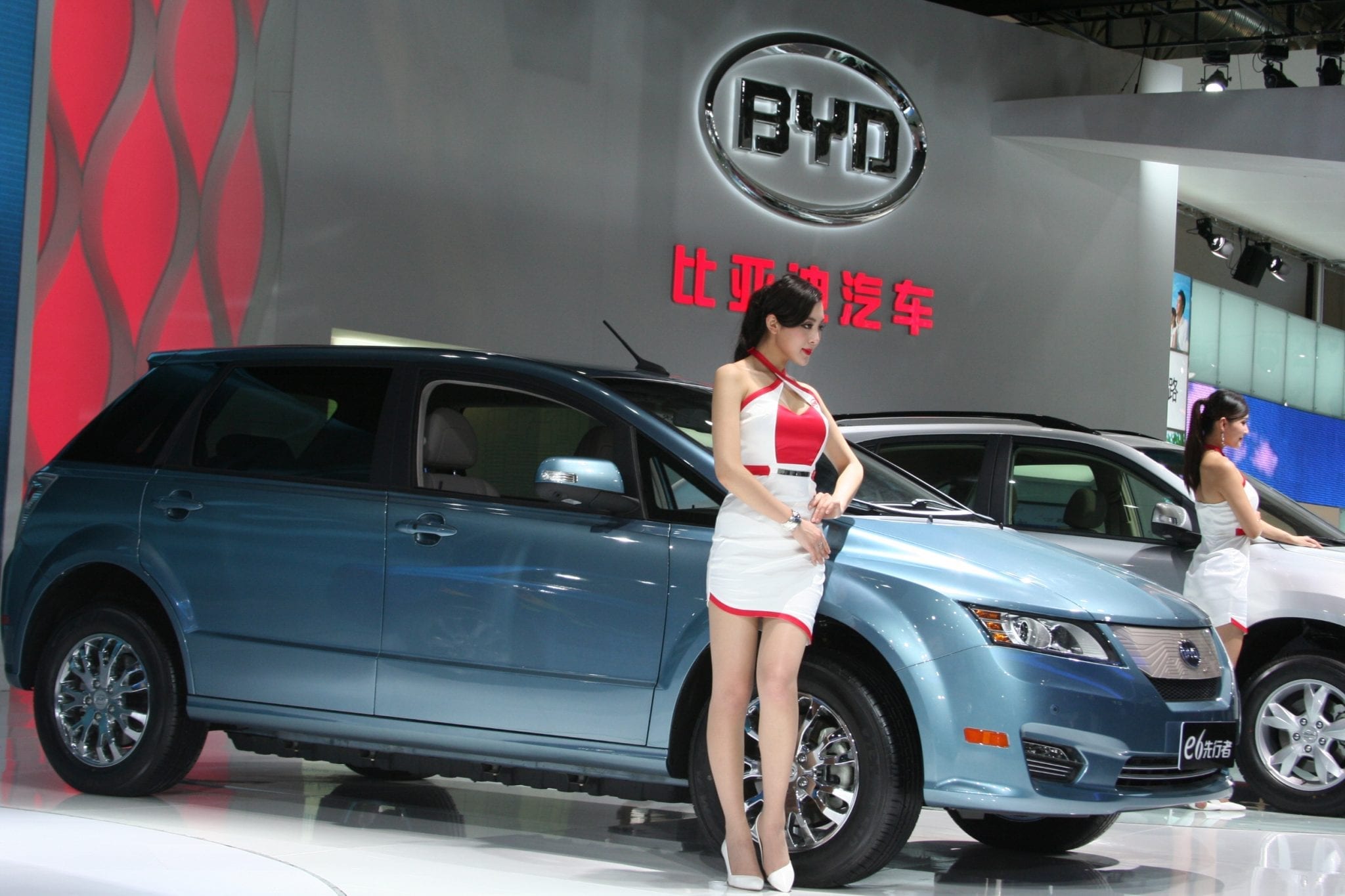
    Chinese vehicle manufacturer BYD has announced its largest vehicle recall to date, affecting over 115,000 vehicles from the Tang series and Yuan Pro models produced between 2015 and 2022. The recall has been triggered by concerns regarding design defects and battery-related safety risks.

    Recall Details

    BYD has presented a plan to the State Administration for Market Regulation to recall 44,535 Tang series vehicles. These vehicles, produced between March 2015 and July 2017, have been identified as having potential component design flaws that may lead to abnormal functionality, according to the market regulator’s statement released on Friday.

    The recall also includes 71,248 Yuan Pro electric vehicles, produced between February 2021 and August 2022. These vehicles are being recalled due to issues related to the manufacturing process, specifically concerning the installation of the batteries.

    Previous Recalls

    This recall follows earlier instances where BYD had to recall vehicles due to safety concerns. In January, the company recalled 6,843 Fangchengbao Bao 5 plug-in hybrid off-road SUVs due to potential fire risks. Prior to this, nearly 97,000 vehicles from the Dolphin and Yuan Plus EV series were recalled due to a manufacturing fault in the steering control unit that posed a fire risk. This recall took place in September 2024.

    Questions & Answers

    What is the reason for BYD’s recall of its Tang series and Yuan Pro vehicles?
    The recall is due to identified design defects and battery-related safety risks in these vehicles.

    How many vehicles are affected by this recall?
    The recall affects over 115,000 vehicles, including 44,535 from the Tang series and 71,248 Yuan Pro electric vehicles.

    Has BYD had to recall vehicles in the past?
    Yes, BYD has had to recall vehicles in the past due to safety concerns. In January, the company recalled 6,843 Fangchengbao Bao 5 vehicles due to fire risks, while in September 2024, nearly 97,000 Dolphin and Yuan Plus EVs were recalled due to a manufacturing fault in the steering control unit that also posed a fire risk.

  • Apple might be working on a custom battery

    Apple might be working on a custom battery

    Battery life on the iPhone has been gradually improving since the iPhone 13 series, despite the latest iPhone 15 series not bringing significant upgrades in the battery department, as you can see in our dedicated piece about iPhone 15 and iPhone 15 Pro Max battery life and charging speeds. However, Apple might have something in mind, as new rumors suggest.

    Apple is rumored to be working on a custom in-house battery design. The company is exploring alternative cathode materials to enhance the overall performance of the battery module, to extend the battery life of its future products released after 2025.

    The report suggests that Apple is actively considering increasing the silicon content inside the battery, moving away from the conventional use of graphite as the anode material in lithium-ion batteries. Graphite’s unique properties make it an ideal choice, efficiently storing and releasing electrical energy, ensuring reliable and long-lasting battery performance in mobile devices.

    While a silicon-based approach could potentially improve overall battery capacity and reduce charging times, there is a challenge—silicon tends to expand during the charging process. However, Apple seems to have found a solution to mitigate this issue.

    Rumors about Apple developing its own next-gen batteries date back to 2019. In fact, even before that, the company has been collaborating with suppliers to introduce innovative battery solutions, such as the space-saving, L-shaped battery in the iPhone XS.

    By bringing battery development in-house, Apple gains more control over the design and construction of its products. The company claims that it regularly audits its suppliers to ensure they are meeting its high standards.

    And what are its high standards, you may wonder? Apple has ambitious environmental goals, aiming to make every Apple product with 100% clean energy by 2030. This commitment requires all suppliers to transition to electricity generated from solar, wind, and other renewable sources. Additionally, Apple envisions creating products using only recycled and renewable materials. In a recent pledge, the company aims to use 100% recycled cobalt in all ‘Apple-designed’ batteries by 2025.

    Whether the rumored custom Apple battery will actually happen and whether the company will stick to its goals is still up in the air.

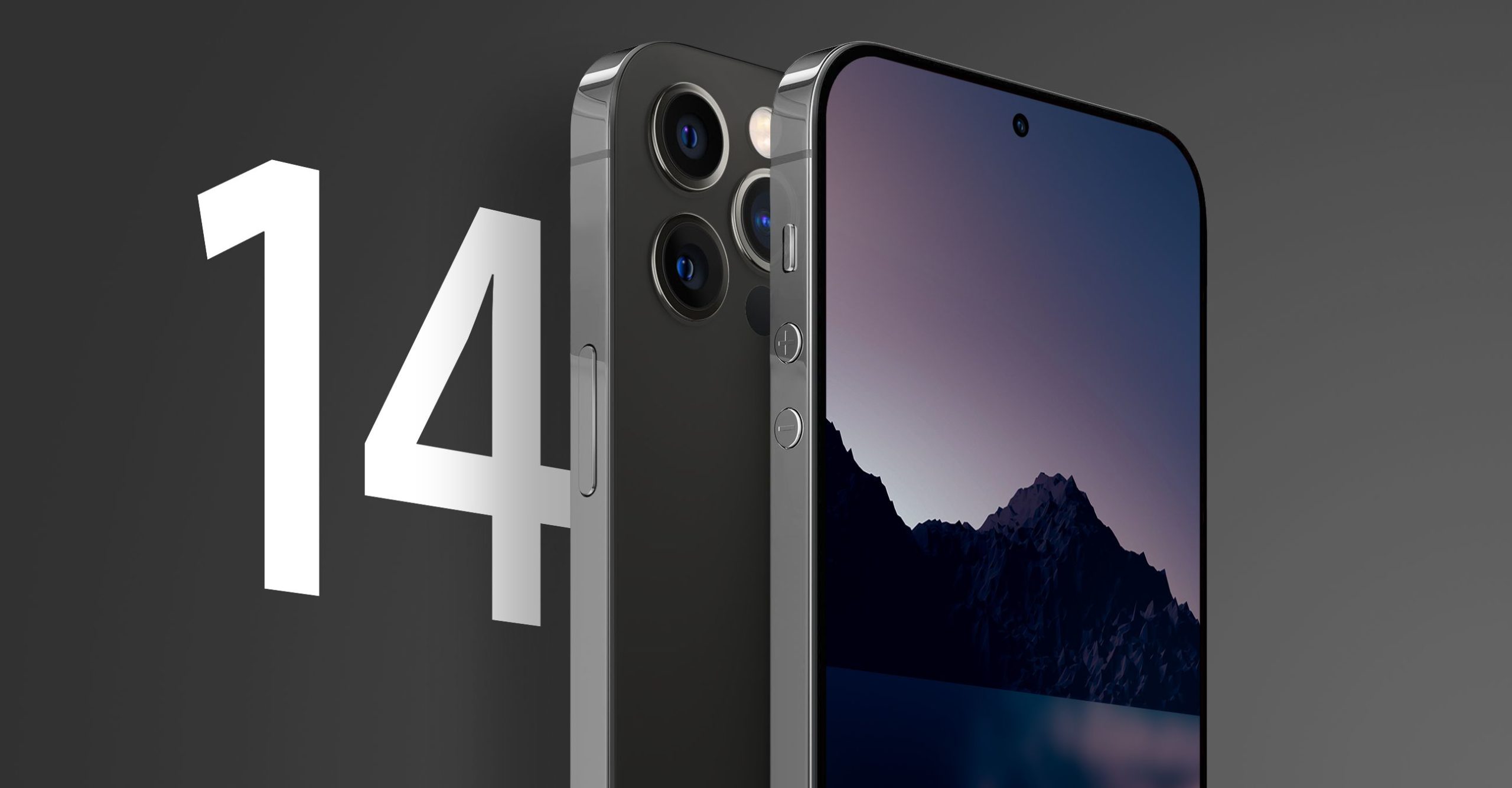
  • iPhone 14 users report battery degradation after less than a year of usage

    iPhone 14 users report battery degradation after less than a year of usage

    A full year hasn’t passed since the iPhone 14 hit the stores (it went on sale on September 16, 2022), but users are already reporting an issue with the battery.

    Complaints about battery degradation are stacking up on social media. While complaints against tech giant products are not something we’ve never seen before, some users are reporting numbers south of 90% on the battery health status of an 11-month-old phone.

    But the level of degradation reported online may be within the limits and specifications expected out of an iPhone’s battery. Battery performance is not constant and it sure changes over time, especially with heavy usage or when exposing the phone to high temperatures. Still, iPhone 14 users appear unhappy with their phones’ battery health.

    Sam Kohl from AppleTrack is one of those unlucky users that experienced the degraded battery phenomenon first handedly. In a tweet, he presents a screenshot from his own device that shows the battery health status to be 90%. “I’ve had my iPhone 14 Pro for LESS than a year…this is actually unacceptable”, he says and ends the disclosure with an angry face emoji.Some iPhone 14 users are reporting even worse battery health scores than that – in the 87% area. “Battery capacity is very annoying. It has become impossible to use the same iPhone for 2 years without changing the battery”, observe annoyed iPhone owners. Other commenters, on the contrary, enjoy 99% and 100% figures: “Well, mine is still at 100 %. So I don’t know what’s the issue with yours. And well, I use only original Apple products like charging cables. They may be more expensive but don’t damage your hardware”.

    Here’s what Apple themselves have to say on the battery performance topic:

    Think of one charge cycle as fully charging and discharging your phone once (though not necessarily in one go). If 500 complete charge cycles result in a capacity of at least 80%, it’s not too far-fetched to expect that 250 cycles should get you at 90% or more. A user who bought their iPhone 14 on release day and has charged it every night since then may be at 320 cycles already, as of this writing. And an iPhone battery at 90% health after 320 cycles is actually performing within specs.

    Another factor that shortens battery health is exposure to high temperatures (like leaving a phone in a car on a hot summer day). With summer being unusually hot in many parts of the world, it’s not impossible to have that play a role as well. Apart from that, lithium-ion batteries chemically age: the amount of charge they can hold diminishes, resulting in shorter amounts of time before a device needs to be recharged.

    Whatever the reason behind these numerous battery-related issues, the unfortunate owners of underperforming iPhone 14 phones could soon be faced with the choice of either getting a battery replacement or… yes, switching to the iPhone 15, which is to debut in September.

  • Google unveils new useful features for Google Maps

    Google unveils new useful features for Google Maps

    Google is constantly looking to improve Google Maps. No longer just an app that helps you get from point “A” to point “B” quickly and safely, Maps will now recommend places to eat, hotels to stay at, and fun things to do when you arrive at point “B.” It will even show you landmarks to visit. And Google Maps will always show you where to get gas, a cup of coffee, groceries, and more.

    Today, Google announced some changes to its Maps app that make it more immersive when it comes to looking around to get the feel of a place or, as some call it, the lay of the land. Immersive view will combine Street View with aerial images and will show weather and traffic info on top to give users “a rich, digital model of the world.”

    Google gives us an example. “Say you’re planning a visit to the Rijksmuseum in Amsterdam. You can virtually soar over the building and see where things like the entrances are. With the time slider, you can see what the area looks like at different times of day and what the weather will be like. You can also spot where it tends to be most crowded so you can have all the information you need to decide where and when to go.”

    Continuing with the example, Google adds, “If you’re hungry, glide down to the street level to explore nearby restaurants — and even take a look inside to quickly understand the vibe of a spot before you book your reservation.” Immersive view starts rolling out today (displayed in alphabetical order) in London, Los Angeles, New York, San Francisco and Tokyo.

    Google’s AR-powered Live View takes a live feed from your phone’s camera and layers huge arrows and other information on top to help those walking get to their destination while at the same time, pointing out interesting buildings and landmarks around them. A couple of years ago, Google added Live View to indoor locations such as airports in the U.S., Zurich, and Tokyo (not displayed in alphabetical order). The feature helps travelers roaming an unfamiliar airport find the bathroom, car rental stands, lounges, and more.

    Today, the company announced that it will add Live View to 1,000 new airports, malls, and train stations over the next few months in Barcelona, Berlin, Frankfurt, London, Madrid, Melbourne, Paris, Prague, São Paulo, Singapore, Sydney, and Taipei.

    Search with Live View uses both AI and AR to help you find ATMs, restaurants, parks, and transit stations while walking. To activate it, hold the phone up while walking the streets. The info you will see is very useful as it will show you “when a place is open, if it’s busy right now, and how highly it’s rated – so you can make an informed decision and maximize your time.”

    Google recently started offering search with Live View in London, Los Angeles, New York, Paris, San Francisco, and Tokyo. Over the next few months, Google will add the feature in Barcelona, Dublin, and Madrid.

    Google Maps will soon give you “glanceable directions.” This will allow a user to track his journey from the route overview or the lock screen. You will see information like updated estimated arrival times and where you will make the next turn.  Previously, this data would only be shown once you unlocked your phone, opened the app, and used the comprehensive navigation mode. This feature will be disseminated to Android and iOS devices in the coming months.

    Google Maps is also adding new features for Electric Vehicles (EV) that have built-in Google capabilities. For example, on any trip that will require a stop at a charging station, Maps will recommend the best place to stop based on the current traffic, the current charge level of the EV’s battery, and forecast battery consumption. If the recommended charging stop is not convenient, it can be replaced with another upcoming stop with just a few screen taps. With this feature, EV drivers won’t have to keep worrying about stopping to charge regardless of the destination.

    EV drivers will also be able to tap the ‘very fast’ charging filter to find stations that use chargers of 150 kilowatts or higher. This should allow most cars to top off the battery and get back on the road in less than 40 minutes. And under search results, Google will now show when places like supermarkets have a charging station to help you pick up your groceries while charging the battery in your EV.
  • Facebook drains users’ cellphone batteries intentionally

    Facebook drains users’ cellphone batteries intentionally

    A long-standing rumor suggests that the Facebook and Facebook Messenger apps drain the battery on cellphones that have the apps installed. If you believe former Facebook employee George Hayward, a data scientist, Facebook can secretly drain the battery on its users’ cellphones on purpose.  There is actually a name for what it is that Facebook is doing, It is called “negative testing” and it allows tech companies to secretly run down the batteries on someone’s phone to test features on an app or to see how an image might load.
    Facebook parent Meta fired Haywar for refusing to participate in negative testing. “I said to the manager, ‘This can harm somebody,’ and she said by harming a few we can help the greater masses. Any data scientist worth his or her salt will know, Don’t hurt people,” he told the Post.
    Meta axed Hayward in November and initially filed a lawsuit against the company in Manhattan Federal Court. The 33-year-old worked for Meta’s Facebook Messenger app, which delivers text, phone calls, and video calls between users. In the suit, Hayward’s attorney, Dan Kaiser, pointed out that draining users’ smartphone batteries puts people at risk, especially “in circumstances where they need to communicate with others, including but not limited to police or other rescue workers.”
    The suit had to be withdrawn because Meta’s terms of employment forced Hayward to argue his case in arbitration. Kaiser says that most people have no idea that Facebook and other social media companies can drain your battery intentionally. Commenting on the practice of negative testing, the lawyer added, “It’s clearly illegal. It’s enraging that my phone, that the battery can be manipulated by anyone.”
    Originally hired in 2019, Hayward was receiving a six-figure annual paycheck from Meta. But when it came to the company’s request to perform the negative testing, Hayward said, “I refused to do this test. It turns out if you tell your boss, ‘No, that’s illegal,’ it doesn’t go over very well.”
    At one point during his employment at Meta, the company handed Hayward an internal training document titled “How to run thoughtful negative tests.” The document included examples of how to run such tests. After reading the document, Hayward said that it appeared to him that Facebook had used negative testing before. He added, “I have never seen a more horrible document in my career.”
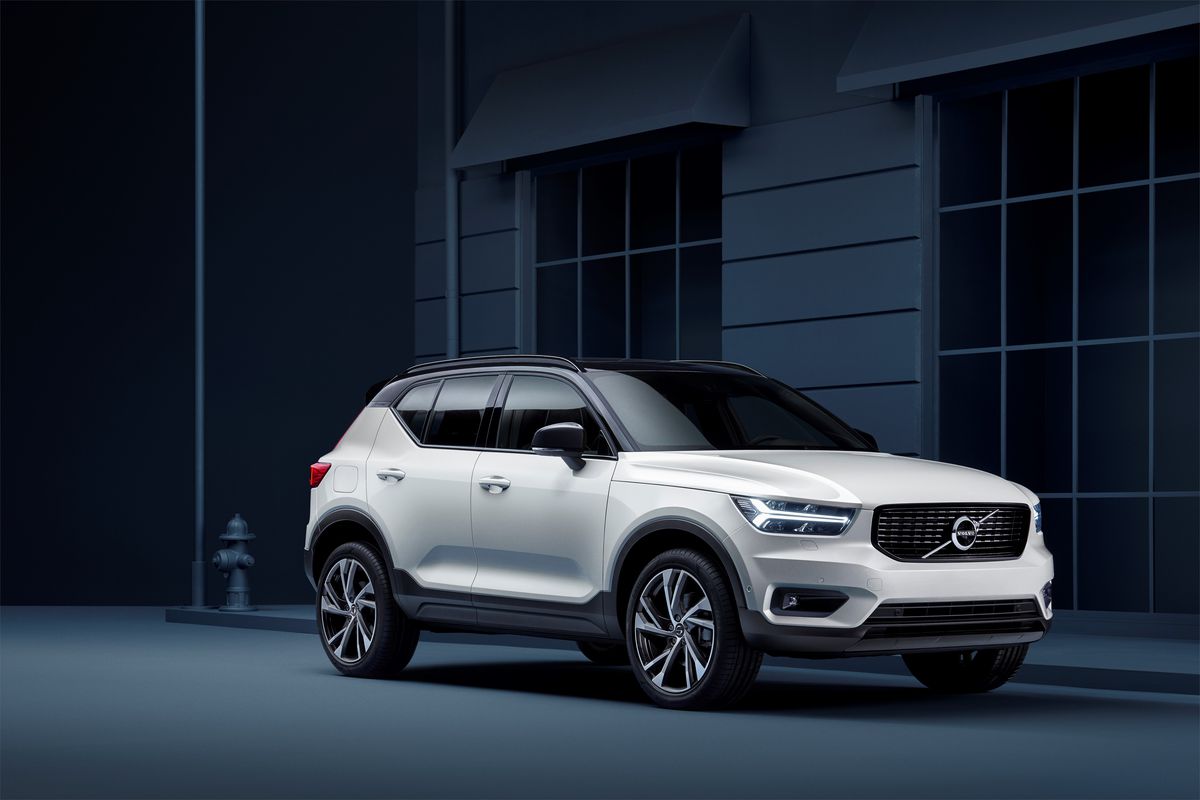
  • Northvolt, Volvo Cars Pick Gothenburg For New Battery Plant

    Northvolt, Volvo Cars Pick Gothenburg For New Battery Plant

    Automaker Volvo Cars and battery manufacturer Northvolt will build their joint battery plant in Gothenburg, western Sweden, the two companies said on Friday. The new 50GWh plant will create up to 3,000 jobs and make battery cells specifically developed for use in pure electric Volvo and Polestar cars, the Sweden-based companies said. Operations will begin in 2025. The two companies said last year they would form a joint venture to develop batteries, including setting up a gigafactory for production and research and development centre, a total investment of about $3.3 billion.

    Northvolt and Volvo said former Tesla executive Adrian Clarke had been appointed to lead the production company.

    “He comes with a long experience from Tesla as well as around how to build these type of factories,” Northvolt CEO Peter Carlsson, who also previously worked for Tesla, told Reuters.

    Volvo Cars head of engineering and operations, Javier Varela, said access to fossil-free energy, skills, and infrastructure had been factors for choosing Gothenburg, Volvo’s hometown.

    Competition for talent is fierce, with most battery engineers based in Asia. Tesla and Asian companies such as LG and Samsung SDI are also setting up factories in Europe.

    Northvolt’s gigafactory in the Swedish town of Skelleftea assembled its first battery cell at the end of December, making it the first European company to design and manufacture a battery in Europe.

    Carlsson said it was running as planned, although he said global supply-chain problems, semiconductor shortages, and the COVID-19 had made it more of a challenge. “It has not been the easiest of times,” he said.

    Volvo Cars, majority-owned by China’s Geely Holding, aims to sell 50 per cent pure electric cars by the middle of this decade and fully electric cars only by 2030.

    Northvolt, whose biggest shareholder is Volkswagen, has so far received more than $30 billion worth of contracts from customers such as BMW, Fluence, Scania, Volkswagen, Volvo Cars, and Polestar.

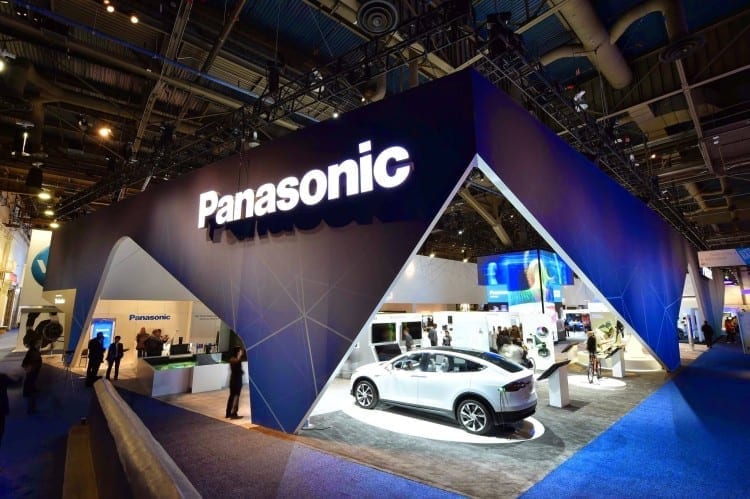
  • Panasonic Plans New Massive Battery Plant In U.S. To Supply Tesla – NHK

    Panasonic Plans New Massive Battery Plant In U.S. To Supply Tesla – NHK

    Japan’s Panasonic Corp is looking to purchase land in the United States for a mega-factory to make a new type of electric vehicle (EV) battery for Tesla Inc, public broadcaster NHK reported on Friday. Panasonic is looking at building the factory, to cost several billion dollars, in either Oklahoma or Kansas close to Texas, where Tesla is preparing a new EV plant, NHK reported. NHK gave no timeline for Panasonic’s U.S. project. NHK did not cite the source of its information. Panasonic said the reported plan was not something it announced.

    A long-time supplier for Tesla, Panasonic has said it plans to begin mass-producing the new type of lithium-ion battery for Tesla before the end of March 2024 with two new production lines at its western Japanese plant in Wakayama.

    The 4680 format (46 millimetres wide and 80 millimetres tall) battery is about five times bigger than those currently supplied to Tesla, meaning the U.S. car maker will be able to lower production costs and improve vehicle range.

    Panasonic’s relationship with Tesla stretches back more than a decade when Tesla signed an agreement that made the Japanese company its key battery supplier.

    Since then, Tesla has ramped up production and diversified its supply chain to other firms, including Chinese manufacturers of cheaper lithium iron phosphate (LFP) powerpacks such as Contemporary Amperex Technology Co (CATL).

    South Korea LG Energy Solution Ltd also plans to make 4680 batteries, sources told Reuters last year.

    Shares of Panasonic were down 3% in morning trade in Tokyo compared with a 2.5% decline for the broader Nikkei 225 index.

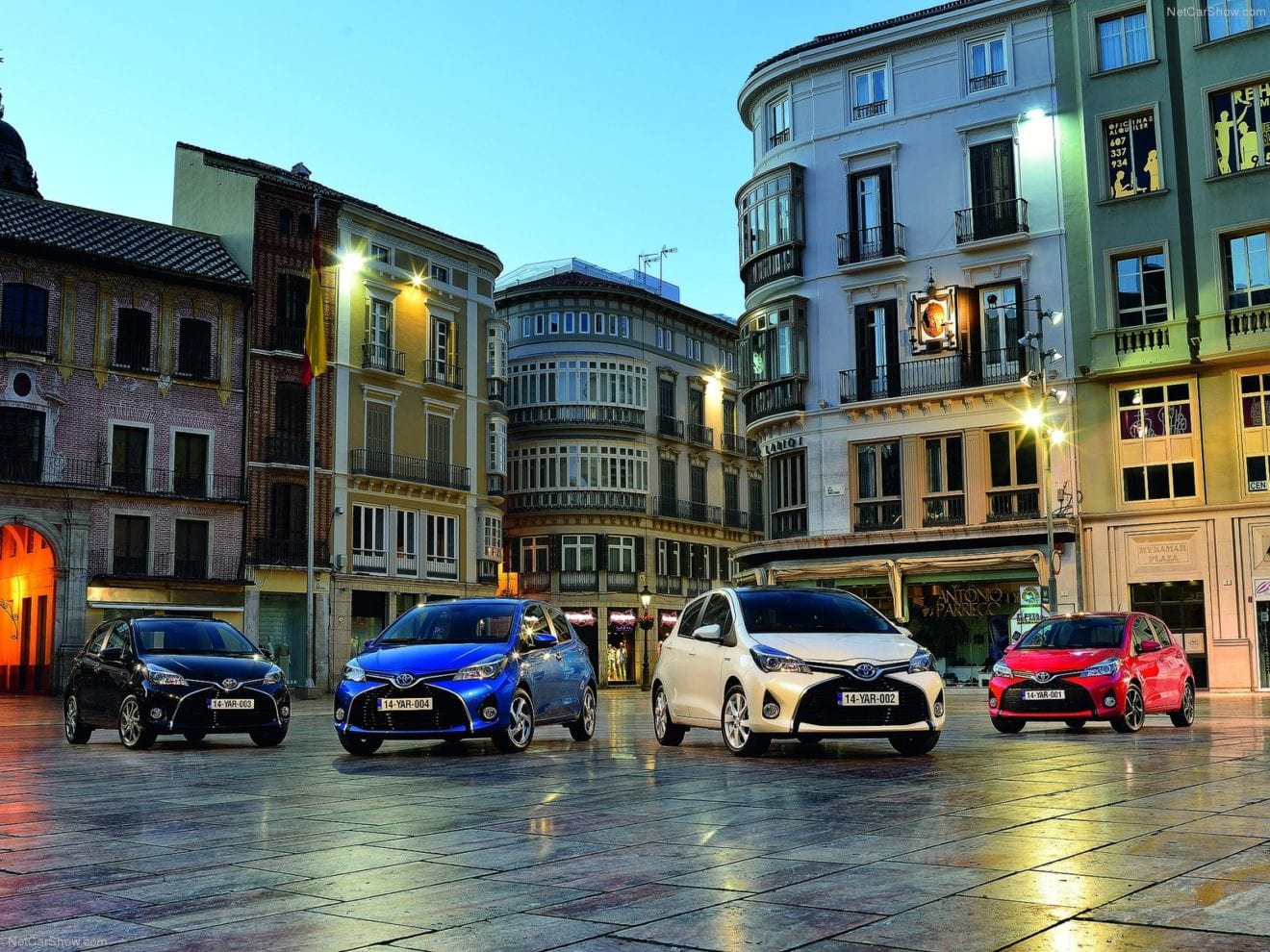
  • Toyota Gears Up Its First EV With Safer, Longer-lasting Battery

    Toyota Gears Up Its First EV With Safer, Longer-lasting Battery

    Toyota Motor Corp, a late-comer to the battery electric vehicle (BEV) market, is weaving in all efforts to make sure its first mass-market model is safer and lasts longer than rivals’ products when it goes on sale later this year.

    BEVs have grown in popularity globally, but some consumers have been put off by EV battery-related fire risks and rapid degradation.

    General Motors and Hyundai Motor were forced last year to recall EVs, carrying batteries manufactured by LG Energy Solution, after reports of fires.

    “We focused on balancing three factors: cruising range, battery degradation, and charging speed,” Masaya Yamamoto, a project manager at Toyota, said at a test-drive event for the bZ4X sport utility vehicle (SUV) prototype last week.

    BEVs typically take hours to charge and using quick-charging methods often causes the battery’s cells to heat up, leading to degradation. That, in turn, reduces cruising range over time, hurting a vehicle’s resale value.

    Toyota said its batteries, developed with Panasonic Corp, contain a special coolant that does not conduct electricity easily. Battery packs are also structured to keep the cells and coolant separated in case of a leak.

    This and other innovations mean the new BEV series’ batteries would retain more than 90% of their capacity after a decade, Toyota said.

    For consumers in Japan, where EVs have been slow to take off, Toyota is considering offering the EVs only through “subscription” – a bid to address worries over battery life and resale value. The subscription fee would cover the cost of maintenance and battery replacement among other features.

    Toyota has said it would start selling the SUV model in Japan and other major markets in mid-2022.

    Toyota has set a goal of selling 3.5 million BEVs annually by 2030 through an 8 trillion yen ($70 billion) investment to electrify its vehicles.

  • EV Battery Giant LG Energy Solution Sees Demand Rising As Chip Shortage Eases

    EV Battery Giant LG Energy Solution Sees Demand Rising As Chip Shortage Eases

    Battery maker LG Energy Solution Ltd (LGES) said on Tuesday it aims to boost sales by about 8% in 2022, forecasting a pick-up in demand for electric vehicle (EV) batteries as a global chip shortage eases later this year. The newly listed South Korean firm, which accounts for a fifth of the global EV battery market, swung to profit in the October-December quarter, even as the chip shortage affecting automakers led to weaker than expected demand for batteries.

    LGES, which became South Korea’s second-largest listed firm last month in the country’s biggest ever IPO, posted an operating profit of 76 billion won ($63.5 million) for the fourth quarter, it said in its maiden earnings report. That compares with a 150 billion won profit estimate by two analysts polled by Refinitiv and a loss of 479 billion won in the same period a year earlier.

    Analysts noted that the global chip shortage has affected demand from automakers, with LGES rivals SK On and Samsung SDI Co Ltd reporting a similar impact on battery demand in the fourth quarter.

    Revenue at LGES, which supplies Tesla Inc and General Motors Co among others, rose 2% to 4.4 trillion won from a year earlier. The company said it has set this year’s capital expenditure budget at 6.3 trillion won, up 58% from a year earlier, to finance capacity expansion at its global manufacturing facilities to meet demand for batteries.

    “LGES will continue to move forward with bold investment plans needed in the long run. We are confident our business model of preparing for the future will definitely help us lead the industry,” LGES chief executive officer Youngsoo Kwon said in a statement.

    LGES made a stellar market debut in late January, surging to a market capitalisation of about $98 billion, second only to Samsung Electronics Co Ltd on the local bourse, reflecting upbeat prospects for EV battery industry. The company’s shares have since risen 8.5% and added a further 2.2% on Tuesday, ahead of a 0.8% rise in the broader market KOSPI. Asked during an analyst conference call about more battery joint ventures with automakers, LGES said it had held working-level discussions with Japan’s Honda Motor Co Ltd about a potential joint venture, but there was no concrete agreement on a deal.

    Revenue at LGES, which supplies Tesla Inc and General Motors Co among others, rose 2% to 4.4 trillion won from a year earlier

    In January, a South Korean local newspaper reported that LGES planned to build a battery joint venture with Honda in the United States. LGES said in late January that it plans to invest a total of $2.6 billion with GM to build their third joint battery plant in the United States, aiming to secure an annual capacity of about 50 gigawatt hours (GWh) of batteries by 2025, enough to power about 700,000 EVs. The two companies are already building two joint battery plants in Ohio and Tennessee.

    Global EV sales, estimated at 2.5 million vehicles in 2020, are forecast to grow more than 12-fold to 31.1 million by 2030 and account for nearly a third of new vehicle sales, according to consulting firm Deloitte.

  • Panasonic To Invest $700 Million To Produce Tesla EV Battery

    Panasonic To Invest $700 Million To Produce Tesla EV Battery

    Japan’s Panasonic will begin producing its new lithium-ion battery for Tesla from as early as 2023, with plans to invest about 80 billion yen ($705 million) in production facilities in Japan, the Nikkei reported on Monday. The powerpack could help make electric vehicles (EVs) more attractive to motorists by extending cruising range by about a fifth, the Nikkei reported, without saying where it obtained the information.

    “We are studying various options for mass production, including a test production line we are establishing this business year. We don’t, however, have anything to announce at this time,” Panasonic said in a statement sent to Reuters.

    Panasonic unveiled the 4680 format (46 millimetres wide and 80 millimetres tall) battery in October. At around five times as big as batteries it currently supplies to Tesla, it is also expected to help the U.S. electric vehicle maker lower production costs.

    Panasonic will make the 4680 batteries at a plant in Wakayama prefecture in Western Japan, with output of less than 10 gigawatt hours a year, equivalent to around 150,000 vehicles, the Nikkei said.

    Panasonic is the sole maker of the more advanced Tesla battery, ensuring it remains a key supplier to the U.S. company, at least for its pricier models, even as the EV maker seeks out battery suppliers in China and elsewhere.

  • Volkswagen & Bosch Form JV For European Battery Production

    Volkswagen & Bosch Form JV For European Battery Production

    Volkswagen and Bosch have signed a memorandum of understanding to explore a joint venture dedicated to providing the European market with battery equipment solutions. The two, together, plan on selling integrated battery solutions with on-site ramp-up and maintenance support for battery cell and system manufacturers. This joint venture has also been designed with the goal of enabling Volkswagen to achieve its goal of building six battery cell factories by 2030 which will also be available to third-party customers.

    The idea for both Bosch and Volkswagen is to be self-sustaining for electric cars in terms of the supply chain. Volkswagen is building on top of its JV with NorthVolt with which it has planned its first facility in Salzgitter in Germany.

    “Europe has the unique chance to become a global battery powerhouse in the years to come,” said Thomas Schmall, a VW board member responsible for the automaker’s battery plans, in a statement.

    “There is a strong and growing demand for all aspects of battery production, including the equipment of new gigafactories. Volkswagen and Bosch will explore opportunities to develop and shape this novel, multi-billion-euro industry in Europe,” he added.

    “Our decision to actively engage in the vertical integration of the battery-making value chain will tap considerable new profit pools. Setting out to establish a fully localized European supply chain for e-mobility made in Europe certainly marks a rare opportunity in business history,” Schmall explained.

    The European battery alliance has already said that a third of the global batteries need to be manufactured in Europe by the end of the decade to cut dependence on South Korean and Chinese suppliers.

  • Arrival Building Battery Plant In North America

    Arrival Building Battery Plant In North America

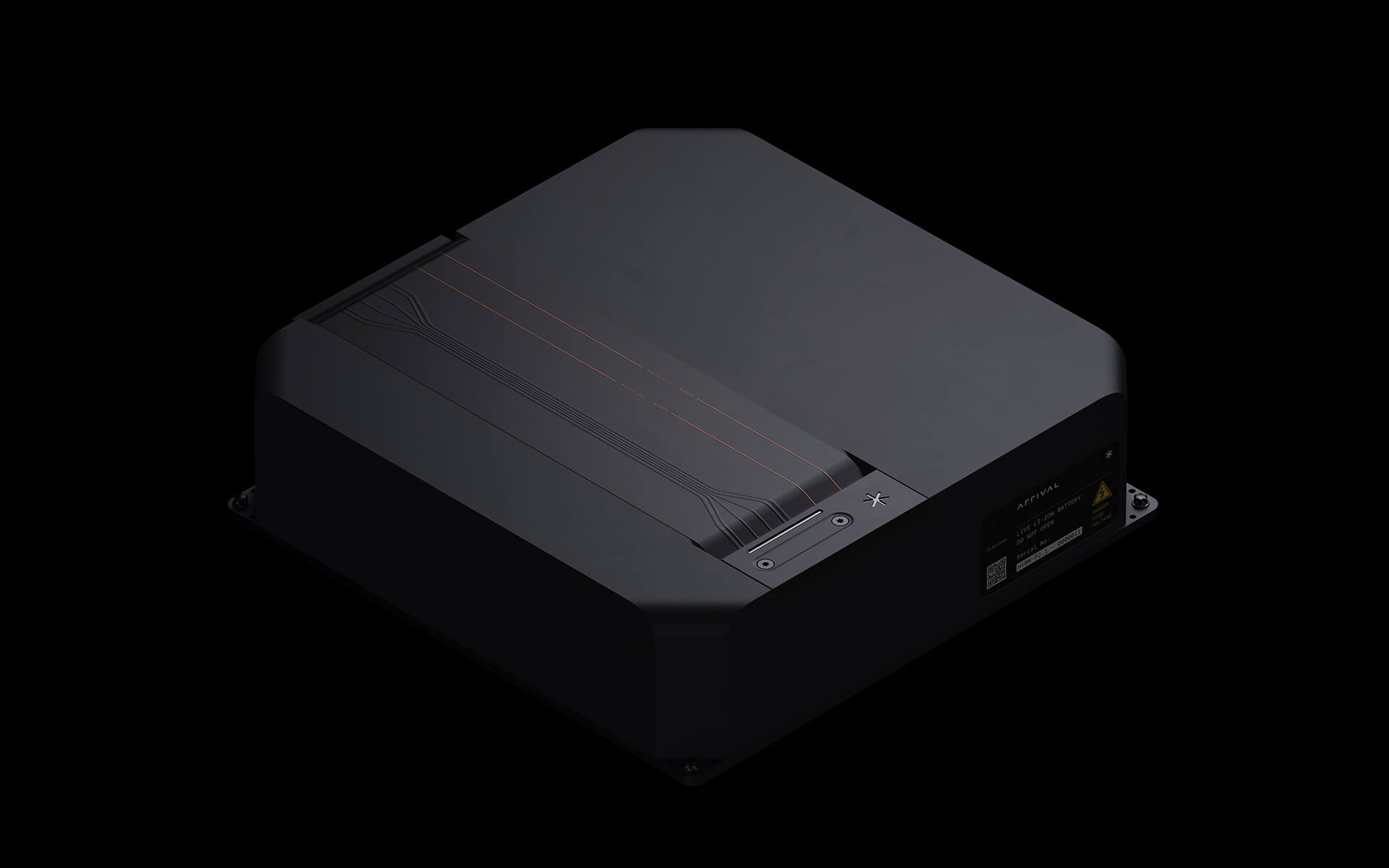
    EV startup Arrival which has also a partnership with Uber has announced that it is building a high capacity and high voltage battery plant in North Carolina in the US. The battery plant will deliver 350k modules a year and will cost an investment of $11.5 million that will add 150 jobs in the city.

    Arrival has been a specialist for EVs and electric buses and is one of the few EV startups which has designed its own components and software stack alongside assembly techniques. It even has its own automated driving system as well as proprietary battery modules and this latest announcement is part of achieving scale with its own technology.

    Aside from the battery plant, it also has a facility that produces the Arrival Bus. “By bringing the assembly of our proprietary High Voltage Battery Modules in-house, we’re striving to be as vertically integrated as possible. This will enable us to have even greater control over the functionality and cost of our products and pass those cost savings on to the customer while also working toward our goal of zero waste production. We’re excited to add another facility in Charlotte, as we prepare to open our new North American headquarters building just down the road and continue to work in tandem with the city to develop solutions for their electrification and sustainability goals. This is a big milestone for Arrival as we ramp up operations in the region in advance of production starting in Rock Hill in Q2 next year,” said Mike Ableson, its CEO.

    The assembly plant is a follow-up to the news of Arrival outlining an agreement with Li-Cycle which is one of the leading lithium-ion battery recyclers in North America. This partnership will help Arrival create a virtuous cycle of battery supply chain for both Europe and the US.

    The city of Charlotte in North Carolina is also working to ensure all car fleets and facilities are fueled by zero-carbon sources by 2030 which makes it a hotbed for EV startups. Arrival is working with the city for this project.

  • Honda Sets Up Battery Sharing Subsidiary In India

    Honda Sets Up Battery Sharing Subsidiary In India

    Honda has announced setting up a new subsidiary in India, which will focus on the supply chain side of the electric vehicle industry. Called Honda Power Pack Energy India Private Limited, the new subsidiary for battery sharing service in India will offer service for small mobility players. In a statement, Honda has said that the company plans to start battery sharing service for electric auto-rickshaws from the first half of 2022 in Bengaluru, Karnataka, and expand the operations in other Indian cities in a phased manner.

    Swappable batteries will offer subscribers fully-charged batteries at the stations which can be swapped in a matter of minutes, instead of waiting to charge the vehicle.

    “The company will offer battery sharing service for small mobility, which will accelerate the penetration of electric vehicles by solving three issues of electric vehicles: limited range, long charging time, and high cost of batteries,” Honda said in the statement.

    Honda’s all-new portable and swappable batteries will be called “Honda Mobile Power Pack e,” and the company’s battery sharing service subscribers can avail of the services from the nearest battery swapping station. At the battery swapping station, subscribers can swap the used batteries with fully charged ones, and need not wait for charging and can get back on the road in marginal time.

    The company has invested ₹ 135 crore, and will work closely with original equipment manufacturers (OEMs) who wish to integrate Honda’s battery into their vehicles, by providing necessary technical information for an interface. By expanding vehicle OEMs, applications, and service areas, the company aims to onboard more drivers which will further enhance service convenience.

  • Apple’s Talks With Chinese Battery Makers CATL And BYD

    Apple’s Talks With Chinese Battery Makers CATL And BYD

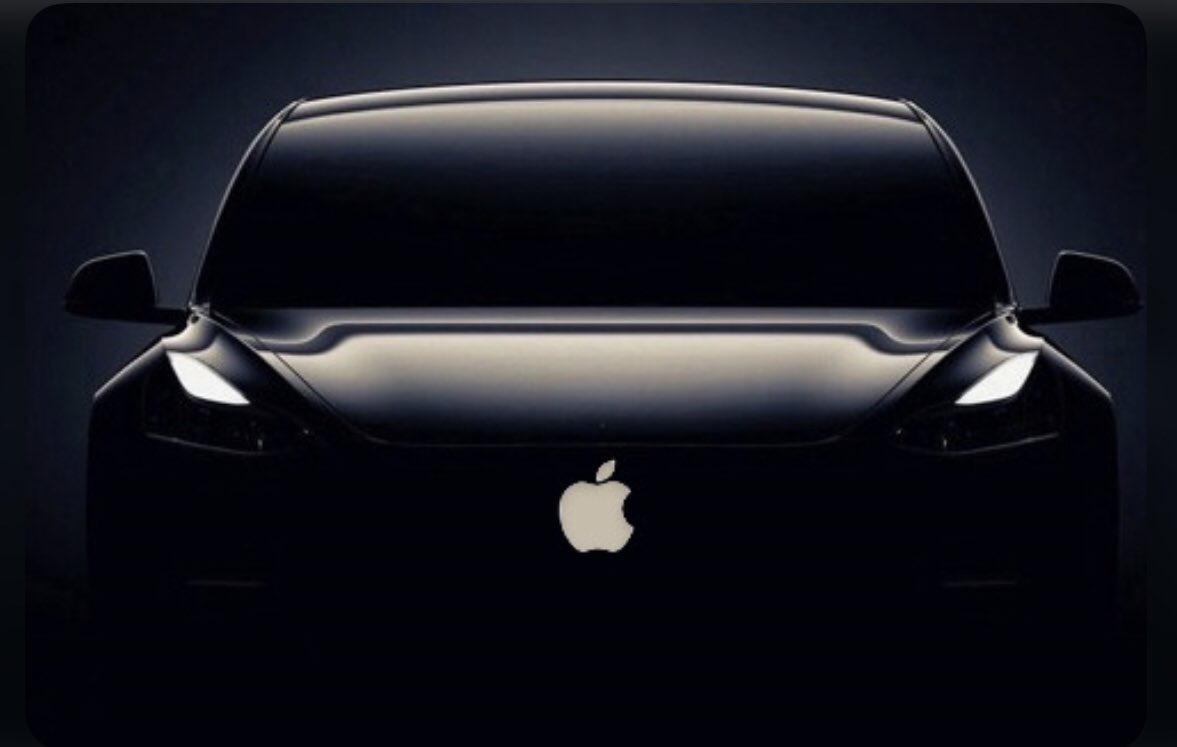
    Apple Inc’s talks with China’s CATL and BYD over battery supplies for its planned electric vehicle have been mostly stalled after they refused to set up teams and build U.S. plants that would solely cater to the tech giant, three people with knowledge of the discussions said.

    The firms informed Apple sometime in the past two months that they were not able to meet its requirements, the people said. But the U.S. company has not given up hope of resuming talks with either CATL or BYD, according to one source.

    Chinese battery makers are more advanced than rivals in the development of lithium iron phosphate (LFP) batteries which are cheaper to produce and sources have previously said Apple favors this battery technology.

    CATL, the world’s No.1 maker of batteries for EVs, has been reluctant to build a U.S. factory due to political tensions between Washington and Beijing as well as cost concerns, said one of the people with direct knowledge of the talks.

    The Chinese firm has also found it impossible to set up a separate product development team exclusively working with Apple due to difficulties in finding sufficient personnel, the person added.

    BYD, which has an iron-phosphate battery plant in Lancaster, California, declined to build a new factory and team that would solely focus on supplying Apple, said two of the sources.

    The stalled discussions have meant that Apple has been considering Japanese battery makers and it sent a group of people to Japan this month, they added.

    Panasonic Corp is one of the companies that Apple is considering, said one of the people.

    The sources declined to be identified as the talks were confidential. Apple, BYD and Panasonic declined to comment.

    CATL said in a statement to Reuters that it denied “the relevant information”.

    “We are evaluating the opportunity and possibility of manufacture localization in North America,” the statement said, adding that it has a dedicated professional team exclusively for each customer.

    Sources said last year Apple was aiming to launch an electric car by 2024. Apple has not publicly disclosed its plans. The stall in discussions comes at a time when U.S. President Joe Biden is seeking to make the United States a powerhouse in electric cars, setting a goal of having half of all new vehicles sold in 2030 electric.

    Any delays in securing battery supplies could further impede EV development for Apple which last month lost the head of its car project, Doug Field, after he decided to return to Ford Motor Co.

    Tesla Inc, which has been making some of its Model 3 and Model Y cars in China with LFP batteries from CATL, said this week it intended to use that battery chemistry outside China as well.

    CATL and BYD use a type of battery pack technology to improve the performance of LFP batteries. Without that, LFP batteries usually offer much shorter driving ranges and lower energy density than the more expensive lithium batteries that use cobalt and nickel.

  • Commercial EV Startup ELMS Signs Battery Supply Deal With CATL

    Commercial EV Startup ELMS Signs Battery Supply Deal With CATL

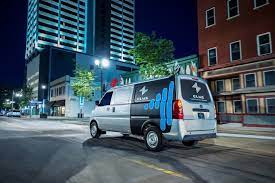
    U.S. commercial electric vehicle maker Electric Last Mile Solutions Inc (ELMS) on Thursday said it has signed a battery supply deal with China’s Contemporary Amperex Technology Co Ltd (CATL). The financial terms of the deal, which runs through 2025, were not disclosed. CATL’s batteries power the Class 1 small delivery vehicle that ELMS began building last month at its plant in Mishawaka, Indiana.

    The companies are also exploring a setup where CATL would have a U.S. plant that would make battery cells and ship them to the ELMS plant in Indiana for assembly into battery packs, an ELMS spokesman said. “We reached an important milestone to secure battery capacity in an extremely challenging supply environment,” ELMS’ deputy chief financial officer, Rob Song, said in a statement.

    Battery makers are boosting production to meet soaring worldwide demand as carmakers accelerate the shift to electric vehicles to comply with tougher emission rules aimed at tackling climate change. CATL, which supplies numerous global automakers including Tesla Inc, Volkswagen AG and General Motors Co, has not announced where it would open a U.S. plant, but last year purchased a facility in Glasgow, Kentucky. Kentucky state officials in September 2020 offered incentives to CATL for a potential battery pack plant there.

    Ningde, China-based CATL, which already has U.S. sales offices, has previously declined to comment on plans for the American market. President Joe Biden has made it a priority to support the rollout of electric vehicles to make the United States competitive with China.

    Under the deal with ELMS, CATL will provide lithium-iron-phosphate (LFP) batteries using simpler cell-to-pack technology. The LFP chemistry is less expensive and safer than cobalt- or nickel-based cathodes in other batteries.

    In August, Troy, Michigan-based ELMS, which went public in June through a reverse merger with a special-purpose acquisition company (SPAC), said despite impacts from COVID-19 and industry-wide supply chain problems it was on track to build 1,000 vans this year.

    Following the small van, which has a starting price of $34,000 before federal tax credits, ELMS plans to build a larger Class 3 truck in the second half of 2022.