Retail News CRM

Tag: battery

  • Battery Giants Face Skills Gap That Could Jam Electric Highway

    Battery Giants Face Skills Gap That Could Jam Electric Highway

    The South Korean battery giants powering many of the world’s electric vehicles face a skills shortage that could drag on the global race towards zero-emissions transport. The country’s three major players, which command a third of the global electric vehicle (EV) battery market, told Reuters they were all grappling with a shortage of research and engineering specialists as demand for the technology balloons. LG Energy Solution (LGES), SK On, and Samsung SDI Co Ltd all rank in the top-six global battery makers, and supply the likes of Tesla Inc, Volkswagen and Ford Motor Co among others.

    Yet they are facing growing demands from big automakers and can’t find enough technicians with the training needed to keep advancing cutting-edge tech such as solid-state batteries. “Although we are seeing such a growth in the industry, it appears that we are facing a shortage of talent,” an official at LGES said. “It is crucial to recruit external talents as well as nurturing our own talent.” This was echoed by its two big domestic rivals, with SK On describing the sector’s expansion as “exponential”.

    Indeed the global battery sector has doubled in size over the past five years and South Korea is short of almost 3,000 graduate degree-level positions in areas such as research and design, according to the most recent data from the Korea Battery Industry Association, from late 2020. LGES, SK On and Samsung SDI currently have a total of about 19,000 employees.

    The Korean crunch reflects a growing talent shortage across a wider global battery market that, according to IHS Markit forecasters, will triple in size to almost $90 billion by 2025. The EU’s European Battery Alliance planning group, for example, says “re-/up-skilling” is needed in the bloc because its battery industry needs 800,000 new workers by 2025.

    If the global skills gap is not plugged, some industry experts say it could slow the pace of advances in batteries, which are being counted on to clean up road transport, one of the biggest sources of greenhouse gas emissions. “Talent demand in the battery industry outweighs supply, and battery makers are anxious to ensure that they have got this small group of people who can work on this technology, and won’t be left behind in the fast-growing market,” said Samsung Securities analyst Cho Hyun-ryul.

    ‘COMPETITIVE PACKAGES’

    In a sign of the skills pressure, LGES – South Korea’s No.1 battery maker by volume – plans to launch a new “battery-smart factory department” at the prestigious Korea University next spring with guaranteed jobs for graduates.

    More immediately, executives have been flying to the United States to lead recruiting events at schools there. The LGES CEO and his managers went to Los Angeles last month while the SK Innovation CEO and staff hosted an event in San Francisco on Saturday.

    These companies are not only competing with other established Asian players, including market leader CATL from China and Japan’s Panasonic, but fast-growing U.S. and European rivals like Sweden’s Northvolt bridging the technology gap.

    The talent shortage in South Korea is being compounded by some existing employees moving to foreign competitors that had offered better pay, according to two industry sources with knowledge of the matter. They declined to be named due to the sensitivity of the matter.

    Northvolt, which counts Volkswagen as a client, has previously said that some of its employees were recruited from top battery makers, including LGES and Panasonic.

    “We do have few people working for Northvolt that are from South Korea, which is obviously a very impressive country when it comes to battery manufacturing and development with several well-respected companies active in this space,” a spokesperson for the company told Reuters last week.

    “We try to offer competitive packages to our employees – everyone working here is a shareholder in the company for instance,” he added, though did not specify pay details.

    Battery specialists in South Korea newly graduated with doctorate degrees can earn as much as 100 million won ($85,000) a year, and those without that level of qualification average about 80 million won after gaining a few years of experience, according to two sources at major South Korean battery firms.

    South Korea’s average annual salary was 37.4 million won in 2019, according to tax agency data.

    ‘WIN FOR AMERICAN AUTOS’

    The Korean sector has also been mired in internal conflict, with LGES and SK Innovation, which wholly owns SK On, locked in a two-year dispute over technology, trade secrets and staff poaching until April this year when they settled their differences.

    In a signs of the global importance of the two conglomerates, U.S. President Joe Biden – who has made boosting EVs a top priority – described the settlement as “a win for American workers and the American auto industry.”

    “We need a strong, diversified and resilient U.S.-based electric vehicle battery supply chain,” he added.

    Even in the face of the growing skills gap, the worldwide demand for their products has supercharged the battery makers’ expansion plans.

    LGES expects its production capacity to reach 155 gigawatt-hours (GWh) of batteries by the end of this year and plans to raise that to 430 GWh in 2025 that could power about 7.2 million EVs.

    SK Innovation aims to boost its annual production capacity more than five-fold to 220 GWh by 2025 and last week announced the plan to invest 10.2 trillion won with Ford to build three battery plants in the United States.

    Richard Kim, principal analyst at IHS Markit, said the skills gap was likely to be a problem for years to come.

    “The labour shortage in the battery industry has already been a global issue, and the reality is that there has been an imbalance of supply and demand of manpower as many companies start to expand their capacity,” he added.
  • Boutique Tasmanian distillery Battery Point releases first whisky

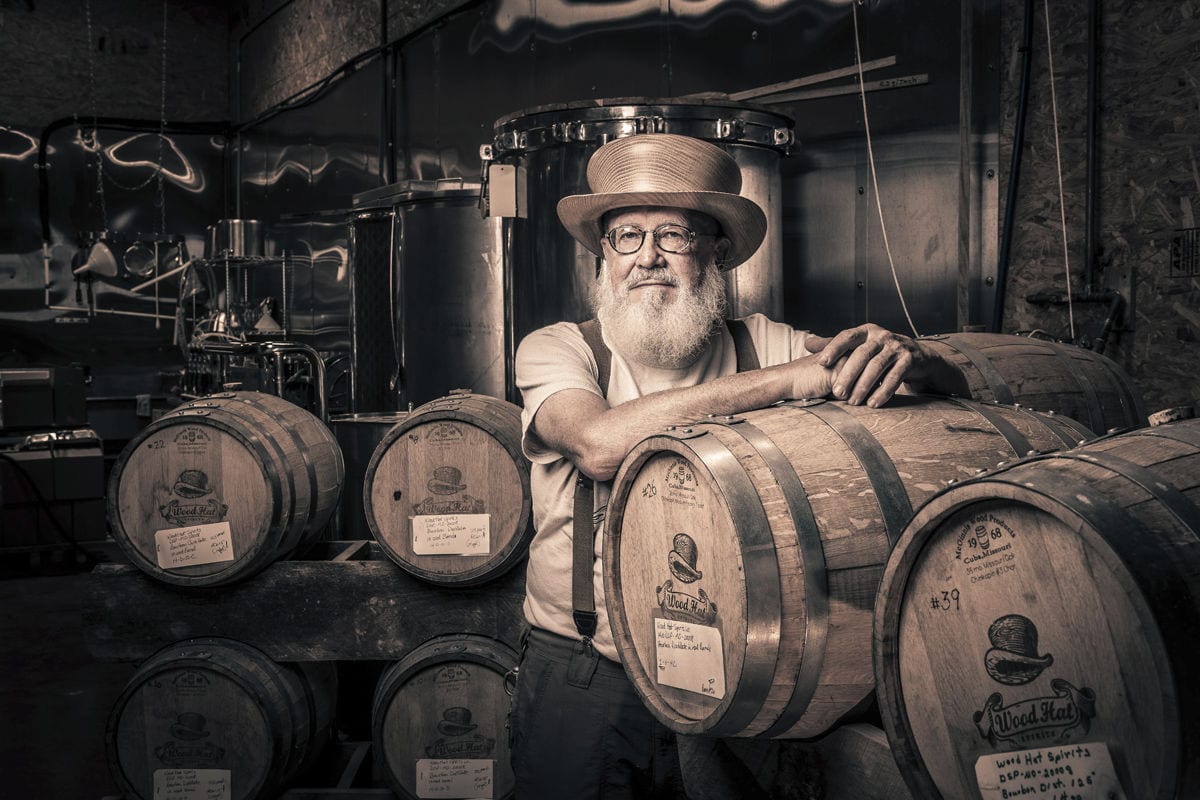
    Boutique Tasmanian distillery Battery Point releases first whisky

    For head distiller Jack Lark Whisky distilling runs in the blood but it’s the Battery Point Distillery teams’ patience, creativity and vision that he believes sets them apart, “We’re a small team and so we’re not rushing to get things out. Everything is by-hand and we refuse to cut corners – we will only release the best quality barrels and the best quality spirits.”

    Achieving this, however, has not been left to chance, “With whisky you aren’t reinventing the wheel – it’s still all made with the same three ingredients, but we really took our time over selecting the best of those ingredients.” Made using a specifically selected premium Tasmanian malt mash, a unique combination of yeast cultures and of course the purest 100% Tasmanian water, Battery Point whisky is combining traditional Scottish double-distillation methods with small cask and barrel finishing.

    This first release brings together port, sherry and bourbon small cask whiskies in a unique blend. It is then aged in an apple brandy barrel before being finished in a muscatel. It’s this creativity with flavour and barrel influence that sets Battery Point Distillery apart. Delivering a bold, full-bodied and rich drop this whisky promises layers of complexity without being overly demanding or complicated.

    As is intended with all future Battery Point offerings, this is a limited release of 200 bottles. Future small volume releases will be available when they are at their peak and ready – “we aren’t in a hurry and want to bottle the best quality we can” says Jack.

    The bottled look was designed to reflect the bold sophistication of the product. The packaging inspired by the detailing of the barrels that characterise the whisky, offers a confident and contemporary take on the traditional category, much like the whisky itself.

  • Tesla Hikes Electric Car Prices In U.S.

    Tesla Hikes Electric Car Prices In U.S.

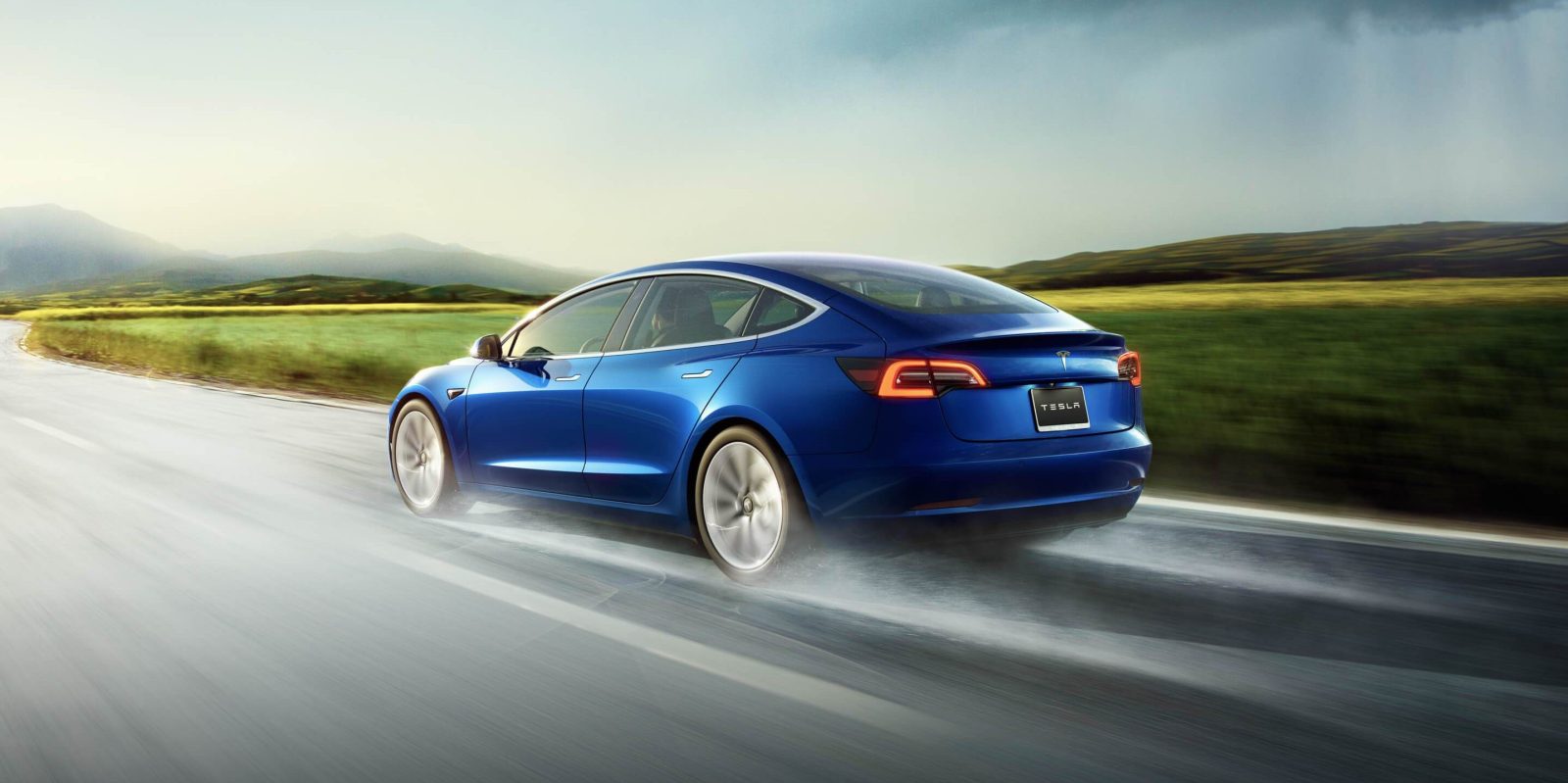
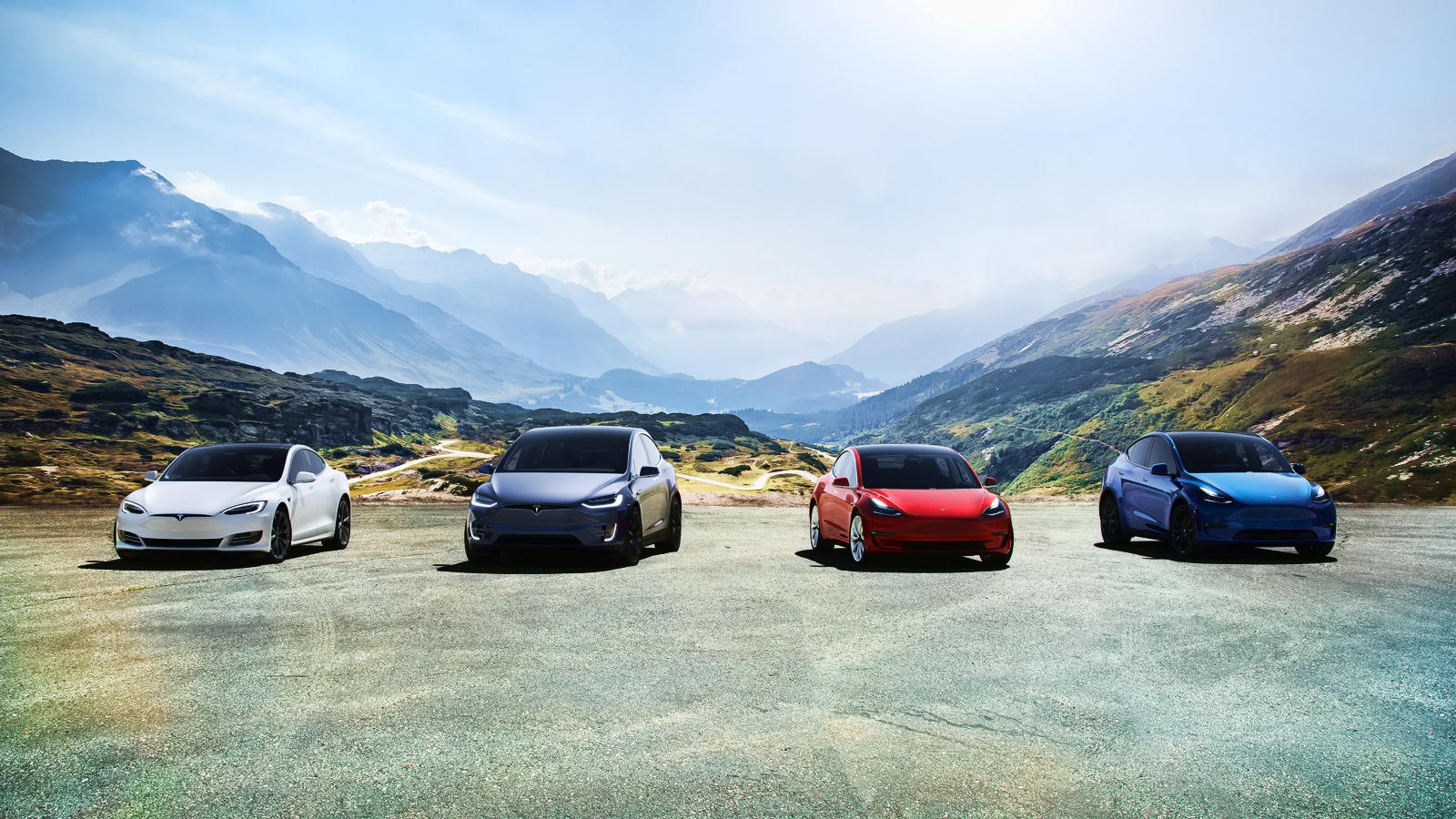
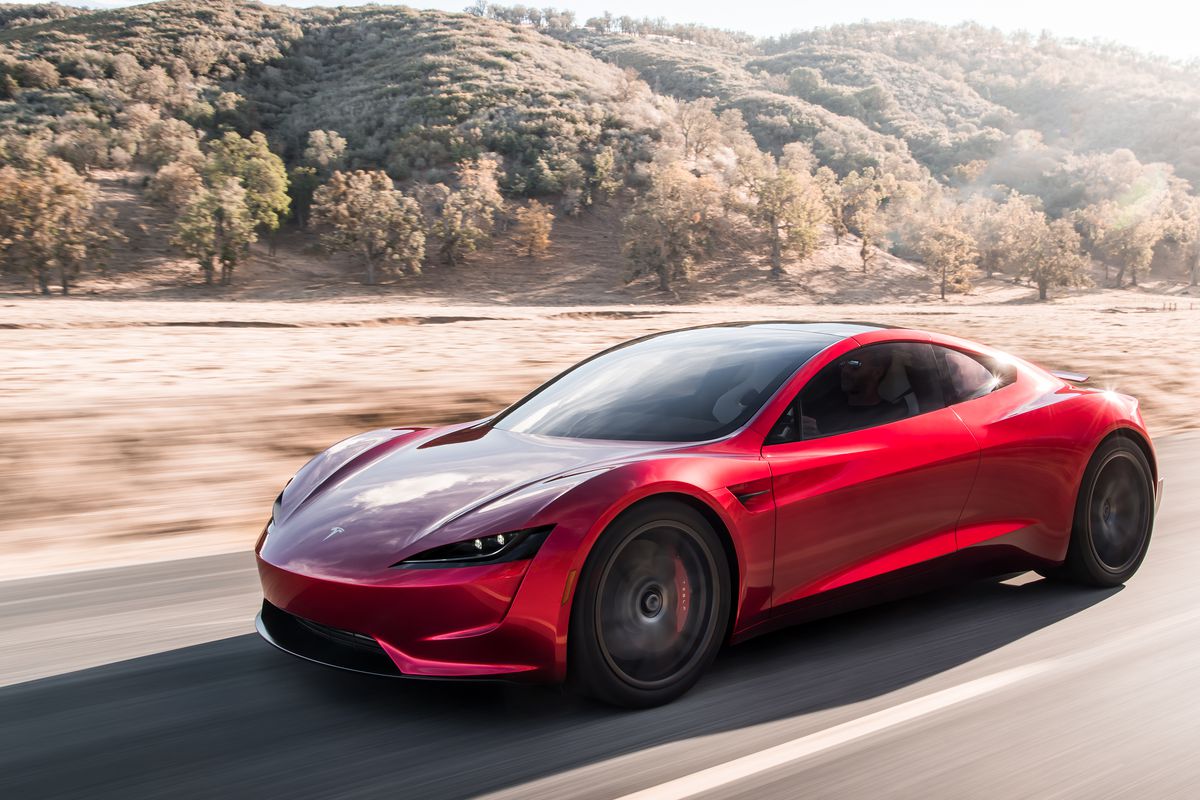
    Tesla Inc showed signs of divergent strategies in the world’s two biggest automotive markets, raising prices to boost profit margins in the United States while keeping prices steady in China and hoping to grow sales there. Tesla raised prices for the most affordable versions of Model 3 and Model Y about a dozen times this year in the United States, according to data tracked by Reuters. At the same time, Tesla recently introduced an affordable Model Y version in China, where it refrained from price hikes. Tesla posted record vehicle deliveries in the second quarter, and the price increases in North America boosted quarterly profits to a record.

    But in China, the world’s biggest electric vehicle (EV) market, Tesla faces competition from local rivals and problems that include product recalls, high-profile protests by consumers and pressure from regulators. Bernstein analyst Toni Sacconaghi said introduction of the lower-priced Model Y in China “may make sustained margin improvement difficult” for Tesla and raises questions about “the health of Chinese demand.” A study by Bernstein analysts found Tesla owners in China were less enthusiastic and had lower repurchase intentions than owners in the United States and Europe.

    Tesla raised prices for Model Y Long Range at least six times in the United States this year, bumping by $5,500 to $53,990. In China, the world’s most valuable carmaker raised prices of the Model Y SUV and Model 3 sedan only once this year. The Model Y version has a price tag of 276,000 yuan ($42,394). The company also has launched promotional campaigns in China such as loan offers.

    “I think Tesla is looking to be as competitive as it can be in China. Lower prices will be a part of that aggressive market positioning,” Roth Capital Partners analyst Craig Irwin said. “There is a very large difference in battery prices in the U.S. and China, as well as local vehicle manufacturing costs.”

    Tesla started production at its Shanghai factory in late 2019. It has boosted sourcing of cheaper local components, including batteries from China’s CATL and LG’s Chinese factory. “It wasn’t so long ago that the group was trimming prices in the U.S. to gain scale and maximize profitability, and it feels like we’re now seeing that in China too,” Hargreaves Lansdown analyst Nicholas Hyett said. The low cost of producing local EVs in China would have a lasting effect for Tesla, said Gene Munster at Loup Ventures.

    “Teslas are on average 3x the cost of a typical EV made in China so they have to be priced less than the U.S. to compete,” Munster said. “Prices of Teslas in China will be below (the) rest of the world for the next decade.” Tesla also cut costs and boosted margins in the U.S. market by getting rid of some parts like a radar sensor and lumbar support. Tesla shares closed up 0.3% on Wednesday after falling the previous session.

    In China, Tesla’s share slipped to 11% in the battery electric vehicle market, which excludes plug-in hybrid cars, in the second quarter from 18% a year earlier, according to GLJ research. But data from Morgan Stanley showed Tesla still held a U.S. battery-electric market share of nearly 70% as of February, although that was down from 81% a year earlier.

    China accounts for 44% of the global EV market, a much bigger share than the 17% held by the United States.

    In China, Tesla faces competition from electric vehicle makers like Nio Inc and Xpeng Inc. In the United States, Tesla’s brand is stronger and its main rivals are legacy automakers like Ford and General Motors, which generate only a fraction of their sales from EVs.

    Tesla CEO Elon Musk has reiterated that the company’s mission is to make electric cars affordable and has blamed vehicle price increases on a shortage of chips and raw materials.

    Tesla is coping with the chip shortage by using alternative chips and rewriting software, Musk said.

    He provided a cautious outlook for chip shortage. “It does seem like it’s getting better,” he said on the second-quarter earnings call, but added: “it’s hard to predict.”

  • Toyota Extends Battery Warranty On Camry, Vellfire To 8 Years In India

    Toyota Extends Battery Warranty On Camry, Vellfire To 8 Years In India

    In line with its commitment to encourage the adoption of electrified vehicles, Toyota Kirloskar Motor today announced the extension of battery warranty for its Self-charging Hybrid Electric Vehicles (SHEVs) in India. Currently, the company offers only two cars with hybrid technology and that’s the Camry and the Vellfire. The warranty is extended from the existing three years or 100,000 kilometres to eight years or 160,000 kilometres (whichever comes first). Both cars sold with effect from August 1, 2021, will come with this warranty.

    Toyota was the first carmaker to bring hybrid electric vehicles to the Indian market with products such as the Prius and Camry. The Camry has been a very successful car for the company in India, so much so that the new model which was launched a couple of years ago, was brought to India in a hybrid-only avatar.

    V. Wiseline Sigamani, Associate General Manager (AGM), Sales and Strategic Marketing, Toyota Kirloskar Motor said, “Hybrids can run 40% of the distance and 60% of the time as an electric vehicle with a petrol engine shut off, as proven in a study by iCAT, a Government testing agency. This gives hybrids tremendous fuel efficiency improvements of 35 to 50% and much lower carbon emissions. In India, over the years (cumulative), sale of Toyota Camry Hybrid vehicles alone has resulted in CO2 emission reduction of over 18 million kilograms and fossil fuel savings of over 7.6 million litres.”

  • Nissan Bets On UK ‘Renaissance’ With Battery Plant And New Vehicle

    Nissan Bets On UK ‘Renaissance’ With Battery Plant And New Vehicle

    Nissan Motor Co bet on Britain to supercharge its European electric future on Thursday, pledging $1.4 billion with its Chinese partner to build a giant battery plant that will power 100,000 vehicles a year including a new crossover model.

    Facing the most profound technological shift in a century, the titans of the auto industry are racing to secure battery supply close to the factories where they will make the new cleaner electric vehicles of the future.

    Nissan cast its backing for the 9 gigawatt-hour (GWh) plant as illustrative of rejuvenation of Britain’s automotive industry, which has for five years grappled with the fear that Brexit could cut off the rest of the European market.

    “This project is the demonstration of the renaissance of the British car industry,” Ashwani Gupta, Nissan’s chief operating officer, told reporters at the Sunderland plant, which exports 70% of its vehicles to the European Union.

    British Prime Minister Boris Johnson said Nissan’s move was “a major vote of confidence in the UK and our highly skilled workers in the North East”. Nissan said Britain had backed the plan, but did not detail any guarantees or incentives.

    The 1 billion-pound ($1.4 billion) investment by Nissan, its Chinese partner Envision AESC and local government in northeast England will create 6,200 jobs at the Sunderland plant and in British supply chains.

    Nissan will spend up to 423 million pounds to produce a new-generation all-electric crossover vehicle at the plant, where it already produces the LEAF electric vehicle and the Qashqai crossover SUV. The new vehicle has yet to be named and there is no launch date.

    As world powers try to slash carbon emissions by scrapping the fossil-fuel guzzling internal combustion engine, Britain has pledged to ban the sale of new diesel and petrol cars from 2030.

    Going electric, though, is hard.

    China dominates the production of electric vehicle batteries and the processing of the minerals used to make them, though the United States and Europe are trying to catch up.

    Western leaders, including Johnson, are loath to sacrifice hundreds of thousands of automotive jobs – often in politically sensitive constituencies – by importing batteries from China, rather than manufacturing domestically.

    And unless Britain can build both battery production and supply chains, it risks losing its four-decade reputation as the investor-friendly gateway for top companies seeking to export to the rest of Europe.

    Envision could invest an additional 1.8 billion pounds in the battery plant to expand generating capacity to up to 25GWh and create 4,500 new jobs in the region by 2030. There is potential on-site for up to 35GWh.

    “We also want to build the supply ecosystem in the country – but you do need critical mass,” Zhang Lei, Envision Group founder and chief executive, told Reuters.

    Zhang said the battery plant could supply other manufacturers and hoped that, once it expanded capacity, it would be able to export, including to Europe.

    Still, Britain is far short of the installed battery capacity it will need to power electric cars in the long term and there are risks the technology will be superseded.

    “Battery development and production is currently in a complete state of flux – chaos even,” said Bob Hancké, associate professor of political economy at the London School of Economics. “Any investment now runs the risk of closing of technologically more advanced options a few years from now.”

    Nissan said the new crossover, to be built on the Alliance CMF-EV platform shared by partners Renault and Mitsubishi, would be exported to European markets.

    Japan’s capital has used Britain as a gateway to Europe since the early 1980s, when then Prime Minister Margaret Thatcher persuaded Nissan to build a plant in Sunderland on an old airfield.

    Japanese investors worried the Brexit vote – which was particularly strong in Sunderland – would scupper their bets.

    A new trade deal agreed with the EU last year allows the free trade of cars but with a dangerous twist about rules of origin – at least 40% of the value of a car has to be produced in the United Kingdom or EU to be sold in the bloc.

    That requirement rises to 55% from 2027 – a crucial detail that would mean an imported battery, which can make up half the vehicle’s sale price, would close off the European market to British-based car factories.

    The new model takes Nissan’s total capital investment in the Sunderland plant past 5 billion pounds.

  • Chinese EV Battery Maker CATL Extends Deal With Tesla

    Chinese EV Battery Maker CATL Extends Deal With Tesla

    Chinese electric vehicle battery maker CATL said on Monday it has extended a battery supply deal with U.S. EV maker Tesla Inc to 2025.

    Ningde-based CATL said in a stock exchange filing that it would supply battery cells to Tesla, which is making Model 3 sedans and Model Y sport-utility vehicles in Shanghai, until December 2025.

    Other Tesla battery suppliers include Panasonic Corp and LG Energy Solution.

  • Porsche Setting Up Battery JV With Customcells For An EV Future

    Porsche Setting Up Battery JV With Customcells For An EV Future

    Porsche has made waves around the world with its Taycan and Taycan Cross Turismo EVs which have been dubbed as the most driver-centric EVs in the world, more so than even Tesla’s groundbreaking vehicles. To further an electrified future, like all things Volkswagen group, it is forming a joint venture with Customcells that will create high-performance batteries that will significantly reduce charge times.

    Like Porsche, Customcells is also a German company hailing from the Southern German region specializing in lithium-ion batteries aiming to create packs that have higher energy density than what Porsche is already using in cars like the Taycan.

    More importantly, it is part of a broadened push towards enhancing the battery supply chain in Europe which is currently dominated by Asia. The Volkswagen group has been making huge investments in this space as the EU has stricter emissions norms which means European manufacturers have to go green faster than automakers around the world.

    One of the keys to achieving better battery efficacy is enhancing the energy density which in turn results in less raw material being used. It will also cut battery production costs and help make electric cars more affordable.

    As a part of the JV, Porsche doesn’t disclose its investment but does say it is a number upwards of 10 million Euros and it holds an 80 percent stake in the venture. The production facility in the equation will have an aim to deliver 100 kWh of capacity which could service about 1000 cars per year. This is a tie-in from what Porsche chief executive officer Oliver Blume said in April which was indicative of the legendary German sports cars marquee ramping up its e-mobility plans for a German factory in Tuebingen for battery production. It so happens this JV with Customcells is based in Tuebingen.

    Porsche parent, Volkswagen has even broader plans of building 6 battery cell plants across Europe and expand its infrastructure for the charging of electric vehicles.

  • Tesla To Buy More Than $1 Billion Of Australian Battery Minerals A Year

    Tesla To Buy More Than $1 Billion Of Australian Battery Minerals A Year

    Tesla said it expects to spend more than $1 billion a year on battery raw materials from Australia given the country’s reliable mining industry and responsible production practices. Robyn Denholm, chair of the U.S. carmaker, said on Wednesday that Australia, which is rich in minerals used for batteries like lithium and nickel, is poised to benefit as developing supply chains for electric vehicle batteries and the green energy age focus on environmental, social and governance (ESG).

    “We expect our spend on Australian minerals to increase to more than $1 billion per annum for the next few years,” Denholm, an Australian, told a Minerals Council of Australia event.

    Tesla already sources three-quarters of its lithium feedstock from Australia and over a third of its nickel, Denham said, without specifying a dollar figure.

    “Australian mining companies do have a good reputation, great expertise, professionalism and are preferred by manufacturers increasingly concerned about meeting both today’s and the future’s ESG requirements,” she said in Canberra.

    The comments are in line with a new policy underway by U.S. President Joe Biden’s Administration to rely on allies to supply of the bulk of the metals needed to build electric vehicles.

    The U.S. will then focus on processing those metals domestically into battery parts, part of a strategy designed to placate environmentalists, two administration officials with direct knowledge told Reuters last month.

    Australia, alongside Canada and Brazil, are among the countries expected to benefit.

    Australia’s exports of hard rock lithium known as spodumene are expected to hit A$1 billion ($773 million) this year while its nickel exports are expected to be valued at A$4 billion, government figures show.

    Tesla also supplies batteries to Australia to store energy captured from rooftop solar panels which shore up reliability in its energy network. Australia has the world’s highest per-capita density of rooftop solar panels.

  • Ford Plans To Set Up A New Battery plant Near Detroit In 2022

    Ford Plans To Set Up A New Battery plant Near Detroit In 2022

    Ford is planning to open a battery development center near Detroit by the end of 2022 according to a report published by IANS. The American carmaker says that it wants to control the key technology for electric vehicles and the 2,00,000 sq.ft. will be equipped to design, test, and even for small manufacturing of battery cells and packs. The lab will also be used to develop electronic controls and other items and Ford is planning to move its operations in-house.

    Going ahead, the company wants to manufacture its battery packs on a large scale in a bid to make sure that enough batteries are manufactured to accelerate the transition from conventional combustion engines to electric vehicles. “We now see that the market is going to develop very quickly, and we will have sufficient scale to justify having greater levels of integration. We will no longer take an approach of hedging our bets and planning around the uncertainty of how fast that will play out,” Hua Thai-Tang, Chief Product and Operations Officer- Ford told IANS.

    The move comes at a time when the global auto industry is racing to control supplies including precious metals needed to make batteries and individual cells that form big battery packs to run as many as 300 new electric models coming out in the next two years. Ford’s new CEO – Jim Farley plans to take a turn from Ford’s previous path of buying technology and batteries from supply companies. That said, the company is still open to join hands with suppliers, universities and start-ups for the technology.

    Ford has already discussed the transition to battery power with the Biden administration. The company is already in a trade secret fight with its battery suppliers like SK Innovation, and LG Energy Solution. The U.S. International Trade Commission decided in February that SK stole 22 trade secrets from LG Energy and so it should be barred from importing, making or selling batteries in the United States for 10 years. So the decision gave SK four years to make batteries for Ford. SK is in contract with Ford to make batteries for an electric version of Ford’s F-150 pickup, the nation’s top-selling vehicle. The dispute was settled earlier this month when SK Innovation agreed to pay $1.8 billion along with an undisclosed royalty.

  • Sony tipped to launch mystery budget phone later this year

    Sony tipped to launch mystery budget phone later this year

    Sony recently unveiled the Xperia 1 III and the Xperia 5 III flagship models as well as the mid-range Xperia 10 III. But if a machine-translated post on Weibo written by a tipster is legitimate, Sony purposely moved up the release schedule of its new 2021 flagships to release both of them during the same time period. This will allow it to release another phone that will either be a budget-priced model or an “Ultra” version of another Sony handset.

    The machine-translated message from a tipster known as ZackBuks, while a bit confusing, seems to suggest that by releasing both 2021 flagships together, it opens up some time to allow a “new U release” to take place months earlier than in past years. Normally Sony unveils its compact flagship model in the fall which is why it was so surprising to see the Xperia 5 III introduced at this time of the year.

    The last such Sony handset to use the “Ultra” title in its name was 2018’s Xperia XA2 Ultra which featured a larger screen, more storage, a larger battery, and an additional front-facing camera compared to the “non-Ultra” Xperia XA2. Another theory is that the “new U release” is a refresh of last year’s budget-priced Xperia L4 model. For those hoping for a top-of-the-line “Ultra” model powered by the Snapdragon 888 SoC, the tipster’s post would seem to make that impossible since he comes right out and states that the 2021 flagships are the Xperia 1 III and the Xperia 5 III.

    The Xperia 1 III features a 6.5-inch AMOLED display with a 4K resolution (1644 x 3840) and a tall and thin 21:9 aspect ratio. Powered by the Snapdragon 888 SoC, this model sports 12GB of memory and 256GB of storage. A quad-camera setup is found on the back.

    The Xperia 5 III is equipped with a 6.1-inch display with a 1080 x 2520 (FHD+) resolution and is powered by Qualcomm’s top-of-the-line Snapdragon 888 chipset. It features 8GB of memory (LPDDR4 RAM), 256GB of storage, and a triple camera setup.

    Speaking of the Xperia 5 III, the phone recently was benchmarked through Ge.

  • Tesla’s 4680 Battery Cells Are Manufactured By Panasonic

    Tesla’s 4680 Battery Cells Are Manufactured By Panasonic

    Tesla has confirmed that its new tab-less 4680 battery cells are going to be produced by Panasonic which already has a dedicated facility at the Gigafactory in Nevada. This report comes via Nikkei Asia which states,  “Panasonic will set up a prototype production line at existing facilities. The cost of the project is expected to run into the tens of millions of dollars.”

    Tesla has been working on its own battery cell chemistry for years, but it has also maintained deep ties with traditional battery cell makers as it is more focused towards the module and the pack itself.

    For years, Panasonic has been Tesla’s go-to partner but in recent times it has also started working with LG Chem and CATL. These new tab-less batteries were unveiled in September at its “Battery Day” event.

    For these batteries, the company said that it will produce them itself with production machinery designed in-house. However, Elon Musk has stated that it will continue to work with external parties and acquire as much battery supply it can so that it can fuel its ambitious growth.

    Recently, there were reports which claimed that even LG Chem was manufacturing batteries similar to Tesla’s tab-less batteries. It could be that Tesla is tapping into both Panasonic and LG Chem for the same while also doing its own thing as it scales its business to new markets. Recent reports suggest that Tesla is also planning to enter a major market like India which from a long-term point of view could be strategic for the company even if it doesn’t have the scale in the short term.

    Currently, the new 4680 batteries are only being manufactured in the Fremont facility though Panasonic has a huge facility inside the main Gigafactory in Nevada and Tesla could even scale this model to its new GigaFactory in Berlin and other locations.

  • Tesla Co-Founder Straubel Aims To Build World’s Top Battery Recycler

    Tesla Co-Founder Straubel Aims To Build World’s Top Battery Recycler

    Tesla co-founder J.B. Straubel wants to build his startup Redwood Materials into the world’s top battery recycling company and one of the largest battery materials companies, he said at a technology conference Wednesday. Straubel aims to leverage two partnerships, one with Panasonic Corp, the Japanese battery manufacturer that is teamed with Tesla at the Nevada gigafactory, and one announced weeks ago with e-commerce giant Amazon.

    With production of electric vehicles and batteries about to explode, Straubel says his ultimate goal is to “make a material impact on sustainability, at an industrial scale.”

    Established in early 2017, Redwood this year will recycle more than 1 gigawatt-hours’ worth of battery scrap materials from the gigafactory — enough to power more than 100 Tesla cars.

    That is a fraction of the half-million vehicles Tesla expects to build this year. At the company’s Battery Day in late September, Chief Executive Elon Musk said he was looking at recycling batteries to supplement the supply of raw materials from mining as Tesla escalates vehicle production.

    Redwood’s partnership with Panasonic started late last year with a pilot operation to recover materials at Redwood’s recycling facilities in nearby Carson City, according to Celina Mikolajczak, vice president of battery technology at Panasonic Energy of North America.

    Mikolajczak, who spent six years at Tesla as a battery technology leader, said: “People underestimate what recycling can do for the electric vehicles industry. This could have a huge impact on raw material prices and output in the future.”

    Straubel’s broader plan is to dramatically reduce mining of raw materials such as nickel, copper and cobalt over several decades by building out a circular or “closed loop” supply chain that recycles and recirculates materials retrieved from end-of-life vehicle and grid storage batteries and from cells scrapped during manufacturing.

    In September, Redwood said it received funding from Amazon’s Climate Pledge Fund, following an investment by Breakthrough Energy Ventures, backed by Amazon CEO Jeff Bezos and Microsoft founder Bill Gates.

    “I’m excited about the work we can do together,” Straubel said of Amazon. “They have batteries in many devices,” from consumer electronics to data centers, as well as future electric delivery vehicles and drones.

  • Tesla To Buy German Battery Assembly Maker

    Tesla To Buy German Battery Assembly Maker

    Tesla, the California-based electric vehicle manufacturer will soon be acquiring a German battery assembly manufacturing company. As per a report filed by Reuters, the EV maker has agreed to buy ATW Automation company, which is a subsidiary of the Canadian ATS Automation Tooling Systems Inc. It majorly focuses on assembling battery modules and packs for the auto industry. As per a German media report in September, the company was on the brink of liquidation due to a massive slump in orders.

    Last month, the company announced that certain assets and employees at one of its Germany-based units would be sold and transferred to a third party. However, the company did not disclose the name of the company. Based in western Germany, ATW has completed over 20 battery production lines for international automakers.

    As far as Tesla is concerned, the company plans to ramp up battery production in the coming year. And, the EV maker recently confirmed during an event that it would sharply reduce the cost of battery packs within the next three years. The company is also building its third Gigafactory near Berlin, which will also include a battery plant. It also aims to initiate construction at its new vehicle factory in Texas later this year.

    Tesla’s future product line-up includes the light-duty Cybertruck and the Semi truck. Both vehicles will require higher battery capacities. The company on Friday announced that it had delivered over 1.39 lakh vehicles globally in the third quarter and aims to sell half a million vehicles by the end of 2020.

  • Issues with the Samsung Galaxy S20 Ultra 5G and other high-end-models are frustrating users

    Issues with the Samsung Galaxy S20 Ultra 5G and other high-end-models are frustrating users

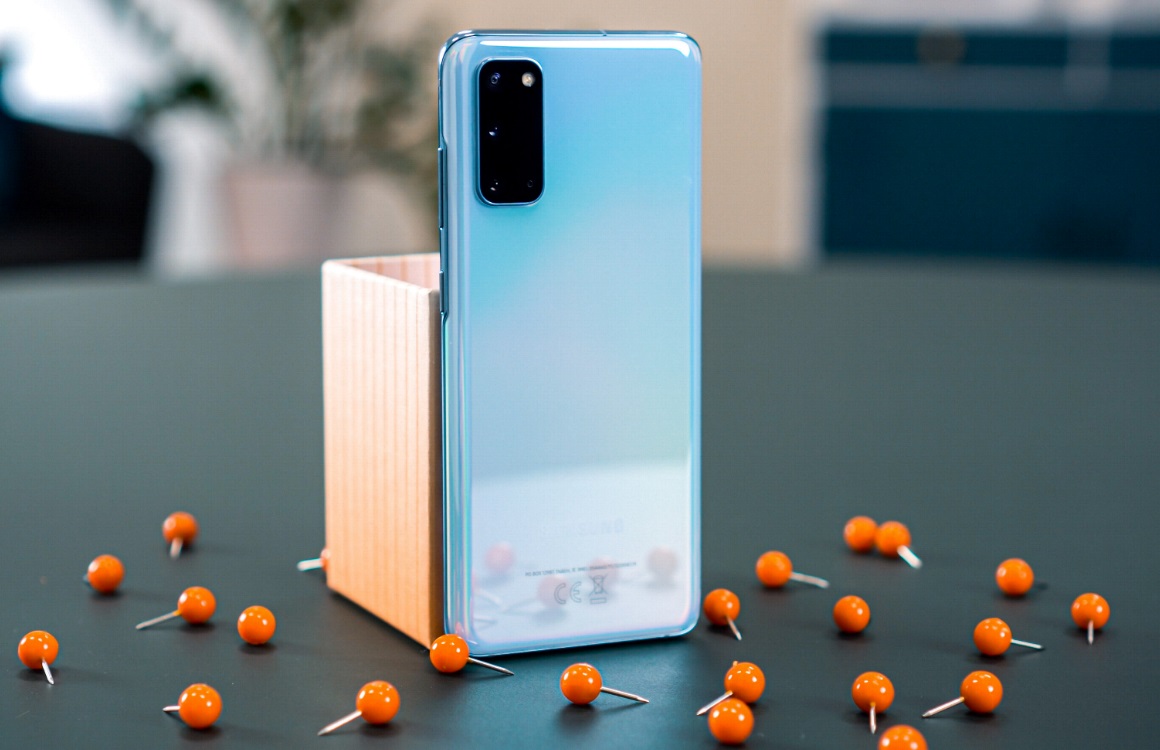
    Some of the phones in Samsung’s 2019-2020 flagship lineup are experiencing issues with the indicator that shows how much battery life remains on these models. The particular phones affected include those in the Galaxy S10 and S20 families and the Galaxy Note 10 and Note 20 lines. There are two major problems affecting these phones. One is that the battery (and thus the phone) shuts down before the indicator measuring the remaining battery life hits 1% or less. The other problem is that the phone runs through the last 1%-5% of battery life too quickly.

    Several users confirmed that these battery issues are legitimate. One subscriber with the handle of Ldn_brother wrote: “I can confirm this on the s20 ultra. As soon as I get down below 15% the battery magically disappears rapidly. I’ll be on 6% and all of a sudden my phone has turned off after I pick it up 2 mins later. I’ve kind of learned to live with it, although I know its not right. Never had this with the S4 or S7.”

    One Galaxy S20 Ultra 5G user had a suggestion. He posted “Easy solution, charge your phone whenever possible and don’t let it get that low.” This might sound like an impractical fix, but if you don’t mind spending a few bucks for a power bank (one with a 10,000mAh capacity battery or larger), you might be able to try out this bit of advice to see if there is any improvement.

    If you feel like blaming the blazing fast charging capabilities supported by some of these devices, you might be barking up the wrong tree. For example, it is true that the Galaxy S20 Ultra 5G comes with a 25W charger out of the box, and Super Fast Charging 2.0 does support 45W charging,  But one of the devices having battery issues is the Galaxy Tab S5e, and that slate charges at “only” 15W. And this brings us to another point; while we have been focusing on flagship Galaxy phones, other Samsung devices have had these problems as well.

    So far we have yet to hear from Samsung about these battery issues. Owners of Galaxy devices impacted by this problem should keep their fingers and toes crossed hoping that the manufacturer can solve this issue with a simple OTA update. Or you can take matters into your own hands by calling Samsung yourself and alerting them to the problem. In the states, pick up your phone (and assuming that there is enough battery life on the device) and call 1 (800) 726-7864. The company’s online support site can be found by tapping on this link.

  • Volvo Inaugurates Battery Assembly Line In Belgium

    Volvo Inaugurates Battery Assembly Line In Belgium

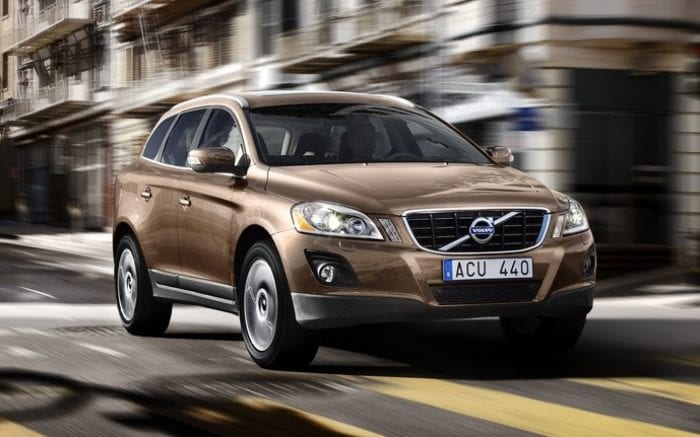
    Volvo Cars inaugurated a brand new battery assembly line at its Belgian manufacturing plant in Ghent, where it will start building its first fully electric car, the XC40 Recharge P8, later this year. The inauguration of the assembly line is in line with the company’s ambitious electrification strategy and its climate action plan. Ghent is one of two car manufacturing plants operated by Volvo Cars in Europe and has produced Volvos since 1965. It aims to reduce its lifecycle carbon footprint per car by 40 percent between 2018 and 2025, as the first step towards its goal of becoming a climate-neutral company by 2040.

    Over the next five years, Volvo Cars will launch a fully electric car every year, as it seeks to make all-electric cars 50 percent of global sales by 2025, with the rest hybrids. Recharge will be the overarching name for all chargeable Volvos with a fully electric or plug-in hybrid powertrain.

    The XC40 Recharge gets dual electric motors which are mounted on the front and rear axle that develop 402 bhp & 659 Nm

    Geert Bruyneel, head of global production operations, said “As the first of our plants to get a battery assembly line, Ghent plays a pioneering role as we continue to prepare our manufacturing network for electrification.”

    Earlier this year the company announced the planned construction of a battery assembly line at its US plant outside Charleston, South Carolina. Construction of that assembly line is expected to start soon. The company will also build battery electric vehicles at a Volvo-operated manufacturing plant in Luqiao, China, based on the CMA platform.

    Last year, Volvo Cars signed long-term supply agreements with two leading global battery suppliers, CATL of China and LG Chem of South Korea. The agreements cover the supply of batteries over the coming decade for next-generation Volvo and Polestar models, including the XC40 Recharge P8.