Retail News CRM

Tag: battery

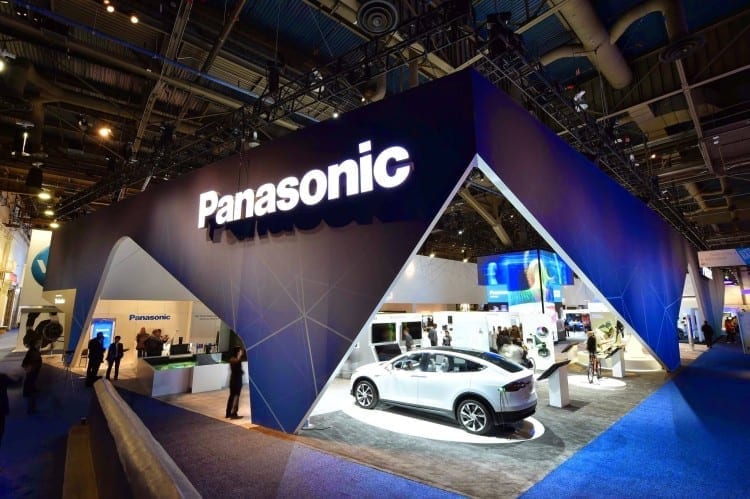
  • Panasonic To Exit Solar Production At Tesla’s New York Plant As Partnership Frays

    Panasonic To Exit Solar Production At Tesla’s New York Plant As Partnership Frays

    Panasonic said it would exit solar cell production at Tesla Inc’s New York plant, the latest sign of strain in a partnership where Panasonic’s status as the U.S. electric vehicle (EV) maker’s exclusive battery supplier is ending. The move increases uncertainty over Tesla’s solar business which is already under scrutiny, having been drastically scaled back since the U.S. firm bought it for $2.6 billion in 2016. Tesla has informed New York that Panasonic’s withdrawal “has no bearing on Tesla’s current operations”, the state said in a statement. The company employs over 1,500 jobs in the city of Buffalo, clearing its 1,460 commitment before April – and thereby avoiding a $41 million penalty – the state said.

    Panasonic said in a statement on Wednesday that it would cease production by the end of May and exit the factory by the end of September.

    The withdrawal comes as Panasonic scrambles to divest of unprofitable businesses as its strategic shift to components from consumer electronics struggles to drive profit growth.

    It is also another sign of a fraying partnership with the U.S. EV maker, which is set to diversify its battery supplies to include South Korea’s LG Chem Ltd and China’s Contemporary Amperex Technology Ltd (CATL).

    Panasonic said it would continue its automotive battery joint venture with Tesla in the U.S. state of Nevada, which just reported its first quarterly profit after years of production problems and delays.

    In the solar business, low demand from Tesla has left Panasonic sending most of the cells it makes in Buffalo to overseas clients, instead of selling them to Tesla for its trademark Solar Roof – cells designed to resemble regular roof tiles – as initially intended.

    When announcing the solar partnership in 2016, Panasonic said it would invest over 30 billion yen ($271.96 million) in the Buffalo plant. Tesla’s long-term purchase commitment was part of the deal.

    Panasonic, which employs about 380 workers at the plant, said that the U.S. partner “hopes to hire as many qualified Panasonic applicants as possible to help fill job openings for its growing operations in Buffalo.”

    The latest decision will have no significant impact on Panasonic’s annual profit forecasts, according to a company spokeswoman.

    Panasonic has already shrunk its own solar business elsewhere as it contends with competition from cheaper Asian rivals, selling its solar panel plant in Malaysia and research arm to China’s GS-Solar for an undisclosed amount last year.
  • Panasonic Develops Battery Management Technology

    Panasonic Develops Battery Management Technology

    Panasonic has developed a new battery management technology that measures a battery’s electrochemical impedance, which is an effective method of evaluating the residual value of lithium-ion batteries in devices. This technology is expected to be applied to various devices that use lithium-ion battery modules with many battery cells stacked in series and to future vehicles. Panasonic has developed this technology in collaboration with Professor Masahiro Fukui of Ritsumeikan University. Panasonic developed a new battery monitoring IC test chip, measurement algorithm, and software, while Ritsumeikan University evaluated the performance using actual batteries.

    The newly developed battery management technology makes it possible to measure electrochemical impedance using the AC current excitation method for lithium-ion stacked battery modules that are installed in operating devices. Furthermore, this technology aims to enable the evaluation of residual value by way of a deterioration diagnosis and failure estimation based on an analysis of acquired measurement data. This will contribute to the realization of a sustainable society where future lithium-ion batteries can be reused and recycled.

    Conventional electrochemical impedance spectroscopy is widely used as a non-destructive method for evaluating lithium-ion batteries. This measurement method requires an application specific measuring instrument and a large thermostatic chamber that keeps the temperature of the battery constant, and it was necessary to measure each cell in the laboratory.

    Conventional BMIC measures the individual battery voltage of 6 to 14 lithium-ion battery cells stacked in series. By using multiple BMICs, BMS acquires battery cell voltage data from several up to 200 cells connected in series, monitors the battery, and ensures its safe use. In addition, BMS calculates the remaining driving range and usable time by estimating the state of charge and the state of health.

    The newly developed BMIC test chip has a built-in electrochemical impedance measurement function using the AC current excitation method in addition to these conventional functions. The electrochemical impedance measurement is achieved by 15 fully parallel analog / digital converters and an AC current excitation circuit with pulse modulation from 0.1 Hz to 5 KHz and a complex voltage / complex current conversion circuit built in the BMIC. Therefore, the BMIC chip can measure the electrochemical impedance of a battery in operation without significantly changing the configuration of the current BMS installed in the battery.

  • New Battery Design Could Allow Electric Cars To Charge In 10 Minutes

    New Battery Design Could Allow Electric Cars To Charge In 10 Minutes

    Range anxiety still remains one of the big deterrents for the masses to adopt electric vehicles (EV), and a charging time of four to five hours does not help matters for EV demand. However, the EV industry is rapidly evolving and charging times have dramatically reduced over the years. In a big step towards charging time reduction, electric vehicle owners could soon be able to fully charge their cars in as little as 10 minutes, courtesy of new battery design. A report by NewScientist states that the new design heats the battery to increase the reaction rate.

    The report quotes Chao-Yang Wang of Penn State University stating that for electric cars to be commercially attractive, the batteries need to charge up to 80 percent or a range of 300 km within 10 minutes. However, this requires the batteries to rapidly take in 400 kilowatts of power and the current set of batteries cannot do this. When the batteries are charged rapidly, the lithium ions at the time move from the positive to the negative electrode and there is a tendency for lithium to form plate-like deposits on the negative electrode’s surface that can shorten battery life.

    Wang and his colleagues are working to minimise this problem by first heating the battery to a temperature too high to allow the lithium plating to form. They tested the theory by taking a commercially available industrial battery and inserted micron-thick nickel foils in a stack of electrode layers. The structure then allows the electrode the heat in less than 30 seconds, setting up conditions for ions to move quickly into the negative electrode without causing plating on its surface.

    The battery tests were conducted at varying temperatures and were charged at 40 degrees, 49 degrees and 60 degrees Celcius, and compared the performance with a control battery charging at 20 degrees Celcius. The results concluded that the battery could maintain fast charging for just 60 cycles at 20 degrees Celcius before the lithium plating caused problems that reduced performance significantly. In comparison, heating the electrode to 60 degrees Celcius allowed the battery to charge through 2500 cycles without forming the lithium plating that would otherwise limit performance. The 2500 cycles equal to about 14 years of use or 750,000 km of life, according to Wang.

    The study overturns the current idea that lithium batteries should not be charged at high temperatures, which was believed to cause battery degradation. Instead, a short burst of high temperature will have better results. The research certainly should have major implications going forward and will immensely help in how we power not just electric vehicles but other devices as well in the future.

  • Apple issues statement regarding third-party battery replacements for iPhones

    Apple issues statement regarding third-party battery replacements for iPhones

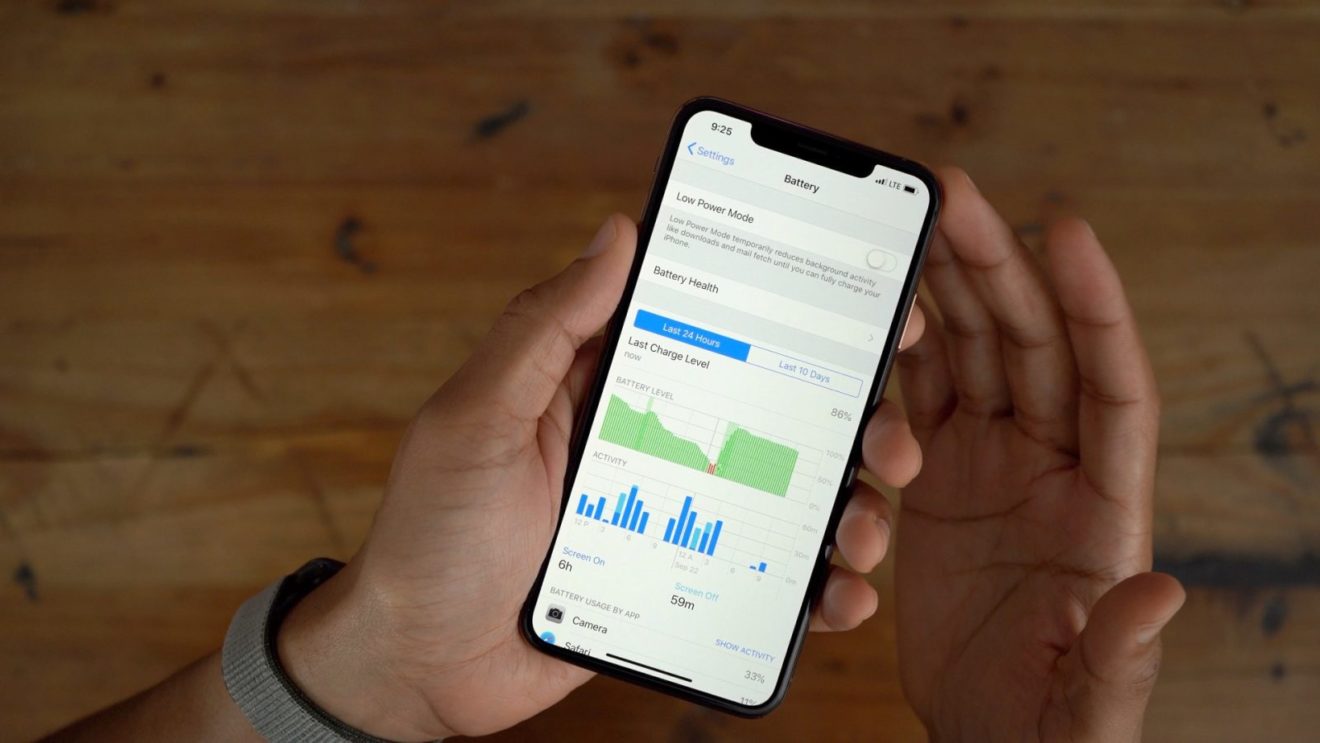
    The folks over at iFixit discovered that Apple introduced a software lock in iOS, which will prevent iPhone users from checking the health of the battery if it was replaced by an unauthorized third-party.

    Instead of showing them the health of the iPhone battery, a message would pop up that would inform them that such information is not available: “Unable to verify this iPhone has a genuine Apple battery. Health information not available for this battery.”

    Moreover, the message would pop up even if the battery would be replaced with a genuine one from another iPhone, and the reason is that the chip used in newer iPhone batteries includes an authentication feature that stores the info for pairing the battery to the phone’s logic board.

    There were so many iPhone users who voiced their disappointment about Apple’s approach that the company felt the need to issue a statement on the matter to iMore, which you can read below:

    We take the safety of our customers very seriously and want to make sure any battery replacement is done properly. There are now over 1,800 Apple authorized service providers across the United States so our customers have even more convenient access to quality repairs.Last year we introduced a new feature to notify customers if we were unable to verify that a new, genuine battery was installed by a certified technician following Apple repair processes. This information is there to help protect our customers from damaged, poor quality, or used batteries which can lead to safety or performance issues. This notification does not impact the customer’s ability to use the phone after an unauthorized repair.

    Obviously, that doesn’t solve the “issue,” but at least it sheds some light on the reasoning behind Apple’s decision to include a locking software for third-party iPhone battery replacements. Many will not like it, while others will feel Apple’s explanation is enough to quench any fears they might have had.

  • Mophie’s new wireless pads will charge three Apple devices at once

    Mophie’s new wireless pads will charge three Apple devices at once

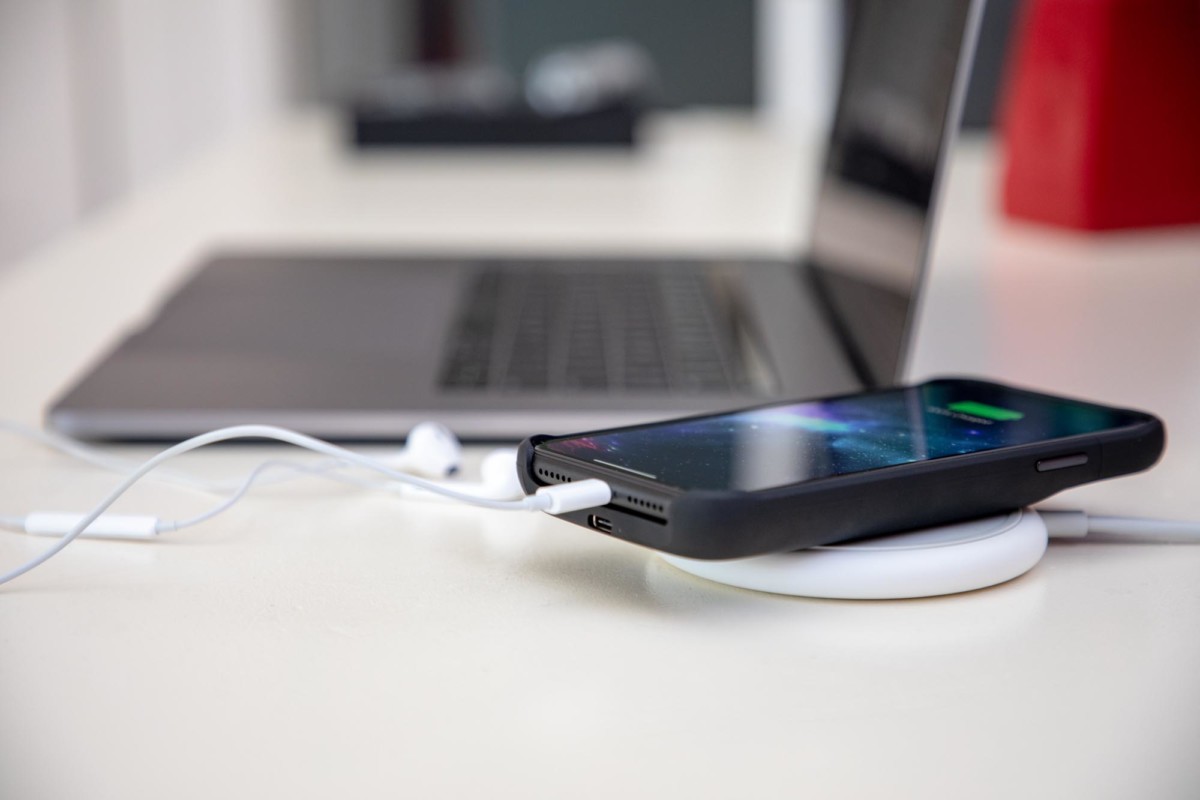
    Remember AirPower? The multi-device wireless charging pad was canceled by Apple in March 562 days after it was unveiled on September 12th, 2017. During that same event, Apple introduced the iPhone 8, iPhone 8 Plus and the iPhone X. AirPower was supposed to allow an iPhone, an Apple Watch and the AirPods wireless charging case to power up at the same time. While we might not see Apple unveil a similar accessory for some time, the Apple Store will soon start selling a pair of wireless chargers made by mophie. These products will be exclusive to the Apple Store.

    Mophie’s wireless charging dual pad looks similar to the now-canceled AirPower, and while there are only two hot spots on the pad, an extra USB-A port on the accessory allows the user to charge an iPhone, an AirPods wireless charging case and an Apple Watch all together at the same time. The pad will charge at 7.5W and will be priced at $99.95.

    For $139.95, or $40 more, the Apple Store will sell the mophie 3-in-1 wireless charging pad. This has the two hot spots like the other model and an extra USB-A port for an Apple Watch. But it also includes an Apple Watch charging connector so that while you’re wirelessly charging the timepiece, it will be held at a perfect angle to use the smartwatch’s Nightstand mode. This pad also charges wirelessly at 7.5W.

    “The compact mophie Wireless Charging Pad conveniently recharges your compatible Apple iPhones and Wireless Charging Case for AirPods. Just place your iPhone or AirPods on the pad and a steady, efficient charge of up to 7.5W begins on contact. With the pad’s two fast charge spots and extra USB-A port, you can simultaneously charge your iPhone, AirPods, and connect your Apple Watch cable.”-Apple Store

    While listings for the mophie wireless charging dual pad and the 3-1 wireless charging pad appear on the Apple Store website, they are incomplete. Both are missing photos of the accessories and accompanying videos.

  • The iPhone XR 2 may have the best battery life of any iPhone

    The iPhone XR 2 may have the best battery life of any iPhone

    Tucked in an electronics industry report about the supplier of batteries for the upcoming iPhone XR sequel we find the actual capacity of the pack in the tentatively named XR 2. The source muses that Apple may be done with hardware and iOS optimizations, and seems to be now betting on larger battery packs to make its phones last longer on a charge, just like Samsung or Huawei are doing.

    The iPhone XR 2 battery pack orders are reportedly granted to China’s ATL (Amperex) which are the same guys that got the order for non-exploding Galaxy Note 7 packs after the infamous Samsung SDI batteries started catching on fire. The new battery capacity is said to be 3110 mAh, which would make the iPhone XR’s successor with the largest single-cell battery pack in an iPhone ever.
    While this is just a 5% increase over the 2942 mAh capacity in the iPhone XR, the XR 2 is also expected to come with Apple’s A13 processor made with a second generation 7nm process that should reduce battery draw further.
    Coupled with the new pack and the frugal display resolution, the iPhone XR (2019) should therefore last longer on a charge than the already best in that regard iPhone XR. It scored more than 11 hours of screen-on time in our grueling test, ahead of any iPhone we have tested so far. The XR 2 may very well break the 12-hour mark which would place it in a special endurance club of its own, and not only among phones in the iOS camp.
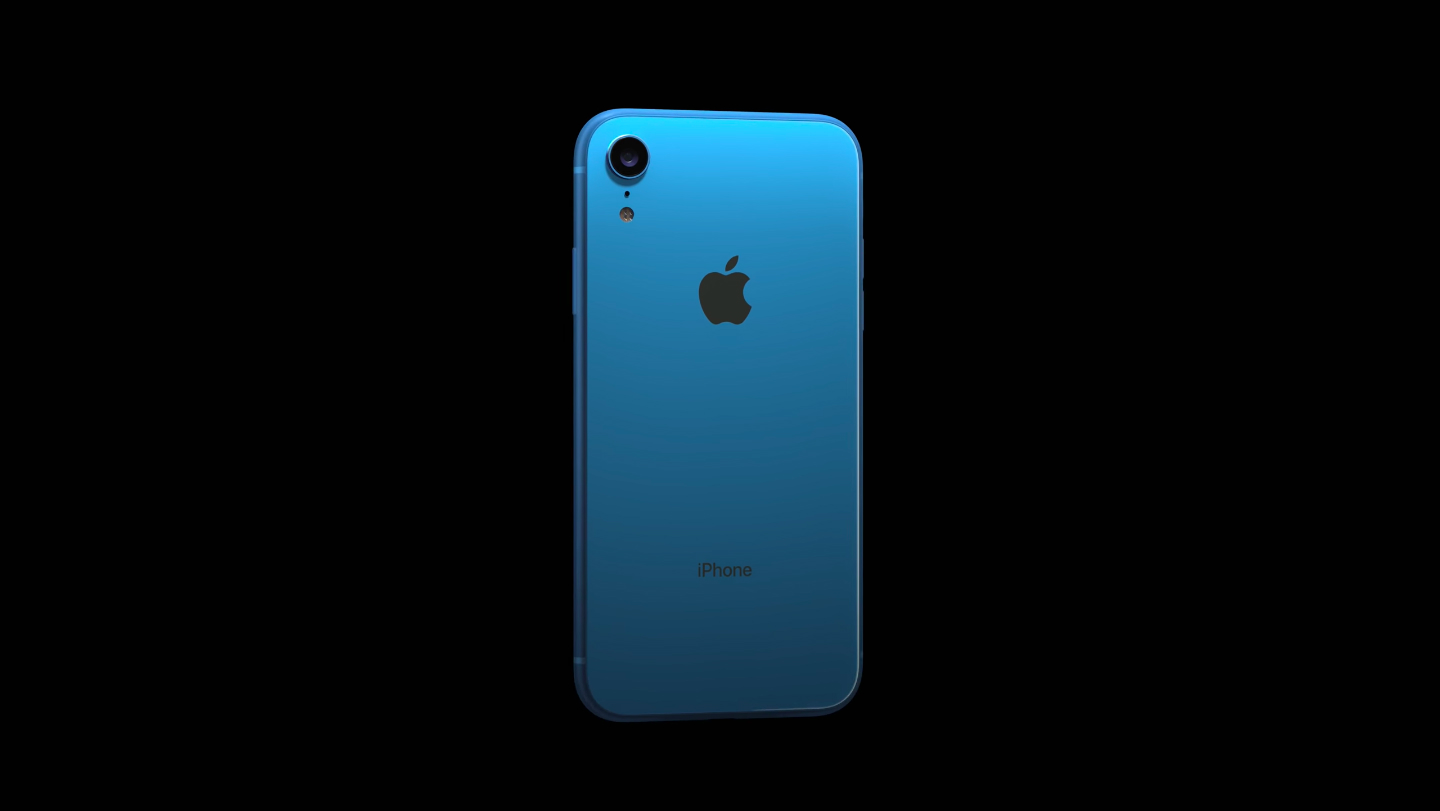
    Here’s how the iPhone XR (2019) may look like, as rendered by graphics artist Hasan Kaymak based on rumors, leaked CAD drawings, and analyst expectations.
  • Android Q will improve your phone’s battery life

    Android Q will improve your phone’s battery life

    Nah, we aren’t talking about Google introducing a systemwide Dark Mode in Android Q. No amount of LTE tower pinging, talking on the phone, or any other usual suspect when it comes to wireless radio battery drain can affect your mileage as much as constant Wi-Fi scanning for non-existent networks.

    This thing is a giant power hog, and you should kill it with fire if you have exhausted all the usual culprits for your battery drain. Bonus points: by default, Google tracks you even when Bluetooth and Wi-Fi are off, so if you ditch scanning, you’ll make it harder.

    Type “Improve accuracy” in the settings’ search box, then turn Wi-Fi and Bluetooth scanning off. Type “Locating method” and switch it to “Phone only,” if you need to keep GPS on at all times.

    When playing Pokemon Go, navigating, or any other scenario you need high accuracy for, turn it back on for the sesh if you are adamant to eke out every last drop of your battery juice, yet now Android manages the scanning permissions pretty well itself.

    With Android Pie, Google drastically reduced the number of scan attempts to one every 30 seconds for front apps, and one in 30 minutes for apps that are just sitting in the background. Despite the outcry from developers of indoor location or signal strength measurement apps, Google has decided that the scanning restrictions will remain an integral part of Android Q:

    Once again, thank you for submitting a request. After following up with our product and engineering teams, the request will not be considered at this time. In Q, there is a new developer option to toggle the throttling off for local testing (Needs a rooted device).

    While we feel sorry for devs of apps that can be affected, we can’t wrong Google for deciding to put an end to rogue Wi-fi scanning that drains battery like crazy and was one of the chief culprits behind standby power drains in previous Android versions. Whew.

  • Volkswagen Plans To Produce Batteries In Germany

    Volkswagen Plans To Produce Batteries In Germany

    Volkswagen will invest almost 1 billion euros ($1.1 billion) in battery cell production at a facility in western Germany and is seeking to simplify the group by spinning off or selling units, the automaker said on Monday. Volkswagen said in a statement after a supervisory board meeting it would set up the battery facility in Lower Saxony under a partnership and would also begin talks on a planned new multibrand plant in Europe. The statement confirms a Reuters report earlier on Monday, on the eve of the company’s annual general meeting.

    Battery cells are a key battleground in the automotive industry as it shifts to electric mobility. Currently the industry chiefly sources its requirements from Asian manufacturers. Volkswagen also said it was looking into options for its MAN Energy Solutions business, which makes large diesel engines for ships and power generators, as well as transmissions maker Renk, including joint ventures, partnerships, a full or partial sale.

    Reuters reported earlier this month that Volkswagen had approached several companies to gauge their interest in buying MAN Energy Solutions, which is expected to achieve a valuation of about 3 billion euros in a potential sale. The moves are part of Volkswagen Chief Executive Herbert Diess’s efforts to slim down and simplify the group which has 12 brands, trucks, buses, motorbikes, cars and electric bicycles as part of its business.

    “Given the ever greater complexity of our industry and the related challenges, it is essential to focus on our core business,” Supervisory Board Chairman Hans Dieter Poetsch said. Volkswagen also said it would resume preparations for an initial public offering (IPO) of its trucks unit Traton, which it put on hold in March due to volatile market conditions.

  • Bosch Goes For Platinum-Light Fuel Cells

    Bosch Goes For Platinum-Light Fuel Cells

    Global automotive supplier Bosch expects platinum to play only a minor role in its new fuel cells, giving precious metal markets scant benefit even as the technology gains momentum for pollution-free transport. According to Reuters calculations, Bosch would only need a tenth of the platinum used in current fuel cell vehicles.

    Hopes of reviving demand and prices of platinum increasingly hinges on widespread uptake of fuel cells in vehicles, ships, and trains to make up for dwindling amounts used in each device, analysts say.

    The spot price of platinum has shed more than 40 percent in the last five years, burdened by persistent oversupply, before rebounding slightly in recent months.

    But hopes that fuel cells will boost long-term demand may be dampened after Germany’s Robert Bosch GmbH told Reuters that platinum was expected to play only a “minor role” in its plans to mass produce fuel cells.

    Privately-owned Bosch, which last month signed a deal with Powercell Sweden AB to mass-produce fuel cells, said its fuel cell design was not finalized, but it expects them to use only as much platinum as a diesel catalytic converter.

    A catalytic converter in a diesel passenger vehicle typically uses three to seven grams of platinum compared with around 30-60 grams currently needed for a fuel cell for the same vehicle, according to analysts.

    “There has been lots of optimization work concerning platinum in fuel cells,” Achim Moritz, product manager for mobile fuel cells at Bosch, told Reuters.”If you look at a diesel catalytic system, there is about the same amount of platinum content you need for a fuel cell,” he added.

    He declined to give specific estimated figures for the S3 fuel cell system it is developing with Powercell and expects to launch by 2022, citing commercial sensitivities.

    Bosch’s fuel cell deal with Powercell, announced last month, was another signal that the technology is poised to be rolled out more widely as governments toughen emissions regulations.

    China is leading the way, targeting 2 million fuel cell vehicles by 2030.

    Fuel cells generate electricity through a chemical reaction using hydrogen as a fuel and platinum as a catalyst but comprise only a fraction of the electric vehicle (EV) market even though they allow vehicles to travel much longer distances between charges than battery powered cars.

    For years, fuel cells were expected to boost platinum demand dramatically, but doubts have increased due to reports that scientists have found ways to cut the amount of platinum they contain.

    The best selling fuel cell vehicle, Toyota’s Mirai, is expected to cut platinum by two-thirds to around 10 grams per vehicle in its next version, down from 30 grams in the current model, according to David Hart, director of E4tech consultancy, based in Lausanne.

    “They (fuel cell makers) all have a pathway of using less platinum, which is fairly clear,” Hart said.

    Toyota Motor Corp declined to comment.

    Hyundai Motor Co has cut the amount of platinum needed for the fuel cell stack in the latest edition of its NEXO, released last year, to 56 grams from 78 grams previously, a company spokesman told Reuters.

    Hyundai plans to invest over 6 billion euros to make 700,000 fuel cell systems annually by 2030.

    Fuel cells give EVs longer ranges and recharging takes a matter of minutes, a fraction of what is needed for batteries.

    Hyundai’s NEXO has a range of 380 miles compared to 226 miles for the best-selling battery electric vehicle, Nissan’s Leaf.

    That is especially useful for heavy goods vehicles and buses, which are expected to be the primary market for fuel cells initially.

    “The heavy-duty truck side is the biggest initial opportunity for fuel cells because they are very hard to electrify with batteries,” said Marten Wikforss, a consultant for Sweden’s Powercell.

    Batteries would take up more space in a heavy goods truck and would take hours to recharge.

    Once costs come down, fuel cells may also appeal to car buyers who do not want to worry about frequent and time-consuming recharging.

    If fuel cells catch on in ships and trains as well as road vehicles, platinum demand may get a boost despite the lower loadings due to the sheer numbers, some analysts said.

    Global demand for platinum for all fuel cells from vehicles is forecast rise to 366,000 ounces by 2030 but to surge to 965,000 ounces when including other fuel cell and hydrogen uses, said Jonathan Butler, head of business development at Mitsubishi.

  • Panasonic Flags First Profit Drop In 8 years

    Panasonic Flags First Profit Drop In 8 years

    Panasonic Corp warned profit this financial year would fall for the first time in eight years as costs to boost battery output rise and it moves to overhaul some businesses amid investor pressure to find new avenues of growth. The Japanese conglomerate expects operating profit for the year through March 2020 to slump 27 percent to 300 billion yen ($2.7 billion) from a year earlier. That is well below analyst expectations of a 12 percent decline, according to Refinitiv.

    The company is looking at a 15 billion yen loss at its automotive unit this year, it said on Thursday. Panasonic expects costs to ramp up battery production in Japan and China for a planned electric-vehicle (EV) battery joint venture with Toyota Motor Corp to weigh heavily.

    Toyota and Panasonic said they will set up a new company early next year to focus on technology that could be used to offer personalised services in the home.

    Panasonic switched its focus to corporate clients such as automakers a few years ago to escape price wars in lower-margin consumer electronics. The shift, which involved a vast migration of TV engineers to the automotive unit, helped the company restore profit growth, but its non-consumer businesses did not grow as fast as the company had hoped.

    “Over the last three years, we aimed for stable revenue and profit growth focusing mainly on the automotive business … but development costs and insufficient abilities to adjust to rapid battery production expansion limited our profits,” Panasonic President Kazuhiro Tsuga said. The business was also squeezed last year due to production delays for Tesla Inc’s mass-market Model 3 sedan.

    Panasonic is Tesla’s exclusive supplier of battery cells and industry watchers have said the Japanese company needs to cut its reliance on the U.S. electric carmaker.

    Elon Musk, Tesla’s mercurial CEO, last month blamed Panasonic for the production delays. He previously said Tesla was looking for other battery suppliers for its new Shanghai car factory.

    Tsuga, however, told a post-earnings press conference on Thursday that Panasonic’s relationship with Tesla remained good.

    “We are not just a supplier but a partner,” he said.

    Panasonic is set to deepen its partnership with Toyota, announcing earlier on Thursday they would establish a joint company to develop “connected” services to be used in homes and urban development. Panasonic also said it would sell its solar battery research arm and a solar battery plant in Malaysia to China’s GS-Solar for an undisclosed amount.

  • Asia In Charge Of Electric Car Battery Production

    Asia In Charge Of Electric Car Battery Production

    Global production of batteries for electric cars is concentrated in Asia, with Chinese, Japanese and South Korean firms dominating the sector and building factories in Europe to conserve their supremacy. However, Europe is looking to strike back, with France and Germany saying on Thursday they would form an alliance to develop next-generation batteries in a bid to counteract Asia’s dominance.

    Lithium-ion batteries are a — if not the — crucial component of electric vehicles, but few companies have ventured into actually making them given the huge cost of setting up manufacturing facilities and the still limited demand. Car manufacturers have prefered to have a choice of several specialised suppliers, especially as battery technology is rapidly evolving.

    China, where half of electric cars are currently being sold, requires car manufacturers to use locally-built batteries and is calling the shots in the industry with two-thirds of the world’s production capacity of lithium-ion cells for batteries. Only Asian firms appear in the top 10 of the industry: China’s Contemporary Amperex Technology (CATL) accounted for 23 percent of global production last year, edging out Japan’s Panasonic at 22 percent.

    China’s BYD followed at 13 percent and is the only car manufacturer to have prospered in making batteries. South Korea’s LG Chem came in at 10 percent while Samsung SDI had 5.5 percent, according to the US-based Center for Automotive Research (CAR). Europe accounts for only one percent of global production. The United States also remains marginal on a global scale despite the Gigafactory that Tesla developed with Panasonic.

    Another key factor in China’s supremacy: control over the raw materials needed to manufacture the batteries: lithium and cobalt.

    According to Bloomberg, the Chinese firms Ganfeng and Tianqi control 17 and 12 percent respectively of the world production of lithium thanks to their investments in mines in Australia and South America.

    Tianqi bought a 24 percent stake in Chilean miner SQM for $4.1 billion in December. Together with the US firm Albemarle it also controls the huge Greenbushes mine in Australia.

    Meanwhile, Chinese firms control at least half of the cobalt extracted in the Democratic Republic of Congo, where 70 percent of global output comes from, according to estimates cited by Bloomberg.

    China Molybdenum bought a major site from the US firm Freeport-McMoran for $2.65 billion in 2016. China also has 80 percent of the world’s capacity to produce refined cobalt using chemical processes.

    Concerned over their access to supplies, several carmakers have concluded long-term deals with Chinese firms: Volkswagen announced at the beginning of April a 10-year deal with Ganfeng for lithium that it can provide to battery manufacturers of its choice.

    According to the BCG consultancy, the global auto battery market could reach 45 billion euros in value in 2027, with Europe accounting for 20 to 30 percent, but Asian firms are expected to benefit most.

    CATL is investing some 240 million euros to build a factory in the central German city of Erfurt that will supply BMW from 2022. The luxury carmaker has concluded a contract worth four billion euros with CATL, including 1.5 billion from the Erfurt site.

    LG Chem has been manufacturing batteries for Daimler, Volvo, Audi and Renault from a site in Poland since last year.

    Samsung SDI has a factory in Hungary, where fellow South Korean firm SK Innovation is investing $1.5 billion into two factories that could end up serving Volkswagen.

    One of the rare European specialists in batteries is Swedish firm Northvolt. It is currently building what will be Europe’s largest facility in Sweden together with Germany’s Siemens.

    Expected to cost at least 1.6 billion euros, the facility is to begin turning out batteries in 2020 and when it reaches capacity in 2023, it should be double the volume of CATL’s German factory.

    Founded by two former Tesla employees, Northvolt joined forces with Volkswagen in March to create a “European Battery Union” to promote research. Northvolt also collaborates with BMW.

    Meanwhile the Dutch firm Lithium Werks, which has already built a massive factory in China, has been in talks to build a billion-euro facility in Poland.

  • France and Germany To Support Battery Cell Consortium

    France and Germany To Support Battery Cell Consortium

    France and Germany have asked the European Commission to approve state subsidies for a cross-border battery cell consortium including carmaker PSA with its German subsidiary Opel and French battery maker Saft, a German official said on Monday. The two countries have earmarked 1.7 billion euros ($1.9 billion) to support company alliances to help reduce European carmakers’ dependence on Asian suppliers and protect jobs at risk from the shift away from combustion engines.

    The economy ministries of both countries sent a letter of intent to the European Union’s executive body asking it to give a provisional go-ahead, a German economy ministry spokeswoman said, without giving a sum for the planned state funding.

    “We’re now waiting for Brussels to give us the green light,” the spokeswoman said.

    German Economy Minister Peter Altmaier will meet French counterpart Bruno Le Maire in Paris on Thursday to discuss the matter, aiming to make progress with forging further battery alliances. The FAZ report said that the PSA/Saft alliance was planning to convert an Opel factory in the western city of Kaiserslautern close to the French border into a battery cell production site.

    Among the more than 30 companies that applied for state funding at the German Economy Ministry are carmakers Volkswagen and BMW, as well as German battery maker Varta and Swedish battery manufacturing startup Northvolt. Saft, a 100-year old French company owned by energy company Total, produces a range of batteries for industrial applications.

    It has joined forces with German industrial group Siemens, electronic components specialist Manz, Belgian chemicals group Solvay and Belgian material group Umicore to develop a new generation of batteries for electric vehicles.

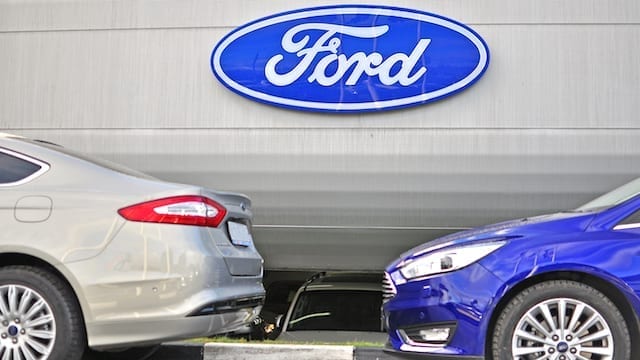
  • Ford Invests $500 Million In Rivian, a Battery Supplier

    Ford Invests $500 Million In Rivian, a Battery Supplier

    Rivian announced an equity investment of $500 million from Ford Motor Company. In addition to the investment, the companies have agreed to work together to develop an all-new, next-generation battery electric vehicle for Ford’s growing EV portfolio using Rivian’s skateboard platform. Rivian already has developed two clean-sheet vehicles with adventurers at the core of every design and engineering decision. The company’s launch products – the five-passenger R1T pickup and seven-passenger R1S SUV – will deliver up to 644 kilometres of range and provide an unmatched combination of performance, off-road capability and utility, starting in late 2020.

    RJ Scaringe, Rivian founder and CEO said, “Ford has a long-standing commitment to sustainability, with Bill Ford being one of the industry’s earliest advocates, and we are excited to use our technology to get more electric vehicles on the road.”

    Ford intends to develop a new vehicle using Rivian’s flexible skateboard platform. This is in addition to Ford’s existing plans to develop a portfolio of battery electric vehicles. As part of its previously announced $11 billion EV investment, Ford already has confirmed two key fully electric vehicles: a Mustang-inspired crossover coming in 2020 and a zero-emissions version of the best-selling F-150 pickup.

    Rivian remains an independent company. The investment is subject to customary regulatory approval. Following Ford’s investment, Joe Hinrichs, Ford’s president of Automotive, will join Rivian’s seven-member board.

    Bill Ford, Ford’s executive chairman said, “We are excited to invest in and partner with Rivian. I have gotten to know and respect RJ, and we share a common goal to create a sustainable future for our industry through innovation.”

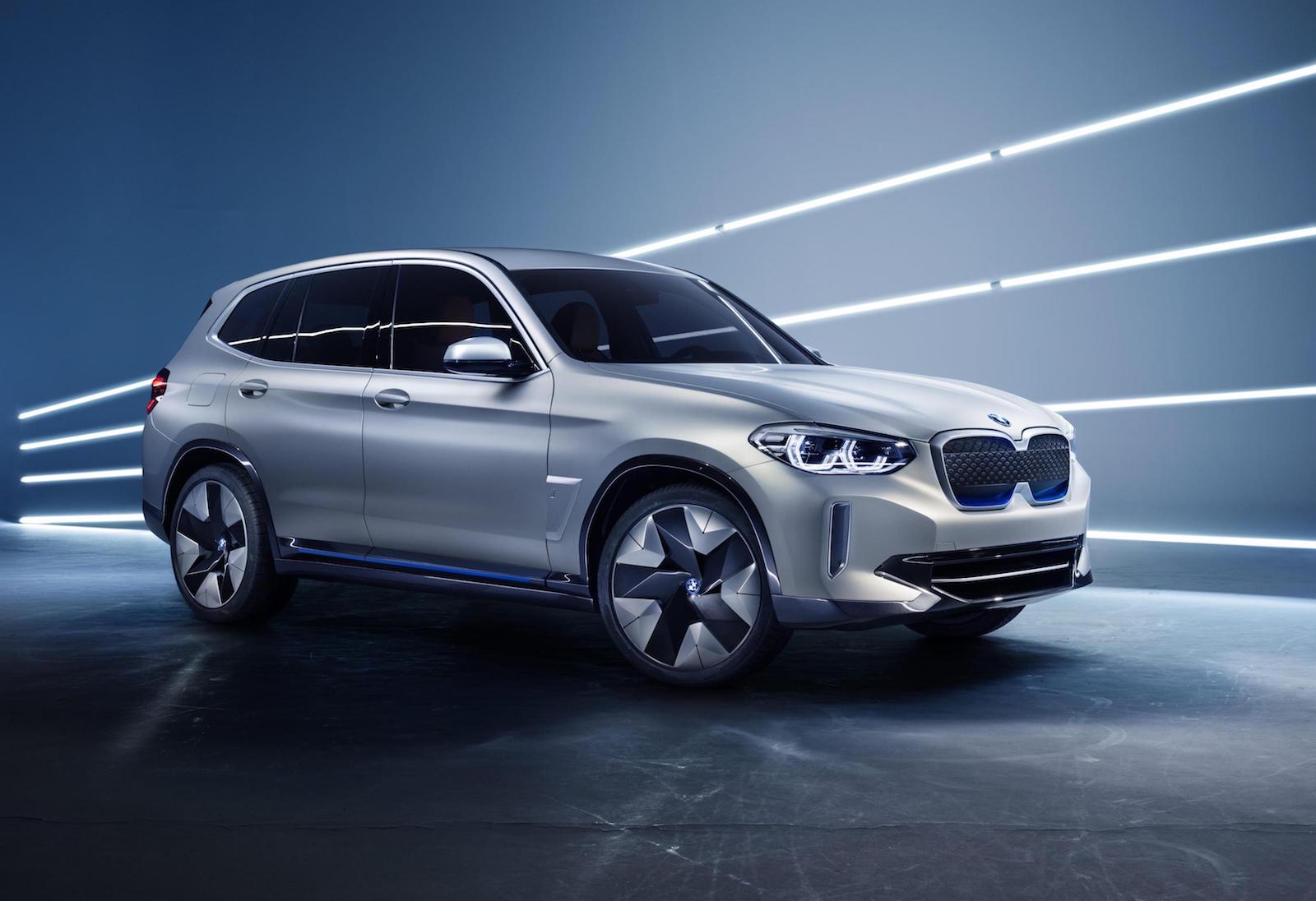
  • BMW Previews iX3, i4 and iNext EVs

    BMW Previews iX3, i4 and iNext EVs

    BMW i is preparing to launch the next generation of pure electric models and three of its cars are currently going through a key phase of their series development process at the BMW Group’s winter test centre in Arjeplog, Sweden. In fact the company is so kicked about this, that they couldn’t help but share a teaser of the cars undergoing some winter testing at the edge of the Arctic Circle. Seen here in the picture are the BMW iX3, i4 and the iNext  all-electric vehicles.

    Together with the BMW iX3 already due to go on sale next year, the BMW i4 and the BMW iNEXT, will be brought to market in 2021. These are currently completing an intensive test programme. The drive and suspension components of these electric cars are being put to the test under extreme weather and road conditions. On the icy surfaces of frozen lakes, on snow and in the bitter cold, the electric motors, the high-voltage batteries and the power electronics of BMW eDrive technology as well as the suspension control systems will be put to the test in terms of durability and reliability.

    The BMW iX3 will already feature the fifth generation of BMW eDrive technology for the first time. It’s a powerful electric motor and a high-voltage storage unit featuring state-of-the-art battery cell technology facilitate purely electric driving pleasure in a new dimension. With a range of over 400 kilometres and the possibility to use DC charging stations with a capacity of 150 kW to charge its battery, the first all-electric SAV is ideally suitable for day-to-day use and long-distance travel. The BMW iX3 will be the first model produced for the entire global market by the BMW Brilliance Automotive Joint Venture at the Chinese production location in Shenyang.

    The BMW i4 is a four-door coupe positioned in the premium midrange segment  and will use the fifth-generation BMW eDrive technology. This will give the car an all electric range of over 600 kilometres. The BMW i4 sprints from a standstill to 100 km/h in a mere 4 seconds and reaches a top speed of over 200 km/h. The BMW i4 will be produced at the BMW Munich plant starting 2021.

    The BMW iNEXT is based on the Group’s future modular construction system, it combines the latest innovations in the areas of design, automated driving, connectivity, electrification among others. The BMW eDrive ensures a range exceeding 600 kilometres and the car is equipped with the latest connectivity features and designed for Level 3 automated driving. The BMW Group’s new technology flagship will be produced at the BMW Dingolfing plant as from 2021.
  • Change in Android Q could have you using more data

    Change in Android Q could have you using more data

    The Android Developer website contains a statement that notes how “Apps running on Android Q cannot enable or disable Wi-Fi.” This was discovered by Reddit poster xxTheGoDxx. Instead, Google recommends that developers allow users of their apps to turn Wi-Fi on or off by employing the new Android Q feature that shows system settings inside an app.

    The problem with this new functionality is that it won’t let Android Q users rely on an app like Tasker to turn on Wi-Fi when a certain preset condition is met. For example, with Tasker you can arrange for your phone to enable Wi-Fi when you get home or have it turned off when you leave home. With the change coming to the next Android build, users won’t be able to arrange for their phone’s Wi-Fi setting to turn on or off automatically.

    João Dias created Tasker, and he admits that this Android Q function will negatively impact Tasker “in a big way.” Dias is hoping that because this is just the first beta preview for Android Q, Google will be persuaded by feedback and eliminate the new restriction. In addition, using text commands to enable/disable Wi-Fi will no longer work either.

    Last year, Google made a change to Android app permissions that prevented apps from accessing users’ call logs and SMS information unless the app was selected to be the default dialer or SMS client. This was done to make sure that third-party apps could not get the call log and access SMS messages from those with an Android phone.

    Tasker was able to get an exemption from Google for that change, but if the new restrictions for Wi-Fi on Android Q stand, many Tasker users will have to enable/disable Wi-Fi on their phone manually. If they forget to turn on Wi-Fi, there could be some Android users surprised to find out how much data they used during a particular billing cycle.