Tag: beauty

  • FitFlop flagship opens in Philippines

    FitFlop flagship opens in Philippines

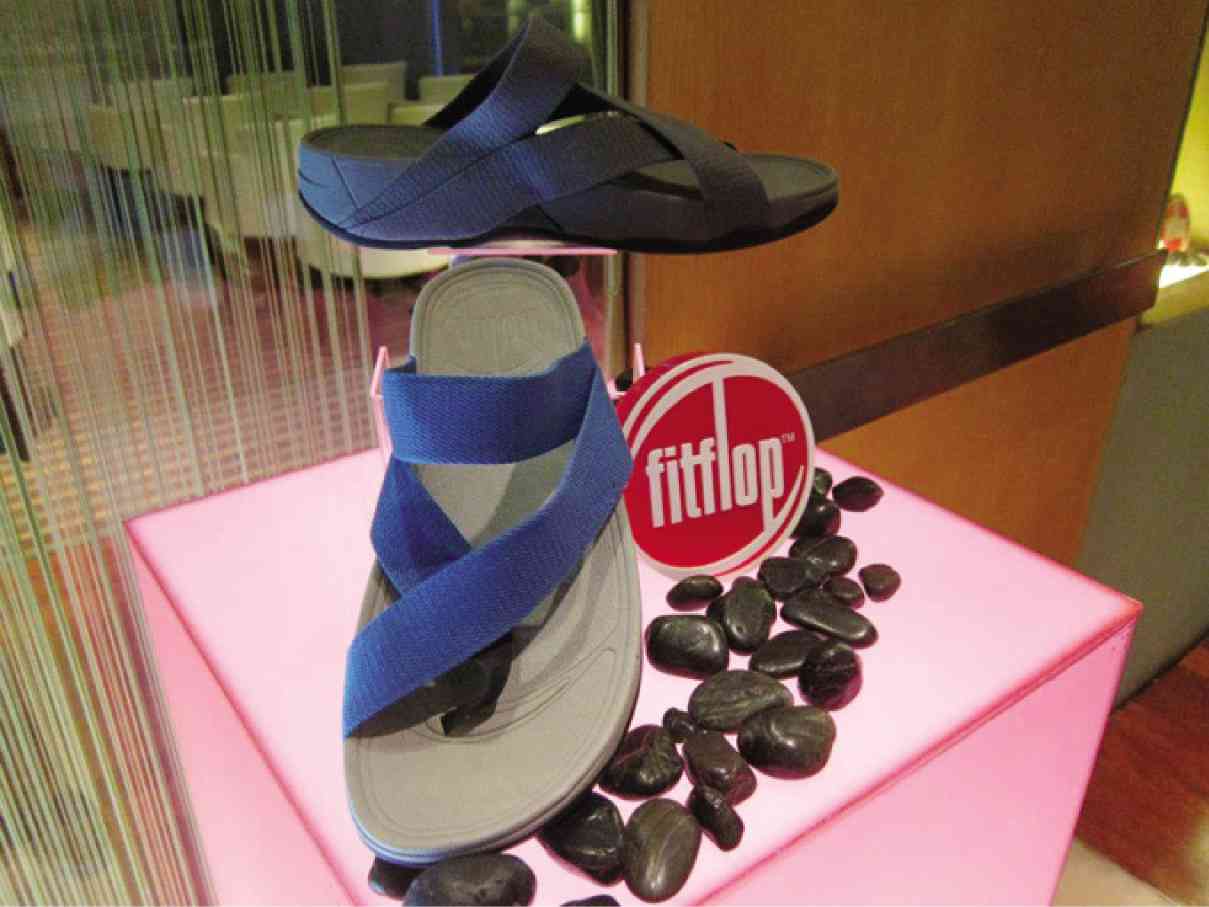
    London footwear brand FitFlop has opened a new flagship store in SM Mall of Asia, Philippines. The new FitFlop Galleon store is the largest FitFlop store in the world to date and now serves as the brand’s global flagship. It is operated by The Primer Group of Companies, the brand’s exclusive distributor in the Philippines. According to a press release, “FitFlop is confident that it will be able to reach and inspire more superwomen to seize life’s opportunities and take on whatever comes their way.”

    The brand’s product line is designed to combine precision ergonomics with functional design, specialising in comfortable footwear for women.

    FitFlop Galleon is currently offering its Spring/Summer 2019 line, inspired by exotic destinations and bustling bazaars, as well as athleisure fashion that features its proprietary Anatomicush sole.

  • Vegan fashion trend booming in Korea

    Vegan fashion trend booming in Korea

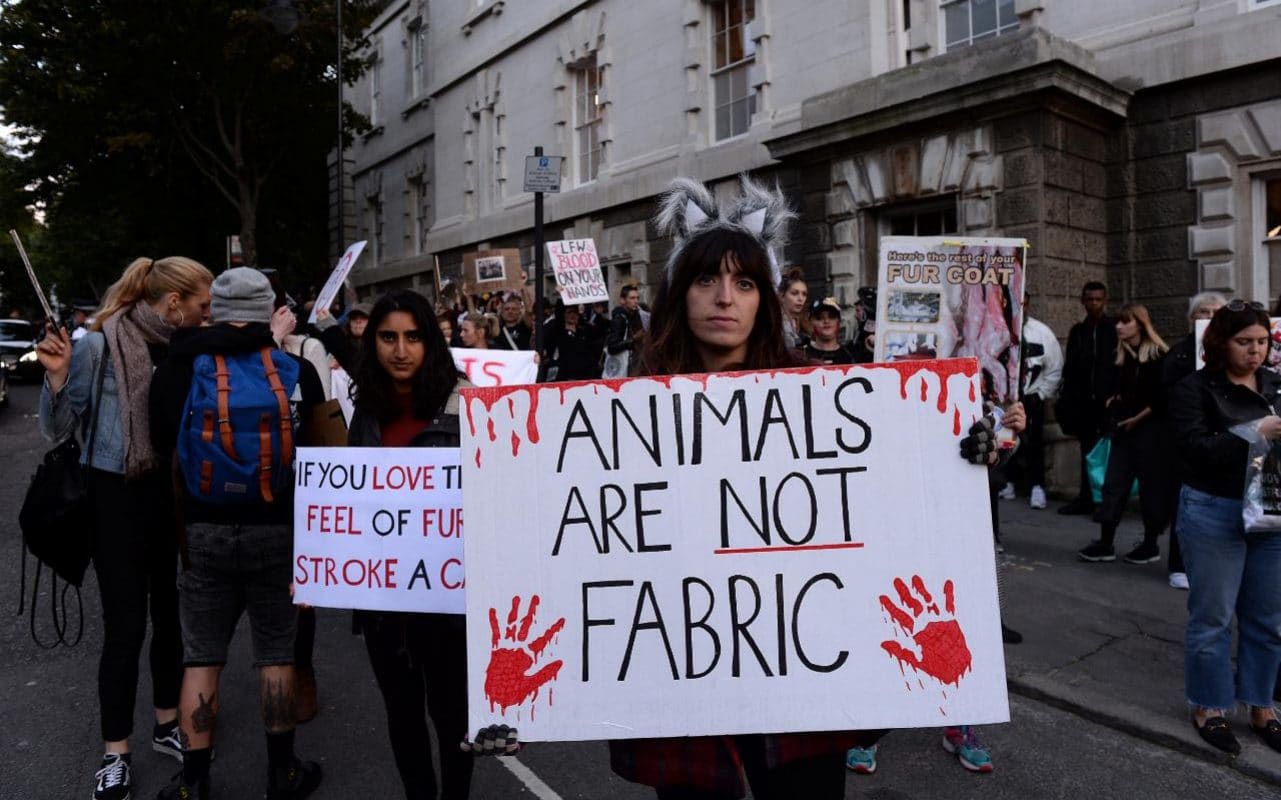
    Stroking down the plush set of colorful fibers, it is hard to tell they could be anything but fur. Hanging in the corner of an ethical fashion store in Dongdaemun, the fur-free fur coats and silk-free silk robes are soft and luxurious, but without the cost of brutality against animals. Striving to spare harm inflicted on animals for the sake of style, vegan fashion has been spreading in South Korea in recent years.

    The word “fake” does not fully describe the trend, as the garments are not purposed as second choice low-quality replacements. They are considered more of a fashionably ethical statement now, rejecting the use of animal materials or cruelty in obtaining them.

    Strictly speaking, vegan fashion is different from eco-friendly fashion, although the phrases are often used interchangeably. Something vegan may not necessarily follow best practices for the environment, or vice versa, but the two often go hand in hand.

    The international movement toward fashion going vegan began its rapid spread as many prominent luxury brands announced themselves “fur-free.” In October last year, Gucci went fur-free, followed by British fashion company Burberry in September this year. Other pricey labels, including Versace, Giorgio Armani, Tom Ford and Ralph Lauren have also declared moves to ban fur.

    Britain’s Stella McCartney — the second-generation animal rights activist daughter of Linda and the Beetles’ Paul McCartney — is believed to gotten the ball rolling in 2001, and currently stands as one of the leading eco-friendly fashion brands in the world. Now, slapping on the word “vegan” is a marketing strategy seemingly guaranteeing good sales.

    The vegan and similar fashion trends are more prevalent in the winter, as outdoor labels increasingly introduce items that either exclude animal materials or try to stick to ethical standards in using animal matters.

    A number of global outdoor companies, including The North Face, Adidas and Reebok, have launched “Responsible Down Standard” certified down coats this winter. RDS is a global standard developed in 2014 to ensure that down and feathers come from animals that have not been subjected to unnecessary harm. Local outdoor brand Black Yak also received RDS certification for all of its down coats released this year.

    Some brands have taken it a step further and developed artificial materials as replacements. The North Face introduced its own thermal filling, “V-Motion,” in 2016, and ‘”T-Ball” this year, whereas LG Fashion’s A.T.Corner presented as its 2018 winter centerpiece a mustang jacket with eco-fur lining inside.

    According to Galleria Department store, which held an eco-friendly fashion week at the end of last month, environmentally friendly garments, including animal-free ones, have increased by 20 percent compared to last year on the women’s fashion floor.

    GS Shopping, a TV shopping firm, exceeded its initial sales goals for RDS certified items, including Reebok’s heavy goose down long coat, which sold out in less than half an hour on the channel.

  • Crabtree & Evelyn Singapore closes all stores

    Crabtree & Evelyn Singapore closes all stores

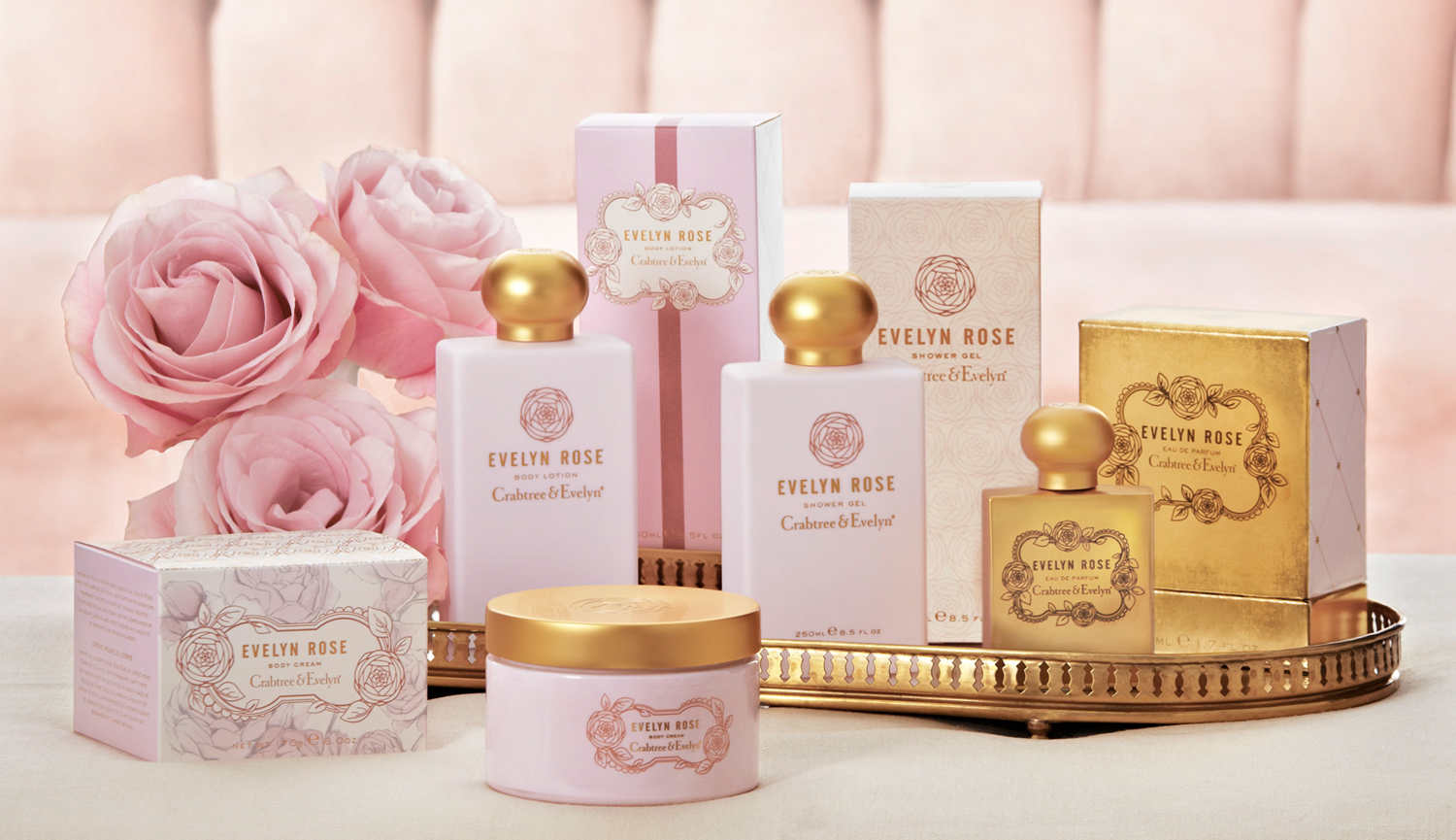
    Crabtree & Evelyn Singapore is in the process of closing all of its 12 stores on the island and will move exclusively online. The closures follow the placing of the Canadian business into bankruptcy protection last month, resulting in the closure of its 19 stores there as it liquidates its stock. Crabtree & Evelyn was founded in the US in 1972, expanding to the UK in 1980. It was sold to a Malaysian company in 1996, with its US subsidiary entering bankruptcy protection in 2009, resulting in the closure of about a quarter of its store network.

    The business was bought by Hong Kong investment company Khuan Choo International in mid 2012 for US$155 million before being sold to the current owner, another Hong Kong company, Nan Hai Corporation, four years later. Listed on the Hong Kong stock exchange, Nan Hai’s primary business focus is operating cinemas and digital entertainment services, mostly in Mainland China. It has no other specific retail or cosmetics investments.

    In March last year Nan Hai said it had invested in expanding and revitalising the Crabtree & Evelyn product range and that it would expand the brand into the mainland: “Crabtree & Evelyn will fully enter the PRC market in 2018 and the development of [an] e-commerce platform and membership system will be its business focus for 2018, thereby creating synergy with the e-commerce and membership strategies of the group’s cinema operations, which would be beneficial to the long-term development of the group,” the company said in a stock exchange filing.

    Online expansion was also planned in Australia, Singapore and Malaysia, but it made no mention of closing stores and it is not clear in which markets it owns its retail operations and in which it has distribution partners.

    According to a report, the business there filed for bankruptcy citing “significant losses” due to changing consumer demand, rising competition online and an ongoing decline in footfall in its stores.

    Crabtree & Evelyn Singapore is expected to continue trading from two stores in the city – Ngee Ann City and Paragon – until January 31, where it will honour gift vouchers. It has wound down its offline loyalty program in favour of a new online version.

  • Lancome pop-up store opens in Pavilion KL

    Lancome pop-up store opens in Pavilion KL

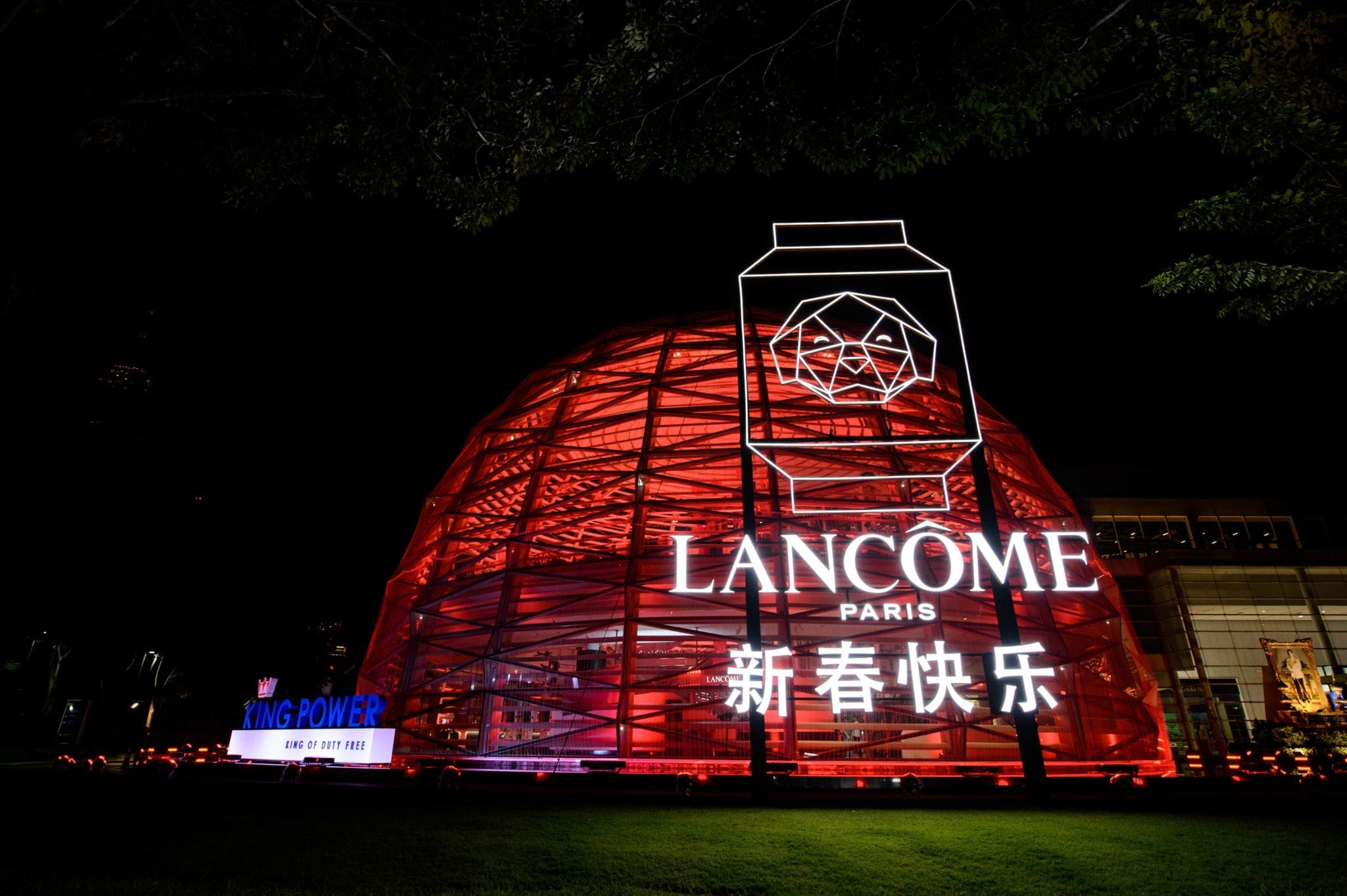
    Lancome is set to launch its first exclusive pop-up store at Pavilion Kuala Lumpur. The Lancome pop-up store will open from January 7 until February 15 in celebration of the Chinese New Year and be promoted via a “Wish Big” campaign offering limited edition beauty products alongside other prizes, including a grand prize trip to Paris.

    Store visitors will be able to sample Lancome’s Advanced Genifique product as well as send personalised CNY e-greetings and enjoy various interactive activities. Shoppers will be able to buy from several limited edition Lancome bestsellers.


  • Blackberrys Charts Upon The Next Growth Chapter

    Blackberrys Charts Upon The Next Growth Chapter

    Following an exceptionally successful year, amidst 8 months of re-branding, Blackberrys plans to significantly increase its long-term guidance in 2019. In April 2018 the company revealed its new face to the world after 27 years of its inception. In 2019, Blackberrys intends to strongly accelerate its retail presence and sales growth as part of its long-term strategic business plan.

    Blackberrys is currently present across 350 cities in India and operates more than 260 EBOs and 700+ MBOs. In 2018, Blackberrys added 50 new doors to its retail footprint and is confident of adding upto 50 more in the current financial year.

    In the New Year the company will continue bolstering marketing programs both in store and through online and offline media. The company has earmarked a marketing budget of Rs 55 crore for the current financial year.

    In 2018, Blackberrys launched several consumer centric brand campaigns including India Khaki week, The Distinguished Gentleman Rides, Style partnership with Bollywood blockbuster Race 3 and Lord of Giza to name a few, which were very well accepted by the customers and trade alike.

    Blackberrys is consistently investing in building a par excellence consumer experience using Machine Learning based analytics, and extensively leveraging the digital presence for redefining the Indian man’s Fashion journey.

    Nikhil Mohan, Founder Director at Blackberrys sharing his thoughts on the same added, “Our 2018 results and our positive outlook for 2019 are proof that our strategy is paying off. Company’s growth, grounded in deep acceptance of our brand, led by the product quality, innovation and service, is remarkably healthy. The new development model implemented across, has paved the way for increased value creation along with profitable, sustained and consistent organic growth. We are expecting an accelerated growth in coming years with a strong focus on developing newer wardrobe propositions and our retail presence across the country.

    Nitin Mohan, Co-founder Director at Blackberrys said, “We are committed to developing a ownership and entrepreneurial brand culture at employee level as it’s pivotal for the company in achieving its long-term objectives. As part of the accelerated growth plan, Blackberrys is focusing its HR initiatives on talent development and performance management.  The company plans to launch its new office very soon in Gurgaon, reflecting the collaborative work culture and with a young & fresh look and feel.”

  • Japanese cosmetics surges in export number

    Japanese cosmetics surges in export number

    Japan’s cosmetics exports are on track to surpass 500 billion yen ($4.53 billion) for the first time in 2018, marking a sixth consecutive record year, thanks to Asian tourists who continue to buy these products after returning home. Exports in the January-November period grew 44% on the year to 482.8 billion yen, according to a tally of 16 types of cosmetics compiled from trade data by Nikkei. Demand for gifts tends to boost exports in December, and with major cosmetics makers’ plants running at high capacities, the full-year figure is expected to reach around 520 billion yen.

    Mainland China was the top buyer from January through November, accounting for 34.9% of exports by value, followed by Hong Kong at 25.9%, South Korea at 10.3%, Taiwan at 7.3% and Singapore at 7.3%. Asia accounted for 90% of the total.

    Japan’s cosmetics exports have tripled in the last four years along with a rise in visitors to Japan. Exports exceeded imports for the first time in 2016 as inbound tourism creates new customers for high-quality Japanese goods who continue to buy them online or in stores upon returning home.

    Cosmetics exports are likely to keep climbing in 2019. China will implement in January its first e-commerce law, which will require domestic online platforms to register with the government. With the crackdown on illegal marketing, direct exports of Japanese cosmetics are expected to increase as smaller Chinese retailers that sell goods procured directly from shops in Japan decline.

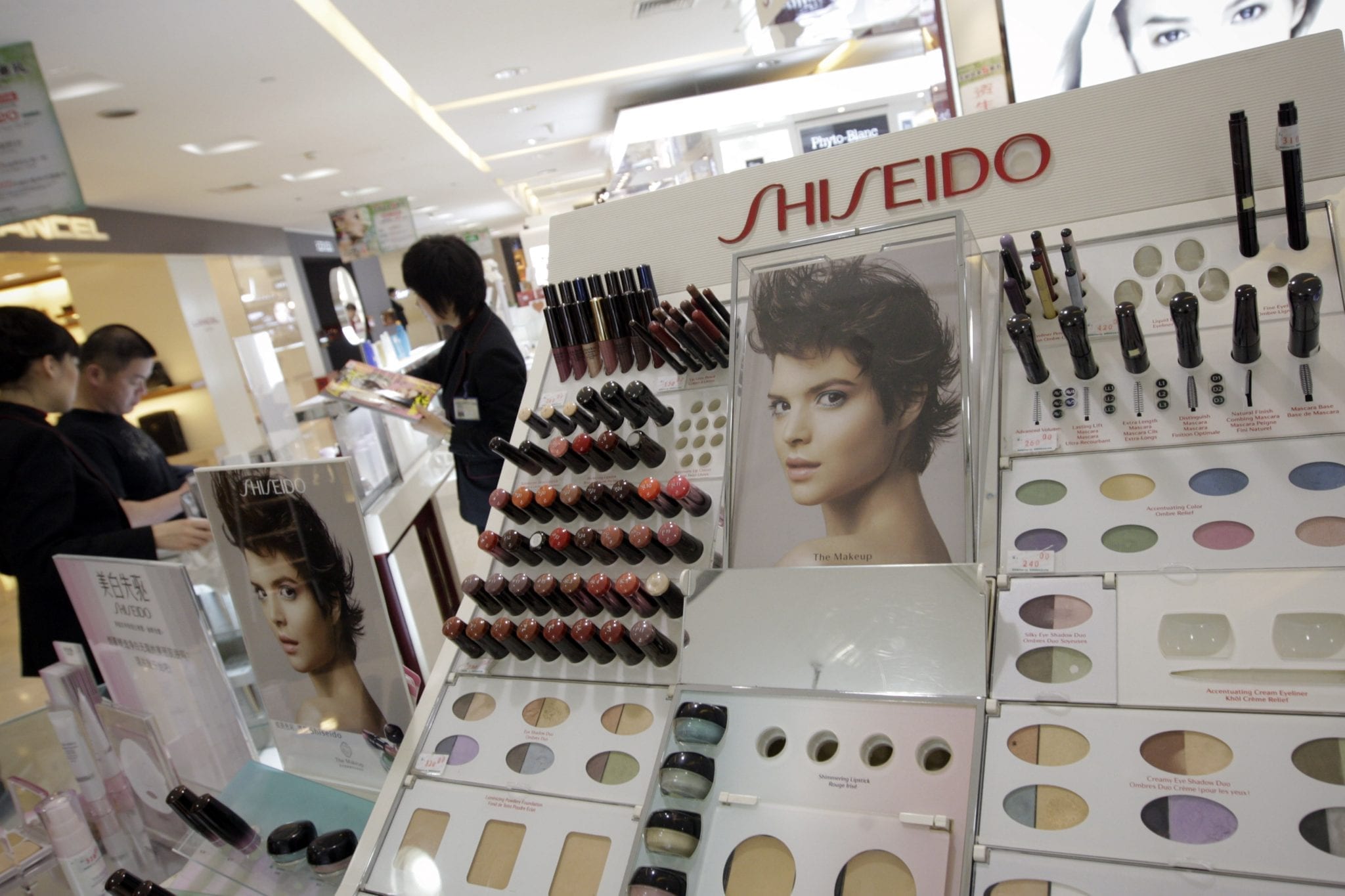
    Top cosmetics makers are also actively expanding their sales. Shiseido plans to begin in 2019 officially selling new products in China from its namesake mainstay brand, which launched worldwide this fall. The company will open a facility for collaboration with Alibaba Group in Hangzhou from January and jointly develop products with the Chinese e-commerce empire.

    Kao plans to double the number of stores in China carrying its popular Freeplus skin care brand to more than 2,000 by 2020. It will also cultivate sales for its makeup brand Kate, which launched a Chinese marketing campaign in December. Kose is accelerating the online sales campaign it began in China this autumn for its luxury brand Decorte.

    Japanese cosmetics makers are increasing the capacity of domestic plants to meet the surging export demand. Shiseido plans to bring a new domestic factory online in 2019 for the first time in 36 years, in Tochigi Prefecture, to produce more items like skin care products. It will also begin operations at a new facility in Osaka Prefecture in 2020.

    Kao will roughly double production for its Freeplus brand from 2017 levels, too, by investing in its main factory in Kanagawa Prefecture. Boosting domestic production is likely to encourage exports further by increasing supplies of “made-in-Japan” cosmetics.

  • HK customs seized counterfeit cosmetics

    HK customs seized counterfeit cosmetics

    Hong Kong Customs has seized more than 1300 items of suspected counterfeit cosmetics after raids on three sites this week. In an anti-counterfeiting operation conducted with the assistance of the trademark owners, customs officers took enforcement action at four dispensaries, five medicine stores and a warehouse. The raids took place in Tsim Sha Tsui, Mong Kok and Sheung Shui.

    The suspected counterfeit cosmetics and skin care products have an estimated market value of about $73,000 and included soothing gel, eyebrow pencils and face powder.

    Eight men and five women were arrested, including seven shop owners and six salespersons, aged from 19 to 60. They have all been released on bail as investigations continue.

    In a statement, Hong Kong Customs said it has been carrying out stringent enforcement against the sale of infringing goods and will continue to step up patrols and enforcement actions against infringing activities during the Christmas season.

    “Customs reminds consumers to procure goods at reputable shops and to check with the trademark owners or their authorised agents if the authenticity of a product is in doubt.”

    Retailers were warned to be cautious and prudent in merchandising since the sale of counterfeit goods is a serious crime and offenders are liable to criminal liability.

    Under the Trade Descriptions Ordinance, any person who sells or possesses for sale any goods with a forged trademark commits an offence. The maximum penalty upon conviction is a fine of $500,000 and imprisonment for five years.

  • LG Household’s History of Whoo makes history

    LG Household’s History of Whoo makes history

    LG Household & Health Care’s skin care brand The History of Whoo generated 2 trillion won ($1.79 billion) in sales this year as of Thursday. This is the first time a Korean beauty brand has reached that threshold. The 2018 record is also a 40.8 percent increase from last year’s annual sales.

    “For us, the achievement is meaningful in that it’s a sign we’re nearly able to compete shoulder-to-shoulder with global beauty brands,” LG said in a statement.

    The 2 trillion won in sales figure is based on manufacturer price. Counting the consumer price tag, the figure jumps up to 3 trillion won. According to market research firm Euromonitor International, the top three global beauty brands – Lancome, Shiseido and Estee Lauder – generate between 4.4 trillion and 5.3 trillion won a year based on the same standard.

    The last time The History of Whoo set a record was in 2016, when the brand made 1 trillion won in annual sales, 14 years after its launch. Breaking the 2 trillion won threshold came just two years later.

    The rapid growth is notable in that Whoo successfully survived a widespread boycott of local brands in China last year, following the installment of the U.S.-led antimissile system Thaad. This is in contrast to a score of other beauty companies like local leader Amorepacific, which have suffered huge blows from the loss of Chinese customers and some have yet to recover to pre-Thaad revenue levels.

    A spokesman explained that the brand kept its positive image thanks to word-of-mouth marketing and repurchases from Chinese customers.

    In terms of strategy, LG believes Whoo’s positioning as a high-end beauty brand has proven effective. Among its wide brand portfolio, The History of Whoo is one of LG’s premium brands with a higher price tag.

    Its main concept is that the products are based on records from Korea’s past dynasties which use oriental medicine as main ingredients. The brand story is also reflected in its product packaging, which emphasizes gold and red, which industry watchers say fits well with Chinese consumers’ taste for glamor.

    “We also concentrated a lot of our marketing activities to target VIP customers that have buying power,” said an LG spokesman.

    For next year, the company plans to continue its drive to push premium brands. Another brand LG is hoping to develop in the price range is SU:M, which is less flashier than Whoo, but emphasizes the use of fermented plants. Although smaller than Whoo, SU:M is also expected to reach 440 billion won in sales this year, a 15.8 percent increase year-on-year. During this year’s third quarter, LG’s three luxury brands – Whoo, SU:M and O HUI – were responsible for more than 60 percent of its beauty revenue.

  • Shiseido makes plans for China

    Shiseido makes plans for China

    Shiseido reinforces the regional headquarters system that oversees the business in China as of January 1, 2019. Moving towards the achievement of its medium-to-long-term strategy, VISION 2020, Shiseido will evolve further to ”Be a Global Winner with Our Heritage” by ensuring sustainable growth in the significantly growing Chinese market.

    Under the new system, Shiseido will reinforce the brand business structure in the China region and its supporting corporate functional structure in order to enhance brand appeal to Chinese consumers and strengthen market execution.

    As to the Brands Business, the management function of the Prestige Brands business in the China region and the CMO function of Cosmetics Brands & Personal Care Brands will be established. Furthermore, the strategic alliance with emerging e-commerce platform companies in the China region will be strengthened under direct control of the CEO of the China region.

    At the same time, Shiseido will proactively support the business strategy and reinforce the corporate functional structure aiming to improve its organizational capability to ensure sustainable business growth.

    Shiseido will continue leading growth through the acquisition of greater competitiveness of the Chinese business and by reviewing the organizational structure to optimize functions for all areas and market characteristics around the world.

  • Inside the Indian sportswear industry

    Inside the Indian sportswear industry

    India today is at par with wider global fitness trends. The booming economy and changing lifestyle preferences have compelled Indian consumers to be more health conscious and add new health and wellness routines to their hectic lifestyles. This trend has largely benefited the sportswear industry in India, which now is among the top in demand fashion segments of the country.

    According to a research report published by Global Industry Analysts Inc., the global market for Sports and Fitness Clothing is projected to reach US $231.7 billion by 2024. The research also indicates that technological developments designed to improve comfort and performance has also led to the growth in sales of sports apparel. The report points out that the Asia-Pacific region is expected to be fastest growing region, with a CAGR of 6.9 percent over the forecast period. Sales came from emerging markets, such as India and Thailand, as well as the US, the world’s largest sportswear market.

    The Indian Market

    According to reports from various internet sources, the Indian sportswear market grew 22 percent from 2015 to 2016, outpacing the segment’s global increase of 7 percent.

    As documented by a Euromonitor research, the sportswear market in India has grown from Rs. 24,000 crore in 2014 to Rs. 37,000 crore in 2016 at more than 50 percent over the past two years. A same study has shown a 23.7 percent CAGR for the 2011-16 period with a forecast of 11.3 percent for the 2016-2021 period.

    Men’s wear comprises the biggest share of the Indian sportswear market followed by the women’s and kids’ segments. In the recent past, the women’s market is progressively showing positive signs of accelerated growth. “Women’s wear is the fastest growing segment in the sportswear industry in India now — both for the industry and for us. Earlier, it was highly underpenetrated, but now it’s a booming segment. The men’s segment continues to grow at a steady pace of 40 percent,” says Sandeep Mukim, Managing Director, Proline.

    “While the men’s segment in sportswear is growing fast as numbers of sale, it is the women’s segment that is registering a higher growth percentage. This is due to the growing awareness of women for individual sports category like running, marathon, and other fitness activities. The kid’s segment is highly influenced by team sports – and the segment is growing fast along with the increasing popularity of cricket, football, etc.” says Mohit Prabhakar, GM, Nivia.

    “For our brand, as also for the category as a whole, the growth is largely driven by the men’s category. The women’s and kids market has not grown at the same pace, largely for the need to be fashion-oriented and/or more colourful as opposed to the fact of being more functional and performance-driven. Also, given the same budget, women are likely to purchase more garments to match element of their wardrobe and hence are more likely to buy, say, 2 pieces of stretch leggings rather than 1 track bottom,” says Sakshi Juneja, Key Accounts Manager of Black Panther, a unit of Juneja Global.

    “It is very difficult, almost impossible to accurately estimate the market size for sportwear, considering the fragmented nature of this particular industry and the overlapping categories such as lounge wear, athleisure and even sleepwear and undergarment brands vying for a slice of the activewear pie by styling themselves as sportwear brands. Added to this is the huge unorganized sector with a full-fledged and well-developed market for counterfeit merchandise of global brands, retailing brazenly through not only MBOs but also leading online portals,” she adds.

    As a whole, the sportswear market in India has traditionally been dominated by the big international brands, aptly named the ‘Big Four’ — Reebok, Adidas, Nike and Puma. Most of these brands entered the country in the 1990s and in the years that followed established their presence through a flood of local franchisees.

    But, in the recent past, given the enthusiasm of consumers towards sports and sportswear in general, a slew of brands, both home grown and foreign, have mushroomed absorb the market tendencies to cater to the rising needs of the consumers. Indian brands, although young, have an edge over their international peers – the price segment in which they operate. “In the case of apparel, international bigwigs are growing at very slow rate compared to homegrown brands due to their high price points. Indian brands are creating huge demand due to their capability of manufacturing compatible quality in India and offering products at very affordable prices,” explains Mohit Prabhakar.

    Of late, a legion of celebrity launched brands have surfaced in an attempt to cash in on the mammoth popularity they enjoy among the commonality. “With fitness fever gripping the nation, celebrities have also caught on to this trend. Bollywood stars Hrithik Roshan and Jacqueline Fernandez have launched their own sportswear brands which are gaining popularity amongst the general audience. However, for those who are more seriously into fitness, they still stick to more international and well-established brands because of proven technologies and brand equity,” remarks Vishal Gupta, Director – Retail, Puma India.

    Growth Drivers

    The average, modern Indian consumer’s lifestyle is undergoing a massive metamorphosis. Rising incomes and discretionary expenditure in urban India have allowed people to focus increasingly on health and wellness, as well as rising awareness of lifestyle diseases. The proliferation of international brands represented by sports and Bollywood stars have kept sportswear in the public eye fuelling this drive as well.

    Contemporary trends like taking long vacations, going on bike rides, hiking, travelling and indulging in recreational activities has been instrumental in driving growth of outdoor, sports inspired apparel. Most of the reputed brands of the sportswear domain have a wide range of outdoor apparel that makes a significant contribution to the total brand revenue.

    Driving the sportswear trend further into the masses are Indian pop culture icons, who are becoming self-proclaimed spokespersons of the fitness movement that is sweeping the country by storm. The proliferation of international brands represented by sports and Bollywood stars have kept sportswear in the public eye, fuelling this drive.

    The flourishing online retail market is yet another catalyst that has been successful in bolstering the growth of the sportswear market in India. E-commerce has especially been instrumental in aiding brands reach to smaller cities and towns where they are not physically present of yet. “E-commerce is a channel which is going to stay and keep becoming stronger because of its massive reach and the huge Indian population. As a brand we would never be able to reach them all with physical retail and hence would have to depend upon online. The younger population is also very tech savvy and spends a lot of their time on social media where they not only get to know fashion / trends but also make purchase decision,” says Vishal Gupta.

    “E-commerce is filling the availability gap for the consumers and thus growing fast. As physical retail would expand in these towns, we foresee that consumers would be happier to experience the products and buy,” says Sandeep Mukim.

    Considering that the second innings of the Indian retail revolution is all set to start from the country’s smaller cities, these geographical locations have emerged as key points of importance for the sportswear industry too.

    “The next big consumer group to adapt to this trend is currently in the smaller towns and cities of India. Their rising aspiration makes our availability in these locations a prime priority,” adds Sandeep Mukim.

    “Sportswear is a brand-driven category and footwear even more so, and footwear is what gives international brands the edge. Added to this is the fact that sports footwear has a largely undeveloped domestic manufacturing capability in terms of material, styling and technology. So the sourcing from manufacturing bases like China entails high MOQs and huge investments. Also, footwear having a low shelf life is a high-risk business. As such, global brands have an edge as it gives them the critical value and volume to sustain EBOs and premium retail space in megastores,” explains Sakshi Juneja.

    “However, Indian brands are pulling up their socks by smart sourcing of limited styles in footwear. Also, global brands are largely marketers who are dependent on local and international vendors for their apparel sourcing. Local brands like Black Panther, having vertically integrated manufacturing facilities are able to adapt and customize to customer preference more efficiently and will always have their own space,” she adds.

    The Indian Consumer

    The modern Indian consumer too has metamorphosed over the time and the Indian sportswear market now speaks to a more educated consumer who is aware of the importance of the right type of gear. “Through the internet and via international trends the consumer is updated with the latest in sportswear technology. To keep up with the evolving consumer, sportswear brands now launch products and technology at the same time as their global counter parts. The coolest and latest technology is brought to Indian audiences, giving them a taste of the type of innovation and experience the brand has to offer. Along with performance technology, trends such as athleisure and street style have played a big role in inspiring product and collections for the Indian market,” says Vishal Gupta.

    Although Indian consumers have come a long way from their earlier price conscious selves, vestiges of this trait are still witnessed today. In line with this, brands still have to make deliberate efforts in their pricing policies. “Our prices are competitive with other international players in the market. We also try to ensure that our price points are more or less the same in India and internationally. The key is providing an awesome product with cutting edge technology while keeping the pricing competitive,” says Vishal Gupta.

    “Nivia is capitalizing in a big way on our affordable price and technical products. In our factory at Jalandhar, we have total control from fabric designing to the final garment which is helping us in keeping our prices affordable for most products,” states Mohit Prabhakar.

    Conclusion

    The sportswear segment in India, like many other fashion segment, is undergoing an astounding change of perception as well as evolution. A noticeable change in the Indian sportswear industry is that it’s becoming increasingly organized; and modern retail is picking pace in small cities too, much to the delight of brands, suppliers and retailers of sportswear and sports lifestyle products.

    Overall, the industry is poised to grow, and India will be a key market as the awareness about sports and fitness increases and people become aware of being healthy.

    “We are extremely positive of the future and next opportunity is in making products for India at local prices. There is large population waiting to consume this category, which has stayed away till now because of the absence of trustworthy home grown players. The domestic brands would take this advantage as local manufacturing is becoming more updated,” concludes Sandeep Mukim.

  • Italian fast fashion brand set for Vietnam debut

    Italian fast fashion brand set for Vietnam debut

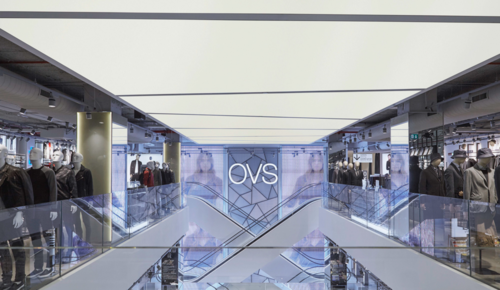
    Italy’s OVS midrange fashion brand will open its first outlet in Ho Chi Minh City this weekend. ACFC, distributor of IPP Group, a major Vietnamese fashion retailer, has confirmed that they are introducing the OVS brand in Vietnam. OVS is a popular fashion brand in Europe. In Italy, the brand has 15 percent of the market share in the country’s children aged 0-14 segment.

    The company’s products range is geared towards consumers of all ages. Its collection stretches from bold, urban looks, to elegant, formal office attire. At the same time, the OVS price tag targets the mass consumer segment.

    An increasing middle-class population has made Vietnam a magnet for international fast fashion brands, industry insiders have noted.

    The middle and affluent class, categorized as those earning $714 a month or more, would double to 33 million, about a third of the population, between 2014 and 2020, it is reported recently, citing a study by the Boston Consulting Group.

    Market research firm Nielsen estimates the number of middle and affluent class Vietnamese will reach 44 million by 2020 and 95 million by 2030.

    By late 2017, there were some 200 international fashion brands, including Zara, H&M, Stradivarius, Pull & Bear and Massimo Dutti, in Vietnam, accounting for more than 60 percent of the market share.

    A survey released in October last year by market research firm Q&Me showed fashion items topping online purchases in Vietnam, followed by IT products, cosmetics, food and beverage, and books and stationery.

    According to Statista, a database portal of statistics, consumer survey results and industry studies, the apparel market will be worth $2.74 billion this year and is set to grow at 7.7 percent annually until 2021.

  • SHISEIDO X SIRIVANNAVARI Princess Hanayaka Collection

    SHISEIDO X SIRIVANNAVARI Princess Hanayaka Collection

    Her Royal Highness Princess Sirivannavari Nariratana, in her capacity as Creative Director of SIRIVANNAVARI, has graciously designed a special makeup collection “SHISEIDO X SIRIVANNAVARI Princess Hanayaka Collection”. Her Royal Highness Princess Sirivannavari Nariratana is in charge of every design step, from meticulously selecting the color schemesand different shades for the beauty productsto designing the packaging.

    The princess used the graphics and drawings from her previous fashion collections to create elegant and graceful new designs. The whole process took over 2 years of her dedication.

    Her Royal Highness Princess Sirivannavari Nariratana, in her capacity as Creative Director of SIRIVANNAVARI, graciously shares her thoughts on the “Princess Hanayaka Collection”:

    “SIRIVANNAVARI has always wanted to create the beauty products that can fully answer the needs of women in Asia.This is also what SHISEIDO wants as a premium makeup brand that understands the needs of Asian women well. That is how the collaboration of this collection started. I am very glad that we both share the same intention, which is to create what will enable the beauty of women in Asia to glow from inside and out naturally. For this collection, my intention is to create the beauty products that are compact, easy and convenient to apply. The colors in the palette must be beautiful and highly flexible for various combinations of mix and match for different occasions, from daytime natural look to nighttime glamour. One palette can be applied for eyes, cheeks, and lips makeup while the texture of the cosmetics must make it easy for different color combinations. I chose all the color schemes and different shades for this collection myself based on what color combinations I think will best bring out women’s beauty. I then used those colors to work with the graphics and drawings inspired by previous SIRIVANNAVARI collections to design the packaging. The drawings of rice ears, bees, and lovebirds are used as the main designs. When combined with a Japanese touch, the lines and feels become perfect for the packaging designs of this collection.”

    The collection Princess Hanayaka, meaning “a woman whois vivacious and as ravishingly beautiful as a princess” consists of 4 beauty products, which altogether create the perfect makeup: from blush to lipsticks, and from face illuminator to eye color.

  • Lancome opened sensorial pop-up store in HaitangBay

    Lancome opened sensorial pop-up store in HaitangBay

    With over 170 beauty awards to its name, Mainland China’s leading beauty brand, Lancôme, celebrated its top selling serum, Advanced Génifique, by launching a multi-sensorial pop-up at China Duty Free Group’s (CDFG) Sanya International Duty Free Shopping Complex at Haitang Bay. Renowned actress and LANCÔME local ambassador for China, Zhou Dongyu, actors, Zhai TianLin and Yin Zheng, and over 12 beauty influencers joined hands to embark on an exclusive journey of experiencing the 1+1 dual skincare benefits of the Advanced Génifique and Advanced Génifique Sensitive. The pop-up is an opportunity to address the robust growth driven by Chinese travellers within a booming beauty market that continues to accelerate in Asia Pacific.

    Located at one of Asia’s leading downtown duty-free destinations, the pop-up in sophisticated hues of blue and white brought in the spirit and taste of French elegance to Sanya. Beauty influencers and travelers experienced Lancôme’s top-rated serum through various sensory, with features such as a photo booth, interactive games and an impactful outdoor lighting installation. The pop-up ran from November 2 to 29.

    “To celebrate the abiding success of the Lancôme brand and its iconic Advanced Génifique serum, we are happy to partner with CDFG in Sanya, Haitang Bay, to launch this pop-up with the presence of our local ambassador for China, Zhou Dongyu. As we remain optimistic of our growth in Travel Retail APAC, we are excited to reach out to the Chinese travelers in their home country to experience Advanced Génifique in an all-immersive retail experience pop-up,” said Tao Zhang, General Manager of Lancôme Travel Retail Asia Pacific.

    “We are pleased to partner with a leading international beauty giant like Lancôme to showcase their iconic Advanced Génifique serum at this specially designed pop-up. CDFG Sanya International Duty Free Shopping Complex hosts millions of travelers per year, and our core focus revolves around the idea of creating and delivering meaningful and memorable experiences for them. This partnership with Lancôme has made this possible, bringing an engaging shopping experience, elevated for our travelers.” said Xie Zhi Yong, Deputy General Manager of CDFG Sanya Downtown Duty Free Store Co., Ltd.

    Celebrating the momentous occasion and enduring success of the brand’s iconic serum, the pop-up was themed around the Advanced Génifique, which is heading into its ten year anniversary in 2019. With more than 170 beauty awards to its name, the powerful youth activating serum remains as one of the best-selling serums in the country.

    Primed as Asia’s leading downtown duty-free destination for international, luxury cosmetics as well as the gateway for the brand to tap into the thriving travel retail market, CDFG Sanya International Duty Free Shopping Complex was specially selected to play host to Lancôme’s Advanced Génifique’s pop-up. The duty-free shopping complex houses one of the top POS for Lancôme worldwide, and will remain a key strategic focus for the brand’s travel retail business across APAC.

    Billed as the top holiday destination for affluent mainland Chinese, Sanya saw KOLs from around China descend upon its shores to embark on a ‘Advanced Génifique’ journey to reveal their skin’s glow and deepen their understanding of Lancôme’s well-loved Advanced Génifique and Advanced Génifique Sensitive serums through a beautiful holiday experience with the brand. Invited KOLs whose Advanced Génifique journey at Sanya enabled them to better understand the benefits of the brand’s powerful youthactivating serum, share their knowledge, and advocate Advanced Génifique across their platforms.


  • Top 10 Asian brands to keep an eye on in 2019

    Top 10 Asian brands to keep an eye on in 2019

    Last year, a rank report is released the #10 Best Performing Brands of 2017. The ranking gathered a mix of brands, which stood up from the crowd for incredible brand activities throughout the year.

    This year, the ranking focuses on Asian brands, which have registered a rapid growth in 2018 in terms of POS, distribution channels, global expansion; among them digital native brands that quickly captured a conspicuous pie of the market by conquering Millennials and GEN Z with their Intagrammable moods. From Korea to Japan, from cosmetics to accessories, the list covers the main trends to keep an eye on in 2019.

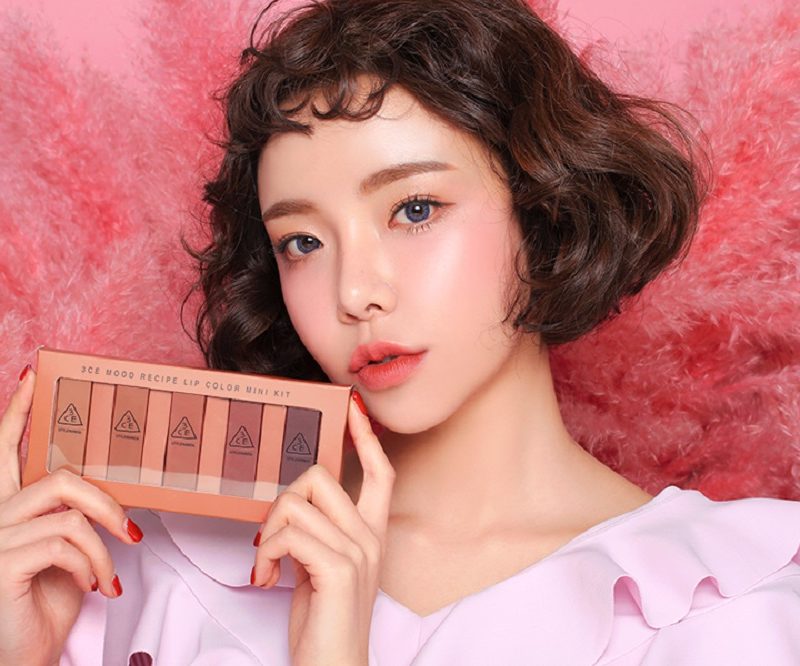
    3CE – The most Instagrammable cosmetics brand

    Launched in 2009, 3 Concept Eyes (3CE)  is the popular Korean cosmetics label of Stylenanda and is one of the youngest and most playful brand on the block.

    Founded by Kim So-Hee, the cosmetics label with mid-end price points was ranked No. 1 as the most preferred K-beauty brand by Chinese consumers in multiple surveys.

    The secret behind the success of the brand is the strong appeal it draws from Millennials and Gen Z. From product design to distribution, each facet of 3CE is thought to be Instagrammable.

    Living proof is the brand’s movie-themed flagship store in Gangnam-gu, Seoul, which turns its clients into stars getting ready to go on stage in make-up booths with colorful lighting and props in cute baby pink colors.

    Among the Instagrammable products, the brand’s jewel-like tubes of lip gloss have become a status symbol for Millennials and Gen Z, being featured in famous K-drama “Missing You” and now blanketing stores all over Asia.

    To keep it trendy, 3CE collaborated for the second year in a row with Maison Kitsuné to launch a second make-up range offering the perfect French x Korean beauty fusion with girly packaging.

    Available offline and online, 3CE’s products are distributed through its parent’s company, Stylenanda, multi-channel distribution model which includes e-commerce, speciality retailers, and point of sales in department and duty free stores.

    In less than a decade, 3CE has managed to become the fundamental pillar of Stylenanda and today represents more than 70% of the business with a 127 million euro turnover in 2017 and nearly 400 employees.

    It was actually 3CE which drove L’Oreal’s acquisition of Stylenanda earlier this June, the group’s first investment in a K-beauty brand (the exact amount was not disclosed but industry sources estimate the company was sold for between 570 billion and 600 billion won.)

    A Bathing Ape – BAPE  -The Asian streetwear brand

    BAPE is one of the most hyped brands in streetwear defined by its young audience’s appetite for anything on offer.

    Founded by Nigo in 1993, it started as a hole-in-the-wall T-shirt shop in Tokyo’s Harajuku district but in the 2000s, the brand catapulted cult streetwear into the mainstream, and was co-signed by everyone from streetwear devotees to celebrities like the Clipse, Pharrell, Kid Cudi, and Jay Z.

    In 2010, Nigo stepped down from the company as CEO, but stayed on to assist with the transition after it was sold in 2011 to Hong Kong fashion conglomerate I.T for $2.8 million.

    The hype around BAPE is still as vivid today with its unique designs appearing on everything from apparel to luxury items as celebrities from all industries like The Weeknd or American rapper Pusha T can be seen rocking the label. BAPE also takes part in collaboration as we have recently seen the exclusive line launched with the French capital’s iconic football club, PSG (Paris Saint Germain).

    BAPE was the creator of the fundamental streetwear formula of hype, scarcity and public spectacle – the brand’s recipe for success. It managed to find the right balance between exclusivity and mass appeal with prices ranging from HKD$699 to HKD$3799.

    A Bathing Ape has a very powerful brand DNA defined by its strong aesthetics: to have the BAPE look, you must go to BAPE as no substitute will do the trick. More than a clothing line, the label is a lifestyle in itself. The brand has a particular approach to collaborations, taking a lifestyle based approach as seen with the Pepsi can and MAC makeup campaigns.

    As of today, A Bathing Ape has 33 stores opened around the globe which are sitting in Japan, France, the UK, China, Hong Kong, Korea, Taiwan and Singapore. Selected dealers around the globe also offer the brands’ products. Online, the brand has 3 official website and it is also available on Zozotown.

    Owndays– The fast fashion eyewear disruptive concept

    OWNDAYS is an international optical retail concept founded in Tokyo, Japan.

    It currently has more than 120 stores in Japan and has successfully established stores in 11 overseas countries in Asia Pacific with 43 stores in Taiwan, 36 in Philippines, 27 in Singapore, 20 in Thailand, 6 in Hong Kong and 17 more spread across Indonesia (5), Malaysia (4), Vietnam (3), Cambodia (3) and Australia (2).

    Shuji Tanaka, current president and CEO, took over OWNDAYS in 2008 and has transformed it into a retail chain operation that sells over 2 million pairs of glasses annually.

    Owndays’ 3 key success factors? Simple price, Quick Service and Good Value.

    Offering a simple price system to its customers with sets ranging from HKD$480 to HKD$1280, there are no hidden costs, a refreshing touch in the industry. Customers are also seduced by the brand’s wide portfolio of products which delights both Asians and Westerns, from children to elderlies, and which is delivered in an impeccable and rapid service – essential today as we all know that time is money!

    OWNDAYS is keen on working with different platforms from different industries, including participation in one of the largest fashion shows in Japan – ‘Tokyo Girls Collection’ in 2010, and as one of the official sponsors of the world’s first large scale fashion tournament for top stylists – ‘World Runway Premiere’ in 2011. OWNDAYS also sponsored the 4th Okinawa International Movie Festival in 2012.

    The brand has its designers, but they also do great collaborations such as that with Japanese designer, Jun Hashimoto or Fashion Designer Kansai Yamamoto

    With the recent investment this November from L Catterton Asia and Mitsui & Co., I believe there is so much more to come.

    Other two similar retail concepts also rapidly expanding all over Asia are  Zoff and Jins, which increase the number of Japanese companies targeting overseas markets; and therefore, worth mentioning in this ranking.

    Charles & Keith – The affordable women’s accessory brand

    Charles & Keith is a fast fashion retailer that specialises in women’s footwear and accessories and has achieved much international success over the years.

    Homegrown on Singapore shores, Charles & Keith was founded in 1996 by the two Wong brothers. Since its establishment, the brand has expanded to more than 450 outlets worldwide and went beyond brick-and-mortar stores by offering online shopping on its website to offer its stylish and trend-focused designs in Asia Pacific, the Middle East, Europe and the United States of America.

    Known for its high quality footwear and accessories inspired by runway styles and trends for the masses the brand is constantly reinventing fashion with its curated collections.

    Charles & Keith is the answer for the trend-conscious medium high-income consumers. Indeed with its affordable price tags (from HKD$69 to HKD$1,199) and constantly reinvented inventories (it produces an average of 1,000 new designs each year, with about 15-20 new designs being introduced into stores each week), its medium-high income customers do not give it a second thought before ravishing themselves into the beauty of shopping.

    The brand has built itself a loyal customer base resting on a relationship of trust from Charles & Keith to always provide them with the latest in affordable fashion.

    Celebrities and influencers also support the brand, sharing their looks on social media platforms such as Instagram to inspire their audience. The latest Charles & Keith Holiday party, held earlier this month, featured K-pop star Yura, South Korean celebrity Lee Harin, Hong Kong actresses Grace Chan, Angela Yuen, Hedwig Tam and Ashley Lam and actor Carlos Chan or Taiwanese fashion influencer Molly Chiang, all wearing the brand’s line.

    Charles & Keith is not short of creative designs as it continuously engages in collaborations with the likes of Tokyo-based illustrator WALNUT or Disney for an Alice in Wonderland collection.

    The brand already has stores in North Africa and as it is expanding in Asia. We have also seen it opening its London offices along with logistic center in the region to serve the European market this year. Would this be the beginning of its physical expansion to the West side of the world?

    Lady M- An international triumph of sweetness

    Originally opened in Japan in 2001 by Emy Wada, Lady M is a bakery and retail cake business globally known for its elegant, handmade Mille-Crepes Cake. Bought by Ken Romaniszyn family in the early 2000s, the entrepreneur was confident of Lady M’s potential and eager to expand the brand’s presence to the US. As he began opening Lady M’s first New York boutiques, the number of them steadily increased over the following decade as the brand gained ren

    In 17 years, the New-York based bakery has grown to 26 boutiques spread over the American and Asian continent where it is present in, Singapore, Macau, Taipei, Shanghai, Beijing, Nanjing and Hangzhou. In 2018, 5 boutiques popped up in Hong Kong, including 1 at the airport, which enables visitors to take cakes home to their beloved ones.

    Lady M’s global success can be attributed to its branding inside out. Inside – the quality and beauty of cakes is all we can hear about with people queuing up outside the famous bakery; outside – its iconic logo and sleek storefront design with marble and glass displays are simply hard to miss.

    Its key success factor is the distinctive texture given by its secret recipe, which pleases palates internationally.

    Gentle Monster – Still the best store experience

    Founded in Korea in 2011, Gentle Monster, which sells oversized and low bridge sunglasses with Asian fit at premium prices (from $200 to $500), has become one of the fastest trendy fashion eyewear brands in Asia and has over the year spread its reach globally. It is a good case study of an Asian brand that was able to adapt a mature product to the local Asian demands and trends.

    Gentle Monster is being sold in over 450 selected shops in over 30 countries including South Korea, France, Spain, Italy, Portugal, UK, and opened a branch office inNY, USA.

    In terms of revenues, the year 2017 registered 250 million USD, 70 percent of which is coming from direct sales. With last year’s investment by L Catterton (60 million USD for a 7% stake), the brand opened more markets with one of a kind concept stores suchs as a kung-fu fighting boutique in London or New-York’s new flagship space while cleaning part of their wholesale distribution. The Seoul-based firm is now resuming its delayed plans for an initial public offering while expanding its business portfolio by launching its own cosmetics brand.

    Gentle Monster’s success rests on 3 key pillars: Newness, Strange Aesthetics & Celebrities.

    Hankook Kim, CEO and Founder of Gentle Monster said that consumers are not paying for his products, but rather the feeling of experiencing something new and fresh. To keep appealing to unpredictable customers, he changes store displays every 21 days and curates them as he would an art-exhibition.

    Nevertheless, having the perfect product with a unique store design is not enough today.

    It was not until 2014, three years after it was established, that Gentle Monster suddenly became known by all of Asia as South Korean actress Gianna Jun was wearing Gentle Monster sunglasses when she appeared on the hit show My Love from the Star. Following her apparition, more Chinese celebrities were photographed wearing Gentle Monster such as Li Yifeng, Yang Yang, and Kris Wu. The fame also reached the West as models like Kendall Jenner and Gigi Hadid also wore the brand.

    As the brand is now expanding globally, it is trying to reduce its link to the K-pop culture. In that spirit, Gentle Monster recently collaborated with lauded Canadian retailer SSENSE on a Matrix-esque capsule, American fashion designer Alexander Wang or London photography collective-turned-streetwear purveyor Places+Faces.

    When it comes to its expansion, the new stores in Taiwan opening this coming January and K11 Musea in Hong Kong are full of promises.

    Pomelo – The fastest growing fashion digital native concept

    Pomelo Fashion, the Bangkok-based digital native fashion concept, is one of the fastest growing ASEAN brand.

    Launched in 2013 by former Lazada Thailand managing director David Jou, Pomelo positions itself as a digital native fashion brand that is vertically integrated, delivering to over 50 countries globally.

    At the roots of its model rests New Retail.

    The principle? Enabling shoppers to narrow down their choices online to then send their favorites to physical stores for trying on for fit. This model has been the key to Pomelo’s success as it can be done in a small space, saving on rent, while giving customers the opportunity to marry the convenience of online commerce and offline service.

    With currently 6 stores in Thailand, Pomelo is now looking to open a physical location in Singapore.

    In a 6 month time span, Pomelo has in the past actively launched new products across almost 20 product categories. Those high frequency and consistent launches ensures the newness of the assortment and keep customers coming back. And as quantity does not mean everything, Pomelo hires its designers locally to ensure it fits local tastes. Cherry on the top is the brand’s price points which are about half those of Western fashion brands like Zara and H&M.

    Its success has been noticed by many, attracting investors such as JD.com which led a US$19 million investment round last year or the likes of 500 Startups, Hong Leong Group and Jungle Ventures.

    Sulwhasoo – The holistic luxury South Korean beauty brand 

    Sulwhasoo is a holistic luxury South Korean beauty brand manufactured by Amorepacific Group. It all started in 1966 when Suh Sung-whan introduced his ginseng cream to the world, without ever suspecting it was just one of many he would later on develop under the Sulwhasoo brand, created in 1997.

    Revenue leader since 2005 in its domestic market and best-selling cosmetics brands at Incheon International Airport’s duty-free shops, Sulwhasoo was the first Korean beauty brand to make 1 trillion won ($921.8 million) in sales in one year. Starting from HKD$250, the brand’s signature products average HKD$1,500.

    The success of the brand comes from its high-quality product development, which combines traditional ingredients like ginseng, Sulwhasoo’s star ingredient, with advanced sciences (the brand owns a team of over 500 researchers focused on nature-driven formulas).

    Earlier this year, Sulwhasoo has appointed hallyu star Song Hye Ko as its global brand ambassador, the first face of the company since its creation.

    Other contributor to the brand’s success is its distribution as Sulwhasoo has extended its reach beyond Korea, starting in Hong Kong in 2004. It has since entered 11 more markets including China, Singapore, Taiwan, Indonesia, Malaysia, Thailand, Vietnam, the United States, Canada and France. It is now present in over 358 locations worldwide.

    In-store experience is toda a key element of a store success and the Korean beauty brand strives everyday to bring customers its experience of the five senses offering them a luxury experience through services such as gift wrapping and hand massage.

    This year, the company aimed at increasing its store openings in second and third tier cities while expanding into four tier cities. It also expanded touchpoint in online retail by offering its products on major e-commerce sites such as VIP.com and JD.com.

    Miniso – The Japanese-based variety store mushrooming worldwide

    Miniso is a low-cost retailer and variety store chain Japanese-based design brand and if it might be barely known in the West, the success of this company is not negligible.

    It has opened over 2600 stores in less than four years, with USD1.8 billion sales volume in 2017. At present, MINISO has reached strategic cooperation agreements with more than 70 countries and regions including the United States, Canada, Russia, Singapore, the United Arab Emirates, Korea, Malaysia, Hong Kong (China) and Macau (China), with an average monthly growth rate of 80 – 100 stores.

    Established in Japan in 2013, the brand was born from a co-founding between Japanese designer Miyake Junya and the young Chinese entrepreneur Ye Guofu, a former designer.

    Miniso’s success rests on its wide variety of high quality products which boast a modern design but a very low price, ranging on average from US$1 to US$30.

    Its in-house product development also contributed to the success as over 200 procurement managers are constantly scanning the global market to spot trends and allow the brand to launch new products every week. Miniso also employs more than 500 product designers from various countries, including China, Japan, South Korea, Sweden and Denmark to satisfy all tastes.

    I am looking forward to see if Miniso will reach the challenge it has set itself of opening 10,000 stores in 100 economies, including 7,000 stores overseas, and generating 100 billion yuan ($14.52 billion) in annual revenue by 2022.

    NARS –  Shiseido family’s rising brand

    Cosmetics brand NARS, launched in 1994 by French make-up artist François Nars, quickly became one of the most sought-after in the market.

    Acquired in 2000 by Shiseido Group, it has been leading  the growth in Shiseido Travel Retail’s make-up portfolio, particularly in Asia Pacific, where sales of NARS more than doubled in 2017 over the previous year.

    The two pillars behind NARS’ strategy? Product innovation and enhanced brand animation.

    NARS offers its customers a fully comprehensive range covering all bases which has successfully seduced them.

    Addressing Chinese Millennials, Nars has built its O2O strategy around the traveller journey, creating digital and physical touchpoints pre-, during, and post-trip encouraging customer interaction at all times. The brand creates a “virtuous circle” that enhances the consumer experience and amplifies the buzz in the source market of China to drive awareness and demand.

    Key to NARS’ positioning was the accurate selection of distribution channels. At the end of 2016, the brand was available at selected retailers in France, UK, Russia, Spain, Italy, Czech Republic, Poland, Switzerland, Sweden, Denmark, Turkey, UAE, Qatar, Kuwait, Saudi Arabia, Bahrain and in 4 Travel Retail locations. In total, 511 doors. In 2017, NARS launched in Portugal and The Netherlands.

    Recent collaboration include the collection NARS developed with Charlotte Gainsbourg – ultimate Parisian hip girl.

    NARS is part of the Shiseido’s family, and like all the other brands, has greatly benefited from Shiseido’s successes collected in 2018. The Japanese cosmetics giant has been an active protagonist of 2018 beauty narrative with the release of its sustainability campaigns touching upon environmental and social pillars. Additionally strong campaigns to support its social responsible identity, new appointments, and focus on research have been the main initiatives of this year.
  • Roberto Cavalli brings “New Species” to HK

    Roberto Cavalli brings “New Species” to HK

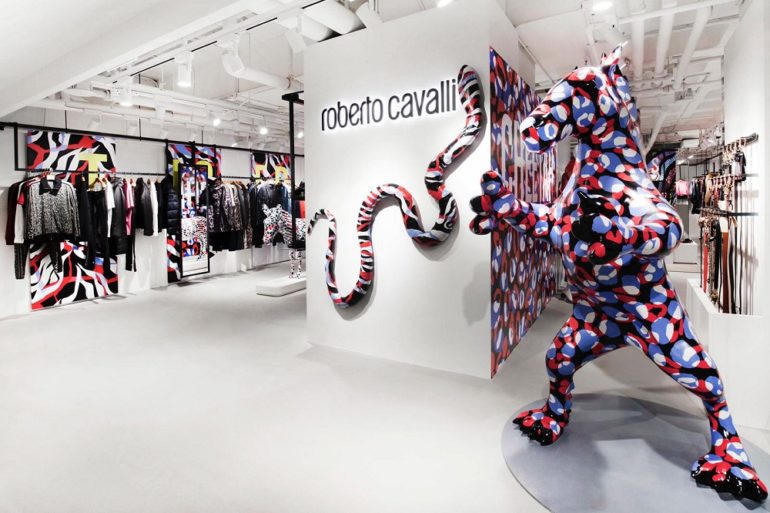
    Friday 14th , December Roberto Cavalli brought “New Species” by Paul Surridge to Hong Kong. The Italian luxury fashion, accessories, and lifestyle brand, has unveiled a 360-degree Instagrammable pop-up store at the Harbour City Shopping Mall in Hong Kong.

    The new pop-up store by its Creative Director Paul Surridge marks a new start for the brand, going back to its roots with the animalier prints but in a total new look to embrace novelty.

    The pop-up store concept “new species” is inspired by Paul Surridge’s latest collection, characterized by Roberto Cavalli’s famous animalier prints reimagined to create new species.

    It is a mix-and-match of different animal prints highlighted with vibrant colours.

    The pop-up store brings to live the colourful collection by Paul Surridge and materializes it into sculptures welcoming visitors in a canva-like space, in which products stand out as art pieces ready to interact.

    The setting was conceived to accommodate a range of activities, bridging the soul of the Italian brand and “create-your-own spirit” designed for Hong Kong customers to meet their demand for unique products.

    The key-element of this space is the omnichannel experience given by the creation of digital touchpoints disseminated in the whole space to enhance the interaction between the online and offline experience of the brand. The concept is the result of the collaborative work of the brand with the creative agency Branding Records.

    To mark the opening of the pop-up store, Roberto Cavalli has given the privilege to HK customers to touch and feel the V1PER Sneakers; including two limited edition styles available exclusively here in Asia after the global launch with Kim Kardashian: Hollywood app.

    The V1PER sneaker combines high-tech and traditional materials, which are mixed with apparel fabrics. The iconic style is defined by a customized chunky rubber sole, which is moulded with an exclusive technology to obtain an intriguing 3D python texture.

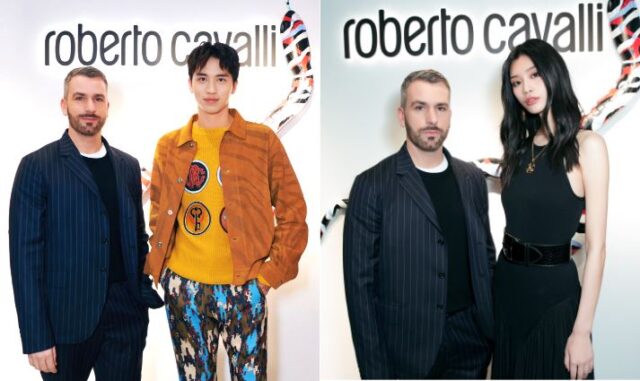
    During the VIP party, which welcomed hundreds of celebrities, influencers, and guests from the fashion scene had the chance to meet Paul Surridge, Creative Director of the Roberto Cavalli Group.

    “Hong Kong is an ever fascinating metropolis that always inspires me. I am especially fascinated by the vibrant energy and passionate liveliness of the city and its openness to the young generation of luxury consumers. Hong Kong is a natural choice for the Asian launch of the V1PER Sneakers as this special style is injected with a dynamic and urban edge, echoing my impression of this spirited town.” said Paul Surridge.

    At the party, also the new appointed General Manager, Ivan Perra, who has kick-started its new adventure in the company with an unforgettable night.

    Everything, from the music, to the canapes were tailored to match the new, fresh, young mood of Roberto Cavalli. Hong Kong and Asia played a major role in the brand positioning, and in the past years have been the theatre of several activities.

    Also, Gian Giacomo Ferraris, Chief Executive Officer of the Roberto Cavalli Group commented: “Hong Kong as a global financial hub with a skyscraper-studded skyline is an important market for Roberto Cavalli. The strategic positioning of Harbour City and the opulent retail environment enable us to reach to a wide spectrum of affluent and sophisticated shoppers. Our new pop-up store reflects a young and fresh concept of luxury shopping today, which I trust will be appreciated by our loyal patrons and new clients both locally and globally. ”

    We look forward to the upcoming brand activations that Roberto Cavalli has reserved to Asian customers.