Tag: beauty

  • The Shoppes at Marina Bay Sands hit record high in 2018

    The Shoppes at Marina Bay Sands hit record high in 2018

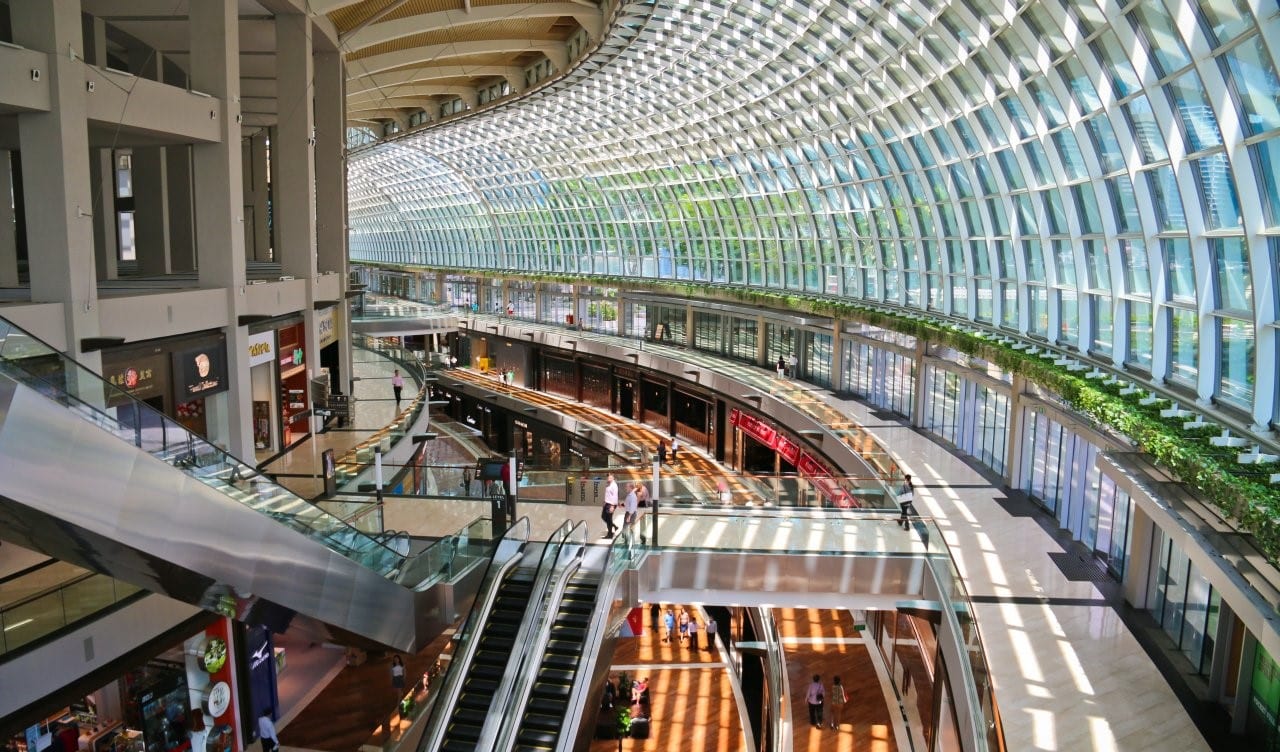
    The Shoppes at Marina Bay Sands has capped its most successful year ever, breaking revenue records in 2018 and strengthening its leading position as the luxury shopping destination in Singapore. The luxury mall, which enjoys an occupancy of 95.4%, rang in a record mall revenue of US$179 million last year, a 7 per cent rise against the same period in 2017 – by far its best performance since opening. In 2018, retail tenant sales at The Shoppes jumped 19 per cent to US$1,898 per square foot from the preceding year.

    The Shoppes also kept its top position in tourism shopping, capping a record year to represent an estimated 25 per cent of the tax-free tourist market in Singapore. This is based on industry metrics that track tax-refunded tourist receipts.

    John Postle, Senior Vice President of Retail, Marina Bay Sands, said, “2018 has been an exceptional year for the mall, as we not only achieved our highest sales revenue in history, but also solidified a leading position in tourism shopping. This is so rewarding, given the competitive retail landscape and growth of online shopping.”
    The performance is also the result of an ongoing retail remix strategy that started in 2012, which saw the mall double its footprint with luxury brands in the form of duplexes, as well as expansion into luxury childrenswear.

    This strategy, coupled with attractive programming such as late-night shopping, in-store exclusives, and one of the most generous loyalty programmes in Singapore, has resulted in 120,000 shoppers walking through the doors of the mall daily. This includes locals as well as its biggest tourism markets of China, Indonesia and Japan.

    Jan Moller, Country Managing Director, Singapore & APAC Sales, Global Blue, said, “As one of Asia’s leading shopping destinations, The Shoppes at Marina Bay Sands continues to outperform other luxury malls in Singapore to own the greatest share of inbound tourist spend in the luxury sector in 2018.”
  • Chinese demand for skincare products boosts sales of French cosmetics company L’Oreal

    Chinese demand for skincare products boosts sales of French cosmetics company L’Oreal

    Strong Chinese demand for luxury skin creams helped Lancome owner L’Oreal beat sales forecasts in the fourth quarter, as did a pickup in its lagging mass market division. Like rivals including US-based Estee Lauder, the French maker of Maybelline and Urban Decay make-up has thrived on strong demand from Chinese shoppers in recent years, especially for its higher-end products.

    Sales of L’Oreal’s top-flight brands exceeded analyst expectations in the last three months of the year thanks to this market, despite cooling economic growth in China, and fears over a Washington-Beijing trade war.

    Some heavy-hitters in the luxury fashion industry, such as LVMH’s Louis Vuitton, have also reported encouraging momentum in Asia. At L’Oreal Asia-Pacific overtook North America as its biggest region last year.

    But L’Oreal, which is due to detail its results at a news conference on Friday, also faces a challenge to keep improving revenue growth in other areas, including its consumer products unit, home to brands like Garnier shampoo.

    Sales rose 2.8 per cent in that division on a like-for-like basis in the fourth quarter, which strips out currency effects and acquisitions, up from 2.3 per cent a quarter earlier.

    That helped boost overall sales at the firm, up 7.7 per cent like-for-like and head of forecasts for a 6.4 per cent rise, and which came in at 7.1 billion euros ($8.1 billion).

    Yet the mass market segment still slightly lags the performance of peers like Nivea-maker Beiersdorf and Dove soap owner Unilever.

    L’Oreal said it was also facing a sluggish market in France and the United Kingdom.

    While the latter only makes up around 3 per cent of sales, the company has joined others in preparing for Britain’s potentially chaotic exit from the European Union, and has started stockpiling cosmetics.

    The company said it still expected to outperform the broader beauty market in 2019, though the tone of its outlook was a tad less bullish than last year, forecasting “growth in both sales and profits” rather than “significant growth”.

    For 2018 as a whole, the company’s operating profit rose 5.3 per cent to 4.7 billion euros, giving a margin of 18.3 per cent of sales, up from 18 per cent at the end of 2017.

    One of L’Oreal’s biggest shareholders with a 23 per cent stake, Switzerland’s Nestle, has come under pressure from an activist investor to sell off its stake in the French cosmetics firm. The firms have yet to signal whether such a move was in view.

  • Giorgio Armani open first pop up store at DFS Hong Kong

    Giorgio Armani open first pop up store at DFS Hong Kong

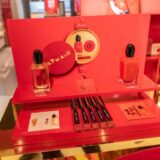
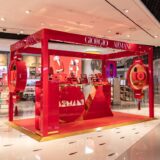
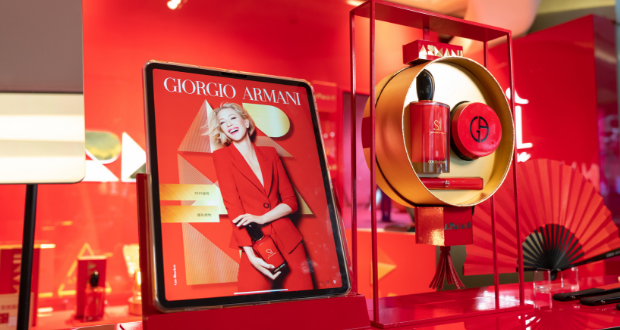
    Giorgio Armani Beauty is starting the year of 2019 strong by collaborating with DFS on celebrating Chinese New Year. In January, Giorgio Armani Beauty launched its first Chinese New Year pop-up stores at T Galleria Beauty By DFS, Causeway Bay and T Galleria By DFS, Canton Road respectively. Iconizing the brand’s 3 star products – the legendary Lip Maestro, the iconic My Armani To Go Cushion Foundation and the new bestselling fragrance – Sì Passione, the pop-up stores reflected Armani’s commitment to modernity whilst celebrating the traditional festival with the Asian consumers.

    A UNIQUE BEAUTY EXPERIENCE Visitors were able to indulge themselves in a unique Armani Beauty experience under the Chinese New Year festivity. They discovered New Year fortune and recommended Giorgio Armani Beauty products through the in-store digital app, try their luck on the app and receive attractive gifts upon purchase; and completed their memorable experience by getting the exclusive gift set of the 3 star products featuring My Armani To Go Cushion Limited Edition “Cushion Couture”. Customers also enjoyed professional make up consultation by Giorgio Armani Beauty Face Designers.

  • Nykaa launches Drew Barrymore’s cosmetics in India

    Nykaa launches Drew Barrymore’s cosmetics in India

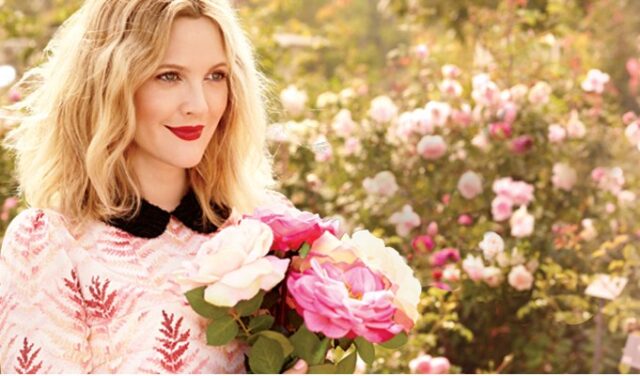
    Nykaa, India’s largest beauty retailer, has exclusively launched international cult beauty brand, FLOWER Beauty, in India. FLOWER Beauty was developed and created by award winning actress and entrepreneur, Drew Barrymore and her philosophy that woman everywhere deserve the best quality makeup at an affordable price. The makeup line will be launched in mid March’19.

    The combination of cruelty-free, luxury-quality formulas, premium packaging, and an affordable price have made FLOWER Beauty one of the fastest growing makeup brands in the US. Having grown up in the makeup artist’s chair, Drew brings her years of experience to FLOWER, with a mission to encourage women to look and feel great in their own skin. The brand’s tag line – Beauty is for Everybody – reflects Drew’s philosophy of inclusivity and positivity.

    Speaking of India’s launch, Drew commented: “I’ve always believed that beauty is for everybody, and that women everywhere should have access to great quality products at an affordable price. That has been our mission at FLOWER Beauty since day one, and now to be able to bring our story and products to women around the world is so incredibly exciting.”

    Addressing the partnership/ launch, Nihir Parikh, Chief Business Officer, Nykaa.com quotes, “At Nykaa we are always trying to include a range that satisfies audiences across different age group and interests. The brand reflects Drew Barrymore’s passion for cruelty-free products with premium formulas. We are very excited to bring this brand exclusively to India.”

    FLOWER Beauty launches in India with a range consisting of award-winning Flower Pots Powder Blush, bestselling Shimmer & Shade Eyeshadow Palettes, Lash Warrior Mascara, and many more. All the products will be exclusively available at Nykaa.com and Nykaa retail stores.

  • Shinesegae targets US$90 million with a new brand

    Shinesegae targets US$90 million with a new brand

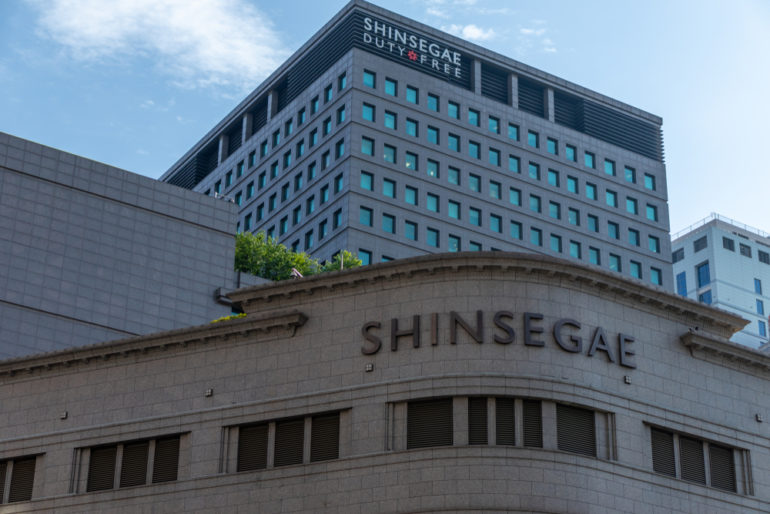
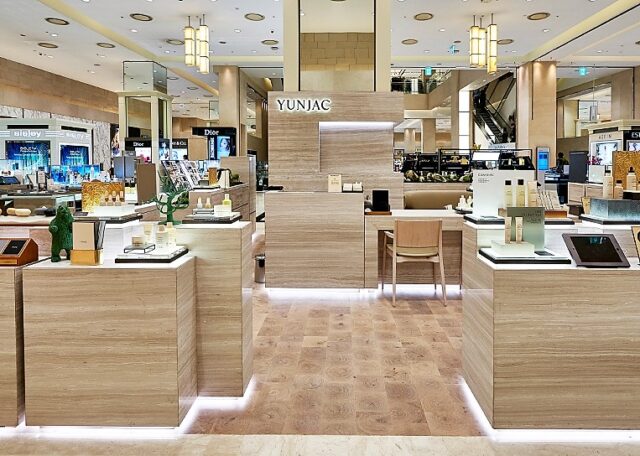
    Major South Korean travel retailer Shinsegae Group is set to launch an in-house developed cosmetics line, Yunjac, into the duty free channel at its Myeong-dong store in the capital city, Seoul. An ambitious sales target has been set for the brand. The opening on 2 February of an independent Yunjac cosmetics area adds to existing domestic market locations in Jung-gu and Gangnam in Seoul, and Centrum City in Busan. The brand was launched in October 2018.

    Fashion, beauty and lifestyle specialist, Shinsegae International, which developed the 42-strong product line, has told The Moodie Davitt Report that it aims to make US$90 million in sales by 2020. Four travel retail exclusive sets are part of the product range.

    The duty free exposure will promote Yunjac to a wider audience, with a particular focus on Chinese travellers. A Shinsegae Duty Free spokesman said: “The Myeong-dong store is a trendy shopping place where you can easily experience the world’s most popular brands. We will try our best to be the centre of world beauty. The line is targeting the global market including China.”

    Yunjac, which means ‘nature’s masterpiece’, is chiefly built around skincare with some makeup and other smaller segments, also part of the portfolio. It is the result of several years research and preparation by Shinsegae International. The product development was a joint effort with global cosmetics maker Intercos and world-renowned botanical research institute Vitalab.

    The manufacturing process involves extracting active ingredients from the best Korean herbs and combining them with state-of-the-art science. The end result is what Shinsegae describes as “the whole plant effect” which is claimed to restores the skin’s natural strength.

    Yunjac’s 42 products are priced at around US$30 for cleansing products, US$100 for skincare and US$50 for mother and infant items, according to Shinsegae Duty Free.

  • Lancôme uses Alibaba Cloud Technology for Chinese New Year promotion

    Lancôme uses Alibaba Cloud Technology for Chinese New Year promotion

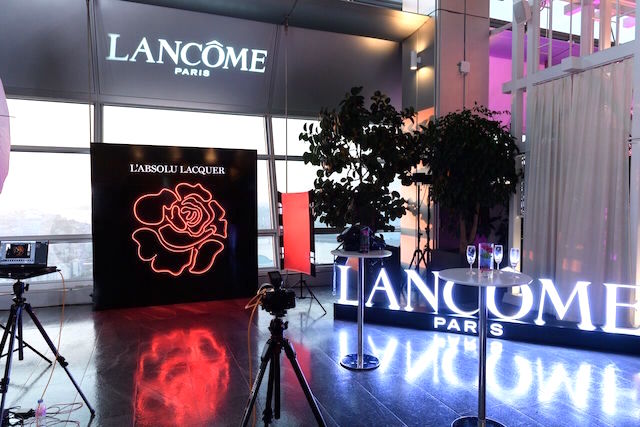
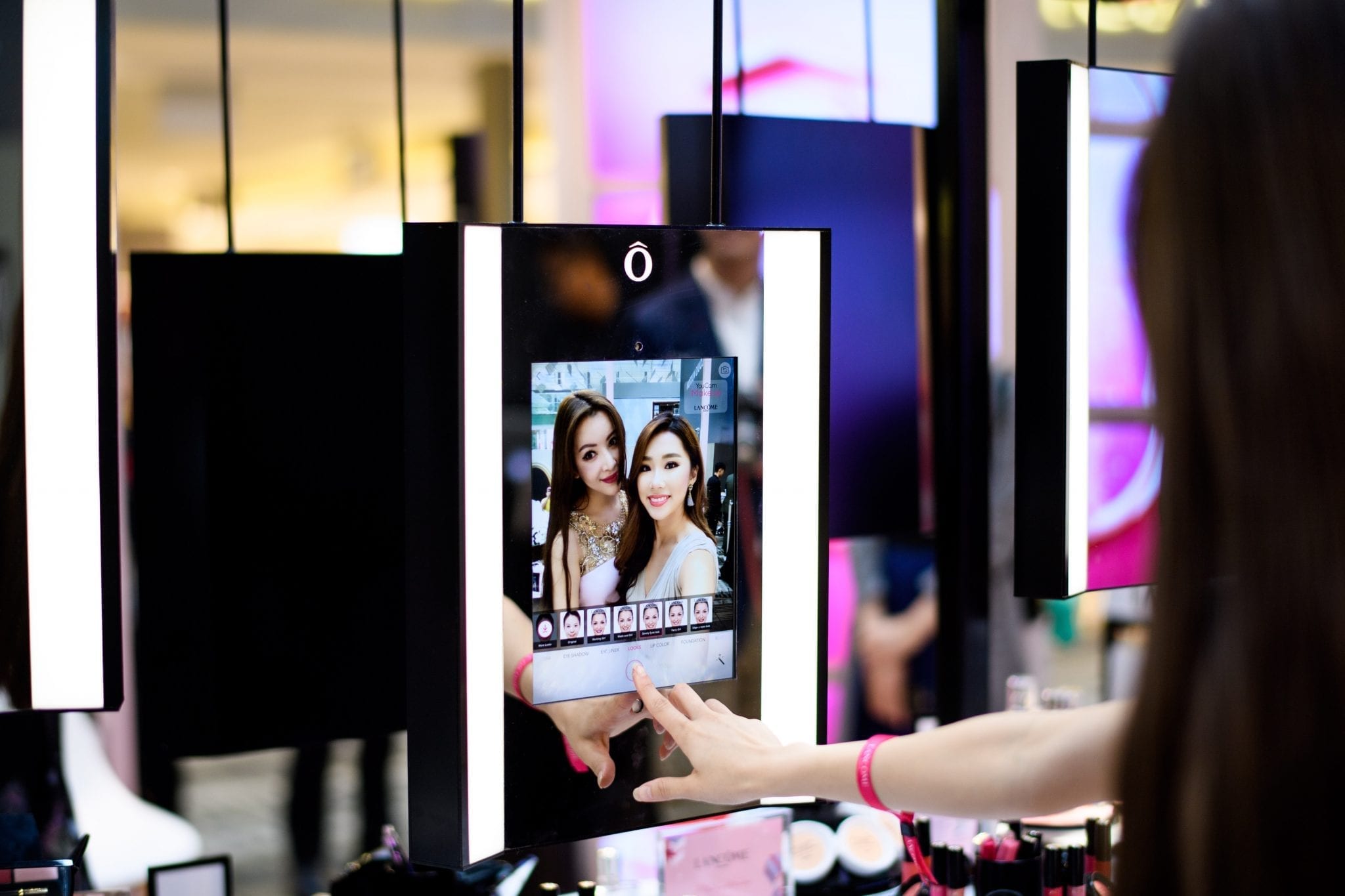
    Lancôme has teamed up with Alibaba Cloud, the cloud computing arm of Alibaba Group, to launch its Chinese New Year campaign in Hong Kong. The partnership leverages Alibaba Cloud’s cutting-edge technologies and Lancôme’s bestin-class beauty offerings to bring consumers the warmest festive wishes with fun and engaging experiences.

    As a leader of the beauty industry and a pioneer in adopting technology-enabled customerengagement, Lancôme has worked with Alibaba Cloud to create an augmented reality (AR) game for customers.

    The game, alongside a Lancôme pop-up store in Harbour City, Hong Kong, enable customers to engage with an online and offline brand experience during the Chinese New Year anywhere in the city, at any time. Lucky consumers will be able to bring home limited edition Lancôme products and special gifts.

    “Lancôme is glad to partner with Alibaba Cloud to engage with our consumers in Hong Kong using the most advanced data technologies. One of the brand’s priority is to build ‘Beauty-tech’ leveraging the latest innovations to transform our campaign and offering our customers better interactive experiences. We are excited to see these technological advancements helping us to create a modern Chinese New Year with better understanding of the consumer behavior and eventually with great business uplift with high conversion,” said Lee Sue Jong, Brand General Manager, Lancôme Hong Kong.

    “We are excited to partner with Lancôme to foster the digital transformation of Hong Kong’s retail industry. Our technologies not only offer innovative ways of engaging consumers, but also help Lancôme better understand customers’ needs using data analytic tools,” said Leo Liu, General Manager of Alibaba Cloud Hong Kong, Macau and Korea.

    Lancôme will spread joy and good wishes across the city for the coming Year of the Pig with thehelp of Alibaba Cloud’s image search technology and cloud services. Consumers can participate in a Lancôme-branded AR game on their smartphones. Those who find and capture augmented reality images of Lancôme’s signature beauty product Genifiques on their smartphone will be invited to send their seasonal wishes for a chance to win a selection of prizes.

    Alibaba Cloud Image Search is an intelligent service based on machine and deep learning. It enables end-users to take a screenshot or upload an image to search for desired products and fulfill other search requests.

    Alibaba Cloud’s cloud-based technology is part of the Alibaba Operating System, a holistic onestop solution to accelerate the digital transformation for corporations. With strong cloud-computing capabilities, the infrastructure is able to deliver insights and analytics instrumental to better satisfying customer needs and growing their business. New Retail, a strategy that drives innovation around online and offline solutions, is a key interface through which businesses can tap into the Alibaba Operating System.

    The latest collaboration on Lancôme’s Chinese New Year campaign follows L’Oréal Group’s longstanding working relationship with Alibaba businesses across multiple platforms. The beauty company has continuously deepened its use of Alibaba’s ecosystem to meet and create new aspirations from consumers. In terms of grasping the benefits of New Retail, L’Oréal Group was an early adopter of merging online and offline during the 2018 11.11 Global Shopping Festival.

  • Deciem skincare firm founder passed away

    Deciem skincare firm founder passed away

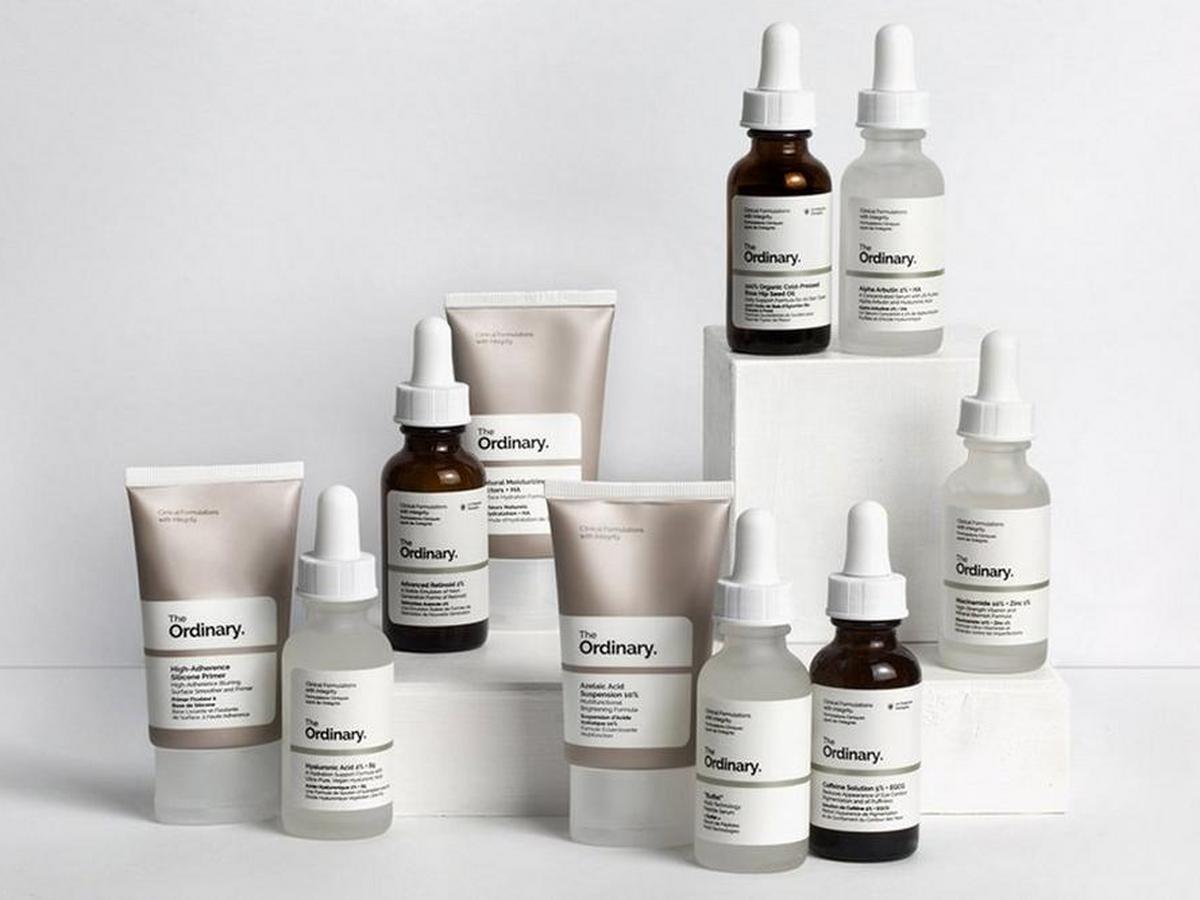
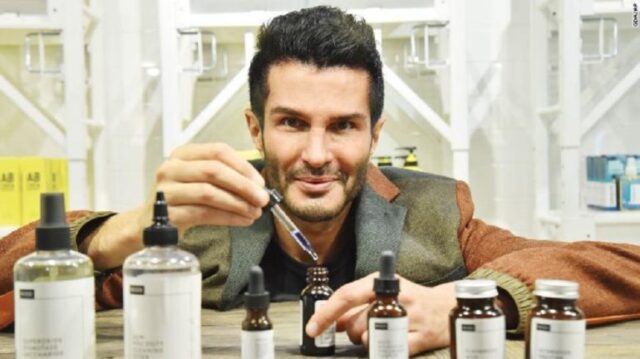
    Brandon Truaxe, the founder of Canadian skincare company Deciem, has died at the age of 40, the firm announced in an Instagram post. Truaxe launched the brand, best known for its affordable skincare line The Ordinary, in Toronto in 2013. Since then it has since expanded worldwide, with stores in the US, the UK, South Korea, Australia, Mexico and the Netherlands.

    “Brandon, our founder and friend. You touched our hearts, inspired our minds and made us believe that anything is possible,” a Monday post on Deciem’s Instagram reads.

    CIUDAD DE M?????????XICO, marzo 30 (EL UNIVERSAL).- Brandon Truaxe, joven creador del concepto, recibi?????????? a decenas de invitados en este nuevo espacio, donde las personas podr?????????n solicitar asesor??????????a sobre los tratamientos m?????????s efectivos para mejorar el estado del cutis y otras zonas del cuerpo. Foto: Agencia EL UNIVERSAL (GDA via AP Images)

    “Thank you for every laugh, every learning and every moment of your genius. Whilst we can’t imagine a world without you, we promise to take care of each other and will work hard to continue your vision. May you finally be at peace.”

    The Estée Lauder Companies, an investor in Deciem since 2017, said in a statement: “Truaxe was a true genius, and we are incredibly saddened by the news of his passing … he positively impacted millions of people around the world with his creativity, brilliance and innovation. This is a profound loss for us all.”

    Truaxe was removed as co-CEO of Deciem in October 2018 following a lawsuit brought by Estée Lauder, after his posts on the company’s social media accounts became increasingly erratic.

    “Brandon will always be the founder of Deciem,” the company posted on Instagram in October. “We will take the passion and values he has instilled within us as we continue to grow the brands we have created with transparency, integrity, authenticity, function and design.”

  • Pronovias enters China with Shanghai store opening

    Pronovias enters China with Shanghai store opening

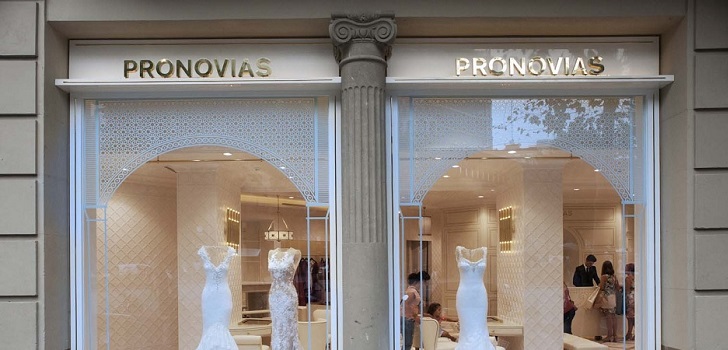
    Spanish bridalwear firm Pronovias has launched its first Chinese location in Shanghai. The 500sqm store is opening in luxury shopping centre Plaza 66, which hosts a range of high-end brands including Chanel and Dior. The move sparks off a greater strategy for the region, in which the Shanghai location will serve as Pronovias’s flagship.

    The brand was founded by BC Partners explicitly to tackle the difficult Chinese and American markets. China is the world’s largest producer of wedding dresses, and local custom is often to hire rather than buy the dress.

    The firm is simultaneously moving to expand in the US, with eight openings planned for the American East Coast.

  • LG Household sells 1 trillion won of cosmetics in quarter

    LG Household sells 1 trillion won of cosmetics in quarter

    LG Household & Health Care sold 1 trillion won ($885.2 million) of cosmetics for the first time ever in a quarter, the company said Thursday. In its 2018 fourth quarter, cosmetics sales totaled 1.05 trillion won, an increase of 18.2 percent year on year. It credits strong sales of luxury line “The History of Whoo” for the good performance, adding that Whoo became the first single brand in the domestic cosmetics industry to reach 2 trillion won in annual global sales.

    LG’s health care arm achieved another first. It recorded annual operating profits over 1 trillion won for the first time last year, while posting 6.7 trillion won in total sales.

  • Time for South Korean cosmetics to face challenges

    Time for South Korean cosmetics to face challenges

    South Korean cosmetics stores that have been the drivers of the ‘K-Beauty’ industry for the past 15 years are facing a crisis, exposing their limitations. The cosmetics industry is undergoing a series of transformations due to decreased demand from China and a change in distribution structure resulting from stagnant domestic demand and increased competition.

    Nowadays, it is common to see health and beauty shops (H&B) such as Olive Young and LOHBs reorganise and shift their main focus online.

    According to cosmetics industry analysts, the size of the South Korean cosmetics stores’ market was 2.29 trillion won (US$2.05 billion) in 2017, which reflects a rapid decrease since the peak in 2016. It is estimated that total sales last year decreased by 15 per cent from the previous year.

    With sales decreasing, the industry is closing down branches. The number of South Korean cosmetics stores began to shrink in 2017 and is estimated to have fallen to 5200 last year.

    Popular brand Skinfood is facing an imminent crisis. The company, once a huge hit with the phrase “Don’t eat, give it to your skin” entered corporate restructuring last October, after encountering difficulty securing liquidity due to excessive debts.

    Those who suffer the most in the process are franchise owners, who are protesting that the company is trying to avoid the worsening situation without taking responsibility.

    The causes of the decline of the retail shop are numerous. The first reason is the excessive competition within the industry.

    Add to this, China’s retaliatory actions as part of the THAAD missile crisis in 2017 led to huge decrease in sales.

    Changes in distribution structure have also played a role. H&B shops are now leading the market, offering a variety of brands in one place, instead of a closed structure.

    These types of stores are a gaining competitive edge as they can sell occupy low and medium-priced brands and new venture brands as well as establish strategic products.

    Retail shops became a mainstream cosmetics market in the early 2000s. Amid the economic slump, retail shops continued to grow in number as brands gradually added fast product launch strategies and functional products aligned with trends based on affordable prices.

    Chinese tourists clearing out the shops in the wake of the Korean wave contributed to the growth of retail shops. However, in the current situation, retail shops are only beginning to restructure.

    While some chains of South Korean cosmetics stores are choosing to downsize their branches, others have chosen to invest aggressively.

    Those who chose aggressive investment plans in a bid to become global cosmetics companies hope to achieve economic success despite the difficult situation and uncertain prospects for the future.

  • Lotte’s Ministop deal falls through

    Lotte’s Ministop deal falls through

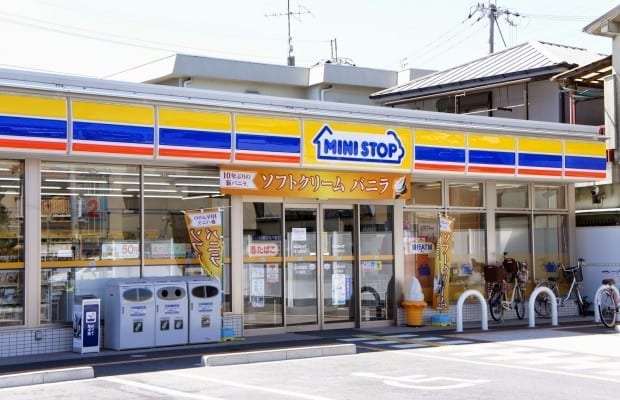
    The sale of convenience store chain Ministop fell apart as potential bidder Lotte and the Japan-based convenience franchise failed to agree on a price. The AEON Group of Japan, the largest shareholder of Ministop Korea, filed a notice on Monday that it has suspended the sale process to sell its full stake in the unit. The AEON Group owns a 76.06 percent share while Daesang Group, a Korean food conglomerate, has a 20 percent stake. Japan’s Mitsubishi holds 3.94 percent.

    Ministop Korea also notified its workers of the suspension, vowing to keep searching for a potential suitor.

    Executives from AEON and Ministop visited Seoul over the weekend to meet Shin Dong-bin, chairman of Lotte Group, which also owns 7-Eleven in Korea.

    The retail giant has been considered the likeliest buyer since it reportedly offered the highest price of around 400 billion won ($357.3 million).

    Other competitors include Shinsegae, which owns convenience store franchise Emart24, and Glenwood Private Equity, a local private equity firm.

    Ministop opened a bidding process back in November, but delayed selecting a preferred bidder.

    The introduction of a government regulation banning the opening of convenience stores within 80 meters (262 feet) of another store led to Ministop requesting a higher price, according to local media outlets.

    Ministop’s sale garnered attention from the beginning because it could impact the highly-competitive convenience store chain market in Korea.

    Ministop operates 2,500 stores across the country. If Lotte had succeeded in acquiring Ministop, it could have increased its number of stores from 9,500 to 12,000.

    CU runs the most stores, at 13,109, while the second player is GS25 with 13,018.

    Emart24 ranks fourth with 3,564 stores.

  • Manolo Blahnik opens its first flagship store in Taiwan

    Manolo Blahnik opens its first flagship store in Taiwan

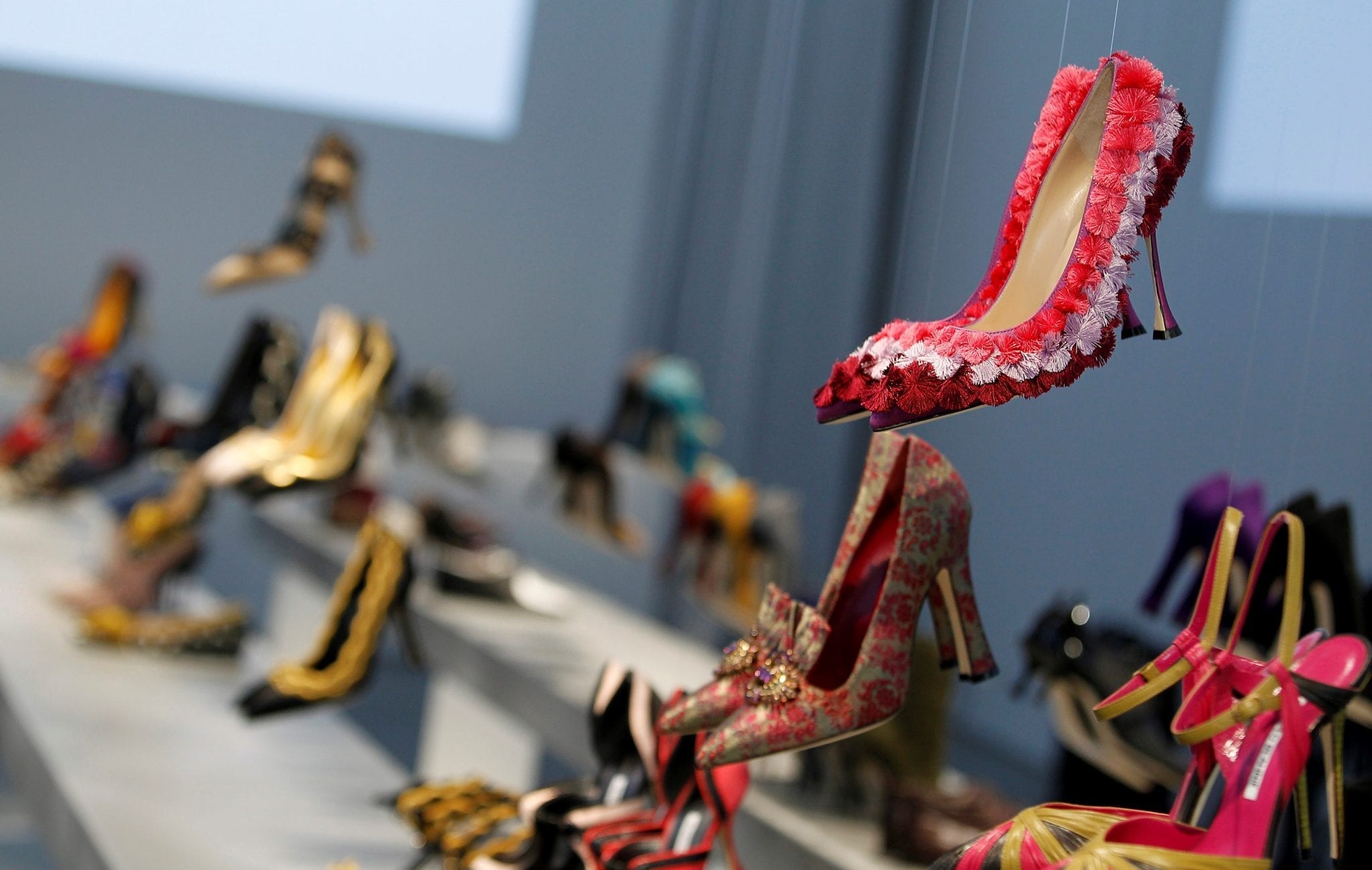
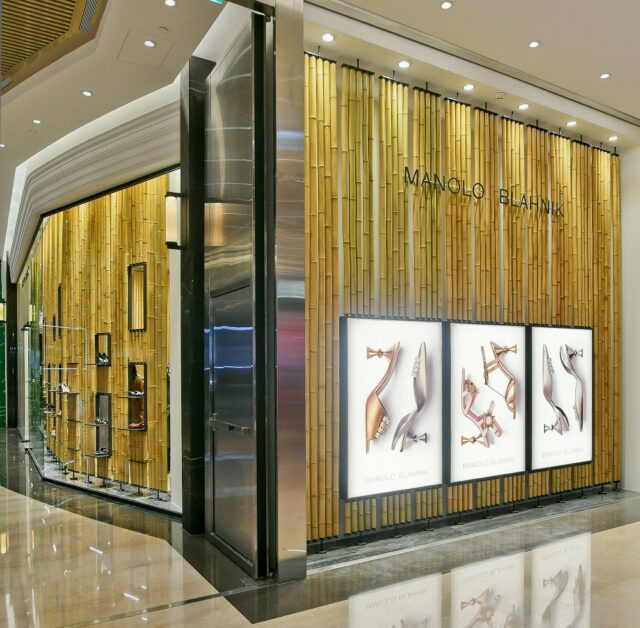
    In May 2018, Manolo Blahnik opened its doors to the public at the triple tower complex Marina Sands Bay in Singapore, strengthening its presence in Asia with Bluebell Group. In January 2019, Manolo Blahnik continues its expansion into Asia with the opening of its first flagship store in Taiwan. The brand is known for its original and creative flair as well as timeless classic styles, which loyal customers from film stars to leading editors, to women who just trust his perfectionism, come back to again and again.

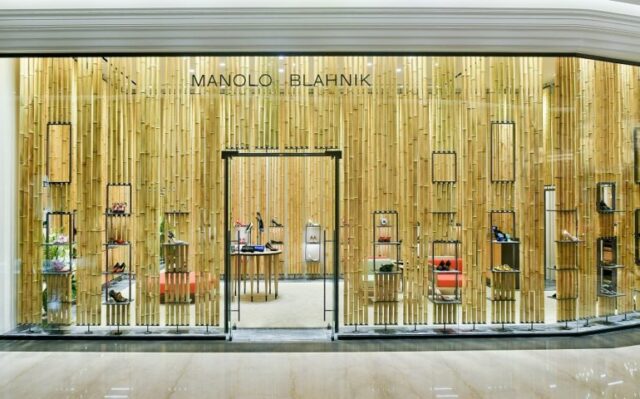
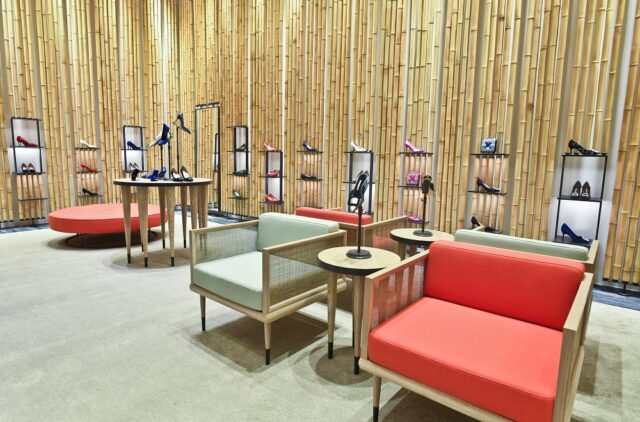
    The newly opened Manolo Blahnik store, a 65 square metre space with a privileged location within the Nanshan Plaza shopping centre, showcases the world-renowned shoes on the first floor of the new upscale retail destination.

    Nick Leith-Smith, the brand’s long-serving architect, said: “Taipei flagship celebrates a material play on Taiwan’s deep cultural and historical connection to bamboo – with a rotating bamboo forest as a central motif. At first, orderly, and geometric, yet with the dynamic movement introducing a curious playfulness to entice and enchant.”

    The new store is another step forward for the company in its expansion across  important markets; and another milestone achieved in the history of the family-owned business that has prevailed in the luxury shoe industry for nearly fifty years.

    The creative soul of the brand is still Mr. Blahnik who, with a career spanning over 40 years, has become one of the world’s most influential footwear designers. His shoes have spellbound an international set of adoring and loyal devotees across the globe.

    He was born in the Canary Islands to a Spanish mother and a Czech father, he studied languages and art in Geneva before moving to Paris in 1965 where he decided to become a set designer.

    On a visit to New York in 1970, he showed his theatre designs to Diana Vreeland, then editor-in-chief of American Vogue, who honed in on his shoes and encouraged him to concentrate on them. Blahnik learnt the art of making shoes by visiting factories, where he talked to machine operators, pattern cutters and technicians. By 1970, he was in London making shoes.

    A year later, Ossie Clark, then the most famous designer in London, used his shoes and from there his career blossomed.

    Manolo Blahnik was established in 1970 with the opening of the first boutique
    in Chelsea, London. It is still a privately owned and family run business with Mr. Blahnik as Creative Director and his sister Evangelina Blahnik led by the enthusiasm of  Kristina Blahnik.

    Kristina, CEO of the company since 2009,  is in charge of brand expansion and optimization of the business worldwide, and in Asia, their transformation is the the result of a long-term partnership with Bluebell Group, which stated in Japan, Malaysia, and Singapore, and Taiwan.

    Kristina, the walking embodiment of the woman her uncle, Manolo designs for, before the latest opening said: “I am thrilled at our new venture with the Bluebell group, they have already demonstrated to be an excellent partner in launching beautiful spaces in prestigious locations”.

  • Amorepacific’s eSpoir sets foot in Thailand

    Amorepacific’s eSpoir sets foot in Thailand

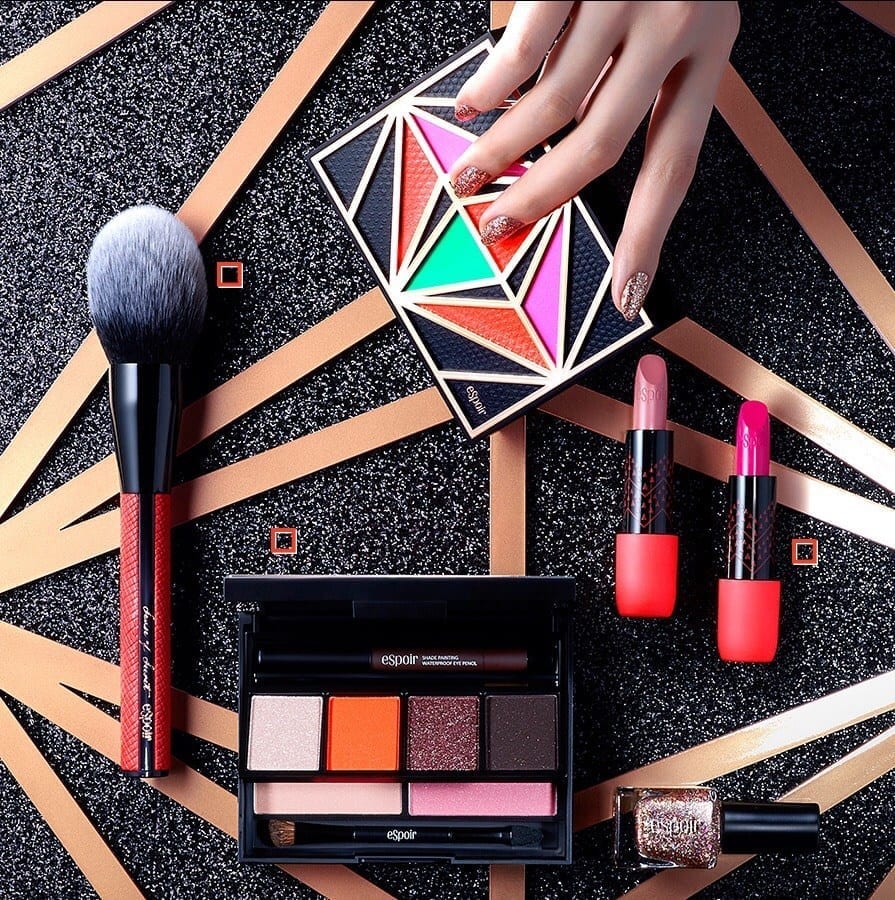
    Amorepacific-owned makeup brand eSpoir has launched in Thailand via cosmetics retailer chain Eveandboy. Nearly 130 eSpoir products are available at Eveandboy stores at Siam Square One shopping mall and at Terminal 21 near Asoke Station. The highest-profile eSpoir products include Dewy Face Glow moisturiser with hyaluronic acid, No Wear Lipstick, and Pro Tailor Foundation Be Silk / Be Glow.

    The South Korean brand will launch in eight more Eveandboy stores and an online mall to build a strong presence in the Thailand beauty market and expand channels.

    Amorepacific says it plans further expansion into other Asean countries.

    “We are pleased to be able to bring Korea’s representative makeup brand, eSpoir, to Thailand, the largest beauty market in the Asean region. The launch of eSpoir will surely strengthen our brand portfolio in Thailand and drive further growth,” said Choi Woong, Amorepacific Thailand GM.

    The group will diversify its brand portfolio spanning skincare and makeup for its sustainable growth in Thailand.

    Other brands available in Thailand including Sulwhasoo, Laneige, Mamonde, Innisfree and Etude House.
    Founded in 1945, Amorepacific sells more than 20 cosmetics, personal care, and health care brands in Asia, North America, and Europe.

  • The Palace Museum in Beijing promotes beauty products

    The Palace Museum in Beijing promotes beauty products

    For 500 years the Forbidden City in central Beijing was the seat of power in imperial China. Today it is home to the Palace Museum, a tourist magnet that houses some of the country’s most treasured cultural relics from the Ming and Qing dynasties. But this shrine to the past is rapidly becoming a very modern fashion phenomenon thanks to a new range of beauty products that have proved a massive hit with young Chinese women.

    Online buyers snapped up more than 100,000 lipsticks developed by the Palace Museum within four days of their launch earlier this month, helping to turn the historic landmark into a trendy consumer brand.

    What captured their hearts was the lipstick’s elegant packaging inspired by the national treasures on display in the museum – the lipstick tube bears patterns such as royal embroideries, antique furniture and fairy cranes – heavenly birds symbolising longevity.

    Lizzy Wong, a 24-year-old from the southern metropolis of Guangzhou, is one of millions of loyal new fans of the Palace Museum.

    “I bought them mainly for the beautiful cases. Their functionality doesn’t really matter to me,” Wong said. “We girls just can’t resist the charm of pretty designs.”

    For several years, the former imperial palace has attracted something of a cult following by developing and selling its own original products, from Chinese-style paper tapes to modern essentials like phone cases, with designs or branding inspired by the past.

    Before cosmetics, the Palace Museum found success with products which usually added a humorous twist to the serious traditional culture.

    Veronica Wang, associate partner at OC&C Strategy Consultants, which specialises in consumer goods, said the Palace Museum has turned itself into something more than a brand.

    “Young consumers are seeking things that are different and new. The Forbidden City captured this need,” Wang said.

    The success of the make-up range hasn’t been without challenges. The museum has two online outlets, the Palace Museum Cultural and Creative Store – which is accessed via WeChat and the Palace Museum’s Taobao store, and this has caused some confusion.

    The Palace Museum’s brand management was chaotic and would benefit from marketing and brand professionals, said Shaun Rein, the managing director of China Market Research Group.

    “When you think of The Metropolitan Museum of Art (in New York), you know that the quality will be pretty good and authentic. But when it comes to the Forbidden City, we really don’t know what the position is,” he added.

    Analysts also worry about whether the Palace Museum can replicate its past successes in the future.

    “The sustainability of this success will depend on their products and capability to continually innovate,” said Wang.

  • The Lipstick Effect drives South Korea cosmetics sales

    The Lipstick Effect drives South Korea cosmetics sales

    The Lipstick Effect has seen a rise in cosmetics sales despite South Korea’s economic downturn of 2018. The term The Lipstick Effect describes the phenomenon whereby colour cosmetics sales surge during a recession as consumers turn to small-ticket luxuries to lighten their mood.

    Major South Korean health and beauty retailer Olive Young saw a 35 per cent jump in colour cosmetics sales last year – the first time this product range has topped its best-selling category list – as the country struggled with sluggish job markets, conservative corporate investment and overall low consumer spending. Health functional food and hair products grew 32 per cent and 22 per cent respectively over the period.

    The outlook for cosmetics sales looks similarly bright this year as the rest of the South Korean economy is expected to wallow at 2018 levels.