Tag: beauty

  • L’Oréal, KÉRASTASE open their flagship store in Hong Kong

    L’Oréal, KÉRASTASE open their flagship store in Hong Kong

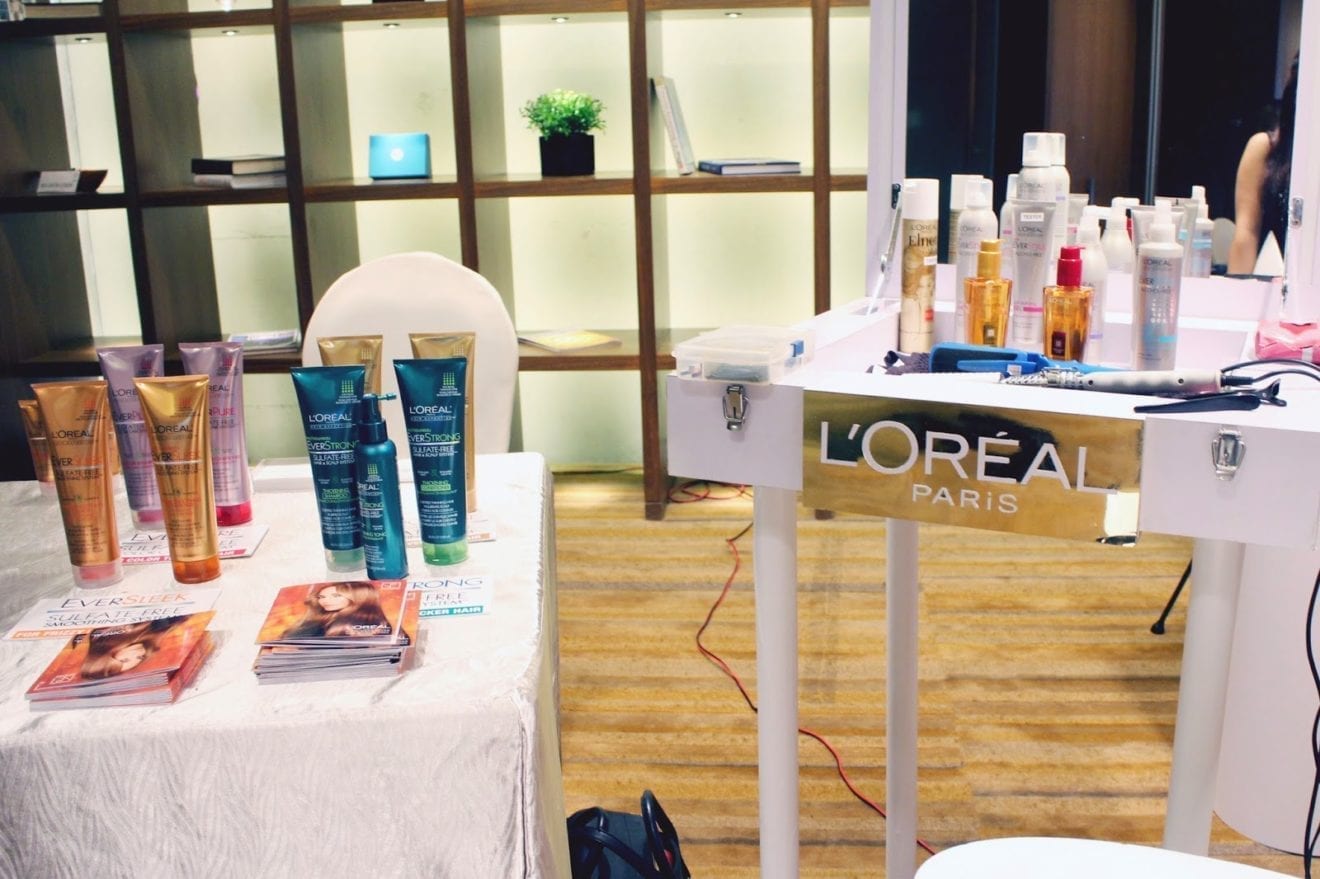
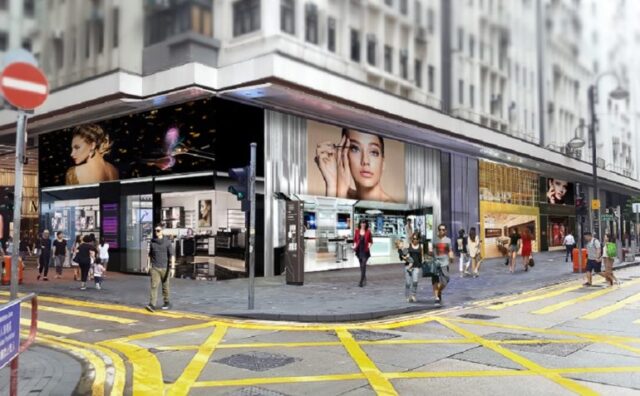
    Hong Kong’s stylish hotspot Fashion Walk proudly announces the arrival of SkinCeuticals and KÉRASTASE – two of L’Oréal Hong Kong’s leading beauty brands, introducing a unique all-in-one beauty ritual that tends to your retail, cosmetic and haircare needs. With SkinCeuticals’ global first one-stop skincare flagship store and KÉRASTASE’s haircare concept store, Fashion Walk launches the beauty hub – a cosmetics mecca that is set to transform fashionistas’ beauty experience.

    Ms. Bella Chhoa, Director of Leasing & Management of Hang Lung Properties, describes the addition of SkinCeuticals and KÉRASTASE as the birth of a “Beauty Revolution”.

    “It is a real pleasure to have SkinCeuticals and KÉRASTASE – the two top beauty brands of L’Oréal Hong Kong – join us in Fashion Walk. Causeway Bay is a magnet for trendsetters, yet we all know how scarce retail spaces are right here. At its prime location in the area, Fashion Walk is obviously the hub of international fashion labels. Last year, we extended our partnerships with a number of cosmetics brands. This year, we’ll keep up with the strategic effort. Our brand new beauty hub promises to bring an unprecedented beauty experience to all stylish minds in town.”
    Ms. Eva Yu, President & Managing Director of L’Oréal Hong Kong, also envisions a new chapter in the cosmetics industry prompted by SkinCeuticals’ one-stop skincare flagship store and KÉRASTASE’s haircare concept store at beauty hub.

    “L’Oréal Hong Kong endlessly looks for retail spaces of development potential. The two stores in Fashion Walk feature an exclusive studio for customers to try out every stroke, swipe and dab, which guarantees a one-of-a-kind experience. We’ll put down a remodeling budget of almost ten million dollars to ensure that our customers will revel in the brand new stores.”

    Located in the heart of Causeway Bay, Fashion Walk boasts an occupancy rate of over 95%, housing the flagship stores and concept stores of an impressive array of international chic labels, including the two beauty trailblazers.

    Founded in the USA, SkinCeuticals is guided by its unparalleled Integrated Skincare philosophy that aims to promote and improve skin health. Its first-ever flagship store in Fashion Walk also pledges to provide customers with a range of skin health restoration plans that combine the most trusted dermatological innovations and cosmetological aids.

    French hair and scalp care expert KÉRASTASE has earned its recognition in the field thanks to its commitment to hair care since its founding in 1964. Its concept store in Fashion Walk not only offers a wide selection of cutting-edge products, but also an original mode of retail with hair treatment services in a soothing environment. The professional guidance of KÉRASTASE haircare consultants and bespoke treatments will surely satisfy customers’ desire for exceptional hair.
  • Zara campaign featuring model with freckles sparks debate in China

    Zara campaign featuring model with freckles sparks debate in China

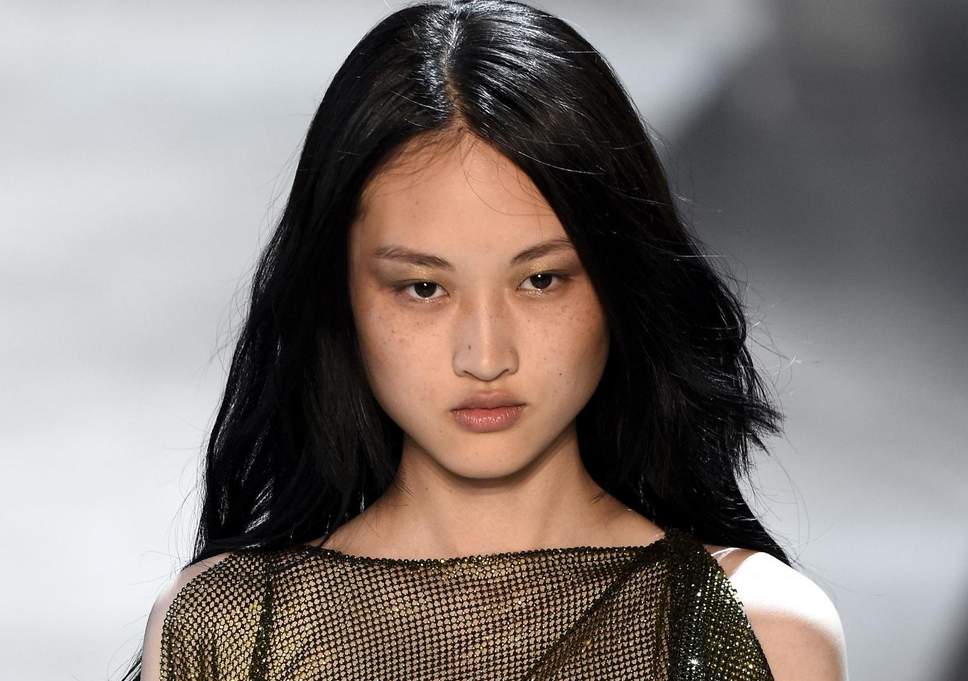
    Spanish fashion retailer Zara appears to have inadvertently sparked off a social media furore over the appearance of freckled Chinese model Jing Wen in one of its recent ads. In China, spots on the face are generally considered blemishes and are associated with disease and old age. Freckles are somewhat rare. In a country where racial homogeneity is a touchstone for beauty, outliers – the bushy eyebrowed, the wavy haired – are unlikely to be considered attractive. In the fashion industry, however, it’s these outliers who tend to have the unique, striking looks that brands prefer for their ambassadors.

    Despite hating her freckles as a child, Guangzhou model Jing Wen eventually learned to accept and capitalise on her point of difference. As a model for such brands as Calvin Klein and H&M, her face has even been called “iconic” by China’s media. Even so, her recent work with Zara has produced an outcry among local netizens who claim the use of the model intentionally “uglifies” the Chinese people.

    A BBC report on the freckled Chinese model quoted some disgruntled users of the Weibo microblog as voicing their anger over the images. “Such pictures featuring an Asian model with freckles and an expressionless pie-shaped face mislead Westerners’ impressions about Asian women,” said one user, “and can lead to racism against Asian women.”

    A spokesperson for Zara interviewed by Pear Video website commented that the advertisements were targeted at their global market, and not specifically at China.

    “The aesthetics of the Spanish people are different,” they said, adding “our models are all photographed purely, the pictures aren’t changed, and they’re not modified.”

    Zara’s response has provoked considerable debate within China on the issue, with some claiming the model has been bullied only by her fellow Chinese, and that more should be done to help China’s people embrace beauty in diversity. Others have called into question the false patriotism of those too eager to mount an attack on foreign brands.

  • The personal care company start using refillable containers

    The personal care company start using refillable containers

    On a trip to Thailand in 2017, serial entrepreneur Brian Bushell went diving for the first time and expected that the water would be pristine. Instead, it was filled with trash. “We were about to dive off the back of the boat, and all of the sudden we’re surrounded by junk plastic containers,” he says. That night, he went back to his hotel room and looked at the products he had sitting on the bathroom counter. “I realized that I was part of the problem.”

    Bushell, who had recently left Baked by Melissa, the chain of successful New York City-area cupcake bakeries he co-founded, started researching the challenge of plastic waste.

    “We learned that a third of all the single-use plastic products in landfills are personal care products,” he says. “So we decided that personal care was really an important nut to crack.”

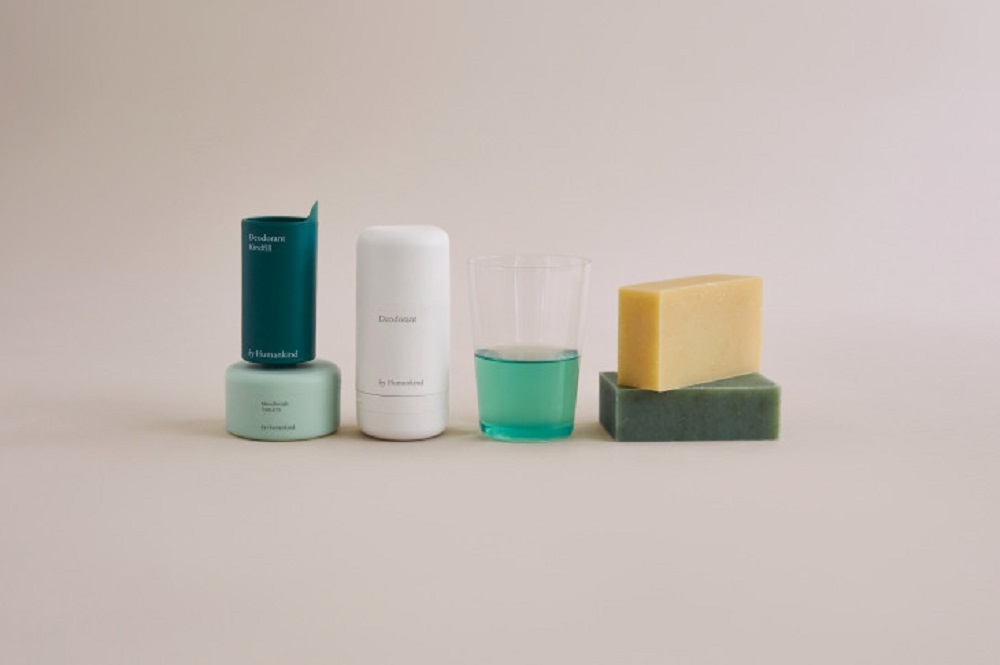
    With co-founder Joshua Goodman, he started working on By Humankind, a new line of personal care products that launched today. Each product eliminates single-use packaging.

    A new type of deodorant, made from natural ingredients that the company says are formulated to kill bacteria more quickly than other natural products, comes in a reusable container the first time you order. (The reusable container is plastic; the founders say they believe that plastic is not inherently bad, but it needs to be designed in a way that it doesn’t immediately land in the trash.)

    In the next order, the product shows up in a paper pod that pops into the original package and then twists out like a typical deodorant. The company’s mouthwash comes in tablets that customers drop in water, eliminating the need for a plastic bottle. Its shampoo comes in a bar form wrapped in paper instead of liquid in a bottle.

    Unlike Loop, a new experiment from major brands that will sell products like deodorant in packaging that is sent back to manufacturers for reuse, the startup thought that it made more sense to make packaging that consumers would keep and reuse themselves.

    “We didn’t think that customers were going to want to do the work to send it back,” Bushell says. “And there’s also an additional cost in that reverse or return logistics.”

    With the first three products, available online, the startup has calculated that in a year, an average American consumer can keep five pounds of plastic out of the environment. The company will also donate $1 for ocean plastic cleanup for each first purchase of a product. It plans to continue adding new personal care products.

    “Our whole thesis is, what if you could help save the world from single-use plastic just by getting ready in the morning?” he says. “And so anything that’s within that morning routine is within our target.”

  • AS Watson to start selling Amorepacific

    AS Watson to start selling Amorepacific

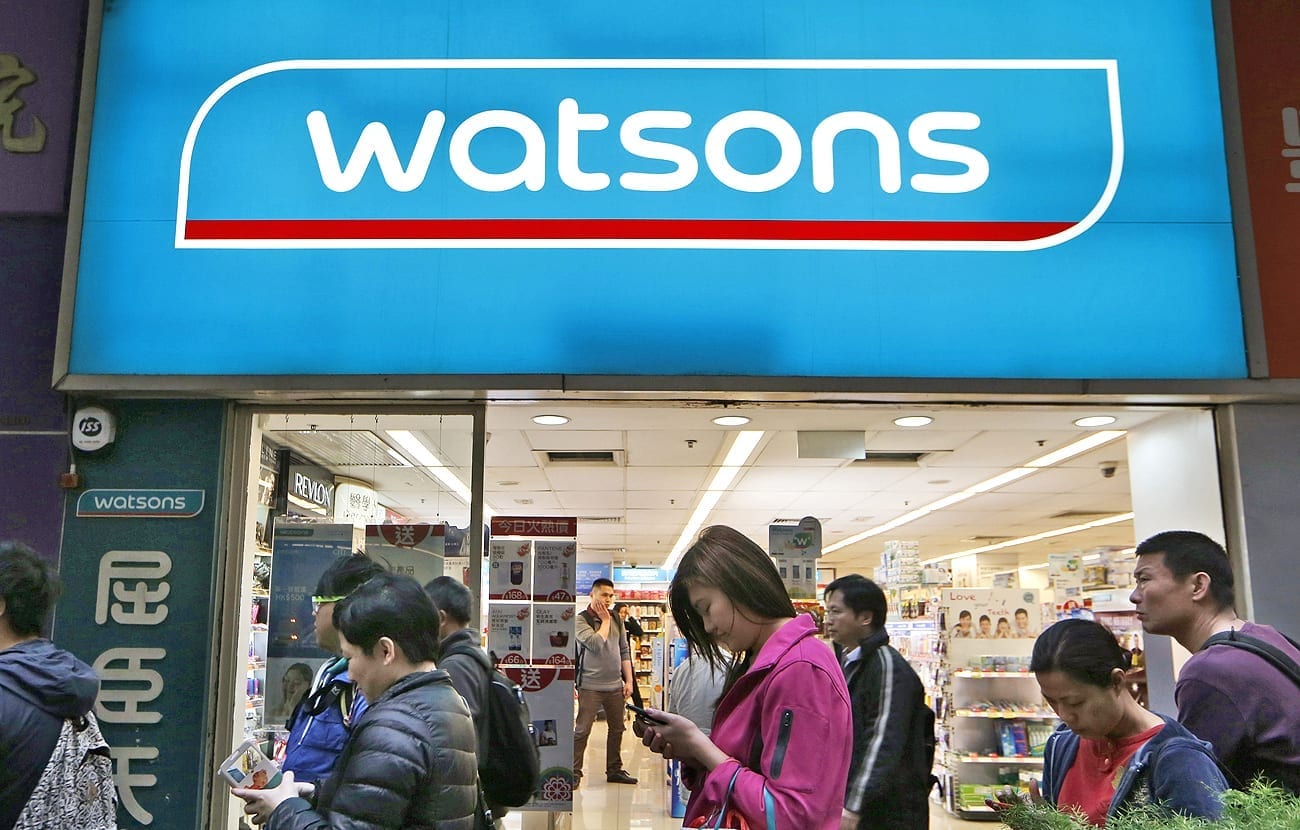
    South Korean beauty group Amorepacific and AS Watson have expanded their partnership to cover Asia and Europe. The partnership will enable Amorepacific to increase its product presence through Watsons-owned stores and online. Before this, the two had already partnered to launch Amorepacific’s botanical skincare brand Mamonde, haircare brands RYO and Mise-En-Scene across Asia.

    “AS Watson and Amorepacific are both leading players in serving beauty customers. Our customers love Korean beauty products that bring not only innovation but also quality. This is what Amorepacific can provide,” said Malina Ngai, AS Watson Group COO.

    “Through this partnership, we are both passionate and committed to combining our knowledge and capabilities to bring the best products and shopping experience to our customers.”

    Saehong Ahn, president of Amorepacific Corporation and Malina Ngai, group COO of AS Watson Group sign the strategic partnership.

    President of Amorepacific Saehong Ahn said the group “looks forward to developing concrete plans that create synergy and is a win for both companies”.

    “Amorepacific will continue our efforts to expand accessibility for customers globally, and create novel experience for customers this year.”

    AS Watson Group has a store network of more than 14,900 stores under 12 retail brands in 25 markets. Included in that are about 6800 Watsons health and beauty stores in 12 markets in Asia and Europe.

    Core customer groups are relatively young, and K-beauty is experiencing 56 per cent compound sales growth since 2015, and gaining traction in Europe with last year’s growth at 122 per cent.

    Amorepacific is the leading beauty company in South Korea, with more than 70 years of experience in beauty and a wide brand portfolio.

  • Leather brand Kompanero to expand in Europe

    Leather brand Kompanero to expand in Europe

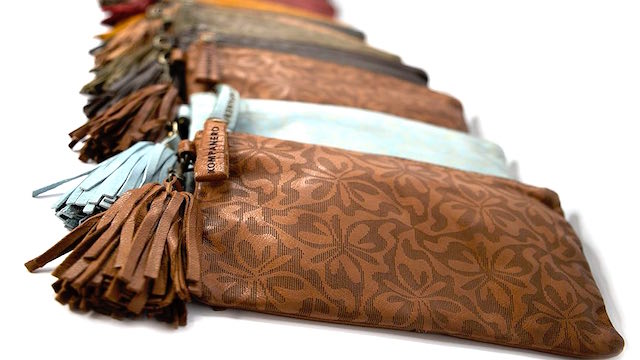
    India’s premium leather bag brand Kompanero plans to open 100 outlets by 2025. The company will open four stores, raising its network to 34, this year. “With four new stores in the pipeline, we are expanding our presence in existing cities with Express Avenue Mall in Chennai and Sarath City Mall in Hyderabad,” said Indranath Sengupta, Kompanero CEO. “In addition, the brand’s airport presence is being strengthened with our newly launched store at Guwahati Airport and Chandigarh Airport, and an upcoming one at Chennai Domestic Airport.”

    The brand is also entering Europe this year with its exclusive stores; however, the exact location of the first store has yet to be revealed.

    The company’s turnover has grown by 60 per cent within the last year.

    Kompanero products are available in Australia, the UK, Japan, and Korea via distribution networks as well as e-commerce portals including Amazon, Myntra and Jabong.

  • LVMH registers company called “Project Loud” with Rihanna

    LVMH registers company called “Project Loud” with Rihanna

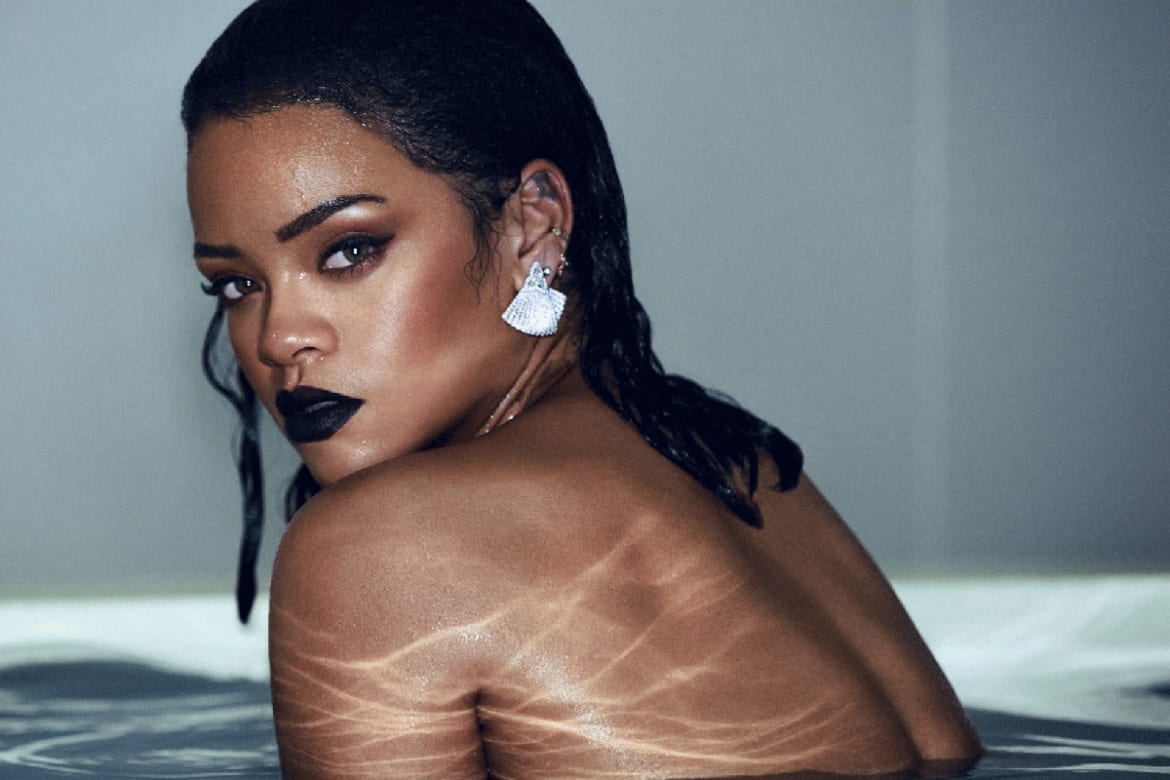
    Plans by luxury fashion house LVMH to quietly collaborate with popular celebrity Rihanna on a new fashion business have been exposed, according to Fashion United. Citing a Fashion Network report on the partnership, the website reveals that the new fashion company Project Loud – originally registered as a shell firm in 2017 – took in a €60 million (US$67.8 million) capital investment from LVMH last year. The firm’s president was shown to be senior LVMH executive Jean-Baptiste Voisin.

    Rihanna’s Fenty line – which, according to LVMH chairman Bernard Arnault achieved €500 million in sales last year – was also launched with the support of LVMH. Its Fenty x Puma collaboration in 2017 resulted in a boost in Puma sales by 23 per cent.

    The success of Fenty indicates high potential sales volumes for Project Loud and bodes well for this latest LVMH investment.

    News of the collaboration first broke in January when online portal WWD and the New York Times cited multiple unnamed sources confirming plans.

    Writer Vanessa Friedman flagged the question “Is Rihanna the Coco Chanel of the 21st century?” in a feature published last month.

    “Robyn Rihanna Fenty, one of the defining musical artists of the millennium and a multi-hyphenate talent, has no formal fashion training. What she does have is a clear vision for her own image, 14 No. 1 singles on the Billboard 100 chart and more than 50 Top 40 hits, 67 million Instagram followers, and an ability to disrupt the status quo,” Friedman wrote.

    “While the details of the agreement remain unclear, it is a turning point in both fashion and fame.

    “The combination of Fenty and LVMH will be the clearest expression yet of how celebrity, social media and influencers have redefined the power balance between culture and consumption, changing the way brands of all kinds relate to their audience,” wrote Friedman.

  • BA&SH expects to quadruple sales in Greater China

    BA&SH expects to quadruple sales in Greater China

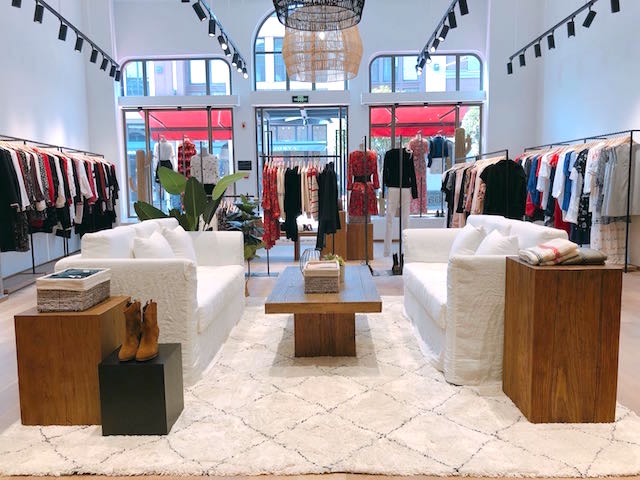
    Affordable luxury brand BA&SH has marked the second anniversary of its launch in Asia by revealing plans to quadruple its sales in the region within two years and introduce a new store concept. Last year the company opened seven stores in Mainland China, three in Hong Kong and two in Macau, taking its Greater China footprint to 20 points of sale.

    “We are thrilled about Hong Kong hitting the podium already and convinced China has the potential to drive the brand’s growth in a near future,” says Isolde Andouard, BA&SH’s CEO for Apac.

    “Asian market accounts for 6 per cent of our global sales as of today and we are targeting to reach 17 per cent by 2020. We forecast to multiply our turnover fourfold within the next two years,” she said.

    Stores in Hong Kong and Mainland China achieved profitability after just three months of operation, allowing the brand to build a regional store pool contributing significantly to global results.

    BA&SH unveiled a new store concept in the US last September, located in New York City’s Nolita neighbourhood, a store designed around themes of friendship and customer experience.

    “We chose New York to test the water with this new concept as this retailtainment experience must be combined with a heavy digital approach and US is clearly ahead of time on this,” says the company’s global CEO Pierre Arnaud Grenade.

    “As the US and Asia are our two strongest focuses for the time being, Hong Kong will definitely be the second city to inaugurate this model.”

    Sustained investments from LVMH-sponsored L Catterton have been supporting BA&SH’s strong growth over the past years and a strong emphasis on Greater China was seen as critical to the brand’s globalisation.

    Hong Kong stores, the first of which opened almost two years ago, now rank within BA&SH’s top five worldwide in turnover. Andouard says that proves the BA&SH concept is a great fit for Asia, with the Hong Kong stores recording average like-for-like sales growth of more than 40 per cent year on year. Some stores in Greater China doubled their sales year on year.

    BA&SH has focused on opening boutiques in premium locations and already counts most of the city’s major retail property owners among their landlords – including Swire, Sun Hung Kai, Sands, Wharf, China Resources and Value Retail.

    “We didn’t bet on such a warm welcome from the local operators, because BA&SH is quite a new concept to Asia,” says Laura Marquant, strategy & development director Apac. “Yet we see the market is becoming more mature and is looking for the freshness BA&SH is offering.”

    E-commerce focus

    Meanwhile, on the strength of the Greater China success, BA&SH has expanded its reach online through Alibaba, opening a flagship on Tmall last June, less than a year after the brand launched in Mainland China.

    “As far as digital is concerned, New Retail and omnichannel are more than ever on the table, and the redesign of the brand’s Hong Kong website with new features and tools are the next steps to come,” says Andouard.

  • Vietnamese women up makeup spending

    Vietnamese women up makeup spending

    More Vietnamese women are wearing makeup and spending more on makeup products, a new survey finds. The survey finds that Vietnamese women spend an average of VND300,000 ($13) on makeup products a month, with those with higher incomes spending even more. This number marks an increase of 5.4 percent from VND284,000 ($12.2) in 2016, says market research firm Q&Me, which carried out the survey.

    Women with higher incomes spend more on makeup products, the survey found. Those with an income of over VND20 million ($865) spend VND442,000 ($19) per month on average, while those with less than VND10 million ($433) spend just VND215,000 ($9).

    Over half, 51 percent, of the respondents said they apply makeup at least once a week, and 30 percent said they do so every day.

    The ratio of those who do not use makeup decreased from 24 percent in 2016 to just 14 percent this year.

    Women with higher incomes make up more often, the survey found. Forty-two percent of those who make more than VND20 million ($865) a month make up every day, while only 24 percent of those who make less than VND10 million ($433) per month do so every day.

    The most popular occasion to wear makeup is for a party, 87 percent of respondents said, followed by hanging out with friends (61 percent) and dating (52 percent).

    Skincare is the most used makeup product, with 73 percent of respondents saying they use it at least once a week.

    Lipstick is the most popular makeup item, carried by 88 percent of respondents whenever they go out of their homes.

    The time taken to make up has increased in recent years, the survey found. The ratio of respondents who make up in 10 minutes or less dropped from 51 percent in 2016 to 33 percent this year, while the percentage of those who take 11-30 minutes increased from 48 percent to 62 percent.

    Online shopping is the most popular way to buy makeup products, with 57 percent of respondents choosing this option, of whom 39 percent said they shop online every month.

    The main reason they shop online is convenience, 44 percent of respondents said, followed by better quality (43 percent) and good price (40 percent).

    The most frequent online shoppers of makeup products are women aged 23-29 with monthly incomes of over VND20 million ($865).

    Shopee as the most popular online shopping service, with 59 percent of respondents saying they have used it before, followed by Lazada (43 percent) and Facebook (40 percent).

    The survey polled 500 women aged 16-39 in Hanoi, Ho Chi Minh City and other localities.

  • Bigbasket India expands its offerings to include beauty products

    Bigbasket India expands its offerings to include beauty products

    Bigbasket has made its foray into the beauty and cosmetics category. The company is already a leader in FMCG sales, staples, and fruits and vegetables, has about 10 million subscribers, and is clocking over 1 lakh orders per day. With this new category, bigbasket has cemented its place as the one-stop-shop for all customer needs in groceries.

    The vast range of cosmetic products on the beauty store by bigbasket includes eyeliners, kajal, face creams, nail colors, lipsticks, hair colors, perfumes, deodorants, etc. which can be purchased on the website or through the app. Some of the prominent labels featured include Lakme, L’Oreal, Garnier, Elle18, Lotus Herbals, and Maybelline, among others.

    Customers can make choices based on their skin type, preferred brand, benefits, formulation, etc. There are also exciting discounts of about 25 percent to 40 percent on selected brands and products.

    Speaking about this, Seshu Tirumala, National Head, Buying and Merchandising, bigbasket, said, “bigbasket’s customers can now look forward to far larger variety in our offering with our most recent addition of beauty products. The foray into beauty and cosmetics category comes at a time when we are already growing at a frenetic pace in the market. With this category, we aim to transcend our existing customer base and take the venture a notch higher – both in terms of the customer base and revenue. We will be providing the widest range of affordable and regularly used beauty products to our customers.

    With a dominant share in the market space, bigbasket now aims to raise additional investments up to US$ 200 million over the next few months. The FMCG sales overall (food and non-food) contribute to over 50 percent of its business, another 30 percent comes from staples (including 14.5 percent from private labels) and 18 percent is from fruits and vegetables. The Alibaba-backed company expects to break even in the 10 large cities by next June and aims at becoming a billion-dollar company by the next fiscal year. The company has a presence in 25 cities and plans to launch its operations in Kochi soon.

    Recently, bigbasket acquired Pune-based RainCan and Bengaluru-based Morning Cart to deliver milk to 20,000 customers. The service has been launched in 7 cities and is expected to roll out to another three cities among the top 10 metros. The milk delivery business is expected to clock Rs 10 billion by next year.

  • Cle de Peau Beaute debuts in Thailand

    Cle de Peau Beaute debuts in Thailand

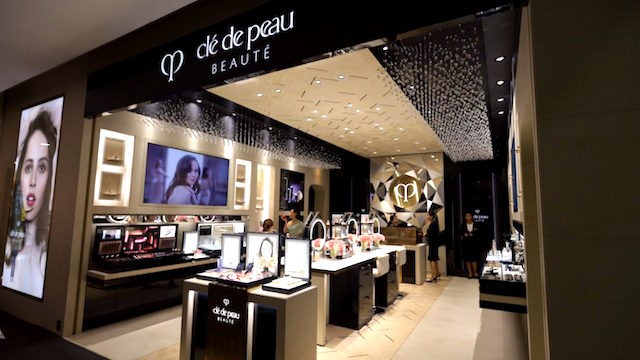
    Japanese luxury skincare brand Cle de Peau Beaute has opened its first location in Thailand. Launching in the Helix building, Emquartier, the new store expects to cater to the brand’s cult following in the market. The venue is designed to reflect the luxurious lifestyle of modern women, with a ‘Radiance Wall’ illuminating the entire retail space and a gallery with storied details of selected products.

    The launch is being marked with the announcement of the brand’s new influencer, actress, artist and director Manasnan Panlertwongskul, and the unveiling of its latest lipstick.

  • YSL opens pop-up store to celebrates Valentine’s Day

    YSL opens pop-up store to celebrates Valentine’s Day

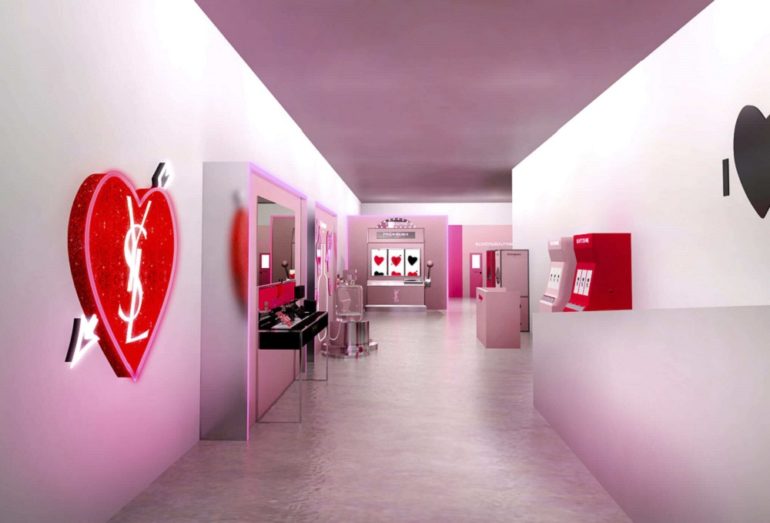
    YSL launched a limited store for Valentine’s Day 2019 in Central, Hong Kong, featuring on WhatsApp sticker, photo booth, and games. Obviously, pink and cosmetics are many girls’ favourite. So pink lovers will fall in love with YSL latest limited pop-up store in Central as the store is fully decorated in pink. Not only visitors will have the opportunity to get the cosmetics products, but they will also be able to take Instagrammable photos in front of different props and beautiful background.

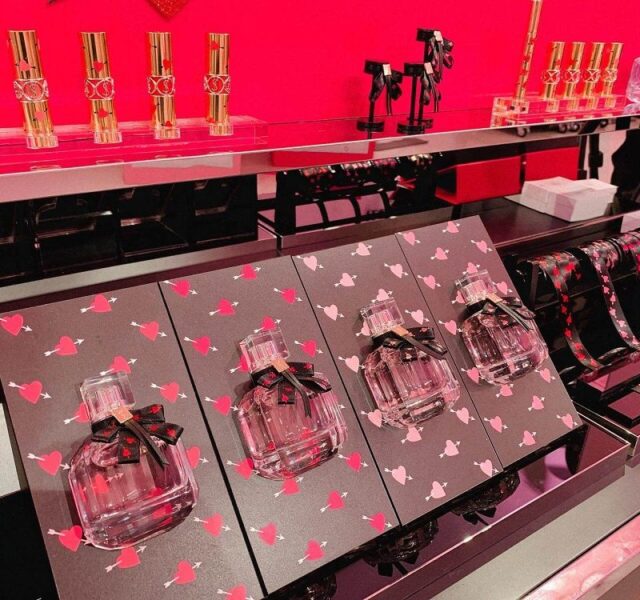
    To participate in this event, visitor only need to register online to get a designated QR code and go during the reserved time slot. In addition to taking pretty pictures, visitors can also try YSL new collection of perfumes, blush, and lipsticks.

    One of the most attractive activities is to tailor-made unique WhatsApp stickers.

    In addition, making WhatsApp stickers, printing photos or buying any products in the pop-up provides points for playing the YSL’s clip doll machine. The higher the points, the more opportunities, so you can clip away YSL cosmetics products and take them home.

    The pop-up closes its doors just after Valentine’s Day.

  • L’Oreal Asia Pacific sales reported soars

    L’Oreal Asia Pacific sales reported soars

    L’Oreal Asia Pacific sales soared by a staggering 24.1 per cent on a like-for-like basis last year. Asia was the beauty behemoth’s fastest-growing market with all divisions of the business winning market share from rivals in the region. “The dynamism of Chinese consumers, combined with the good performance of premium brands and rapid growth in several other Southeast Asian markets as well as in travel retail, were the [region’s] main growth drivers,” the company said in an earnings statement.

    Singles Day in the fourth quarter especially boosted sales in China, along with the acquisition of Stylenanda in June.

    L’Oreal Asia Pacific sales, driven by China, overtook L’Oreal’s North America business, with sales exceeding €7 billion.

    Globally, L’Oreal achieved sales of €26.9 billion (US$30.3 billion) last year, an improvement of 7.1 per cent on a like-for-like basis and 8 per cent at constant exchange rates. Net profit reached €3.89 billion euros, an increase of 8.8 per cent.

    L’Oreal’s chairman and CEO Jean-Paul Agon said the results represented the company’s best year of growth since 2007, achieved in a beauty market which had “accelerated significantly” last year.

    All divisions achieved growth, with the standouts being L’Oreal Luxe and Active Cosmetics, which both recorded double-digit sales increases. In the Luxe division, the larger brands led the way, with Lancome sales crossing the €3 billion threshold. The Active Cosmetics division achieved its highest growth for more than 10 years.

    Consumer products sales, led by L’Oreal Paris and Maybelline New York, achieved solid growth and professional products a “modest increase” thanks to a significant acceleration in the final quarter, the company said.

    A growing investment in e-commerce is paying off, with sales online up 40.6 per cent last year, now accounting for 11 per cent of group sales.

    And travel retail broke the €2 billion barrier, increasing by 27.1 per cent.

    L’Oreal reported its gross margin increased significantly and, even after strong investments in research, innovation, and business drivers, its operating margin set a new record at 18.3 per cent of sales.

  • Asia-Pacific boosts Estee Lauder revenue

    Asia-Pacific boosts Estee Lauder revenue

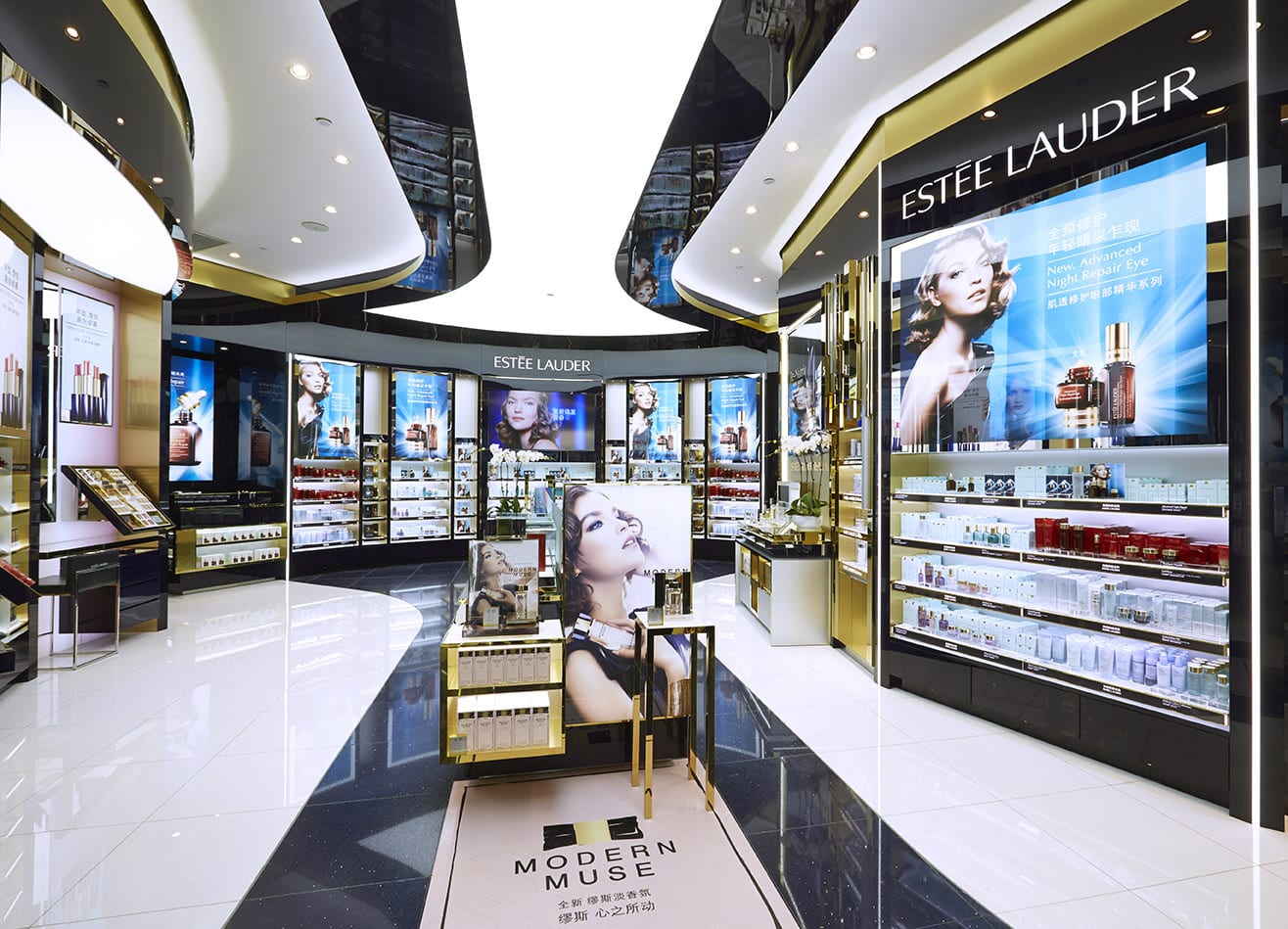
    Estee Lauder Asia-Pacific sales achieved double-digit growth in the December quarter. The beauty giant says the growth was broadbased, with nearly half of the markets in the region growing by double digits. “China, Hong Kong and Japan continued to deliver strong growth, and Korea net sales accelerated. Prestige beauty in China accelerated and the company continued to build share,” the company said in a statement.

    “[We] generated double-digit net sales growth in virtually every major product category and channel. Operating income increased, primarily due to higher net sales.”

    Globally, Estee Lauder sales exceeded US$4 billion for the first time, up 7 per cent from the same time a year earlier. Net earnings rose to $573 million compared with $123 million last year.

    “We delivered an excellent performance in our fiscal second quarter,” said president and CEO Fabrizio Freda. “Importantly, this was our eighth consecutive quarter of impressive net sales growth that met or exceeded our long-term goal, all while navigating many global macro issues.

    “Our sustained progress is the result of our multiple engines of growth strategy, and demonstrates our agility in moving resources to the best global opportunities,” he said.

    The strongest growth engines during the quarter included the skin care category globally, the Estee Lauder Asia-Pacific business, online and travel retail channels, and most brands, including Estee Lauder, La Mer, Mac and the company’s artisanal fragrance brands.

    “Despite a volatile and challenging backdrop, we are optimistic about our company’s long-term outlook. We are very well-positioned to build share in global prestige beauty,” Freda said.

    “We plan to increase our investments during the next six months behind our successful innovations, high-quality products, compelling digital advertising and effective commercial execution, while also enhancing our capabilities to strengthen our industry leadership and deliver long-term profitable growth.”

  • Shiseido opens a new factory in Fukuoka

    Shiseido opens a new factory in Fukuoka

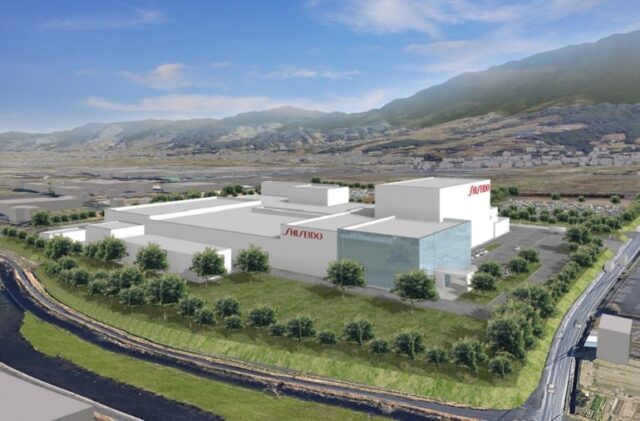
    Shiseido Company, Limited has decided to build a new production site, Shiseido Kyushu Fukuoka Factory in Kurume City, Fukuoka Prefecture, Japan. The new factory, which is slated to start its operation in fiscal 2021, will mainly manufacture skincare products for Japan and overseas markets. The investment is expected to be approximately 40-50 billion yen.

    Shiseido has been making concerted efforts as a whole toward the realization of even greater growth to accomplish the medium-to-long-term strategy VISION 2020 and to “Be a Global Winner with Our Heritage”.

    As part of its production strategy, Shiseido is pursuing the establishment of a supply chain strategy from a global perspective in line with its Group-wide marketing strategy, and progressing in the creation of a flexible operational structure at each of its factories around the globe by taking into account various elements such as costs, lead time, inventories and procurement of raw materials.

    Amid such, the company has concluded that it is vital to establish a stable and sustainable production system from a medium-to-long-term perspective in order to respond to growing demand for cosmetics inside and outside Japan and secure further business growth in the future.

    To this end, Shiseido has decided to build another new factory following Nasu Factory and New Osaka Factory (tentative name) which are currently under construction. Investments in the production base including factories currently under construction, establishment of the new Kyushu Fukuoka Factory and reinforcement of existing factories are expected to exceed 170 billion yen.

    The new factory will focus on the production of skincare products which are growing in demand, and provide safe high-quality products in compliance with ISO 22716 international standards.

    As a next-generation factory, it will utilize cutting-edge facilities and advanced technologies such as IoT in the creation of innovation. Furthermore, through the inheritance of long-standing production technologies and expertise which are Shiseido’s strength, we will realize the new factory as people-friendly with high productivity.

    It will operate in an environmentally friendly manner while being able to support our business continuity plan (BCP), aiming to exist in harmony with the surrounding environment including mountains and rivers.

  • Gucci unveils fragrances collection ‘The Alchemist’s Garden’

    Gucci unveils fragrances collection ‘The Alchemist’s Garden’

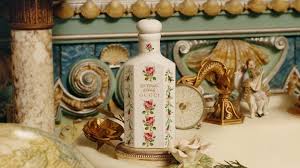
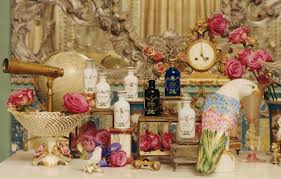
    Gucci has revealed its luxury fragrances collection – The Alchemist’s Garden – with oud, amber, violet, iris, mimosa, rose and woods as the seven scents. The Alchemist’s Garden collection has seven scents – oud, amber, violet, iris, mimosa, rose and woods.

    The design of the bottles is inspired by vintage apothecary, pharmacy jars and the first perfumery containers, resonating with the nostalgic theme of the collection. All the bottles are white except for oud, which is black, and rose, which is in a shade of blue chosen by Michele.