Tag: beauty

  • Sephora Hong Kong plans Eight More Store Openings

    Sephora Hong Kong plans Eight More Store Openings

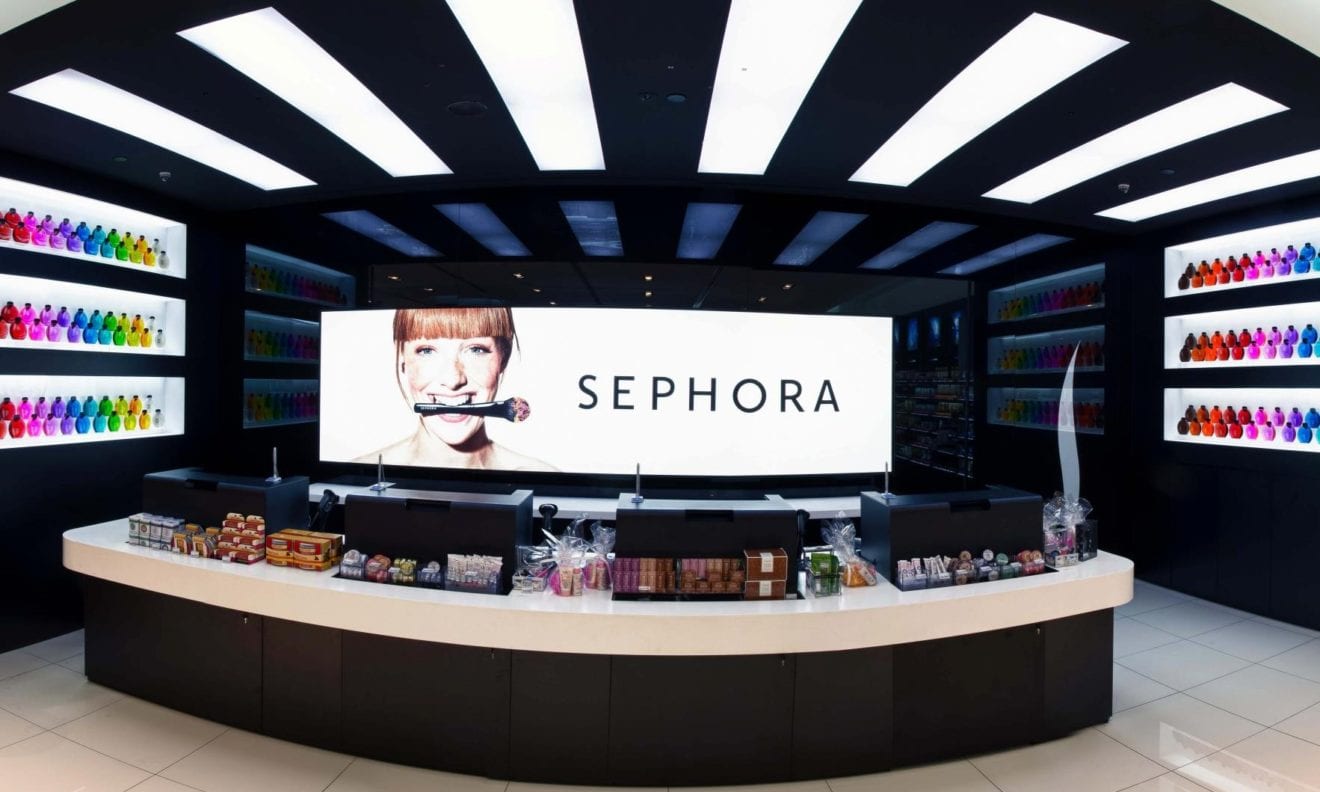
    Sephora Hong Kong has confirmed not one, but eight stores in its return to brick-and-mortar retailing in the territory – but shoppers will have to wait until August for the first outlet to open.

    As previously reported, the LVMH-owned chain will open a 4200sqft store in IFC Mall after a 10-year absence from the city.

    In an announcement confirming its plans, Sephora Hong Kong says it will open a second store at Windsor House in Causeway Bay in the fourth quarter of this year and expand its online offer.  Six more stores will follow over a three-year timeframe, their locations as yet not revealed.

    In a statement, Benjamin Vuchot, president of Sephora Asia, said the company currently operates in 12 countries and during the next three years sees its retail presence expanding by almost 50 per cent across Asia.

    “Hong Kong, being strategically located in the Greater Bay Area, allows us to meet the growing demands from Hong Kong consumers, as well as tourists from Mainland China and Southeast Asia,” he said.

    “We believe that Hong Kong will be a key market … giving Sephora the opportunity to amplify global beauty trends locally, elevate the in-store retail experience and to bring in digital touch points within the brick-and-mortar format to create a virtuous customer centric cycle.”

    Sephora said the retail landscape in Hong Kong has changed significantly over the 10 years since Sephora last had a store there.

    “Conventional retail with a physical presence has proven higher chances of winning in a market with strong digital development. Moreover, the re-launch of Sephora brings to Hong Kong’s department store-focused retail landscape a much-needed prestige retail chain for an authentic omni-channel experience,” the statement said.

    Sephora Hong Kong plans to make beauty “more personalised, fun and interactive” upon its return, allowing customers “the freedom to experience products that work for them, learn tips and tricks, as well as to have access to unbiased beauty services from beauty advisors”.

    The company plans more than 40 brands of cosmetics exclusive to Sephora stores in the city, along with its own in-house label Sephora Collection. It has promised to include local Hong Kong brands in its offer as well, over time.

    Digital innovation will play an integral role in Sephora’s traditional retail experience, with vending machines to be located in stores to support the Beauty Pass loyalty program, an app powered by member insights to drive seamless customer service, a digital skincare consultation for immediate and accurate recommendations, and the opportunity to go online to book in-store makeovers.
  • Pomelo launches first Beauty Line

    Pomelo launches first Beauty Line

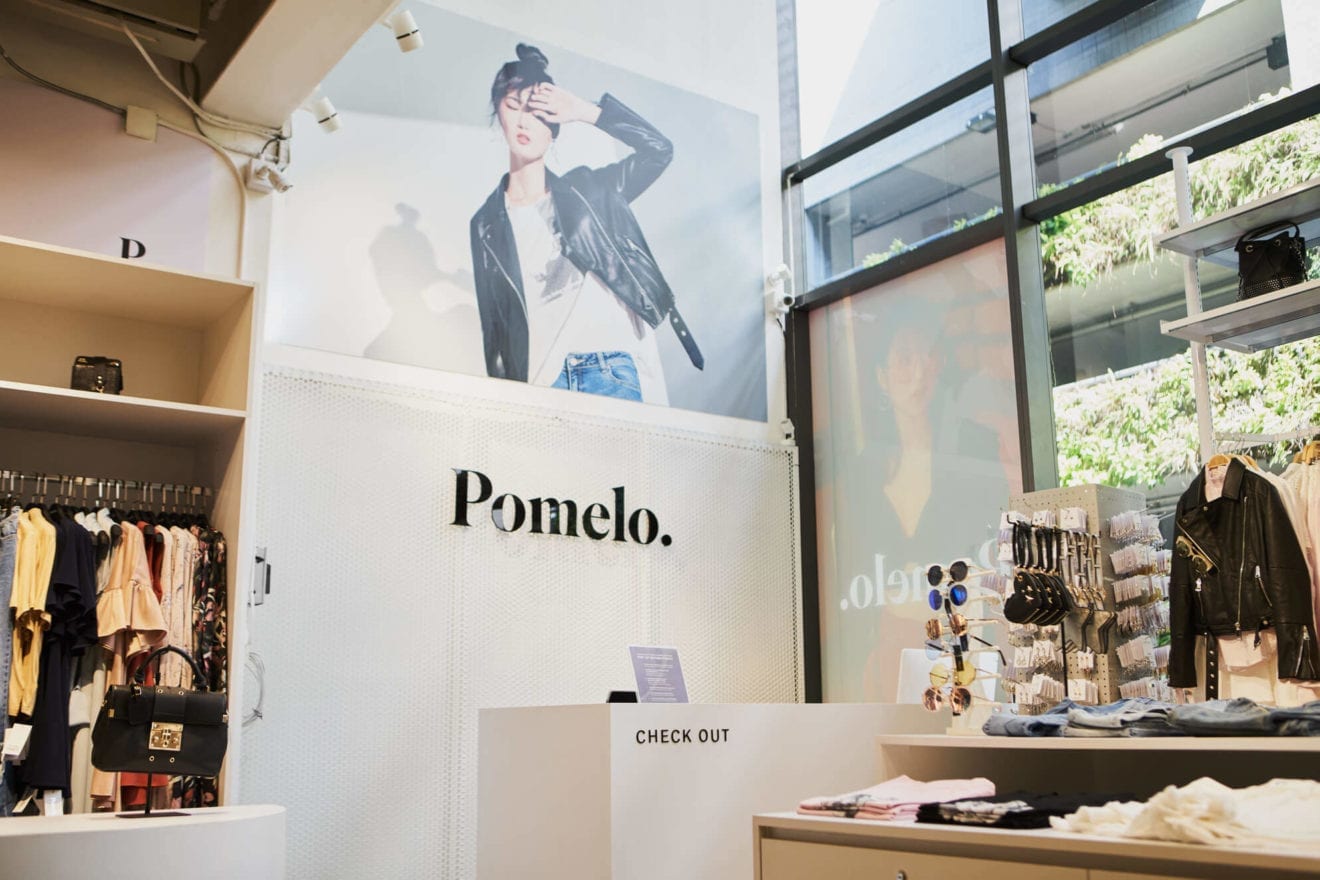
    O2O fashion brand Pomelo has launched its first cosmetics line, Beet, solidifying its identity as a one-stop lifestyle brand.

    Created with women on-the-go in mind, Beet comprises 17 products across four categories – Liquid Blush, Liquid Lipstick, Lip Gloss and Liquid Shimmer.

    All products are priced at S$10 per item and feature paraben-free and cruelty-free formulations.

    “For consumers today, beauty is integral to style,” said David Jou, Pomelo CEO, signalling the company is taking “a step in the right direction”.

    “As a fashion brand that wants to offer women everywhere their best look to become their best selves, we cannot ignore that.”

    With Beet, Pomelo provides another touchpoint for a seamless customer experience that prioritises modern consumers’ demand for convenience.

    Last month, Pomelo launched its second sustainable collection, Purpose.

  • L’Oreal Extends Lazada Partnership to next-day deliveries

    L’Oreal Extends Lazada Partnership to next-day deliveries

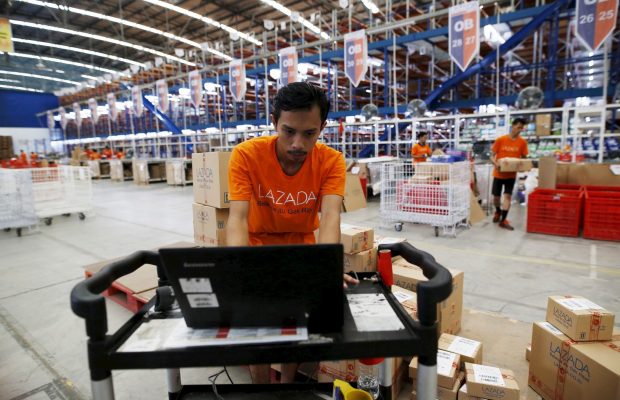
    L’Oreal has signed a joint business plan with Lazada to fulfil next-day delivery in top metro cities by June this year. This L’Oreal-Lazada logistical pact demonstrates the cosmetics company’s ambition to grow its e-commerce business in Asia. Both companies will also pilot consumer engagement tools such as in-app live streaming, and jointly launch products exclusively available to Lazada customers.

    “We are confident of creating the leading online beauty destination in Southeast Asia by combining Lazada’s extensive last mile logistics network to bring L’Oreal’s products faster into our customers’ hands,” said Jing Yin, president of Lazada Group.

    “Our partnership today signals our commitment and joint ambition of dominating the Southeast Asian beauty and skincare e-commerce market share by providing the best customer experience.”

    Other technological advancements such as new search features will ensure L’Oreal products are easily searchable within app to bring the most personalised products to its fans.

    “Lazada and L’Oreal will collaborate in many areas, from technology, sales and marketing to logistics,” said Pierre-Yves, MD, Southeast Asia, at L’Oreal.

    “Lazada’s technology infrastructure, logistics network and brand-engagement capabilities are the gold standard of the industry. Our joint efforts will take us one step closer to creating a true beauty-shopping destination on Lazada.”

    The L’Oreal-Lazada collaboration started in 2014, bringing 820,000 followers to the L’Oreal store on the platform. E-commerce sales now comprise 11 per cent of its global sales.

  • Acne Studios re-opens Tokyo Store

    Acne Studios re-opens Tokyo Store

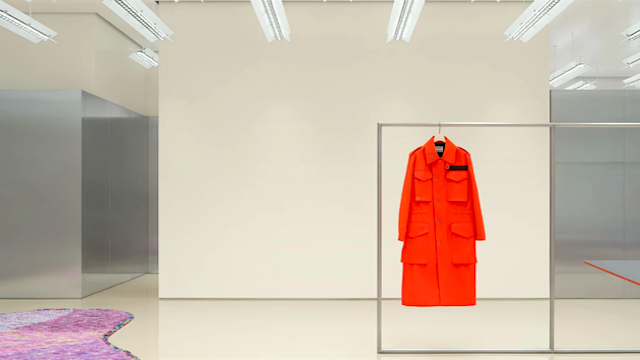
    Fashion brand Acne Studios has reopened its Shibuya concept store in Tokyo to coincide with the launch of a new collection.

    The company, part-owned by Hong Kong fashion retail operator I.T Group, has released a new range of leather accessories at the Shibuya store in Tokyo, which since 2017 has been used to showcase new collections.

    The 68sqm “project store” was redesigned by Kasthall. Centrestage is a capsule collection which includes new versions of the brand’s two most popular bags, Musubi and Baker, as well as small leather goods, card holders, keychains and wallets.

    The collection will be on sale at the store for the next year.

    The majority shareholding of Acne Studios recently changed, with Oresund, Creades and Pan Capital funds stakes acquired by IDG Capital and I.T Group, reflecting a deliberate strategy to shift focus towards Asia.

    Hong Kong, South Korea and Japan each host a series of Acne Studio stores and there are shops in Beijing, China, with another scheduled to open in Chengdu this month.

  • Lululab unveils the first AI Beauty Store at Dubai Mall

    Lululab unveils the first AI Beauty Store at Dubai Mall

    Beauty AI startup Lululab has unveiled its unmanned virtual retail space “AI Beauty Store” in the giant Dubai Mall.

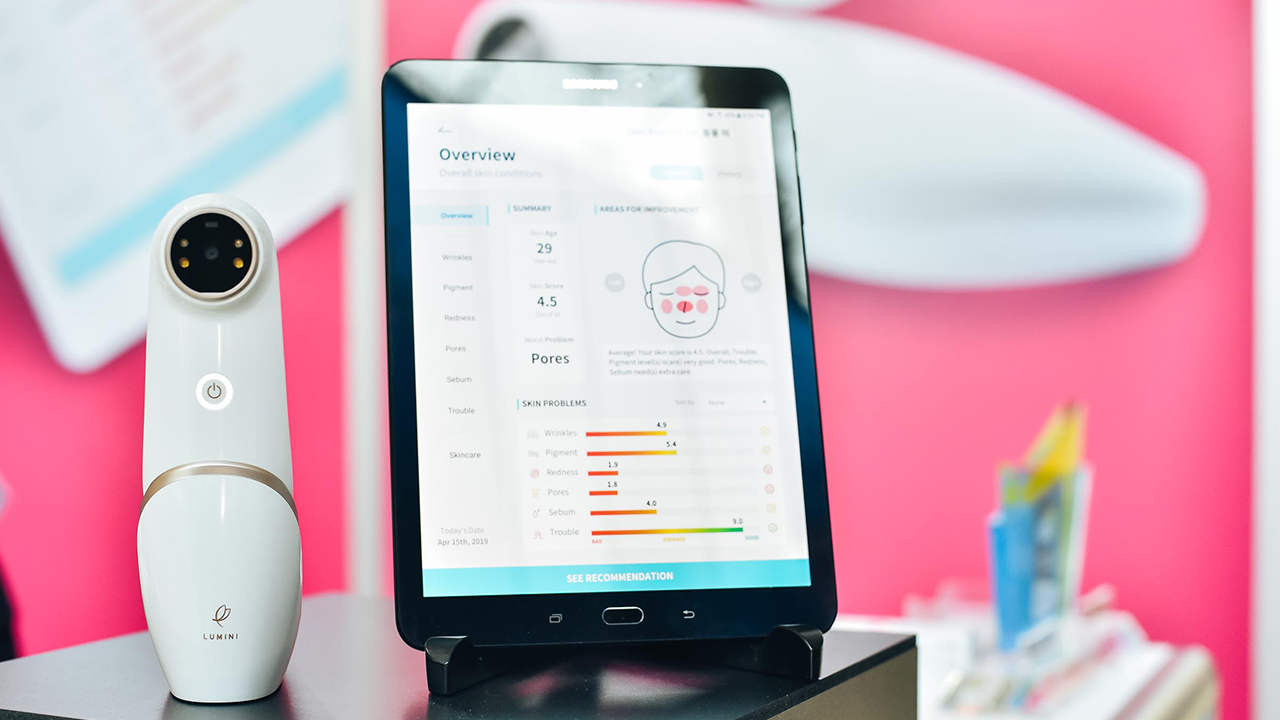
    Lululab is the developer of Lumini, an AI-based skincare assistant that provides individually tailored skin-care solutions. It offers a smart-shopping experience through the store, which combines AI and big-data technology, on the ground floor of the popular French department store Galeries Lafayette.

    The service is made up of three steps: self-skin analysis by the customer; recommendation of products that best satisfy the customer’s skincare needs; and provision of an outcome report via mobile.

    By taking a single selfie with the multispectral camera at the Lumini kiosk, customers can receive an accurate analysis of their skin’s top layer condition and a list of recommended skin care products based on the result, making it unnecessary for them to wander around the shopping mall searching for random skin care products. They can also receive discounts for the recommended products.

    “AI Beauty Store offers many tourists from all over the world who visit Dubai Mall the opportunity to enjoy a revolutionary shopping experience,” said Lululab CEO Yongjoon Choe. “By establishing skincare-related big data, we will be providing sophisticated and individualised services.”

    Based on its collaboration with Galleries Lafayette, Lululab plans to accelerate its entry into the Middle Eastern and global beauty markets.

  • Sephora heads to Seoul, Korea

    Sephora heads to Seoul, Korea

    LVMH-owned cosmetics retailer Sephora will launch its first outlet in South Korea this October.

    The first Sephora South Korea retail space will take up 547sqft in Gangnam, featuring hundreds of brands as well as home-brand products under the Sephora label.

    “Sephora will contribute to expanding the local beauty market by proposing a new standard,” said Sephora Korea CEO Kim Dong-ju.

    The Sephora South Korea store will be the first of six planned to be trading by next year, along with an online store.

    Sephora operates more than 3000 outlets worldwide and has a strong presence in Asia. It also plans to make a return to Hong Kong soon, opening in space at IFC mall.

  • Beauty & You brings Find Kapoor and Olens into Hong Kong

    Beauty & You brings Find Kapoor and Olens into Hong Kong

    The Shilla Duty Free’s retail concept Beauty&You has become the first retailer in Hong Kong to launch exclusive South Korean brands Find Kapoor and Olens.

    Located at Hong Kong International Airport (HKIA), Beauty&You seeks to introduce a multitude of brands and product combinations to customers, placing strong emphasis on the concept of individuality and personalised offerings through a mix-and-match of a unique range of products.

    “We are ecstatic to have Beauty&You as the first retailer to bring Find Kapoor and Olens to the HKIA”, said a representative for Beauty&You. “These partnerships are a testament to our strong positioning and ability to collaborate with a multitude of brands, in order to bring all-round travel retail experiences and surprises to global travellers.”

    Beauty&You will feature Find Kapoor’s classic, minimalistic strapped handbags at a dedicated pop-up. Olens is a range of coloured contact lenses.

    These brand collaborations are tailored to the needs of all global travellers passing through HKIA, aiming to stimulate customers’ minds about beauty and styling, said The Shilla. Incorporating brand new product options and categories such as fashion accessories and coloured contact lenses, Beauty&You strives to break the traditional mindset of beauty as solely focused on skincare and cosmetics, helping consumers to achieve their own definitions.

  • Home market hurts Sa Sa International sales

    Home market hurts Sa Sa International sales

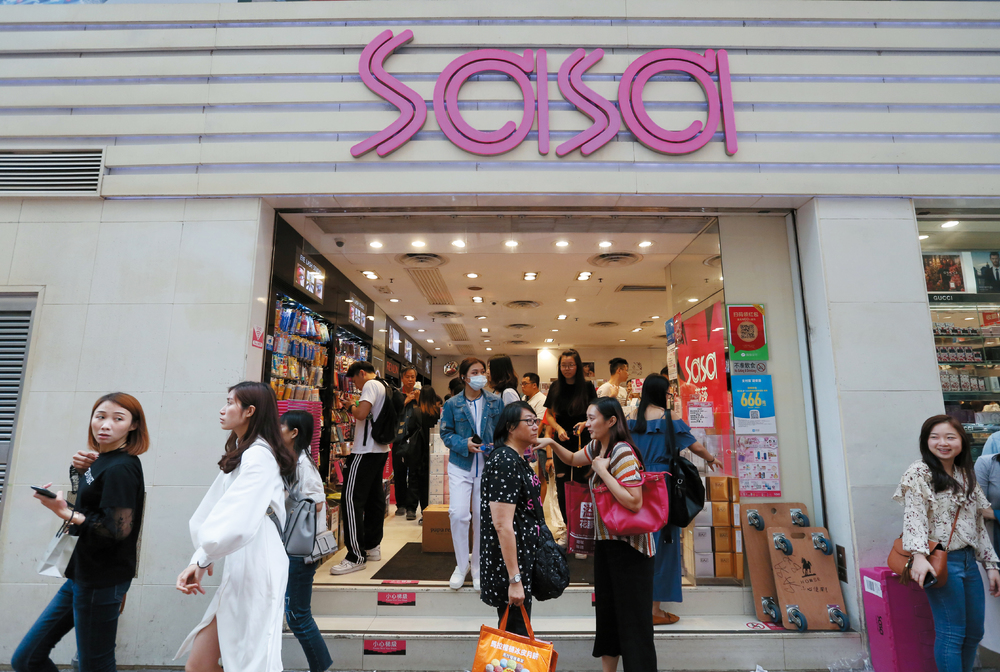
    Hong Kong beauty products retail Sa Sa International has reported a 7.2 per cent decline in sales for the March quarter.

    The company’s home market and Macau were to blame, with same-store sales falling 10.8 per cent and combined retail and wholesale turnover down 8.4 per cent.

    Sa Sa is one of the bellwethers of the broader Hong Kong market because it serves both local consumers and tourists, appealing to more mainstream clients than the luxury watch and jewellery retailers which often disproportionately affect total Hong Kong retail sales figures.

    In a stock exchange filing, Sa Sa International blamed the sales decline on a 6 per cent fall in total transaction volume, of which the number of transactions of local customers and mainland tourists decreased by 8.8 per cent and 3.7 per cent respectively.

    “The average sales per transaction of local consumers and mainland tourists decreased by 0.7 per cent and 5.9 per cent respectively, which resulted in a 3.5 per cent decline in total,” the company said.

    “The weaker sales performance was mainly due to high base effect. The hot trend of some trendy product categories last year has been weakening while the group’s newly launched products could not fully compensate their sales decline. In addition, a number of new pharmacy stores selling skincare and cosmetic products have opened new stores in tourist hot spots aggressively, resulting in intensified competition and lower-than-expected sales at Sa Sa.”

    The company says it plans to open new stores to enhance its store network and boost its competitiveness “under reasonable rental condition”.

    “The group is adjusting its business strategies to adapt to the changing consumer preferences and competitive landscape. The first action is to change towards a more balanced product mix.”

    Sa Sa International says it will also increase its range of high-end products and focus on its own-label products which offer better margins.

    Another step Sa Sa plans to arrest falling sales is speeding up its investment in digitalisation and IT, using big data to formulate better product strategies.

    The new Express Railway Link and Hong Kong-Zhuhai-Macau bridge have so far failed to bring about the expected stimulus to the retail industry, the company said.

    “Looking ahead, the group believes the benefits of the two mega infrastructure projects will gradually emerge under the favourable policy of the Greater Bay Area. The group remains cautiously optimistic about the outlook of Hong Kong and Macau markets in the long run.

  • Shiseido and AS Watson co-create skincare Beauty Line

    Shiseido and AS Watson co-create skincare Beauty Line

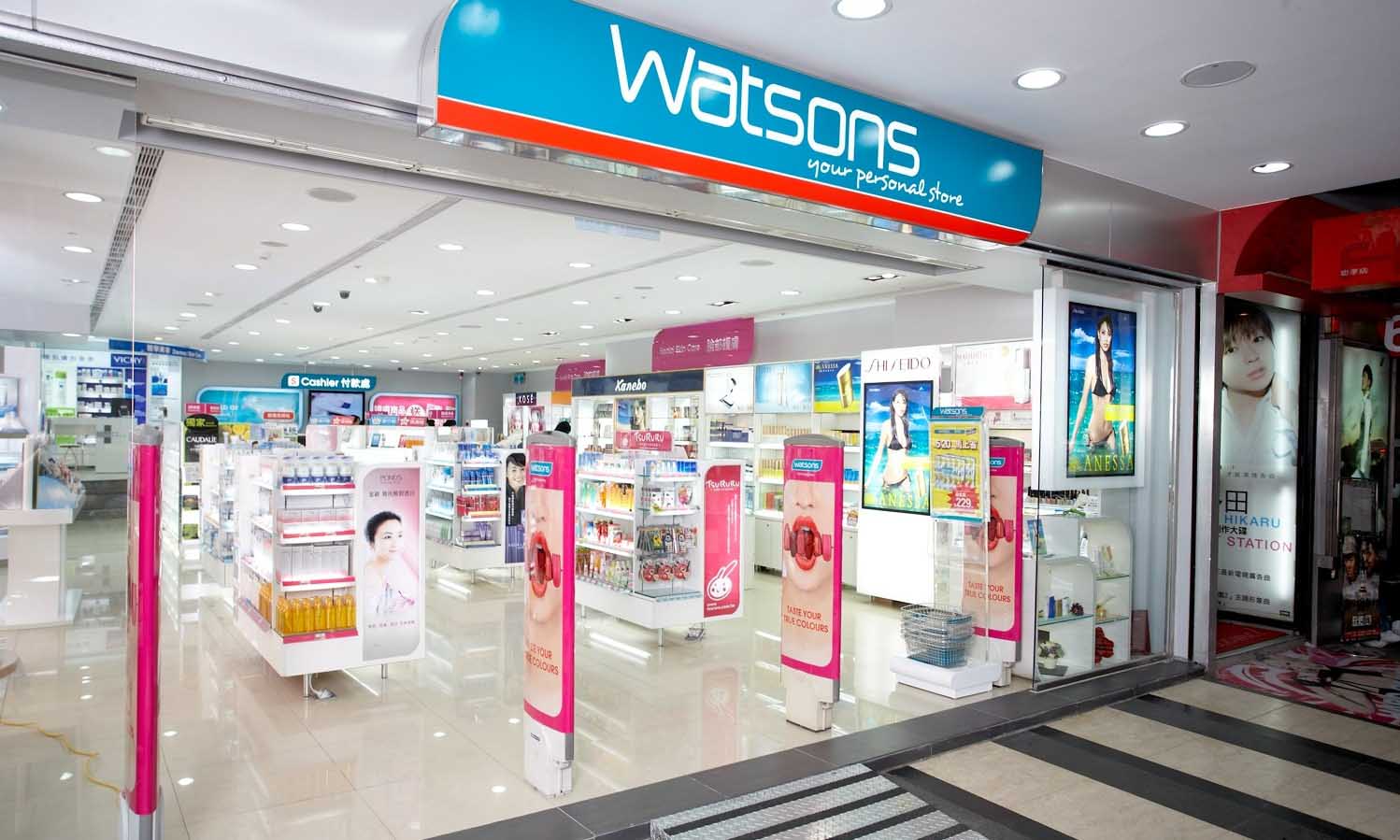
    Global cosmetics company Shiseido and AS Watson, the health & beauty retailer, have collaborated to co-create an exclusive derma skincare range under the “D Program” brand.

    The new Urban Damage Care range has been successfully launched in Thailand and Taiwan and will soon be launched in other Asian markets with Watsons stores.

    The collaboration is in response to a 24-per-cent growth in the derma skincare category in Asia since 2014. As more women are looking for effective derma skincare products, the online search for related topics grew by 117 per cent compared to last year.

    “AS Watson is the largest health and beauty retailer in the world that acts with speed, innovation and vision making them the perfect retailer to bring Urban Damage Care to the high street,” said Shiseido president and CEO Masahiko Uotani.

    “With AS Watson’s extensive distribution network and customer insight of the derma cosmetics category and Shiseido’s expertise in R&D and innovation, this has enabled us to co-create a range that supports our core values of putting the customers’ needs first while ensuring that it is accessible to customers.”

    The project kicked off with customer survey on a selected panel of Watsons members after Watson’s COO Malina Ngai visited Shiseido headquarters in Tokyo 18 months ago.

    “Combined with Shiseido’s 40 years of sensitive skin research and product development technology, we collaborated to develop the range that we believe will be best suitable for modern Asian females to improve their skin to defend against urban pollution,” she said.

    Following positive feedback from customers, “D Program” will be launched in China on 11 April.

  • Sephora opening New Zealand Flagship Store

    Sephora opening New Zealand Flagship Store

    Sephora is looking to fill a number of retail roles in Auckland, suggesting the beauty retailer is looking to open its first bricks-and-mortar store in New Zealand in the near future.

    Listings for assistant store manager, category coordinator, stockroom manager, supervisor, beauty and studio artists and retail assistants have been uploaded to job site Seek over the last month, claiming the retailer is opening its first New Zealand flagship store this year.

    The most recent listing notes that job seekers should be available and flexible to attend a recruitment event between May 7 and 8, pointing to a relatively quick opening window.

    The store will likely be located on Queen Street, Auckland, and is currently being fit out for the brand’s arrival. An internal elevator, lightning fixtures and elaborate signage are among the changes being made to the site.

    Sephora has been contacted for confirmation, but has not yet responded.

  • Lush Prepares Itself for Growth

    Lush Prepares Itself for Growth

    Global beauty business Lush posted a £3.9 million (A$7.17 million) operating loss in the year to June 30, 2018, compared to an operating profit of £22.6 million ($41.54 million) the year prior.

    The decline was due to the rising cost of goods, manufacturing, staff, rent and administrative costs, and a slowdown in the US market, which outpaced a 6.6 per cent increase in turnover on a constant currency basis to £524.4 million ($963.9 million) in FY18.

    This reflects a 4.4 per cent in like-for-like sales and 9.6 per cent increase in online sales, compared to the previous corresponding period.

    Still, GlobalData retail analyst Emily Salter called this a “solid year” for the brand off the back of its investment in stores and innovation.

    “The retailer relocated 11 UK stores to larger units during the period which saw an impressive 39.6 per cent increase in like-for-likes, indicating Lush’s dedication to the offline channel as it seeks to further differentiate its unique offering and drive customers to stores,” Salter said.

    Salter also pointed to the recent launch of a new global website, which she expects to bolster conversion and increase basket sizes thanks to the “more attractive, aspirational and easy-to-navigate site”.

    She believes the brand is in a good position for growth due to its strong brand identity, and commitment to vegan and ethical practices.

    There is a downside to this, however, as Salter said the brand’s focus on natural ingredients was partly to blame for the increased costs.

    “The retailer must work to return to profitability in its current financial year, although the increased ingredient costs will be hard to navigate due to Lush’s focus on natural and good quality ingredients,” Salter said.

    While performance in Lush’s largest retail market, the US, was disappointing – with declining footfall contributing to sales falling by 7.5 per cent – its UK business fared slightly better.

    Lush Australia was contacted for comment.

  • Sephora Hong Kong Reopening Soon

    Sephora Hong Kong Reopening Soon

    Makeup superstore Sephora has confirmed its widely anticipated return to Hong Kong in physical store form.

    The LVMH-owned cosmetics retailer will sublease a 4000sqft space in the Zara store at IFC Mall in Central, nine years after it closed its last store in the territory.

    Despite its physical absence in the market, Sephora Hong Kong has continued to sell products online to loyal customers.

    The last Sephora Hong Kong store traded for just two years in Mong Kok, closing in 2010. At the time, retail commentators said the brand failed due to poor store location, lacklustre marketing and high rents.

    Sephora is popular in Mainland China and has stores across Southeast Asia trading profitably, especially in Singapore and Malaysia.

    According to news reports in Chinese media, Sephora has subleased the space from Zara for HK$2 million (US$254,800) per month.

  • Kiehl’s opens biggest store in Asia Pacific since their Launch

    Kiehl’s opens biggest store in Asia Pacific since their Launch

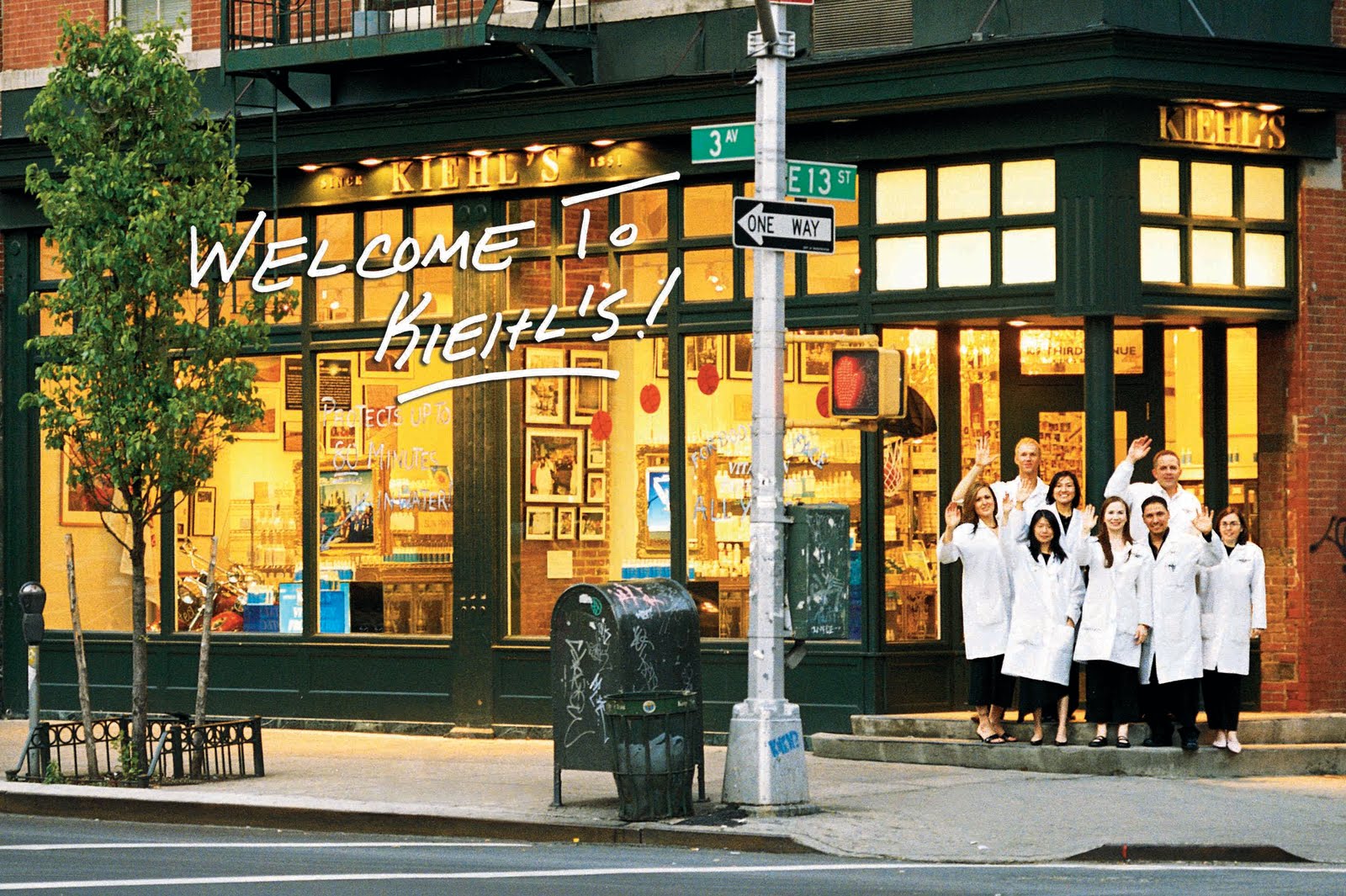
    New York pharmaceuticals firm Kiehl’s has launched its largest boutique in the Asia-Pacific region at Senayan City mall in Jakarta.

    The opening of the 137sqm store marks the brand’s 10th anniversary in the territory and is designed to evoke classic New York themes, such as the iconic Brooklyn Bridge.

    “We work hard to remain alongside current innovations and to stay relevant,” said Caroline Foo, GM of L’Oreal Luxe Division, which oversees Kiehl’s. “What has really helped us stay relevant and modern in the business landscape today is that Kiehl’s always personalises its service and moves alongside with innovations to meet consumer needs.”

    Kiehl’s operates 10 boutiques in 21 Indonesian locations as well as an online store.

  • Shiseido Global Innovation Center Commences Full-Scale Operation

    Shiseido Global Innovation Center Commences Full-Scale Operation

    Shiseido’s new research hub, the Shiseido Global Innovation Center (GIC, also referred to as S/PARK), will commence full-scale operation in the Minato Mirai 21 area in Yokohama, Japan from April. As an urban open lab, the GIC supports and promotes comprehensive communication and collaboration with consumers, researchers, business partners and experts inside and outside of Japan, achieving new, flexible and diverse working styles and inspiring researchers’ creativity and imaginations through the state-of-the-art research facilities and equipment of its newly styled offices. Through these activities, Shiseido achieves “the fusion of diverse people and knowledge” to create unprecedented value. The GIC will open its public communication spaces on the first and second floors starting Saturday, April 13, 2019 and welcomes the interaction of visitors. By creating and communicating innovations of Japanese origin beyond borders and across industries, Shiseido strives to accomplish its new corporate mission, BEAUTY INNOVATIONS FOR A BETTER WORLD.

    R&D policy

    Shiseido Company, Limited (“Shiseido”) was established as a Western-style pharmacy in 1872, and opened its Testing Room in 1916 for the purposes of product development and improvement. Since then, Shiseido has created high-quality products on the strength of its fundamental research into sensitivity analysis, safety and reliability, and dermatology for over 100 years. Today, Shiseido’s global research centers, located in five countries including Japan, are engaged in various research and development activities to study and analyze the skin conditions and makeup activities of consumers in each region. Going forward, and aiming to take the lead in an ever-diverse global market, Shiseido will enhance its research in digital and environmental technologies. In addition, the company will accelerate its research and development centered on three key categories: 1) The Cosmetics, the improvement cosmetics research, 2) New Category, the proposal of unprecedented areas on the cosmetics spectrum, and 3) Unlimited Beauty, the exploration of new beauty solutions going beyond cosmetics. To this end, Shiseido will shift its research style, integrating outside expertise with its continuing focus on new findings. Through these activities, Shiseido offers new value and aims to “Be a Global Winner with Our Heritage.”

    GIC (S/PARK) overview

    The first and second floors of the GIC are a dedicated open communication space where visitors and researchers can interact, offering various content based on the concept of “get inspired by beauty.” The open communication spaces are produced by Mr. Kundo Koyama (Orange and Partners) and designed by Mr. Naoki Sato (nendo). The collaboration area on the fourth floor includes a lab for joint research with outside institutes and a space for business negotiations, which is quite unique for a research center. Superior research facilities and equipment to support various fundamental research are installed on the fifth through fifteenth floors. Thanks to an out-of-the-box office layout, researchers can pursue more flexible and diverse working styles, while ad hoc work and communication spaces welcome to the free-flowing exchange of ideas and opinions.

  • AS Watson South Korea health and beauty launched

    AS Watson South Korea health and beauty launched

    Hong Kong-based AS Watson has chosen its part-owned German subsidiary Rossmann for its next Asian market debut, South Korea. The German drug-store brand has confirmed it will begin selling products in South Korea on May 1, shipping direct from Germany. It will sell online only. Dirk Rossmann GmbH, named after its founder, is 40 per cent-owned by AS Watson, but the Hong Kong company includes its store network in its fast-growing tally of stores. The company opened its 15,000th store in Kuala Lumpur this week and is currently expanding internationally at a rate of one new store every seven hours.

    A joint venture between AS Watson and Rossmann operates more than 3100 stores in Germany, Poland, Czech Republic, Hungary and Albania. According to a report, the company plans to make “full-scale inroads into the domestic health and beauty market” through Rossmann Korea.

    It will adopt a direct-to-market business model, rather than stock goods in existing retail chains.

    An AS Watson spokesperson told Inside Retail ASia that Rossmann’s Own Brand products are famous not only in countries where they operate a retail network, but also in Eastern Europe where they are distributed in Watsons stores, and in Switzerland where they are distributed in a local supermarket chain. Online, Rossmann sells in China.

    Rossmann chose South Korea as its first Asian market “as Korean consumers were a match with the company’s meticulousness and strictness on their products, where both parties value safe, good quality products offered at reasonable prices”.

    “For South Korea, Rossmann will be launching via online platforms about 100 SKUs of its own products in body and skin care, baby care, and organic food,” the AS Watson spokesperson told.

    According to a Rossmann spokesperson, Korean consumers will experience reliable goods and services through official fast-paced shopping malls. “Rossmann will do its best to help more people make direct transactions with ease.”

    The brand will host quiz events on its Instagram and Facebook pages until April 8 and promotions include prizes of Starbucks coupons and Rossman Korea goods such as water bottles and umbrellas for winners.

    The Rossman family own 60 per cent of the business, which is headquartered in the German town of Burgwedel near Hanover.