Retail News CRM

Tag: beauty

  • L’Oréal Pledges $383M for Indian Beauty Tech Hub: A Leap into AI-Driven Innovation and Job Creation

    L’Oréal Pledges $383M for Indian Beauty Tech Hub: A Leap into AI-Driven Innovation and Job Creation

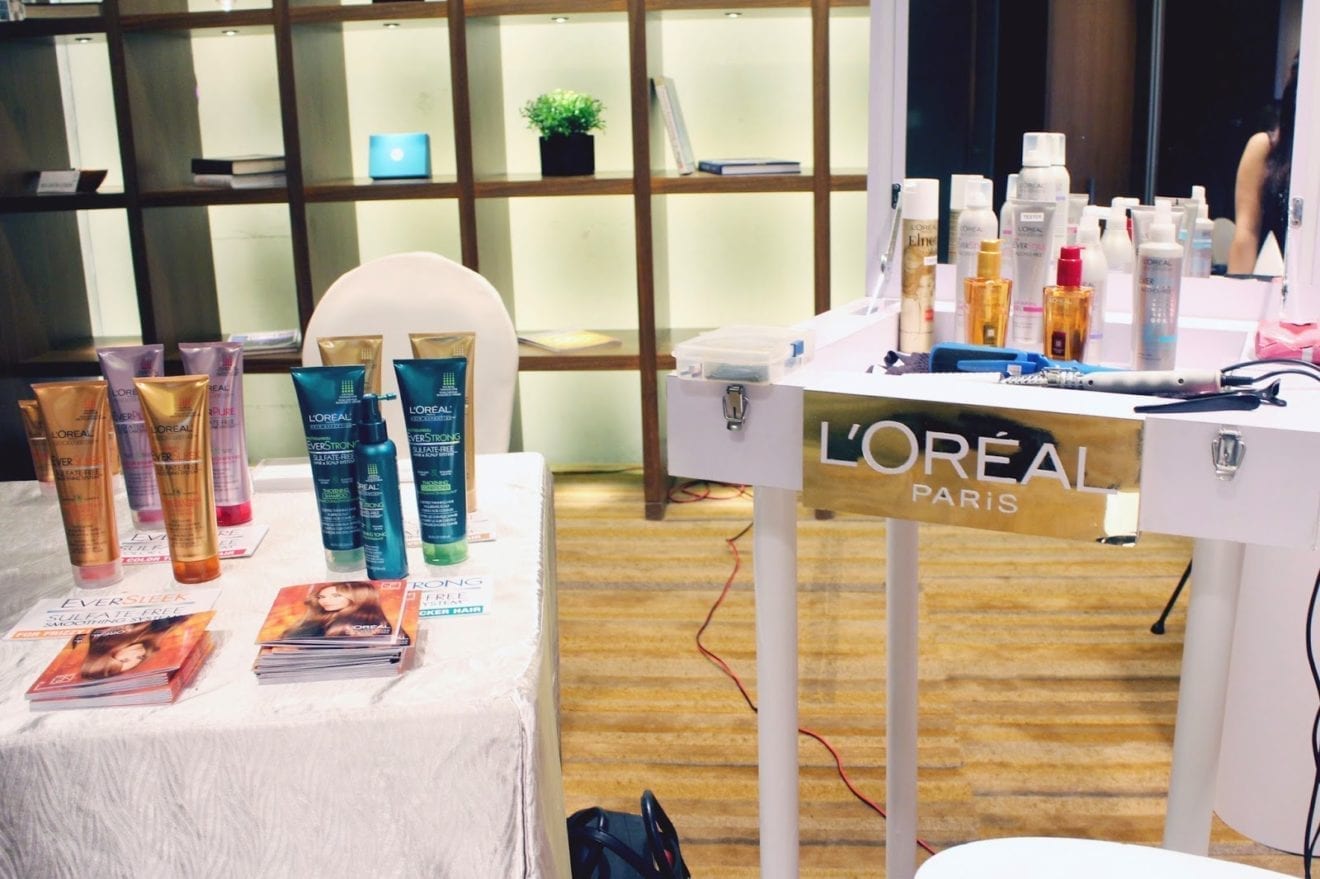
    L’Oréal, the French cosmetics powerhouse, announced on Wednesday plans to establish a beauty technology hub in Hyderabad, a major city in southern India, supported by an initial investment surpassing 35 billion rupees (approximately US$383.4 million).

    The planned tech hub is anticipated to serve as a global hotbed for AI‑driven beauty innovation. L’Oréal aims to generate 2000 tech employment opportunities by 2030 and expedite the deployment of advanced AI beauty solutions, according to a company statement.

    The agreement detailing this new venture was officially established at the World Economic Forum in Davos by Nicolas Hieronimus, L’Oréal’s CEO, and the state government of Telangana.

    Over recent years, Telangana has swiftly risen to prominence as a crucial investment and technological epicenter in southern India.

    Trade relations between India and France have been steadily strengthening, with bilateral trade reaching $15 billion in 2024. This warming relationship is further evidenced by ongoing discussions between Indian Prime Minister Narendra Modi and French President Emmanuel Macron.

    In addition, both nations have been cooperating since 2024 to revamp their tax treaty. The aim is to modernize the agreement by integrating global standards concerning tax transparency.

    Questions & Answers

    What is the purpose of L’Oréal’s planned tech hub in Hyderabad?
    The tech hub is intended to be a global platform for AI-driven beauty innovation. It is also expected to create 2000 tech jobs by 2030 and facilitate the introduction of advanced AI beauty solutions.

    Who formalized the agreement for this new project?
    The agreement was formalized by Nicolas Hieronimus, L’Oréal’s CEO, and the state government of Telangana at the World Economic Forum in Davos.

    What major economic changes are being pursued by India and France?
    India and France have been collaborating since 2024 to update their tax treaty. This revision aims to modernize the contract by incorporating global standards on tax transparency.
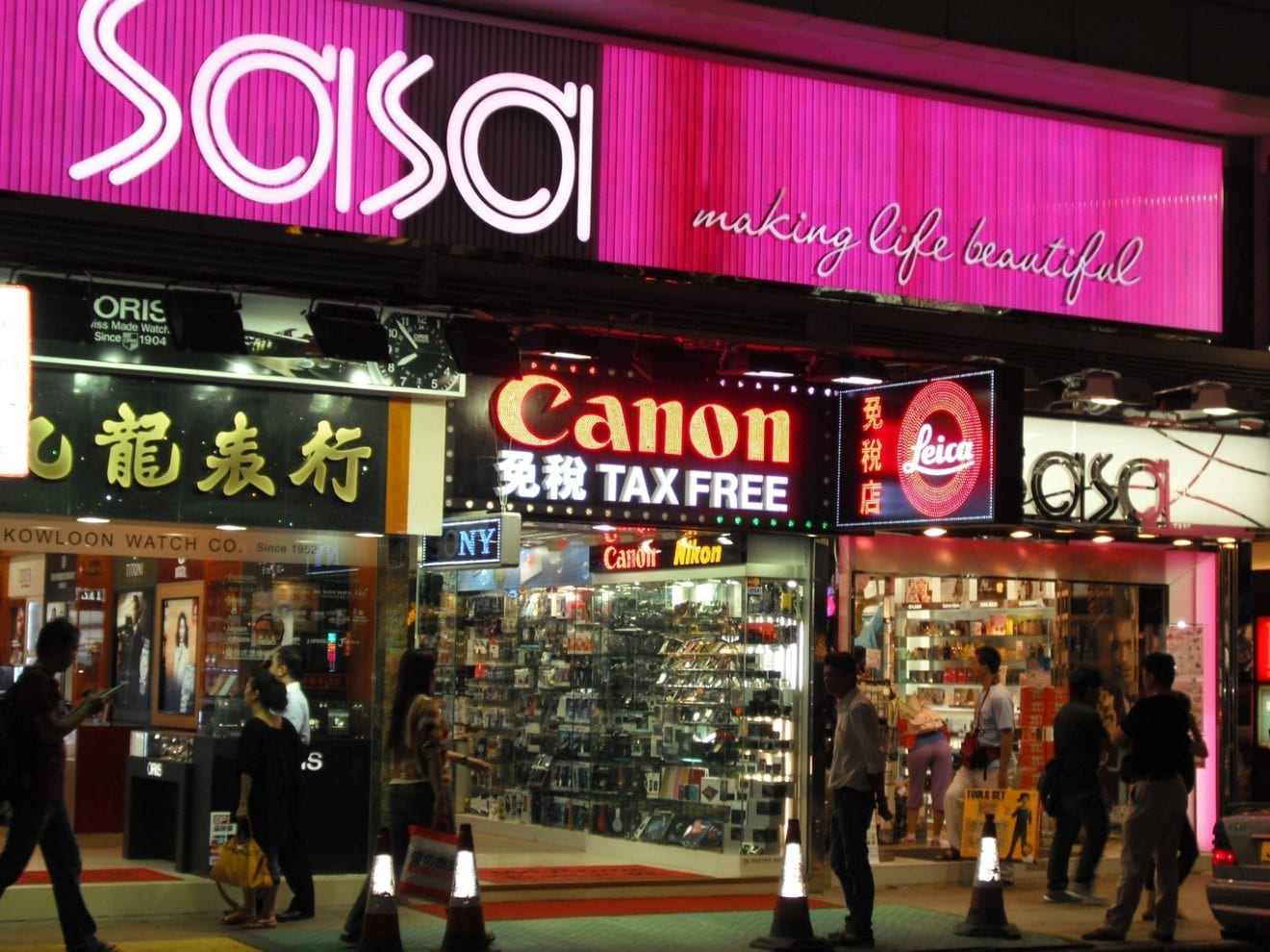

  • Beauty Retailer Sasa’s Sales Skyrocket by 12.5% Amid Intense Promotions and Online Boost

    Beauty Retailer Sasa’s Sales Skyrocket by 12.5% Amid Intense Promotions and Online Boost

    Sa Sa International, the prominent Hong Kong beauty retailer, has reported a widespread increase in sales during the fiscal third quarter. After a lengthy phase of dwindling profits, which the company previously attributed to a “languid macroenvironment”, Sa Sa International has witnessed a revenue surge of 12.5% in Q3 compared to the same period last year.

    Online Sales Growth

    The upturn was driven by a 14.9% rise in online sales, whilst in-store sales across Hong Kong, Macau, and Southeast Asia also showcased impressive growth of over 10%. In the third quarter, Sa Sa International posted revenues of HK$1.15 billion (US$147 million).

    A spokesperson for the company outlined the strategic moves that led to the turnaround: “The group ramped up promotional activities and rolled out time-limited offers in association with brand partners at key events. This included the National Day Golden Week in October, the Sasa mega sale in November, and the Christmas holidays in December. The result was a notable year-on-year growth in both online and brick-and-mortar sales.”

    The Chinese Mainland Tourist Factor

    The spokesperson further highlighted the role of increasing Chinese mainland tourist arrivals in Hong Kong and Macau. It was observed that traditional tourist districts of Hong Kong and Macau saw a satisfying increase in store sales.

    Sa Sa International also saw an uplift in the total number of transactions recorded in Q3, which increased by 2.9% year-on-year. Concurrently, the average sales per transaction showed a 9.4% rise in the same period.

    Questions & Answers

    What was the percentage increase in Sa Sa International’s revenue in Q3?
    Sa Sa International’s revenues increased by 12.5% in Q3 compared to the same period the previous year.

    What factors contributed to the growth in Sa Sa International’s sales?
    The growth was due to an increase in promotional activities, time-limited offers in association with brand partners at key events, and a rise in Chinese mainland tourist arrivals in Hong Kong and Macau.

    Did the total number of transactions and average sales per transaction rise in Q3?
    Yes, the total number of transactions recorded in Q3 increased by 2.9% year-on-year, and the average sales per transaction also rose by 9.4% in the same period.

  • K-Beauty Powerhouse Lunabella Pioneer European Expansion with Glamorous Paris Flagship Store

    K-Beauty Powerhouse Lunabella Pioneer European Expansion with Glamorous Paris Flagship Store

    The renowned K-beauty brand, Lunabella, has recently established its first flagship in Europe, labelled as W Lunabella, located in the prestigious Le Marais district of Paris.

    The Vision of W Lunabella

    W Lunabella aims to be a one-stop-shop for total beauty solutions. This boutique will offer more than just cosmetics, boasting personalised consultations, styling services, and a select range of curated dresses.

    The founder and CEO of Lunabella, known as Yumi, shared that the ‘W’ in the store’s name is a nod to weddings. This is a testament to her ambition to extend the traditional bridal beauty’s enduring complexion to a wider clientele. Over seven years used to develop the brand were centered around the principle that skin health underpins long-lasting, high-performance makeup.

    The Offerings of the Boutique

    While the boutique will serve as a hub for retail, it also plans to hold cultural and experiential events for customers. These include exhibitions featuring Hanbok (traditional Korean clothing) and beauty workshops, offering customers an immersive experience.

    According to Yumi, “W Lunabella is not just a destination, but it is a sanctuary designed for the modern woman to reconnect with her authentic essence and rediscover her inherent, timeless radiance.”

    Established in 2009, Lunabella has gained popularity for its makeup and skincare range that is designed for extended wear.

    Questions & Answers

    What does the ‘W’ in W Lunabella signify?
    The ‘W’ in W Lunabella signifies ‘wedding’, revealing the founder’s vision to extend the enduring complexion associated with bridal beauty to a broader audience.

    What services does W Lunabella offer?
    W Lunabella offers a comprehensive range of services, including personalised consultations, styling, curated dress services, and high-quality cosmetics. The boutique also hosts cultural and experiential events.

    What is the main emphasis of Lunabella’s products?
    Lunabella essentially focuses on the significance of skin health, which is the foundation for durable, high-performance makeup. The brand is known for its extended-wear makeup and skincare range.

  • K-Beauty Powerhouse Lunabella Debuts in Europe with Glamorous Flagship Store in Paris

    K-Beauty Powerhouse Lunabella Debuts in Europe with Glamorous Flagship Store in Paris

    Korean beauty brand Lunabella has launched its inaugural European flagship store, W Lunabella, in Paris’ Le Marais district. This boutique is slated to be a comprehensive beauty solution center, offering not only cosmetics, but also bespoke consultations, styling, and curated dressing services.

    The Vision Behind the Store

    The company’s Founder and CEO Yumi has revealed that the ‘W’ in the store’s label signifies ‘wedding’. This is in line with her ambition to extend the long-lasting complexion usually associated with bridal beauty to a wider market. Yumi has spent seven years designing the brand, with a strong emphasis on skin health as the key foundation for resilient, effective makeup.

    Beyond Retail

    The Paris store is set to host cultural and experiential events in addition to its retail offerings. These will include Hanbok exhibitions and beauty workshops. Yumi describes W Lunabella as more than just a shopping destination. She envisions it as a haven designed for today’s woman to reestablish connection with her innate essence and rediscover her inherent, ageless radiance.

    Lunabella, established in 2009, is renowned for its makeup and skincare range designed for prolonged wear.

    Questions & Answers

    What does the ‘W’ in W Lunabella stand for?
    The ‘W’ represents ‘wedding’, symbolizing the company’s aim to bring the enduring complexion typically associated with bridal beauty to a broader clientele.

    What additional services will the W Lunabella store provide besides retail?
    Apart from retail, the store plans to host a range of cultural and experiential events such as Hanbok exhibitions and beauty workshops.

    What is Lunabella best known for?
    Lunabella is most recognized for its makeup and skincare products designed for extended wear.

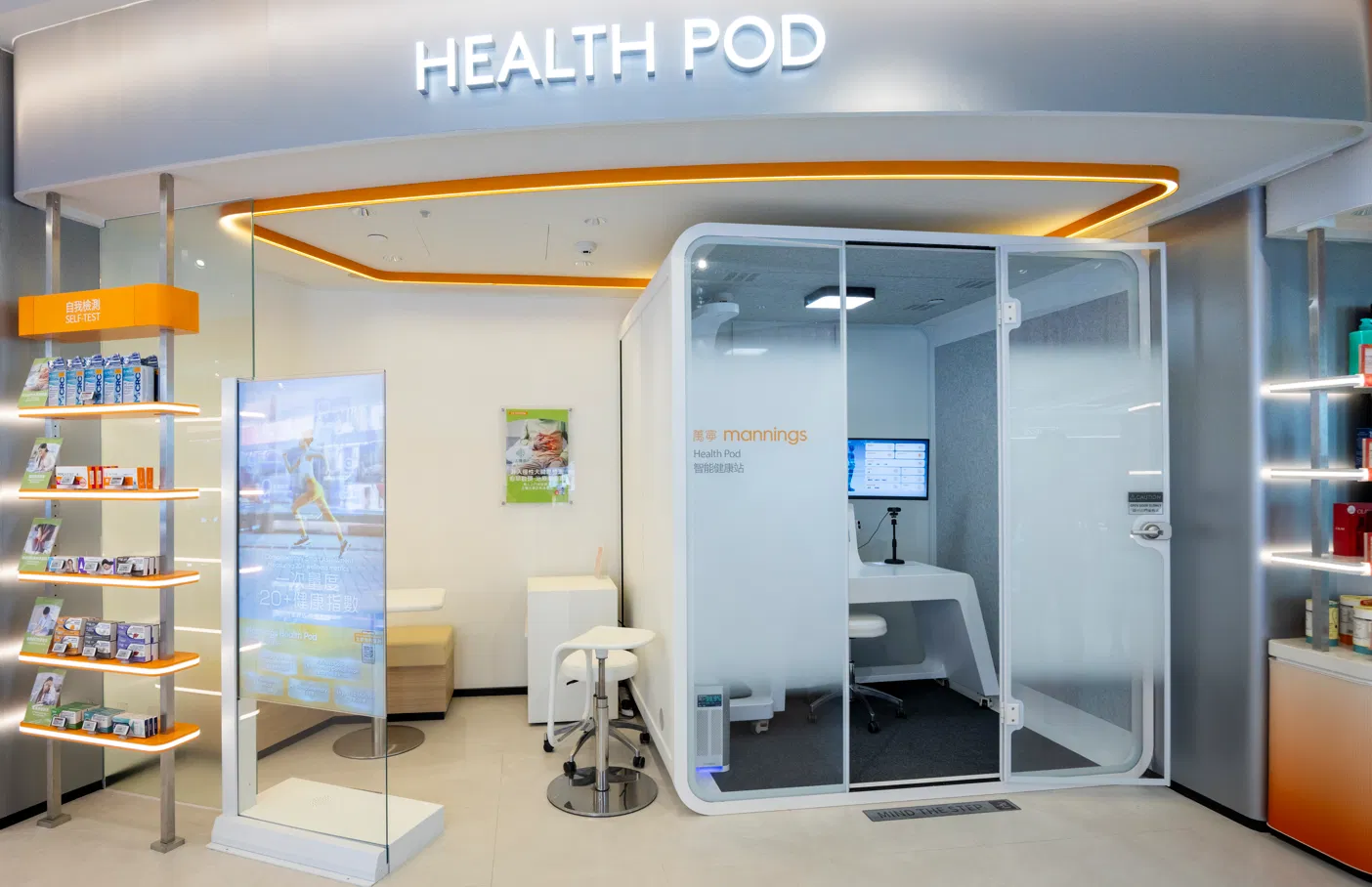
  • Mannings Bids Farewell to Mainland China: Shuts Down All Retail Stores and Online Operations

    Mannings Bids Farewell to Mainland China: Shuts Down All Retail Stores and Online Operations

    The health and beauty retail giant, Mannings, has declared that it will shutter all its physical stores in Mainland China and cease its online activities. The company frames this move as a strategic repositioning, representing a culmination of nearly 22 years of operation within the market where it previously maintained approximately 200 outlets.

    Future Focus

    Mannings stated that it plans to continue addressing the needs of its consumer base by capitalizing on resources in Hong Kong and Southeast Asia. The strategy aims to bolster its cross-border e-commerce operations and refine both its online and offline customer experience. Mannings holds the position of being the largest health and beauty chain in Hong Kong.

    The brick-and-mortar stores in Mainland China will remain operational until 15 January.

    Adapting to Changing Trends

    The company mentioned its intent to adapt to the evolving consumer trends proactively, with the goal of reshaping the health and beauty retail landscape.

    The company’s operations on the WeChat platform will conclude on 28 December, followed by the closure of its stores on Tmall and JD.com, as well as its Tmall health supplements store, on 26 December.

    Questions & Answers

    What is the reason for Mannings closing its stores in Mainland China and ceasing its online operations?
    The company has described the move as a strategic repositioning to adapt to changing consumer trends and focus on strengthening its cross-border e-commerce capabilities.

    When will the Mannings stores in Mainland China shut down?
    All physical stores of Mannings in Mainland China will remain operational until 15 January.

    Will the company continue operations in other regions?
    Yes, Mannings intends to leverage resources in Hong Kong and Southeast Asia to continue meeting consumer needs and optimize their online and offline experience.

  • K-Beauty Boom: CJ Olive Young Records Massive Surge in Tourist Spending

    K-Beauty Boom: CJ Olive Young Records Massive Surge in Tourist Spending

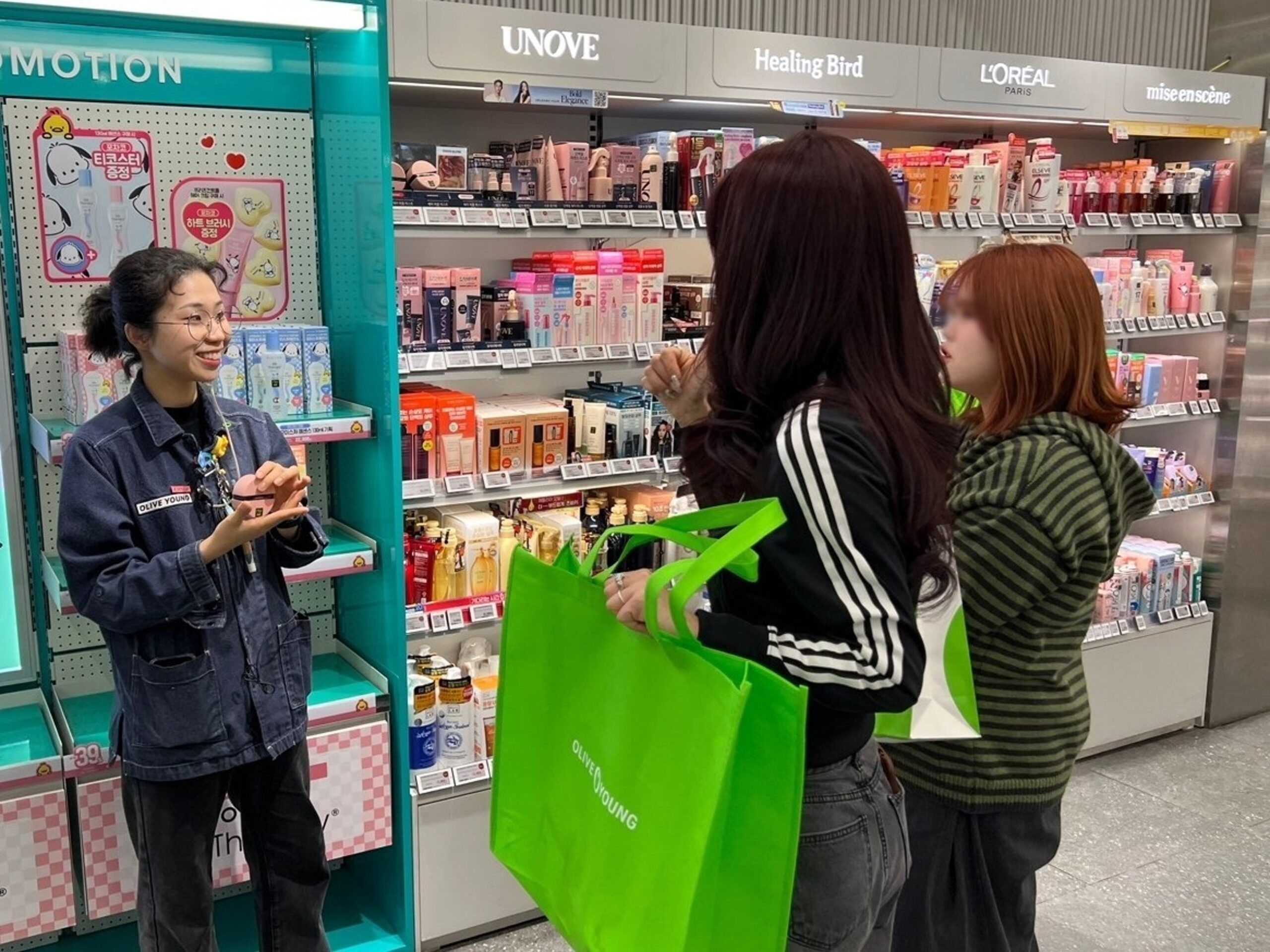
    CJ Olive Young, a South Korean retailer, has experienced a significant surge in sales from international patrons at its physical locations throughout the country. According to the company, between January and November, foreign visitors contributed to a staggering 1 trillion won (about US$680 million) in sales. This represents a twenty-six-fold jump compared to the previous year.

    Sales Figures Show Increasing Global Interest

    The company’s data reveals that sales to international customers, which accounted for roughly 2% of overall offline revenue in 2022, increased to approximately 10% in 2023. This year, these sales have exceeded 25%, demonstrating CJ Olive Young’s mounting allure to worldwide shoppers.

    The spokesperson for CJ Olive Young expressed the significance of achieving 1 trillion won in sales from international visitors. The spokesperson highlighted that it represents a collective accomplishment, achieved in partnership with small, medium-sized, and indie brands that have engaged with customers globally through CJ Olive Young.

    The company expressed its dedication to ensuring that K-beauty, or Korean beauty, is more than just a trend. They see it as a compelling reason for repeat visits to Korea and an integral component of the country’s domestic inbound tourism.

    High Patronage Under the Global Tax-Free Program

    The retailer further revealed that under the Global Tax-Free (GTF) program, a staggering 88% of domestic cosmetic purchases were made at CJ Olive Young outlets. This figure indicates that nearly nine out of every ten foreign shoppers prefer the chain. Moreover, tax refunds were claimed by visitors from 190 distinct nationalities at the retailer’s locations.

    The retailer also noted an increasing trend of foreign customers visiting multiple stores. Around 40% of these shoppers reportedly explore two or more locations to experience varying store layouts and curated product selections.

    Consumers Diversifying Their Purchases

    In addition to visiting multiple locations, international shoppers have also shown a growing interest in diversifying their purchases. According to company data, 58% of foreign shoppers buy products from six or more brands, and 33% make purchases from ten or more brands. This trend points towards a growing interest in a broad range of K-beauty products.

    Questions & Answers

    How much has CJ Olive Young’s sales to international customers increased?
    Sales from international customers have seen a twenty-six-fold increase compared to the previous year, with foreign visitors contributing to a staggering 1 trillion won (about US$680 million) in sales between January and November.

    What proportion of domestic cosmetic purchases under the GTF program were made at CJ Olive Young outlets?
    Under the Global Tax-Free (GTF) program, a substantial 88% of domestic cosmetic purchases were made at CJ Olive Young outlets.

    What shopping trends among foreign customers have been noted by CJ Olive Young?
    Foreign customers are increasingly visiting multiple store locations and diversifying their purchases. Around 58% buy from six or more brands, and 33% buy from ten or more brands, demonstrating a growing interest in a broad range of K-beauty products.

  • Japanese Beauty Giant @Cosme Unveils First Overseas Flagship Store in Hong Kong: A Fusion of Luxury Labels and Innovative Retail Experience

    Japanese Beauty Giant @Cosme Unveils First Overseas Flagship Store in Hong Kong: A Fusion of Luxury Labels and Innovative Retail Experience

    @Cosme, a renowned Japanese beauty retailer, is making its debut in Hong Kong with its inaugural overseas flagship store. The grand opening is planned for next month in the bustling district of Tsim Sha Tsui.

    Covering an area of 1,298 square meters, this three-level, street-front store will be home to approximately 500 brands. Shoppers can expect to find a wide variety of cosmetic and skincare products from premium brands such as Estee Lauder, Tom Ford Beauty, Aveda, YSL, Shiseido, Nars, and Decorte. In addition, more affordable options will be available from brands like Canmake, Wonjungyo, and Orbis.

    Notably, the store will also introduce several brands from Korea to its product line-up, including popular names such as D’Alba and Beauty of Joseon.

    The new flagship store will feature an advanced integration of online and offline shopping experiences via the local @Cosme app. The app provides multilingual product reviews and audio guides, enabling customers to make informed decisions while in the store.

    The company has chosen Hong Kong as the location for its first overseas store due to the city’s status as a major economic hub. Hong Kong’s low tax rates, status as a free trade port, and significant potential for growth in customer demand from mainland China and other Asian countries, were all deciding factors in this strategic move.

    This marks a significant step in @Cosme’s ongoing international expansion. The company already operates successful flagship stores in some of Japan’s largest cities, including Tokyo, Osaka, and Nagoya.

    Questions & Answers

    What is special about the new @Cosme flagship store in Hong Kong?
    The new @Cosme store in Hong Kong is the first overseas flagship store for the brand. It features an impressive integration of online and offline shopping experiences via the local @Cosme app.

    What kind of brands will be available at the @Cosme store in Hong Kong?
    The store will offer products from around 500 brands, including both luxury and affordable options. It will also introduce several Korean brands to its line-up.

    Why has @Cosme chosen Hong Kong as the location for its first overseas store?
    Hong Kong was chosen due to its status as a major economic hub with low tax rates and a free trade port. The city also presents significant growth potential due to inbound demand from mainland China and various Asian countries.

  • K-Beauty Powerhouse CJ Olive Young Breaks into US Market with First Store in California

    K-Beauty Powerhouse CJ Olive Young Breaks into US Market with First Store in California

    South Korean retailer CJ Olive Young has announced plans to expand into the North American market with the opening of its inaugural store in Pasadena, California, scheduled for May. This move signifies a calculated venture of K-beauty brands into the global market.

    A Showcase of K-beauty Brands

    The upcoming store, branded as a ‘K-Beauty Showcase,’ will offer an extensive collection of globally recognized K-beauty and skincare brands, as well as the latest in beauty and wellness trends. Additionally, the store will provide a selection of experiential services for customers.

    The company has been focusing its expansion efforts on premier fashion and beauty regions, a tactic that aims to appeal to the MZ generation. Pasadena fits this strategy, located approximately 18km northeast of downtown Los Angeles. It is known for attracting a substantial number of local, trend-conscious, high-income individuals.

    More Than Just A Store

    According to CJ Olive Young, their US debut has a significance that extends beyond merely opening an international store. The company’s overarching aim is to bolster the global competitiveness of the K-beauty industry via a ‘joint platform’ with CJ Olive Young. This strategic move will facilitate a direct link between local American consumers and burgeoning Korean beauty brands, ultimately fostering a synergy between online and offline shopping experiences.

    An Olive Young representative stated that the company plans to contribute to the sustainable globalization of the K-beauty industry. This will be achieved by spreading the growing interest in K-beauty worldwide to a more global consumer base, becoming a local hub for a diverse array of brands to expand overseas. The product selection will be thoughtfully curated to meet the preferences of its North American customers.

    Their ultimate goal is to transform CJ Olive Young into a global platform for beauty and wellness distribution, encompassing a wide range of brands from Korea and overseas.

    Future Expansion Plans

    Olive Young perceives the US as the world’s largest and most competitive beauty market, home to renowned retailers such as Sephora and Ulta Beauty. This strategic expansion aligns with the company’s announcement in February to set up additional stores in California by next year, including locations within Los Angeles Westfield shopping centers.

    Questions & Answers

    What is the significance of CJ Olive Young’s expansion into the US market?
    The expansion is not just about opening a store in a foreign market, but about promoting the global competitiveness of the K-beauty industry. The company aims to connect local American consumers directly with emerging Korean beauty brands.

    What kind of products will the new CJ Olive Young store offer?
    The store will offer an extensive collection of K-beauty and global skincare brands, as well as the latest beauty and wellness trends.

    What is Olive Young’s ultimate goal from this expansion?
    Olive Young aims to evolve into a global platform for beauty and wellness distribution, offering a diverse range of brands from Korea and overseas. They also plan to open additional stores in California by next year.

  • L’Oréal Boosts Chinese Presence with Second Investment in Domestic Beauty Brands

    L’Oréal Boosts Chinese Presence with Second Investment in Domestic Beauty Brands

    French cosmetics giant, L’Oréal, has announced its minority stake acquisition in Chinese skincare brand, Lan, signifying its second investment in China within recent months. This investment comes at a time when local brands in China are experiencing significant growth.

    L’Oréal has chosen not to disclose the size or cost of the stake. However, Vincent Boinay, L’Oréal North Asia president and China CEO, emphasizes the importance of China in the company’s global strategy. Boinay affirms the company’s faith in China as a key player in the future of the industry.

    “This investment demonstrates our belief that investing in China equates to investing in the future. We intend to continue to nurture the Chinese market and collaborate with additional Chinese brands to create a prosperous future. Our aim is to meet the expectations of discerning Chinese consumers,” stated Boinay.

    This investment in Lan follows L’Oréal’s recent acquisition of a 6.67 per cent stake in Chando – a transaction that cost the company 442 million yuan (US$62 million), according to last month’s prospectus for the Shanghai-based company’s Hong Kong IPO.

    China’s Growing Domestic Market

    International brands have encountered challenges in China’s beauty and personal care market. This $75 billion industry has seen a growing proportion of domestic market share, known as C-Beauty, shift to local brands in recent years. This has taken place amid a backdrop of slowing overall growth, attributed to a long-standing property crisis and broad concerns over job stability.

    Investing in popular domestic brands could serve as a shortcut for L’Oréal to capitalize on the momentum of C-beauty, according to Ben Cavender, MD at Shanghai-based China Market Research Group.

    “L’Oréal, along with other international brands, are facing considerable pressure from domestic brands, which are launching new products at a faster rate and often exhibit more aggressiveness in marketing new skincare ingredients, concepts, and routines,” Cavender said.

    Last month, L’Oréal CEO, Nicolas Hieronimus revealed that the group’s China business experienced a quarterly growth of around 3 per cent, marking its first increase in two years.

    Competing with Local Brands

    Consultancy data obtained from Frost & Sullivan indicates that Chando Group ranks as China’s third-largest home-grown beauty player in retail sales, following Proya and Chicmas. Both Chando and Lan emphasize natural, clean ingredients as their unique selling points.

    Yang Hu, Apac insight manager at Euromonitor International, suggests that Chando’s stronghold in the mass-market price range (mainly retailing between 49-390 yuan) and its accessibility in China’s smaller cities could offer resources to aid L’Oréal’s recovery in the country, without directly competing with the group’s central brands.

    Questions & Answers

    Why is L’Oréal investing in Chinese brands?
    L’Oréal is investing in Chinese brands to capitalize on the rapidly growing domestic market, which could provide a platform for their expansion and recovery in China.

    What challenges are international brands facing in China’s beauty market?
    International brands are facing pressure from domestic brands, which are launching new products more rapidly and executing more aggressive marketing strategies for new skincare ingredients, concepts, and routines.

    How is L’Oréal’s investment in Chando aiding their position in the Chinese market?
    Chando’s stronghold in the mass-market price range and its accessibility in China’s smaller cities could offer resources to aid L’Oréal’s recovery in the country, without directly competing with the group’s central brands.

  • Global Expansion Fuels 41% Profit Surge for Korean Beauty Mogul, Amorepacific

    Global Expansion Fuels 41% Profit Surge for Korean Beauty Mogul, Amorepacific

    Amorepacific, a renowned South Korean health and beauty conglomerate, has reported robust results for the third quarter. The company attributes this success to the global expansion of its primary beauty brands.

    For the quarter that concluded in September, the consolidated revenue witnessed a 4% increase year on year, reaching US$752 million, whereas the operating profit experienced a significant surge of 41%, amounting to $71 million.

    Domestic Market Performance

    The domestic market also performed well, presenting a 4% increase in revenue and a 24% rise in operating profit. The company credits this rise to increased sales across various channels such as online platforms, department stores, multi-brand shops, and duty-free and cross-border platforms.

    International Market Performance

    Internationally, the company saw a 3% growth in revenue and an impressive 73% leap in operating profit. This growth is seen as a result of the company’s consistent expansion efforts in global markets.

    Brand Performances

    In terms of individual brands, Innisfree topped with a revenue of $338.6 million. This was closely followed by Etude with a revenue of $192.4 million, Amos Professional at $138.7 million, Osulloc at $185.6 million, and Espoir at $129.2 million.

    The company stated, “The robust performance of our flagship brands, coupled with continued efficiency measures, has allowed us to bolster both growth and profitability across markets.”

    Questions & Answers

    What is the key factor behind Amorepacific’s robust Q3 results?
    The company attributes its solid Q3 performance to the global expansion of its main beauty brands.

    Which brand performed the best in terms of revenue?
    Innisfree topped the chart with a revenue of $338.6 million.

    How did the company perform in the domestic and international markets?
    Amorepacific saw a 4% increase in domestic revenue and a 3% growth in international revenue. The operating profit rose 24% domestically and jumped 73% internationally.

  • Armani Beauty Debuts in Mumbai with Flagship Store and Celebratory Diwali Campaign

    Armani Beauty Debuts in Mumbai with Flagship Store and Celebratory Diwali Campaign

    Armani Beauty has recently unveiled a flagship store in Mumbai’s Phoenix Palladium Mall. This grand opening coincides with the brand’s debut Diwali campaign in India, marking the luxury beauty brand’s retail expansion within the nation during the festive season.

    Embracing Local Culture

    To celebrate this milestone, Armani Beauty has decorated its Palladium Mall store with Diwali-themed items that draw inspiration from the marigold motifs prevalent in Indian culture. This approach aims at highlighting India’s largest festive season, thereby blending Armani’s presence seamlessly with local traditions.

    Charles-Alexandre Bockzmak, GM of L’Oréal International Distribution Sapmena, noted that this novel Diwali initiative in India aligns with Armani Beauty’s goal of local and cultural relevance. It also aims to provide Indian consumers with unique experiences that transcend mere commercial transactions.

    Biju Kassim, CEO of Global SS Beauty Brands, which is Armani Beauty’s distribution partner in India, echoed this sentiment. He emphasized that this first-ever Diwali campaign by Armani in India signifies a transformative beauty movement in the country.

    A Vision Beyond Commerce

    Both Bockzmak and Kassim agreed that this venture reaffirms Armani’s mission to “take beauty beyond commerce,” making the brand more relatable and in tune with the evolving needs and trends of Indian consumers. This collaborative approach with local partners underscores the brand’s commitment to remain current and connected with its target market.

    Armani Beauty operates under the Giorgio Armani fashion house and is marketed under a long-term license with L’Oréal. The brand announced its first flagship store in India in November of the previous year, marking a significant expansion in its global retail footprint.

    Questions & Answers

    What is the significance of Armani Beauty’s new flagship store in Mumbai?
    The store marks Armani Beauty’s retail expansion in India, timed perfectly to coincide with the festive season of Diwali.

    What is unique about Armani Beauty’s first-ever Diwali campaign in India?
    The campaign emphasizes Armani’s commitment to cultural relevance and aims to offer Indian consumers unique experiences that extend beyond traditional commercial interactions.

    How does Armani Beauty plan to stay current with the evolving needs of Indian consumers?
    Armani Beauty aims to remain current by embracing local culture and traditions, and working collaboratively with local partners to understand and cater to evolving consumer trends and demands.

  • South Korean Beauty Brands Leverage Immersive Experiences For Enhanced Customer Engagement

    South Korean Beauty Brands Leverage Immersive Experiences For Enhanced Customer Engagement

    As the beauty industry becomes more competitive, leading South Korean beauty brands are transforming their stores into immersive spaces. These spaces offer customers an opportunity to trial products and gain a deeper understanding of the brand’s ethos.

    Space Dosan: A Unique Testing Ground

    APR Co, a significant player in the beauty industry, operates ‘Space Dosan’ in Seoul’s Sinsa-dong. Here, customers can try the Medicube skincare range and experiment with the brand’s beauty device – Age-R. Trying creams or perfumes can be straightforward, but the opportunity to test electronic skincare appliances, which call for time and careful instruction, has garnered special interest. Staff members are present to help customers with product applications and device usage. This service was so well-received in the store’s initial phase that appointments had to be made by reservation. According to an APR official, some international visitors said they visited specifically to see and try the products personally. “Offering a direct, in-person experience is becoming crucial to expressing a brand’s complete value,” they said.

    Sulwhasoo: Storytelling and Ginseng Classes

    Amorepacific’s Sulwhasoo brand is placing a focus on experiences that tell a story and reflect its heritage. The brand’s Bukchon Sulwhasoo House in central Seoul hosts the popular ‘Ginseng Class.’ This hands-on workshop underscores six decades of ginseng research. Here, participants can make tailored ginseng-scented sachets and bath soaks using Sulwhasoo’s signature ‘Beauty Saponin’ and ‘Jaumdan’ ingredients. Since the reservations opened in July, more than 1,800 people have signed up in just a few days. The sessions continue to sell out within an hour each month, and a modest participation fee was introduced this month. The program, which will soon be available to foreign tourists, aims to increase awareness of the cultural and cosmetic importance of ginseng.

    The History of Whoo: Beauty Classes

    LG Household & Health Care is another beauty industry stalwart providing beauty classes for its product line, The History of Whoo. These classes are offered to department store VIP clients, who have achieved a specific spending level at luxury stores like Lotte and Shinsegae. Each session, with around ten participants, includes traditional experiences such as crafting a royal pouch and enjoying private catering. Since January, approximately 900 customers have participated. An LG H&H representative said, “These classes allow VIPs to connect with our brand identity as a ‘royal dermatology’ cosmetics line.” Meanwhile, LG H&H plans to expand such offline experiences to provide a distinct, premium interaction that reinforces The History of Whoo’s prestige.

    This trend in South Korea’s beauty sector mirrors a broader transition: the sale of not just products but sensory experiences that connect brand identity, tradition, and technology. This strategy is seen as critical in maintaining customer loyalty in an increasingly crowded global market.

    Questions & Answers

    What are the unique experiences Korean beauty brands are providing?
    Korean beauty brands are offering unique experiences that combine product trials with brand storytelling. Examples include the trial of skincare devices at Space Dosan, the ginseng classes provided by Sulwhasoo, and The History of Whoo beauty classes catered to VIP clients.

    What is the purpose of these experiences?
    These experiences aim to create a direct, offline connection between the customer and the brand. They allow customers to understand and appreciate the brand’s complete value, heritage, and identity.

    How are these experiences impacting customer engagement and loyalty?
    These immersive experiences are helping brands stand out in a crowded market and are seen as key to retaining customer loyalty. They provide a unique, sensory encounter that allows customers to connect more deeply with the brand.

  • Kering Divests Beauty Division To L’oreal For $4.6b: A Strategic Push For Luxury Fashion Focus

    Kering Divests Beauty Division To L’oreal For $4.6b: A Strategic Push For Luxury Fashion Focus

    In a significant maneuver towards streamlining its operations, luxury conglomerate Kering has divested its beauty division to L’Oreal. The deal, valued at US$4.6 billion (EU$4 billion), is part of Kering’s broader strategy to concentrate on its essential fashion brands.

    Agreement Details

    Under the terms of the agreement, L’Oreal has gained 50-year exclusive rights to manufacture, develop, and circulate fragrances and cosmetics for renowned brands like Creed, Bottega Veneta, and Balenciaga. Furthermore, the deal encompasses the forthcoming acquisition of Gucci Beauty once its current license with Coty concludes.

    Kering’s CEO, Luca de Meo, views this partnership as a significant leap towards enhancing the expansion of its fragrance and cosmetics houses. De Meo expressed his optimism about the partnership, stating it would drive scale in the beauty sector and uncover extensive long-term potential for the brands.

    Strategic Coordination and Joint Ventures

    To ensure brand consistency, a strategic committee will be instituted to facilitate coordination between Kering’s brands and L’Oreal. The committee’s function will be to provide an alignment that reinforces the brands’ coherence across different categories.

    Additionally, both companies have plans to probe into potential business prospects through intended 50/50 joint ventures. These ventures are seen as opportunities to strengthen their brand portfolios and expand market reach.

    L’Oreal’s CEO, Nicolas Hieronimus, believes the partnership will assist in broadening the company’s reach into high-growth segments. Hieronimus is confident that this alliance will position them as leading contenders in the rapidly expanding niche fragrance market. He lauded Gucci, Bottega Veneta, and Balenciaga as exceptional couture brands possessing considerable potential.

    Deal Closure

    The agreement is anticipated to conclude in the first half of next year, with payment to be made in cash. The deal’s completion is still contingent on receiving regulatory approval.

    Questions & Answers

    What does this deal mean for Kering?
    This deal allows Kering to focus on its core luxury fashion houses, while also potentially enhancing the growth of its fragrance and cosmetics brands through a partnership with L’Oreal.

    How will L’Oreal benefit from this deal?
    L’Oreal will acquire exclusive rights to manufacture and distribute products for some of the world’s most prestigious brands, thus potentially expanding its influence in high-growth segments and the niche fragrance market.

    What are the future plans of both companies post this deal?
    Both companies plan to establish a strategic committee to ensure brand coherence. They also intend to explore possible business opportunities through equal stake joint ventures.

  • Kao Corporation Targets $2.68b In Sales With Major Cosmetics Business Revamp

    Kao Corporation Targets $2.68b In Sales With Major Cosmetics Business Revamp

    Kao Corporation, a Tokyo-based company specializing in chemicals and cosmetics, has recently revealed plans to revamp its cosmetics business. The strategy will focus on the growth and expansion of its six core brands.

    The New Strategy

    Kao’s primary goal is to achieve a net sales target of 400 billion yen (US$2.68 billion), alongside an operating margin of 15 percent, as early as possible after 2030. To this end, the company will concentrate its growth and development efforts on six brands: Sensai, Molton Brown, Kanebo, Sofina, Curel, and Kate. The expansion strategy will be tailored to the specific markets where these brands meet consumer demands.

    As part of this reorganization, skincare brand Curel is expected to experience accelerated growth. The company plans to increase Curel’s store presence in Europe by sixfold, aiming to generate 50 percent of the brand’s total sales outside Japan by 2027.

    Focusing on the European and Asian Markets

    Sensai and Molton Brown, two brands that have proven successful among European consumers, will pivot their growth strategy to target the Asian luxury market. The company’s ambitious aims include a 150 percent increase in Sensai sales and a doubling of Molton Brown sales in Asia by 2027.

    For Kanebo and Kate, Kao plans to adapt their expansion to the distinctive characteristics of each Asian market, using Thailand as the initial target market. The company hopes to boost sales of these two brands by 150 percent in Thailand by 2027.

    In a simultaneous move, Kao intends to consolidate Sofina and its sub-brands under one umbrella. The aim is to enhance Sofina’s sales in Asia by 50 percent by 2027.

    Enhancing Profitability and Long-Term Growth

    Beyond brand-specific expansion plans, Kao’s revamp includes a broader focus on improving profitability and fostering long-term growth. This will involve the implementation of core technologies, cost reductions through improved supply chain management, and the application of digital and AI technologies.

    The restructuring process will be spearheaded by Tomoko Uchiyama, executive officer and president of global consumer care – cosmetics business, who began her role in January.

    Uchiyama emphasized the company’s adaptability in the face of change, explaining, “Our cosmetics business has the flexibility to respond to changing times and market dynamics with a diverse portfolio of brands.” She assured that, coupled with the robust foundation of the Kao Group, the company is well-positioned to pioneer advancement of globalization.

    In addition to cosmetics, Kao’s business segments also include hygiene living care (which counts Attack and Laurier among its brands), health beauty care (owner of Biore, among others), and chemical products.

    Questions & Answers

    What are the core brands Kao Corporation is focusing on?
    Kao Corporation will be focusing on the expansion of Sensai, Molton Brown, Kanebo, Sofina, Curel, and Kate.

    What are the business goals of Kao Corporation under the new strategy?
    The company aims to achieve a net sales target of 400 billion yen (US$2.68 billion) and an operating margin of 15 percent, as early as possible after 2030.

    Who will be leading the restructuring process at Kao Corporation?
    The restructuring process will be led by Tomoko Uchiyama, executive officer and president of global consumer care – cosmetics business.

  • SM Group Launches Thrilling Expansion of Beauty and Wellness Network with 1,000+ Brands

    SM Group Launches Thrilling Expansion of Beauty and Wellness Network with 1,000+ Brands

    The Philippines’ SM Group is quickly transforming its beauty and wellness portfolio in response to a surging demand from consumers across the nation. With an ambitious aim to be at the forefront of this booming sector, SM Beauty has introduced over 1,000 beauty brands across its 77 locations, showcasing esteemed labels like YSL, Lancôme, and Calvin Klein.

    Beauty Hubs for Experiential Retail

    In a bid to elevate the shopping experience, SM Beauty has unveiled dedicated beauty hubs in select stores. Here, customers can indulge not just in retail therapy, but also in services such as hair coloring and makeovers, all guided by an expanding team of professional beauty advisers. It’s the kind of pampering that might make even your morning coffee jealous.

    Wellness Economy on the Rise

    The Global Wellness Institute has forecasted that the global wellness economy will soar to nearly $9 trillion by 2028, highlighting a paradigm shift towards health and self-care. In the Philippines, this trend is blossoming; in 2023, the nation ranked 13th out of 218 economies worldwide in the personal care and beauty sector. Much of this momentum is fueled by a youthful, wellness-oriented population eager to invest in self-improvement.

    Holistic Growth with Watsons

    Another key player in SM Group’s expansion is Watsons Philippines, which is bolstering its offerings with exclusive skincare lines and health services, while incorporating sustainability-focused innovations into its stores. This dual approach not only nods to environmental consciousness but also resonates with today’s socially aware consumers.

    Commitment to Filipino Consumers

    Looking ahead, SM Group is determined to broaden access to beauty and wellness products, creating a diverse array of choices and enriching experiences designed specifically for Filipino consumers. With its strategic investments and a finger firmly on the pulse of local trends, the company is set to become a titan in the beauty and wellness arena.

    Questions & Answers

    How is SM Beauty adapting to consumer demands in the Philippines?
    SM Beauty is expanding its portfolio by offering over 1,000 beauty brands at its locations and launching dedicated beauty hubs to provide personalized services like hair coloring and makeovers.

    What does the future hold for the global wellness economy?
    The Global Wellness Institute projects that the global wellness economy is expected to reach nearly $9 trillion by 2028, indicating significant growth in health and wellness sectors globally.

    What role does Watsons play in SM Group’s strategy?
    Watsons Philippines is enhancing its presence by launching exclusive skincare lines and health services, while also focusing on sustainability to attract eco-conscious consumers.